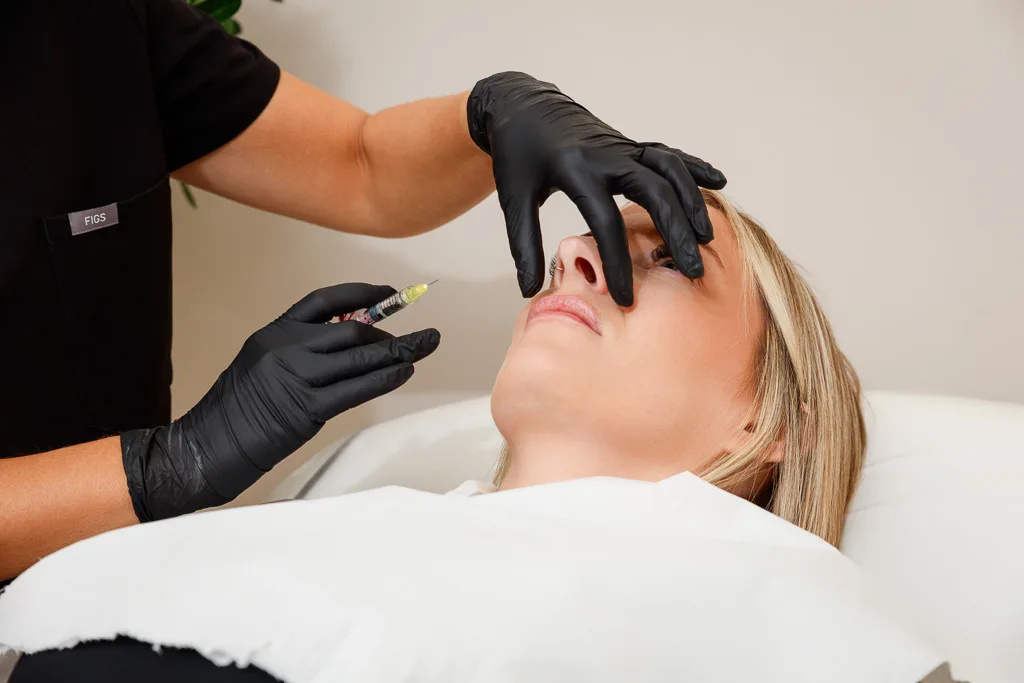
Every treatment in these photographs is pretend
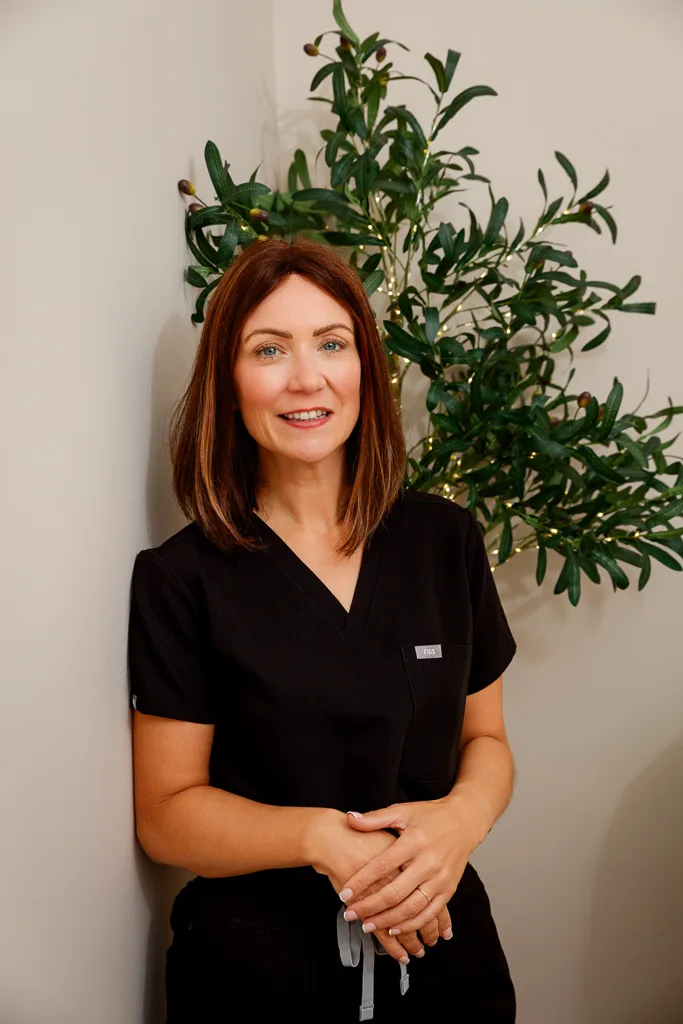
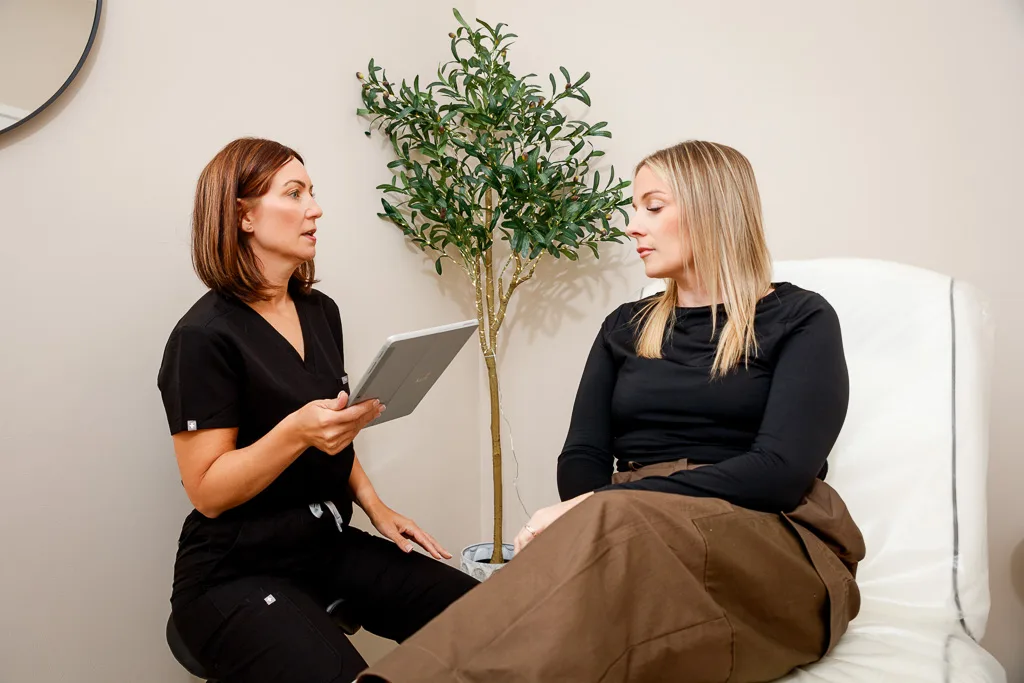
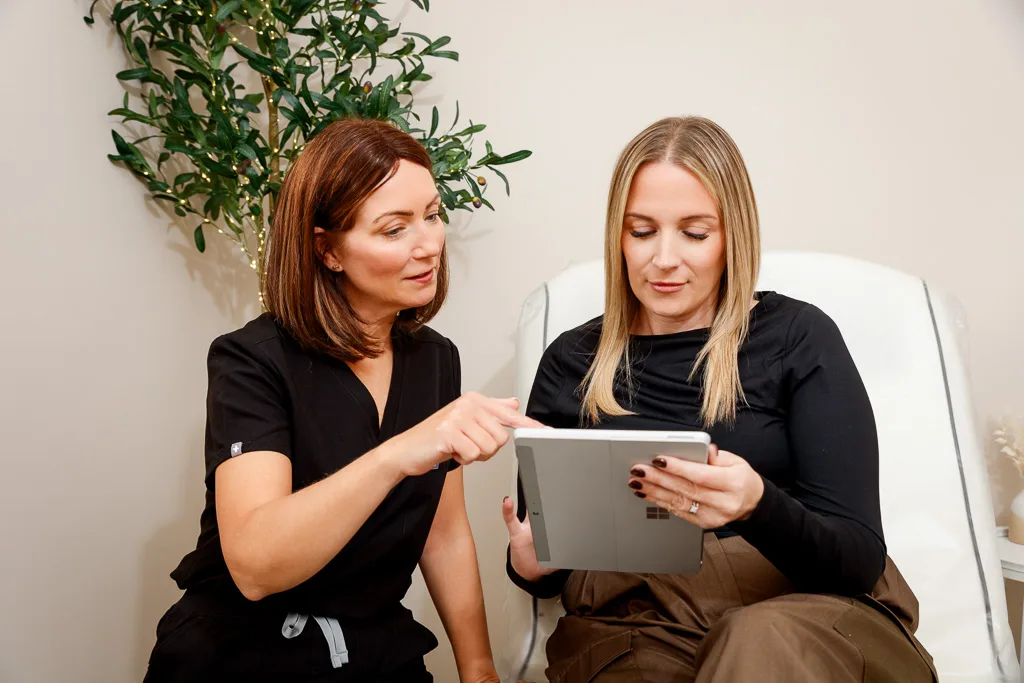
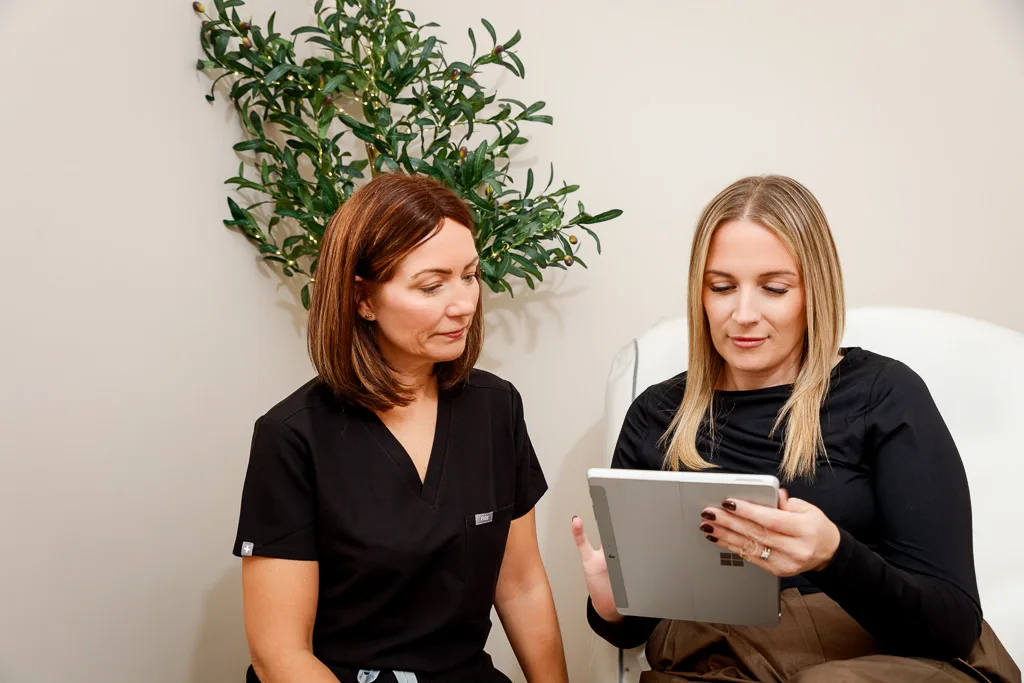
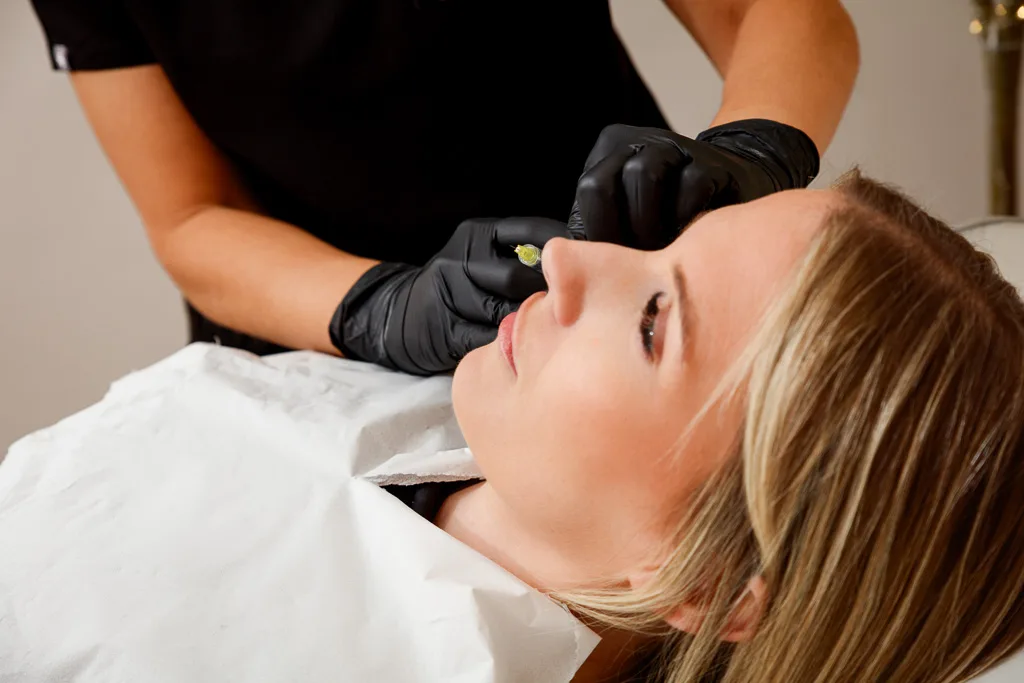
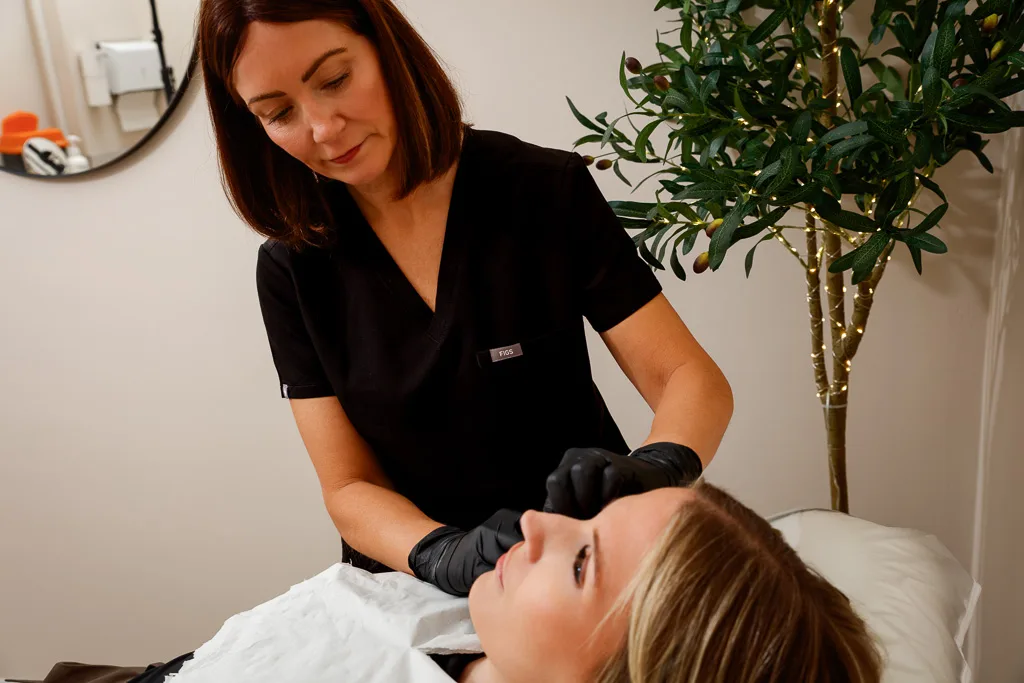
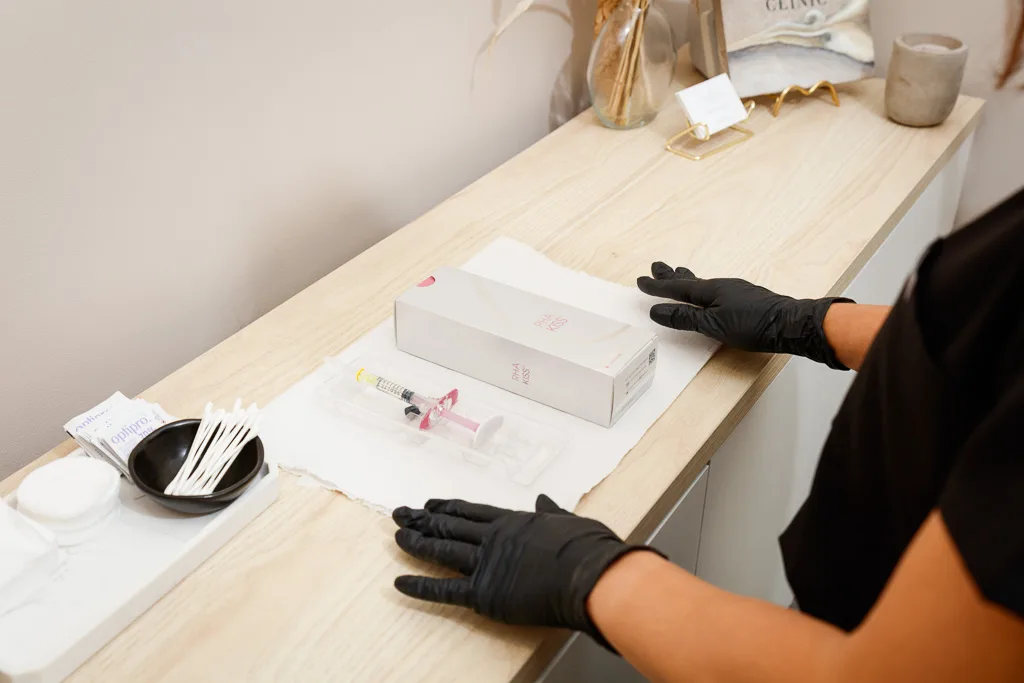
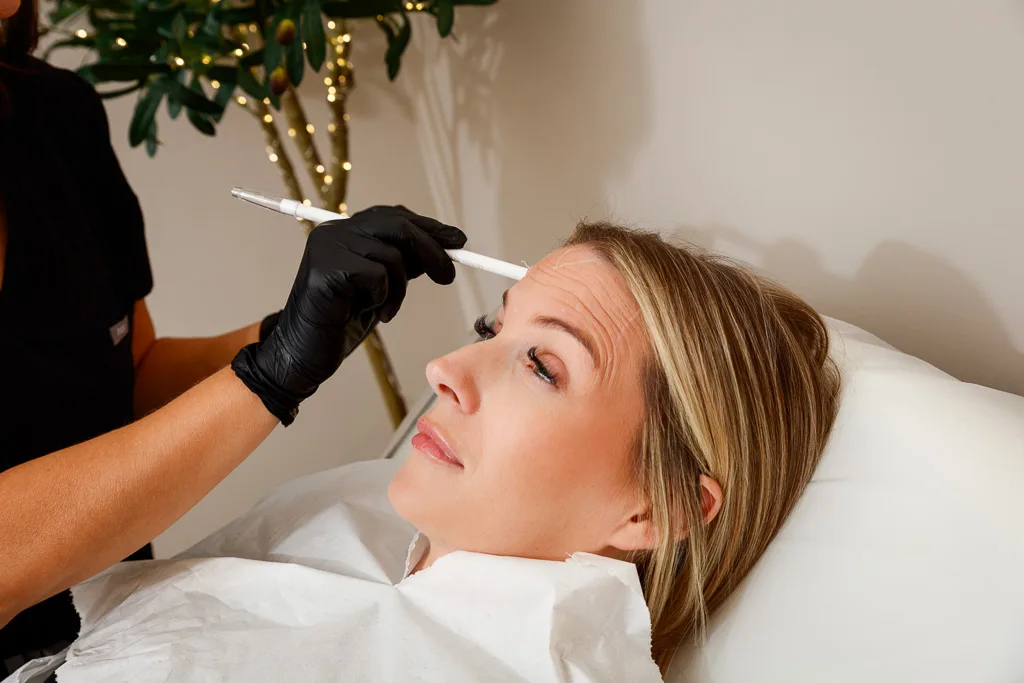
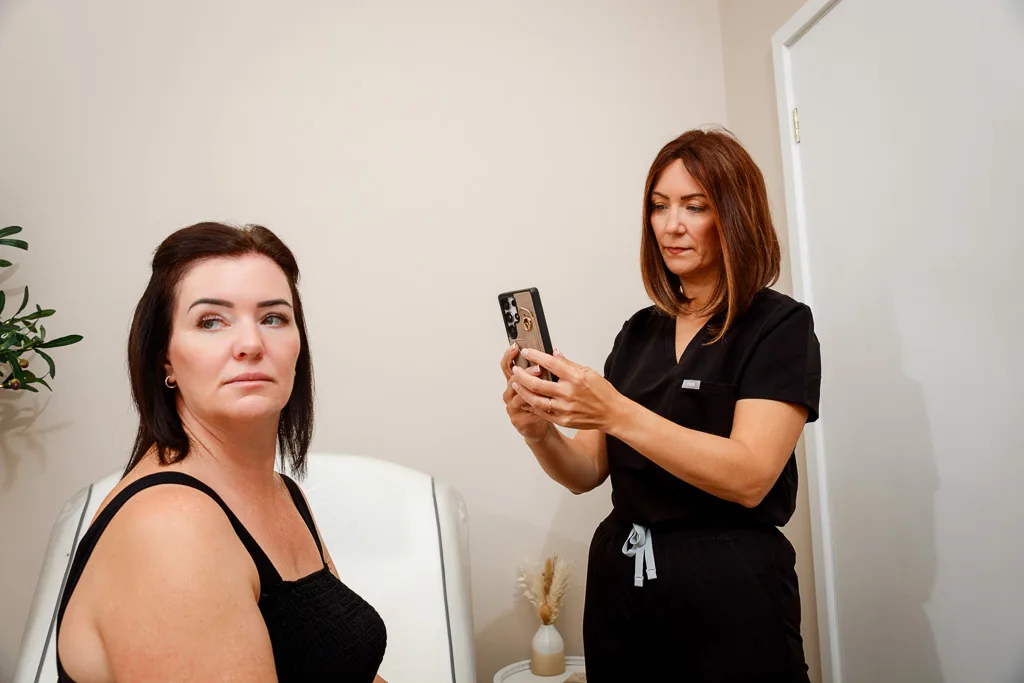
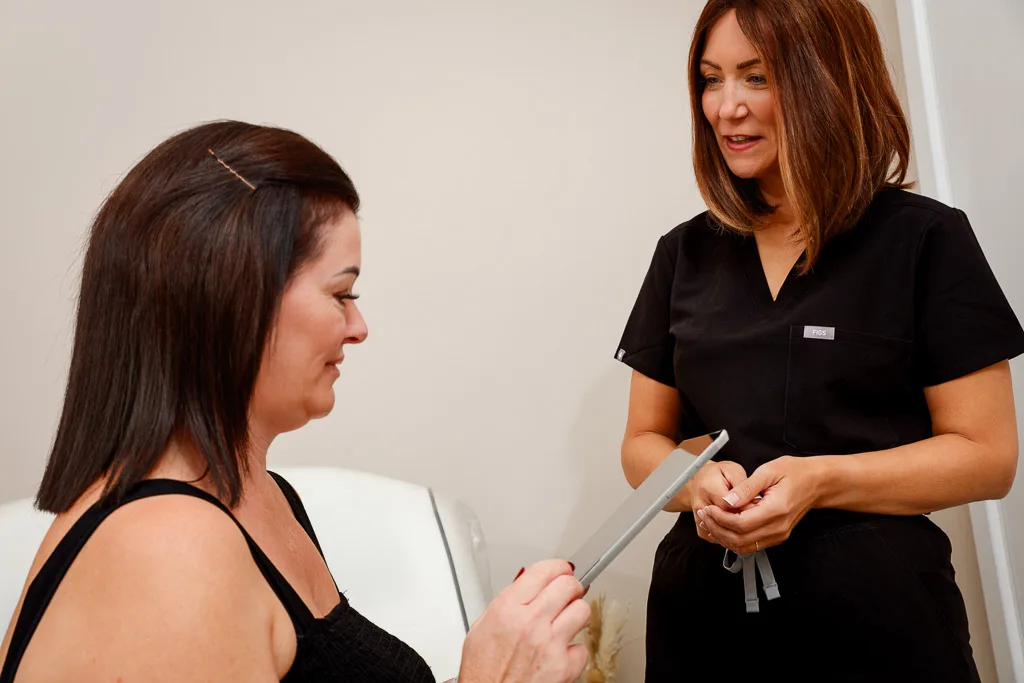
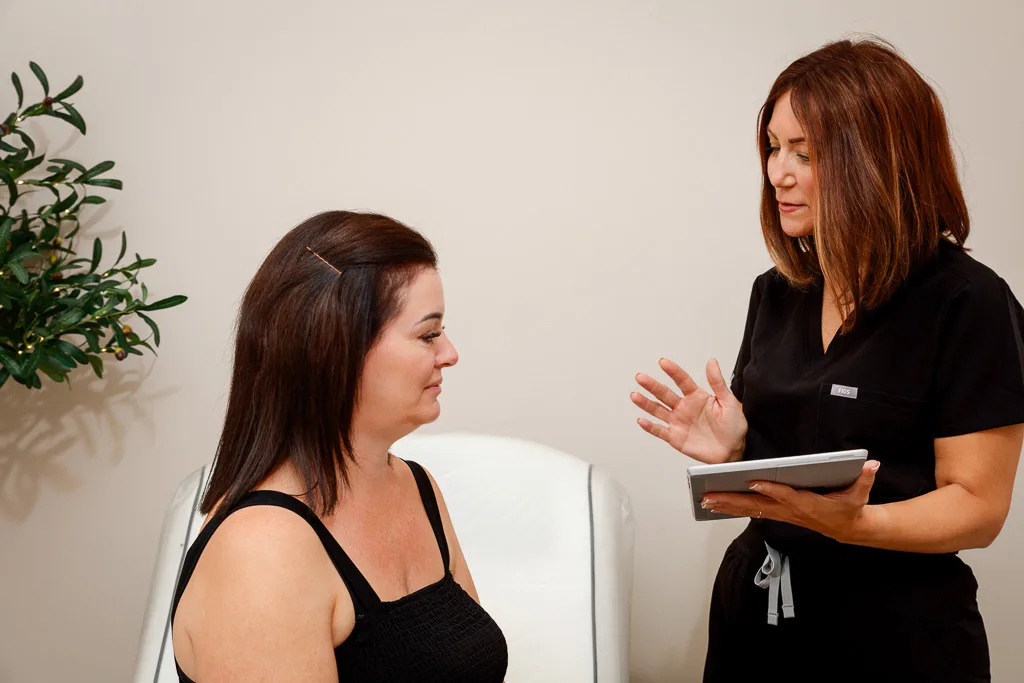
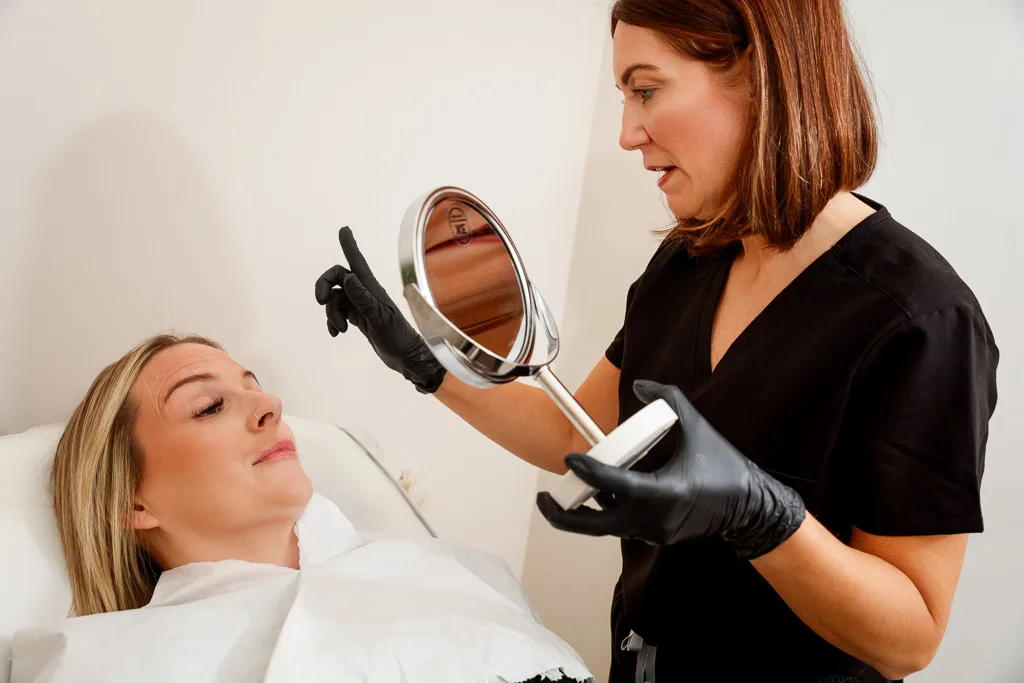
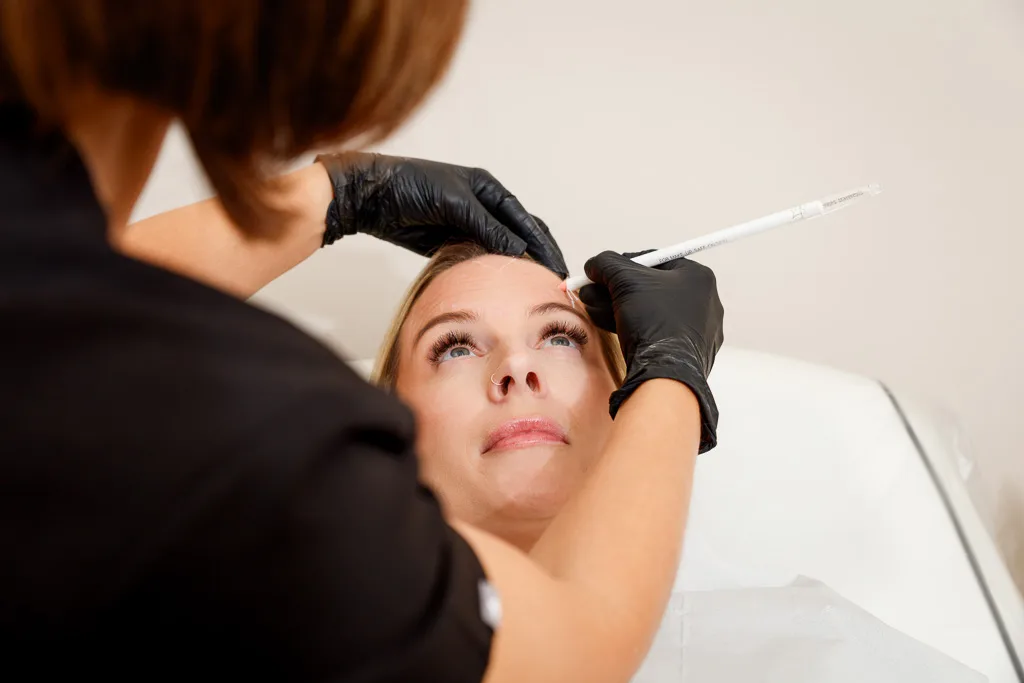
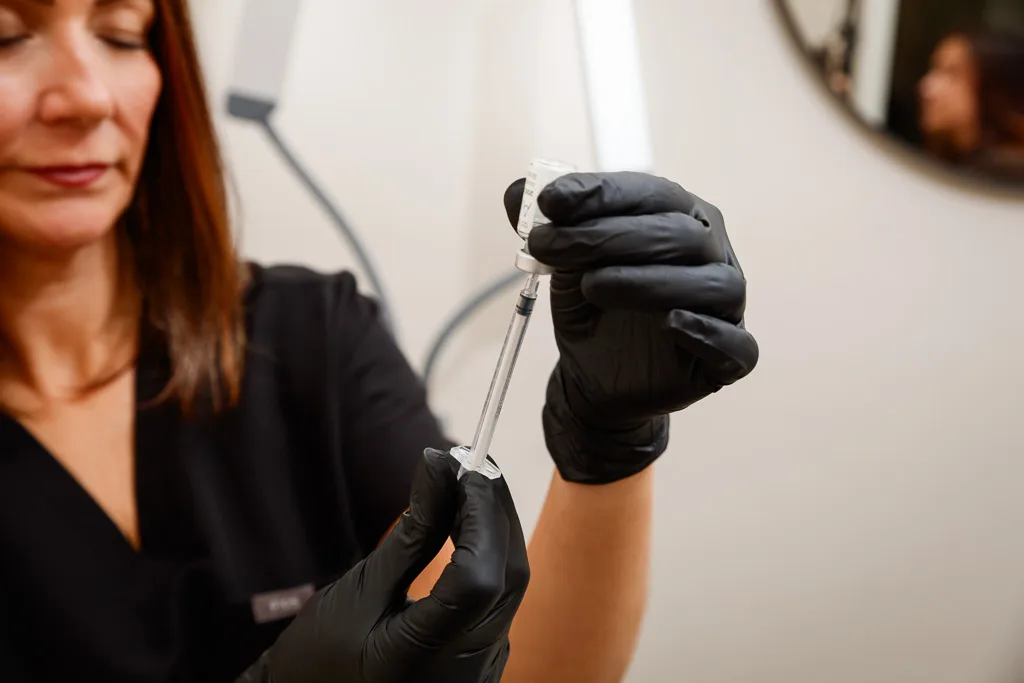
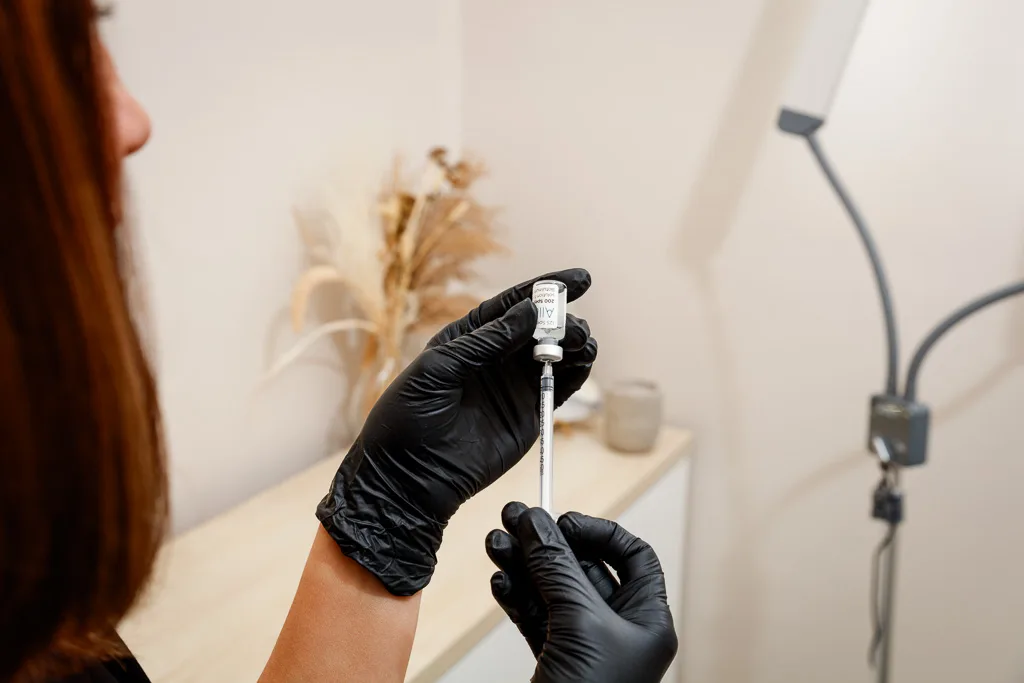
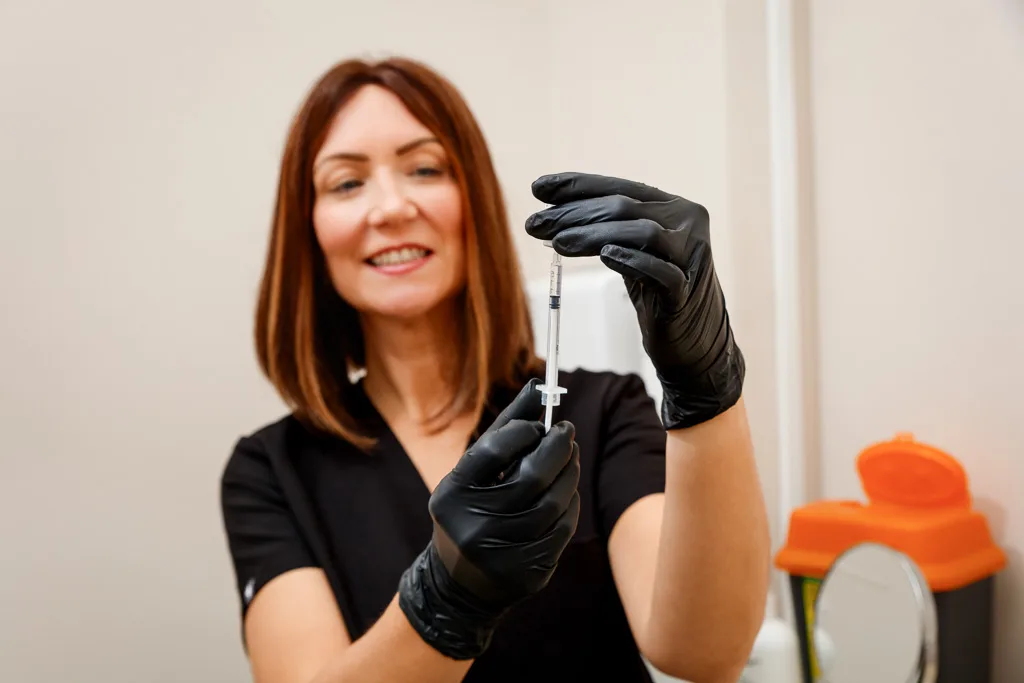
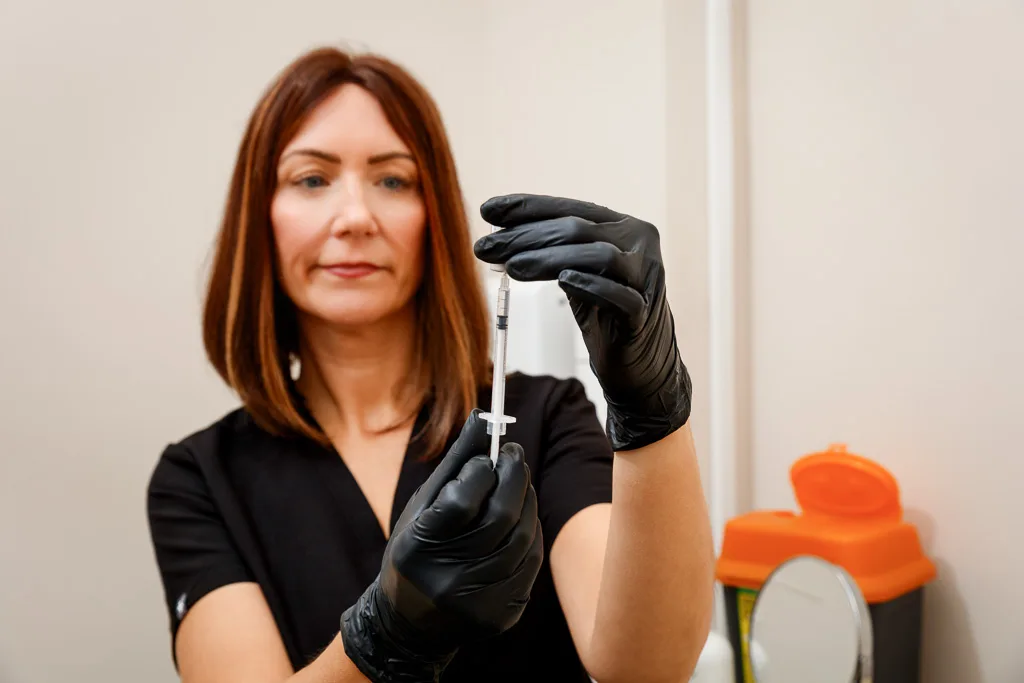
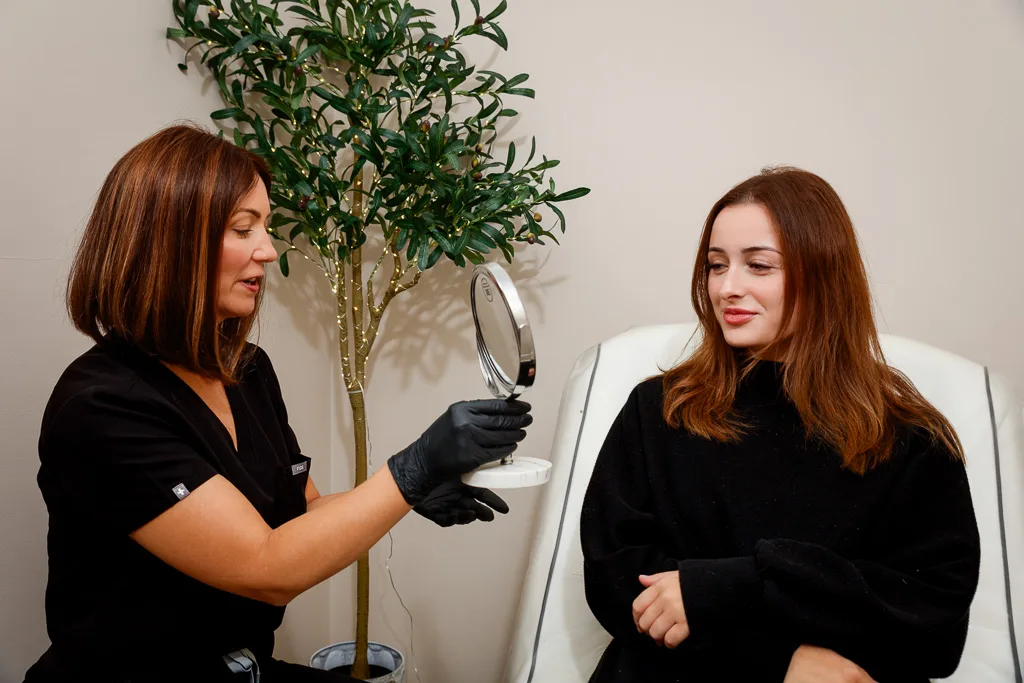
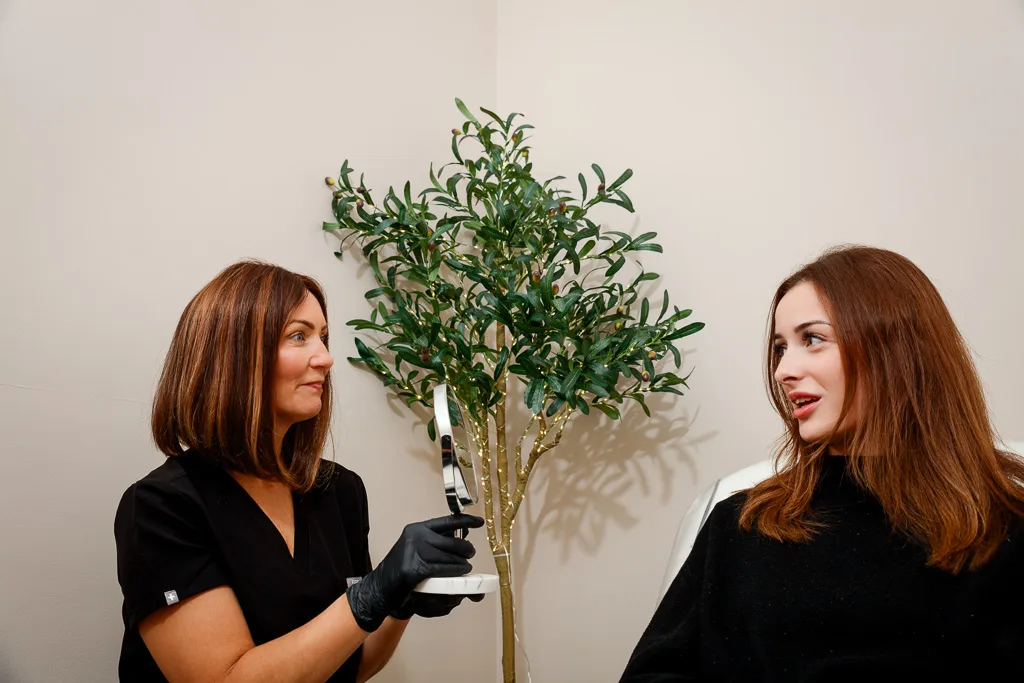
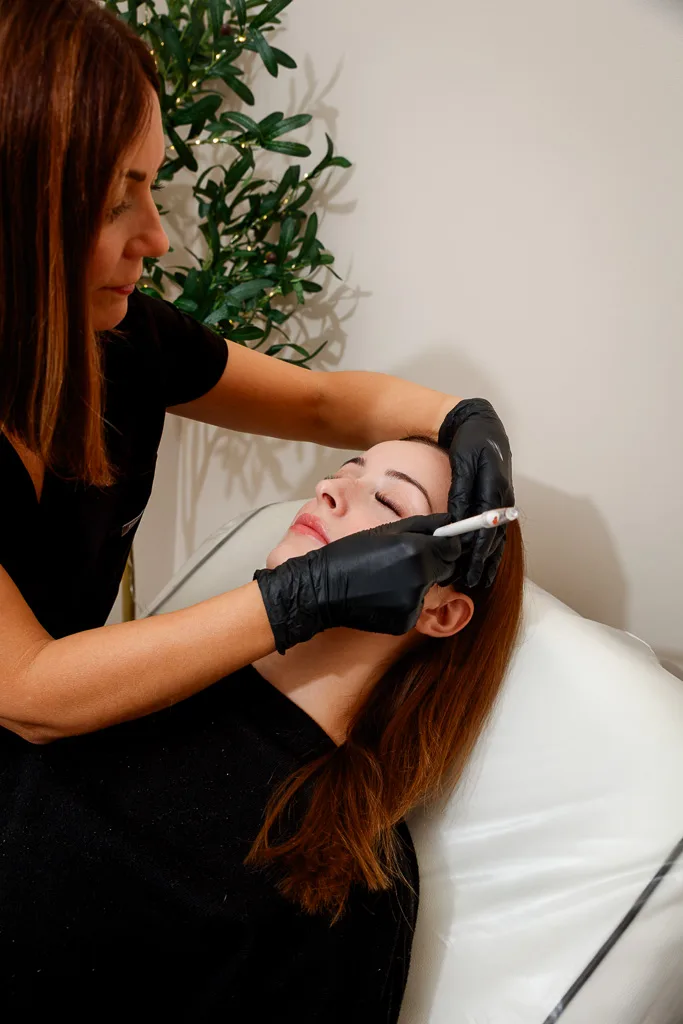
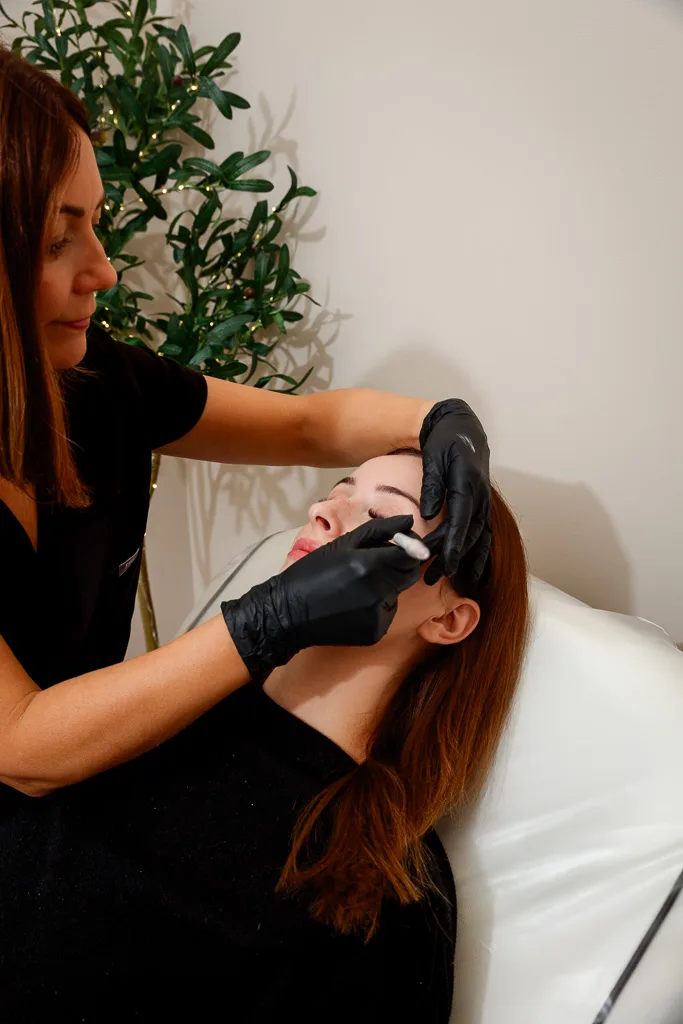
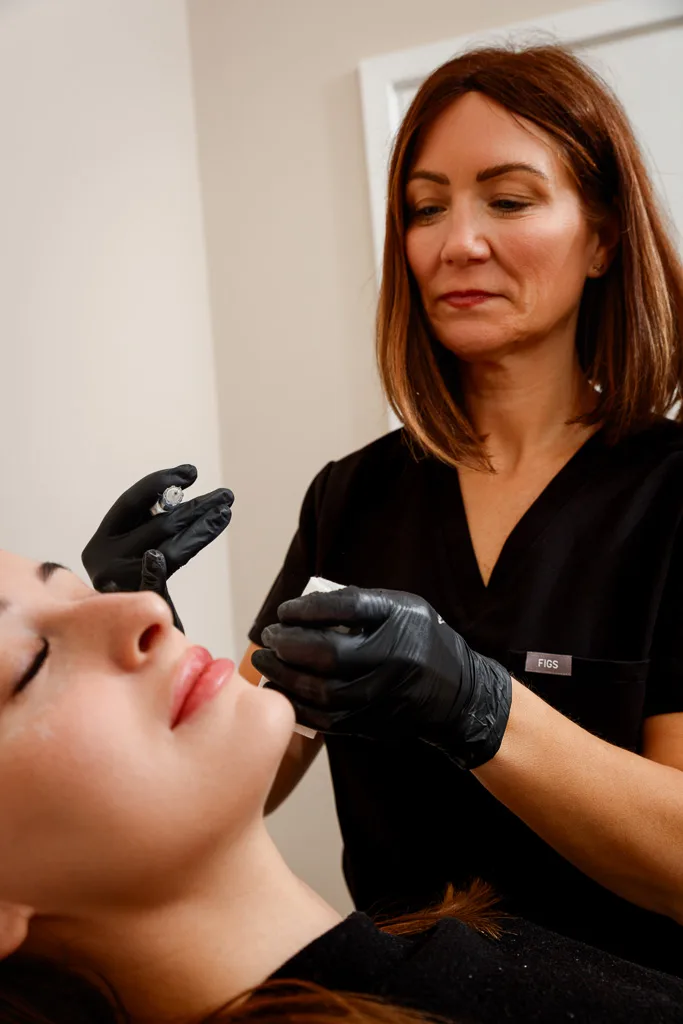
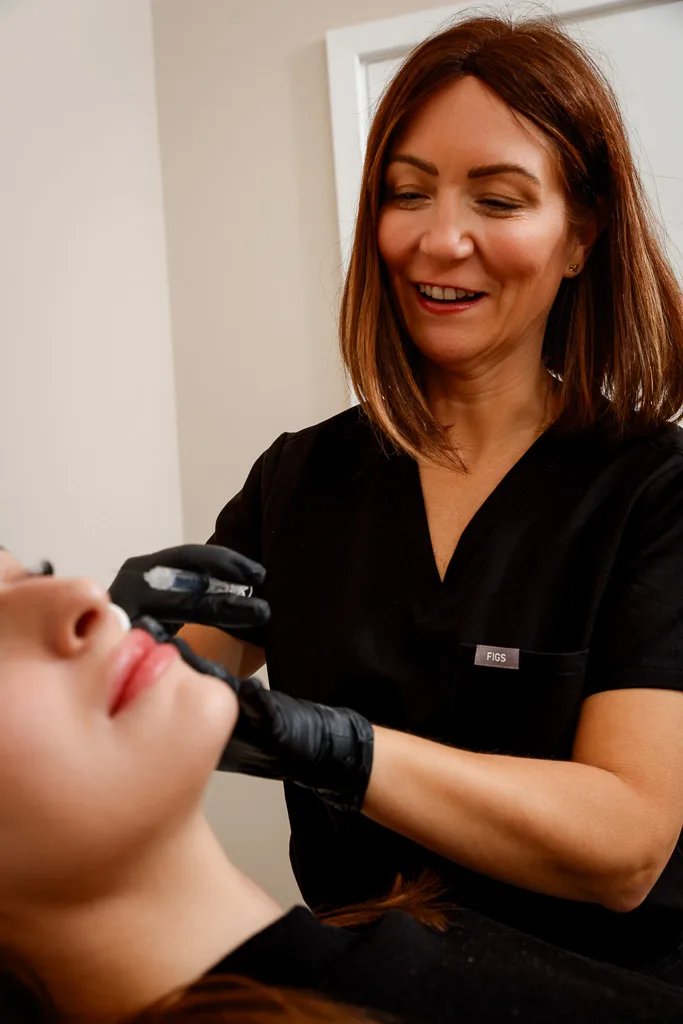
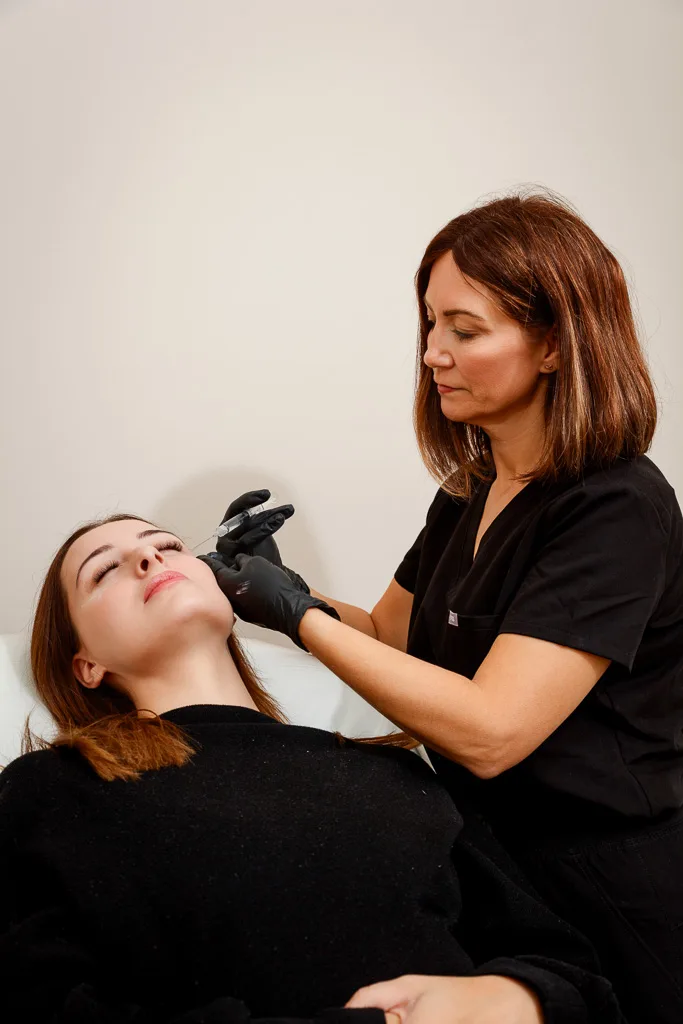
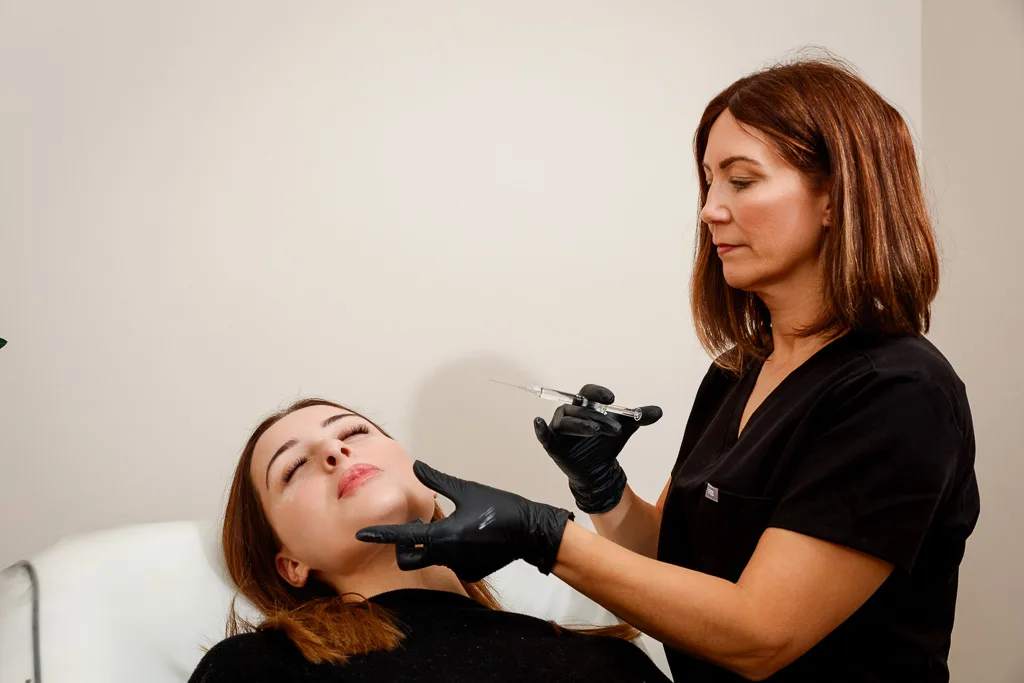
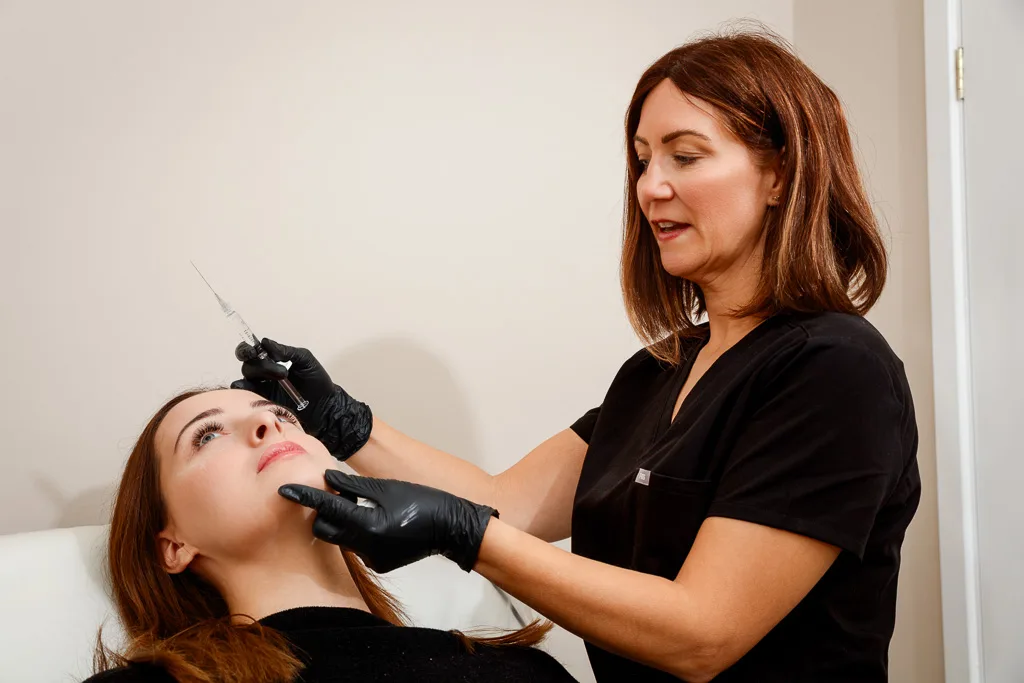
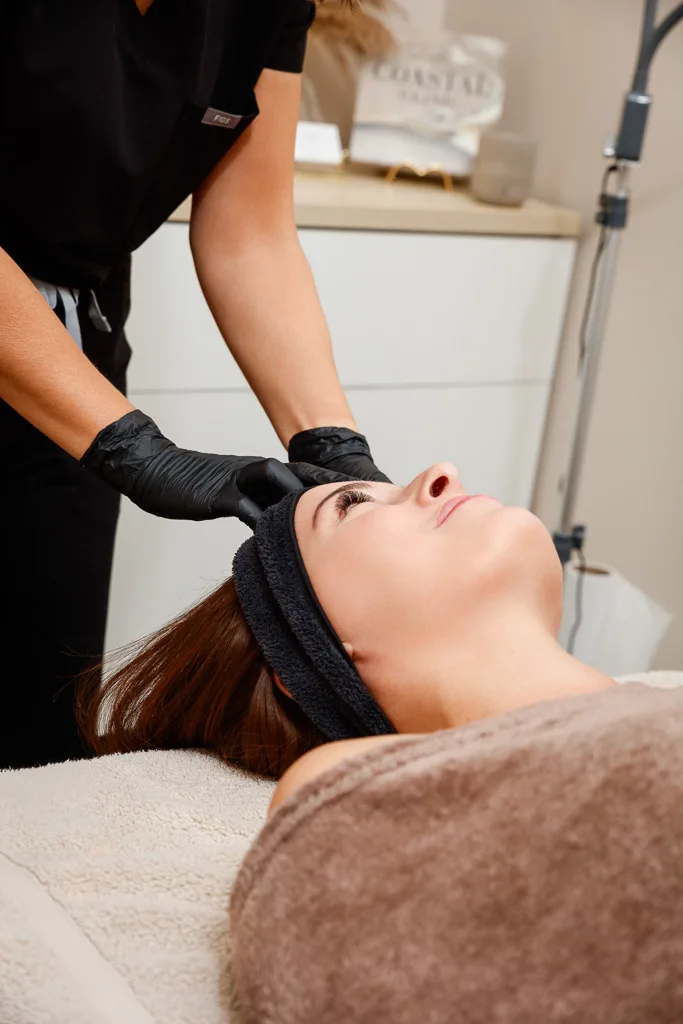
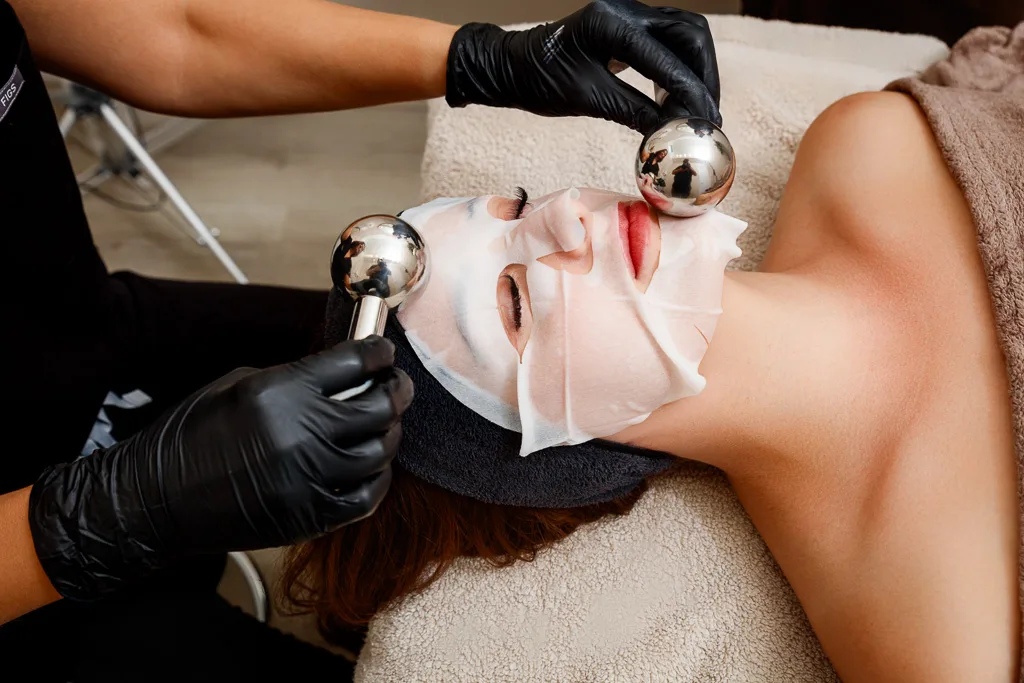
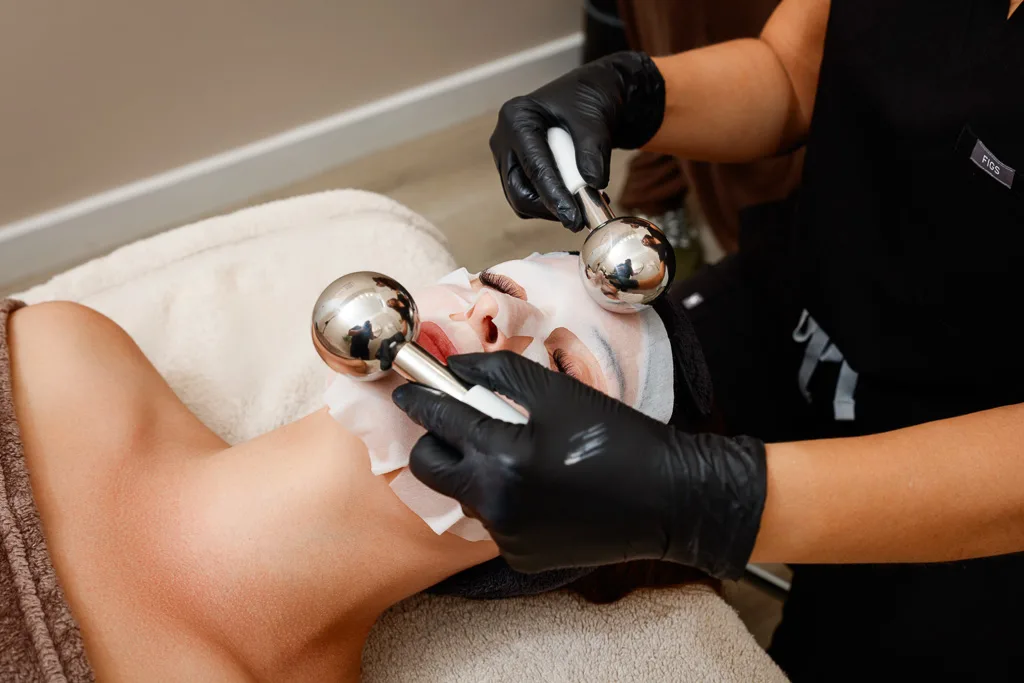
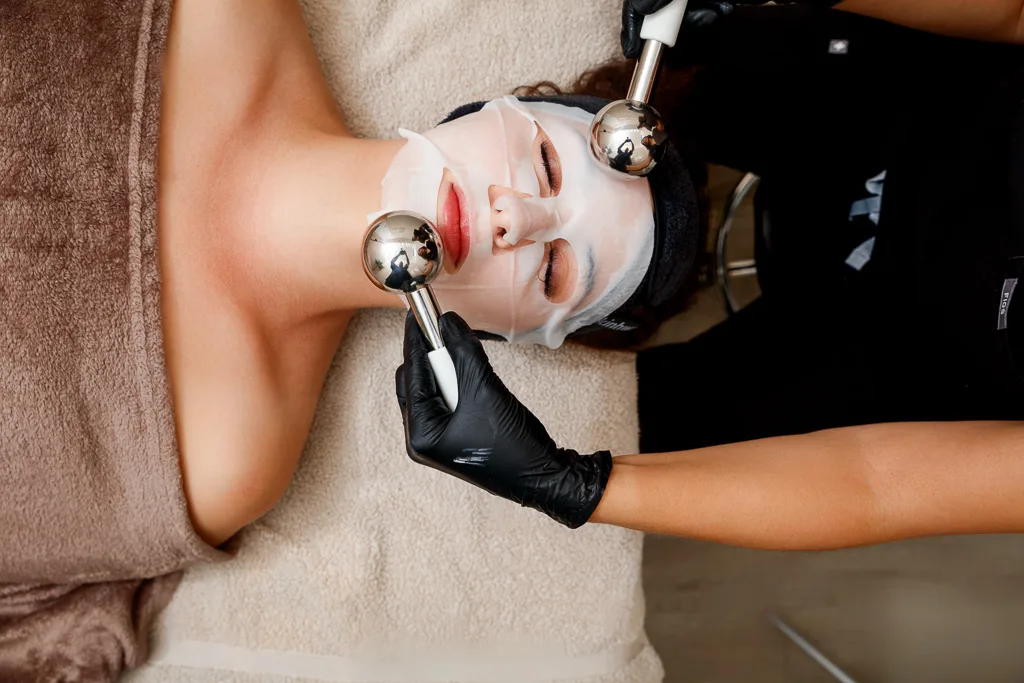
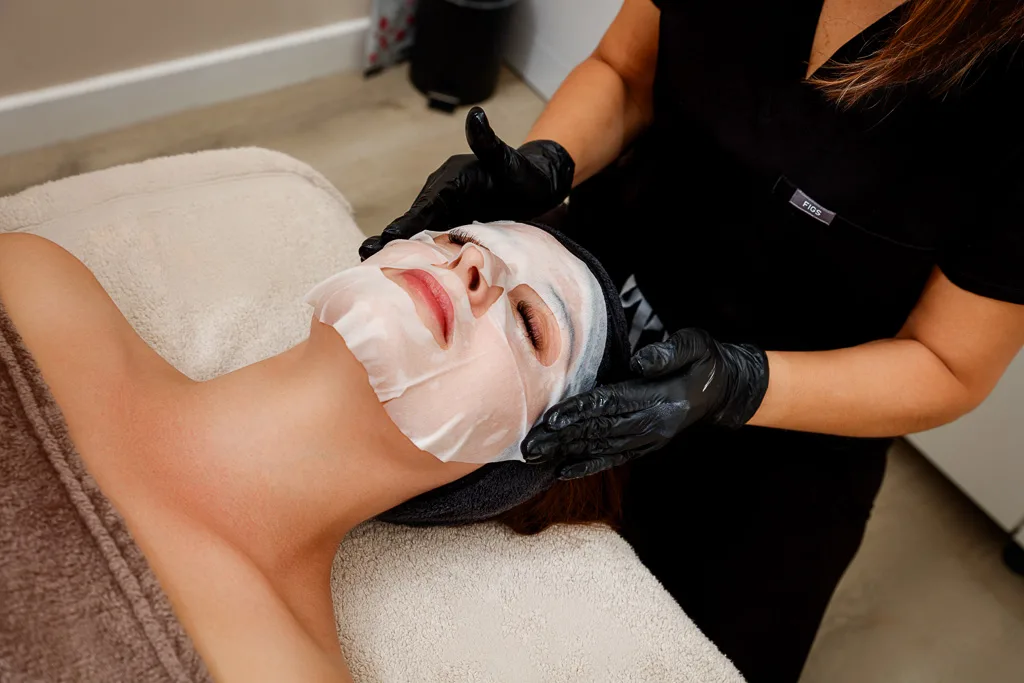
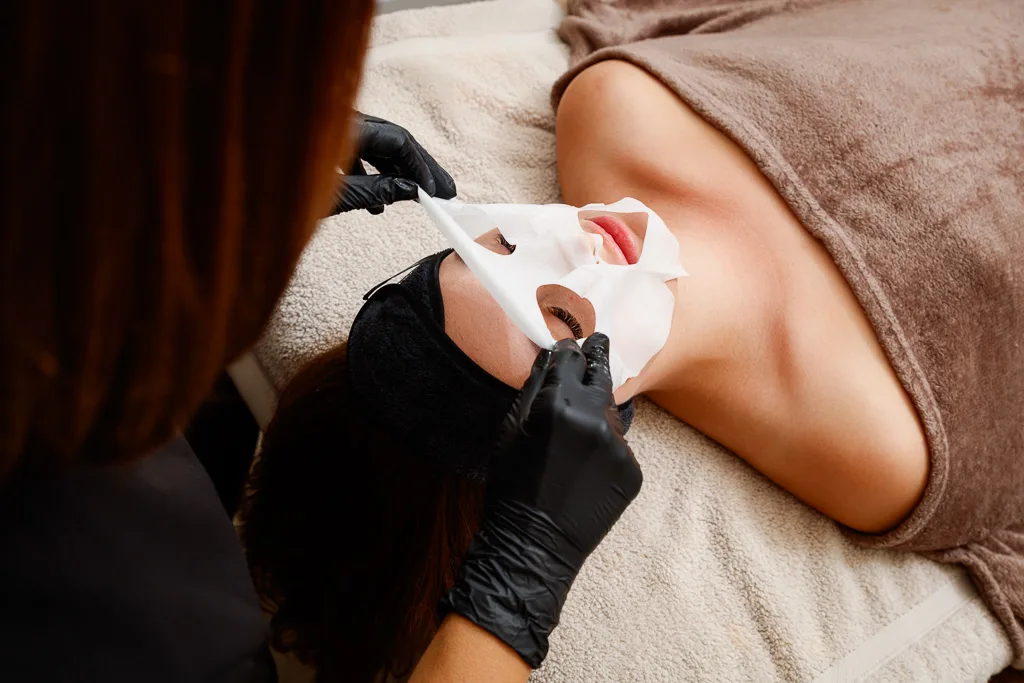
The syringes, the sheet mask, the dots of cream waiting on a cheek, none of it was real. Sarah runs The Coastal Clinic from Belle Âme in Aldeburgh, and as a healthcare professional she doesn’t use her patients’ faces on social media. She still needed pictures of herself at work, talking people through treatments and doing the job she’s trained for. Three of her colleagues stepped in to play her clients for the day, and everything in front of the camera was set up purely for the photographs.
About Sarah and The Coastal Clinic
Sarah is a registered paramedic as well as an aesthetics practitioner, which I found genuinely interesting. In her own words: “The Coastal Clinic is a medically led aesthetics and wellbeing clinic in Aldeburgh. I offer a range of treatments, chosen with careful consideration of safety and the available evidence.” She is also building her portfolio and taking further training to become an independent prescriber.
She wanted the shoot to show the clinic as she’s building it. “I wanted a branding shoot to better reflect the professional, welcoming environment I’m building at the clinic: a place where people feel comfortable asking questions and discussing treatments.” The images will go across her social media and other clinic material, so I needed to give her plenty to work with, not a handful of hero shots.
Why the clients were colleagues
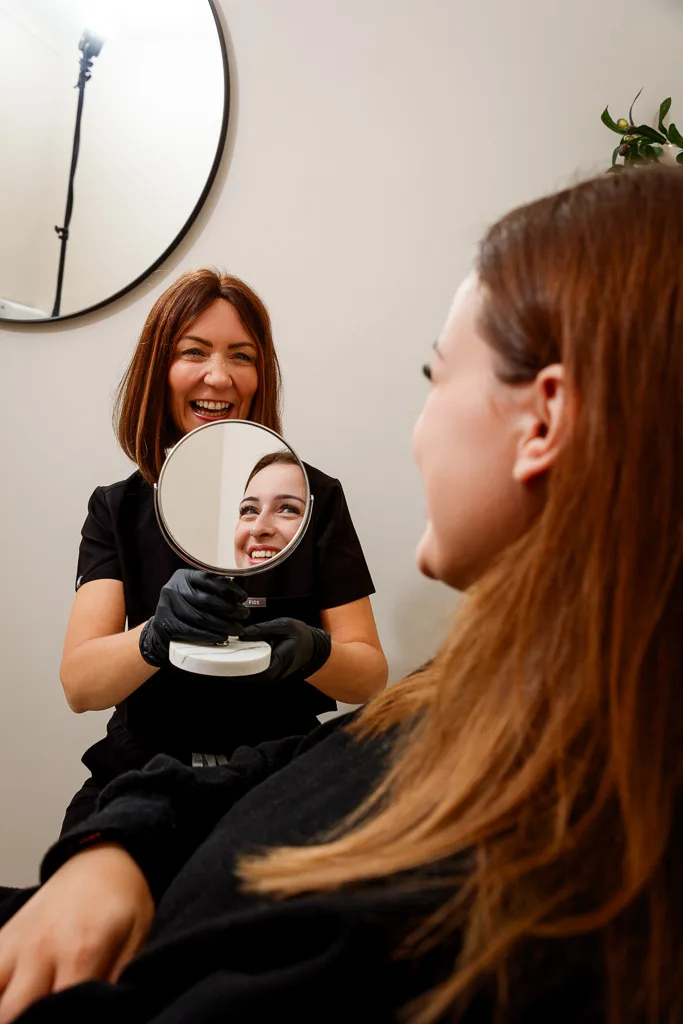
Patient confidentiality was the reason for the whole approach. Sarah wants people to trust that their personal information stays private, and that includes their faces. Angie, Keira and Rachel work alongside her and also come to her for treatments, so they knew the room, they knew Sarah, and they were relaxed from the start. All three signed model releases before we began. They were brilliant. Playing a nervous client looking in a hand mirror, or lying still with a mask on while I moved around them, takes more patience than people think, and they gave it without complaint.
The brief: light and airy
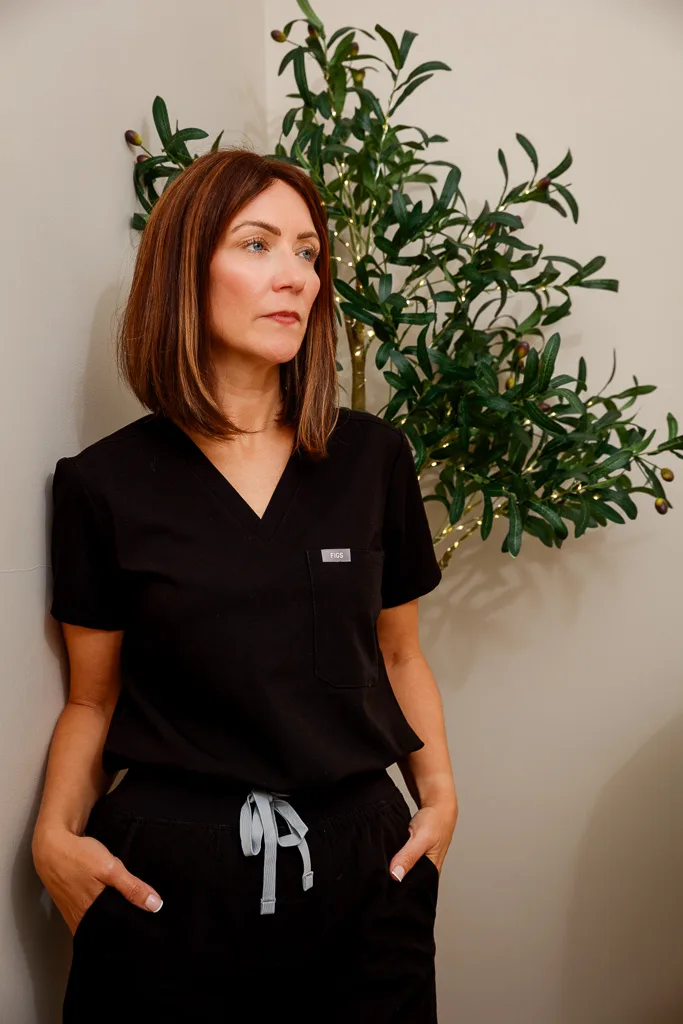
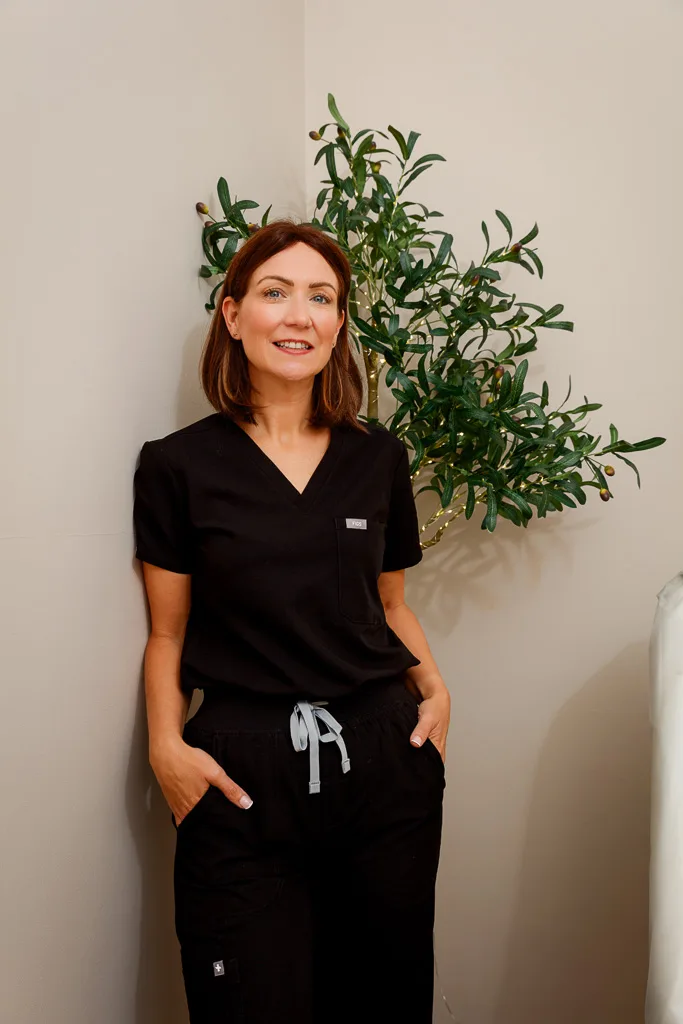
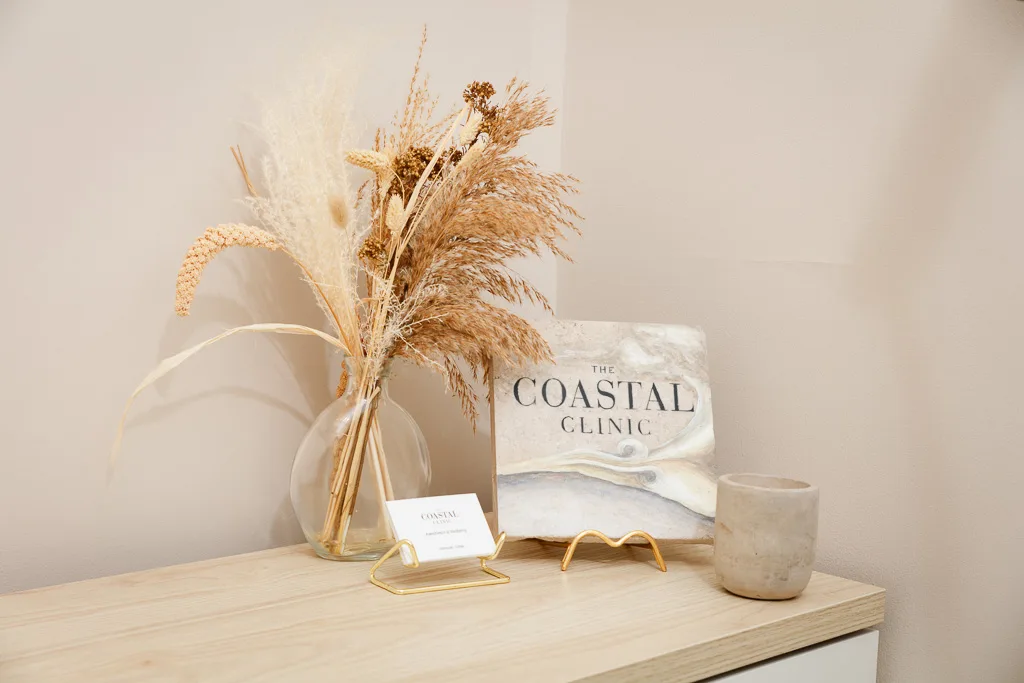
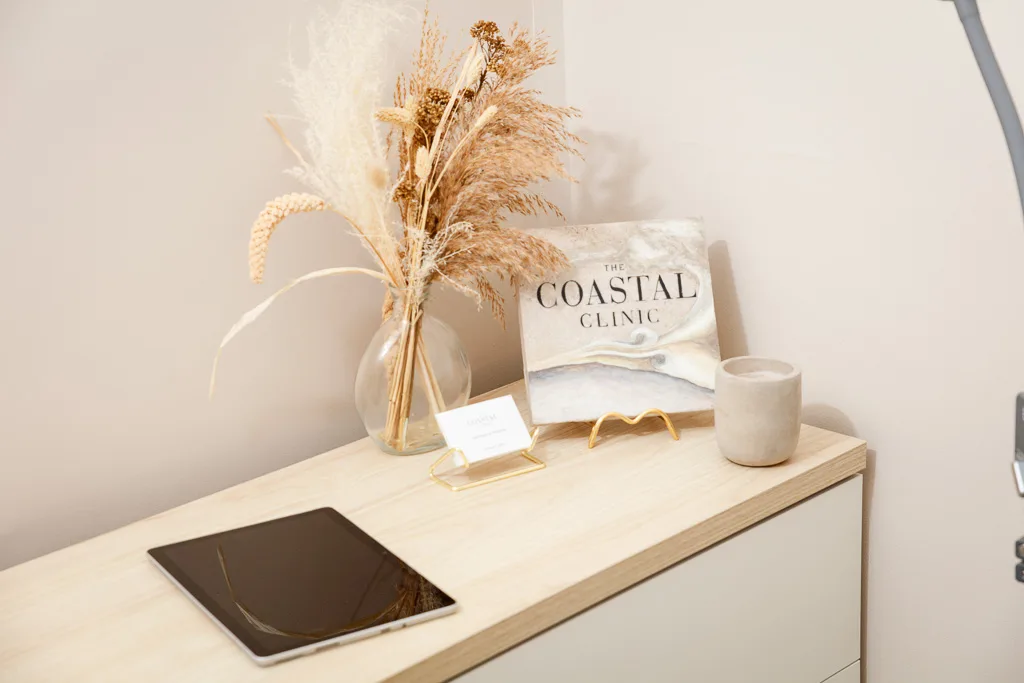
Sarah sent a few reference photographs before the day, which I always find useful. They showed exactly what she meant by light and airy, and saved a lot of guessing. The treatment room has warm neutral walls, an olive tree threaded with fairy lights, dried pampas grass and the clinic’s own sign on the side, so the setting already suited the look.
The room is small, though. There was some natural light coming in, but I found it easier to control the lighting myself. I bounced flash off the ceiling, which turns the whole ceiling into a big soft light source and fills a tight space evenly. More importantly, it meant the light stayed the same from one frame to the next. When a client is going to use a set of images across months of posts, that consistency matters more than any single picture.
Headshots in the clinic
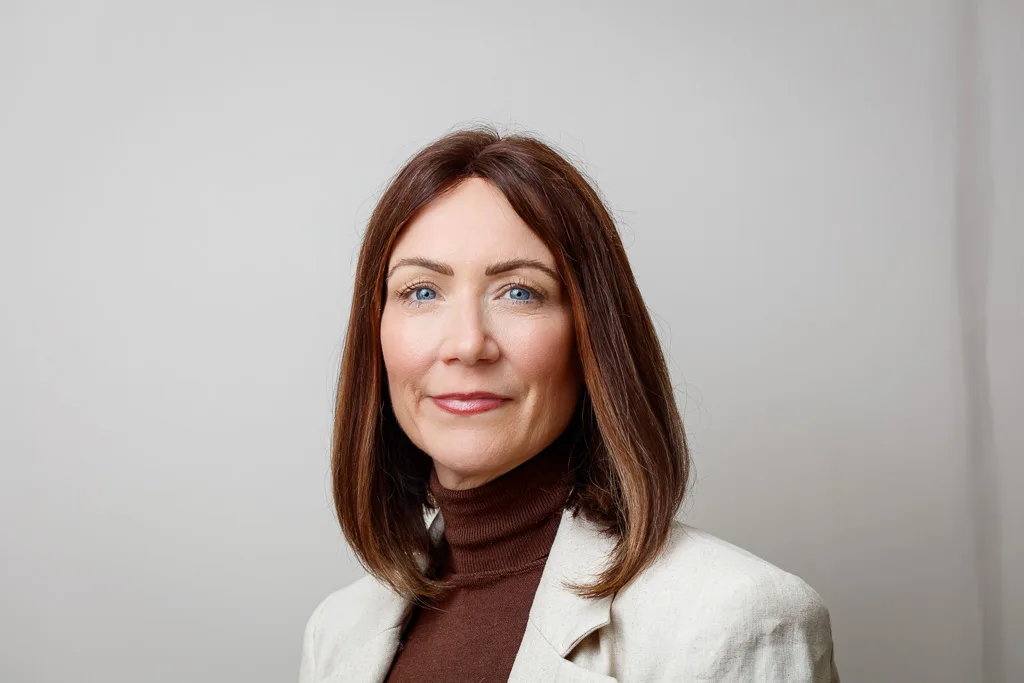
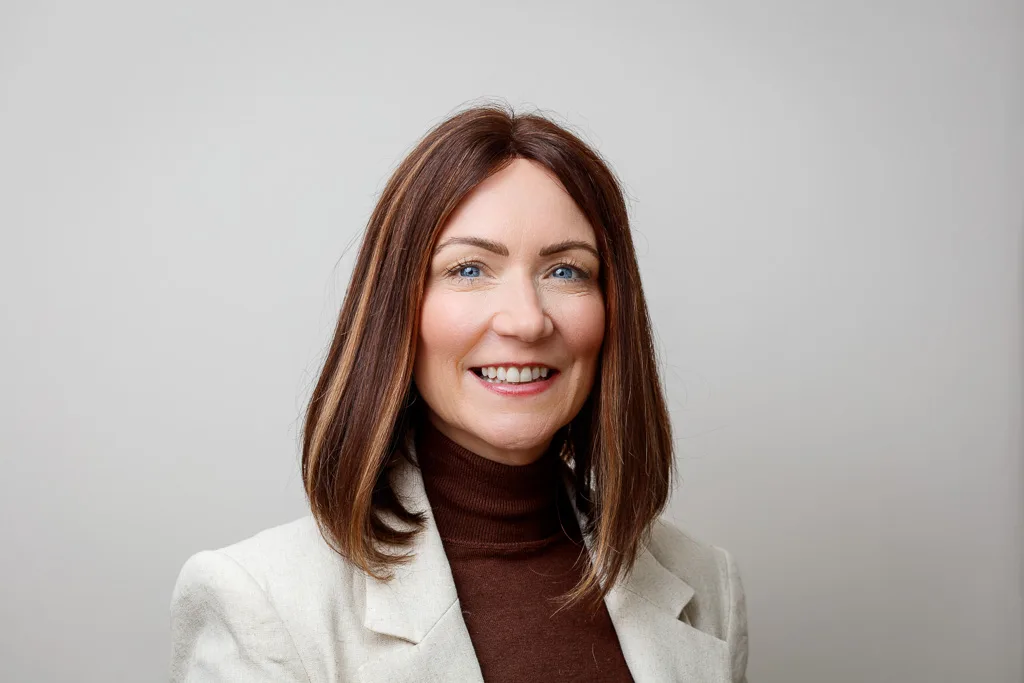
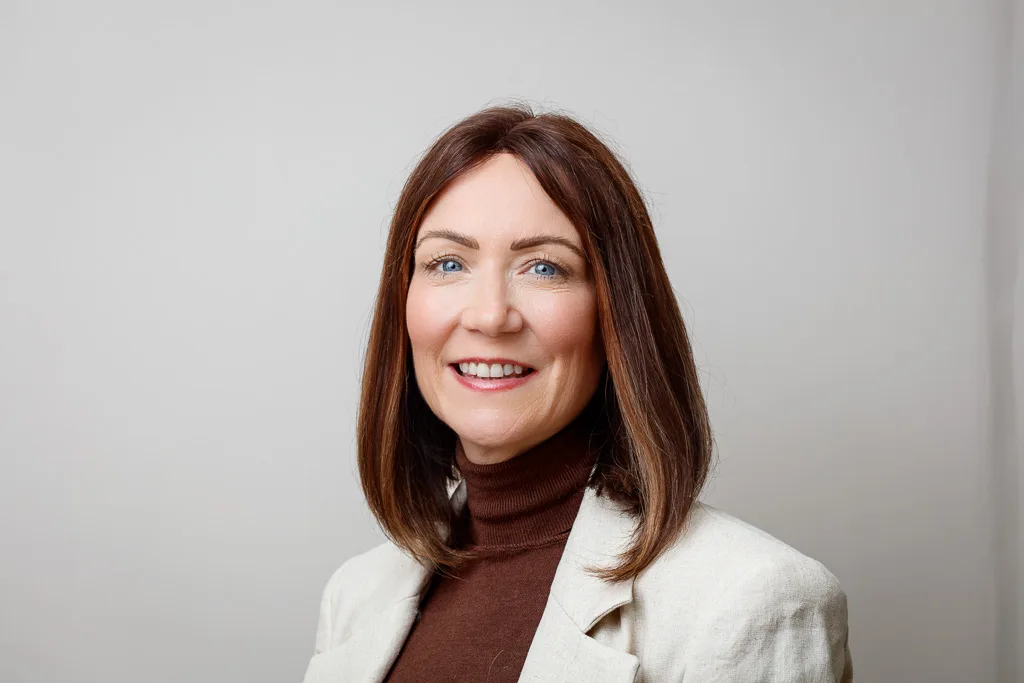
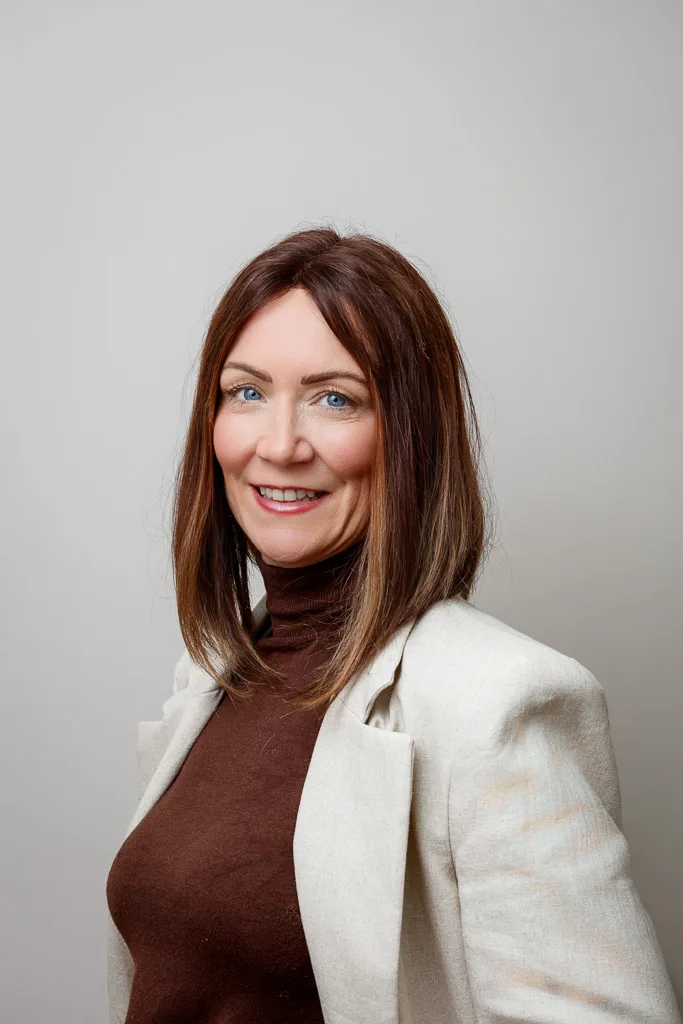
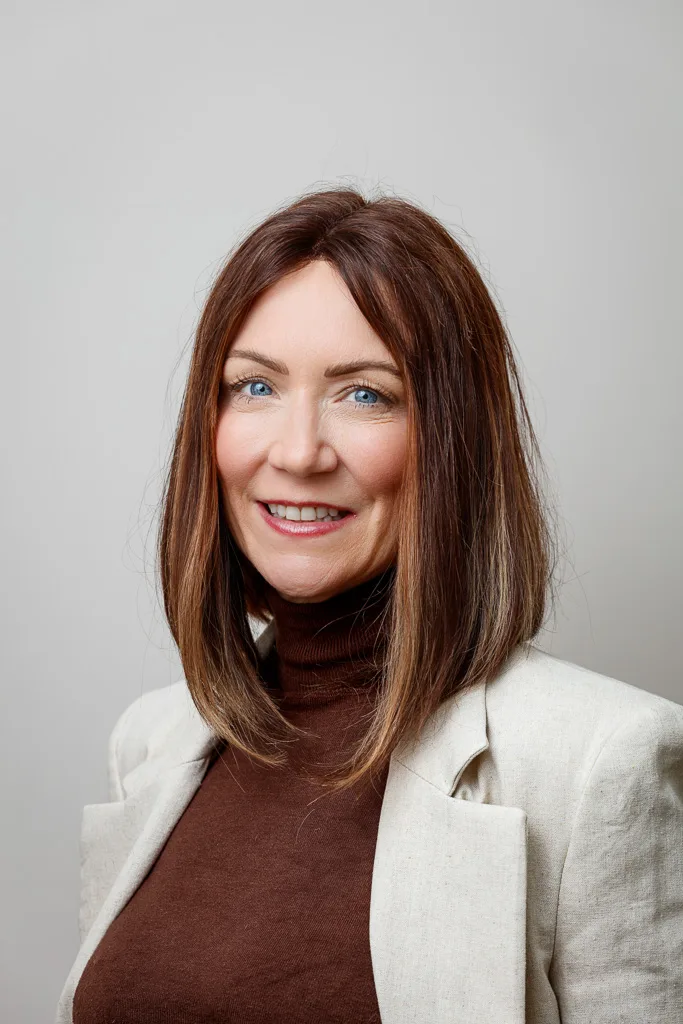
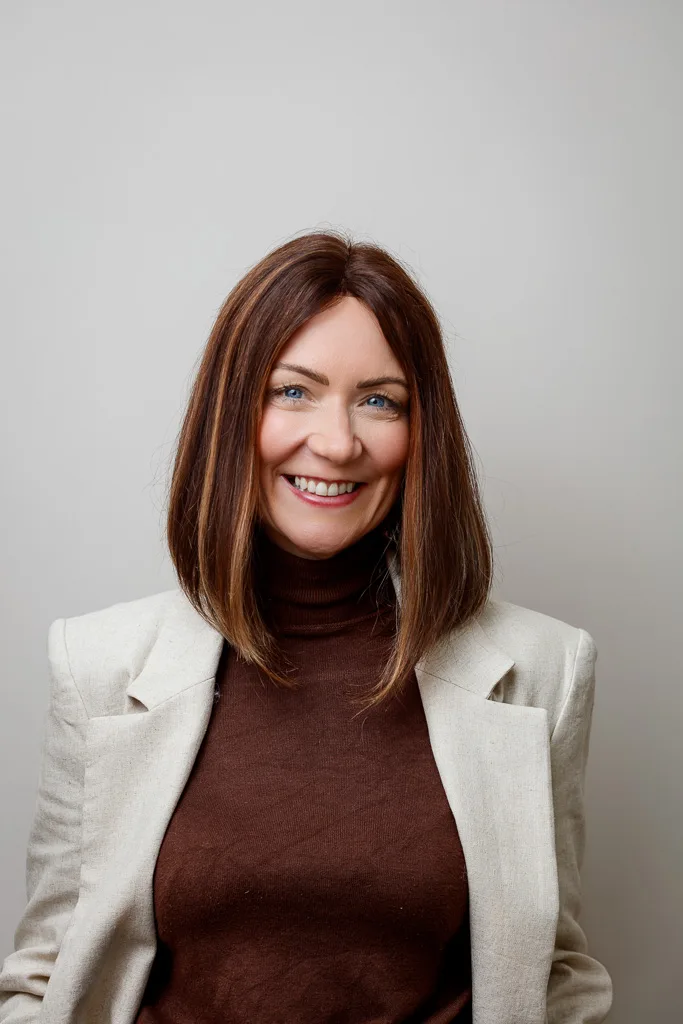
Alongside the treatment scenes we made sure Sarah had portraits of herself on her own. Some were straightforward headshots against a plain wall, in a jacket rather than her scrubs. Others were more relaxed, in uniform, laughing between set-ups. Those are the images people tend to use for an about page, a profile picture or a press feature, and they’re worth getting while you have the lighting in place.
What a standard edit looks like
Every image in this post has had my standard edit, and nothing more. With personal branding work, all the usable images from the session go into the final package and each one gets that standard edit. The editing follows the look Sarah wanted, so the colour and brightness match across the set and the photographs sit together as one body of work.
What I take out is the obvious stuff. If the flash misfired, or someone blinked, or a face caught mid-word looks wrong, that frame doesn’t come through. Everything else does.
Why I leave the cropping to you
I deliver images uncropped, on purpose. I don’t know where each photograph will end up, or in what shape. Instagram is the obvious example. You can post square, or landscape, which doesn’t work well on that platform, or portrait at 4:5, which works really well. A website banner wants something else again. If I cropped tightly for one of those, I’d be taking away the room you need for the others.
I explain this to every client when I hand over the gallery. The images need a bit of care and thought when you crop them for each use, recomposing slightly for the ratio you’re working with. I’m happy to talk anyone through it, and if someone isn’t comfortable doing it themselves, I’ll do it for them.
Portrait and landscape versions
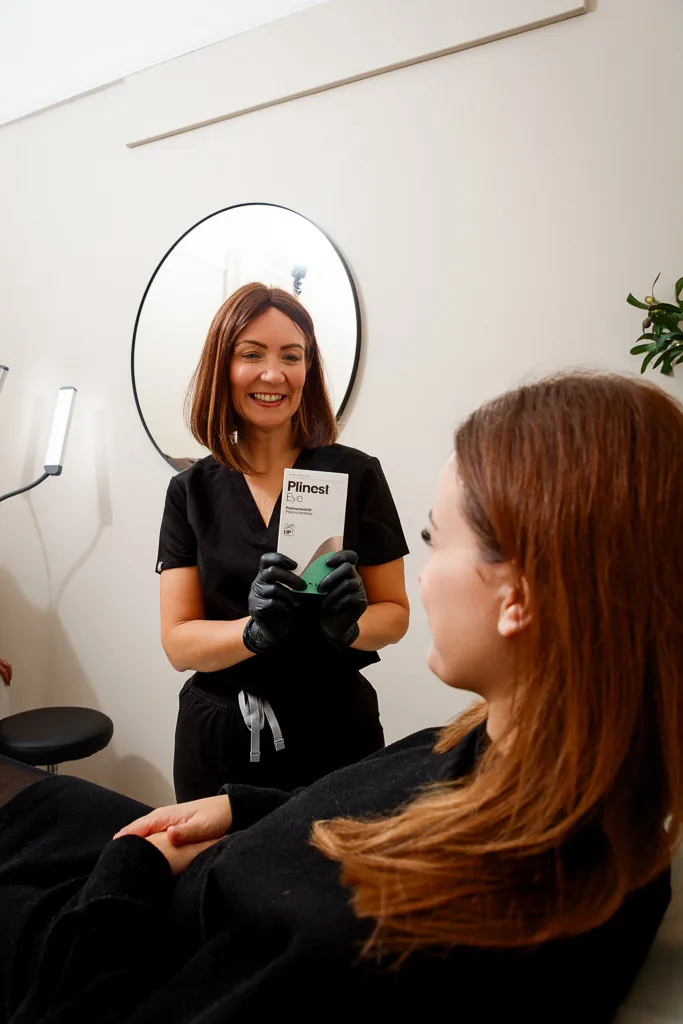
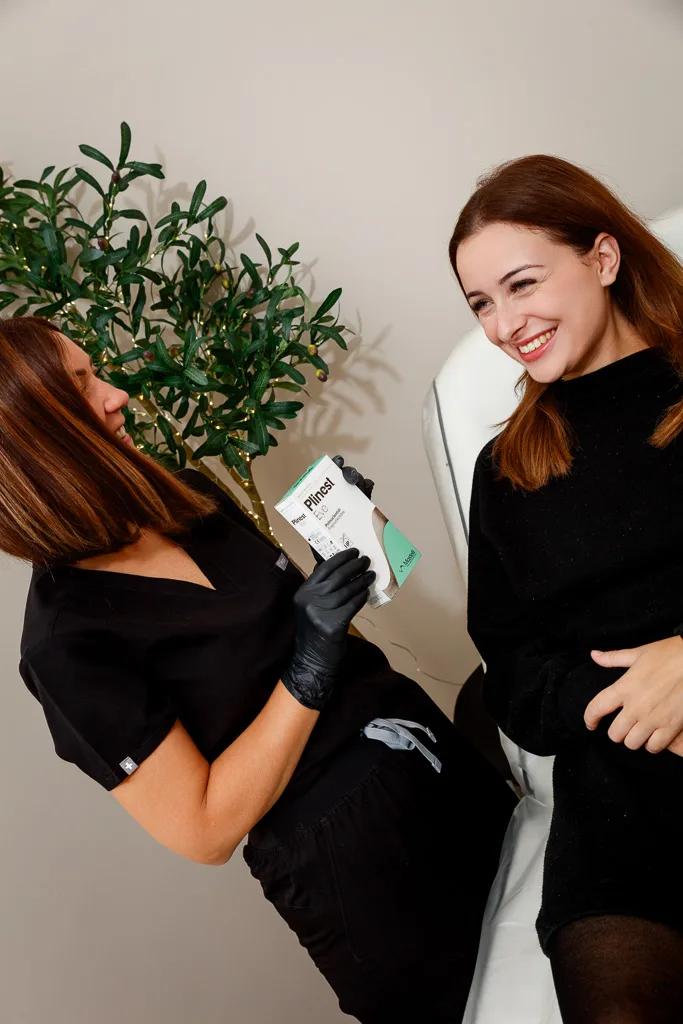
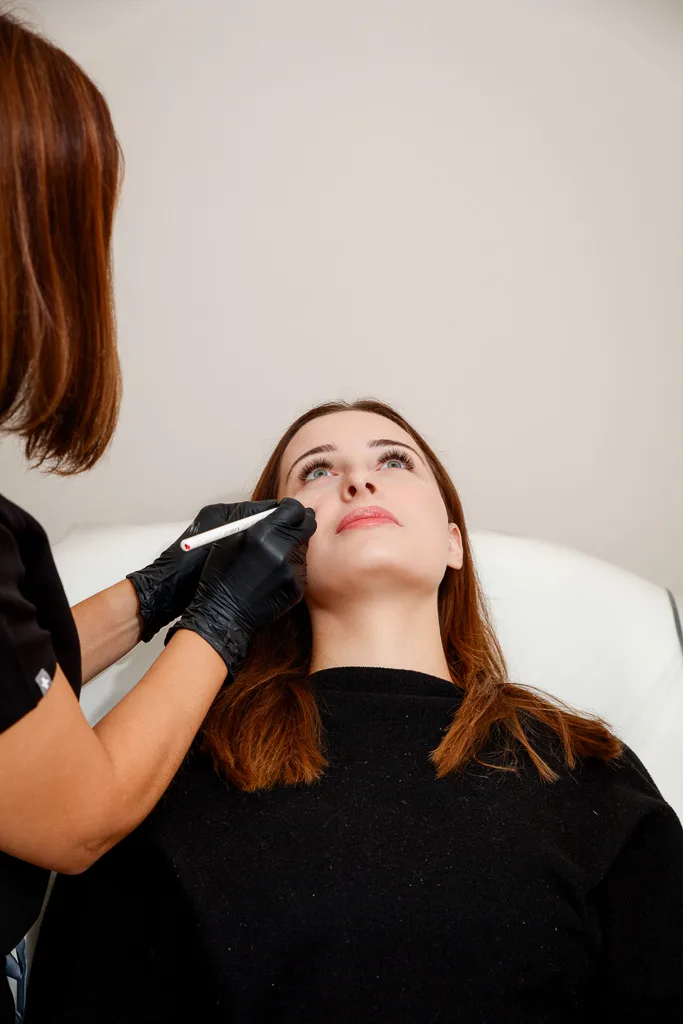
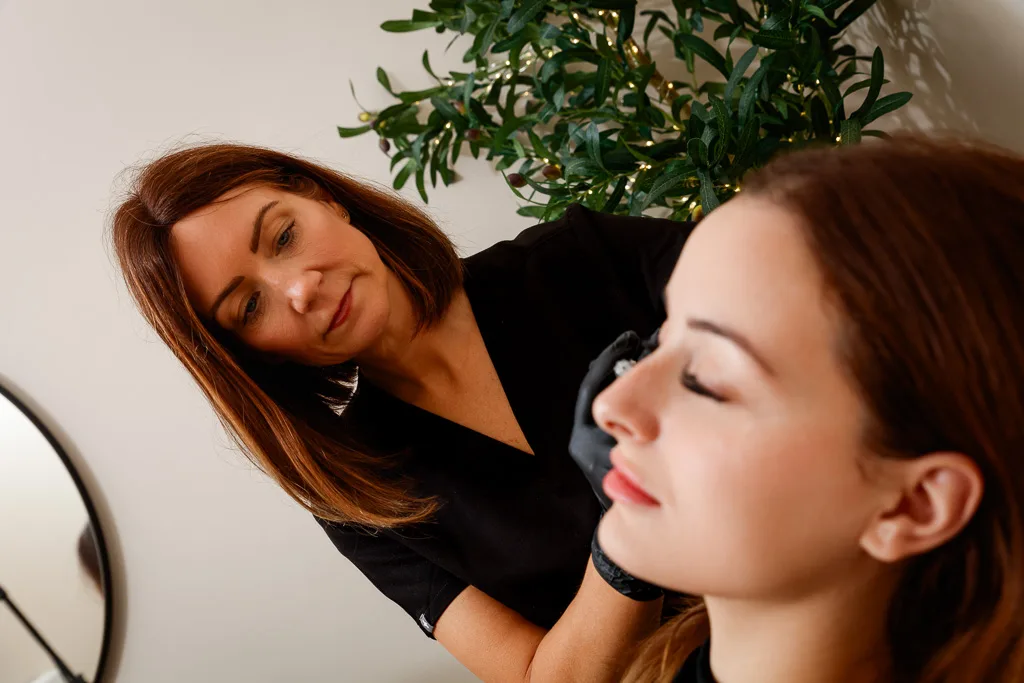
For the same reason, I shot a good mix of portrait and landscape frames. Some of the images in the set look very similar to each other, and that’s deliberate. A landscape version of a consultation scene and a portrait version of the same moment do different jobs, and Sarah now has both.
How personal branding sessions work
Personal branding sessions like this are booked by time. The first two hours are the starting point, and extra hours are charged on top. I like working this way because it suits this kind of shoot. You’re not choosing images one at a time, and every usable frame is part of what you get. My commercial photography rates page sets out the current figures.
Thank you, Sarah
Sarah was a paying client, and letting me write about her shoot was entirely her choice. I really appreciate it. It was a fun day, everyone turned up and played their part, and I hope the images serve the clinic well for a long time.
You won’t find a behind-the-scenes video from this one. I do run a behind-the-scenes YouTube channel, but it isn’t for every shoot. When someone is paying me, my concentration is on them and on the work, so there’s no camera rolling for extras.
My studio is at Base Business Park in Rendlesham, on the former RAF Bentwaters site, and I travel to clients across Suffolk, from Aldeburgh and Woodbridge to Ipswich and beyond, when the work needs to happen in their own space.