What is a good business headshot?
A good headshot does three things. It shows you looking comfortable and approachable, it gives the viewer a sense of your professional identity, and it holds up over time without feeling dated. When all three work together, you end up with an image you are genuinely glad to use.
The technical side matters. Good lighting, sharp focus, and a clean composition all play a part. But the session environment counts just as much. The more at ease you are in front of the camera, the better the results tend to be. I work at a pace that suits you, and there is no pressure to rush.
Headshots are used on LinkedIn, company websites, email signatures, press materials, and more. It is worth taking the time to get one that genuinely represents you.
The basics for a headshot
Wear what you actually wear to work, or something close to it. A headshot is not the place to dress up in something that does not feel like you. If your working style is smart casual, arriving in a formal suit will produce an image that looks like someone else.
Clothes that fit well and feel comfortable make a visible difference on camera. If something is pulling, tight, or you are self-conscious about it, that tends to show. Try your outfits on in the week before and make sure everything is pressed and ready.
If you wear makeup, keep it close to your normal level. The aim is to look like yourself on a good day, not a heavily styled version. I can retouch images afterwards if needed, but a light, natural approach almost always works better than something heavier.
Think about who will be looking at your headshot and what impression you want to leave. A barrister and a freelance designer are presenting themselves to very different audiences, and the image should reflect that. Your instincts here are usually right.
Get your outfits sorted the day before, not the morning of. Bring more than you think you need. Having choices on the day means you are not stuck with one look if something does not work in the frame.
Take a moment to think about where your headshot will be used most. That context should shape your choices. A formal industry suggests one approach, a creative field another. Neither is wrong, it just depends on your audience.
The sections below give some examples of what tends to work well, what can work with care, and what is worth leaving at home.
OUTFITS FOR HEADSHOTS
Good for headshots
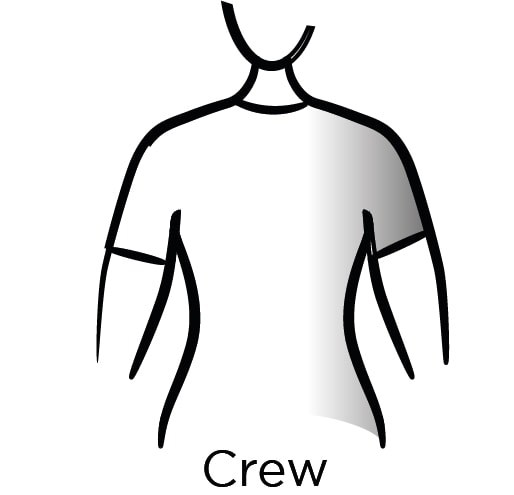
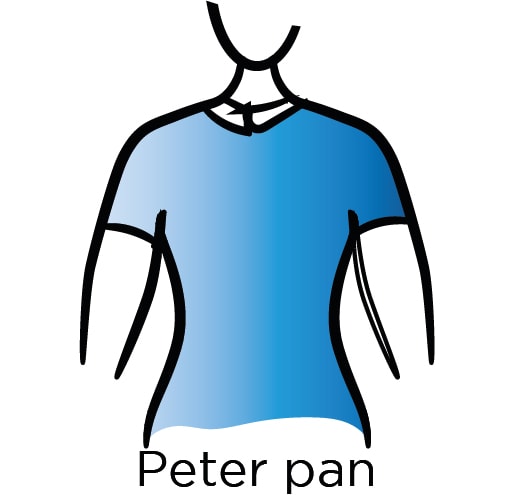
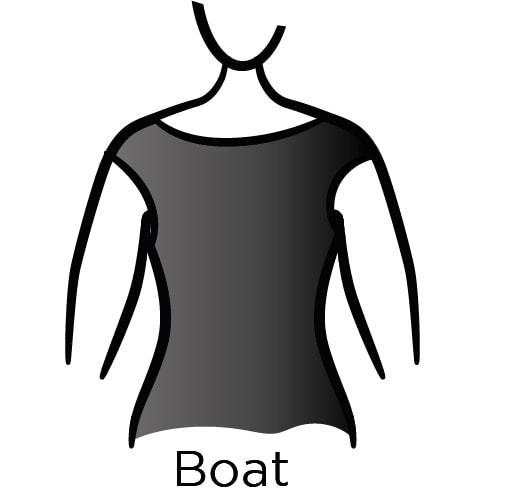
Business jackets and blazers in medium to dark tones tend to work very well. Navy, grey, and charcoal are reliable choices. They look professional, photograph cleanly under studio lighting, and frame the face without competing with it. Bring a couple of options if you have them.
White jackets are worth avoiding. They can overpower the frame and cause lighting difficulties. Black works but can look flat on its own. Richer mid-tones tend to add more depth and make the overall image feel more considered.
Having two or three jacket options on the day gives you real flexibility. What looks good in the mirror does not always translate directly to camera, so having alternatives matters.
Ok for headshots
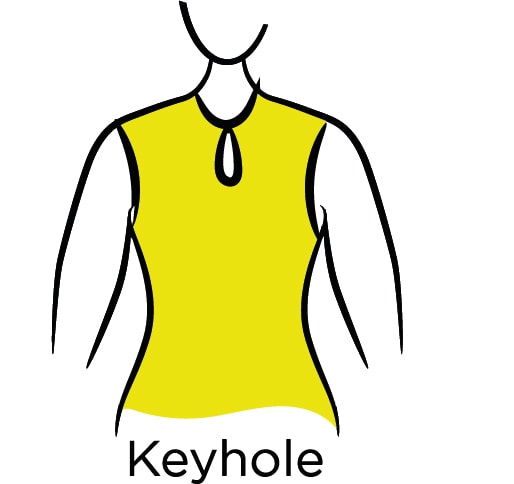
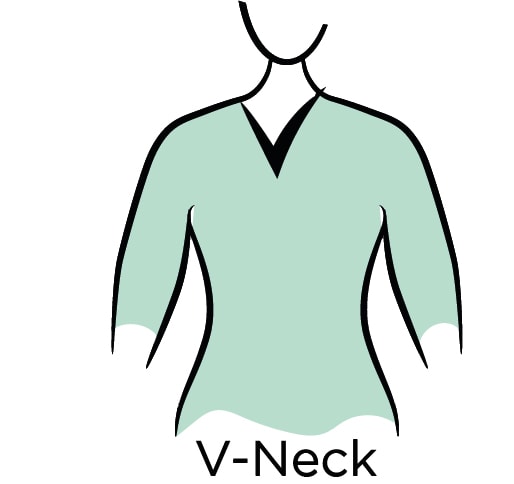
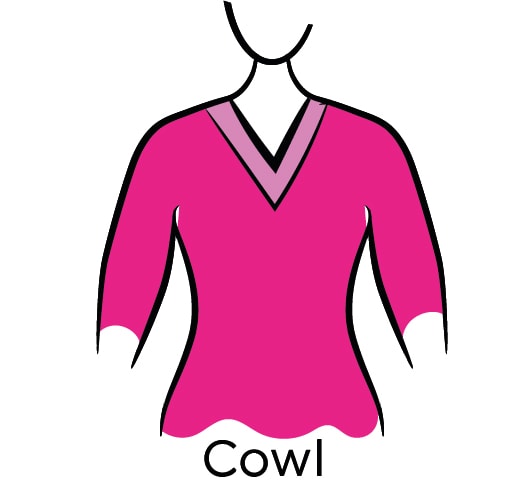
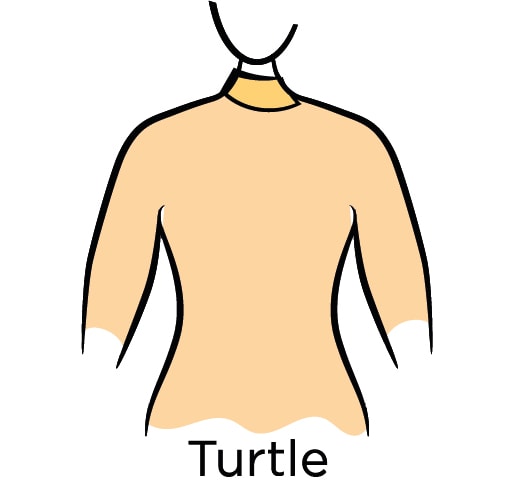
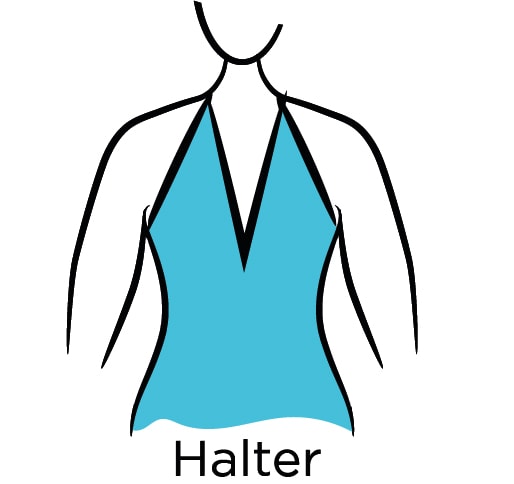
A dress with a solid colour or subtle texture can work well for headshots. Heavier fabrics tend to drape better and give a more structured, polished look than lighter materials. If the style suits your industry, it can be a strong choice.
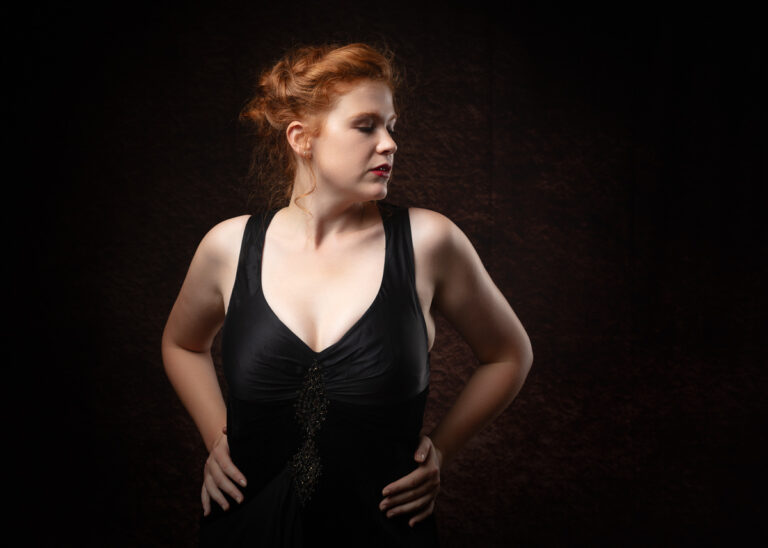
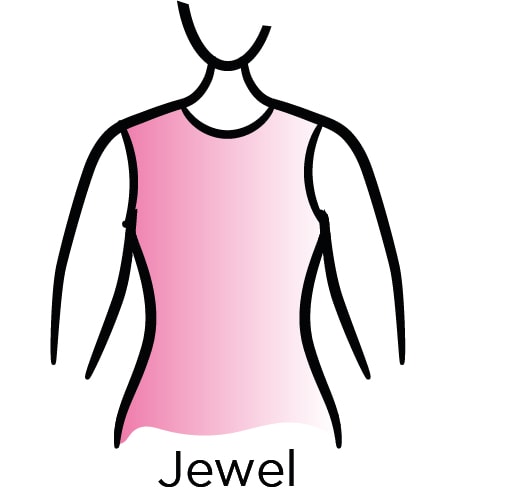
Sleeveless styles can work if they feel right for your audience and you are comfortable with them. The key with any neckline is that it should not pull attention away from your face, which is what the image is really about.
Solid colours that suit your skin tone are usually the safest option. If you want a pattern, keep it subtle. Large or complex prints can make the image look busy and compete with the face for attention.
Not recommended for headshots
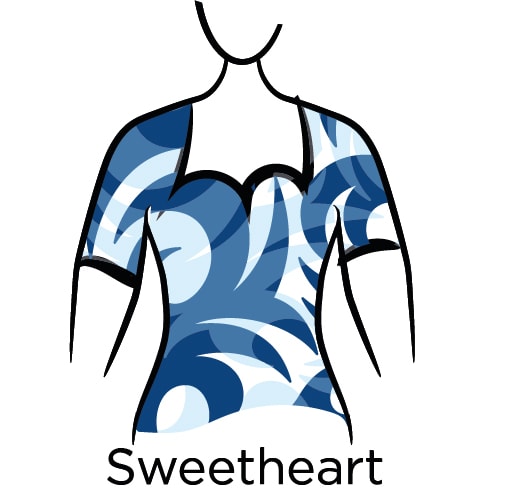
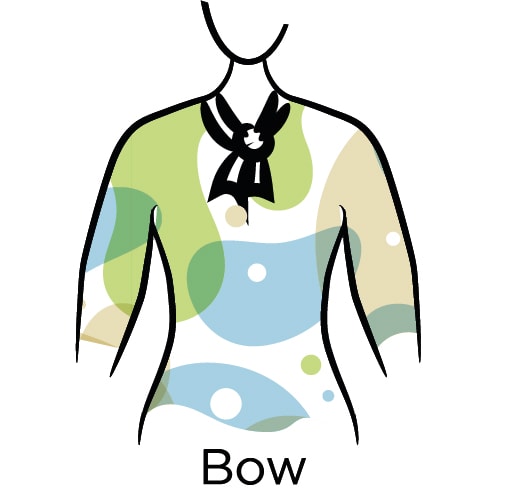
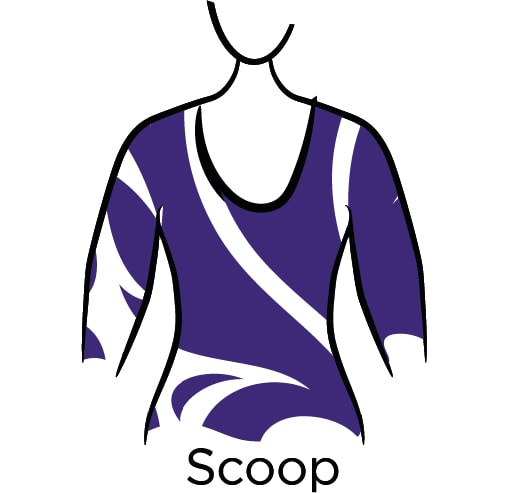
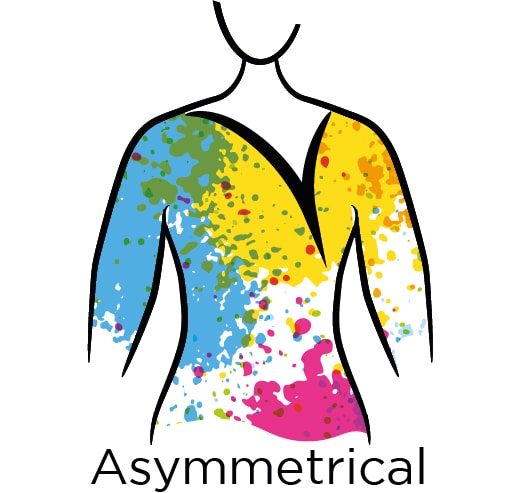
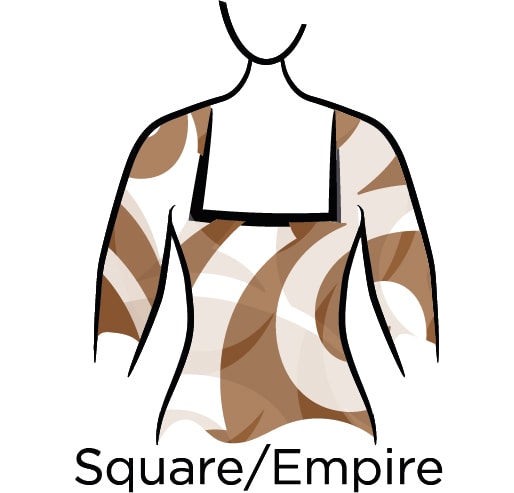
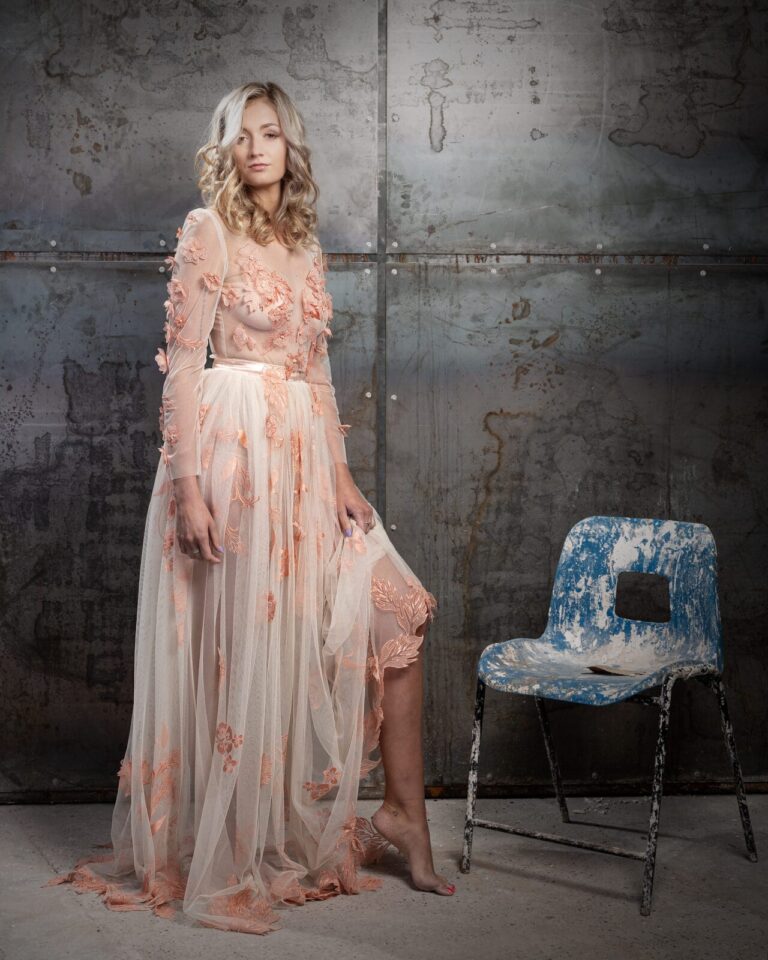
Very deep necklines, heavy embellishment, and anything overly decorative tend not to work well for professional headshots. They draw the eye away from your face, which should always be the main focus of the image.
Bold patterns can overwhelm the photograph and make it feel cluttered. The more eye-catching the clothing, the harder it is to focus on the person wearing it. This is especially true under studio lighting, where patterns can appear more pronounced than they do in natural light.
When in doubt, go simpler. Solid colours or very quiet patterns almost always produce cleaner, more professional results.
Good for headshots
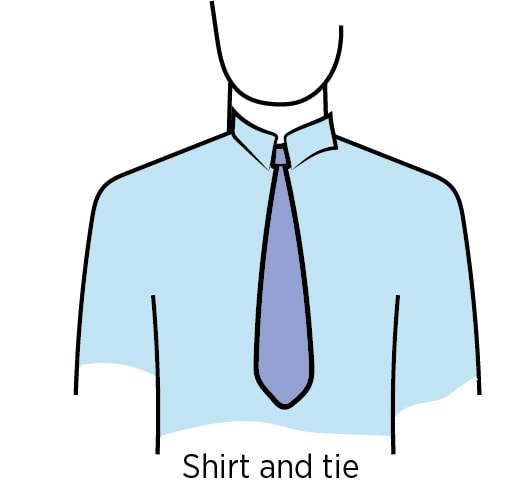
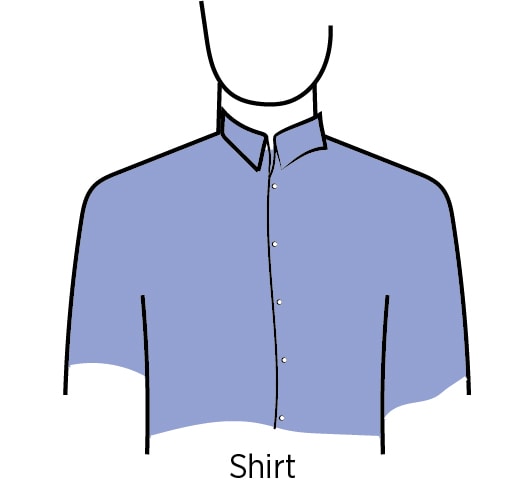
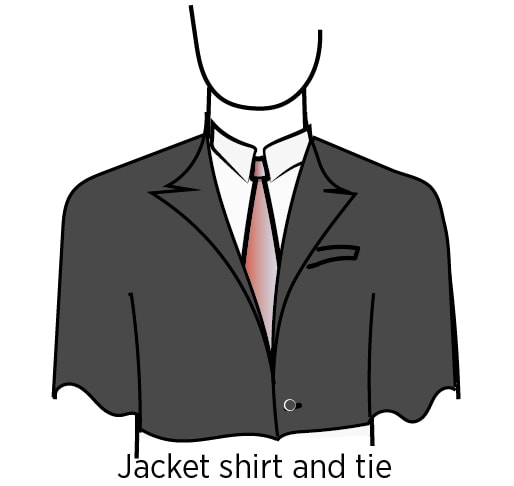
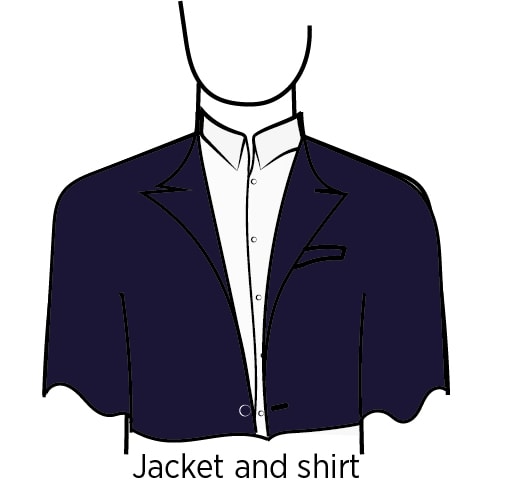
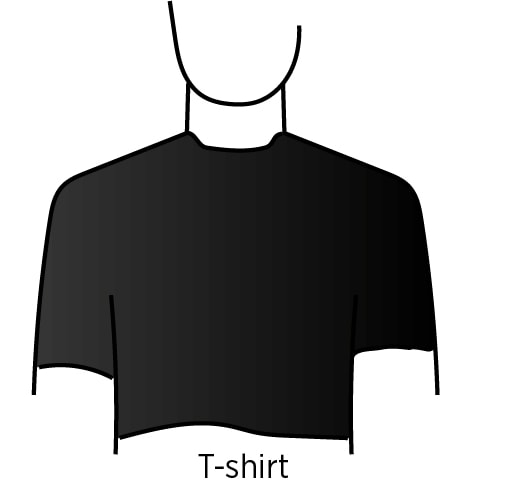
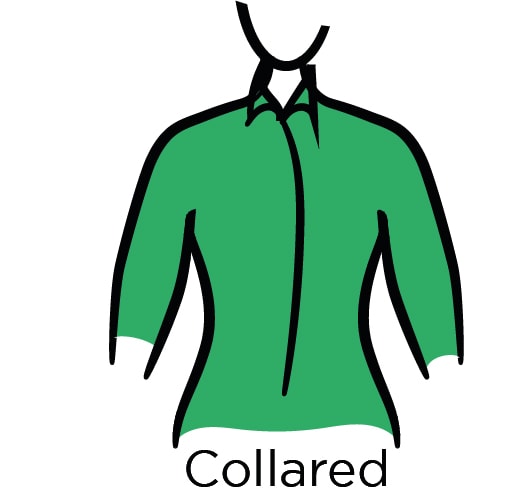
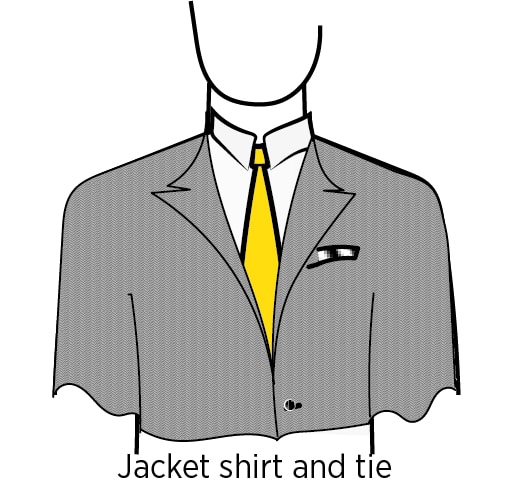
A shirt with a jacket or blazer tends to be the strongest starting point for a men’s headshot. It gives the image structure and frames the face well. Medium to dark tones, navy, grey, and charcoal, give a professional look without being stark or imposing.
A white shirt under a dark jacket works well as a foundation. On its own, a white shirt can create contrast and lighting issues, but paired with a darker jacket it provides a clean, sharp base. Avoid white jackets for the same reason, as they tend to overpower the frame.
Medium to dark blues and greys are the most reliable jacket choices for studio work. They are versatile, they do not dominate the image, and the results tend to look considered rather than put together at the last minute. Navy and charcoal are particularly good.
Bring a couple of options if you can. What works on the hanger does not always translate to camera the way you expect, and having an alternative means you are not stuck with one choice.
Ok for headshots
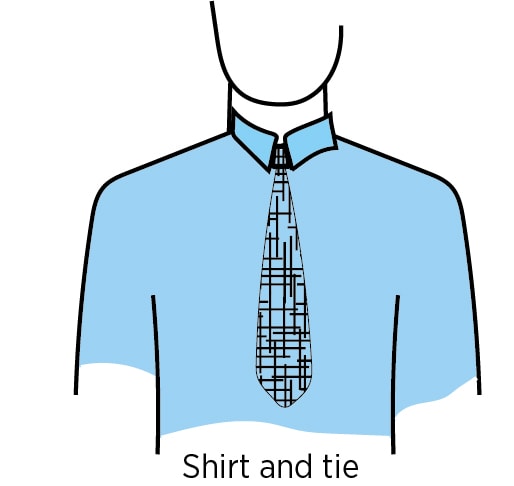
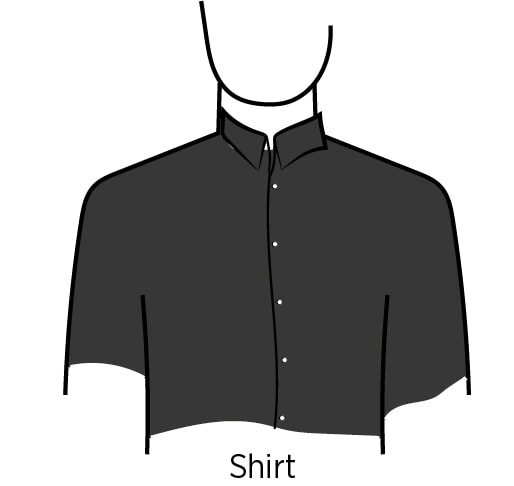
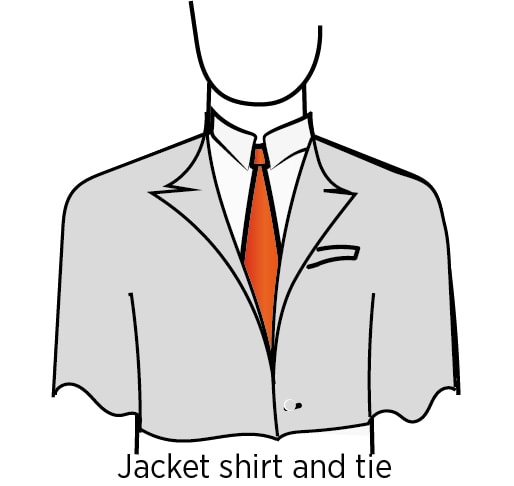
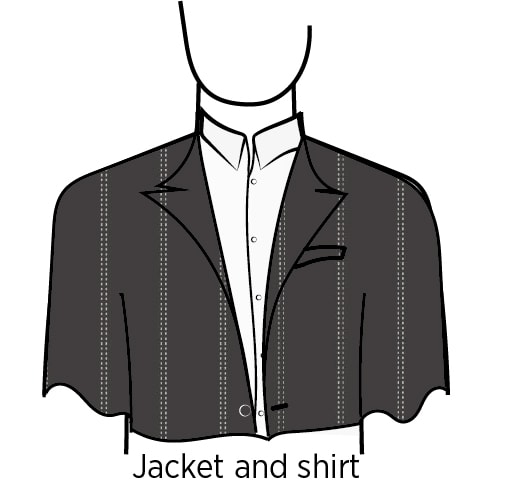
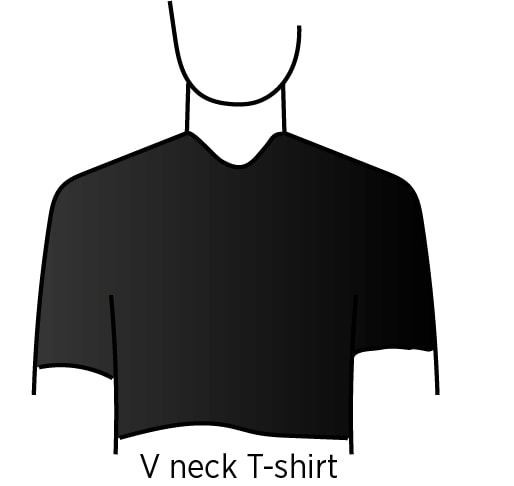
Muted shirt colours, soft blues, light greens, warm greys, can work well and give the image a bit more personality than a plain white. The key is that the colour should be quiet enough not to compete with your face.
Simple ties with a geometric pattern can add a professional touch without becoming a distraction. A dash of colour is fine. Just avoid anything too bold or large in scale. The tie should support the image rather than lead it.
Dark shirts can work well, particularly for people with darker skin tones. The contrast can give the image real presence and help facial features stand out more distinctly.
Subtle stripes in a jacket are generally fine. Keep them understated. Bold horizontal or vertical stripes tend to pull the eye and can make the image feel unbalanced.
The aim with everything in this section is balance. Clothing that feels right for your audience, without drawing the eye away from your face, is almost always the better call.
Not recommended for headshots
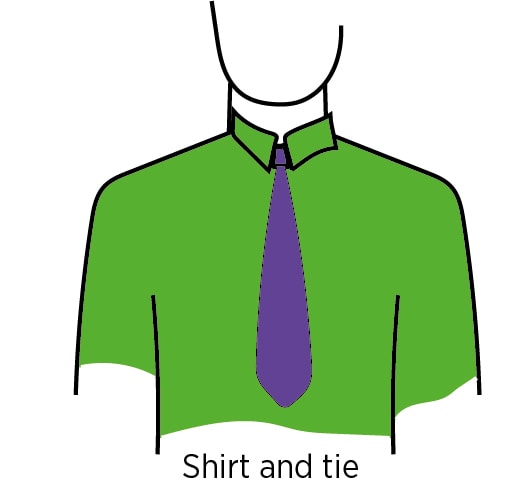
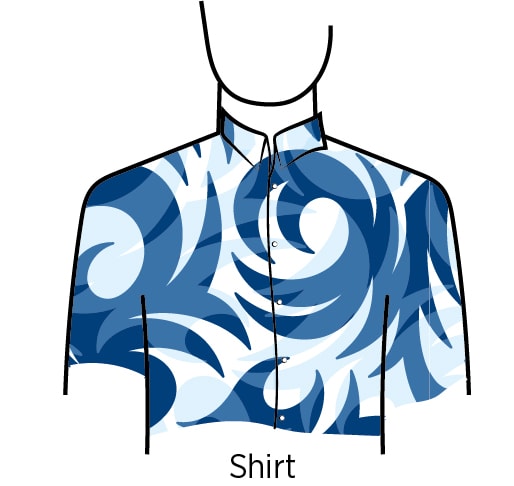
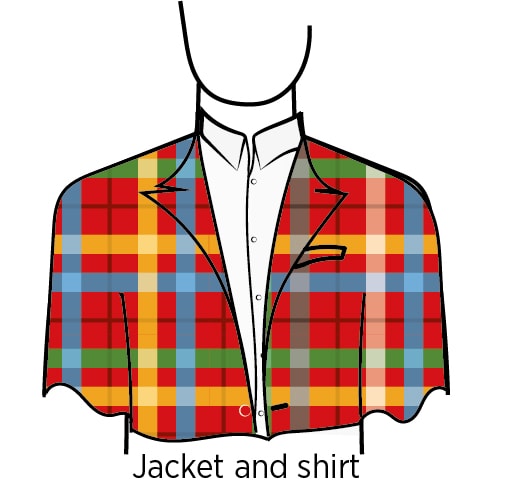
Bright, heavily patterned shirts and jackets pull attention away from your face and make the shoot harder to get right. The whole point of a headshot is you, not what you are wearing.
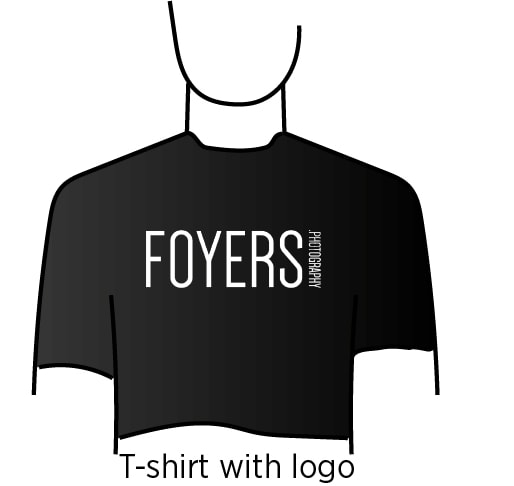
T-shirts with logos or graphic prints are not suitable for professional headshots. They introduce visual noise that takes focus away from your expression and personality.
Stick to solid, neutral colours and simple cuts. It almost always produces a cleaner result, and it ages better too.
CHECKLIST FOR YOUR HEADSHOT SHOOT
Make sure you bring…
- Three or four outfits works well. Mix formal and casual so you have options on the day.
- A hairbrush and any styling products you normally use.
- If you wear makeup, bring what you need for touch-ups. A small mirror is useful.
- Headshot sessions run for up to 3 hours. You are welcome to bring a drink or a snack.
- A few accessories, such as jewellery, a scarf, or a tie, can give you more variety across your looks.
- If you wear glasses, bring a pair with anti-reflective lenses if you have them. Standard lenses can pick up glare that is difficult to remove in editing.
Getting these things ready in advance makes the session run more smoothly and means you can focus on the shoot itself.
The Studio
The studio is at Base Business Park, Rendlesham, on the former RAF Bentwaters site. It is about 15 minutes from the A12, with plenty of parking on site.
If you have questions before you arrive, the studio FAQ page covers most of the common ones.
Studio facilities…
- Ample parking
- Changing room
- Makeup mirror
- Toilets
Headshots behind the scenes videos
If you want to see what a session at the studio looks like, here are a few behind the scenes videos.
See more about my professional headshots in Suffolk.