A Familiar Face in Front of the Camera
Photographing anyone comes with its own rhythm of trust and timing but photographing another photographer is a very different experience. When that photographer is also a long-time friend the dynamic shifts again. I have known Shelley Nott ARPS for years and while I have admired her work and creative insight for just as long she has never hidden the fact that she dislikes being photographed. It has been a running joke between us that someone so skilled at observing light and form would rather be anywhere than in front of the lens. Yet as every creative knows our work often demands that we step into uncomfortable spaces. Shelley understands the importance of having a professional presence online particularly on platforms such as LinkedIn where a polished headshot is part of building trust and recognisability. A professional headshot is no longer a luxury or an afterthought; it is a visual statement that reflects who you are and how you present yourself to the world. For creatives, artists, and entrepreneurs, authenticity is crucial. A good headshot should feel genuine, the best version of yourself rather than an artificial projection. I believe a portrait should show honesty, not embellishment, and be true to character rather than overly retouched into something unrecognisable.
Planning the Session
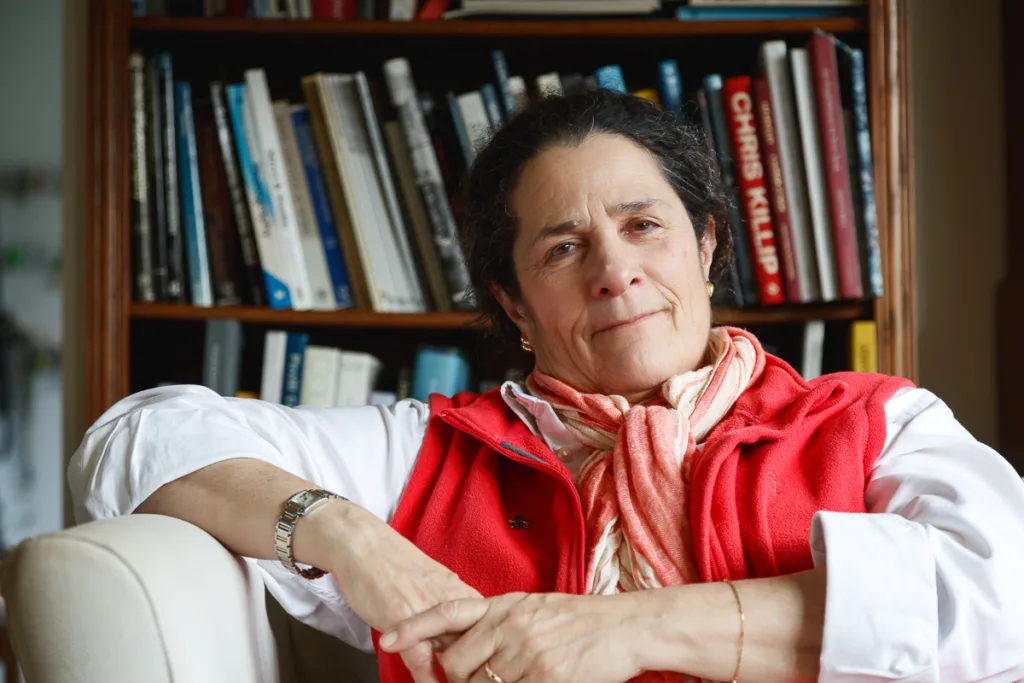
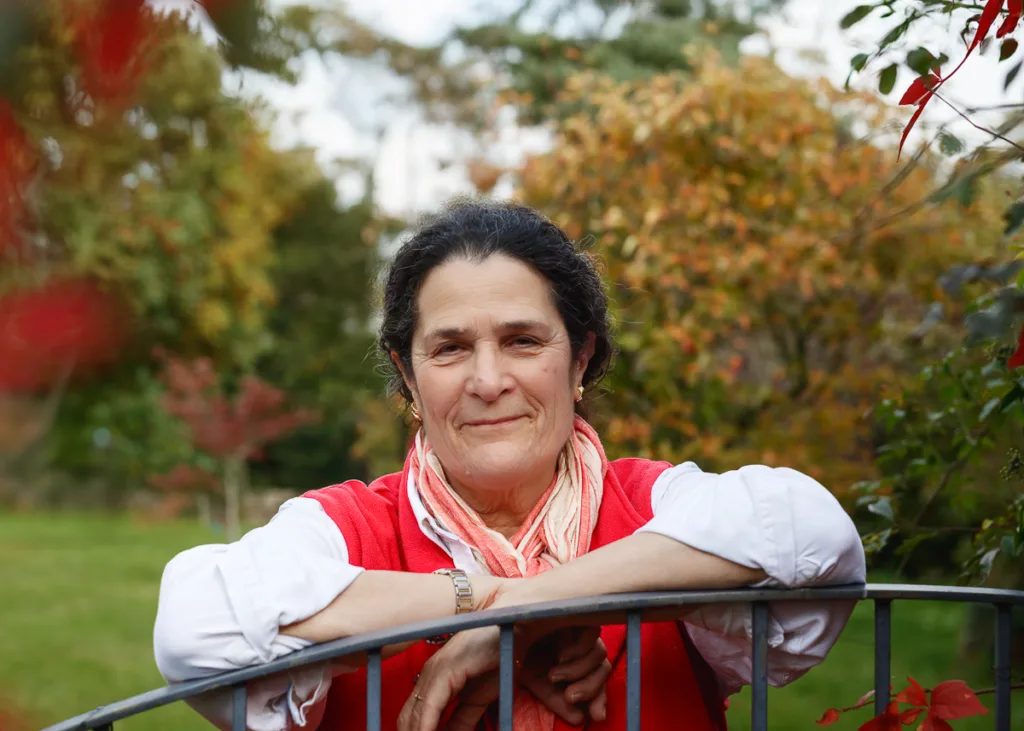
Shelley preferred to have her portraits taken at home rather than in my Bentwaters studio, which suited the concept perfectly. Shooting in someone’s own environment often helps create a sense of ease. There is familiarity in the setting, the rhythm of the space already belongs to them, and that often translates beautifully into the image. Natural light was the only lighting choice we discussed. Shelley’s fine-art photography relies on the slow, deliberate study of light, much like the Dutch Masters who inspire her. It felt fitting to work with the same source she values most, the shifting, directional softness of daylight. We spent time exploring her home to find where the light fell best, identifying pockets of warmth and subtle contrast. The weather was kind that day, so we had the freedom to work both indoors and out, creating different tones and textures across the set.
Finding the Right Setting
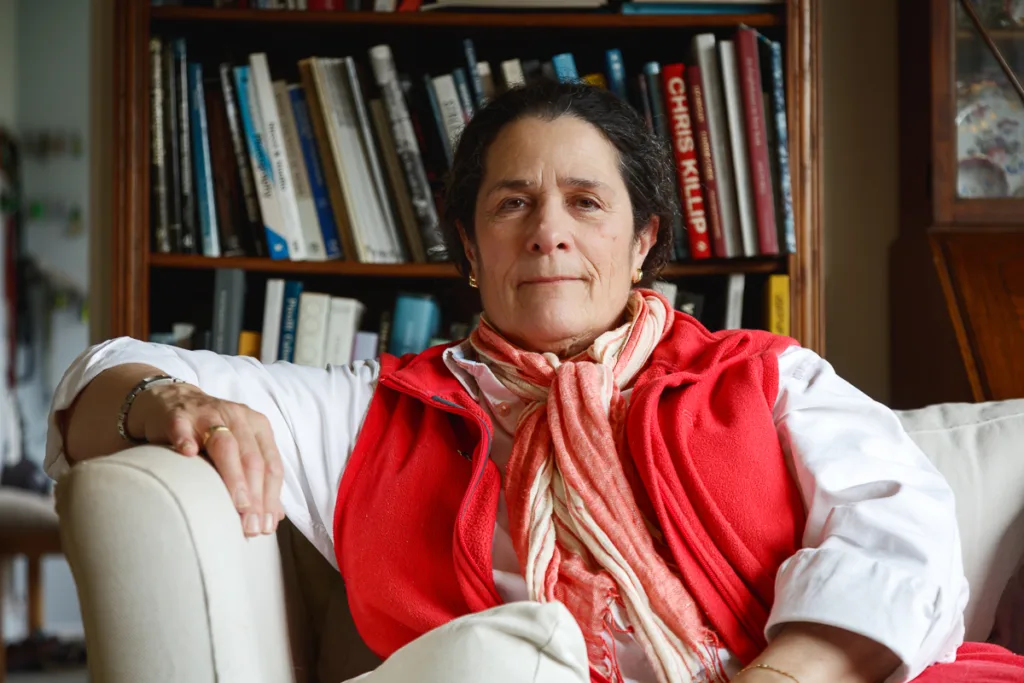
One of the most rewarding parts of shooting on location is responding to what the space offers. Shelley’s home reflects her artistry, shelves lined with photography books, work surfaces scattered with carefully arranged still-life subjects, and prints that echo her fascination with classical symbolism. It made sense to include this context in some of the portraits. Positioning Shelley in front of her bookcases added layers to the story; it placed her within her world of influence, surrounded by years of study, inspiration, and practice. Those elements helped reinforce the connection between who she is and what she creates. Outdoors, the light shifted quickly. We used a shaded area near a garden wall to soften the highlights and maintain a gentle contrast. Working with natural light means reacting instinctively, adjusting the angle, using reflective surfaces sparingly, and watching for the subtleties that artificial lighting can sometimes overpower.
Technical Notes
For this session I worked with a 500mm f1.4 lens, ideal for portraiture because of its flattering compression and shallow depth of field. I kept the aperture around f2.8, ensuring a balance between subject clarity and soft background separation. Natural light was our only source, filtered through large windows and occasionally balanced with a white reflector to lift shadows. I avoided any additional strobes or flash; the goal was to maintain a consistency with Shelley’s own photographic ethos. The white balance was set to daylight, preserving the natural warmth of the ambient light, while exposure was adjusted manually to avoid clipping in either direction. The colour palette remained muted and organic, matching the understated tones Shelley often uses in her still-life work. Minimal retouching was applied, just small tonal corrections and basic skin clean-up, to preserve realism and authenticity.
The Experience
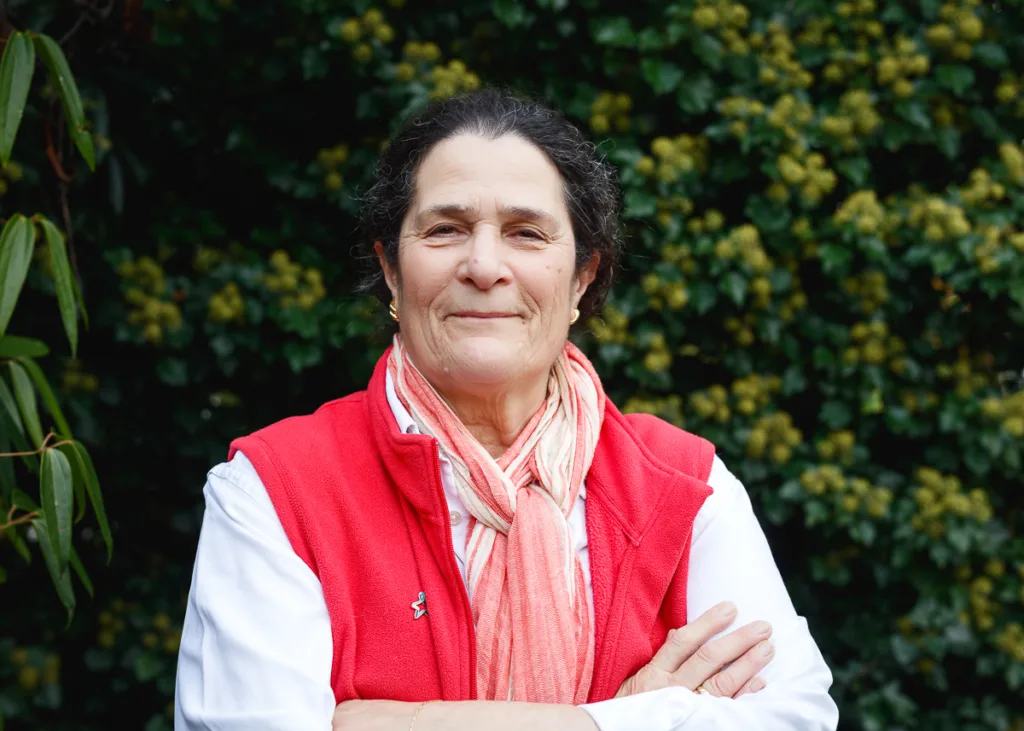
As a photographer Shelley is acutely aware of what goes into constructing an image, the posture, the slight adjustments of chin and shoulder, the relationship between lens and subject. That awareness can be both a blessing and a challenge. It means she understands direction intuitively, but it also means she can become hyper-aware of being observed. To counter that I kept the session conversational. We spoke about projects, books, and the evolution of fine-art photography. Gradually, the camera became incidental, almost forgotten, and that is when the best images happened, moments where expression overtook self-consciousness. Shelley’s portraits reveal something subtle, a creative caught between reflection and curiosity. They show both the subject and the observer, which, for a photographer, is a rare balance to capture.
About Shelley Nott ARPS
Based in East Suffolk, Shelley Nott ARPS is a fine-art photographer best known for her still-life imagery inspired by the Dutch Masters. Her work merges traditional composition with modern digital precision, often exploring the quiet beauty of natural light and symbolic detail. Collectors worldwide display her photographs alongside classical paintings, recognising the dialogue she creates between past and present. Each of Shelley’s images is built with care, sometimes taking days to complete. She uses window light, arranging objects meticulously until balance and symbolism align. Though digital, her practice is rooted in the discipline of large-format film photography, favouring patience and precision over speed. Her upcoming exhibition, “Still Life and the Art of Slow Photography,” will be held at The Courtyard Gallery in Aldeburgh from 17 to 23 December 2025. The show explores the intersection of craft, light, and time, a fitting reflection of her philosophy that photography should never be rushed. Visit shelleynott.co.uk to explore her work or find details of future exhibitions.
Reflections on Photographing Another Photographer
Photographing another creative professional is always a humbling reminder of the shared language between artists. We each see light differently, and yet we recognise the same pursuit, to translate what we feel into what others can see. With Shelley that conversation between photographer and subject was unspoken but constant. Every small adjustment to composition carried mutual understanding. Every change in light became part of a quiet dialogue about what it means to truly see. These sessions remind me why I love portraiture. It is not about the equipment or even the technique but about the small exchange of trust that allows someone to be seen honestly. Whether it is a CEO needing a professional headshot or a fine-art photographer confronting the camera, that shared vulnerability is what makes portrait photography meaningful.
Closing Thoughts
This shoot reaffirmed something I often tell clients: the best headshots are not about posing but about being comfortable enough to be yourself. Natural light helps that process because it feels less clinical and more human. It is forgiving, unpredictable, and real, much like the people we photograph. Working with Shelley was both challenging and rewarding in equal measure. Her humour, candour, and commitment to authenticity made the experience genuinely collaborative. I am grateful she trusted me with the task. Shelley later wrote, “I am a really bad subject for Bob to photograph as I hate having my picture taken! Luckily, he has endless patience and manages to put me at my ease.” For me, that is the highest compliment a photographer can receive.
See more about my professional headshots in Suffolk.