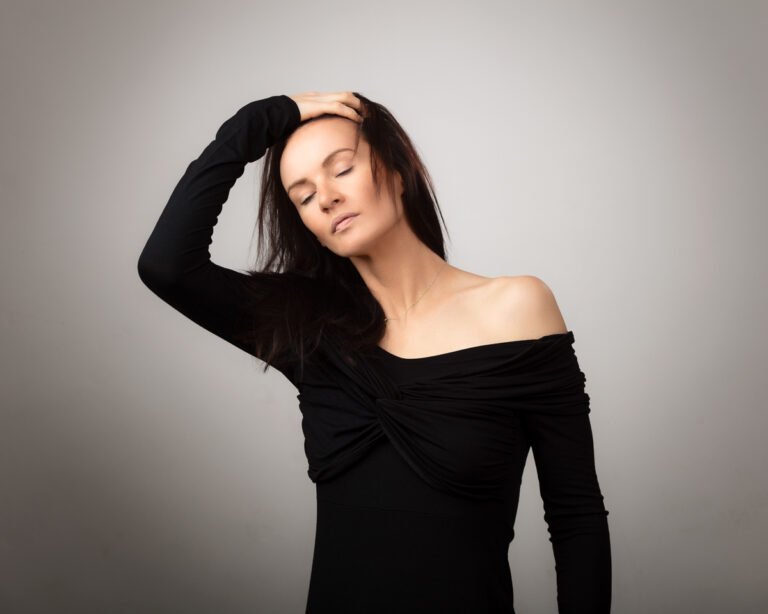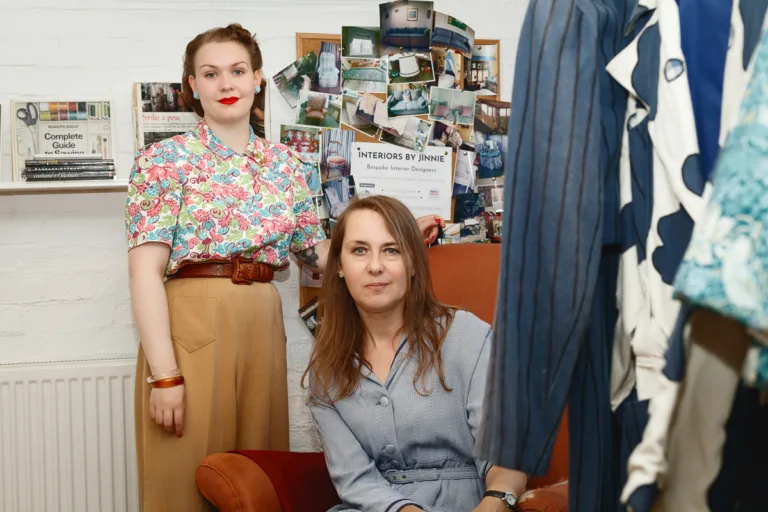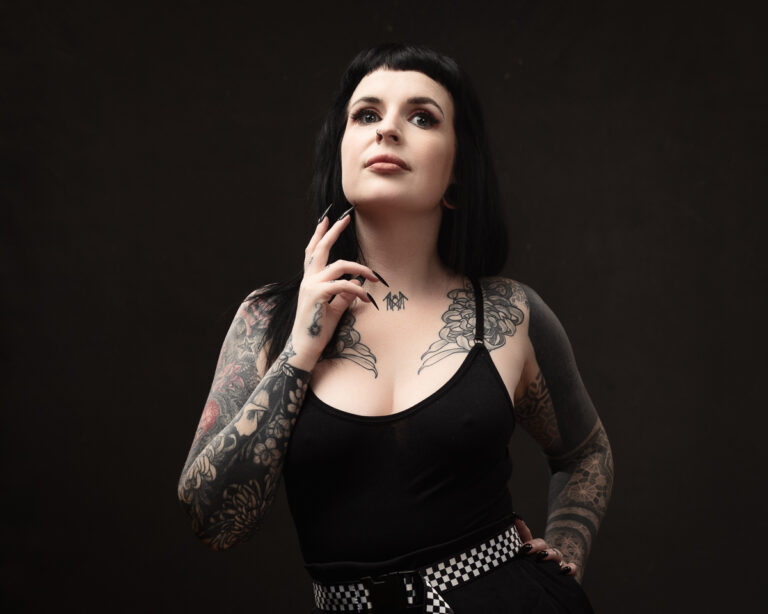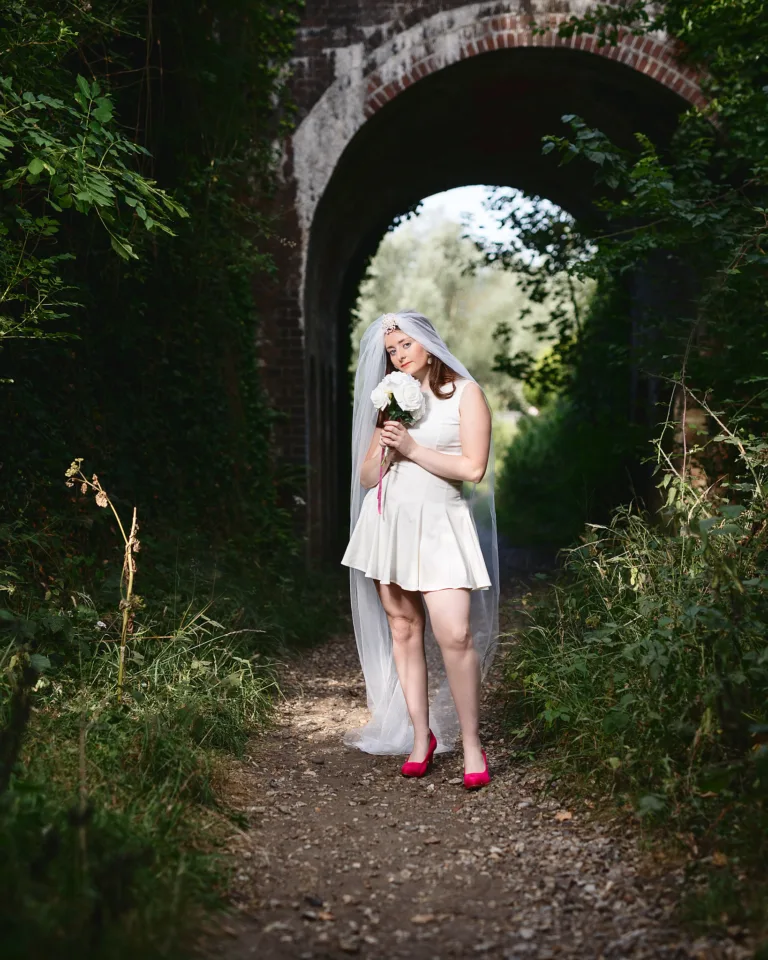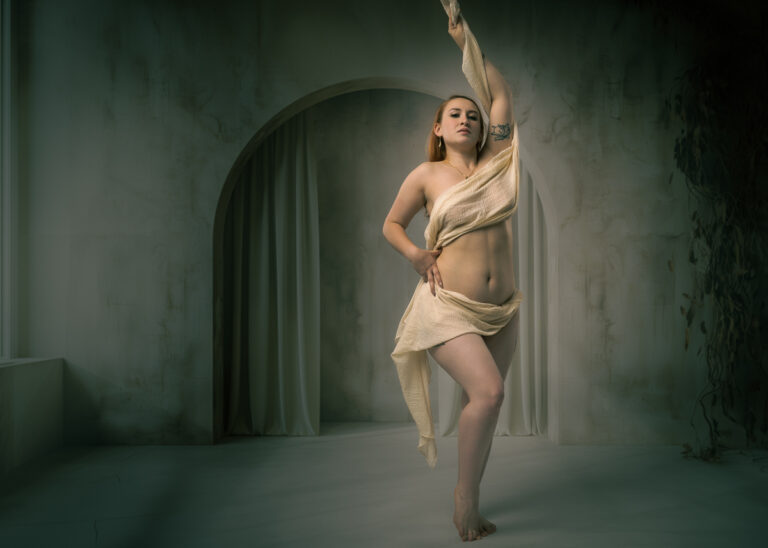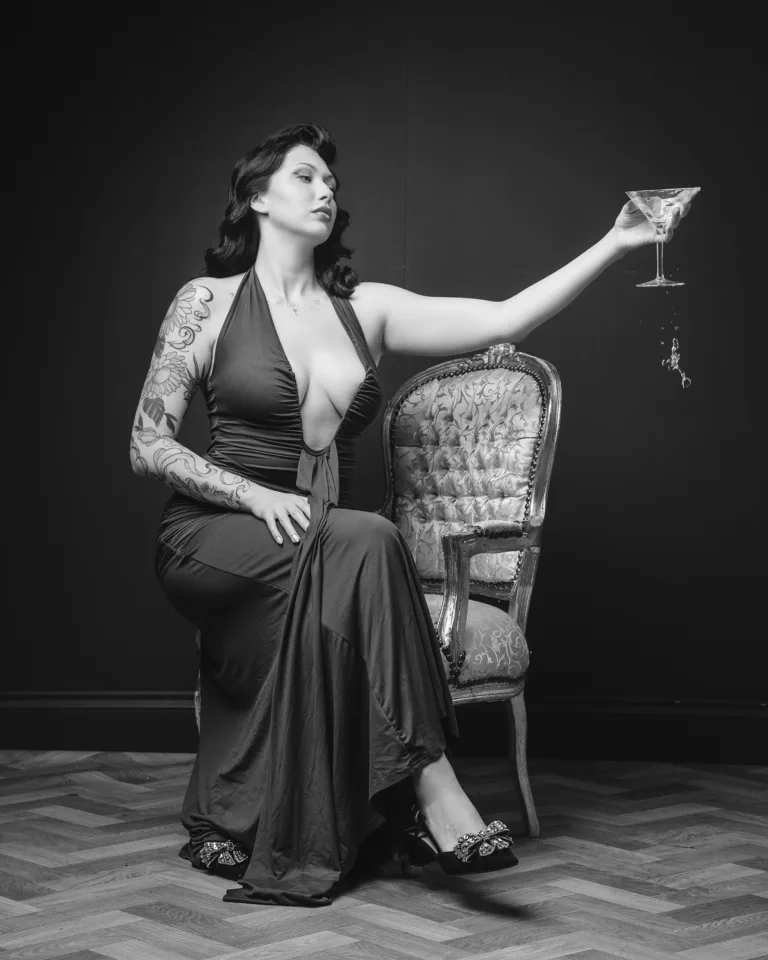
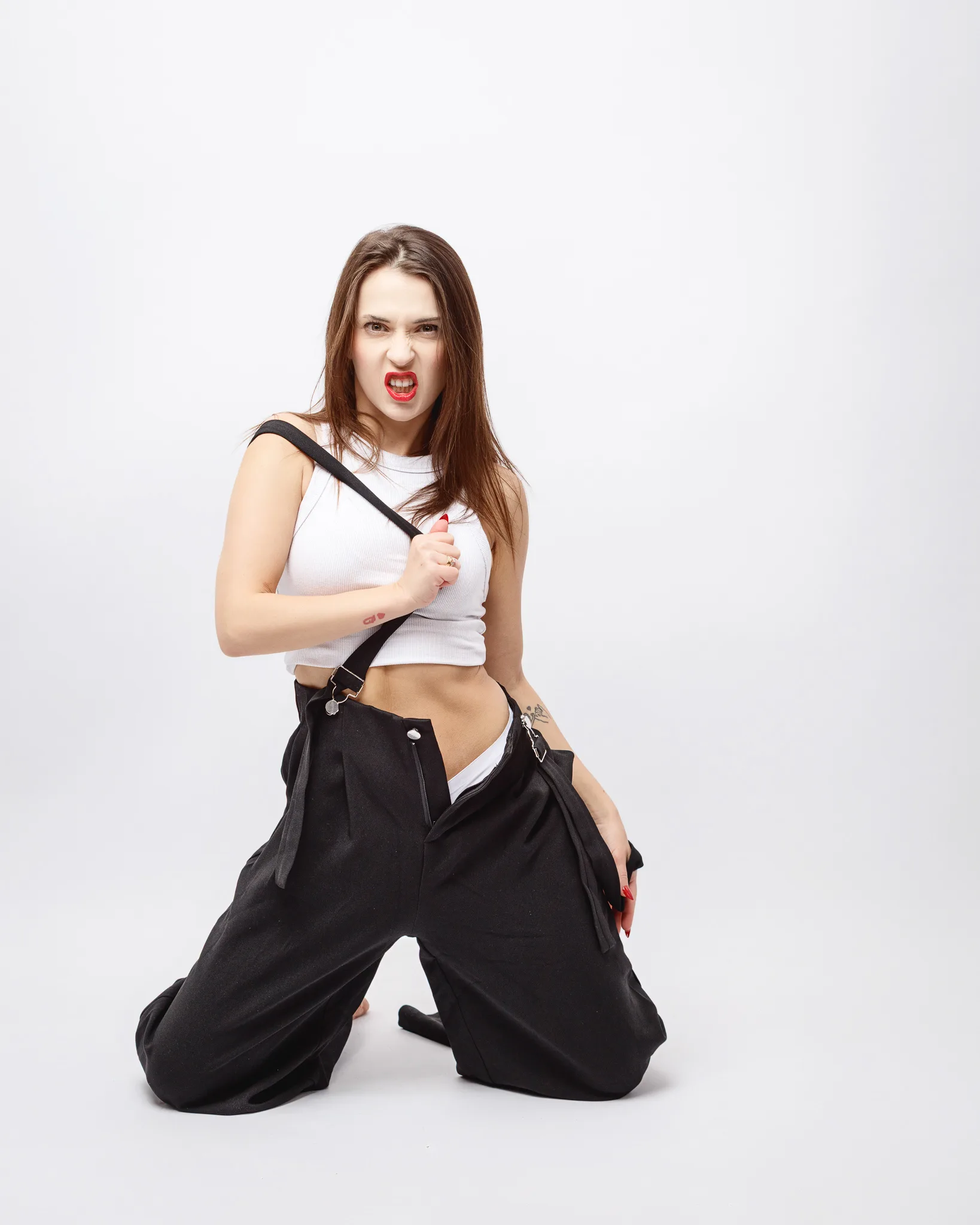
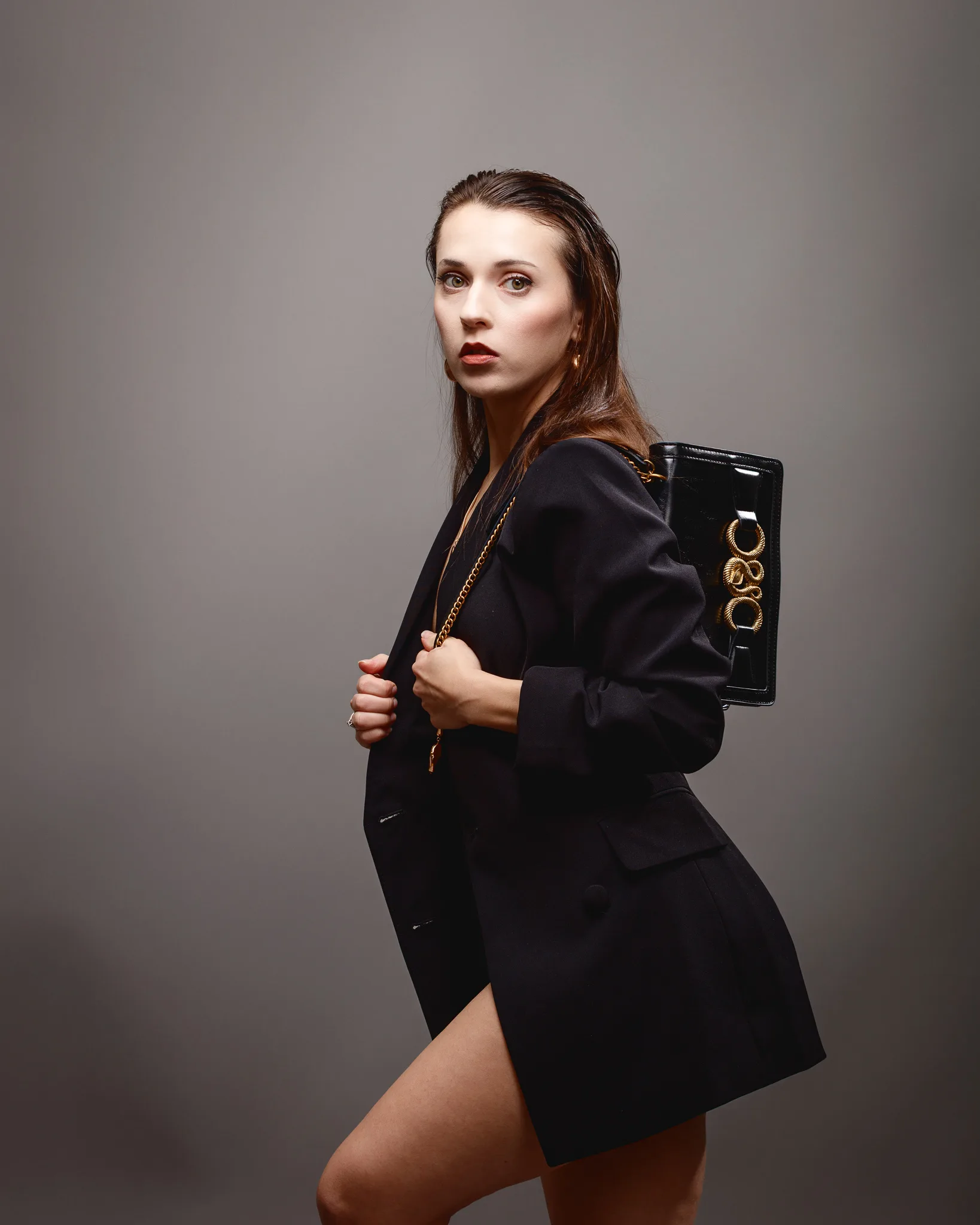
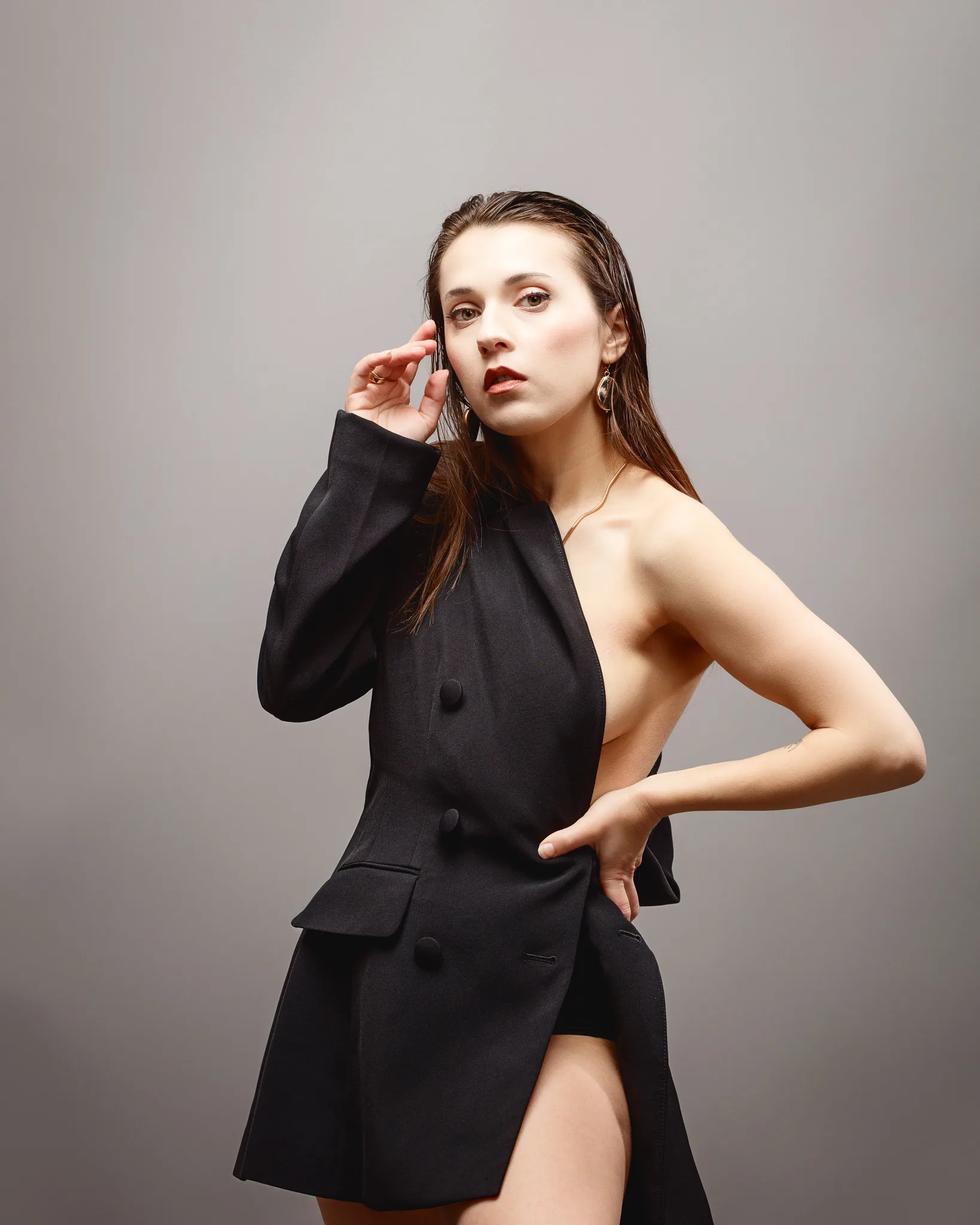
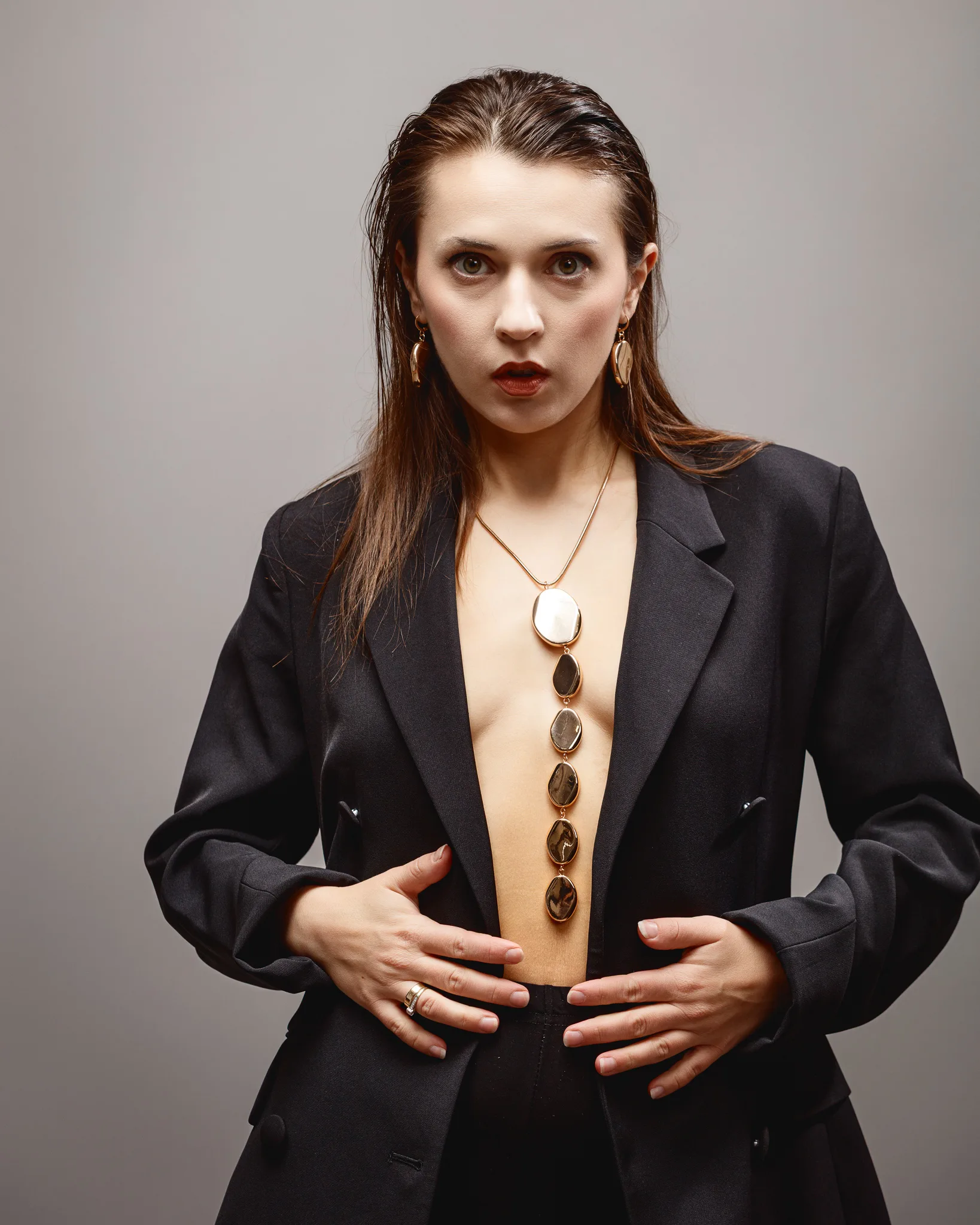
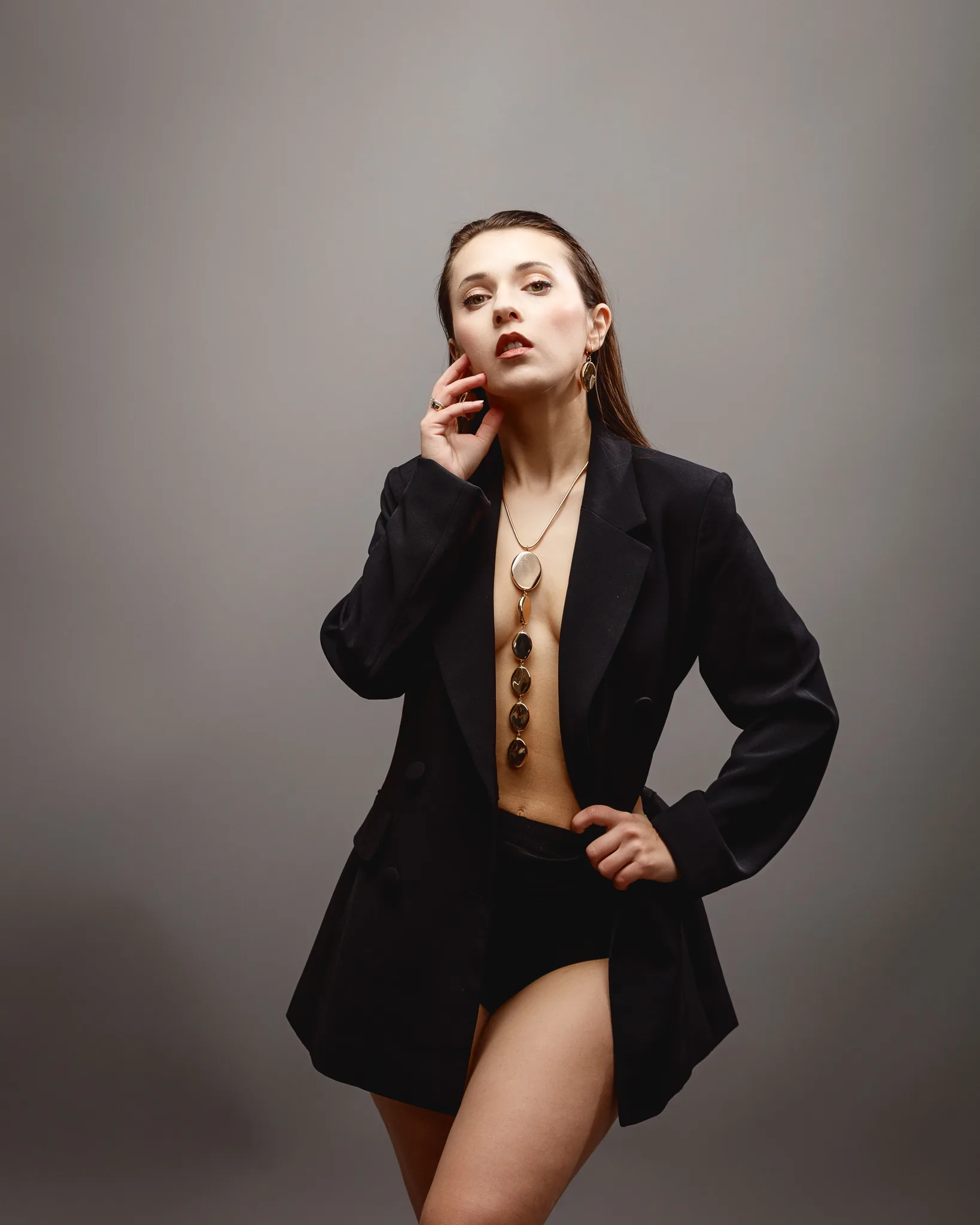
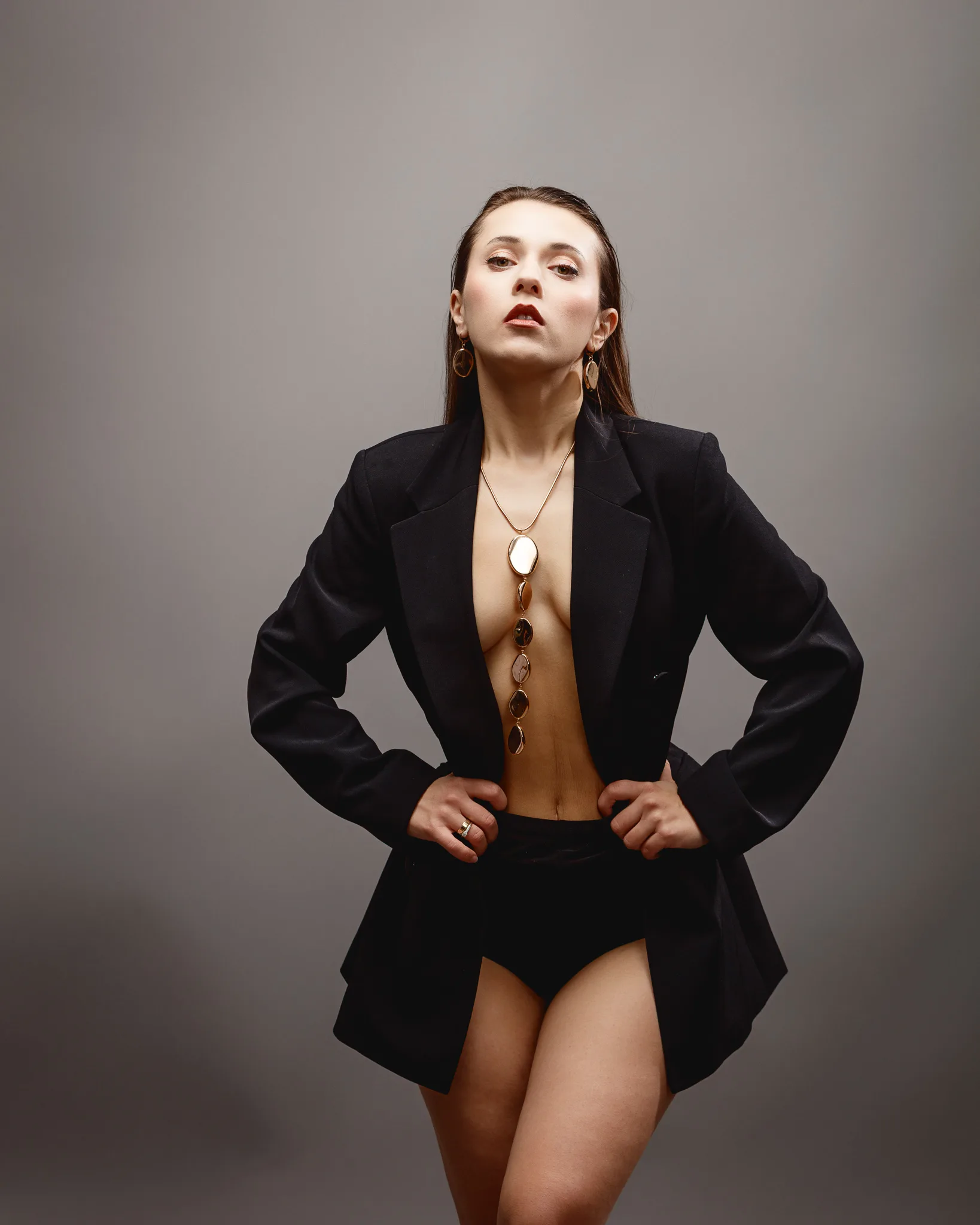
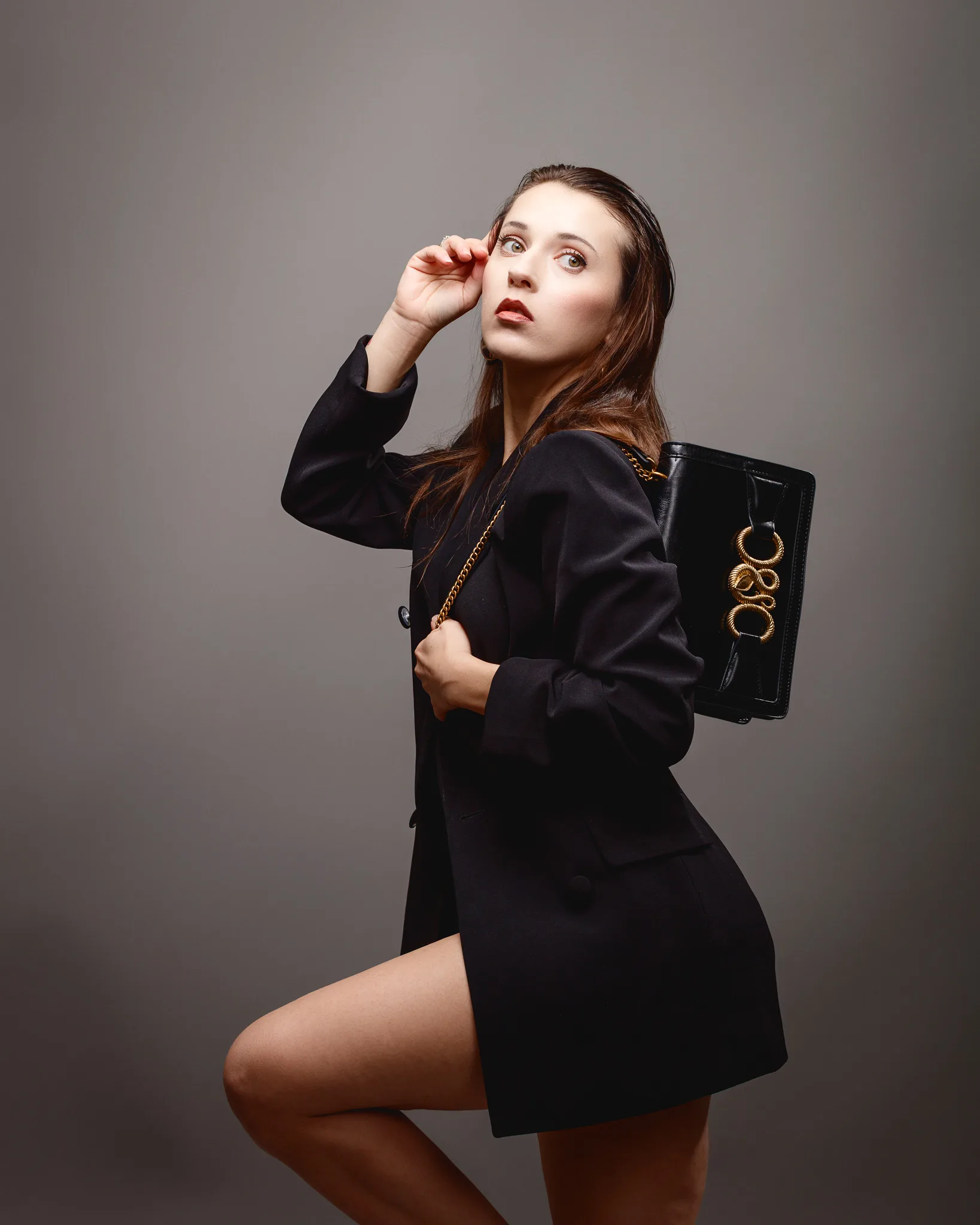
I recently photographed Karolina in my studio at Bentwaters near Woodbridge, Suffolk, for a model portfolio session. It was genuinely lovely to work with her again, and it felt like a real full-circle moment. The first time Karolina and I worked together was a maternity shoot. She now has a little one, but she is back modelling with real focus and a great sense of fun.
This shoot was built around clean studio portraiture, controlled variety, and a professional, safe-for-work approach throughout. That matters for me, because it keeps the final images widely usable. It also helps the session feel calm and purposeful. You can still create character and edge in a safe-for-work session. You just do it through styling, posing, and expression, rather than relying on anything that limits where the images can be used.
It was also wonderful to have Justyna with us as Karolina’s chaperone. Having a supportive person in the room often improves the energy. It can add calm, momentum, and confidence, especially during outfit changes and resets. I am always happy for models to bring a chaperone, and I treat it as normal.
As always, the styling and outfit choices were Karolina’s. I keep that boundary clear on every model portfolio shoot. The session should be led by what the model wants to say about themselves, and what they feel comfortable wearing. My job is to light and direct in a way that supports those choices, while producing strong, consistent images that work for agencies, castings, and professional self-promotion.
What we set out to achieve in this model portfolio session
Before we started shooting, the brief was simple and practical.
We wanted:
- Clean, agency-friendly images with clear facial detail
- A consistent look across the set, even as styling changed
- Variety that felt intentional, not random
- A mix of headshot, three-quarter, and full-length images
- Expression changes that showed range without becoming theatrical
- Safe-for-work styling throughout, to keep the portfolio broadly usable
A model portfolio shoot works best when the variety has structure. That structure keeps the images cohesive, and it also helps the model build confidence as the session progresses.
Why I keep the lighting clean and the background neutral
Most agencies and casting teams want clarity first. They need to see the model’s features, proportions, and how they photograph under consistent conditions. Neutral backgrounds and predictable lighting make that assessment easier.
I also like neutral backdrops because they are durable. Trends come and go quickly, especially with fashion-led imagery. A clean studio portrait holds up because it does not rely on location novelty. You can still create mood and personality, but the image stays readable and professional.
This approach is widely echoed in acting and modelling guidance. Spotlight, for example, stresses the importance of clear, simple photos that represent you accurately, without distractions. https://www.spotlight.com/news-and-advice/the-essentials/everything-you-need-to-know-about-photos/
Backstage also highlights that backgrounds should not compete with the subject, particularly when the image is used as a quick first impression. https://www.backstage.com/magazine/article/how-to-choose-a-headshot-background-77874/
Even though those articles sit more in the acting space, the principles translate perfectly to agency-style portraits and casting headshots.
A quick note on consistency and why it matters for agencies
Consistency does not mean every frame looks identical. It means the images belong together.
When lighting, exposure, and background remain stable:
- Skin tone looks believable from image to image
- Facial structure reads clearly
- Styling changes feel deliberate rather than messy
- The portfolio looks curated, not accidental
That is particularly important when your images are viewed quickly on a phone, or when they are being compared against other models in a shortlisting process. Strong work has to read fast.
The role of a chaperone in a studio model portfolio shoot
Justyna’s presence was a real positive. A good chaperone can improve a shoot in several practical ways.
A chaperone can:
- Help a model feel supported and relaxed
- Spot small issues quickly, like hair placement and strap lines
- Keep the pace smooth during outfit changes
- Provide a calm second opinion when choosing between poses
- Help the model stay confident when energy dips
This is not only about age. Comfort and trust are the point. When a model feels safe and supported, expression settles faster, posture improves, and the whole session becomes more productive.
I also find that a supportive dynamic in the room often encourages experimentation. Models take creative risks more easily when they do not feel self-conscious.
Seven looks, one coherent portfolio
This session included seven distinct looks, each with a clear purpose within the portfolio. I am not listing every garment detail, because the key point is how each look served a different portfolio need.
When I plan a model portfolio shoot, I want every set to earn its place. The aim is not “more outfits.” The aim is “more usable range.”
Here is how these seven looks functioned in the set.
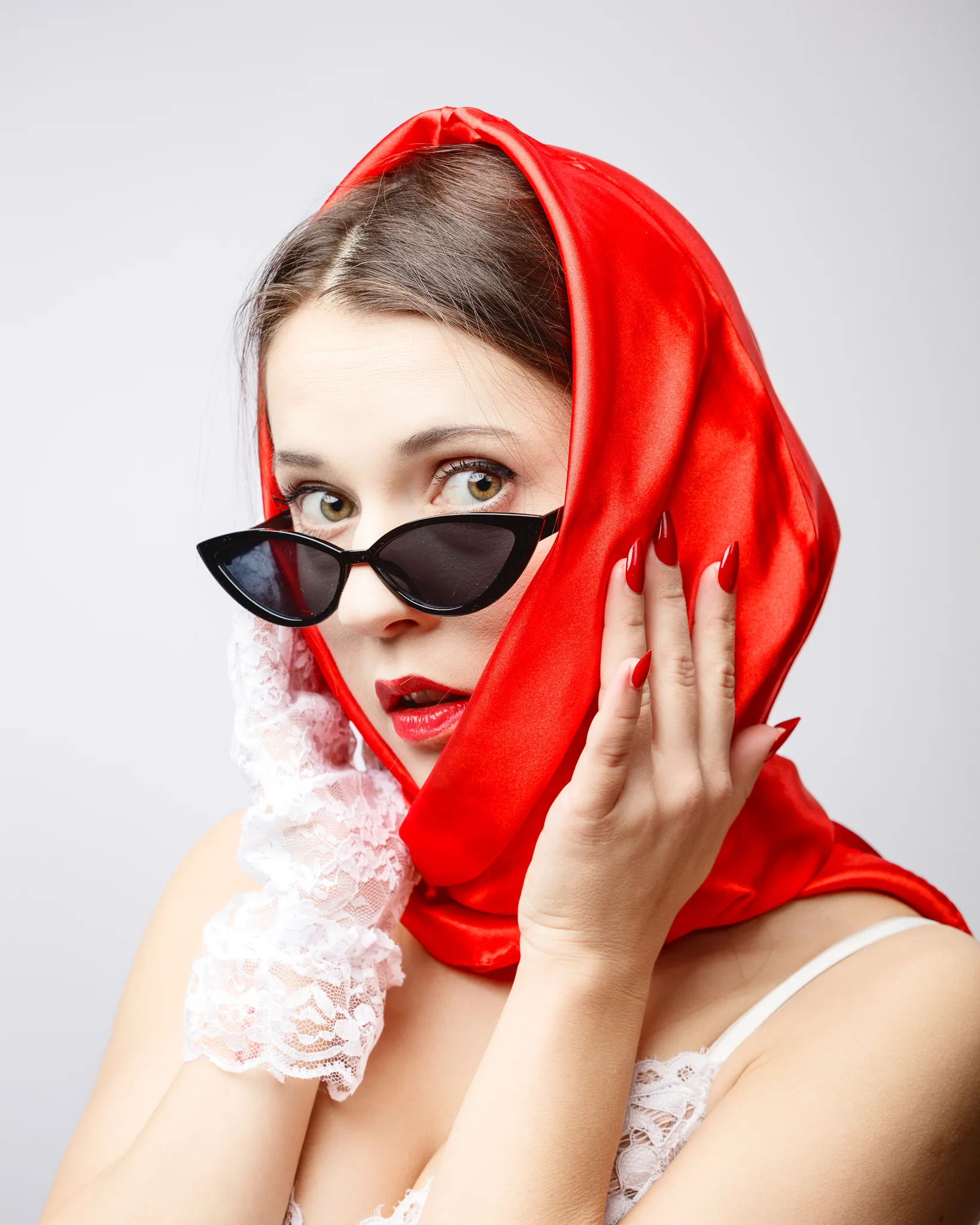
Look 1: Clean baseline portraits
I like to start with a clean, confident baseline. This is where I establish the model’s natural look and strongest “agency-style” images.
The direction is simple:
- Balanced posture
- Relaxed shoulders
- Clean hand placement
- Neutral expression, then gentle variation
These images become anchors. They are often the first images a model uses for casting headshots, profile tiles, and applications.
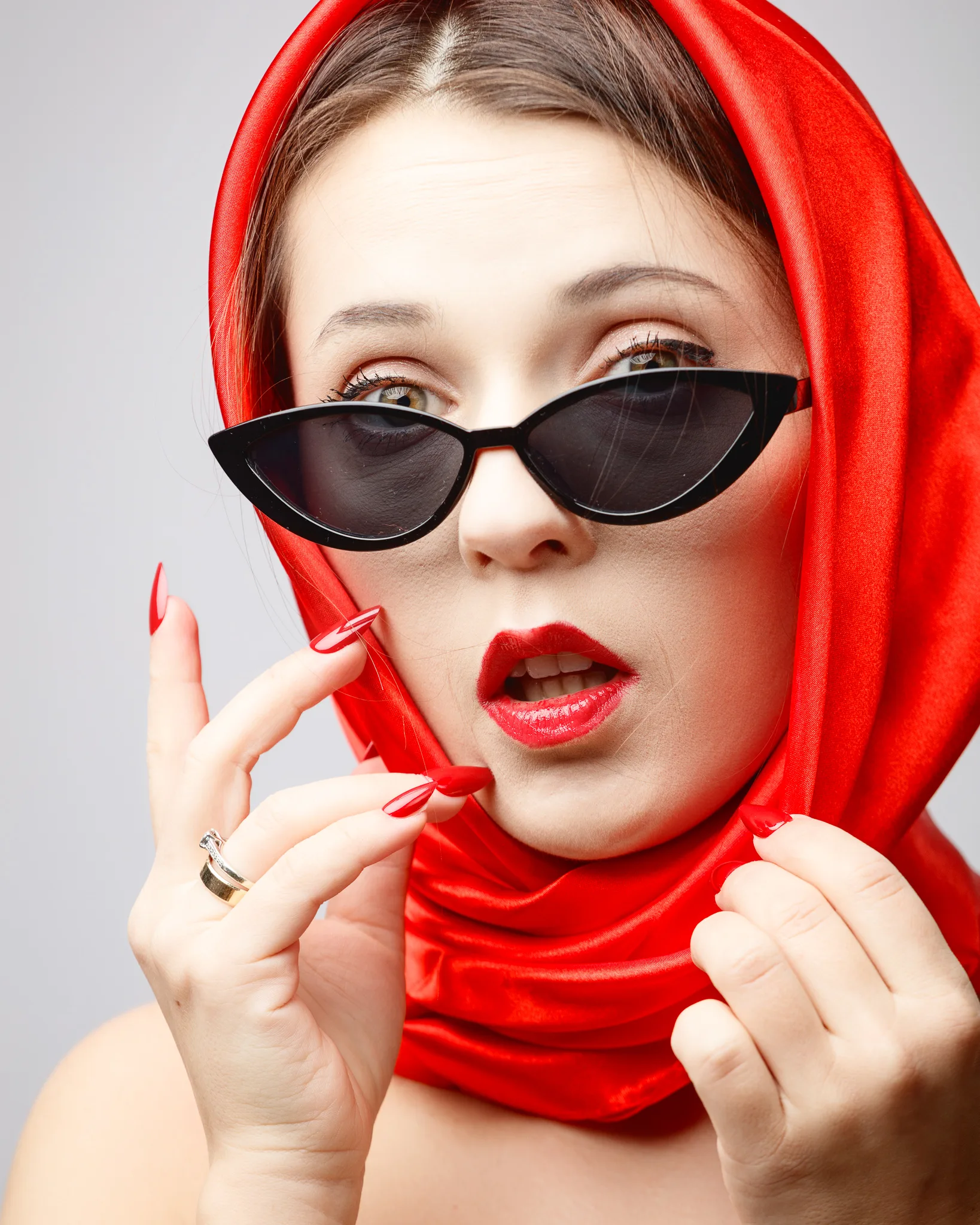
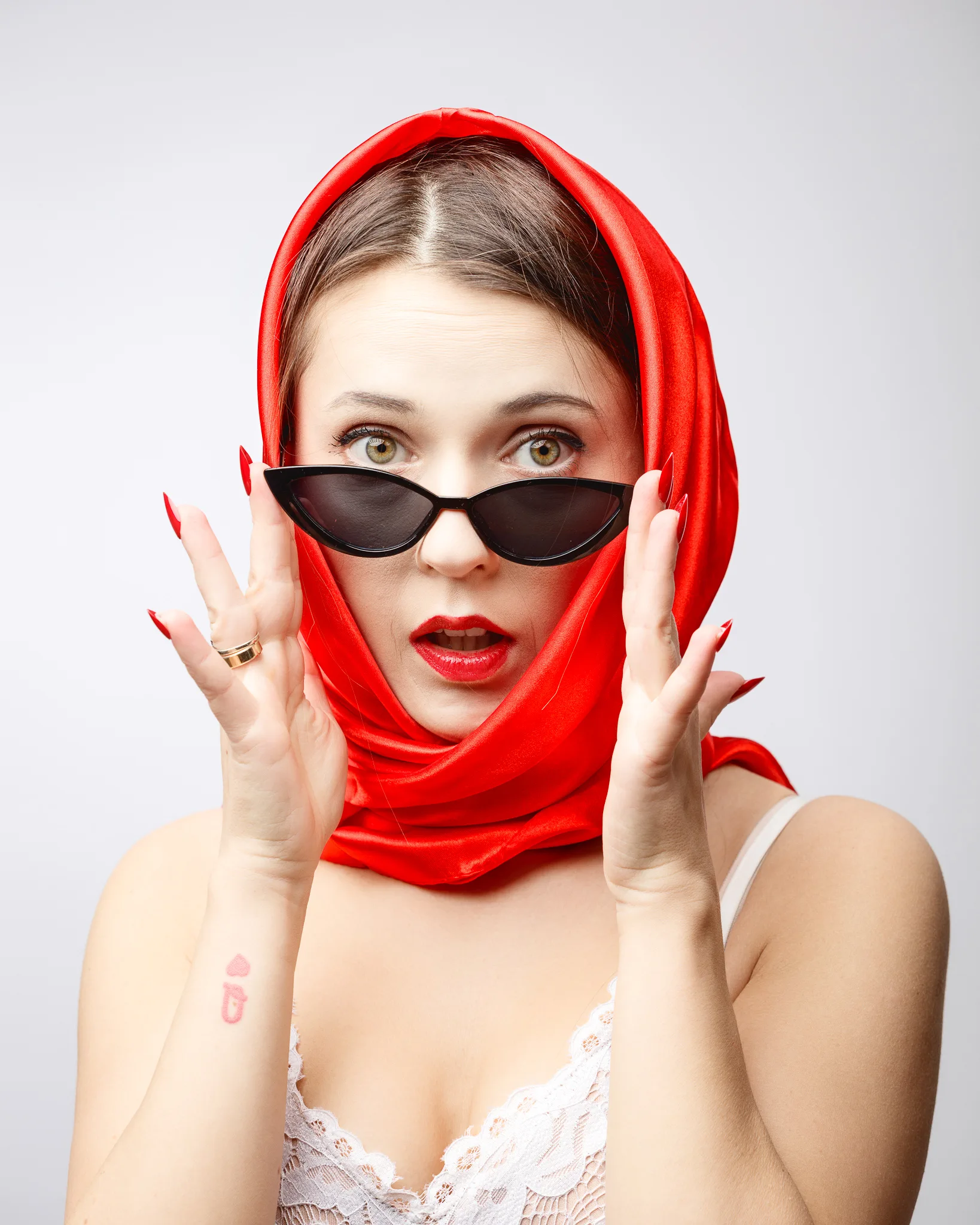
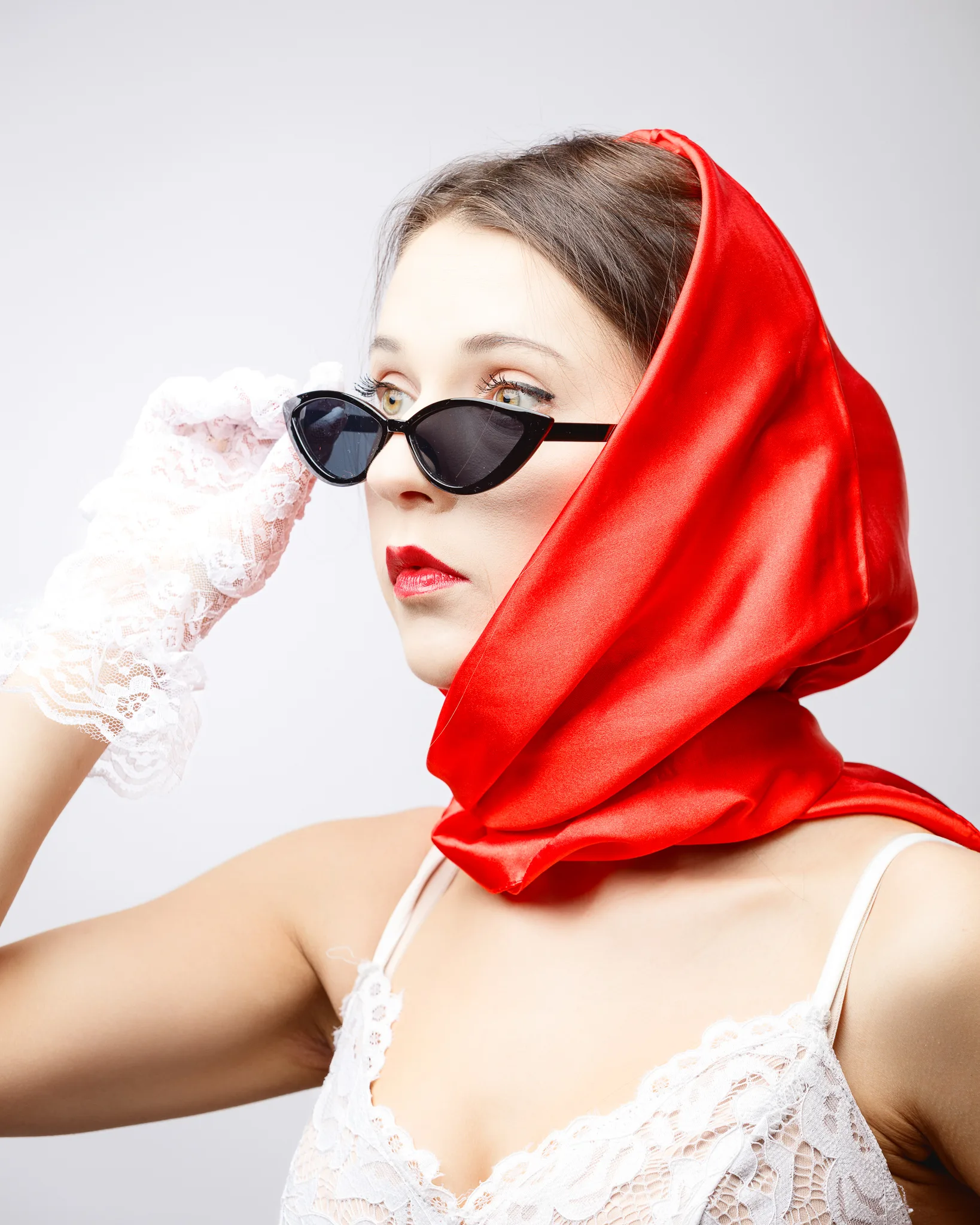
Look 2: A small styling shift with the same clean lighting
Once the baseline is secured, I like to introduce a small styling change. This could be a different neckline, a change in hair, or a simple layer.
The point is to show variety without losing consistency. The lighting stays stable. The camera distance changes slightly. The expression shifts a little. You get a new “chapter” without changing the whole book.
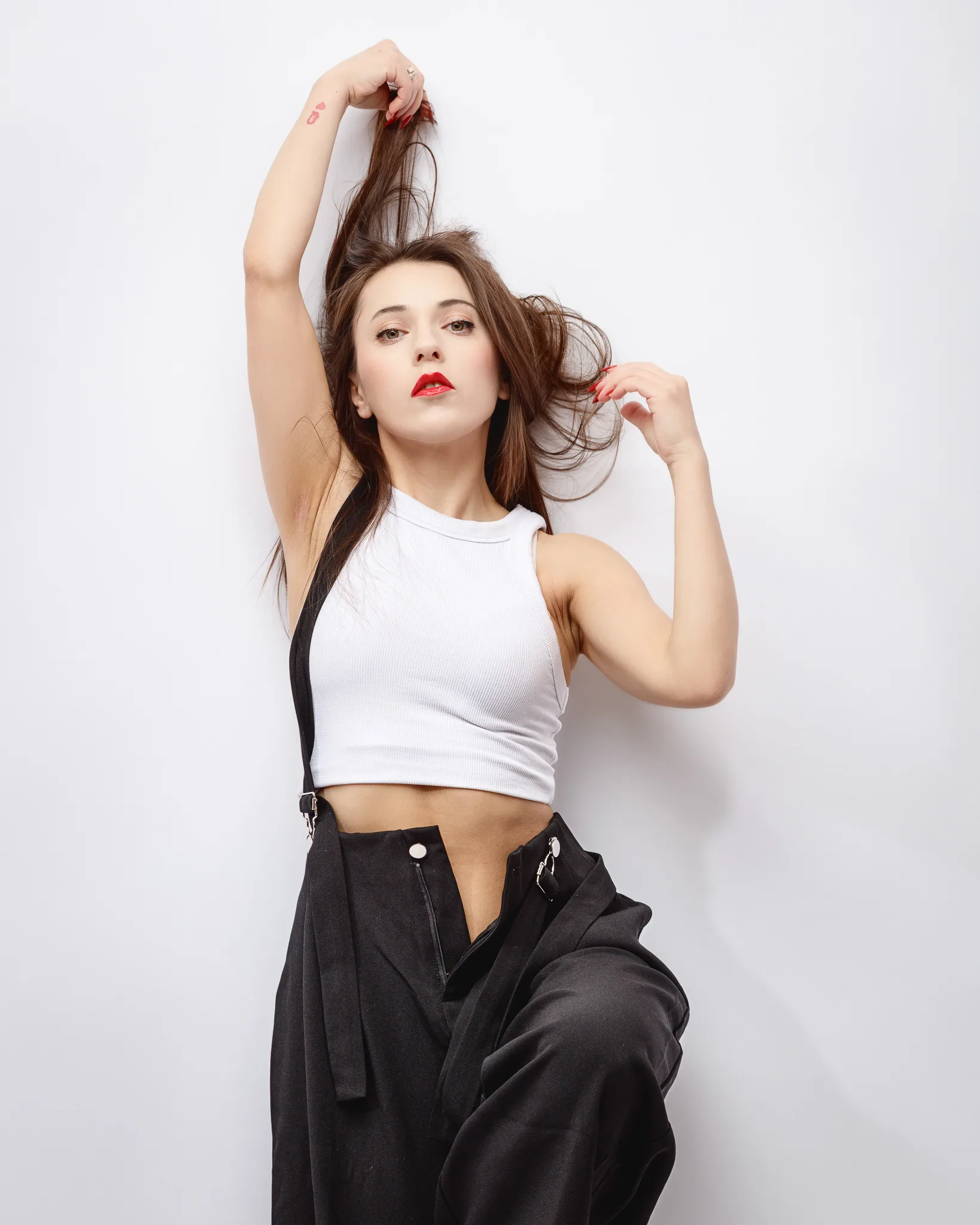
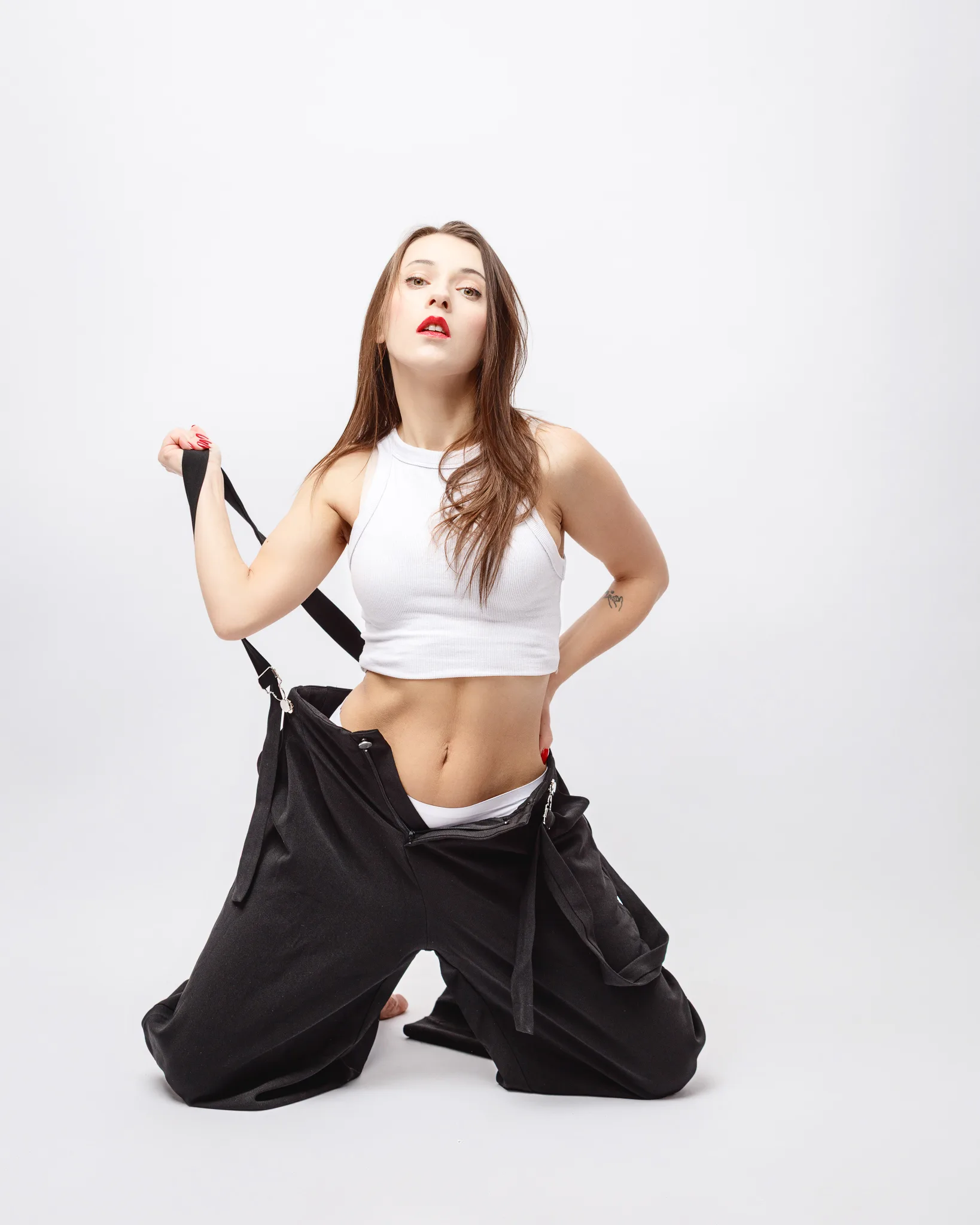
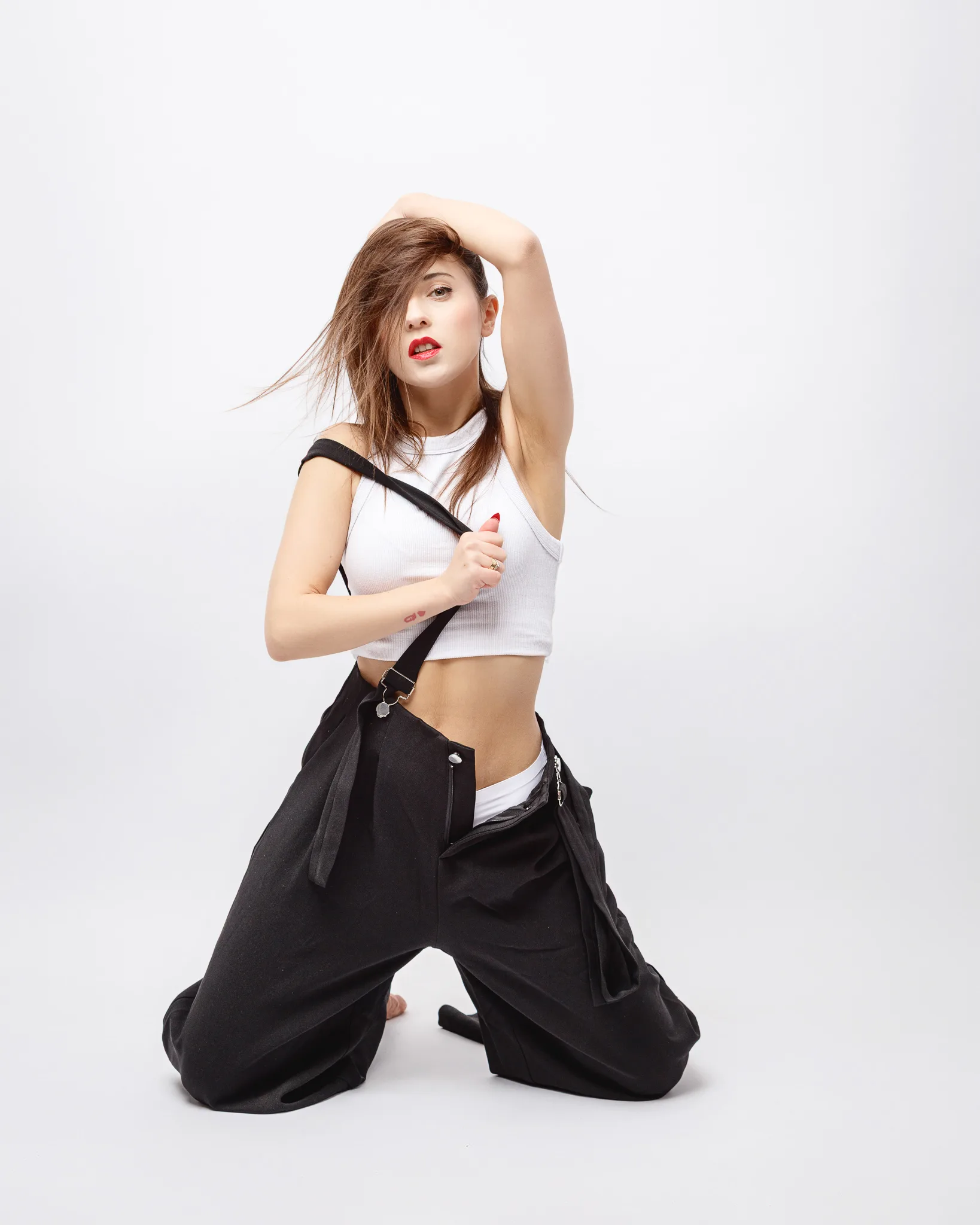
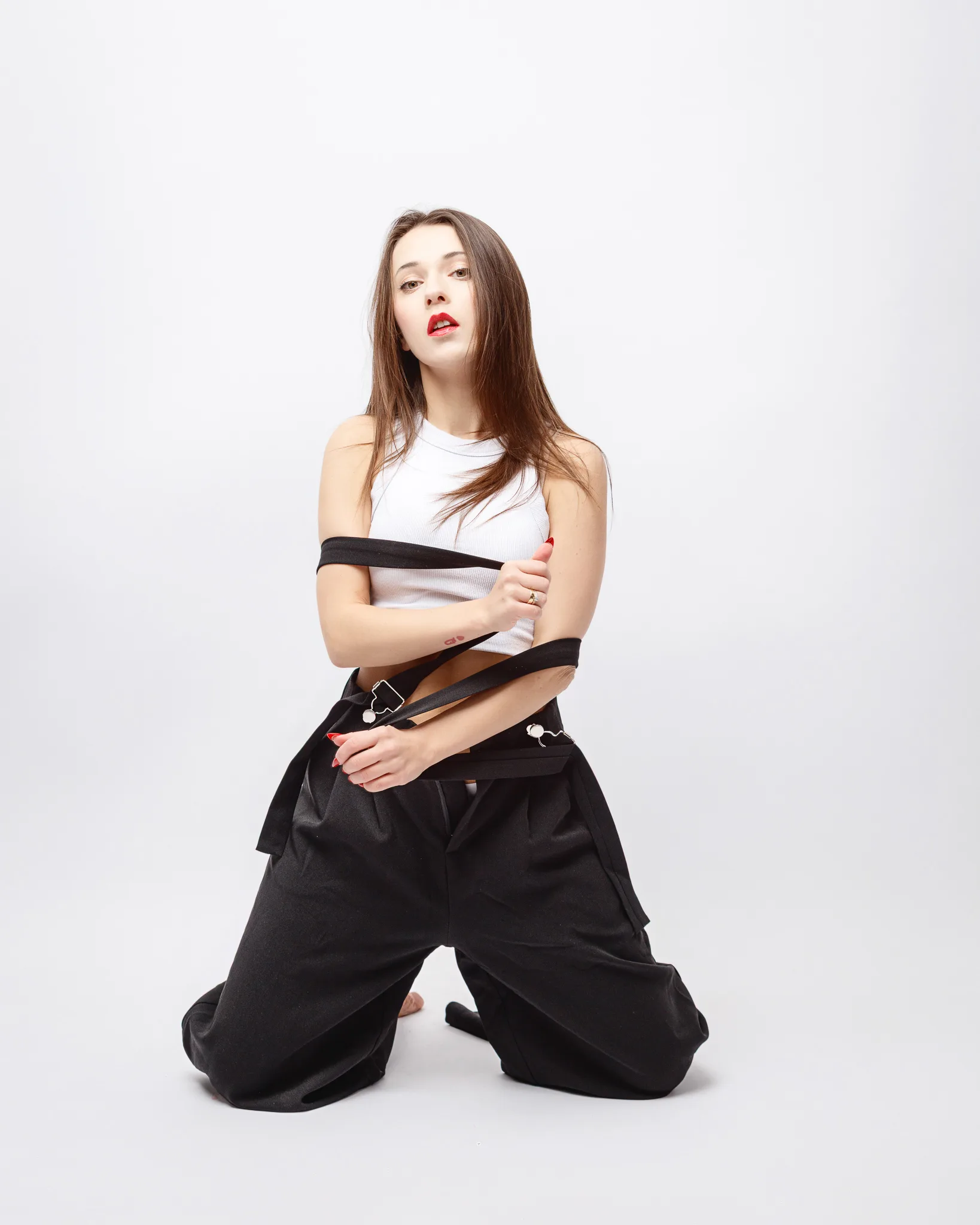
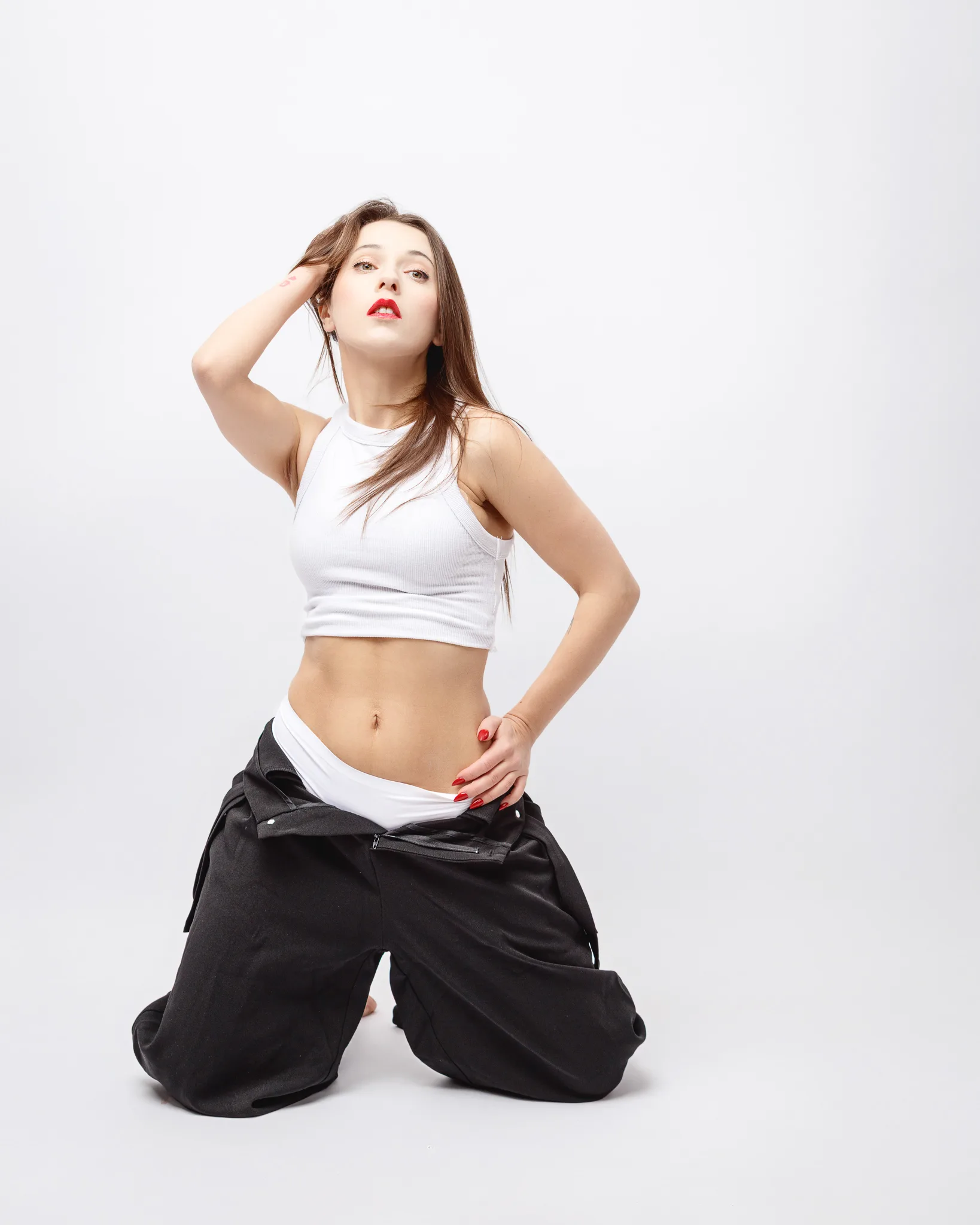
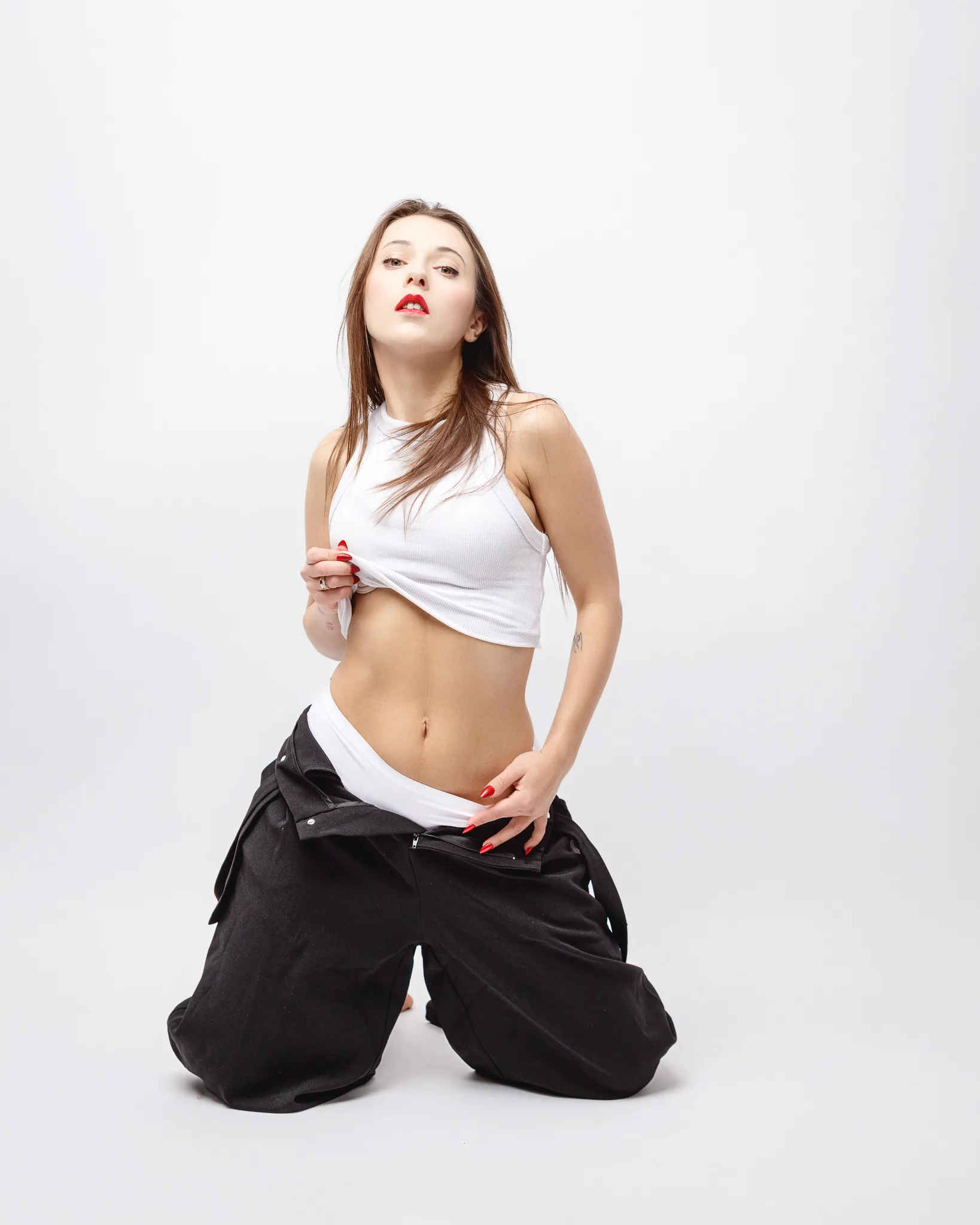
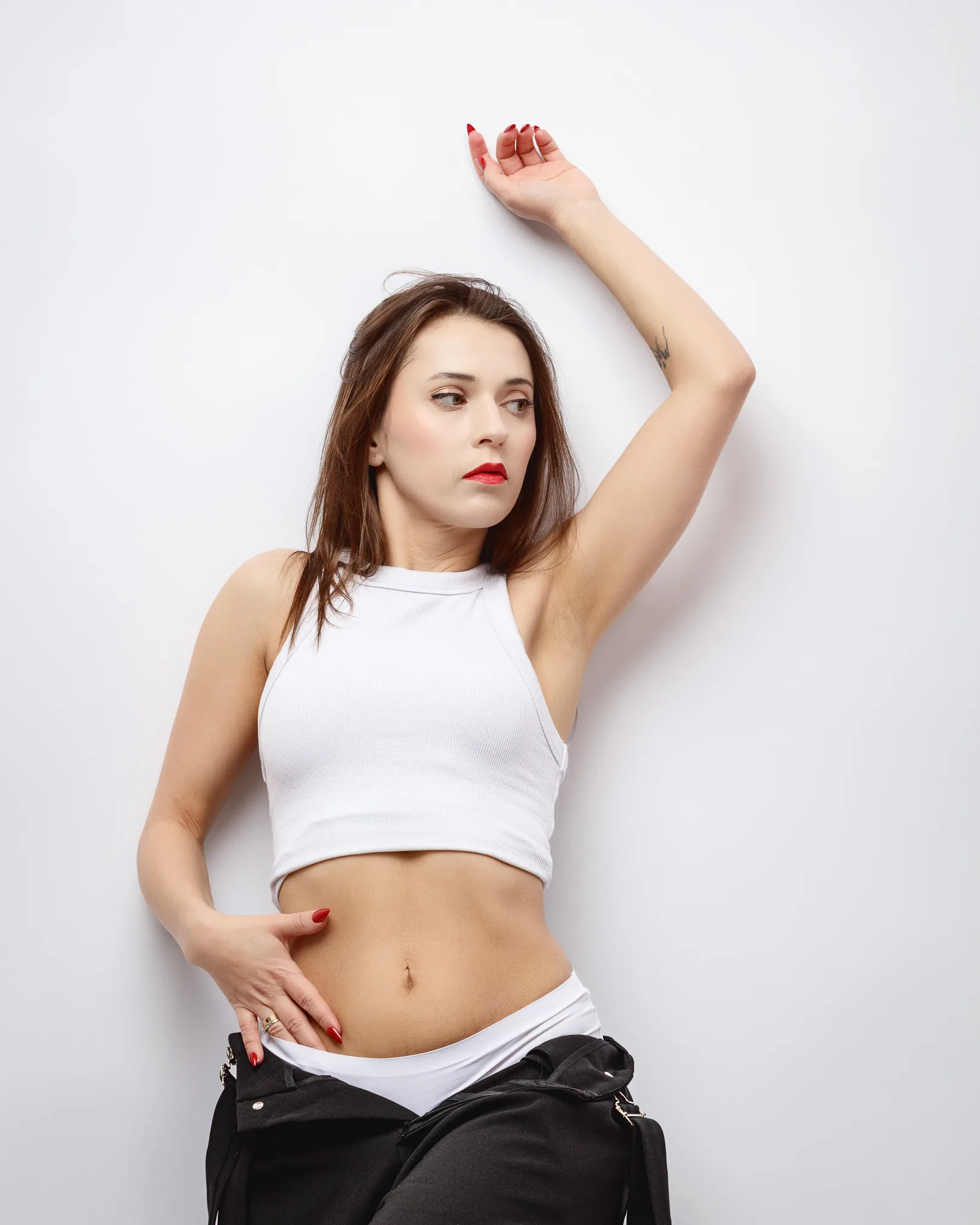
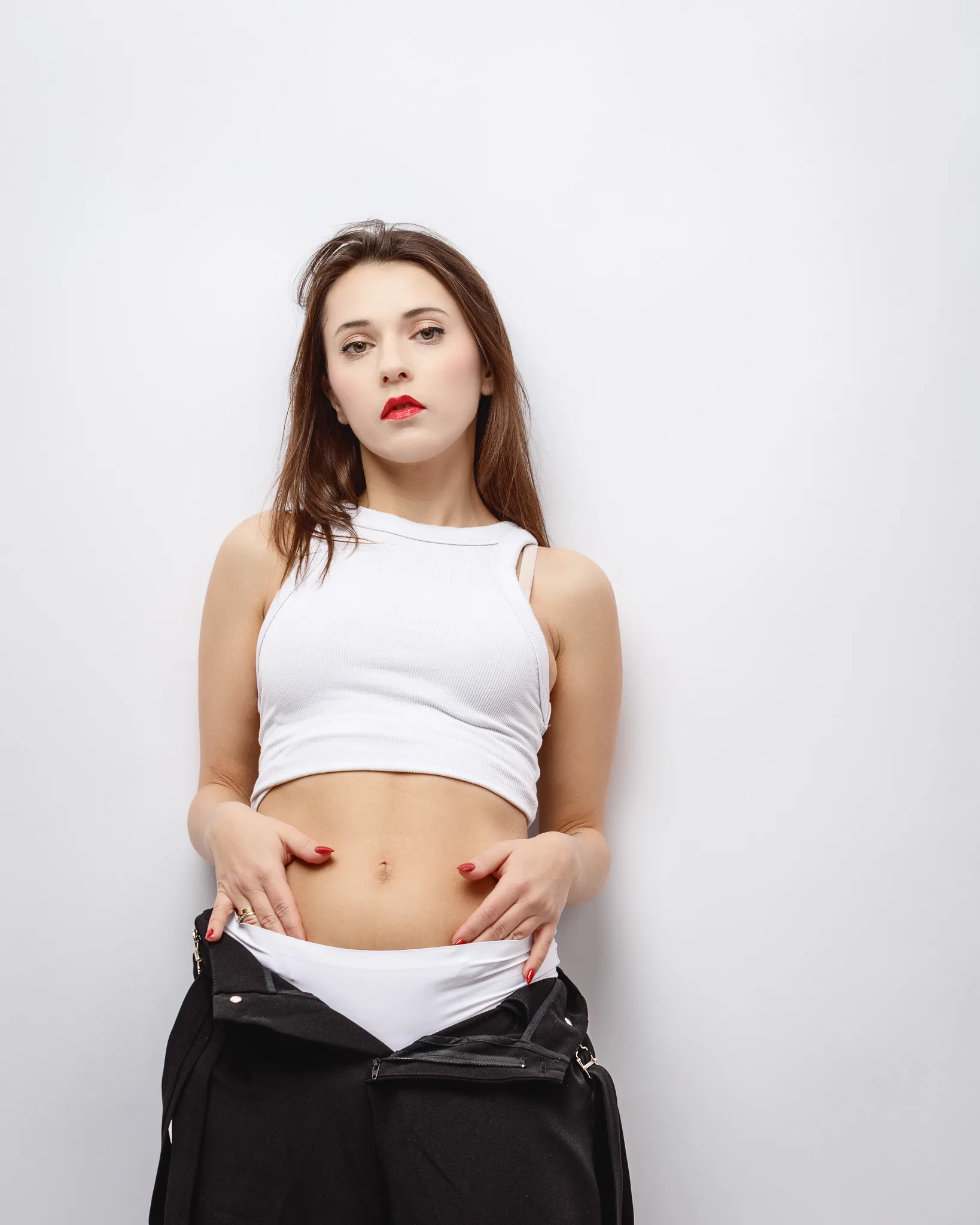
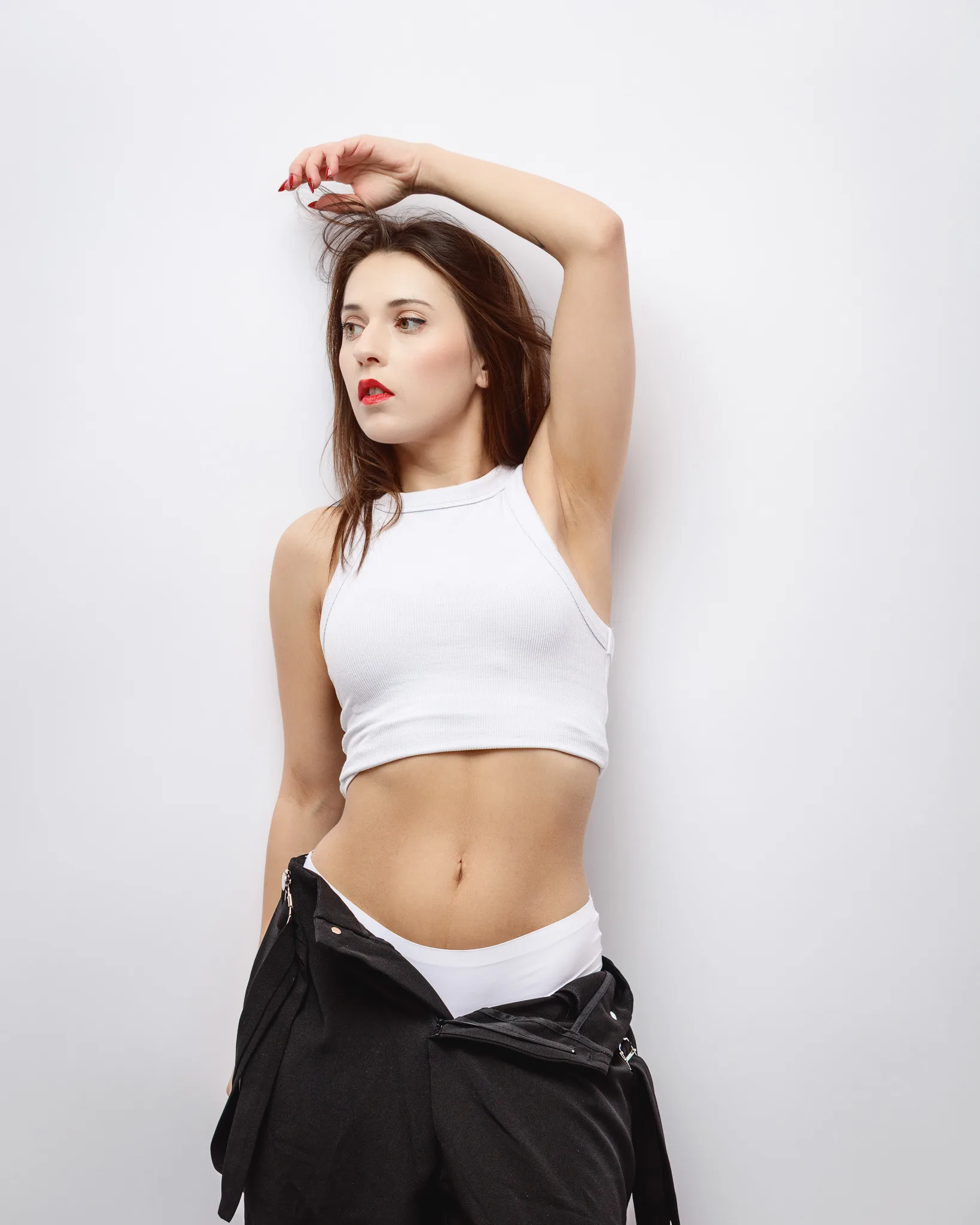
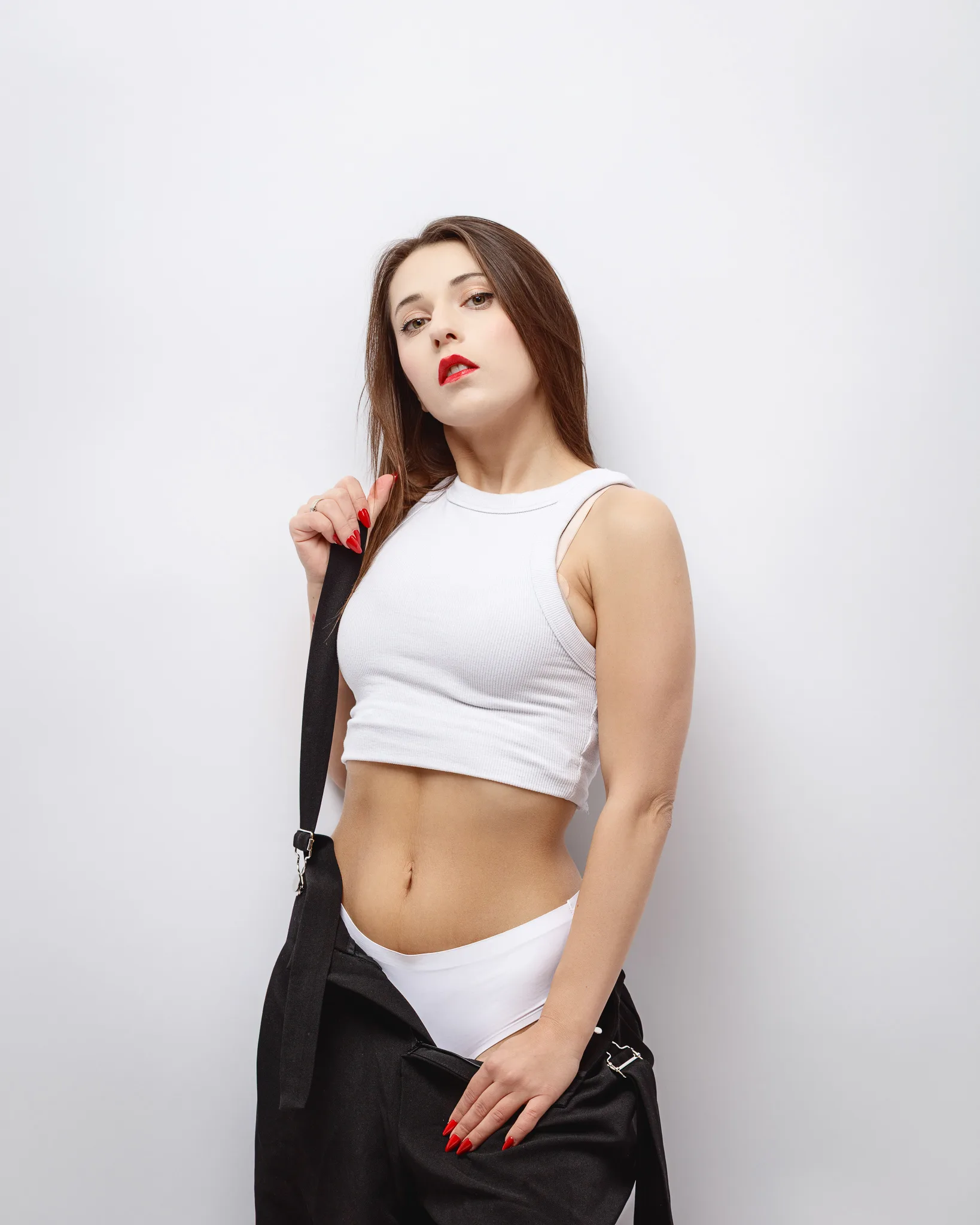
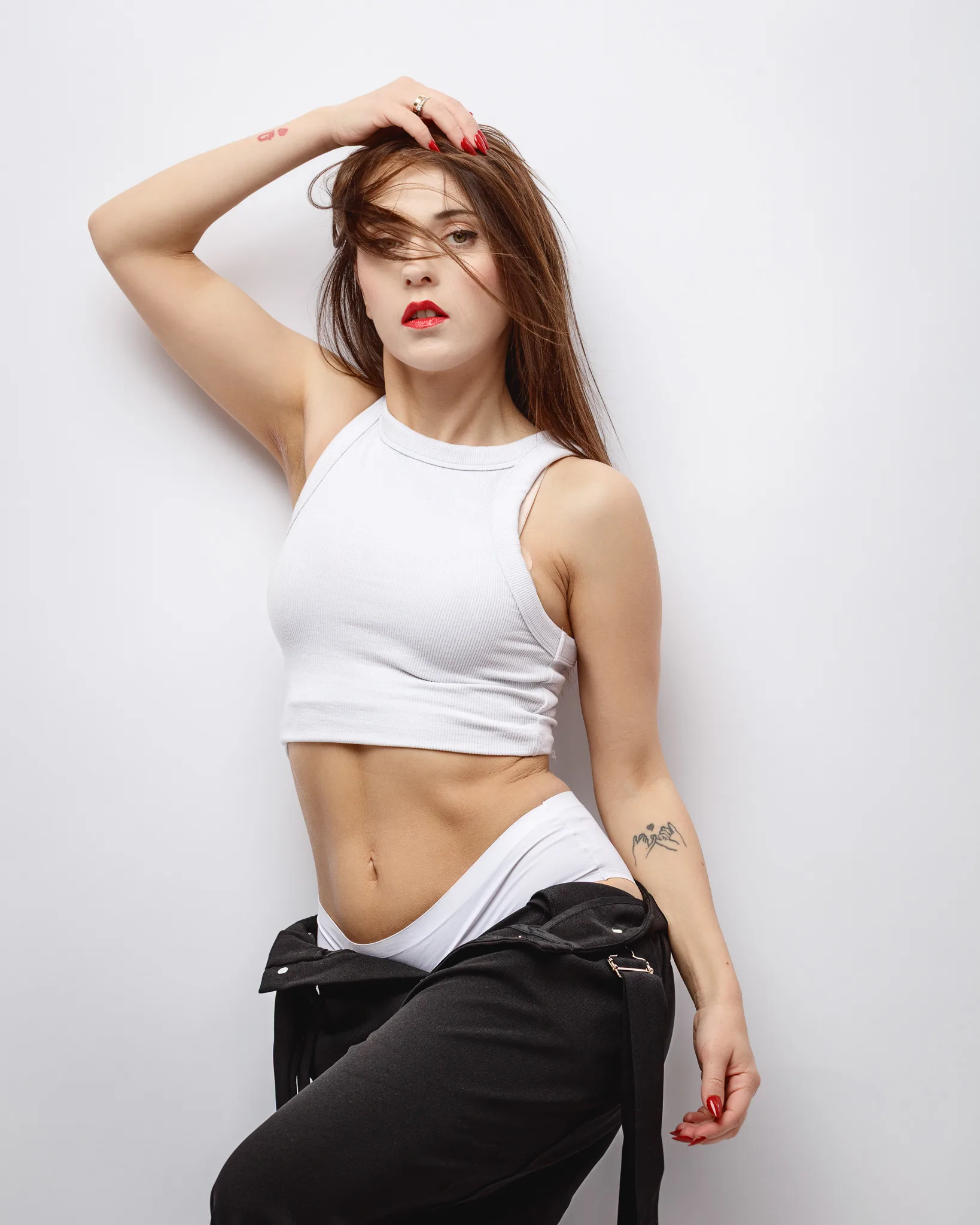
Look 3: Full-length frames for proportion and silhouette
Full-length images are crucial for a model portfolio. Agencies often want to see how a model stands, how their lines read, and how they hold shape in frame.
This set focused on:
- Clean stance
- Clear lines
- Strong neck and chin placement
- A few subtle movement variations
I also like to include a profile or semi-profile in sets like this, because it shows facial structure and posture in a different way.
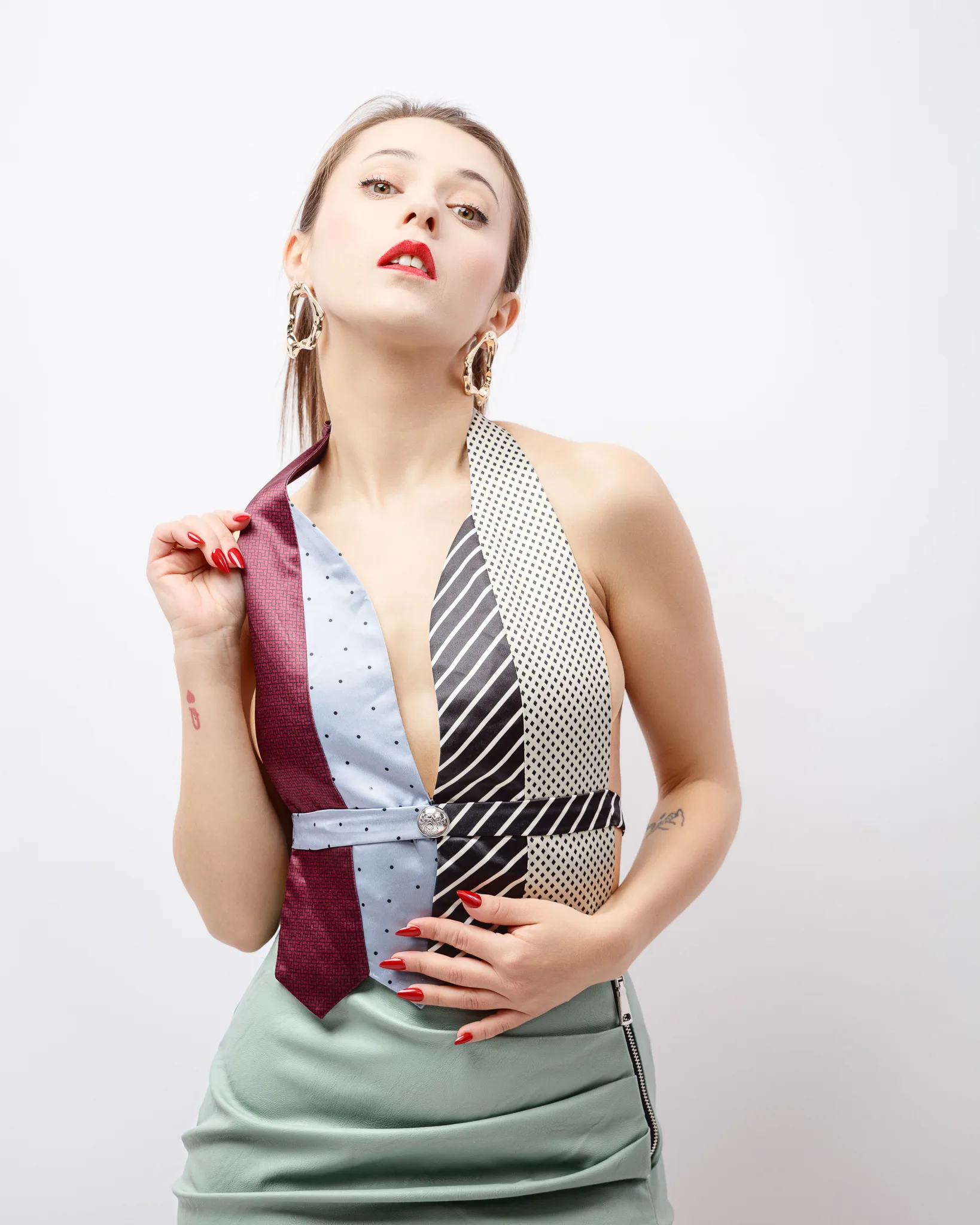
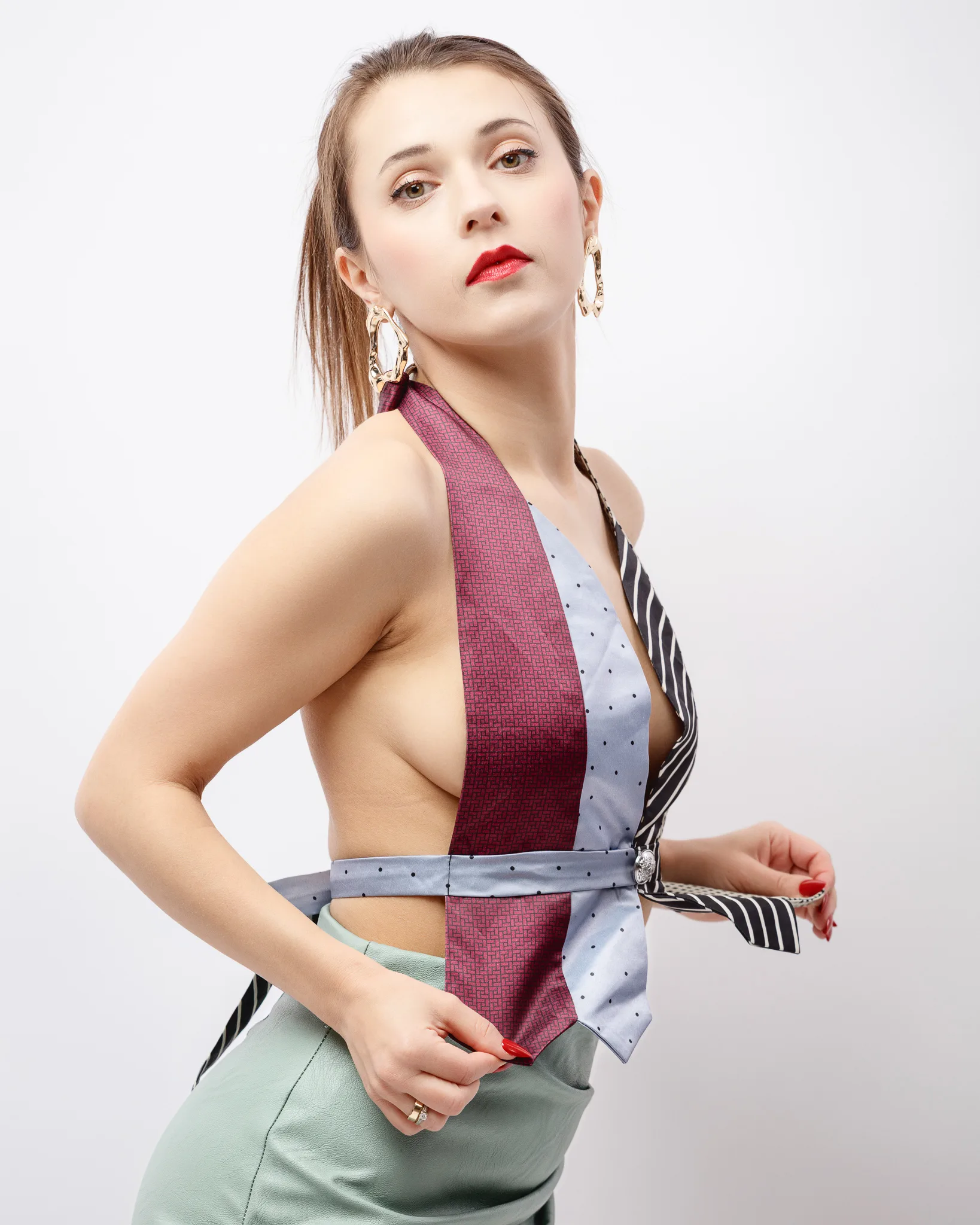
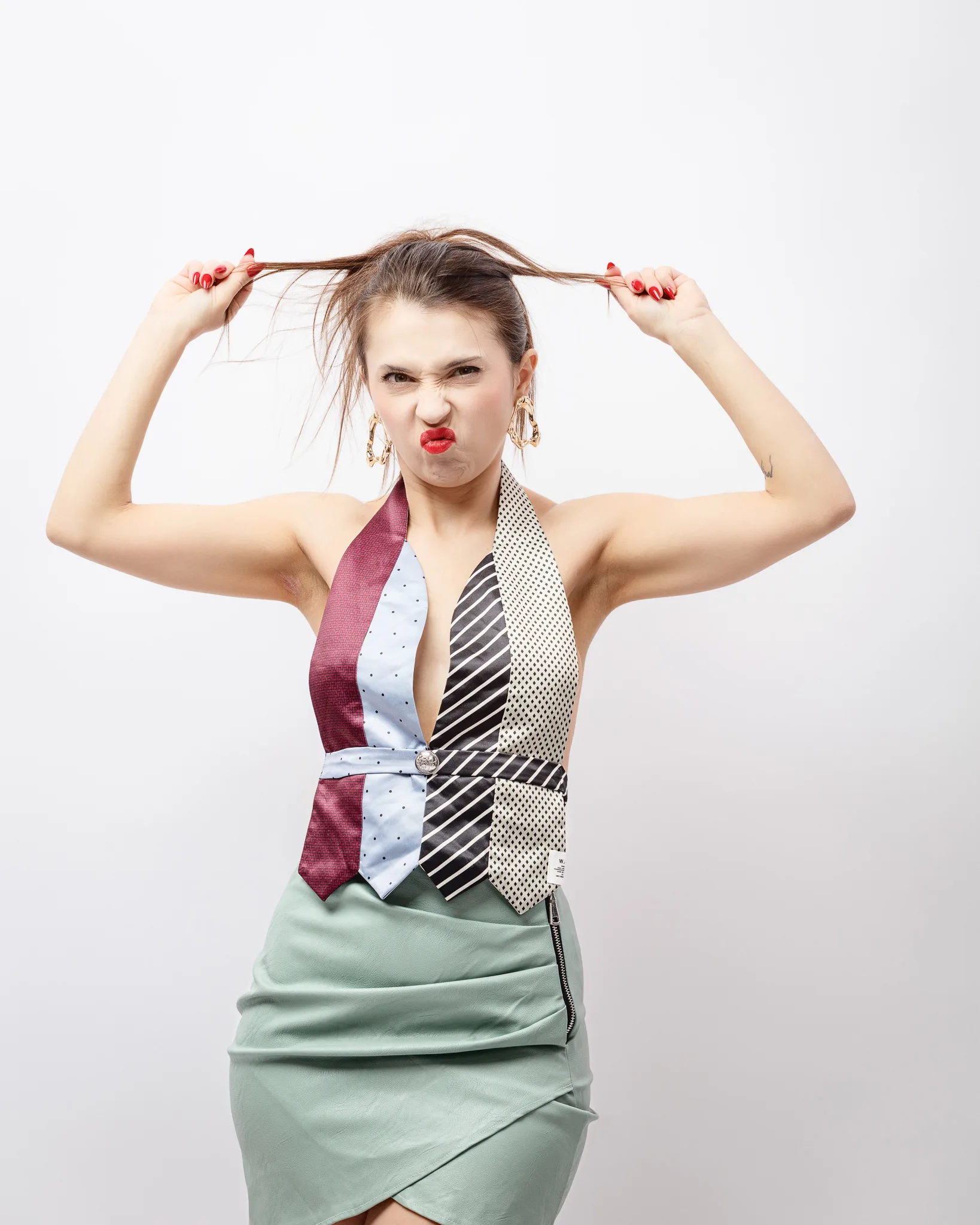
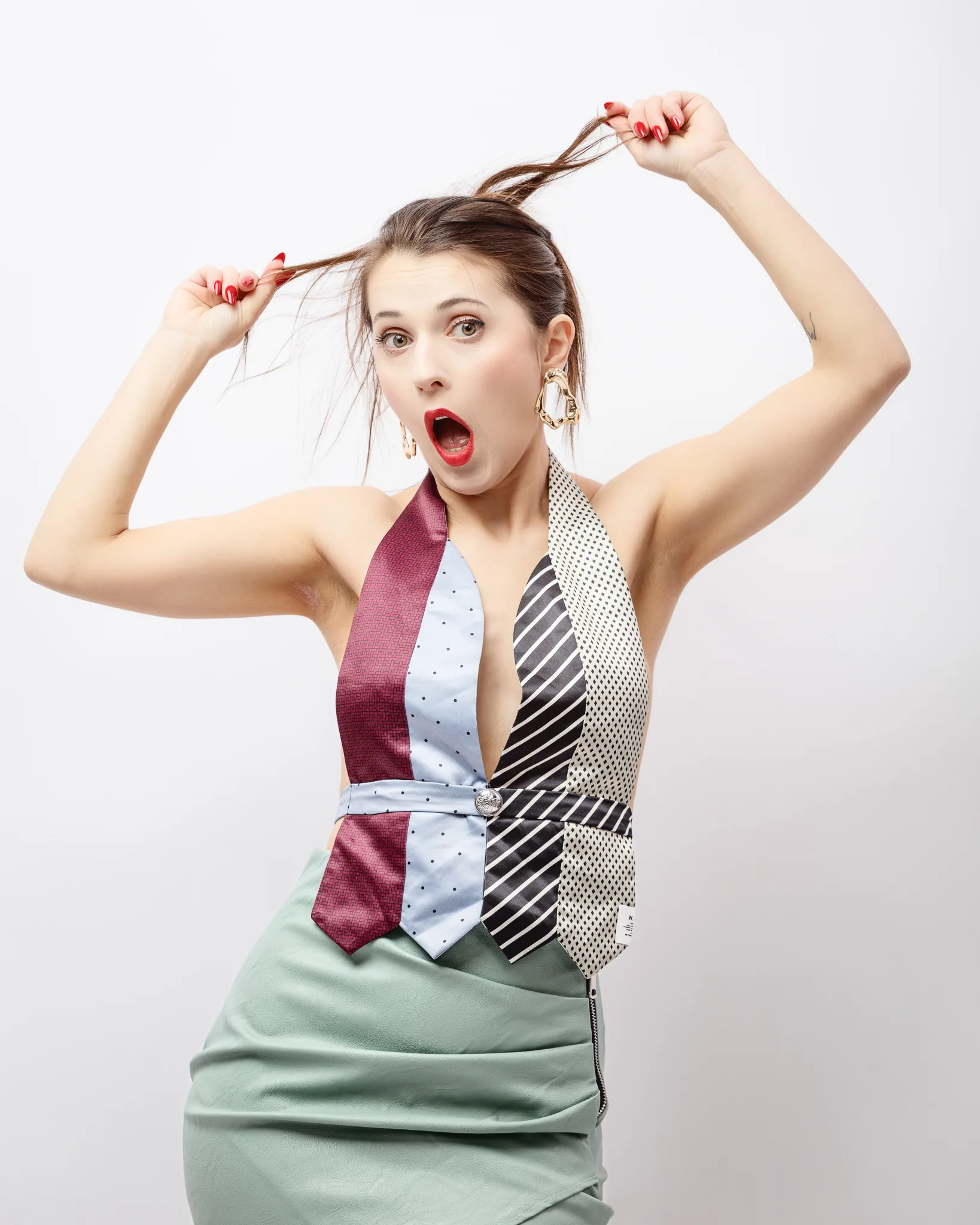
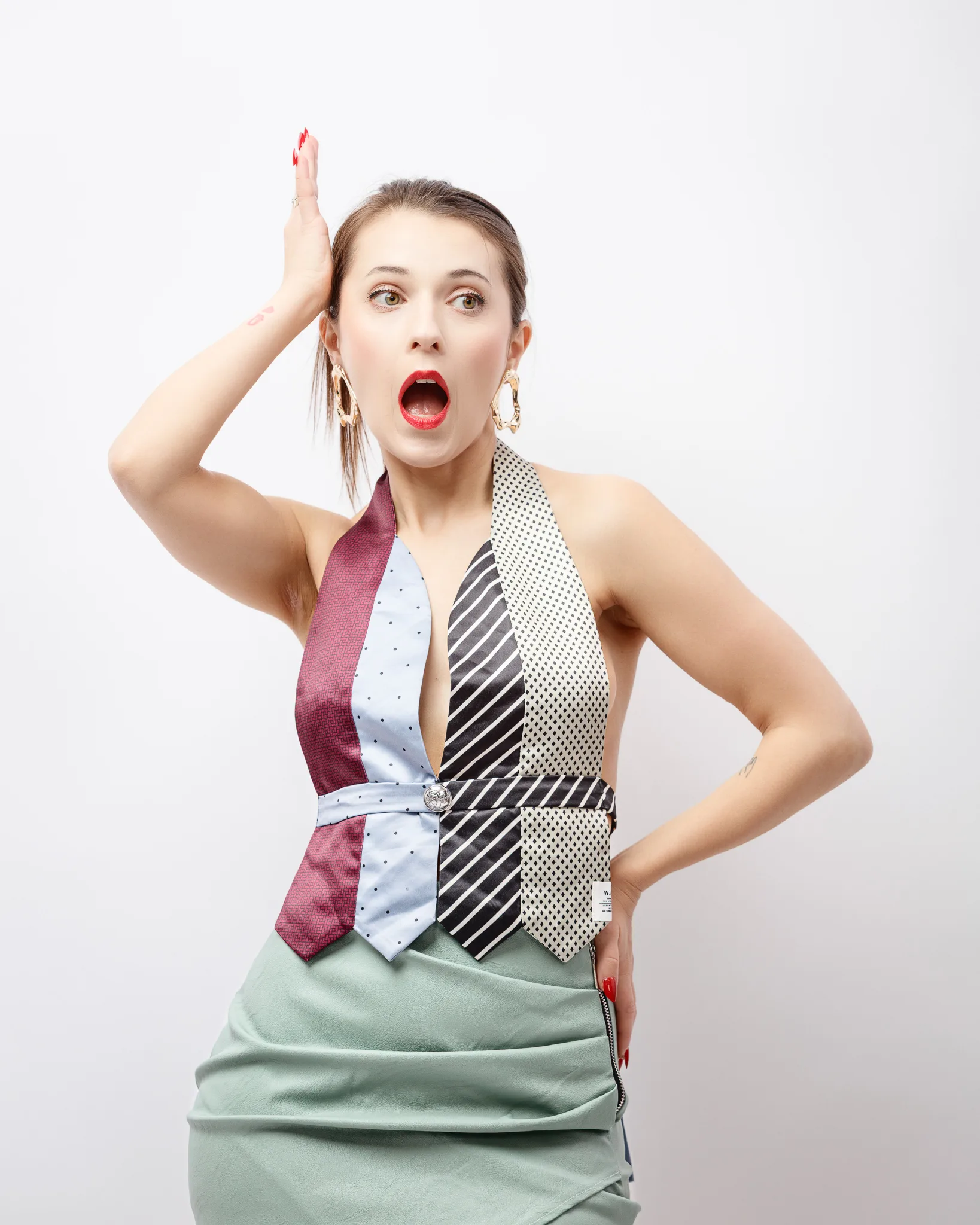
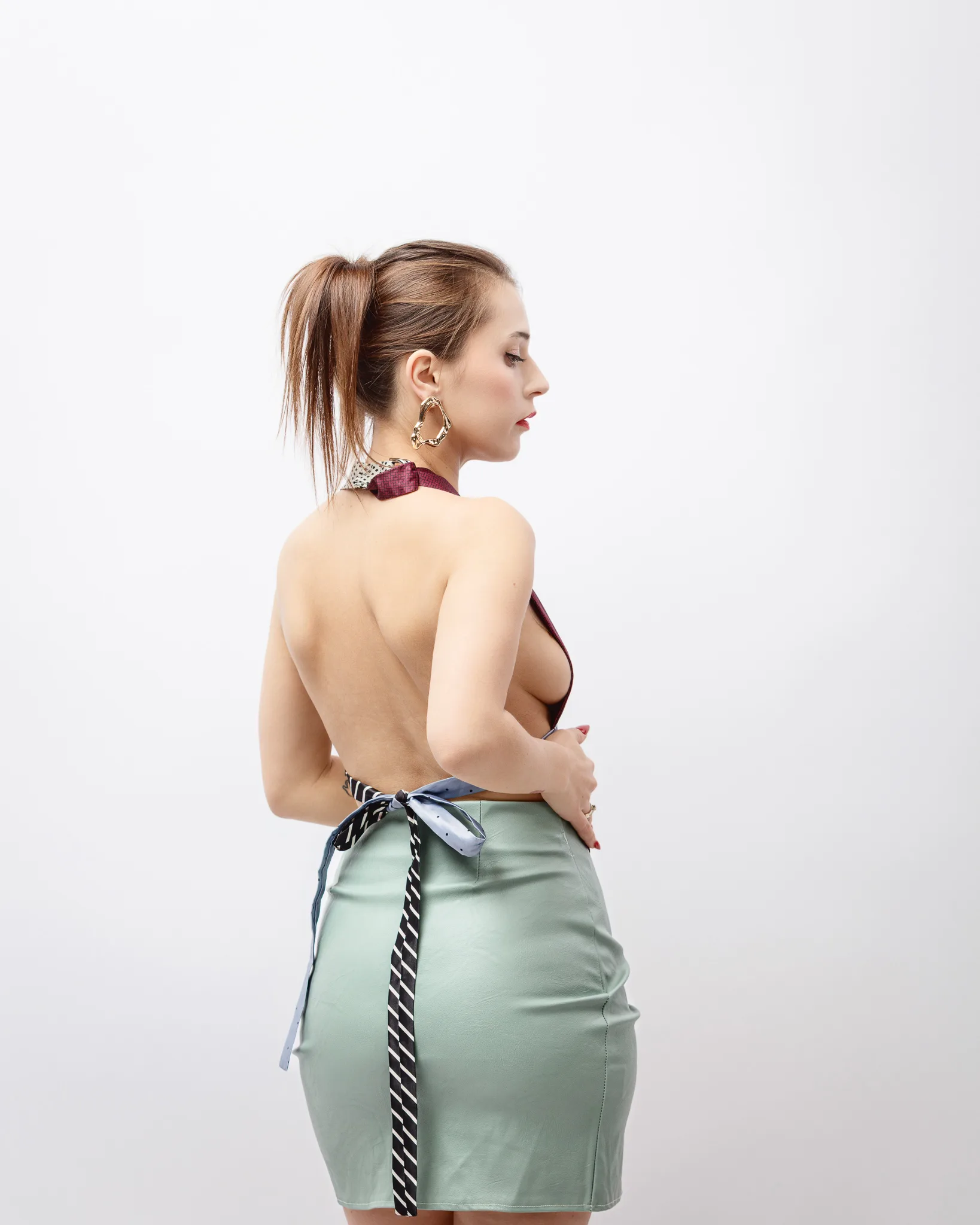
Look 4: Expression range without losing realism
This is where I encourage more expression variation, but still within a believable range. I do not want “acting faces.” I want controlled shifts in mood.
This is useful for:
- Commercial briefs
- Lifestyle campaigns
- E-commerce or catalogue looks
- Casting situations where they want a model who can communicate emotion subtly
A model who can shift expression naturally, without overdoing it, is usually easier to cast.
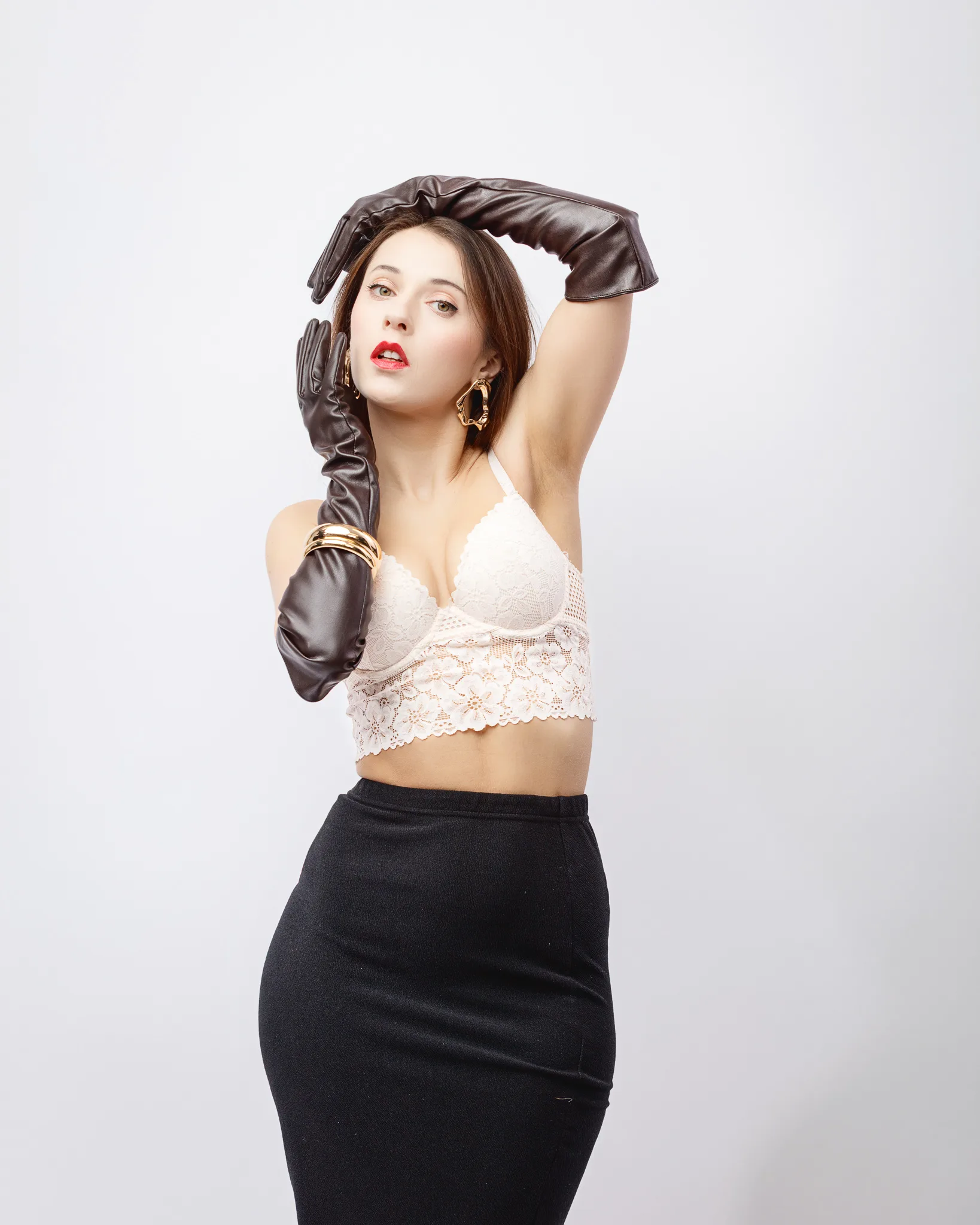
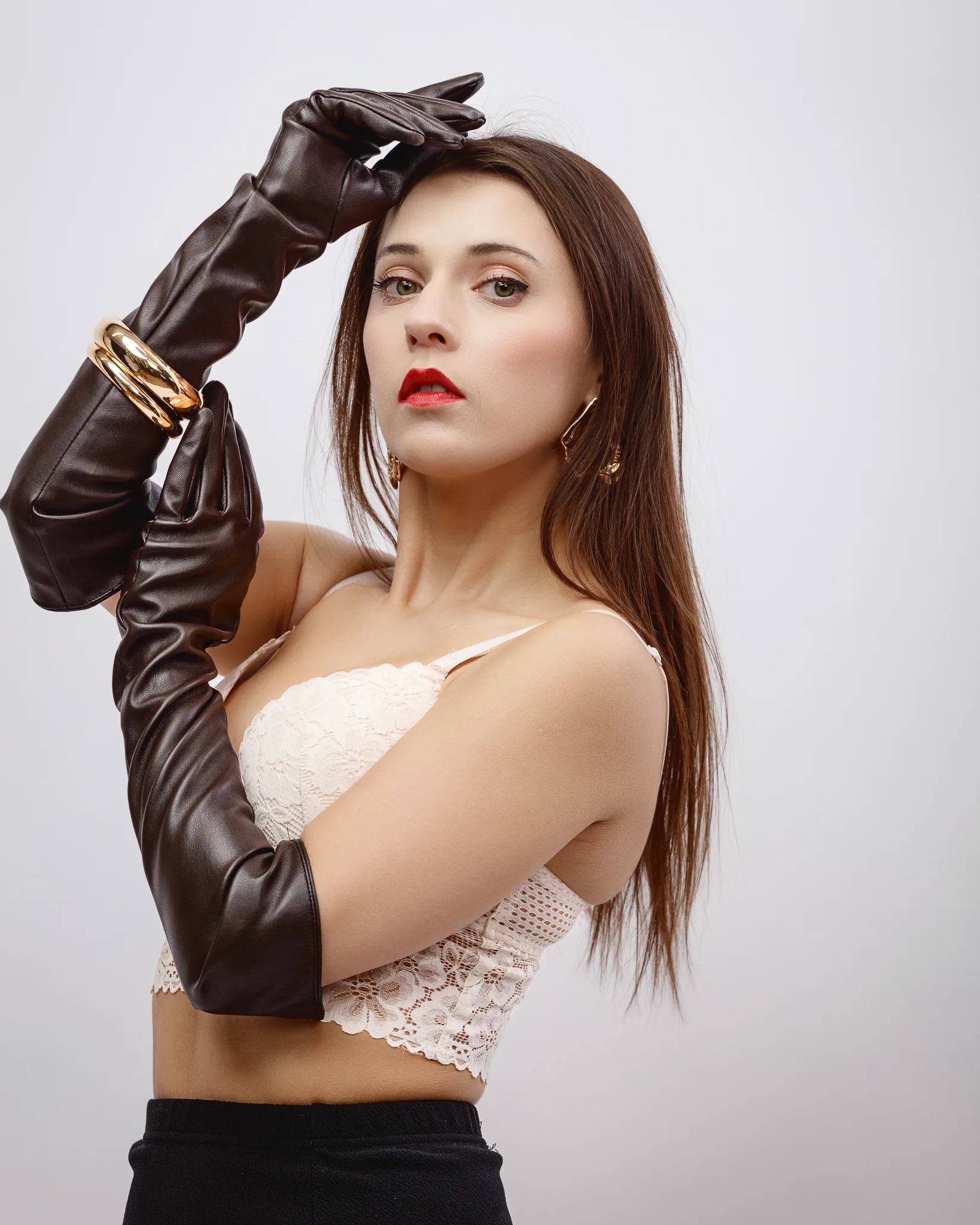
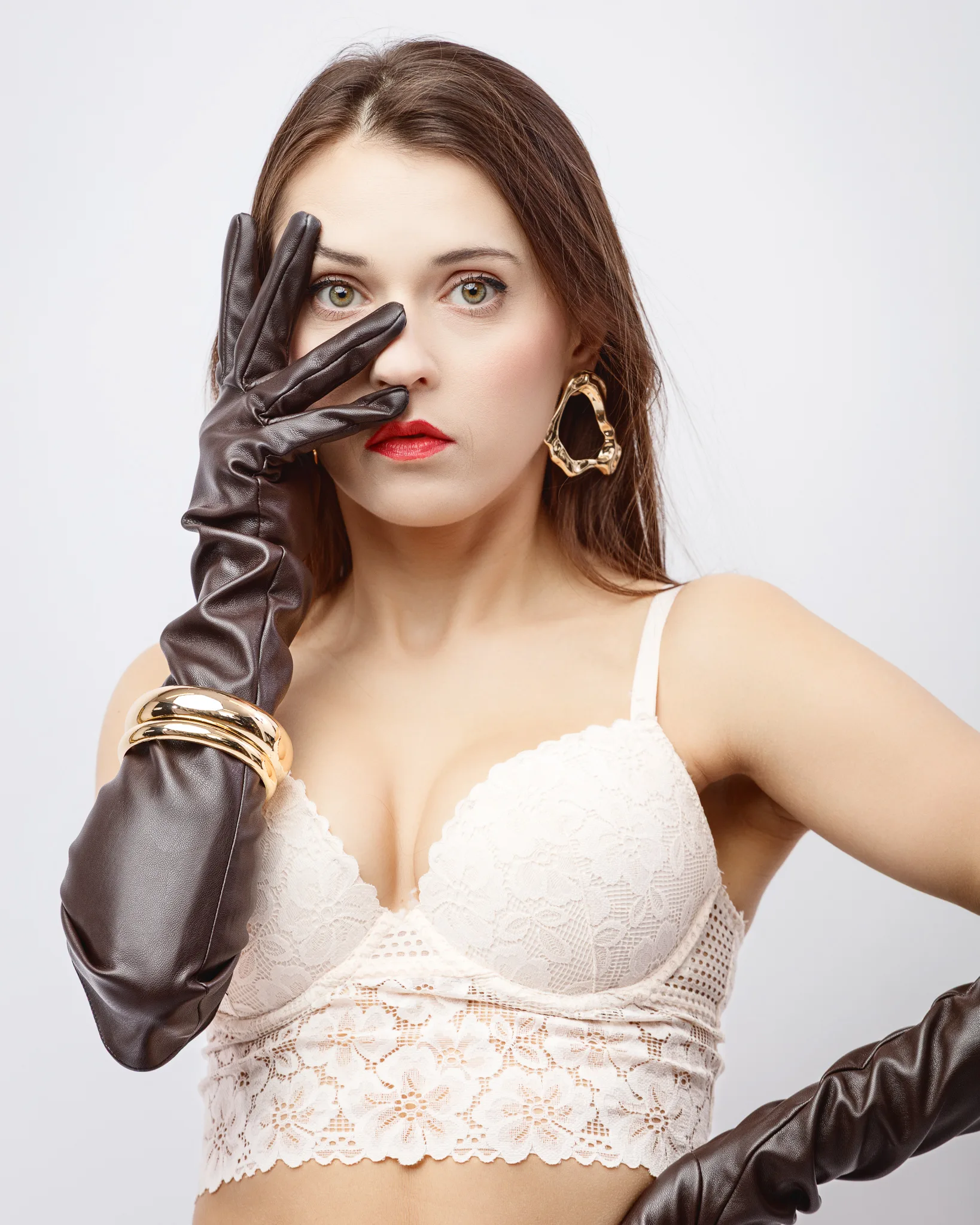
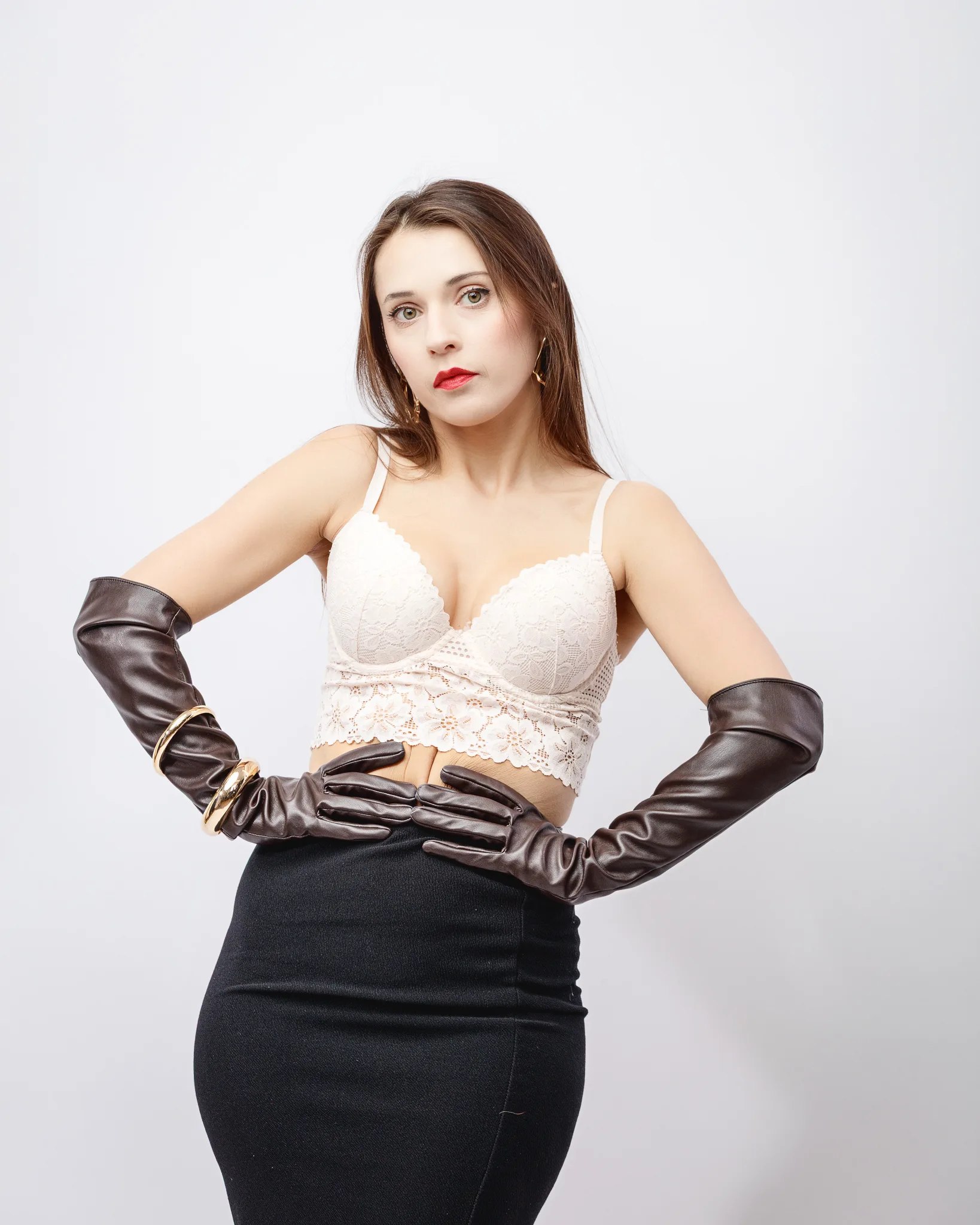
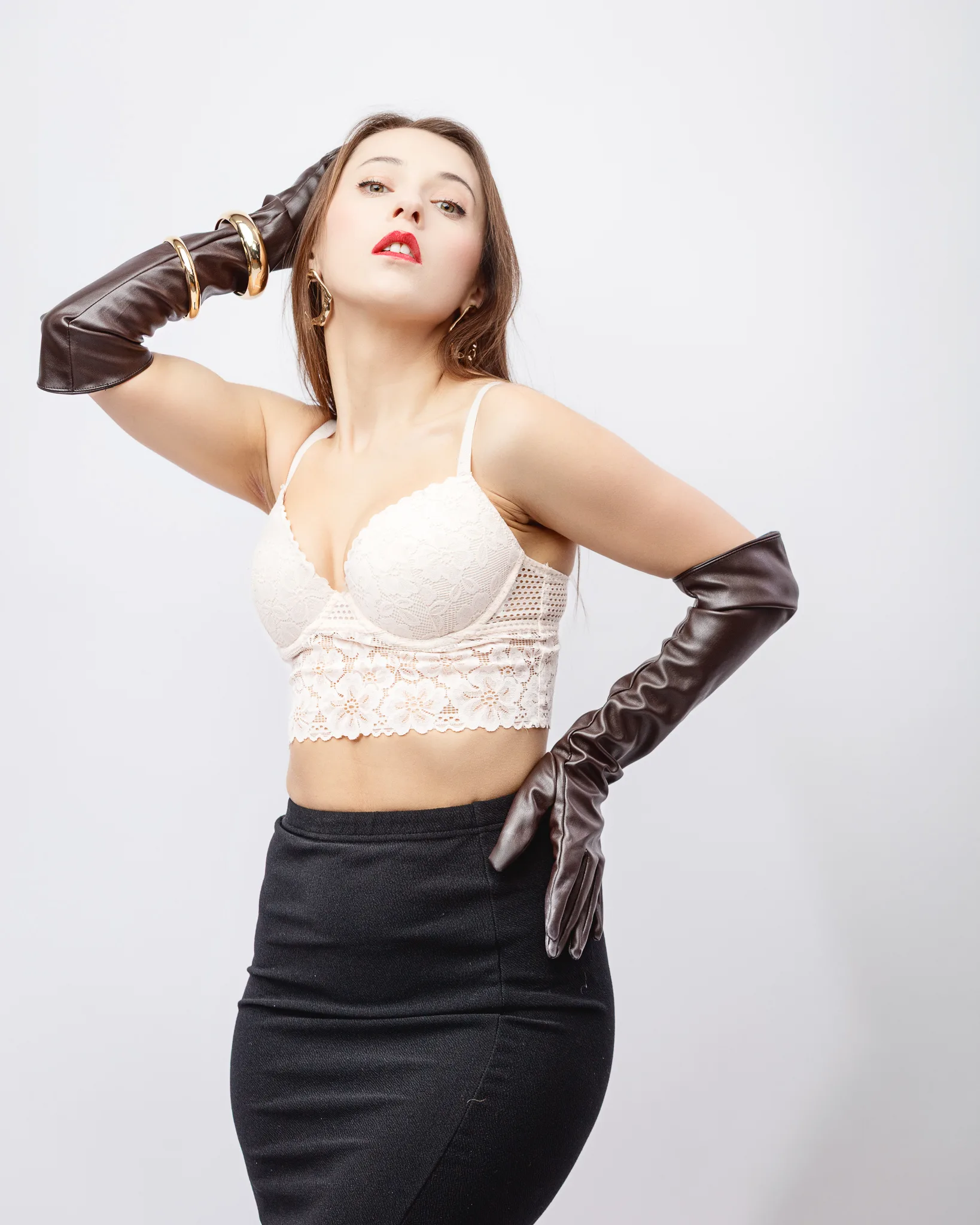
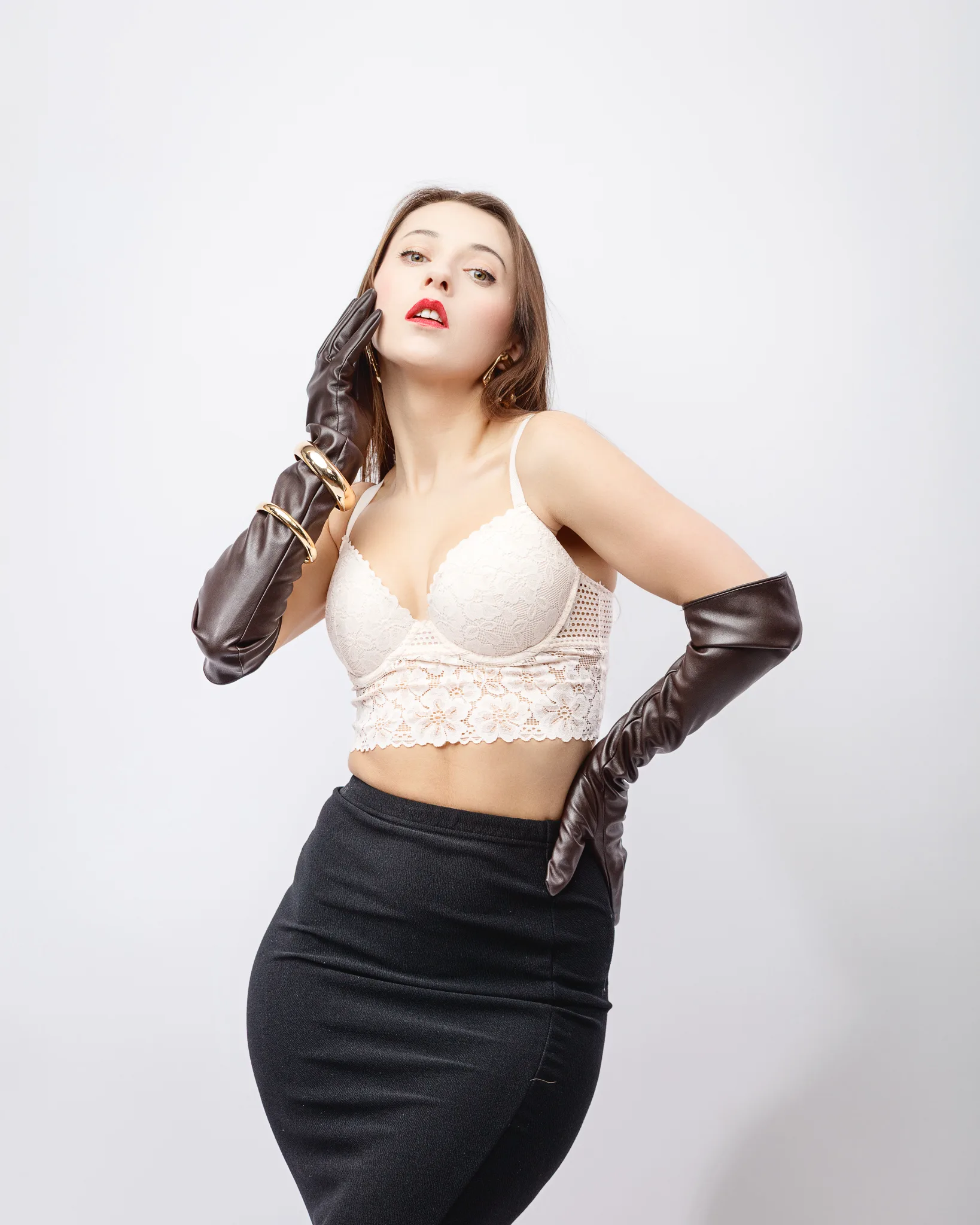
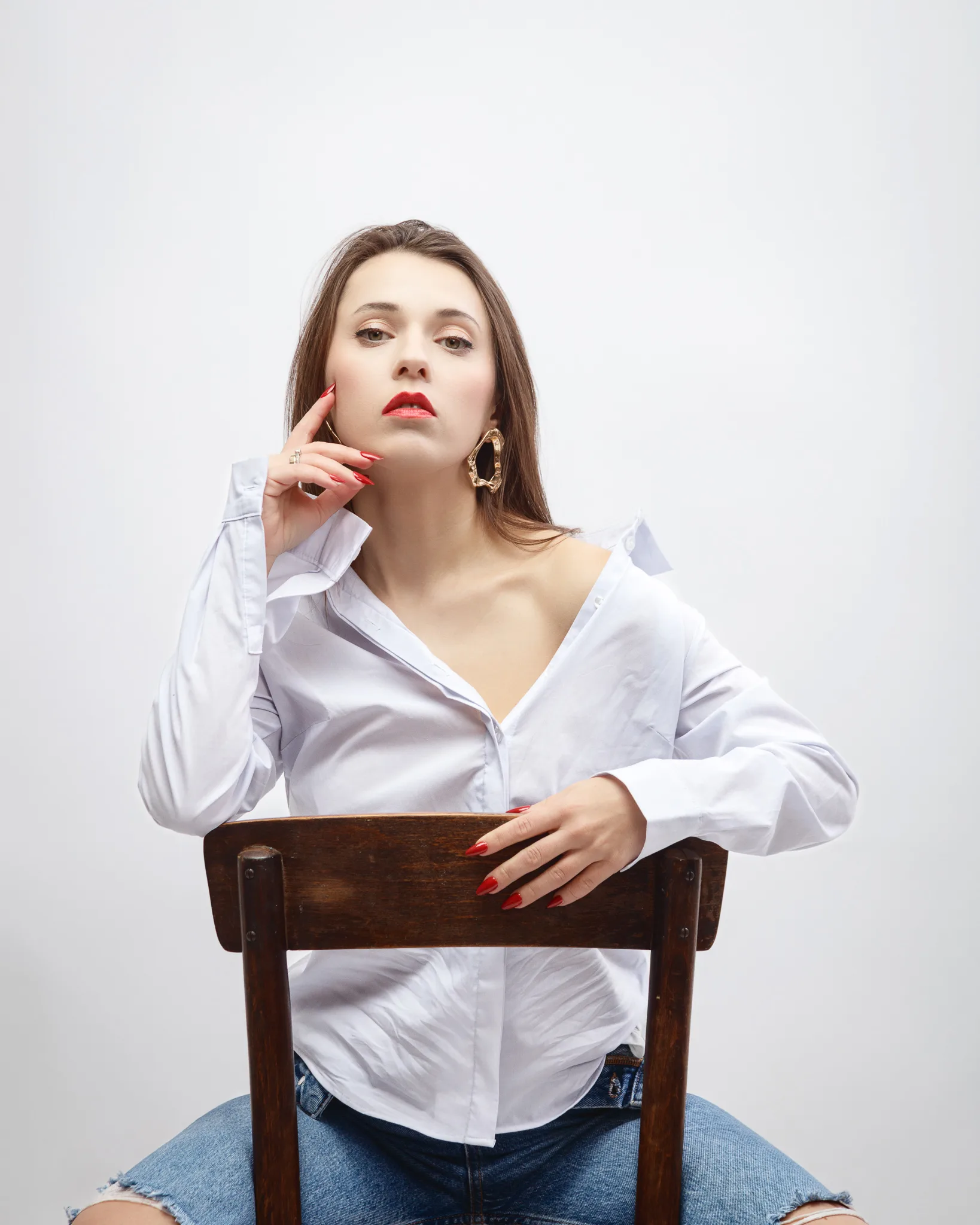
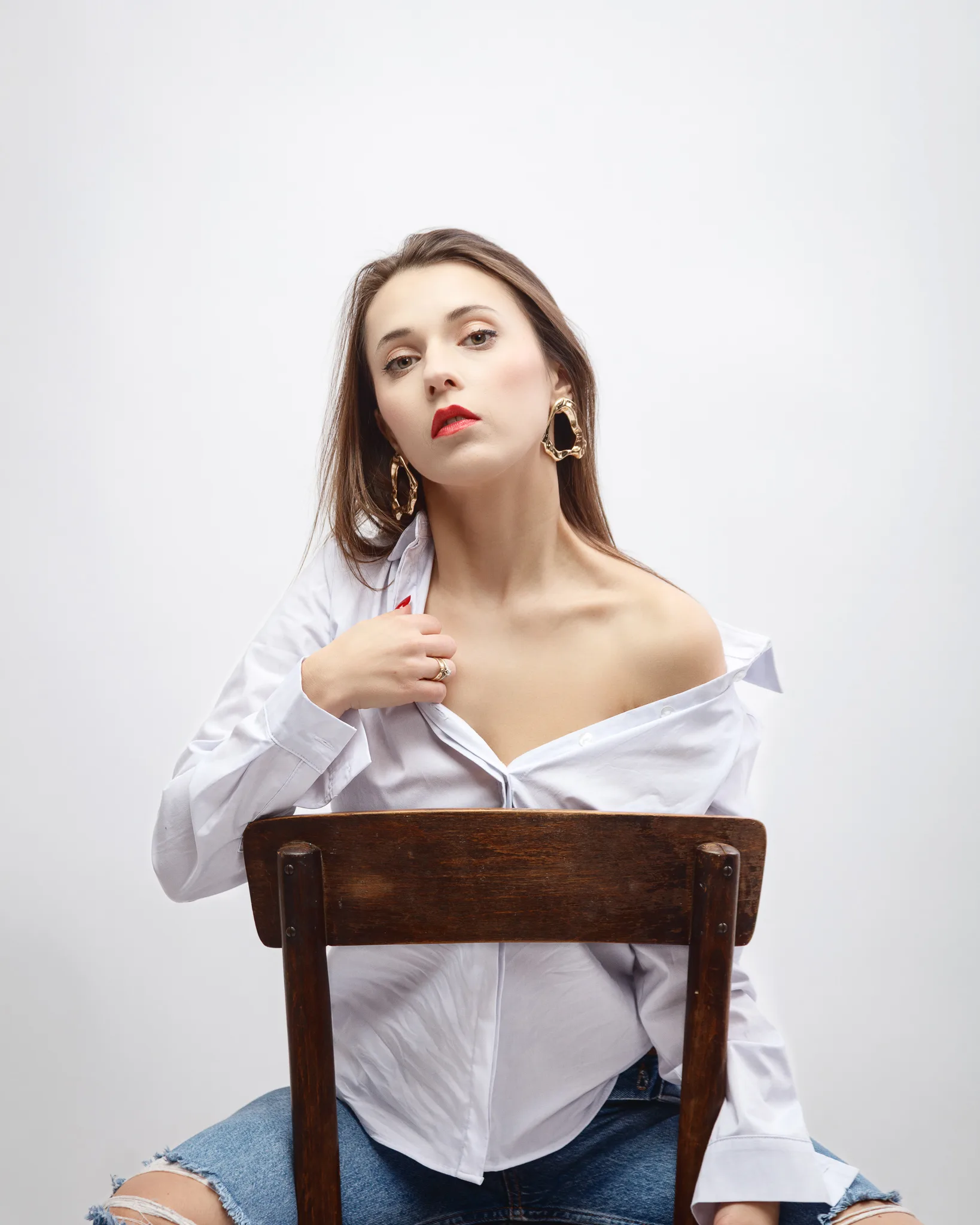
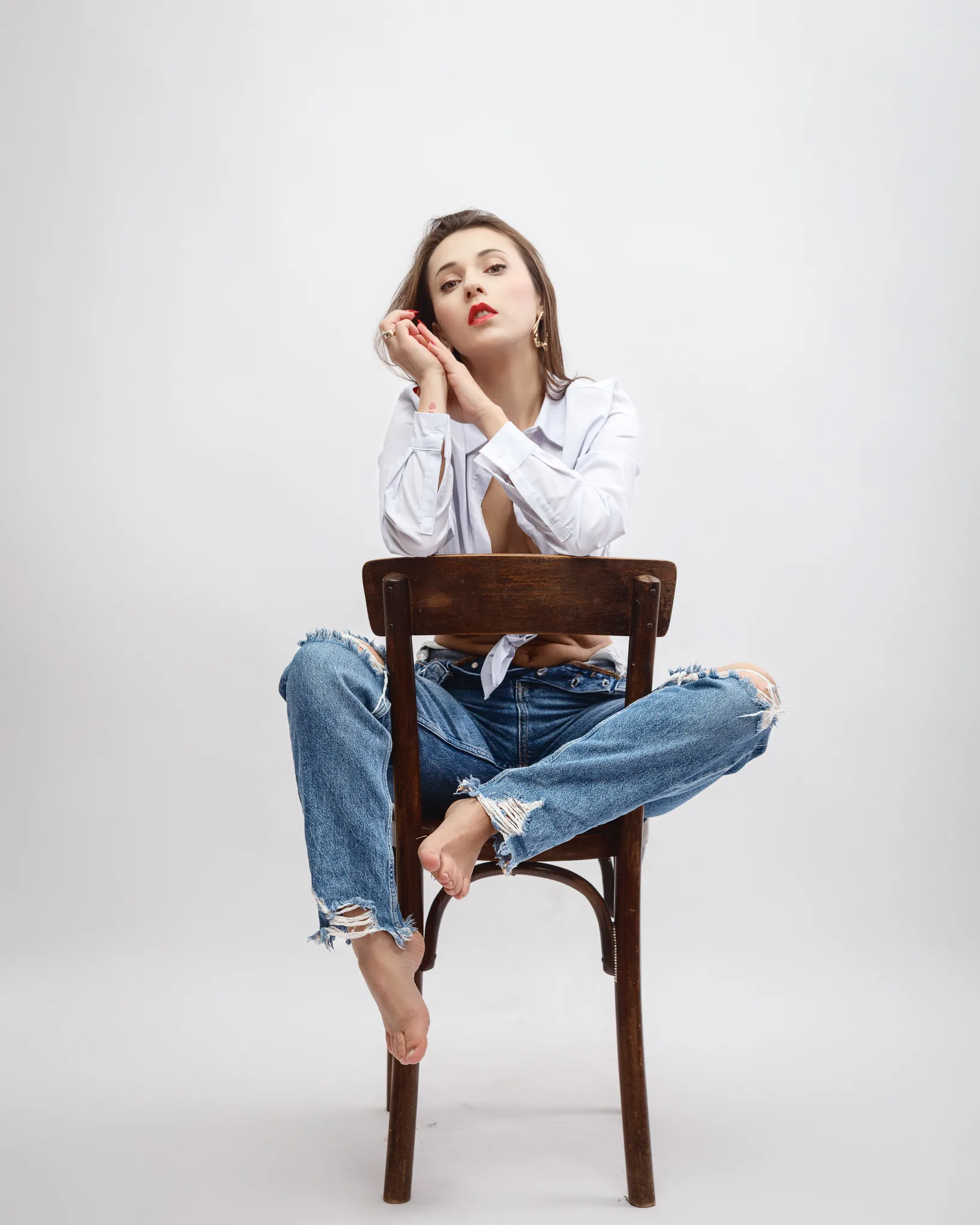
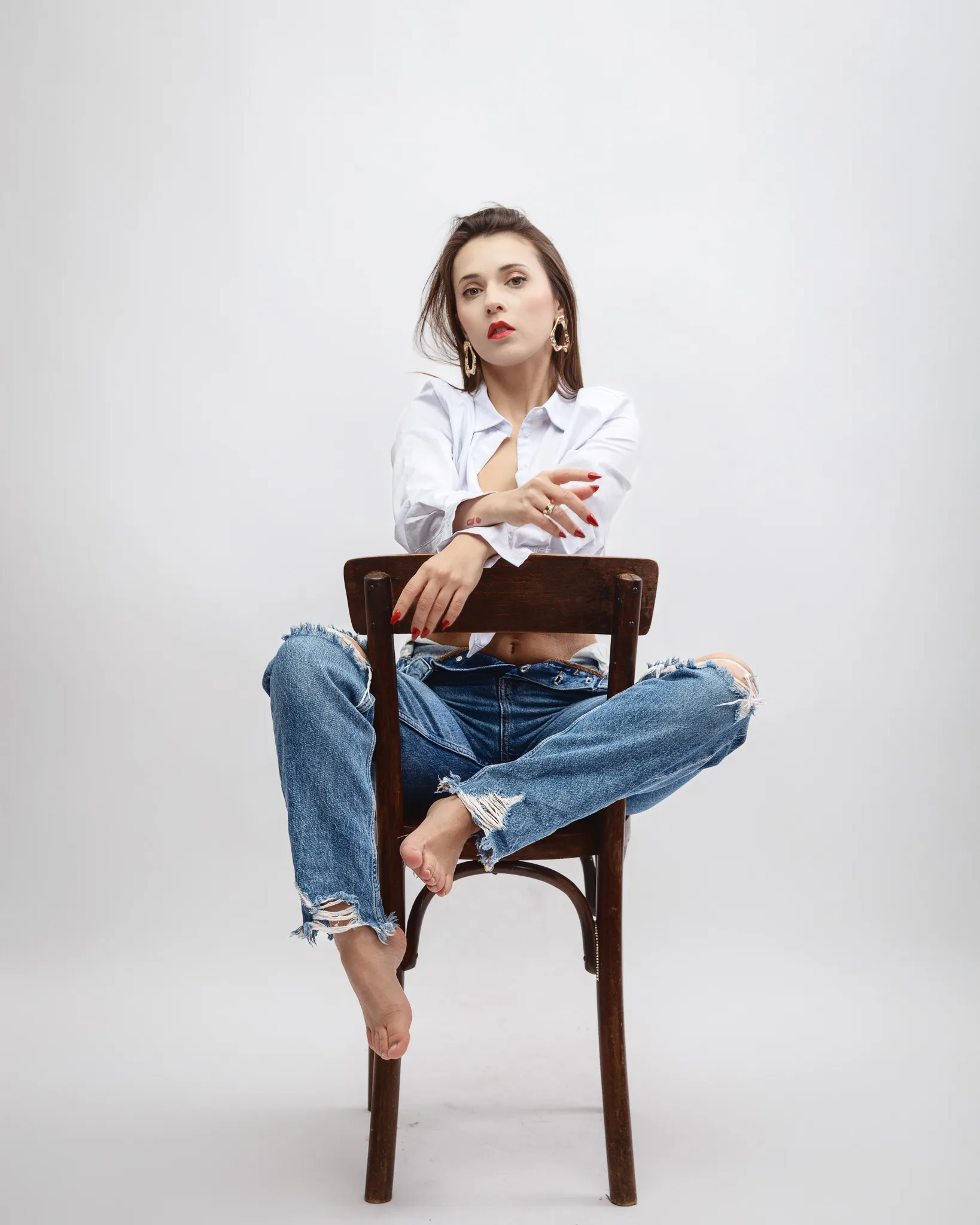
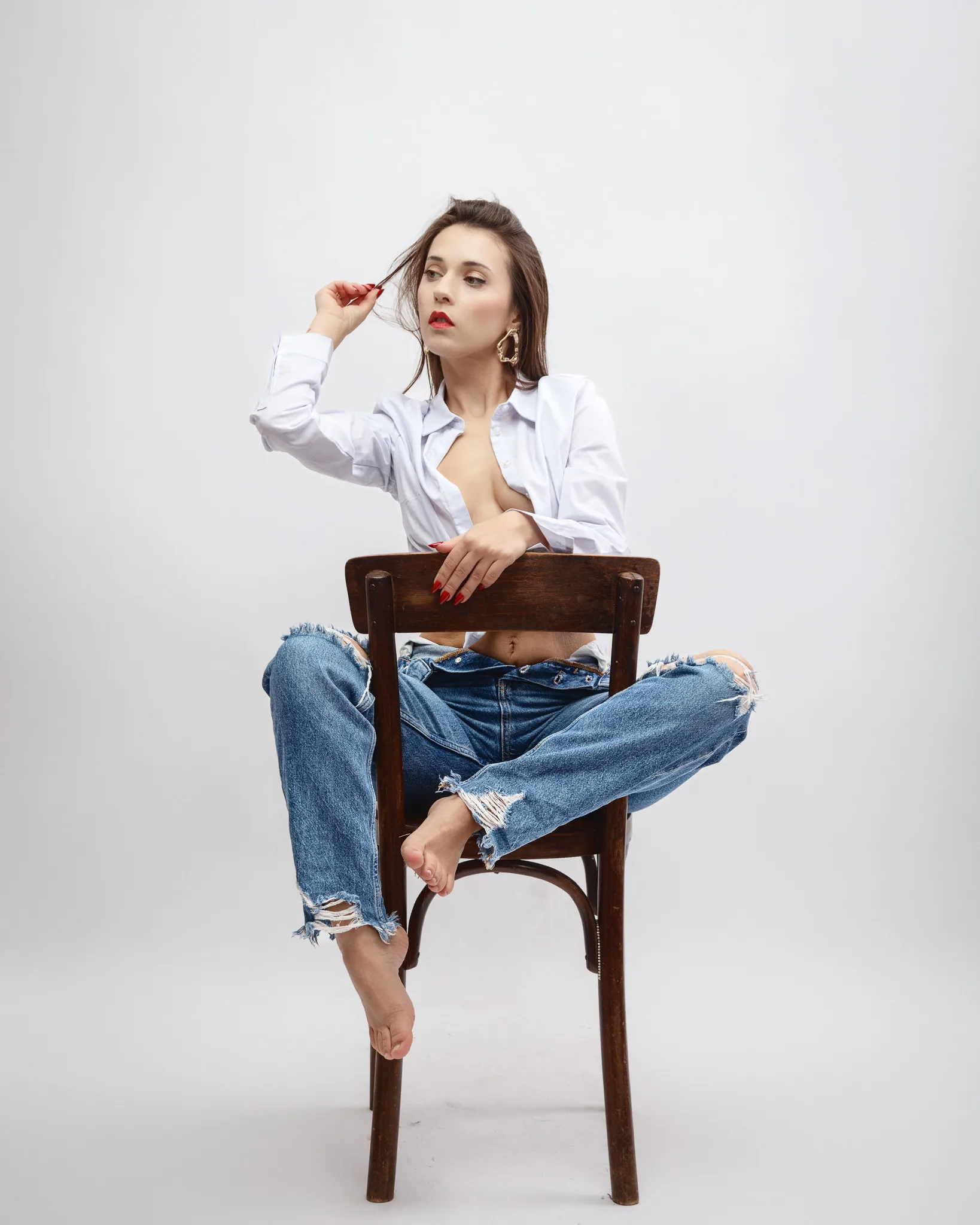
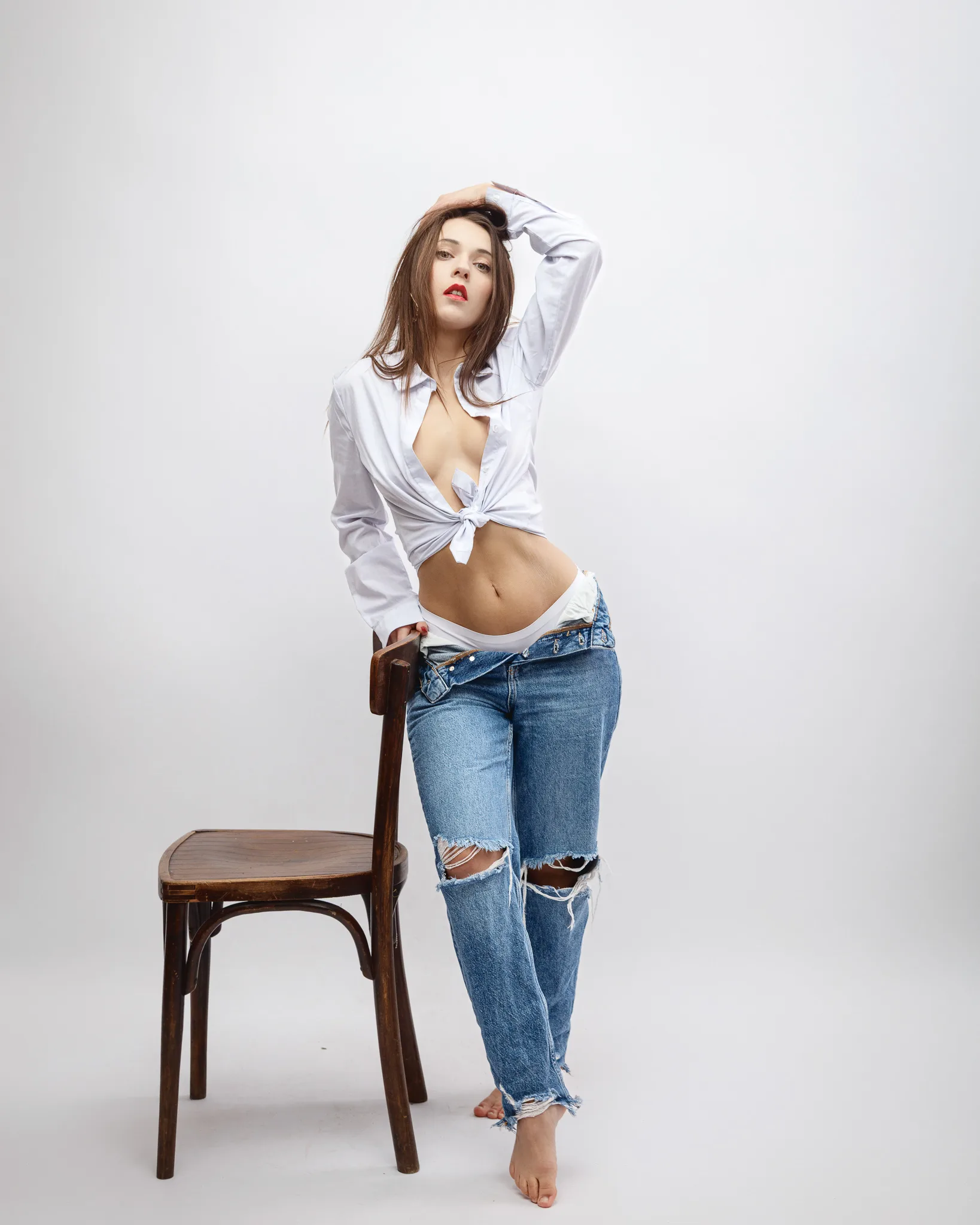
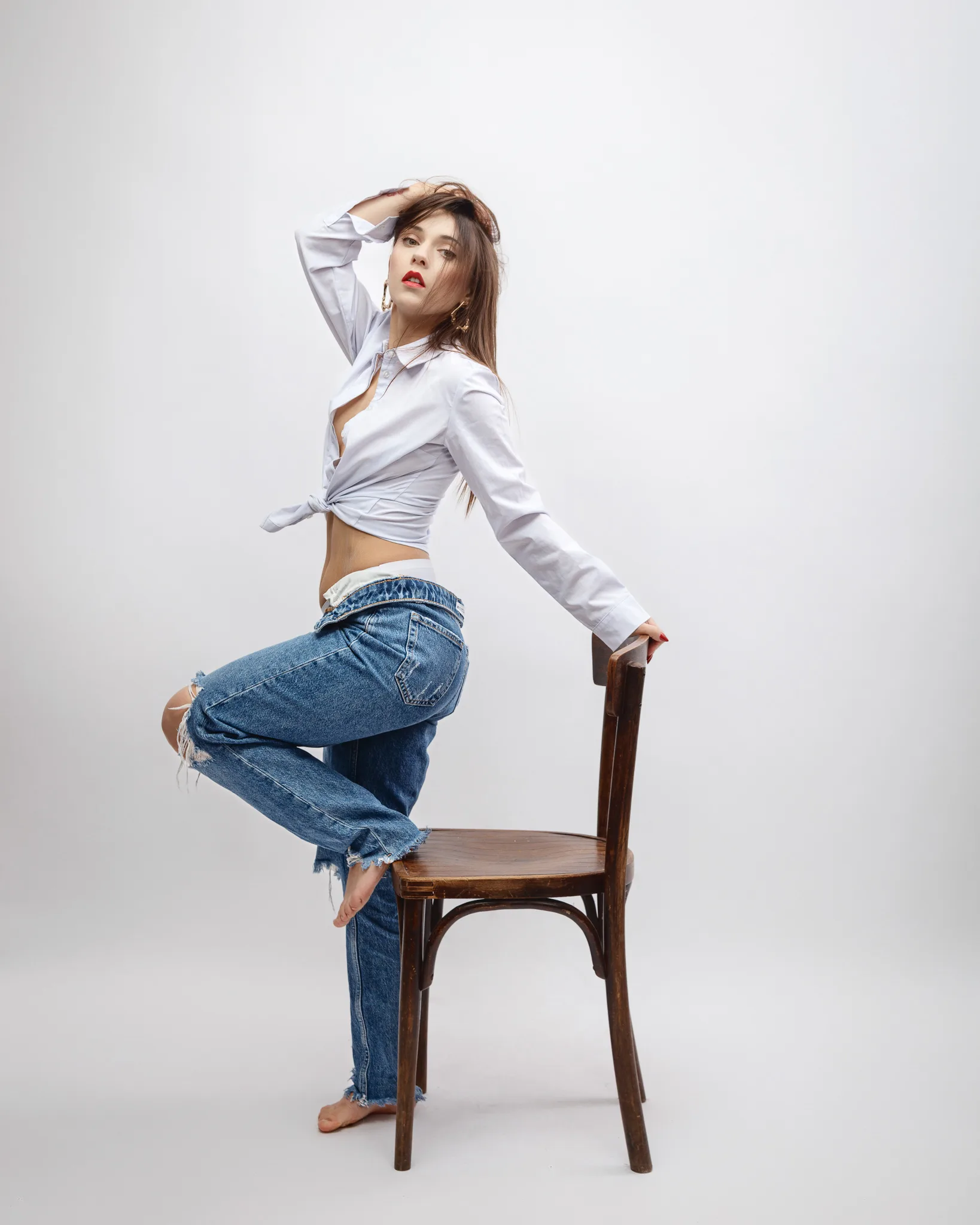
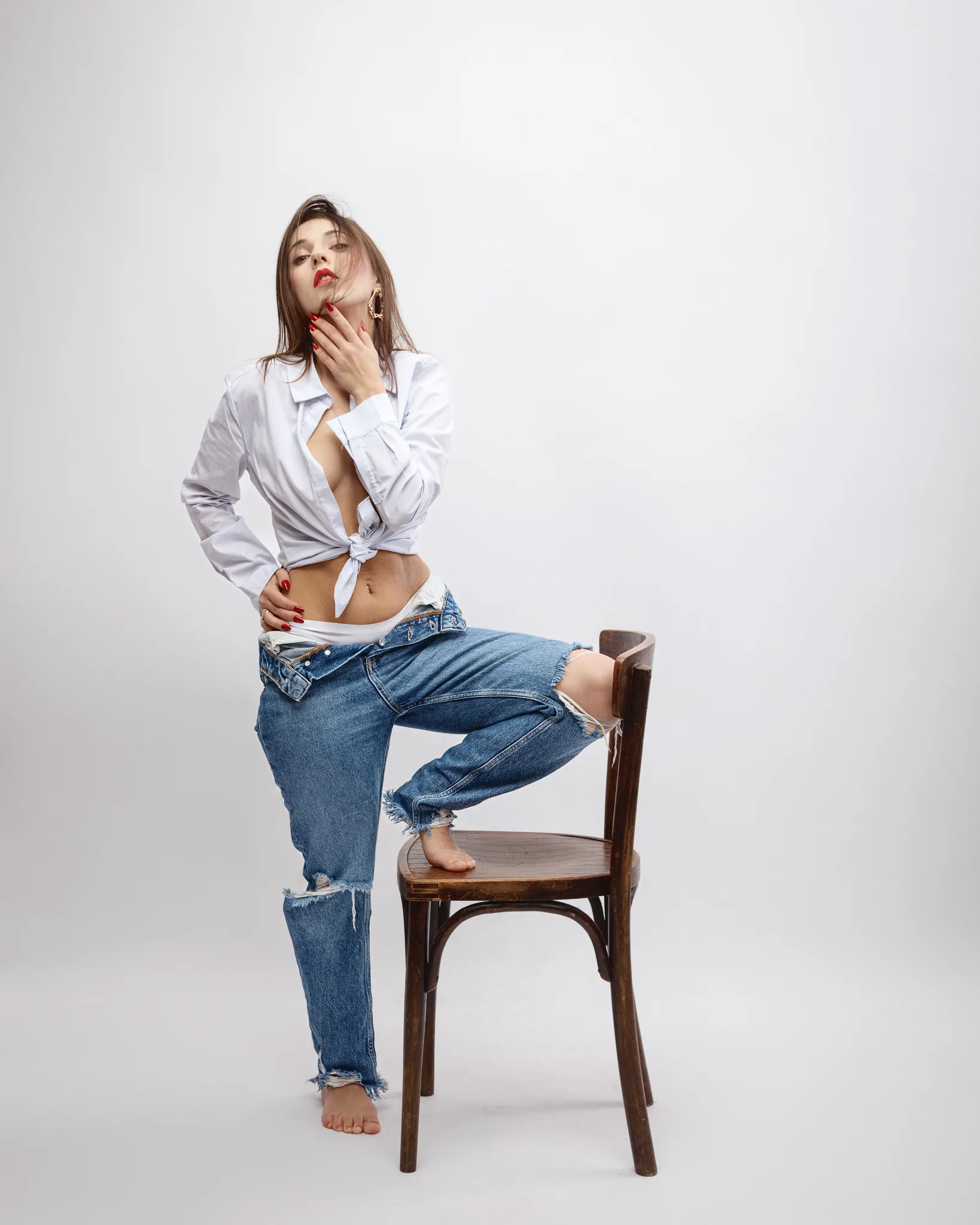
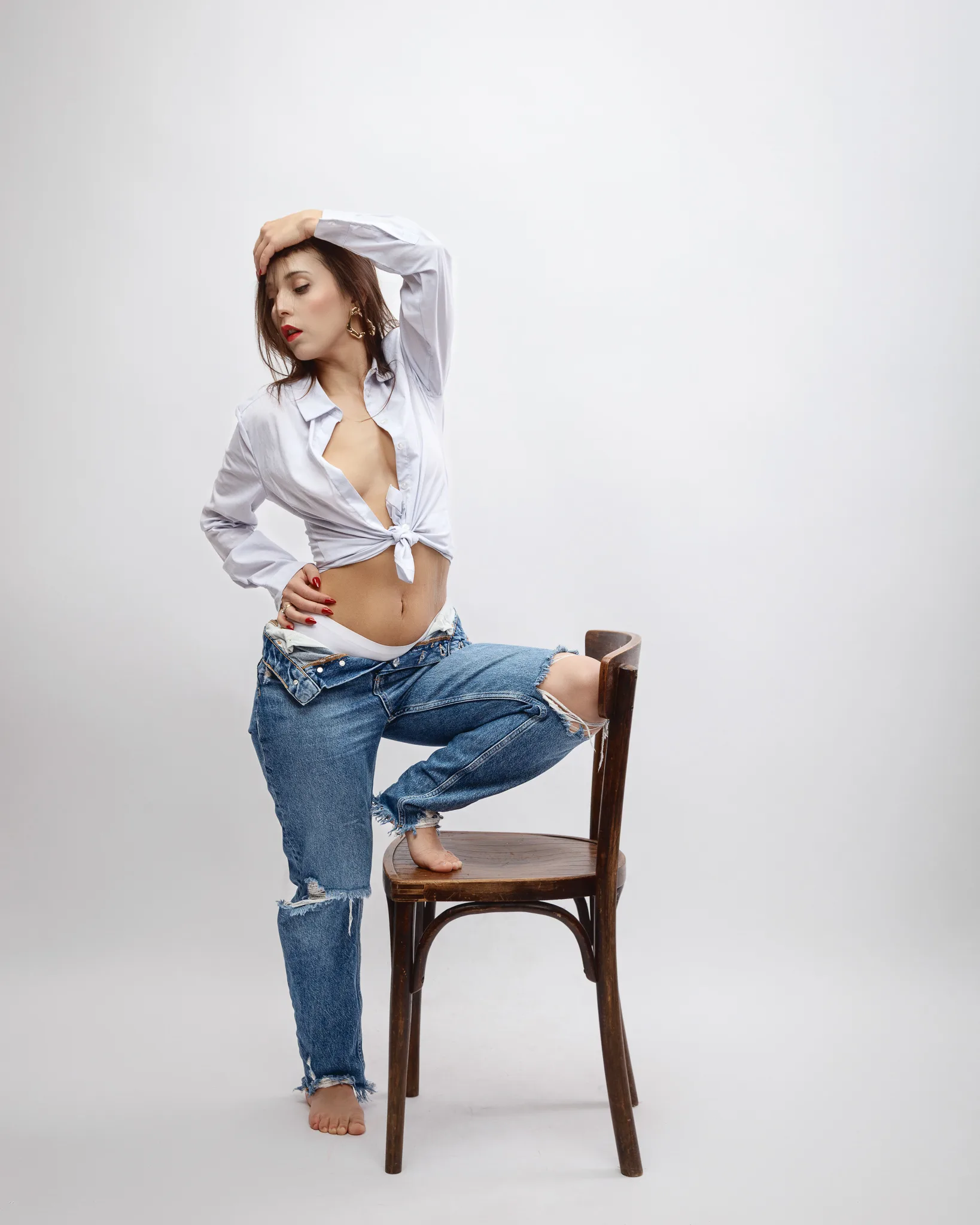
Look 5: Stronger fashion energy, still safe for work
This set leaned slightly more fashion-forward. That does not mean the lighting becomes dramatic. It means the posing becomes more intentional and stylised.
I look for:
- Clean angles
- Strong lines through arms and hands
- A little more attitude in the eyes
- A pose structure that feels editorial, not random
This is where portfolio images start to show personality more clearly.
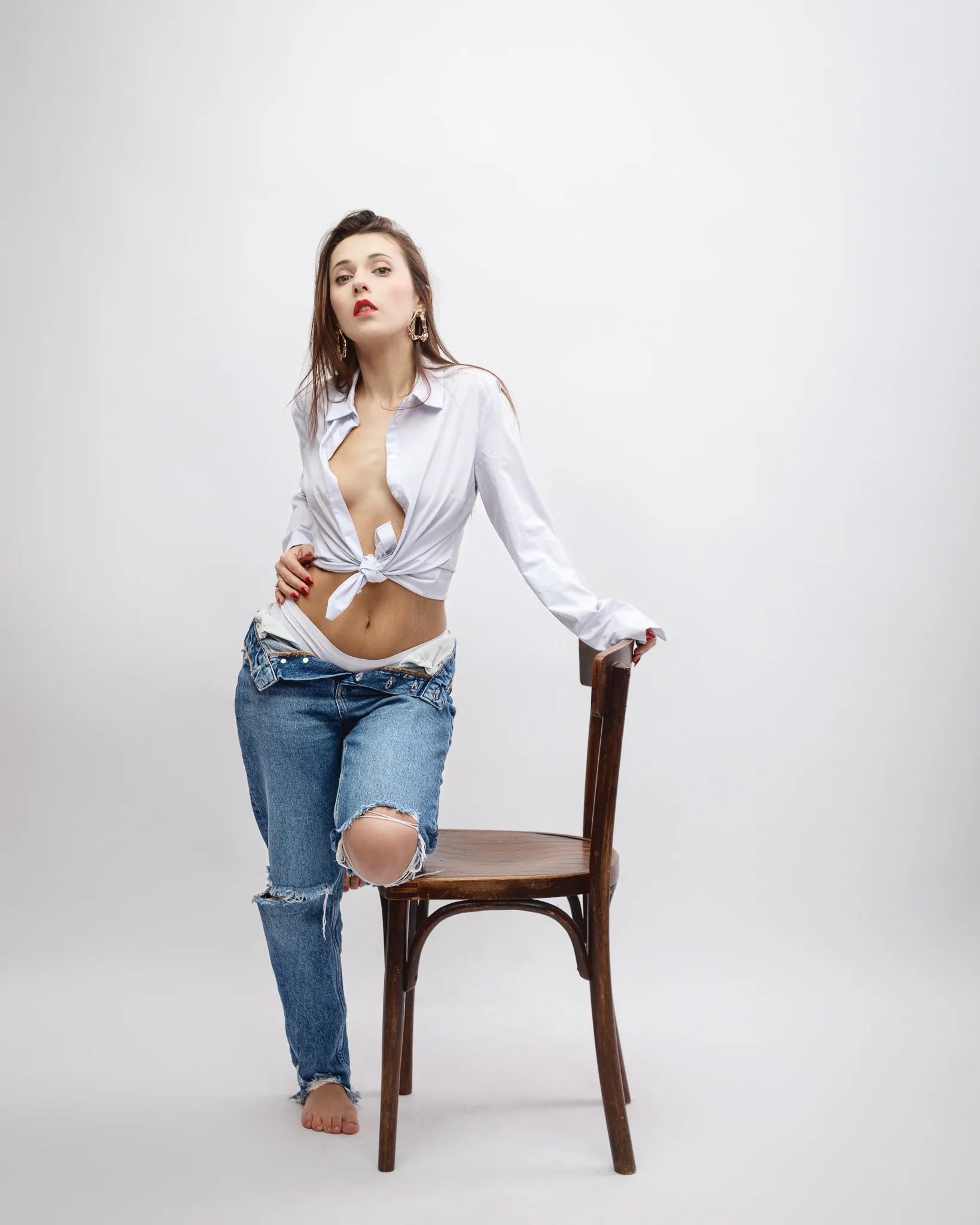
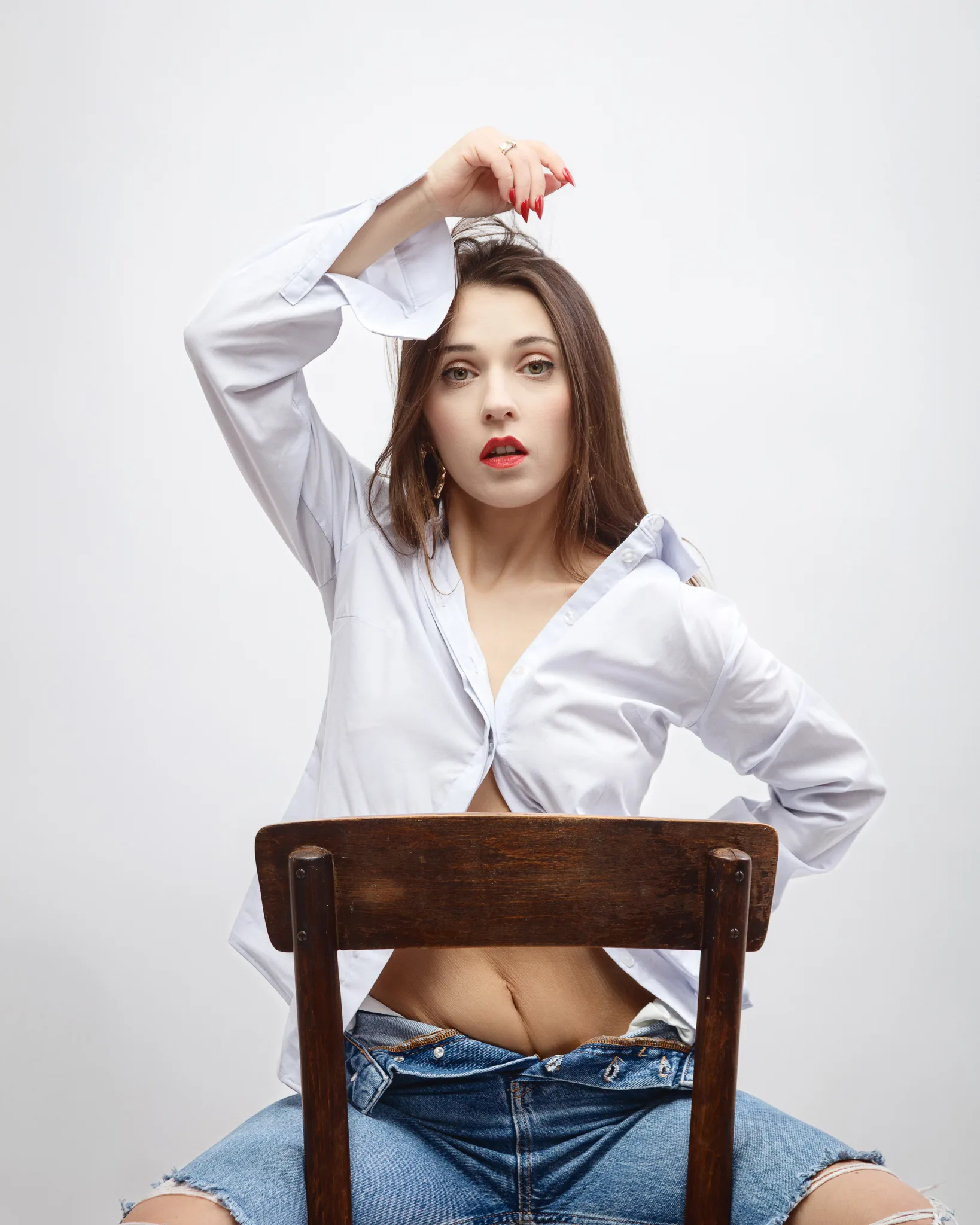
Look 6: Variety through posture and pose language
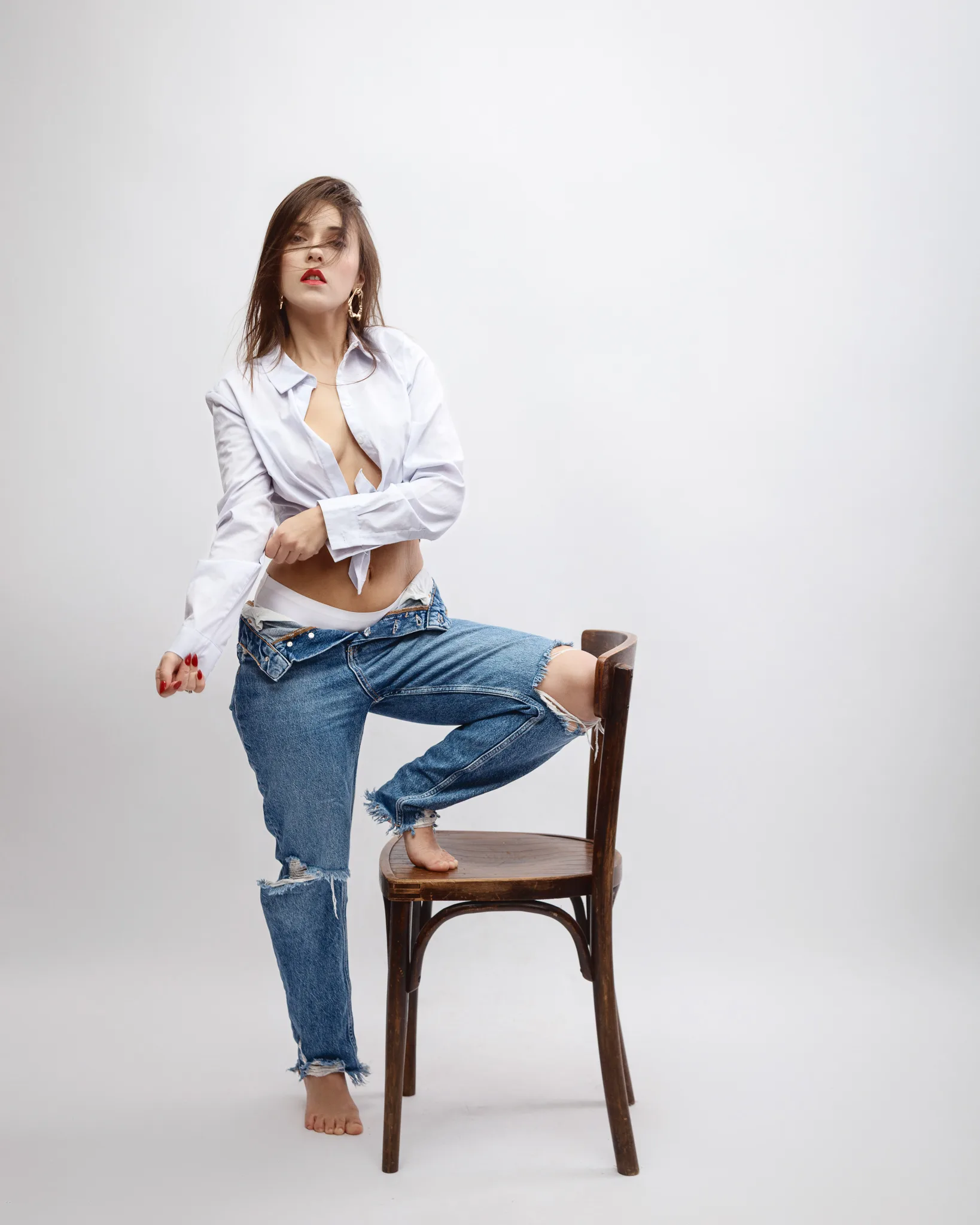
You can add a lot of portfolio range without changing outfits, simply by changing posture language.
This set used:
- Different shoulder angles
- Leaning and negative space
- Variations in hand placement
- A few stronger head positions, while keeping features readable
This is often the point in the shoot where a model starts to feel genuinely fluent. The body stops thinking about mechanics and starts communicating.
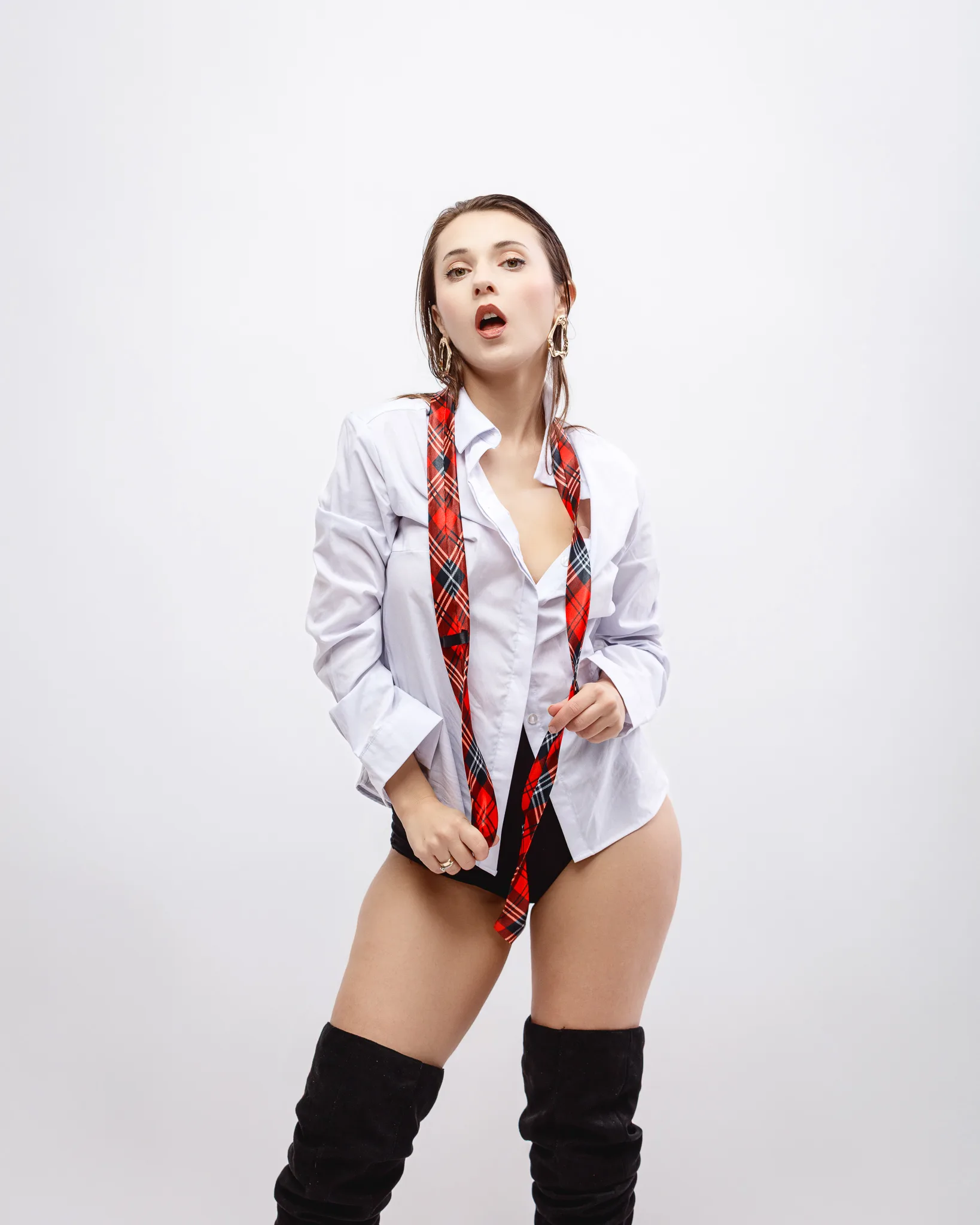
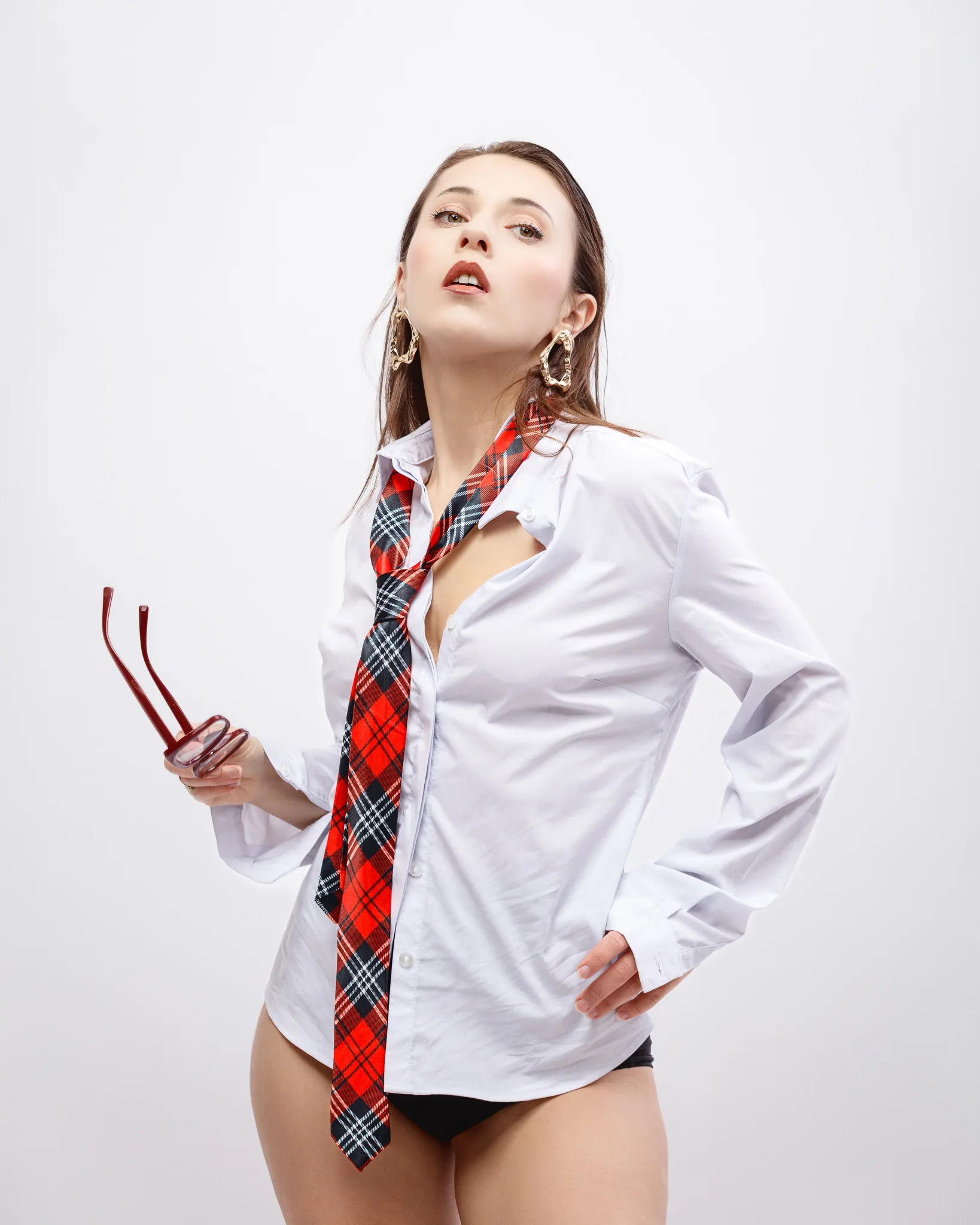
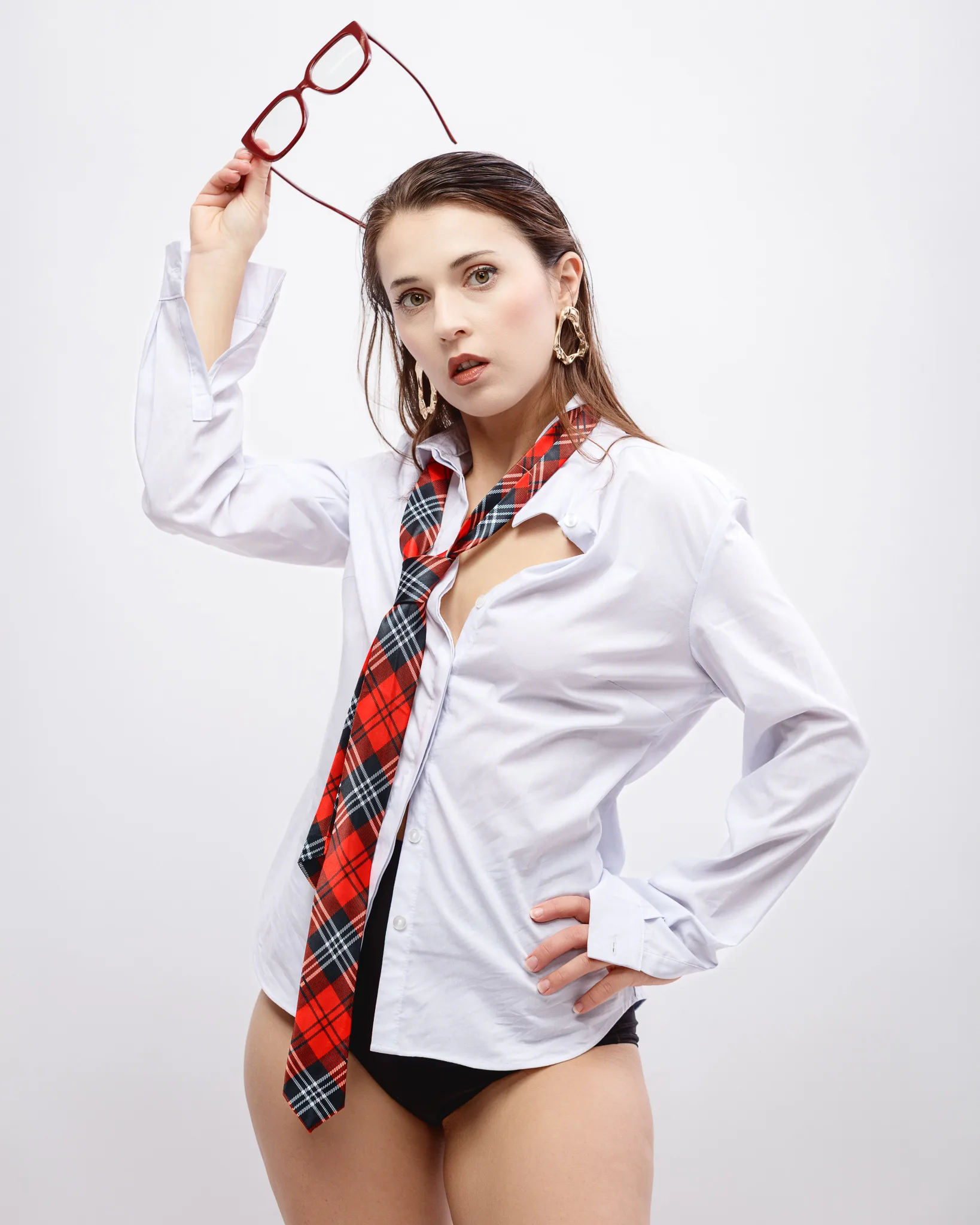
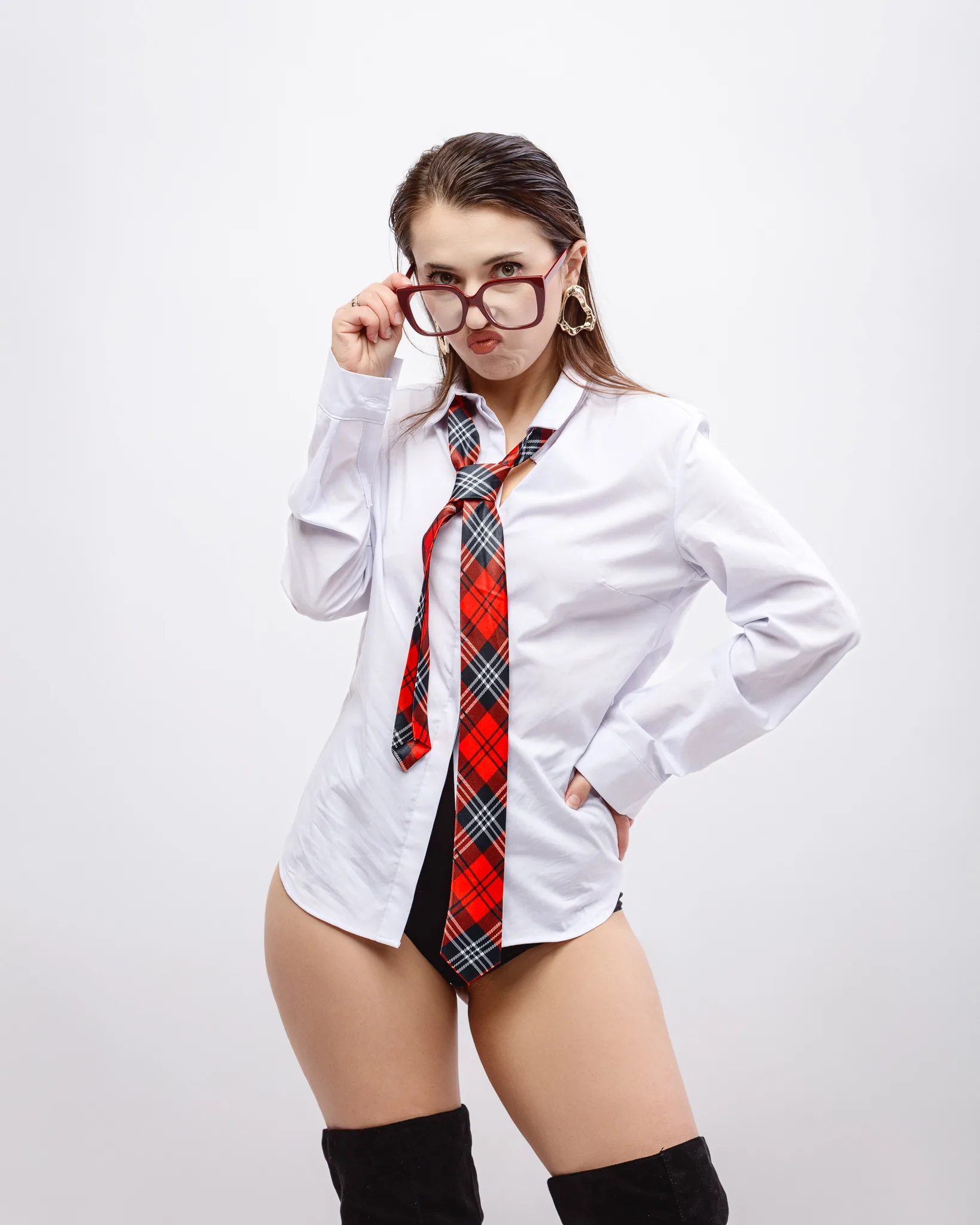
Look 7: A confident final set with a finished feel
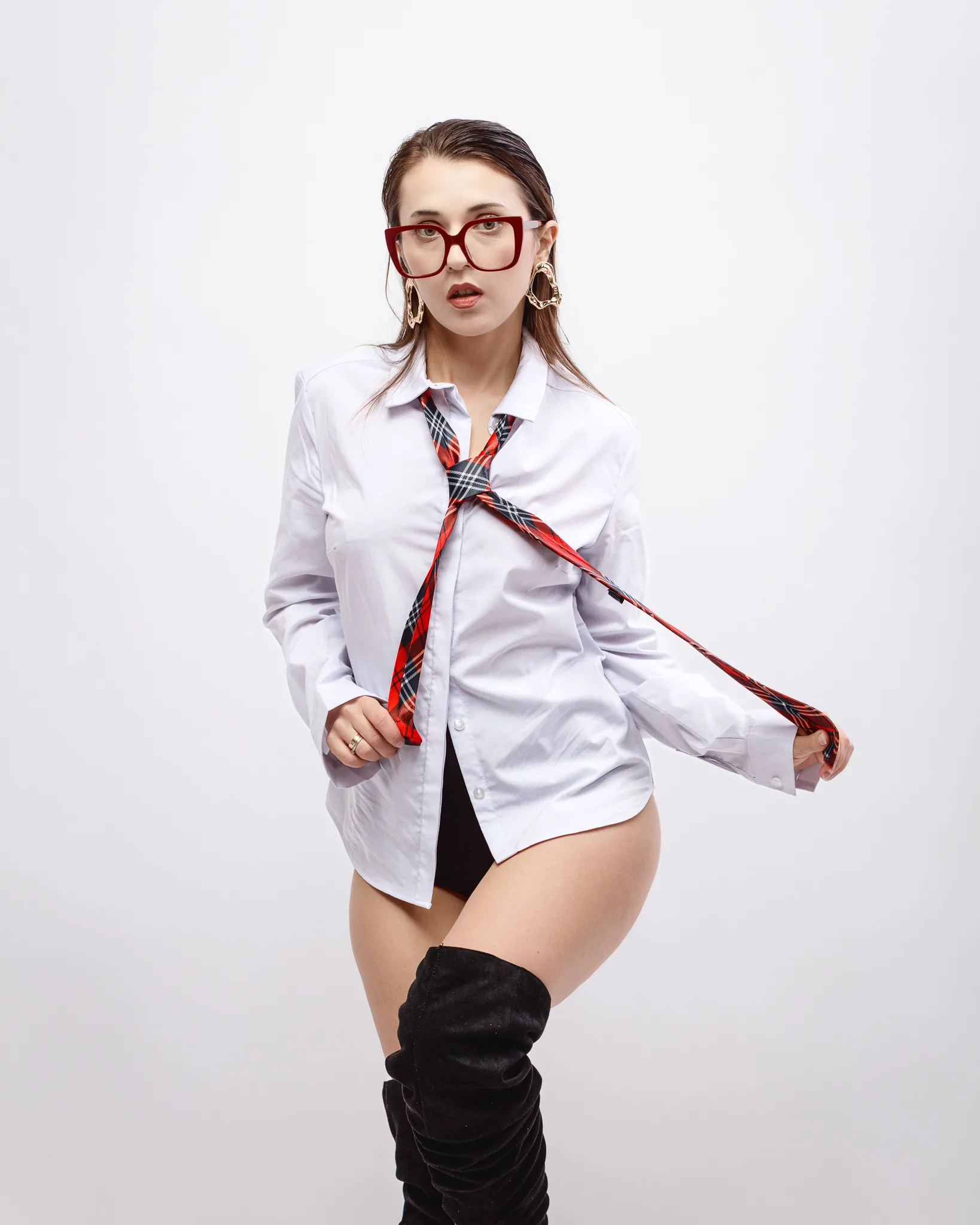
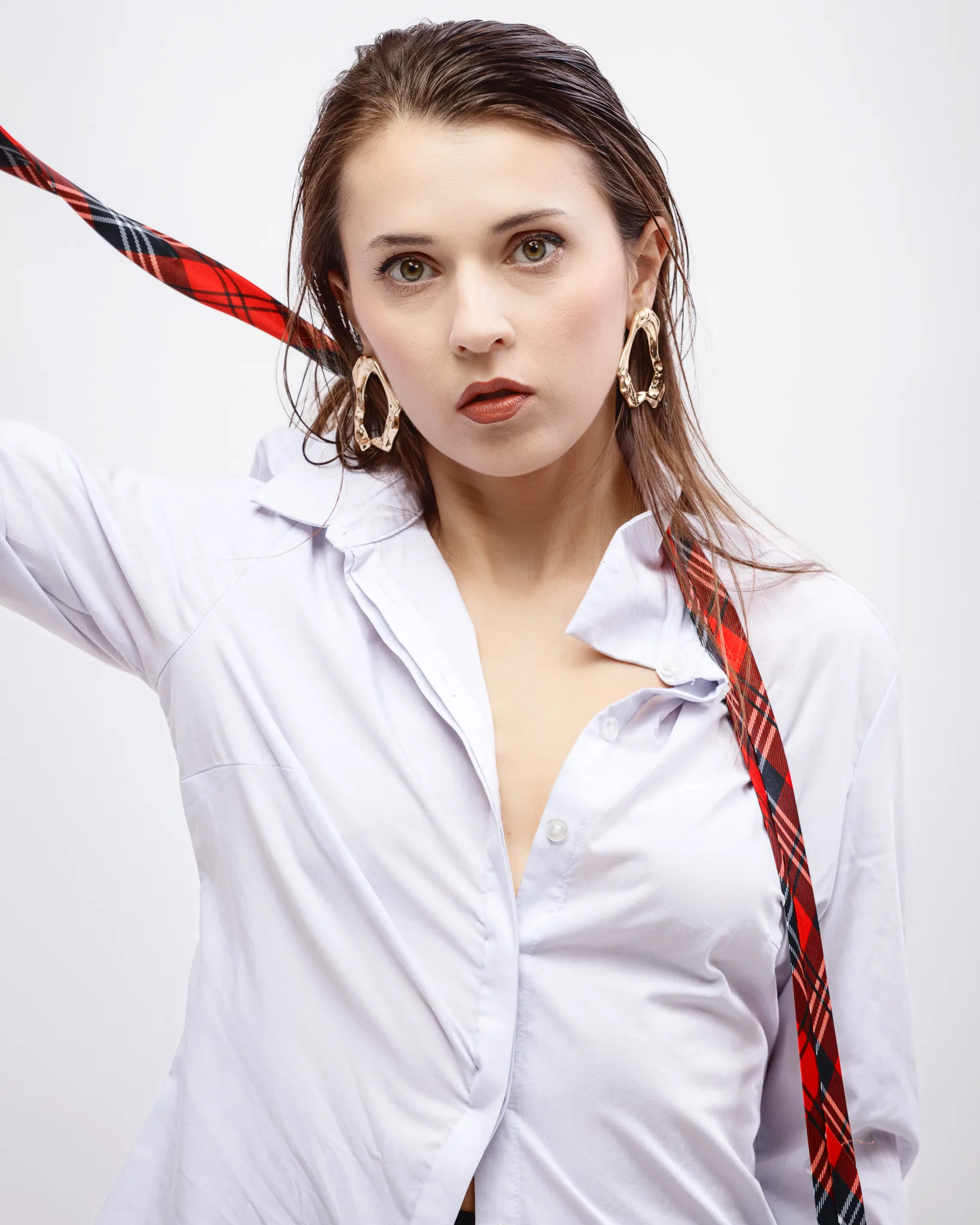
I like to end on a confident look, because it leaves the model feeling clear about what they achieved. It also often produces strong closing images, where the model’s energy is high and their posing is sharp.
The “finished feel” comes from:
- Confident posture
- Clean styling
- Controlled expression
- Strong framing choices
The image still needs to be useful, but it can carry more presence.
What’s included in a professional model portfolio shoot
This is the section many newer models find most helpful, because “model portfolio shoot” can mean very different things depending on the photographer and the model’s goals. I always frame this as practical guidance rather than a promise of outcomes, because every model’s needs are different.
The purpose of clean digitals versus styled portfolio images
Clean digitals, sometimes called “Polaroids,” are simple images that show what you look like right now. They are usually minimally edited, with natural styling and straightforward lighting. The aim is accuracy and clarity.
Styled portfolio images are more “finished.” They show how you photograph when you introduce stronger wardrobe choices, more deliberate posing, and a clearer mood.
A strong portfolio often includes both. You need the clean, agency-friendly baseline, and you also need a few images that show personality and range.
Backstage describes modelling digitals as raw, unfiltered images designed to show a model in a natural state. https://www.backstage.com/magazine/article/how-to-take-modeling-digitals-and-polaroids-76696/
Even if you are not aiming for a pure “digitals” set, the concept is still useful. You want at least a few images that feel honest and simple.
Why consistent lighting and neutral backgrounds matter for agencies
Agencies and casting teams often review images quickly. They might be looking at dozens or hundreds of submissions. Clean lighting and a neutral background help your features read instantly.
Consistency also helps them compare images fairly. If your light changes wildly from frame to frame, it becomes harder to judge what you truly look like. If your background is busy, it can pull attention away from your face and shape.
For headshot-style imagery, Backstage recommends backgrounds that support the subject and do not distract. https://www.backstage.com/magazine/article/how-to-choose-a-headshot-background-77874/
Spotlight also encourages clear, honest images that represent you well, rather than photos that rely on distractions or heavy effects. https://www.spotlight.com/news-and-advice/the-essentials/everything-you-need-to-know-about-photos/
What “variety” actually means in a studio model portfolio
Variety is not “more outfits.” Variety is “more usable coverage.”
In a professional studio model portfolio shoot, I aim to build variety through:
- Headshot frames with clean, readable eyes
- Three-quarter images that show posture and proportion
- Full-length frames that show silhouette and stance
- Expression variation, from neutral to warm to more intense
- Small styling changes, like a layer on or off, hair up or down
- Movement, such as a step, turn, or controlled hair motion
- Clean hand and arm shapes, without tension
You can build a diverse portfolio without changing everything. Small, controlled shifts often look more professional, because they feel intentional.
How I structure a session to deliver that variety
I structure most model portfolio sessions in phases. The structure keeps the shoot efficient, and it helps the model build confidence.
Phase 1: Clean baseline
We start with simple images. Clear light, neutral background, minimal distraction. This creates the core “agency-style portraits” set.
Phase 2: Controlled variation
We introduce small changes. One styling shift at a time. The light stays consistent, so the portfolio stays cohesive.
Phase 3: Stronger personality
Once the baseline is secure, we push a little more. This is where more fashion-forward posing and mood can come in, without losing clarity.
Phase 4: Confident close
We finish with a set that feels strong and polished. Ending on a high matters, both psychologically and visually.
This structure is also helpful for SEO when you write about sessions like this. It gives you a natural place to use phrases such as model portfolio shoot, studio model portfolio, model digitals, agency-style portraits, casting headshots, and Suffolk studio photography without forcing them into awkward sentences.
Why safe-for-work portfolios are often the most flexible
I am very comfortable saying this plainly. A safe-for-work portfolio keeps more doors open.
Many castings, agencies, and commercial briefs prefer clean, usable images that can be shared internally without hesitation. That does not mean your work cannot be bold. It means the boldness comes from performance, styling, and creative intent, not from pushing into areas where the images can be used.
Safe-for-work also encourages a more professional process. It keeps boundaries clear. It sets expectations from the start. In my experience, it leads to stronger long-term working relationships between models and photographers.
Notes for models preparing for a studio model portfolio shoot
If you are a model reading this and planning a studio session, here are a few practical things that usually help.
Bring:
- Outfit options on hangers, pressed and ready
- Simple shoes if you want full-length options to look clean
- Basic hair tools for quick resets
- A simple cover-up layer for comfort between sets
- A small kit for touch-ups, especially if you tend to shine under lights
Plan:
- One or two clean, simple looks for baseline images
- A couple of looks that show your personal style
- A range of necklines and silhouettes, rather than a range of colours only
- One look that feels slightly stronger in attitude for a “hero” set
Most importantly, bring a clear sense of what you want the portfolio to say about you. Your portfolio is not a fashion catalogue. It is a professional tool.
Closing thoughts on working with Karolina again
This was a genuinely enjoyable session. Karolina brought great intent, and she moved through seven looks with a confident, practical mindset. She understood the brief, she delivered an expressive range without overplaying it, and she kept the portfolio cohesive while still making each set feel distinct.
Justyna’s presence as a chaperone added a great dynamic. The studio felt calm, supportive, and focused, which is exactly how I like it. When that atmosphere is right, the images tend to land exactly where they should.
A good model portfolio does not need to shout. It needs to be clear, honest, and well-structured. That is what we set out to create here, and it is always satisfying when the final set feels both clean and alive.