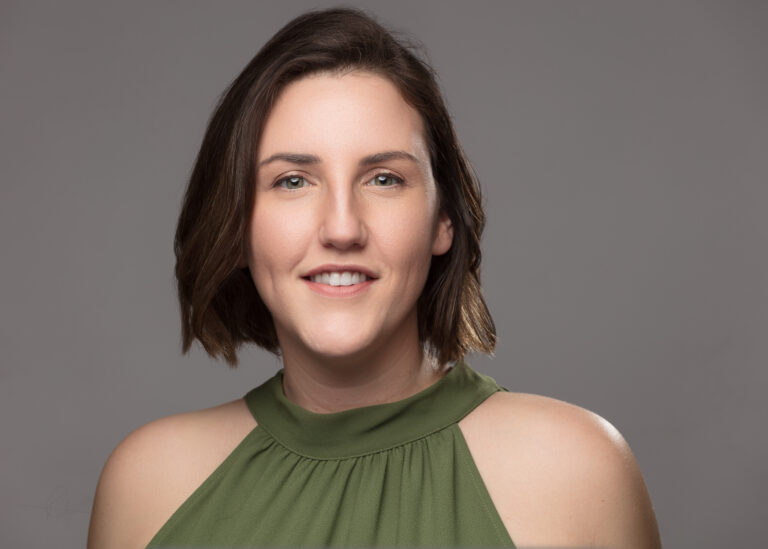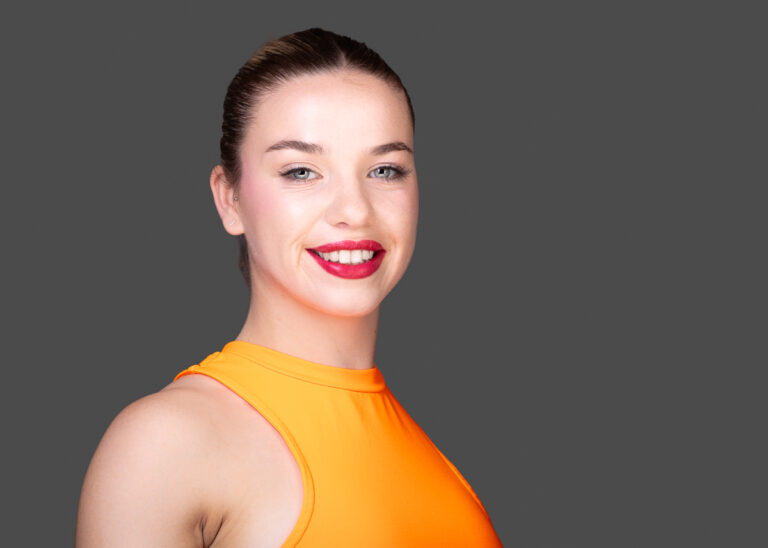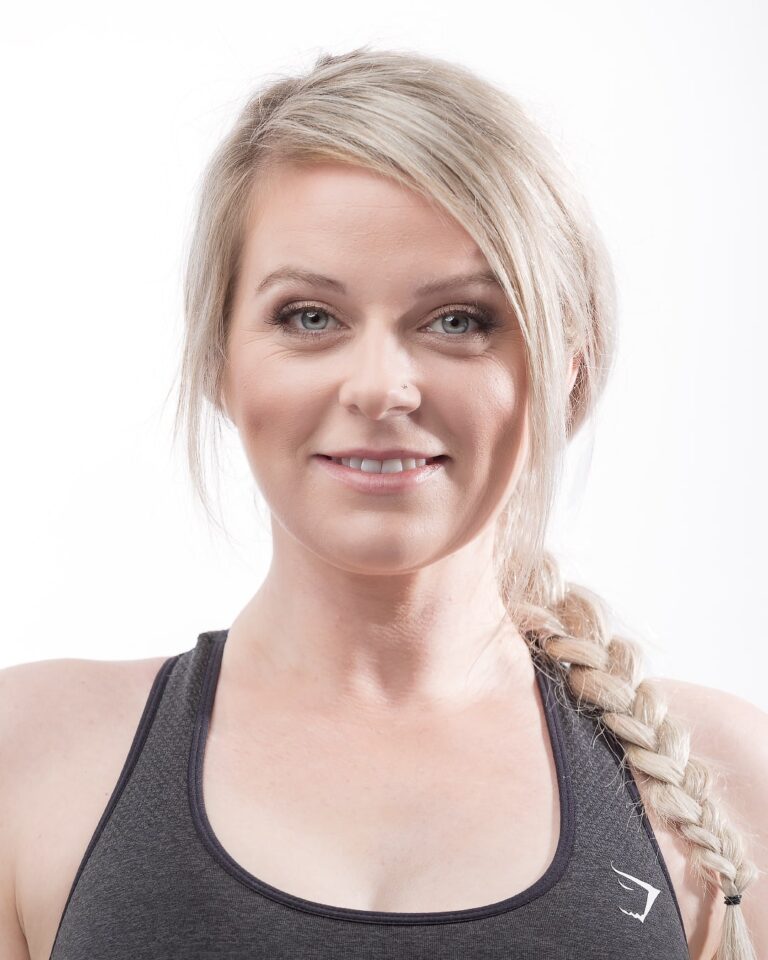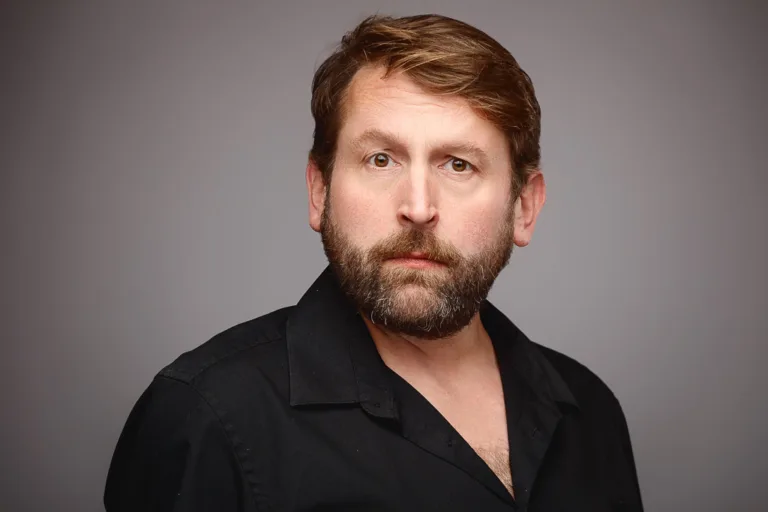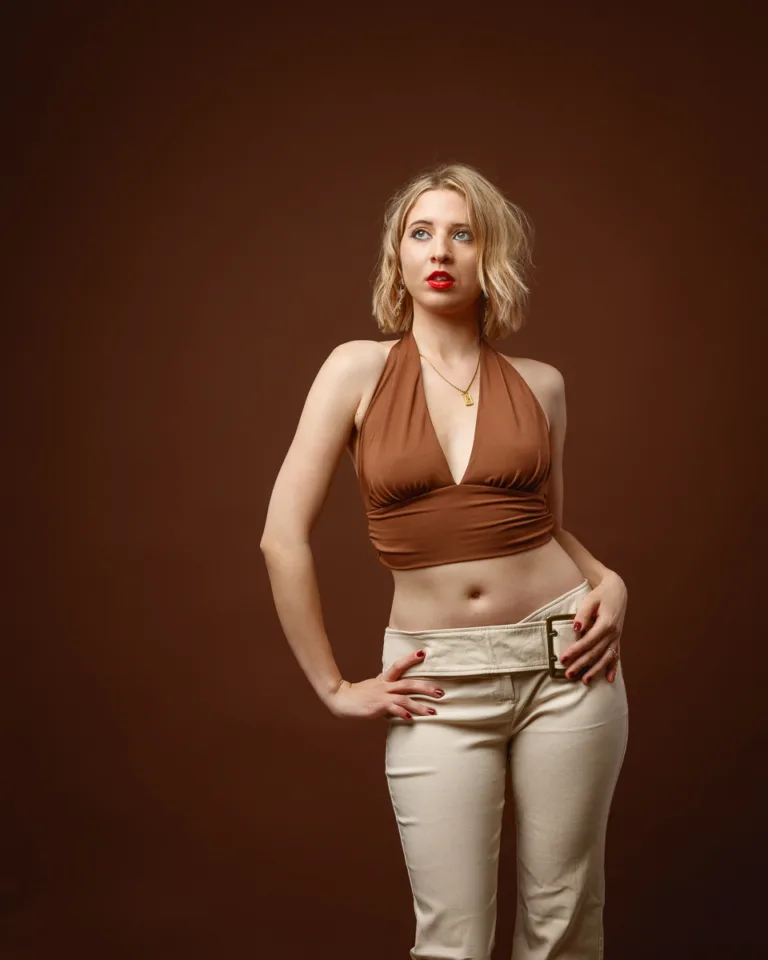
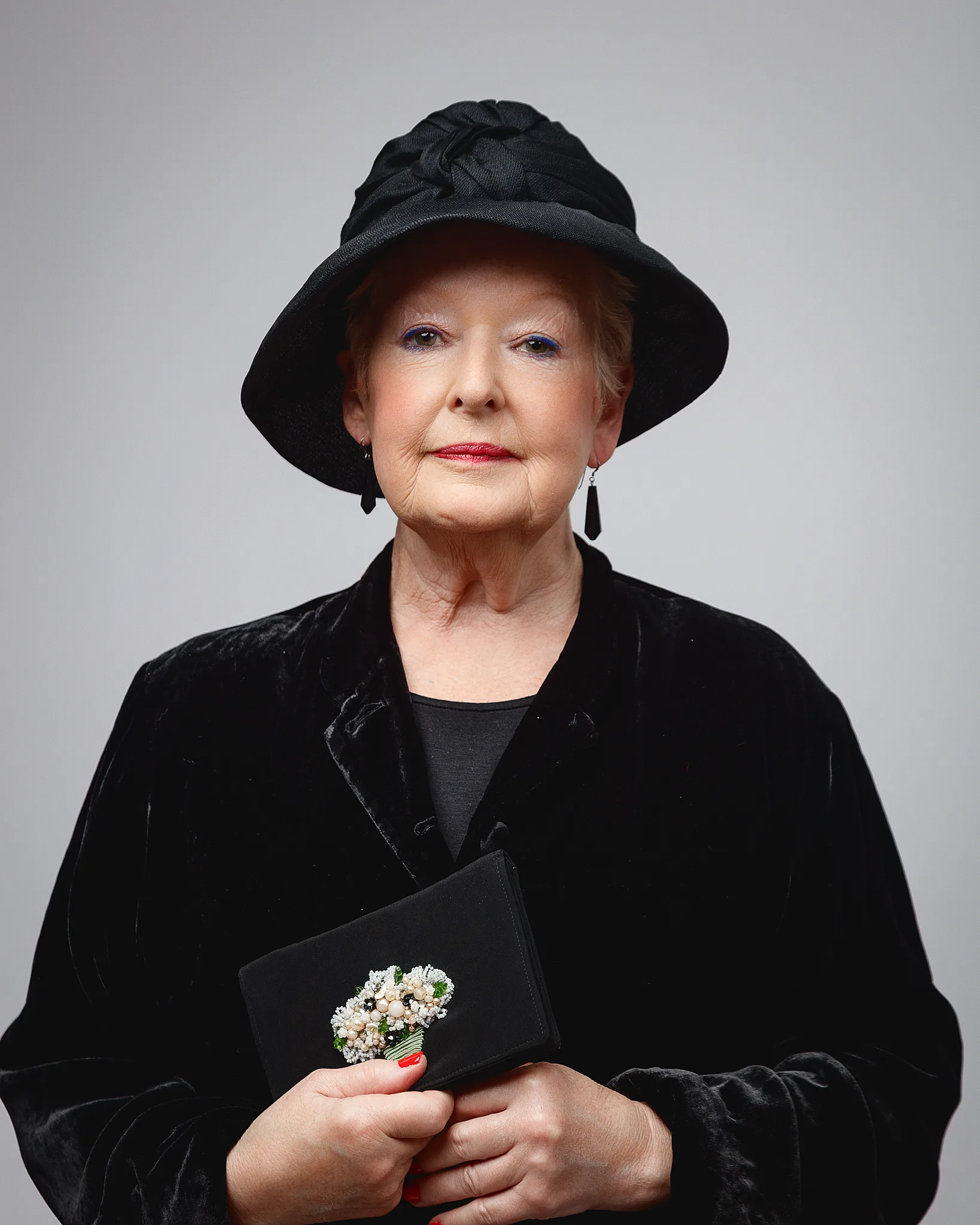
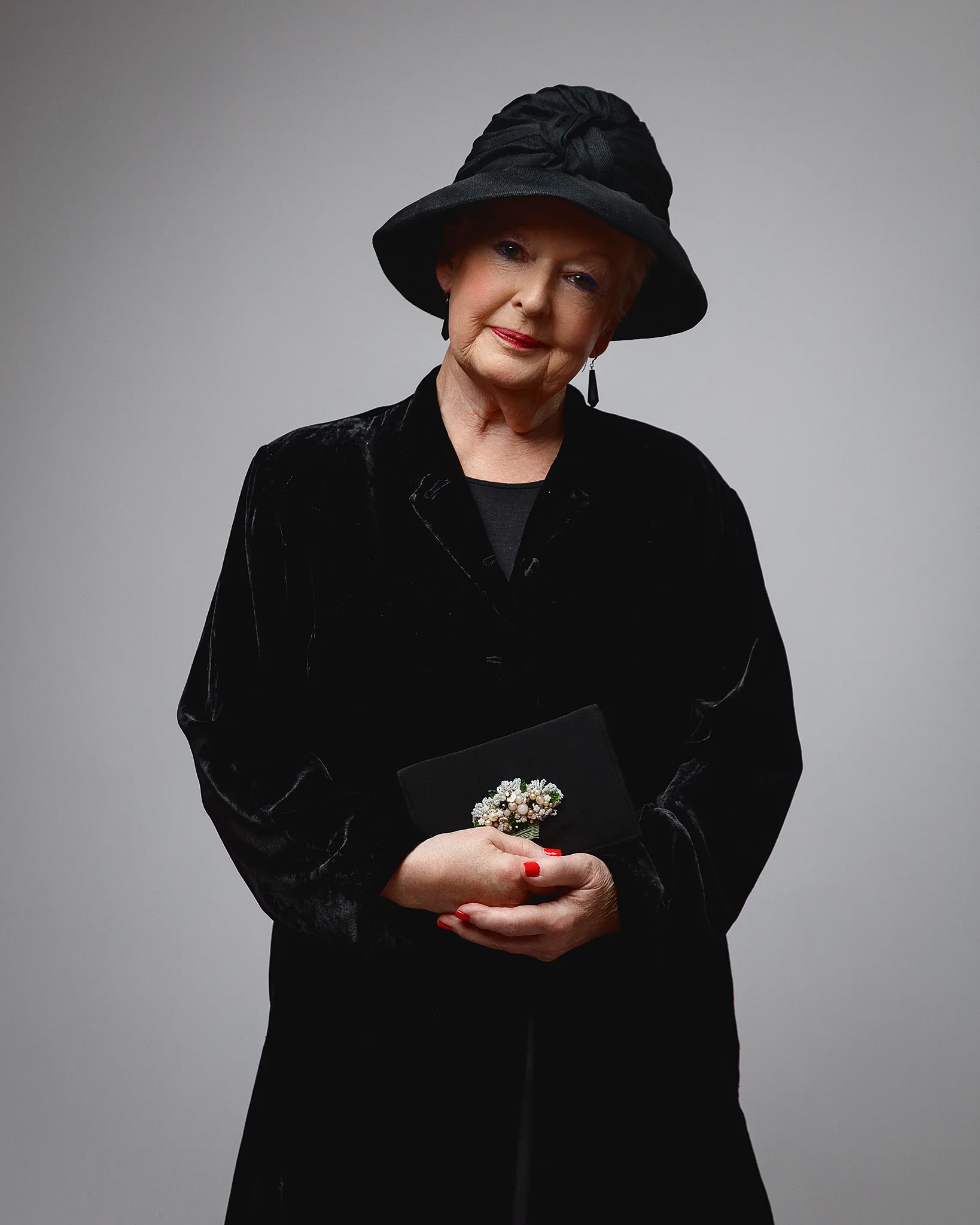
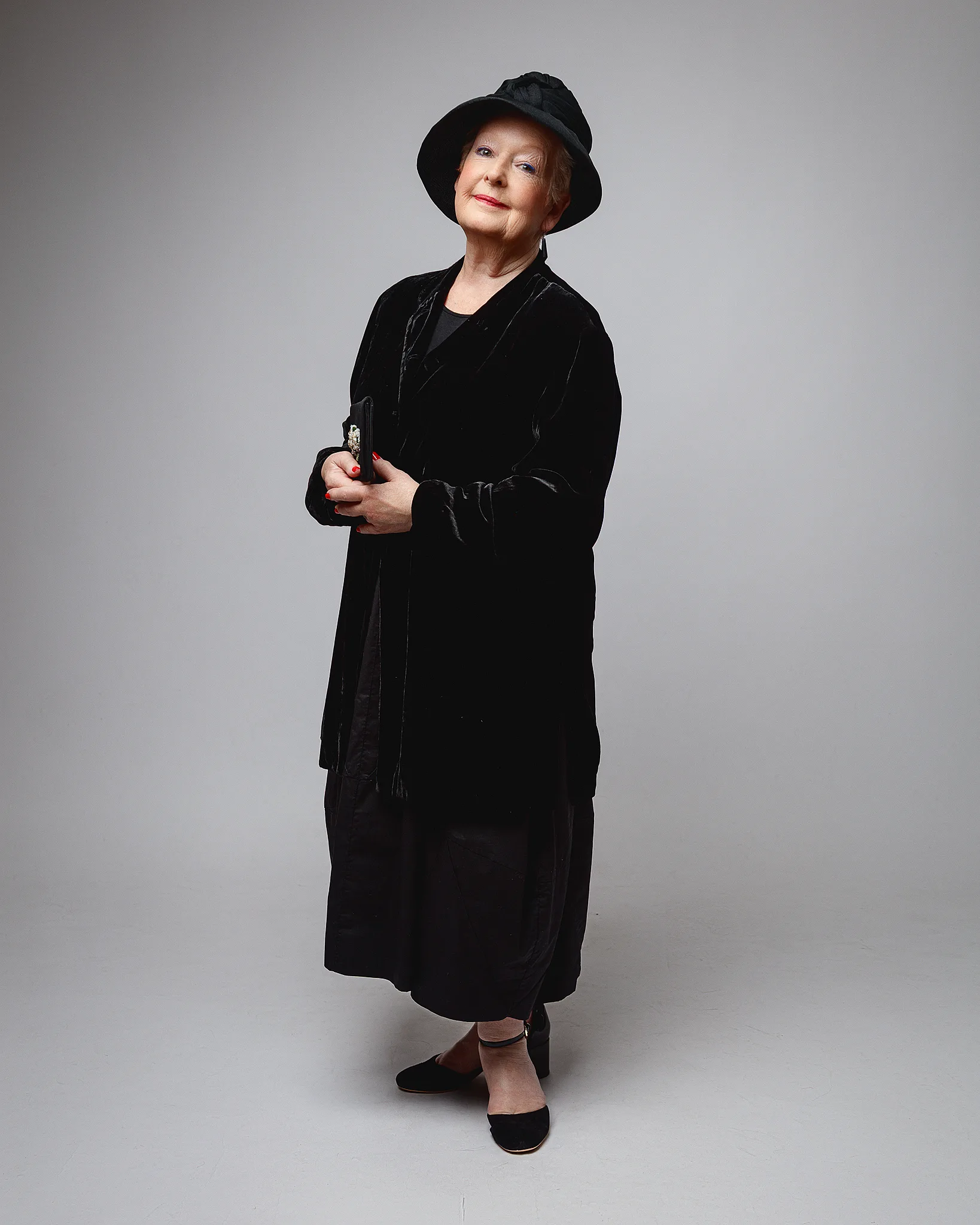
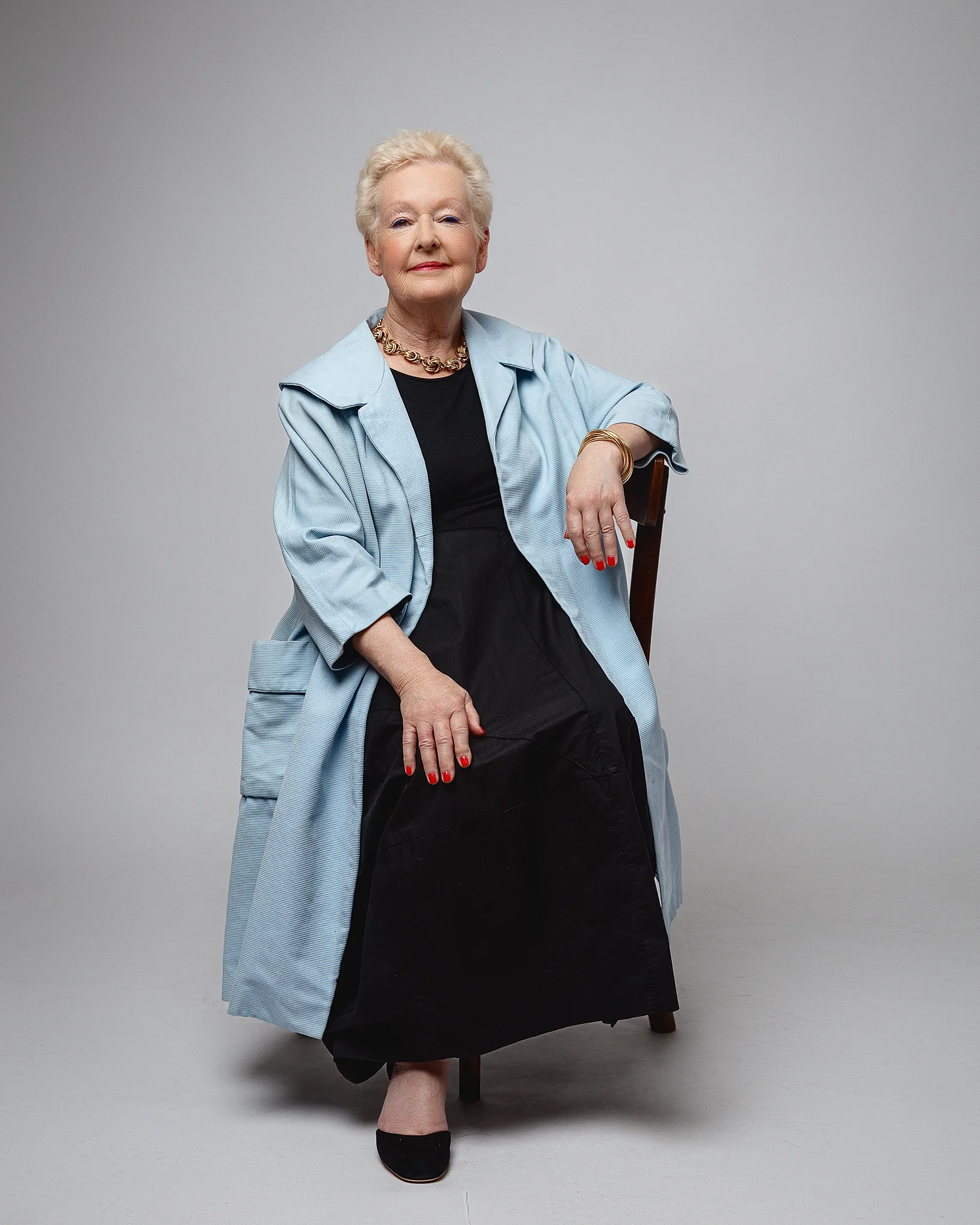
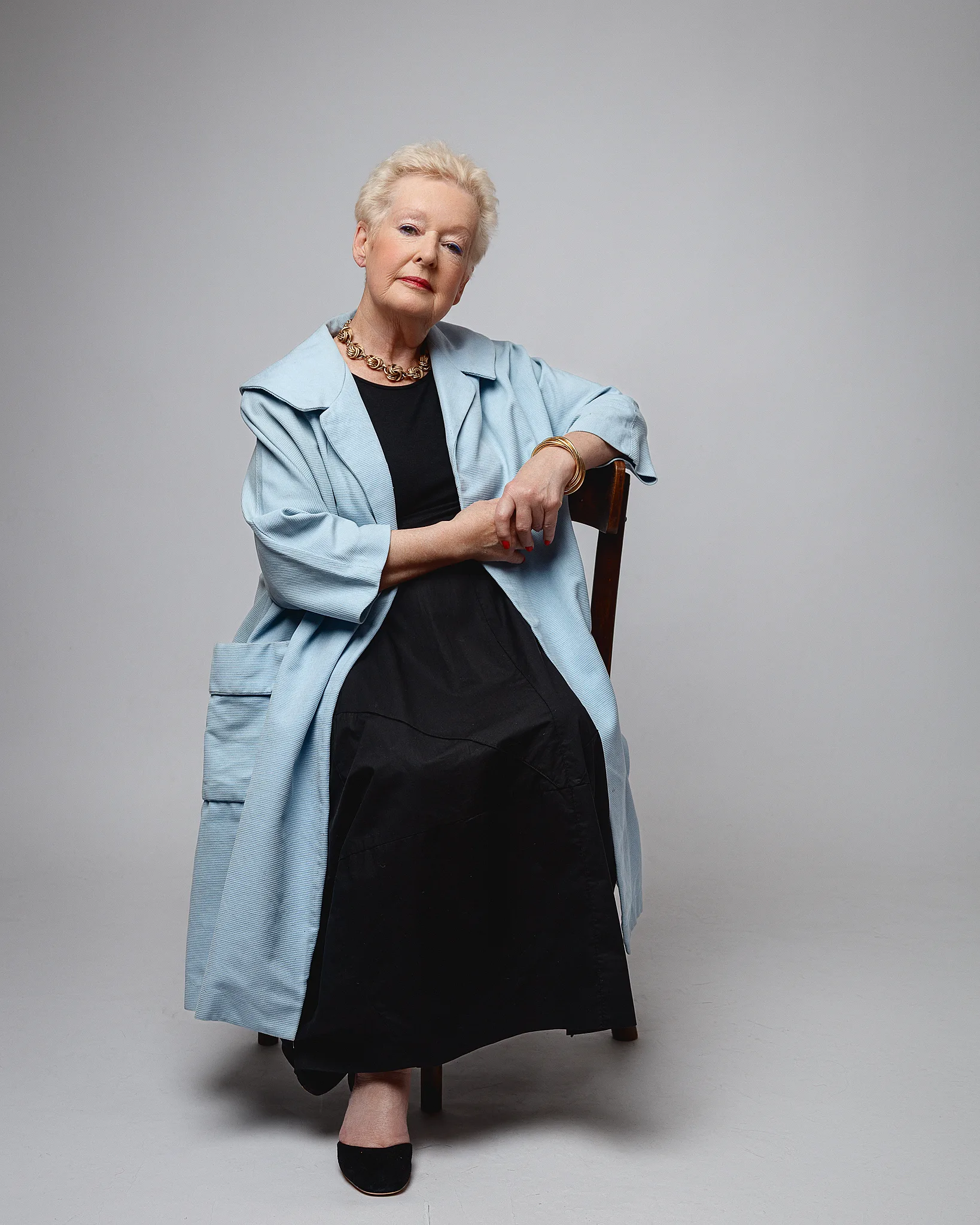
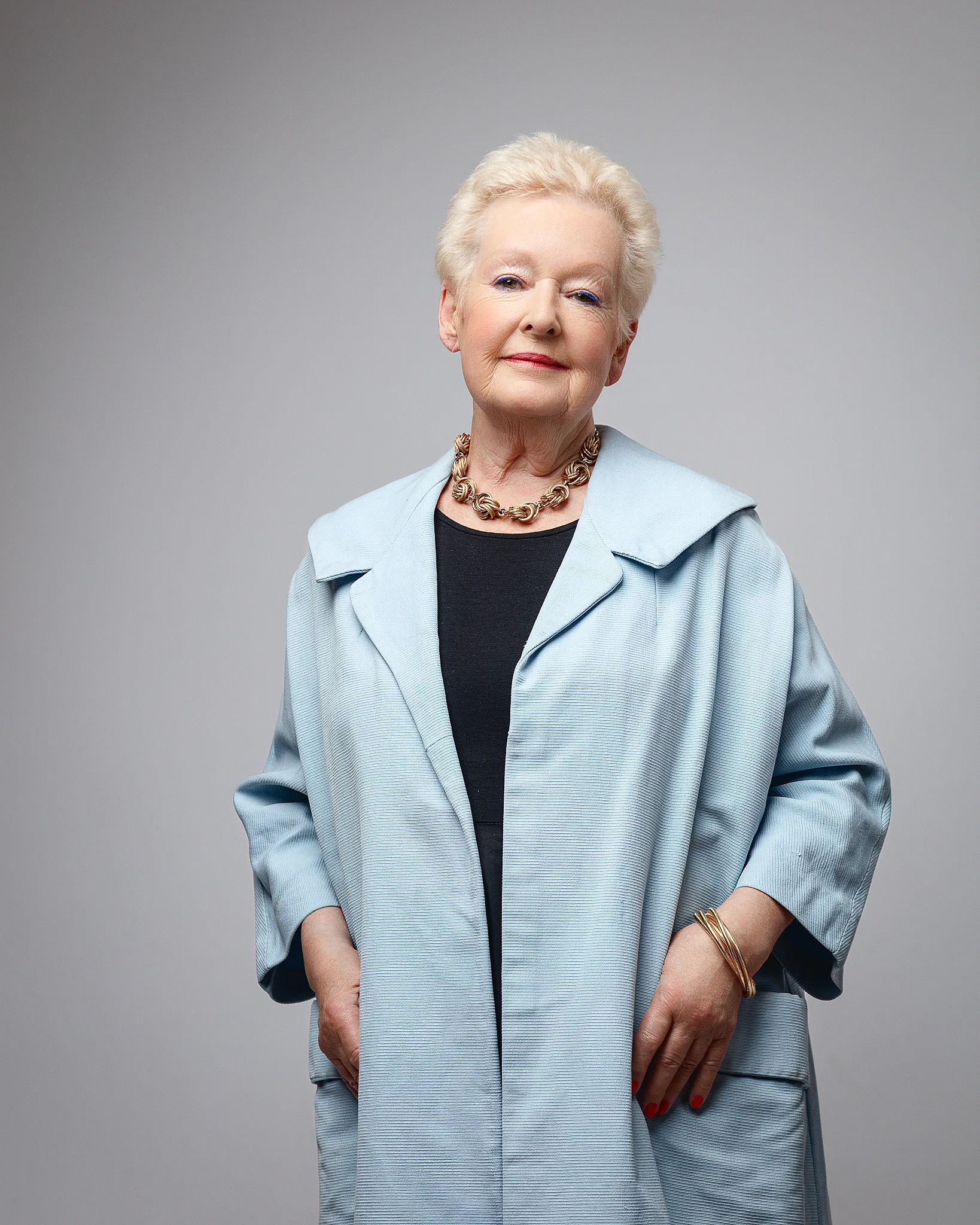
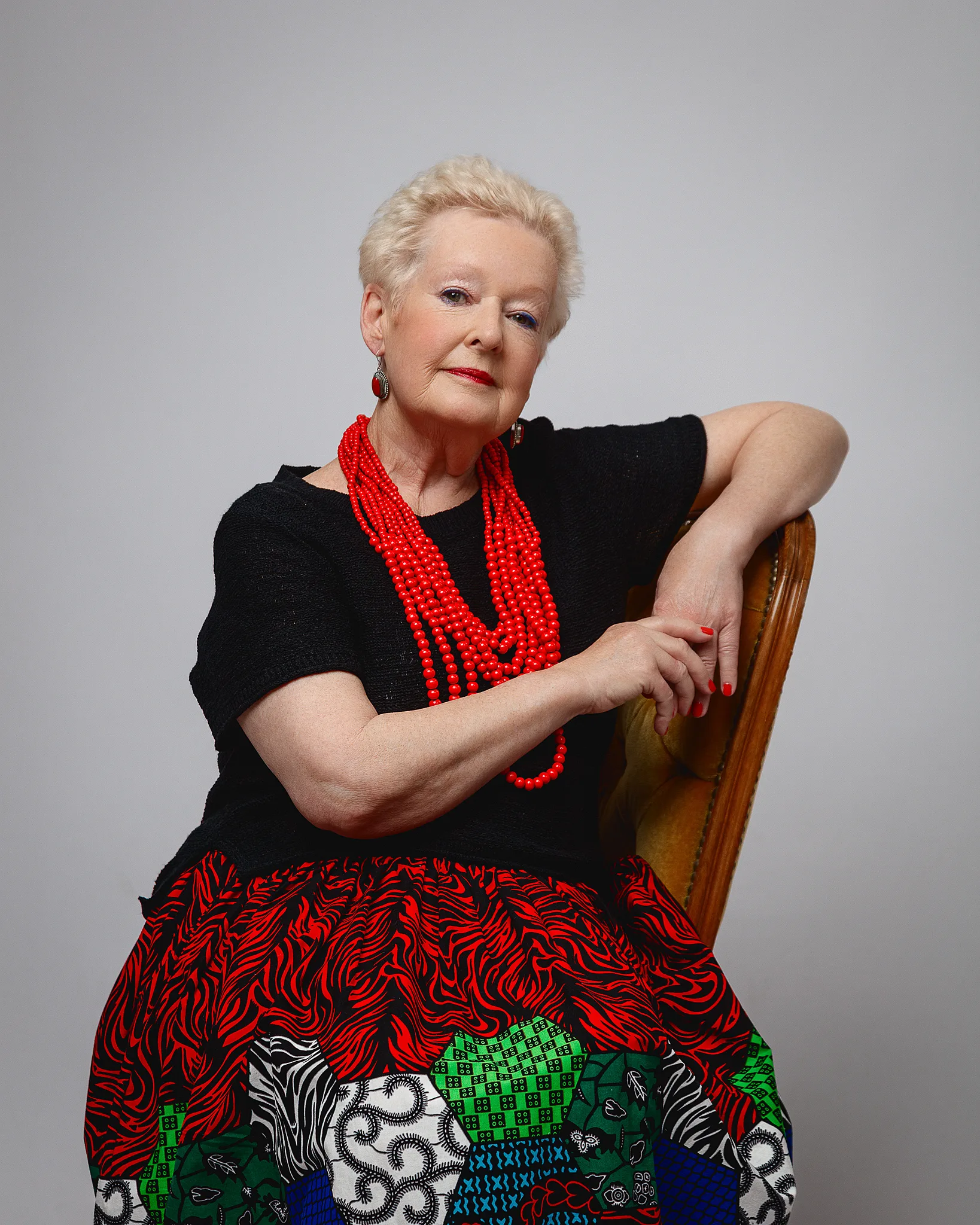
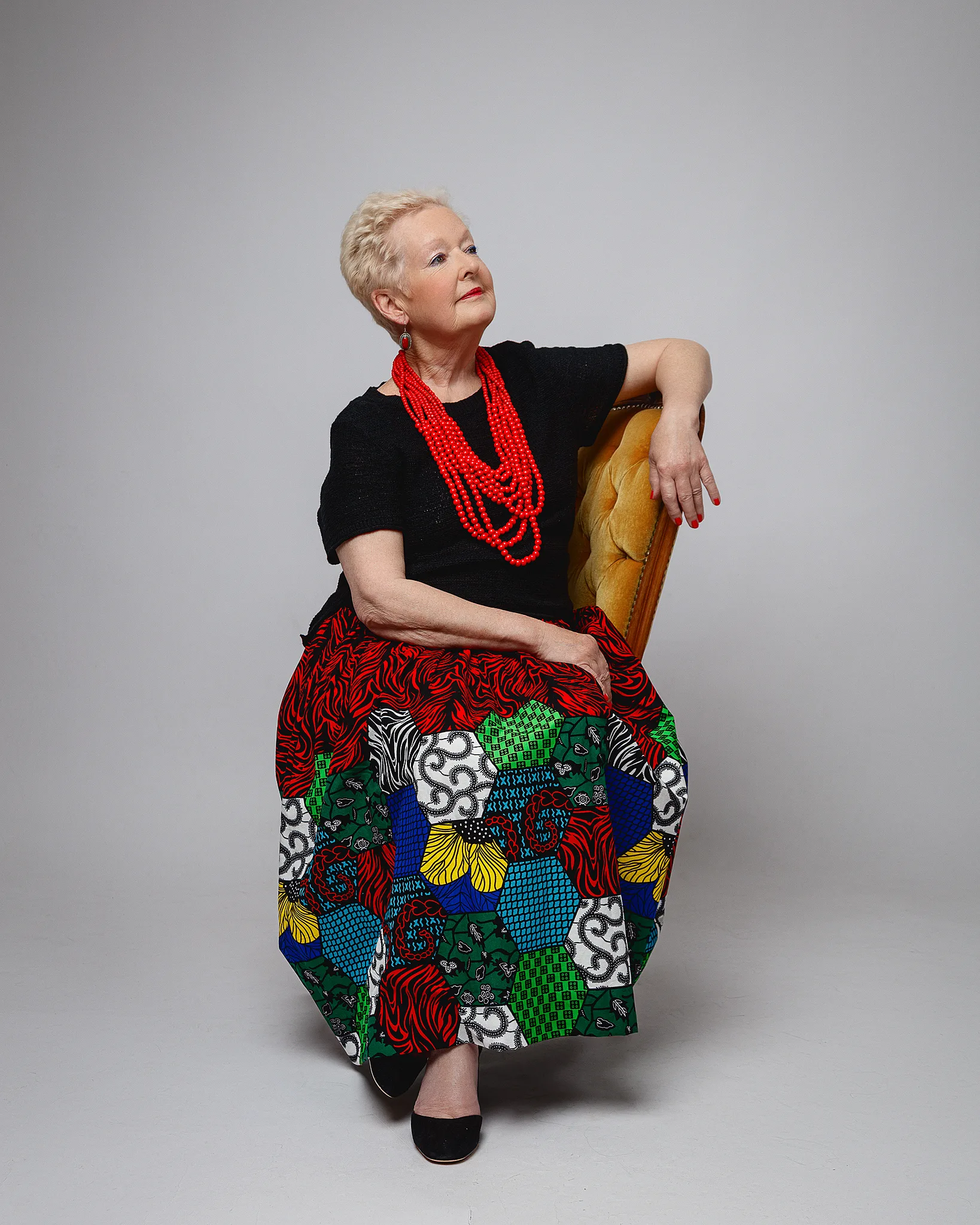
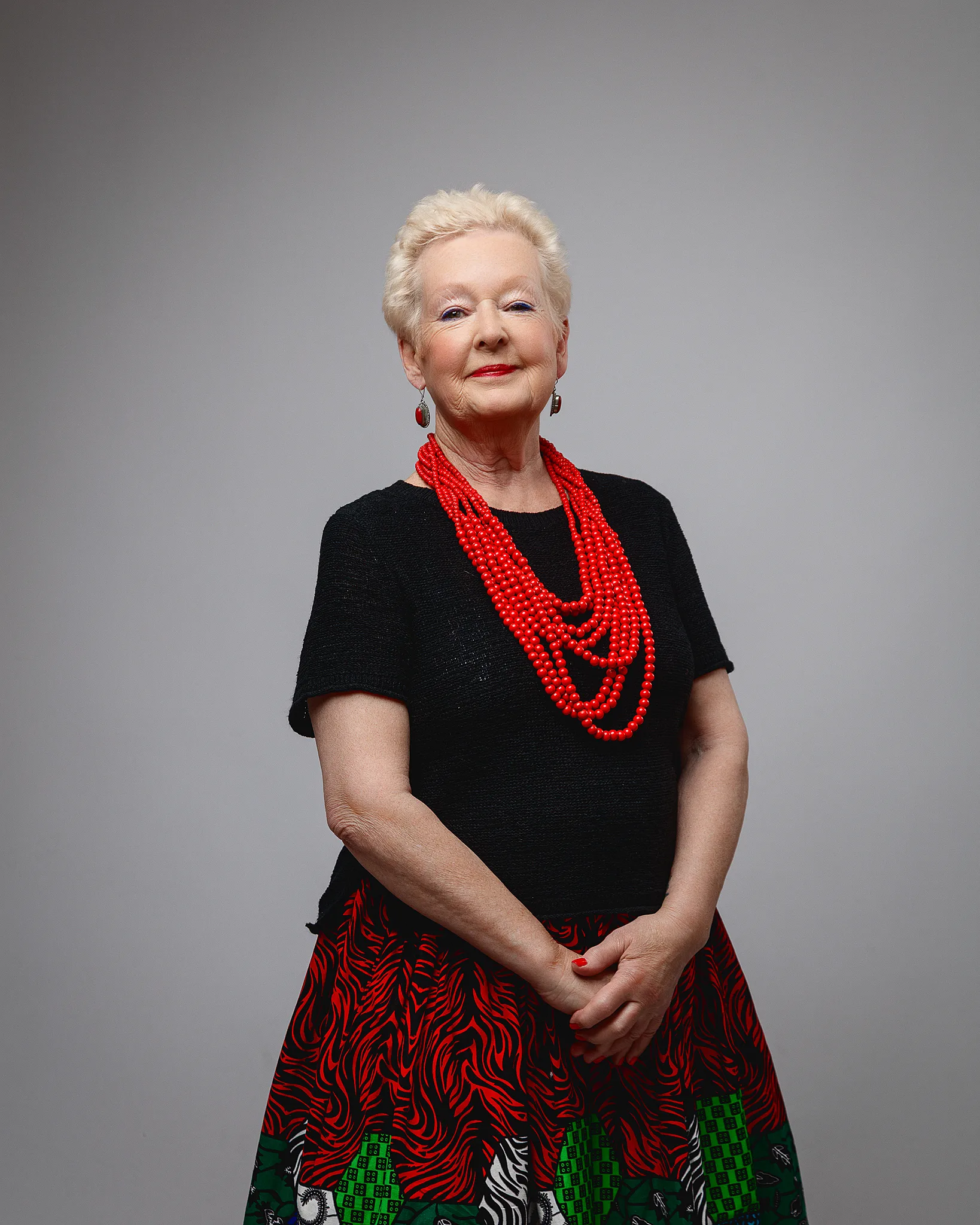
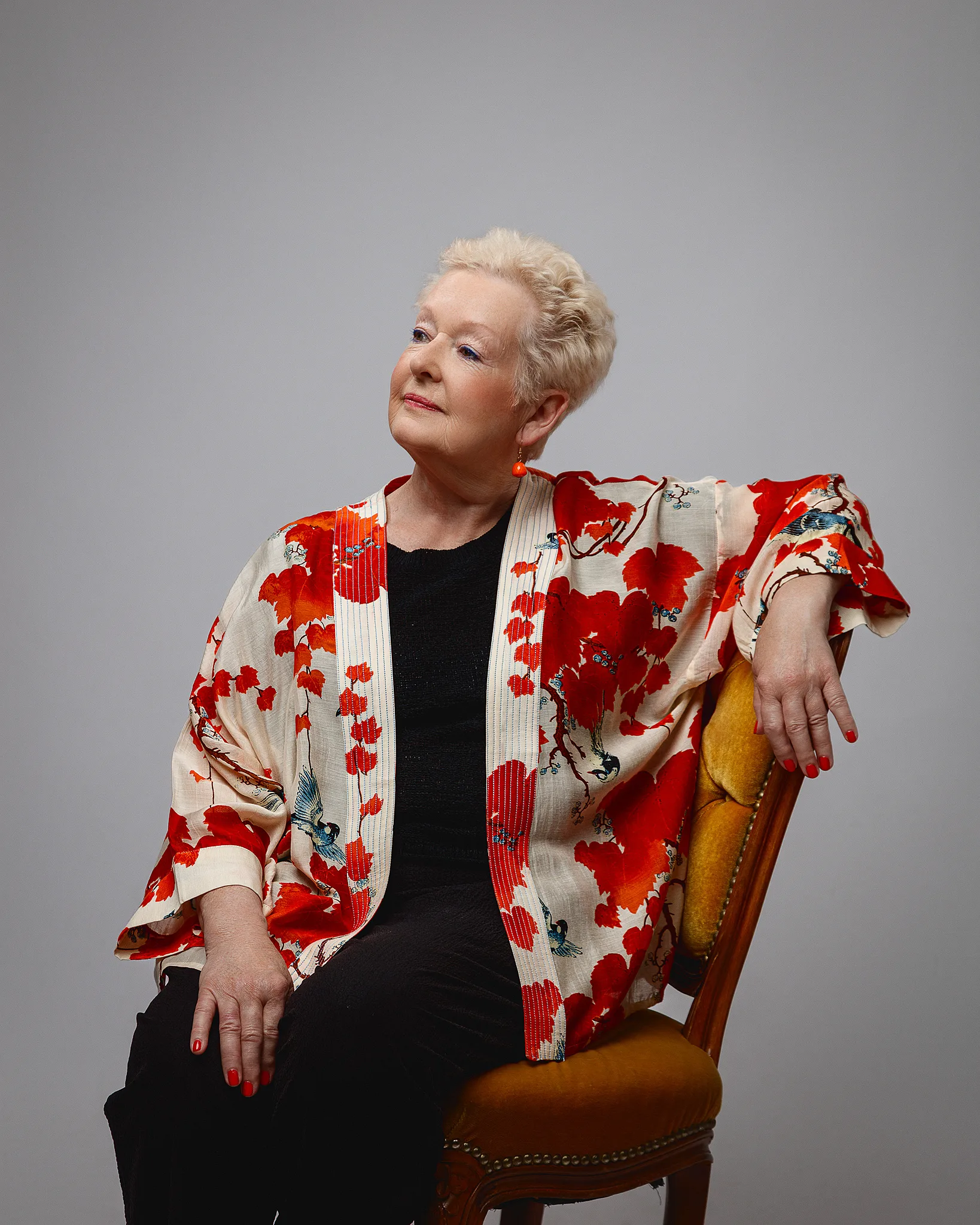
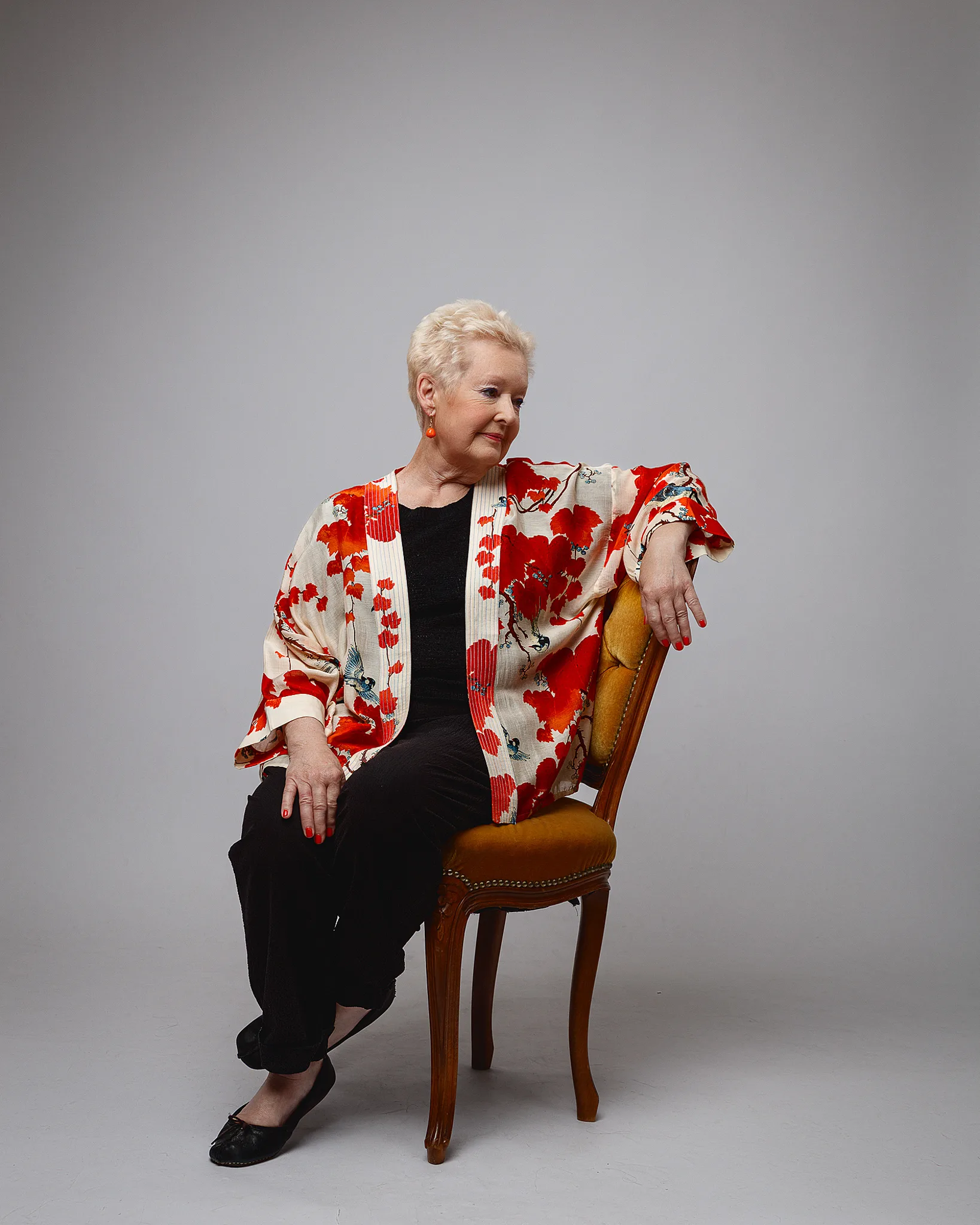
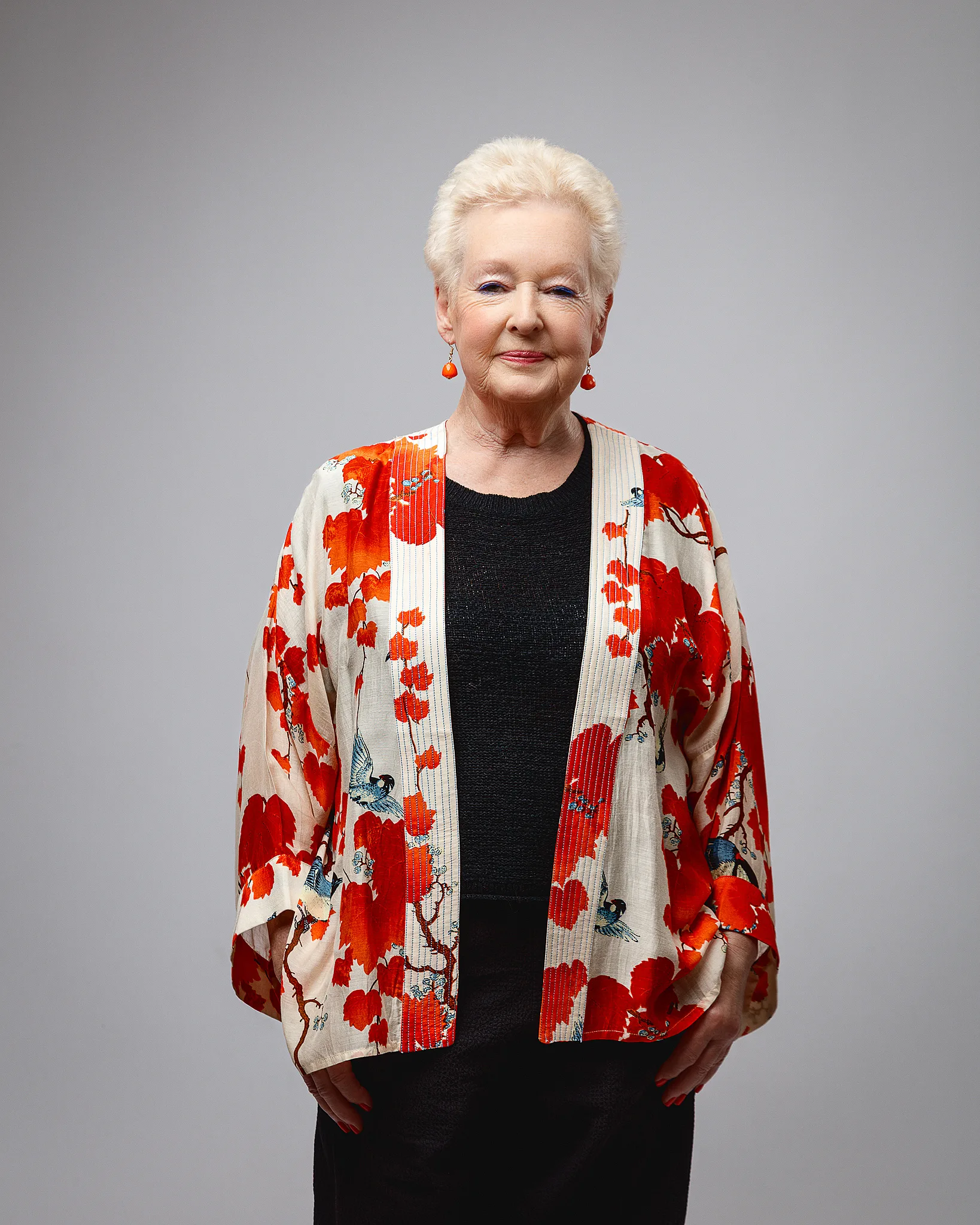
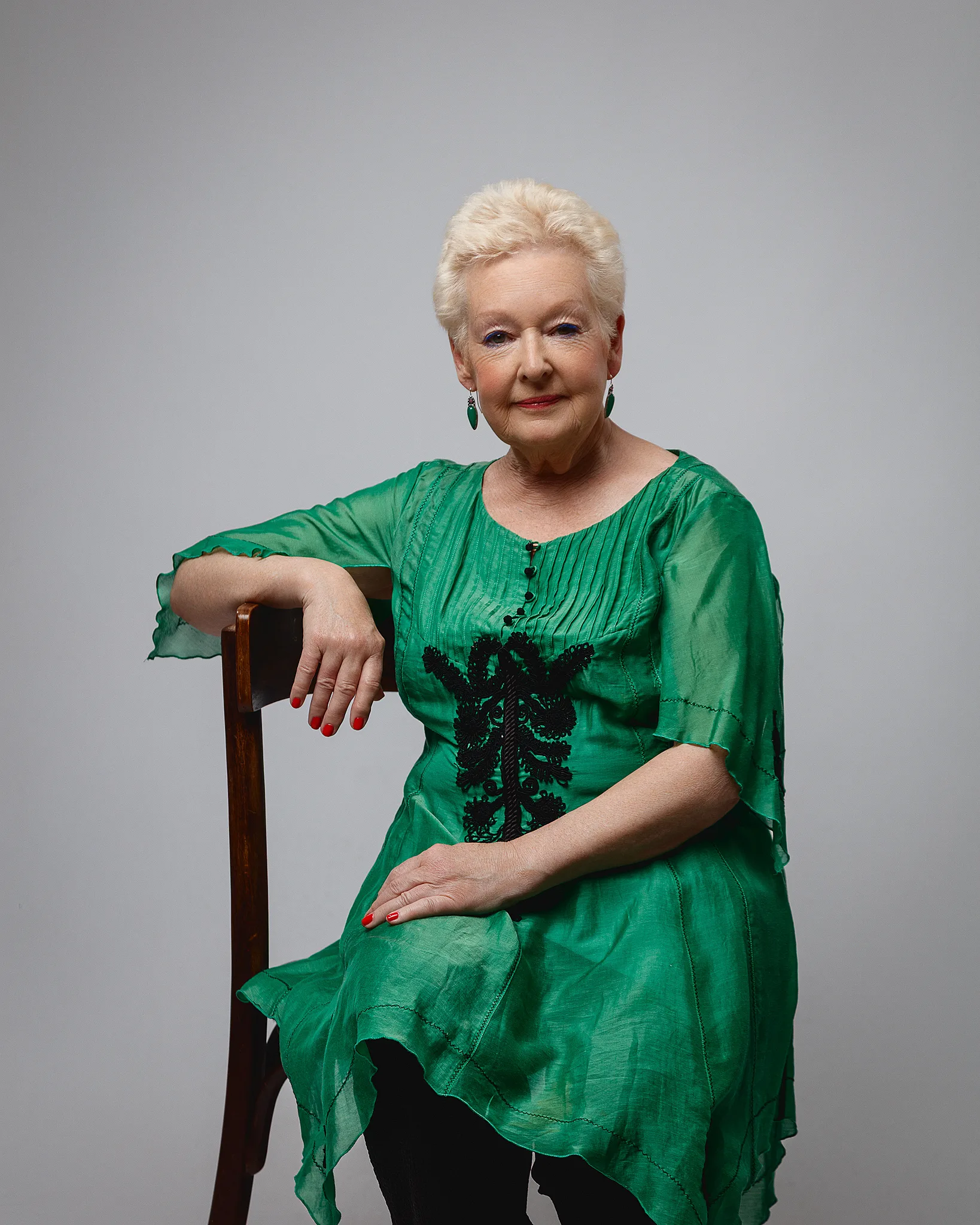
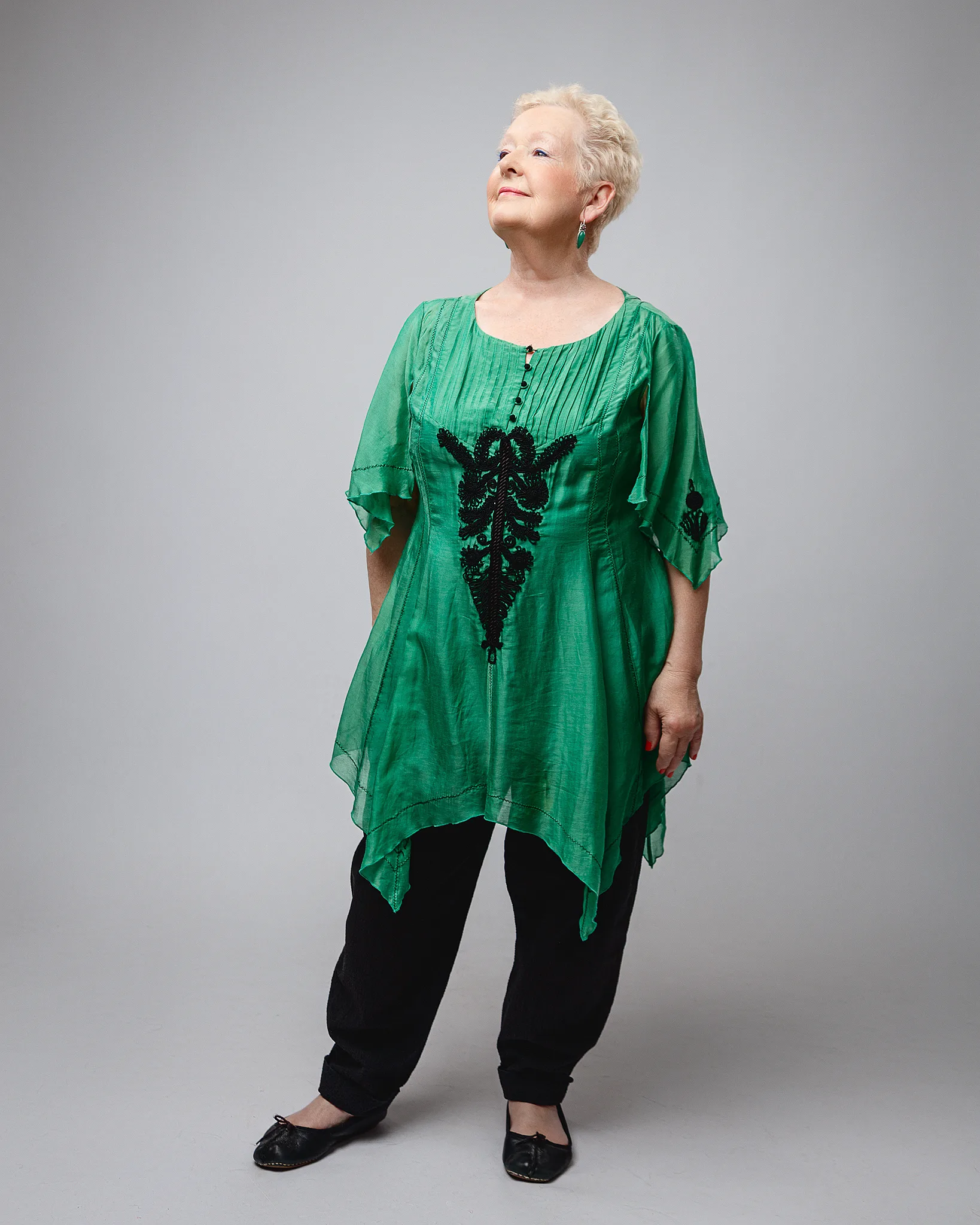
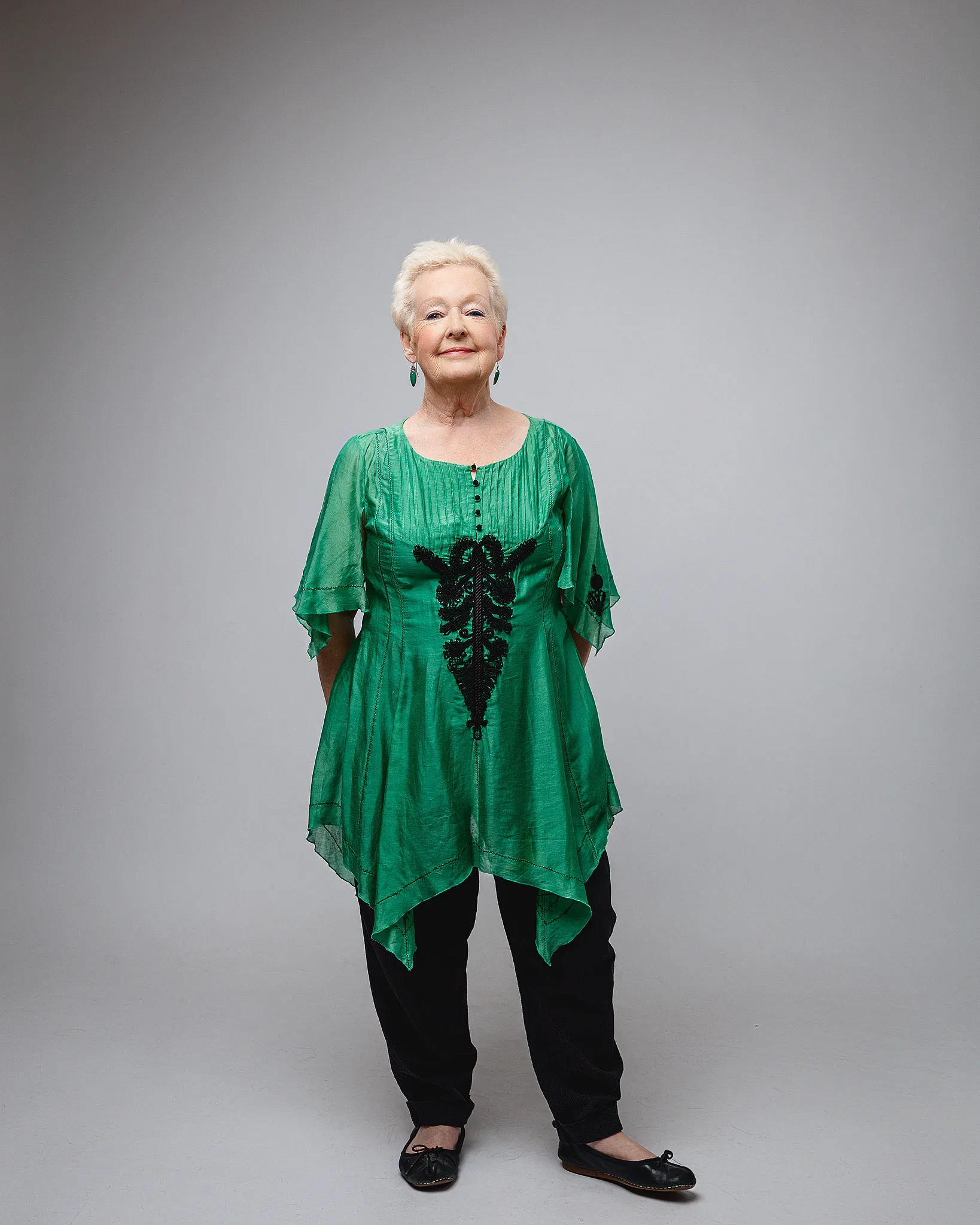
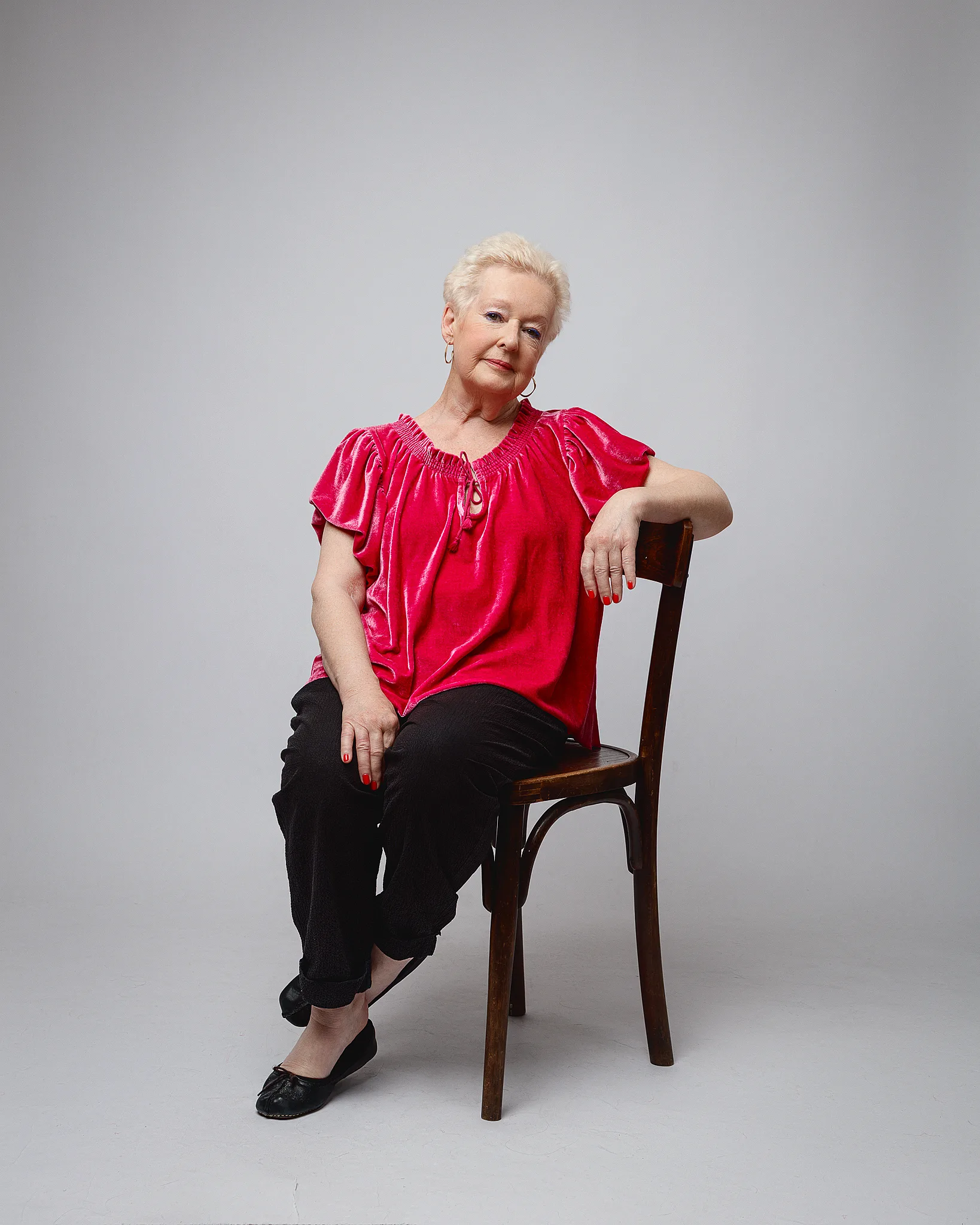
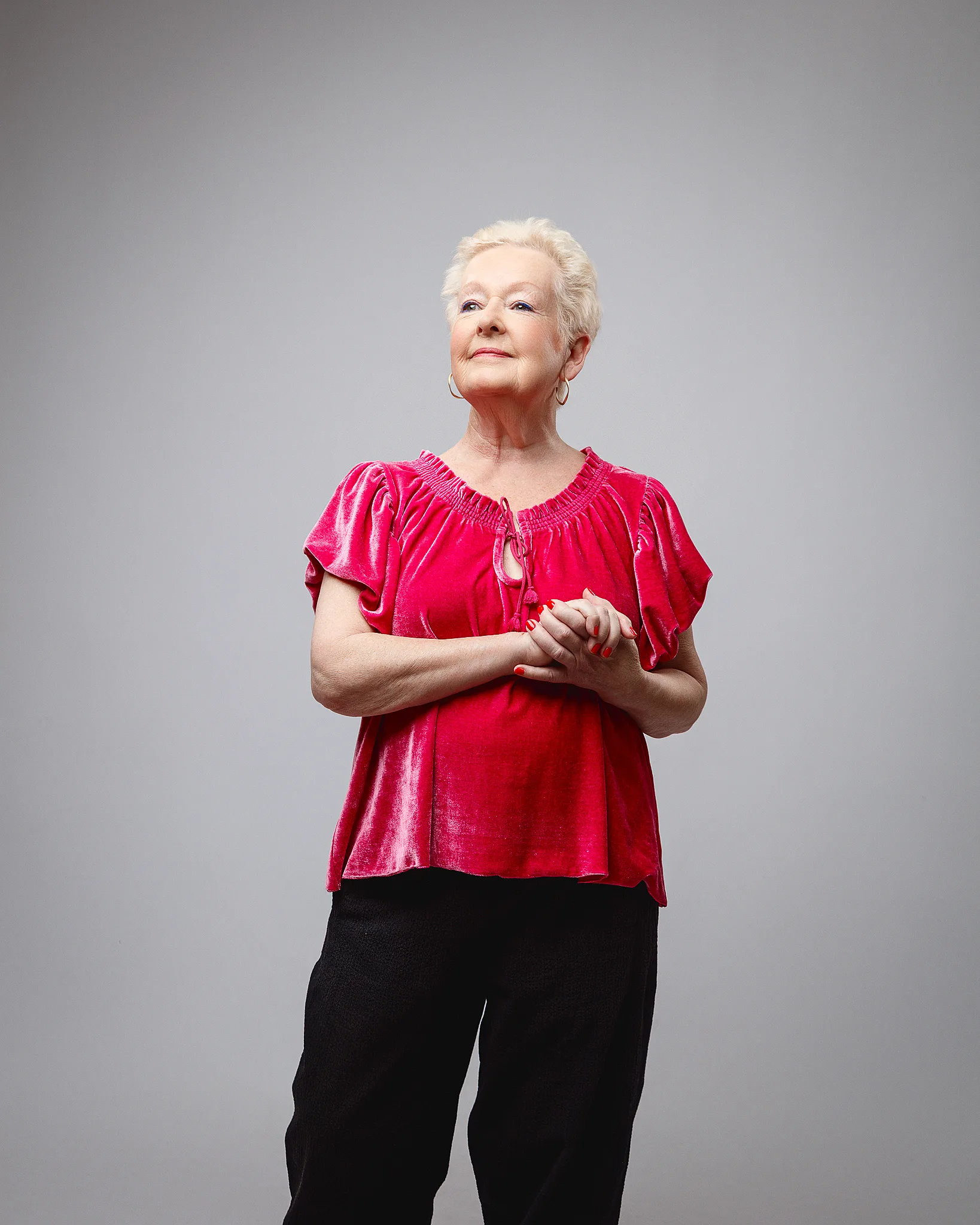
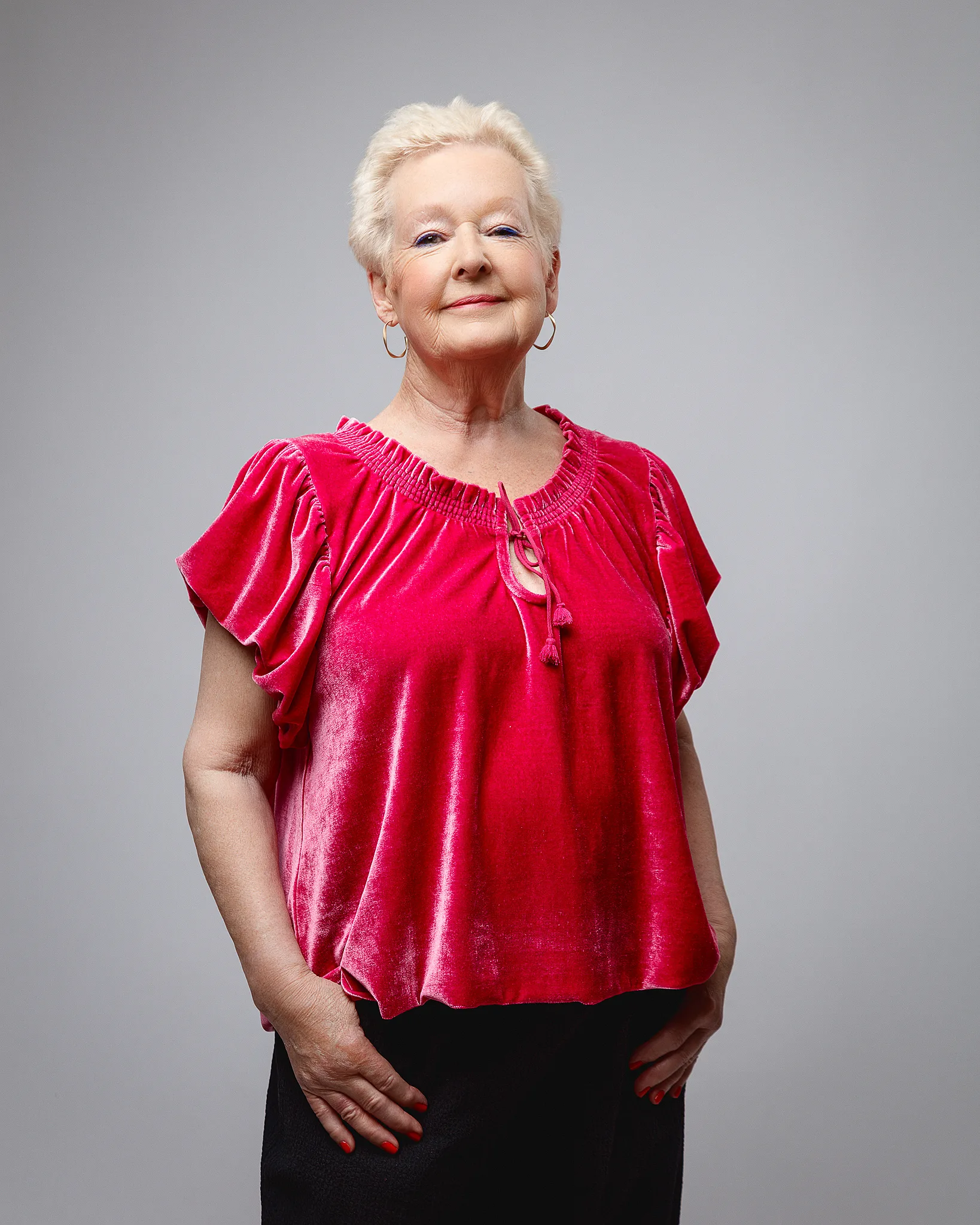
It was great to have Sue back in the studio to refresh her actors’ headshots and create a few character head shots alongside them. I always enjoy photographing Sue. She is a real pleasure to work with, and sessions like this are a good reminder of how important it is for actors to keep their headshots current.
A strong actor’s headshot should feel honest, current, and useful. It does not need to be overworked or overcomplicated. It needs to look like the person who is going to walk into the audition room. That is always my aim when I photograph actors in the studio. I keep the lighting clean, the direction clear, and the expressions natural, so the final photographs feel believable and professional rather than stiff or forced.
You can read how I run these sessions, and what they cost, on my actor headshots in Suffolk page.
Why actors need to refresh their headshots
One of the most practical reasons to update actors’ headshots from time to time is that people change. Hair changes, skin changes, style changes, and sometimes the kind of roles an actor is right for changes too. A headshot needs to reflect who that person is now, not who they were several years ago.
I see headshots as a working tool as much as a portrait. They are there to support casting submissions, Spotlight profiles, agency use, and general self-presentation within the industry. If the image no longer feels like a true and current representation, it can start to work against the actor rather than for them. Refreshing headshots is not about reinventing someone. It is about making sure the photographs still feel accurate, relevant, and useful.
Bringing Sue back into the studio
Having Sue back in the studio meant we could approach the session with a clear sense of purpose. We were not starting from scratch. The aim was to refresh her main actor’s headshots, while also creating some character-based images with a different feel. That balance is something I often think about during an actors’ headshot session. There is the essential clean headshot work, but there can also be room for images that suggest a slightly different casting energy.
Sue is very easy to work with in that respect. She brings presence and expression naturally, which means I can concentrate on refining the details that make a photograph work. Small changes in posture, gaze, framing, and wardrobe can shift the feeling of an image quite significantly. When those changes are handled carefully, the result is a set of photographs that still feels consistent, but with enough variation to be genuinely useful.
Why I photograph actors’ headshots in the studio
When I photograph actors’ headshots in the studio, one of the main advantages is control. I can control the lighting, the background, and the overall consistency from one frame to the next. That matters because casting-ready headshots need clarity. They need to be simple, well-lit, and focused on the face and expression without distraction.
Studio photography also allows me to make subtle adjustments as the shoot develops. I can alter the framing slightly, adjust the light carefully, and respond to changes in wardrobe or expression without losing that clean and natural feel. For actors, that consistency is valuable. It helps create a strong set of images where the attention stays exactly where it should be, on the person.
This is one of the reasons I value studio headshot photography so highly. It gives me the technical control I need while still leaving space for personality to come through.
Keeping the headshots honest and current
For me, the best actors’ headshots are always the ones that feel truthful. A casting director needs to see the actor clearly, but they also need to get a sense of personality, energy, and presence. That is why I never want a session to feel overly performed. There is a difference between expression and acting for the camera. Good headshots sit in that quieter space where something real comes through.
With Sue, the session worked well because the images stayed grounded. The lighting was clean, the styling was simple and appropriate, and the focus remained on authenticity. That is often what makes a headshot feel strong. Not excess, but control. Not too much styling, not too much retouching, not too much expression. Just enough to communicate the person clearly and professionally.
Adding character head shots without losing consistency
Alongside the cleaner actors’ headshots, we also created some character head shots. I think this kind of variation can be useful when it is done with thought and restraint. A character head shot should still feel believable, but it can lean a little more into mood, casting type, or presence.
That does not mean turning the session into something theatrical for the sake of it. It means understanding how wardrobe, expression, and body language can gently shift the reading of the image. A cleaner headshot might be ideal for general casting use, while a more character-led portrait can suggest a different side of the actor without losing credibility.
This is where experience matters. It is easy to create images that look different from each other, but much harder to create variety that still feels truthful and usable. My aim is always to keep that balance intact.
The difference between headshots, portraits, editorial looks, and personal branding
It is worth saying that not every studio portrait serves the same purpose. A clean actor’s headshot has a very specific job. It needs to be direct, current, and casting-friendly. The face, expression, and presence need to lead.
A portrait session can be a little broader. It may still be simple, but it allows more room for atmosphere, gesture, or visual interpretation. Editorial-style portraits push that even further, often using styling, mood, or framing in a way that becomes more expressive and less strictly functional.
Personal branding photography sits somewhere else again. Those images are often about showing professionalism, approachability, confidence, or identity in relation to a business or public role. They may overlap visually with headshots, but the intention is different.
With Sue’s session, the priority was clearly actors’ headshots first, supported by some character-based portraits. Keeping that distinction clear helped the session stay focused and useful.
Why collaboration matters in an actor’s headshot session
I always think a good actors’ headshot session should be collaborative. Some actors arrive with a very clear sense of the roles they want to target. Others are still figuring that out. Both approaches are perfectly fine, but either way, my role is to guide the session carefully and respond to what is in front of me.
That collaboration can be quite subtle. It might be a conversation about which images feel most truthful. It might be a small change in expression or a slight shift in posture. It might simply be recognising when an actor has relaxed into the session enough for the right image to emerge. Those quieter moments are often where the strongest photographs come from.
Working with Sue again had that ease to it. There was a clear purpose to the shoot, but enough room within it to let the images develop naturally.
Final thoughts on Sue’s refreshed actors’ headshots
This was a really solid studio session and exactly the kind of work I enjoy doing. Refreshing Sue’s actors’ headshots while also creating a few character head shots gave us a useful range of images without losing clarity or consistency. The session stayed focused on what matters most in actor headshot photography: honesty, relevance, professionalism, and presence.
For me, that is always the goal. I want actors to come away with photographs that feel like them, look current, and serve a real purpose. Good headshots do not need gimmicks. They need clarity, authenticity, and a proper understanding of what the images are actually there to do.
See more about my professional headshots in Suffolk.
If you’re an actor who needs new headshots, my actor headshots page has the details.