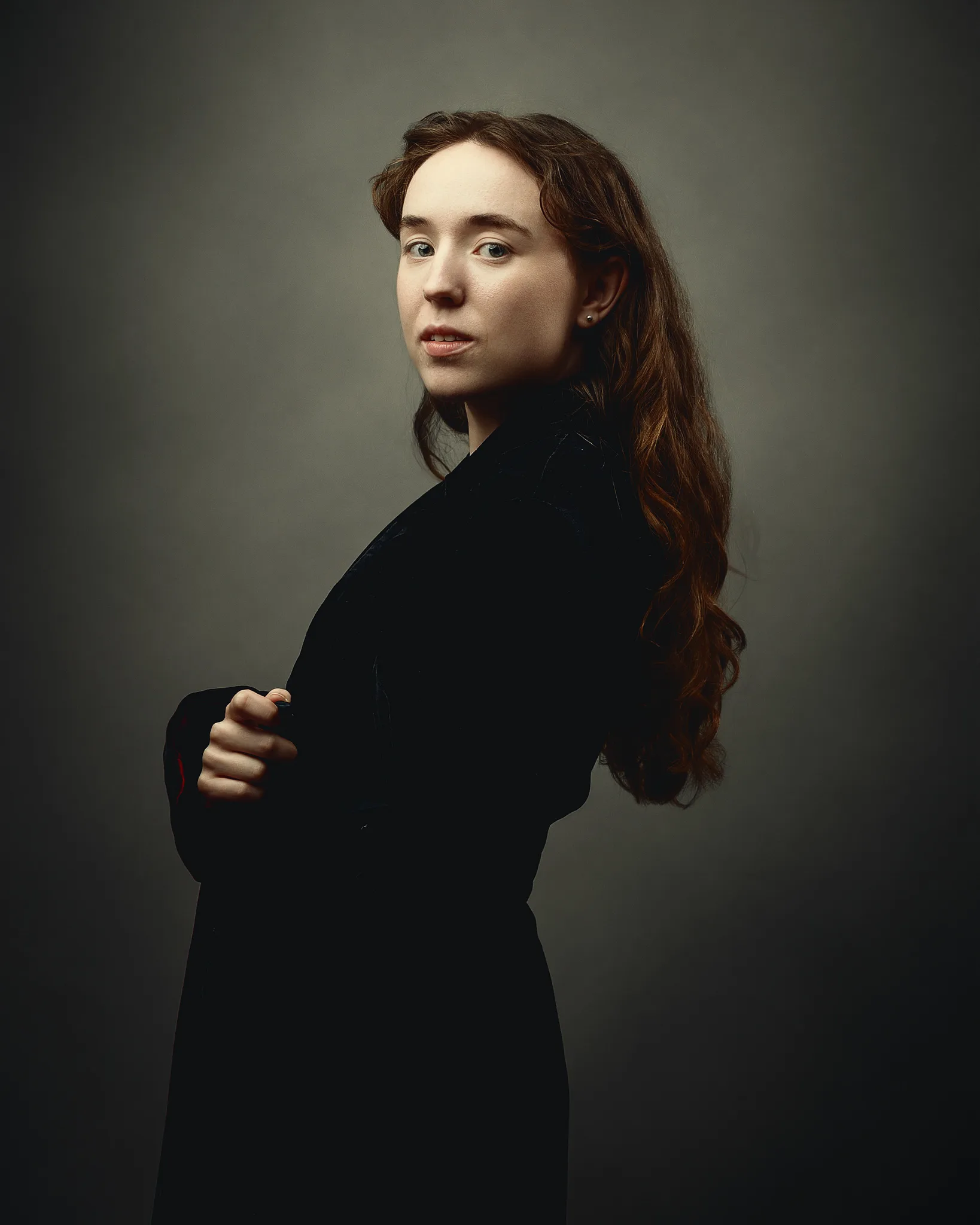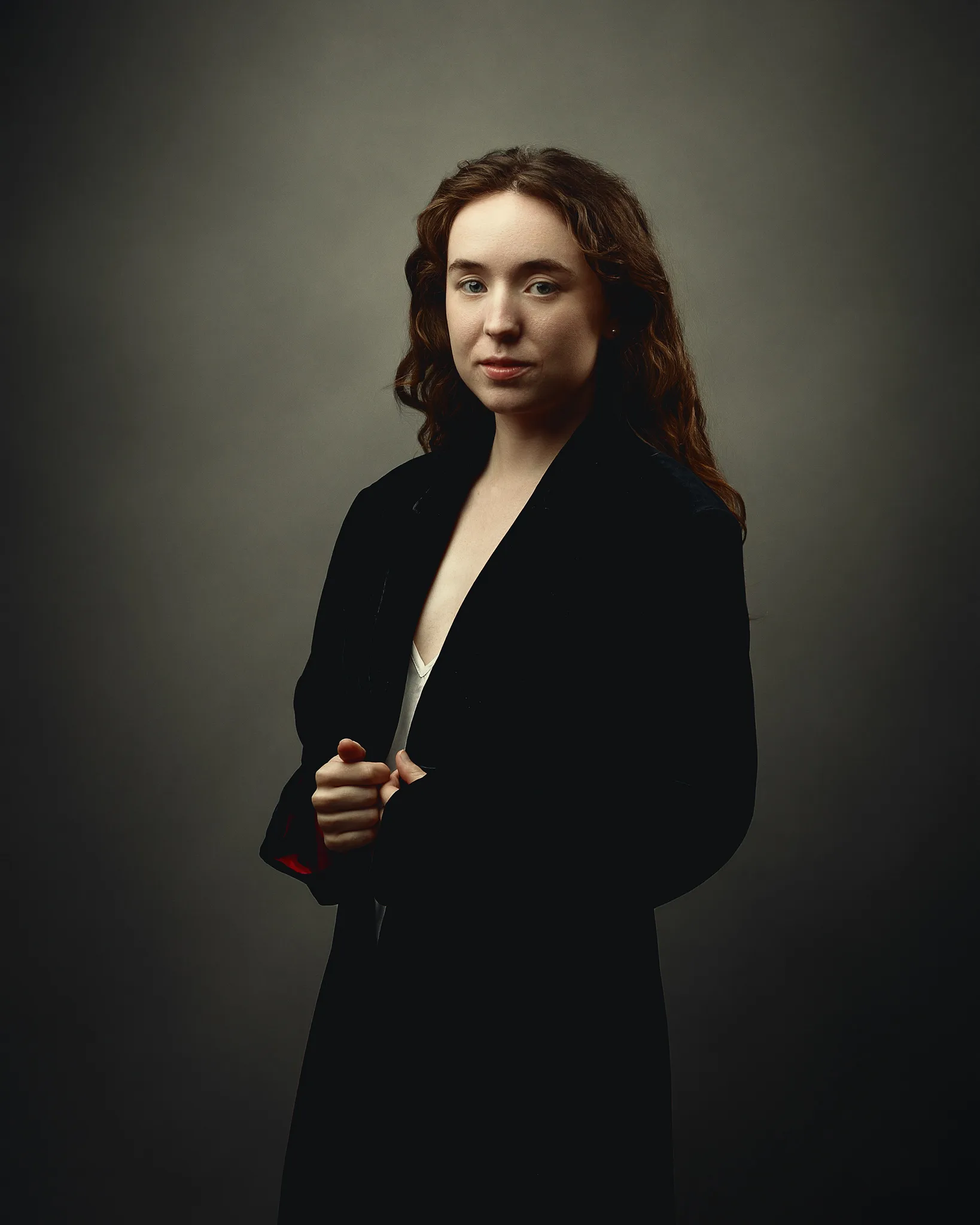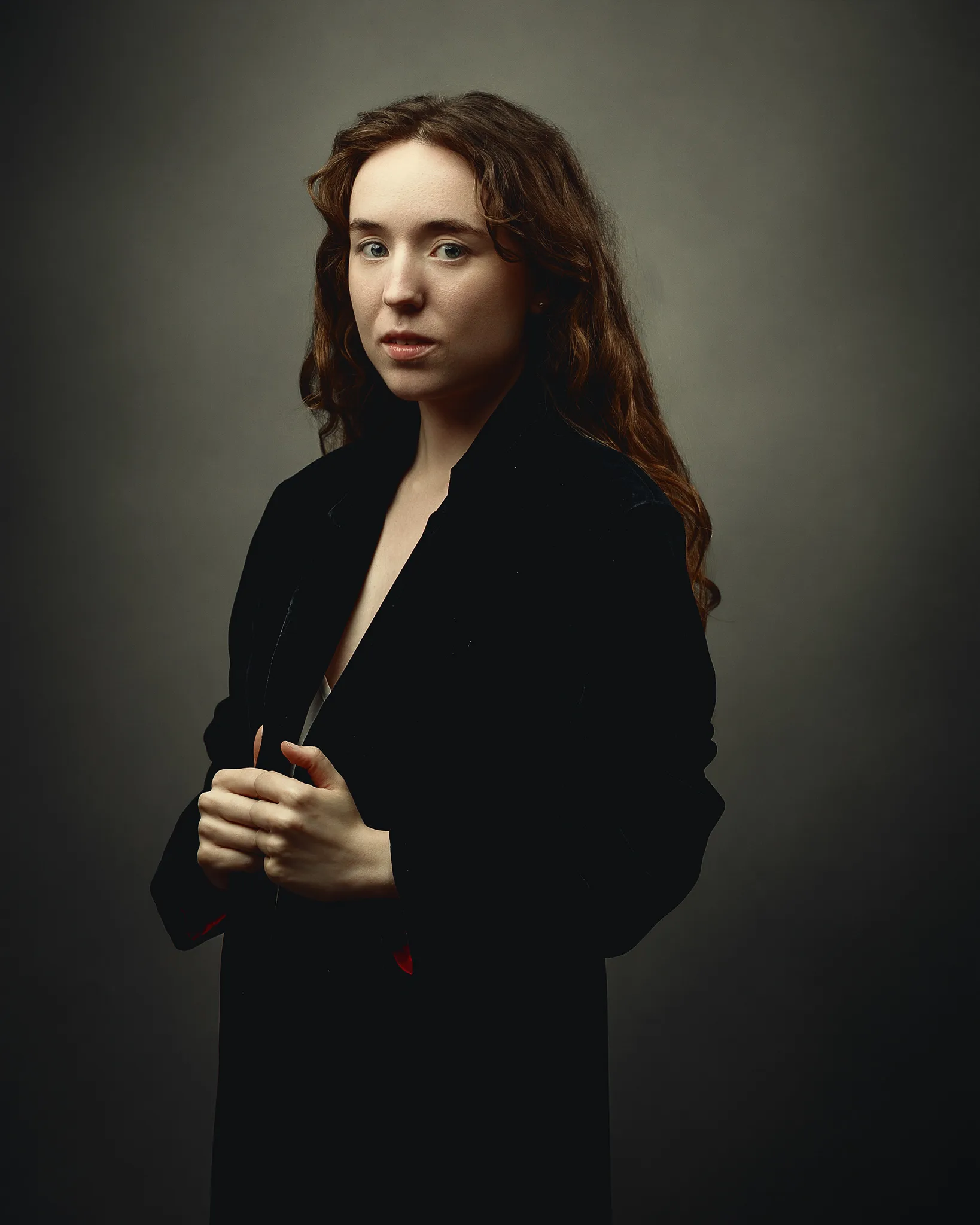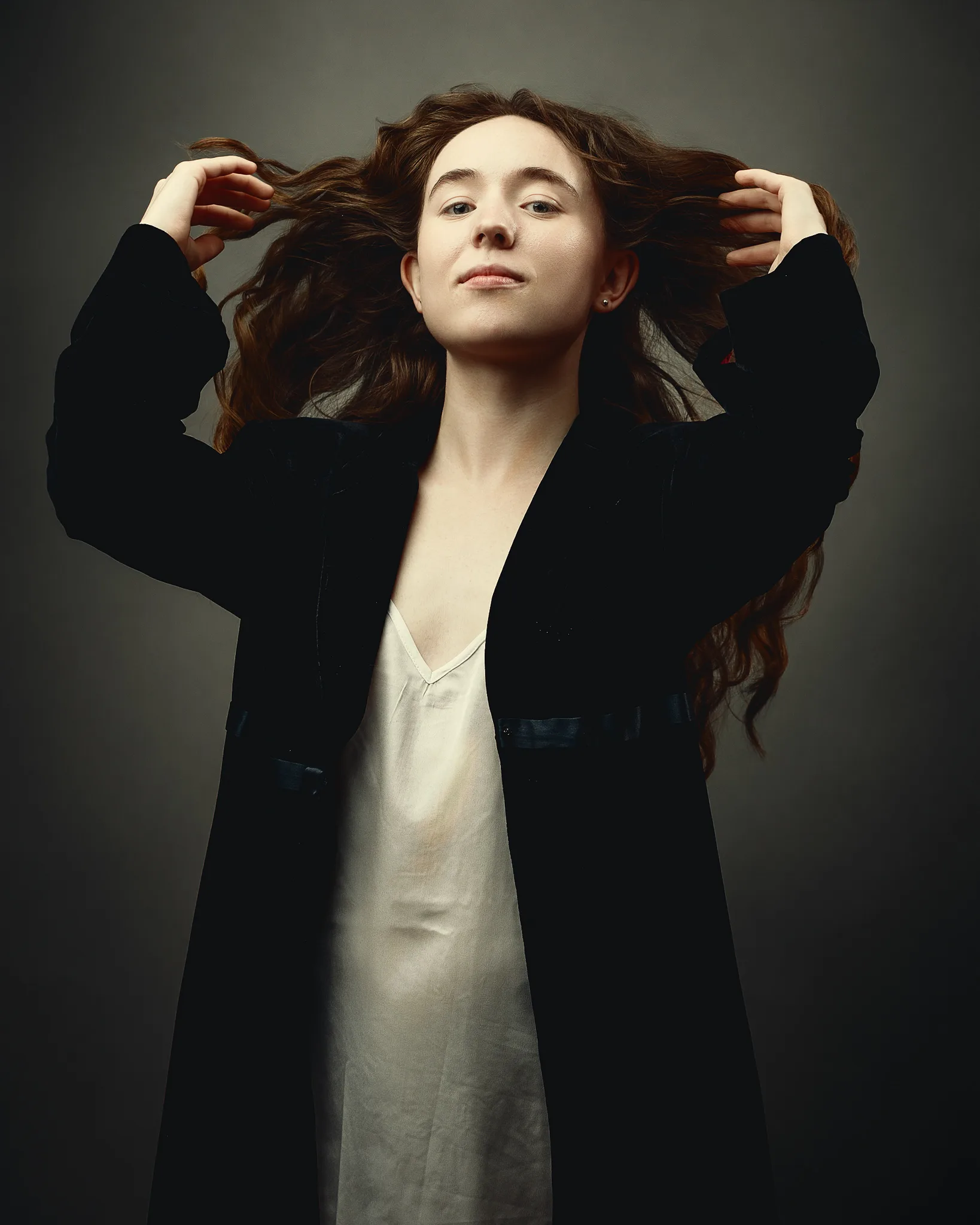
A Second Look at Lady Lilith
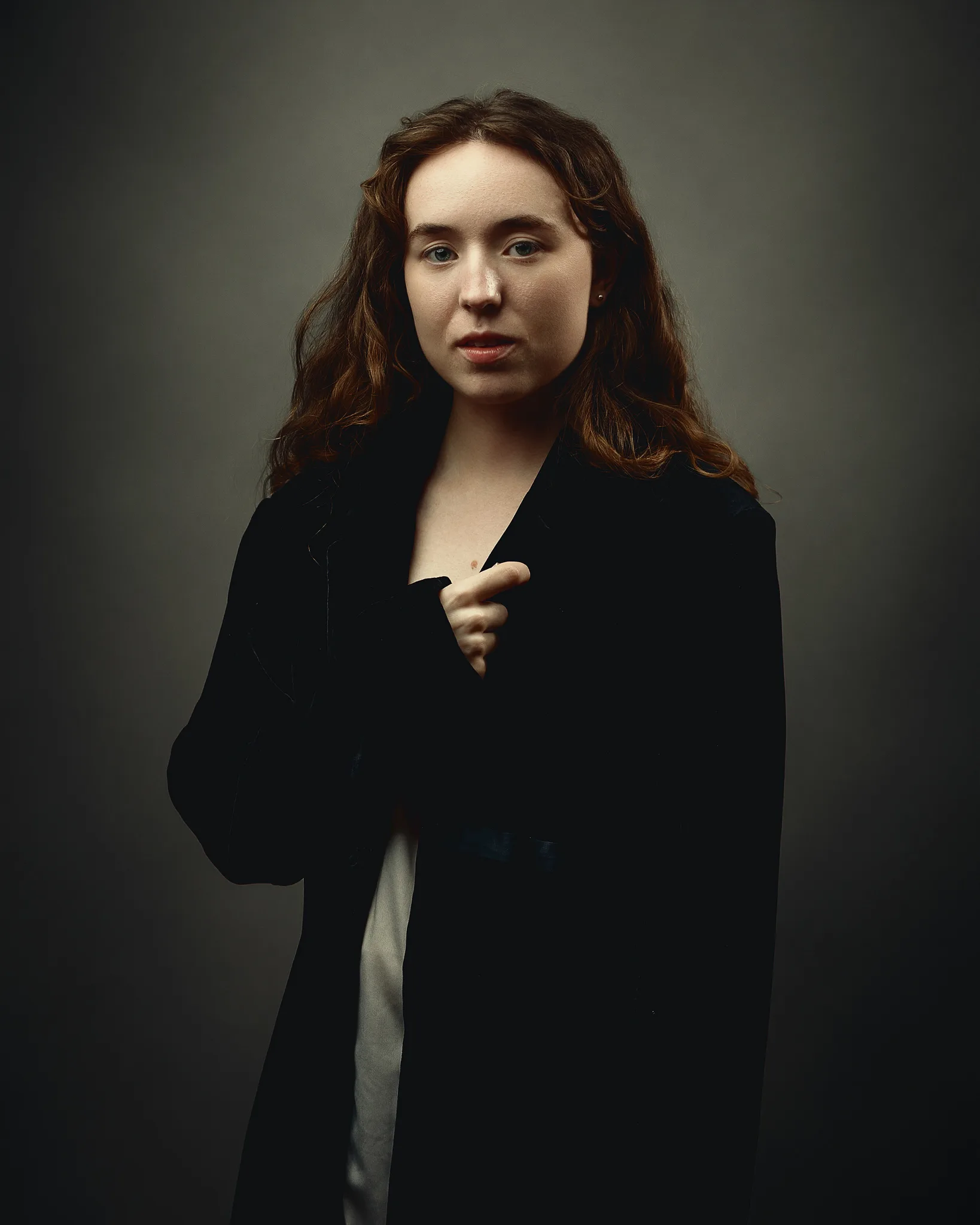
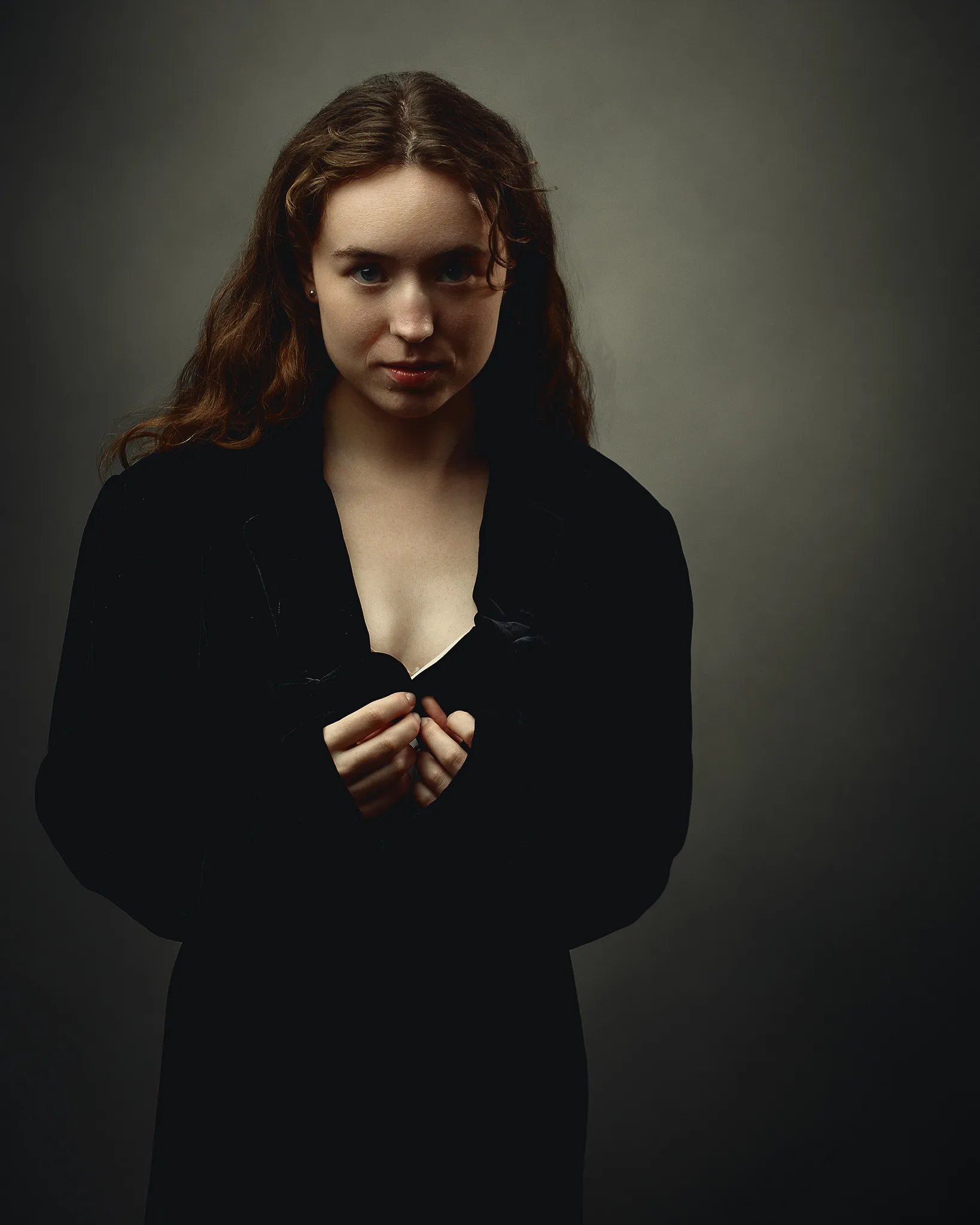
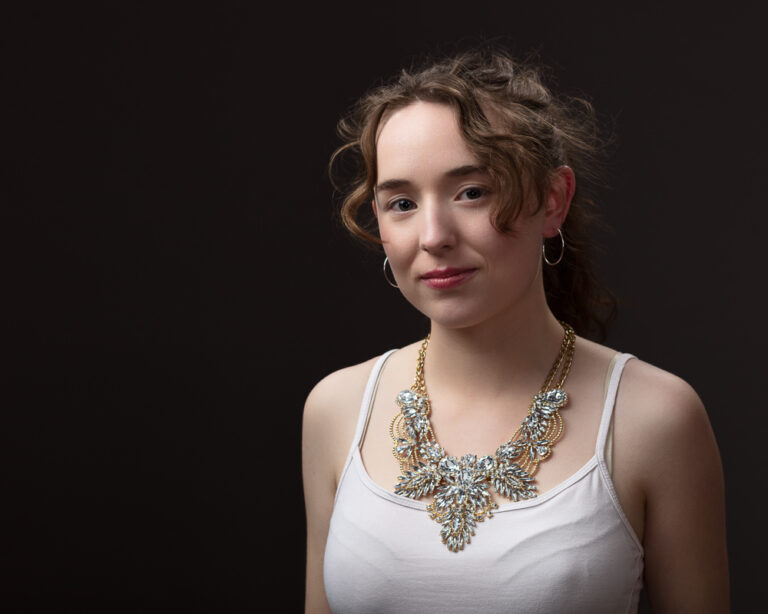
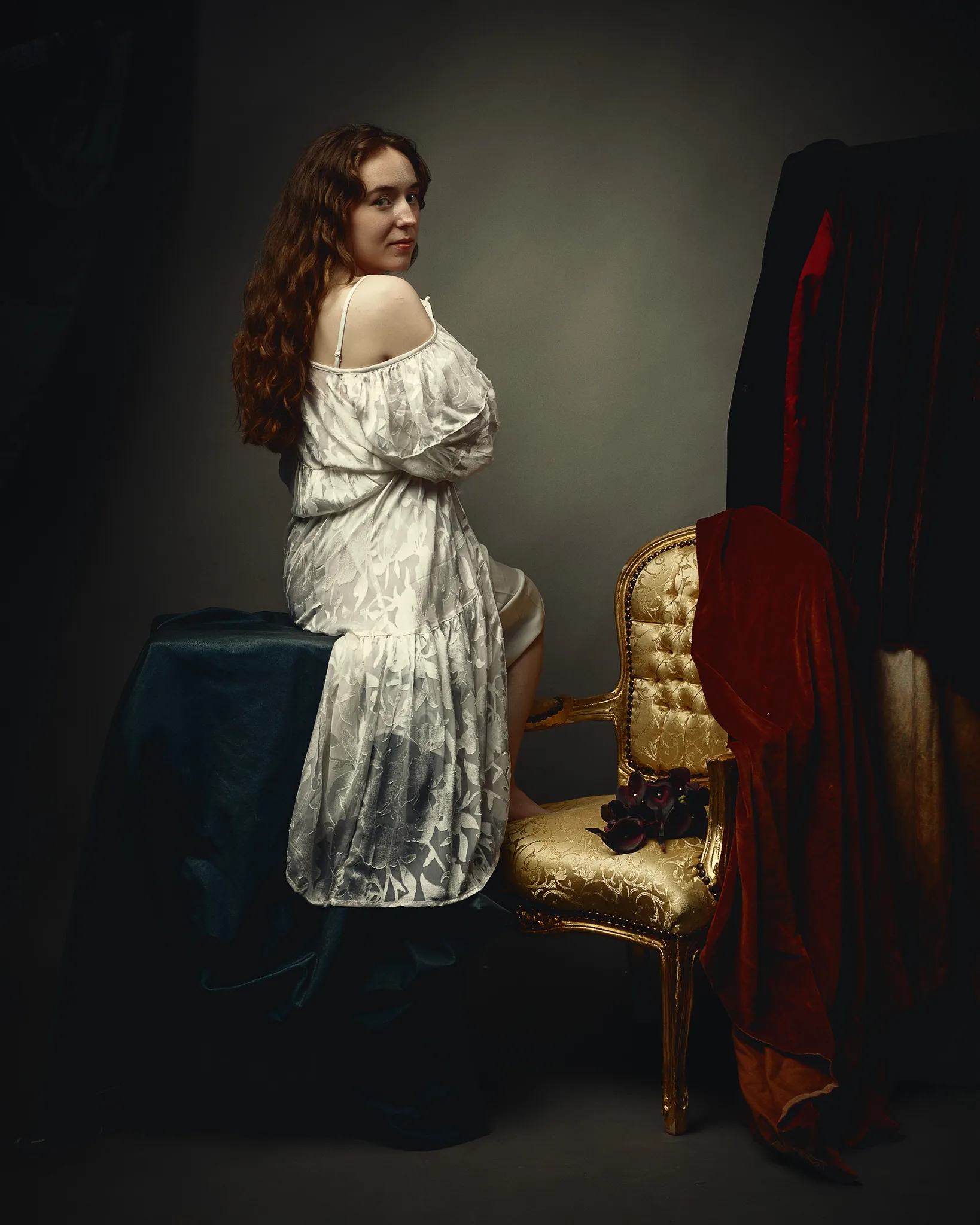
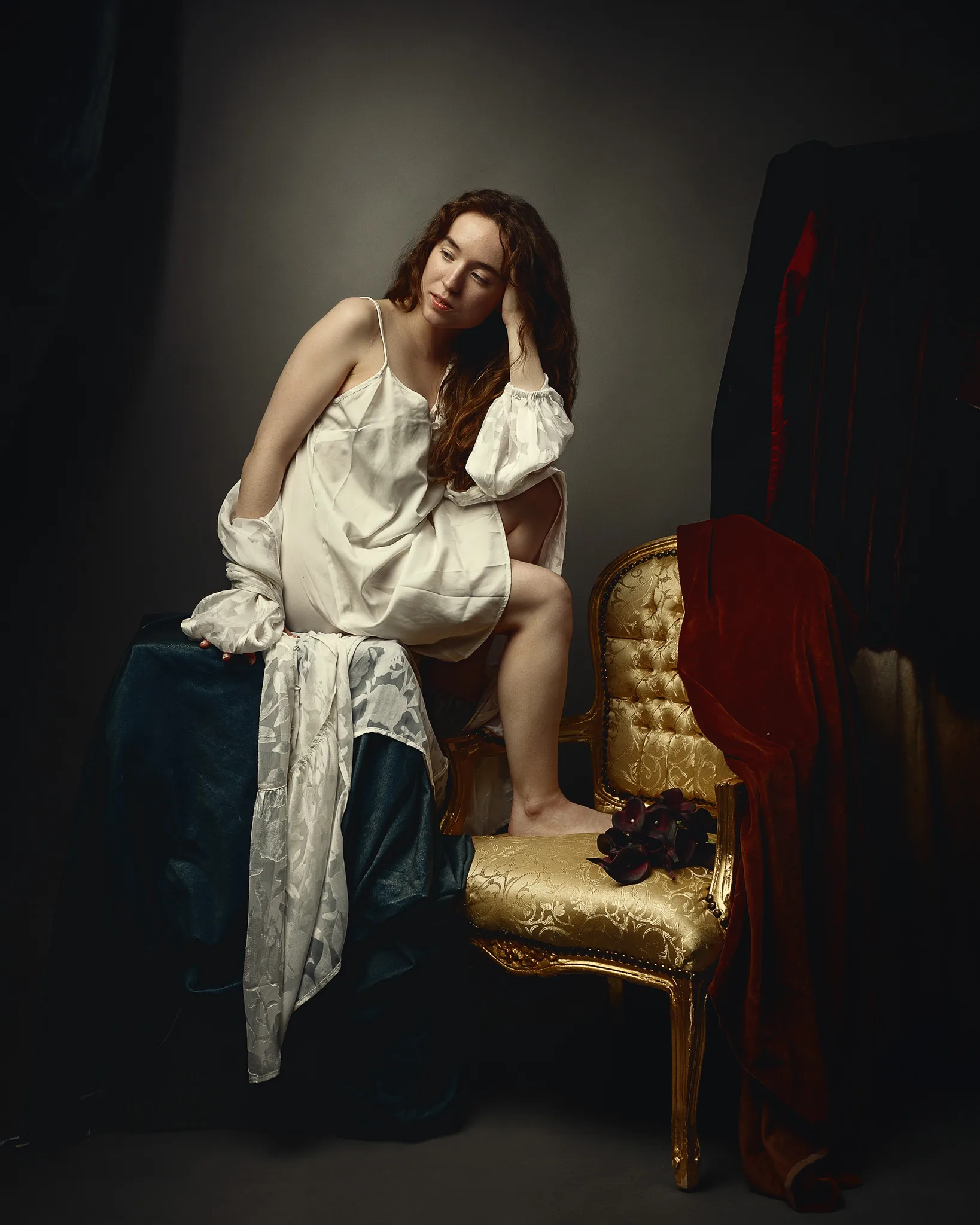
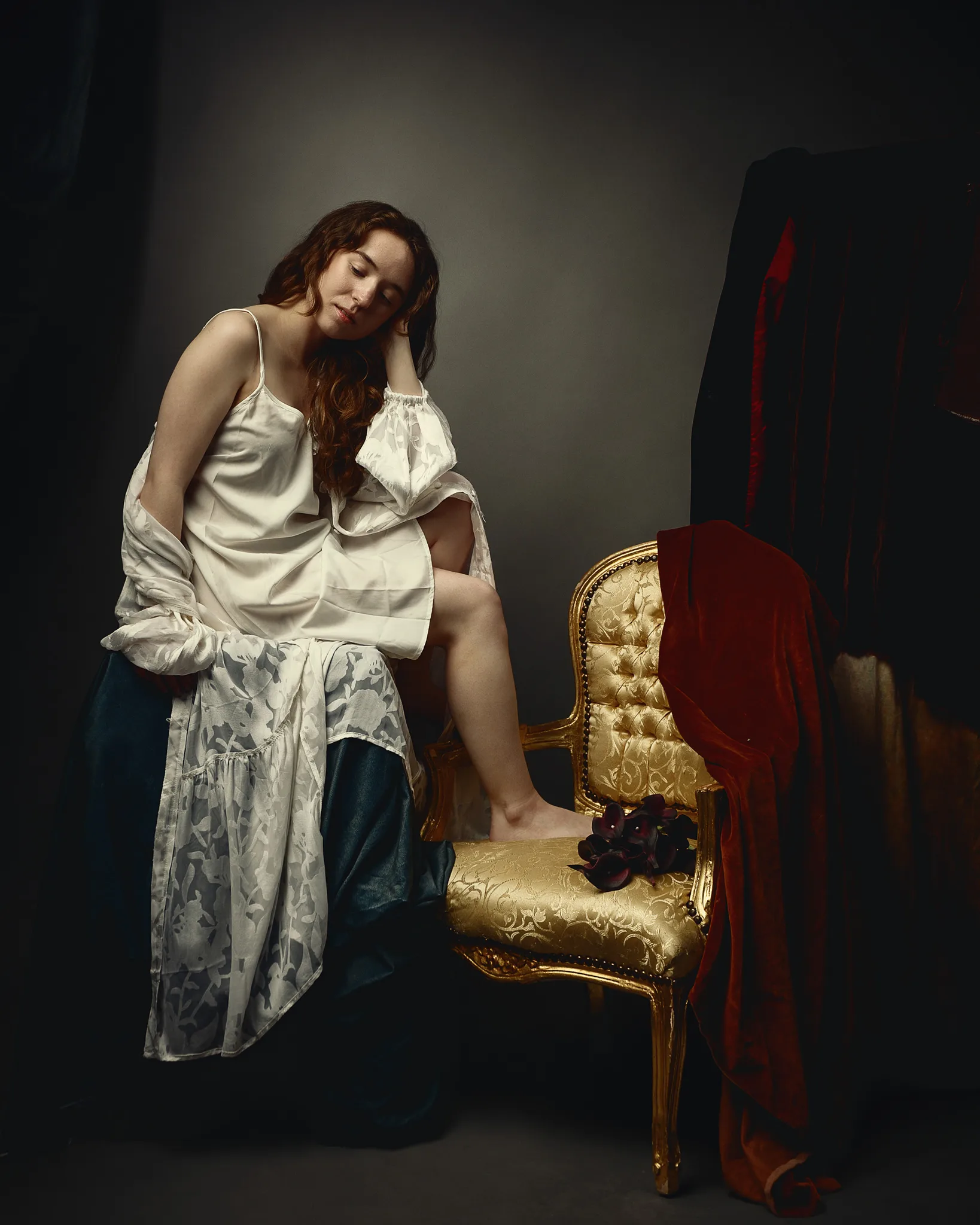
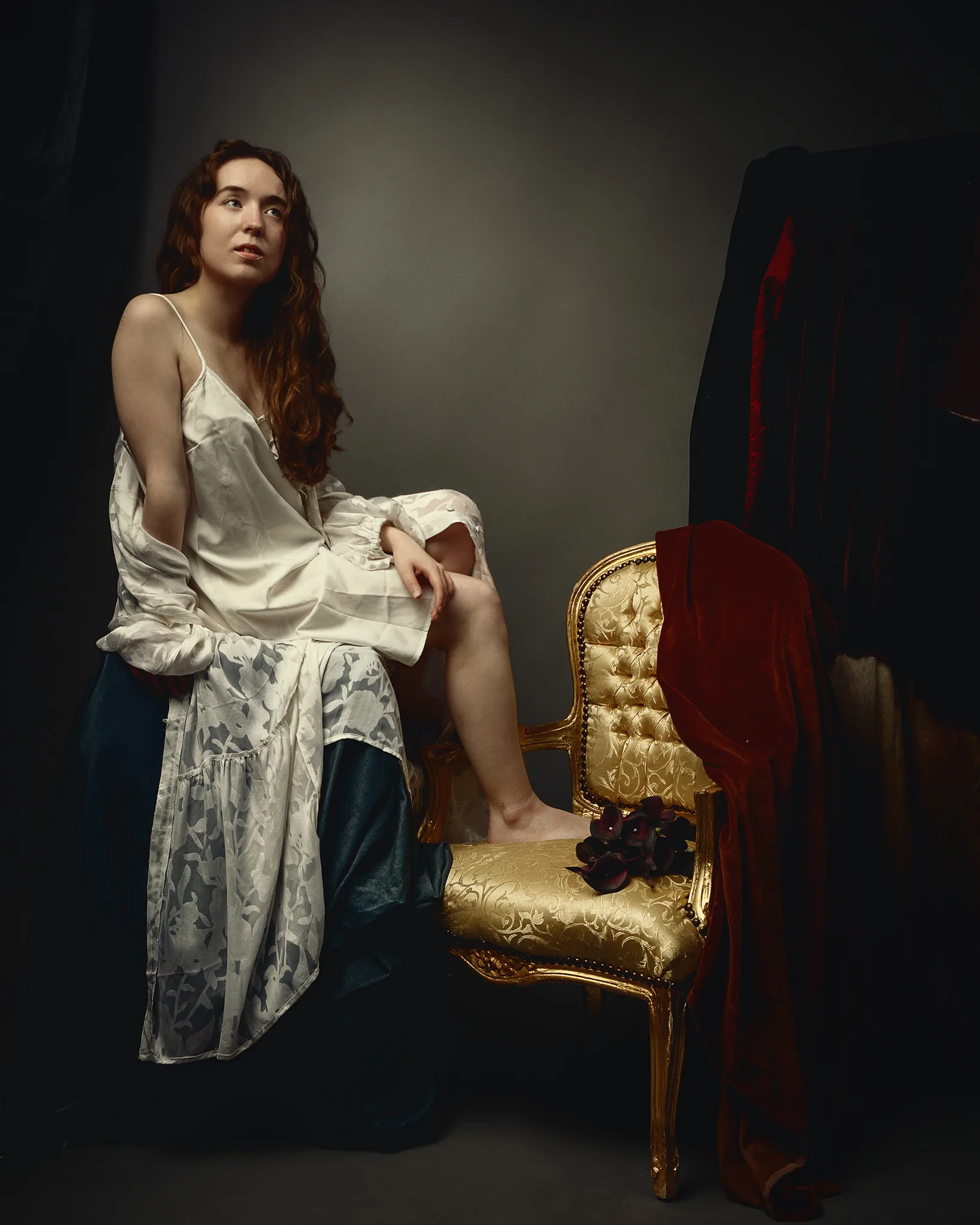
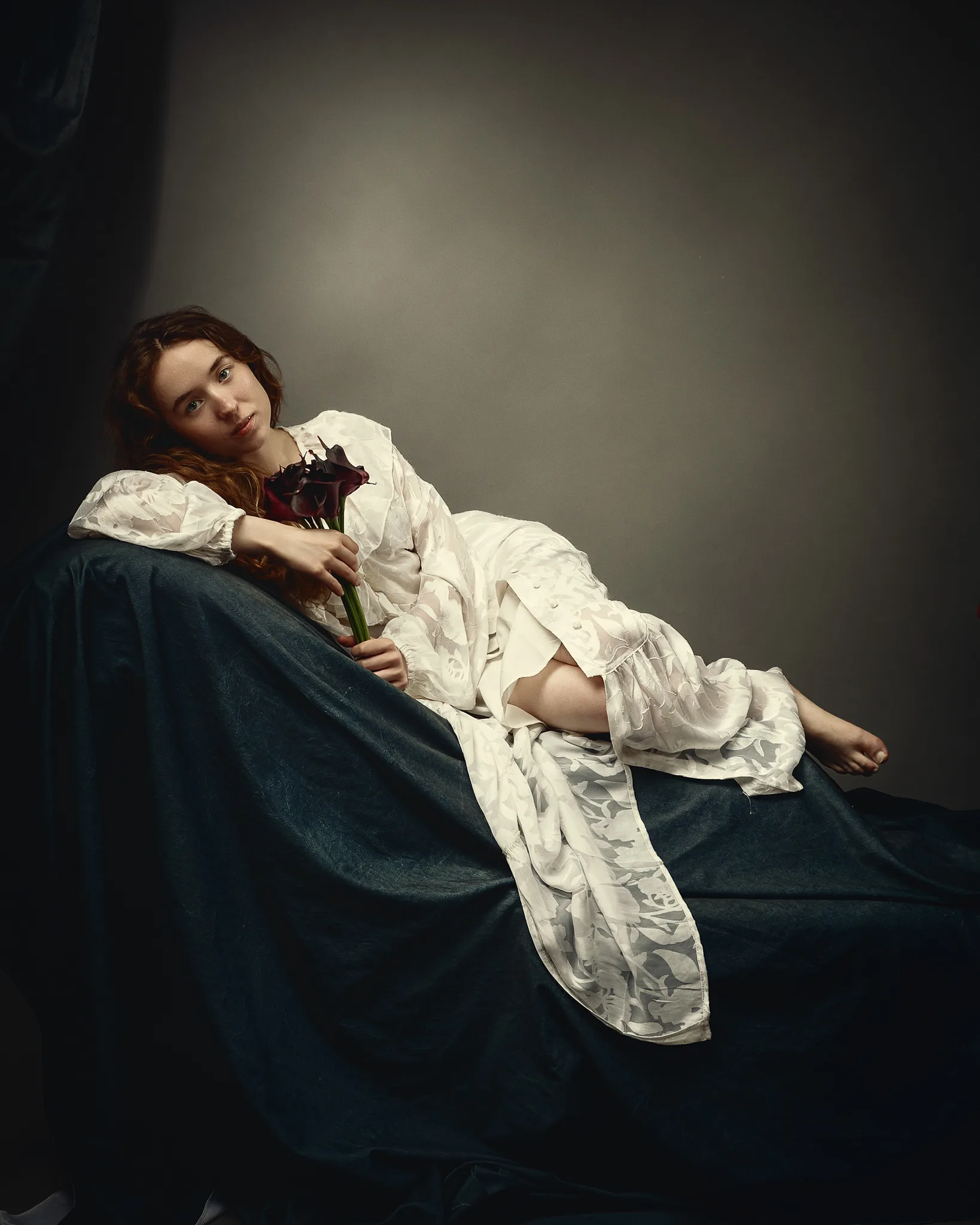
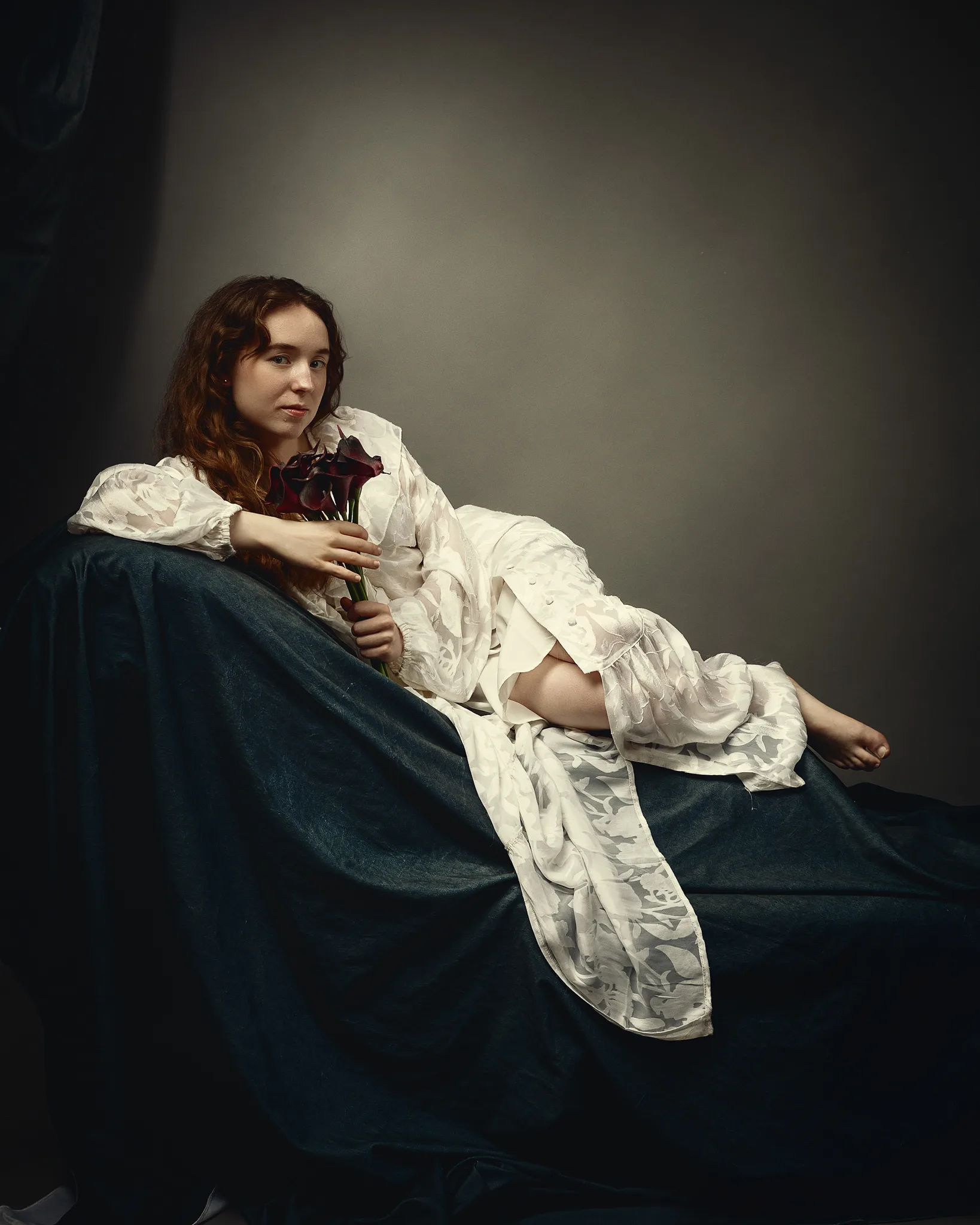
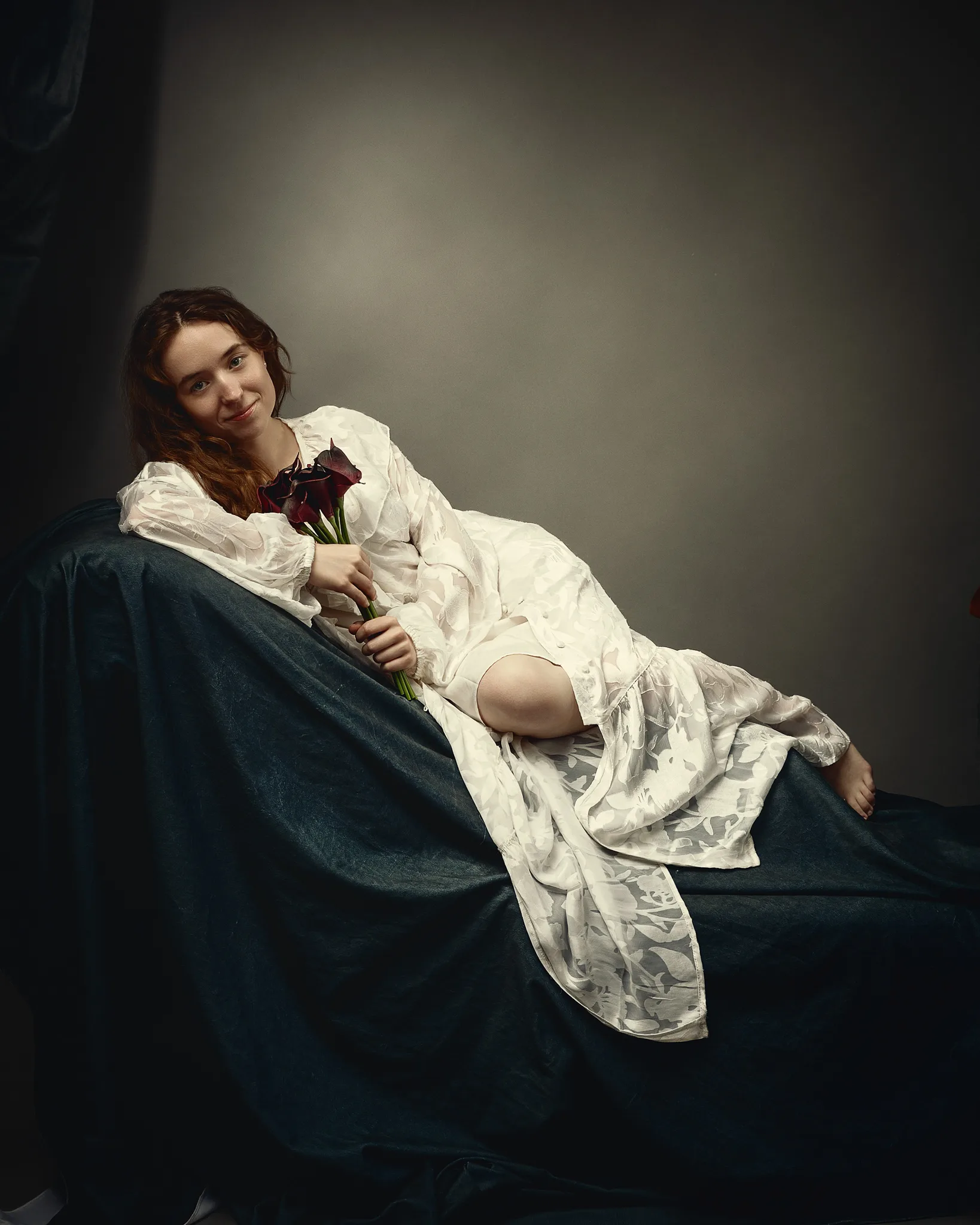
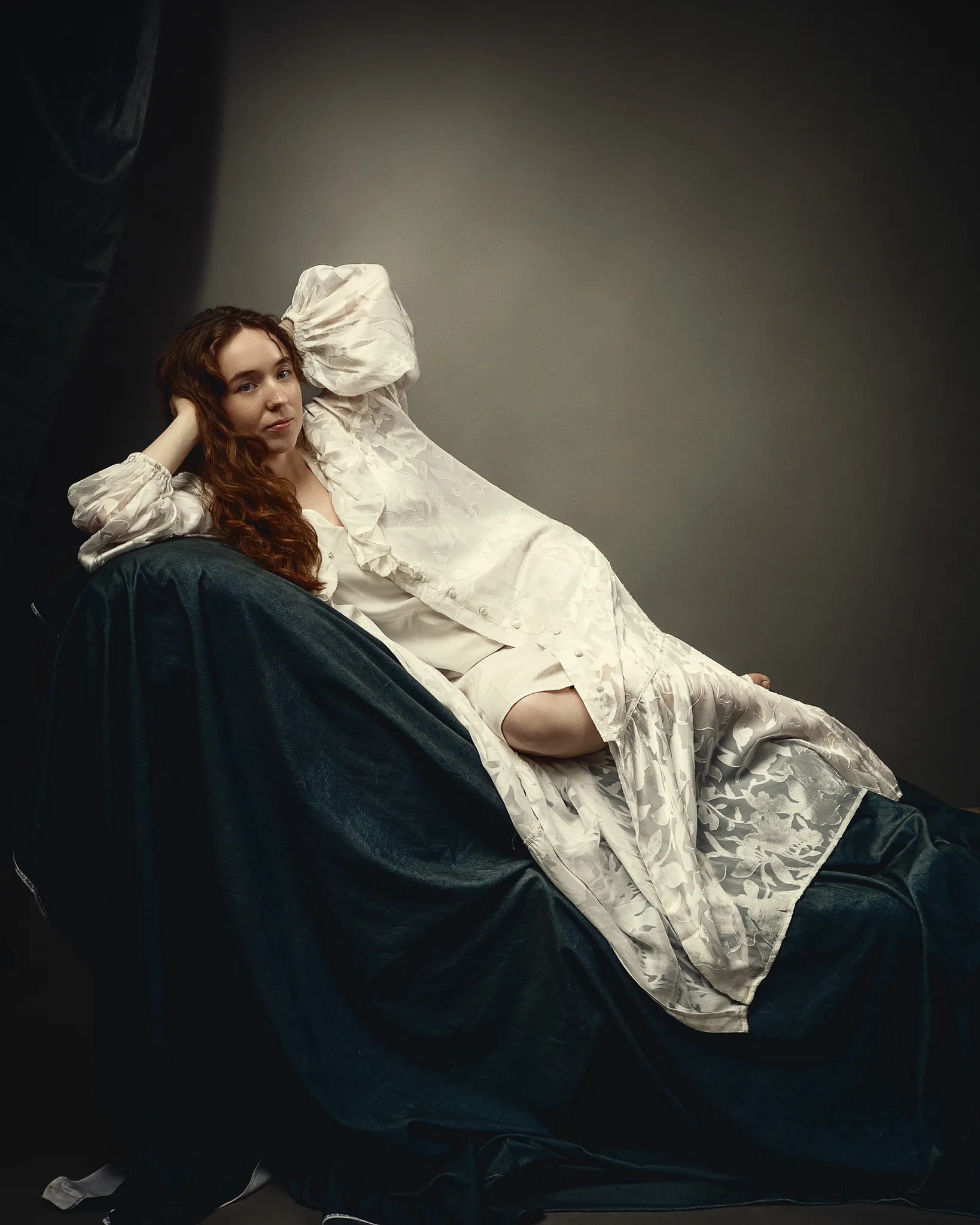
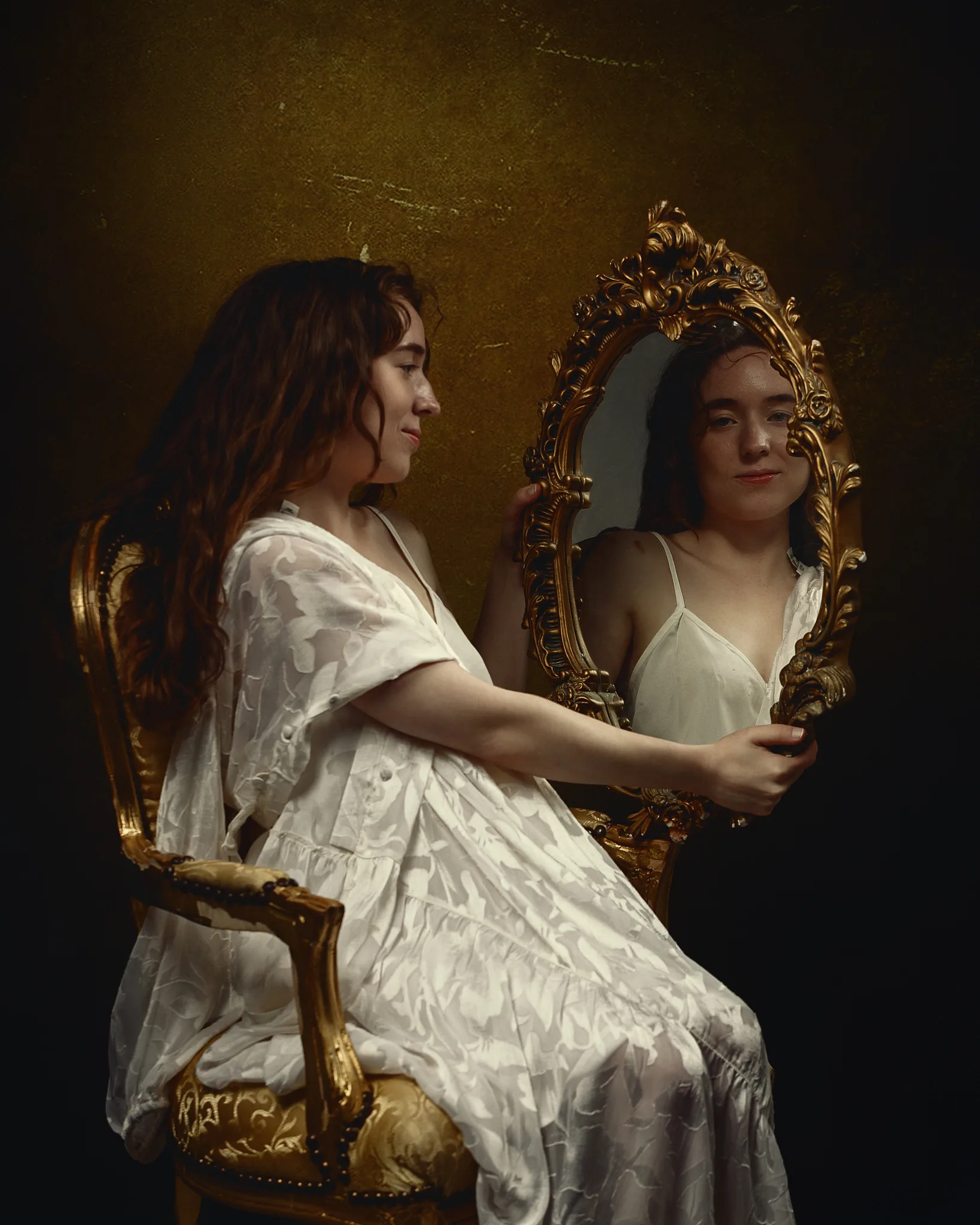
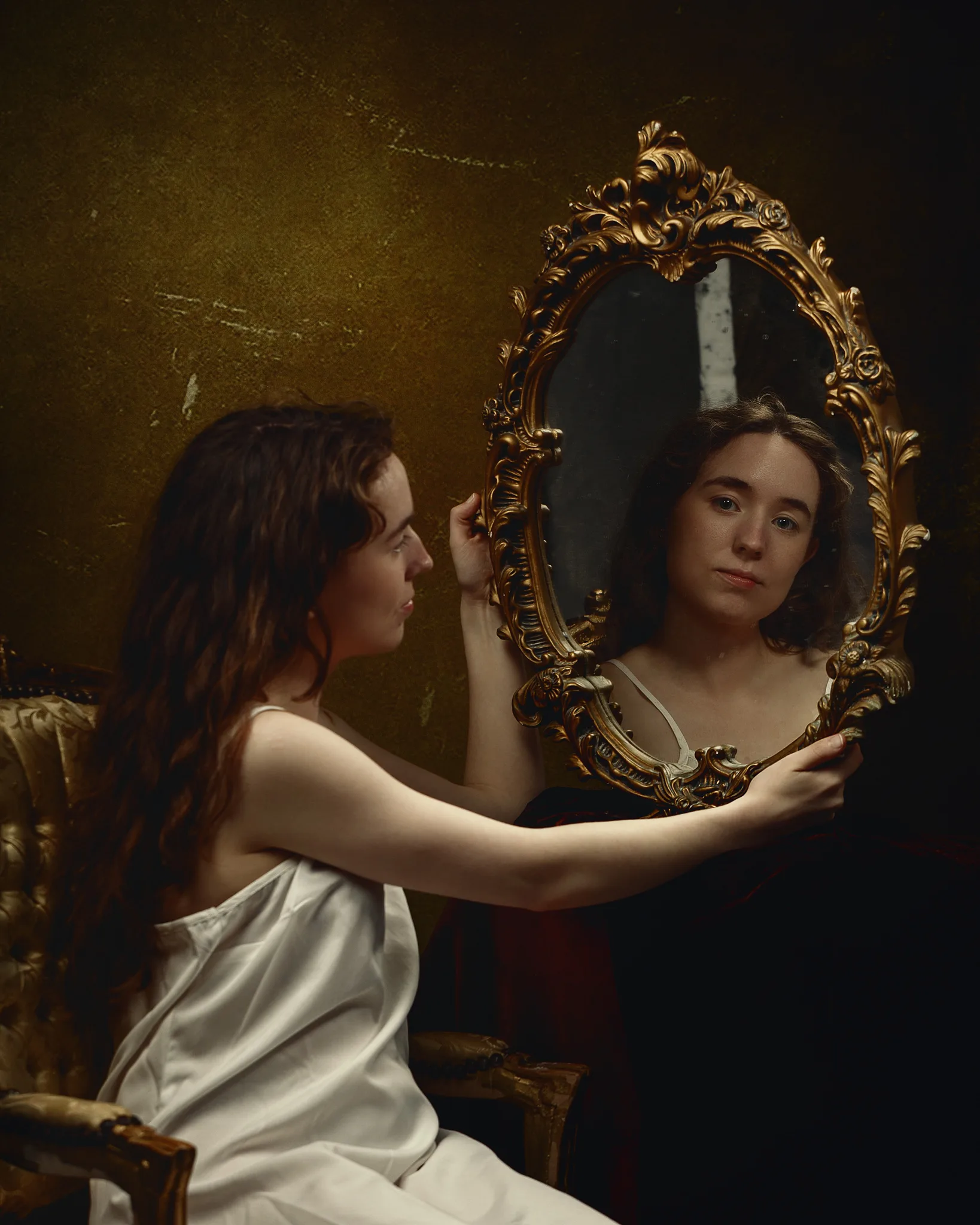
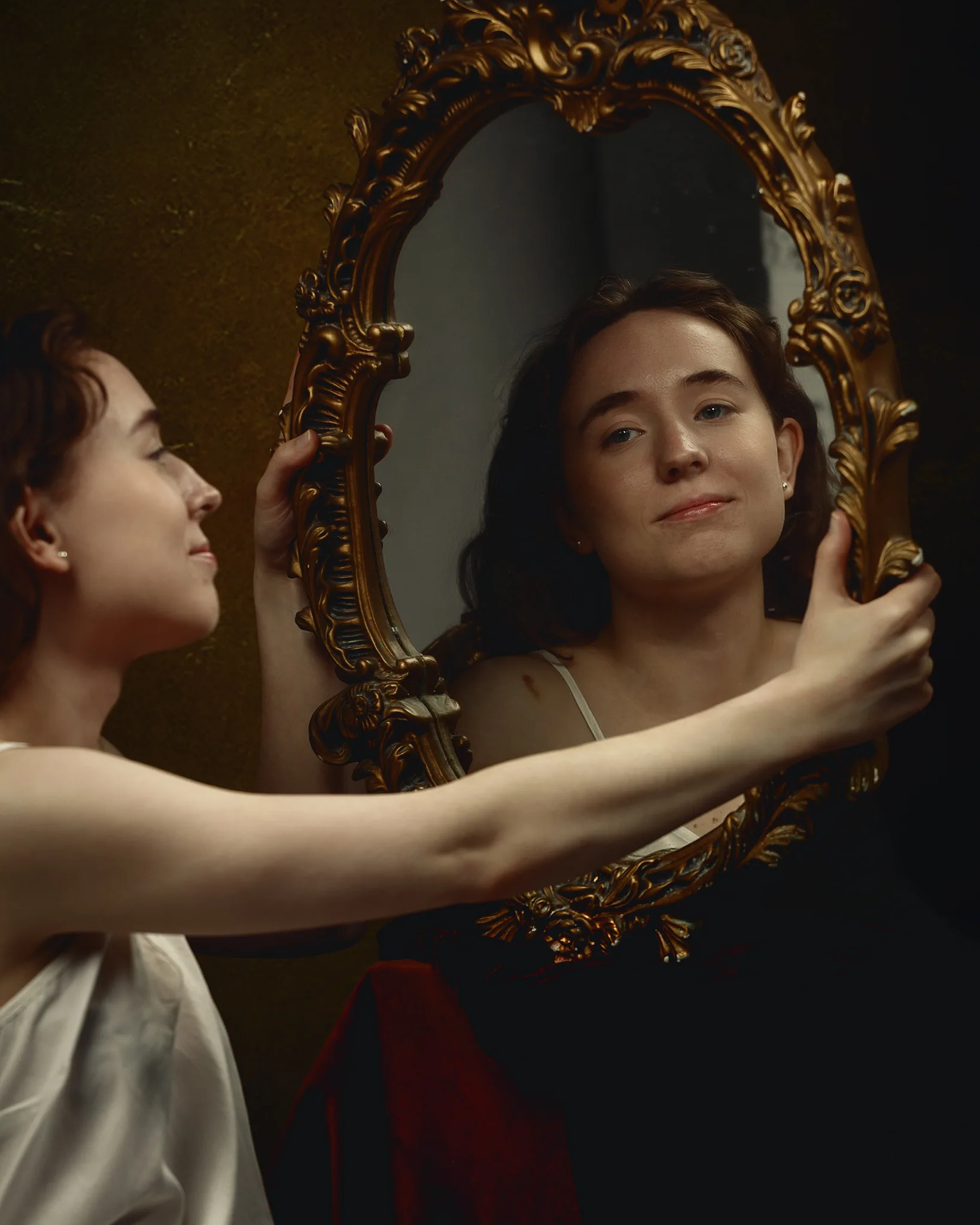
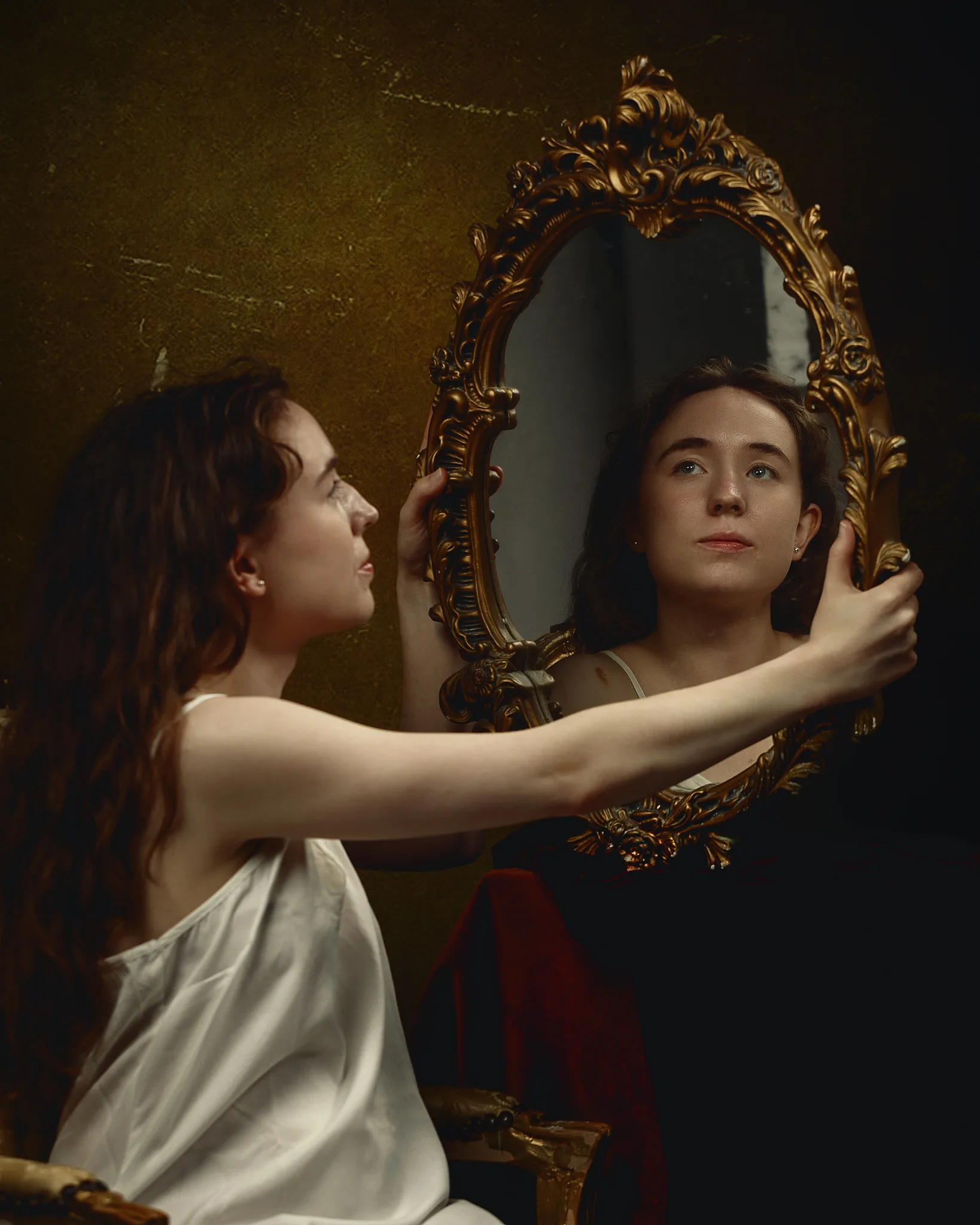
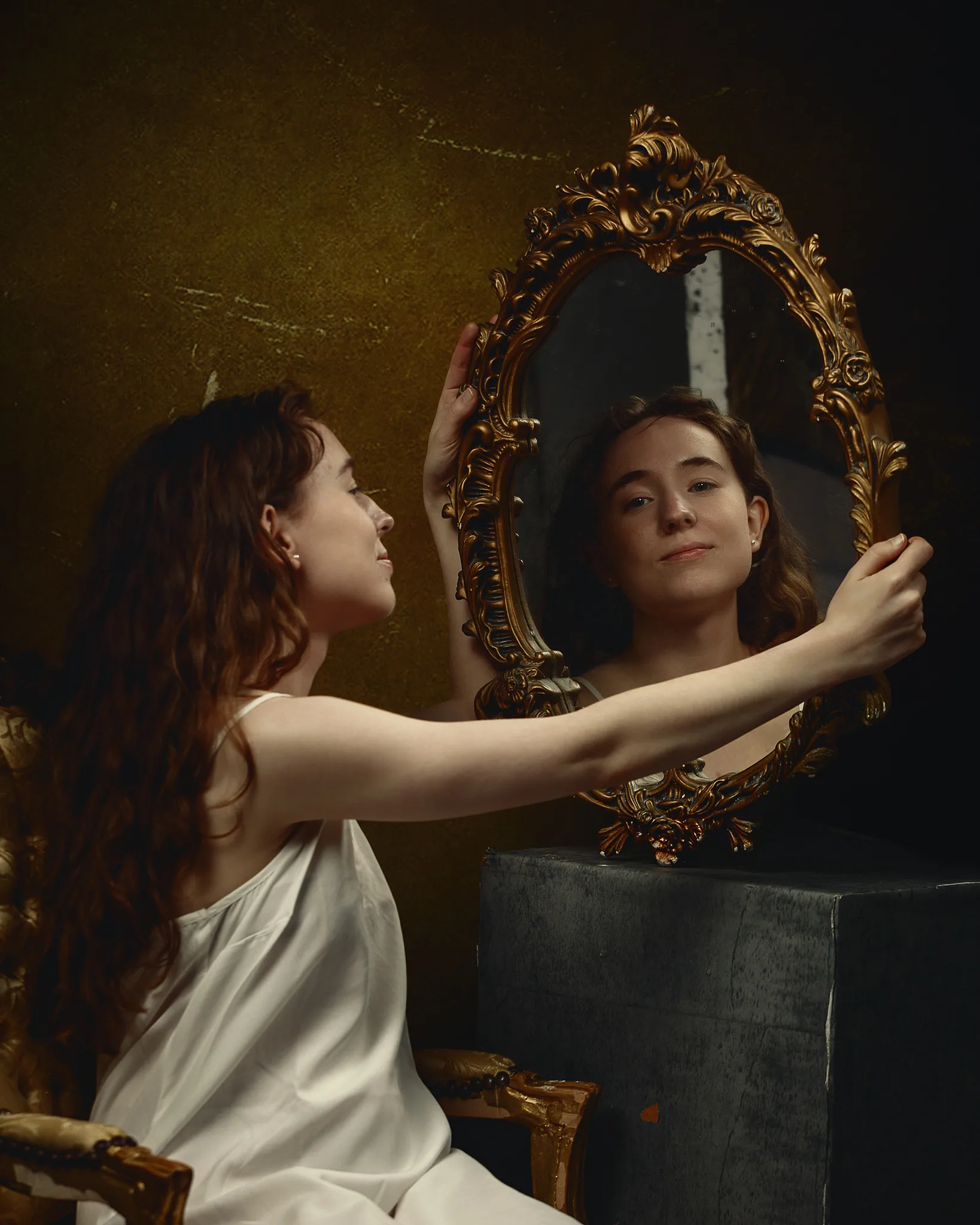
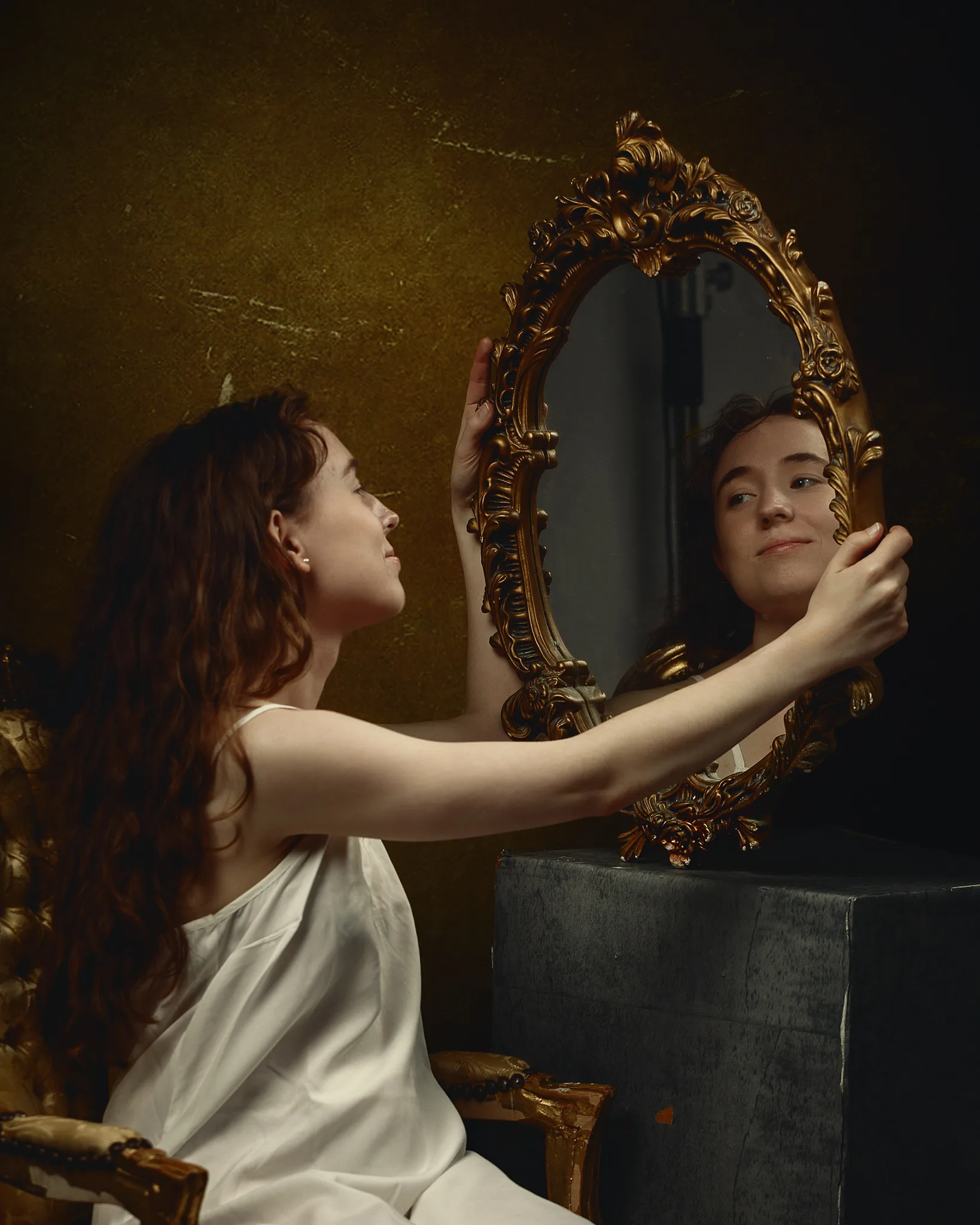
I picked Leona up from the station five minutes from my studio, and it wasn’t until she was in the car that I realised she’d flown in from Sweden, where she’s at university, on her way back to her parents in Ipswich. She’d built this session into that journey rather than putting it off until her next visit home. That’s the kind of thing that tells you how much someone wants to do a shoot before you’ve even switched a light on. The idea itself was hers. She’s loved the Pre-Raphaelites for a long time, and she wanted to return to Rossetti’s Lady Lilith, a painting I’d already photographed once before with a different model, Polly, a while back. I said yes without much persuading. Getting to explore the same painting again, with someone else’s read on it, was too good a chance to turn down.
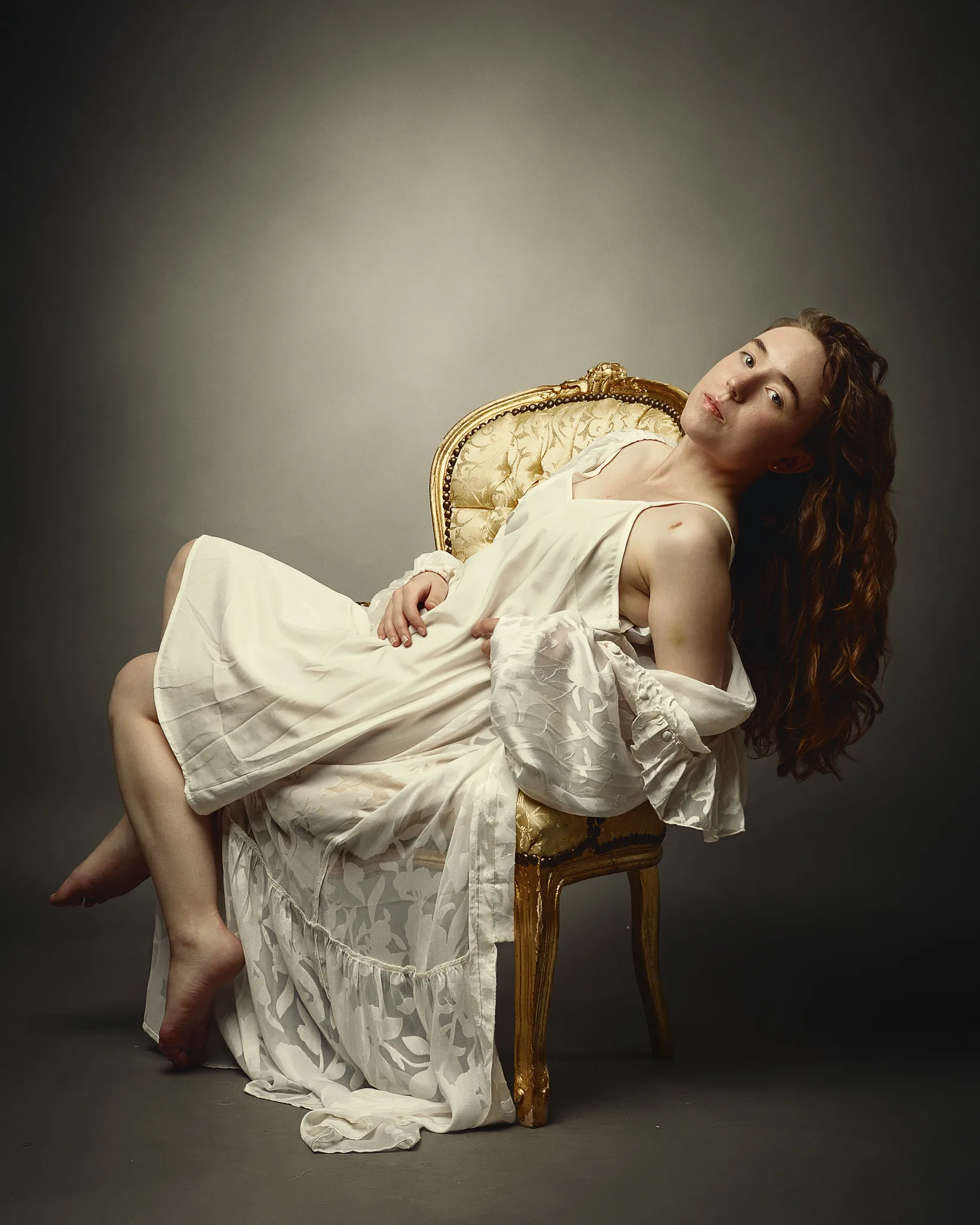
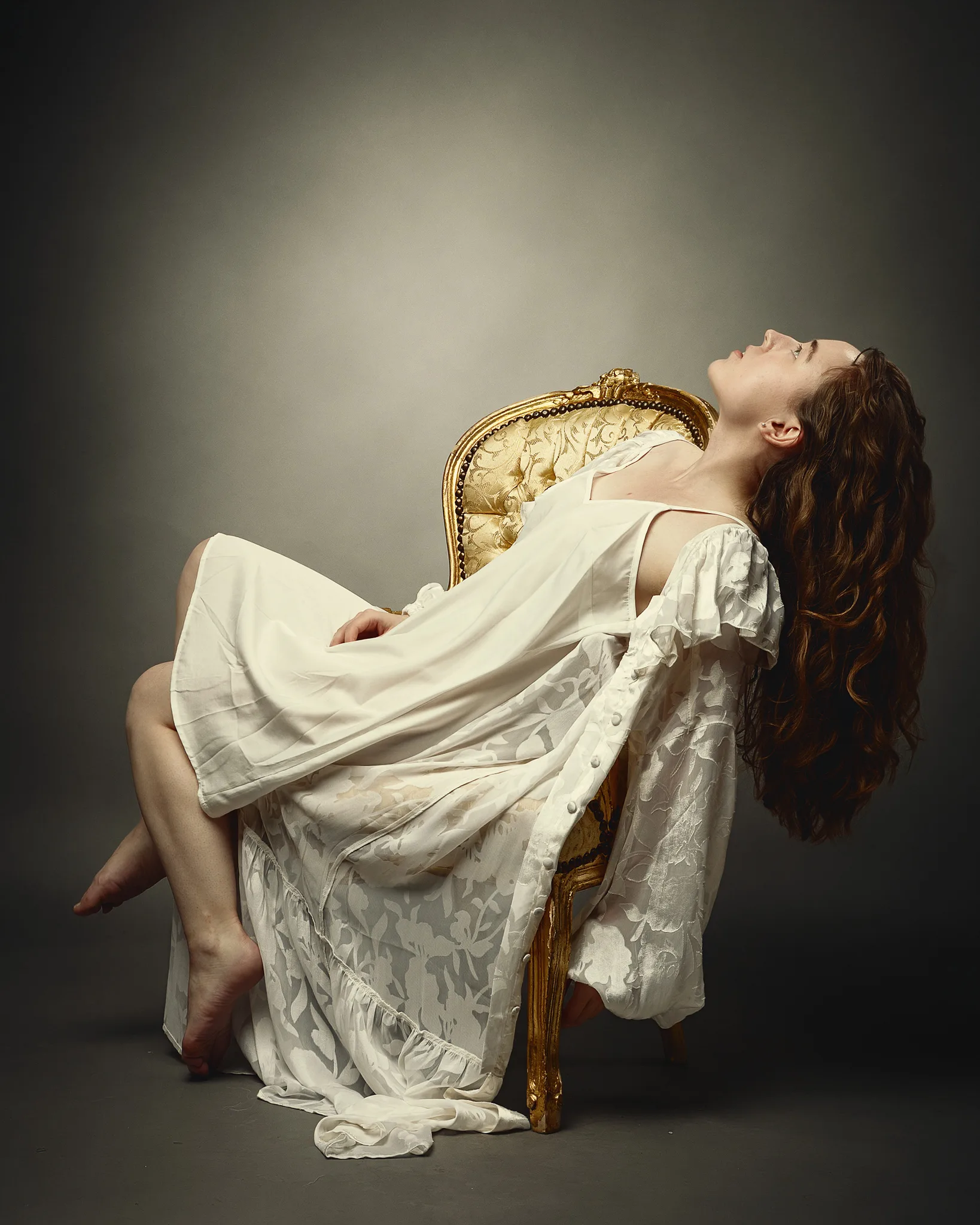
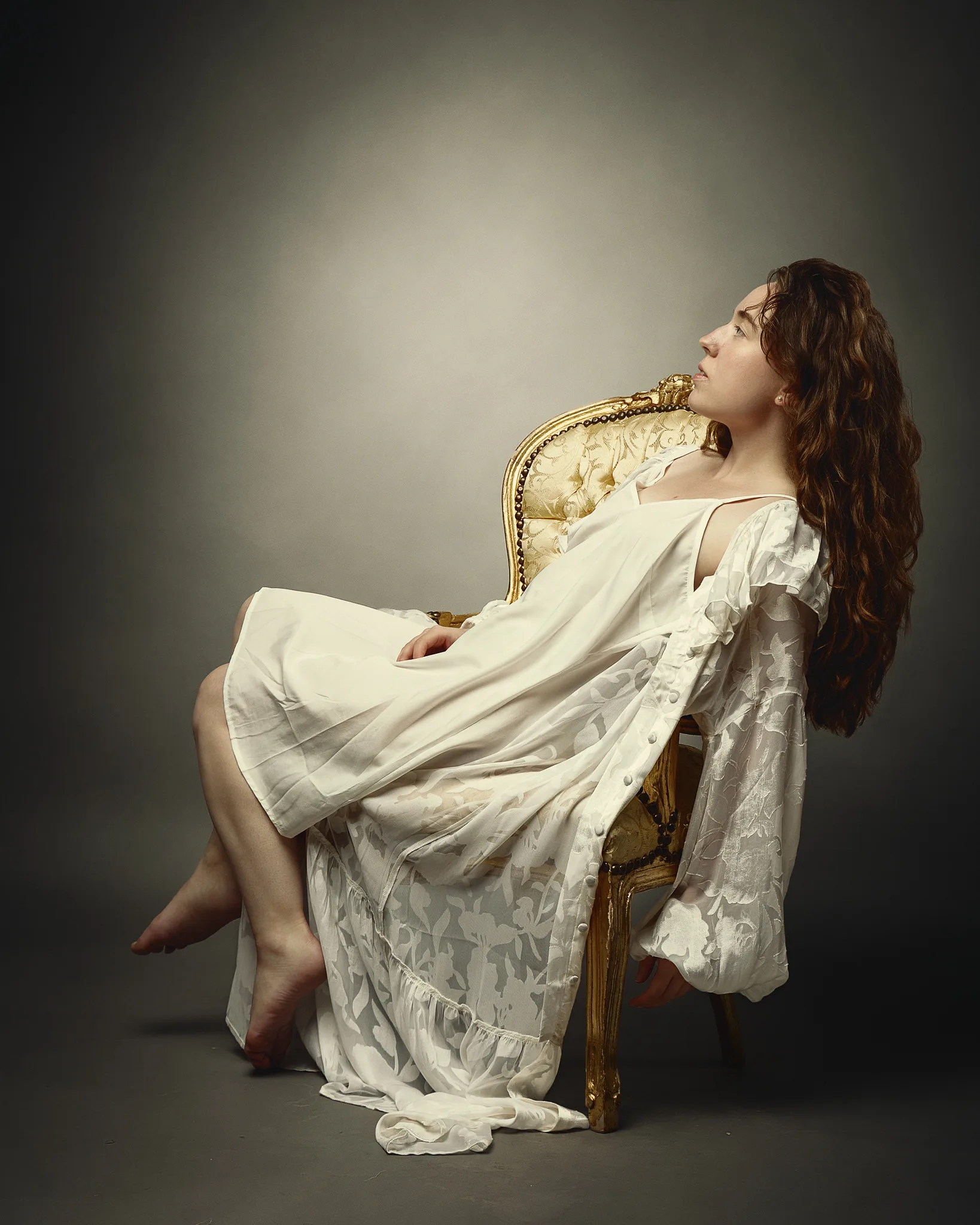
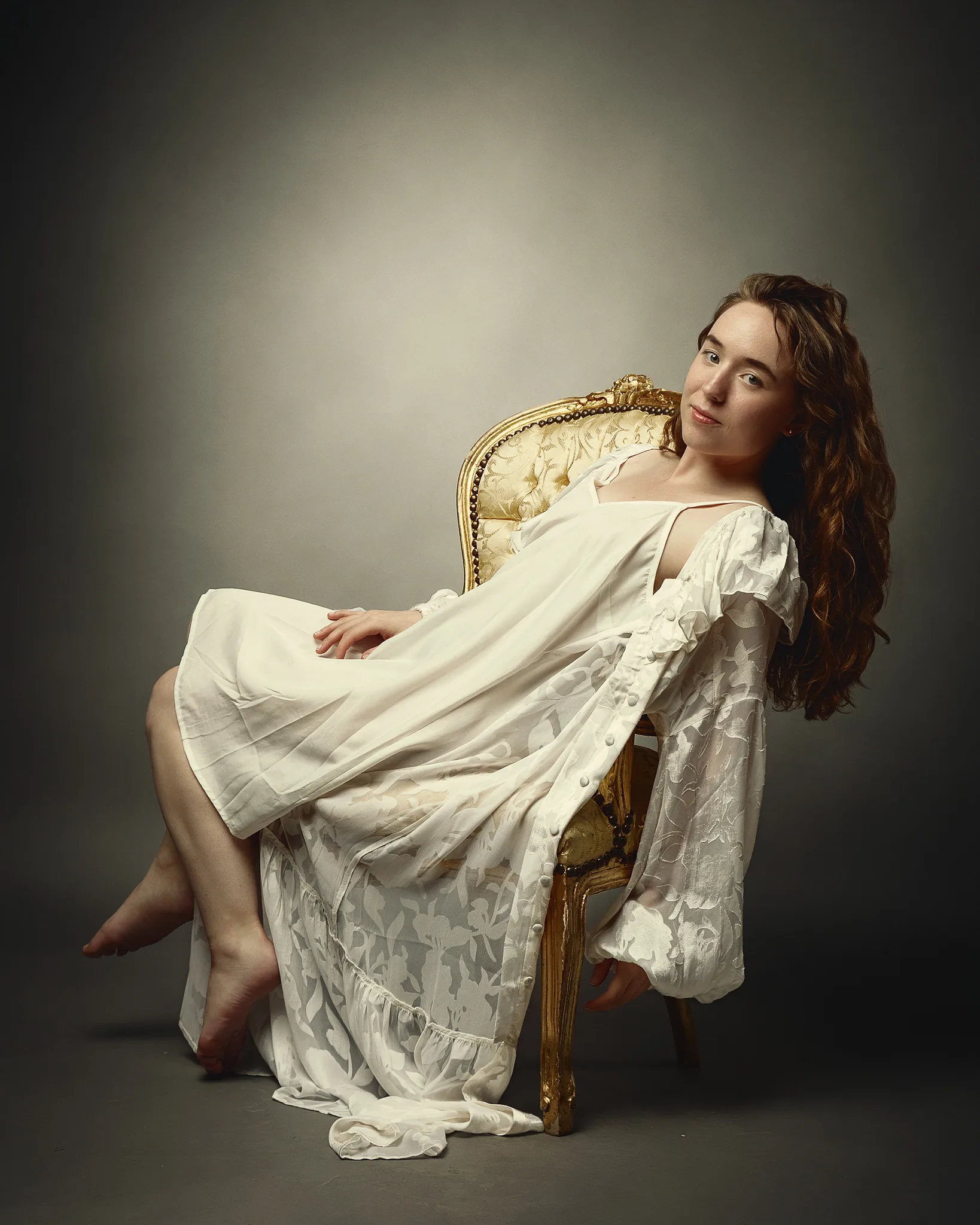
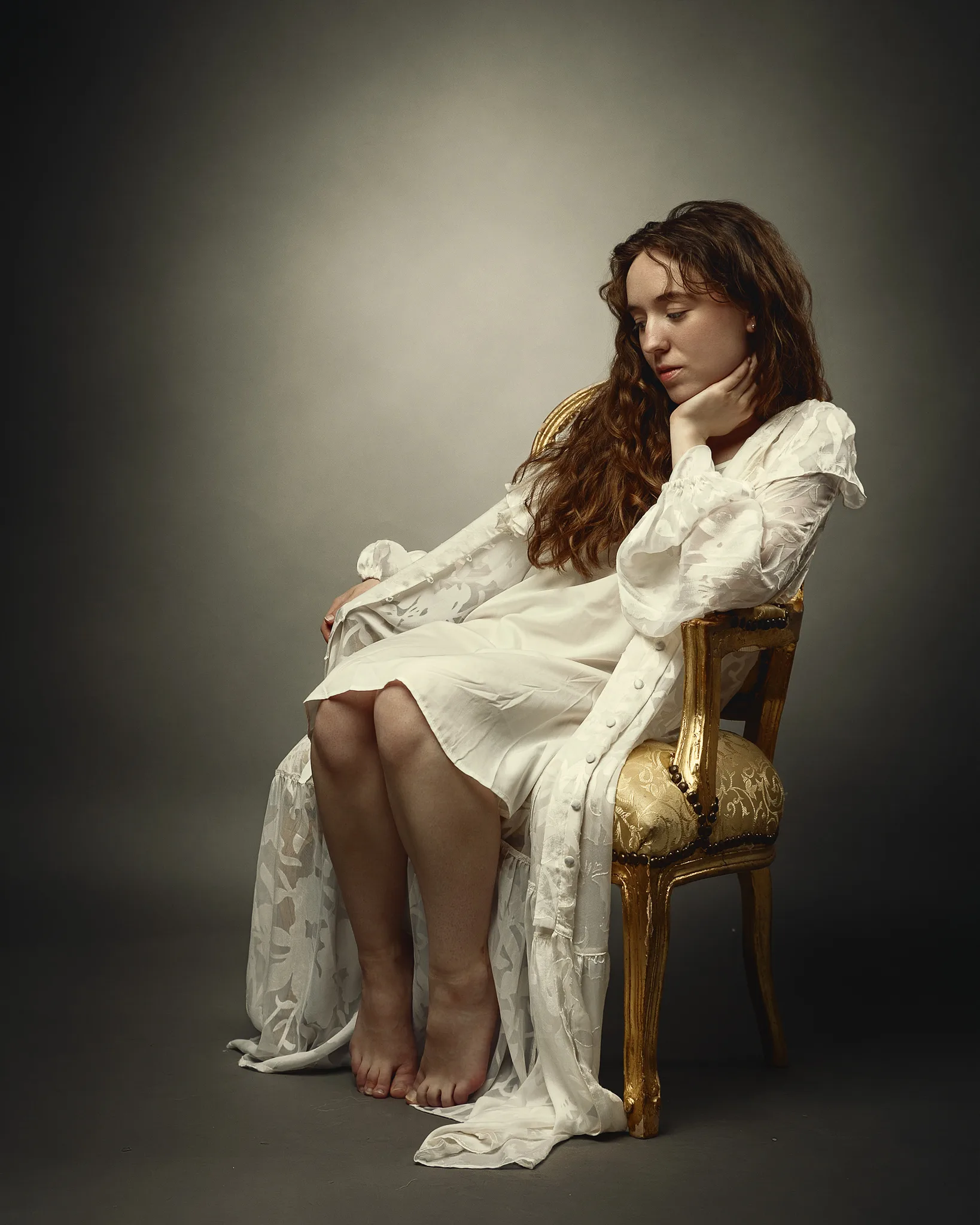
The Look: White, Loose and Deliberately Restrained
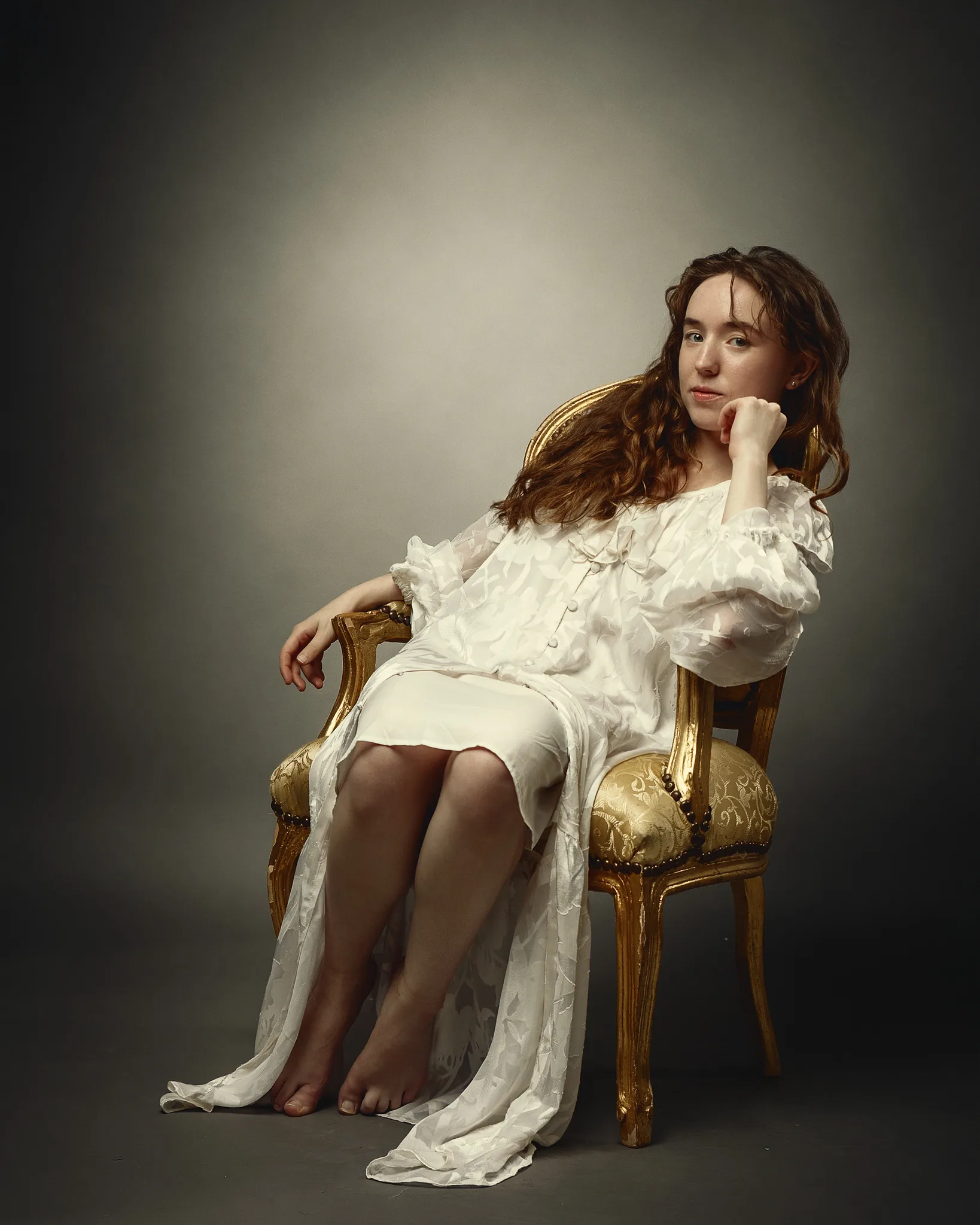
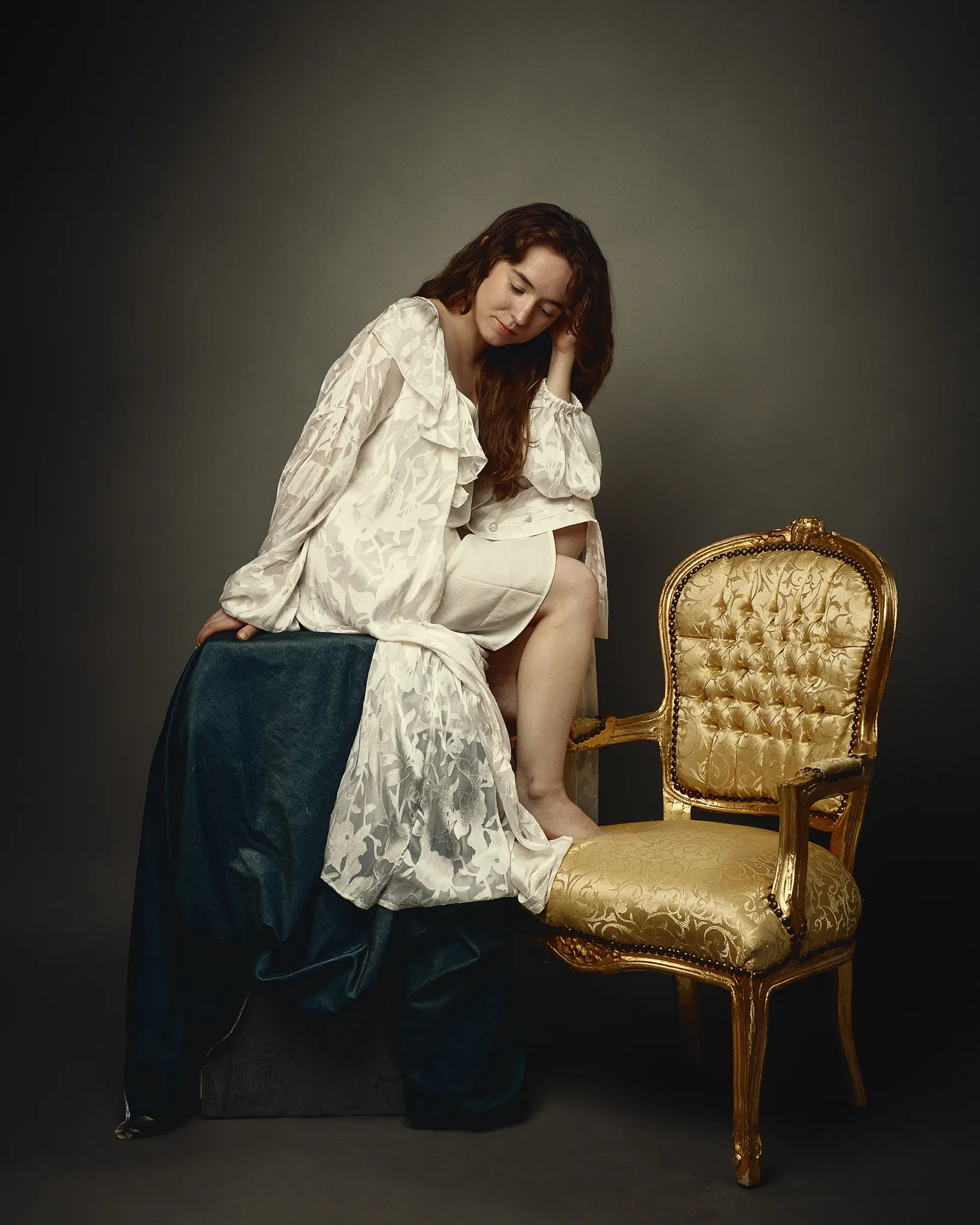
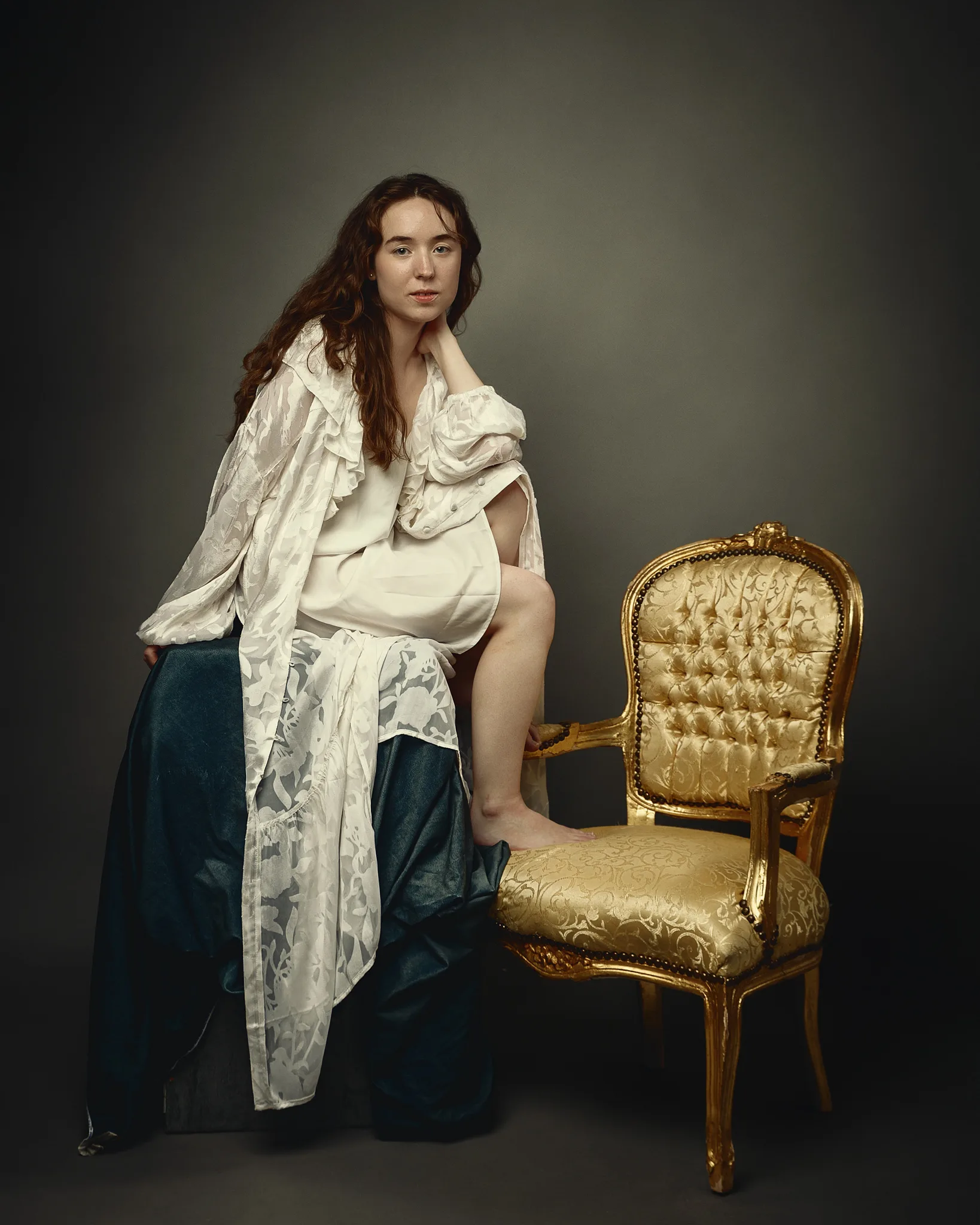
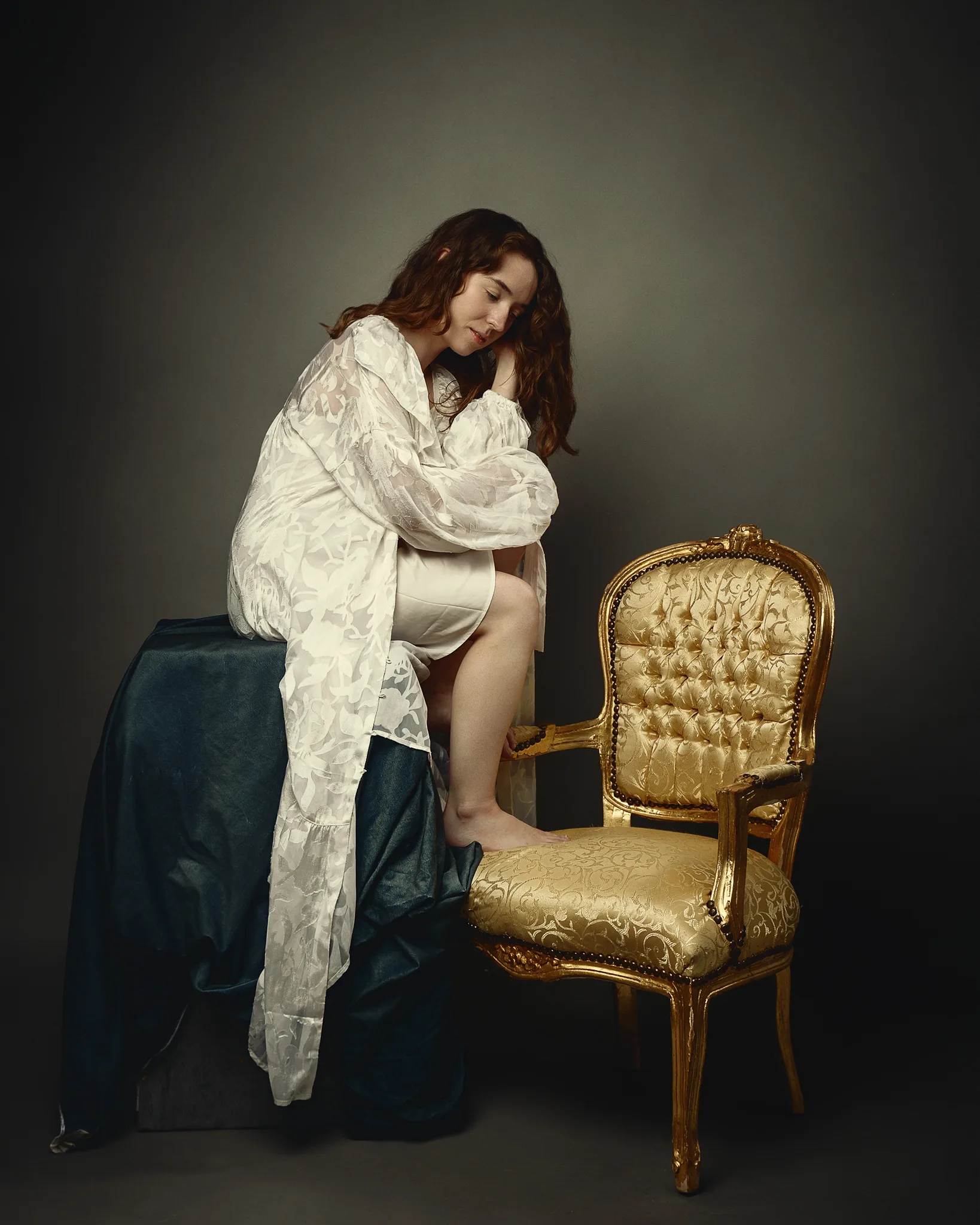
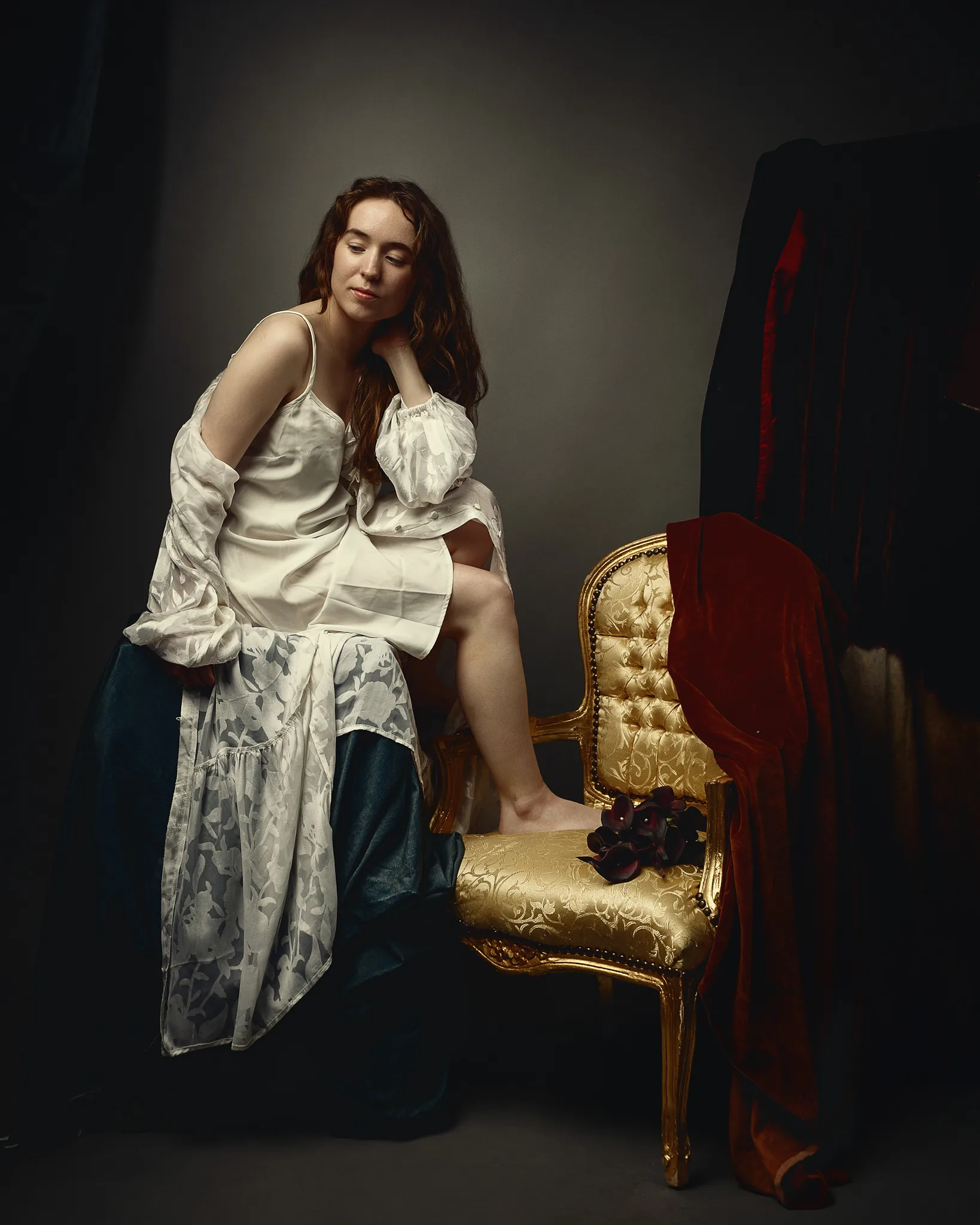
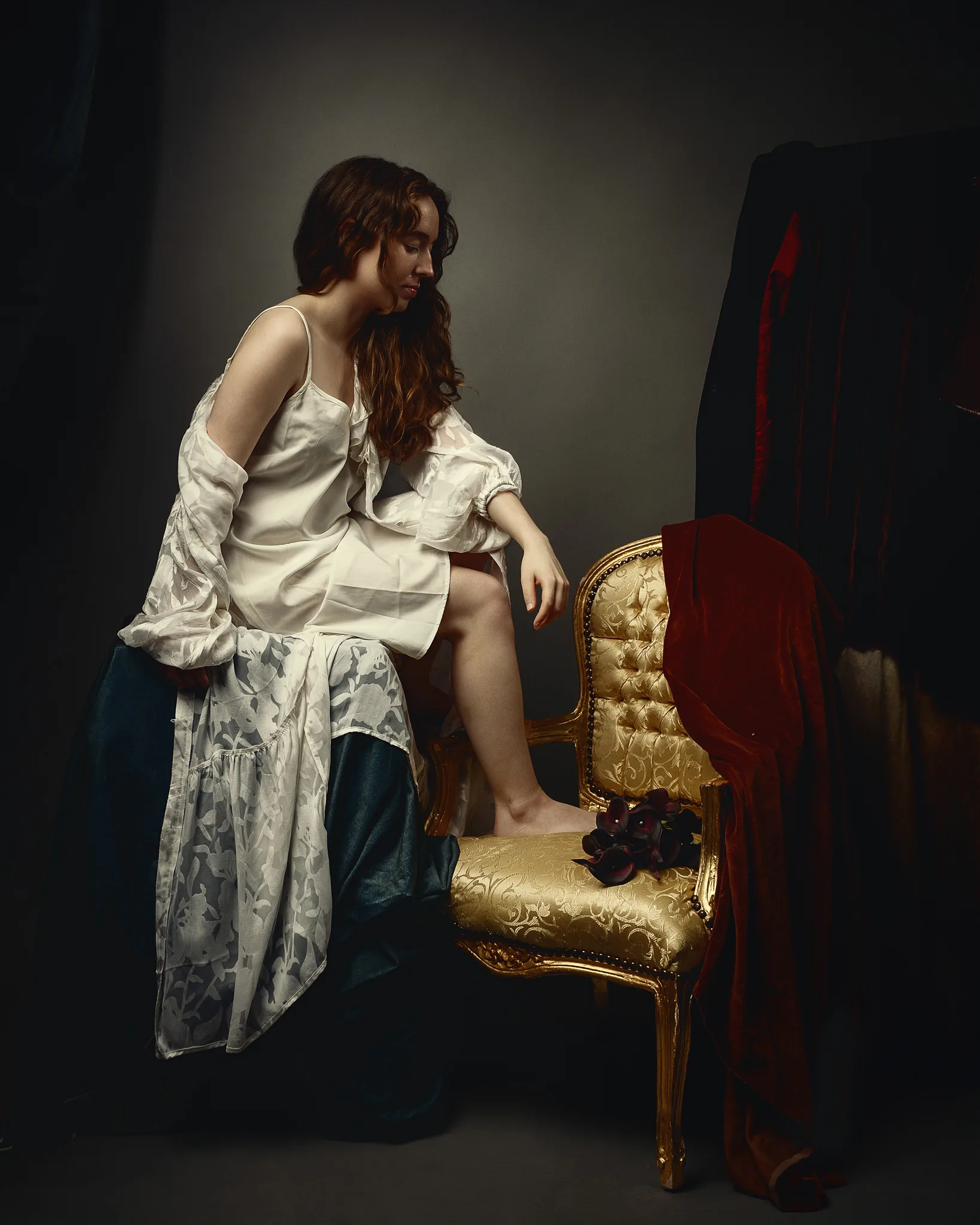
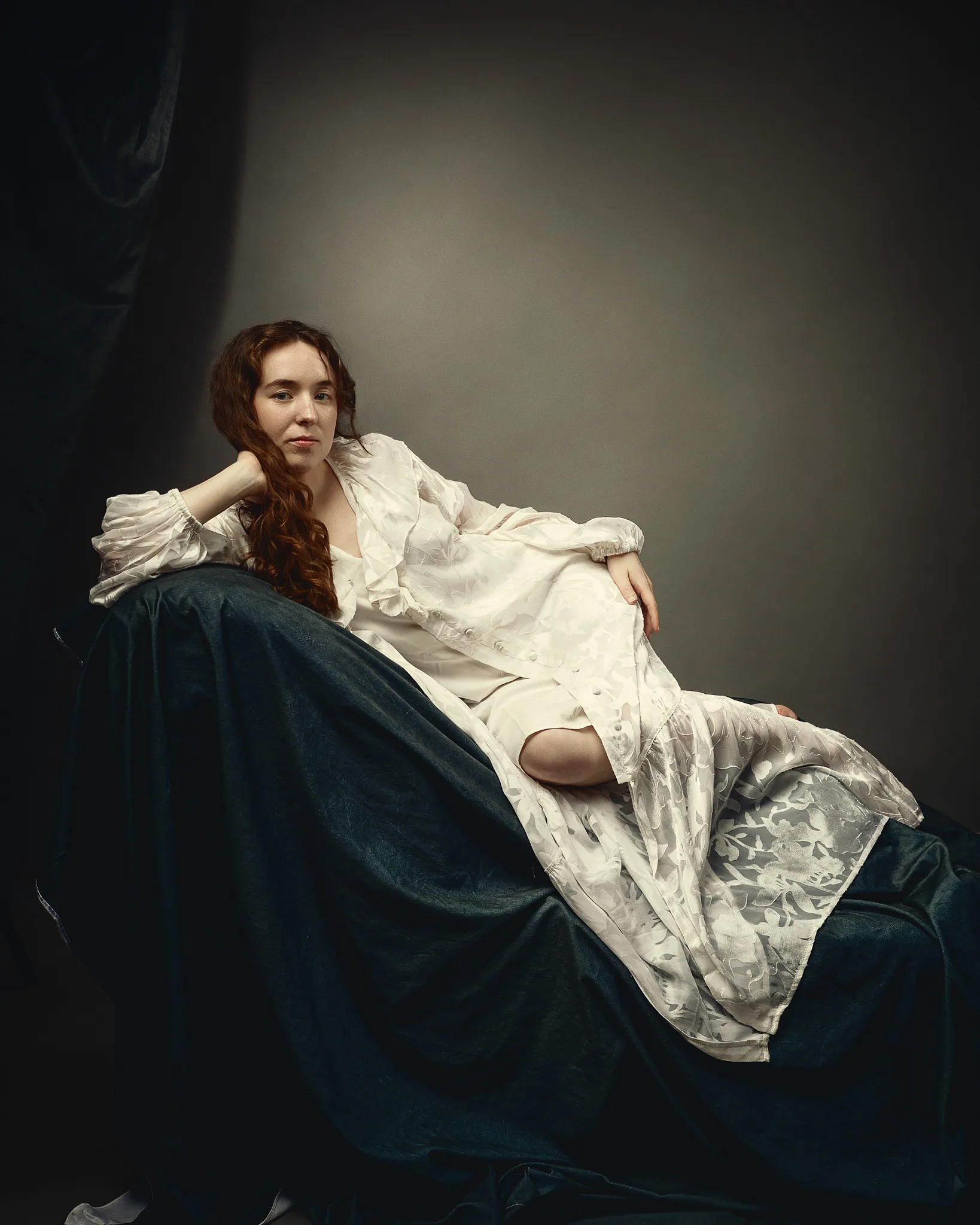
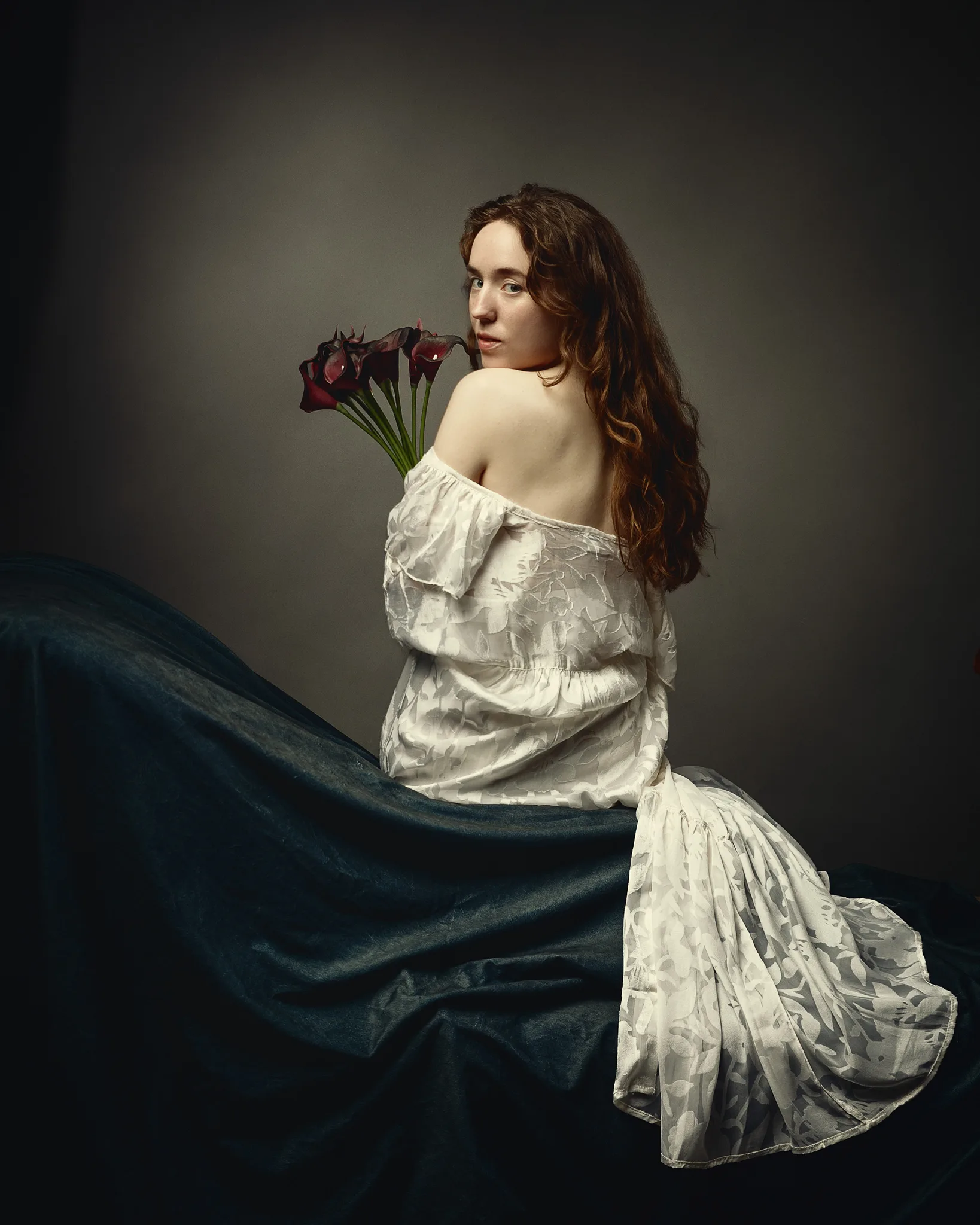
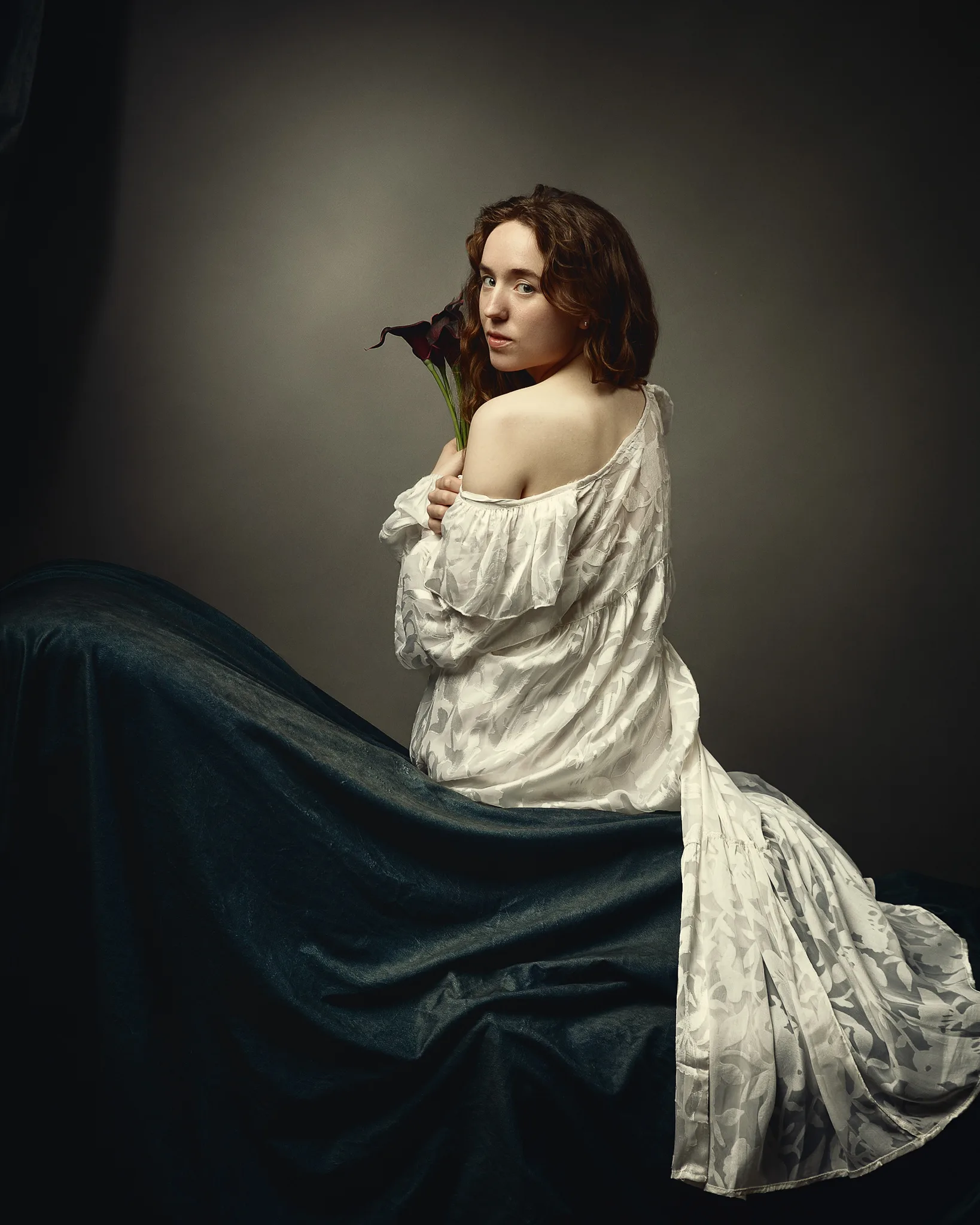
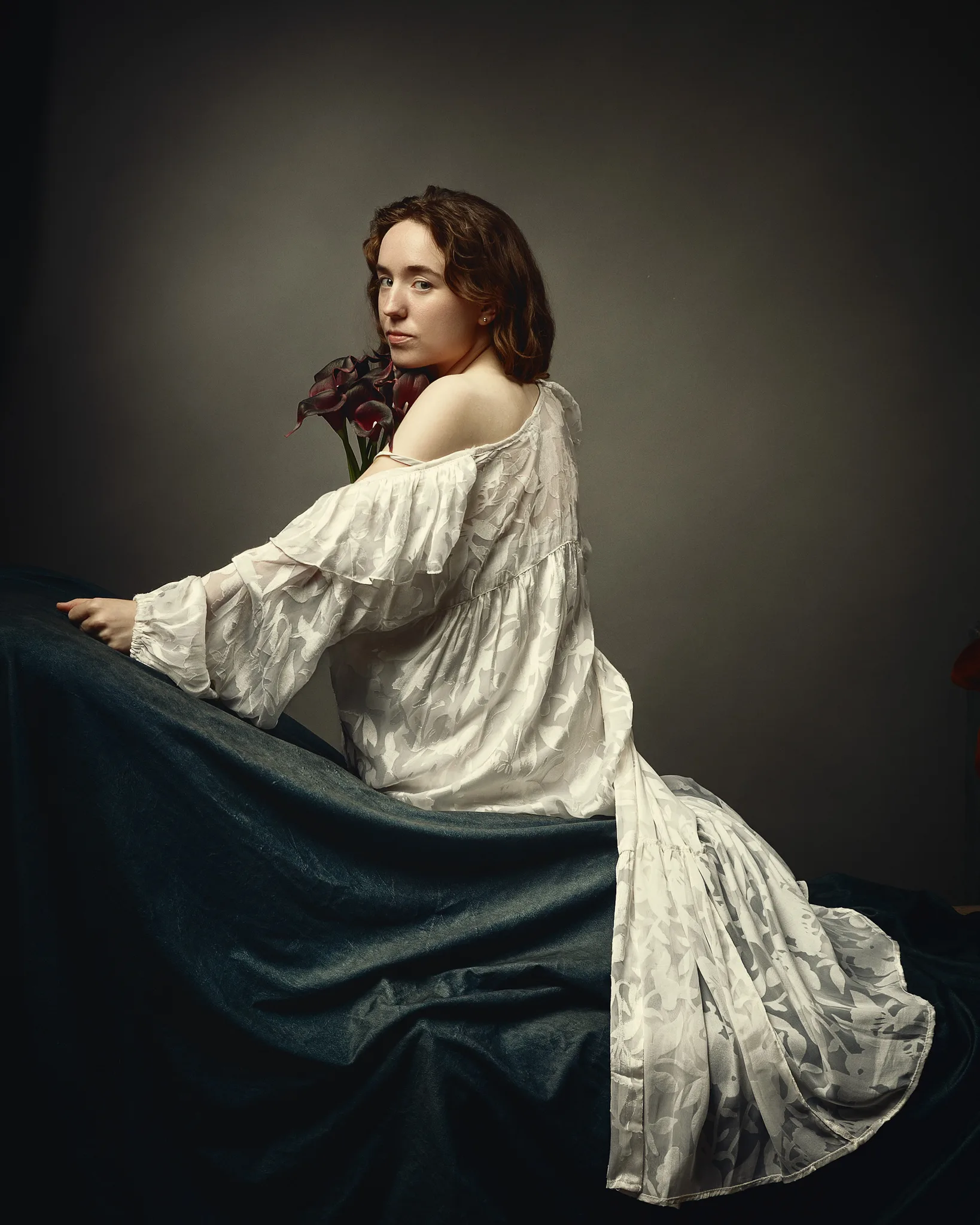
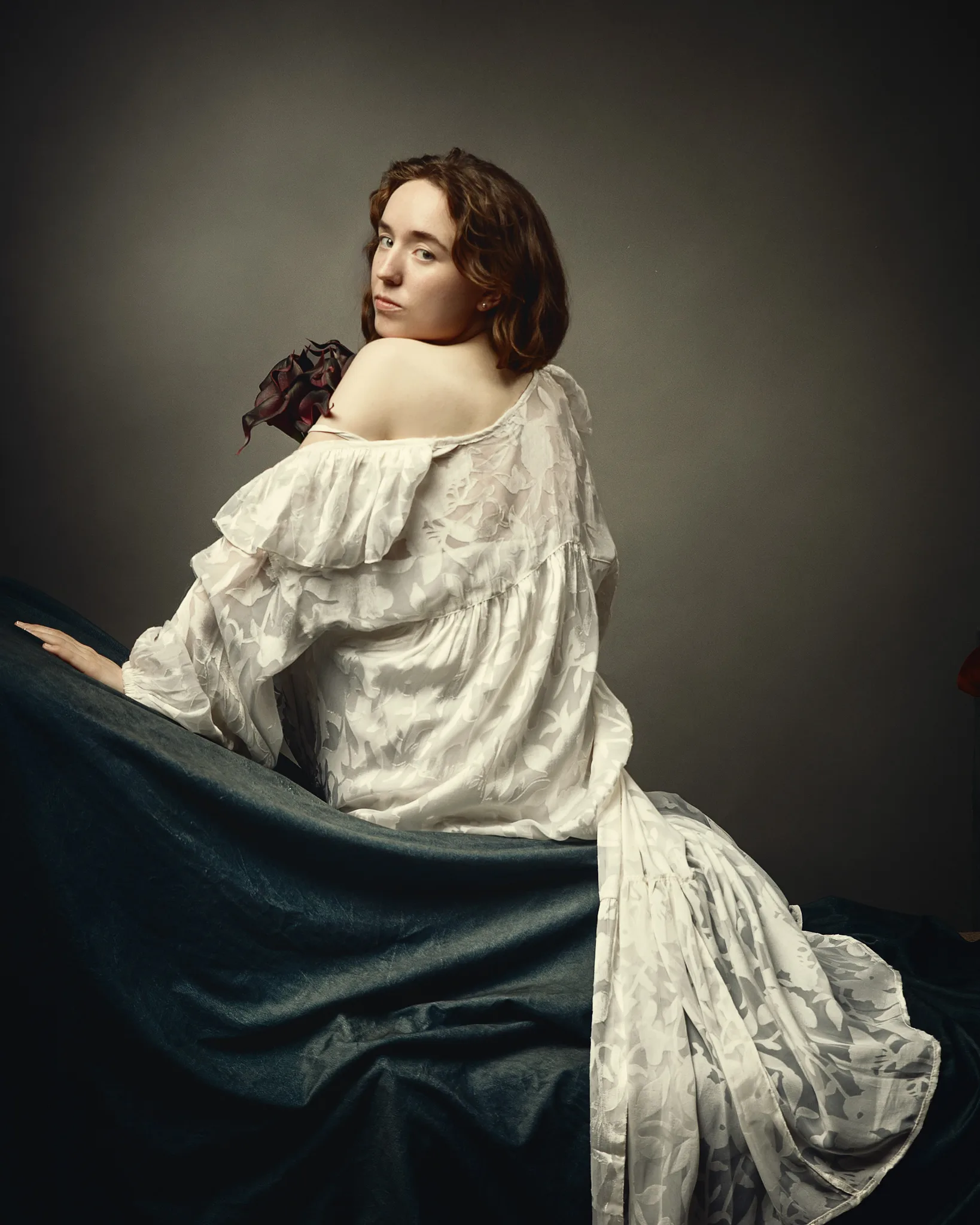
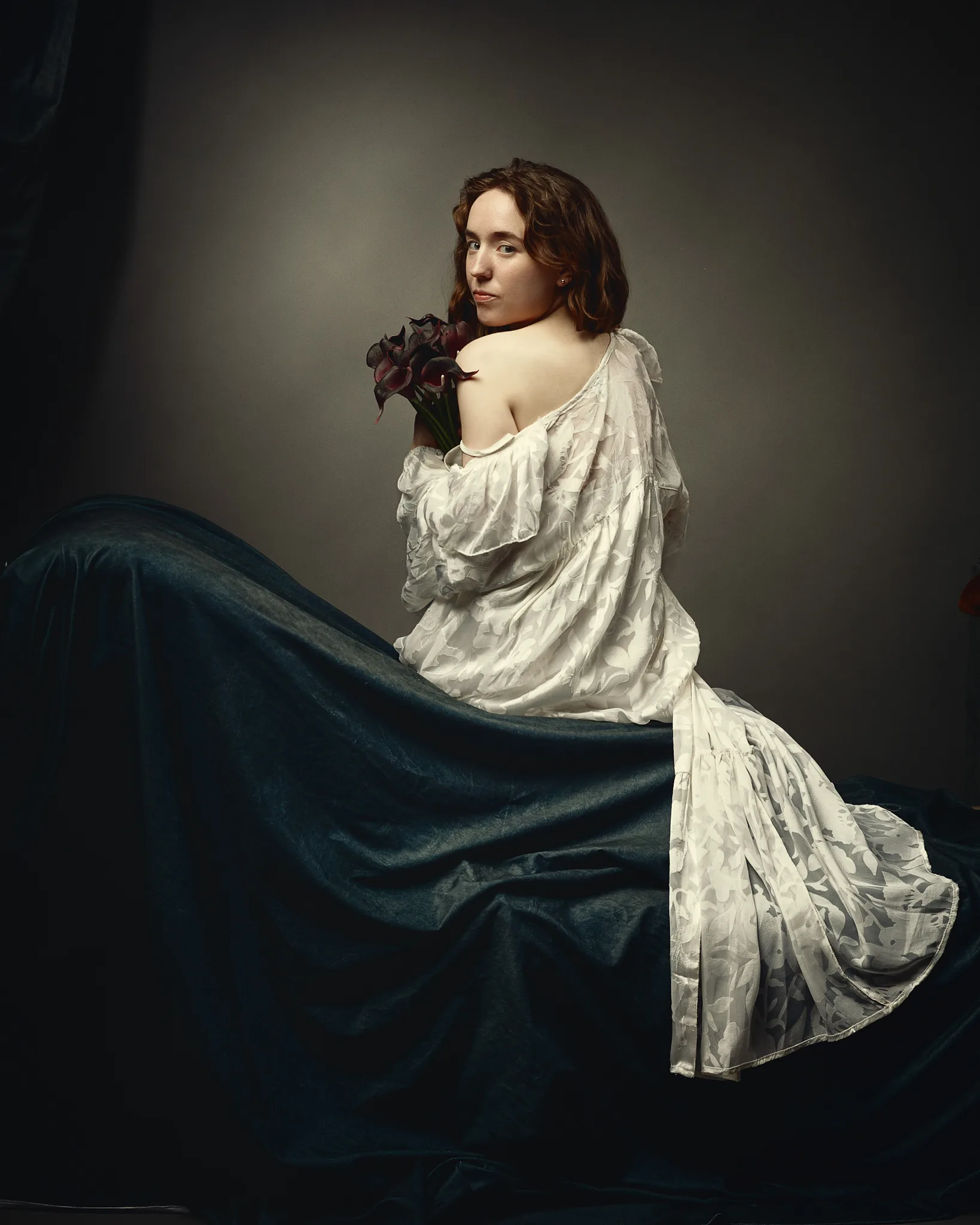
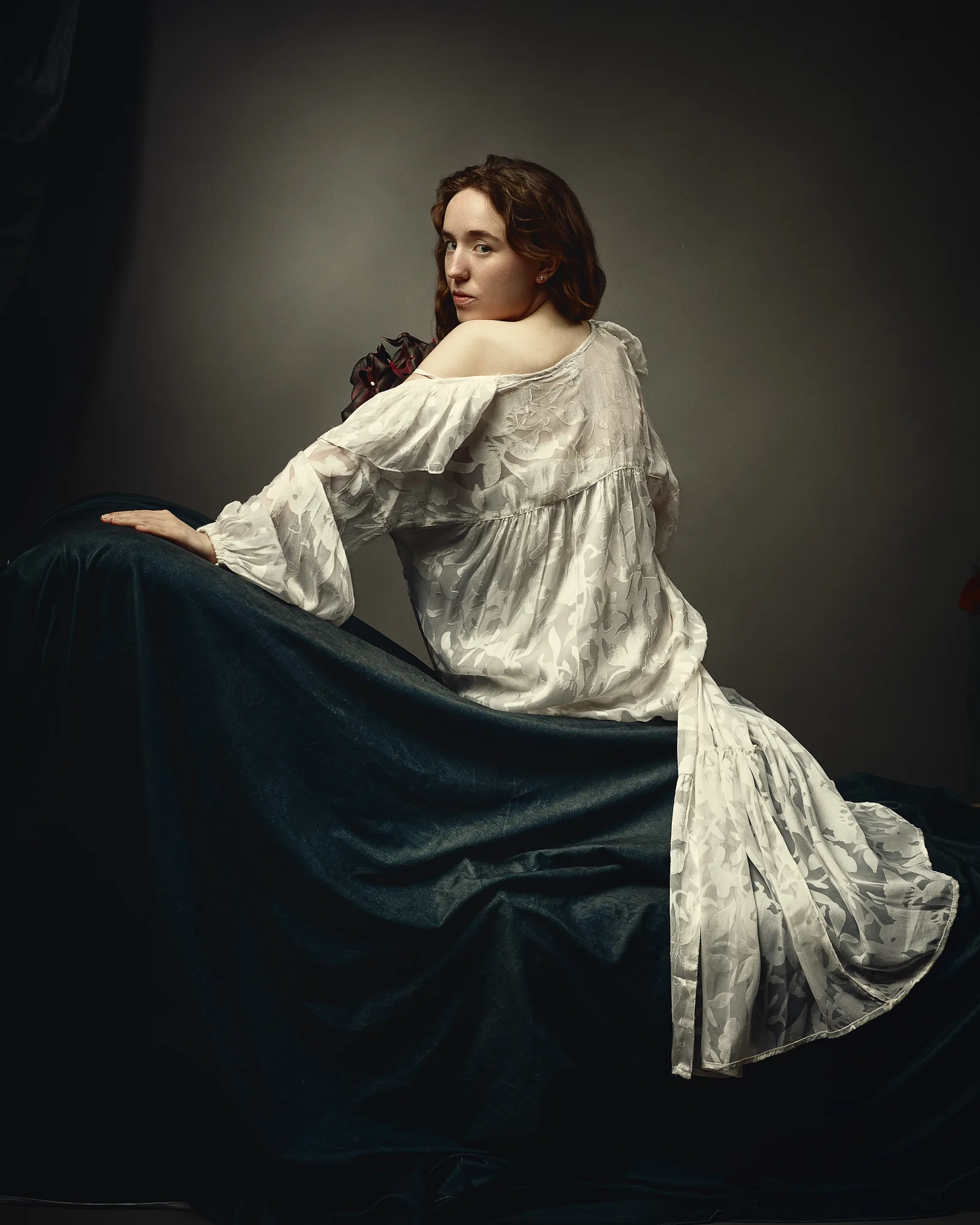
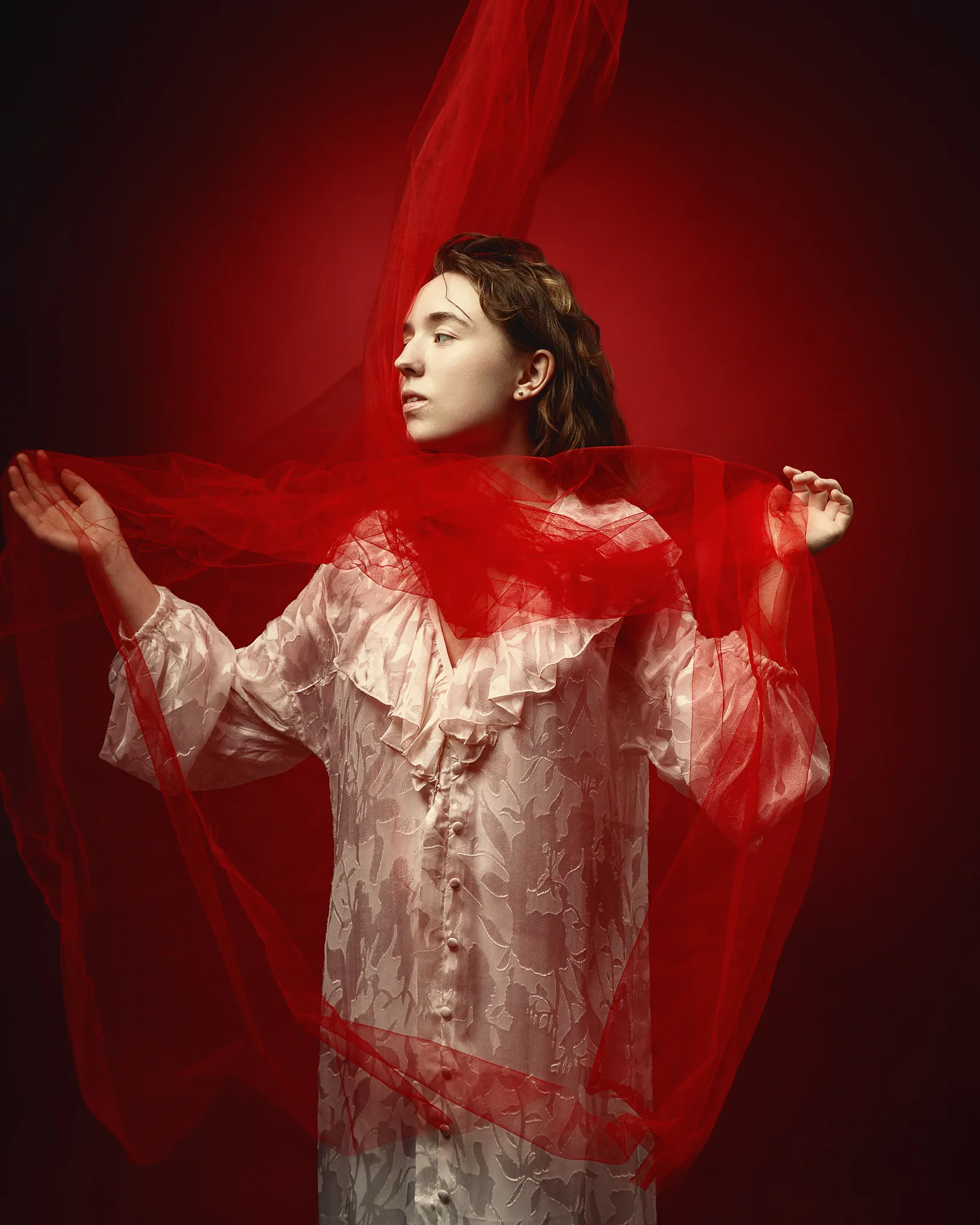
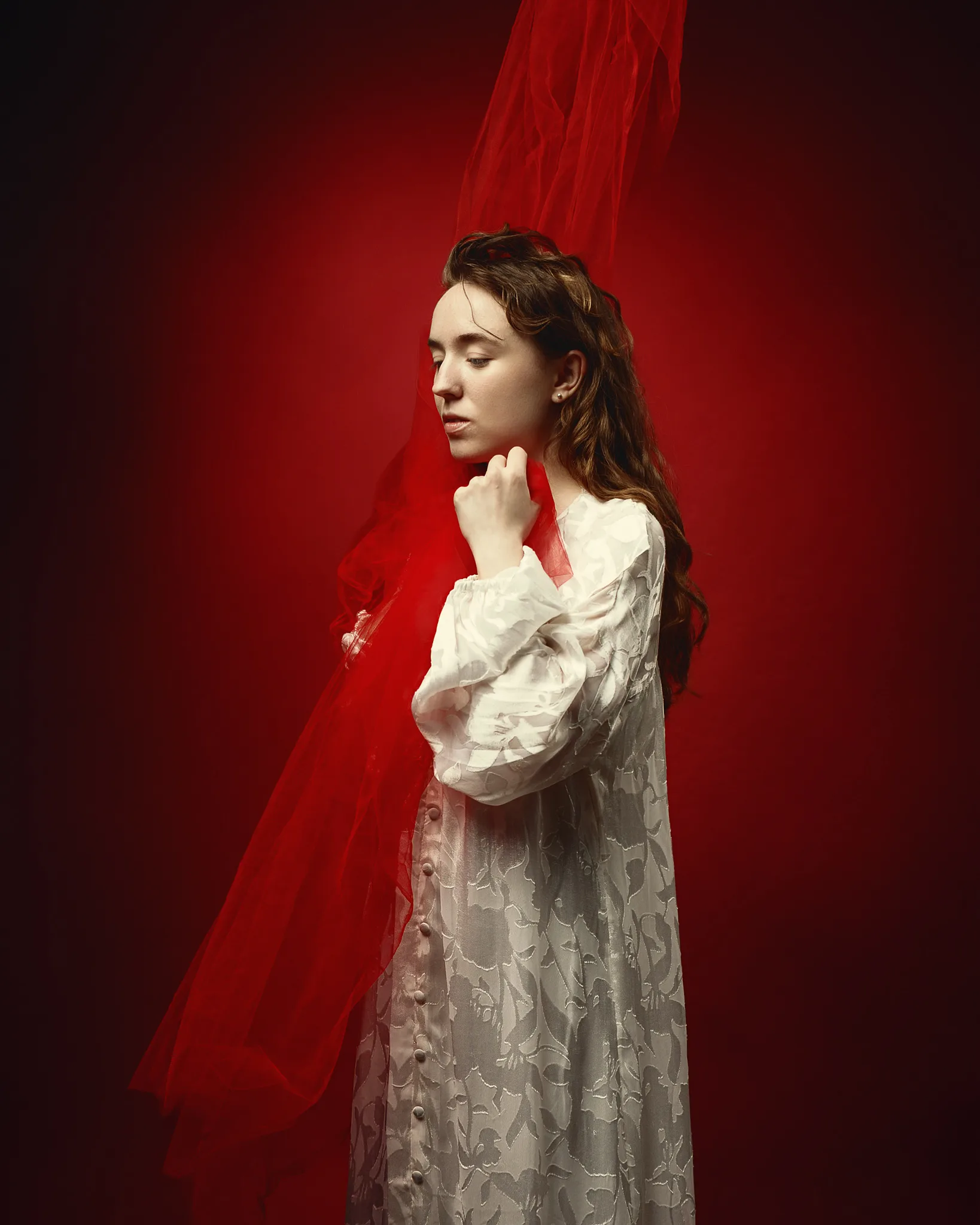
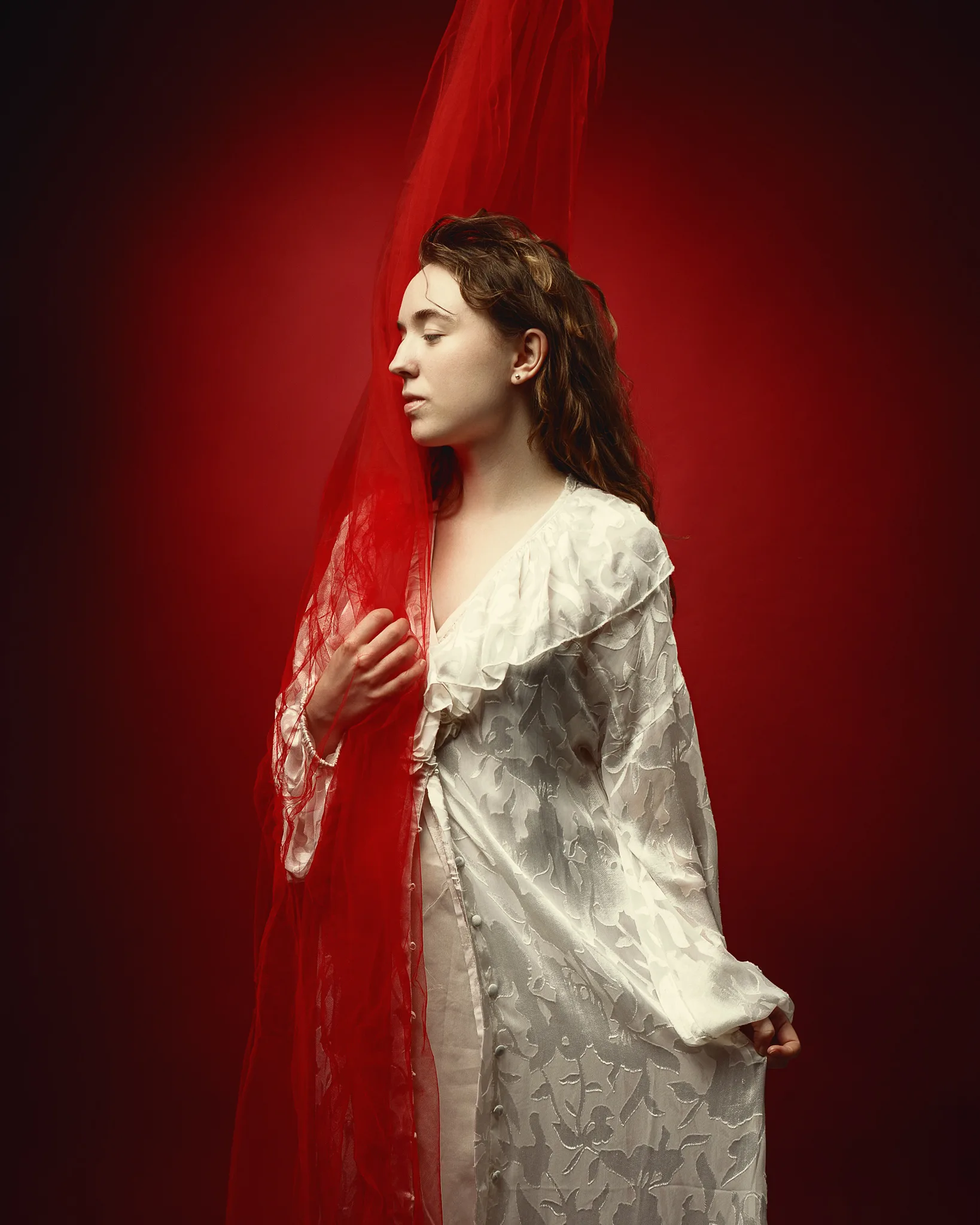
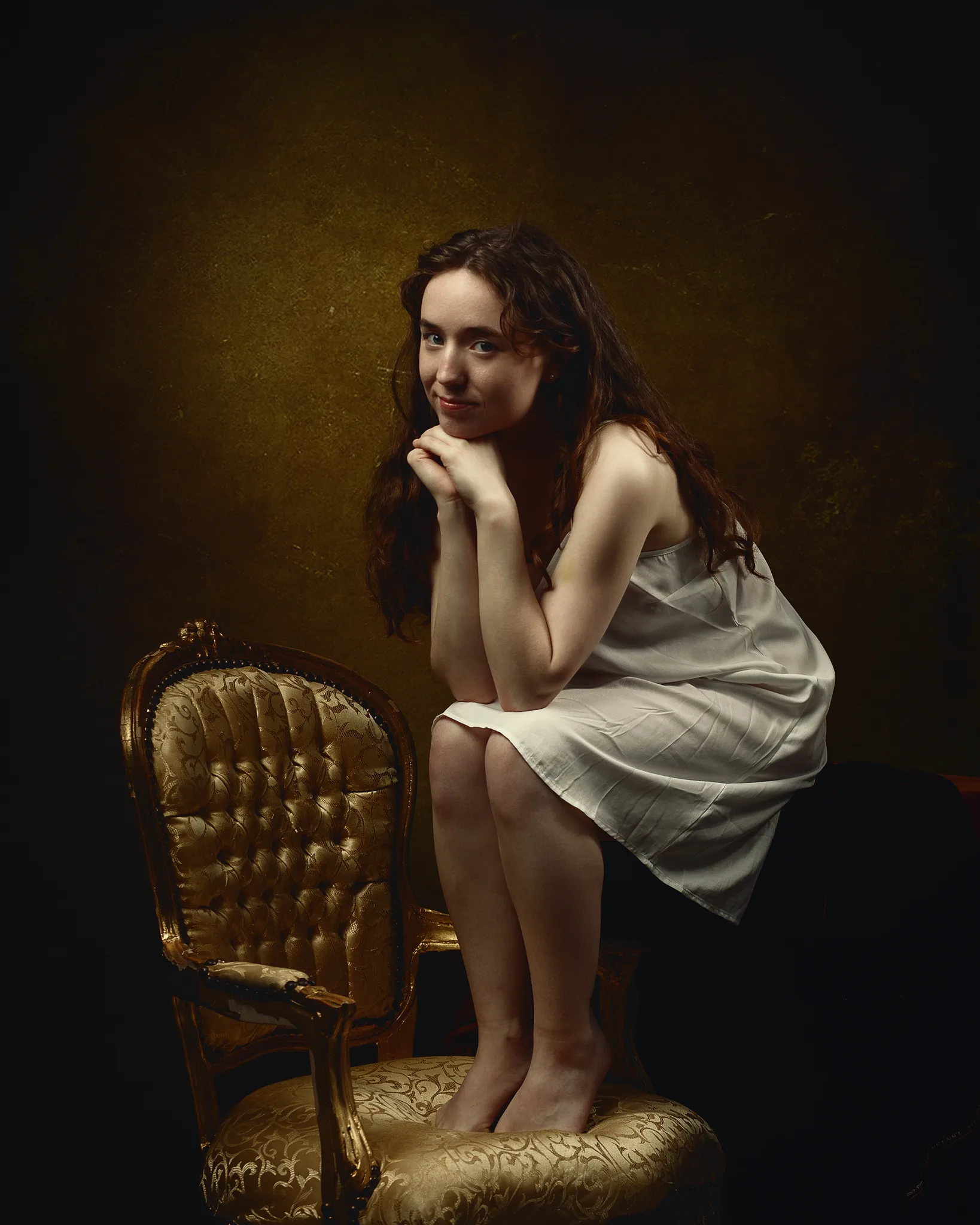
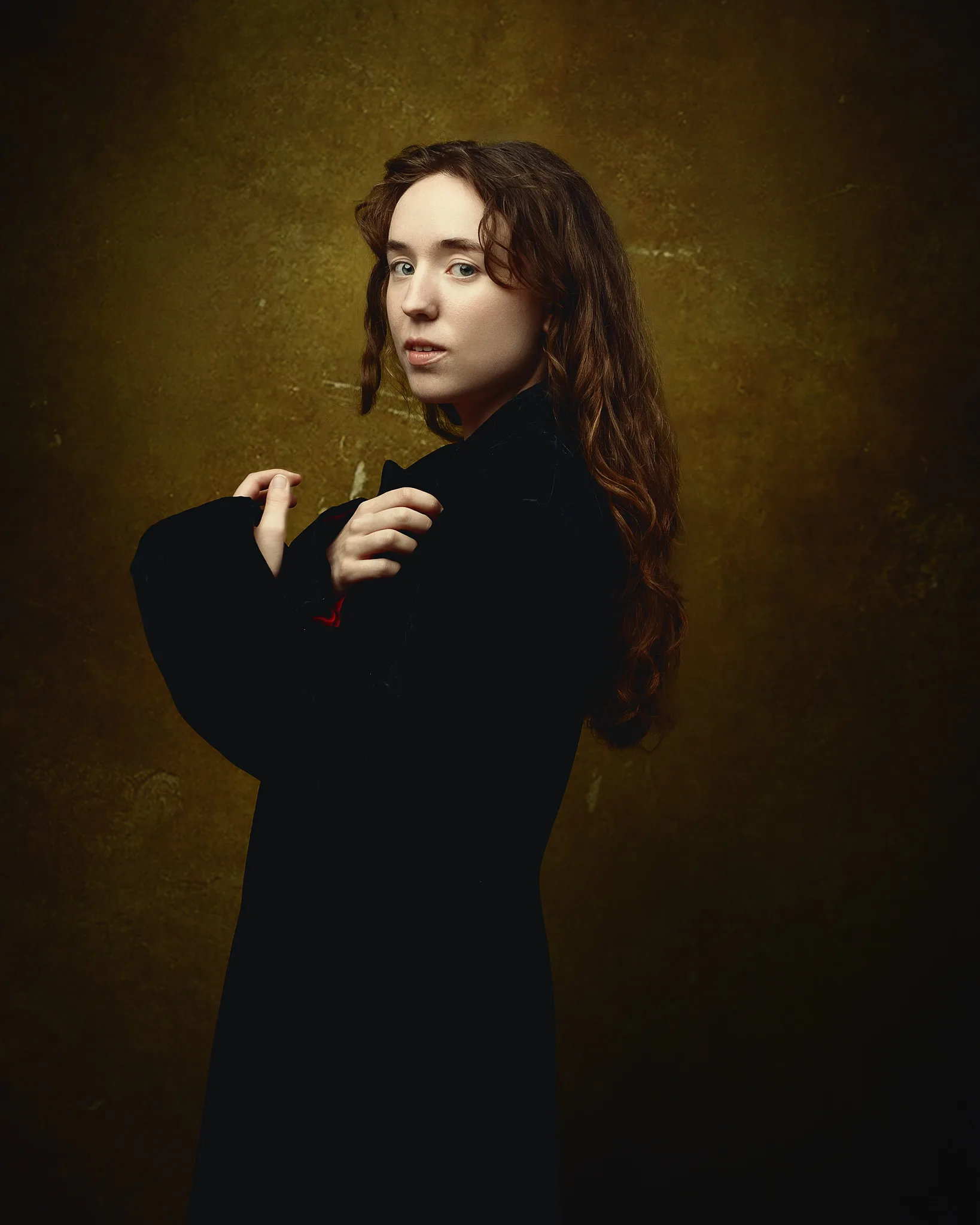
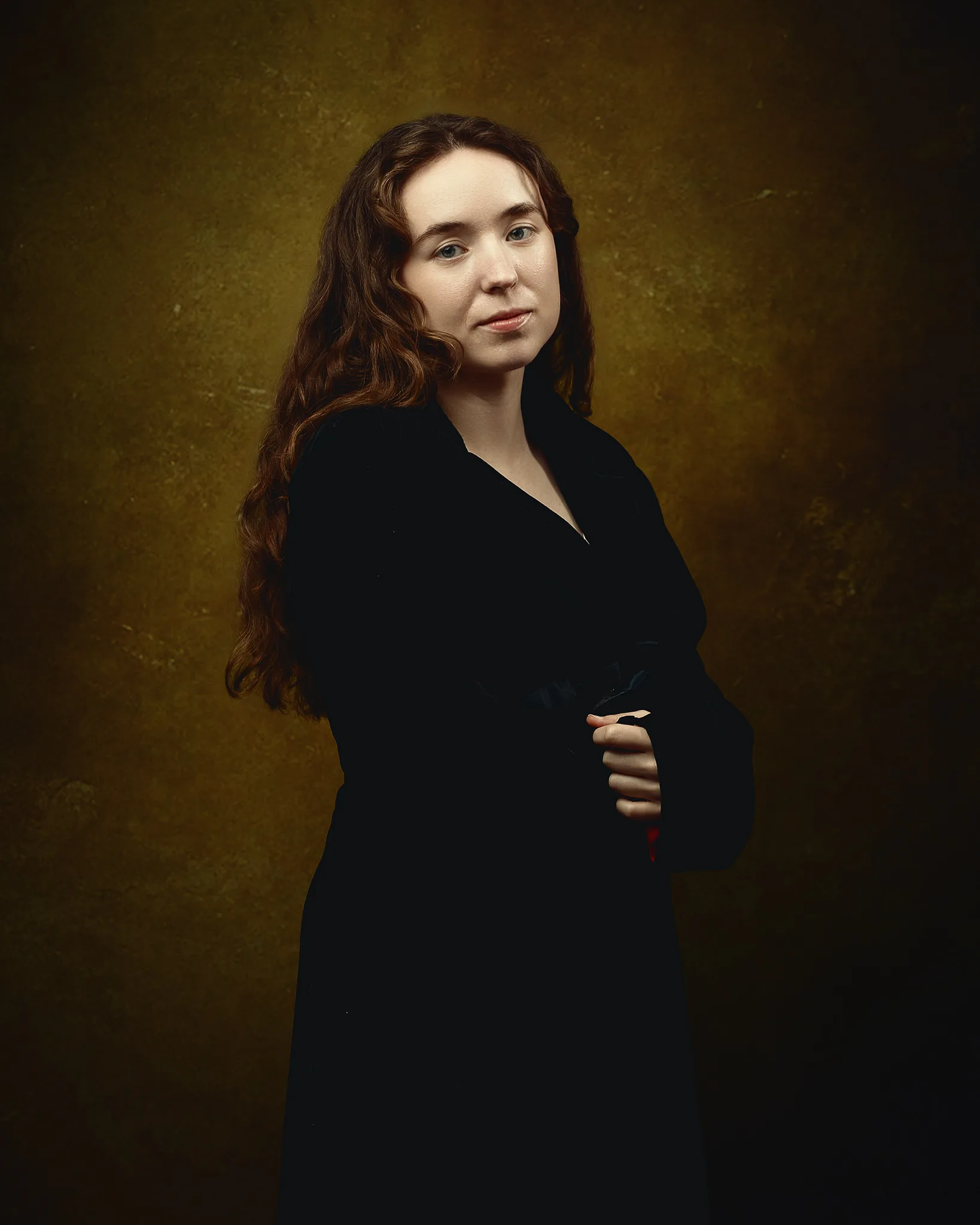
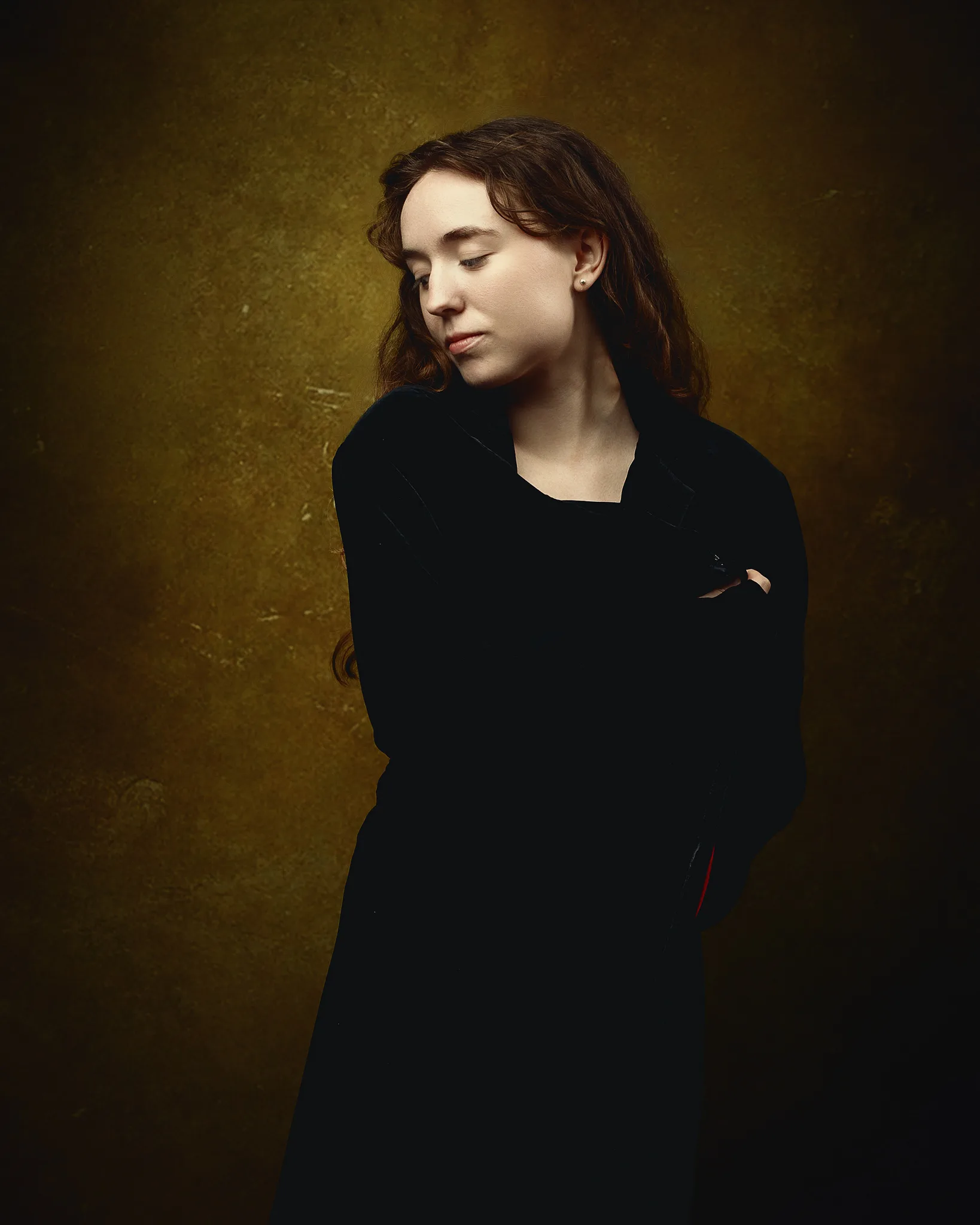
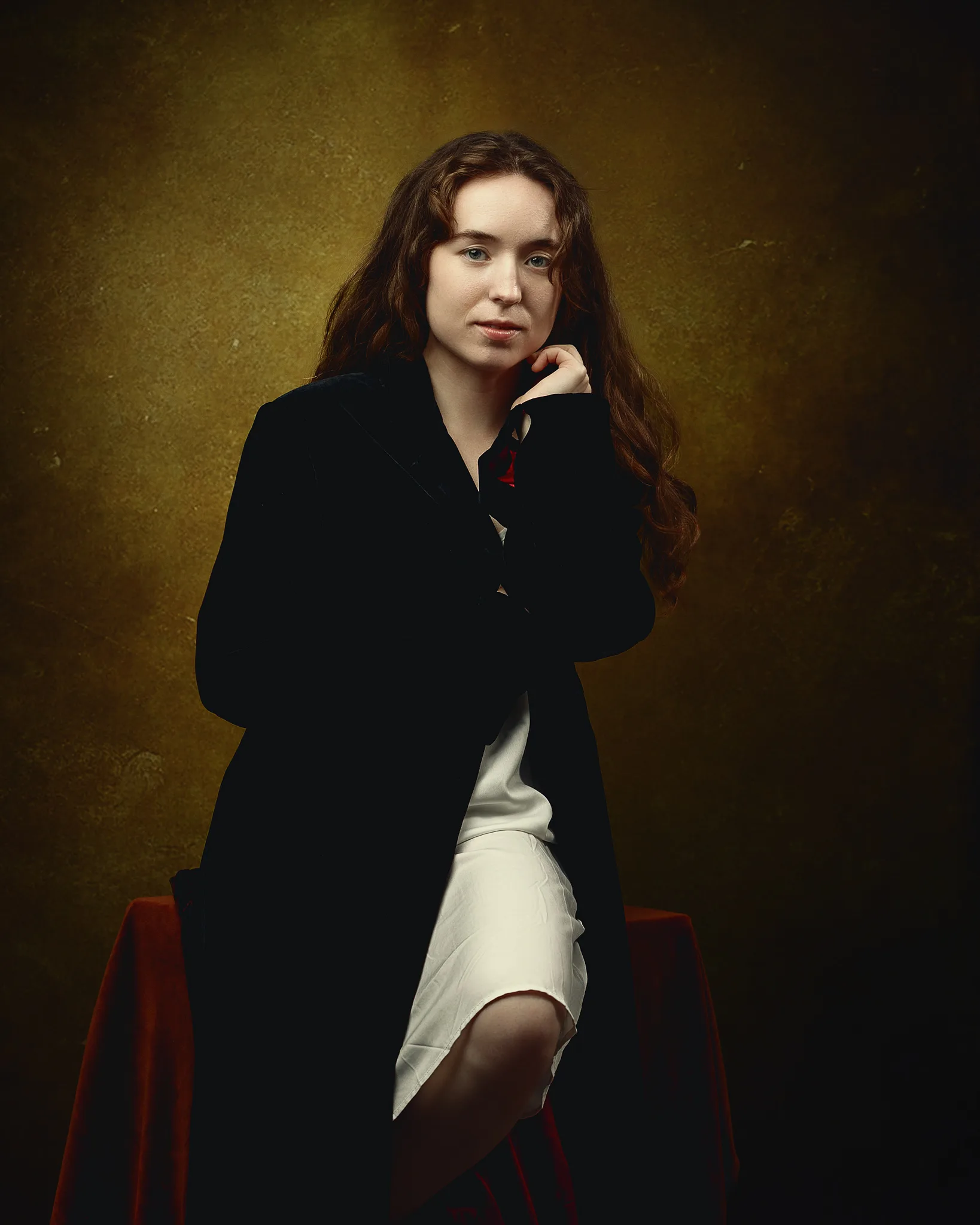
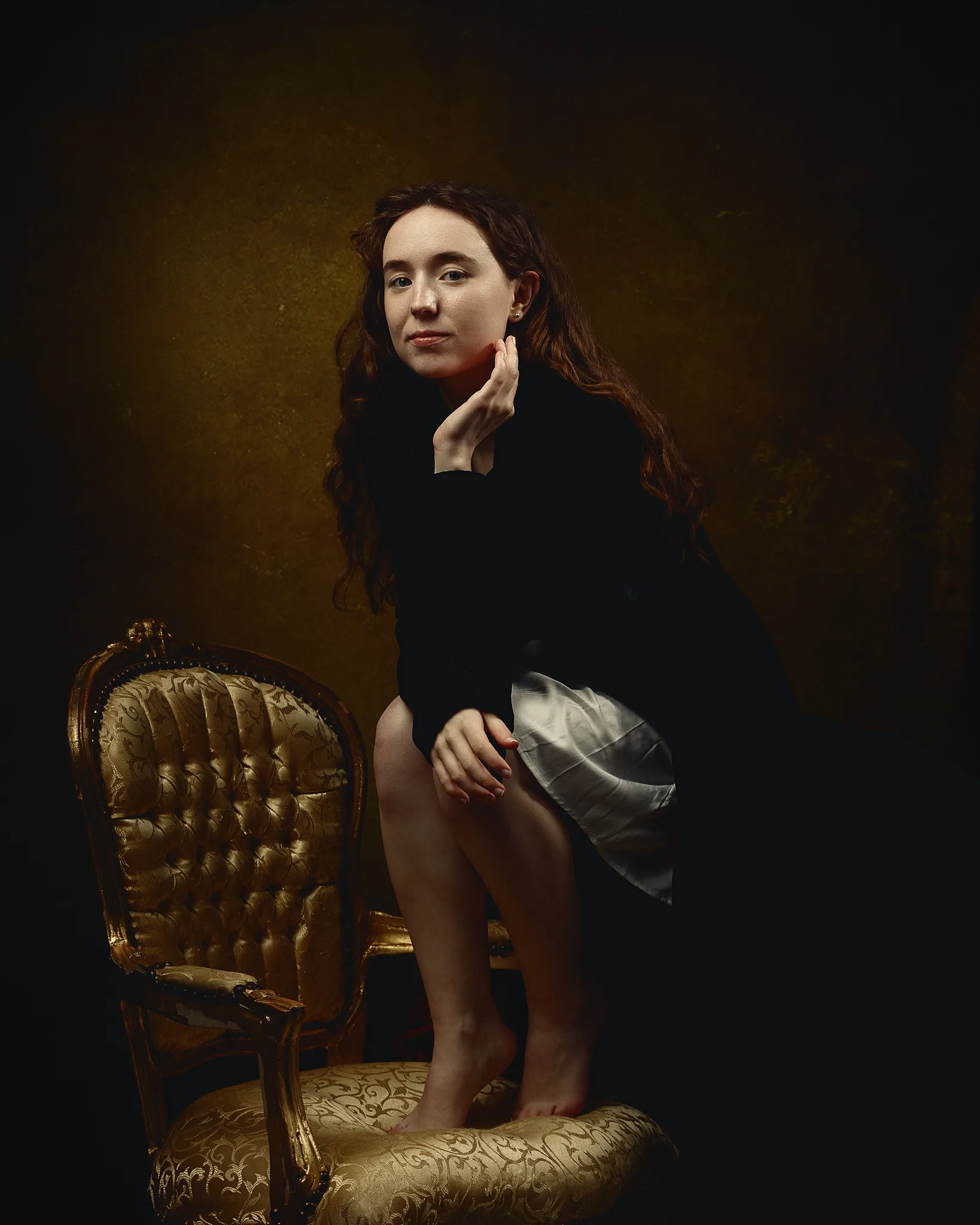
Leona wore a long white nightgown for most of the session, styled to drape loosely and fall off the shoulder rather than sit fitted or structured. That was a deliberate choice on both our parts. Lady Lilith is a painting about a woman fully aware of her own reflection, and we wanted the same quiet confidence without it ever tipping into anything inappropriate. Everything stayed implied rather than shown, which mattered to me as much as it did to her. Rather than working through separate outfit changes, we built variation into the session a different way, standing and seated poses, and backgrounds with different cloth textures brought in and built up behind her as we went. For lighting, I used a large softbox, 120cm, positioned camera left, which gave a soft, wrapping light. I leaned on the inverse square law deliberately here, positioning it close enough that the falloff did real work, giving us that gradual light to dark that Rossetti’s paintings rely on rather than anything flat.
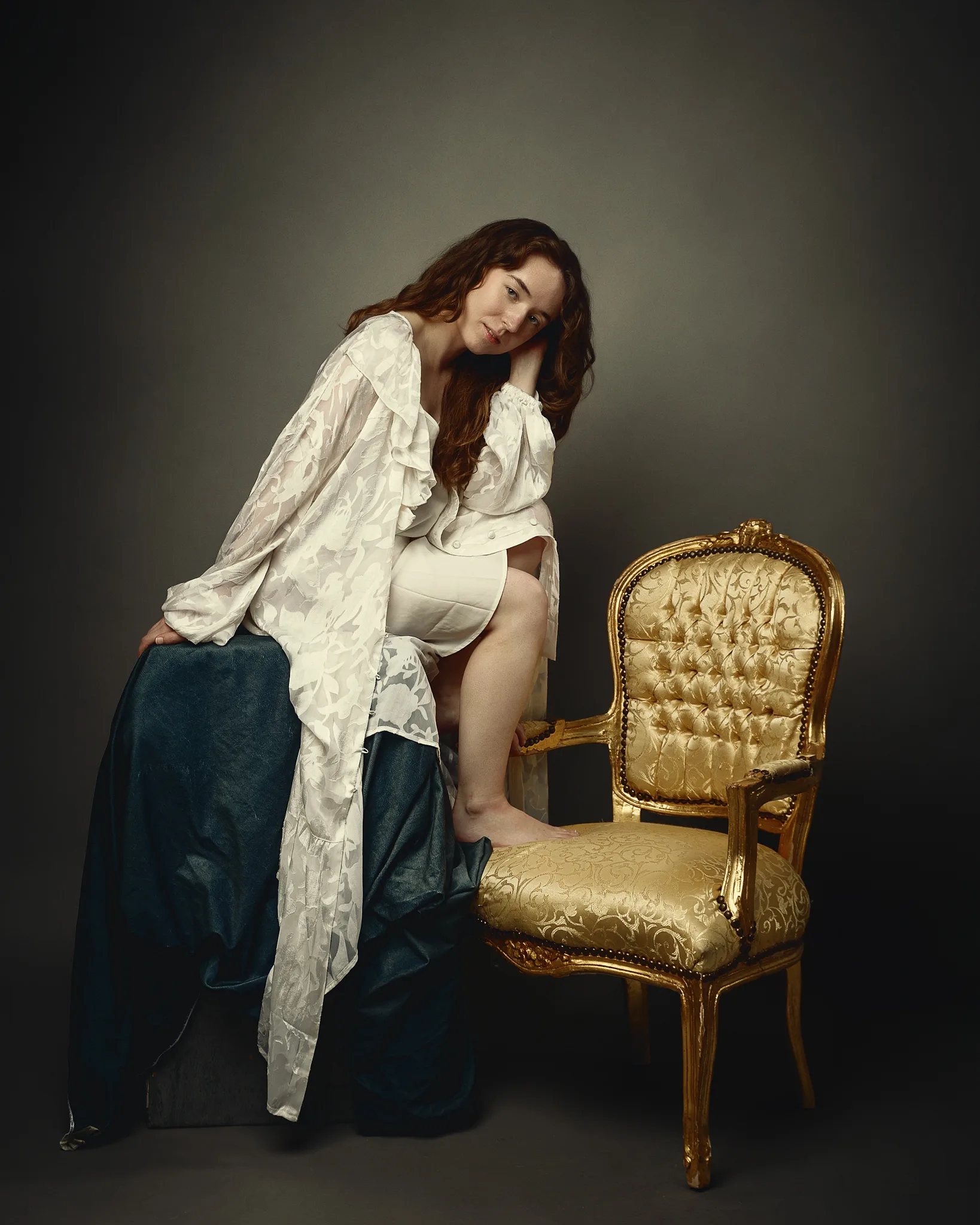
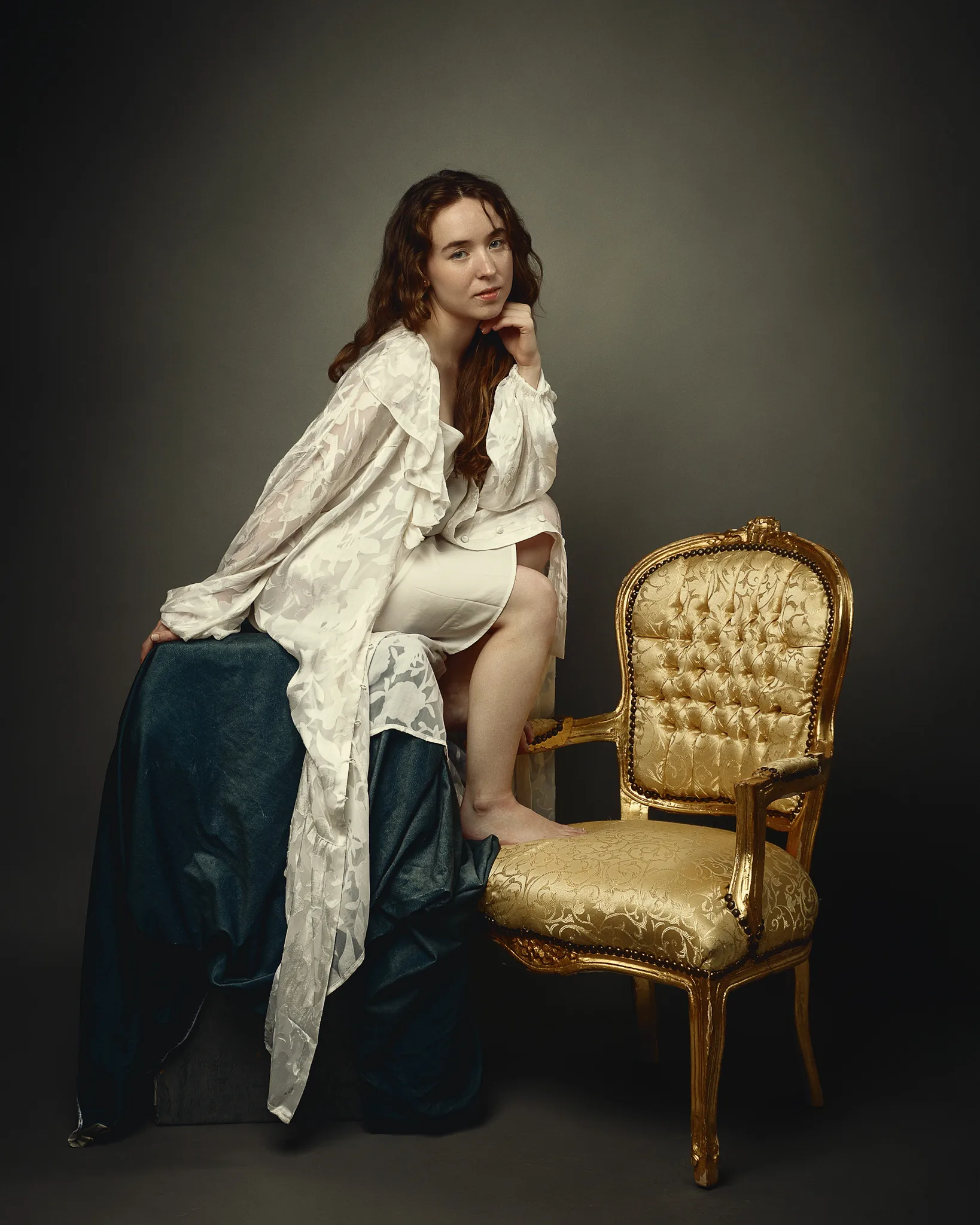
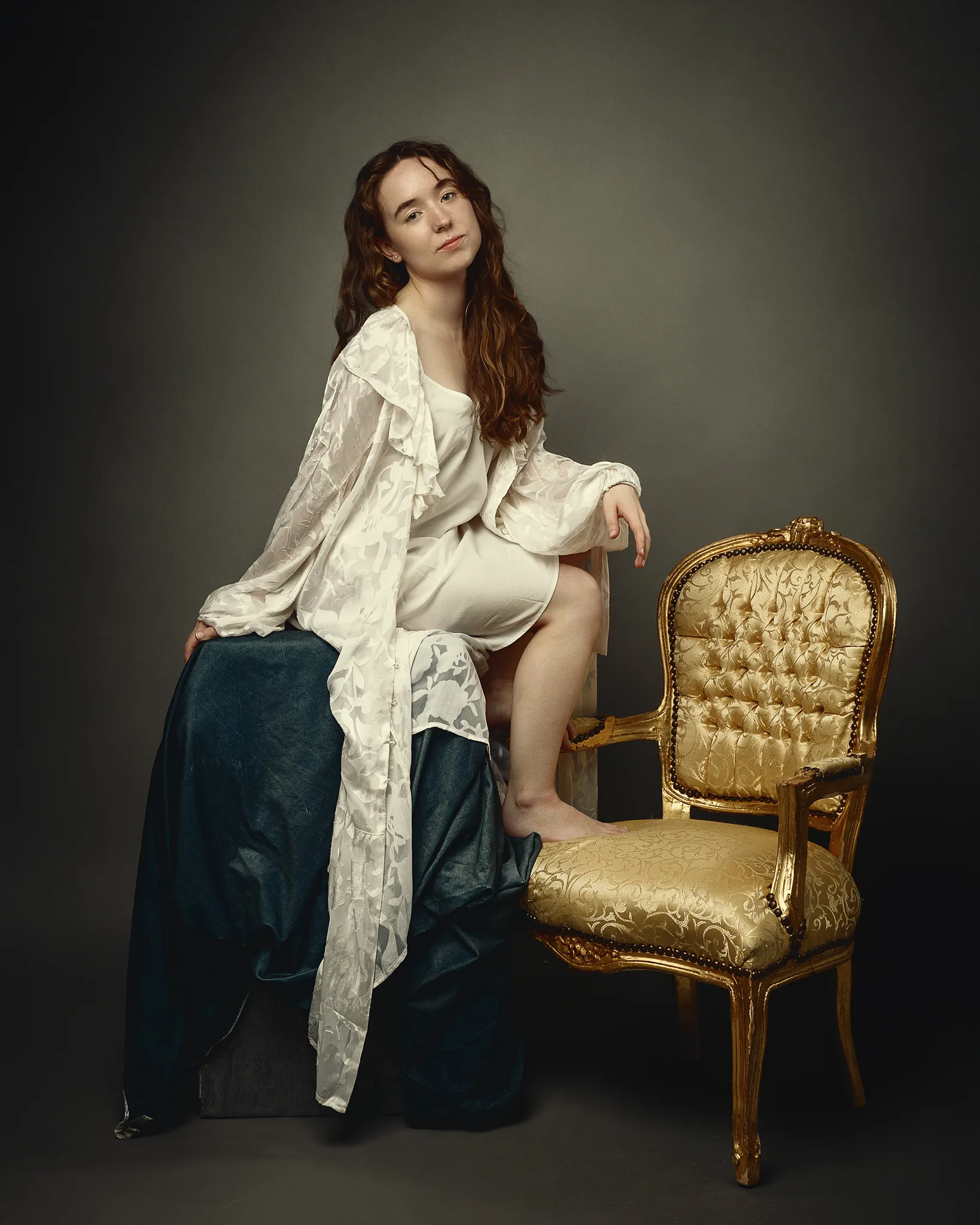
Jane Morris, the Muse Behind It
Lady Lilith gave us the visual language for the shoot, but Jane Morris was there too, in a quieter way. Rossetti painted Jane Morris over and over across years, and what made those paintings work wasn’t just her face, it was the trust and familiarity built up between an artist and a model who returned to each other again and again. That felt like the more honest reference for what was actually happening in my studio. Leona and I have worked together since January 2025, across a good number of sessions by now, model portfolio work, a Celtic themed shoot, one session where the styling drifted into Vermeer’s Girl with a Pearl Earring almost by accident. This wasn’t two people meeting a painting for the first time. It was two people who already knew how to work together, applying that to a new idea. These images were only ever inspired by Rossetti’s paintings, never an attempt to reproduce them exactly, and we took plenty of artistic licence along the way.
Why This Kind of Photograph Still Works
This isn’t the first time a photographer has borrowed from Pre-Raphaelite painting either. Julia Margaret Cameron was doing something similar with a camera back in the 1860s, staging literary and allegorical scenes, softening focus on purpose, more interested in mood than technical polish. What she understood, and what still holds up, is that these paintings were built around light, gesture and story rather than likeness alone. That’s the part worth chasing in a studio now, not a costume recreated stitch for stitch.
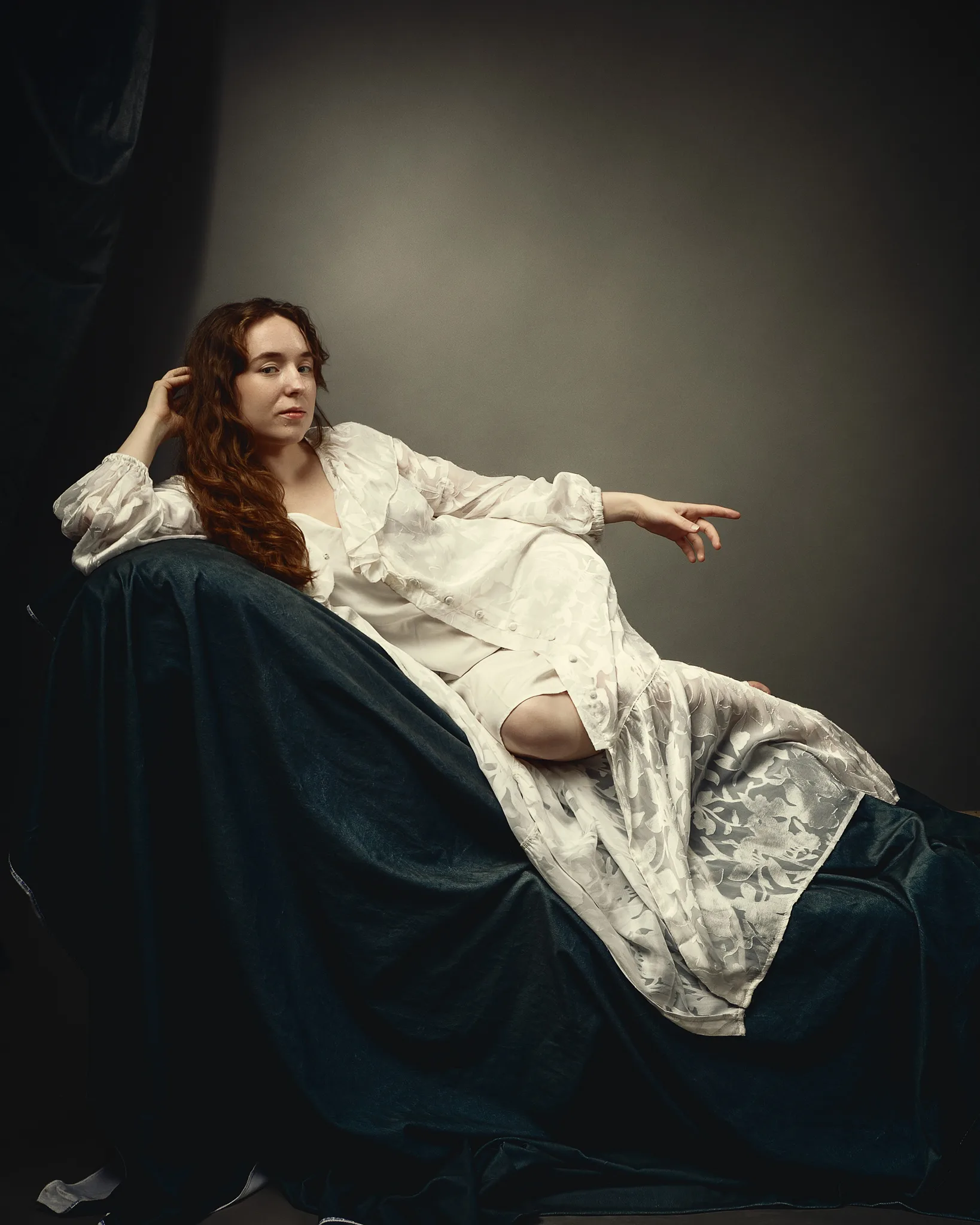
Same Painting, Different Photograph
I could look back at my lighting notes from Polly’s session and borrow from them, and I did, but that’s where the similarity ends. Two different people in front of the same painting will never produce the same photograph, and that’s exactly as it should be. The images from this session are entirely Leona’s own, shaped by how she moved, how she held the pose, and what she brought to the idea, not a repeat of something I’d already made.
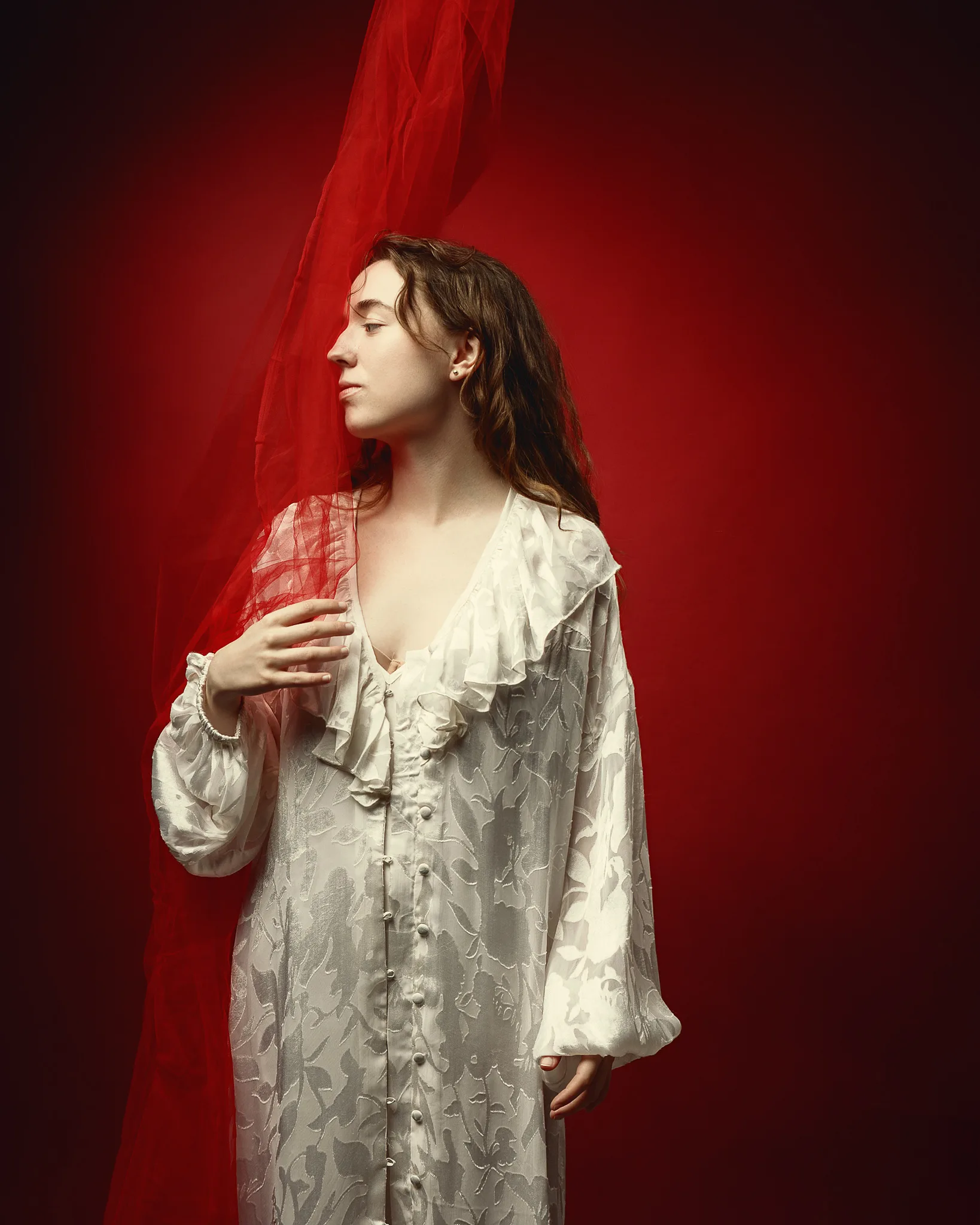
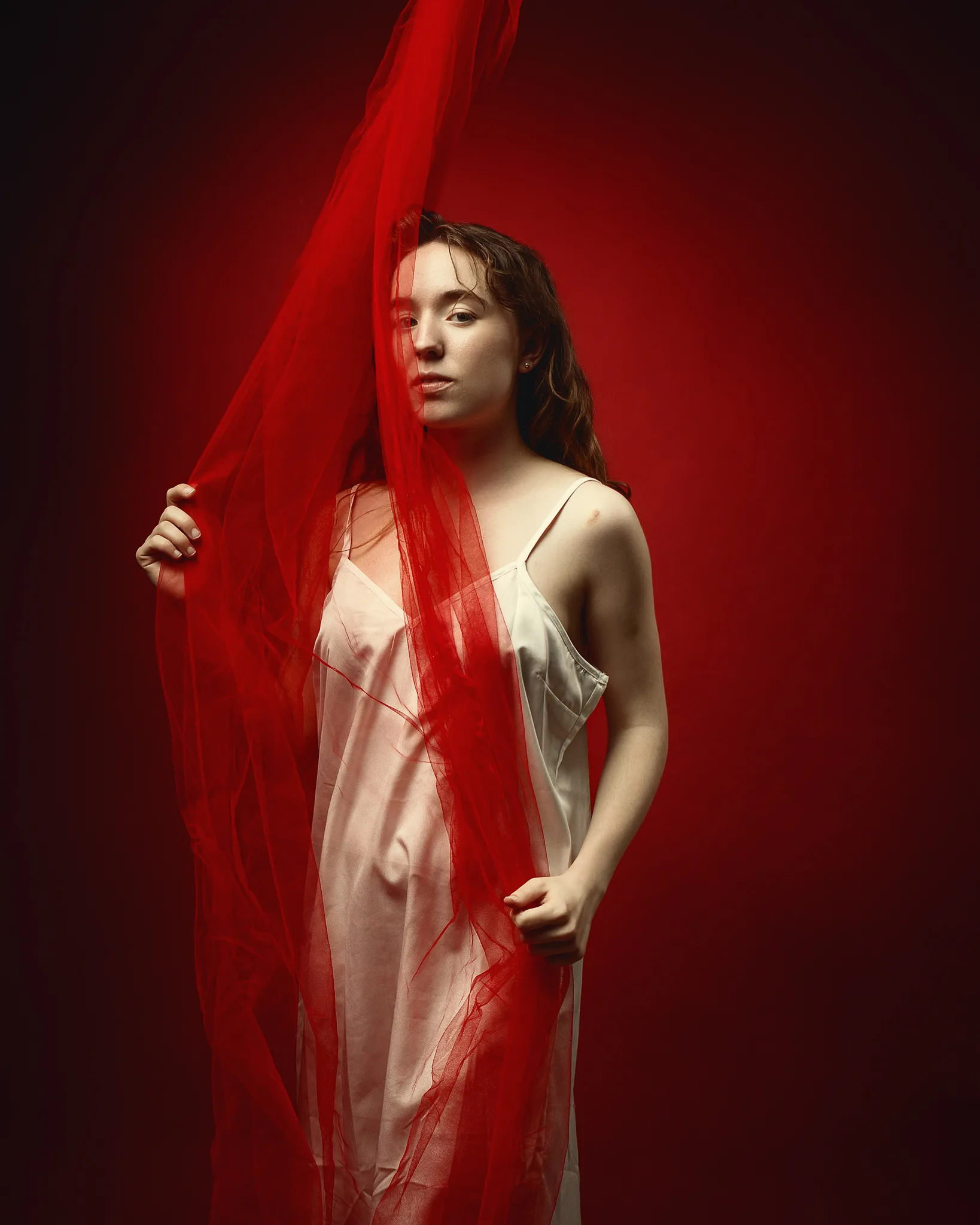
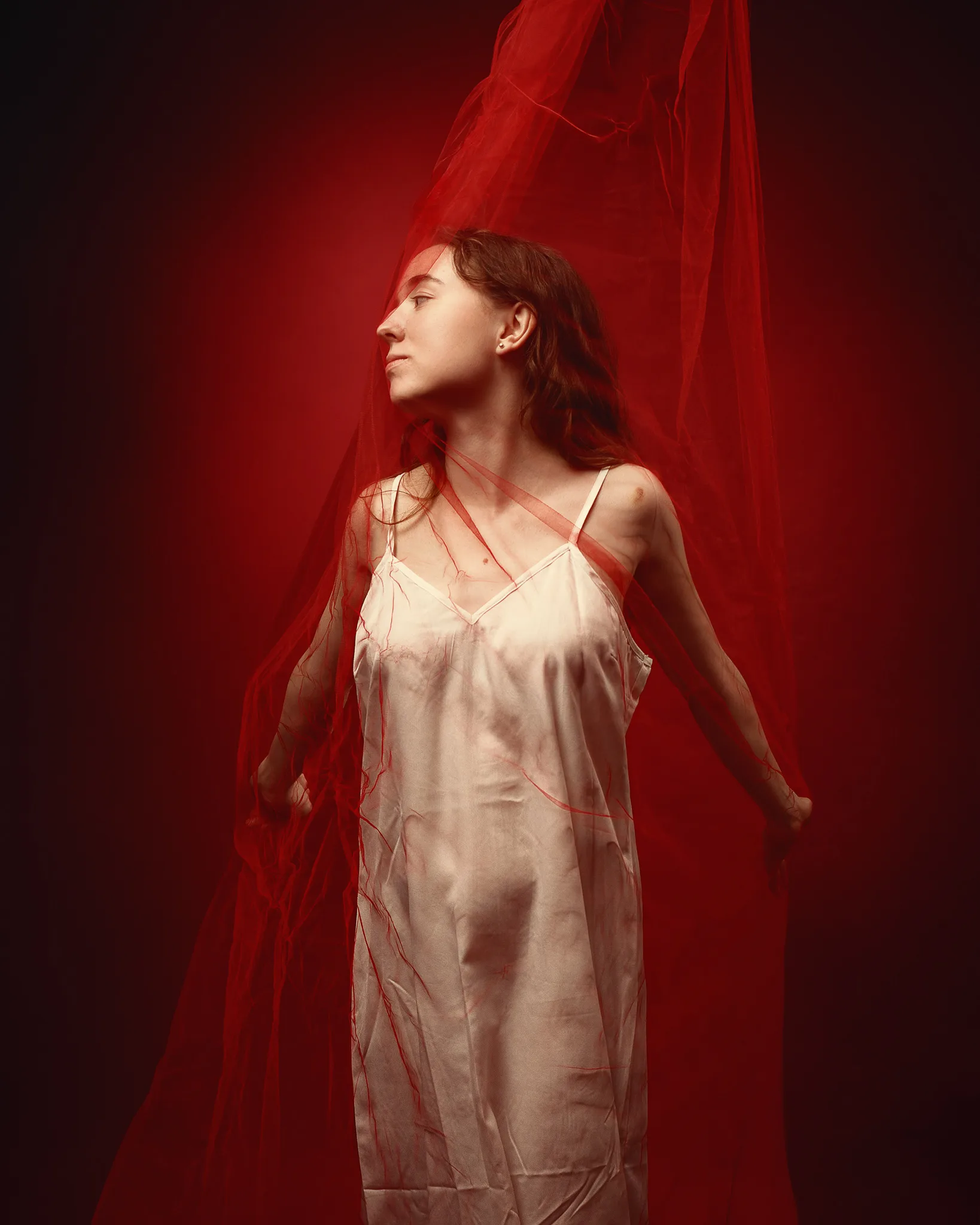
If You Fancy Something Similar
I get asked fairly often whether a themed session like this is only for experienced models, and it isn’t. What matters more is having a reference you actually care about, whether that’s a painting, a film, a decade, or something more personal, rather than picking a theme because it sounds impressive. The strongest sessions I’ve done in this vein have all started with someone bringing me an idea they were genuinely attached to, the way Leona did here.
A Note on Model Safety
I don’t touch a model to adjust a pose. If something needs to change, I say so or show it from a distance, never with my hands. I always offer a model the chance to bring someone with them, a friend, a partner, whoever they’d feel comfortable having there, before the shoot even starts. Leona has modelled with me for a long time now, and this time she came on her own. I’d still rather she brought someone, and I say so every time, but I understand it as the kind of trust that builds up over a lot of sessions together, and I take it as a compliment rather than something to wave through lightly. For anyone newer to this, or anyone who doesn’t know their photographer well yet, a chaperone should be the default, not an afterthought. If a photographer won’t allow one, or makes a model feel awkward for asking, that’s a serious red flag and worth walking away from. A model’s safety isn’t something to negotiate on the day. It should be settled and clear before a camera comes out.
Suffolk Studio Sessions Like This One
This session was shot at my studio at Base Business Park in Rendlesham, the former RAF Bentwaters site near Woodbridge, and I work with models and clients across Suffolk, Ipswich and the wider East Anglia area. If a themed or art inspired session appeals to you, whether that’s Pre-Raphaelite painting or something else entirely, I’m always glad to talk it through.