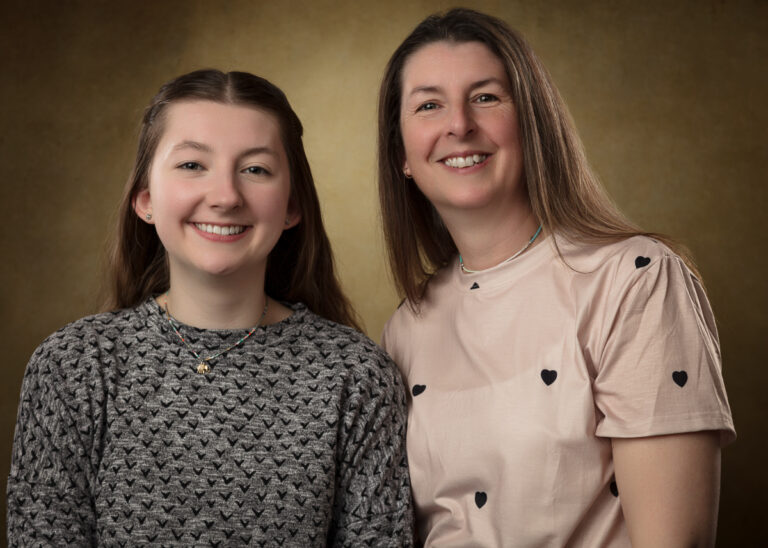
Some clients come to the studio because they need one specific image for one specific purpose. Others return over time as their work, confidence, style, and professional direction develop. Ella falls very much into the second category.
This recent headshot and promotional photography session was Ella’s fourth visit to my studio at Bentwaters, near Woodbridge in Suffolk. Over the last six years, she has returned roughly every 18 months or so to update her profile image and create fresh promotional photographs for her social media, website, performer profiles, casting material, and professional use.
That kind of ongoing working relationship is something I value a great deal. It gives the shoot a different rhythm. There is already trust in the room, there is a shared understanding of how the process works, and the session can move much more naturally because we are not starting from scratch.
Ella has previously worked as a performer in different parts of the world, including at Disneyland Paris, and is now back in the UK and living in Wales. I had assumed that travelling to my studio in Rendlesham was quite a distance, although I later discovered that her boyfriend lives in Southend, which makes the journey a little more practical than I first thought. Even so, I never take it for granted when someone makes that effort to come back to the studio.
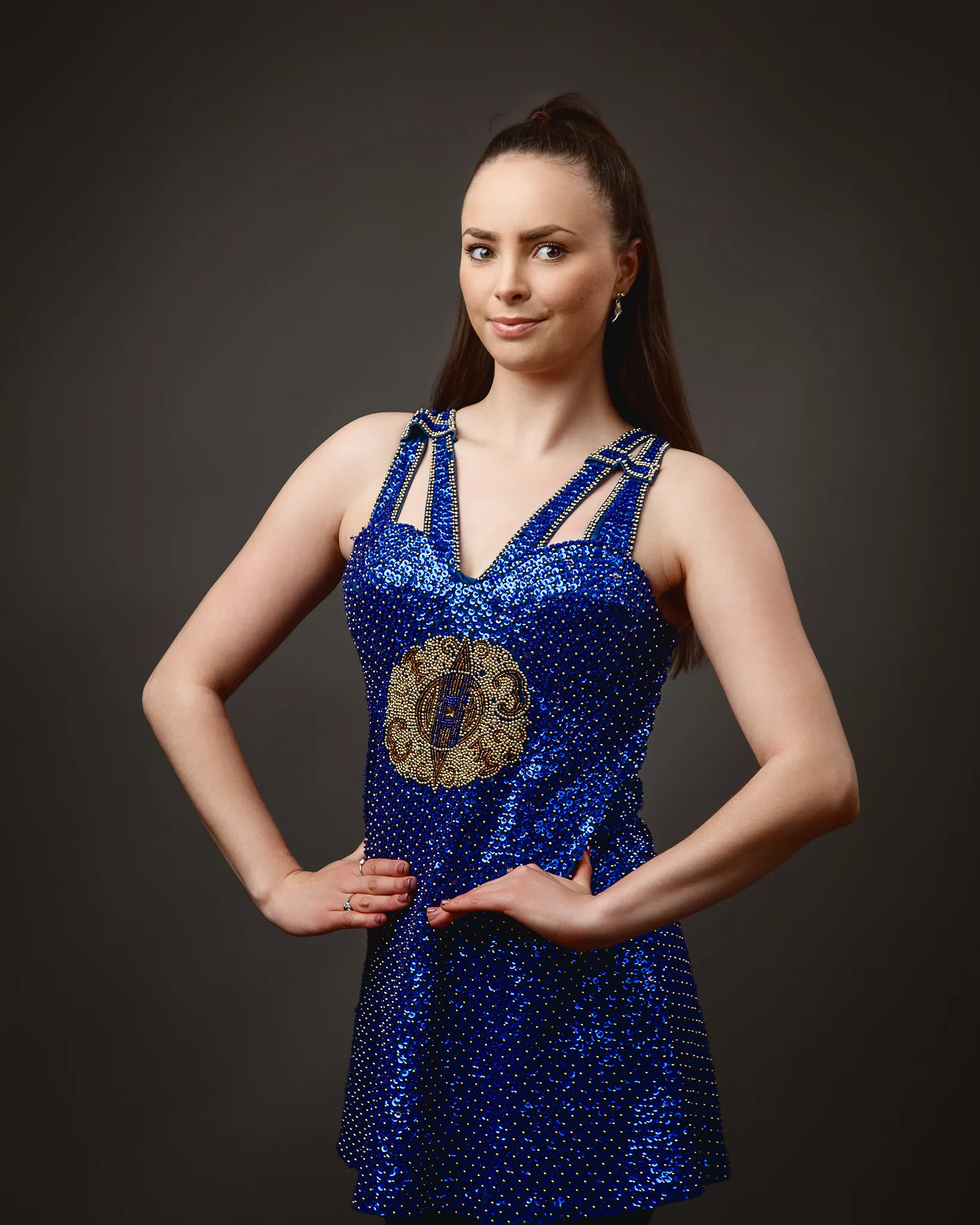
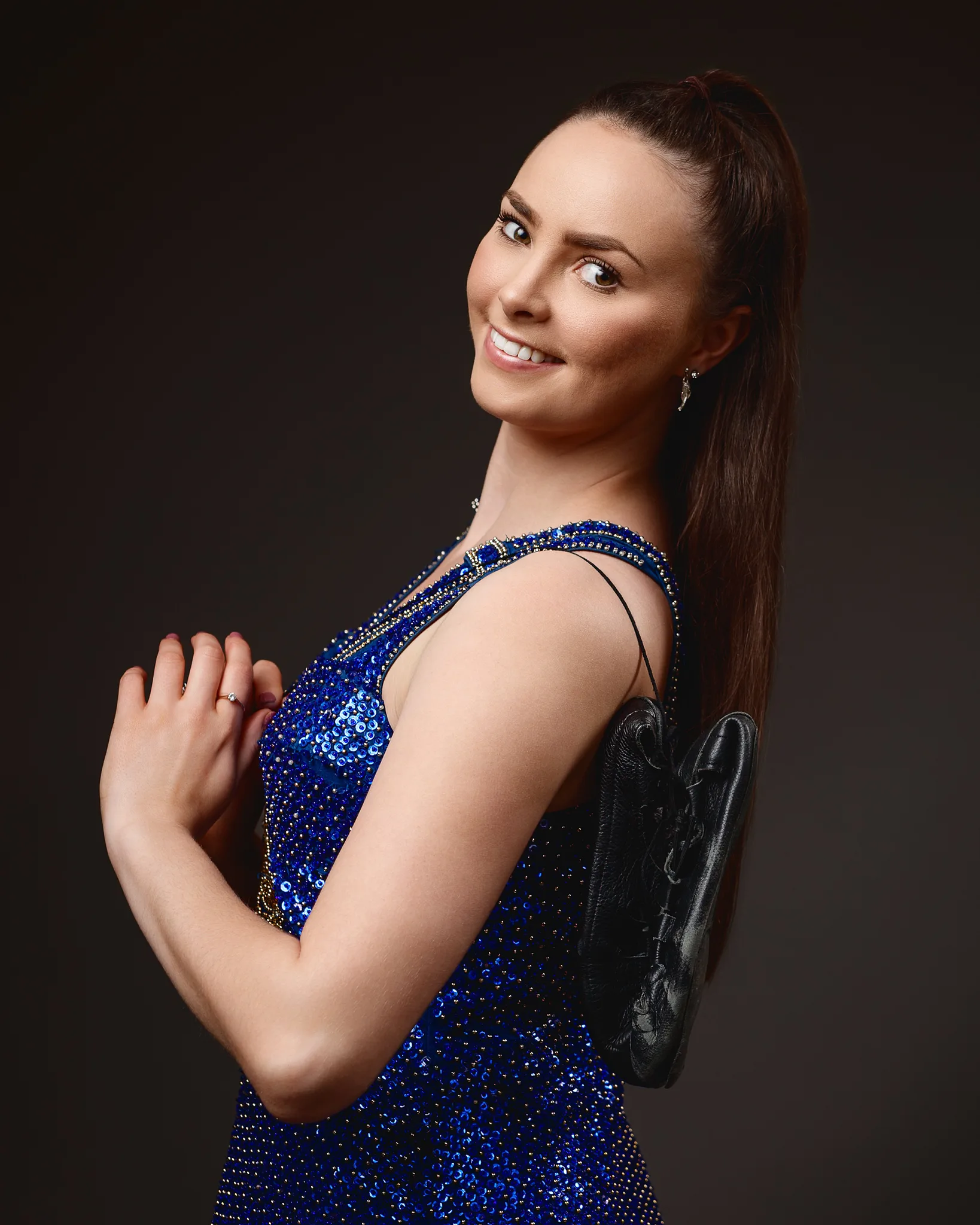
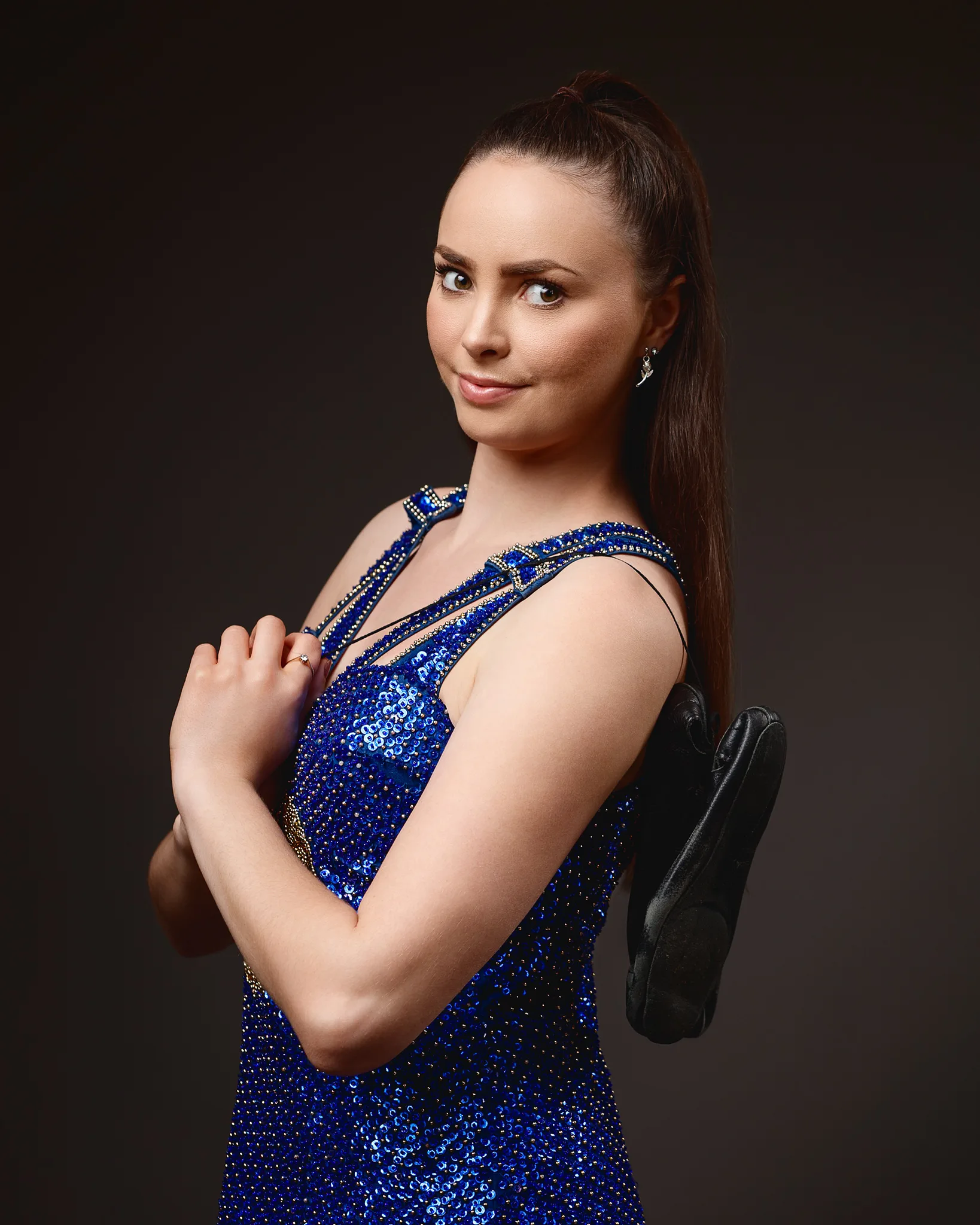
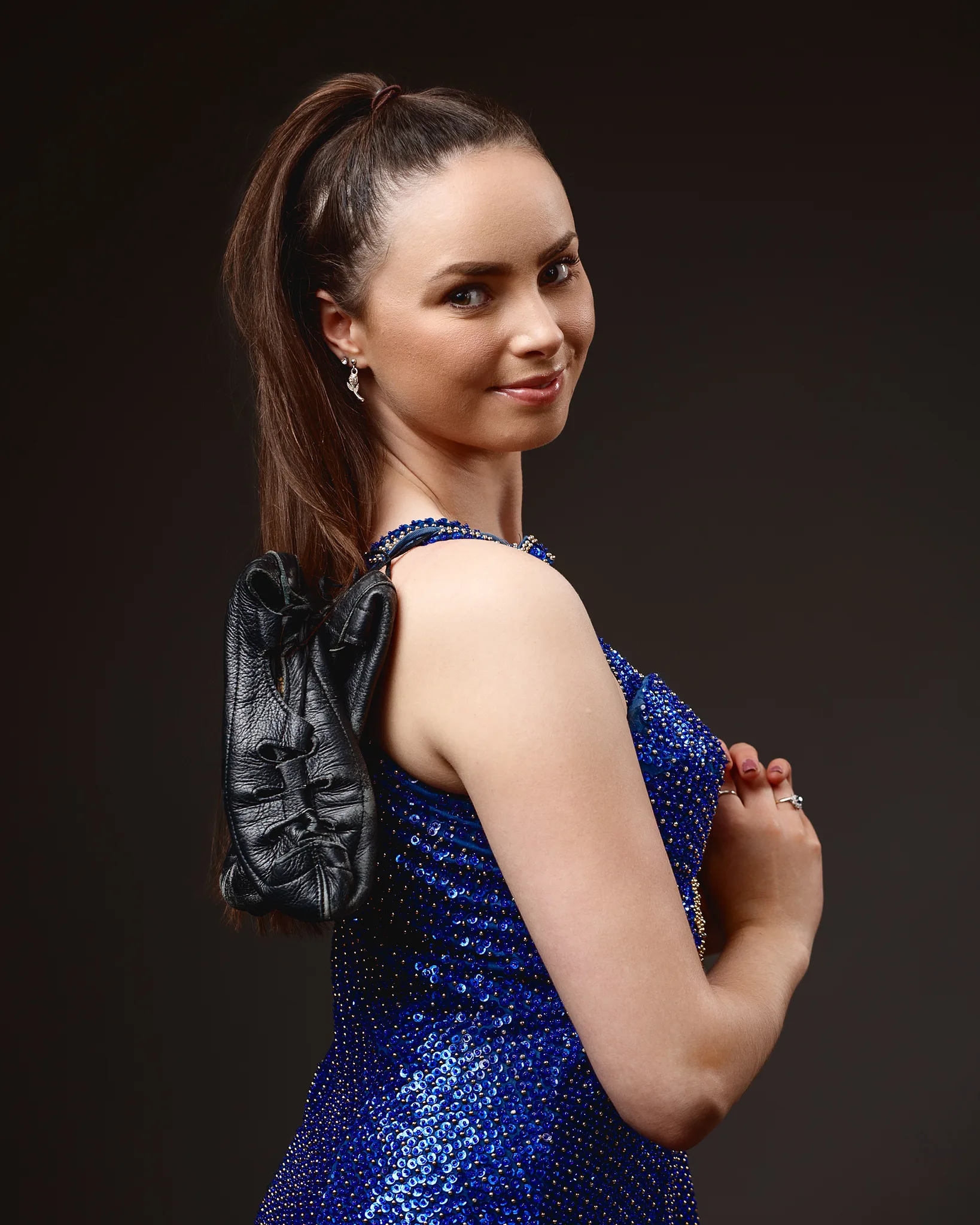
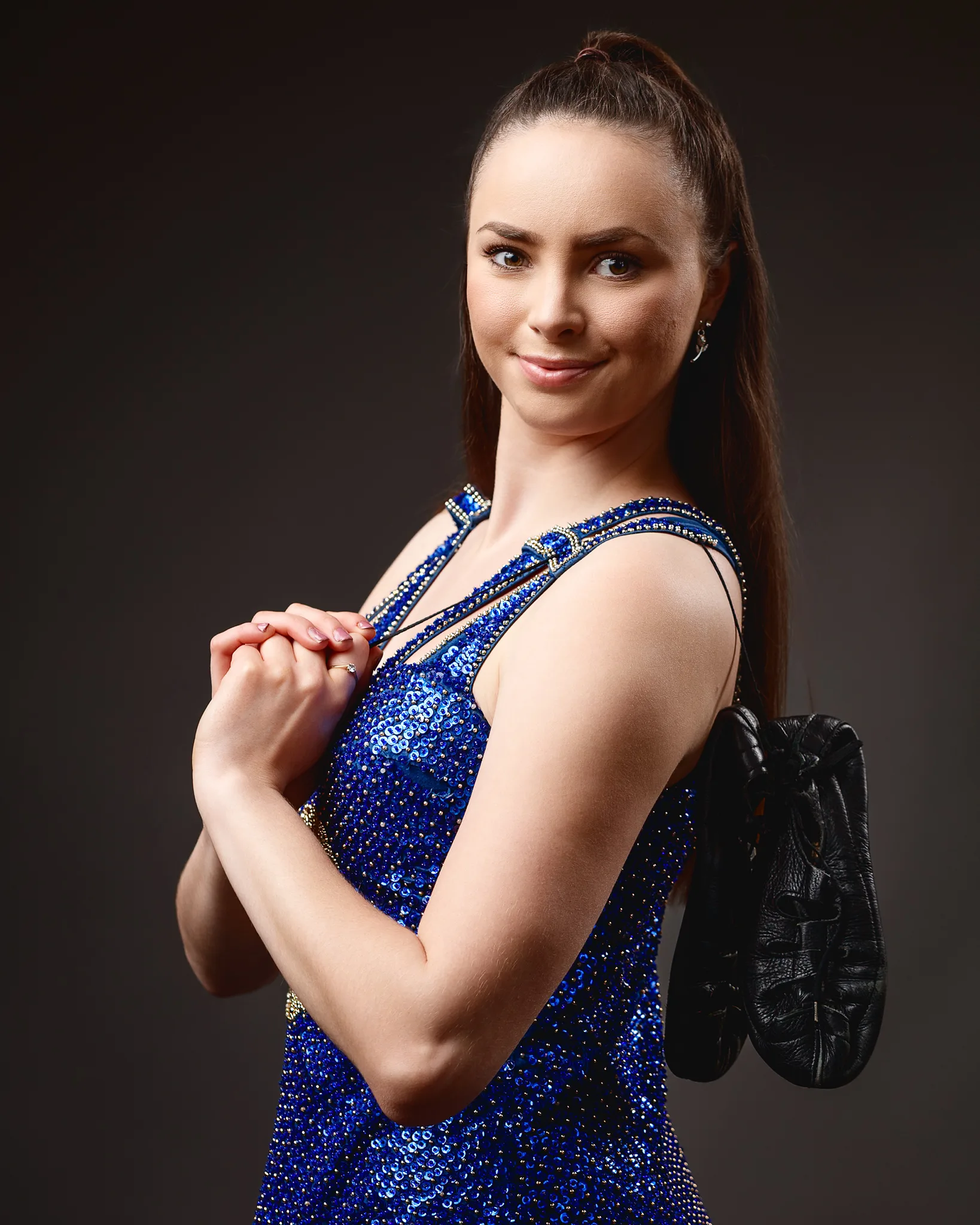
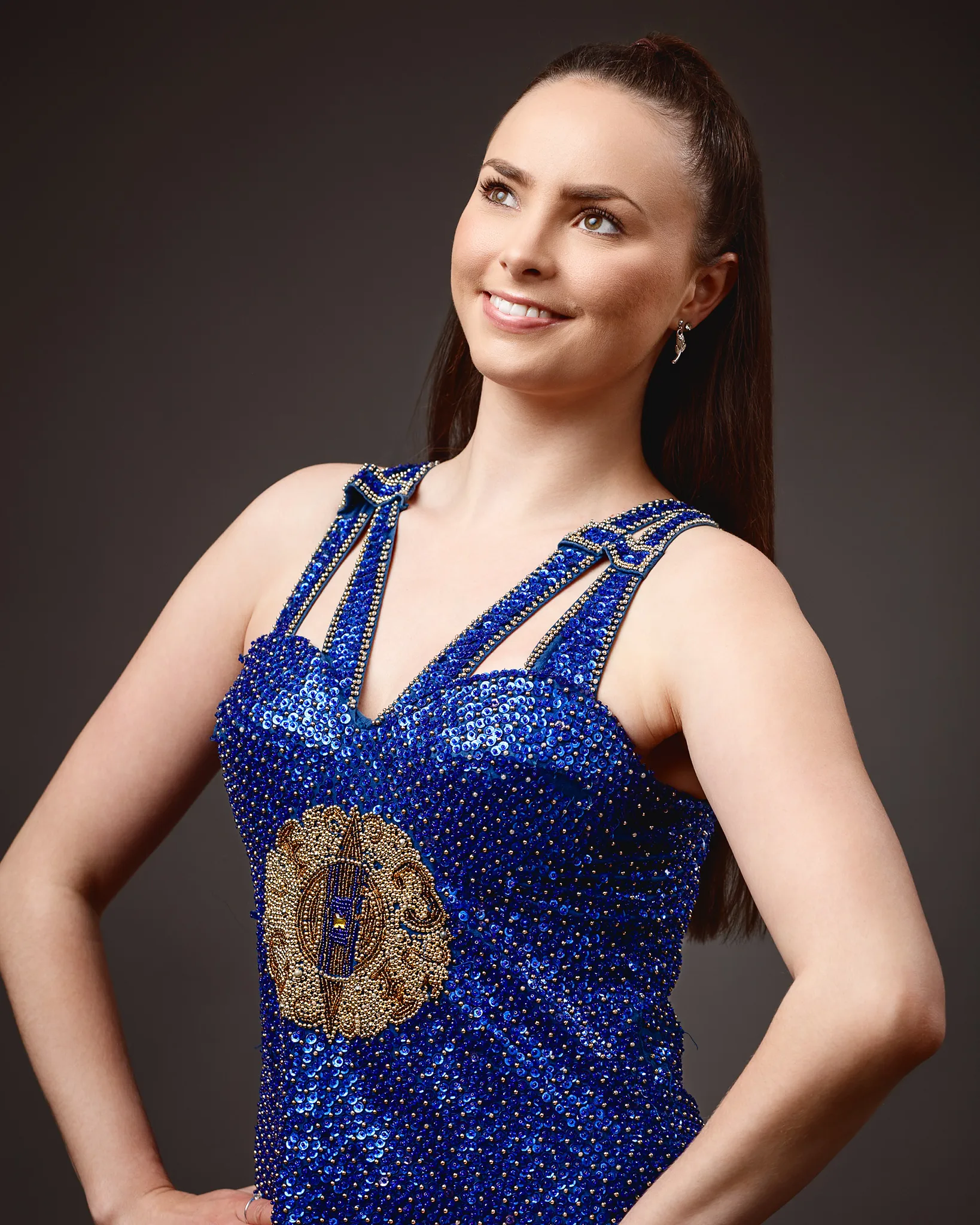
This session covered professional headshots, profile images, performer promotional photographs, Irish dance imagery, cabaret-inspired portraits, and country dance styling. It was a varied shoot, but it still had a clear purpose throughout: to create a flexible set of images Ella can use across different parts of her work as a dancer and performer.
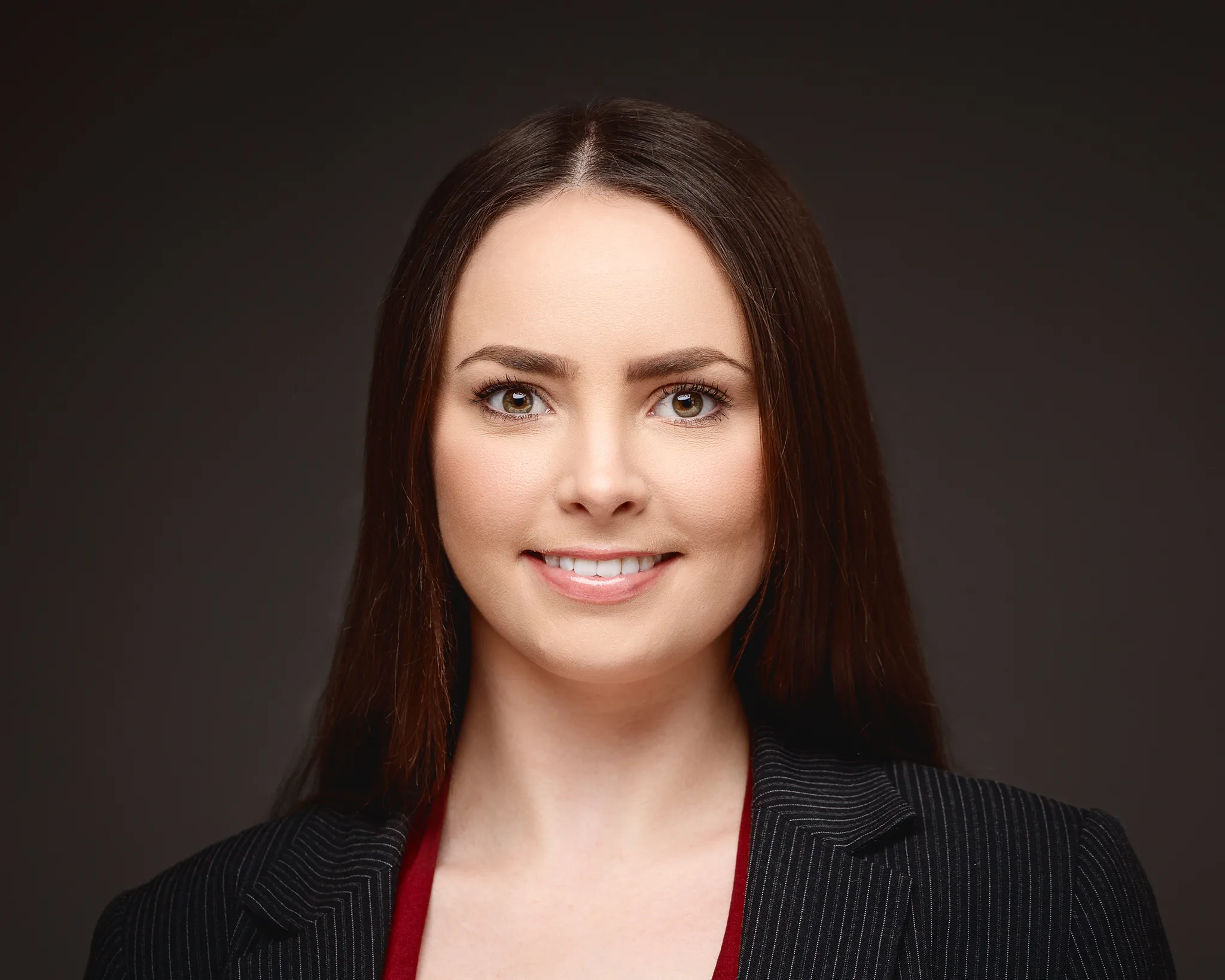
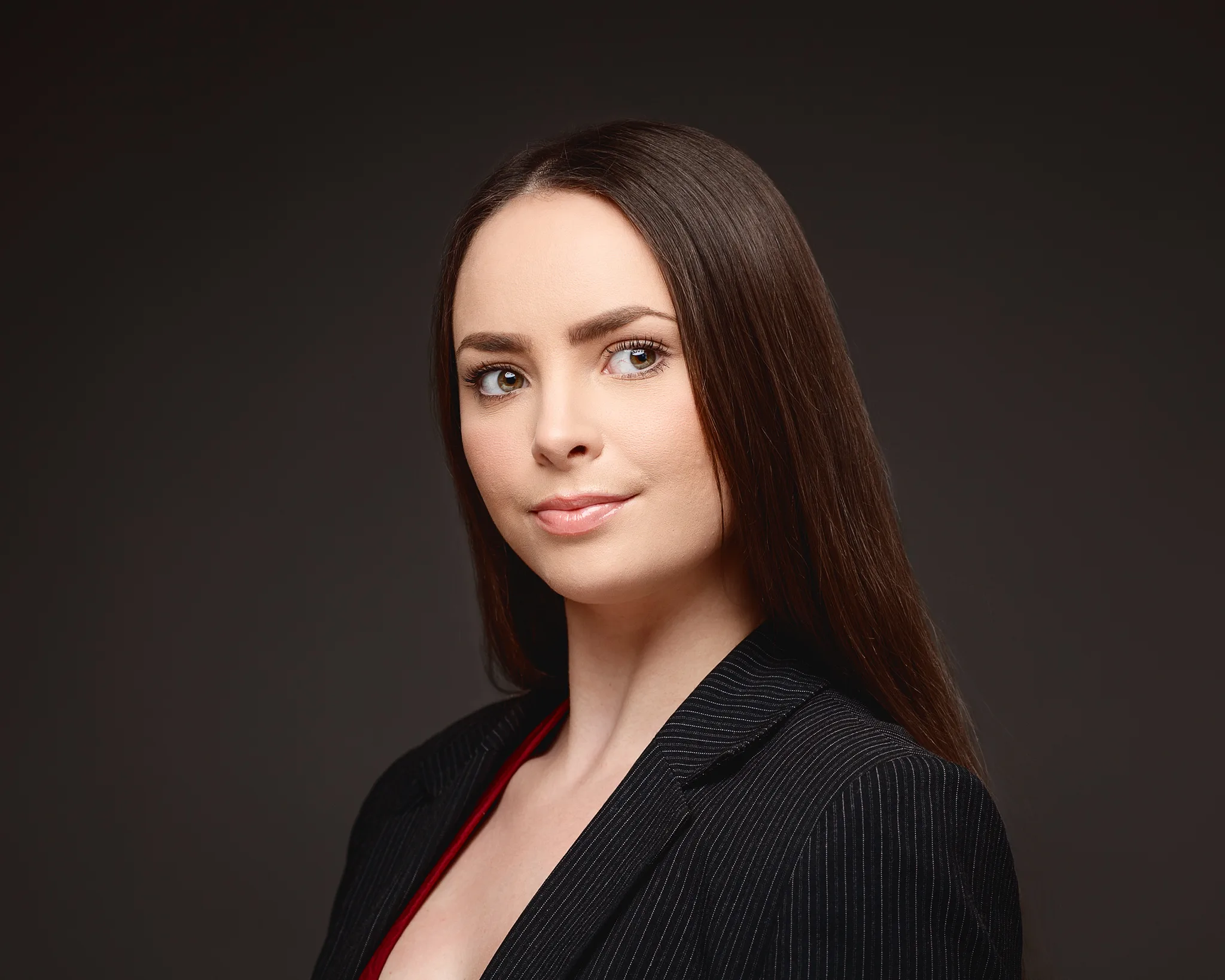
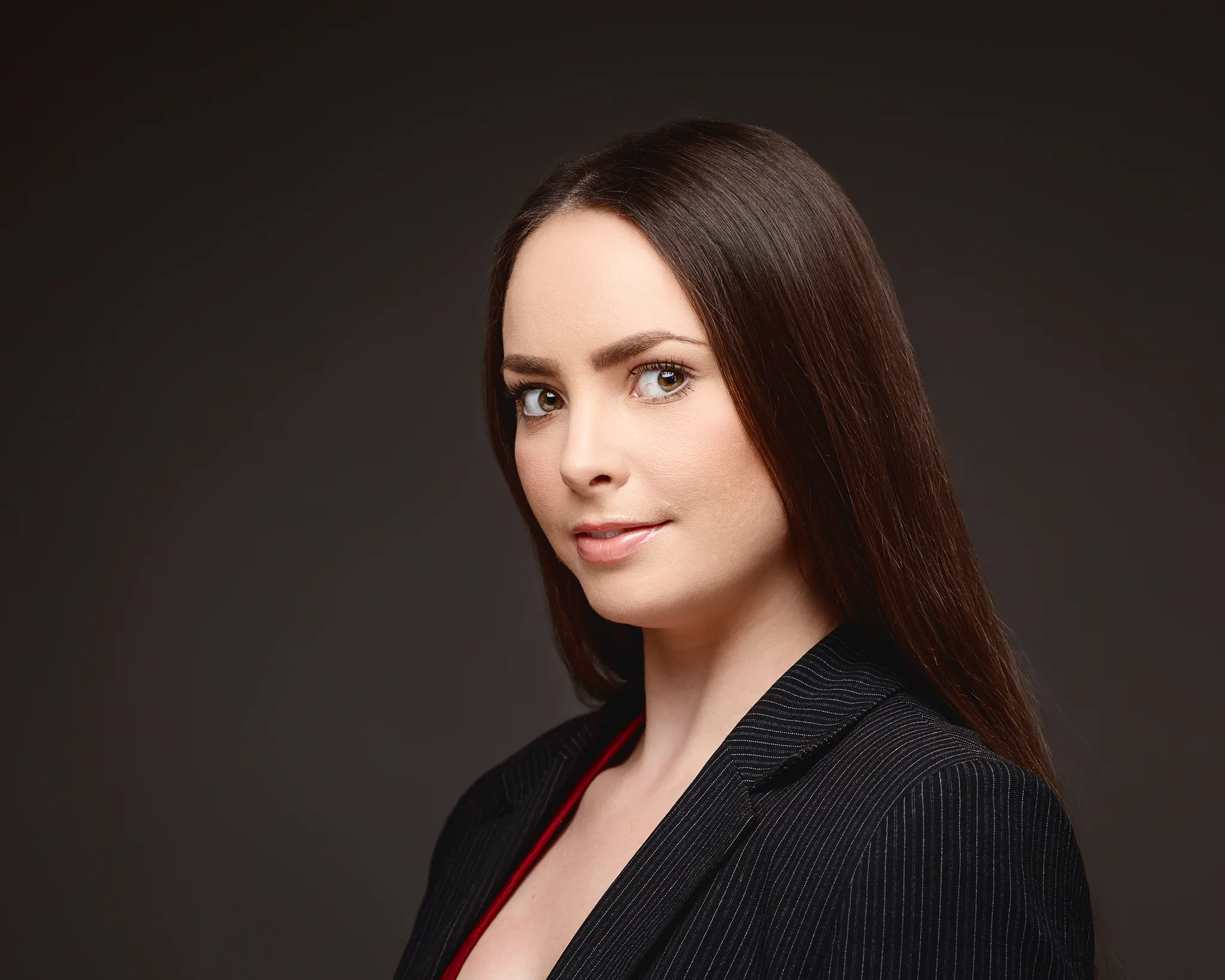
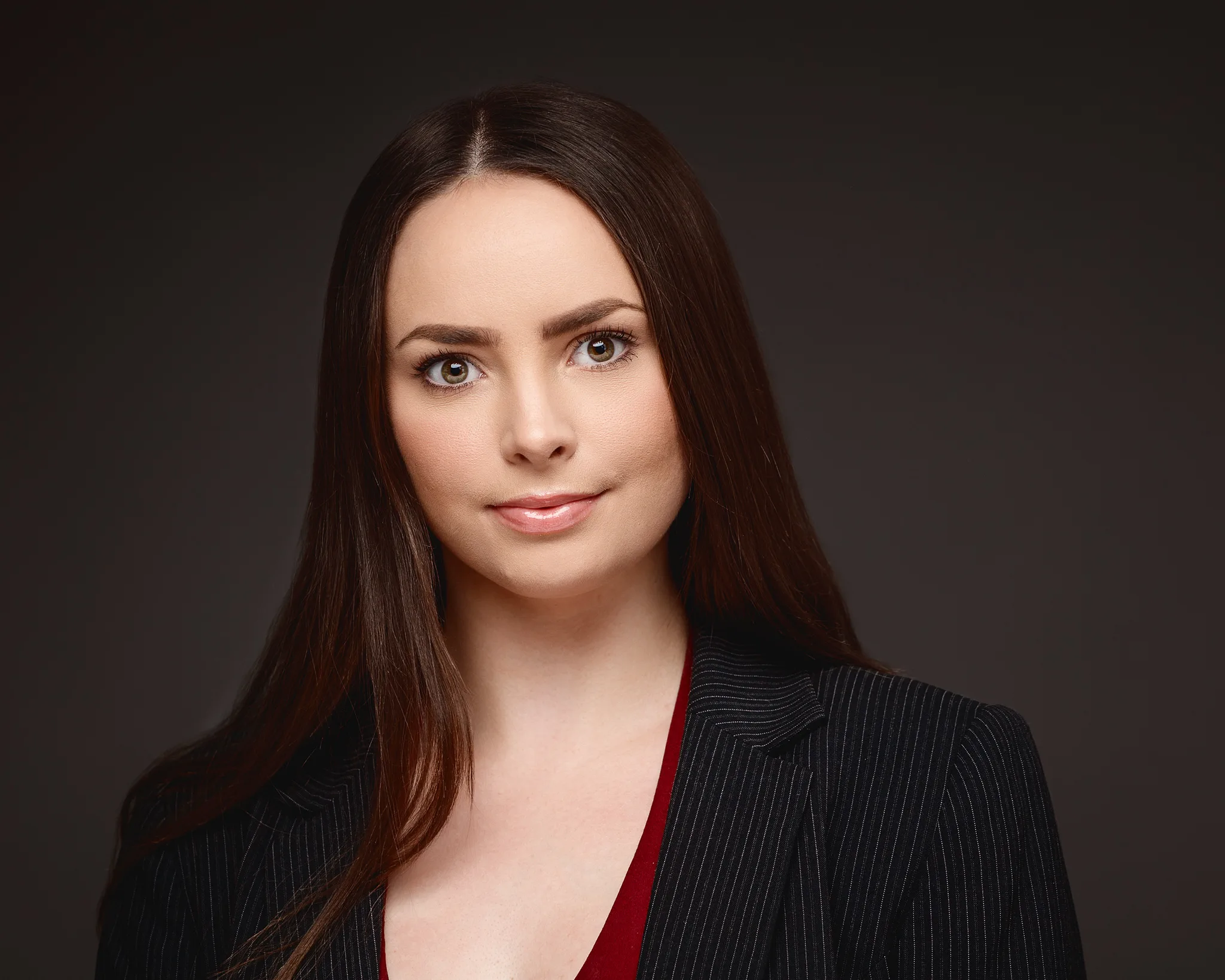
Updating Professional Headshots and Profile Images
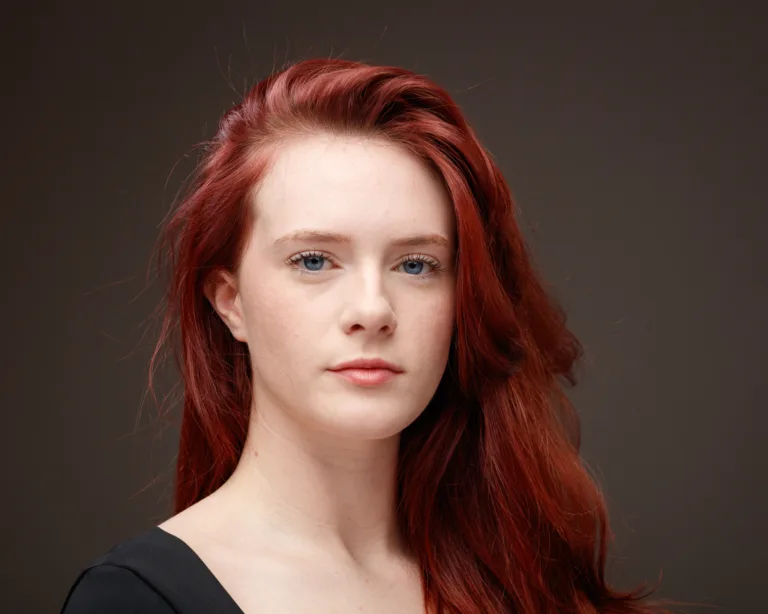
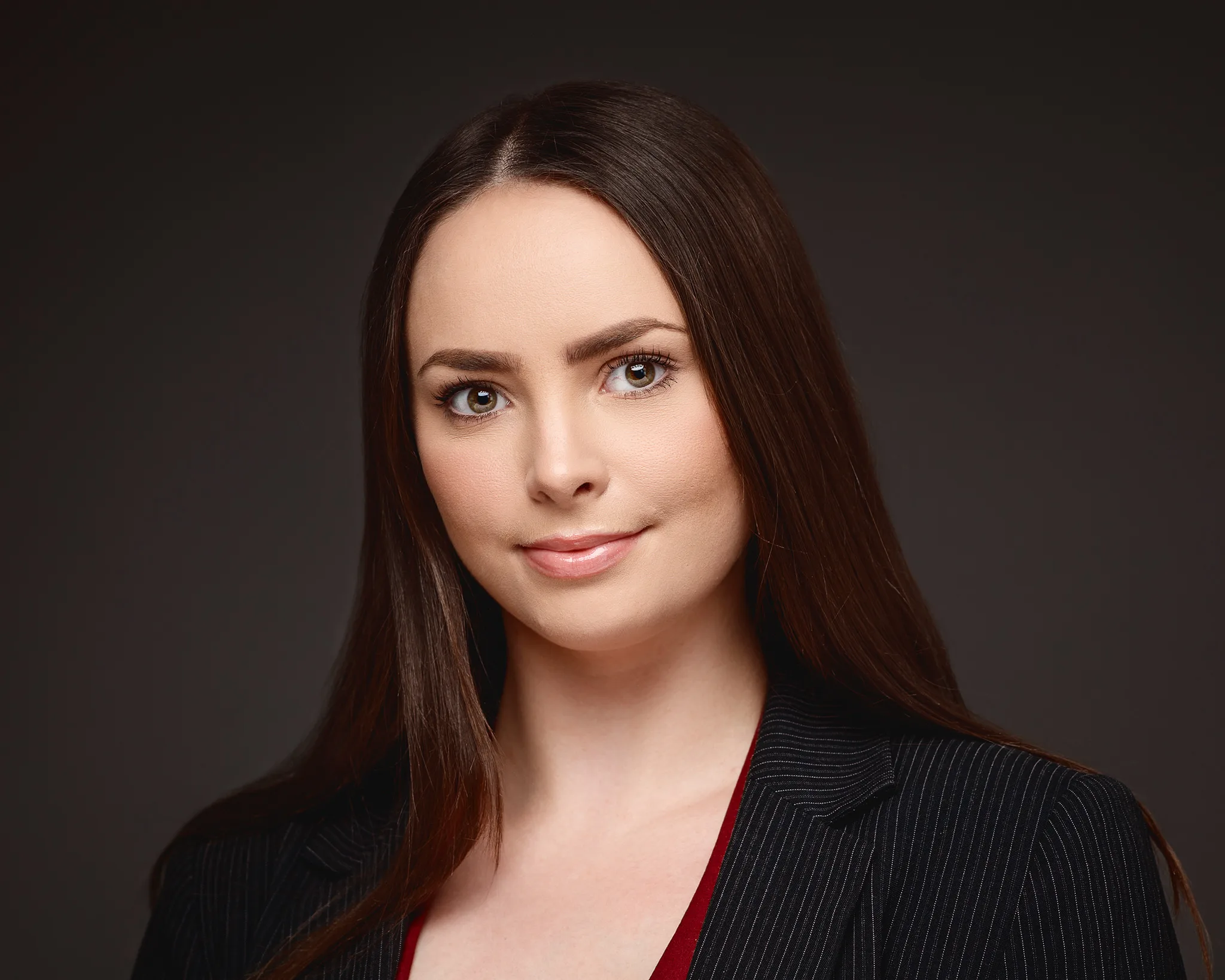
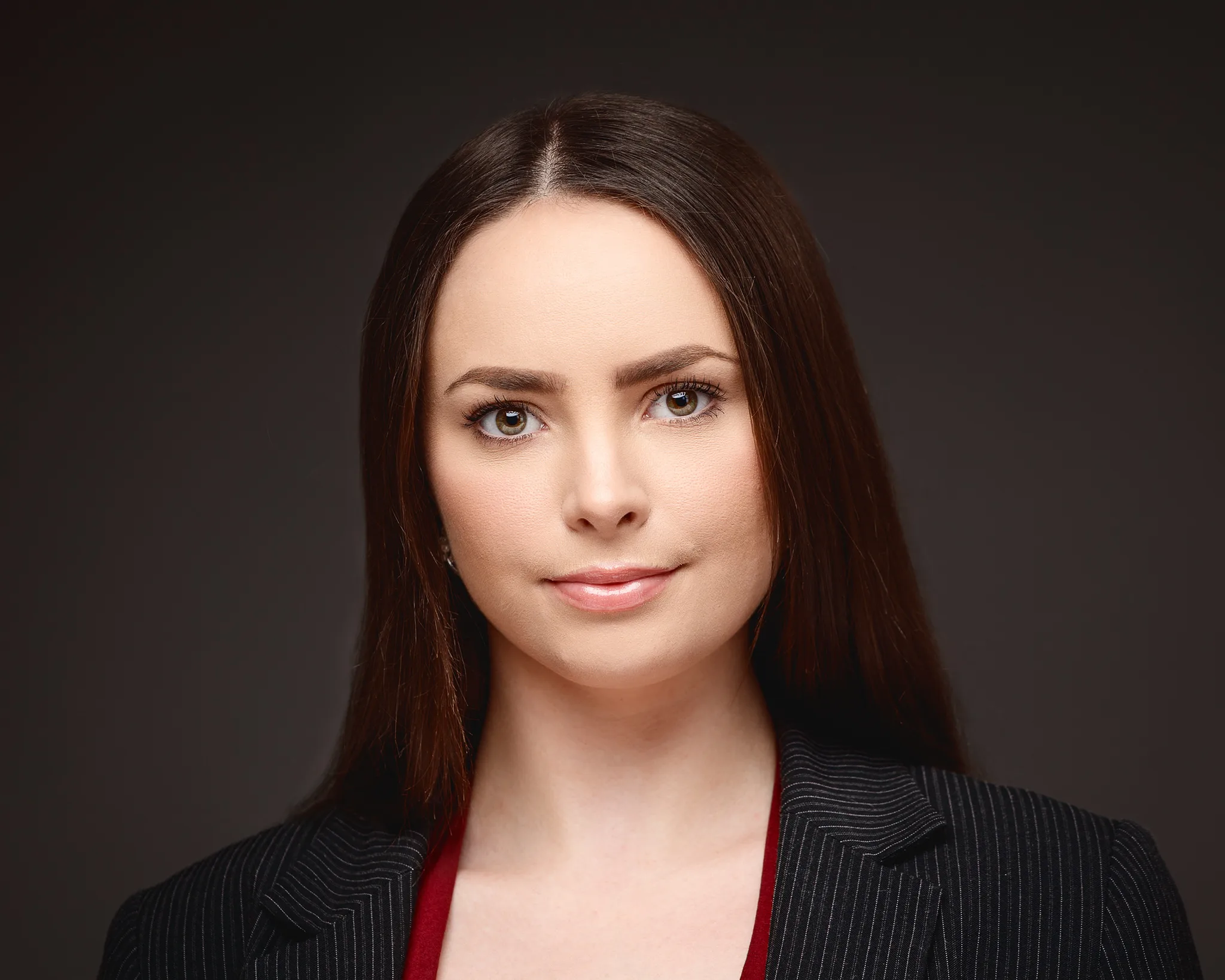
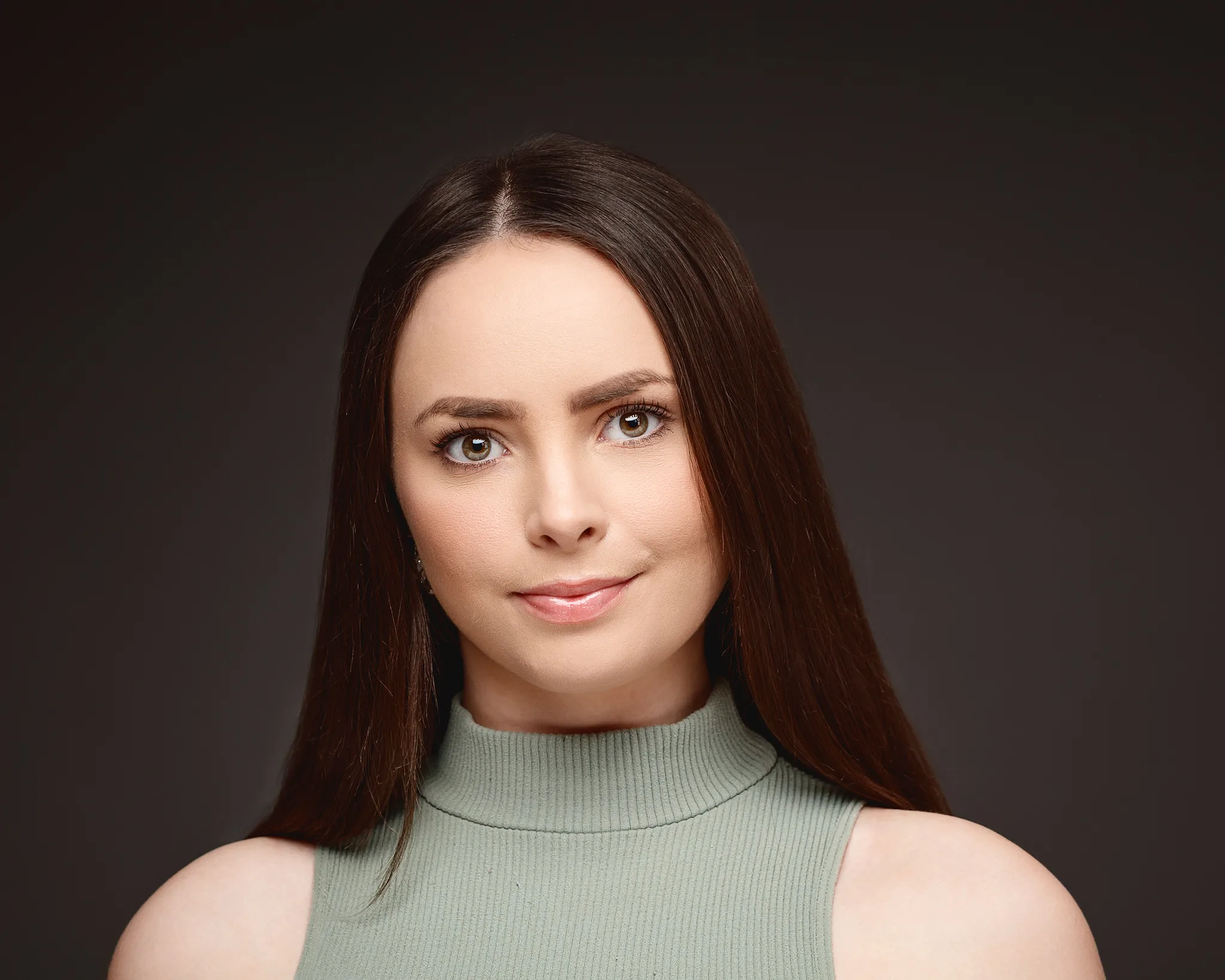
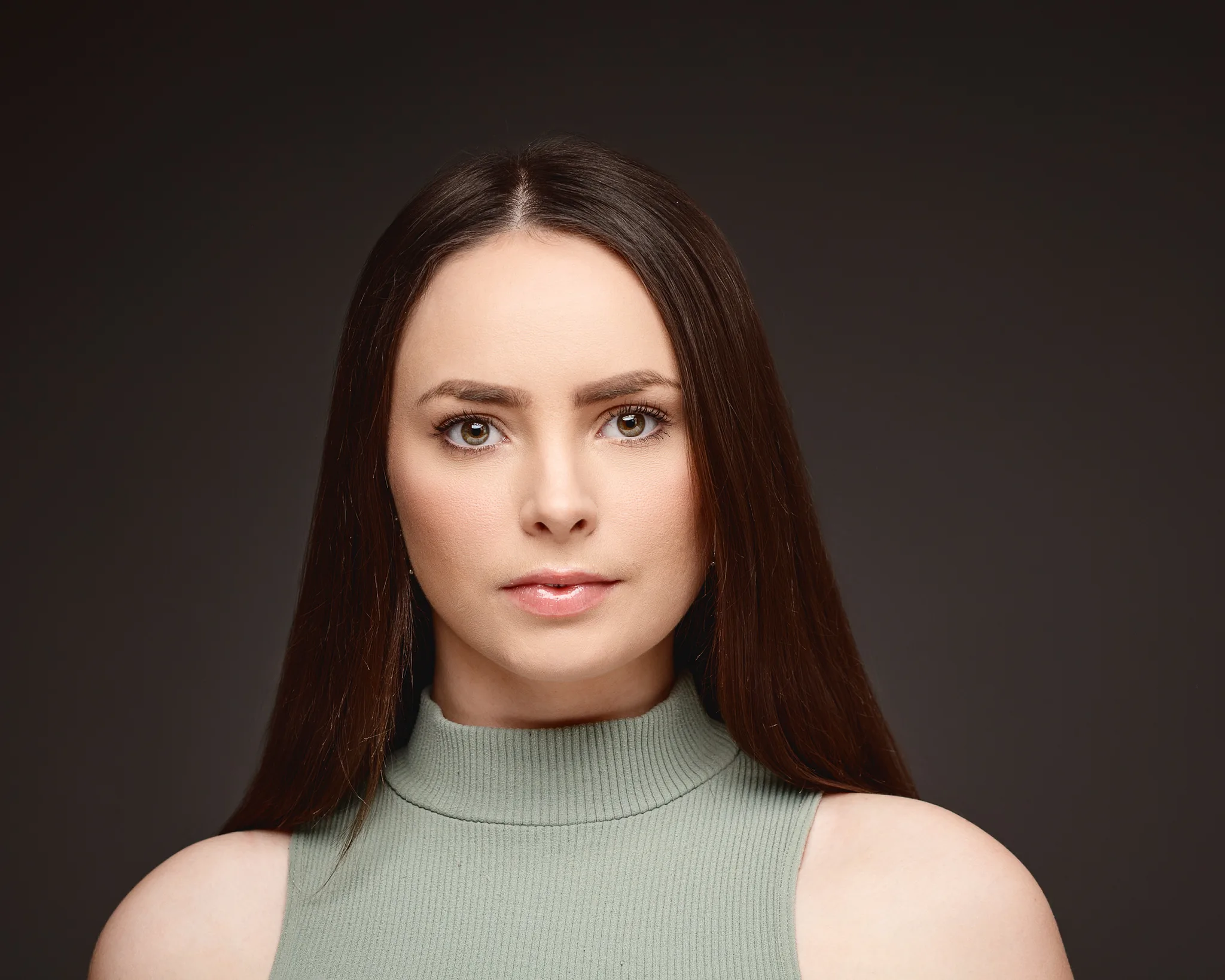
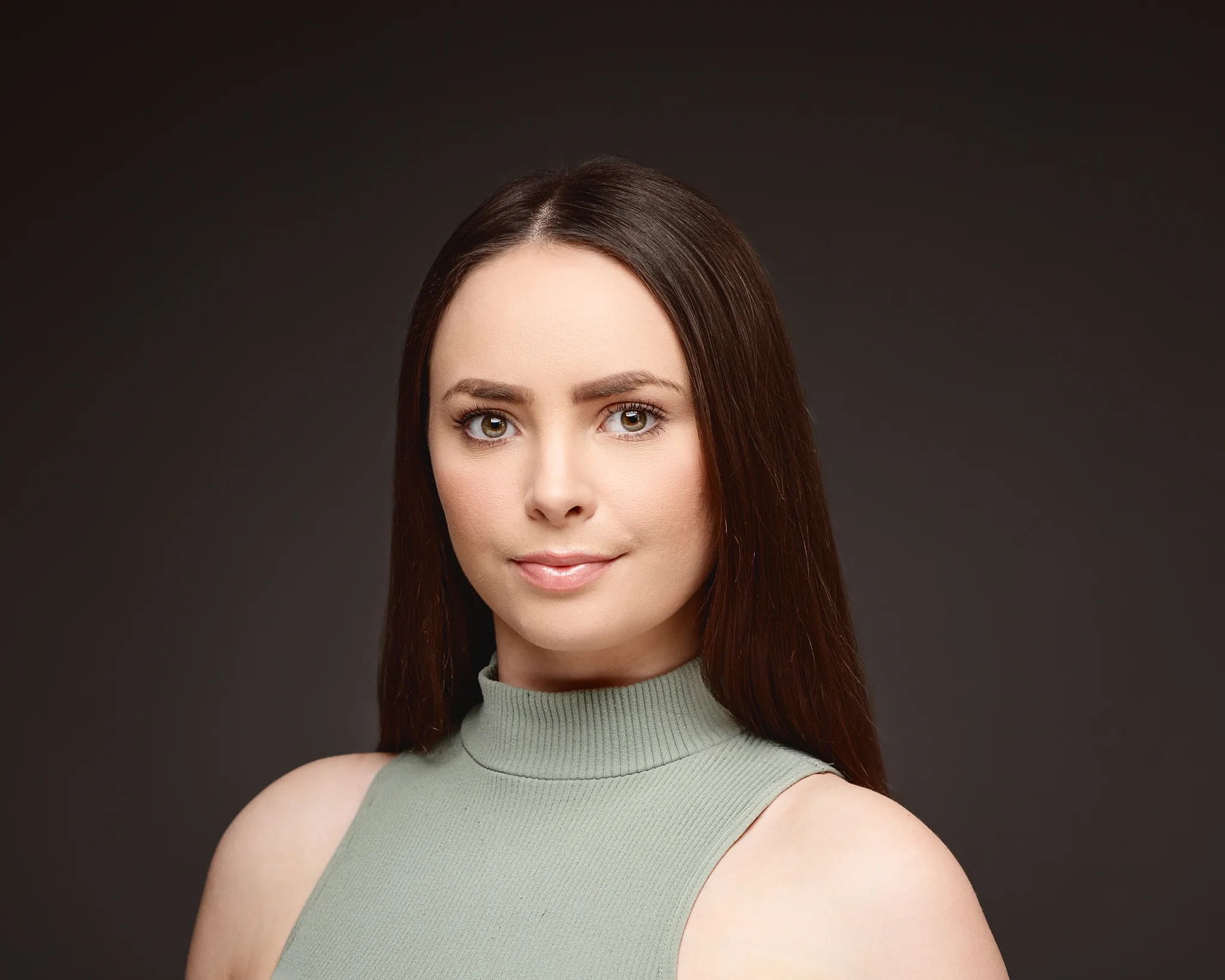
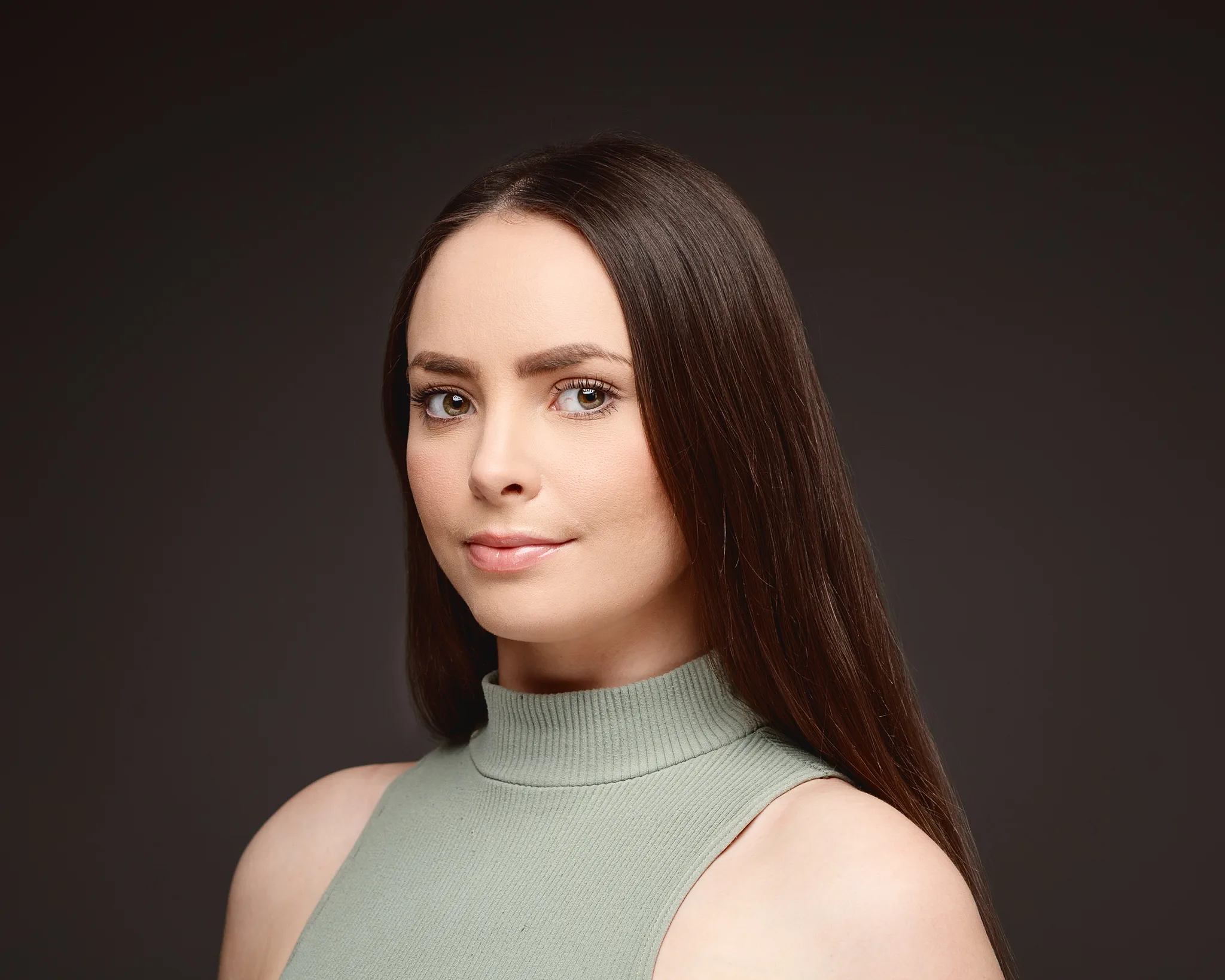
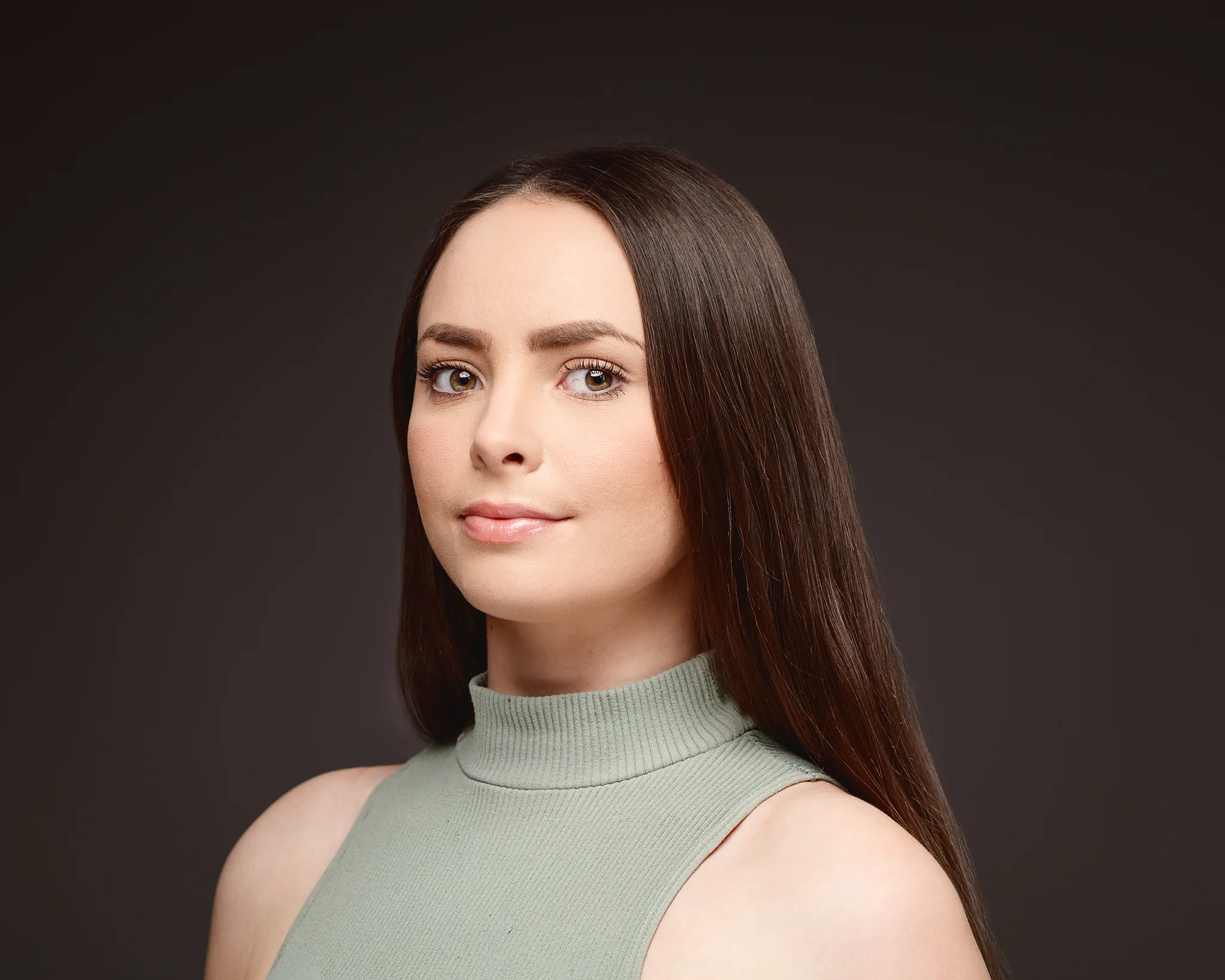
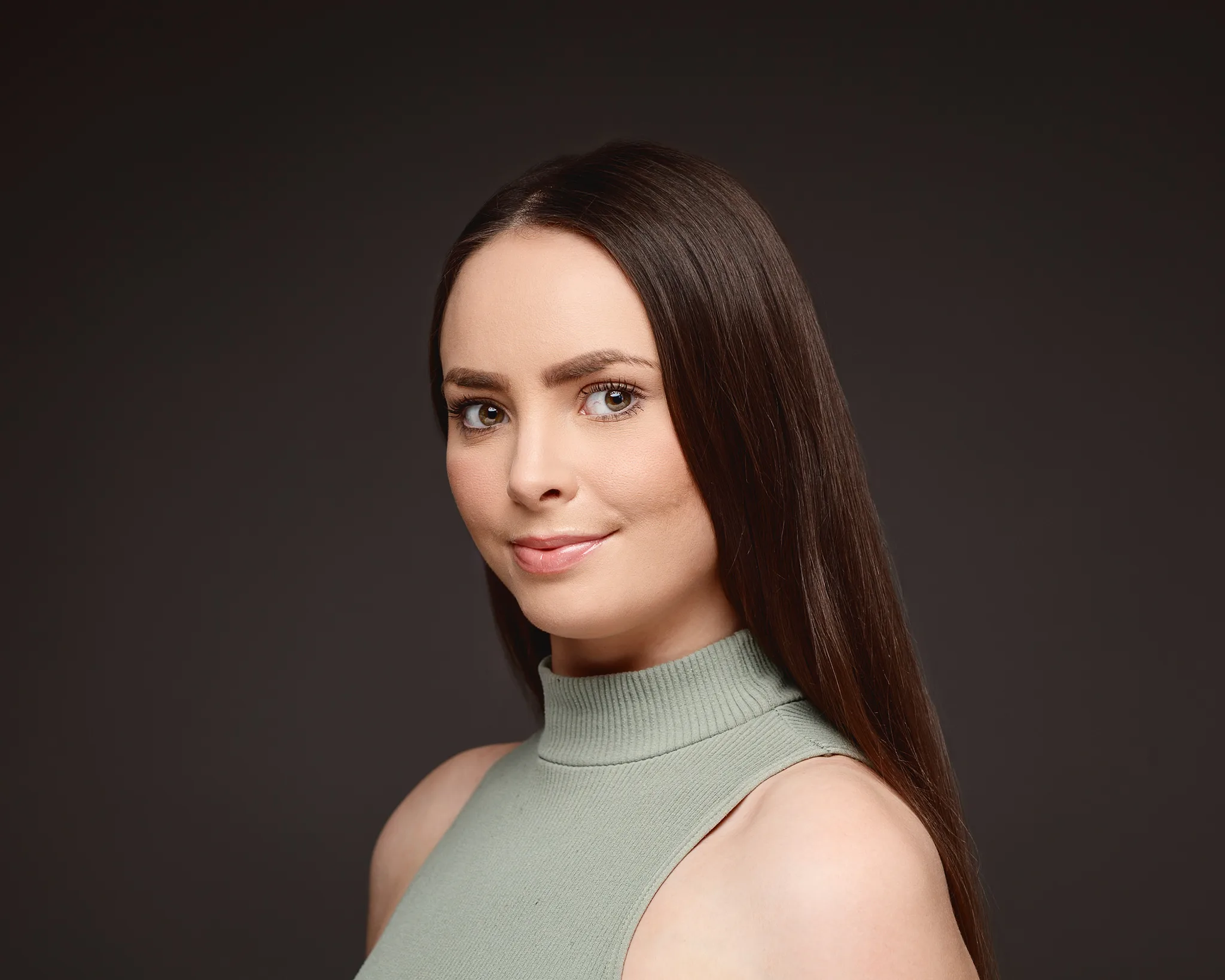
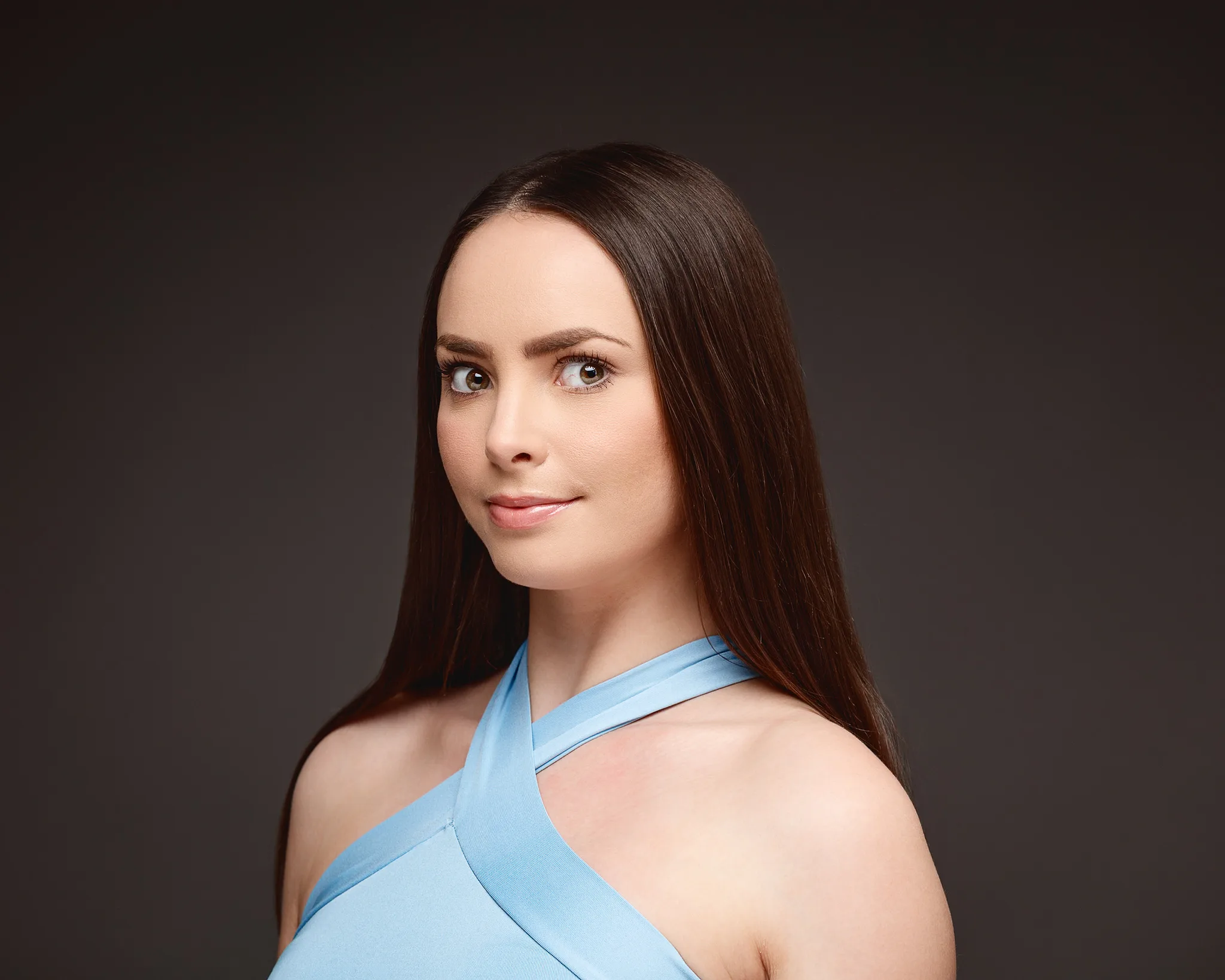
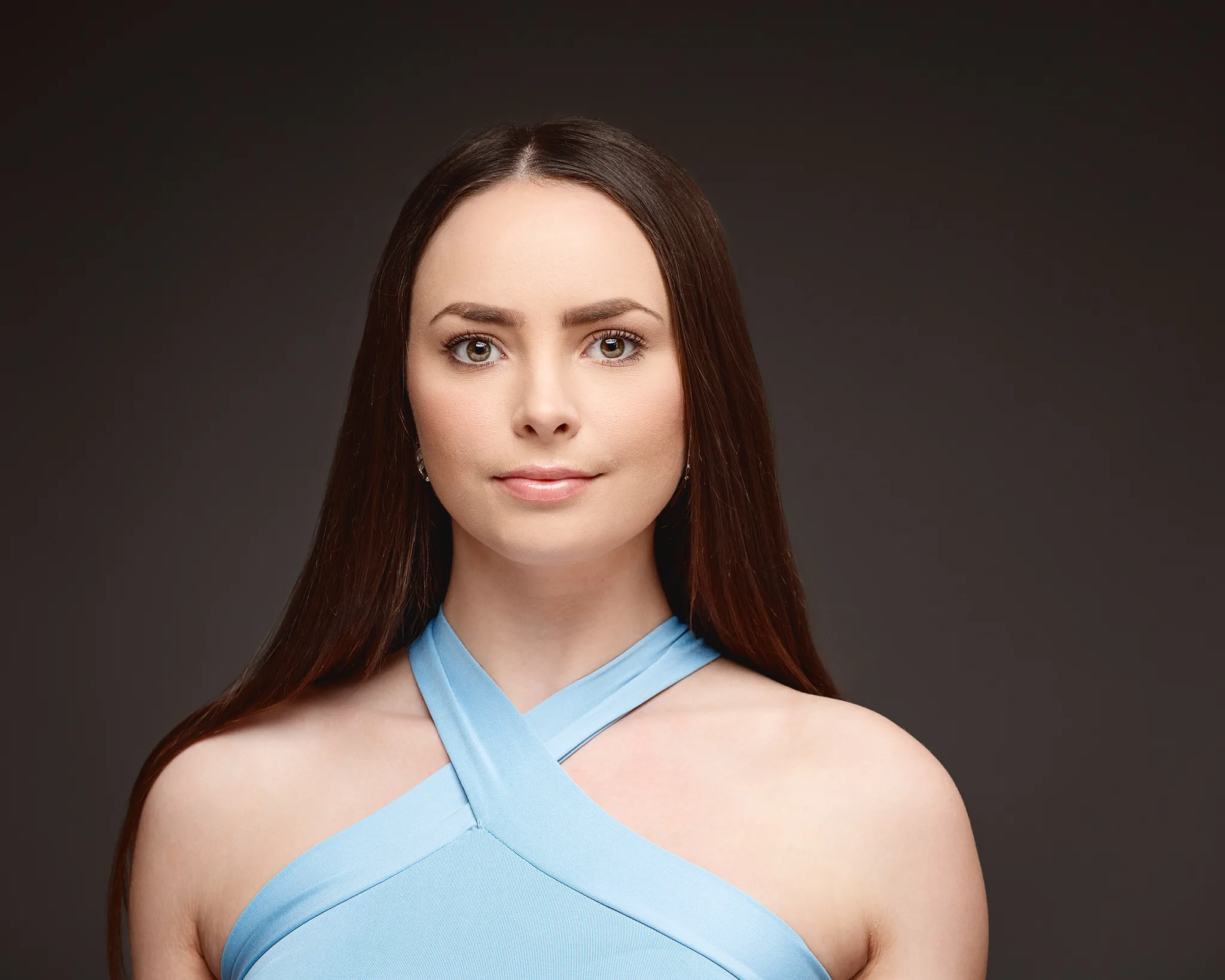
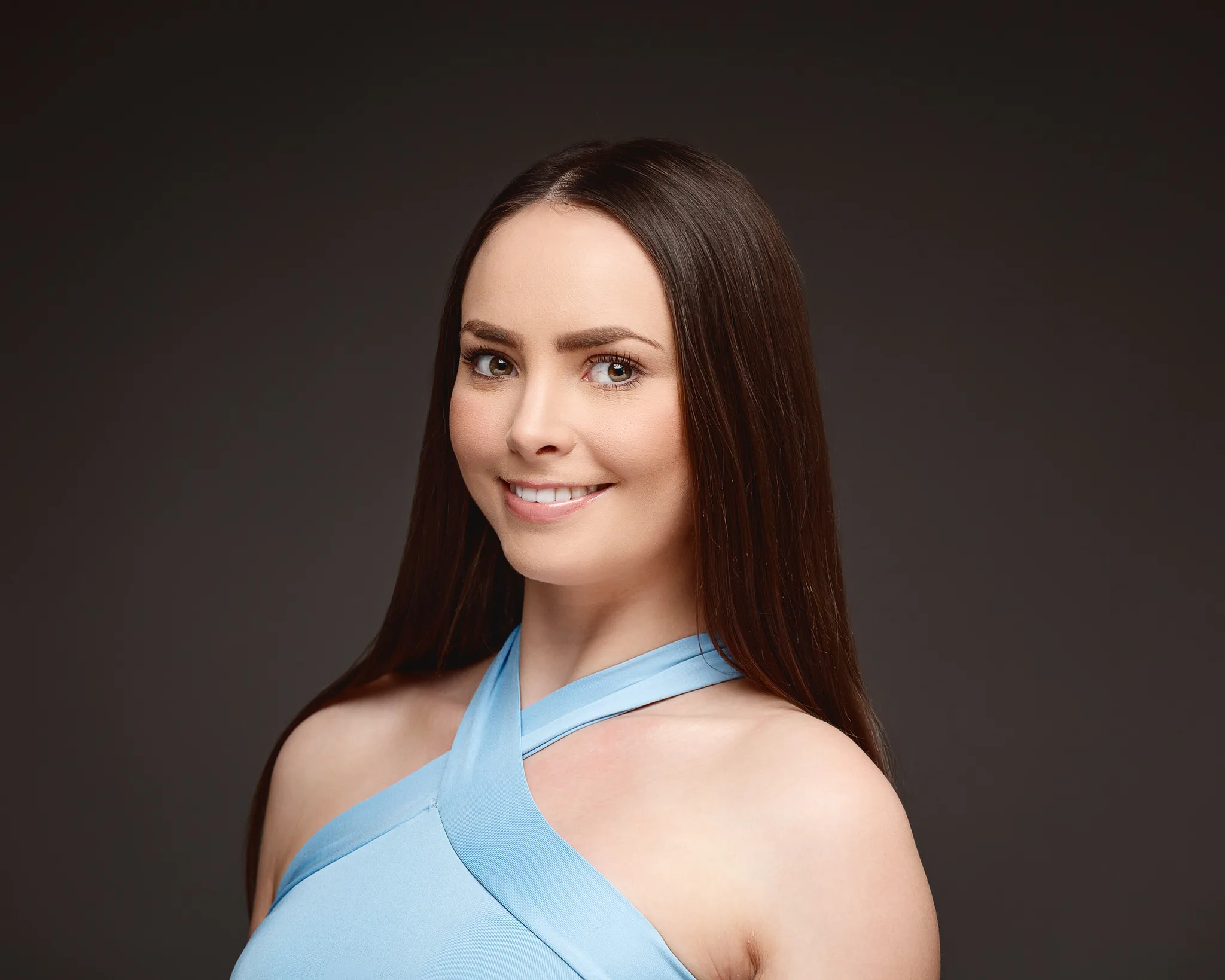
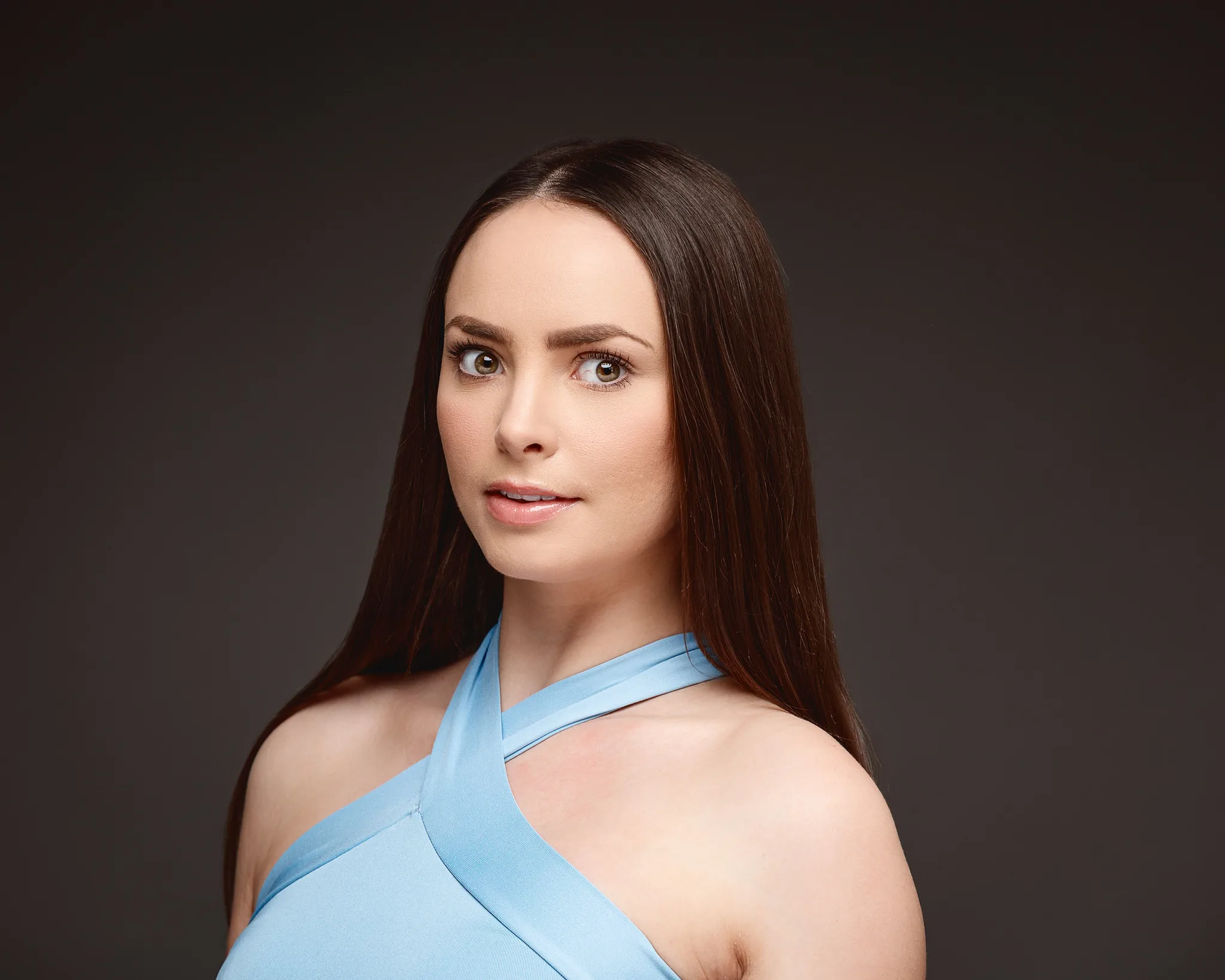
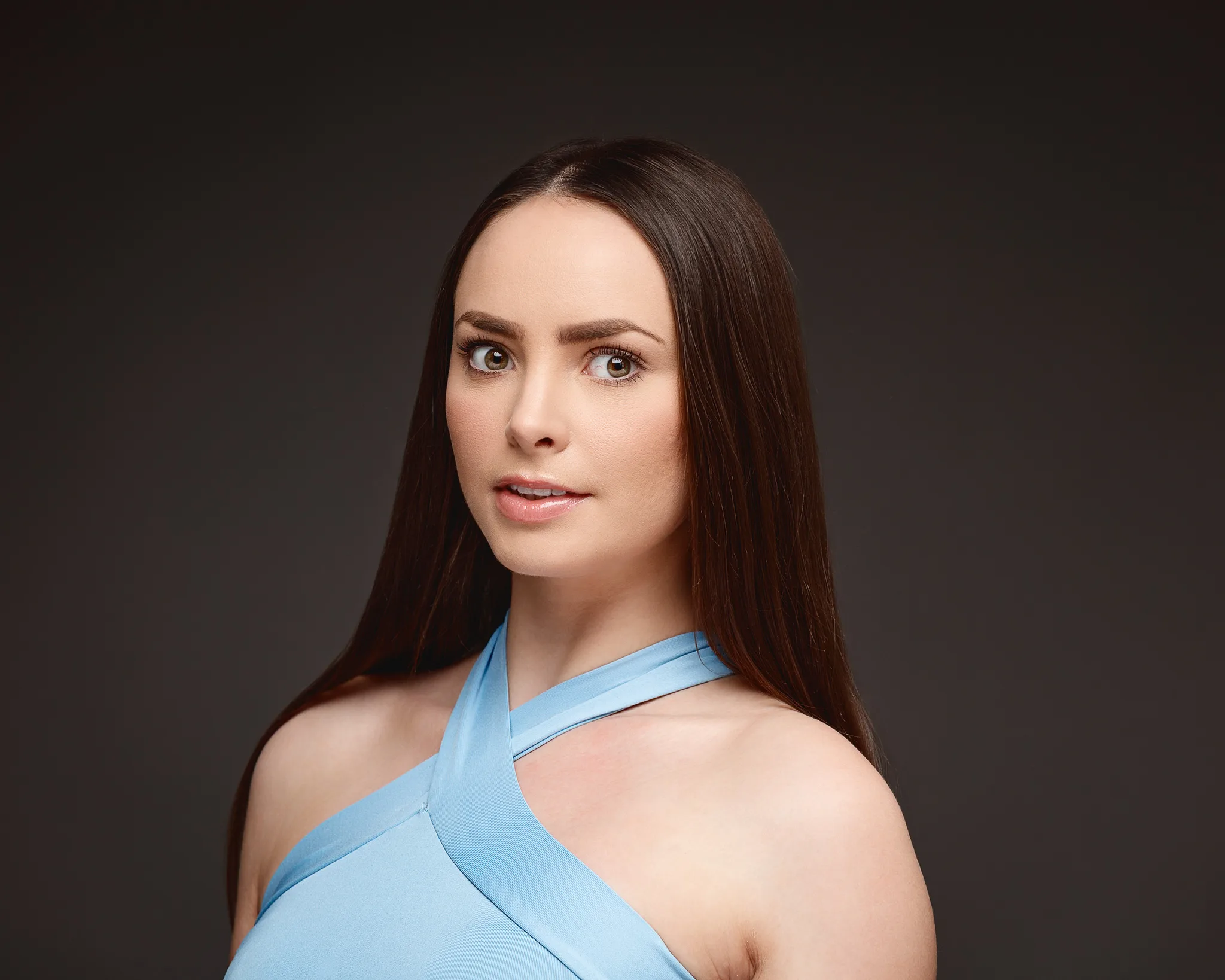
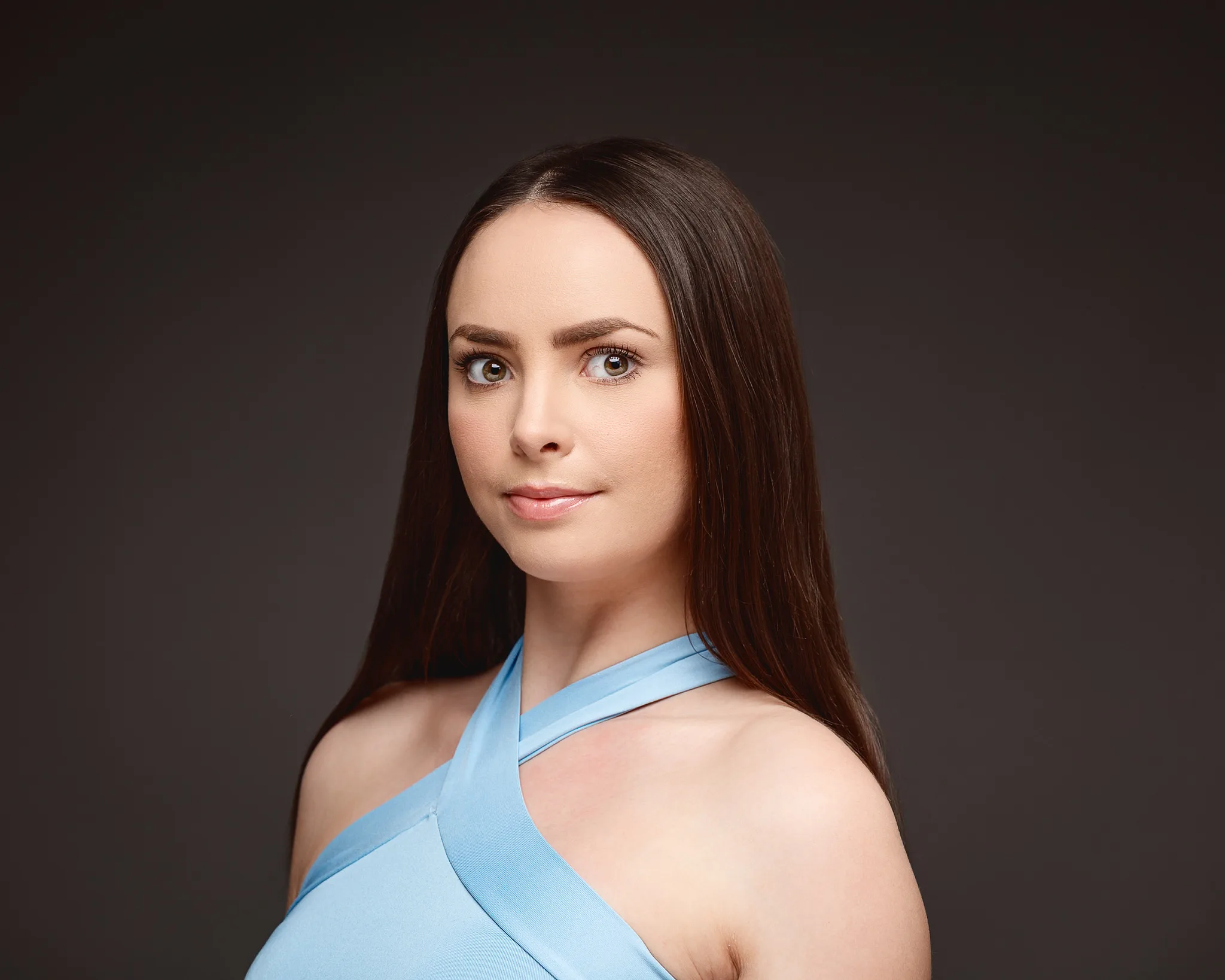
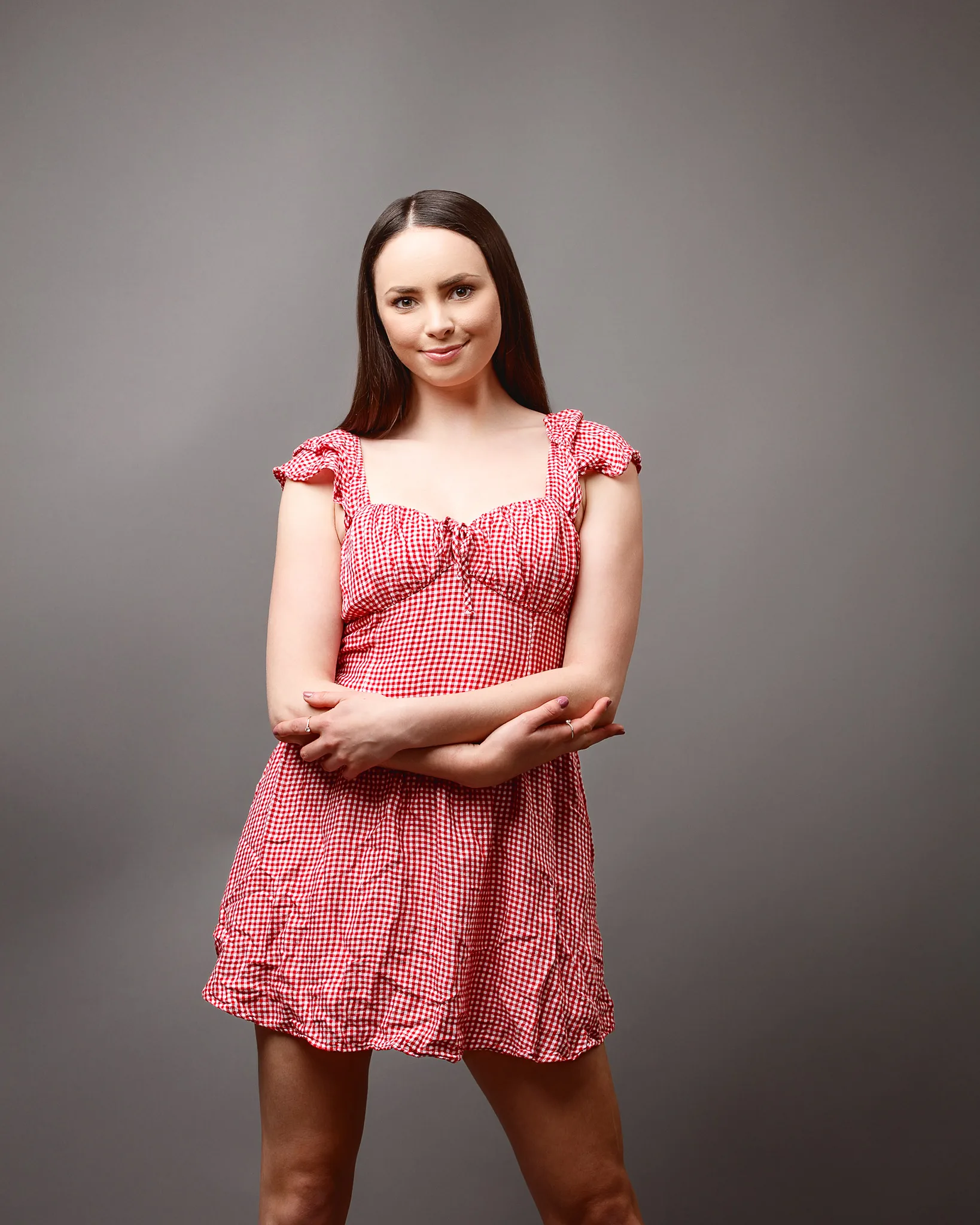
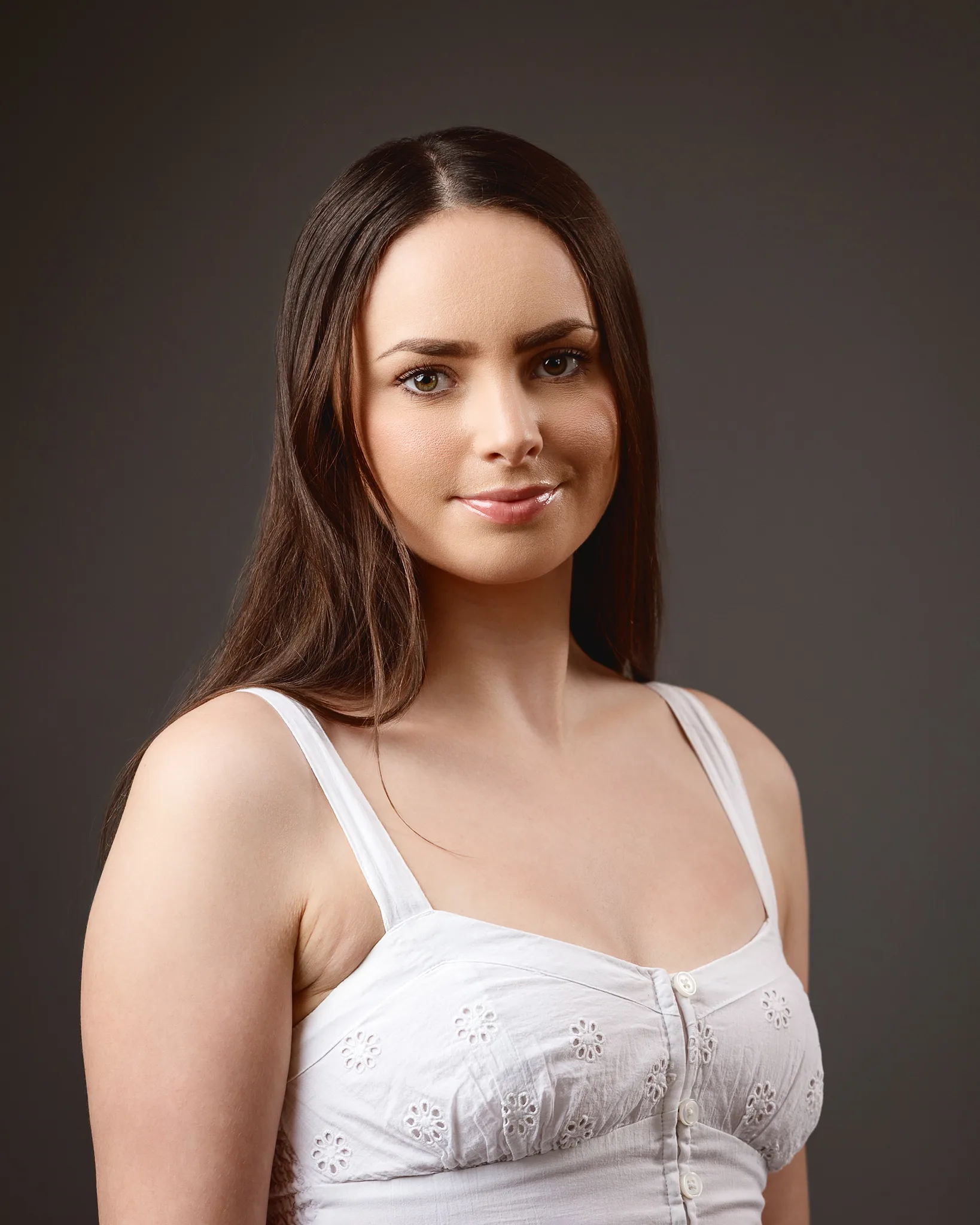
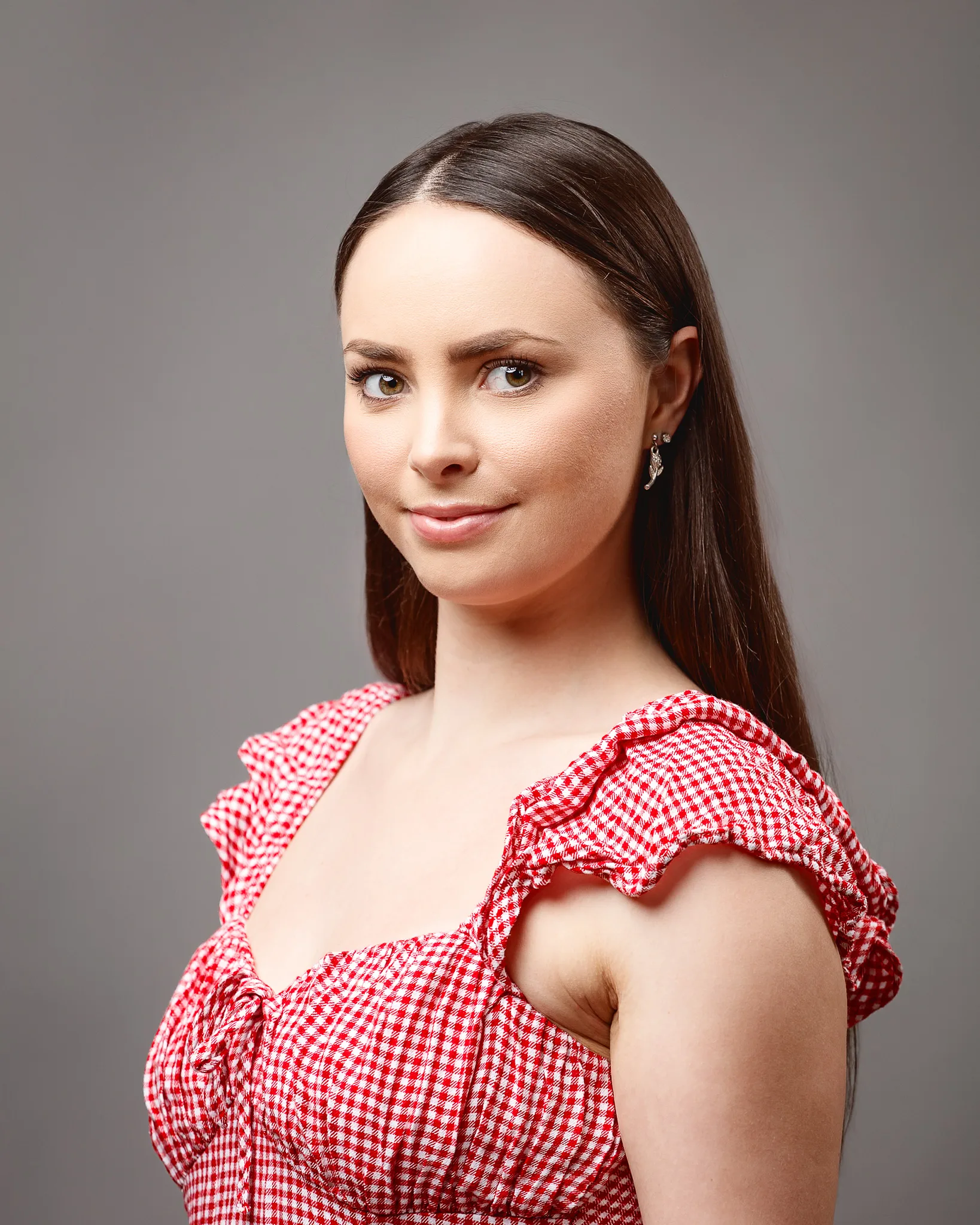
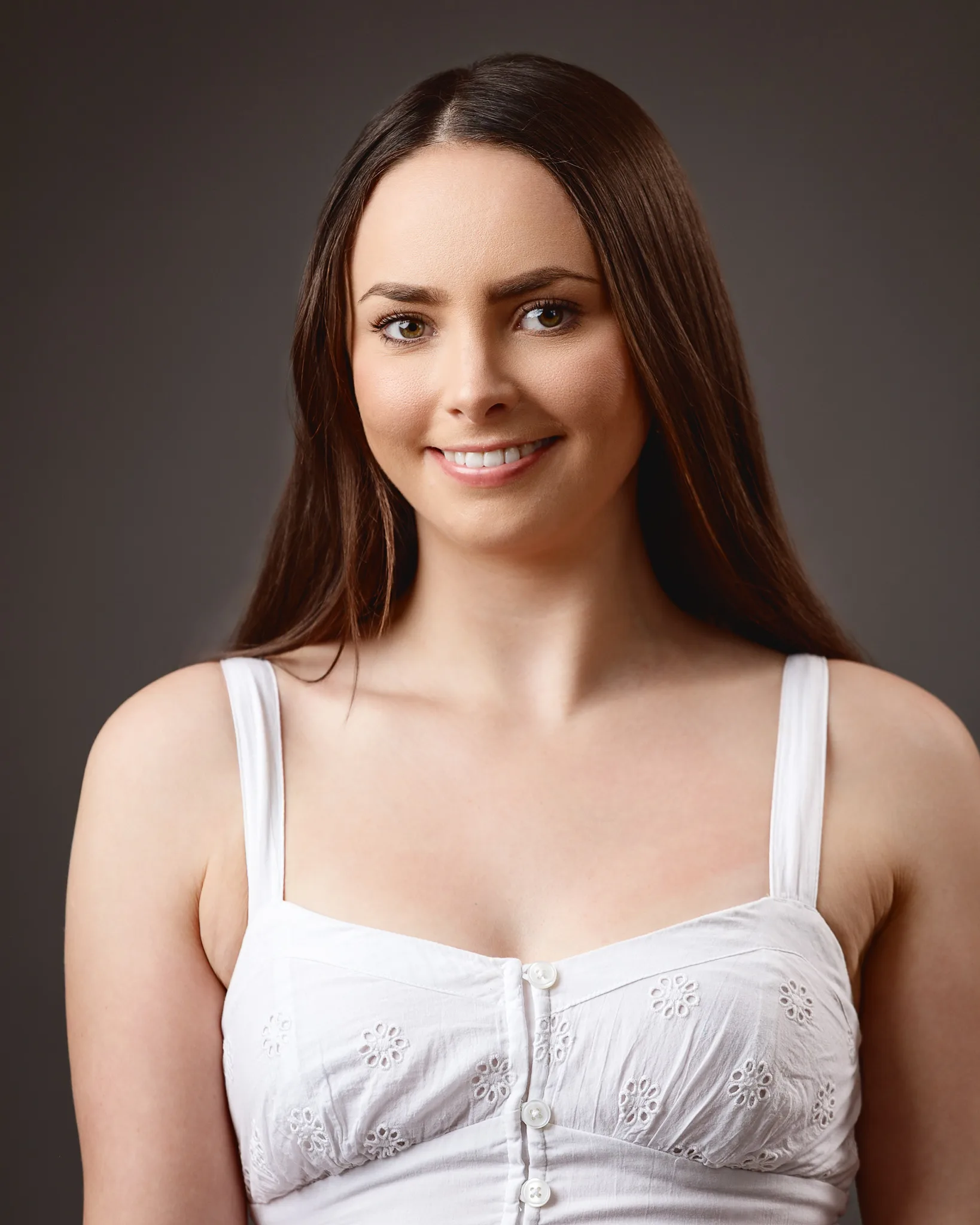
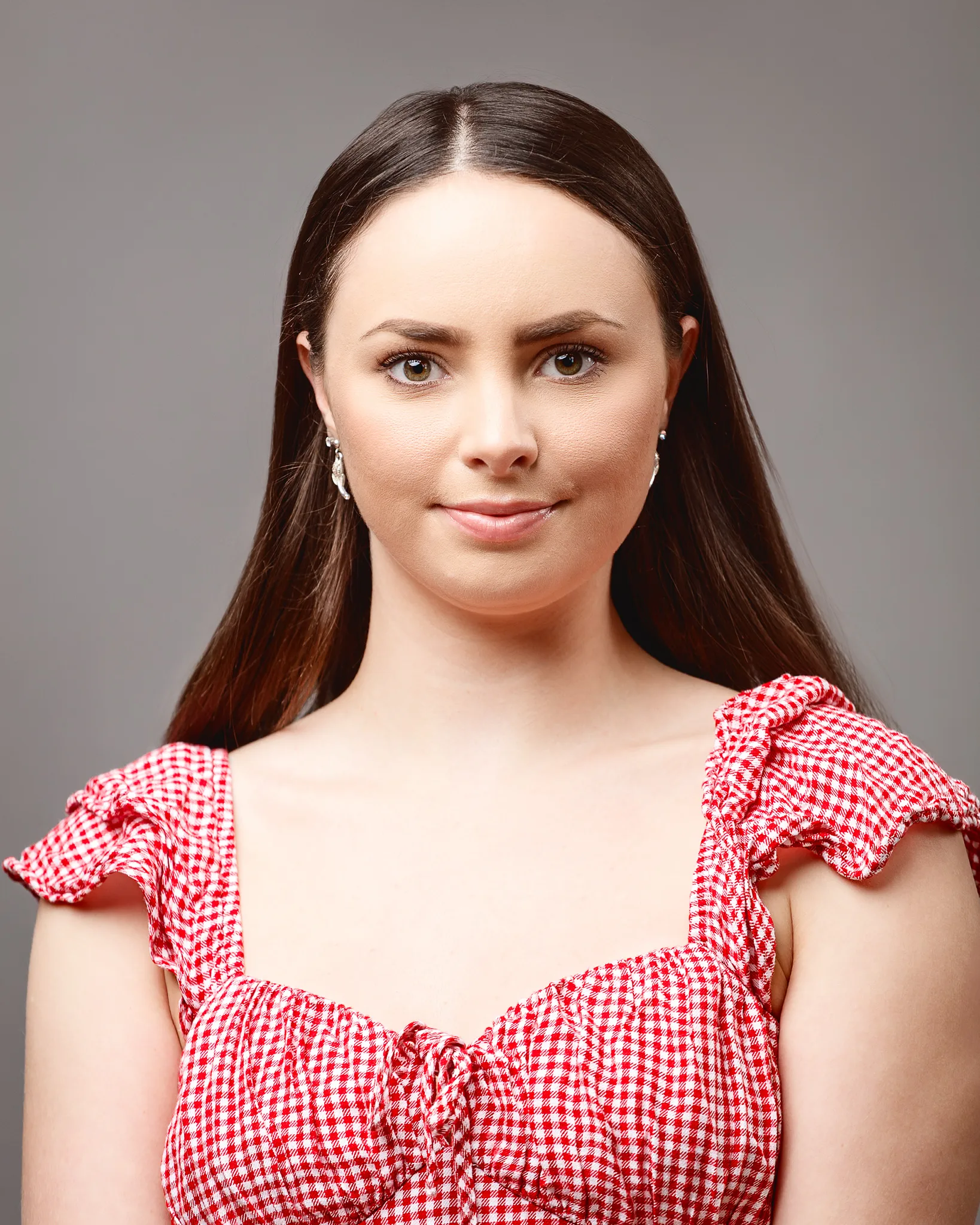
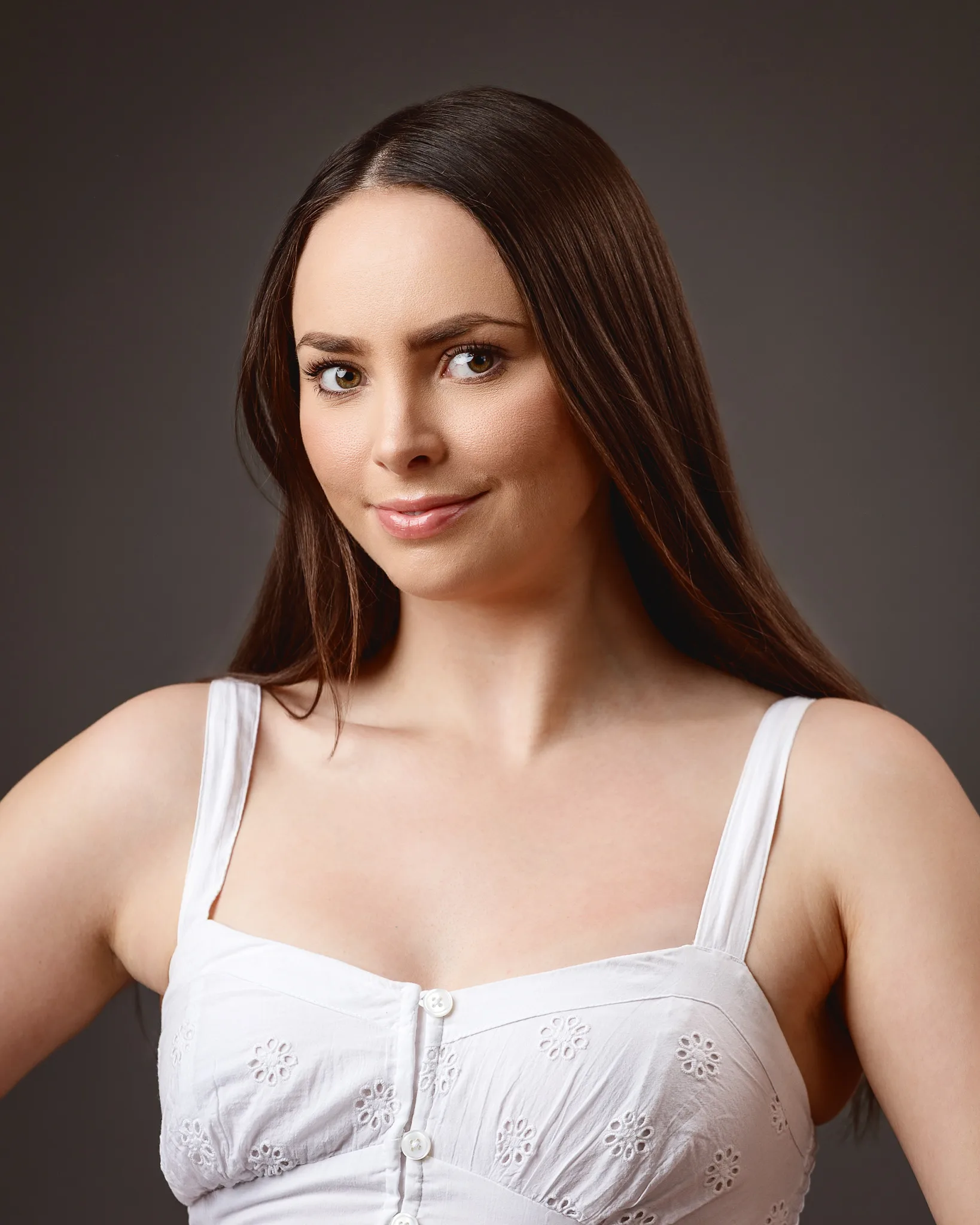
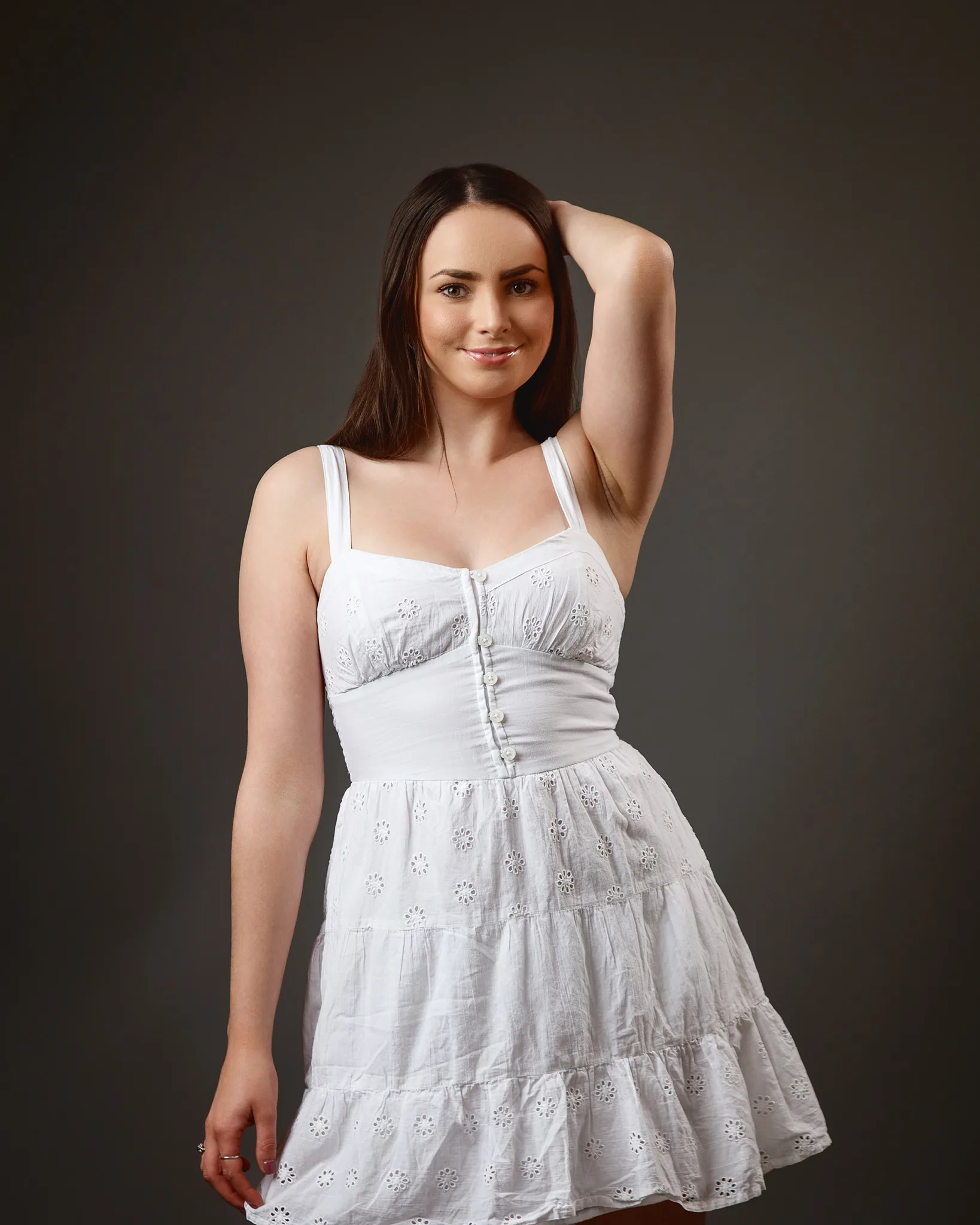
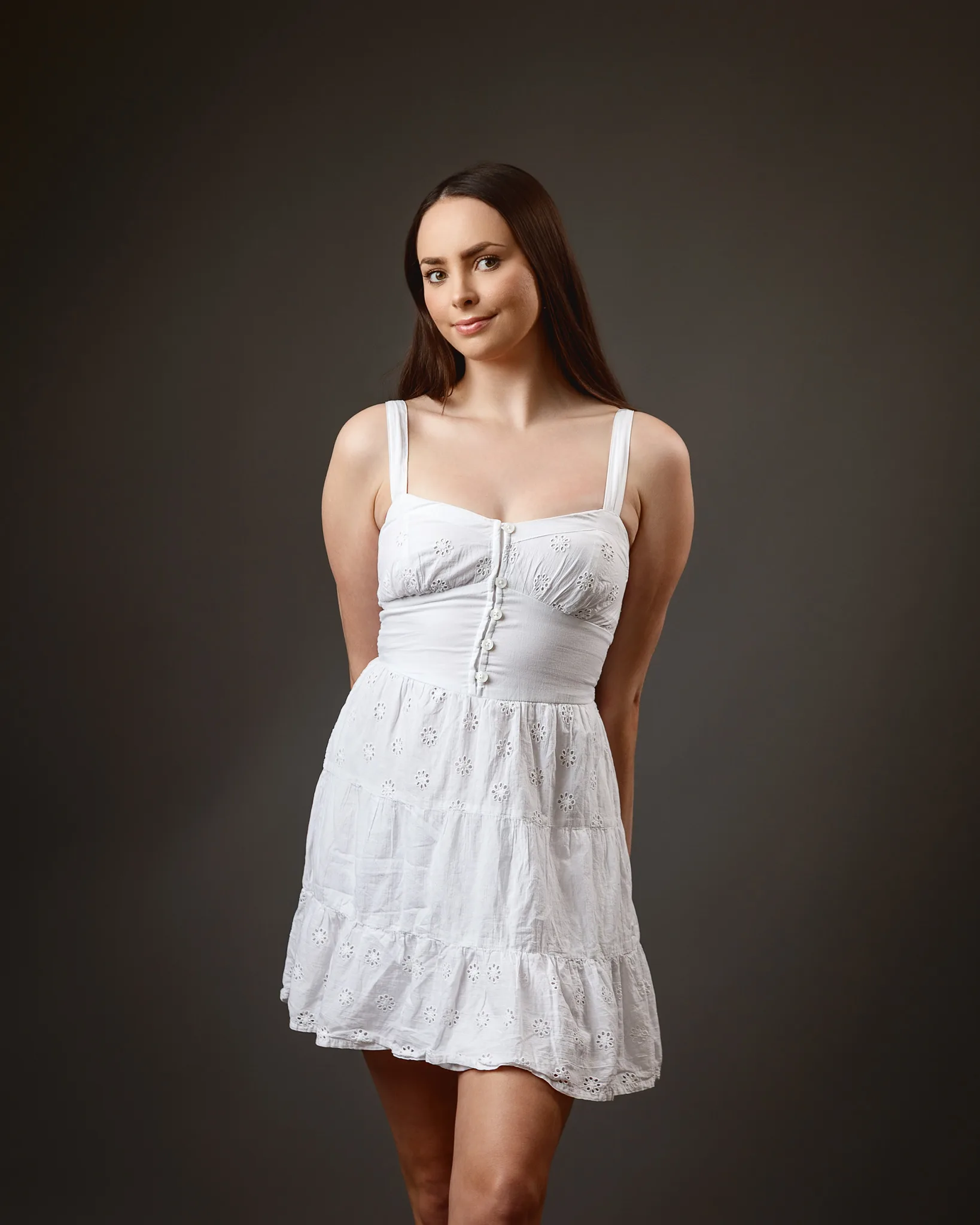
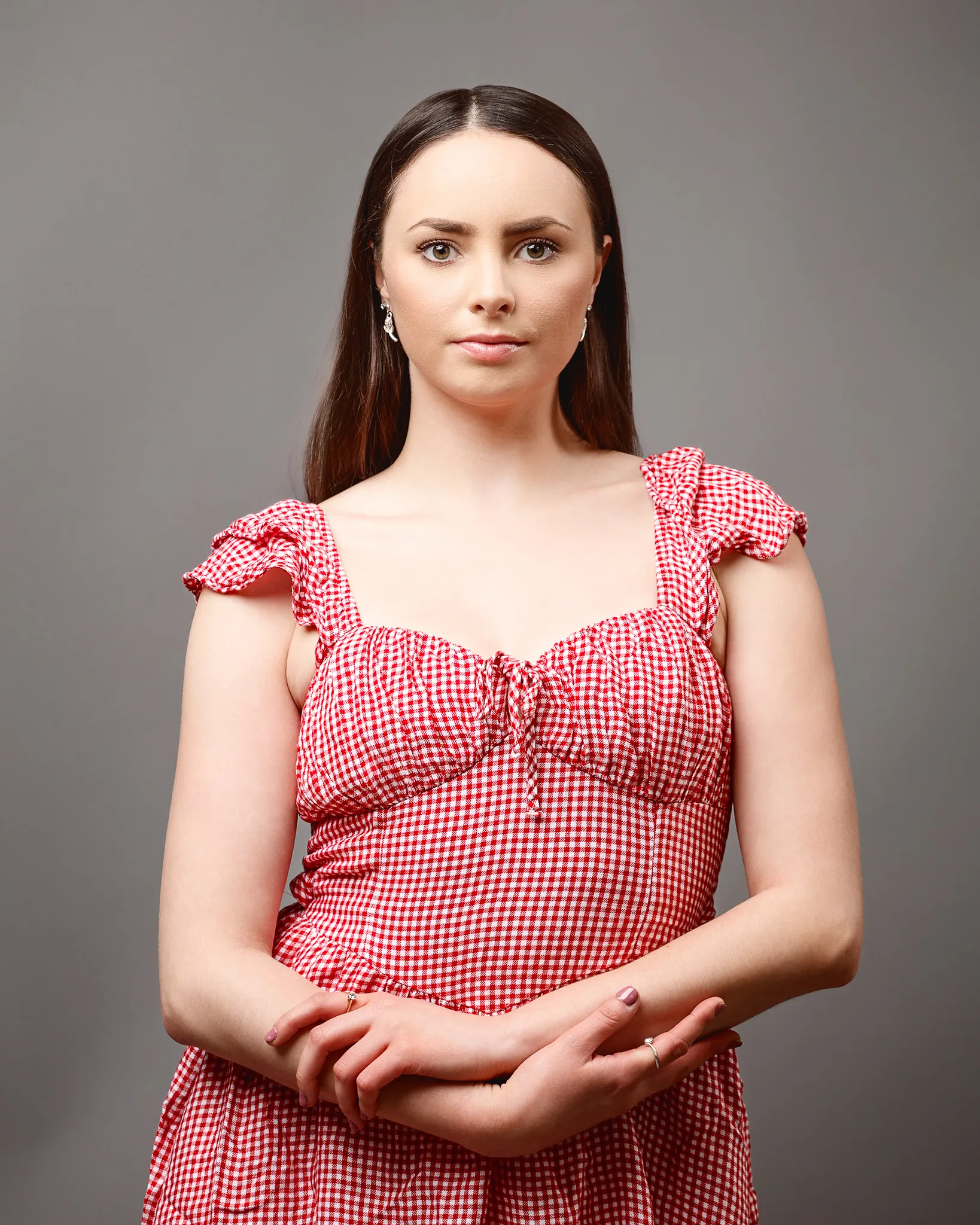
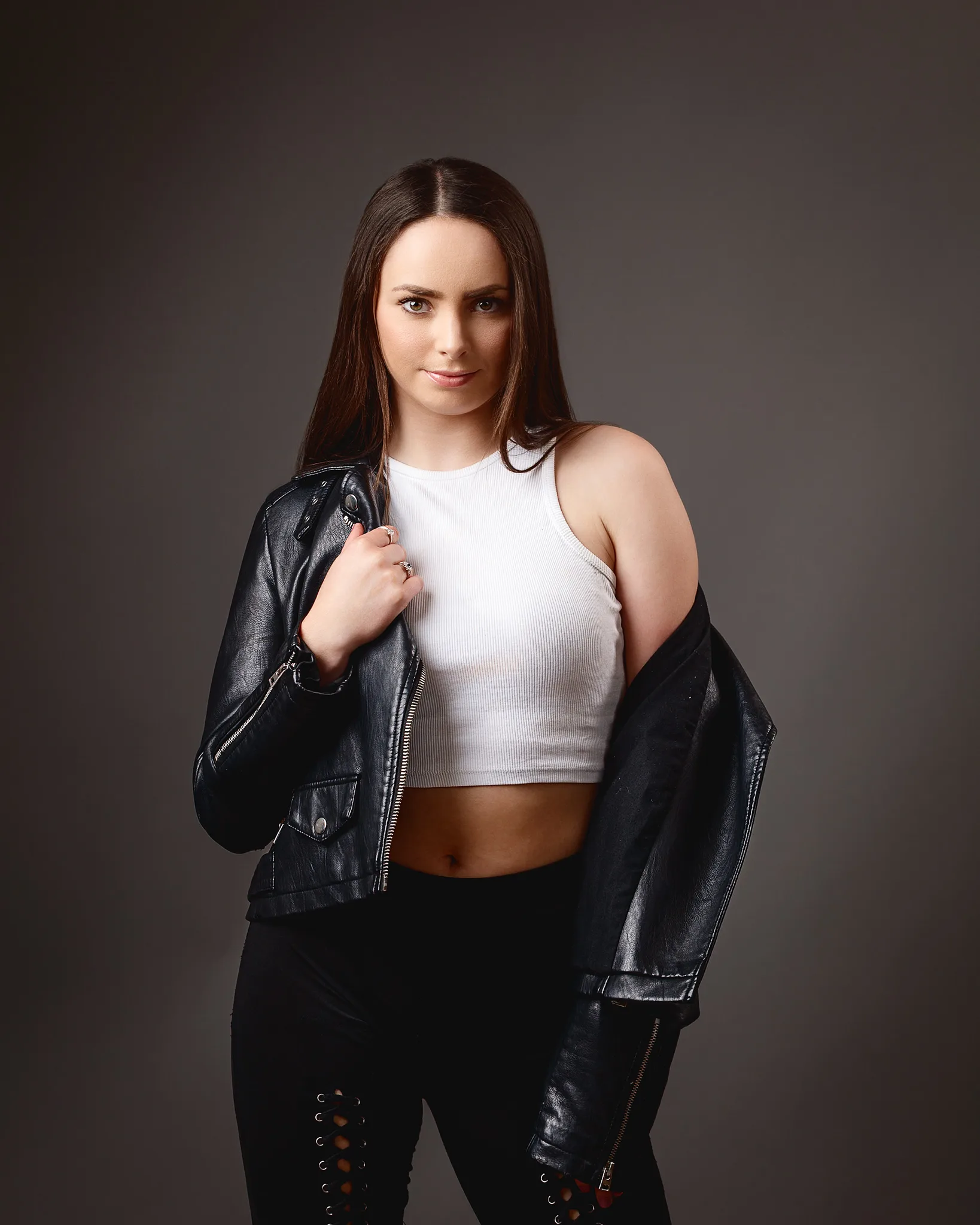
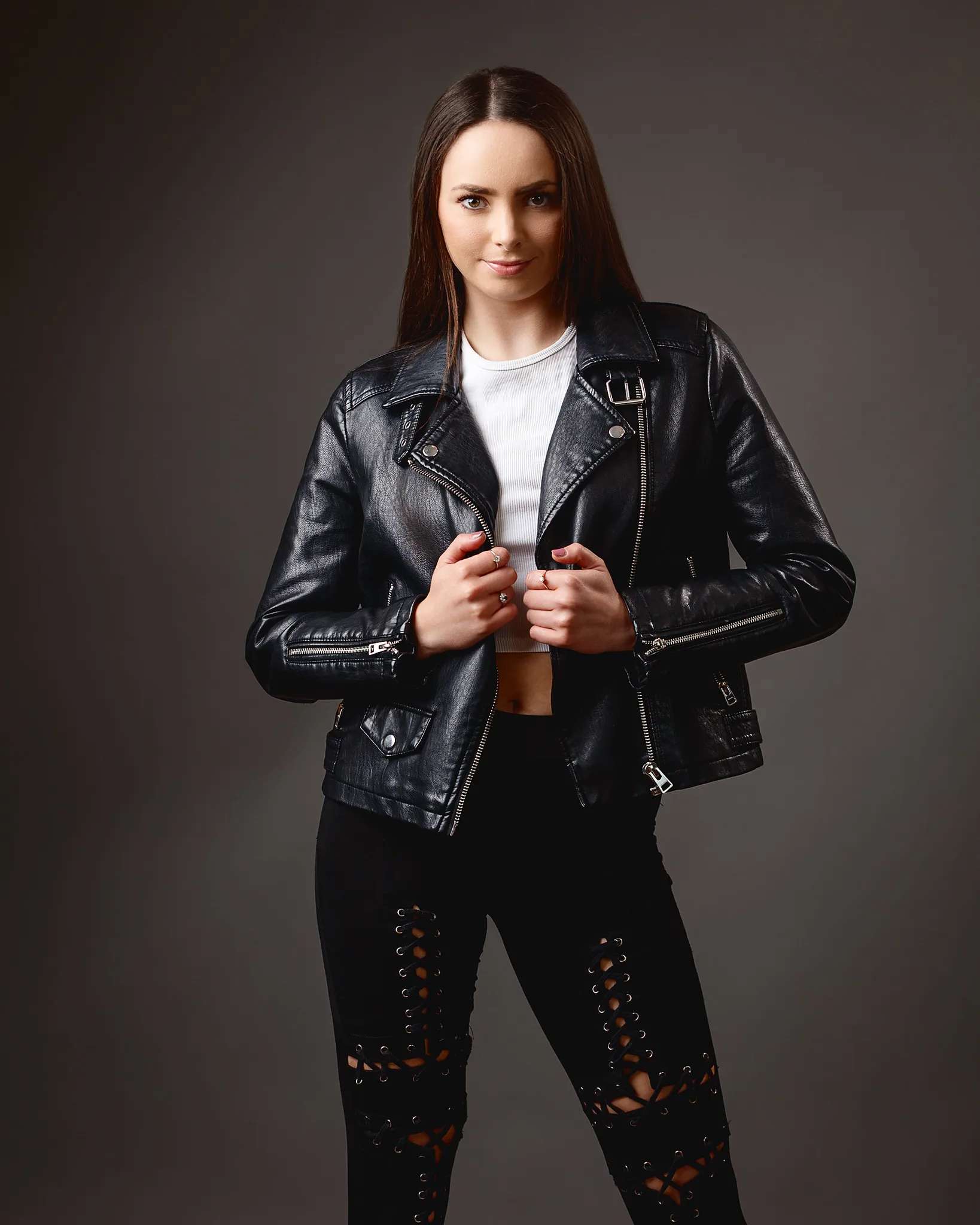
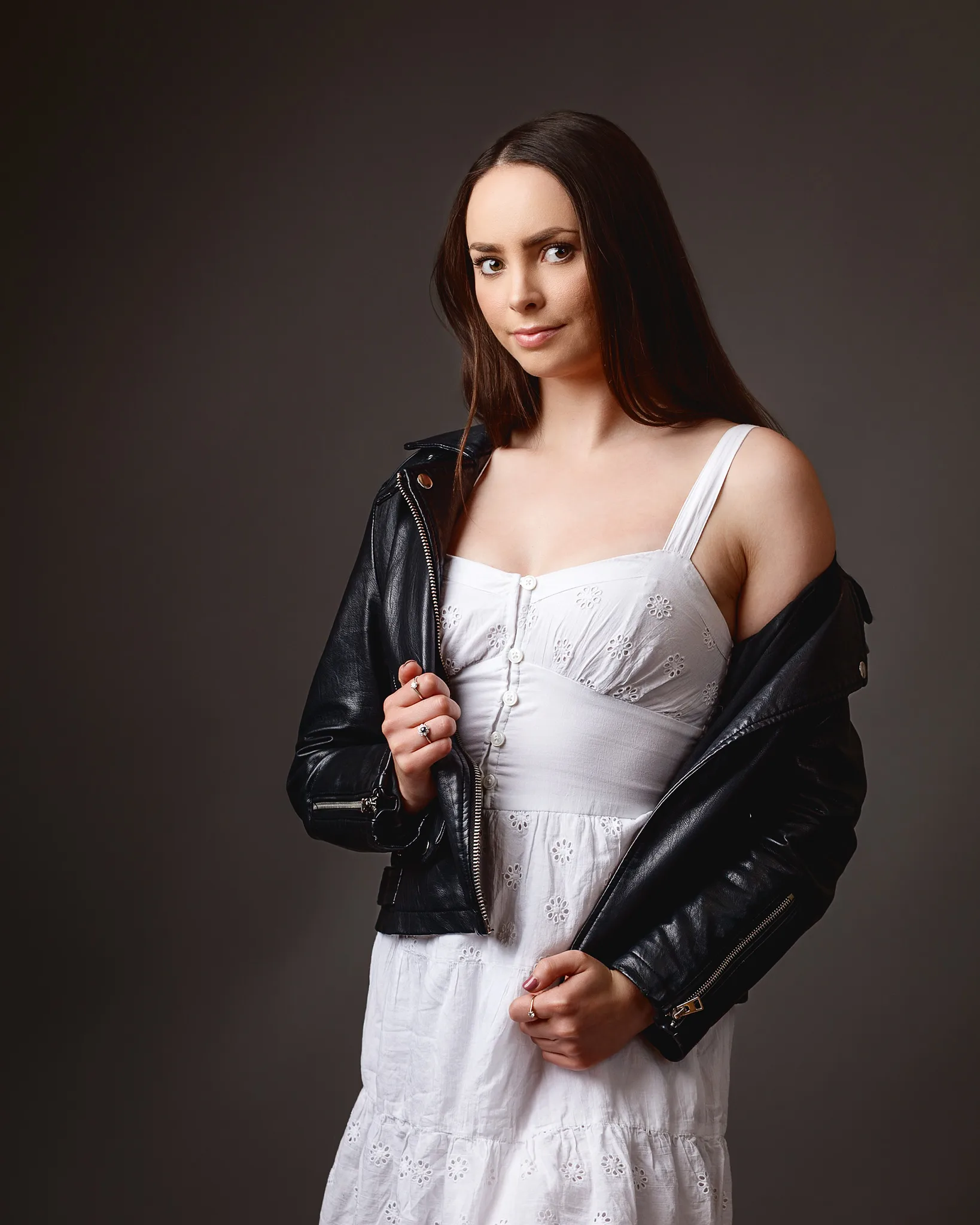
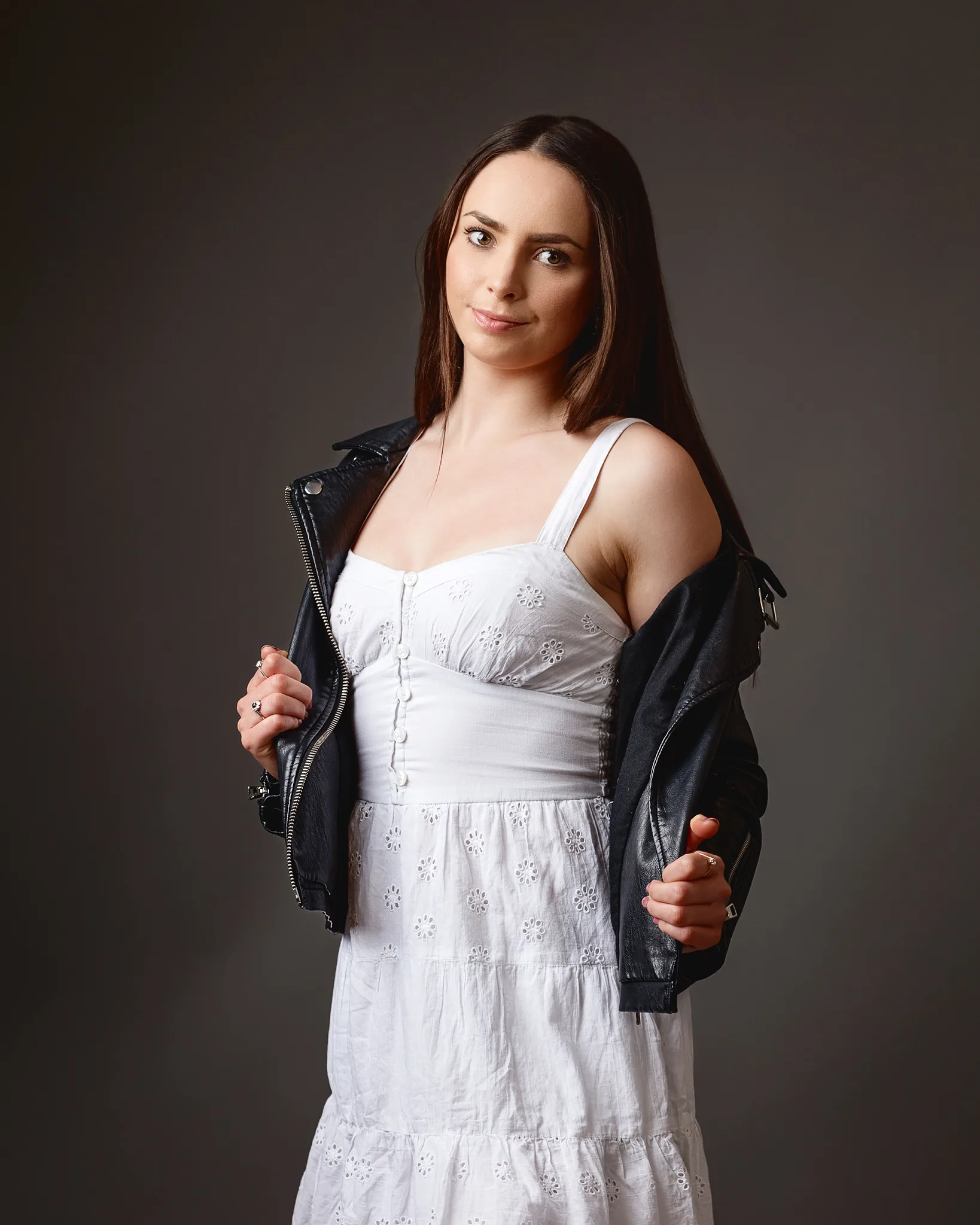
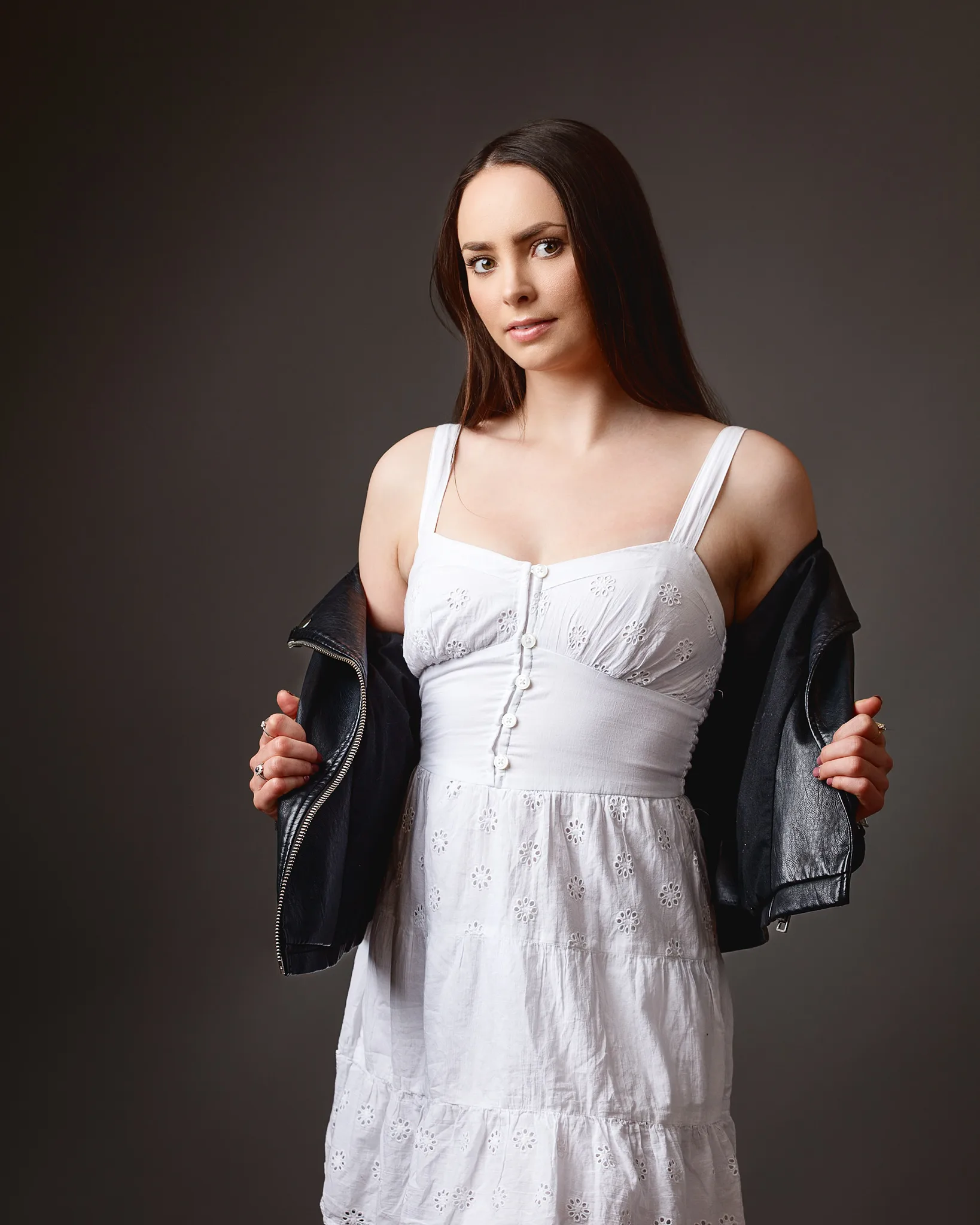
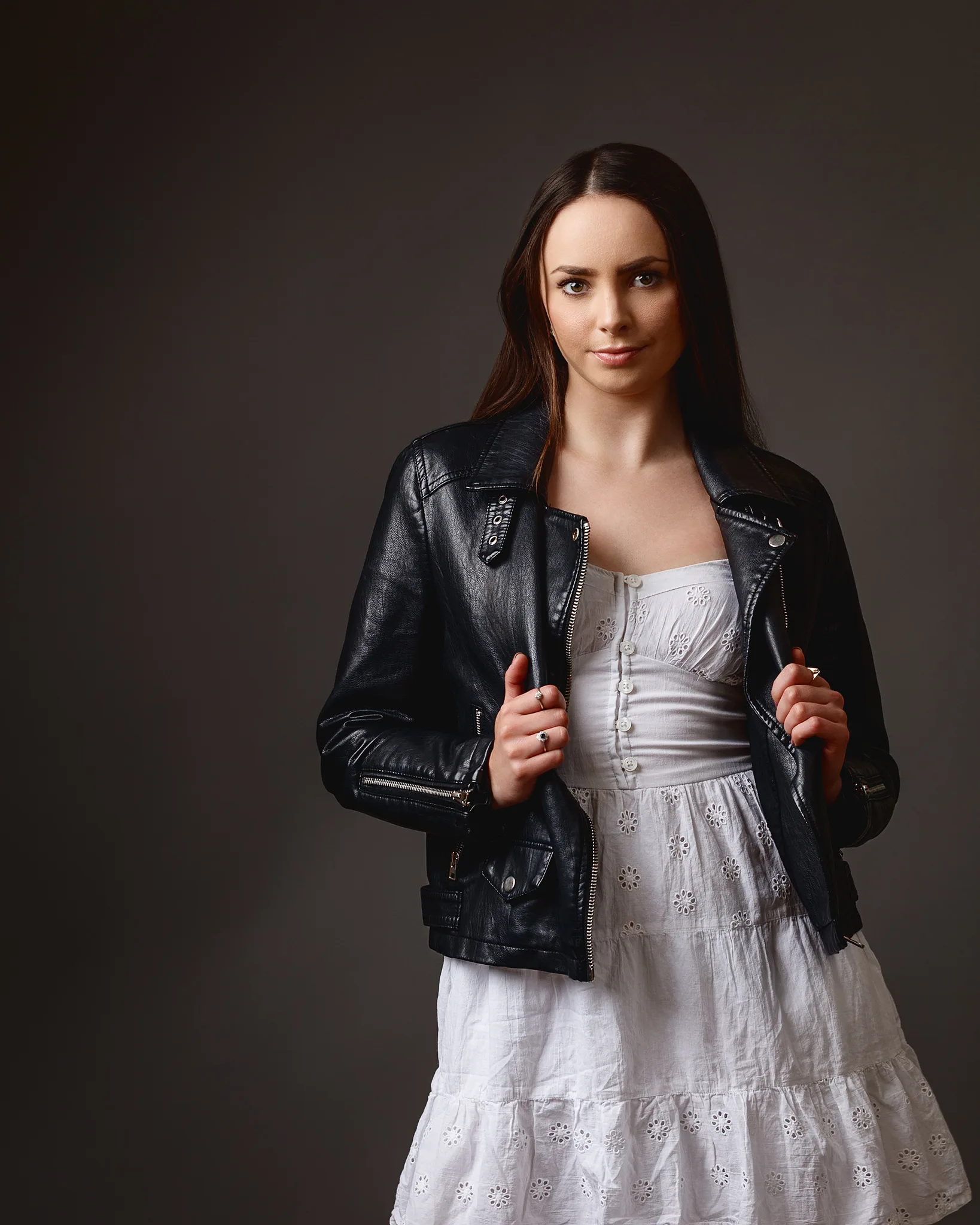
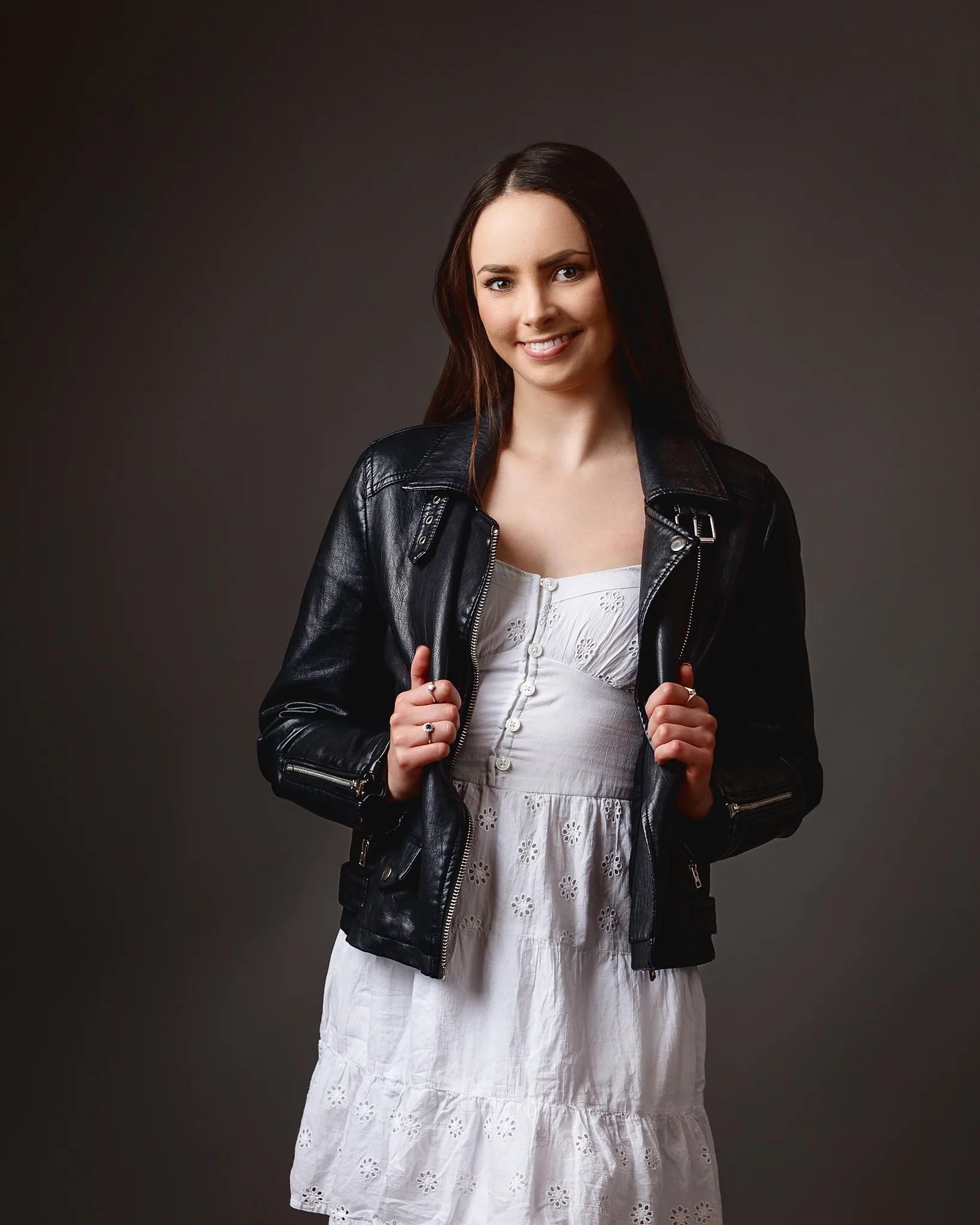
We began the session with headshots and profile photographs. These were needed for Ella’s LinkedIn profile, social media accounts, Spotlight page, performer CV, emails to casting directors, and other professional uses.
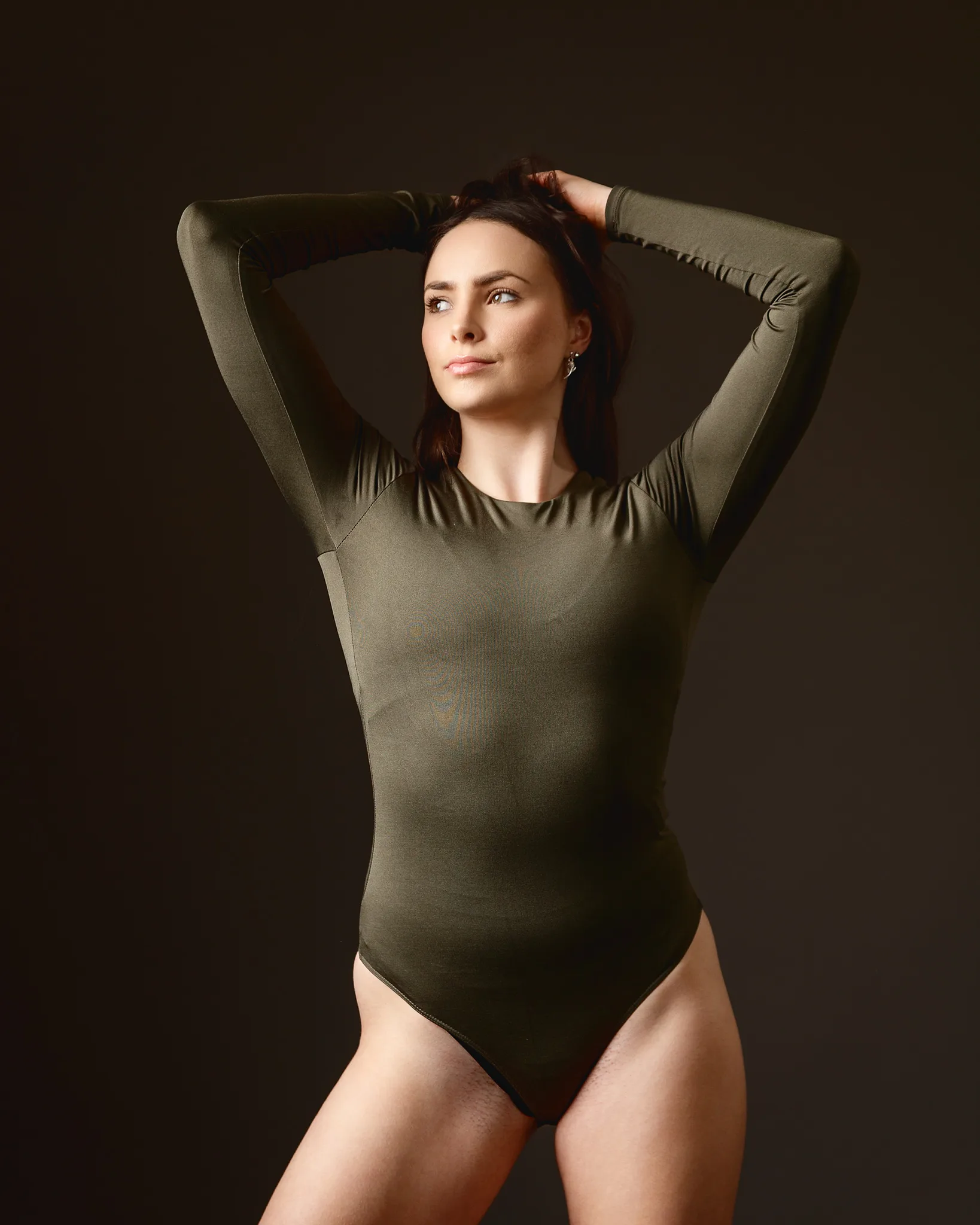
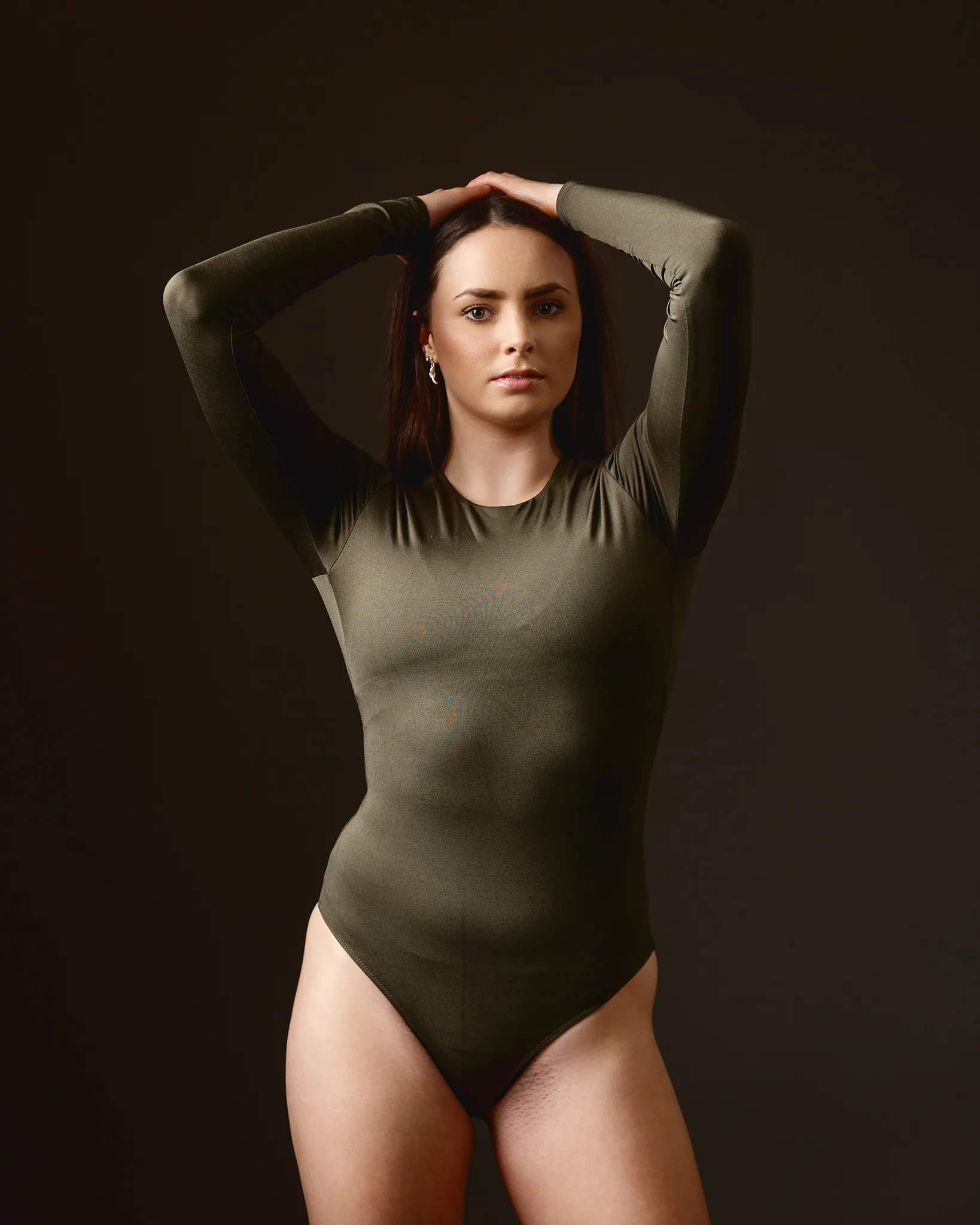
For this part of the shoot, I kept the styling clean and focused. A good headshot does not need to be complicated, but it does need to feel considered. The expression, posture, eye contact, crop, background, and lighting all have to work together. When the image is going to be used professionally, especially across platforms such as LinkedIn, Spotlight, social media, and performer profiles, it needs to feel current and confident without looking forced.
Ella has always photographed well, but I could see a real difference in her confidence during this session. That is something I have noticed over the years. Each time she has returned to the studio, she has brought more clarity, more assurance, and a better understanding of what she needs from the images.
For performers, dancers, actors, musicians, and other creative professionals, an updated profile image is not just a formality. It is often the first thing someone sees before deciding whether to look further. The image needs to be accurate, polished, and useful, but it also needs to feel like the person in front of the camera.
What Dancers Often Need for Casting Agents and Performance Jobs
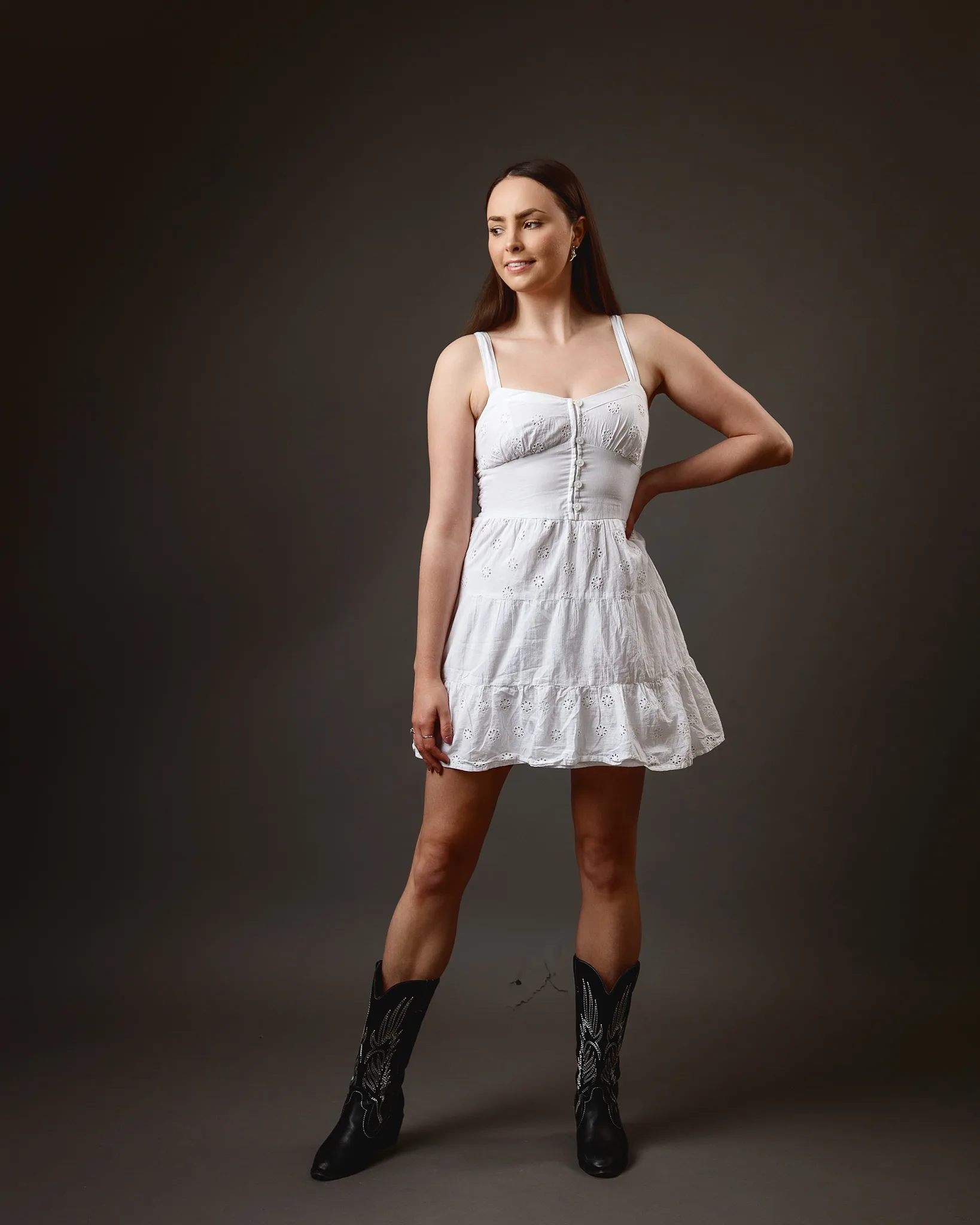
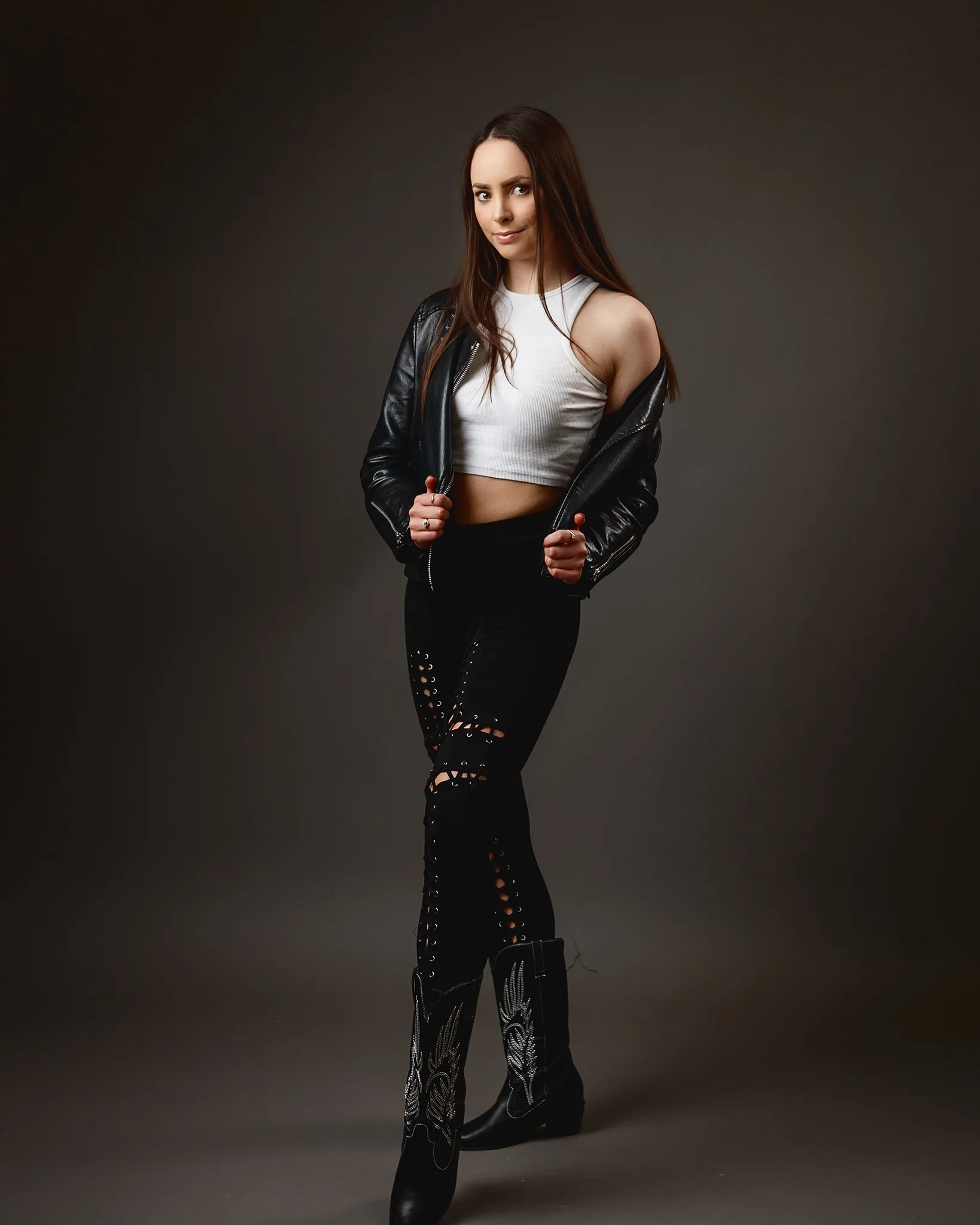
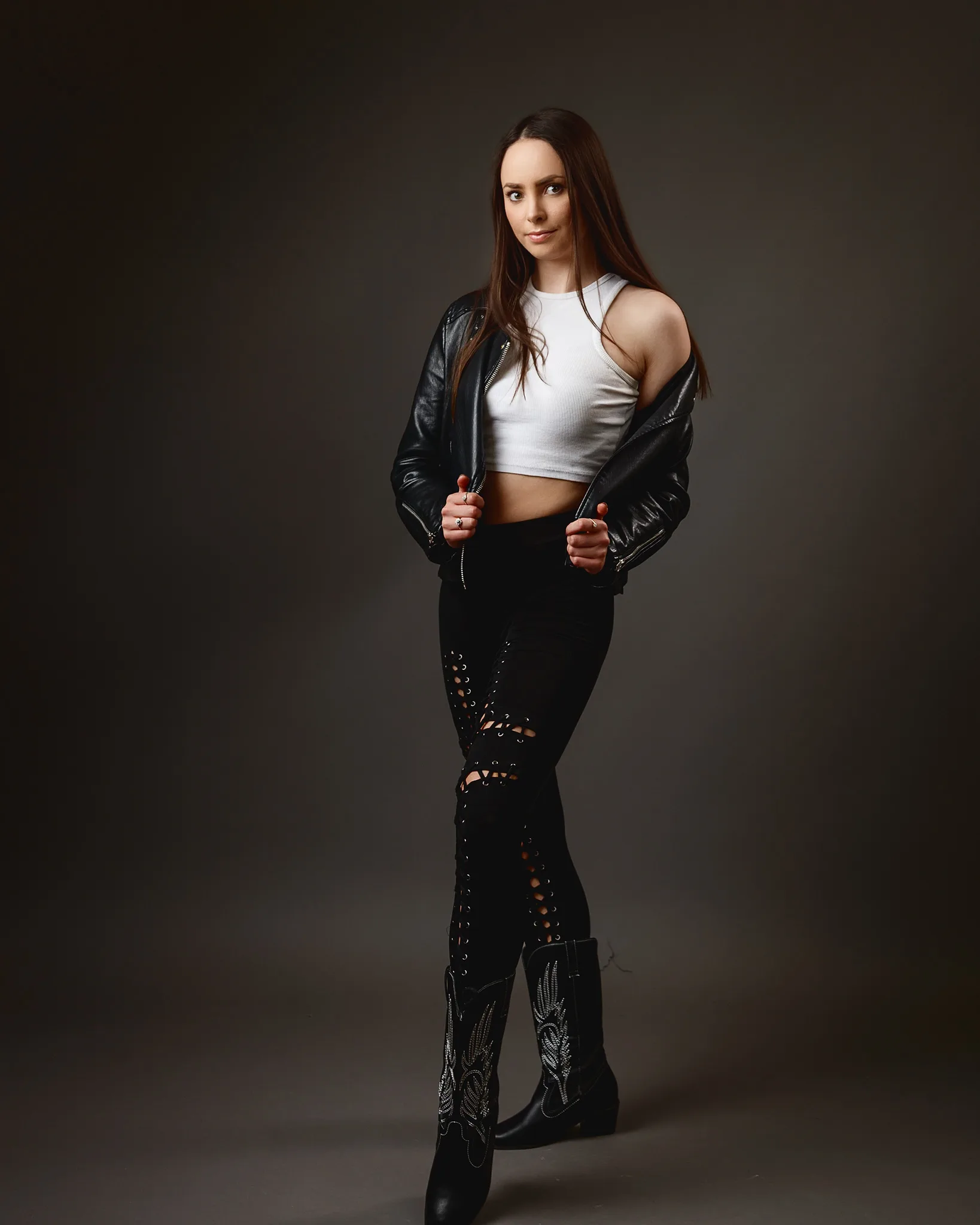
One of the useful things Ella explained to me after the shoot was how these images fit into the practical side of applying for performance work. When applying for dance and performance jobs, she is often asked to send a professional headshot, a body shot, and any relevant photographs connected to the specific role or production. For example, if she is applying for an Irish dance job, an Irish dance portrait or full-length dance image may be useful alongside her CV and dance showreel.
That context matters. It changes the way I think about the shoot. The images are not only there to look good on social media. They need to function as part of a professional application.
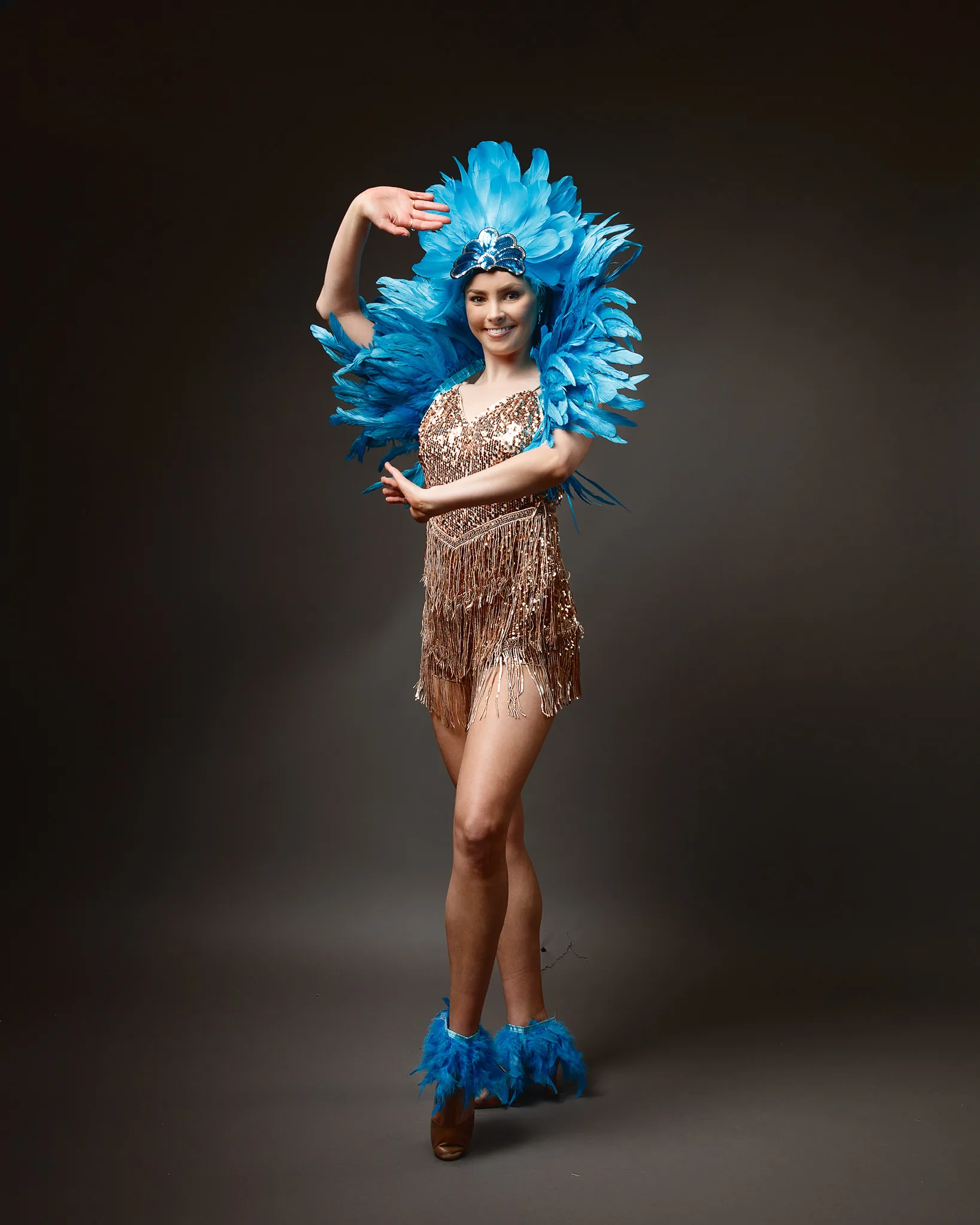
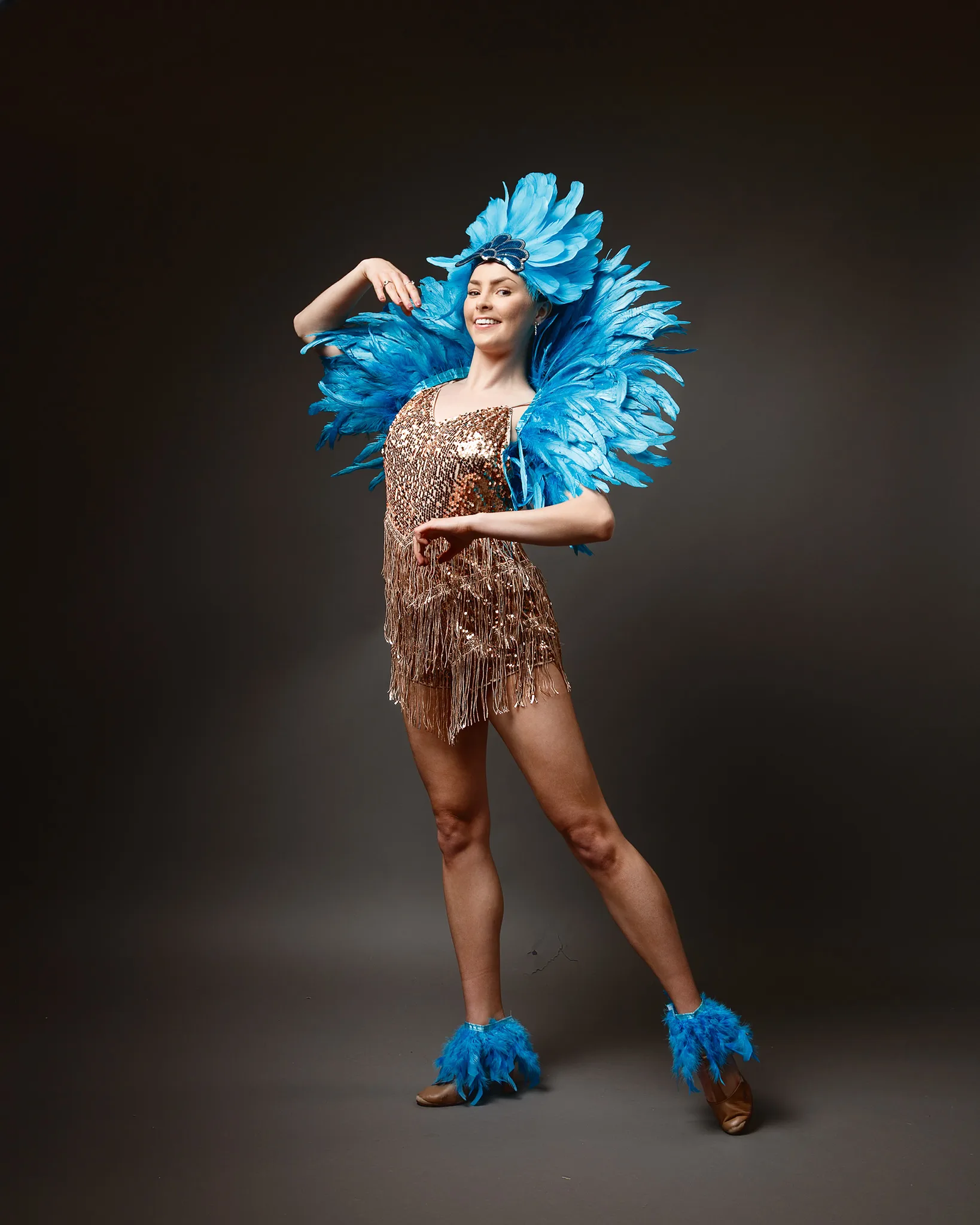
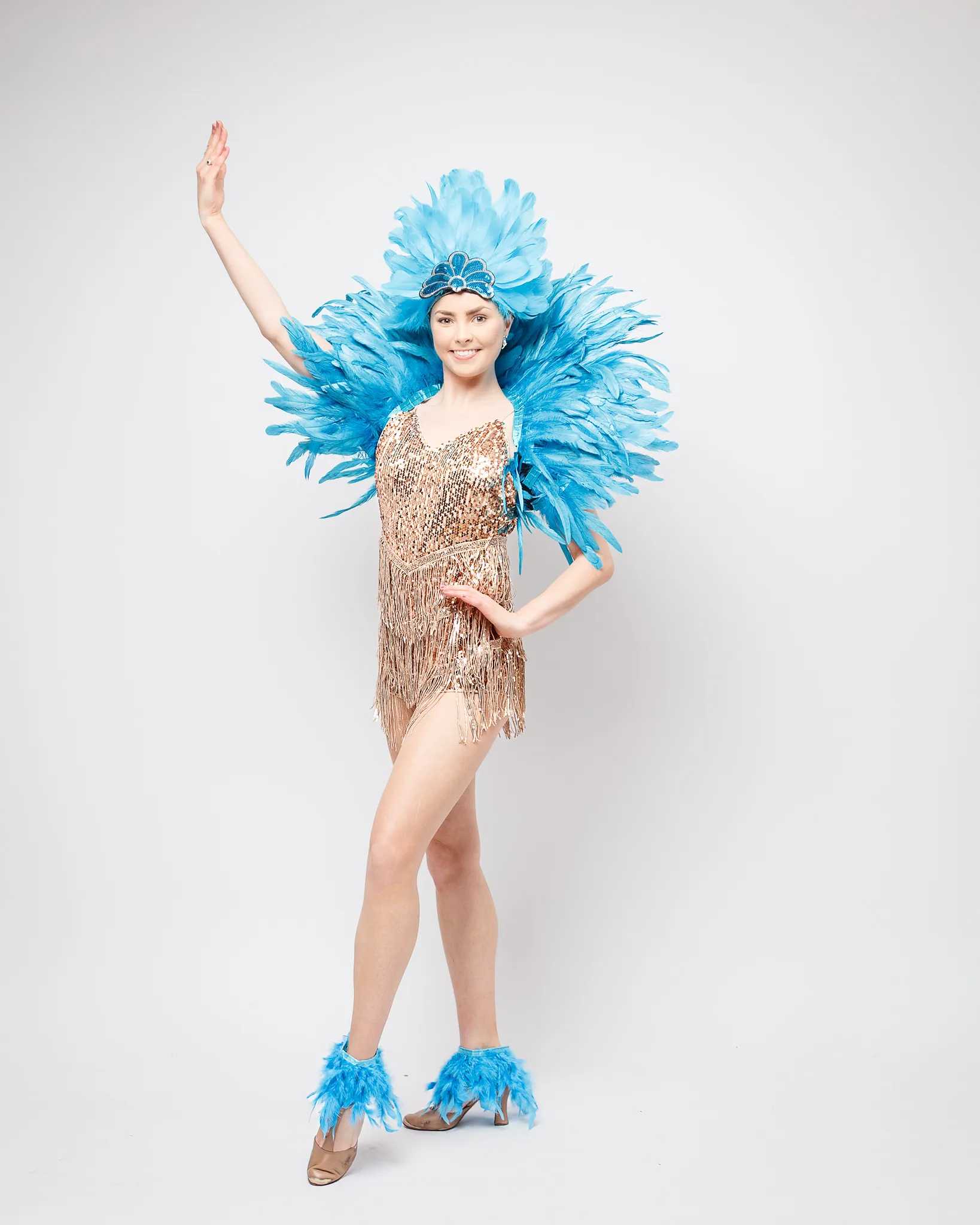
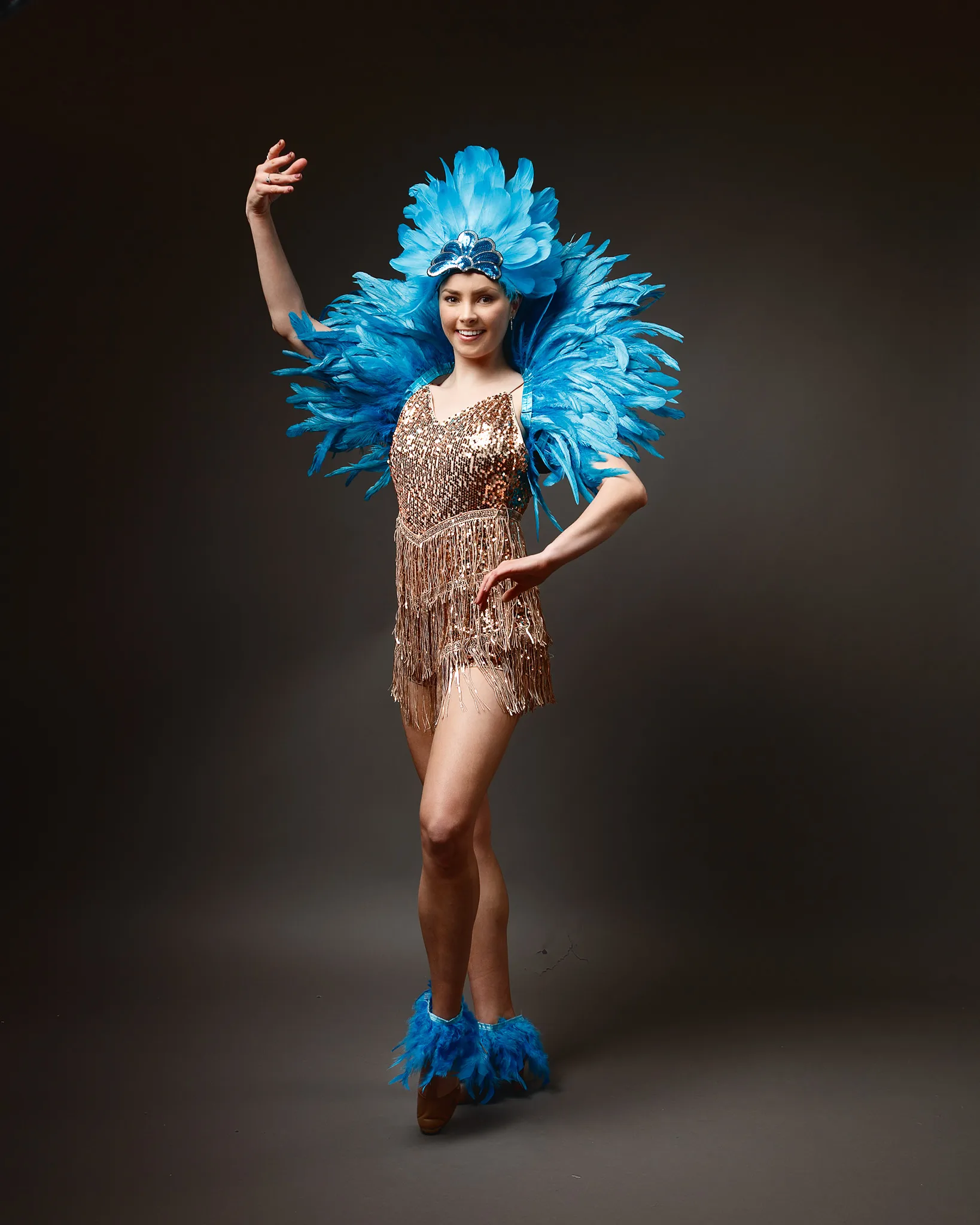
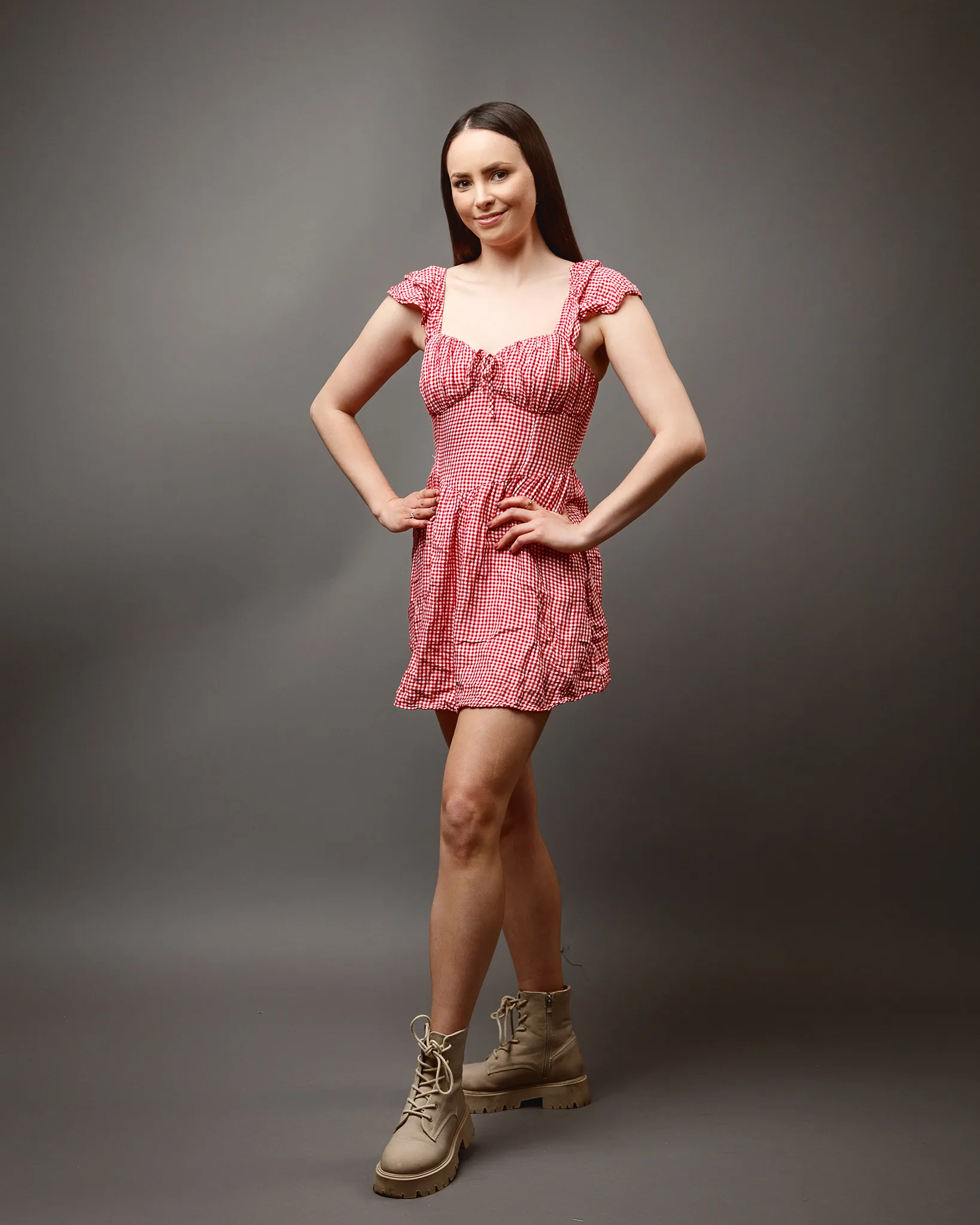
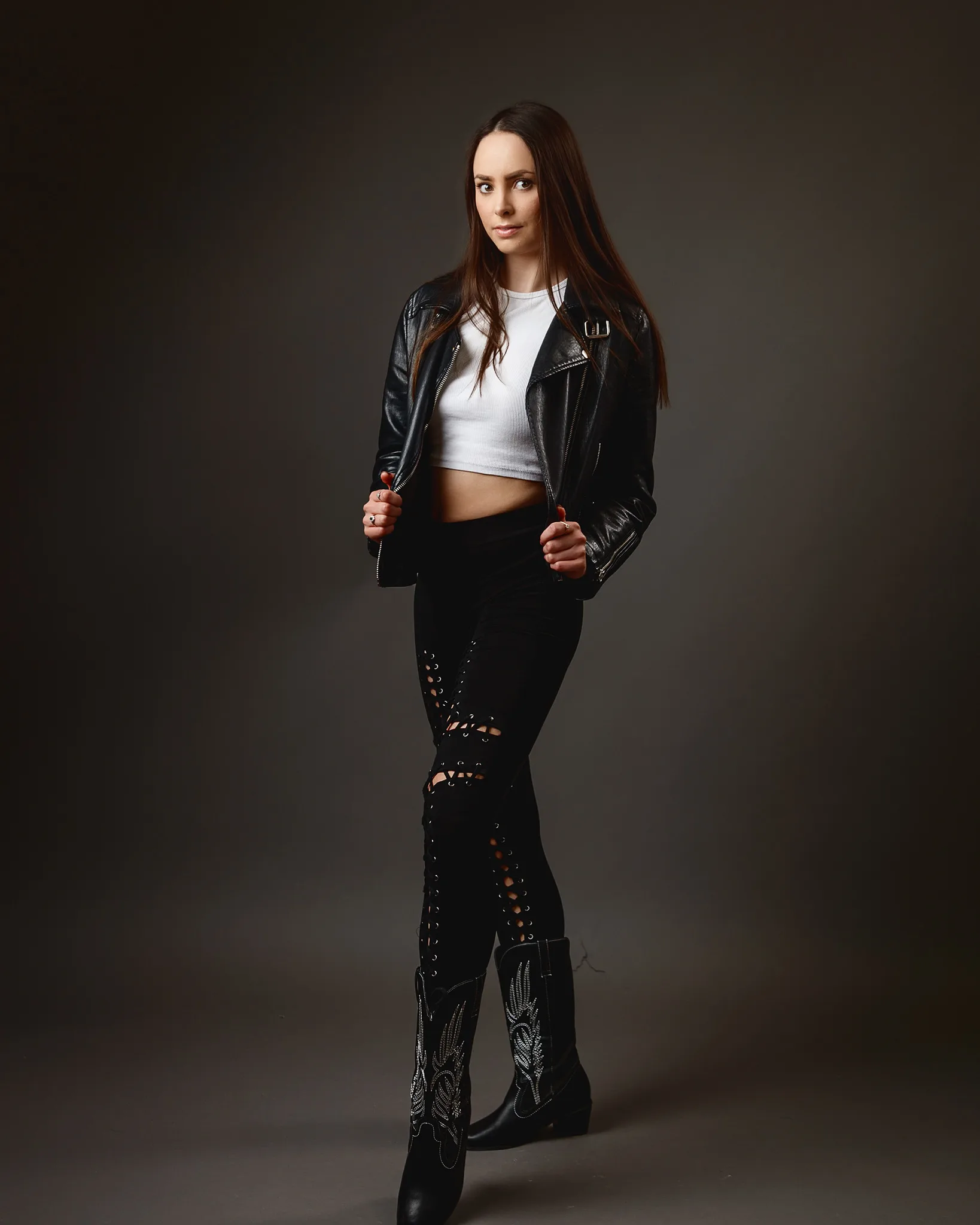
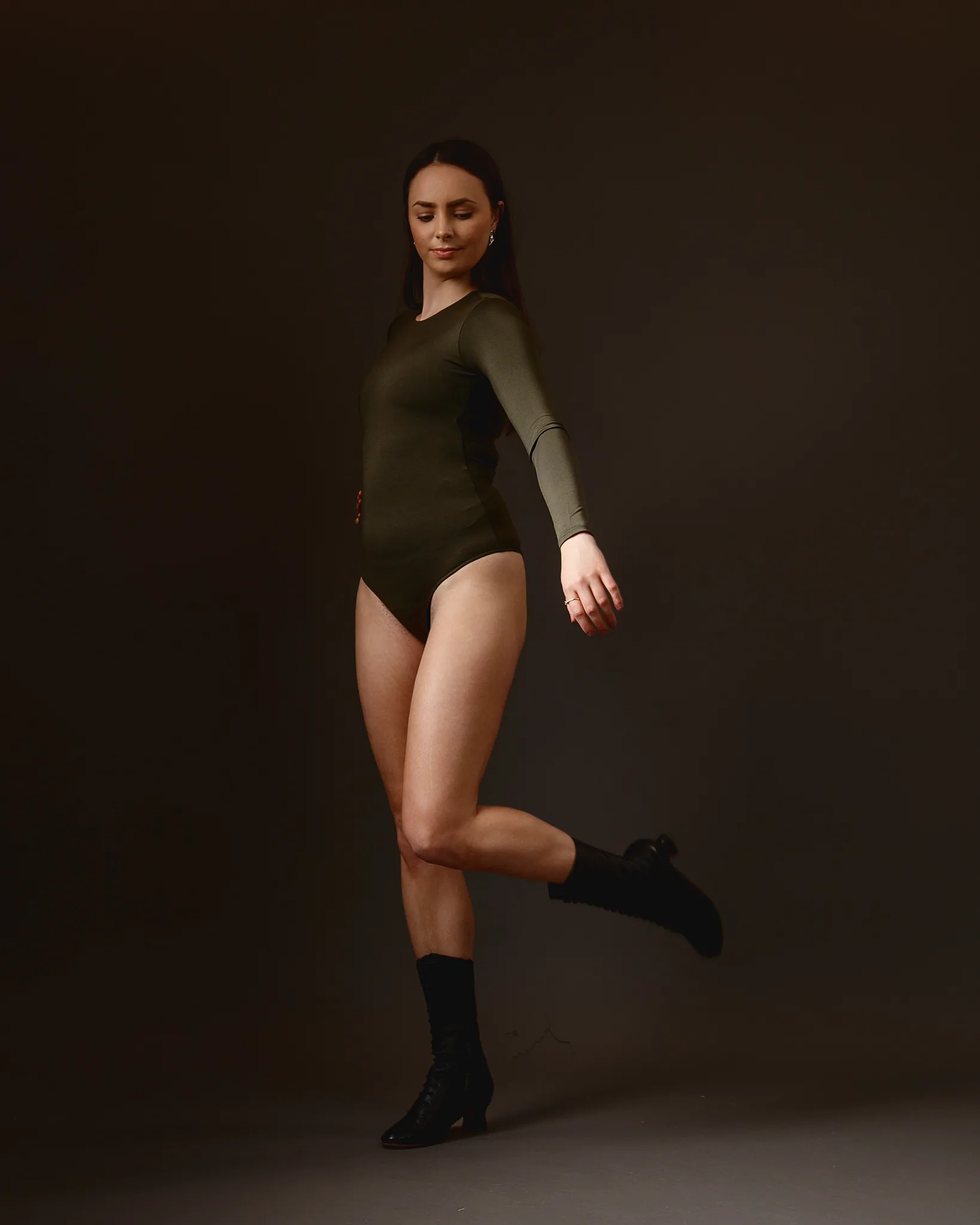
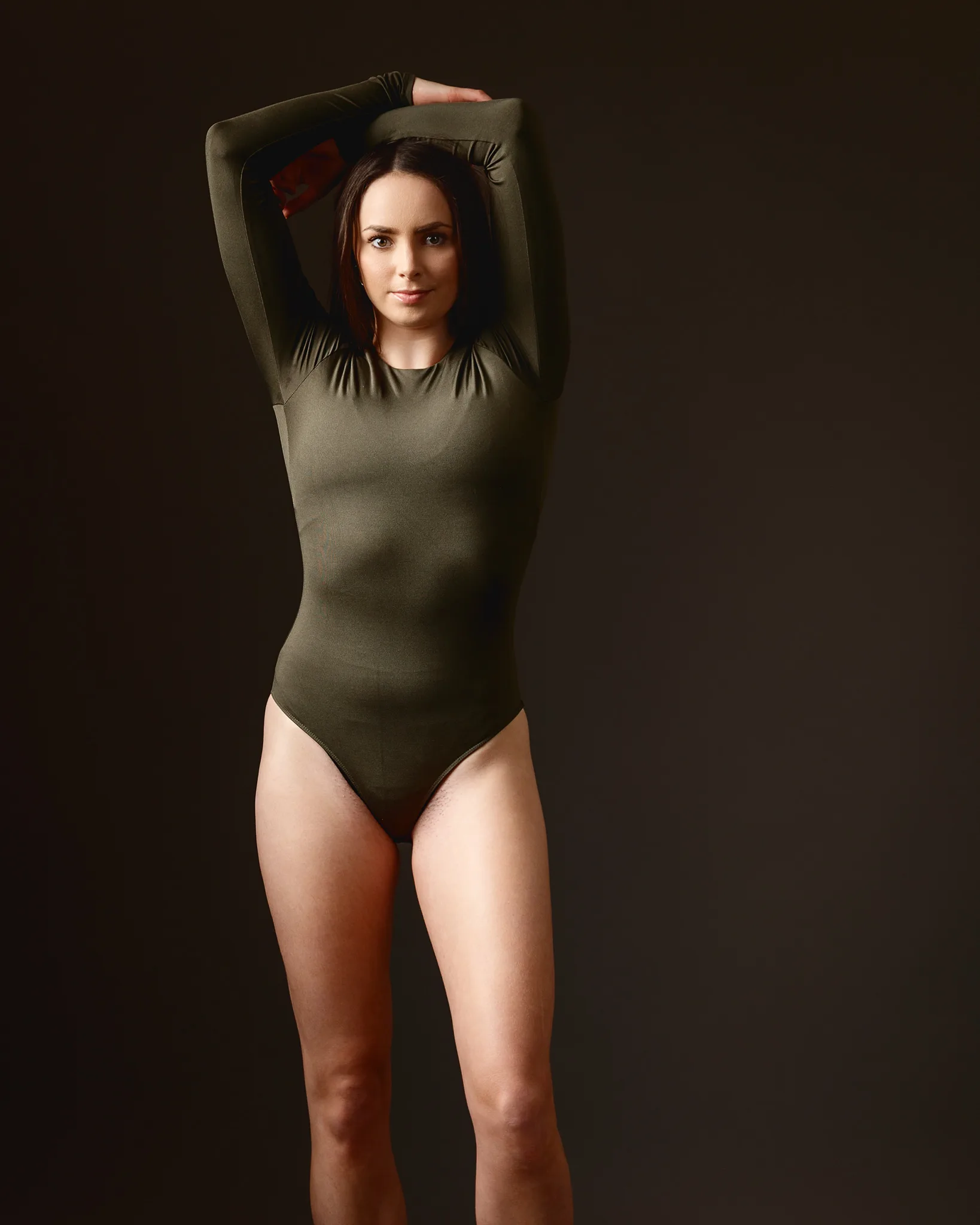
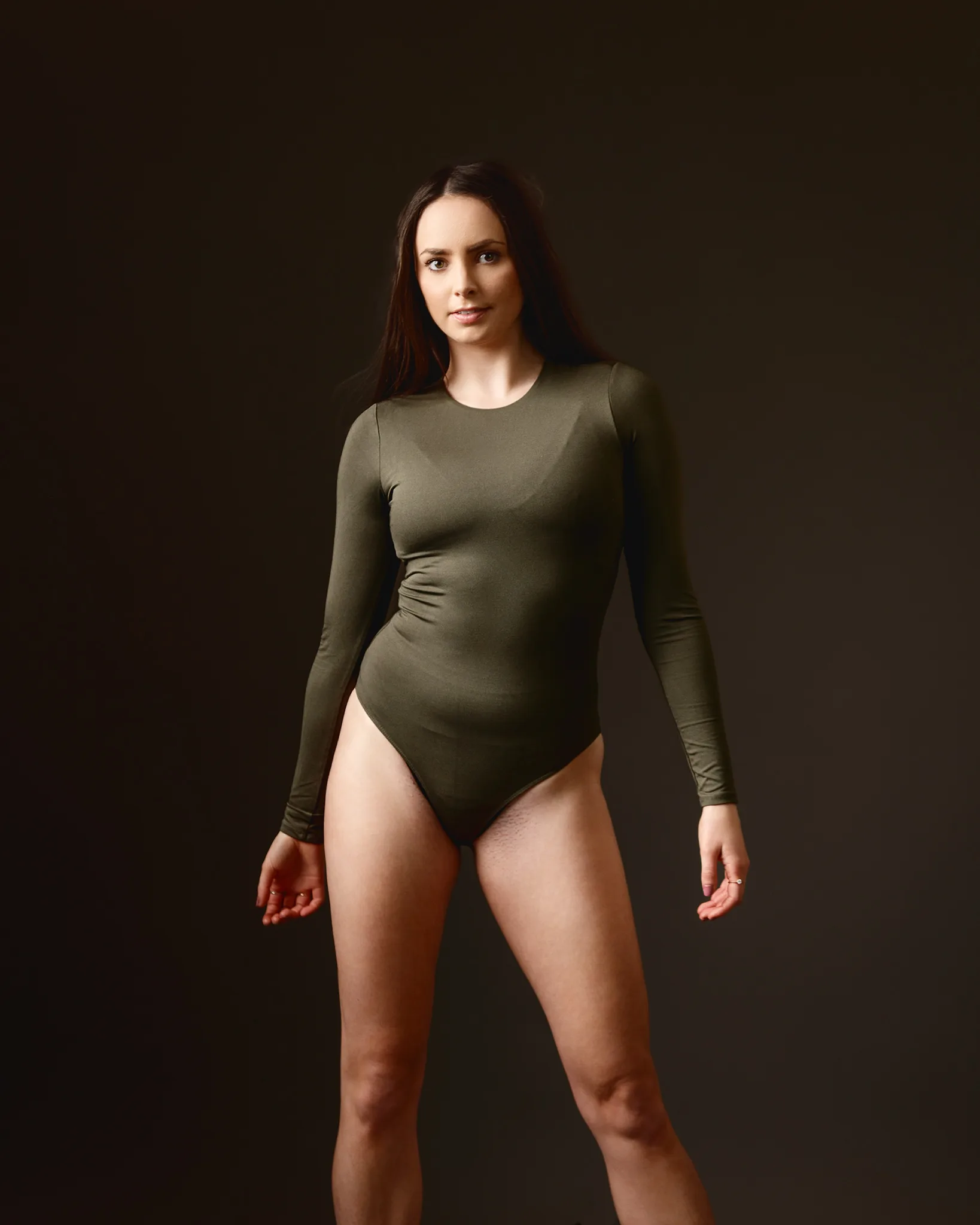
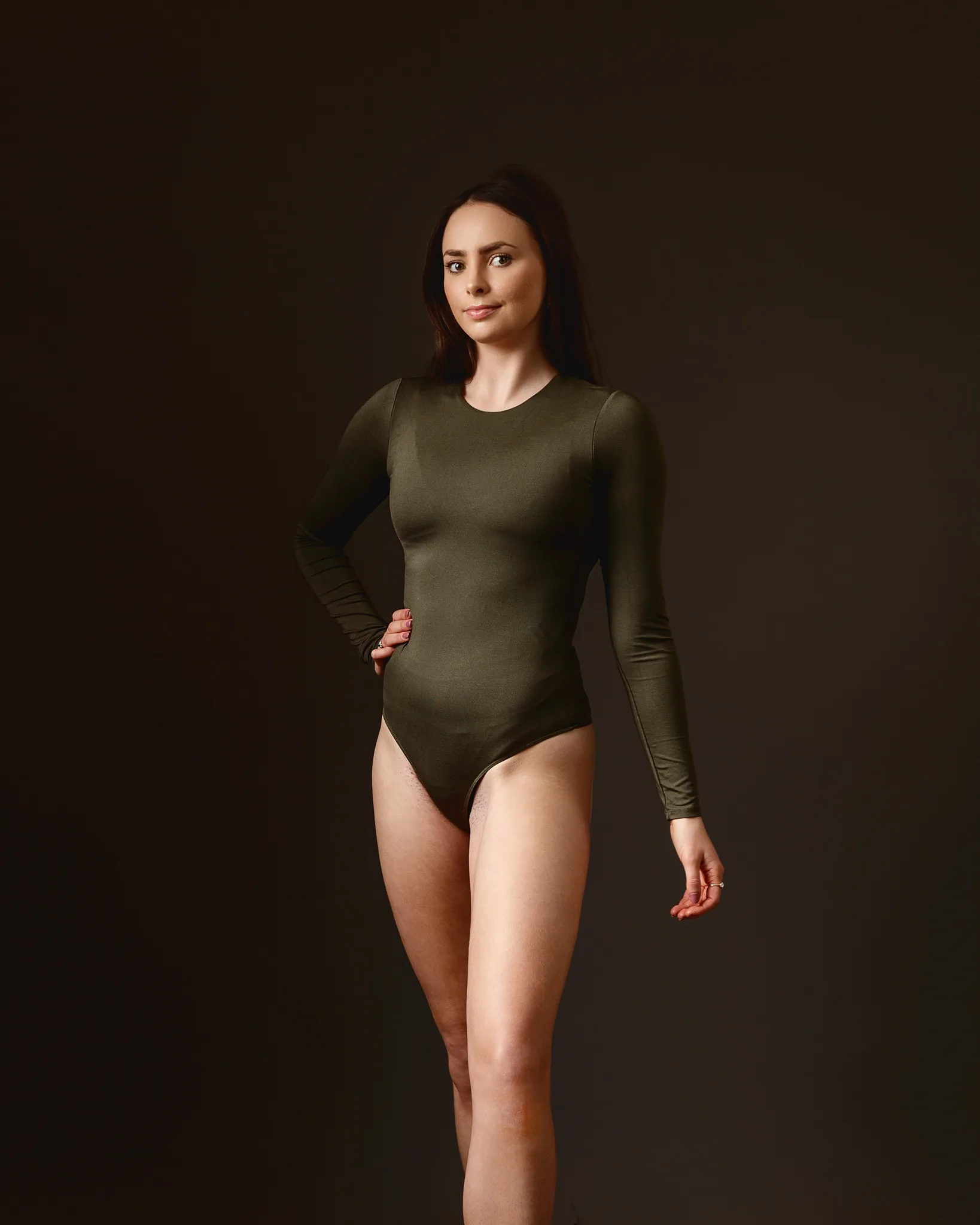
A casting director or agent may need to see what a performer looks like clearly, how they present on camera, their body shape and posture, and whether they have relevant visual material for a particular style of work. A headshot gives a clear introduction. A body shot provides a more complete view of the performer. Specific promotional images then help support the type of work being applied for, whether that is Irish dance, country dance, cabaret, showgirl work, or another performance style.
This is why variety matters in a performer photography session. It is not variety for the sake of it. Each set of images should have a reason behind it. A clean headshot, a full-length body shot, and a style-specific image can all serve different purposes when sent to casting directors, agents, or production teams.
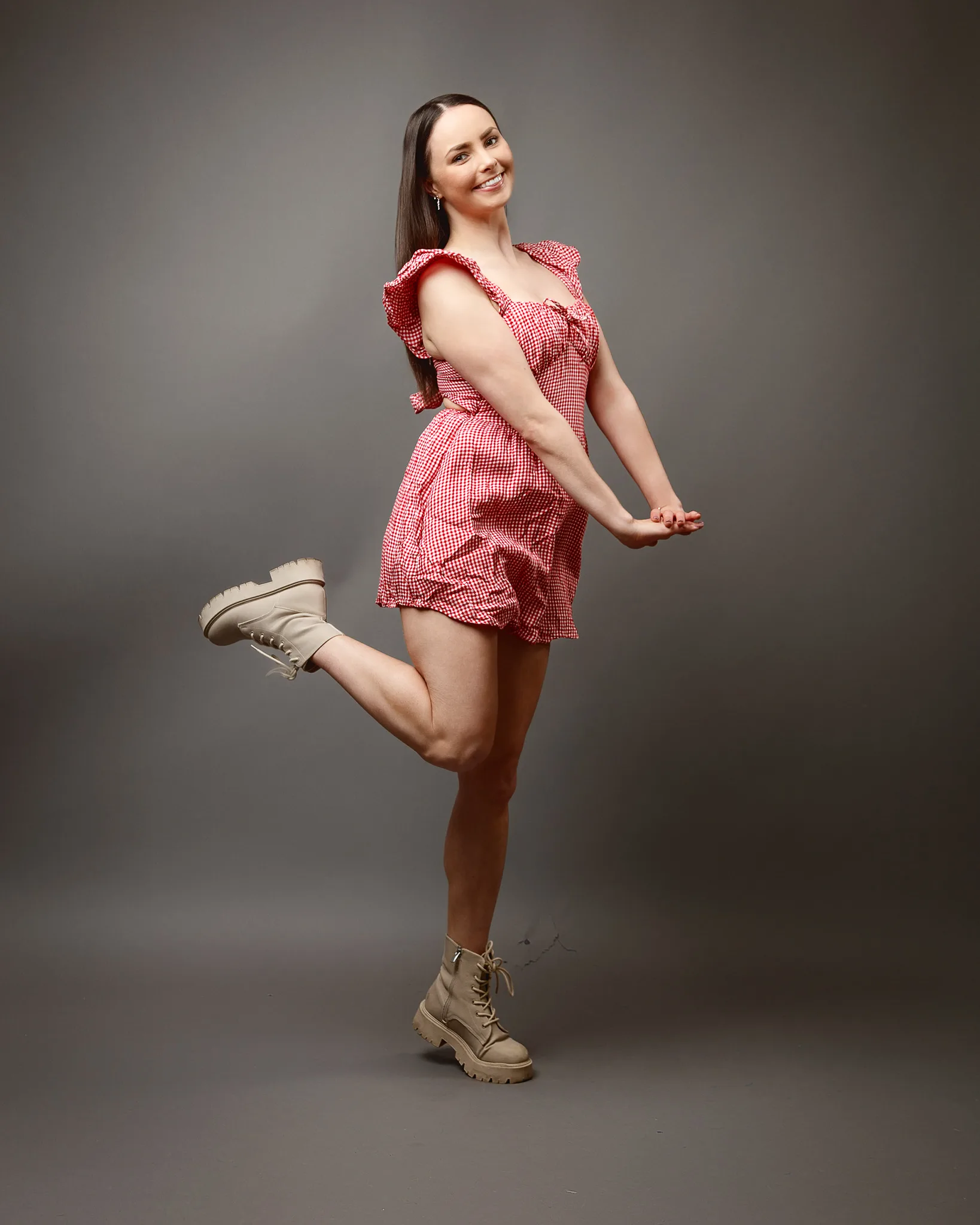
For Ella, this meant creating a practical set of photographs that could sit alongside her CV and showreel. Some images needed to be straightforward and professional. Others needed to show performance identity, costume, movement, styling, and range. The challenge is to make sure the final gallery gives her useful options without losing consistency.
Promotional Photography for a Dancer and Performer
Once the headshots were completed, we moved into the promotional side of the shoot. This was where the session opened up creatively, with several outfit changes and different visual directions.
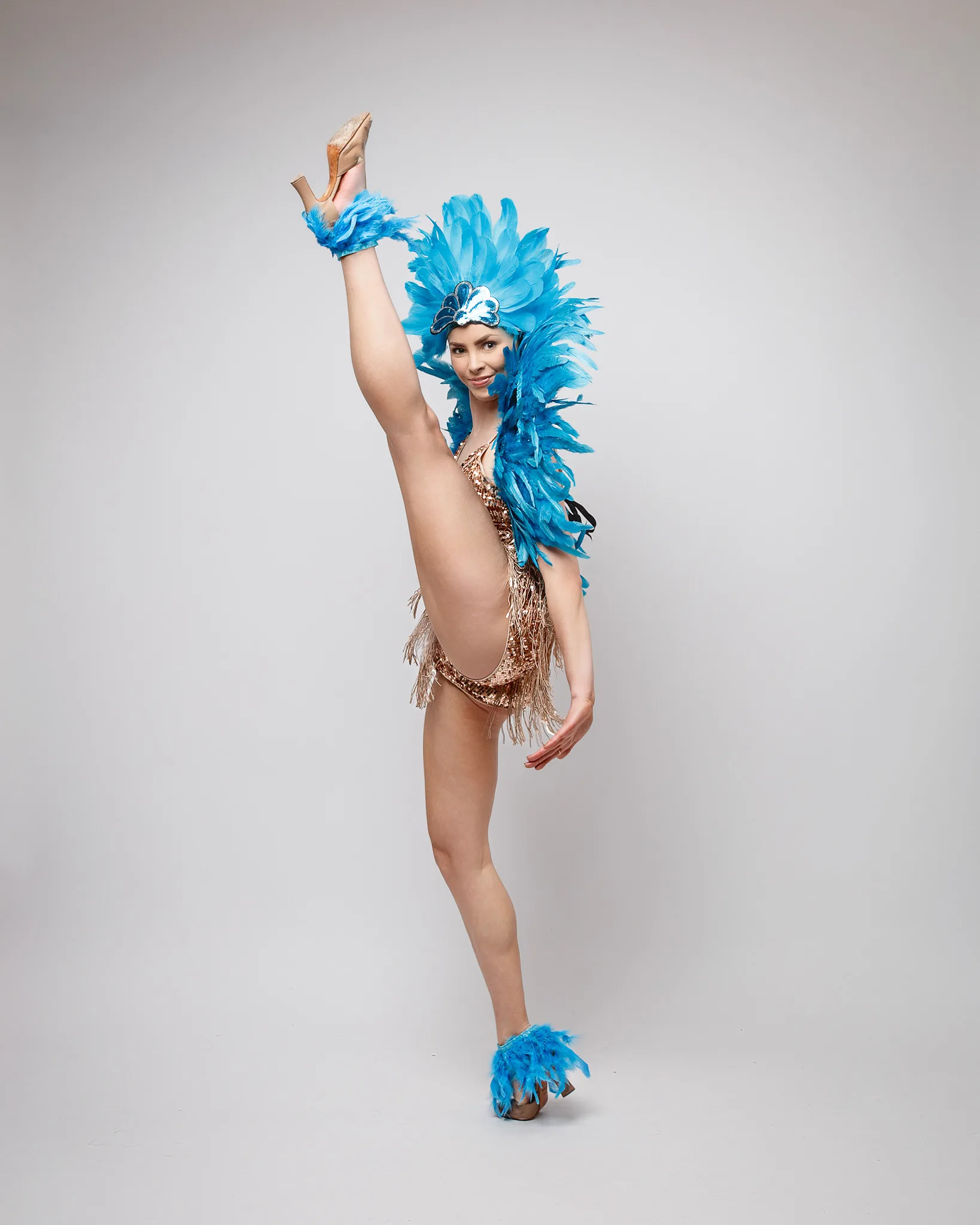
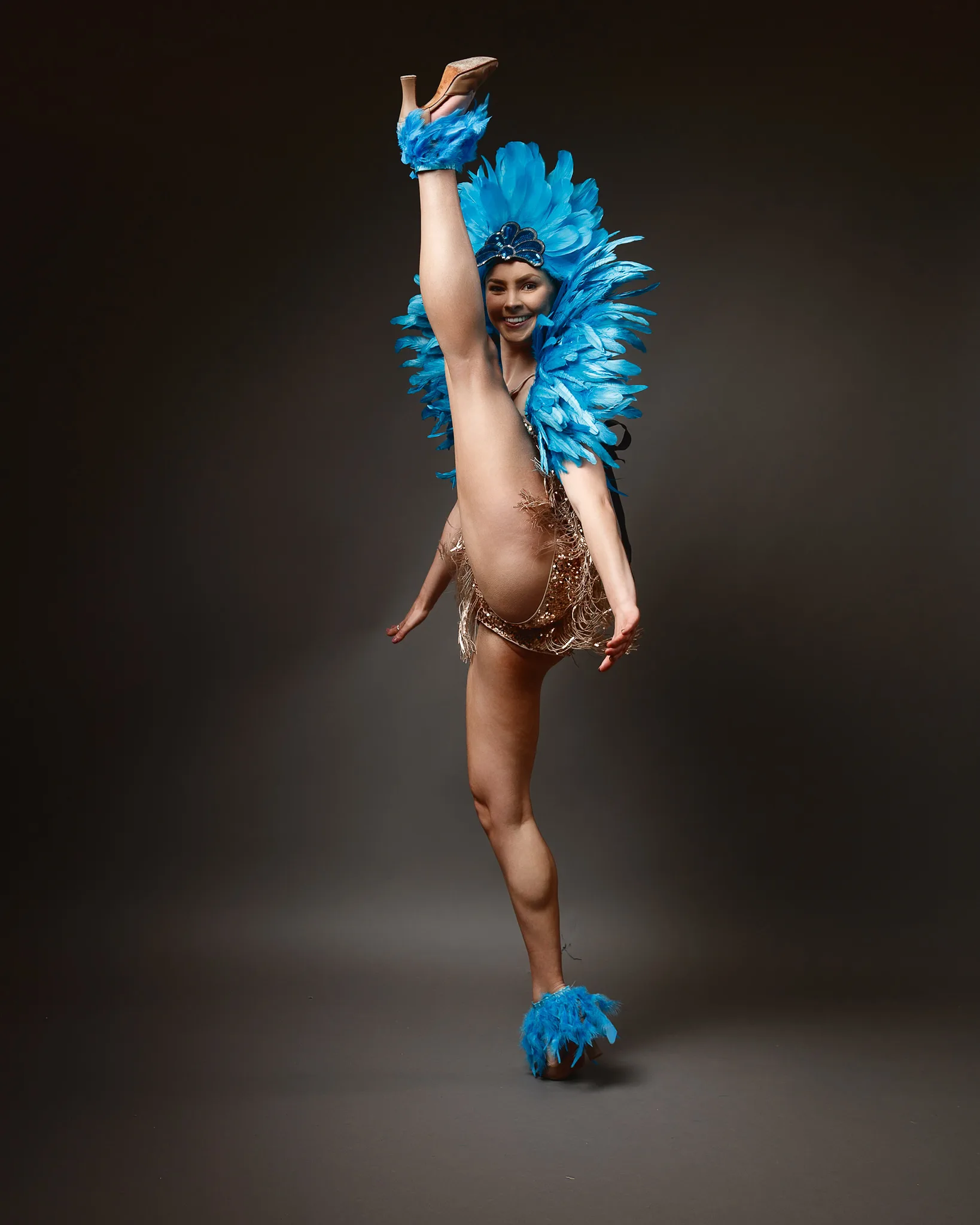
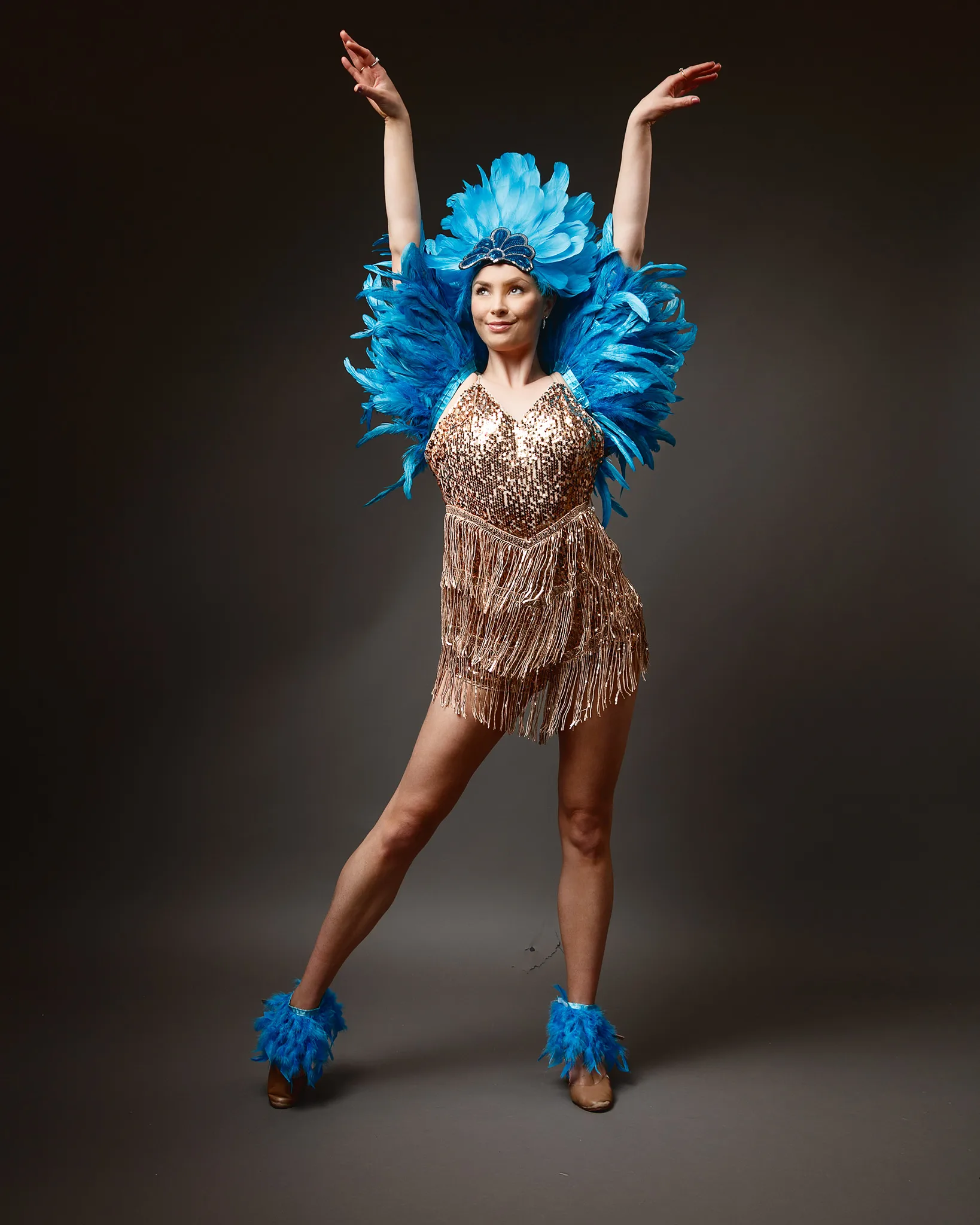
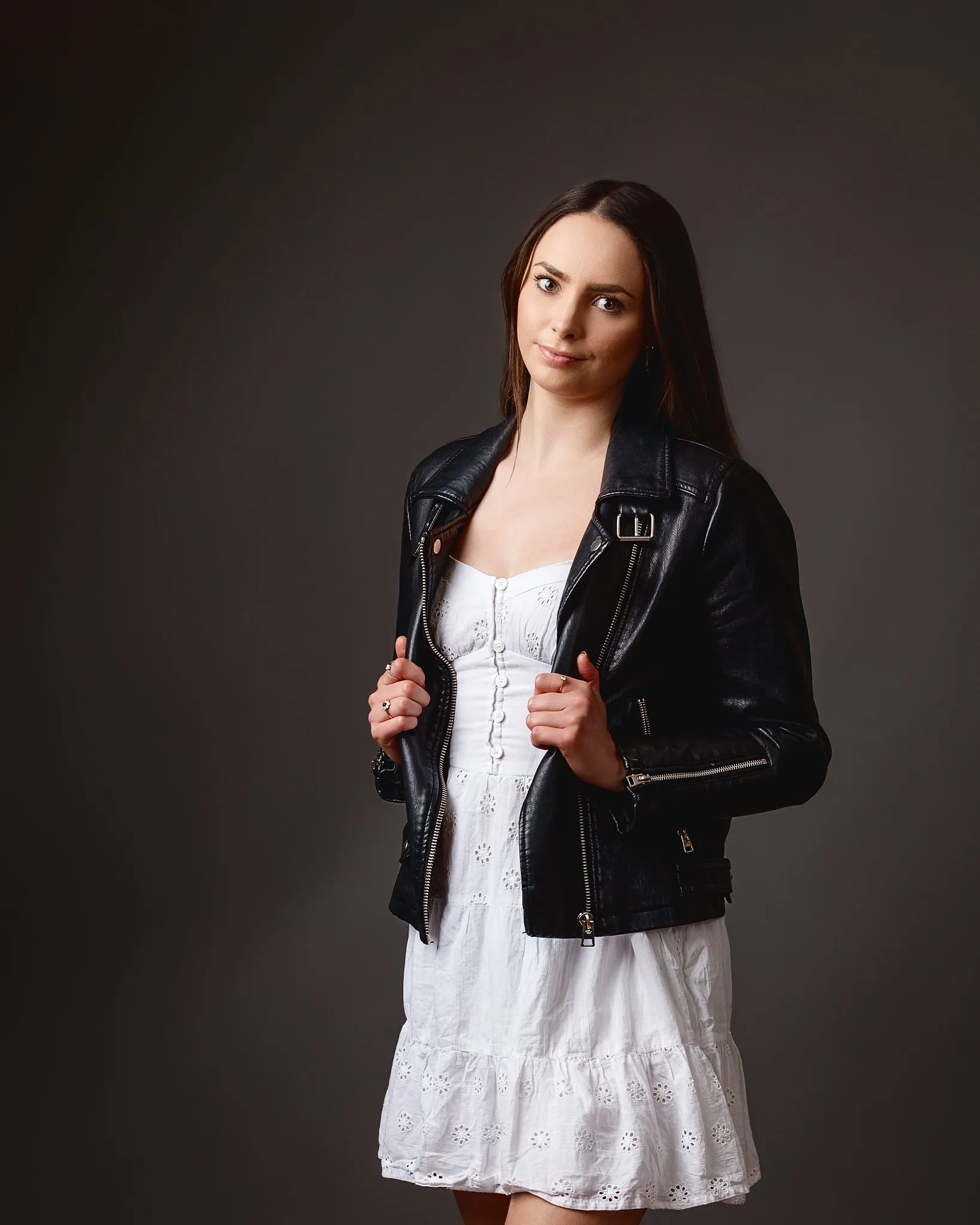
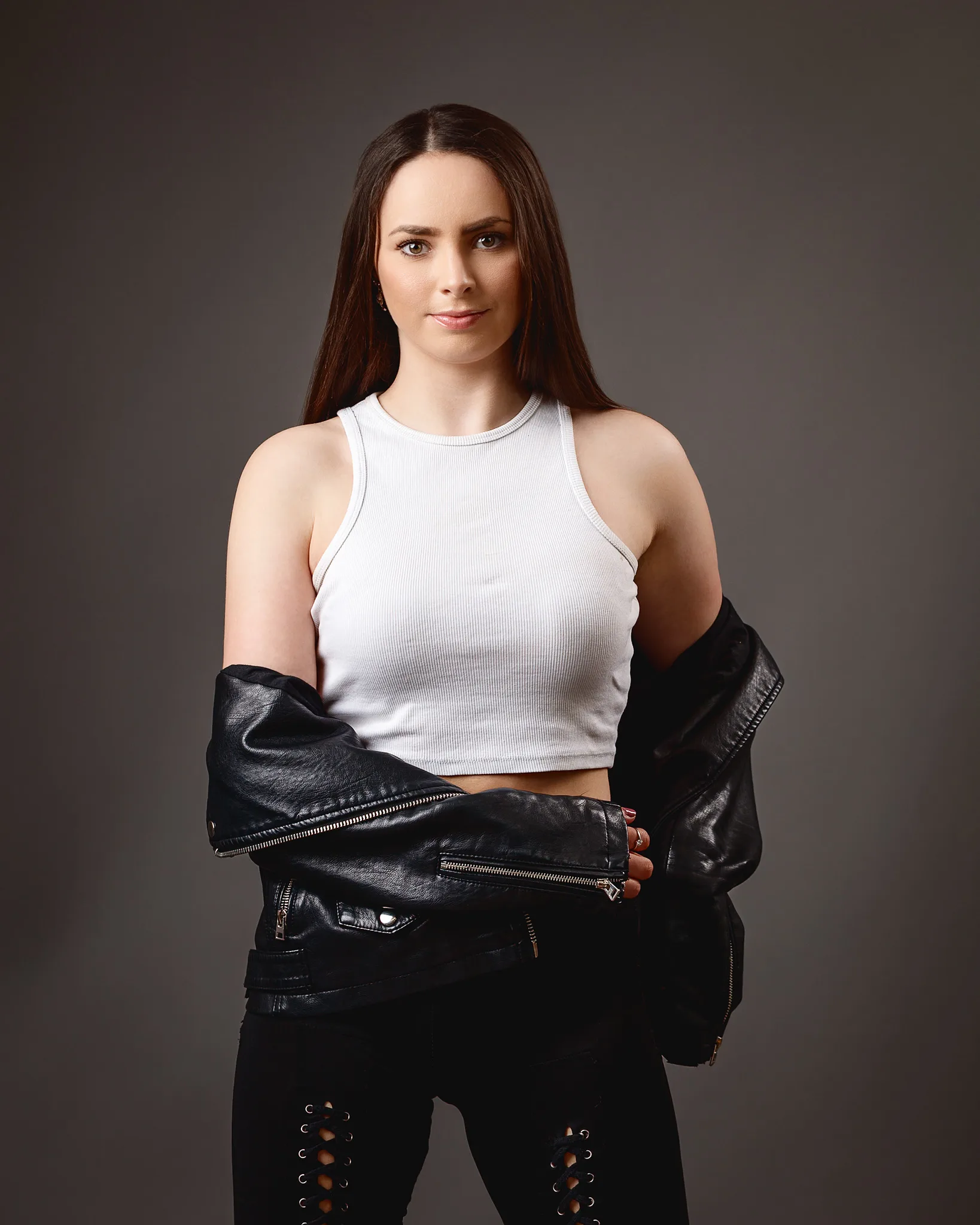
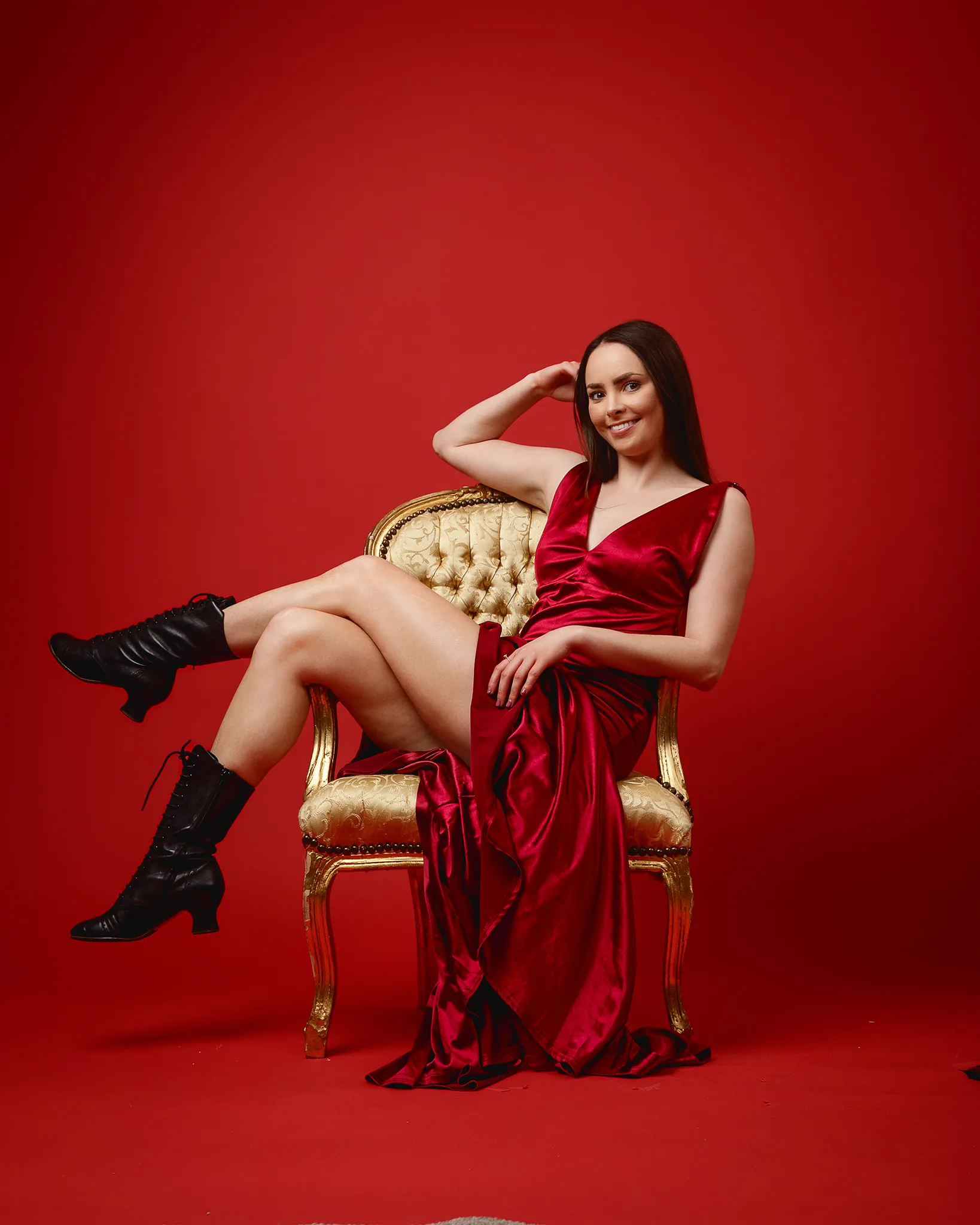
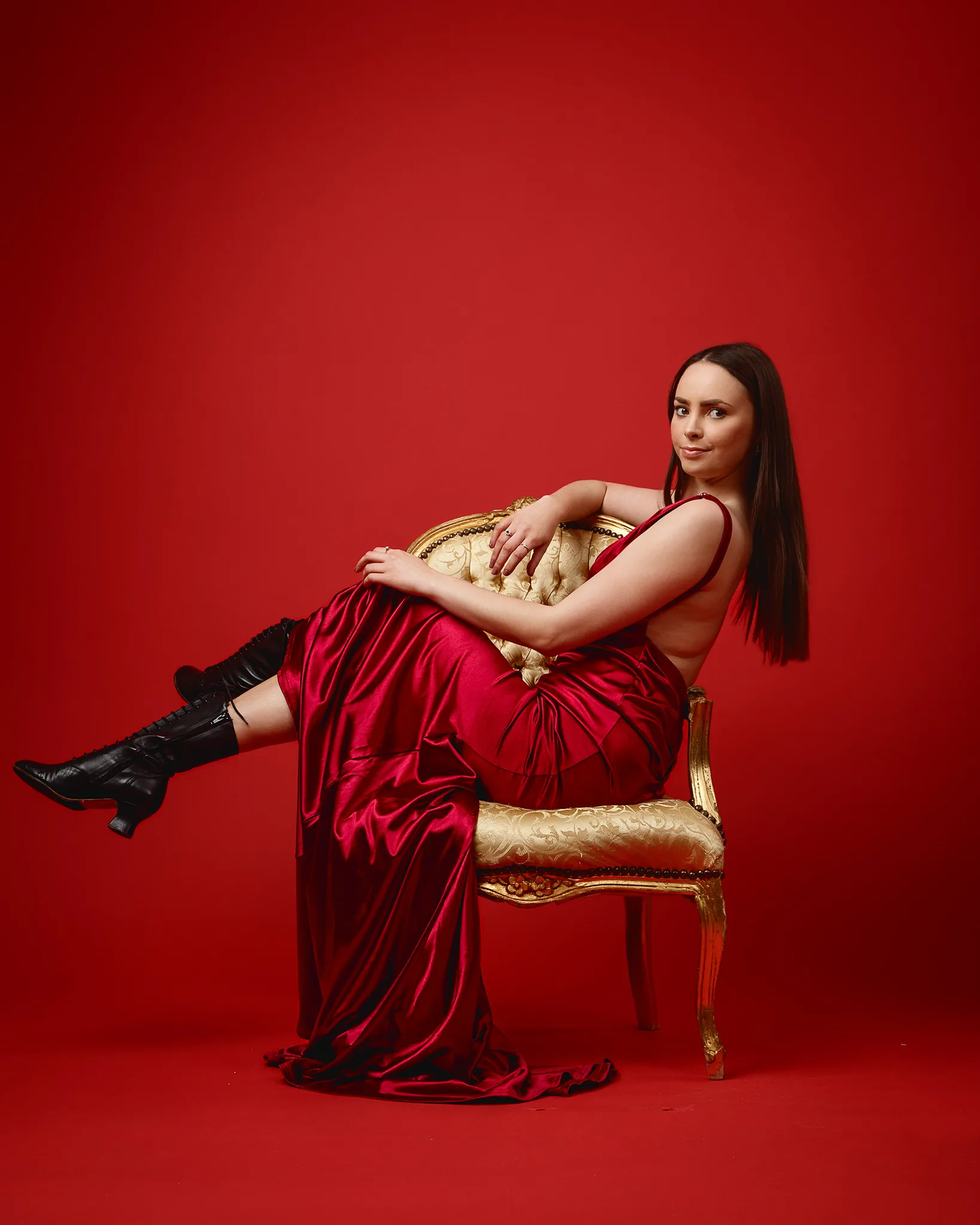
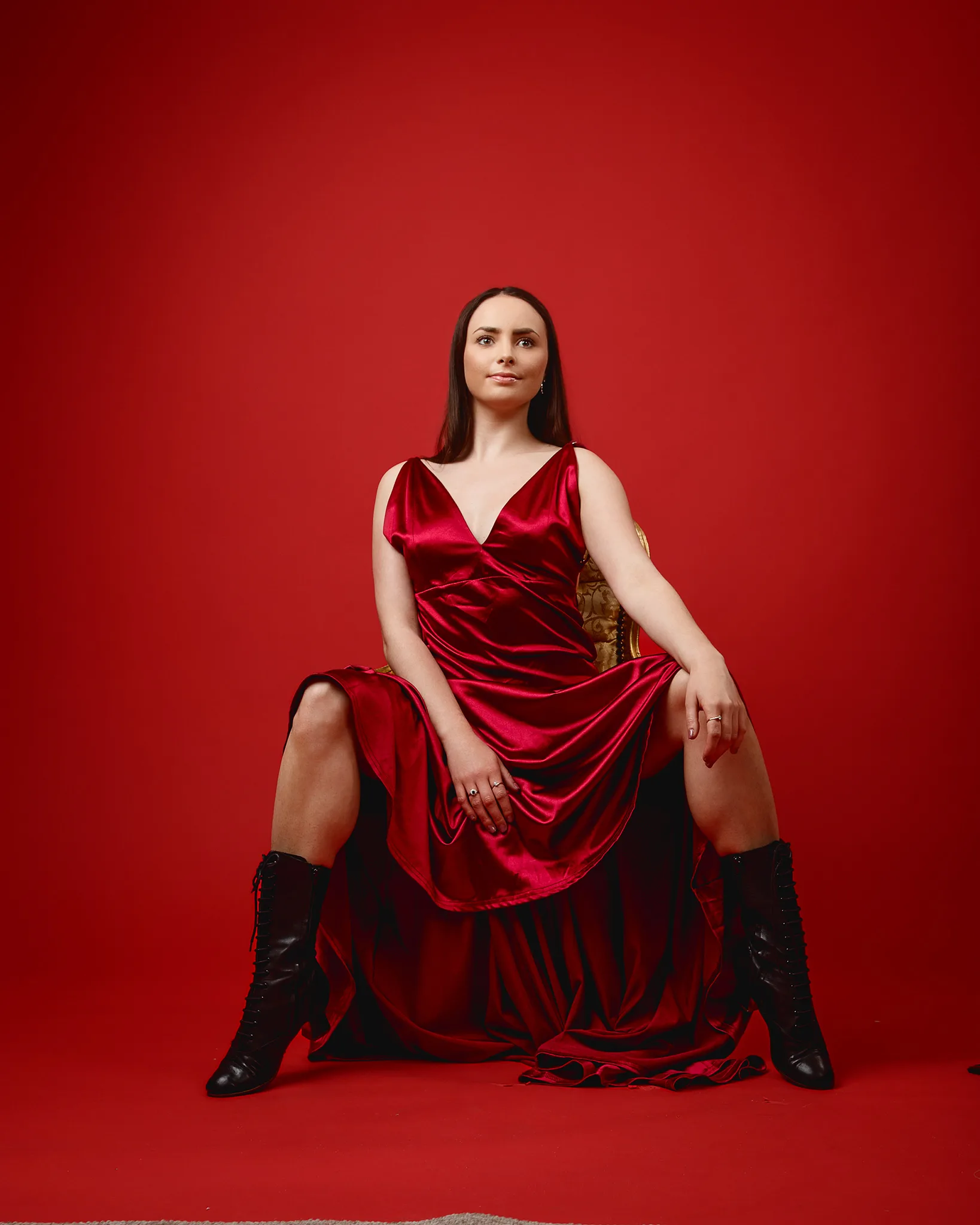
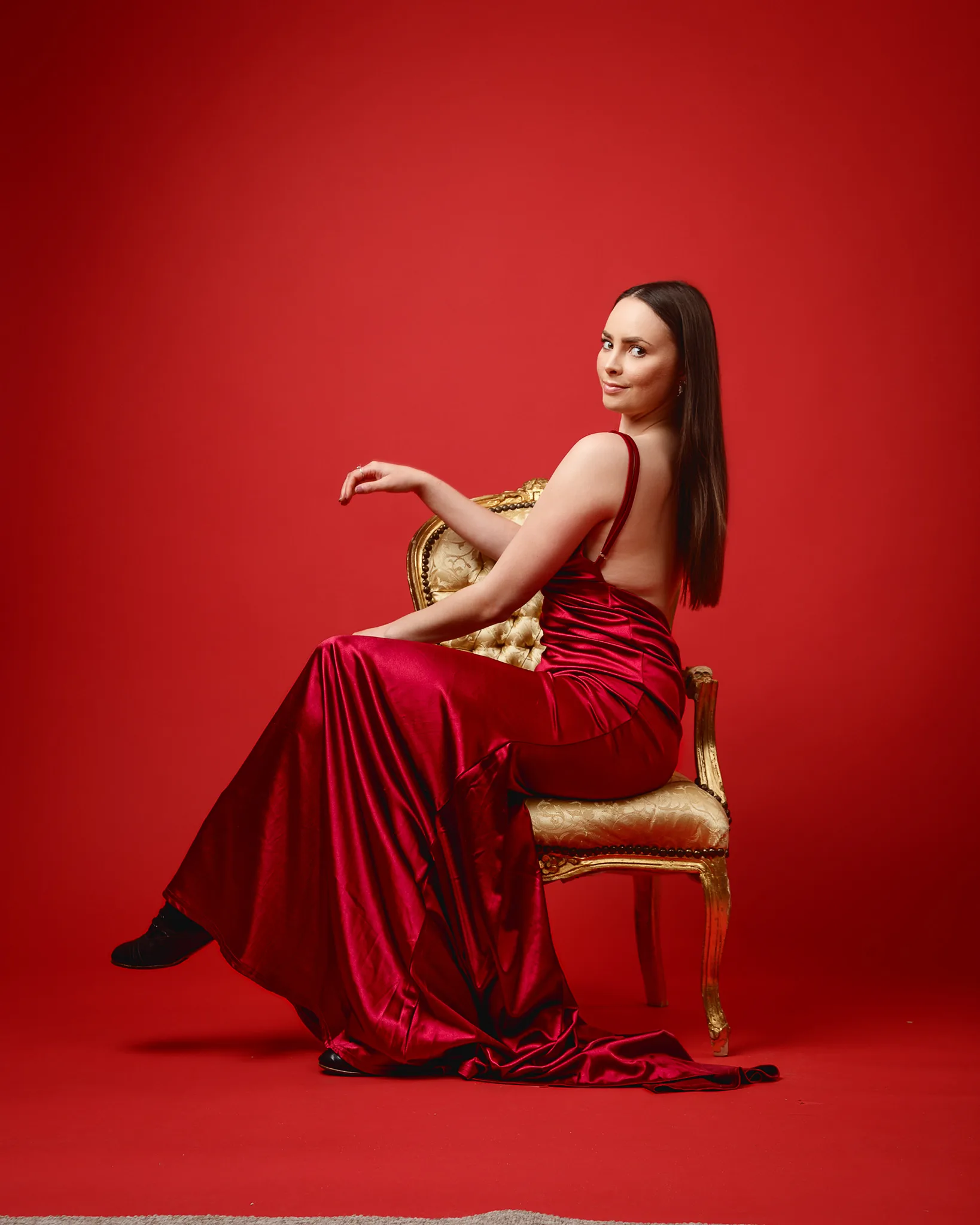
Ella wanted promotional images for her dance business, including Irish dance photographs, country dance styling, showgirl-inspired headshots and body shots, and a few more experimental ideas using different backdrops and styling. These images have a different purpose from a straightforward professional headshot. They need to show personality, performance, movement, styling, and range.
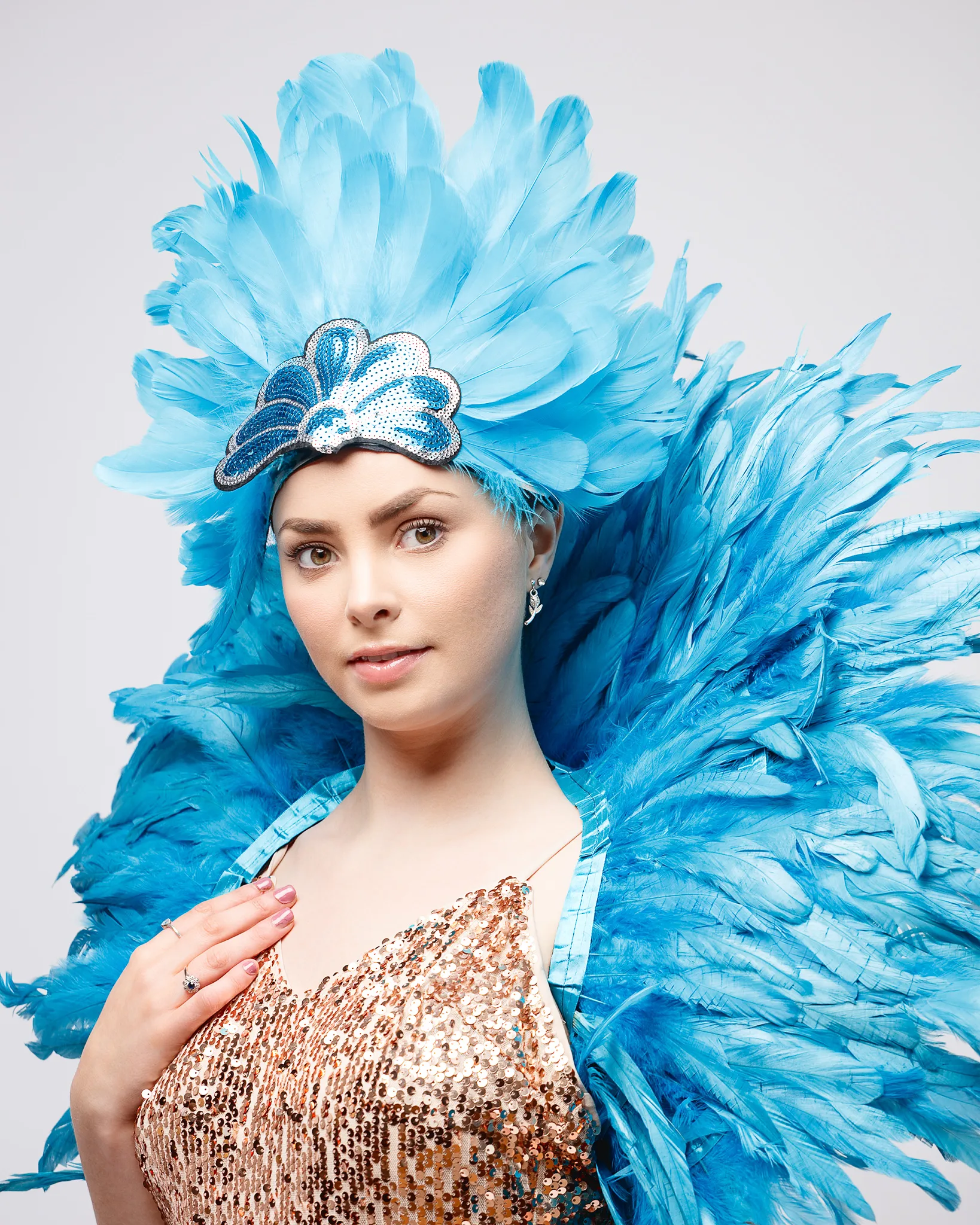
The blue Irish dance dress gave us a strong visual centrepiece. It had detail, sparkle, shape, and a clear performance identity. With this kind of outfit, I need to be careful that the lighting supports the detail rather than flattening it. Sequins, beading, and reflective materials can either come alive under studio light or become distracting if they are lit too harshly. The aim is to keep the texture and shine without letting the dress overpower the portrait.
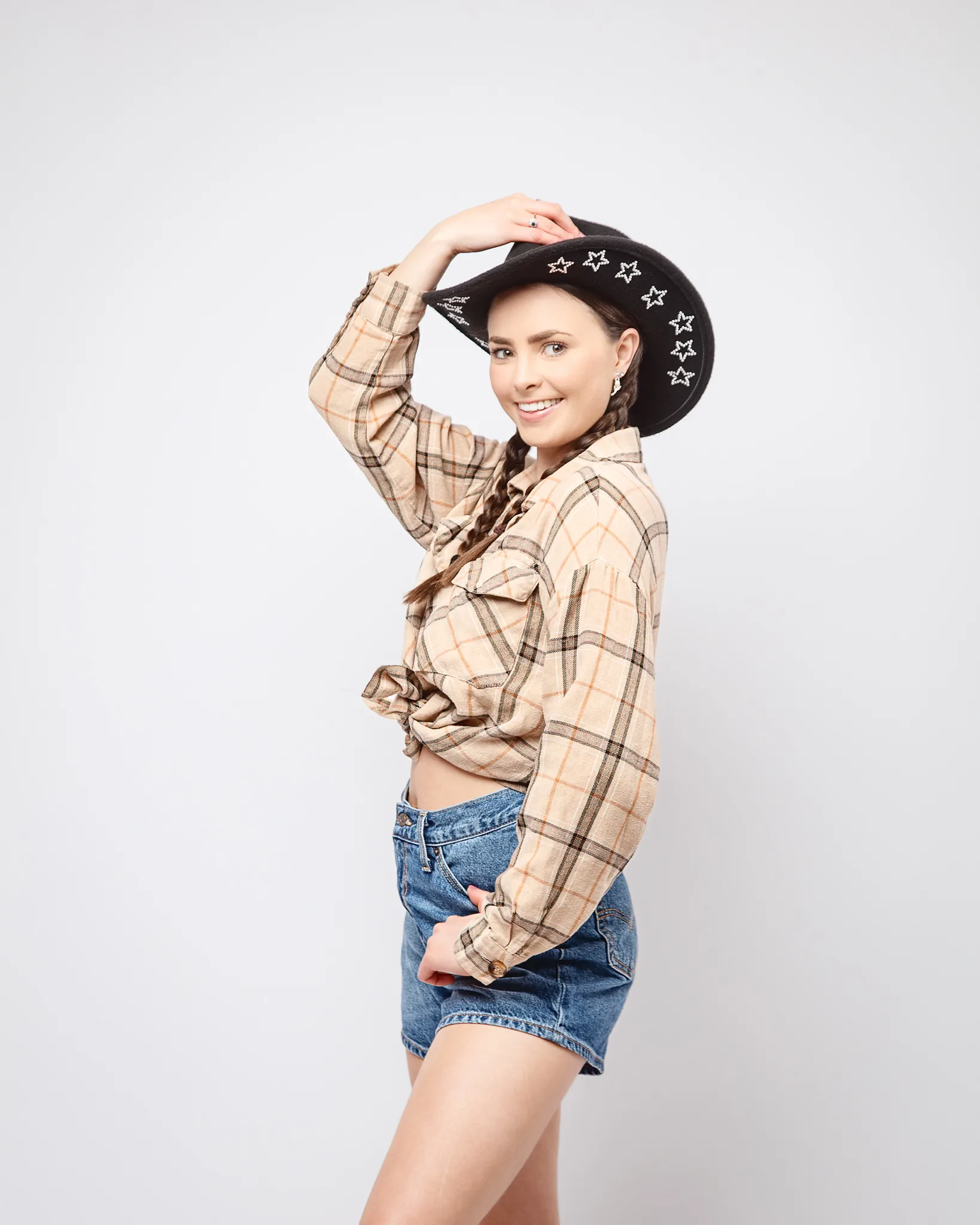
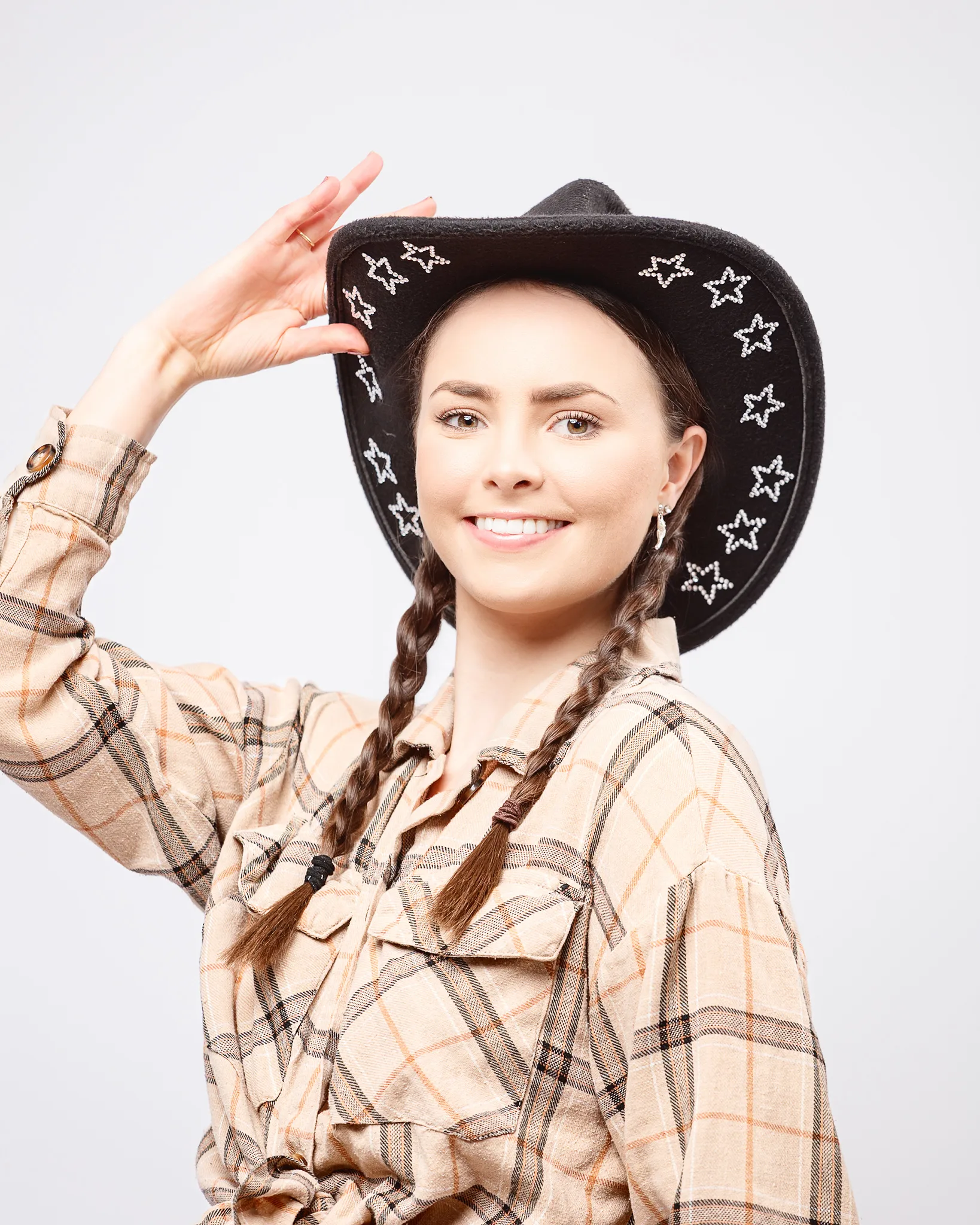
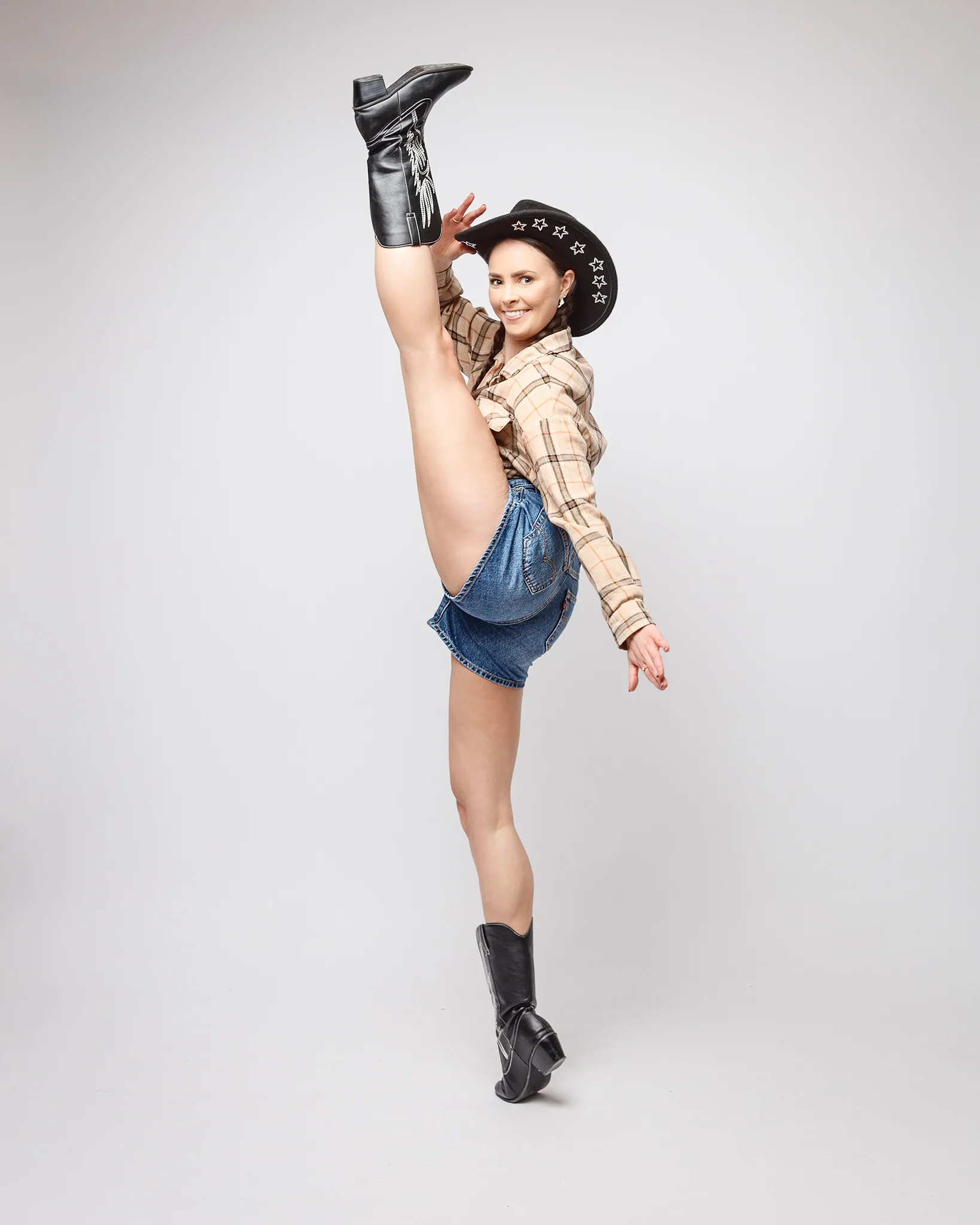
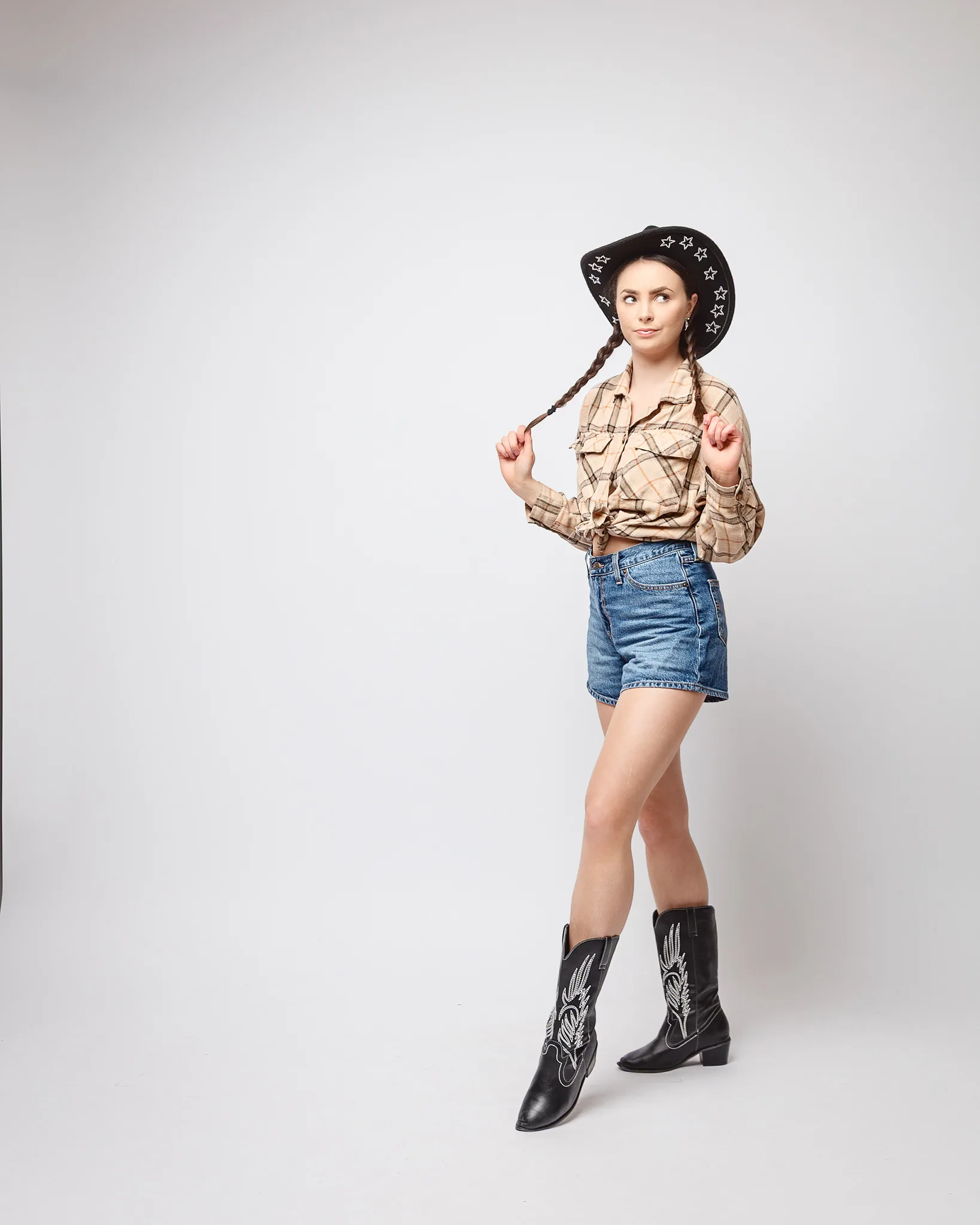
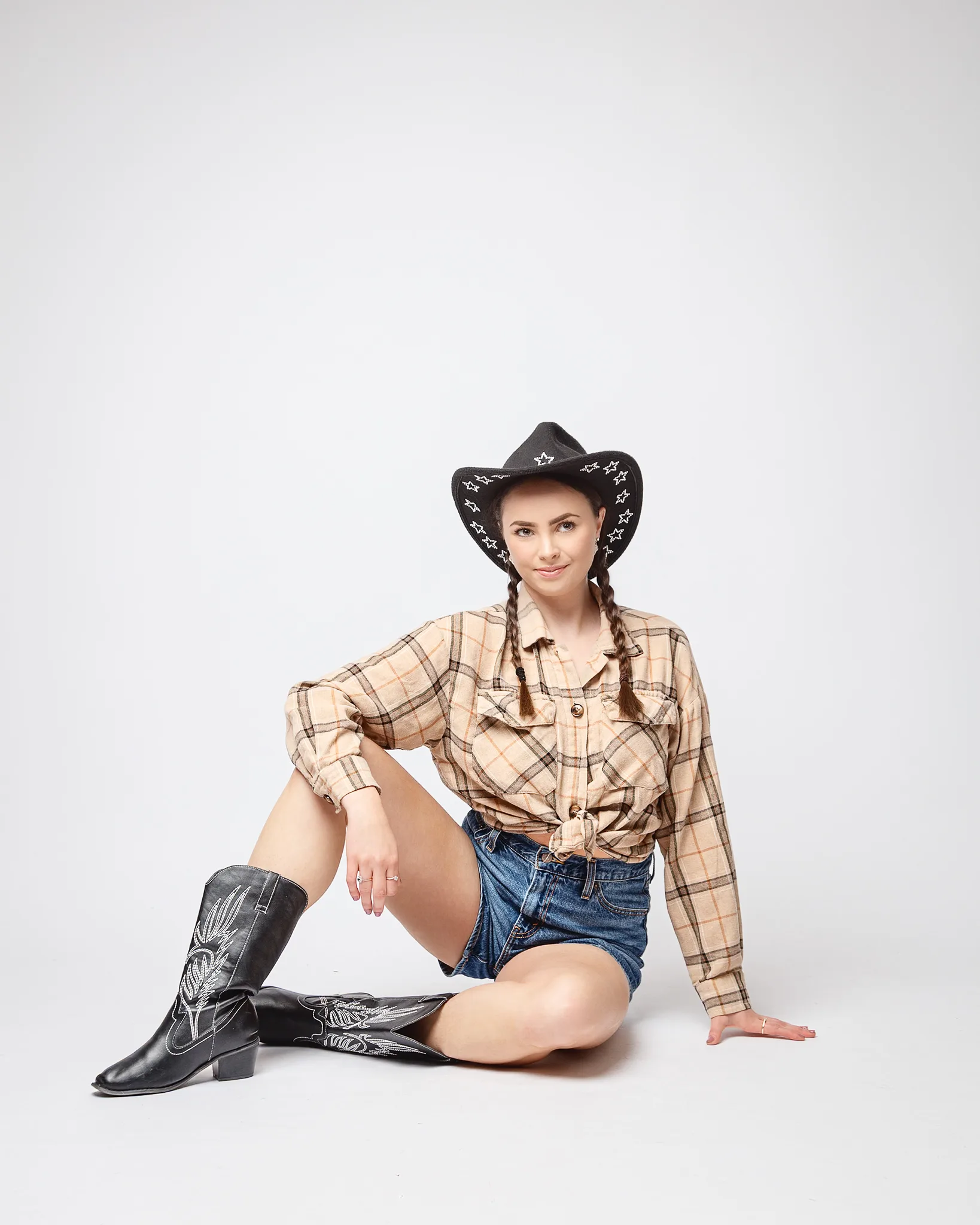
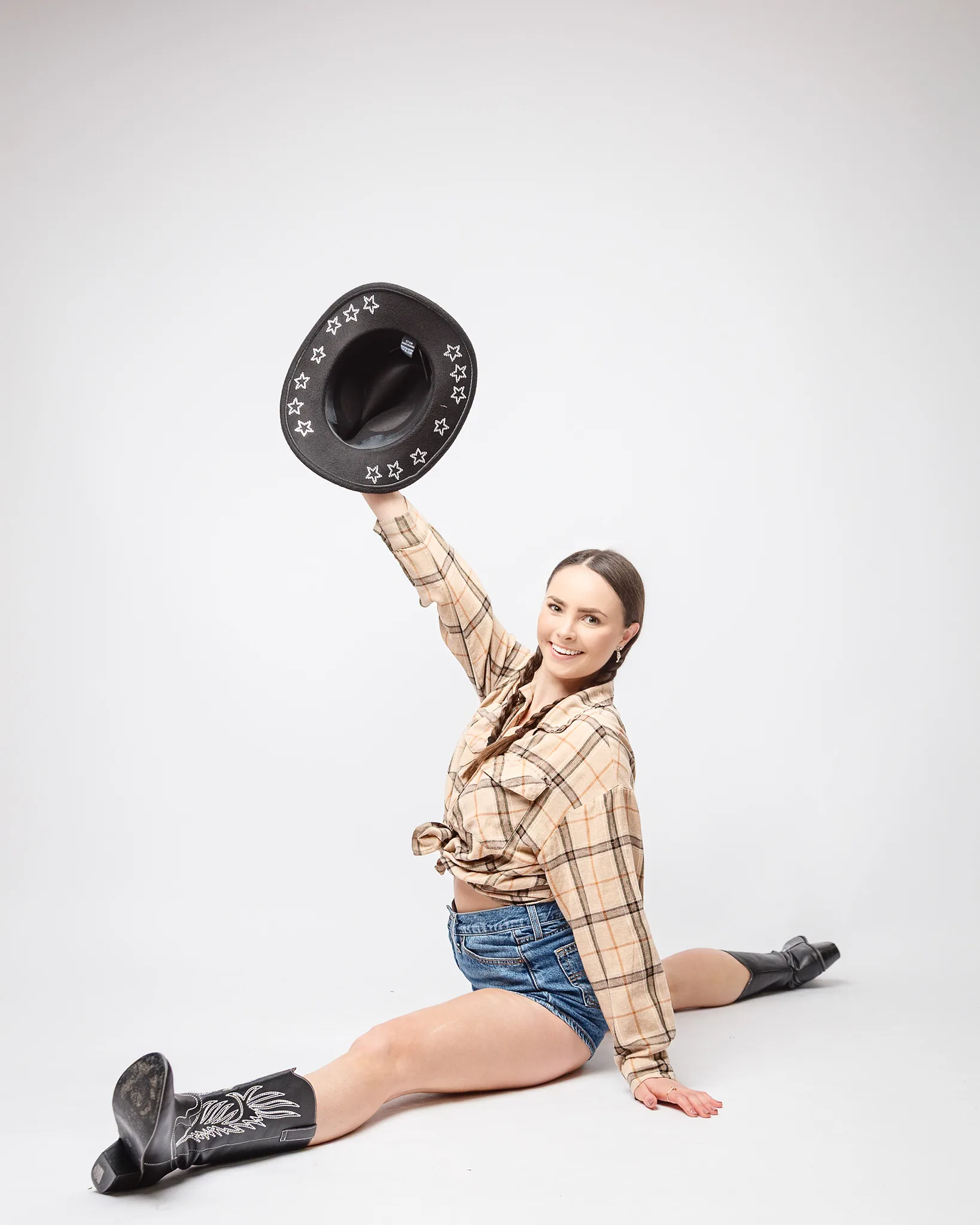
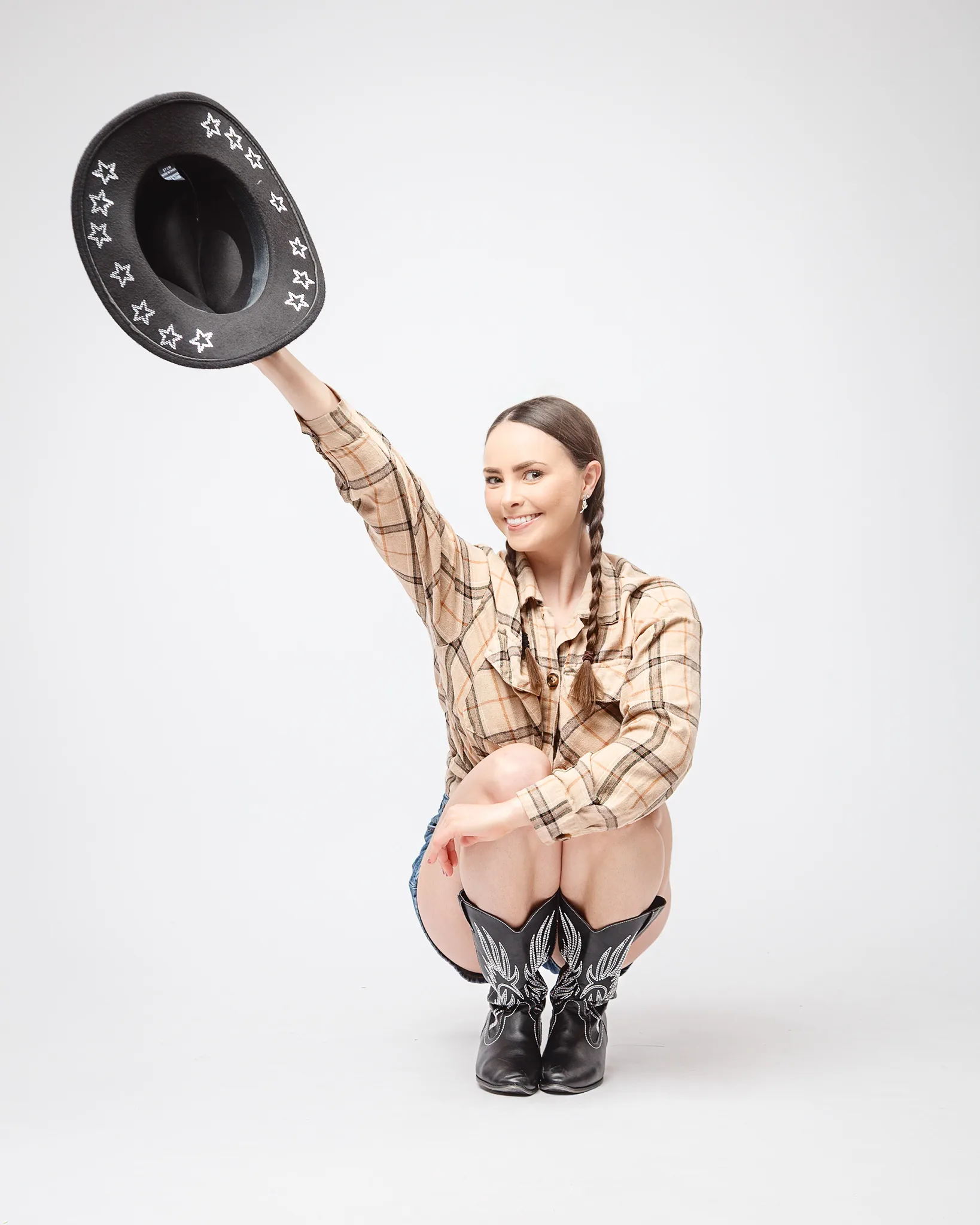
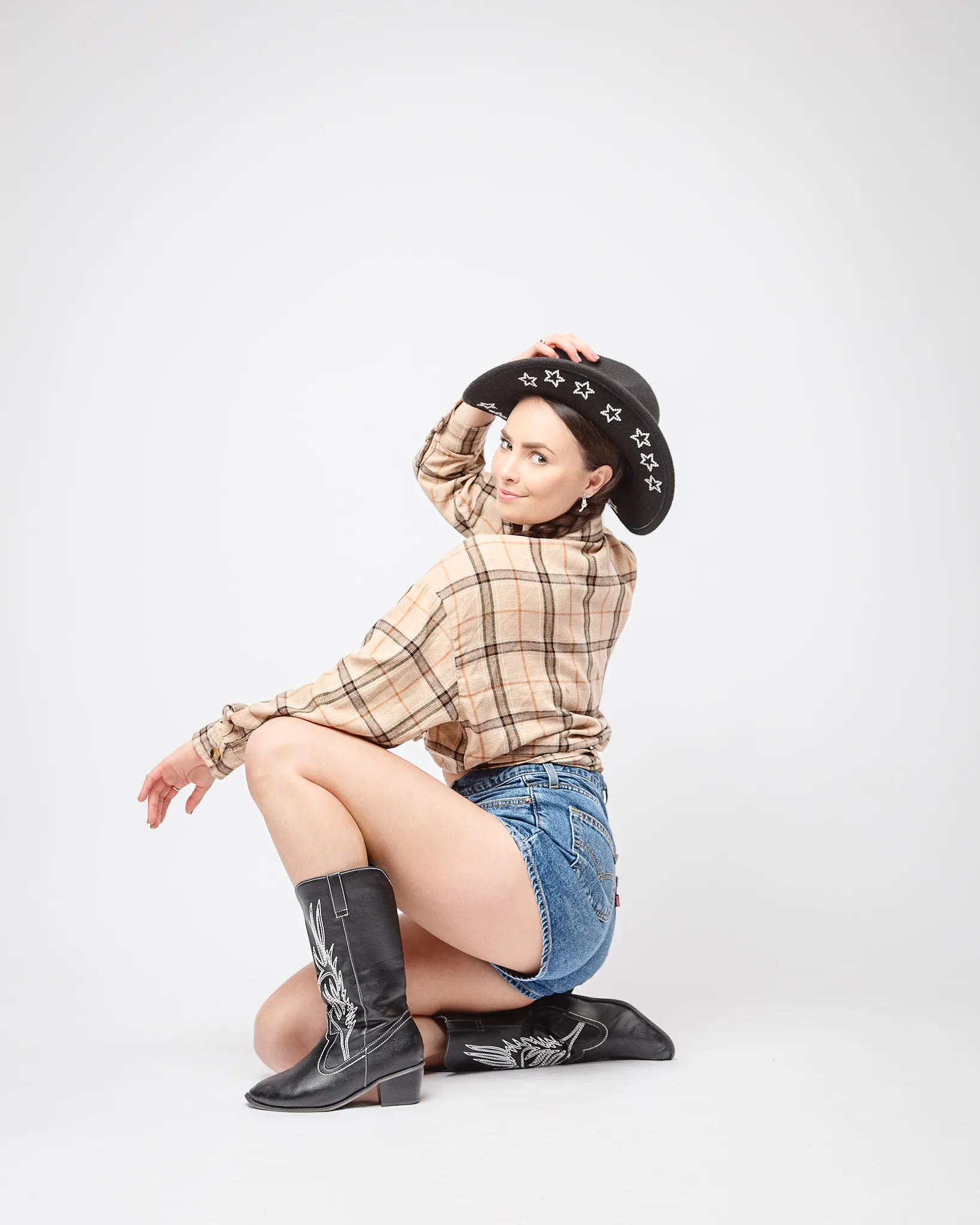
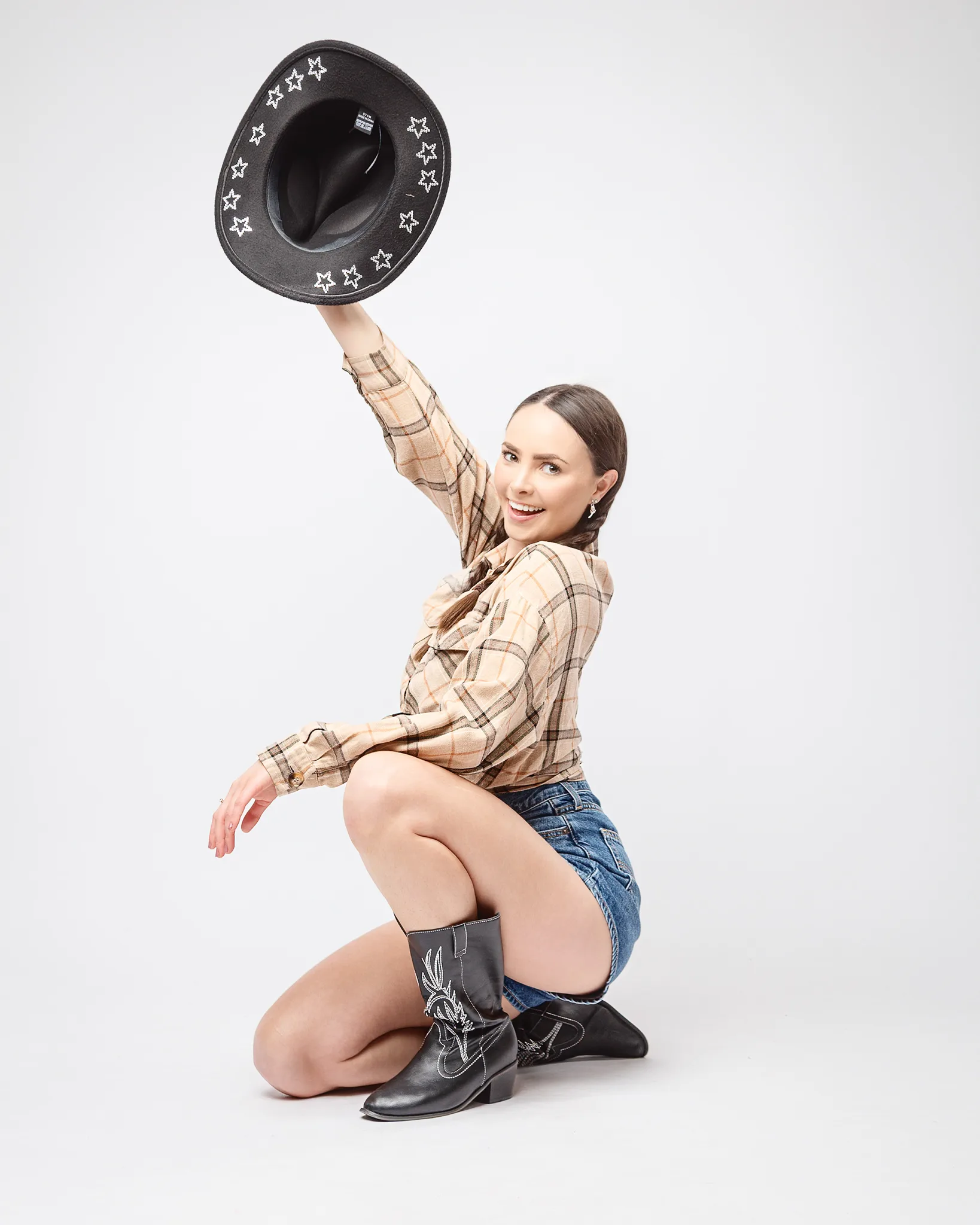
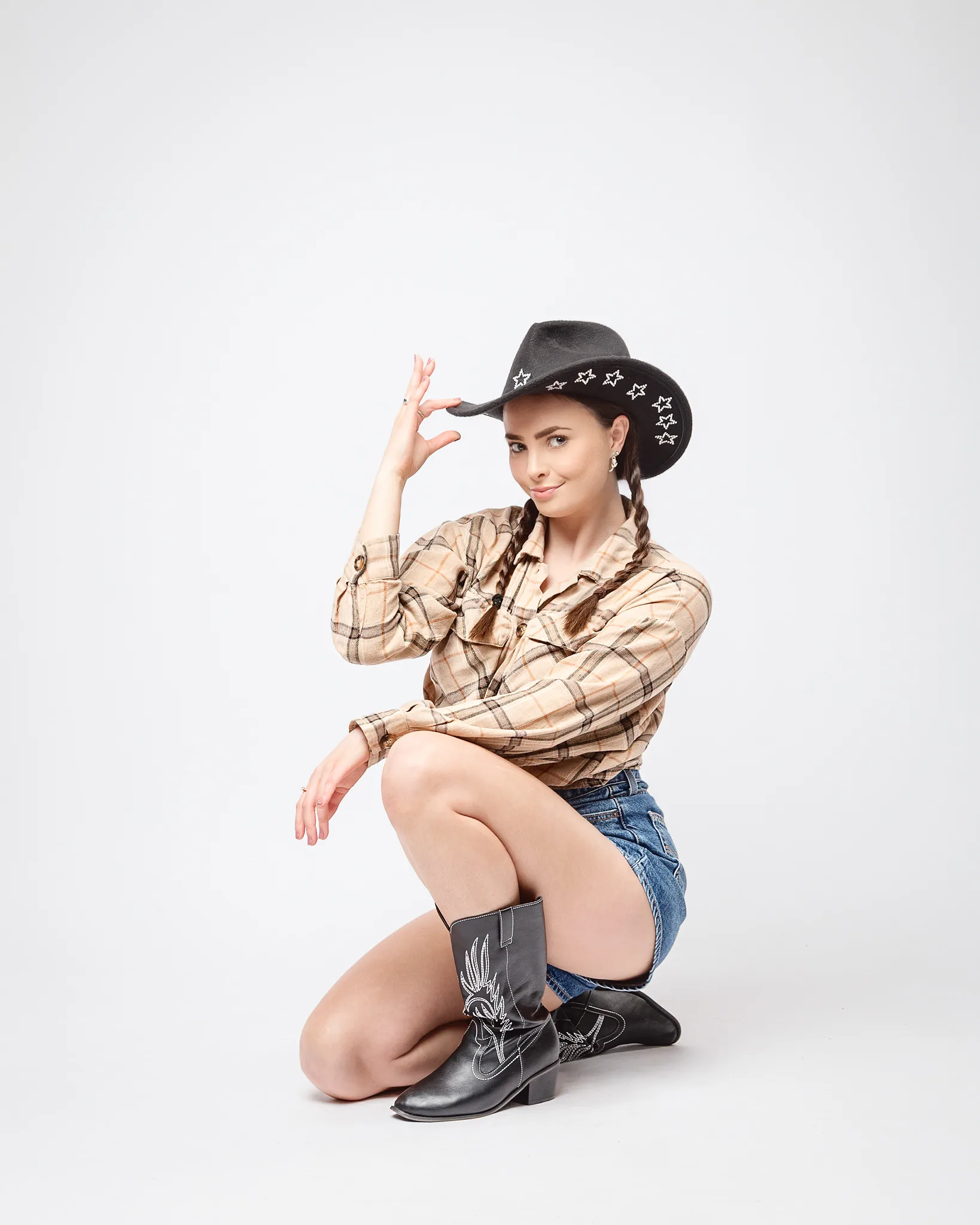
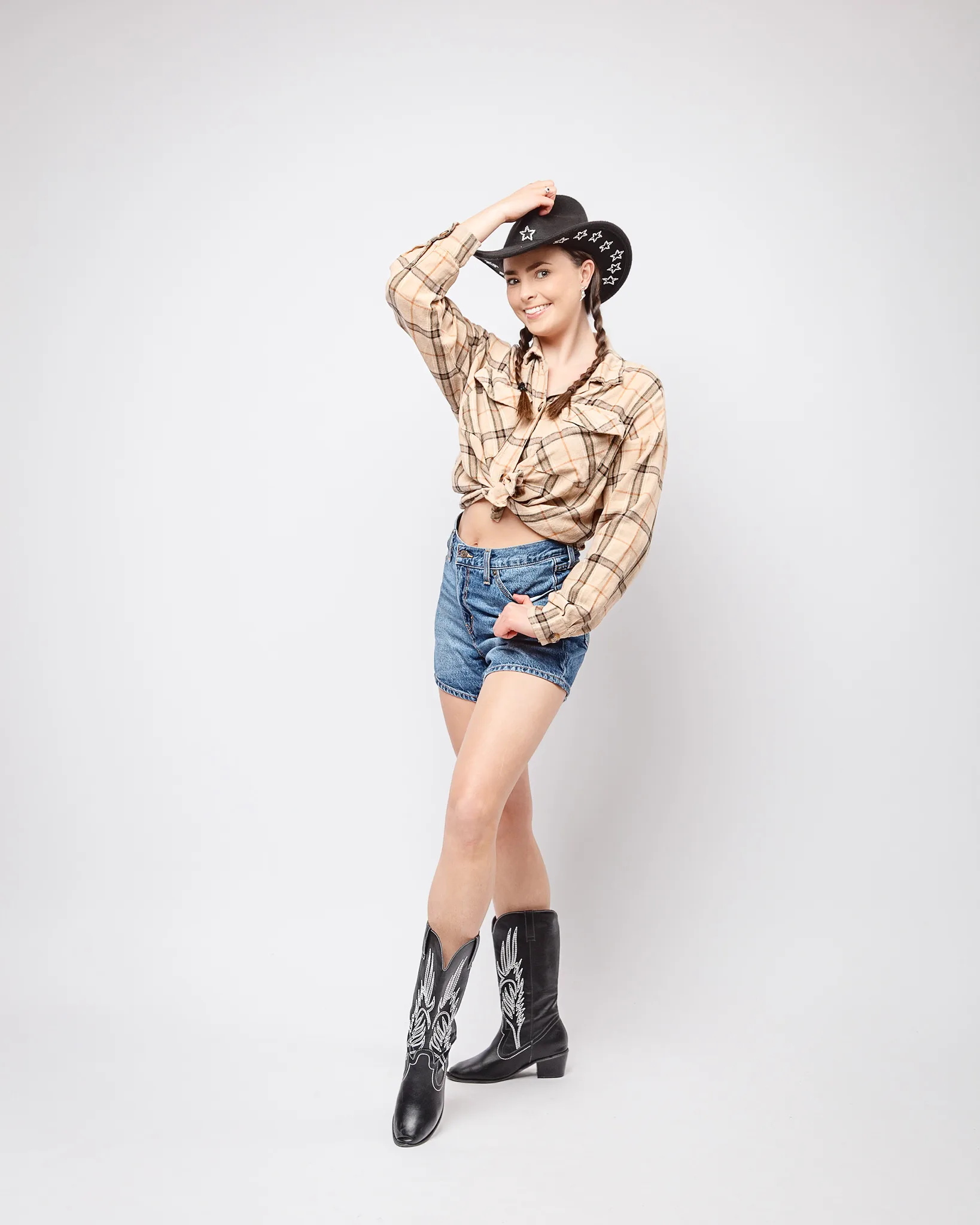
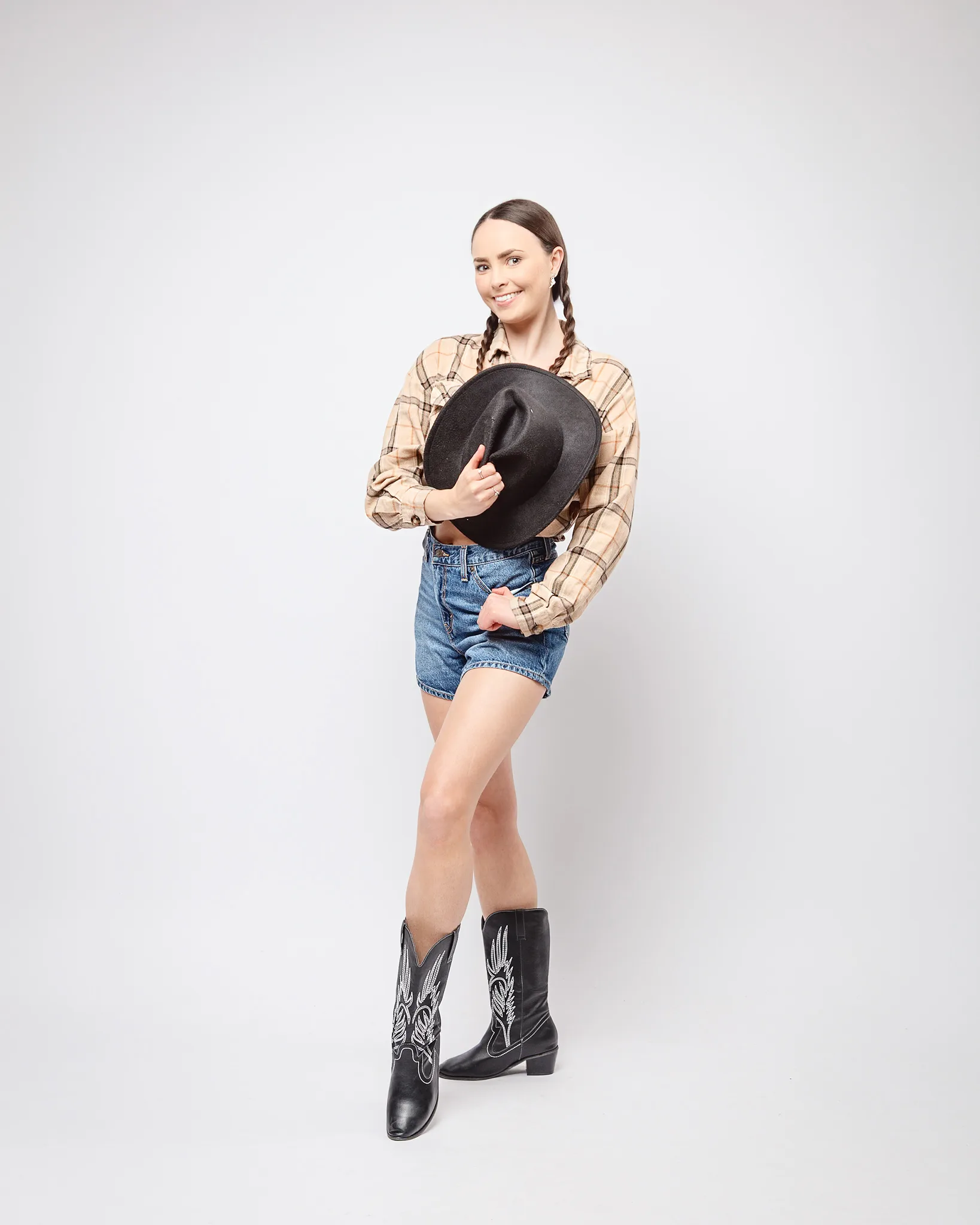
The country dance styling gave a completely different feel. The cowboy hat, plaited hair, shirt, denim shorts, and boots created a lighter, more playful set of images. These photographs needed to feel relaxed and characterful, with enough space around Ella to allow the full styling and pose to read clearly.
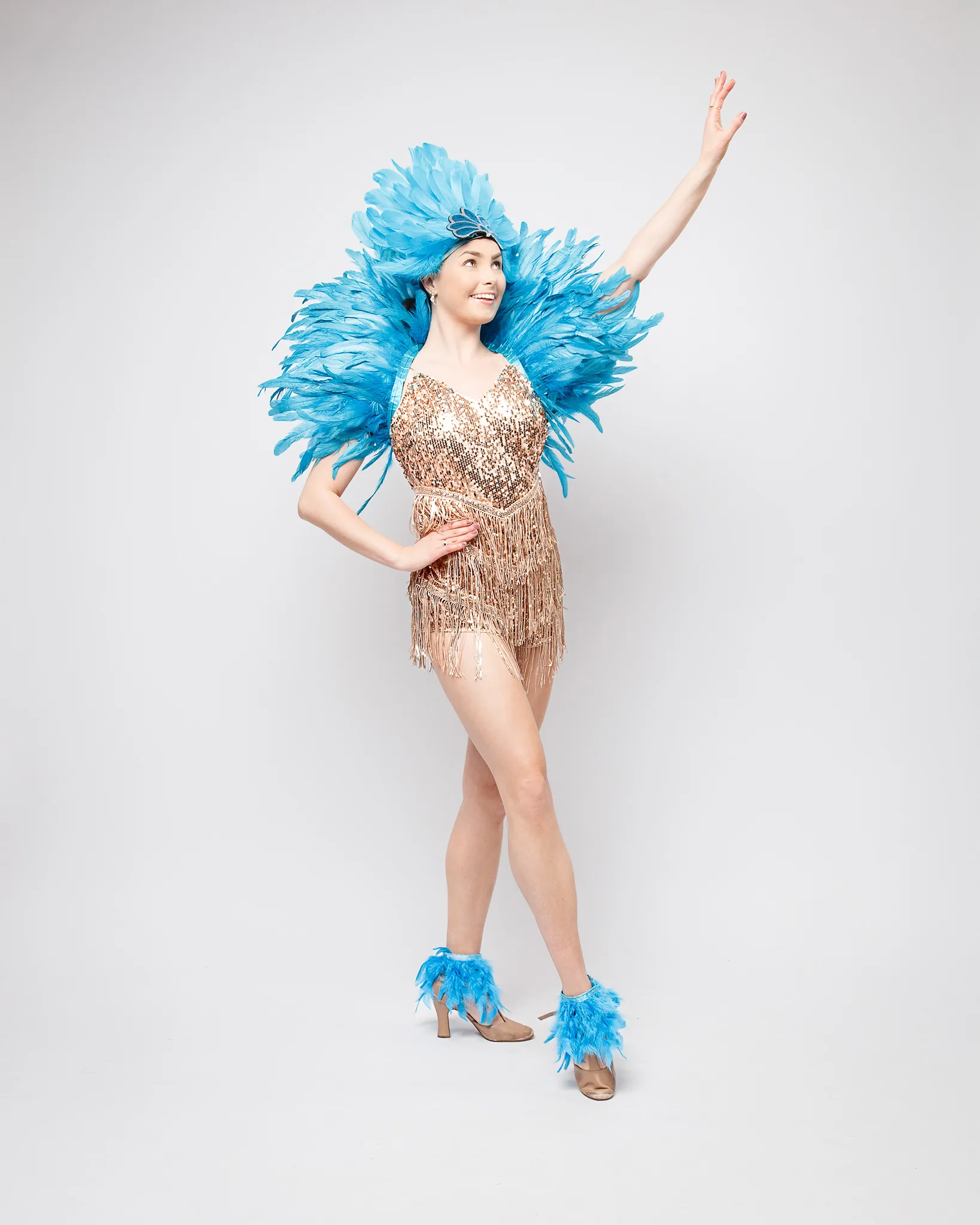
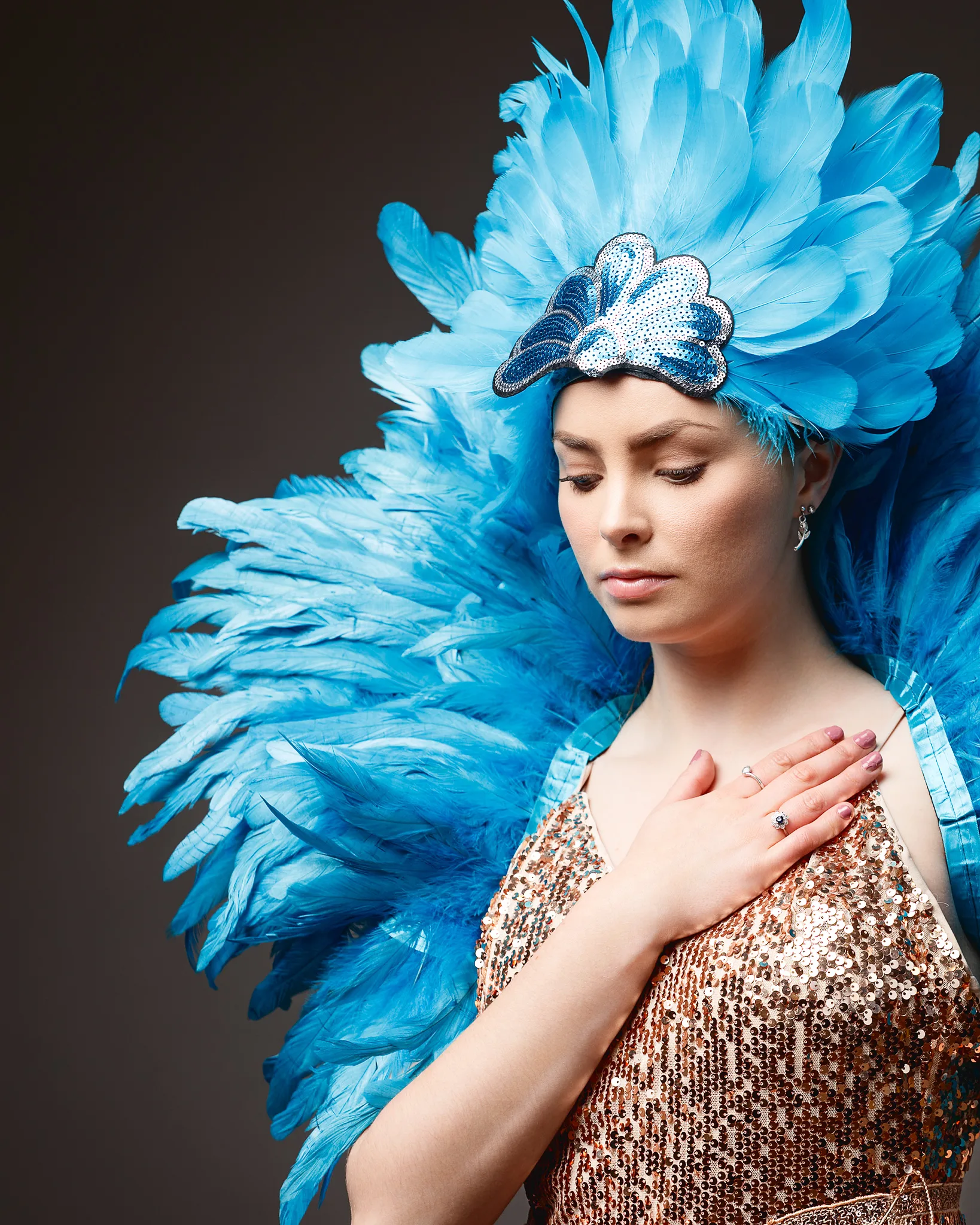
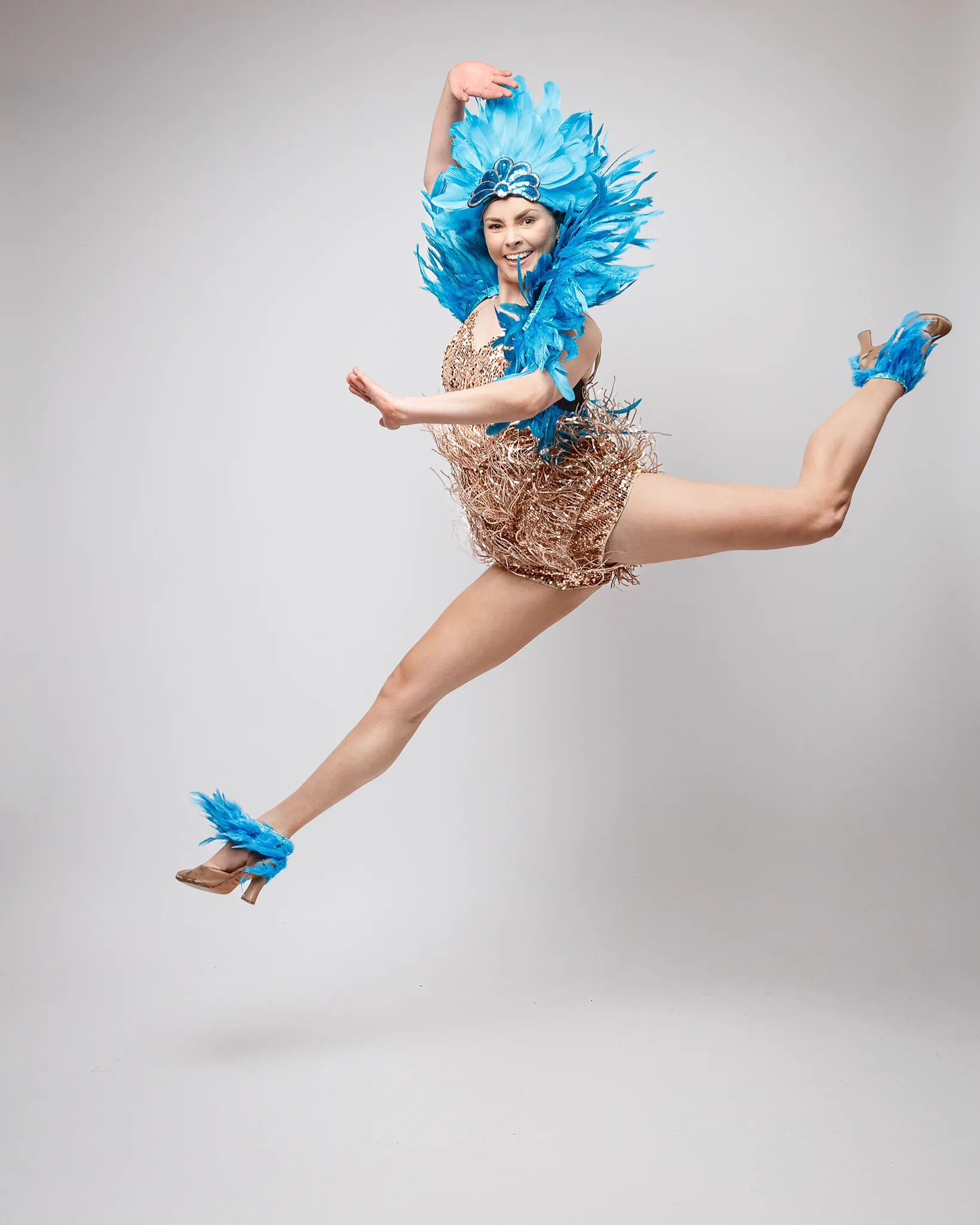
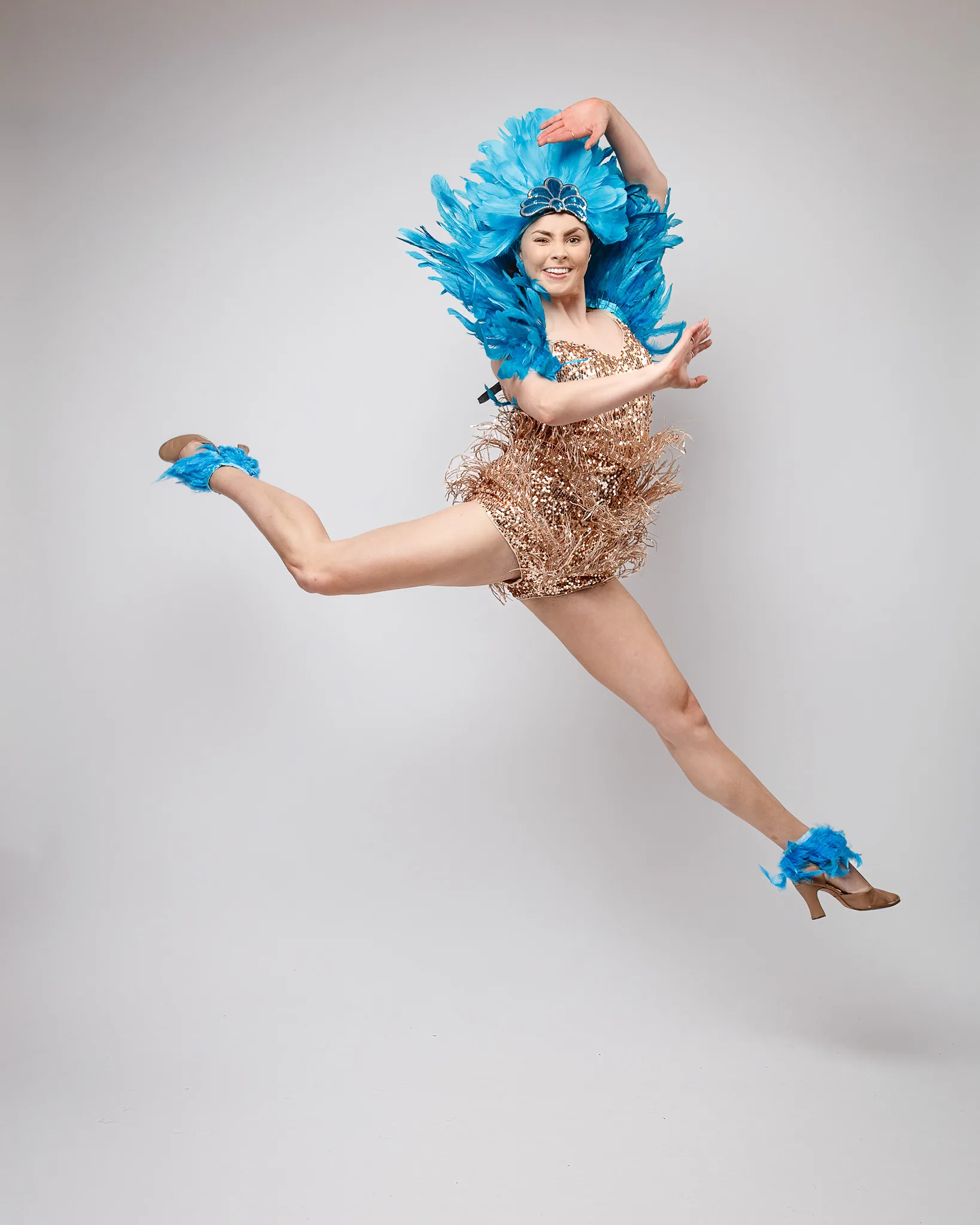
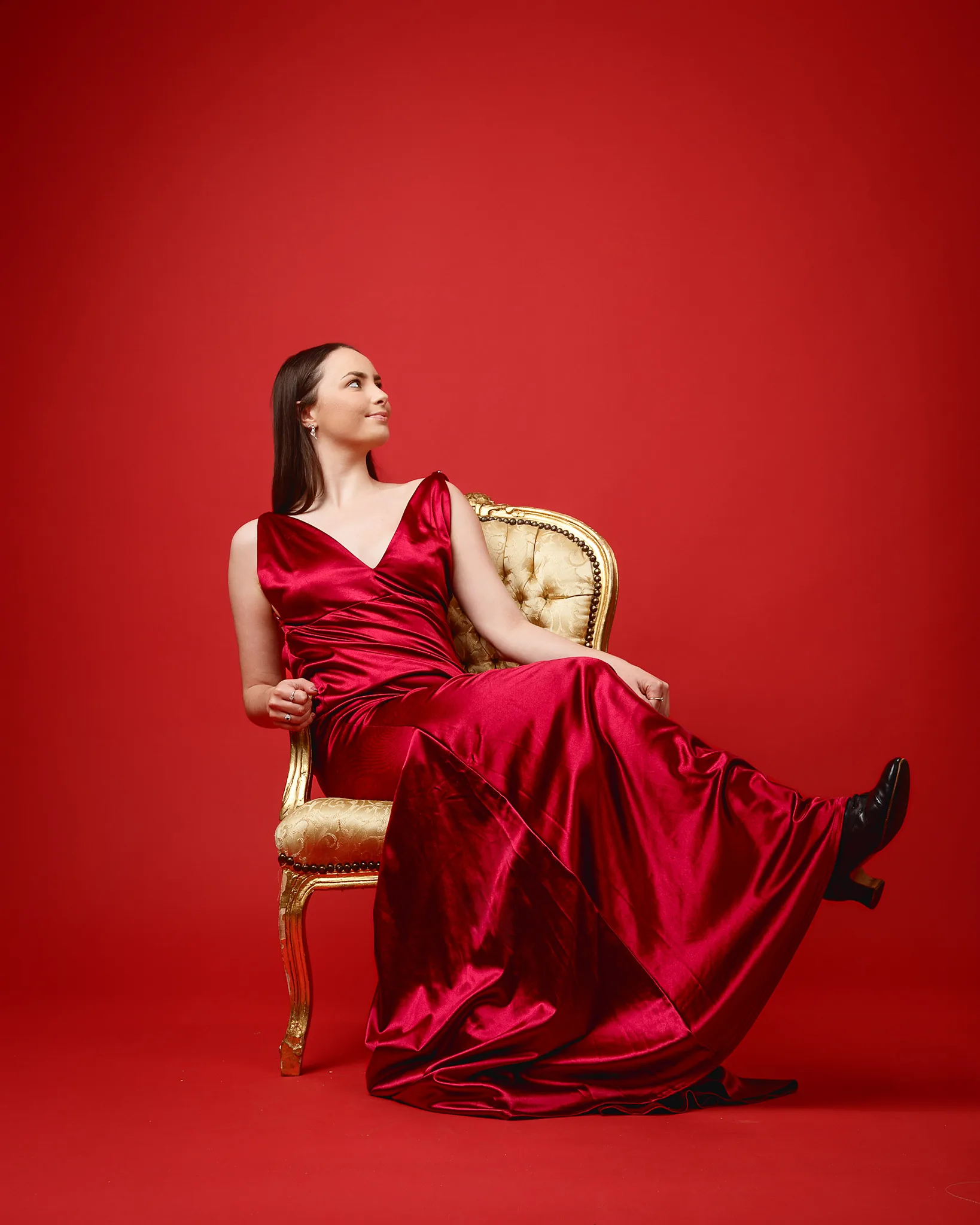
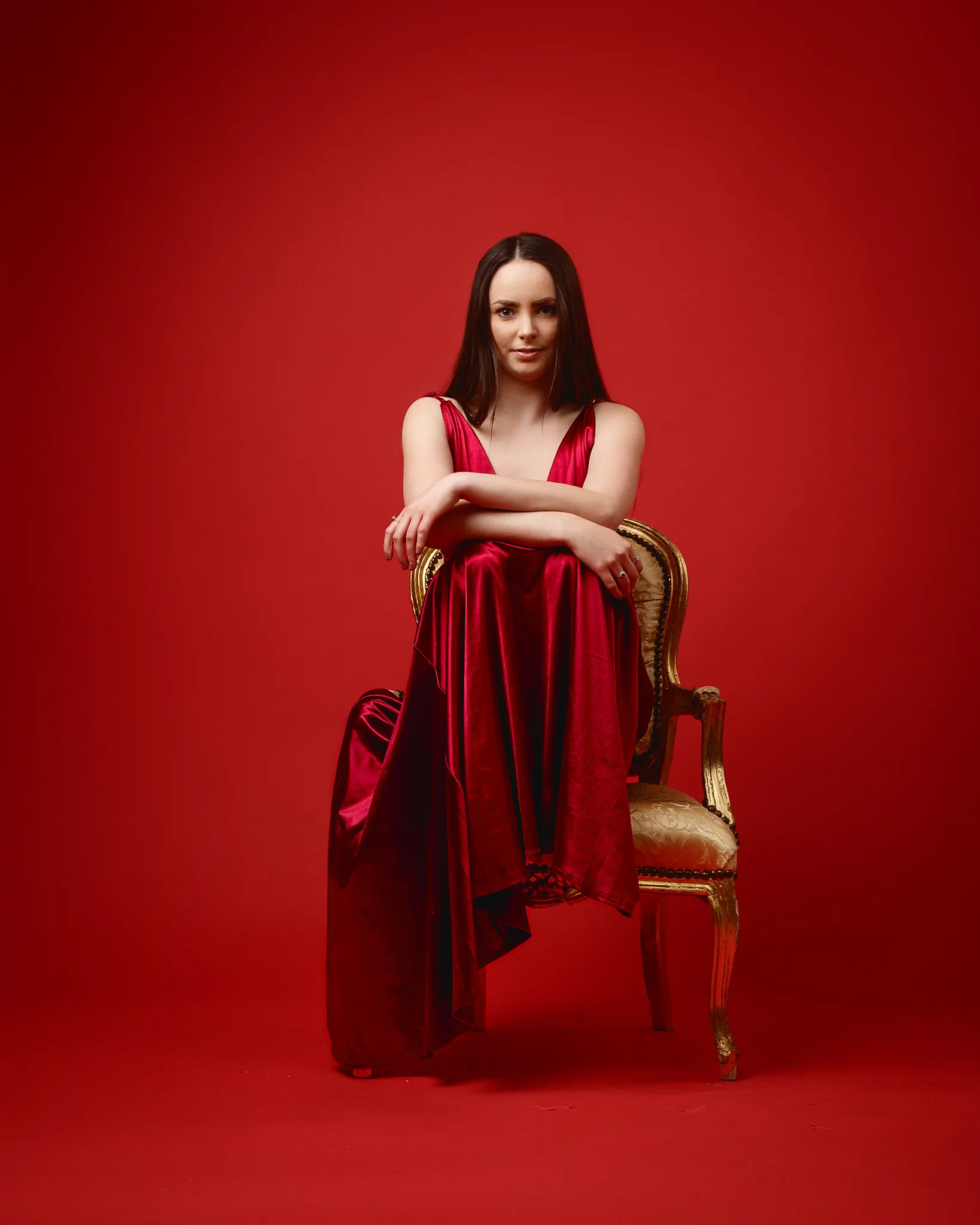
The cabaret-inspired images introduced a stronger sense of performance. The blue feathered costume and gold sequinned dress gave the shoot colour, shape, and theatrical presence. With those images, the challenge was to make the styling feel deliberate and polished while still keeping the attention on Ella’s expression and presence. Strong styling can easily dominate a photograph, so the face, eyes, and posture still have to lead the image.
Working with Movement, Timing, and Performance
Dance and performance photography require a slightly different way of working in the studio. It is not simply a case of taking a photograph once someone is standing in place. Timing becomes much more important, especially when the image relies on gesture, posture, extension, or movement.
There is often a decisive moment in dance and performance photography. The hands need to be in the right position, the shoulders need to sit well, the expression needs to stay engaged, and the outfit needs to fall correctly. A fraction of a second can make the difference between an image that feels controlled and one that feels awkward.
That said, timing is only one part of the process. I often explain to clients that taking the photograph is only one stage in creating the final image. The shoot itself matters enormously, but the editing and post-production stage is just as important. In many cases, the editing takes longer than the time spent behind the camera.
This is particularly true in studio photography where backgrounds, floor lines, lighting fall-off, small distractions, loose threads, creases, dust, and other visual details need to be dealt with carefully. A clean final image rarely happens by accident. It comes from a combination of controlled lighting, careful direction, the right moment, and detailed editing afterwards.
Why RAW Files Can Look Flat on the Viewing Monitor
During a shoot, clients often see images appear on the viewing monitor straight from the camera. These are RAW files, not final edited photographs. RAW files can look slightly flat, lower in contrast, or less finished than people expect. That is normal.
The camera is capturing as much information as possible, which gives me the flexibility to refine the final image properly in post-production. The background may still show distractions, the crop may not be final, the colour and contrast may need shaping, and small details may need tidying. None of that means the image is not working. It simply means the photograph is still part-way through the process.
I can understand why this can worry some clients. If someone is not familiar with the editing process, they may look at the screen and wonder why the image does not yet feel like the finished photographs they have seen on my website. This is one of the reasons I try to explain the process clearly during the shoot.
Over the years, Ella has come to understand and trust that process. That makes a real difference. She knows that what appears on the screen during the shoot is not the finished result. She can focus on the posing, expression, performance, and styling, rather than worrying about small visual distractions that will be handled later.
That trust is not instant. It is built over time, and it is one of the reasons returning clients often settle into the session more quickly.
The Value of the Final Image
One of the things I often find myself explaining is that the final photograph is not just the moment the shutter is pressed. Of course, the shoot matters. Lighting, composition, posing, expression, timing, and direction all happen in the room. But the final image also depends on what happens afterwards.
For my way of working, the editing stage is not an afterthought. It is where the image is refined, cleaned up, balanced, and brought to its finished standard. That includes colour correction, contrast, skin work where appropriate, background tidying, cropping, and making sure the final photograph is suitable for its intended use.
This is also why I charge for the session separately from the final images. The session covers the time, preparation, studio use, lighting, equipment, and photographic work. The final selected images then receive individual editing and finishing. That structure allows clients to choose the images they genuinely need, while making sure that the photographs they do purchase are completed properly.
I think this is particularly relevant for headshot photography, performer portraits, personal branding photography, and promotional images. A client is not just paying for a file. They are paying for the complete process that leads to a polished, usable image.
A Professional Relationship Built Over Several Sessions
This was Ella’s fourth session with me, and that history showed throughout the shoot. The session flowed well because we already had a strong working rhythm. She knew how I work, I knew how to direct her, and we were able to move through several looks without the shoot feeling rushed.
It has been a real privilege to work with Ella over the years and to watch her develop. Her confidence has grown massively, and this session felt like a good reflection of that. She was relaxed, prepared, and clear about what the images needed to do.
From my point of view, that is where studio photography becomes especially rewarding. It is not only about making someone look good in a single image. It is about creating photographs that support where they are professionally at that point in time.
For Ella, this meant updated headshots, promotional images for her dance business, photographs for Spotlight, adverts, performer CV material, promotional posts, and emails to casting directors. That is a practical and varied set of uses, so the gallery needed to offer range without becoming inconsistent.
Ella’s Testimonial
Ella kindly sent over the following words after the shoot:
“This was my 4th session with Bob and I always have a lovely time in a relaxed environment and receive great quality photos! This session we focused on some promo photos for my work as a dancer, we did lots of different outfits and styles and some headshots too which I love!”
She also added:
“In this session we focused on some promo shots for my dance business including Irish dance photos, country, showgirl headshots and body shots. We also experimented with some fun ideas and backdrops!
I will be using these fabulous photos on my Spotlight page, adverts, promotional posts, and on my performer’s CV and emails to casting directors!”
I am always grateful when clients take the time to explain how they plan to use their images. It gives important context to the shoot and helps show why professional photography can matter beyond the day itself.
Headshot and Promotional Photography in Suffolk
Although Ella travelled from outside Suffolk for this session, the shoot took place at my studio at Bentwaters, near Woodbridge and Rendlesham. The studio gives me the control I need for this kind of work, particularly when a session involves multiple outfits, different backdrops, clean headshots, full-length portraits, and more performance-led promotional images.
For dancers, performers, actors, musicians, personal brands, and business owners, having a flexible studio session can be useful because it allows different types of images to be created in one place. A single session can include professional headshots, personal branding portraits, social media images, website photographs, promotional portraits, and more character-led creative images.
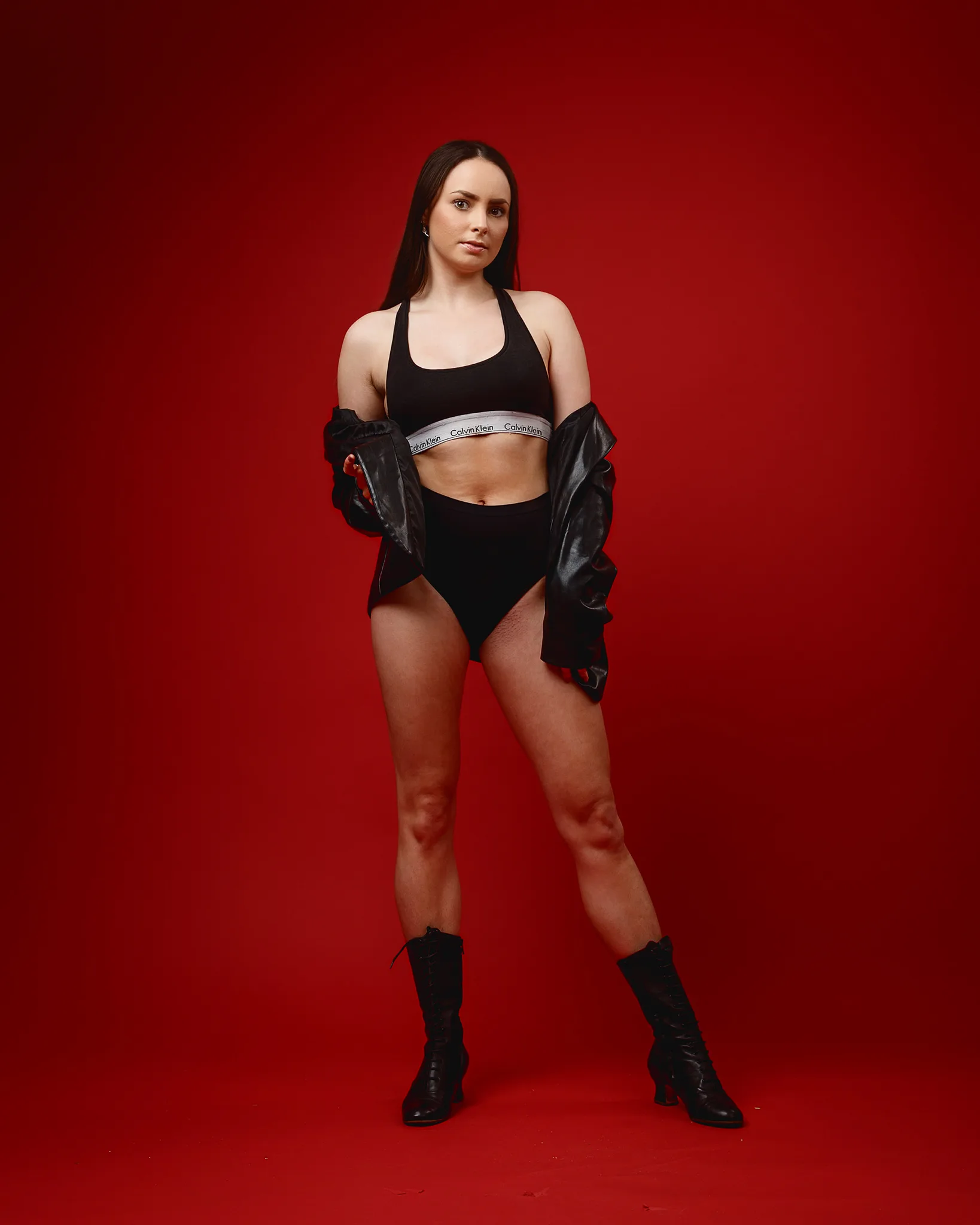
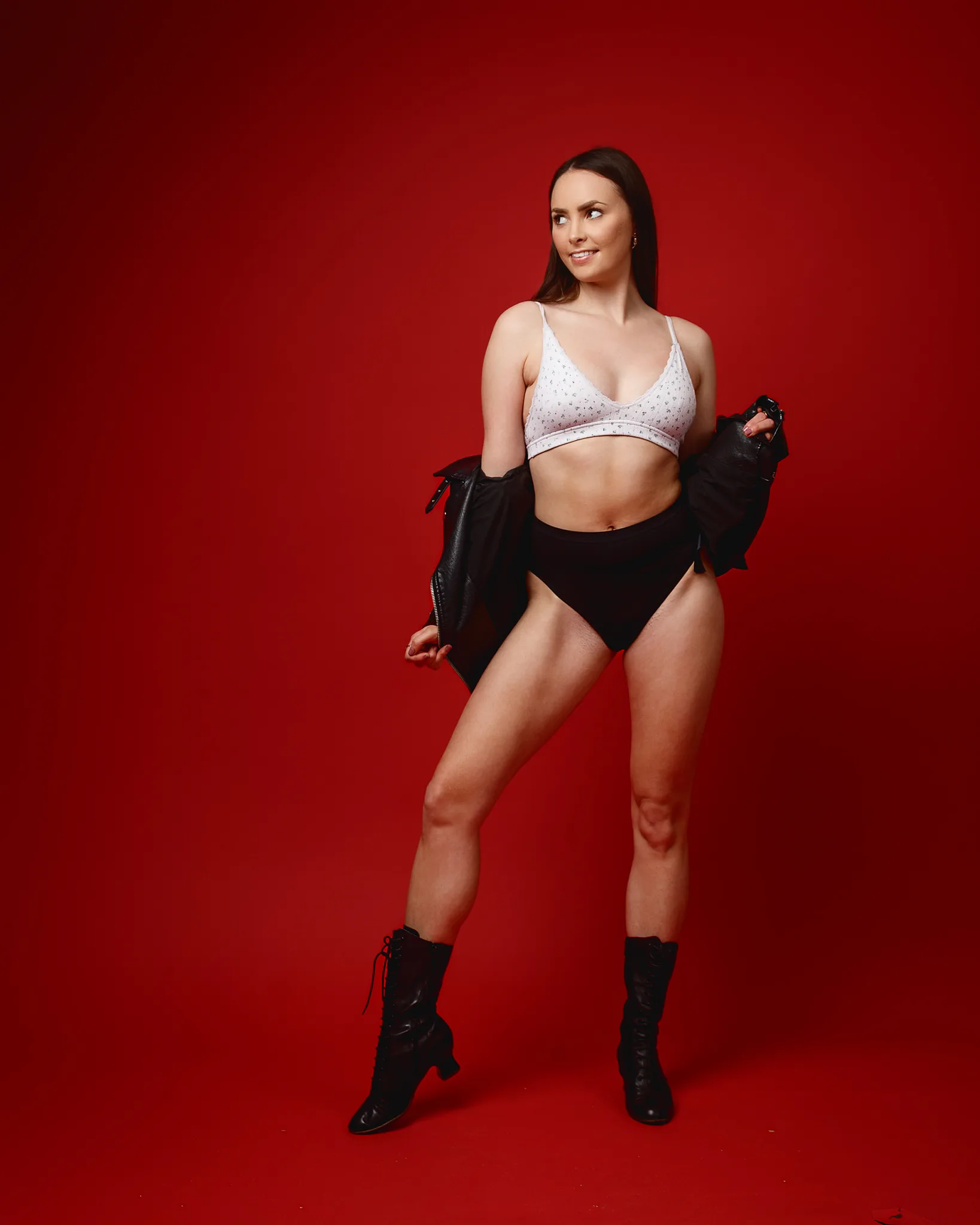
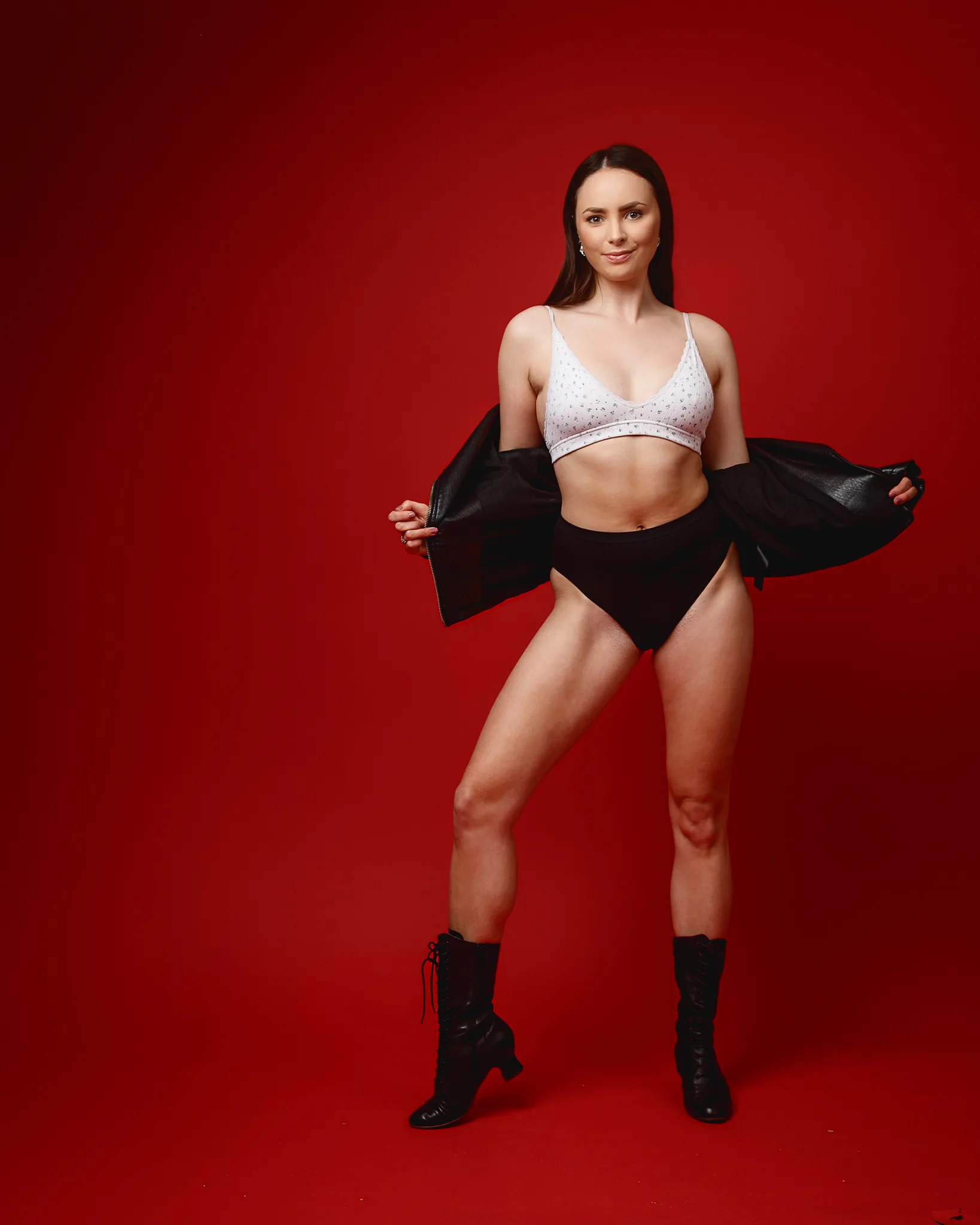
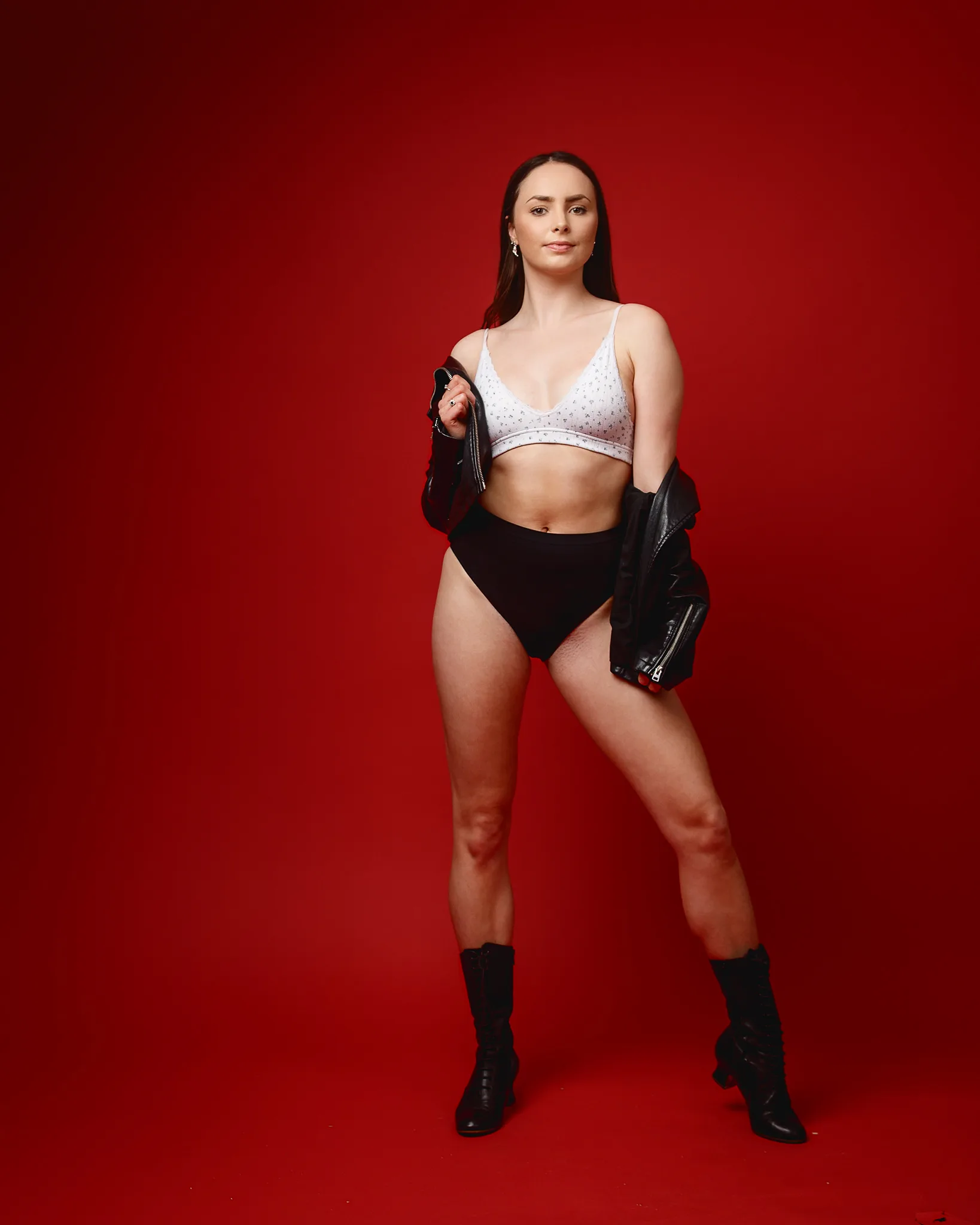
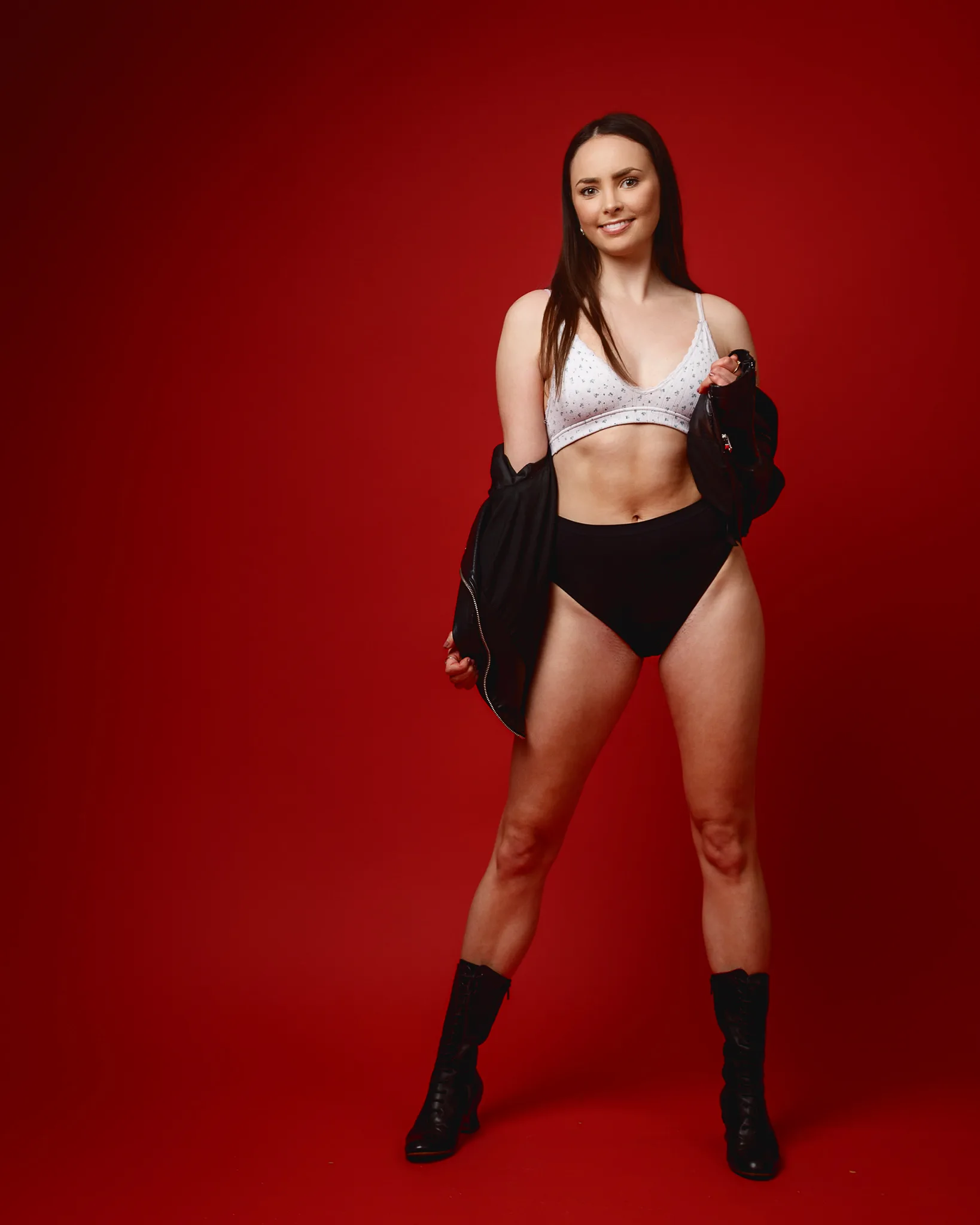
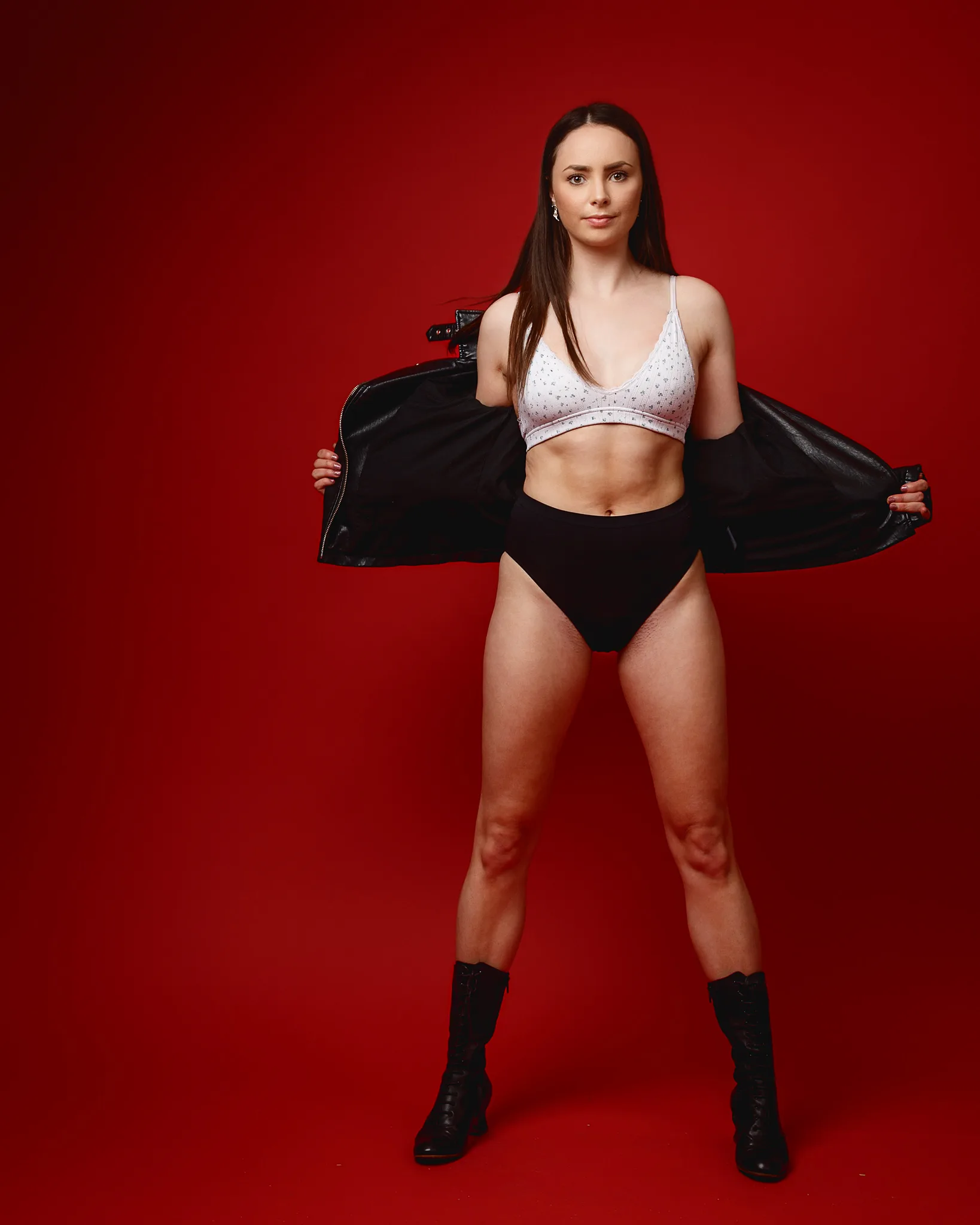
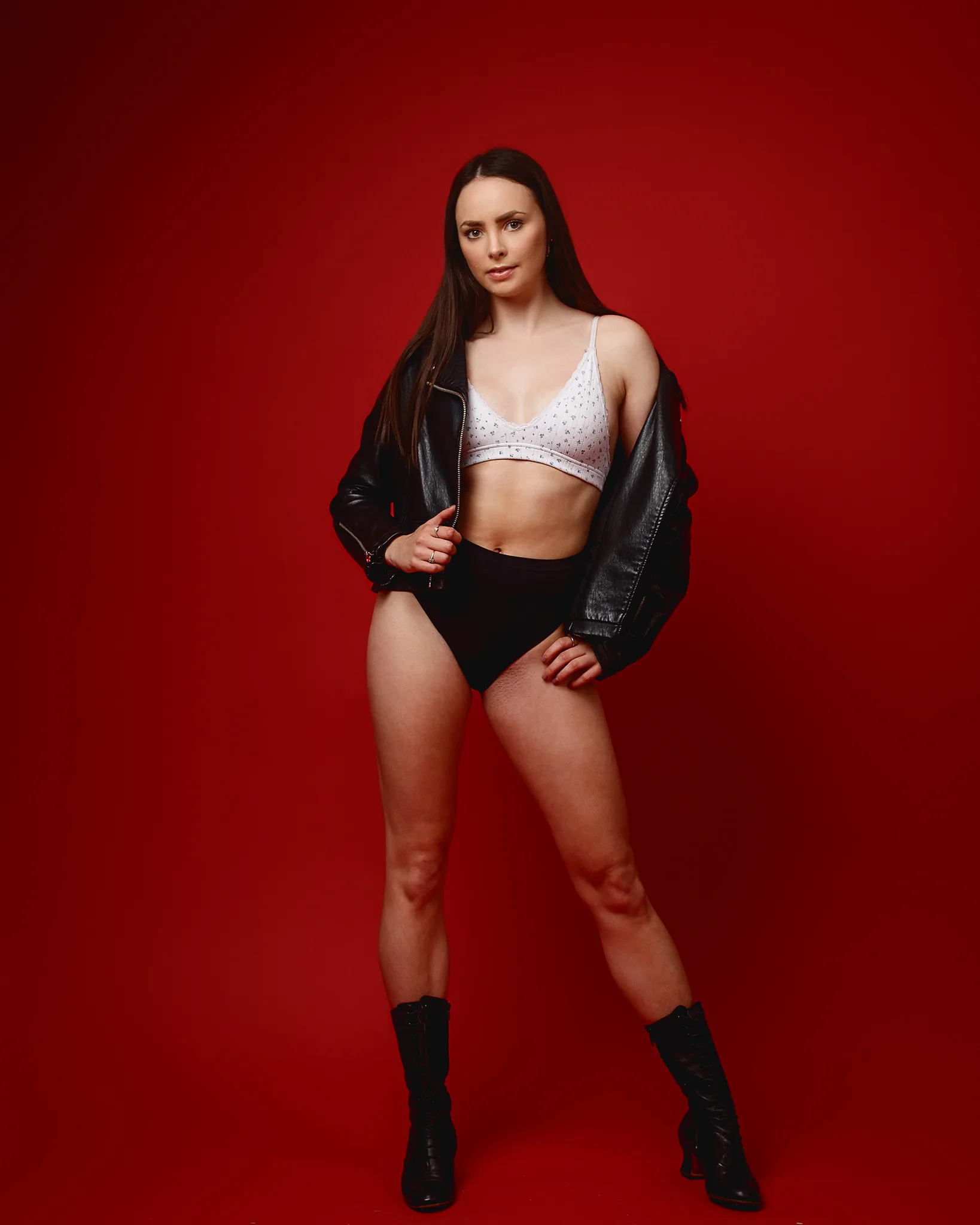
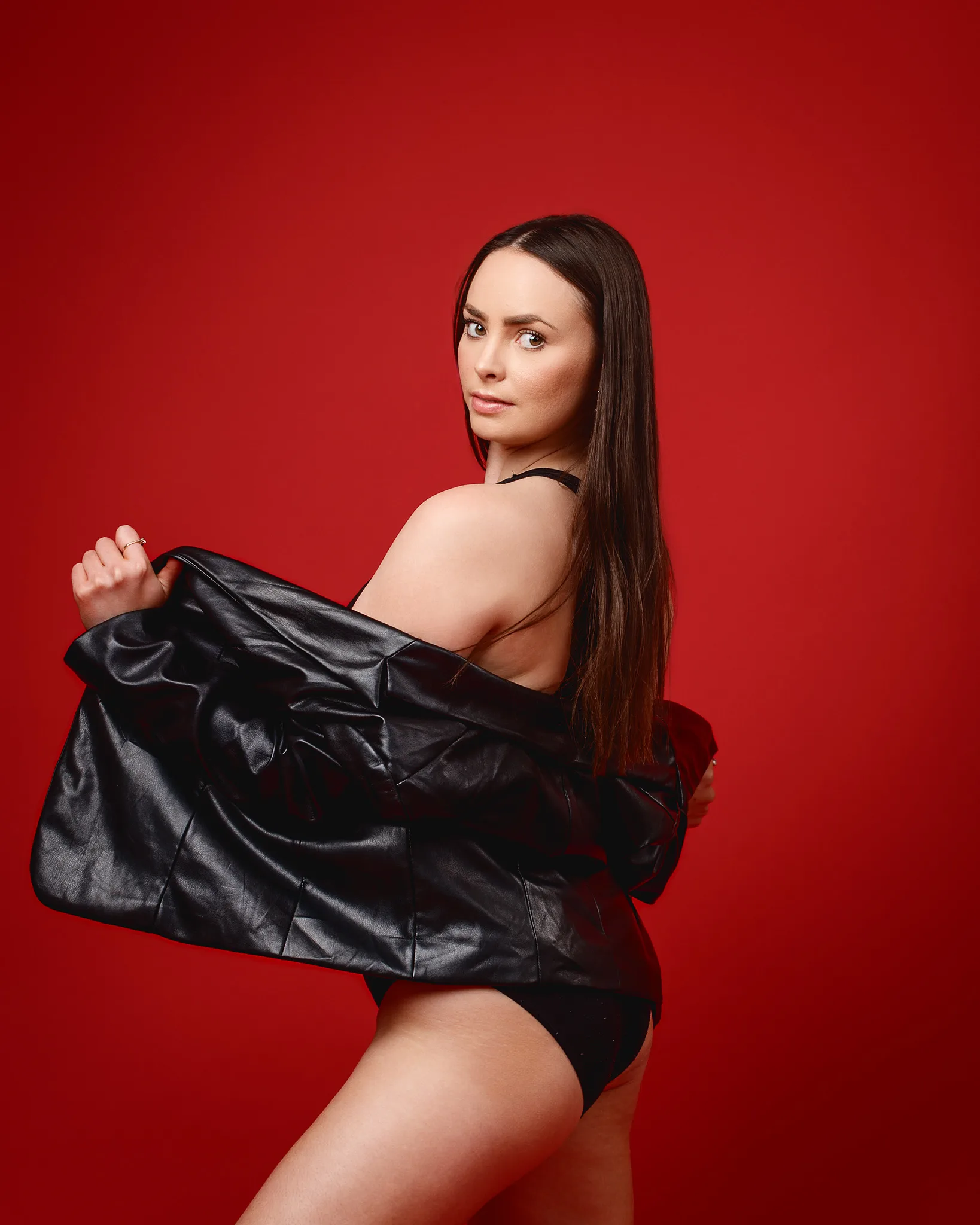
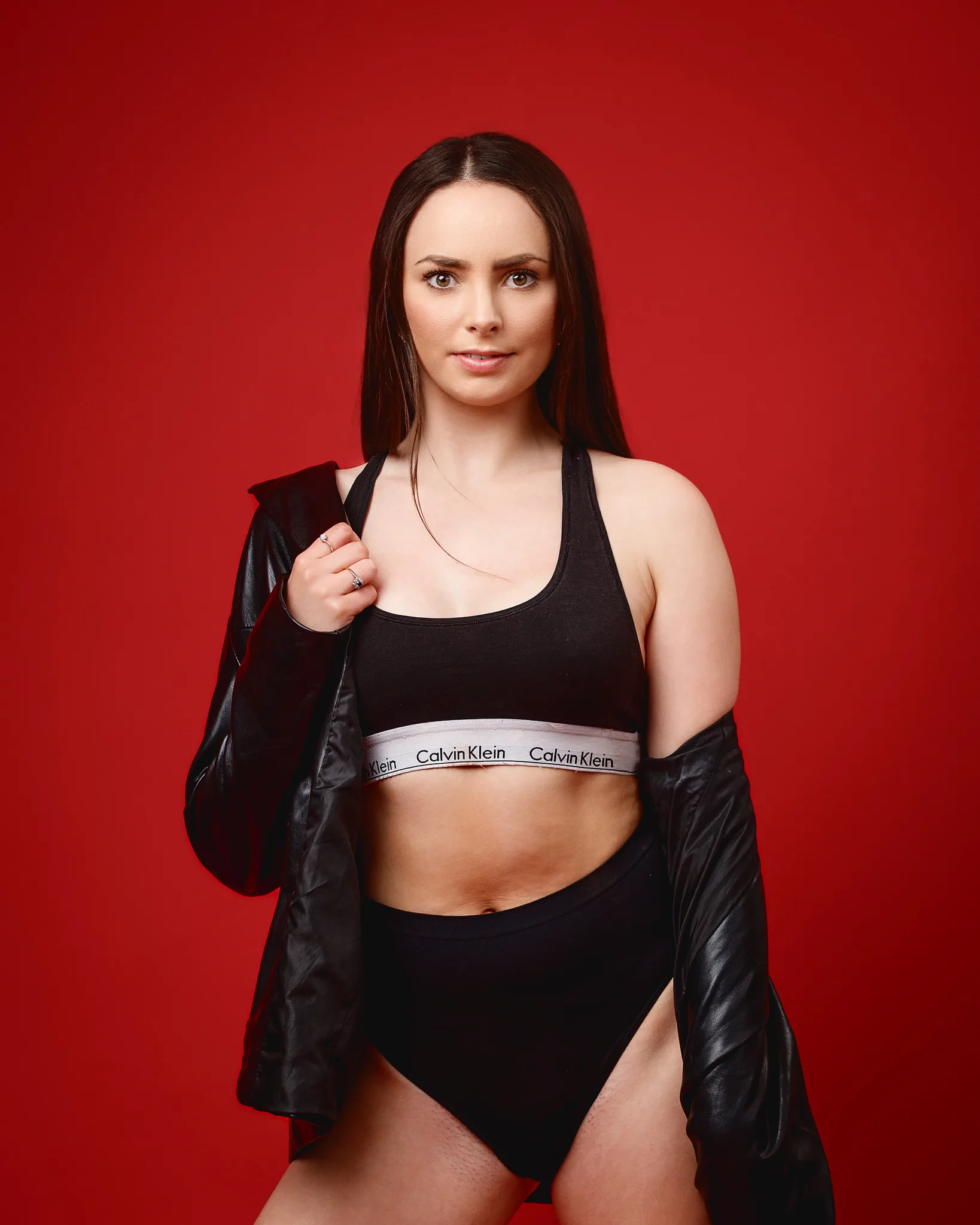
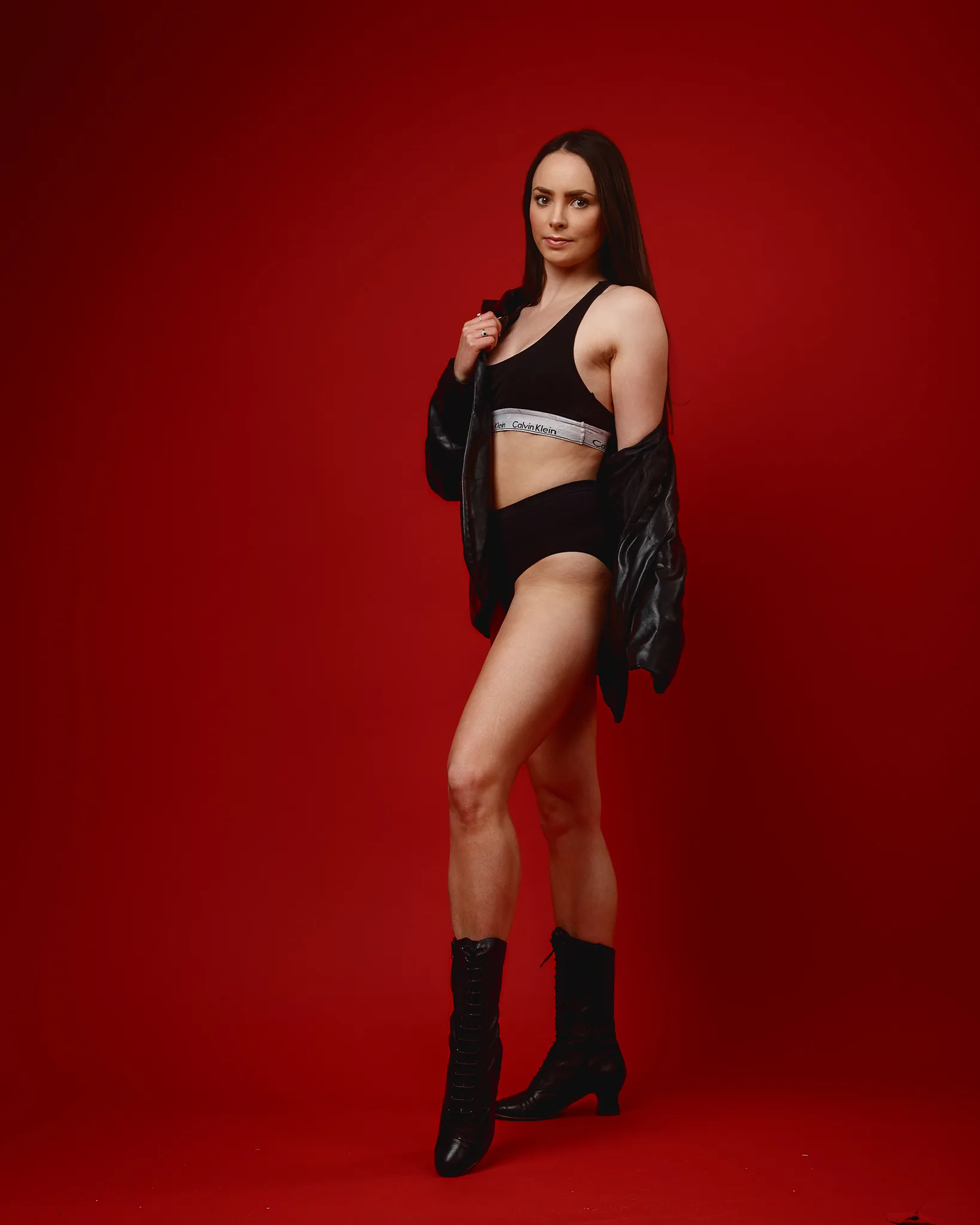
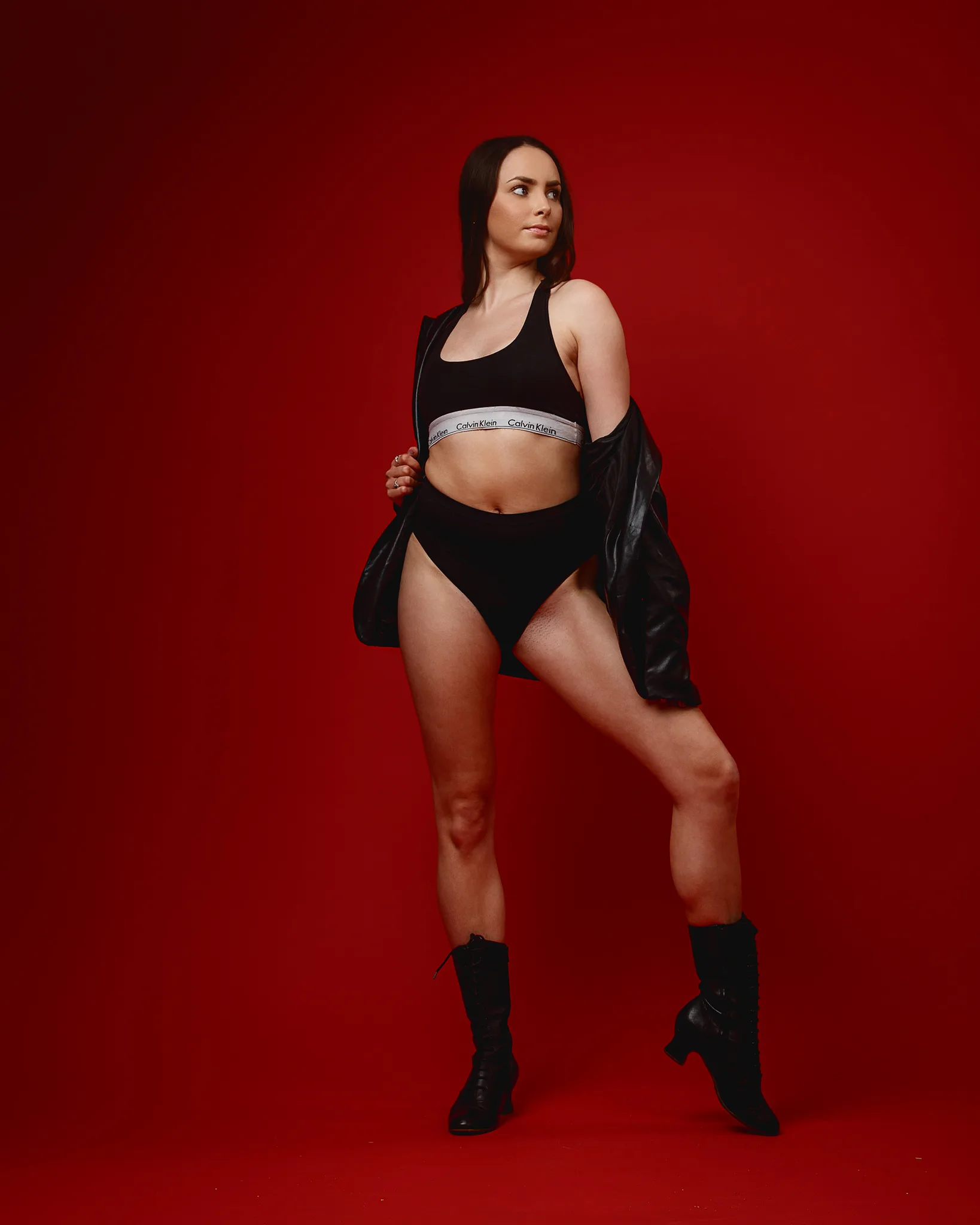
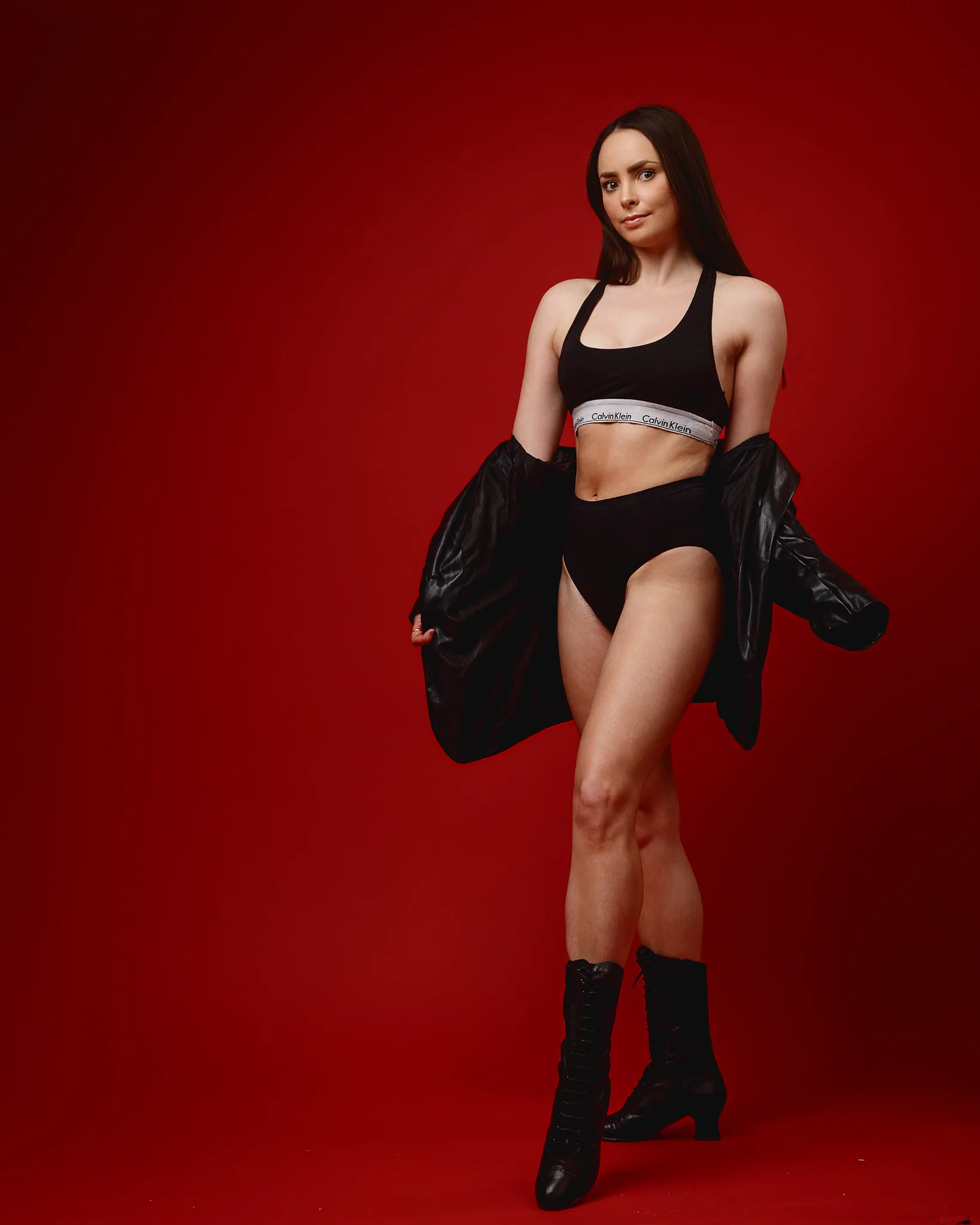
That variety was central to Ella’s shoot. We moved from clean professional headshots to dance promotional images, from full-length country styling to cabaret-inspired portraits, and from neutral studio backgrounds to a stronger red backdrop for more dramatic images.
The important thing is that each image still needs to have a purpose. Variety is useful, but only when the photographs are genuinely usable.
Final Thoughts
I really enjoyed working with Ella again. Returning clients always bring a slightly different energy to the studio, especially when I have seen their confidence and professional direction develop over several years.
This session was a good example of why I enjoy headshot and promotional photography. It combined practical professional needs with creative performance-based imagery. There was structure, but there was also room to experiment. There were clean profile images, full-length body shots, style-specific dance photographs, and more expressive promotional portraits that showed Ella’s work as a dancer and performer.
I am already looking forward to seeing where the next stage takes her, and hopefully to welcoming her back to the studio again in the future.
See more about my professional headshots in Suffolk.