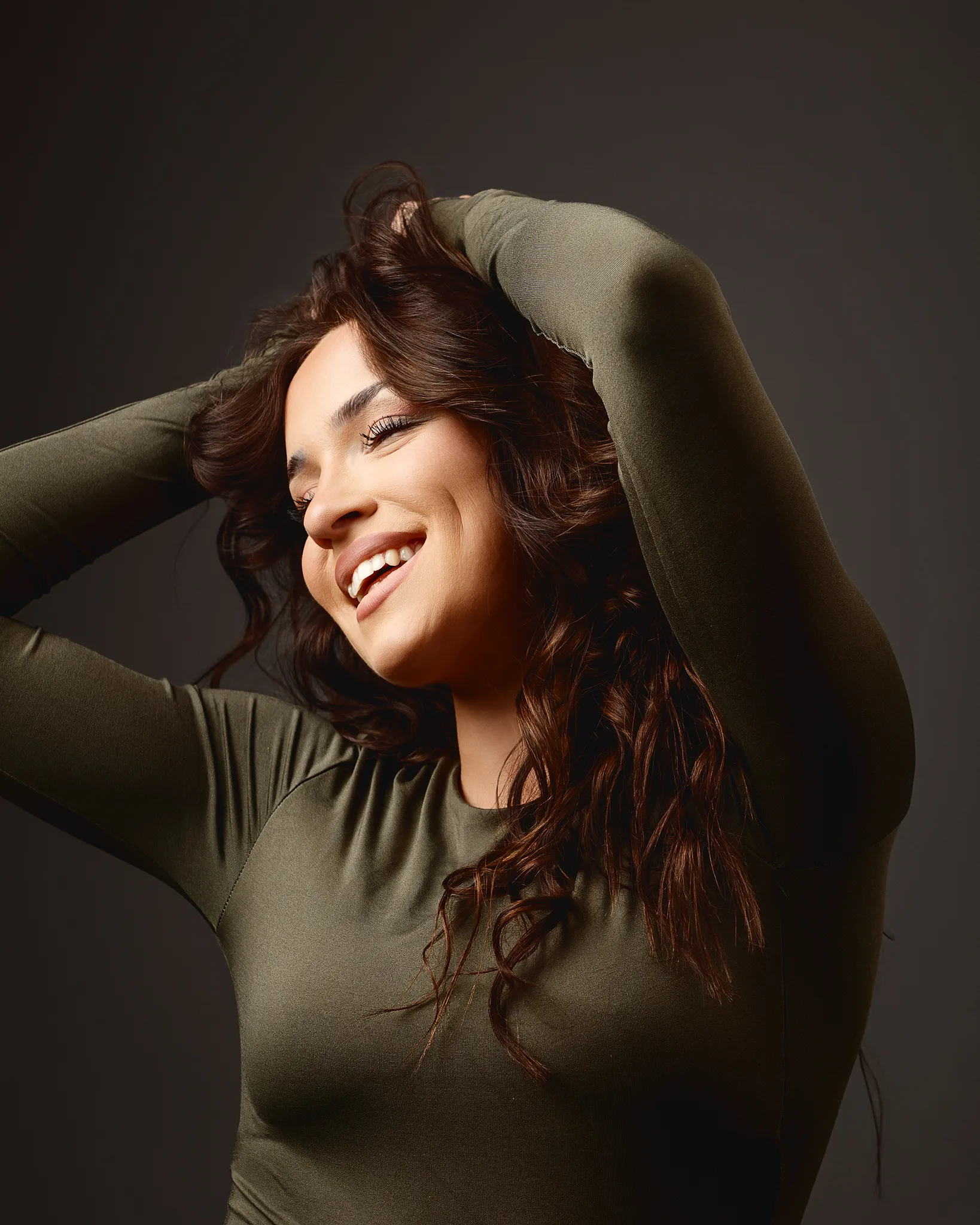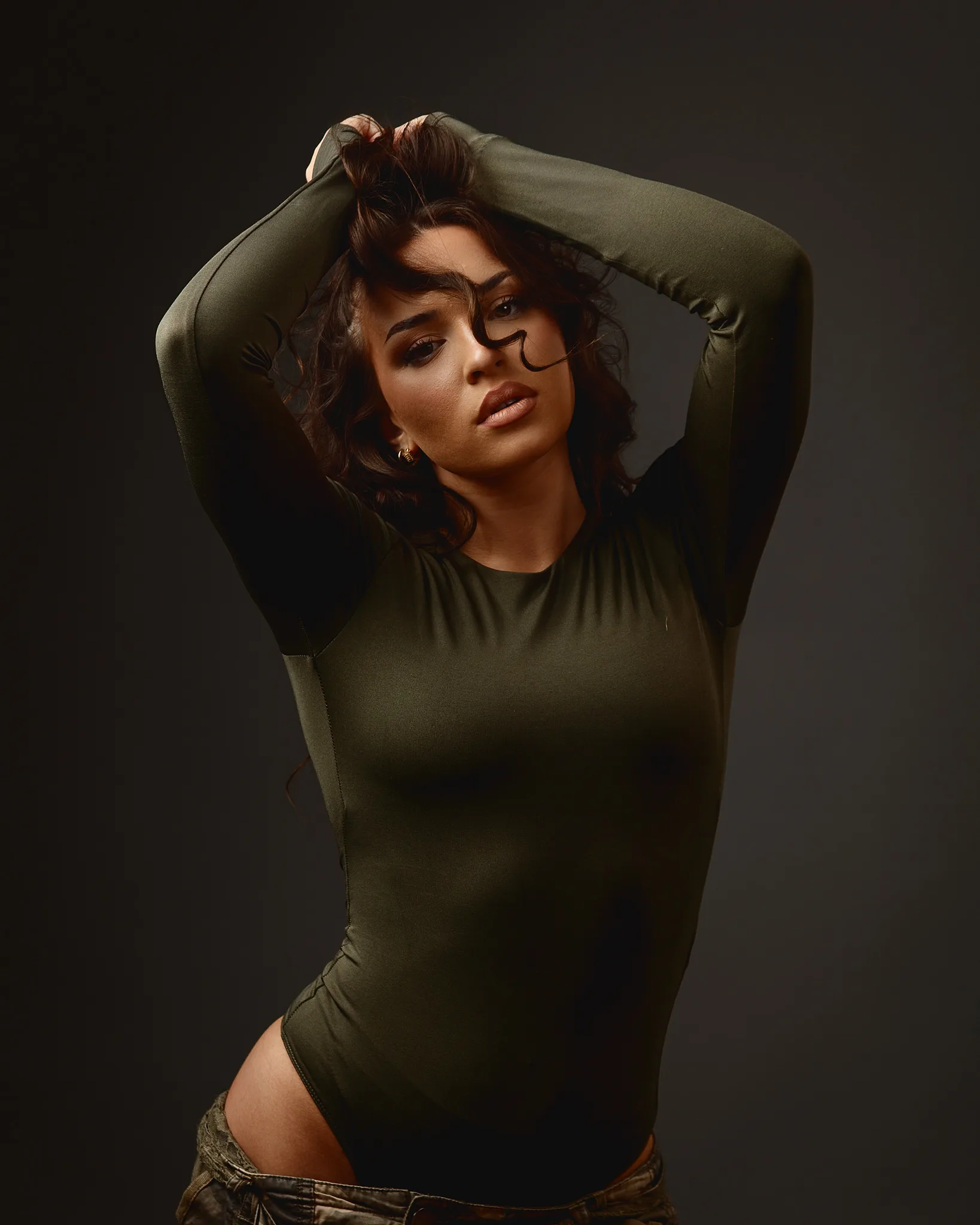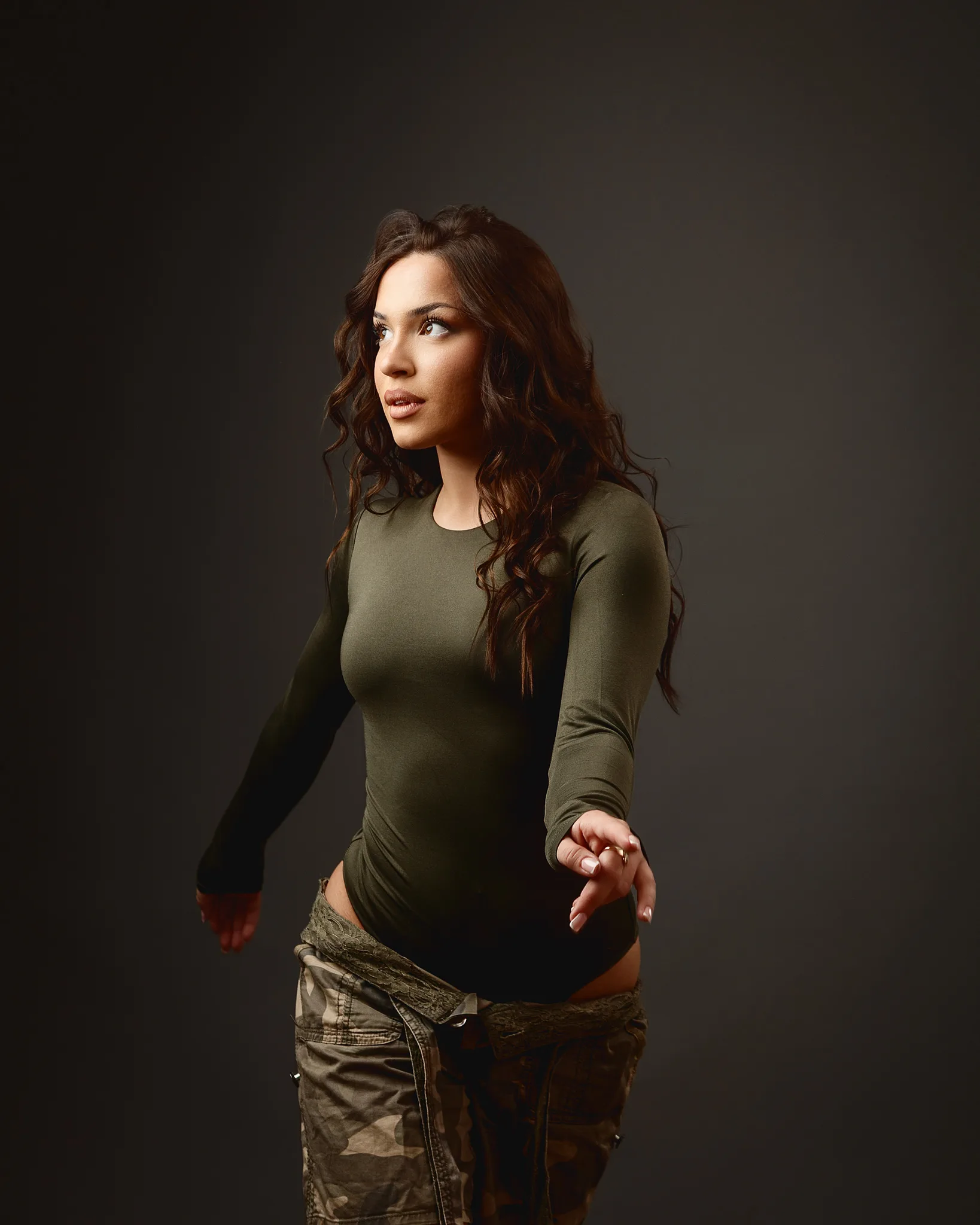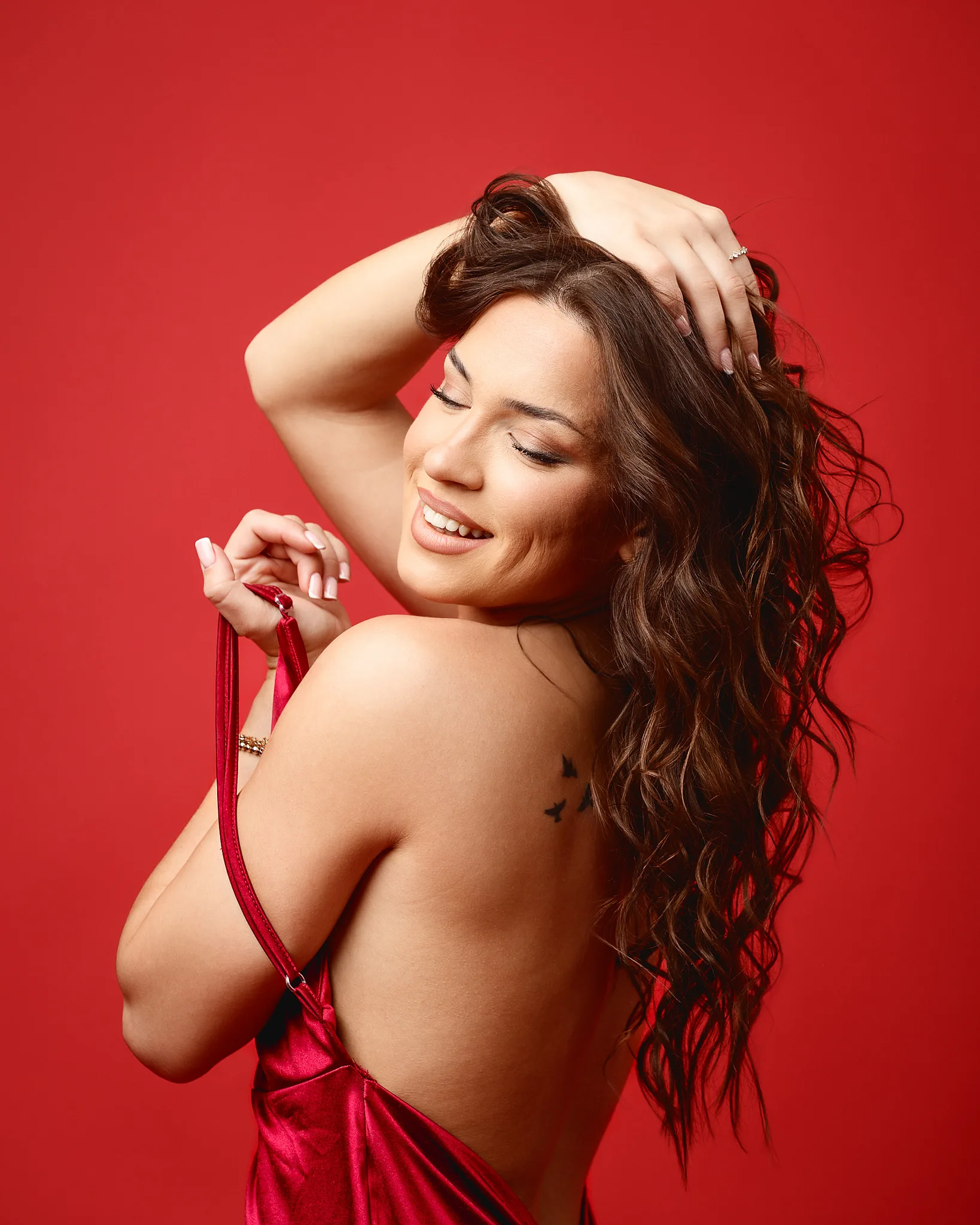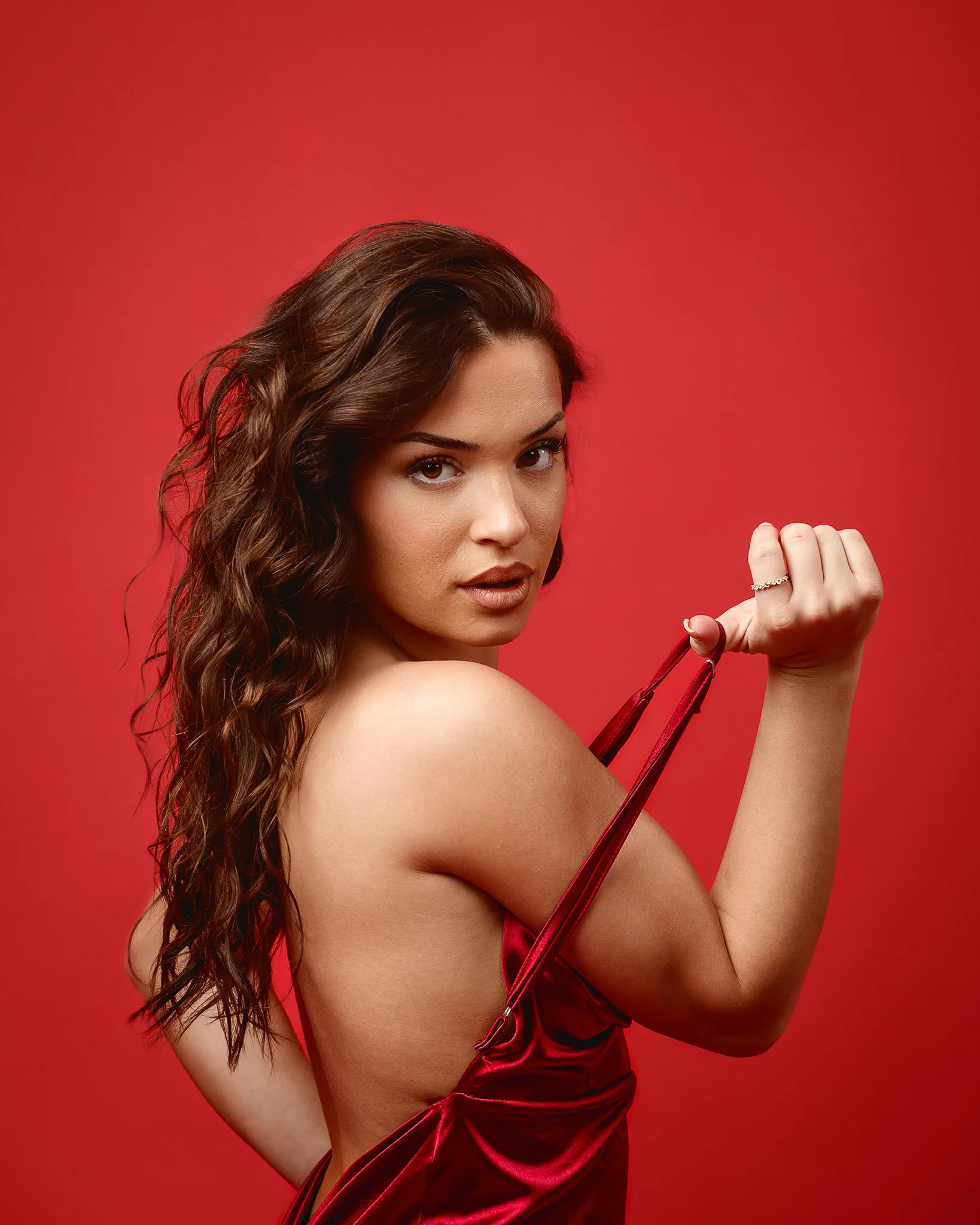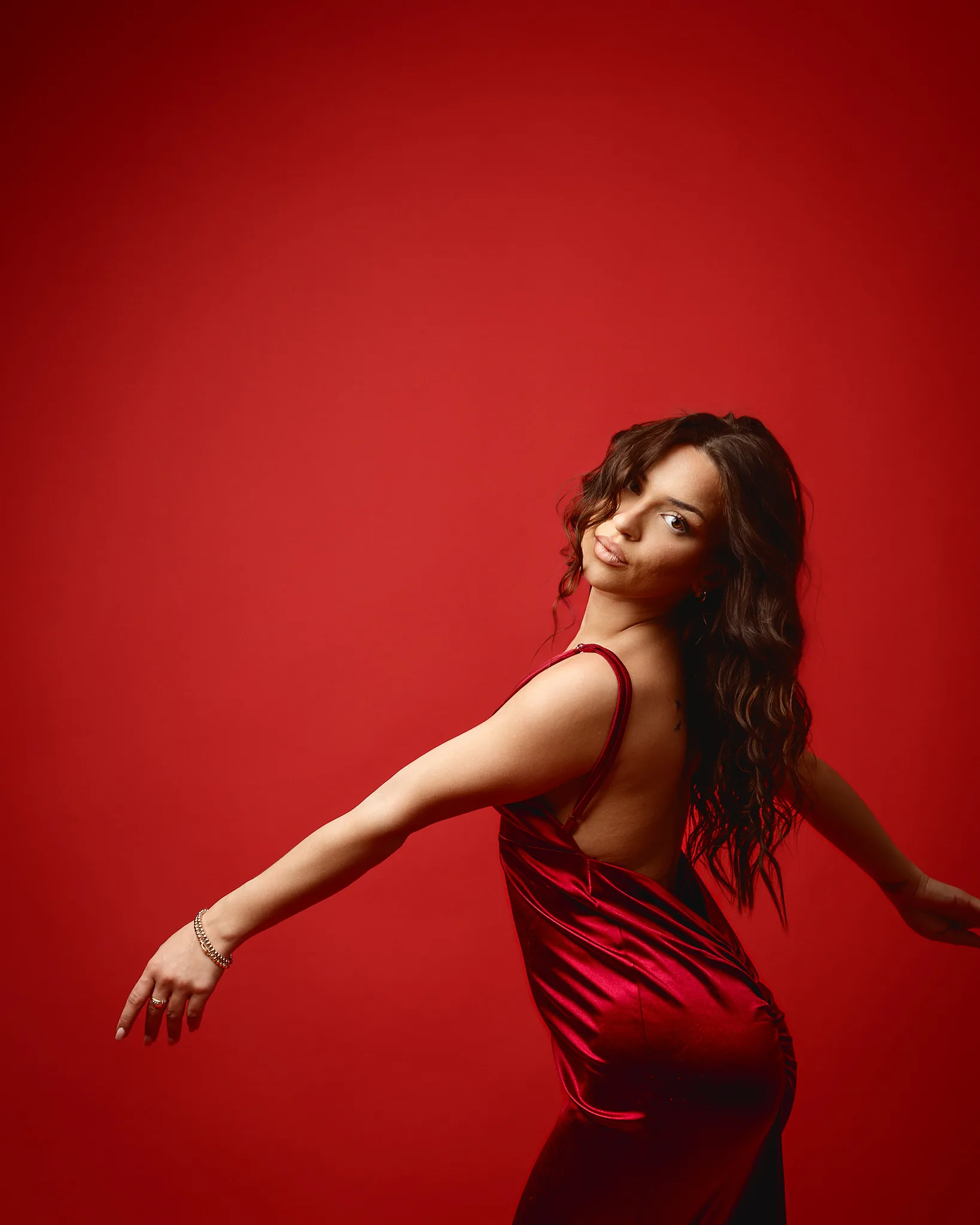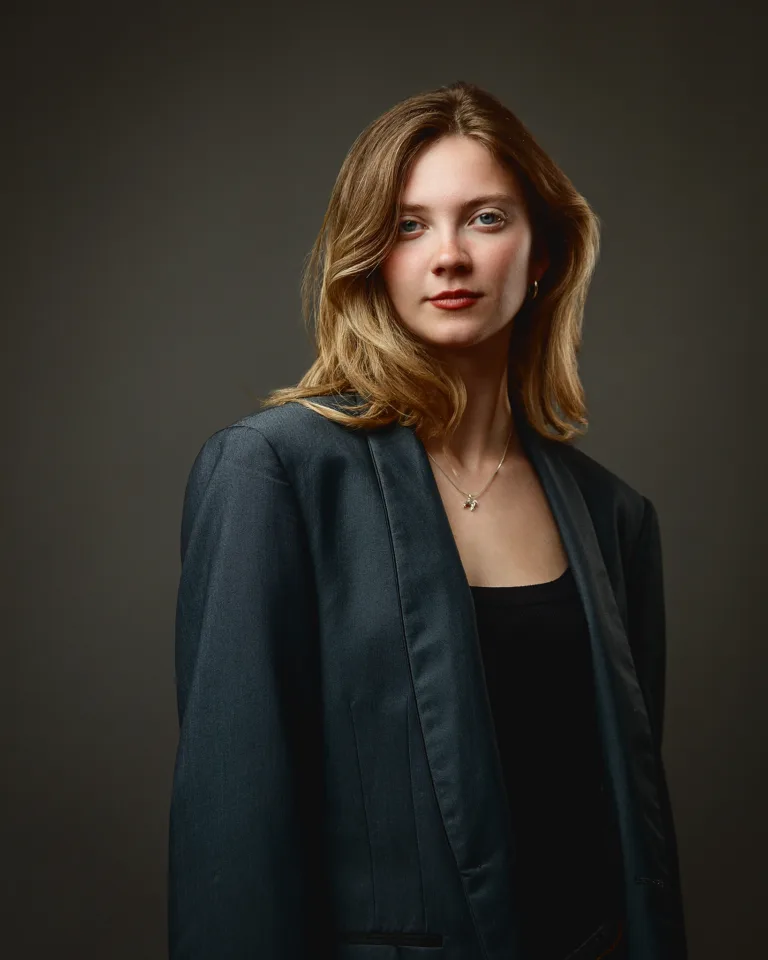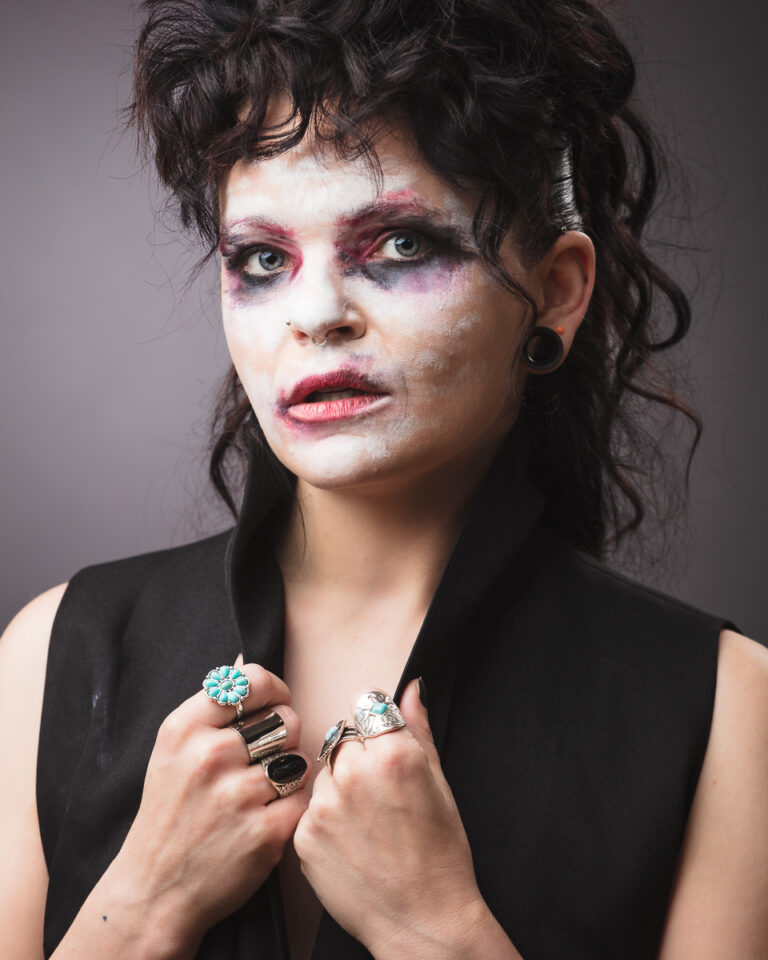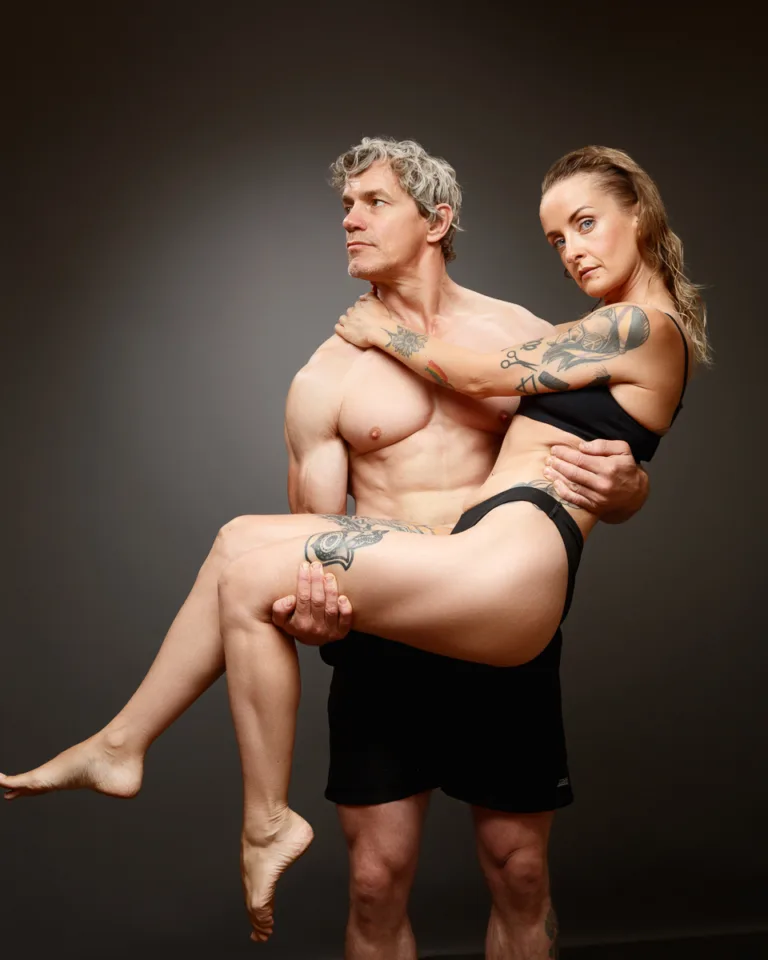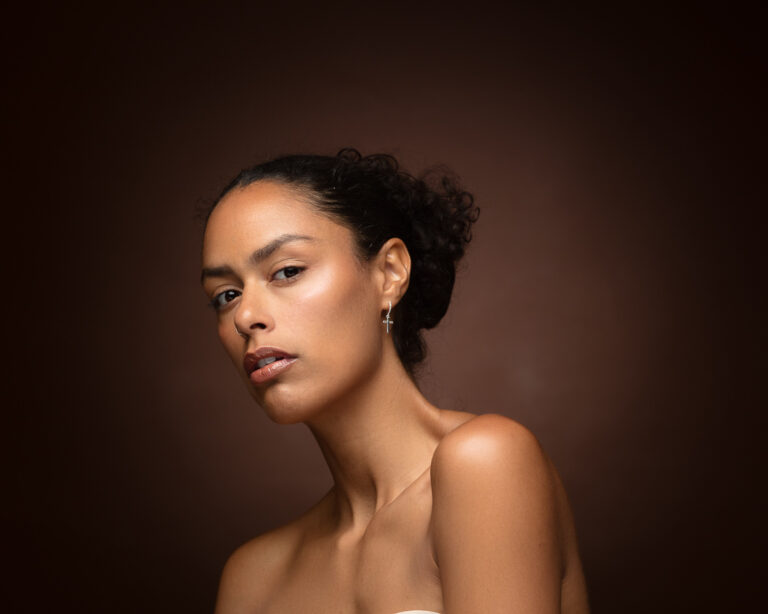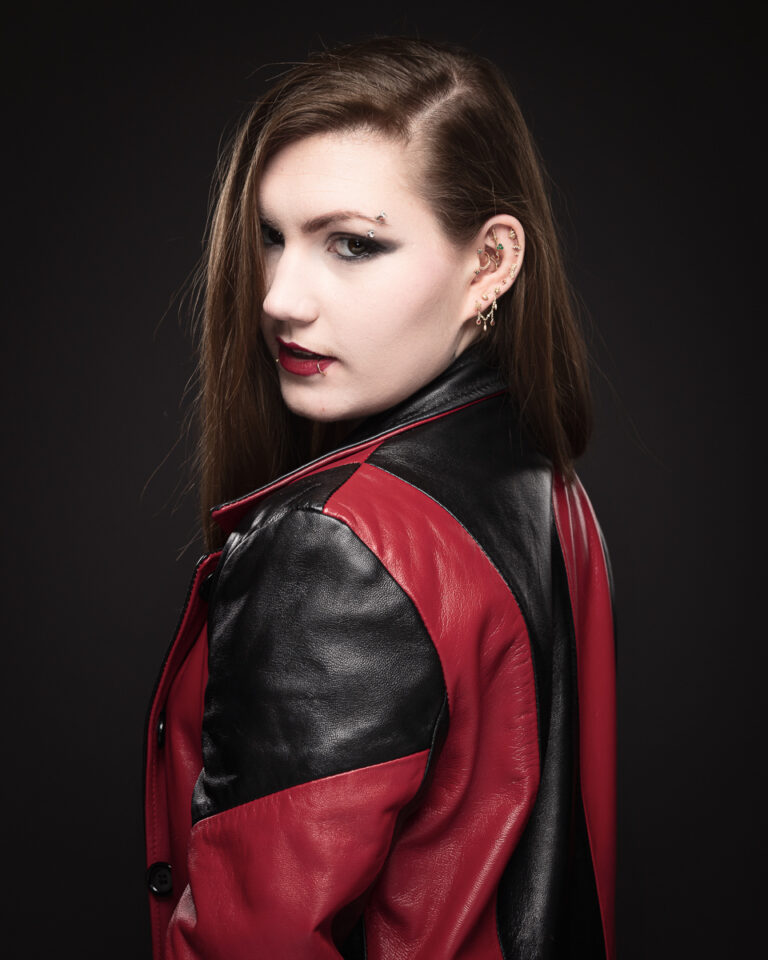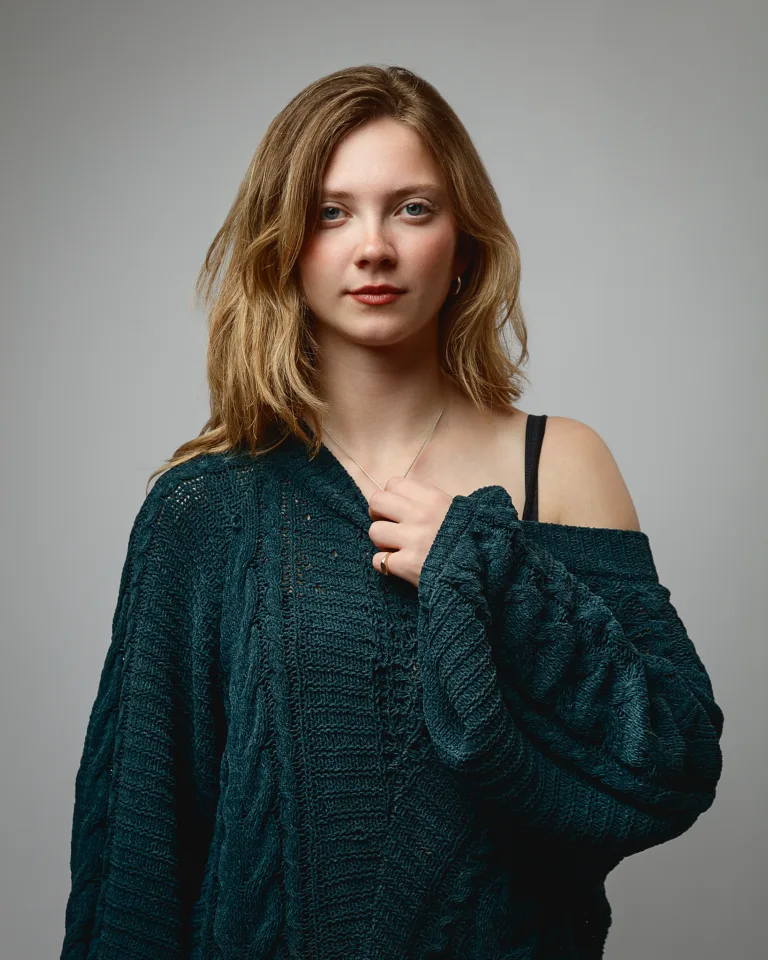
There are shoots where everything clicks from the first frame. Roberta‘s model portfolio session at my Rendlesham studio in Suffolk was one of those days. She arrived knowing exactly what she wanted, brought a wardrobe full of carefully chosen outfits, and proceeded to work through the whole thing with the kind of focus and energy that makes the job straightforward. This post covers how we approached the shoot, what went into it, and, because I think it matters, some practical thoughts on model safety that I hope will be useful to any aspiring model reading this.
A Fashion Editorial Approach to Model Portfolio Photography
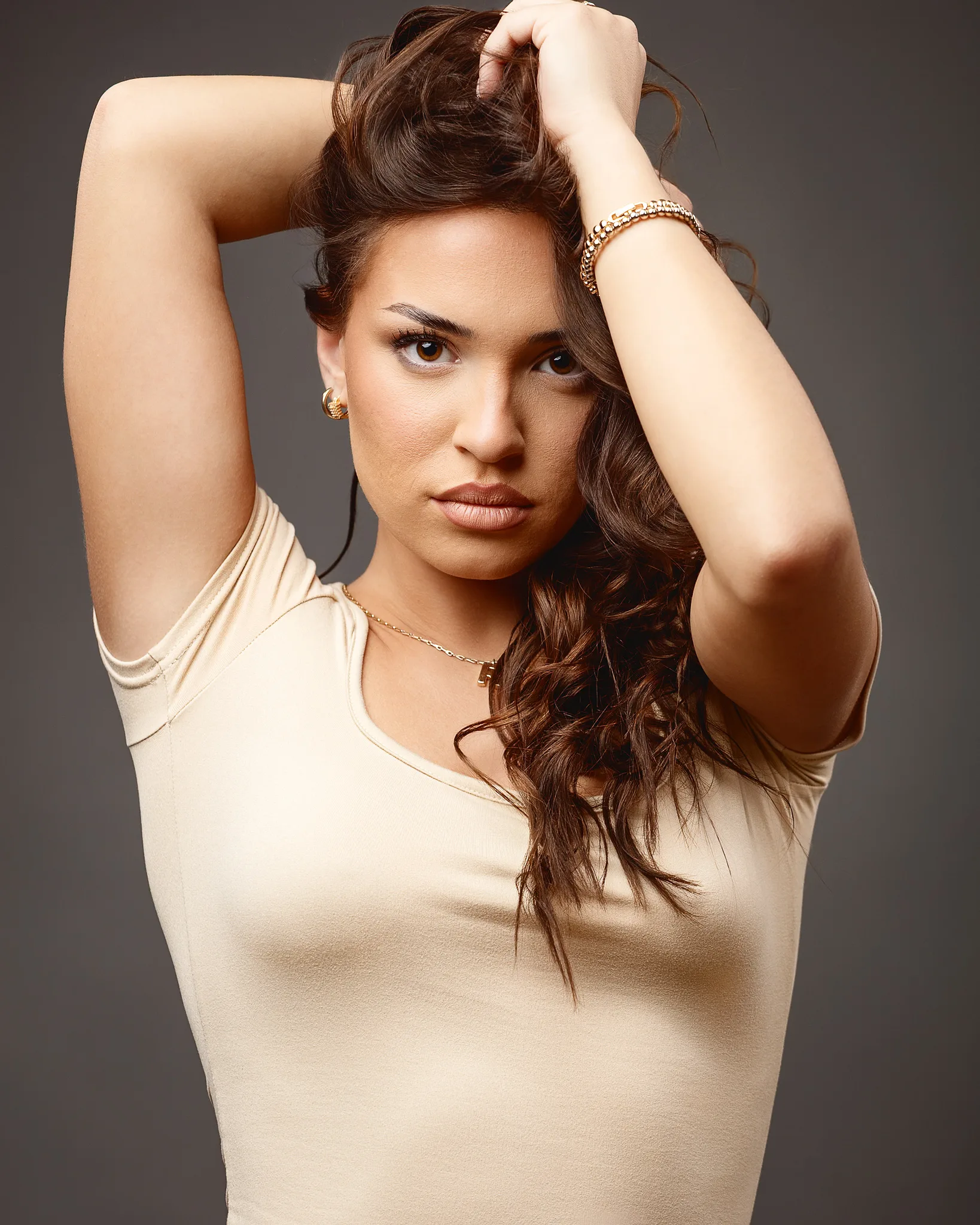
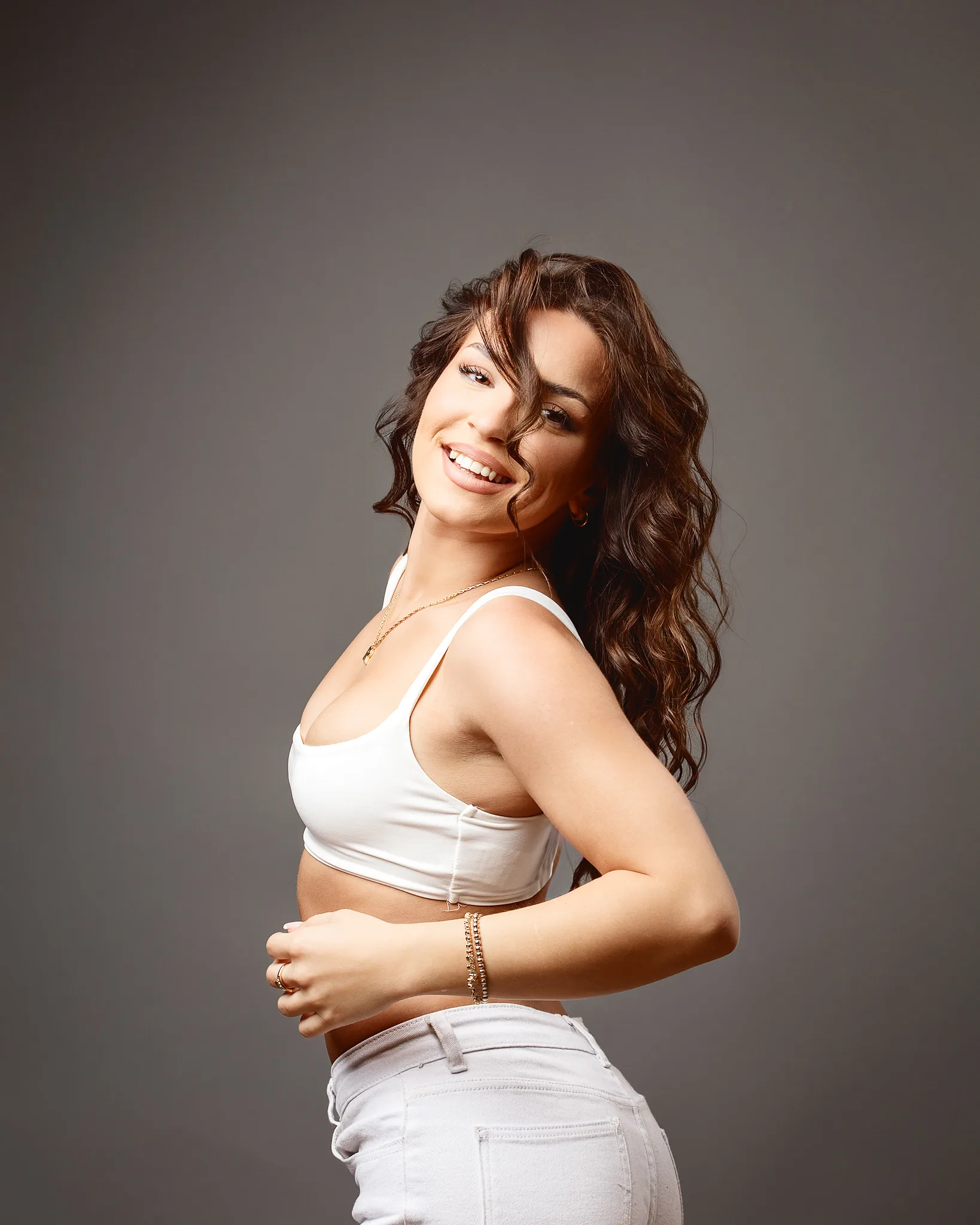
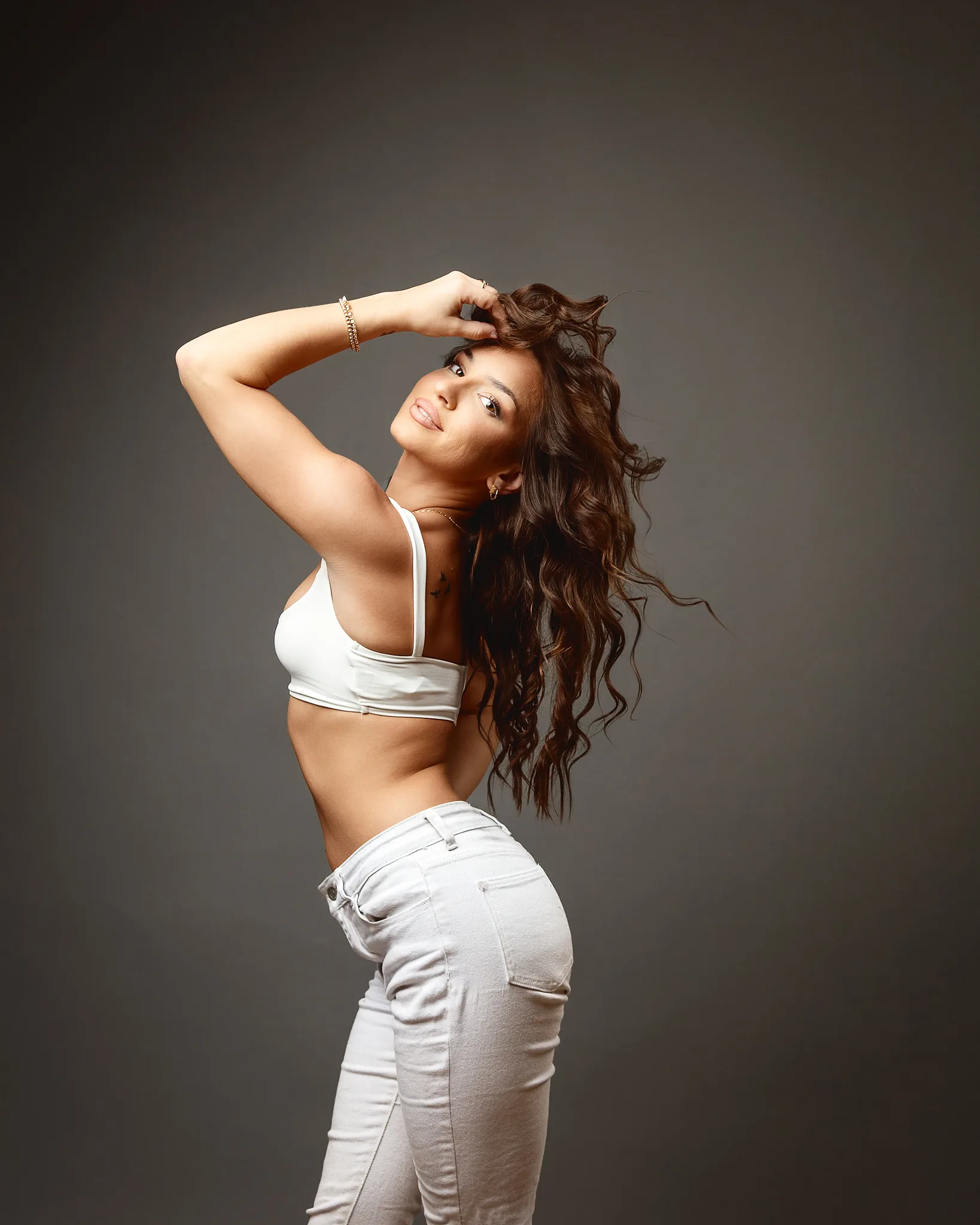
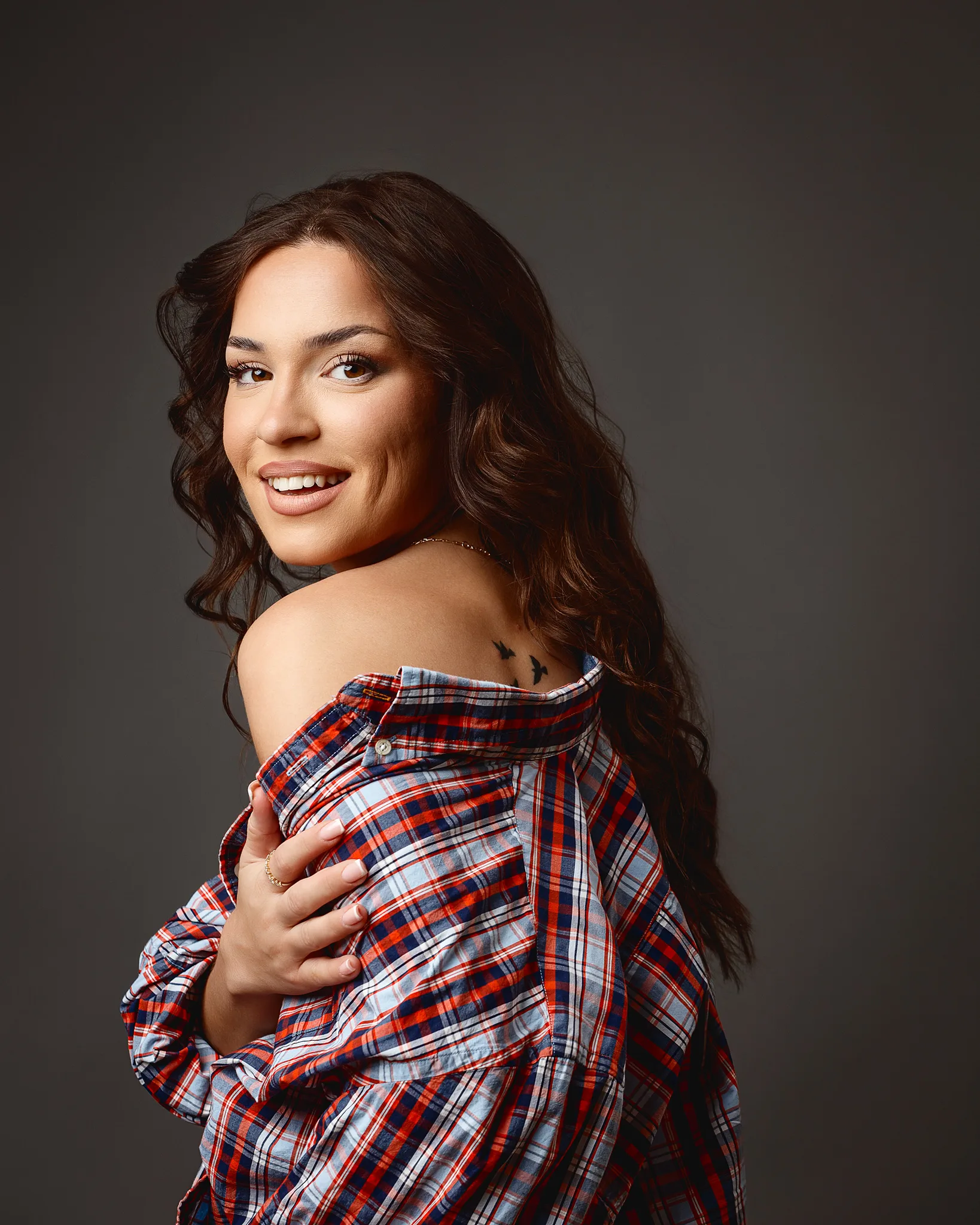
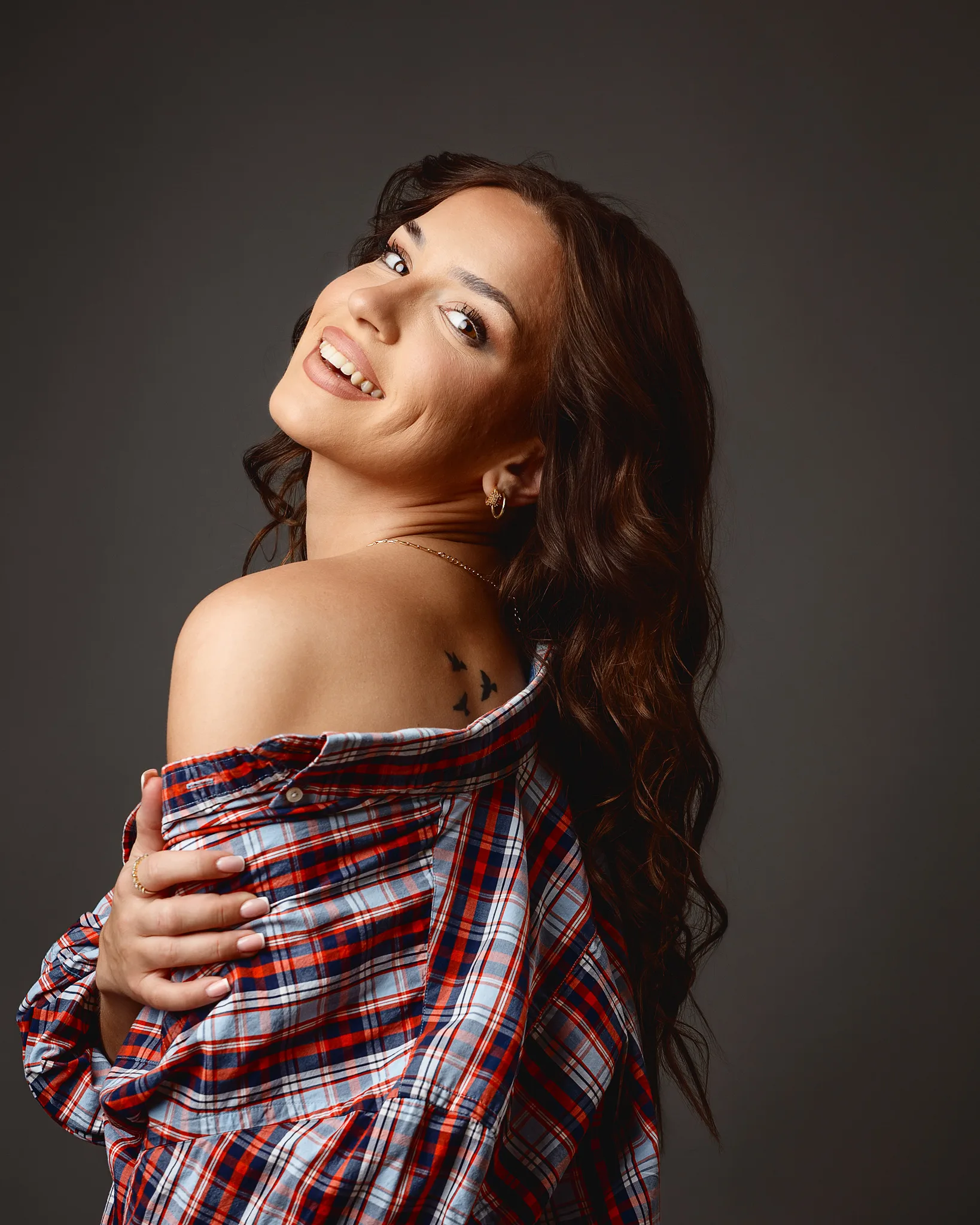
Roberta came to me to update her model portfolio. She is an aspiring model based in Ipswich, and she wanted images with a fashion editorial feel rather than the more straightforward comp card style that some portfolio shoots lean towards.
Fashion editorial work in a studio context is about more than just clean, well-lit images. It is about creating pictures that have a sense of mood, intention, and variety. Casting directors and agencies want to see range. They want to know that a model can shift between looks and that the images have some life to them, not just technical competence on both sides of the camera.
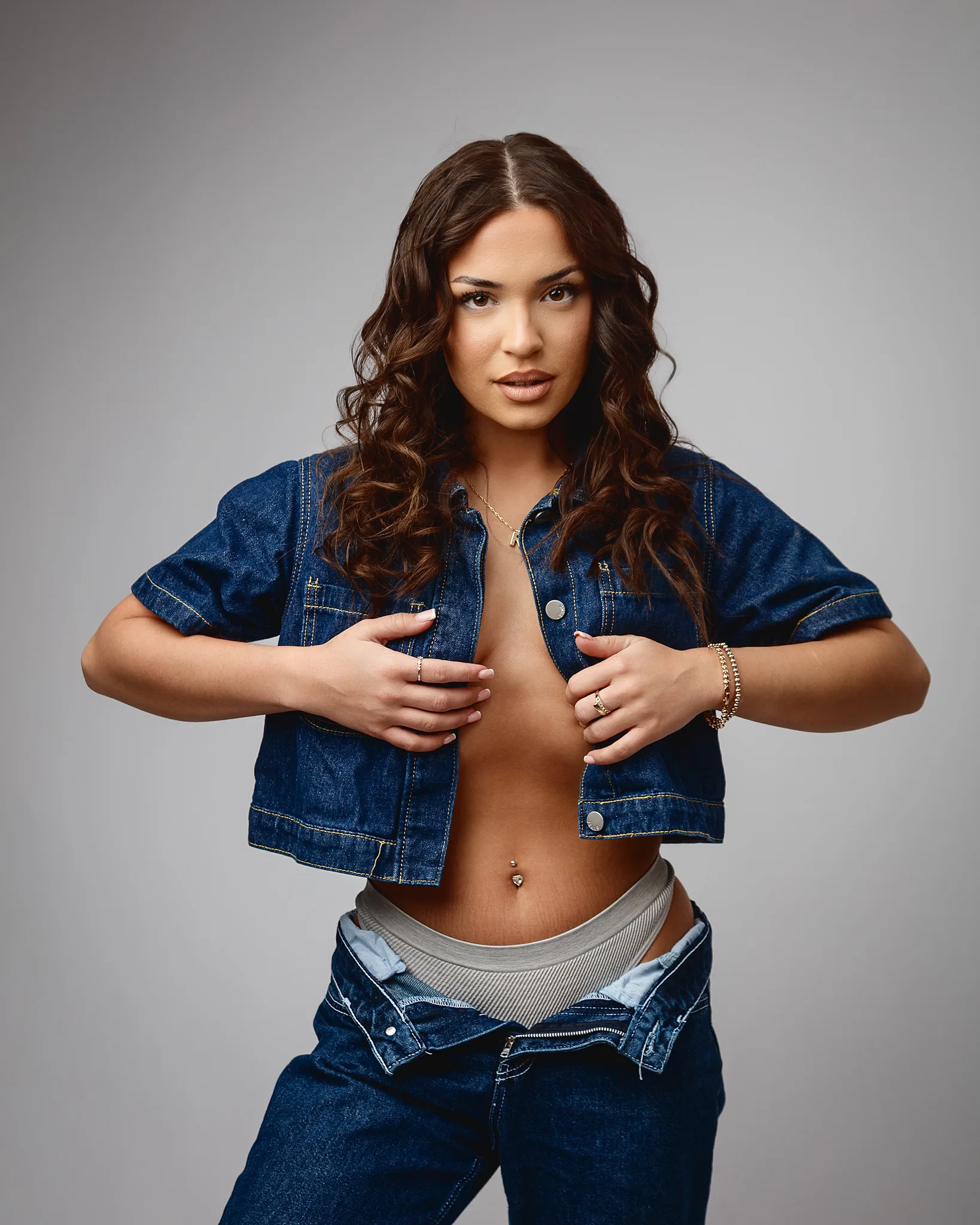
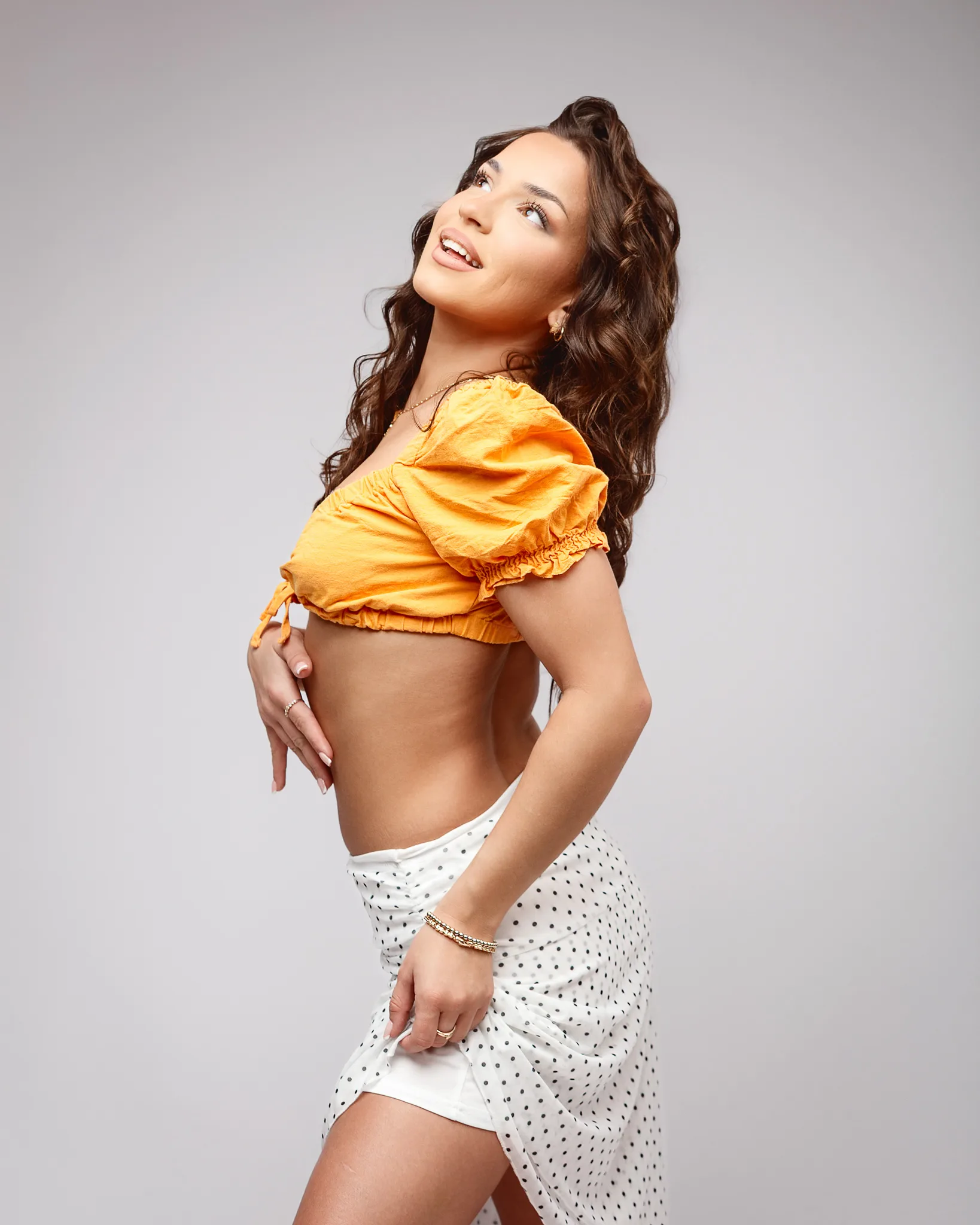
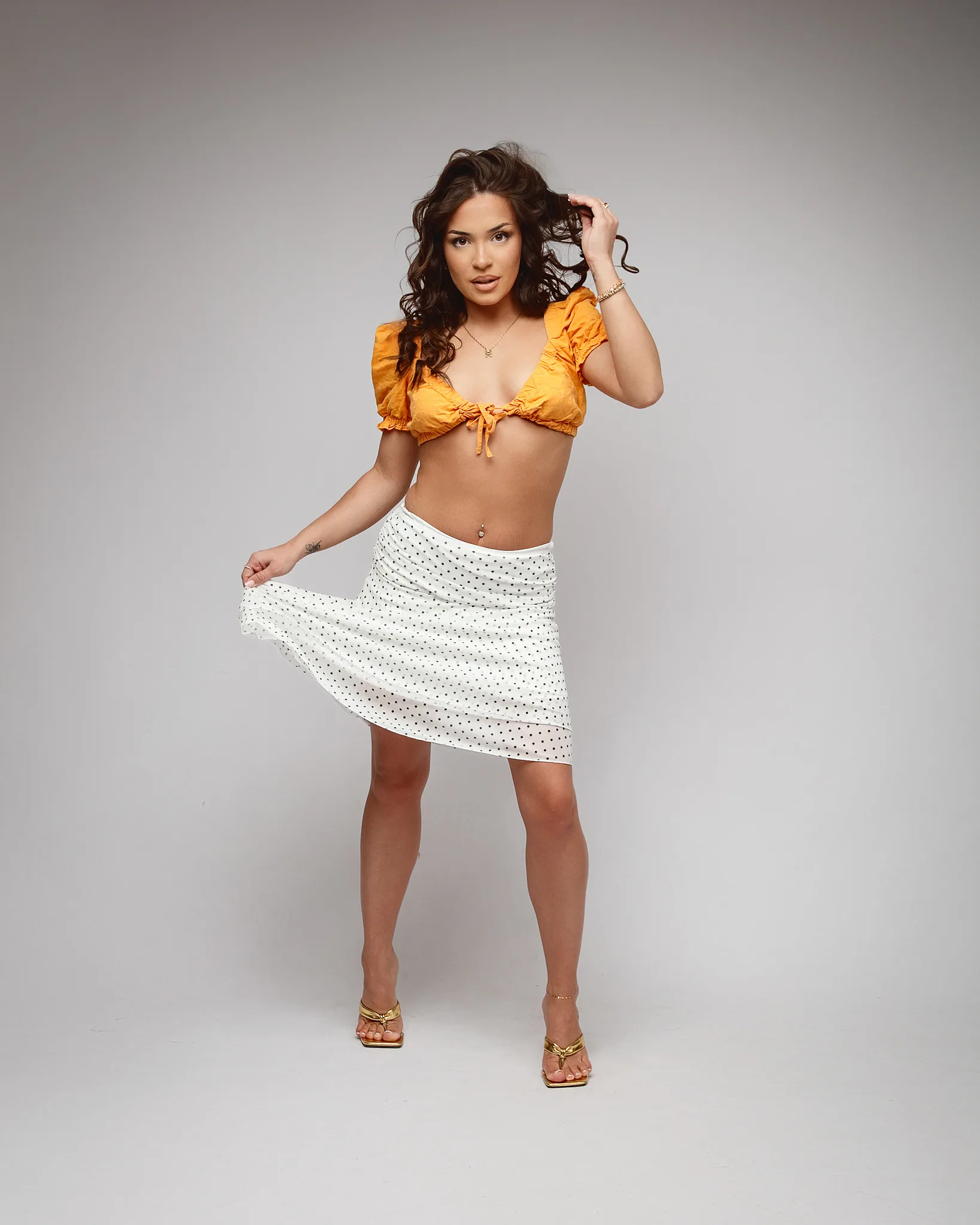
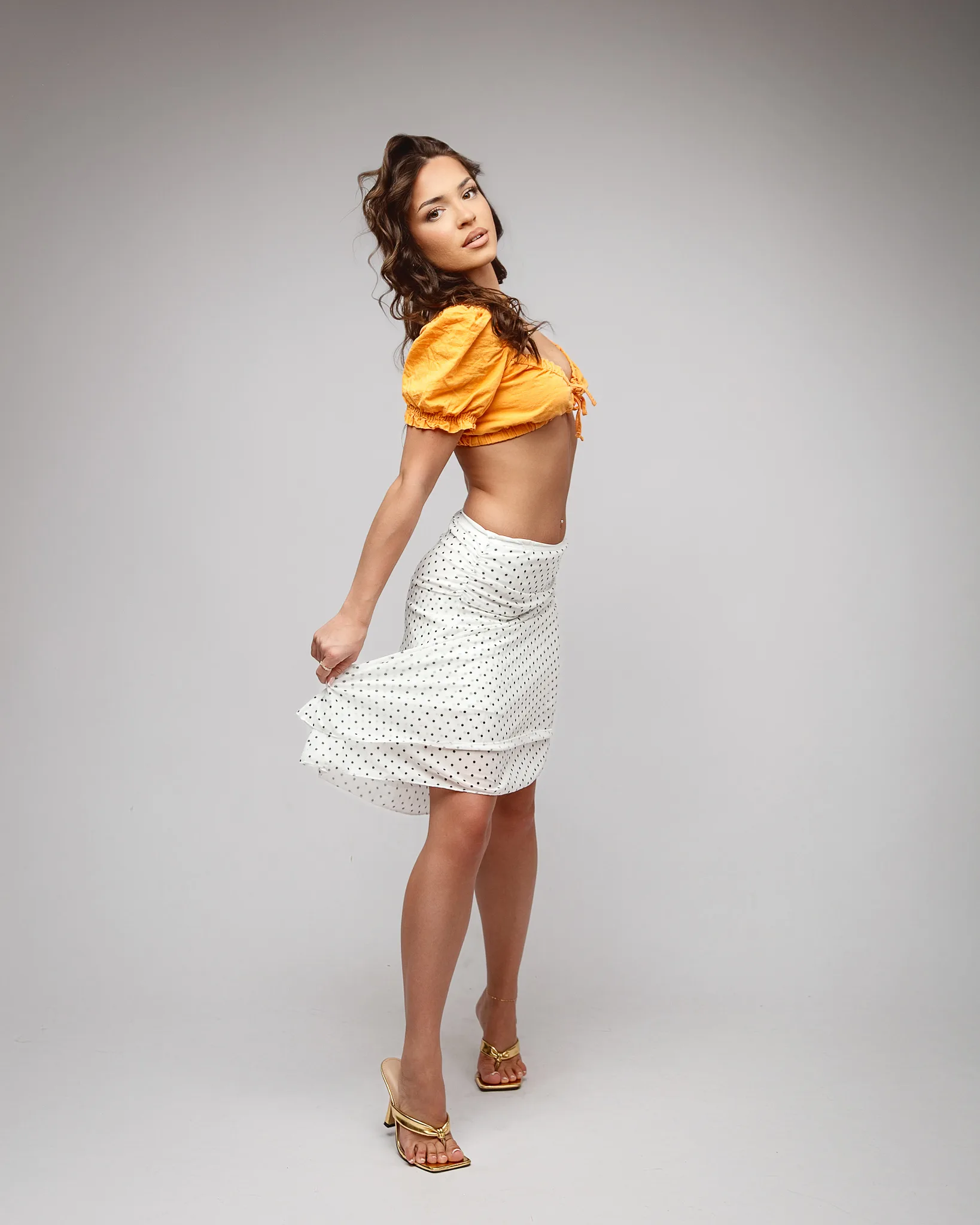
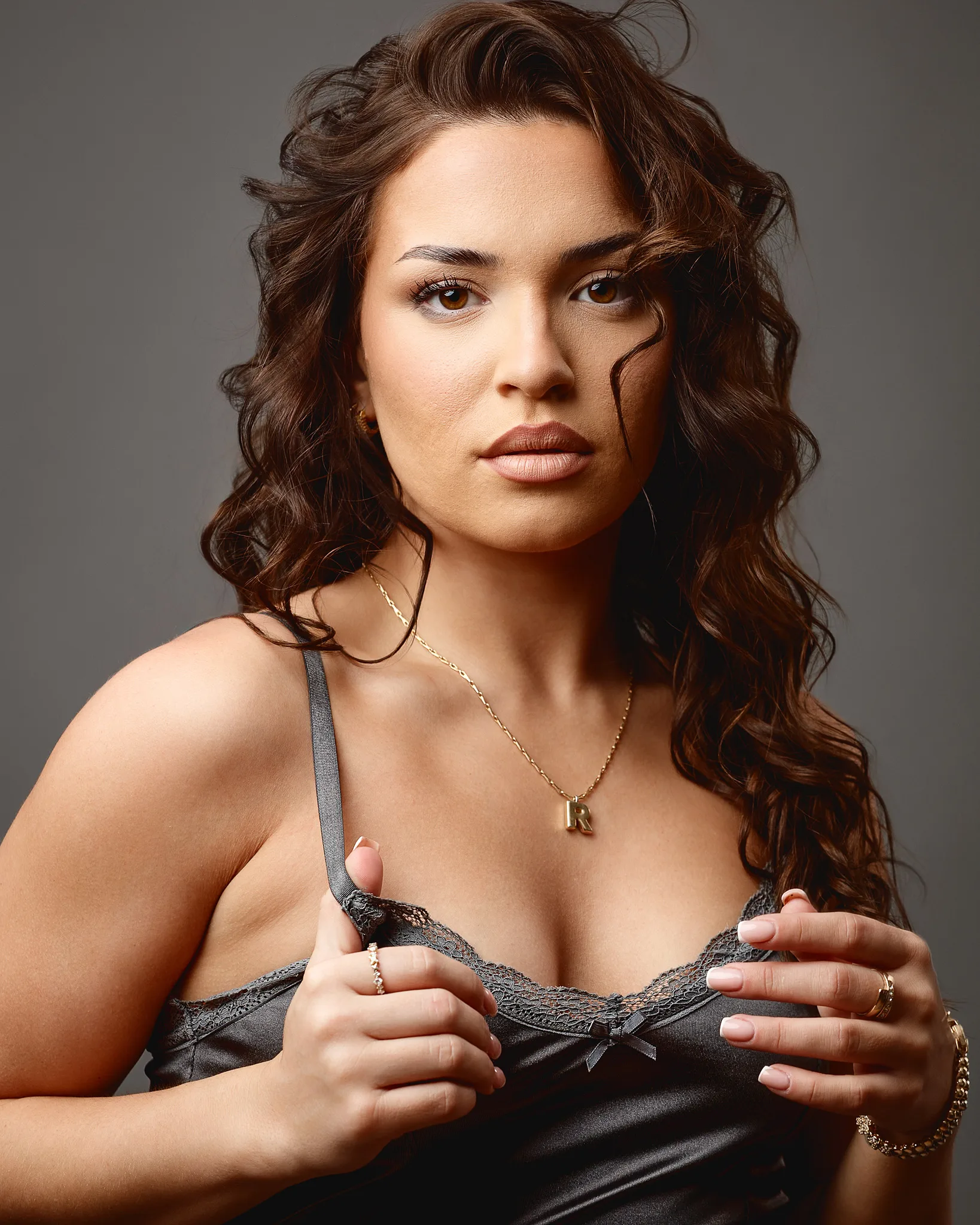
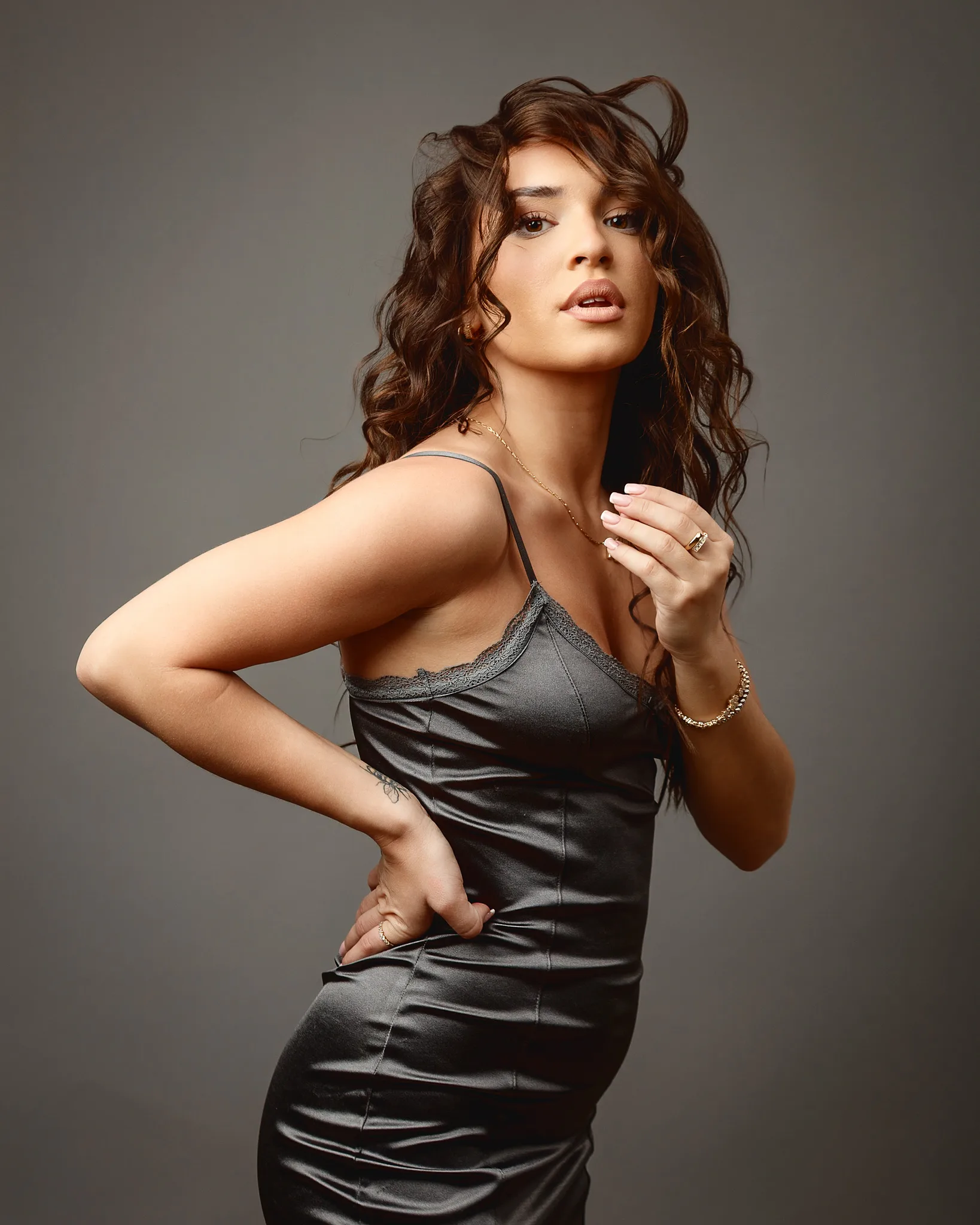
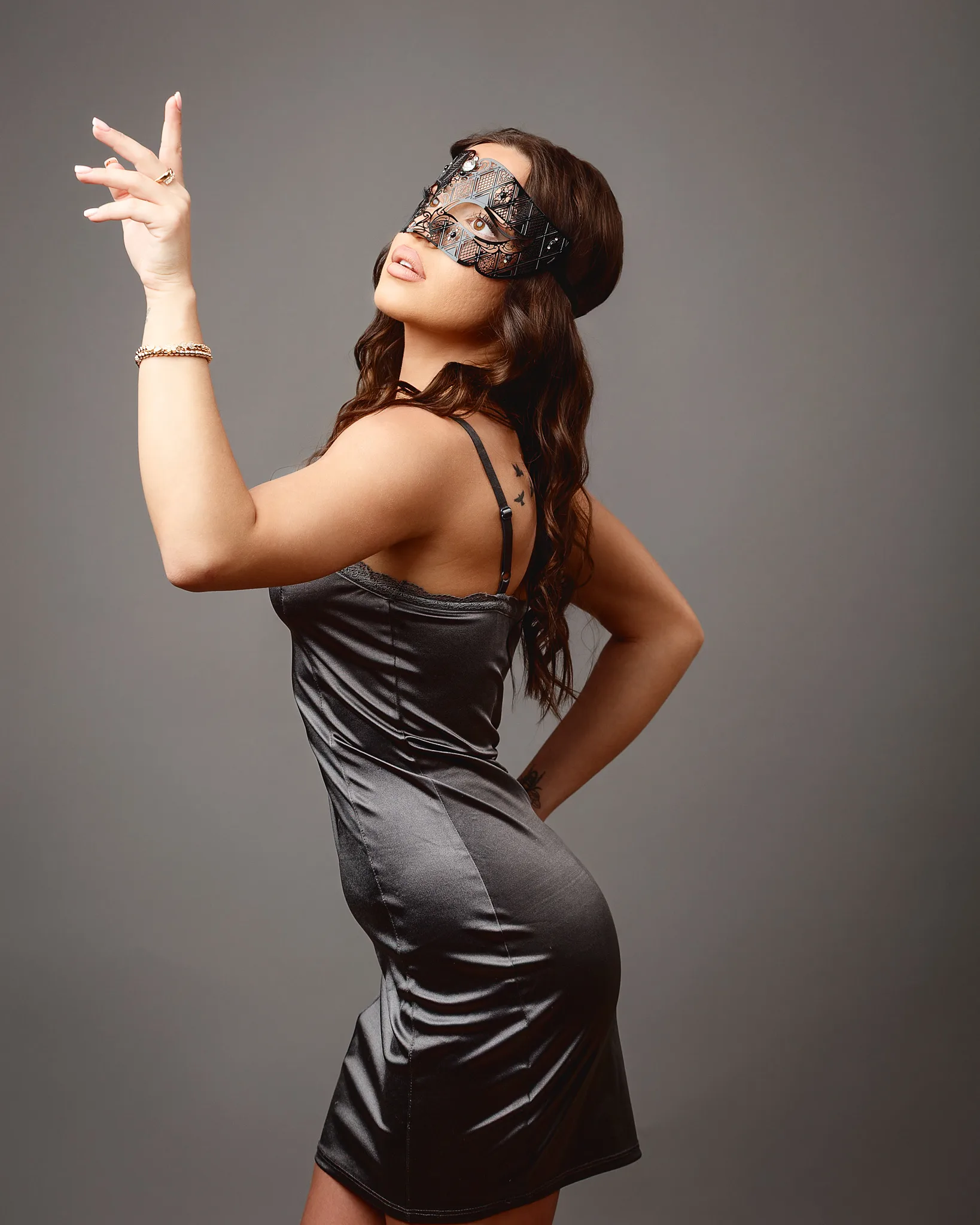
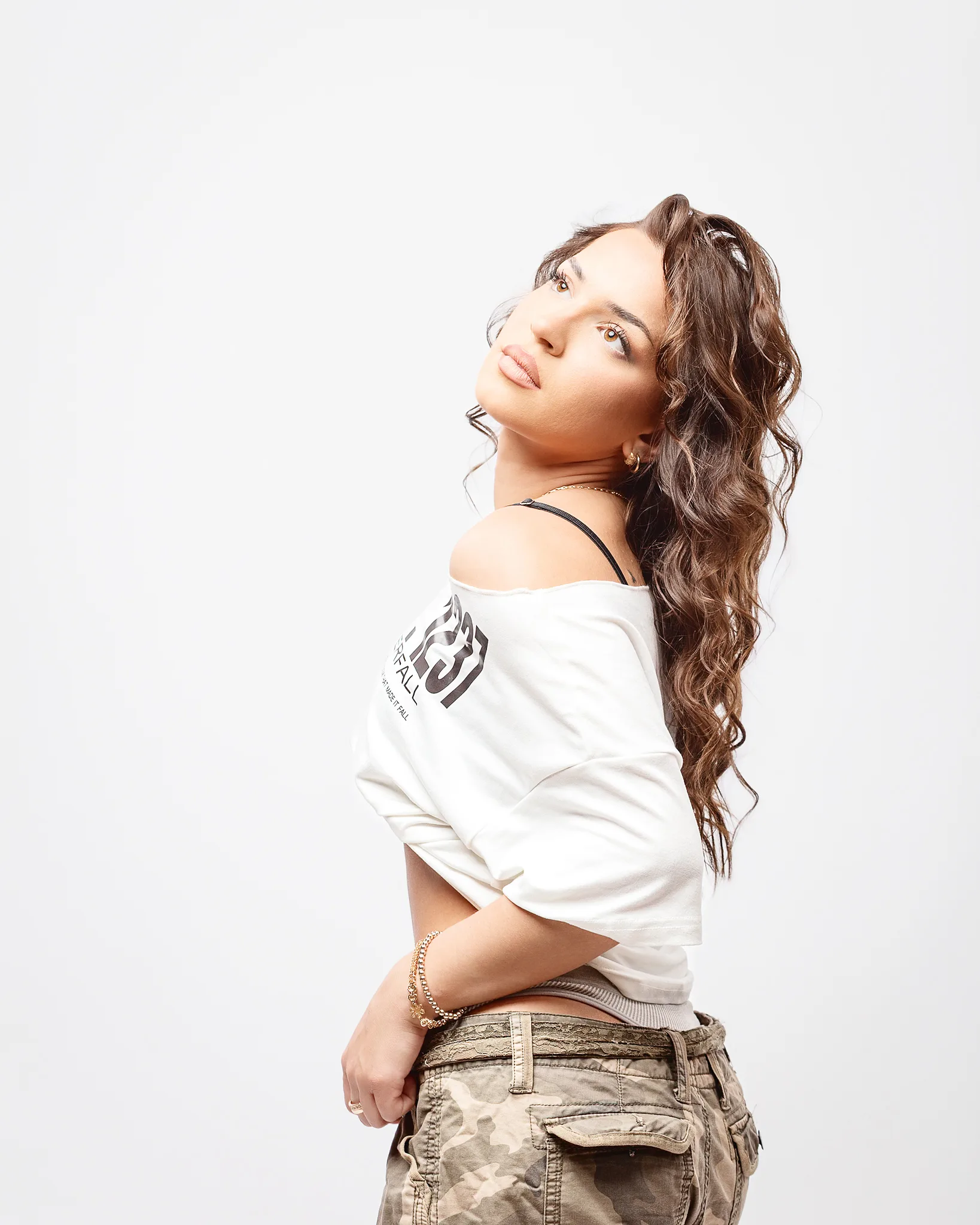
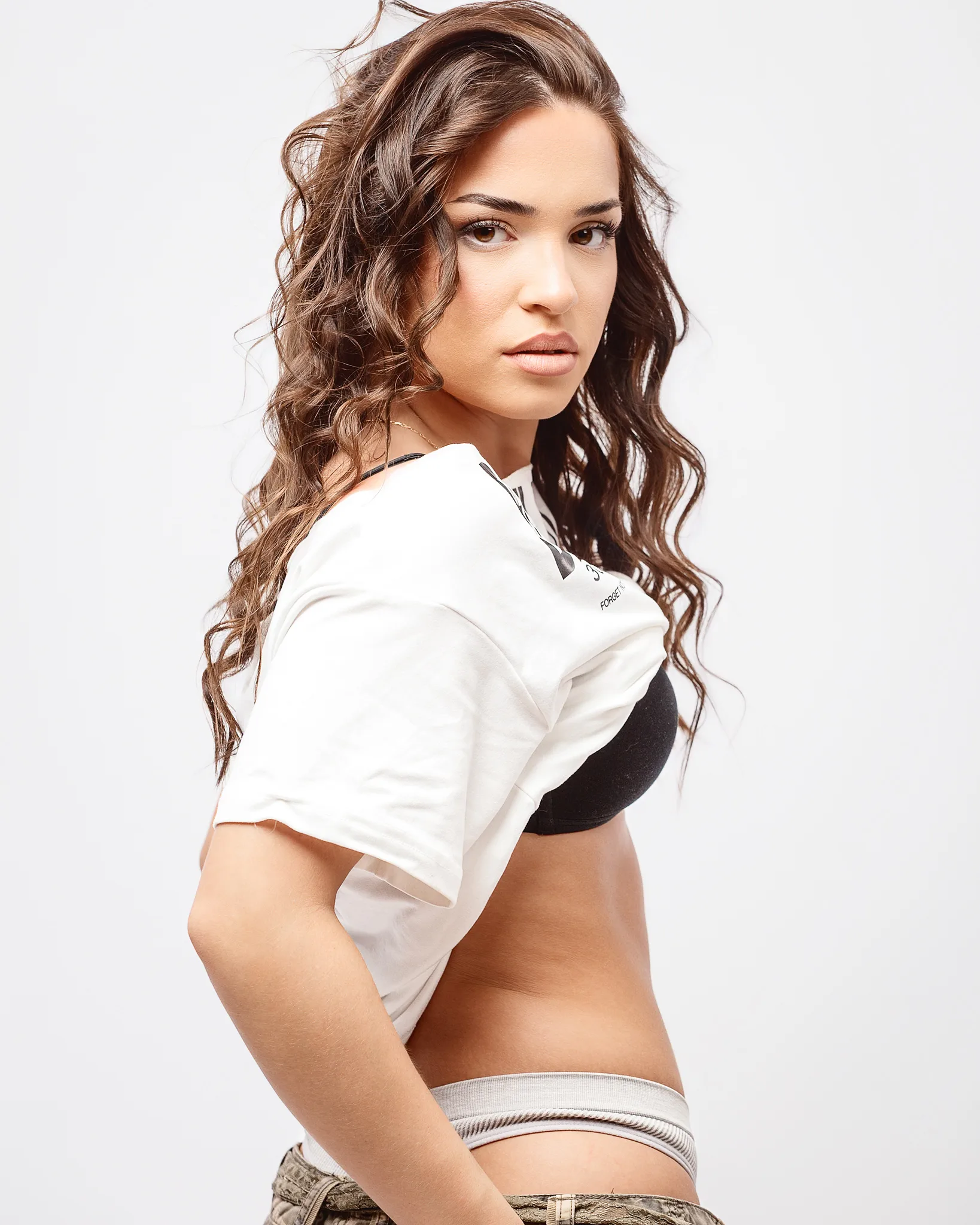
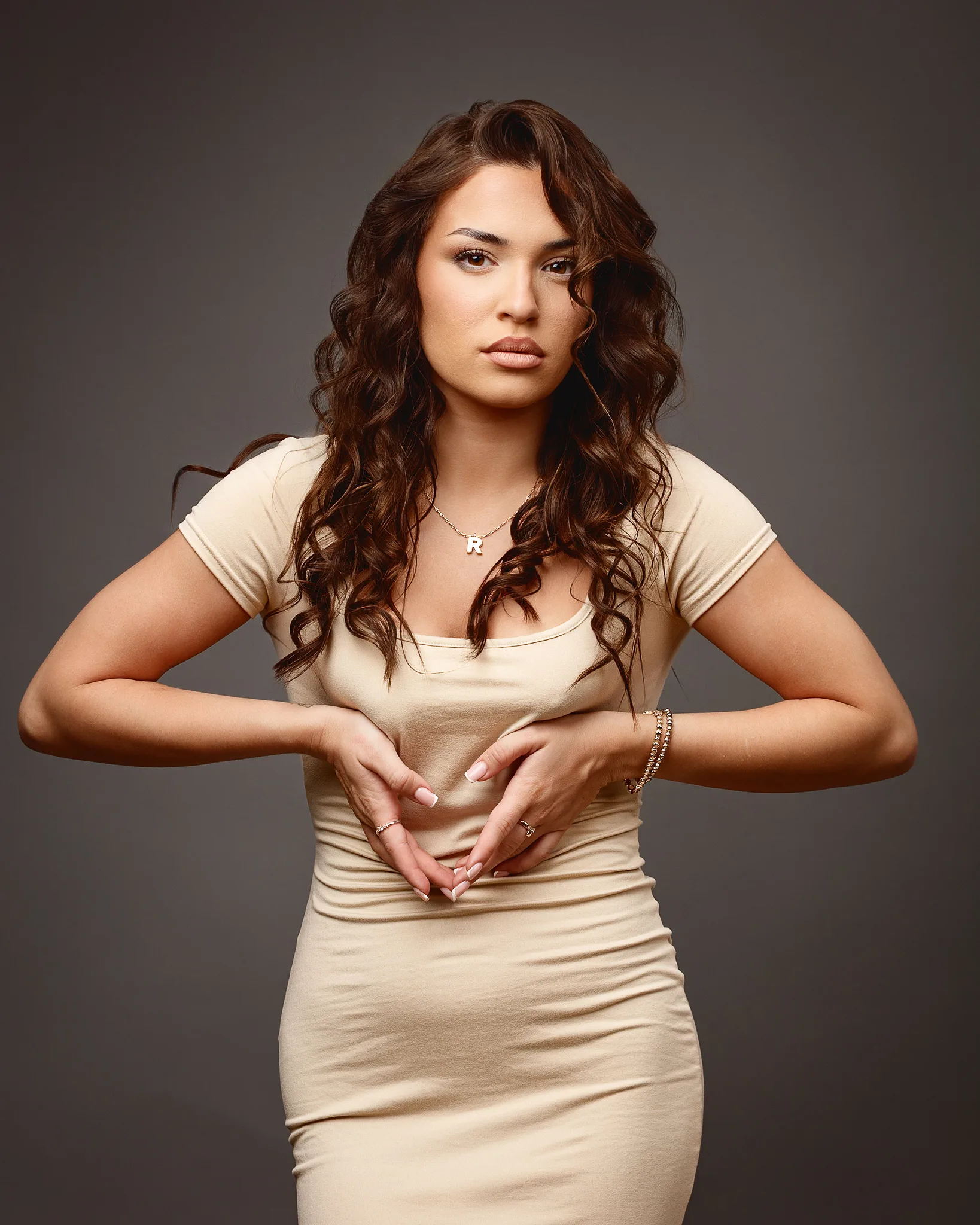
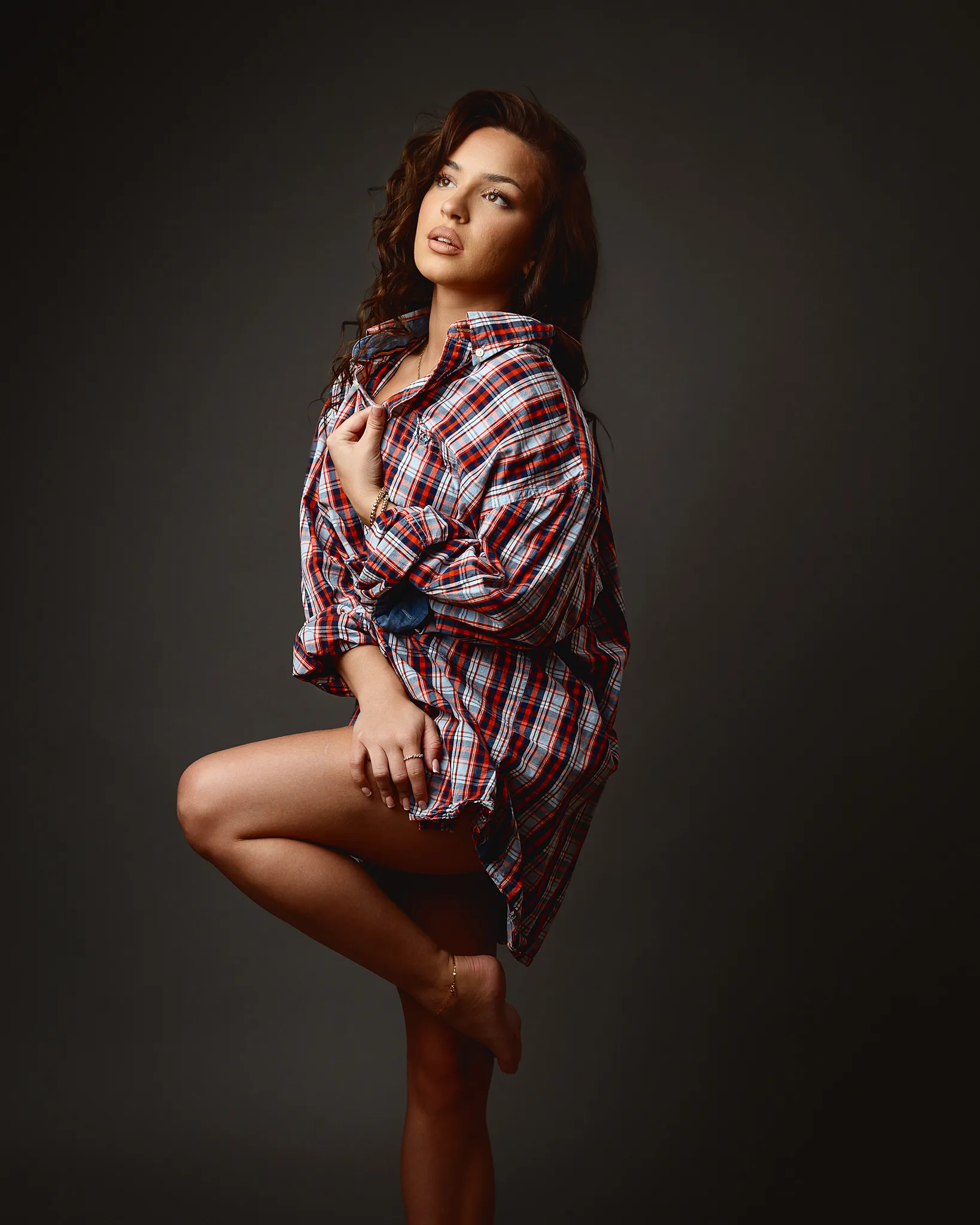
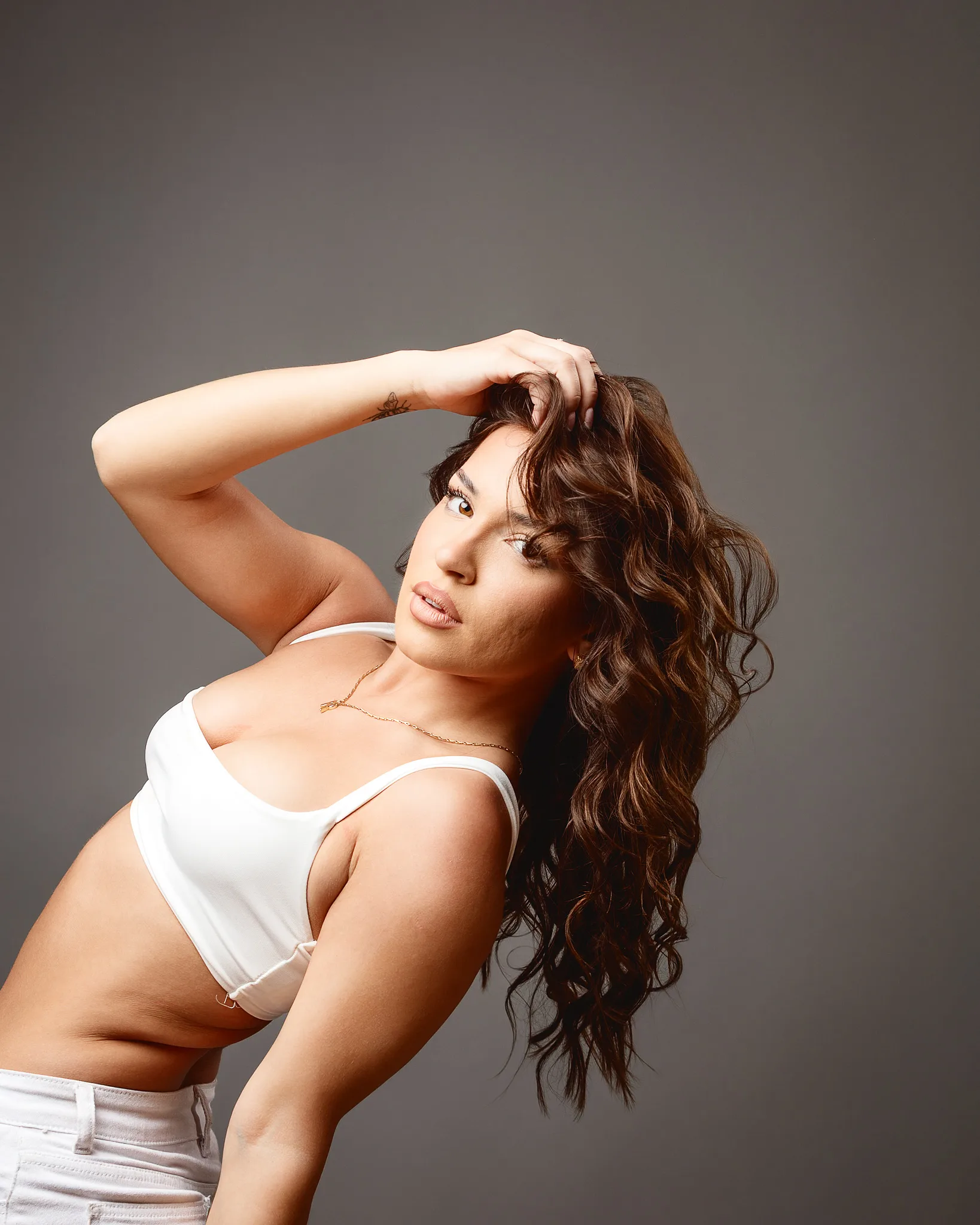
With that in mind, we planned for multiple outfit changes and worked across two different background setups: a lighter grey and a darker charcoal, which allowed us to shift the mood considerably between looks. The lighting changed with each setup to suit what Roberta was wearing and how she was working.
What Roberta Brought to the Shoot
I want to be direct about this: Roberta is an exceptional model to work with. She styled herself, did her own hair and makeup, and planned her own wardrobe. That level of preparation makes a significant difference.
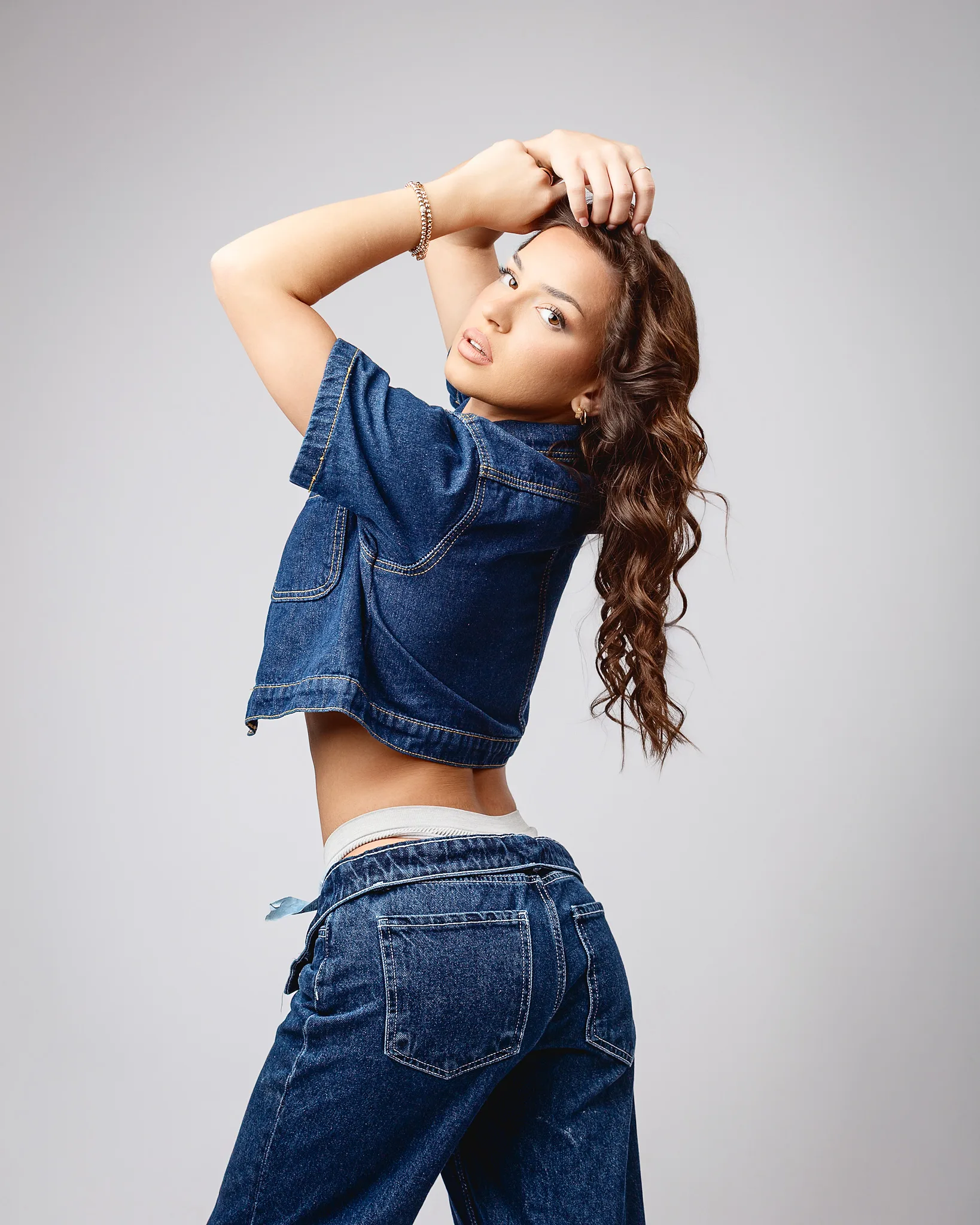
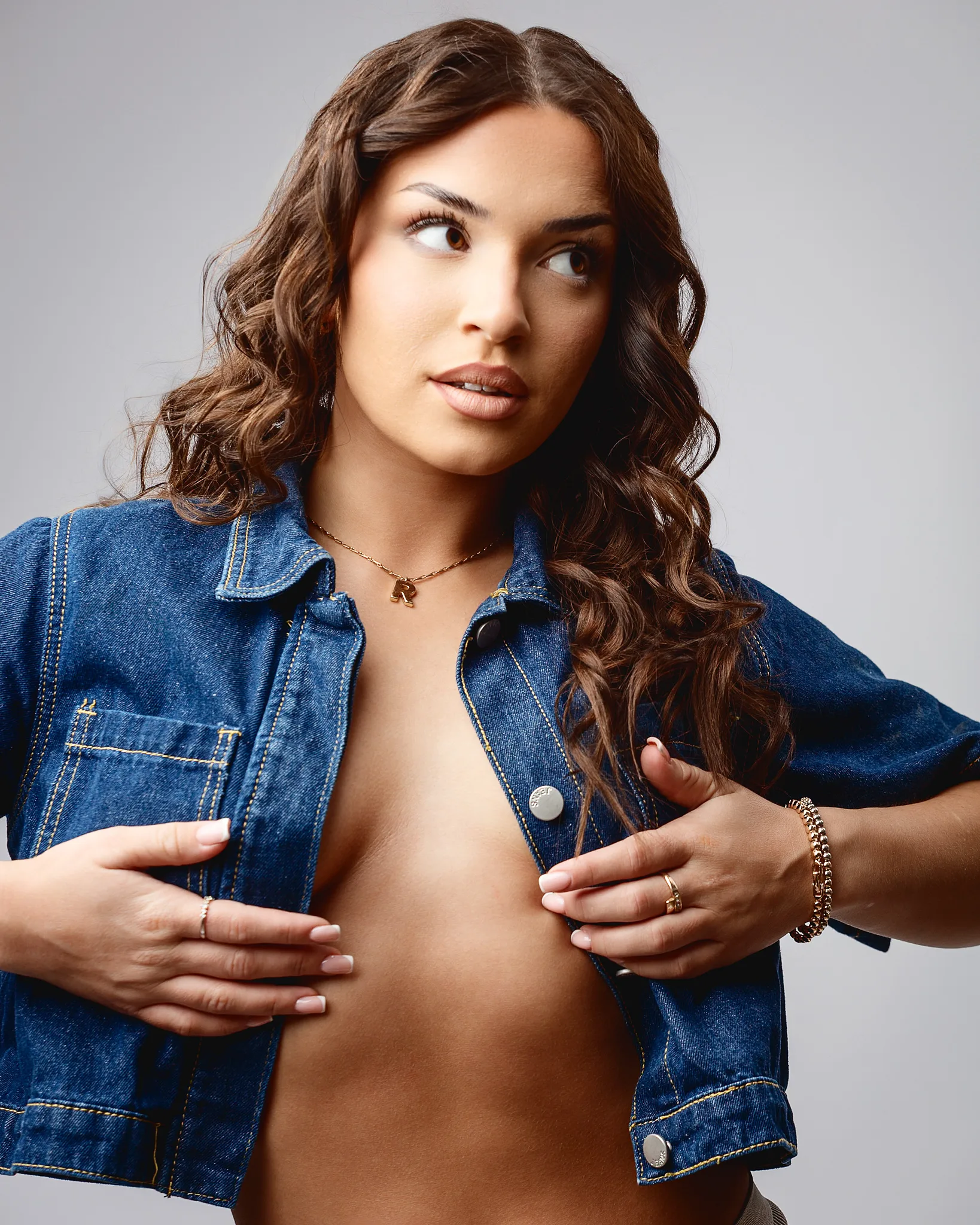
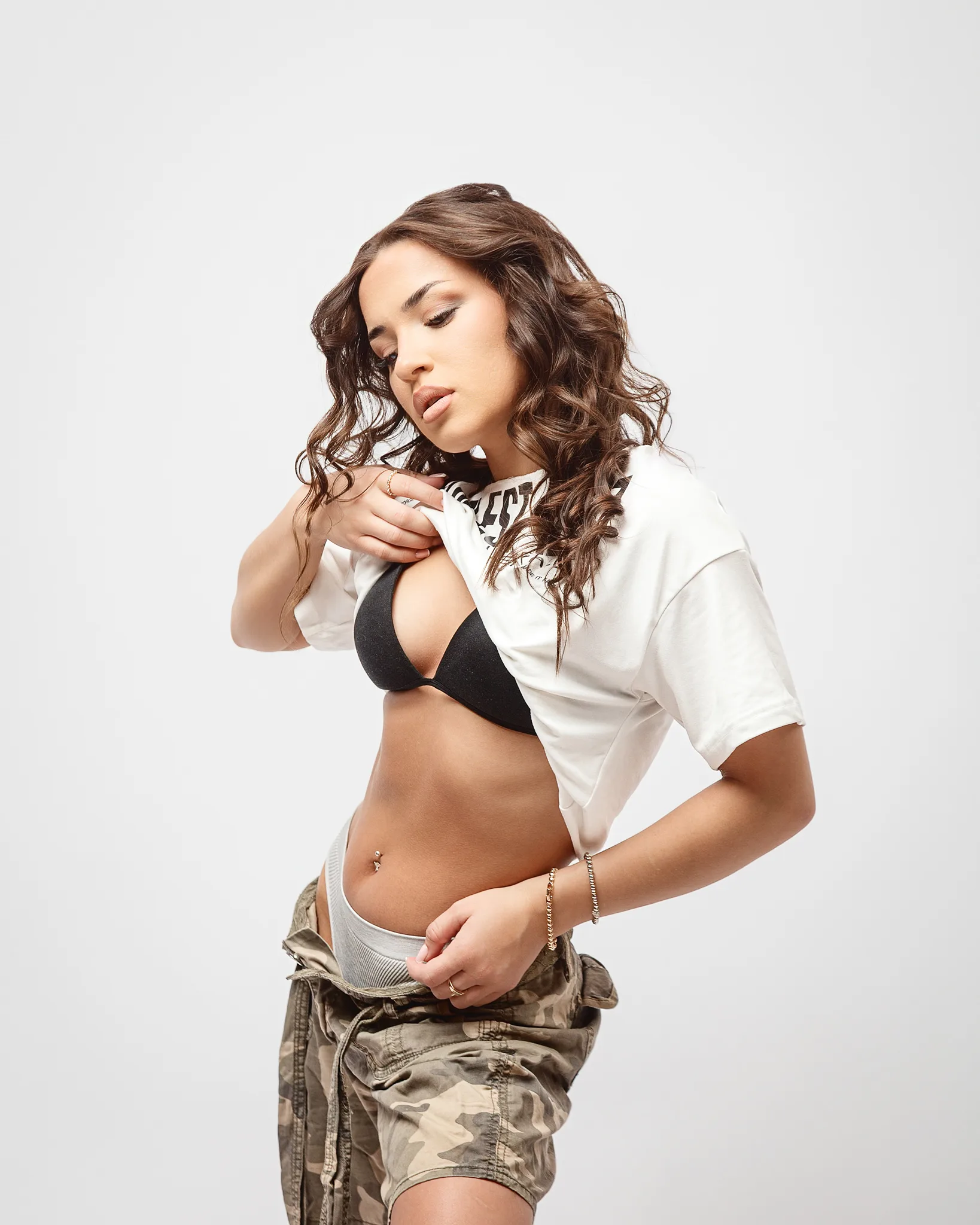
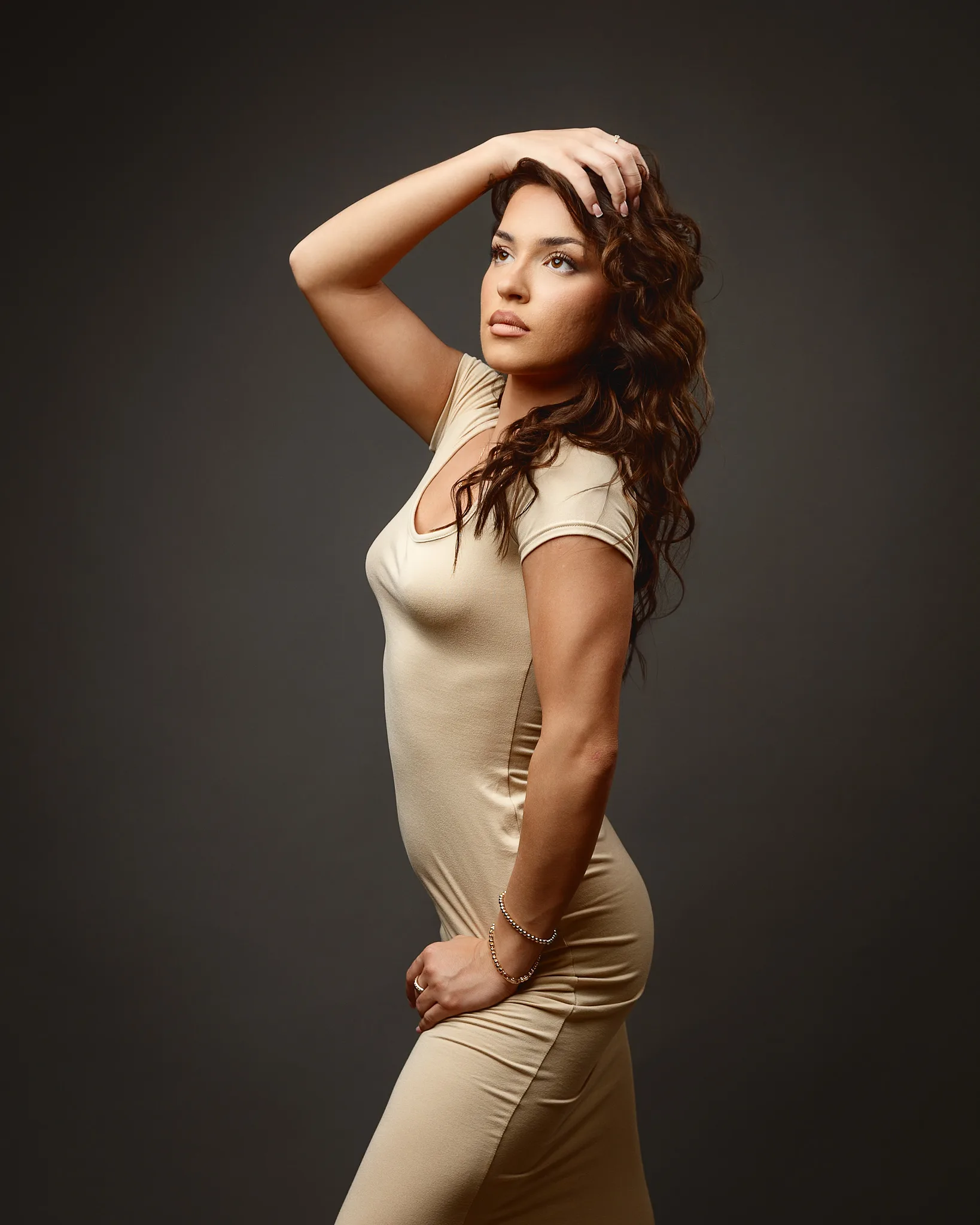
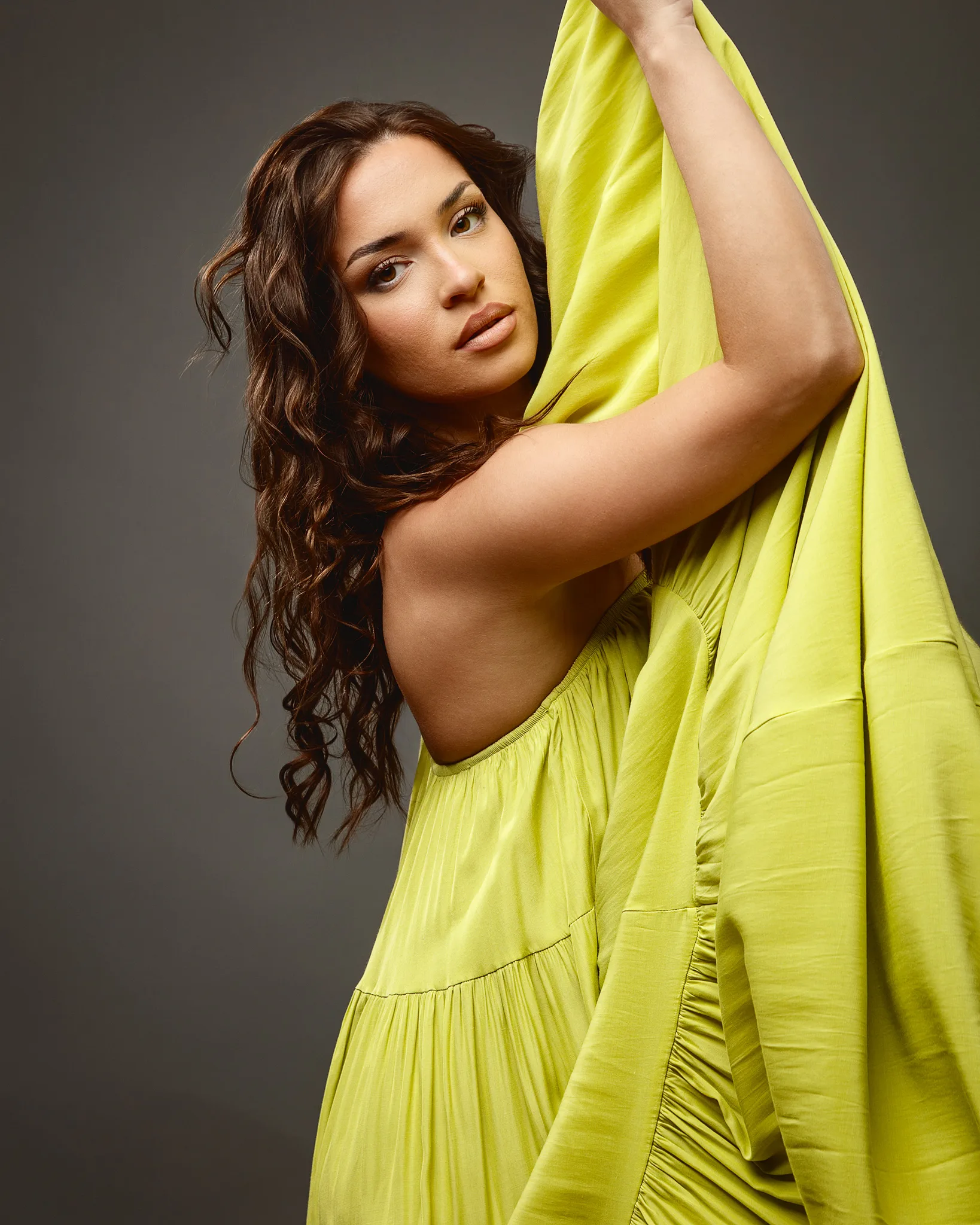
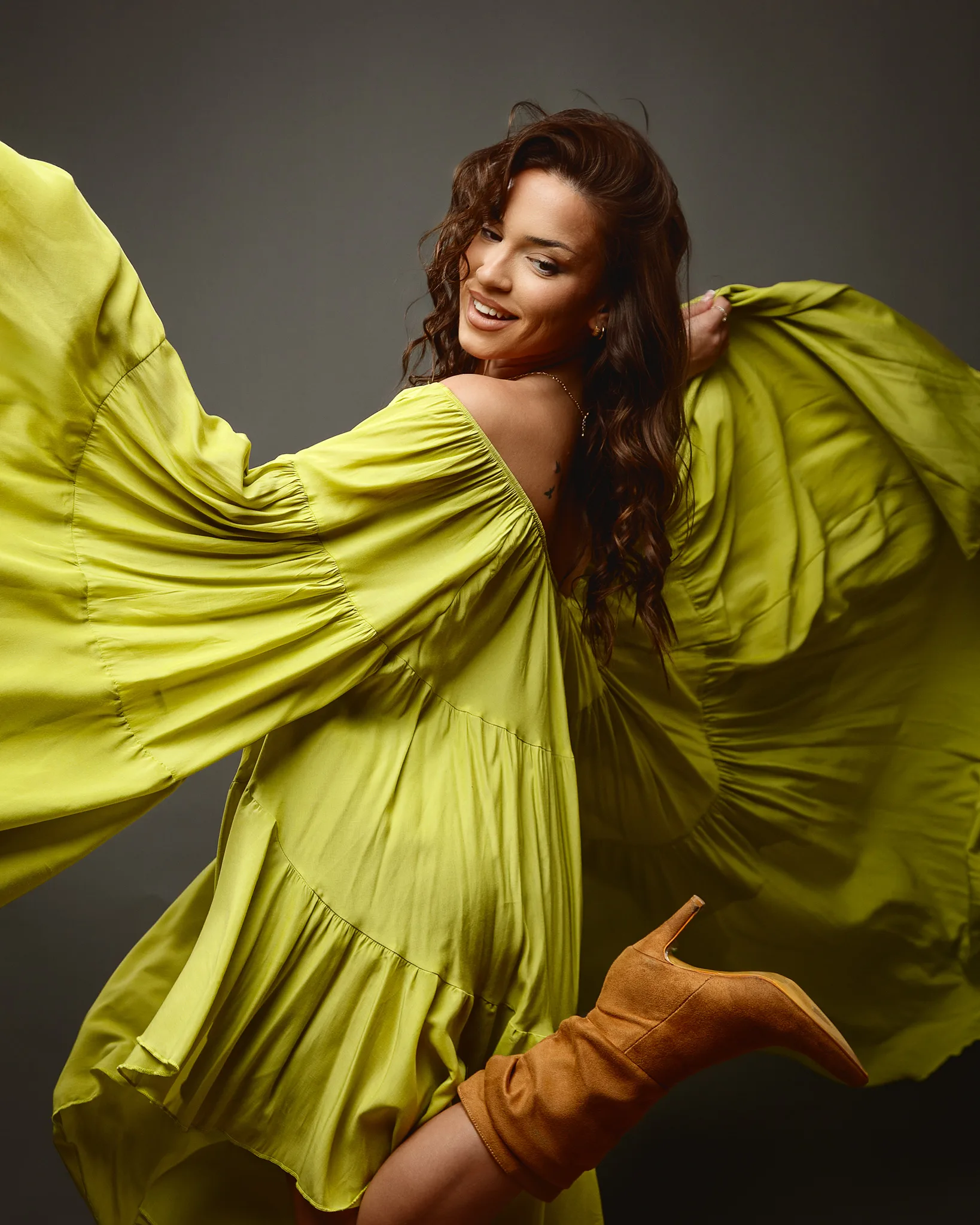
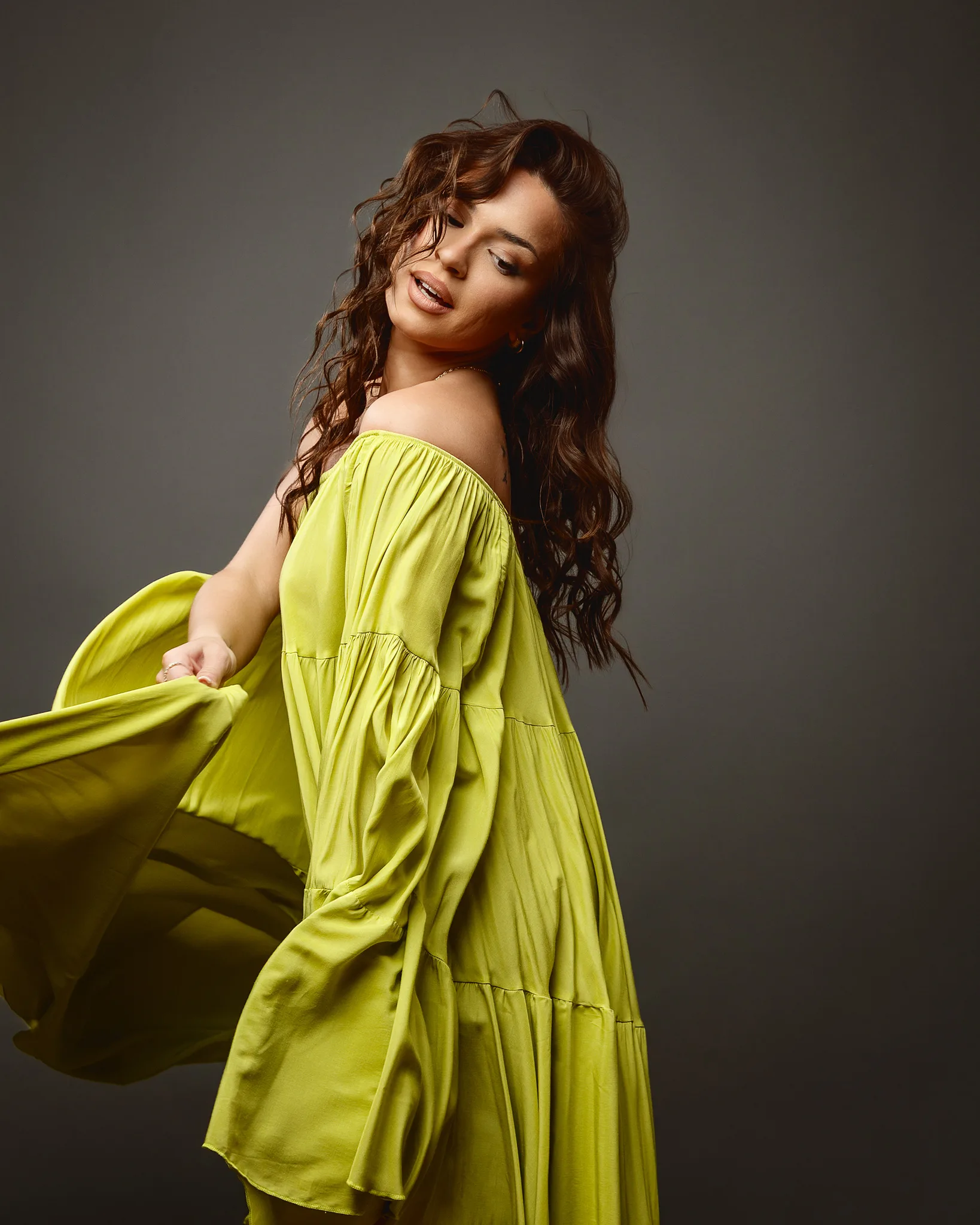
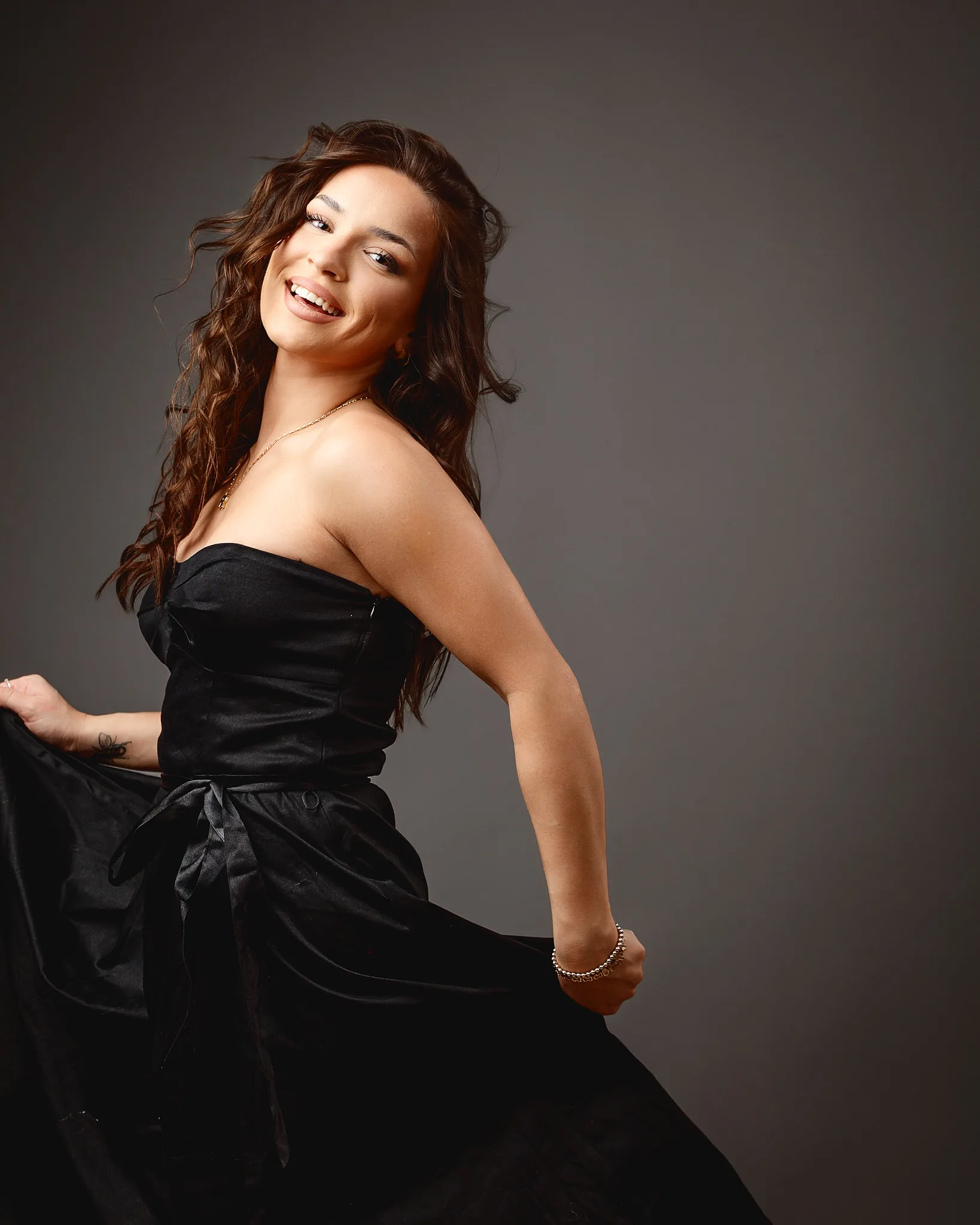
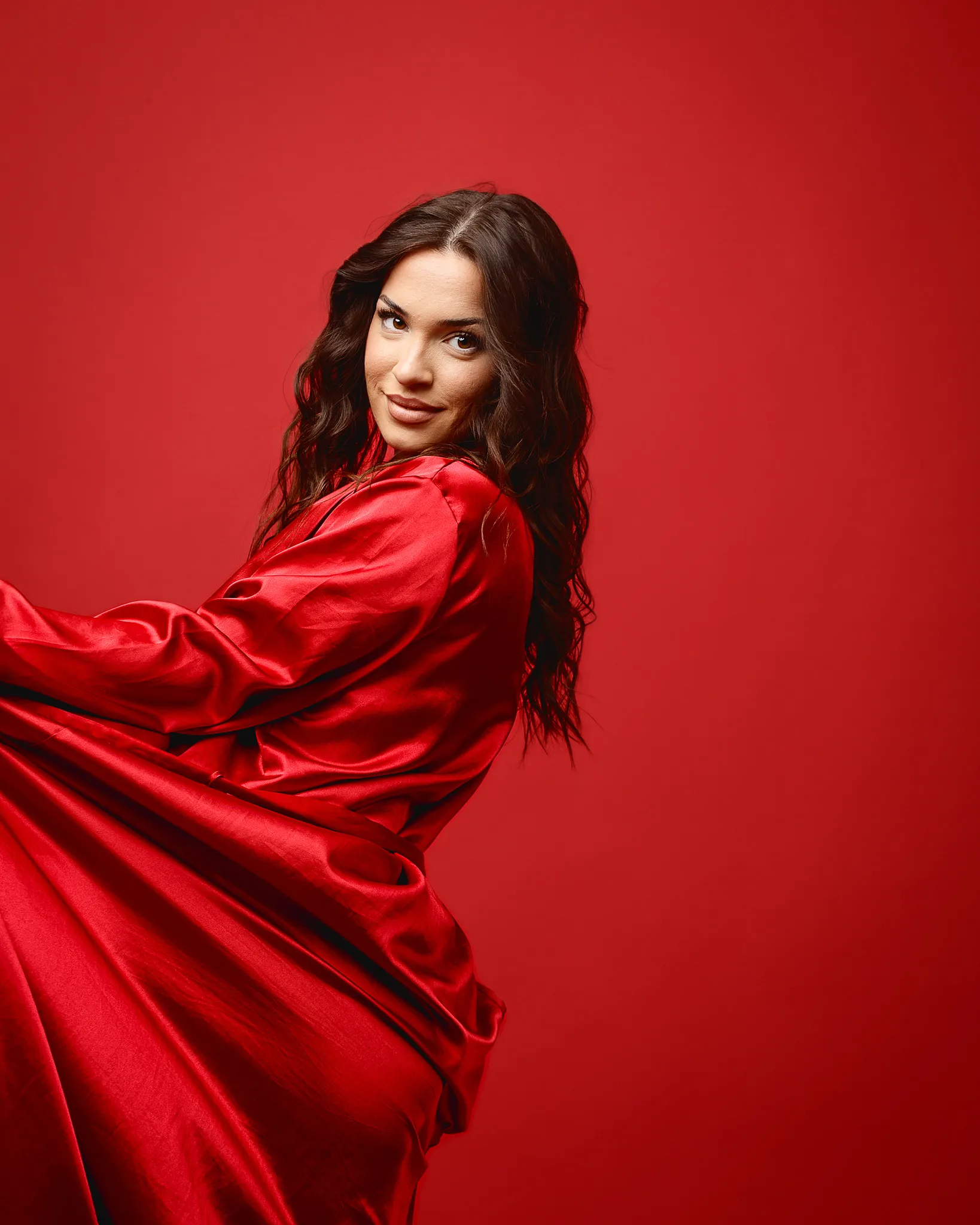
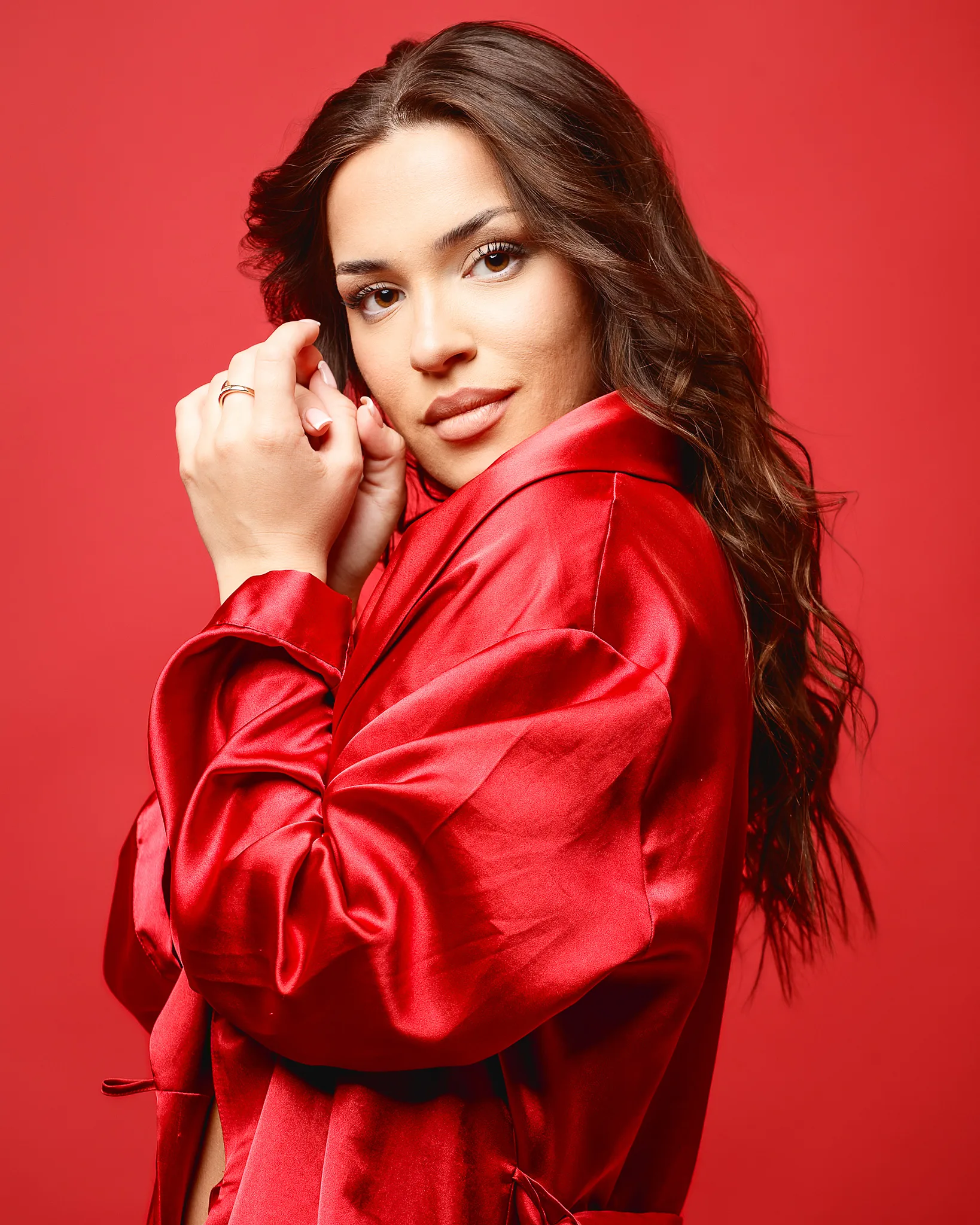
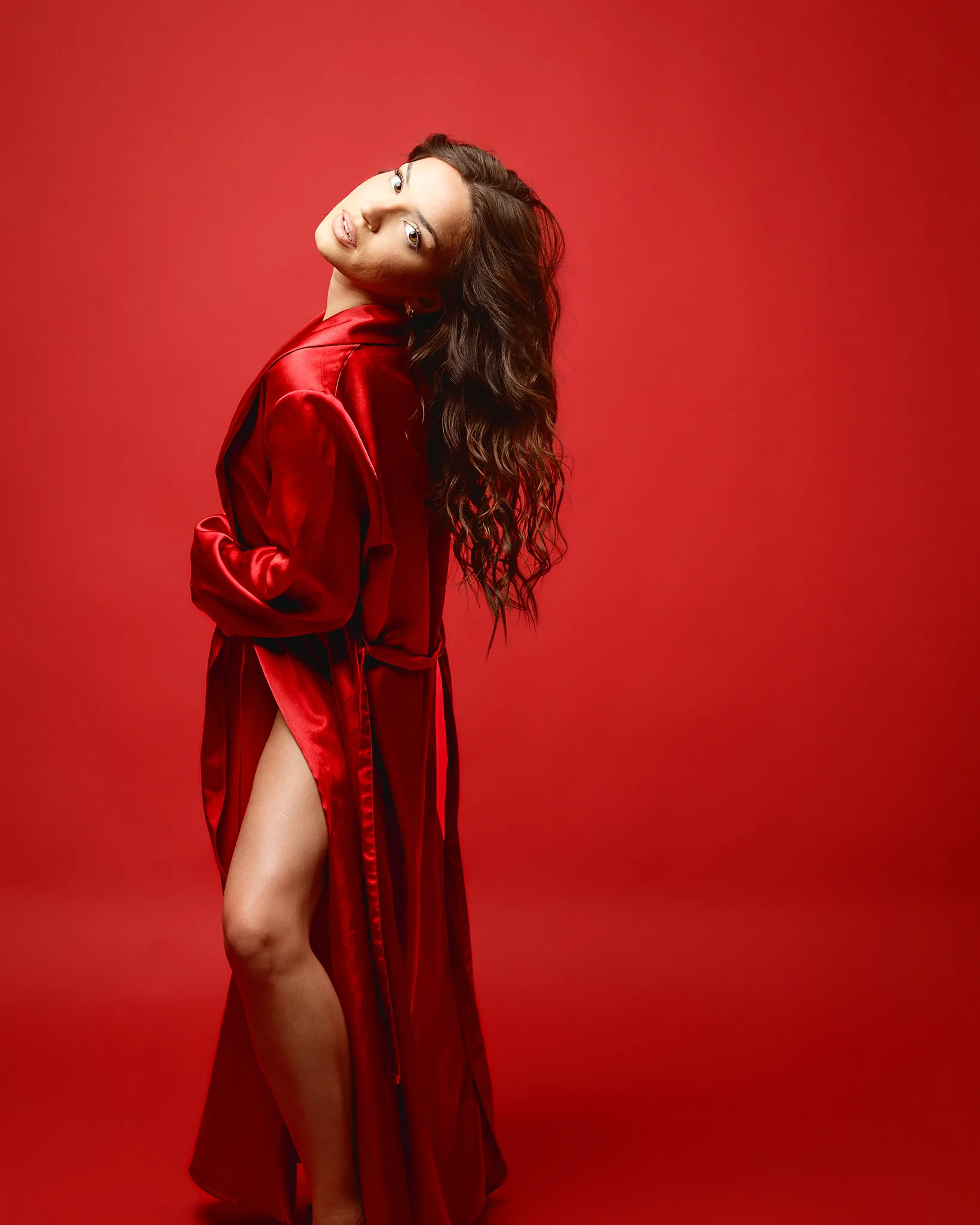
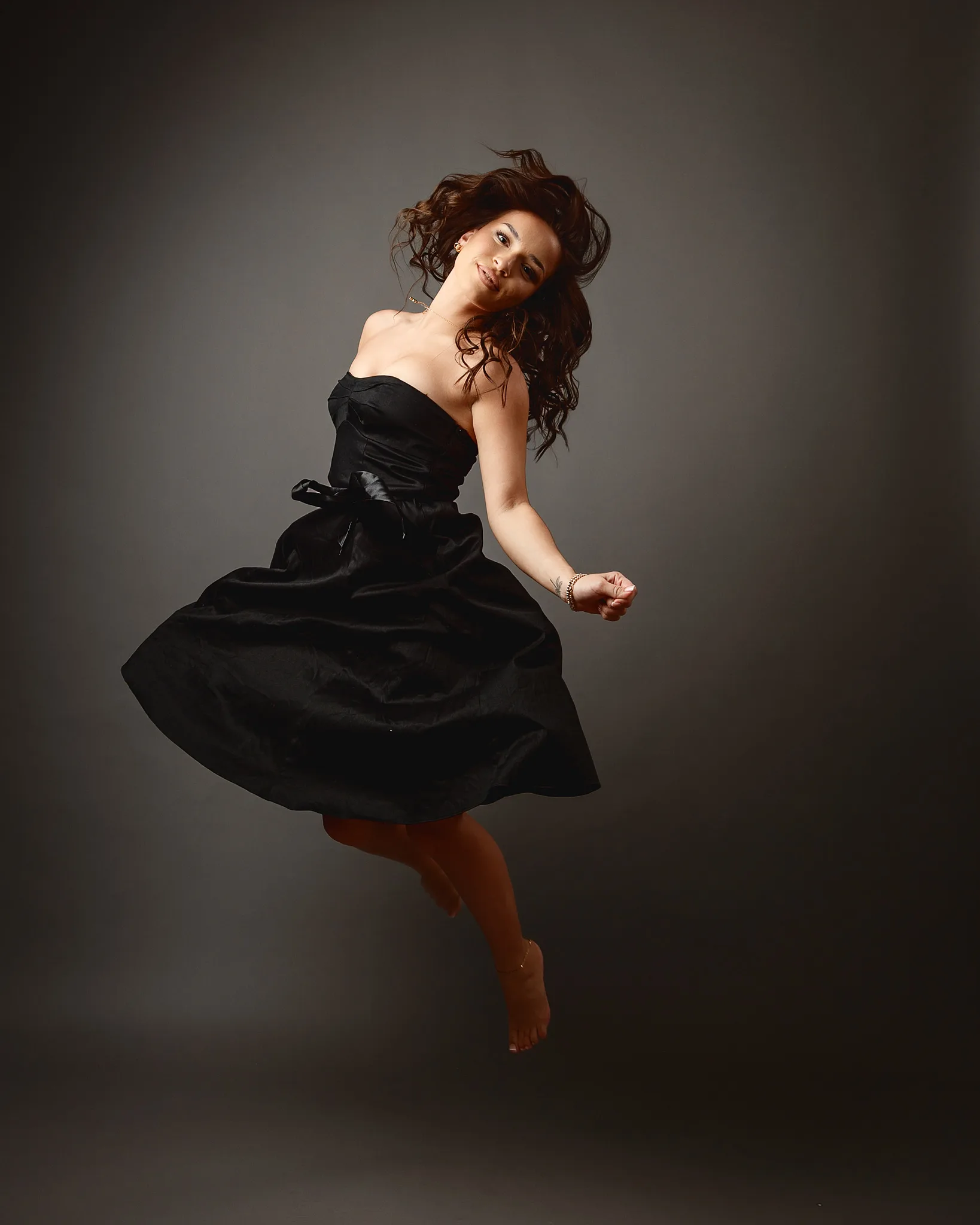
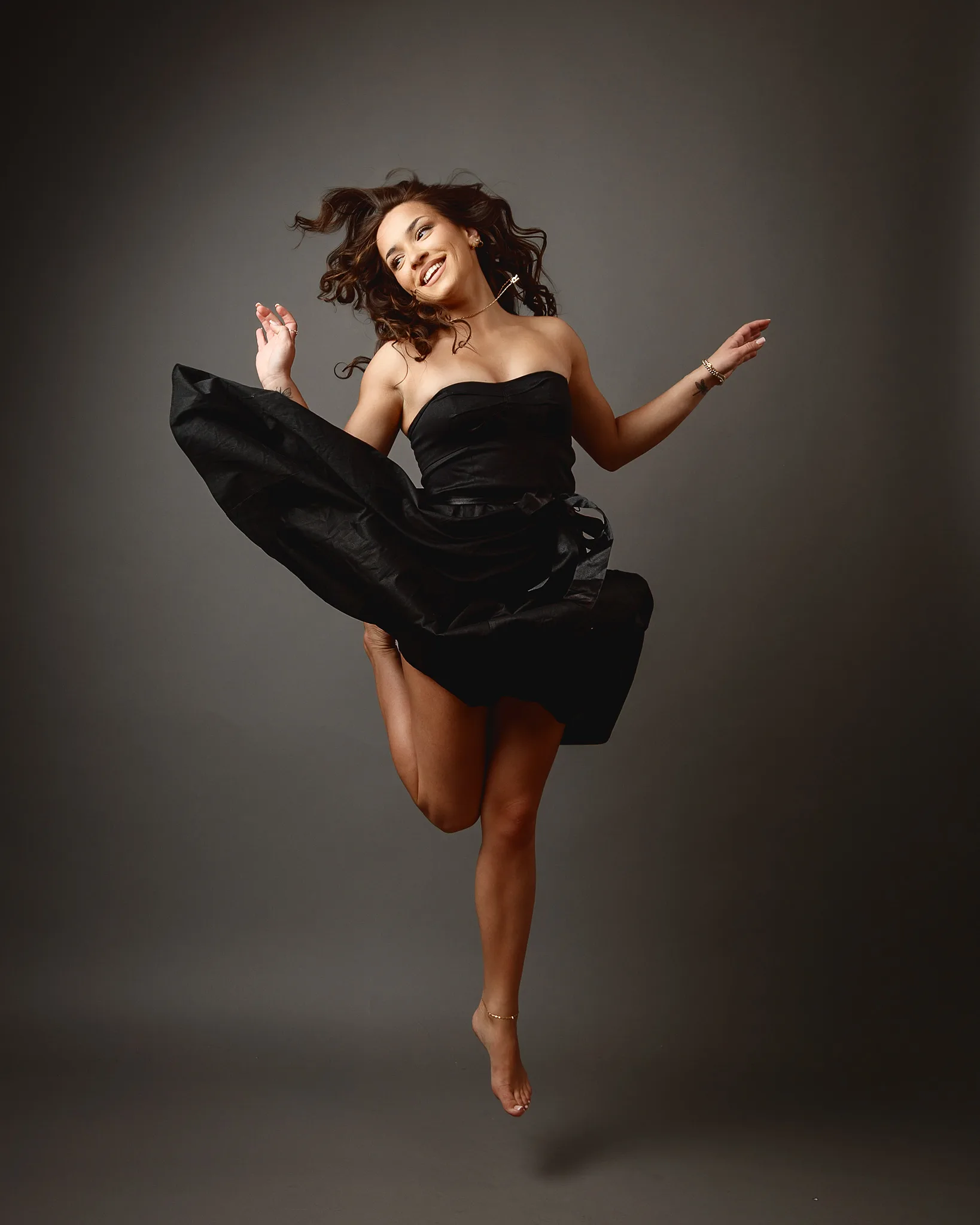
Across the session we worked through a wide variety of looks. Denim and casual streetwear. A polka dot summer outfit with a warm orange crop top. Camo cargo trousers paired with a graphic tee and again later with an olive green bodysuit. A black satin slip dress with an ornate masquerade mask. A nude fitted midi dress shot against a darker background with moodier lighting. A lime green off-shoulder maxi. A striking all-red setup with a satin robe against a matching red background. And a black strapless dress that produced one of my favourite images from the day, a full jump shot with real energy and a big smile that said everything about how the session had gone.
The variety came from Roberta’s preparation, not from any props or studio wardrobe on my end. She knew what she was bringing and why. That kind of investment in your own shoot is something I encourage every model to think about seriously.
What Makes a Strong Model Portfolio
If you are an aspiring model thinking about commissioning a portfolio, here is what I would suggest you keep in mind.
Range matters more than volume. A portfolio with eight or ten images showing genuinely different moods, styling, and expression is more useful than twenty images that all look the same. Casting directors are looking for versatility.
Your own styling and preparation is part of the job. You do not need a professional stylist for every portfolio shoot, but you do need to turn up having thought carefully about what you are bringing and why each outfit serves your portfolio. Roberta’s session is a good example of what thorough preparation looks like in practice.
Work with photographers who communicate clearly before the shoot. Know what you are walking into. A good photographer will discuss the brief, the setup, and what they are hoping to achieve before you arrive.
Model Safety: What Every Aspiring Model Should Know
This is something I feel strongly about, and I want to address it directly.
Photography studios can feel unfamiliar, and the dynamic between a photographer and a model is one that requires trust. That trust has to be earned and maintained through clear professional conduct. Here is how I approach it at my studio.
There is no physical contact between me and any model. None. If an adjustment to posture or position is needed, I will describe it or demonstrate it myself from a distance. I will not touch a model to reposition them, and I do not expect any model to accept that from any photographer without question.
I actively encourage every model to bring a chaperone. A friend, a family member, another trusted person. Someone who is there for them, not for the shoot. Roberta did not bring a chaperone to this session, but I did suggest it beforehand, as I do with everyone. The decision is always theirs, but the offer is always made.
I want to be clear on this point: any photographer who tells you that chaperones are not permitted, or who discourages you from bringing one, is showing you a significant red flag. There is no legitimate professional reason to refuse a chaperone. If someone tells you otherwise, take note of it.
As a model, particularly as an aspiring model building your career, your safety is not something you should ever have to negotiate. The right photographer will make you feel comfortable, will explain everything clearly, and will have no objection whatsoever to you bringing someone you trust along with you.
Shooting at My Rendlesham Studio in Suffolk
My studio is based at Base Business Park in Rendlesham, Suffolk, on the former RAF Bentwaters site. It is a working commercial studio with full lighting control, and it is within reasonable reach of Ipswich, Woodbridge, and the surrounding area.
If you are an aspiring model in Suffolk or the wider East Anglia region and you are thinking about commissioning a portfolio shoot, I am happy to have that conversation. A good portfolio is a working tool, not just a collection of photographs, and I approach every session with that in mind.