
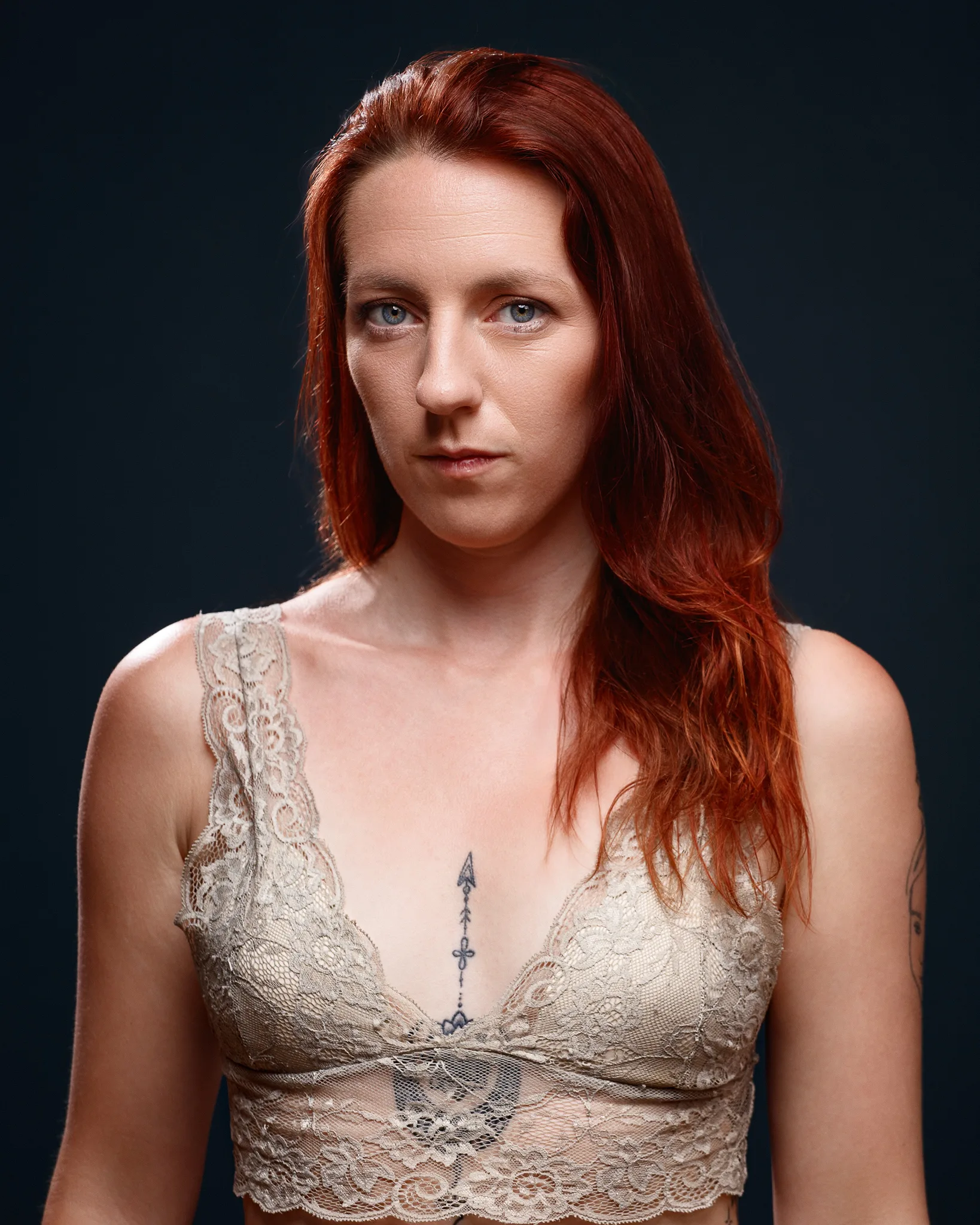
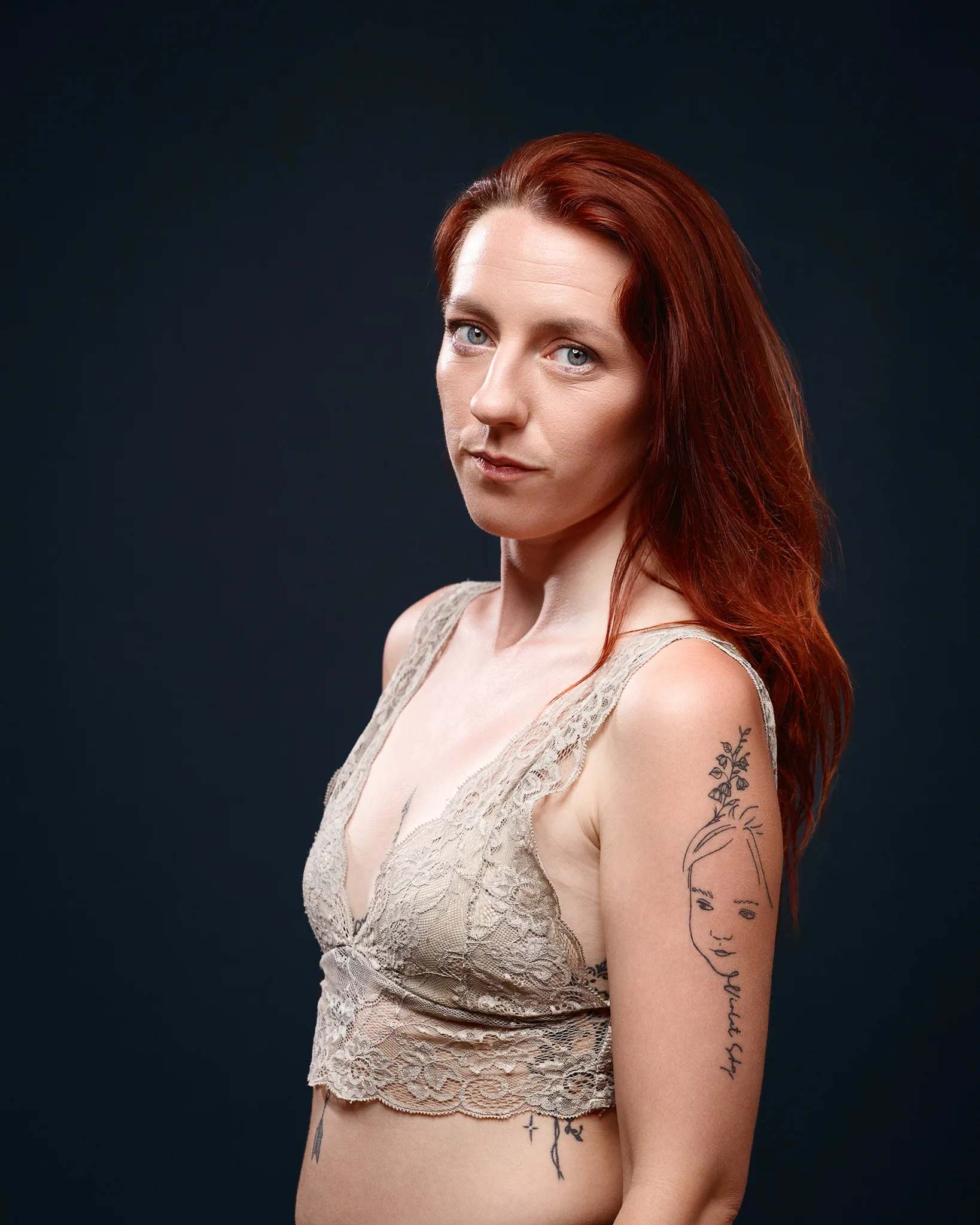
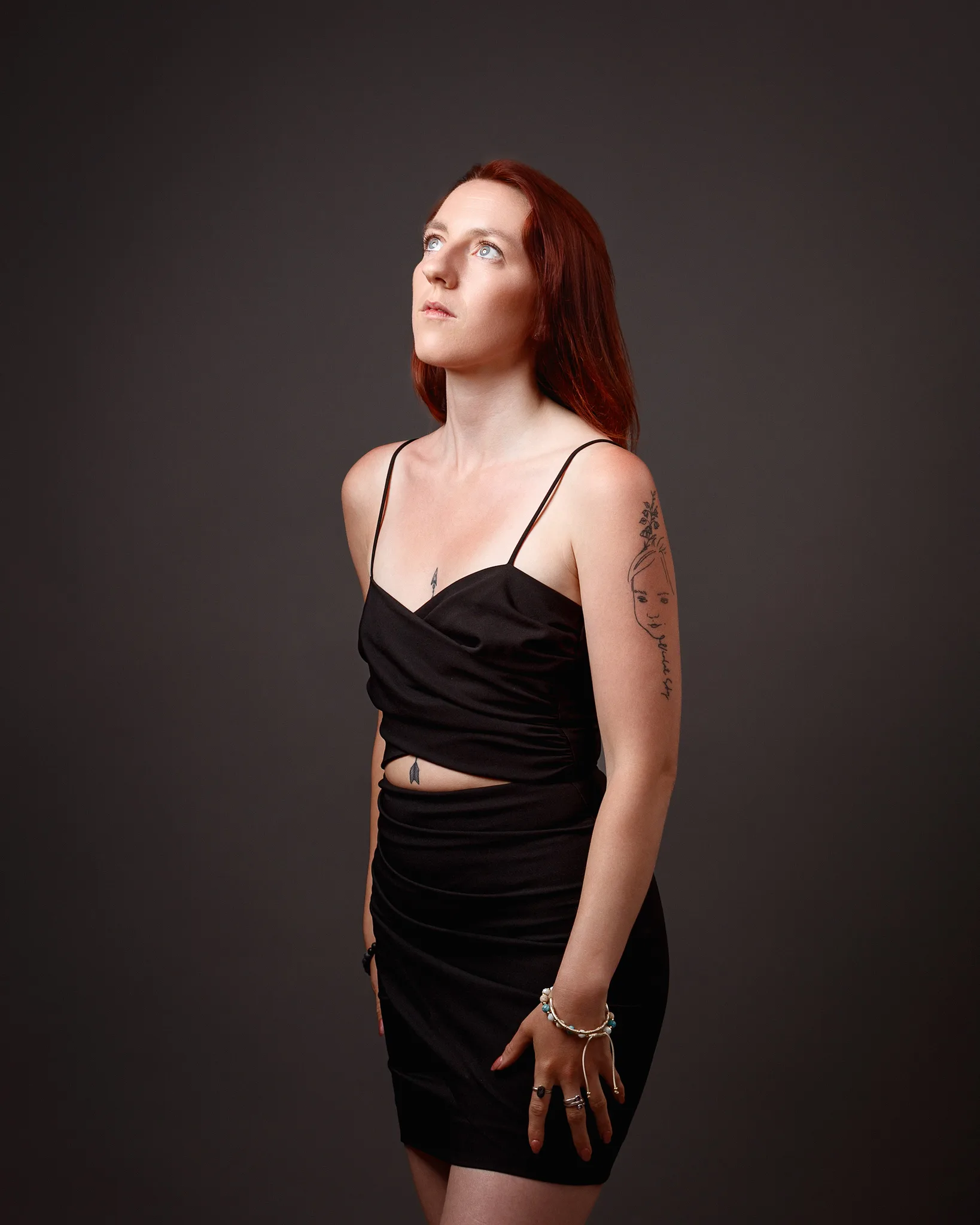
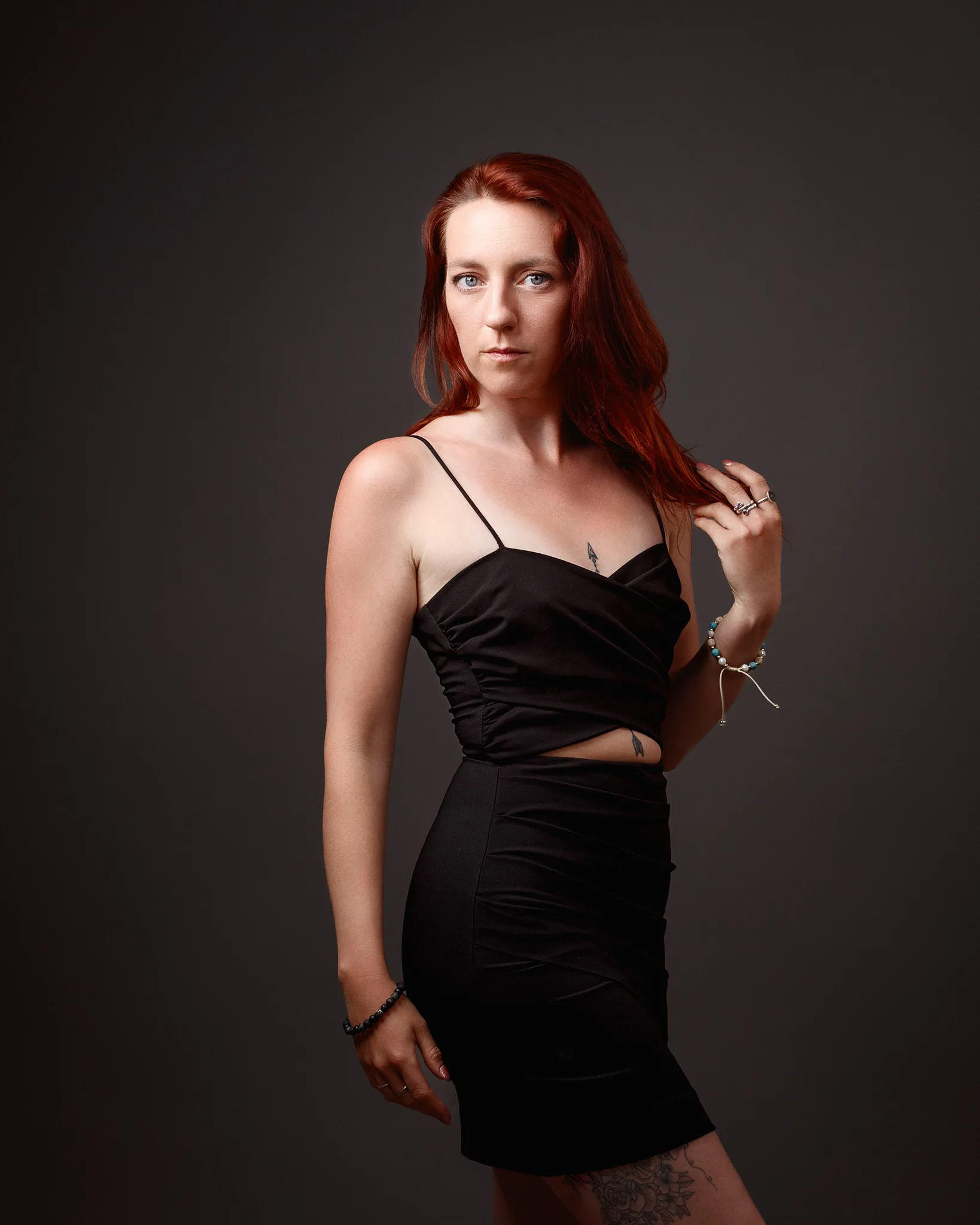
Starting a first model portfolio shoot can feel slightly daunting, particularly if you have never worked in a professional photography studio before. That was very much part of the conversation during my recent shoot with Kate at my studio at Bentwaters Parks near Woodbridge in Suffolk.
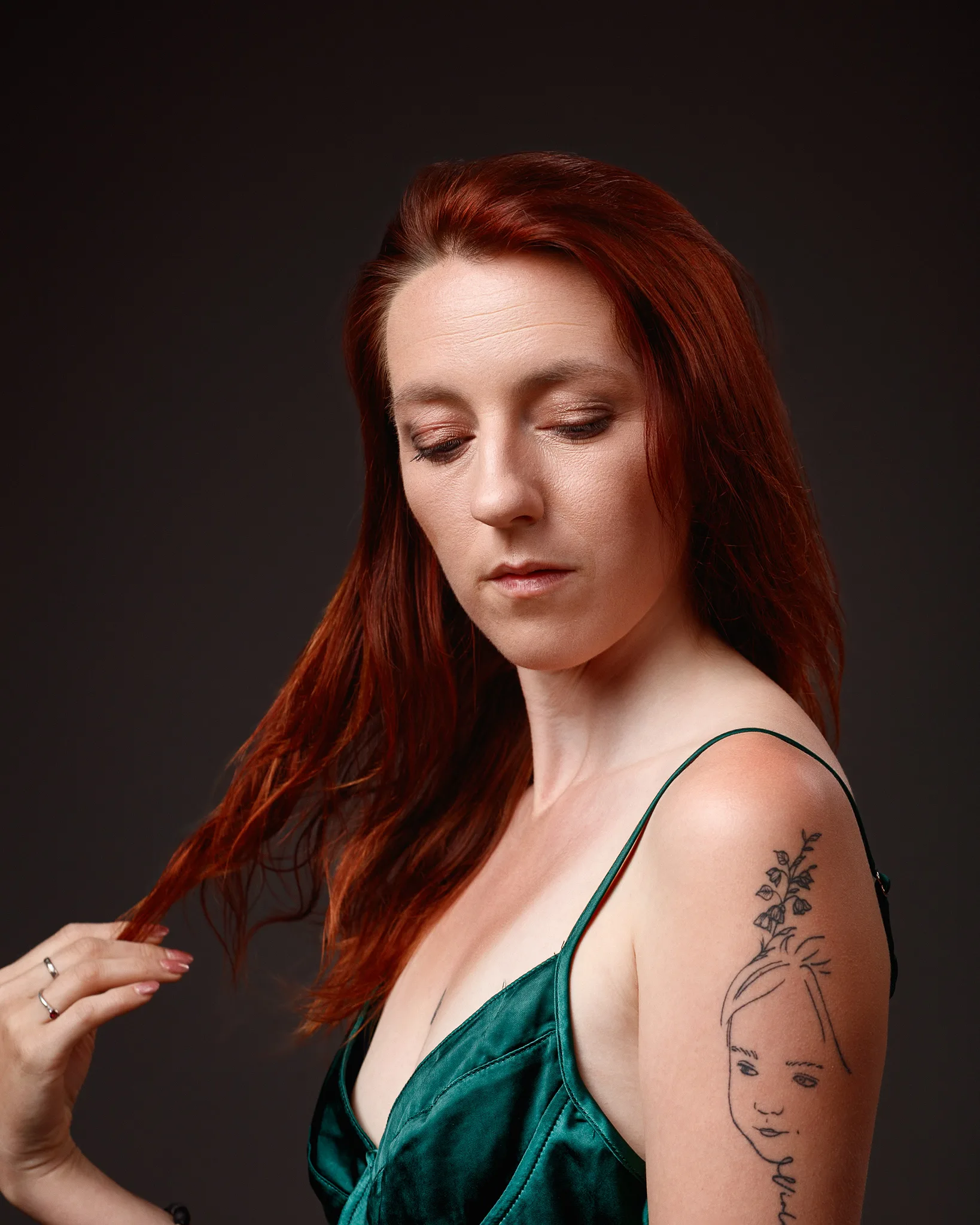
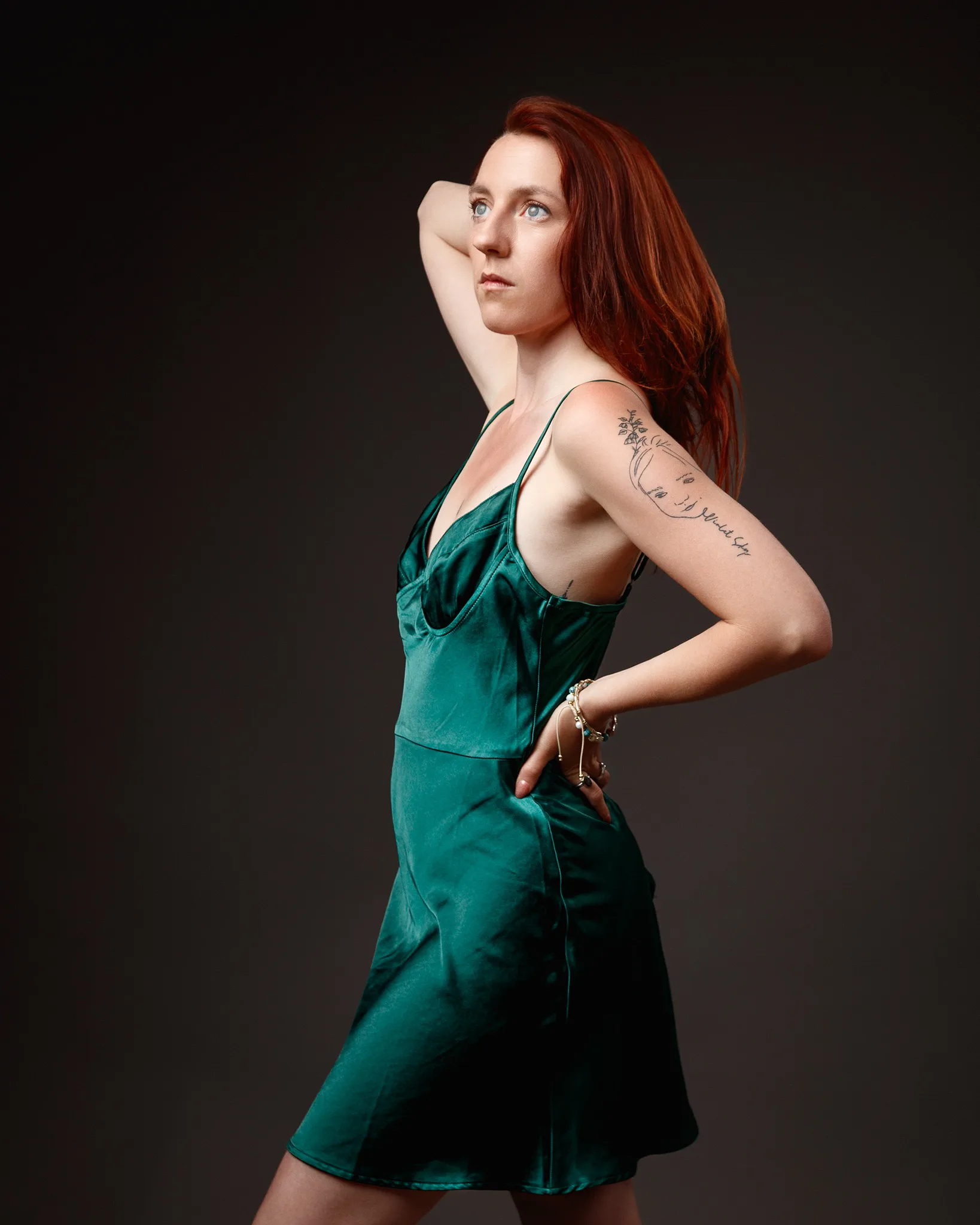
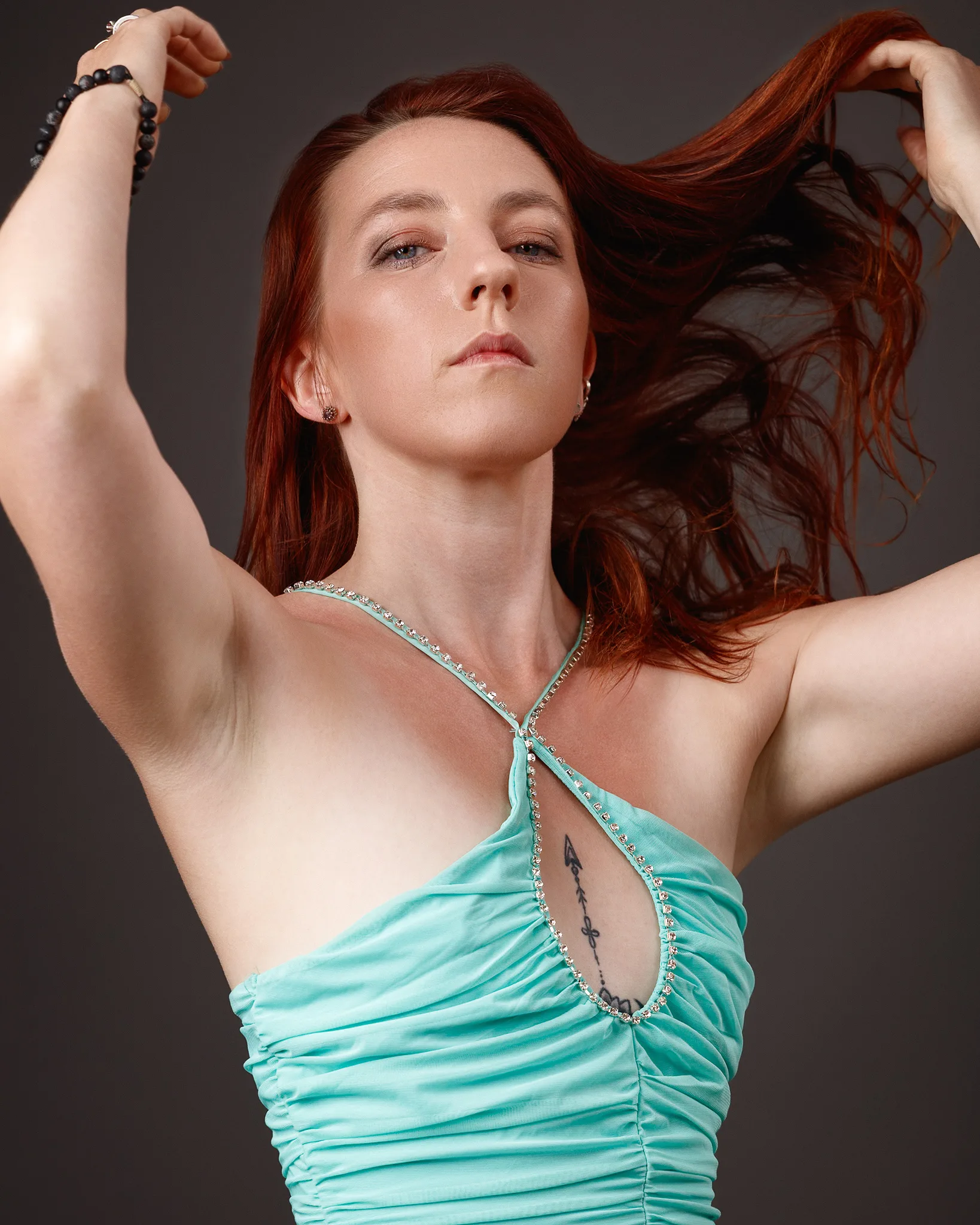
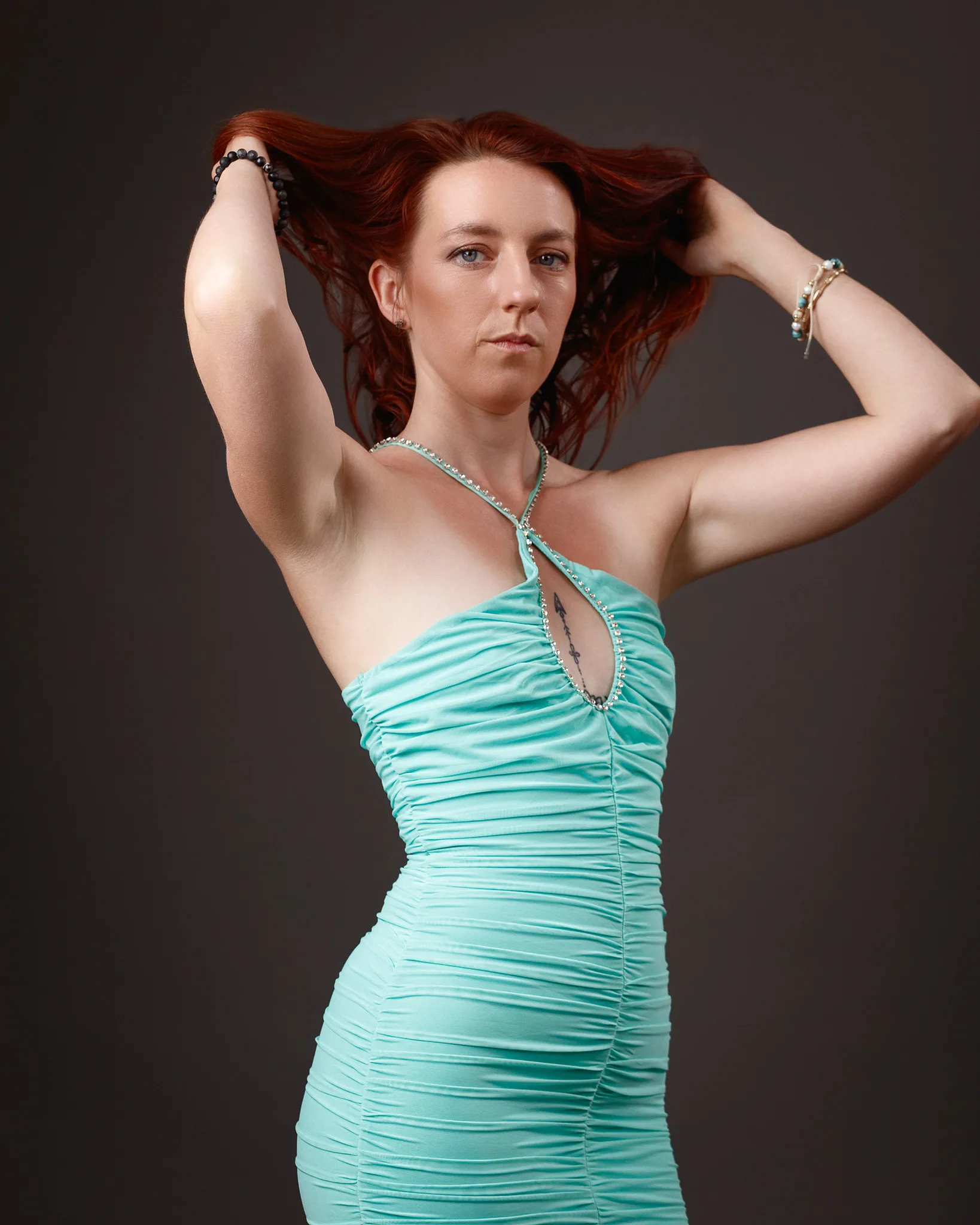
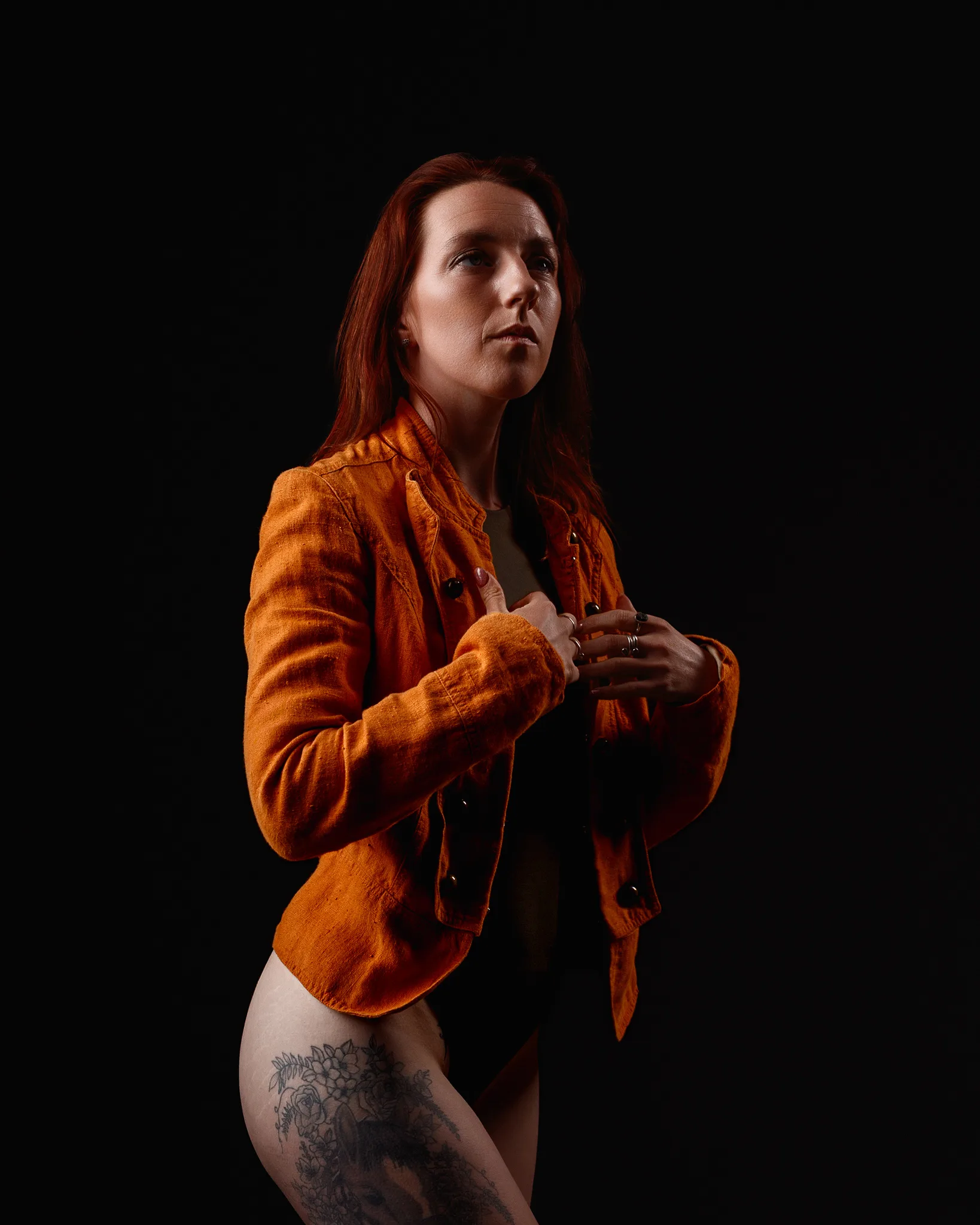
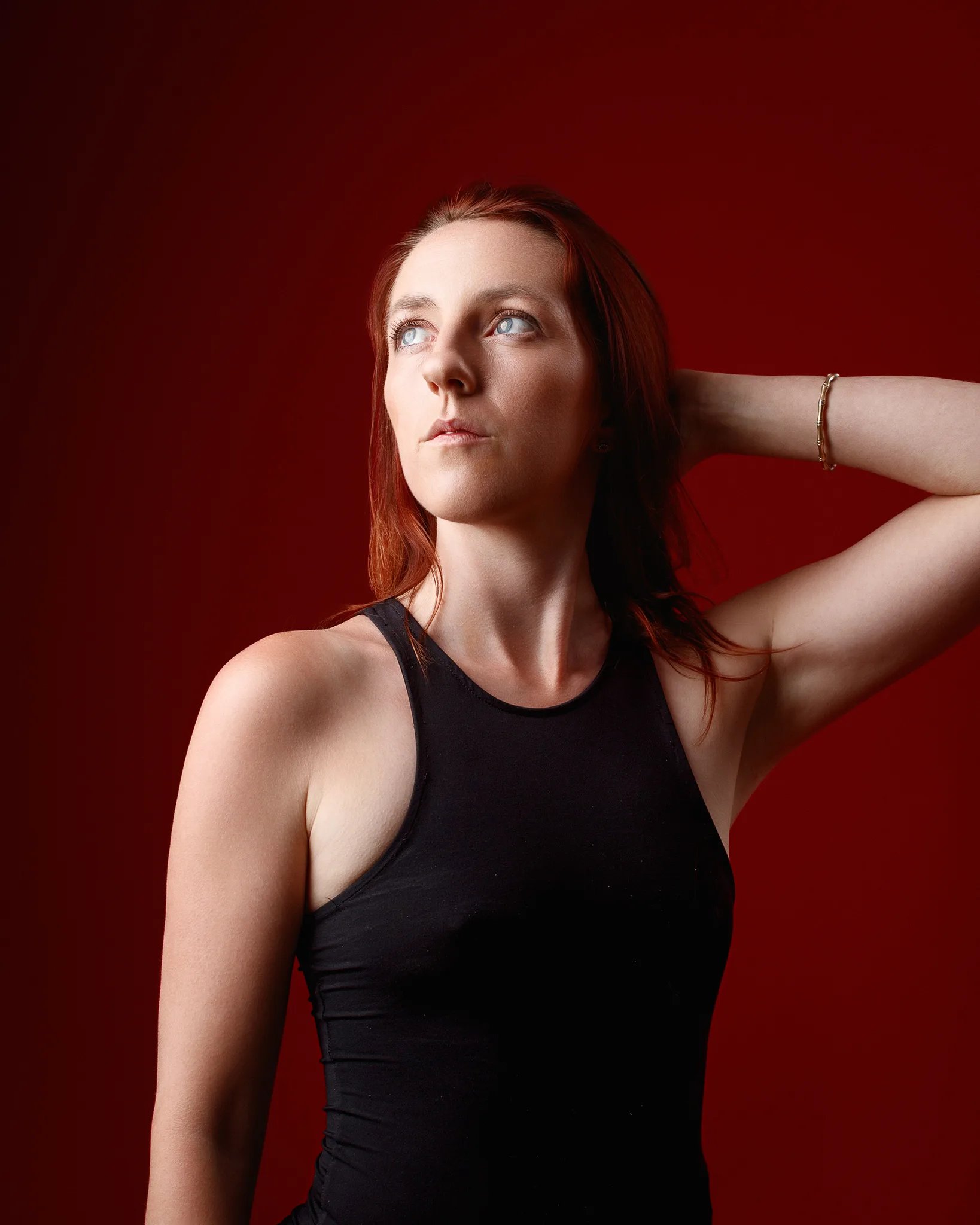
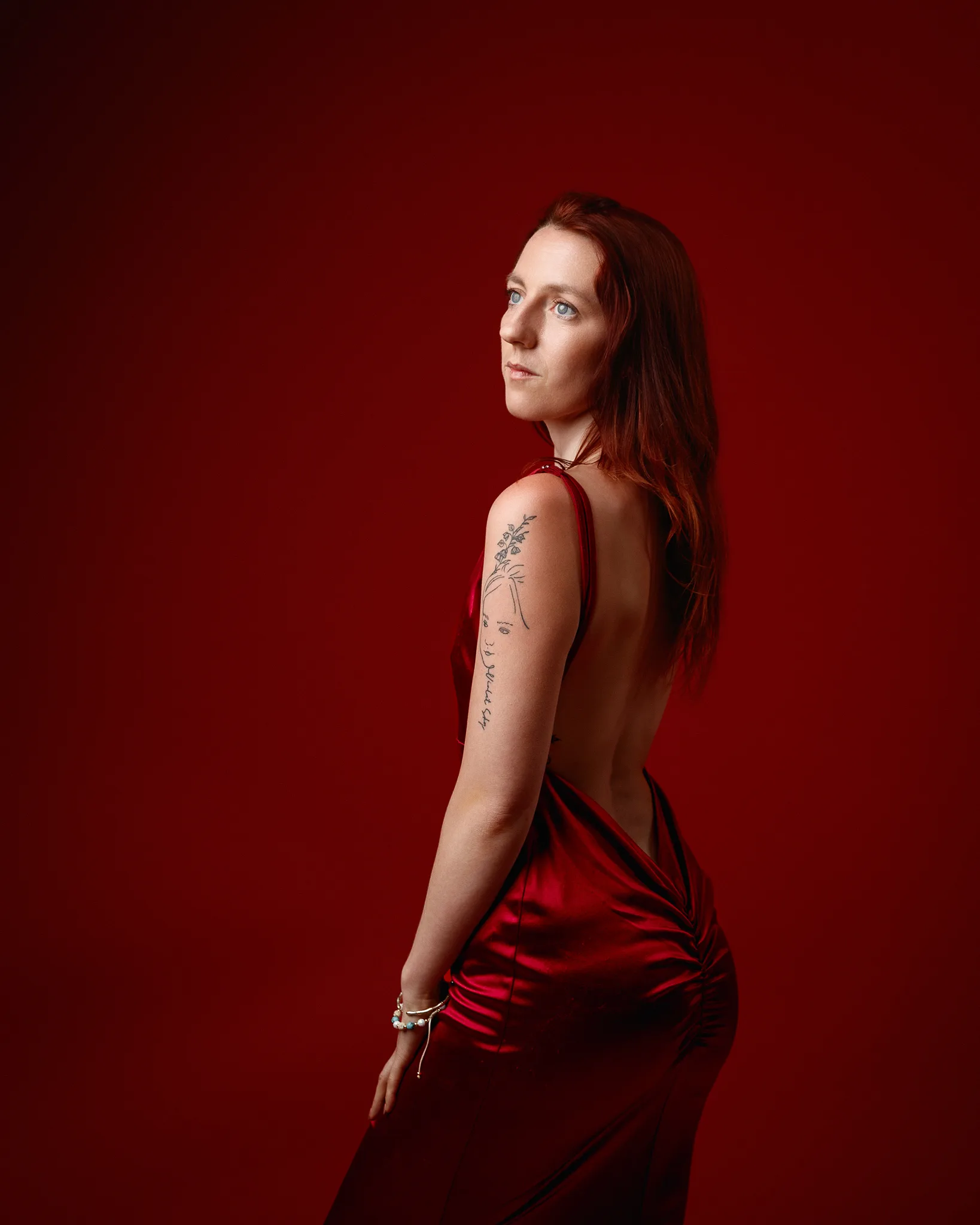
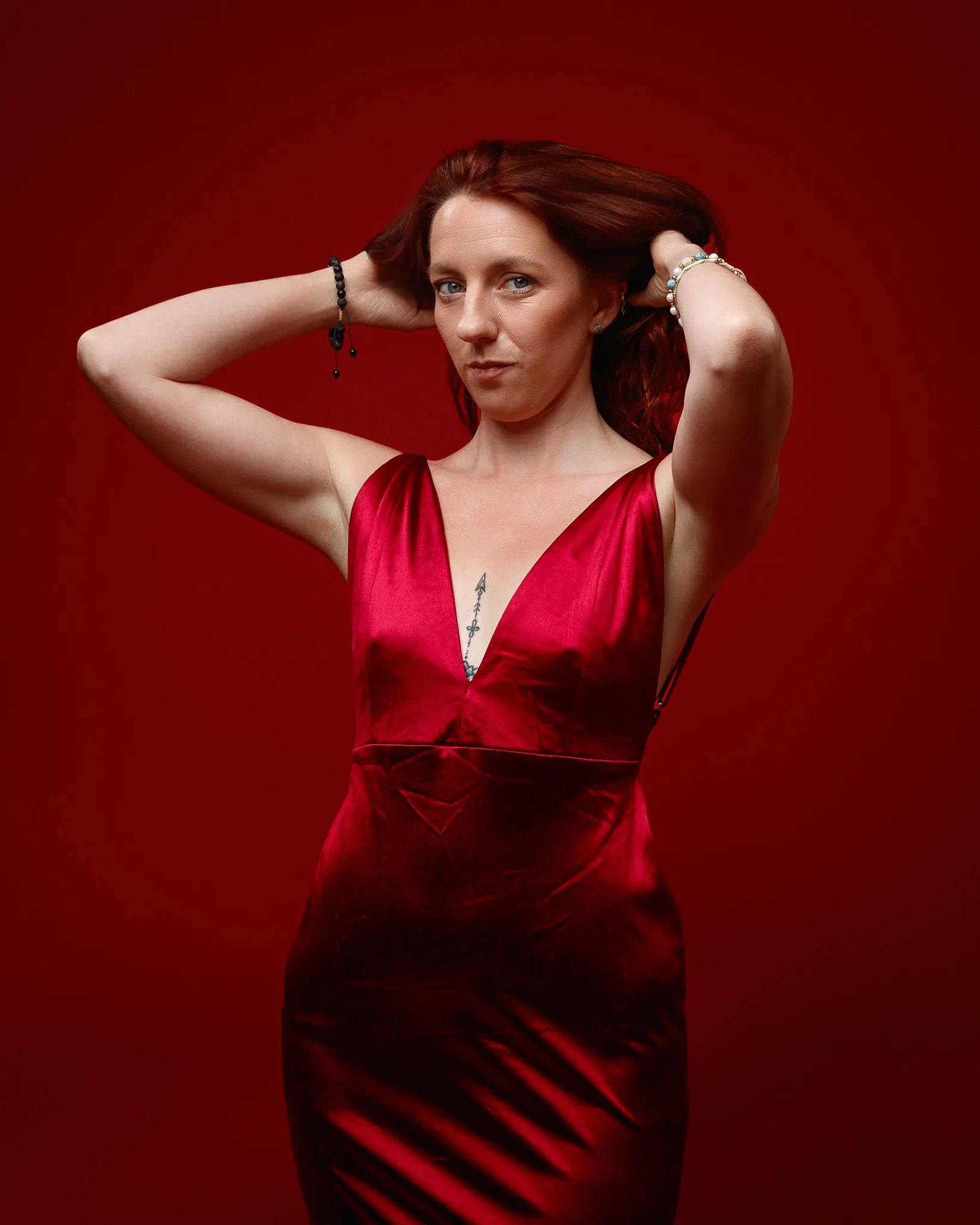
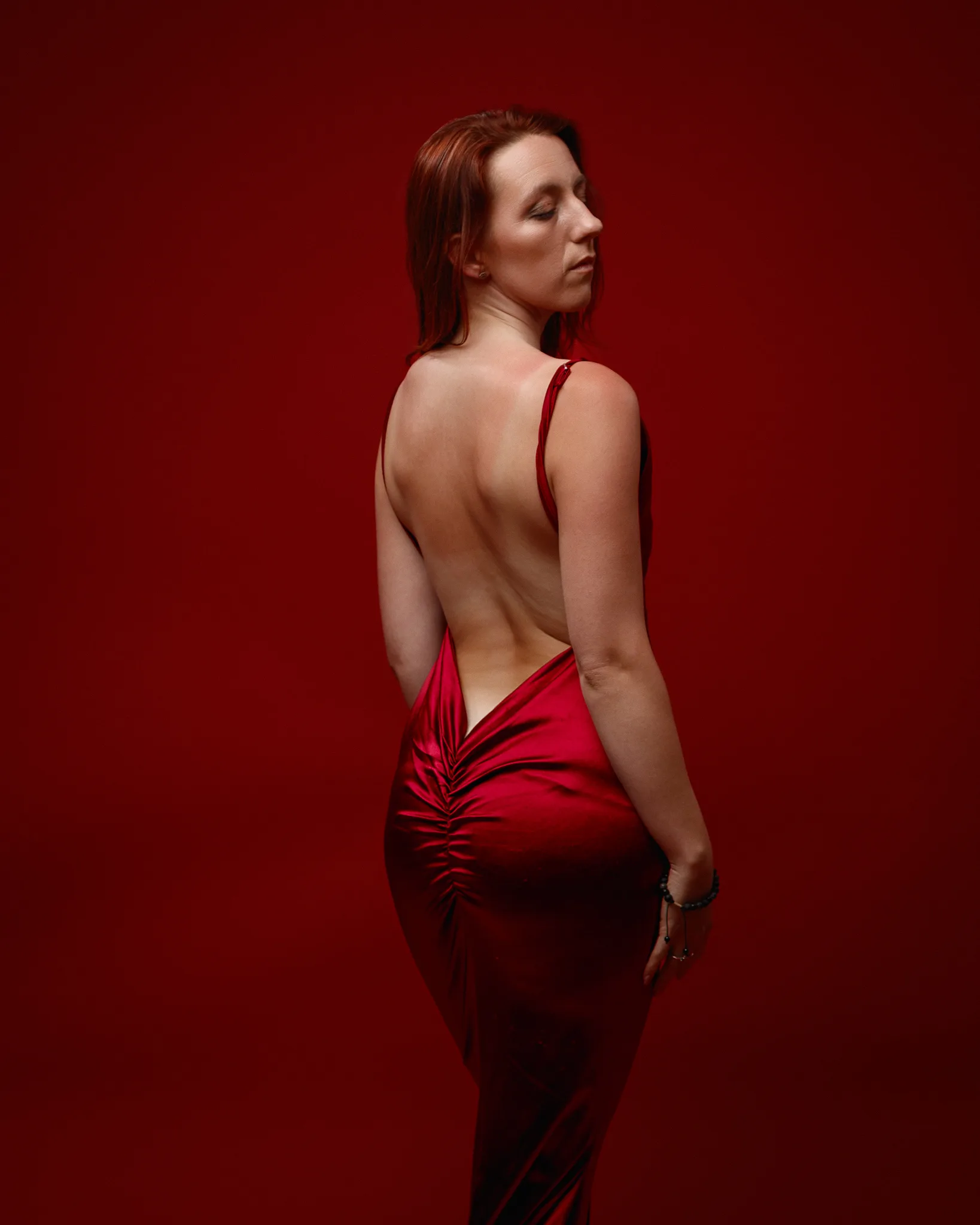
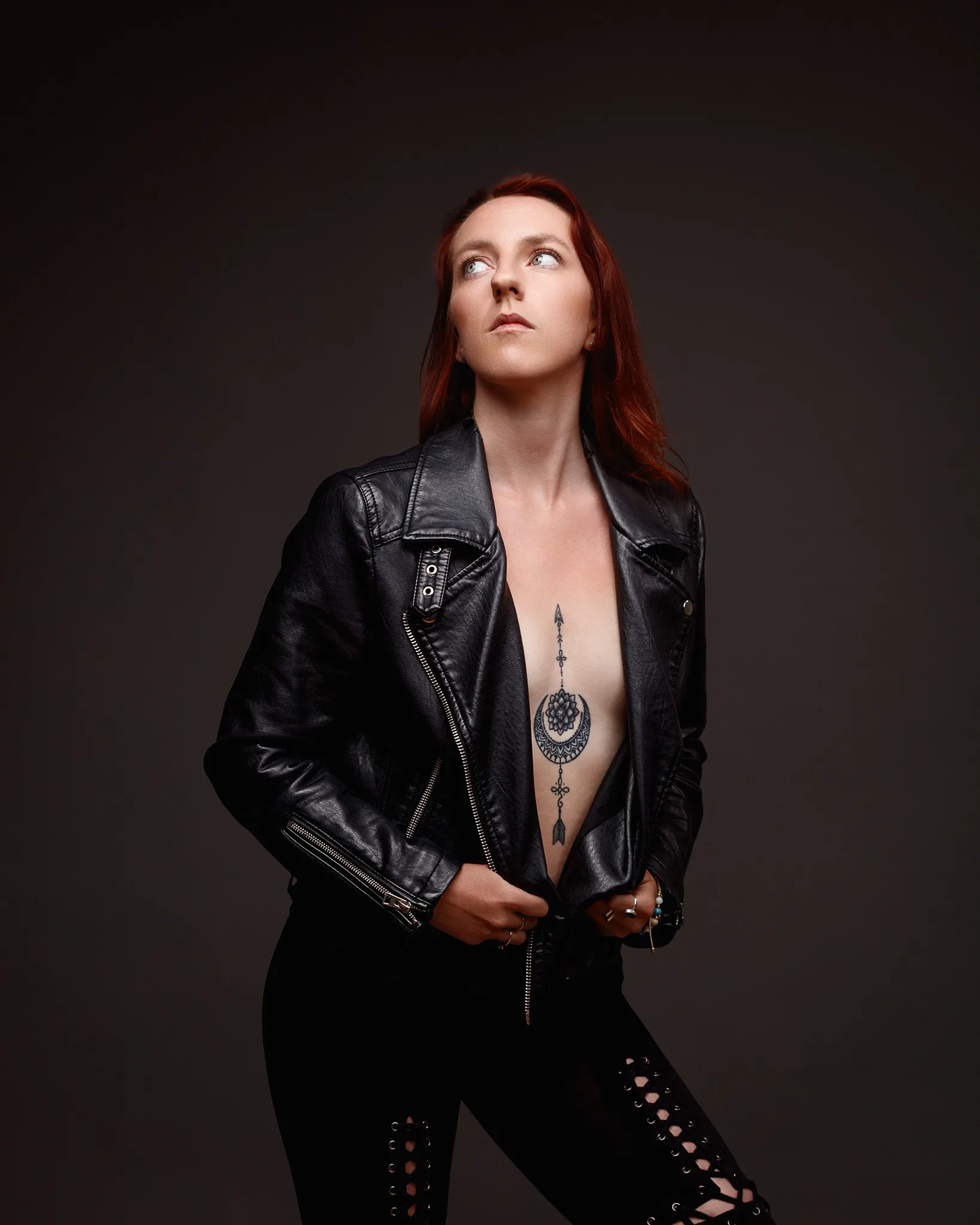
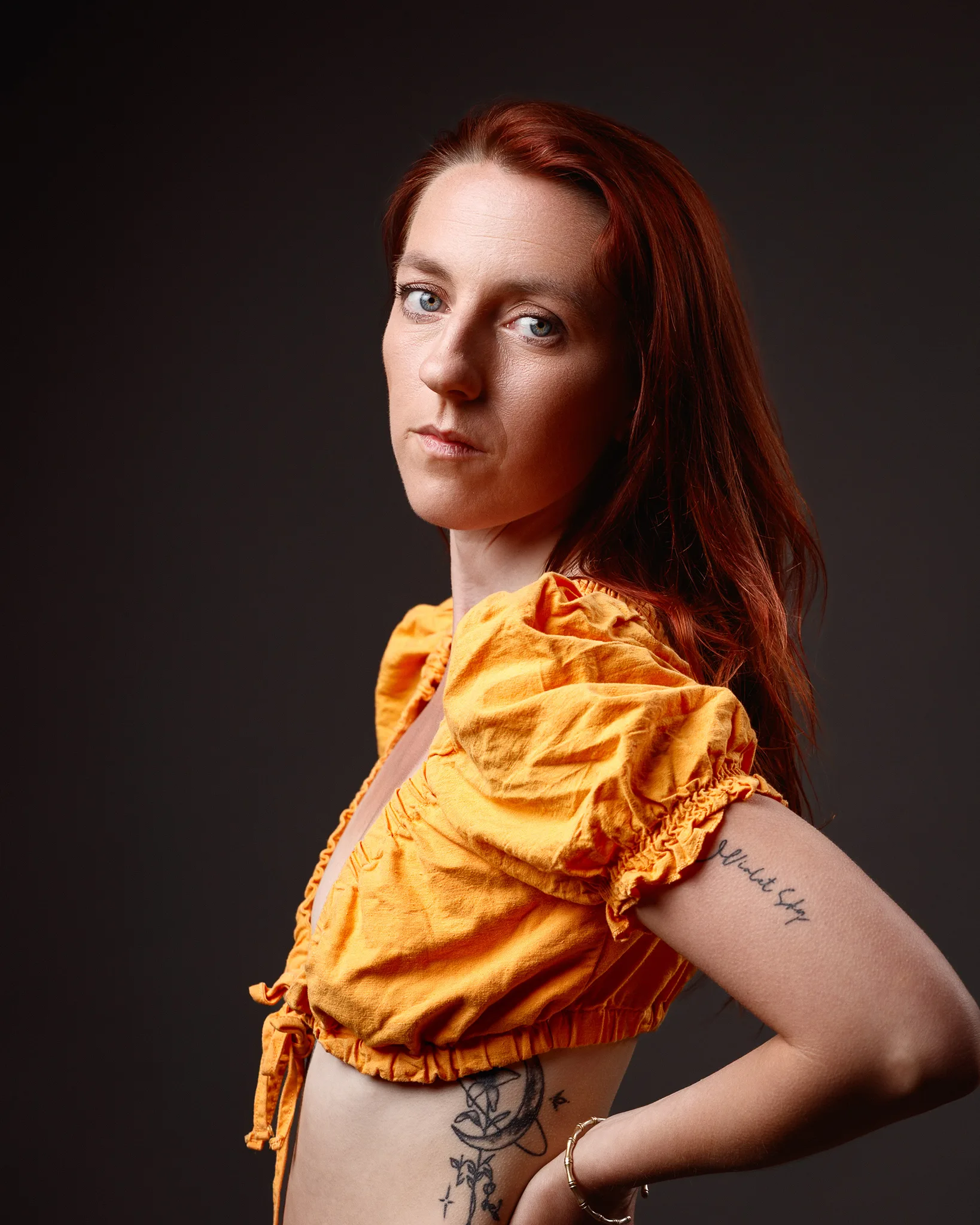
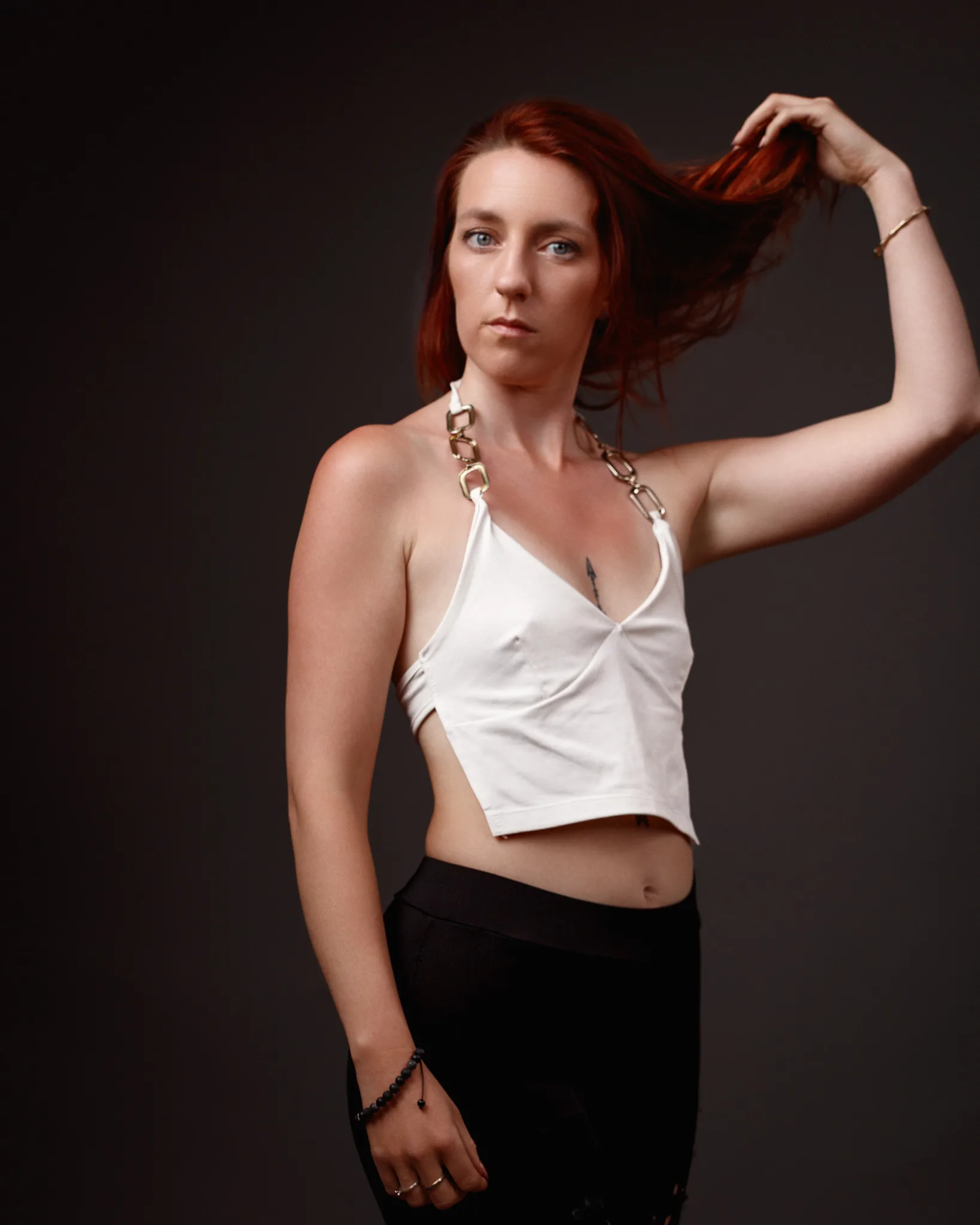
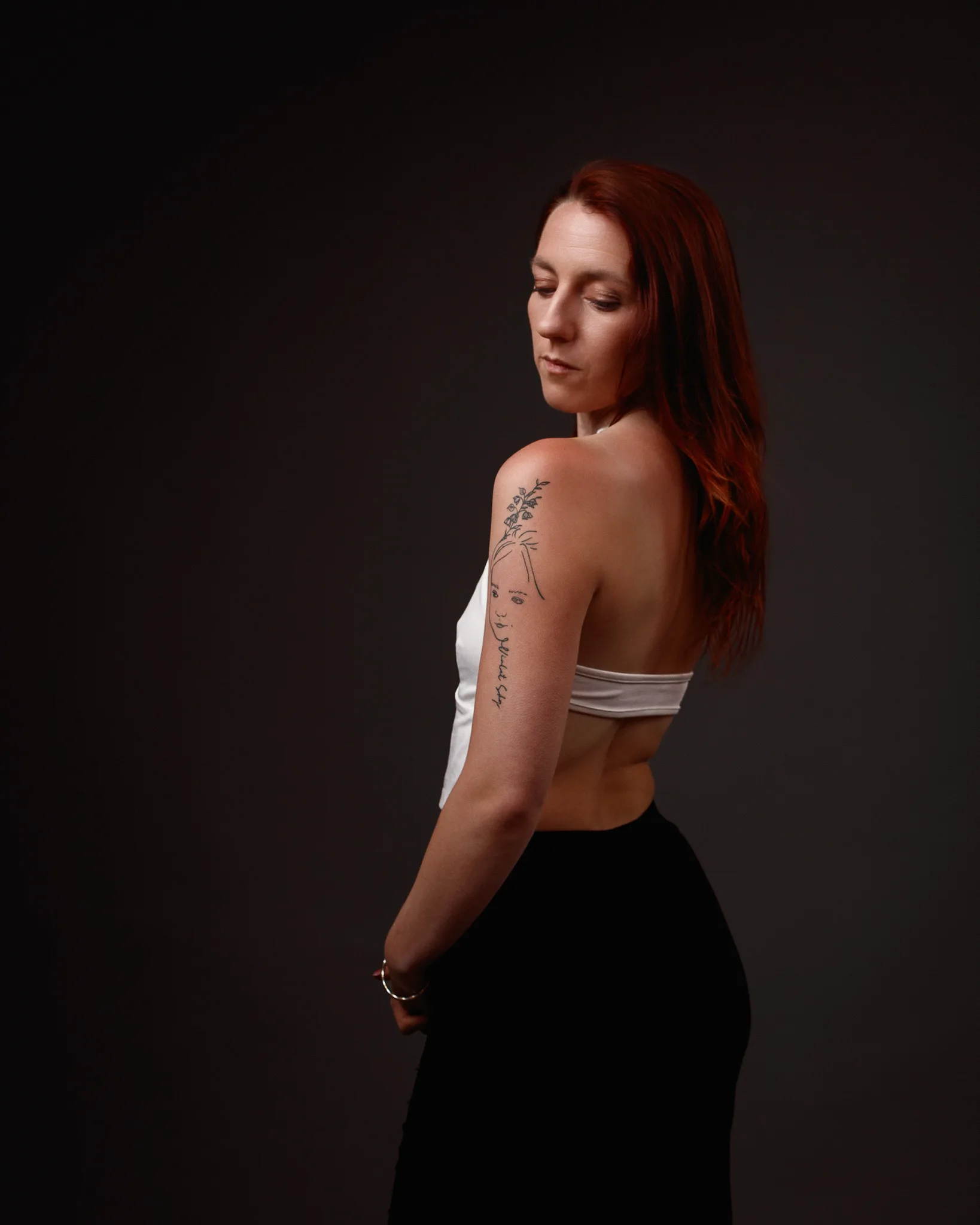
This was the first time that Kate and I had worked together, and she was completely new to studio modelling. Rather than approaching the session as something highly stylised or overly complicated, the aim was to create a relaxed, structured shoot that helped her settle into being photographed professionally while also producing a useful range of portfolio images.
For me, that is often the most important part of a first modelling shoot. Good portfolio photographs are not simply about appearance. They are about confidence, communication, preparation, expression, and understanding how to work with light and the camera in a controlled environment.
Finding the Studio at Bentwaters Parks
One thing that is always worth mentioning is that my studio is not located on a normal high street. Foyers Photography is based at Bentwaters Parks, the former RAF airbase near Rendlesham and Woodbridge in Suffolk.
The site itself is easy enough to reach by car from places such as Ipswich, Norwich, Lowestoft, and Bury St Edmunds, but the wider business park can be slightly confusing the first time you visit. Sat navs will sometimes direct people to the general Bentwaters site rather than directly to the studio unit itself.
Because of that, I always send clients the postcode and direct location details before the session and usually recommend checking the journey beforehand. Once clients arrive on site, following the internal roads carefully is important, and if anyone is unsure where they are going, I would always rather they phone me than spend twenty minutes driving around the old airbase.
My studio address is:
Foyers Photography
Bentwaters Parks
Rendlesham
Woodbridge
Suffolk
Allowing a little extra travel time for a first visit generally makes the start of the shoot much more relaxed.
Preparing for a Model Portfolio Shoot
Before the session, I usually spend time discussing what the model wants from the shoot and the kind of photographs they may need. For newer models, this often includes talking through outfit ideas, image styles, and what agencies or casting clients typically expect from a portfolio.
With Kate being new to studio modelling, the approach was intentionally straightforward. Clean lighting, simple styling, and clear direction tend to work much better than trying to force highly complex concepts too early.
I often recommend that models create a Pinterest board beforehand. This is not about copying poses or recreating someone else’s photographs exactly. It is more about understanding the overall visual direction and giving us a shared reference point for mood, clothing, styling, and posing.
A good portfolio session should feel collaborative from the start.
What to Bring to a Model Portfolio Shoot
One of the biggest things I explain before a model portfolio session is the importance of bringing enough options. For most shoots, I usually recommend bringing somewhere between six and ten outfits.
We may not use all of them, but having choices matters. Different clothing works differently under studio lighting, and some outfits simply photograph better than others once we begin shooting.
A useful selection often includes:
- Simple jeans and a plain top
- A fitted black outfit
- Neutral or light-coloured clothing
- Casual looks
- Something slightly smarter or more tailored
- Jackets, coats, or statement pieces
- Different shoe options
- Accessories such as belts, jewellery, scarves, or glasses if appropriate
I also strongly recommend bringing practical items such as a hairbrush, makeup, makeup wipes, deodorant, spare tights if needed, and anything else that helps you stay comfortable and prepared during the session.
One thing people regularly underestimate is how tiring shoots can be, especially if they are nervous. I always suggest bringing drinks and something light to eat. I do keep water at the studio, but staying hydrated genuinely makes a difference during longer sessions.
Clothing, Underwear, and Practical Details
One detail that often gets overlooked by first-time models is underwear choice.
The colour and shape of underwear can completely change how clothing sits and photographs. A white top may require nude underwear, while darker outfits may need black underwear to avoid visible lines or straps.
These things are much easier to think about before arriving at the studio than trying to solve halfway through a shoot.
As a male photographer, I am very conscious about maintaining clear professional boundaries throughout a session. I do not physically adjust clothing or hair. If something needs correcting, I will explain it verbally so the model can adjust it themselves, or a chaperone can help if one is present.
This is also one of the reasons I actively encourage models to bring a chaperone if they would feel more comfortable doing so. That is particularly important for younger models or people completely new to studio photography.
A good chaperone can also help with checking straps, clothing folds, labels, and general presentation between sets.
Settling Into the Shoot
When Kate arrived at the studio, we spent some time simply going through the outfits and talking through the structure of the session before photographing anything.
I think this part matters more than people realise.
For somebody new to modelling, walking straight into bright studio lights and immediately being photographed can feel overwhelming. Taking ten or fifteen minutes first helps people settle into the environment and understand how the shoot will work.
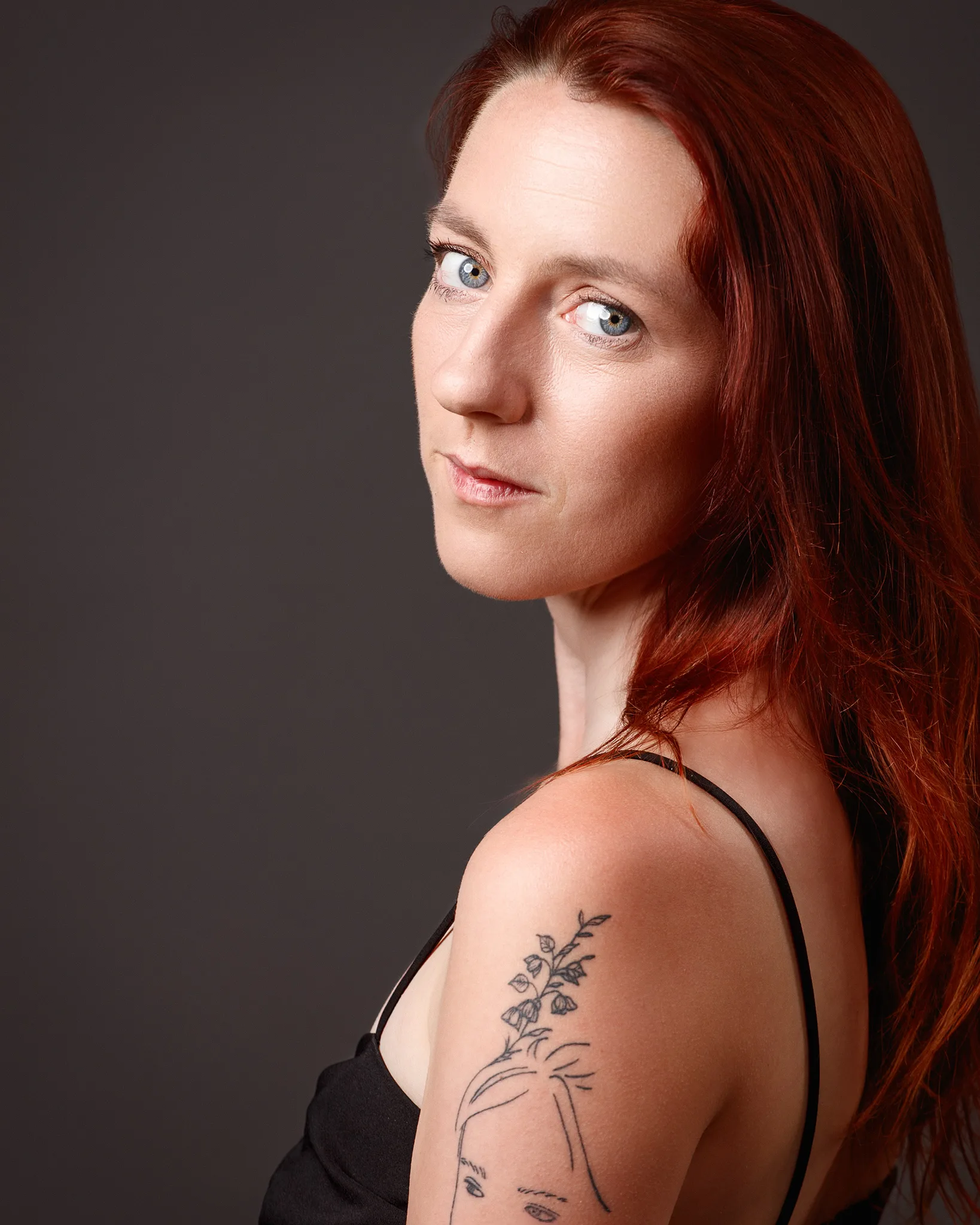
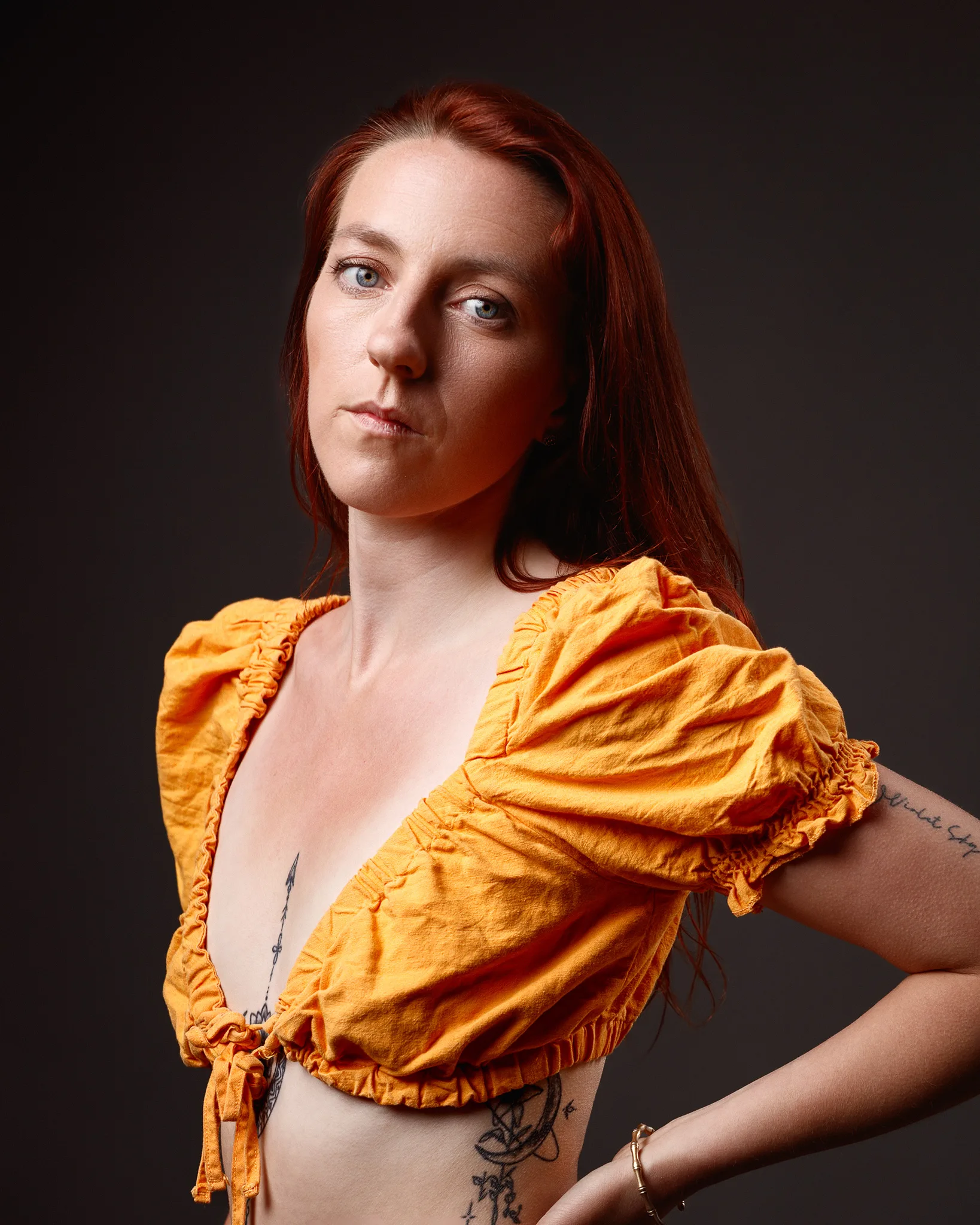
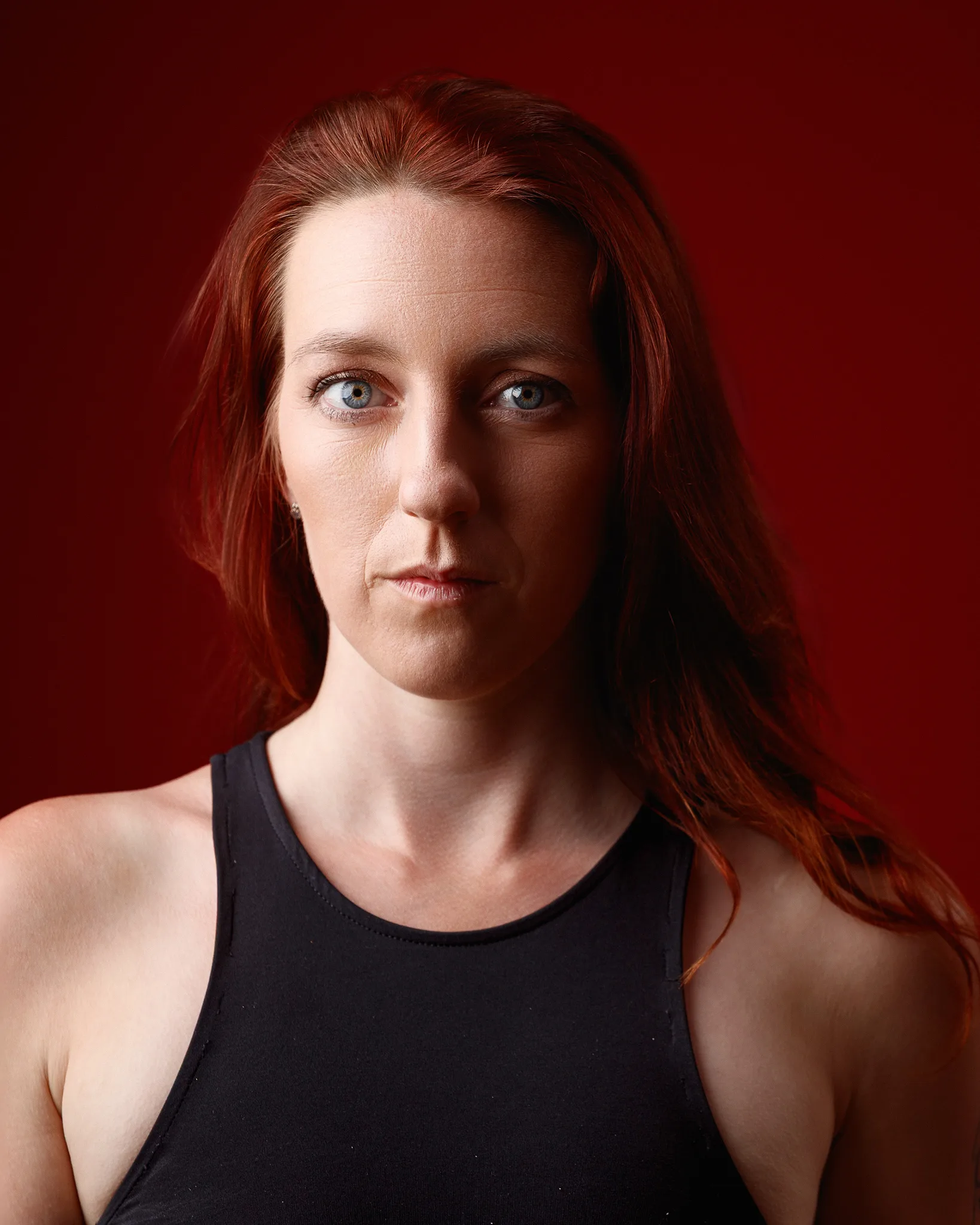
The session itself started with simpler headshots and portraits using clean studio lighting. I nearly always prefer to begin this way because it allows the model to relax naturally and start understanding small adjustments in posture, expression, and body position.
Most people are surprised by how subtle good posing actually is.
Very small changes in shoulder angle, hand position, posture, chin direction, and eye line can completely alter how an image feels. Much of studio portrait photography is built around those small refinements rather than exaggerated posing.
Why Simplicity Often Works Best for Portfolio Images
For new models, clean and simple photographs are usually far more useful than heavily stylised images.
Agencies, casting directors, and clients generally need to see the person clearly. That means expression, proportions, confidence, posture, and how somebody naturally presents themselves in front of the camera.
That does not mean portfolio shoots need to be boring. Variety still matters.
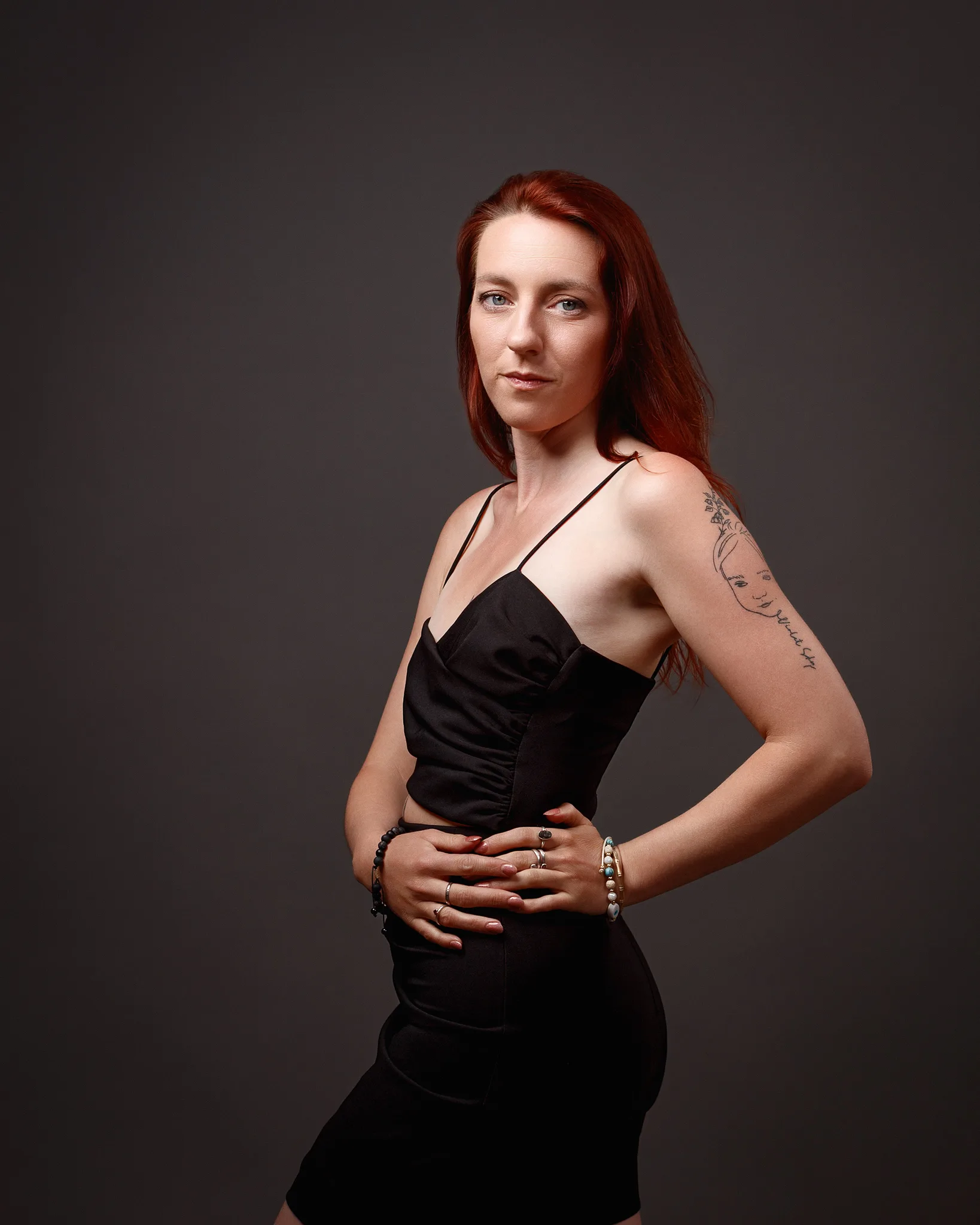
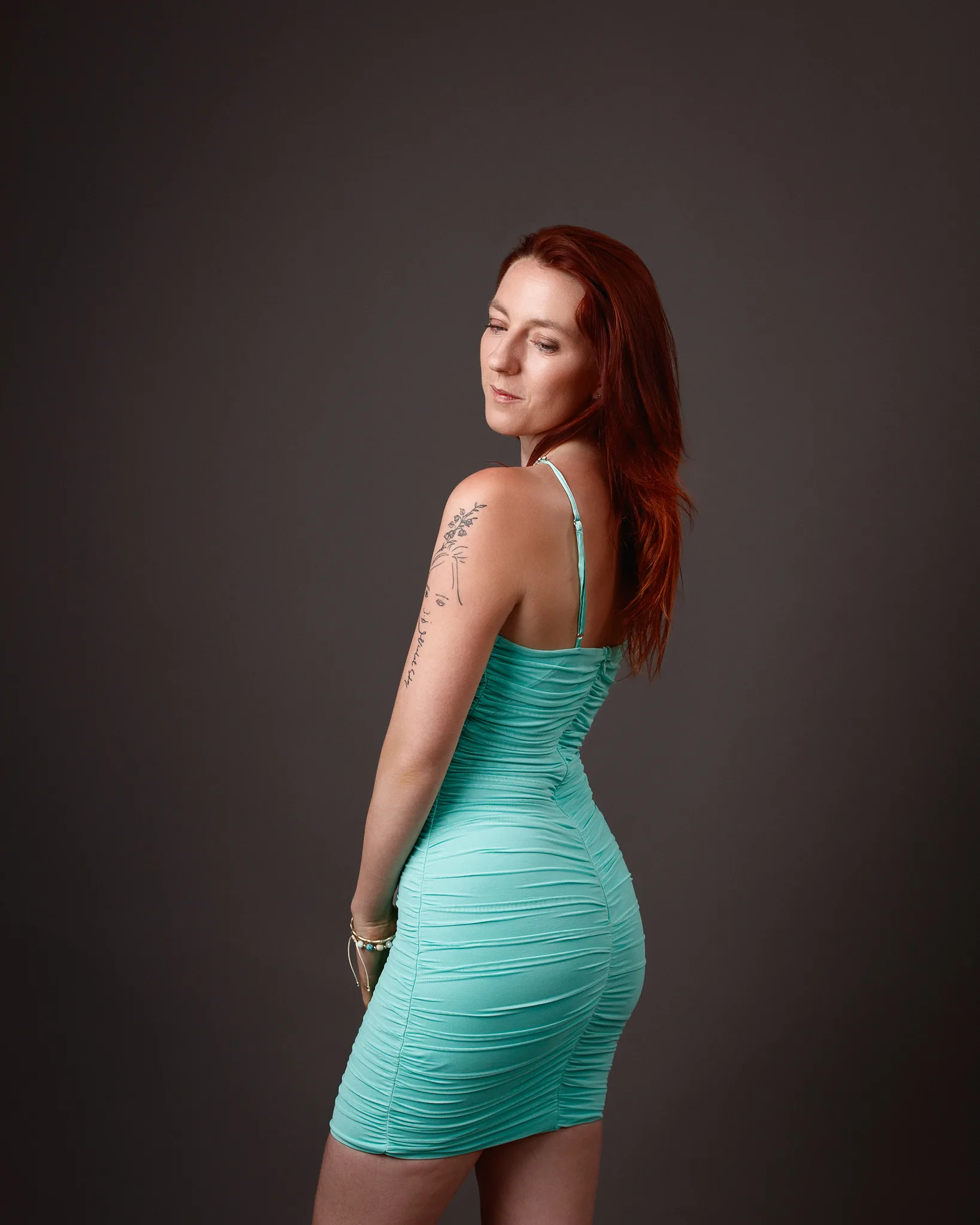
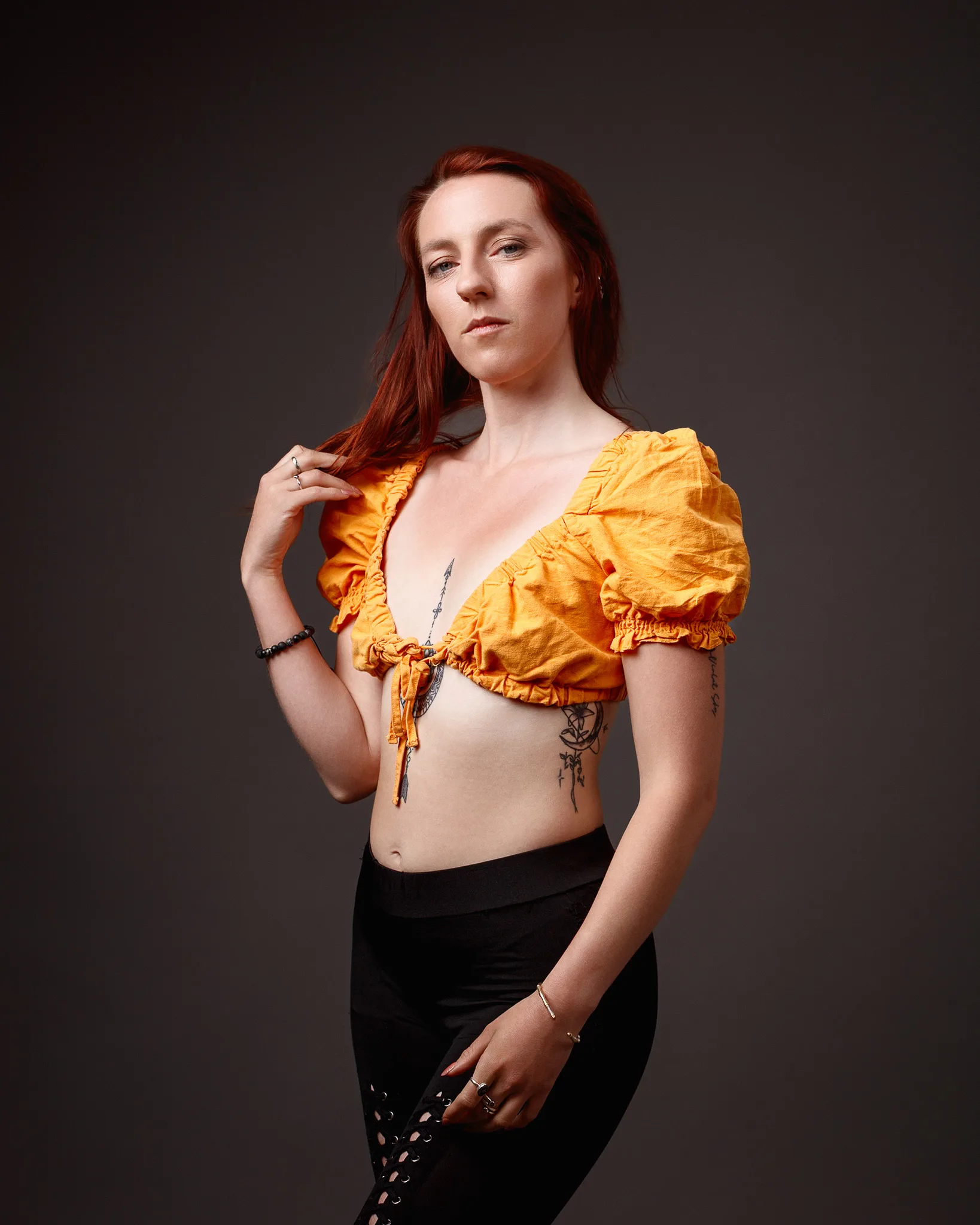
During the session, we worked through different outfit changes and subtle lighting adjustments to create a broader range of looks while still keeping the photographs coherent and useful for portfolio purposes.
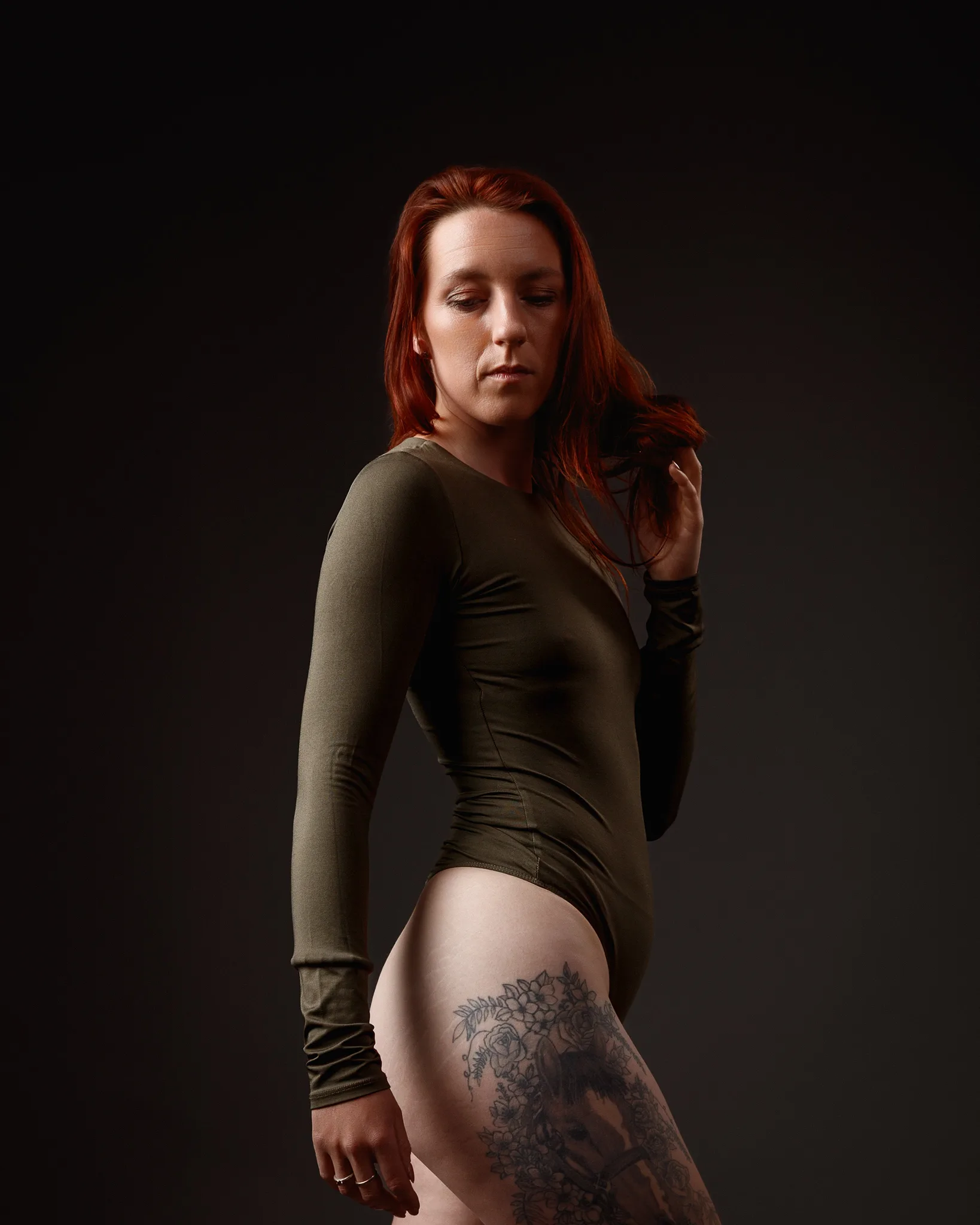
Some images naturally leaned more towards clean headshots, while others became slightly more editorial in feel through expression, lighting direction, and styling choices.
That balance is important. A strong model portfolio usually benefits from showing range without becoming visually chaotic.
The Advantage of Studio Photography
One of the benefits of studio photography is control.
At the studio, I can carefully adjust lighting, backgrounds, contrast, and atmosphere without worrying about weather conditions or inconsistent natural light. That controlled environment allows me to focus much more closely on expression, pose refinement, and detail.
For model portfolio work, that consistency is particularly valuable.
Simple studio backgrounds also keep attention on the model rather than the surroundings. Strong portfolio photographs rarely need complicated locations or elaborate props to work effectively.
Often the simplest setups are the most useful.
Reviewing the Images After the Shoot
After the session, I prepare an online proofing gallery where clients can review the photographs properly.
The preview images are normally supplied unedited, watermarked, and in low resolution. They are there to help select favourites rather than represent the final finished work.
Once selections have been made, the chosen photographs are then edited individually and prepared properly before delivery.
I think this part of the workflow is important because it allows clients to slow down and review the images carefully rather than making rushed decisions immediately after the session.
Final Thoughts on Kate’s First Portfolio Session
Kate settled into the shoot very well, particularly considering this was her first experience of studio modelling. What stood out most was her willingness to listen, adapt, and gradually become more confident in front of the camera as the session developed.
That is usually what makes a good first portfolio shoot successful.
You do not need years of modelling experience before coming to a studio session. What matters far more is preparation, communication, patience, and being open to direction throughout the shoot.
A model portfolio session should feel organised, professional, supportive, and collaborative. My role is not simply to press a shutter. It is to guide the process, shape the lighting, help refine expression and posture, and create a set of photographs that are genuinely useful moving forward.
Strong portfolio images are usually built on trust, preparation, and simplicity rather than trying to overcomplicate things.