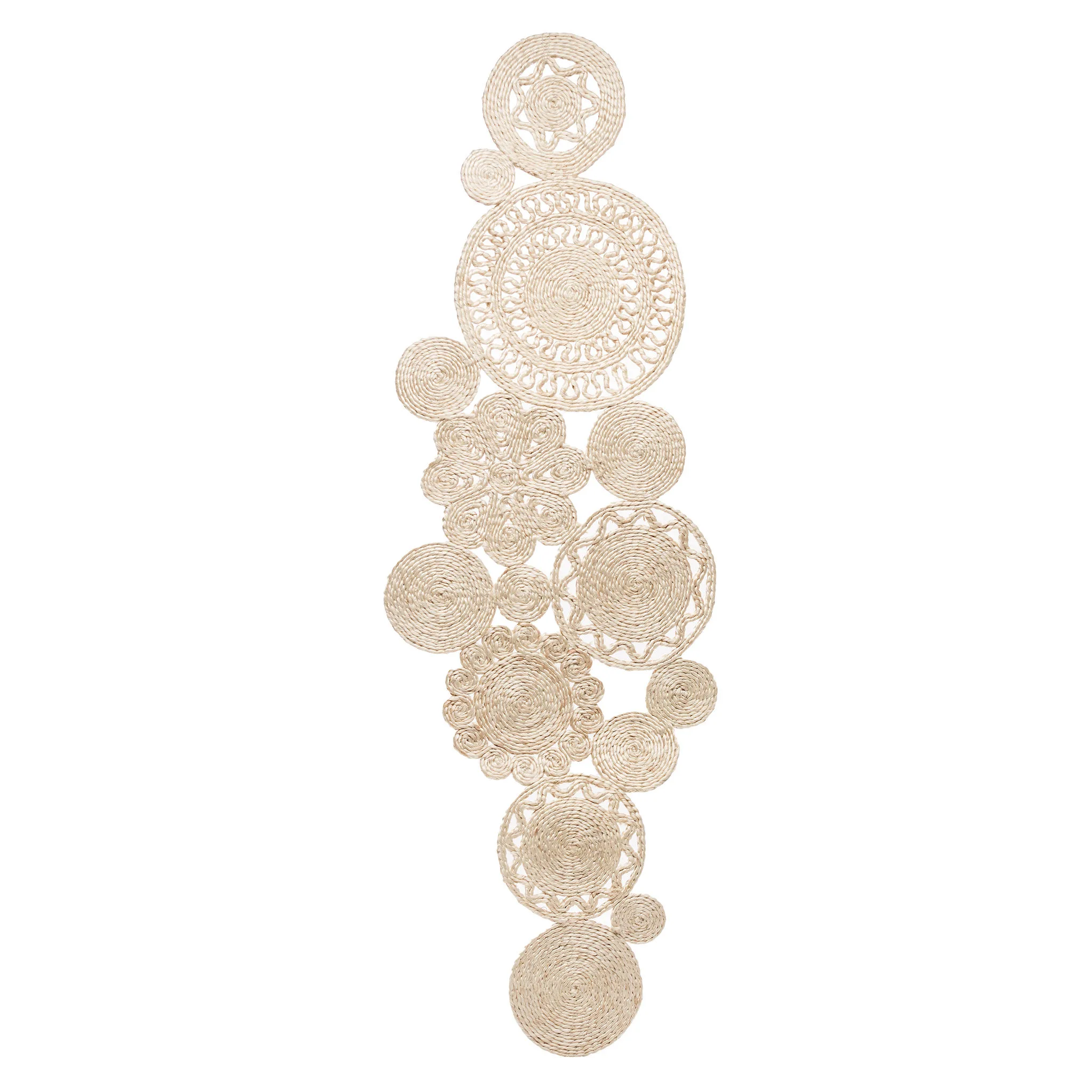
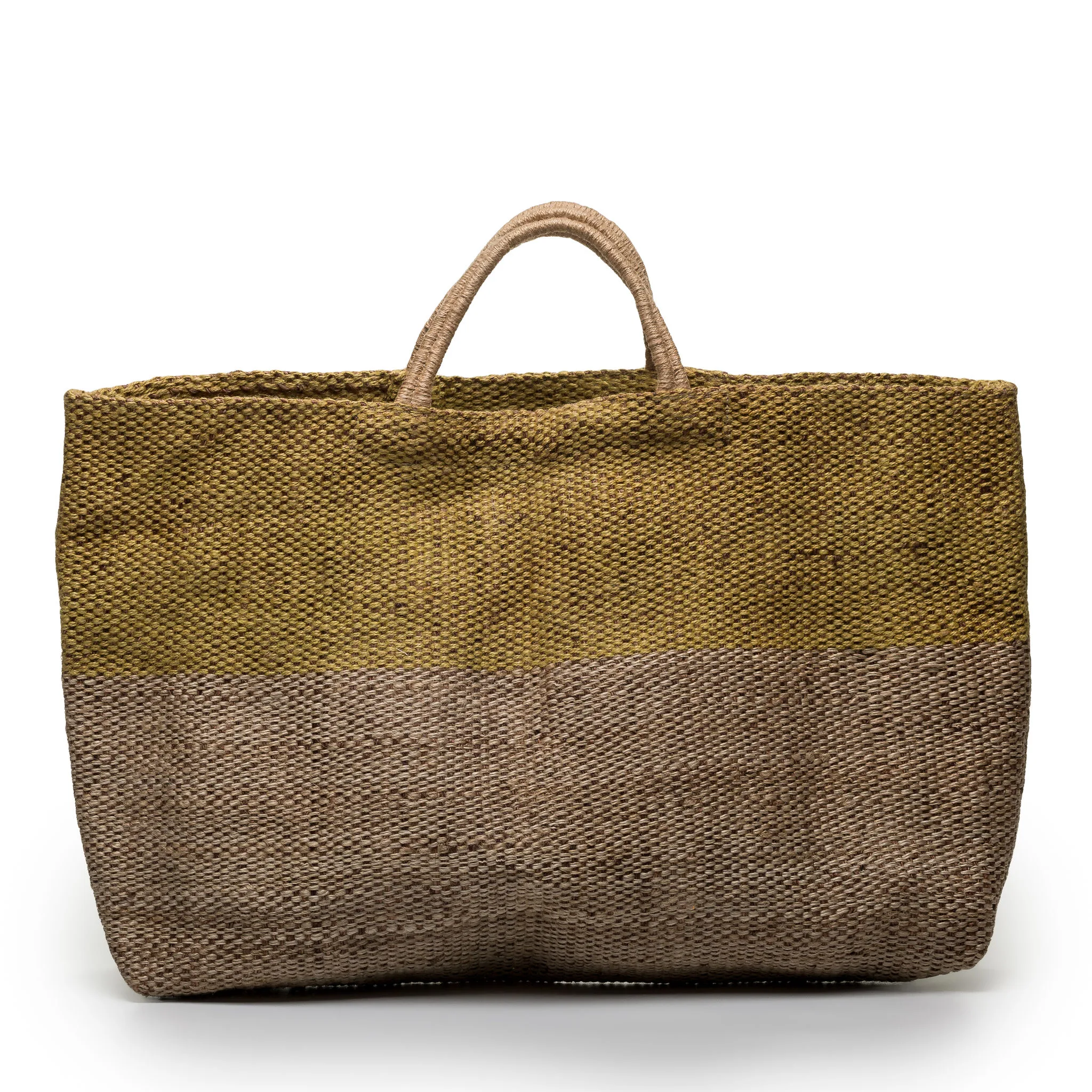
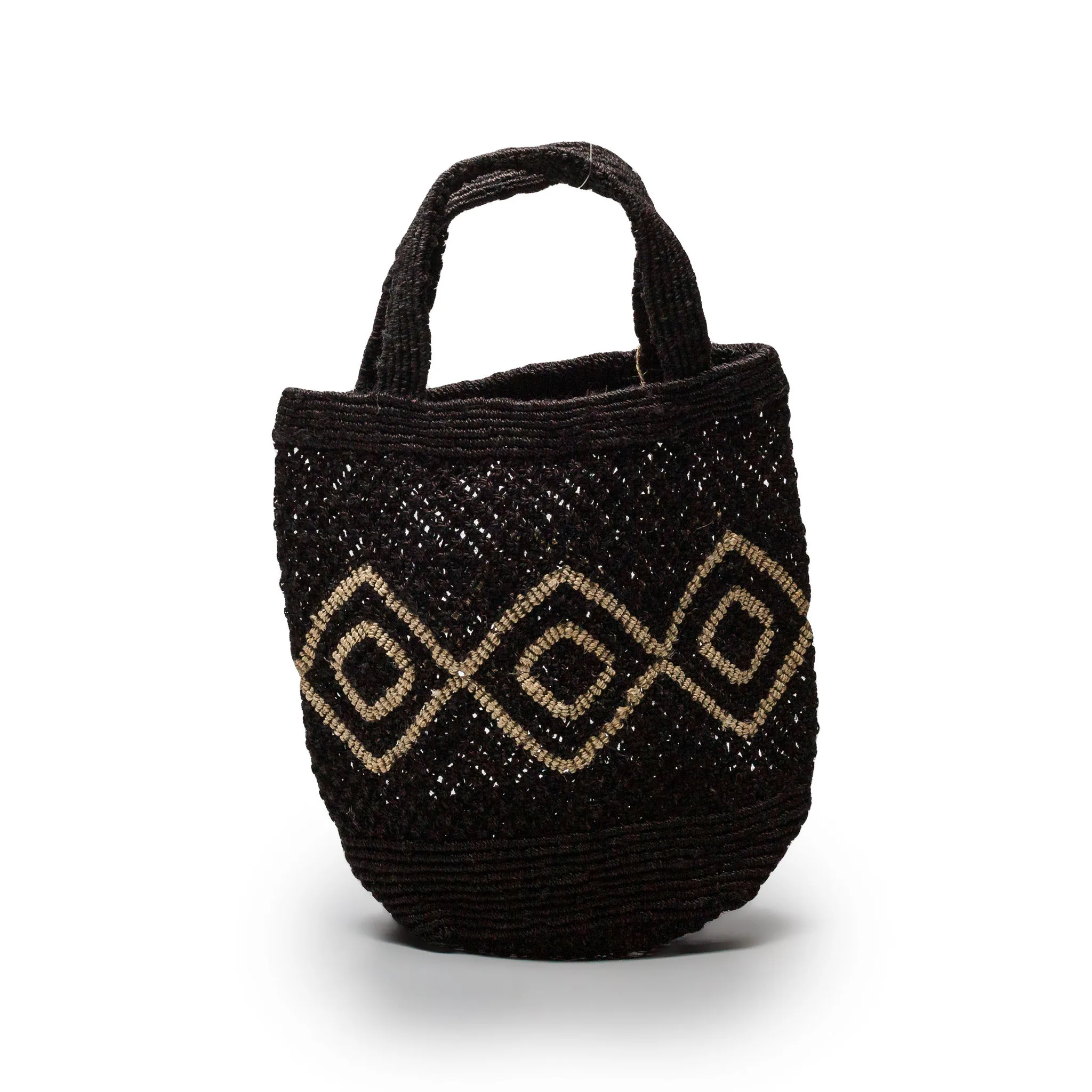
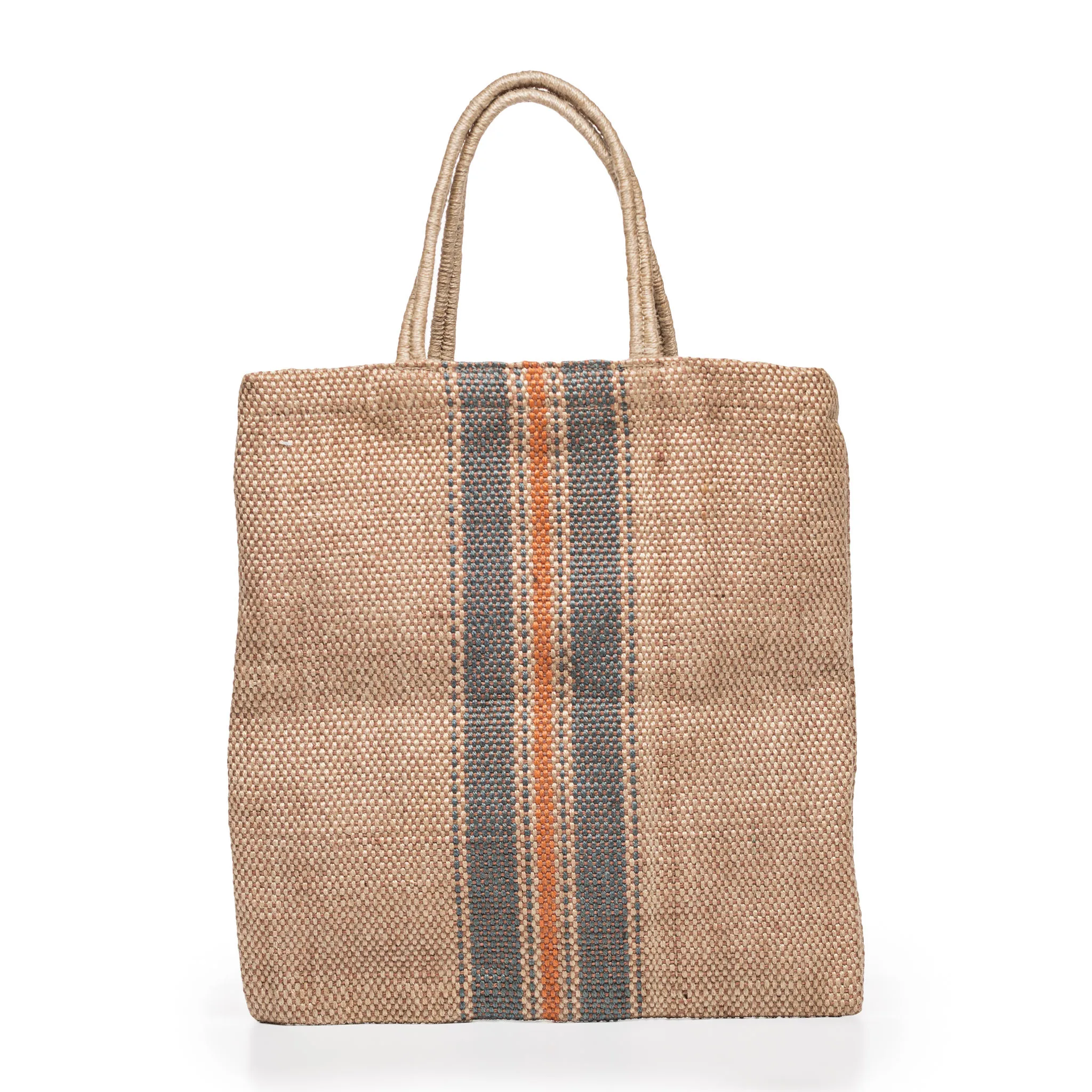
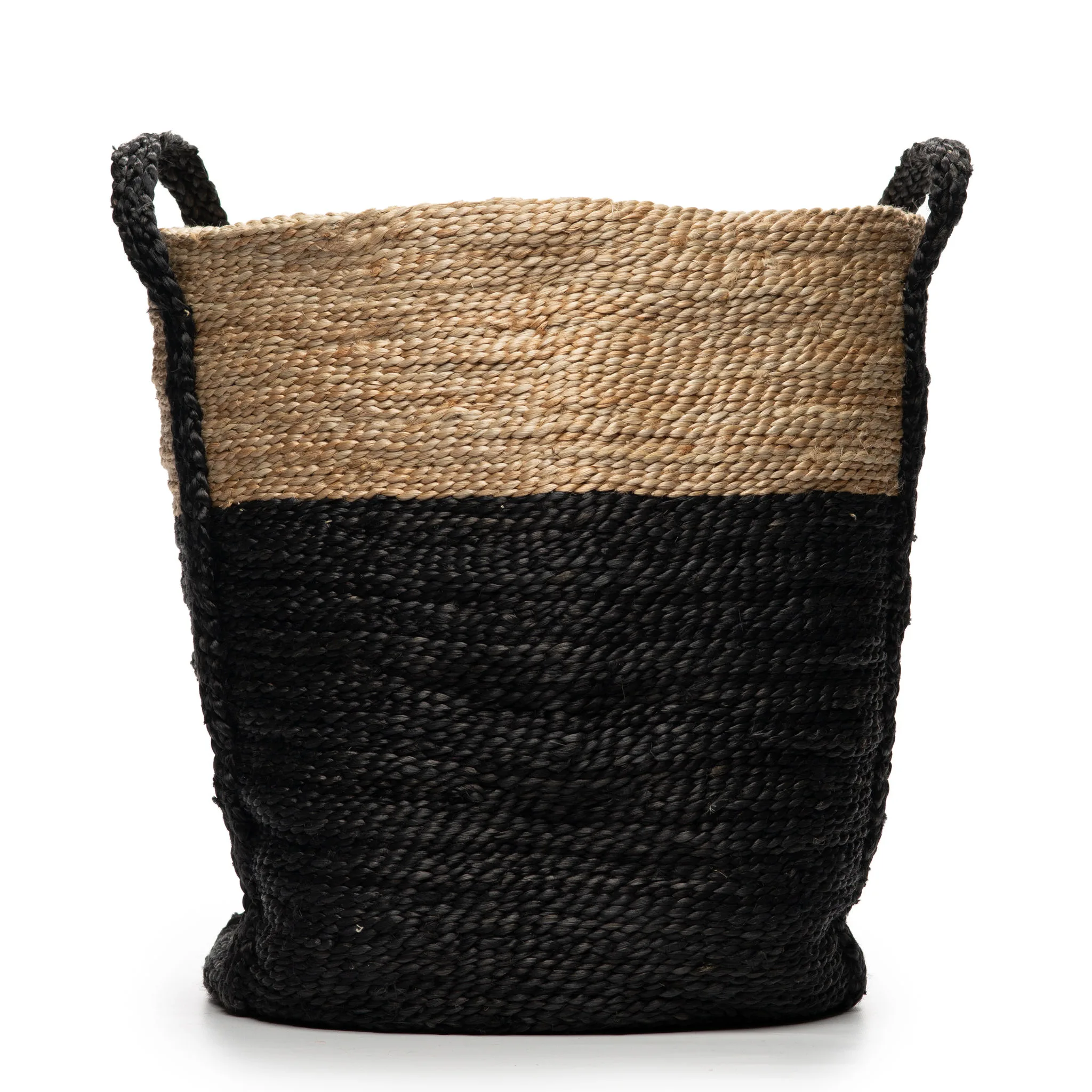
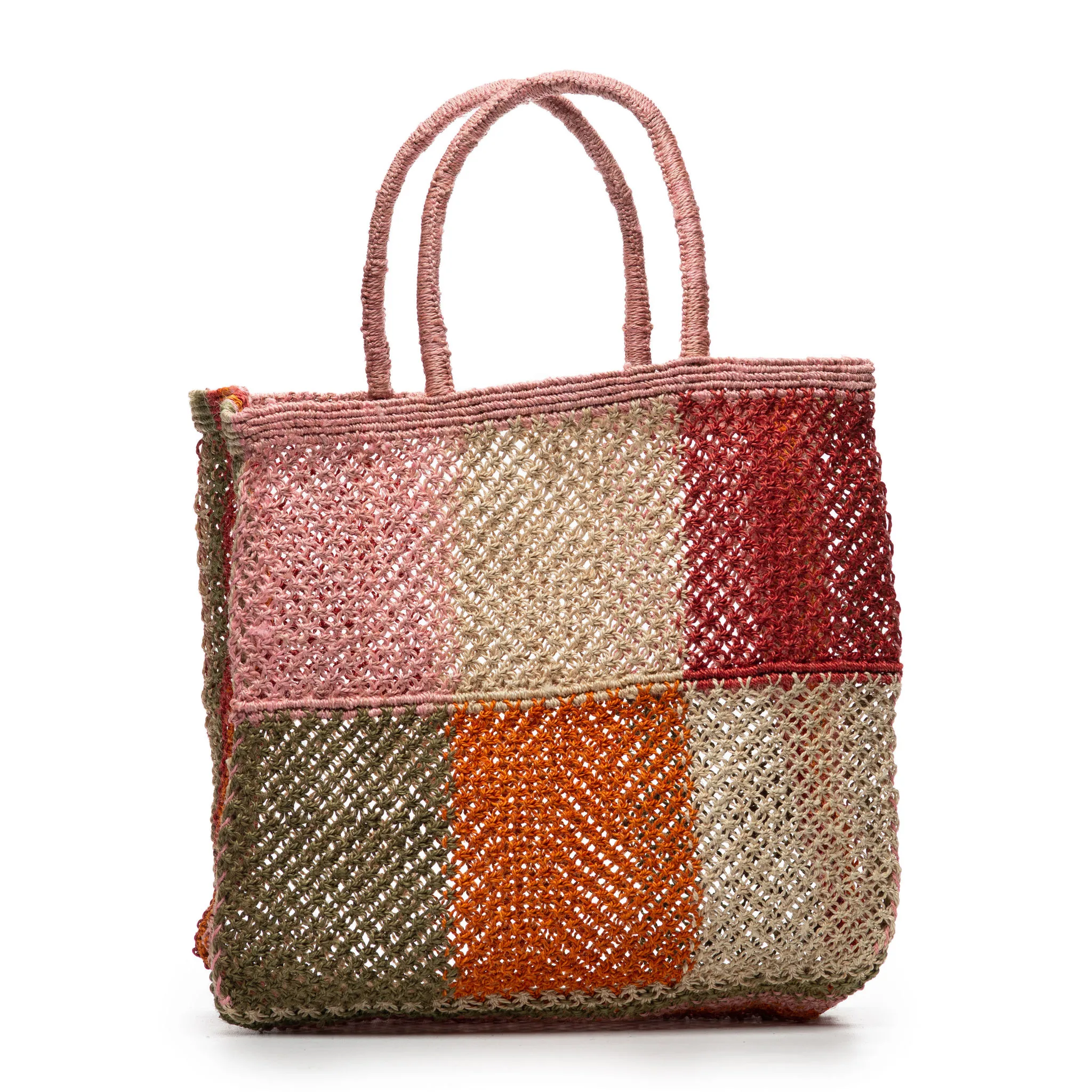
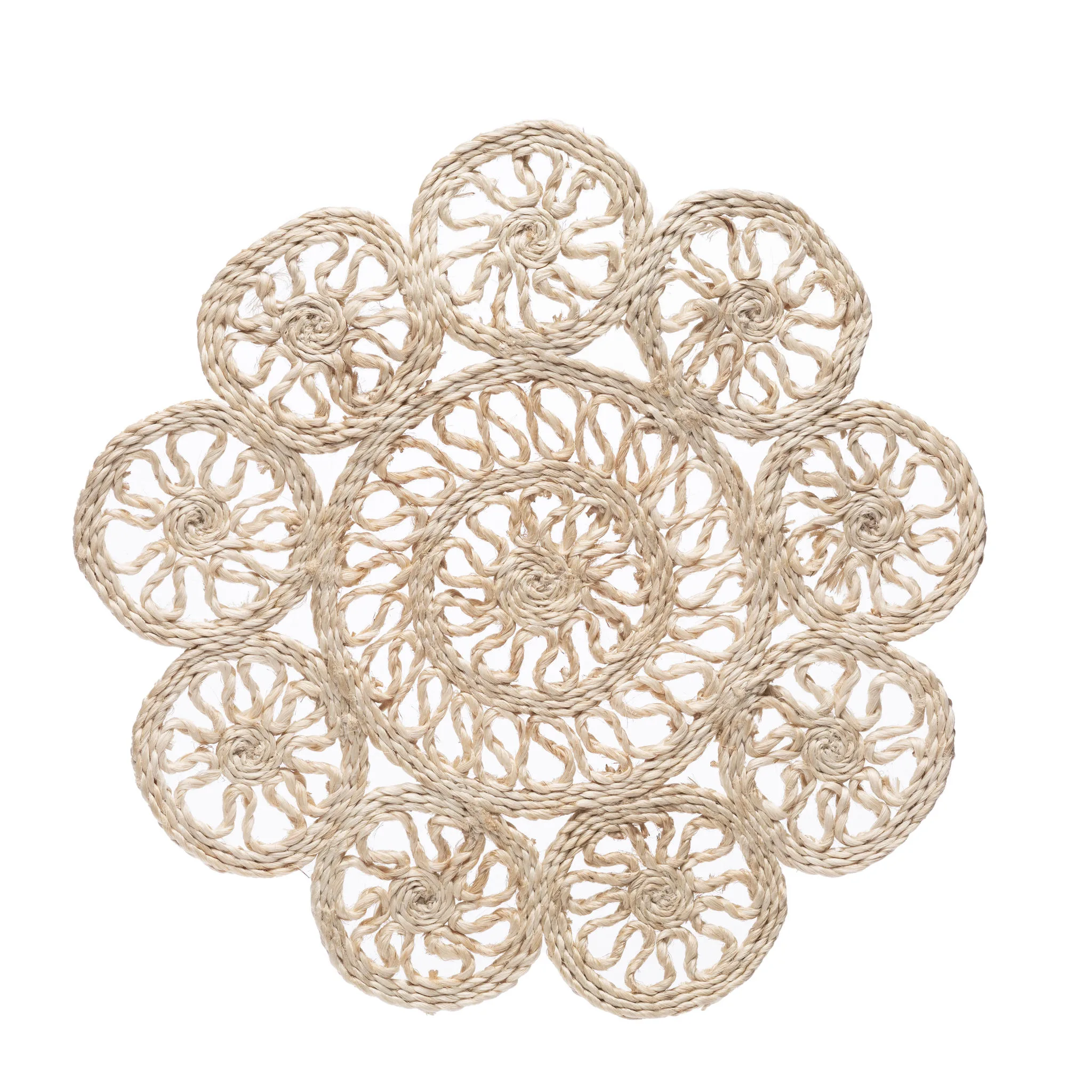
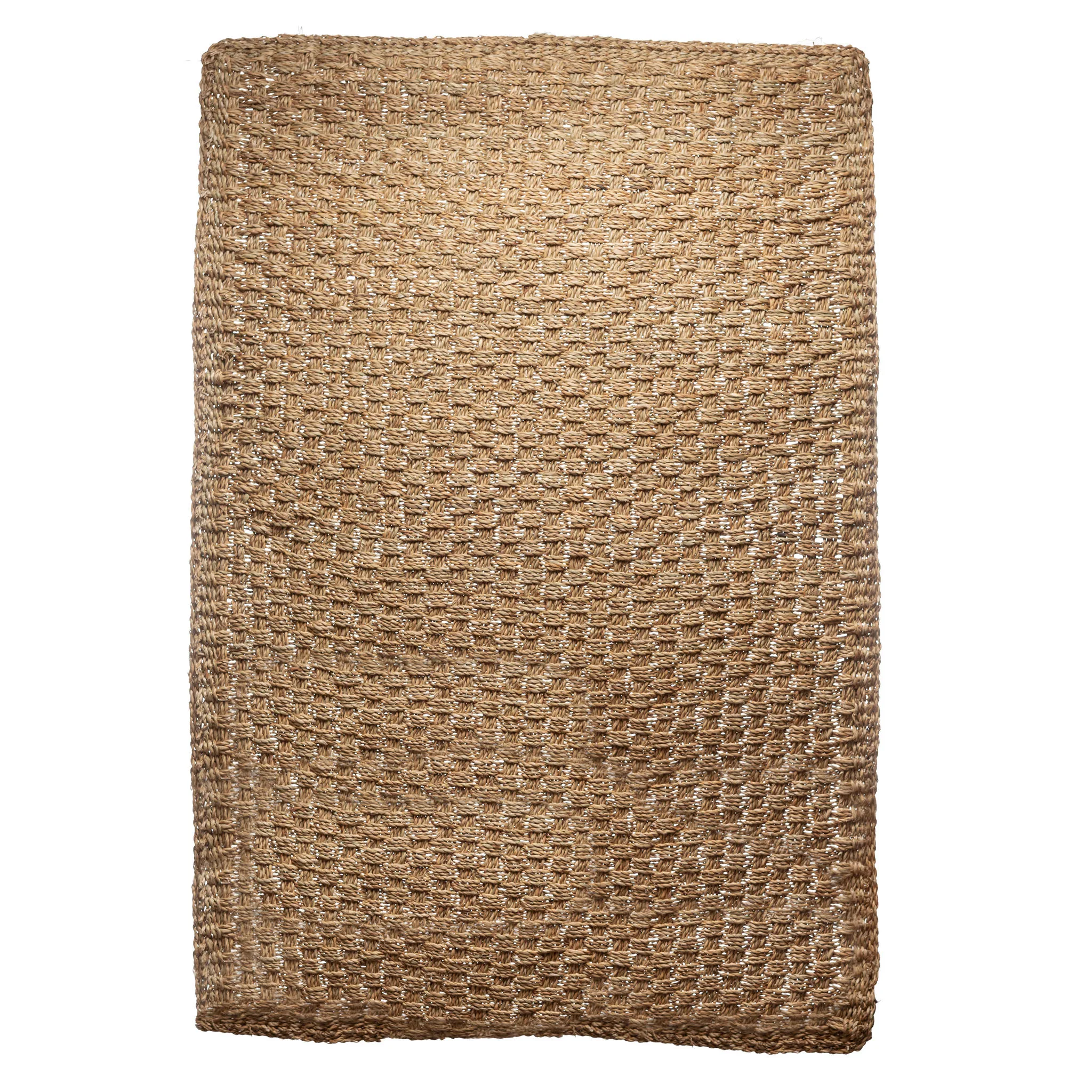
I have been photographing products for Maison Bengal Ltd since 2018. In that time I have shot handwoven jute bags, hogla baskets, floor mats, coasters, table mats and laundry baskets, mostly against white, mostly destined for the website and the trade catalogue. It is not the kind of work that gets talked about much. There is no model, no big set build, no story to tell about the day. What there is instead is a long working relationship with a company I have a lot of time for, and that is worth writing about properly.
Who Maison Bengal are
Maison Bengal was set up in 2004 by its director, Sheenagh Day, after she came back from Dhaka, where she had spent several years working in the aid sector. The company sells handwoven homewares and bags made in Bangladesh from locally grown natural materials, mainly jute and hogla, which is a local sea grass. The designs are contemporary but the weaving techniques are traditional. Maison Bengal works with two fair trade organisations in Bangladesh and with around 3,000 women across the country, most of them weaving from home so they can earn while looking after their families. There is also support for education and a small out-patient clinic.
That is the short version. What I want to write about is what it looks like from the outside over eight years, because that is a different kind of evidence.
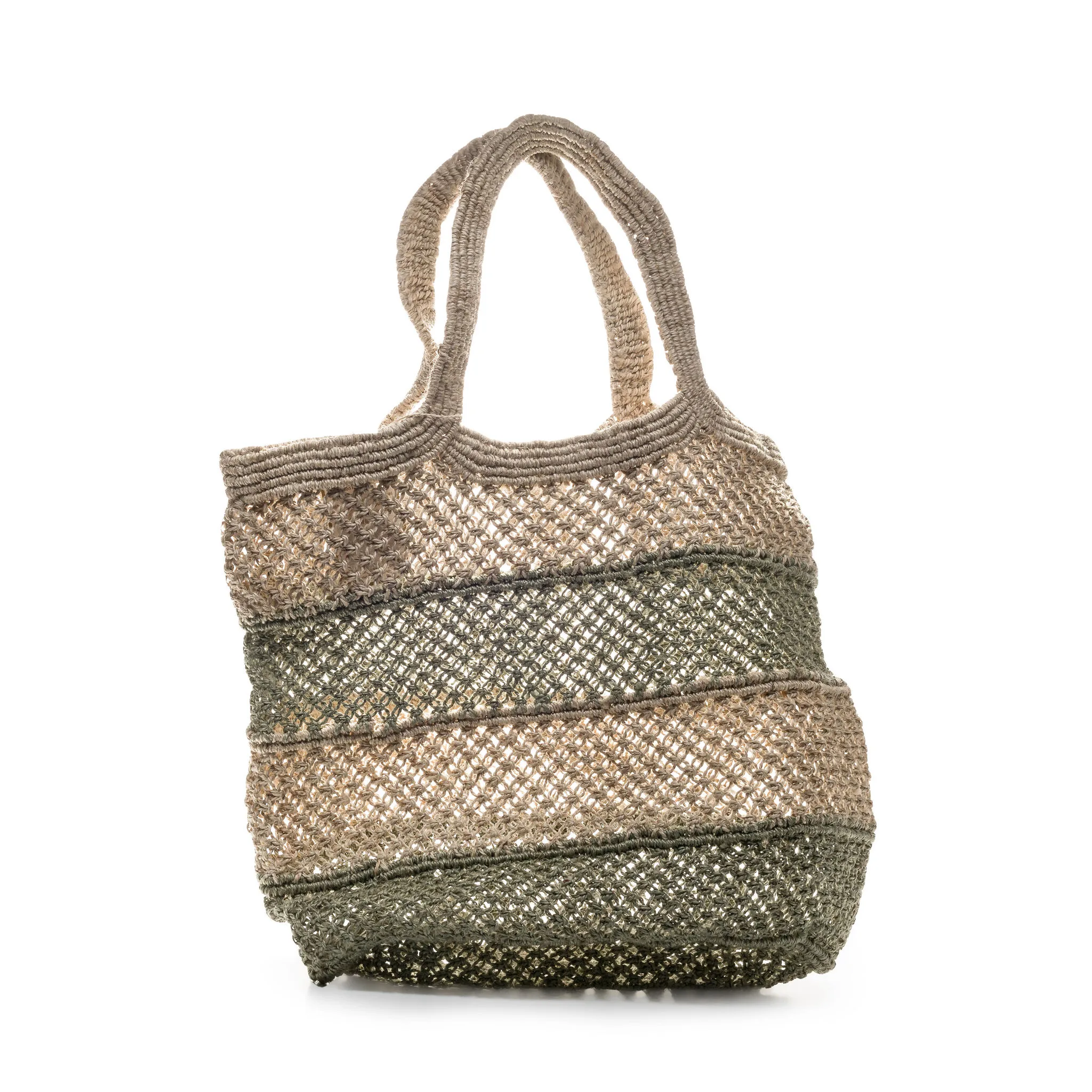
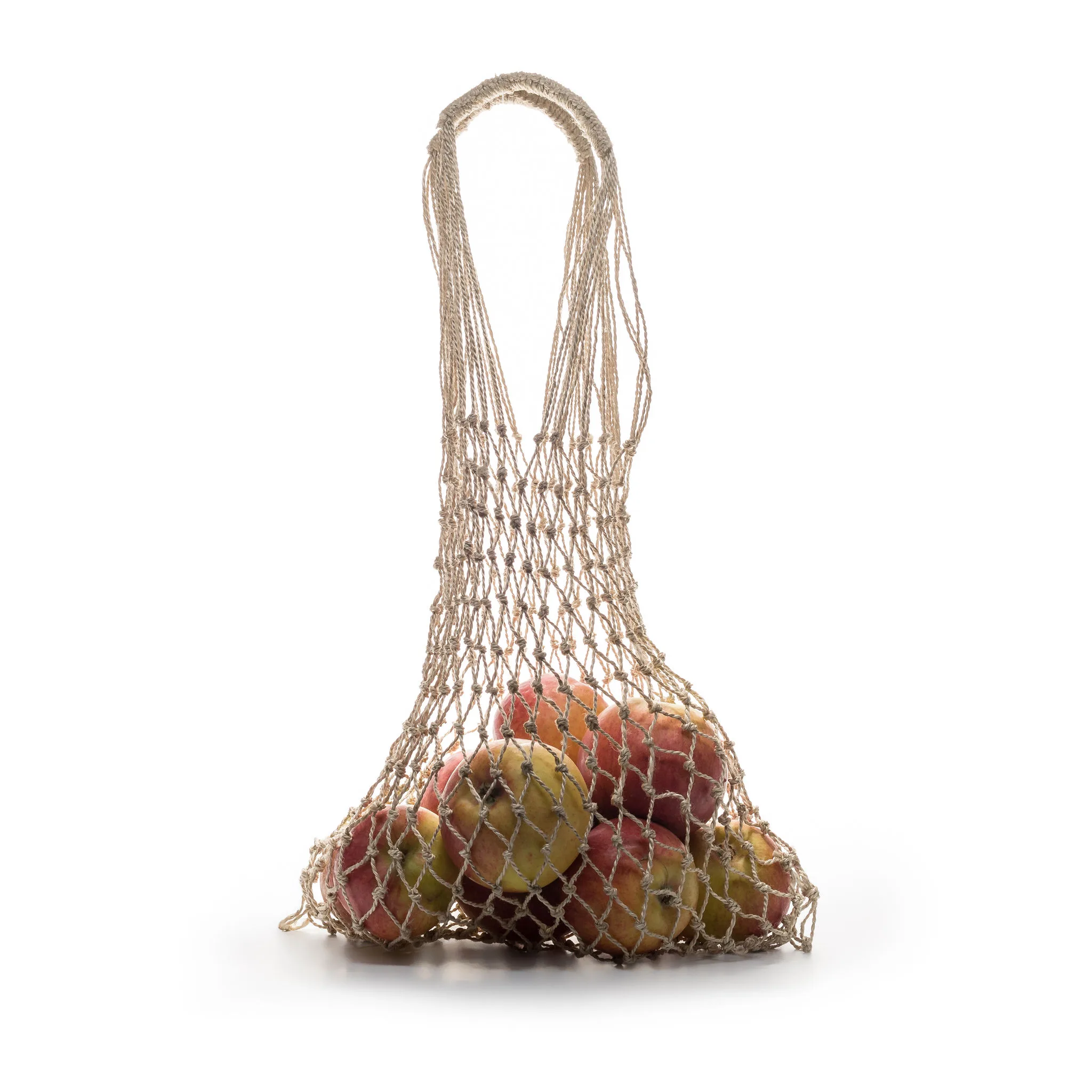
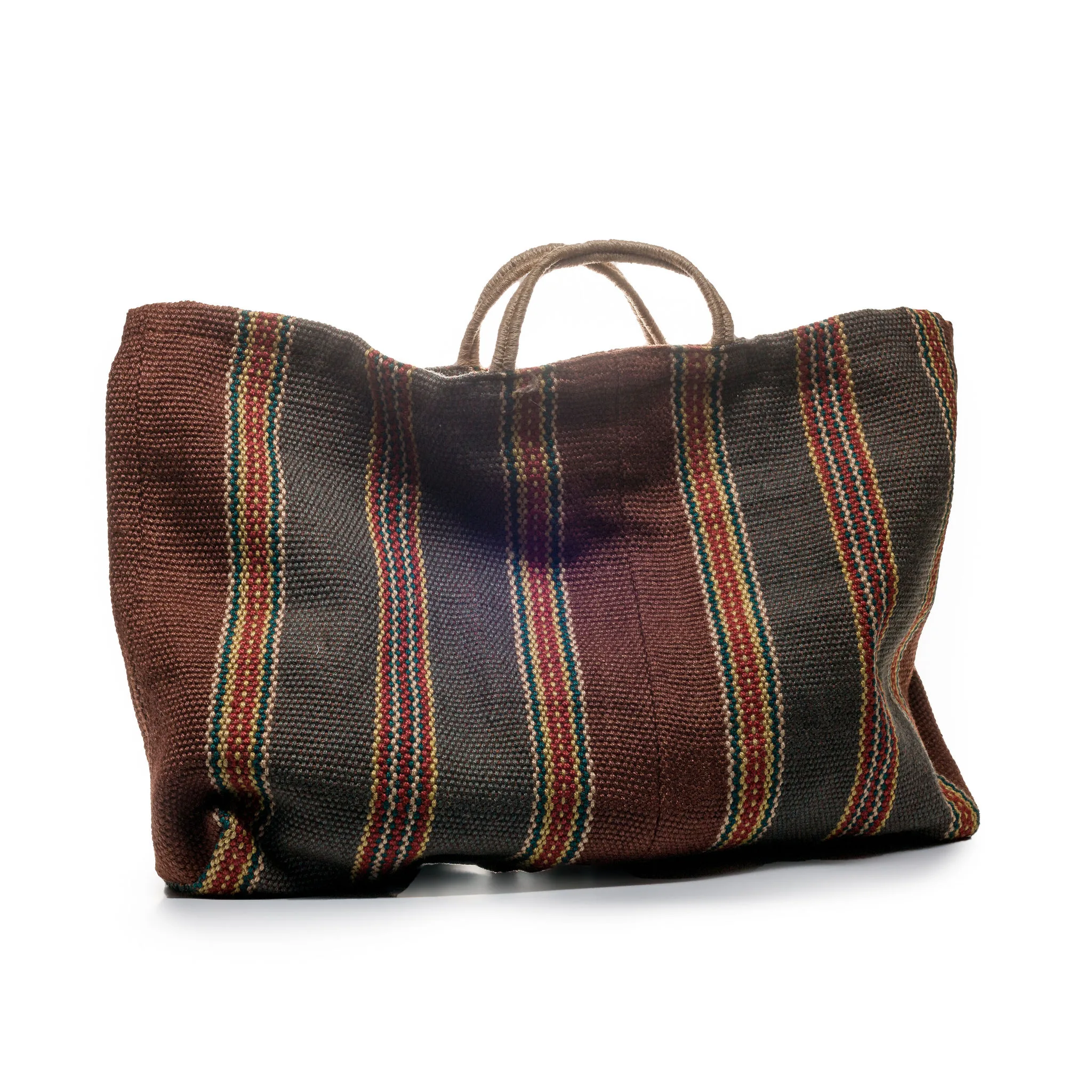
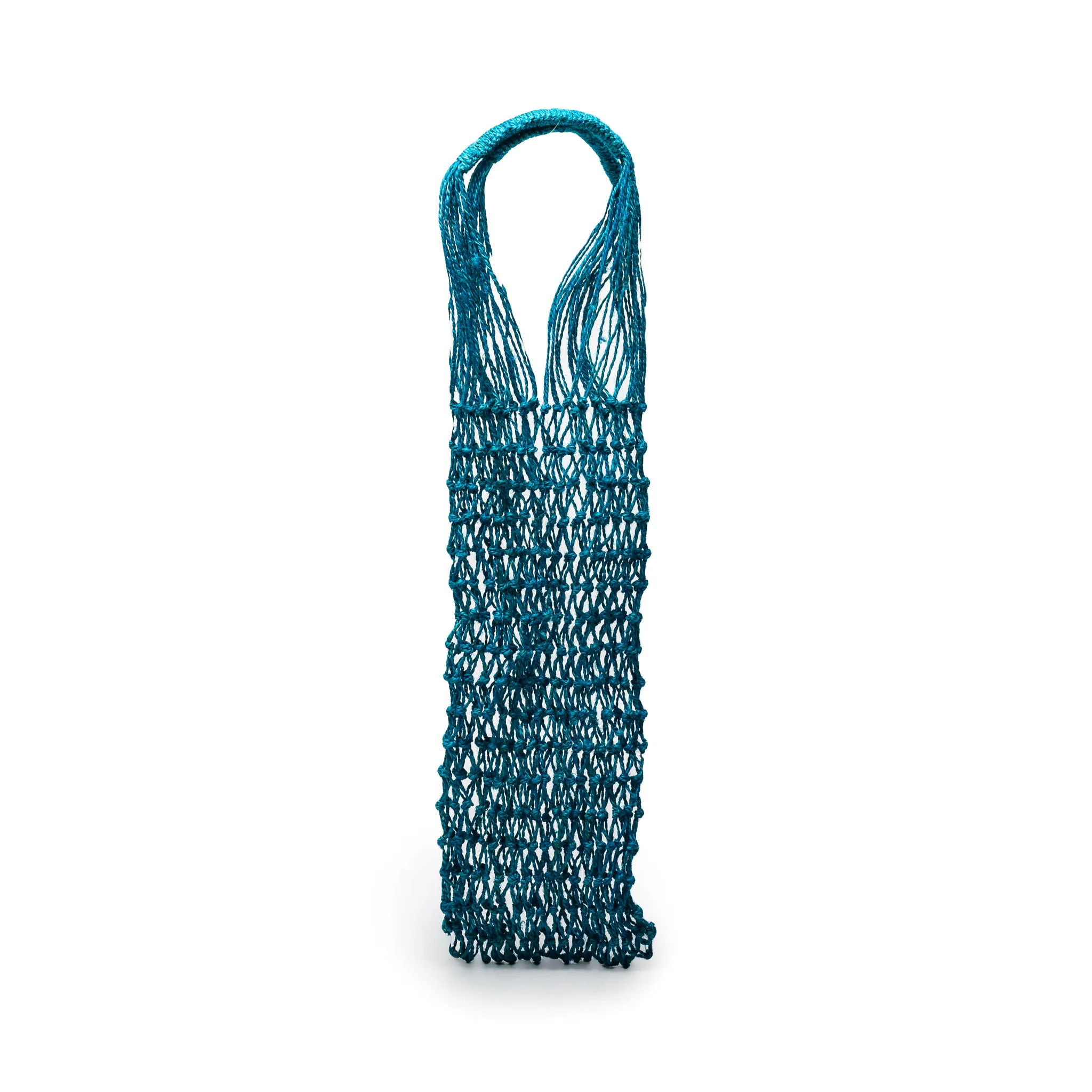
Ethics that are not a marketing position
Plenty of companies have a values page. Fewer of them behave the same way when there is nothing riding on it. What stands out about Sheenagh is that the ethics came first and the business was built around them, not the other way round. The company exists because she saw skilled craftspeople in very poor communities with no route to a market, and decided to build the route. Everything else follows from that.
I notice it in the ordinary decisions. The way the products are made does not get quietly compromised when it would be cheaper to compromise it. The story on the website is not louder than the thing it describes. Over eight years of working with a business you see how it behaves when it is under pressure, and Maison Bengal has been consistent. I would not write this if I did not think it was true, and I am not writing it because anyone asked me to.
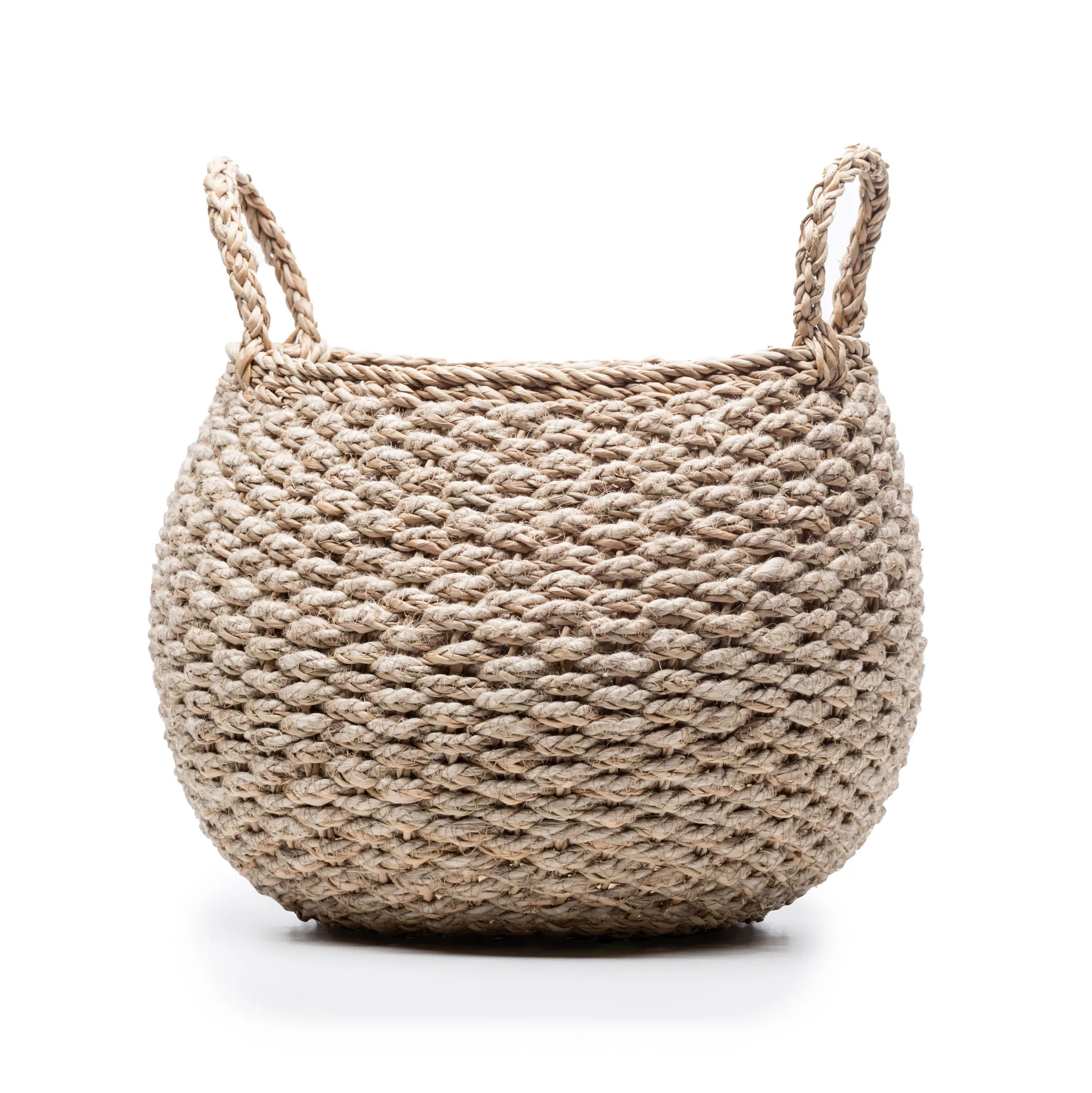
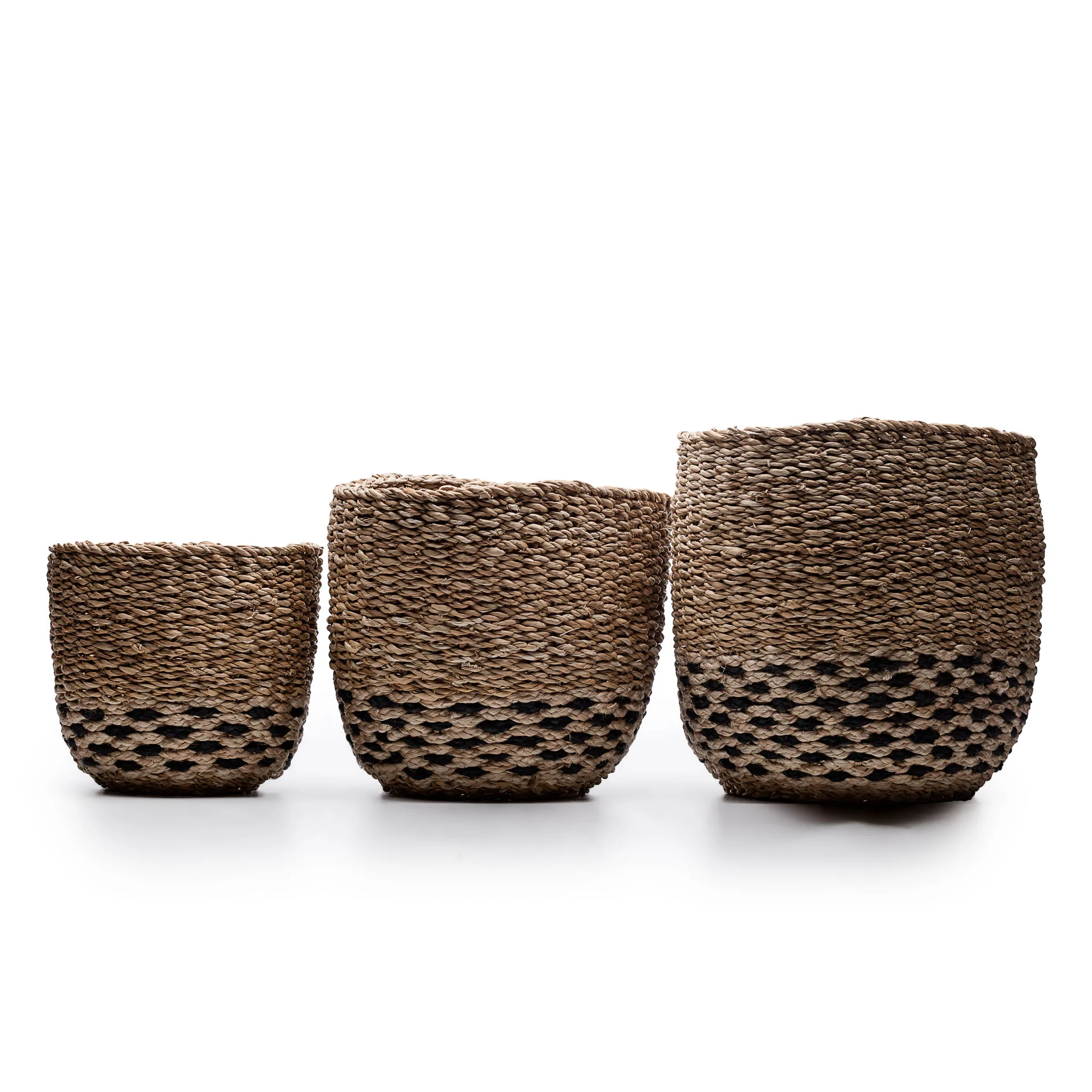
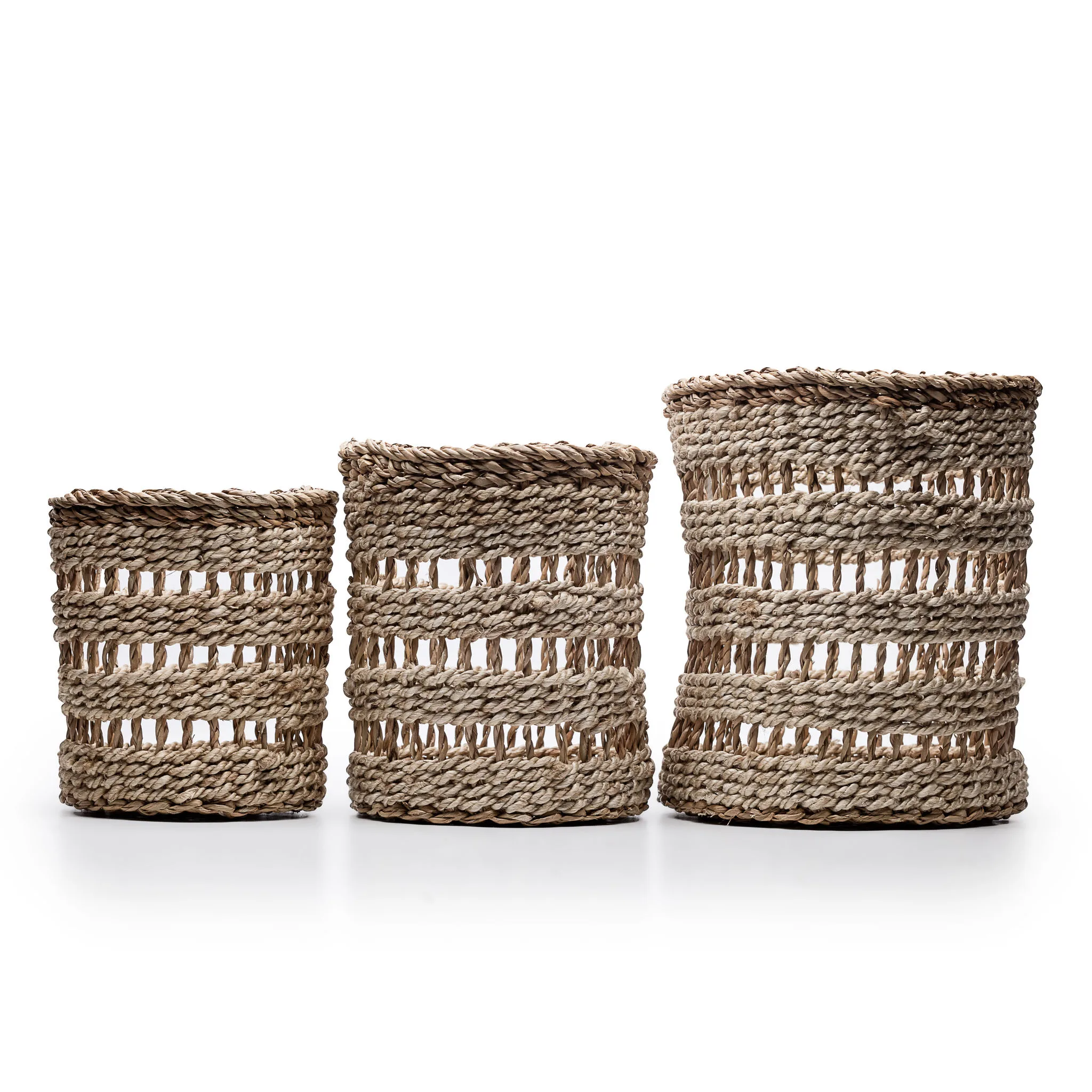
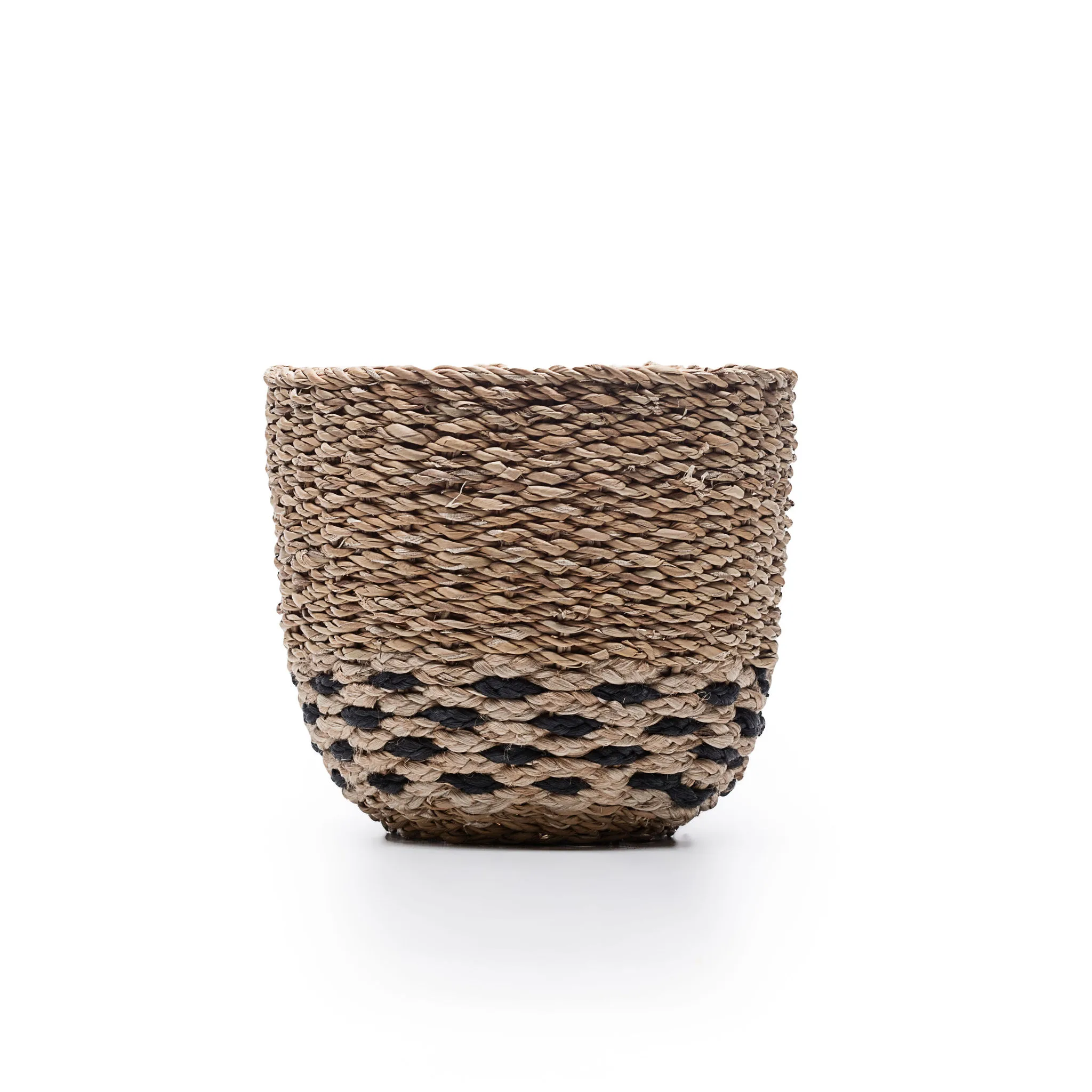
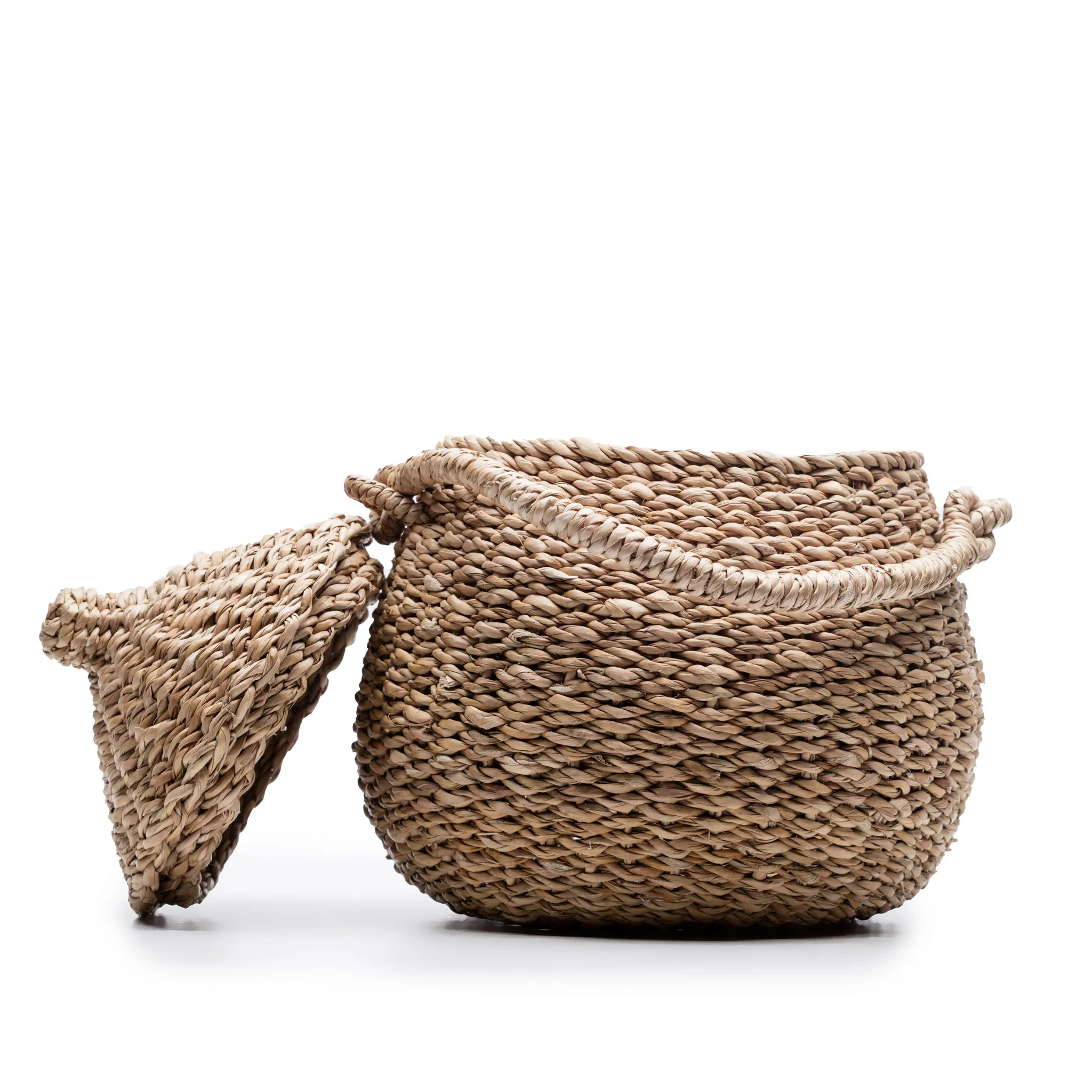
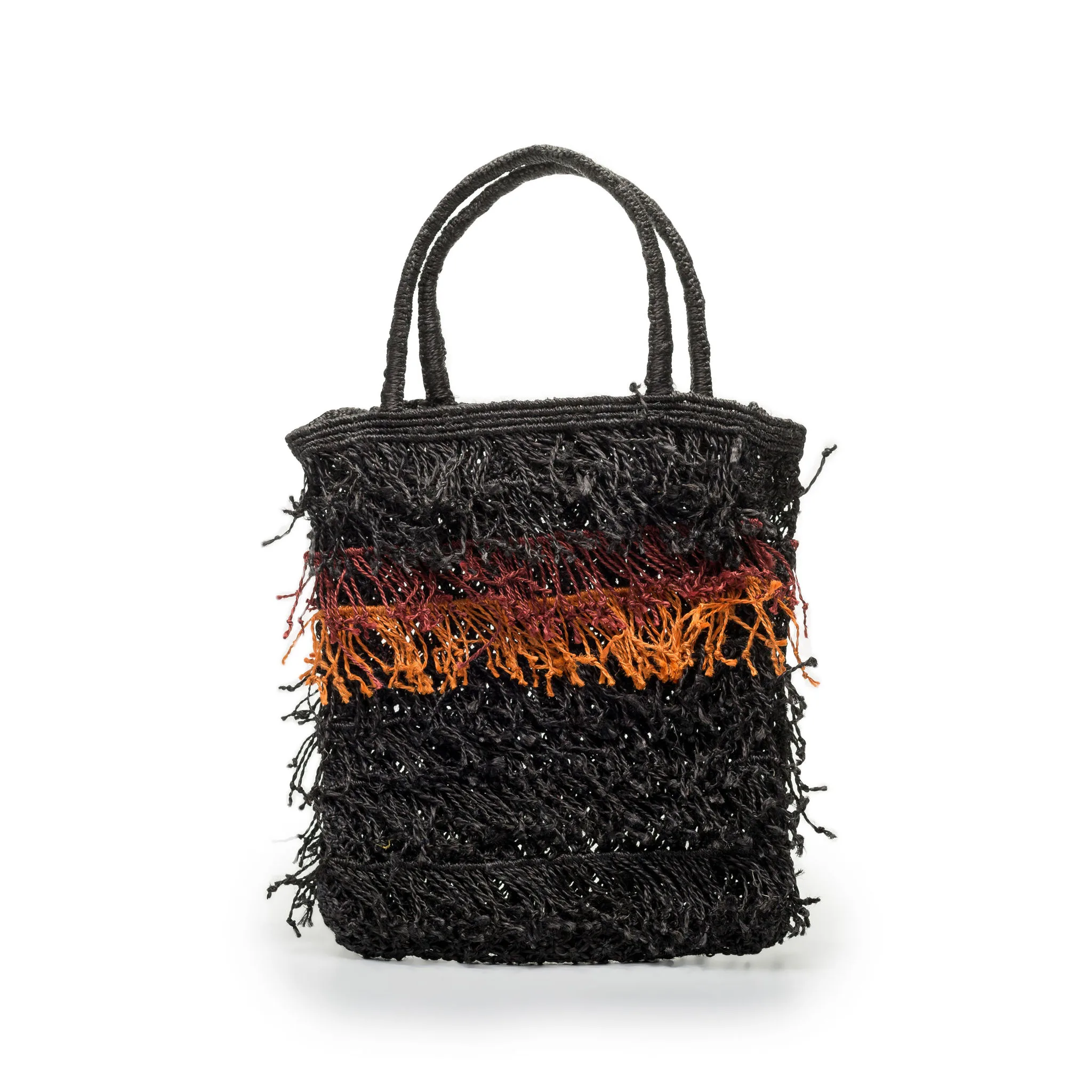
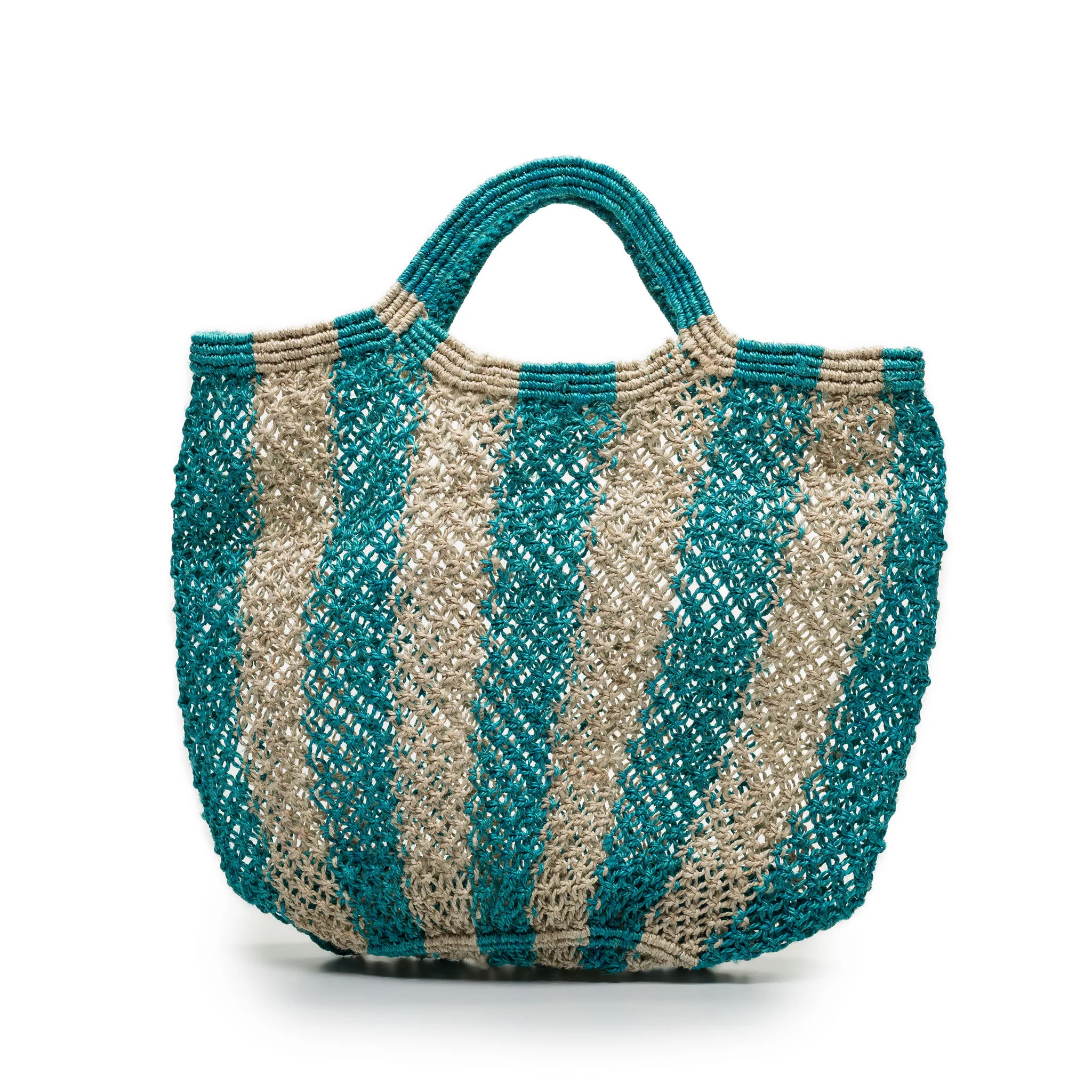
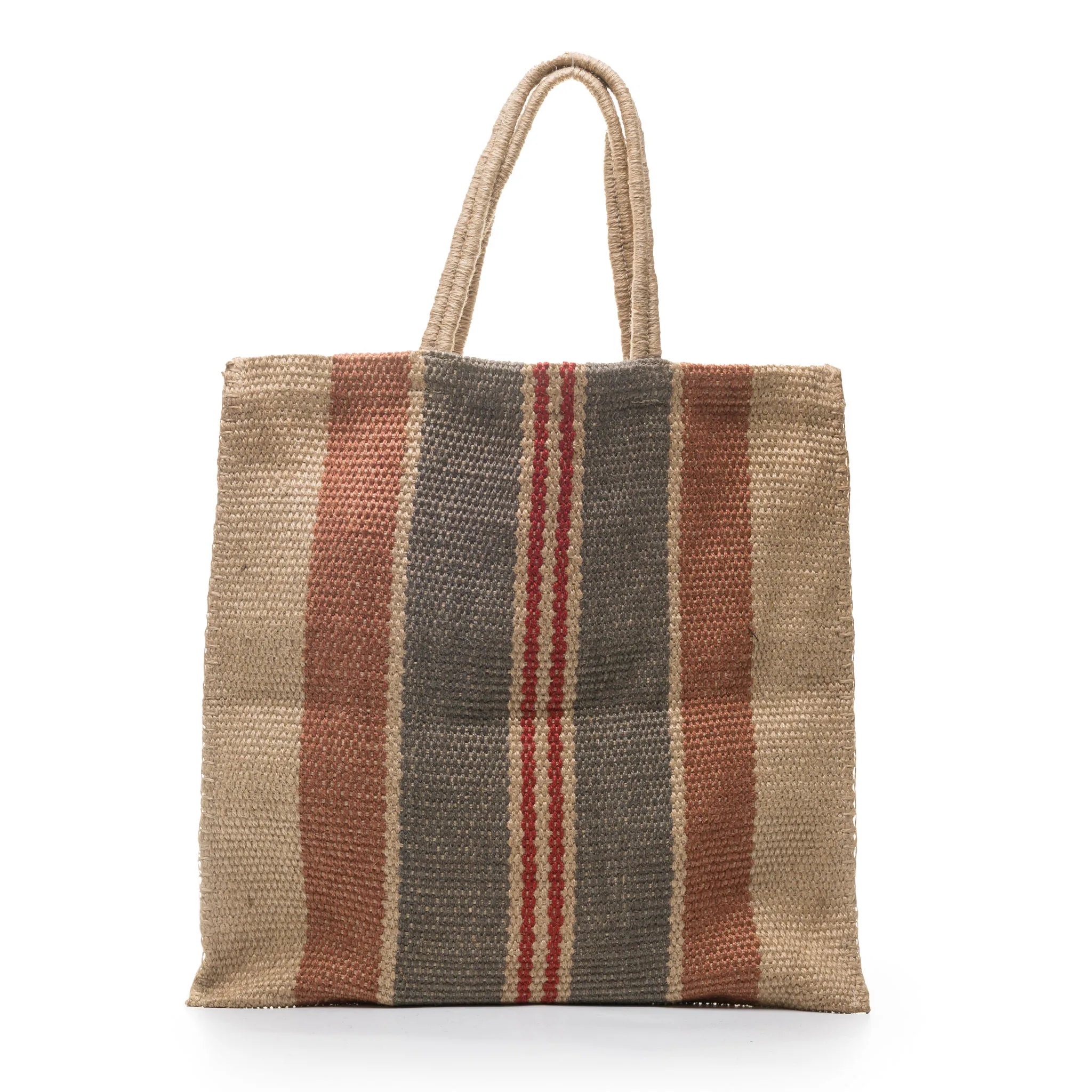
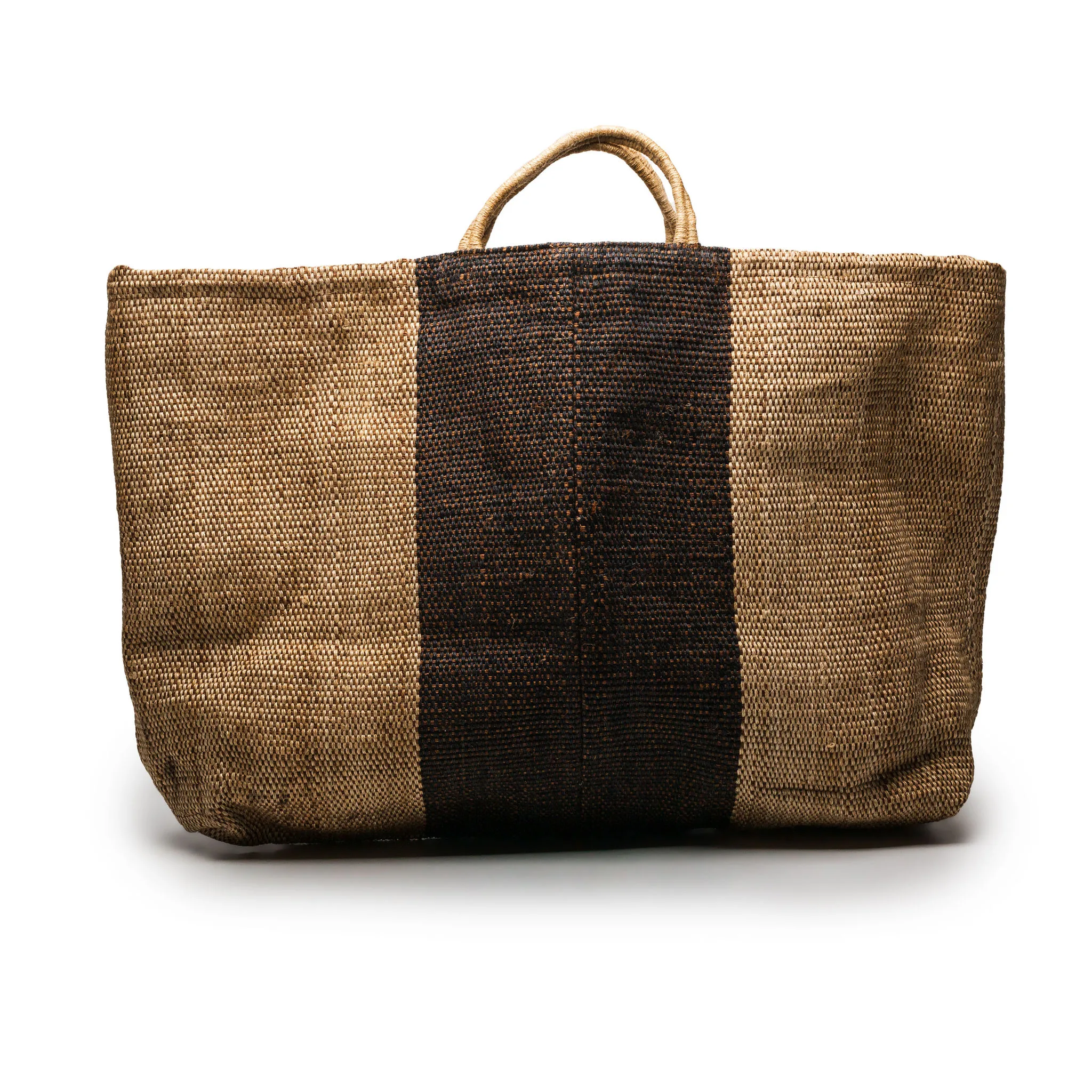
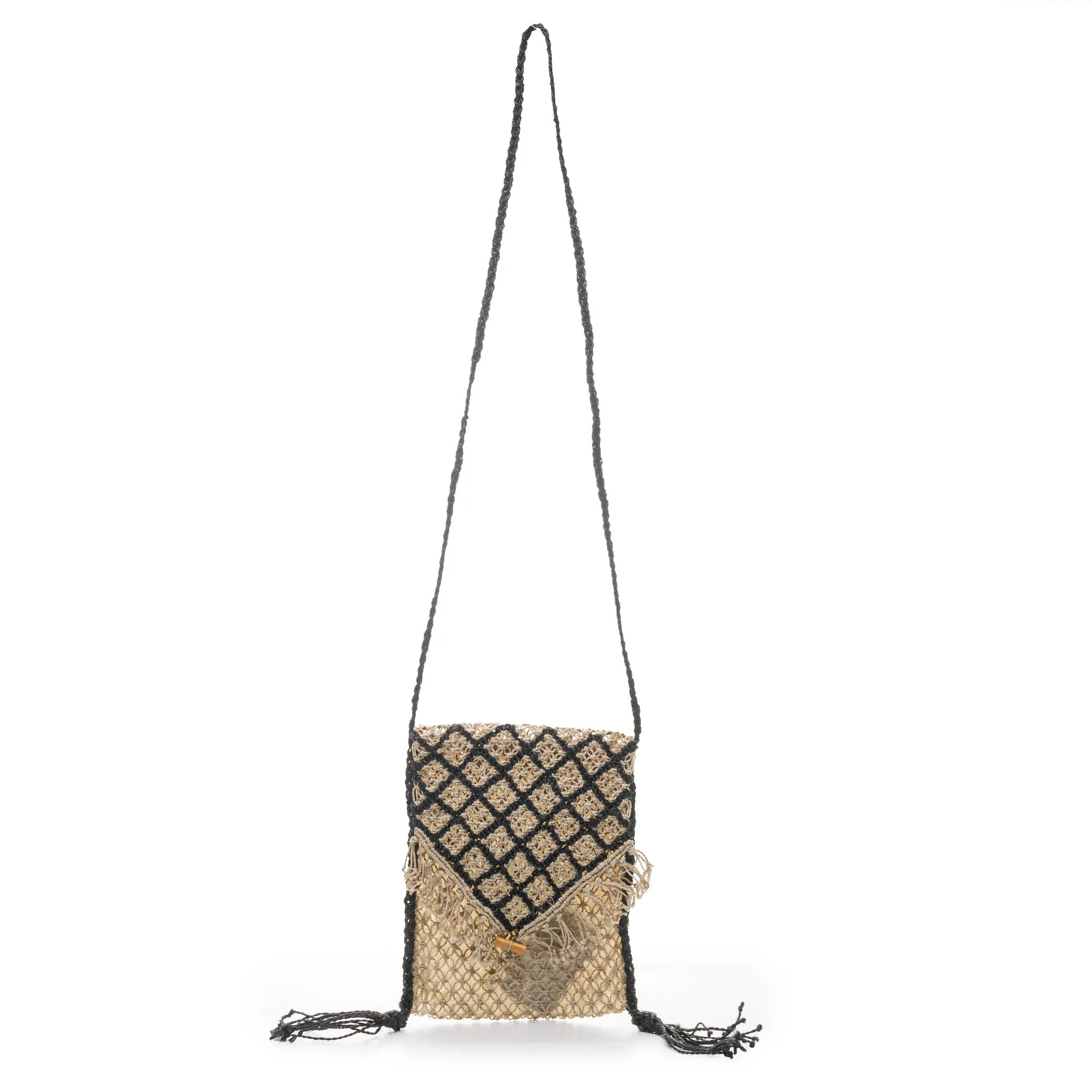
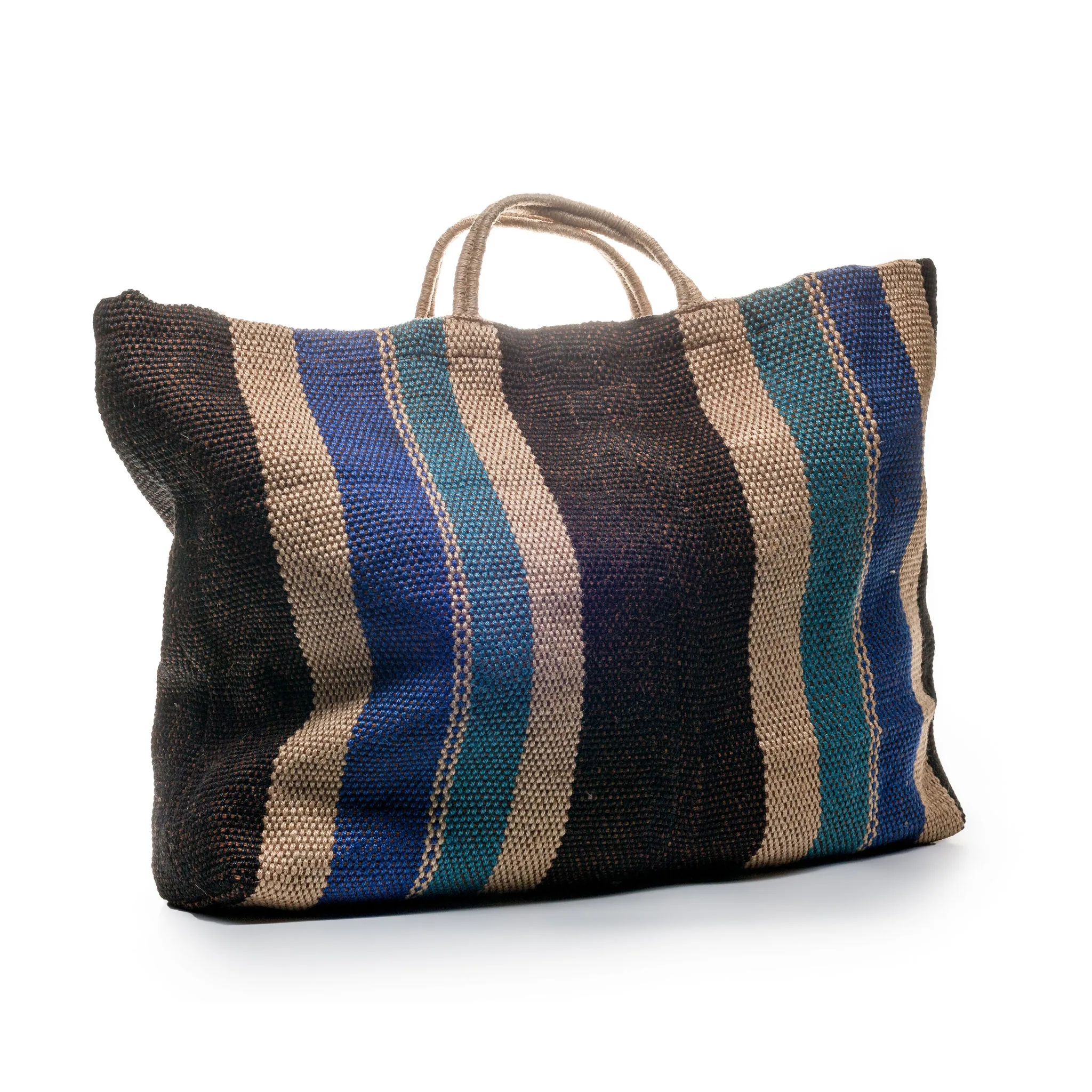
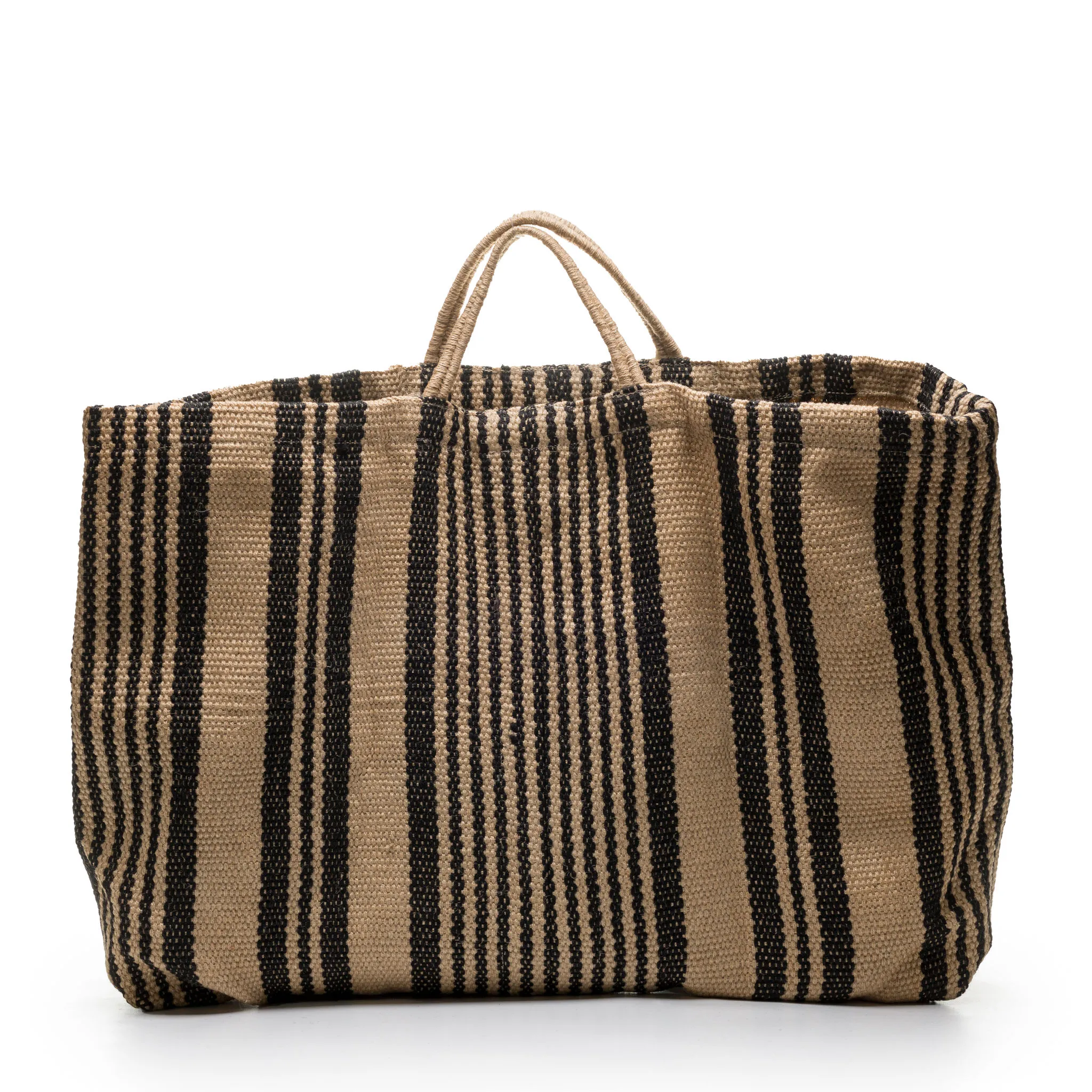
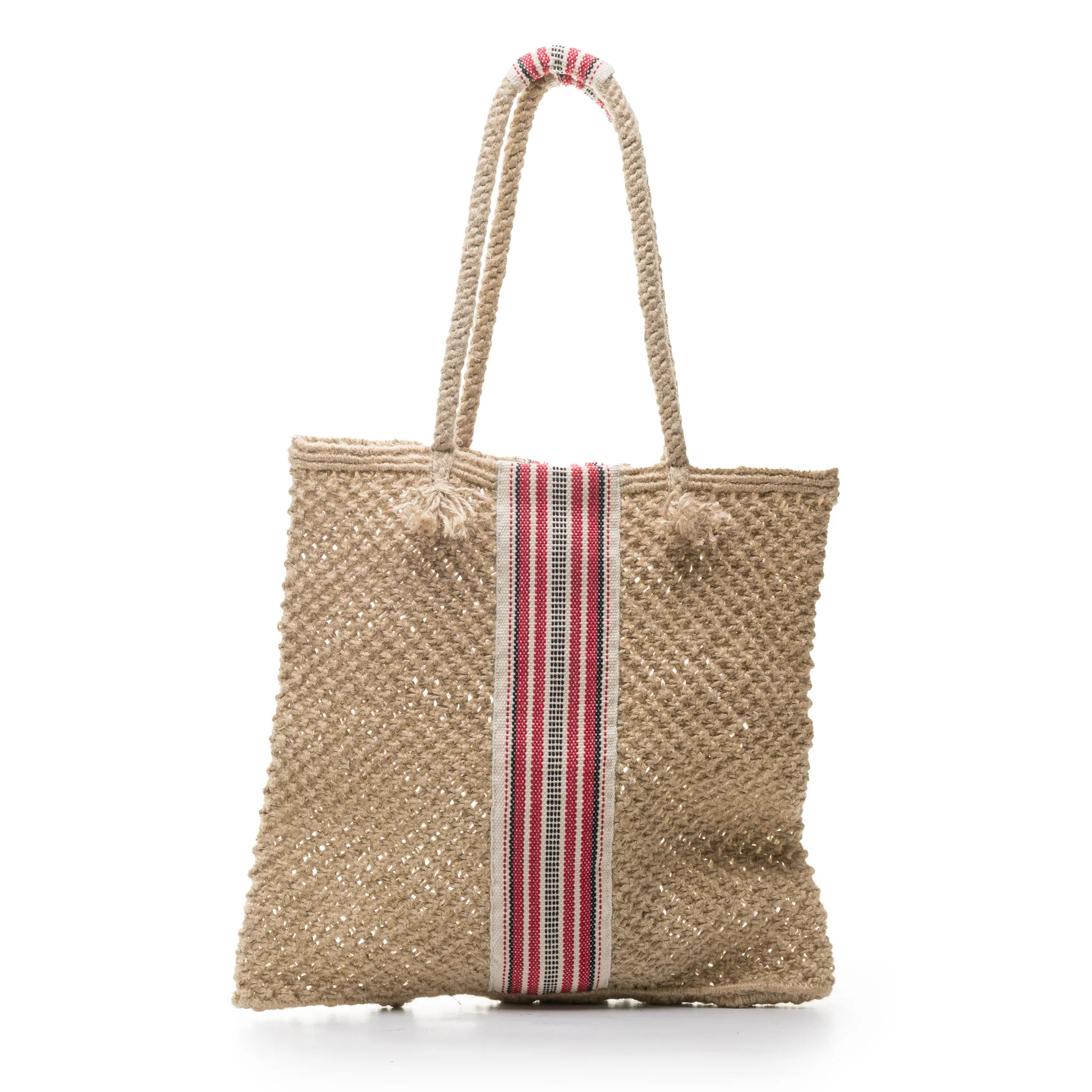
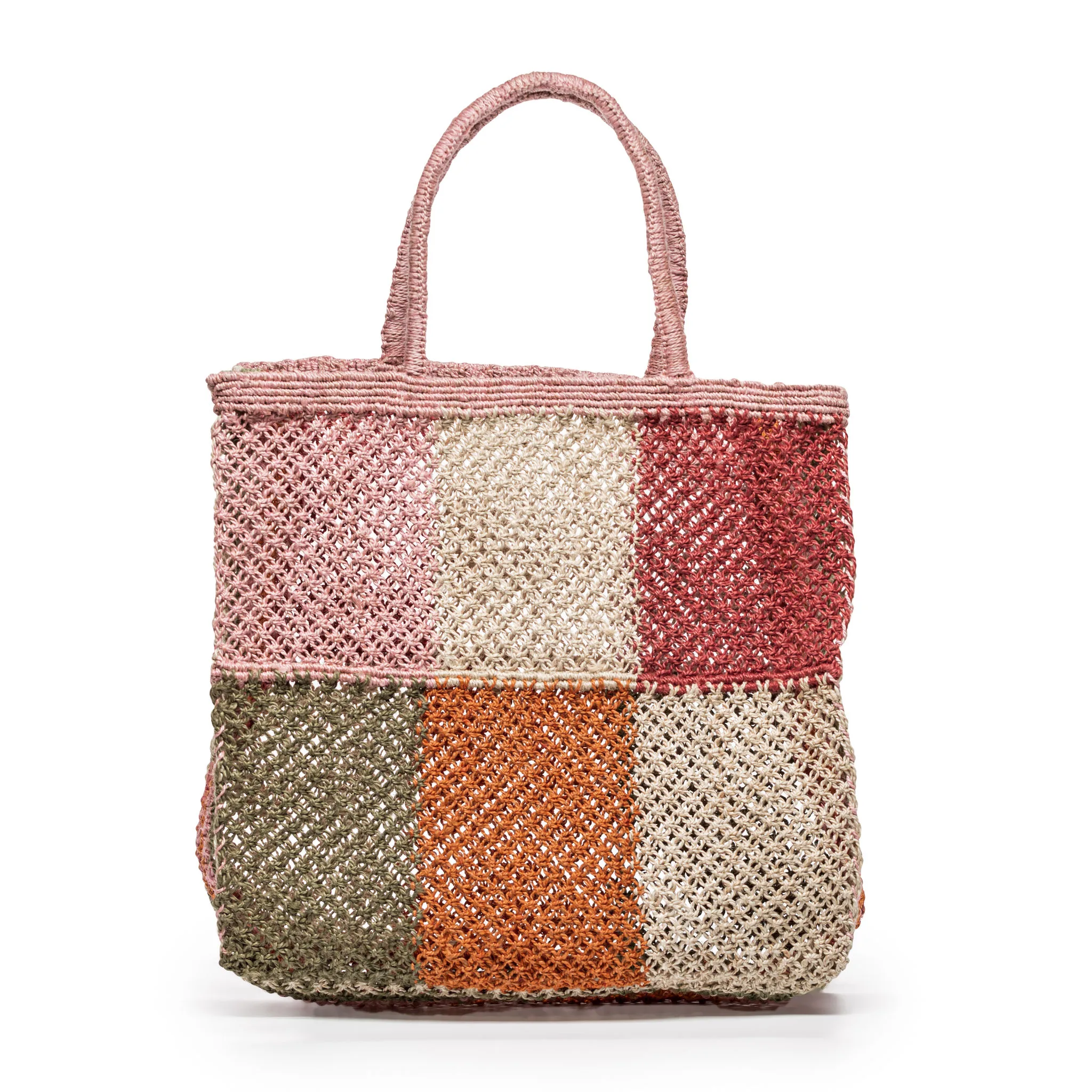
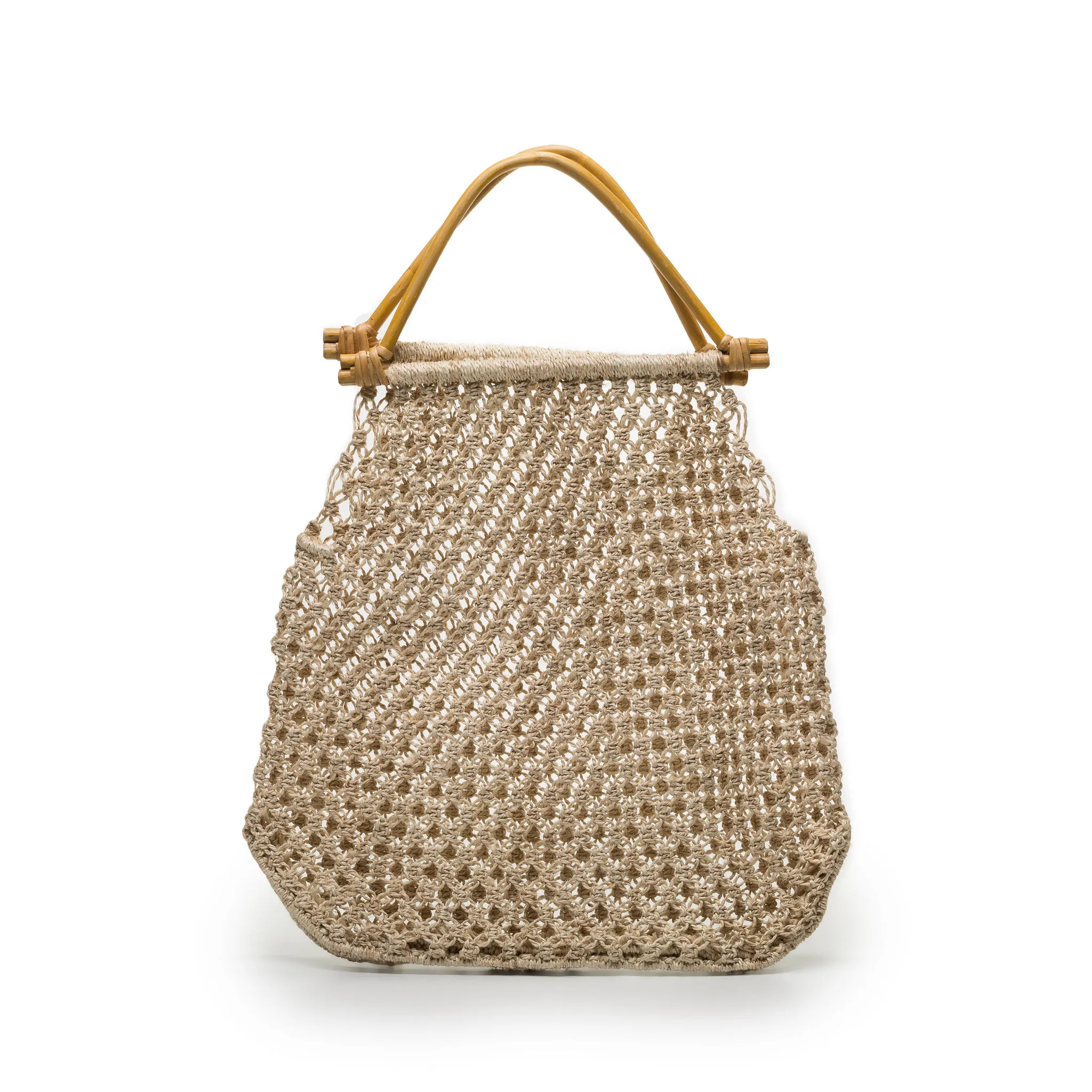
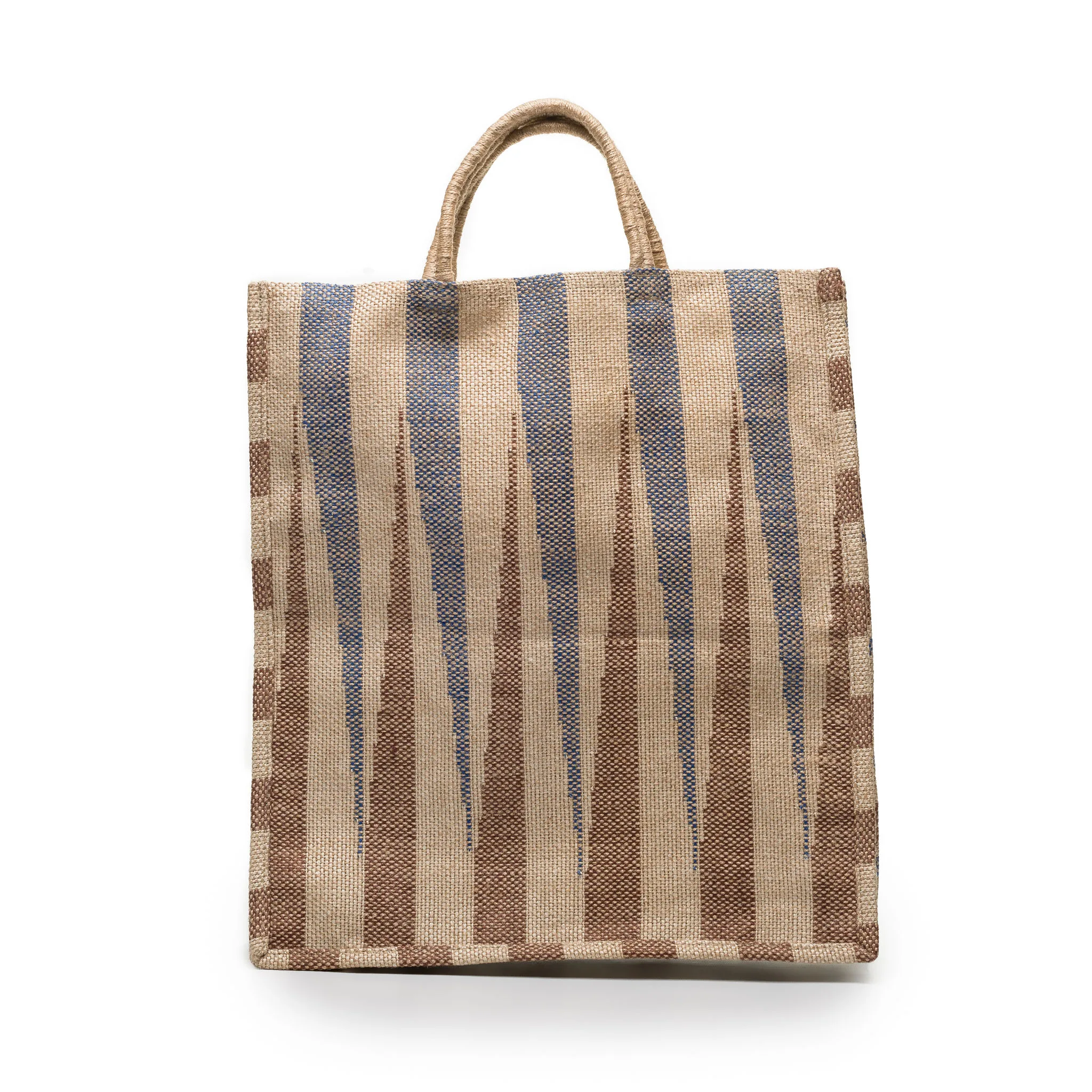
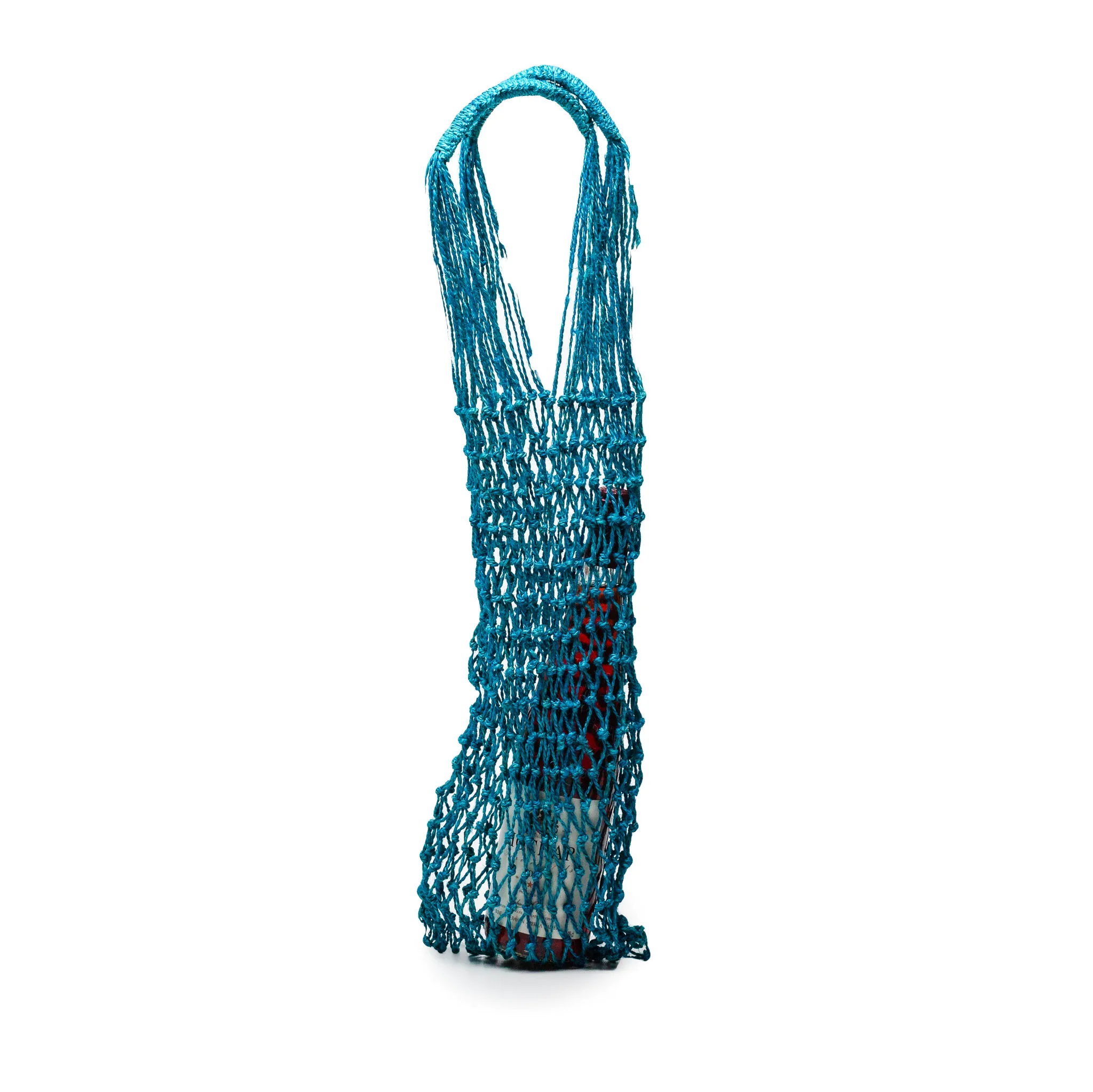
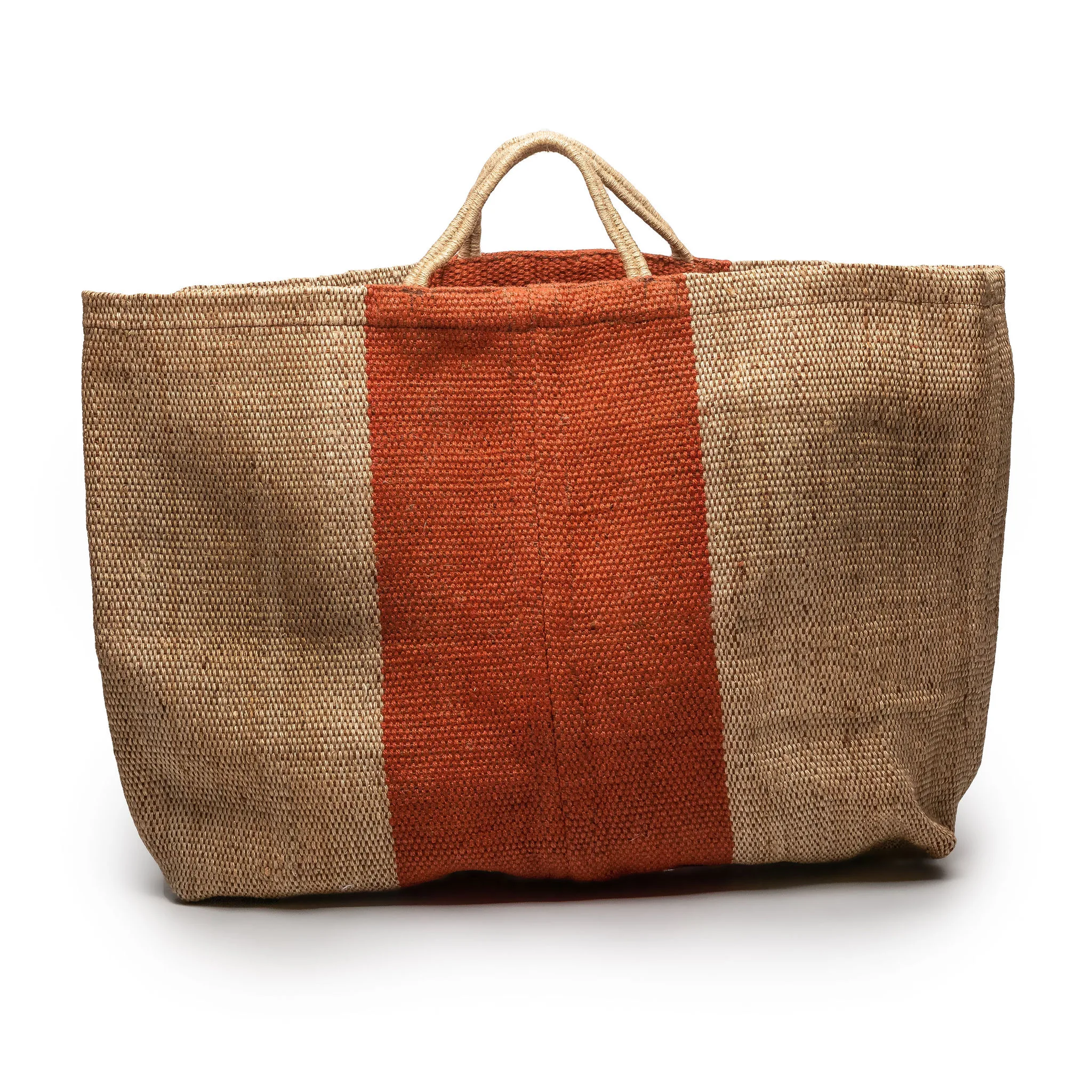
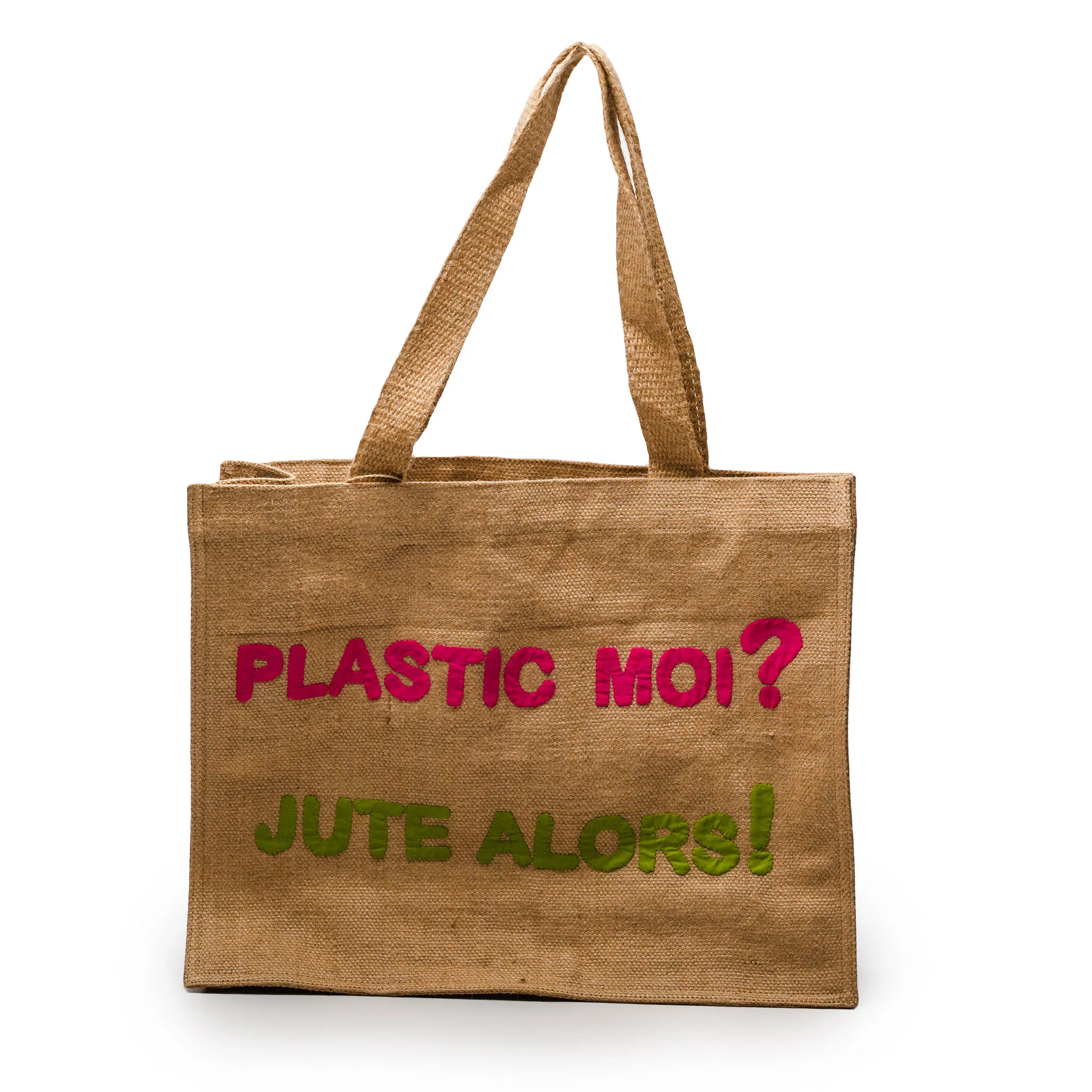
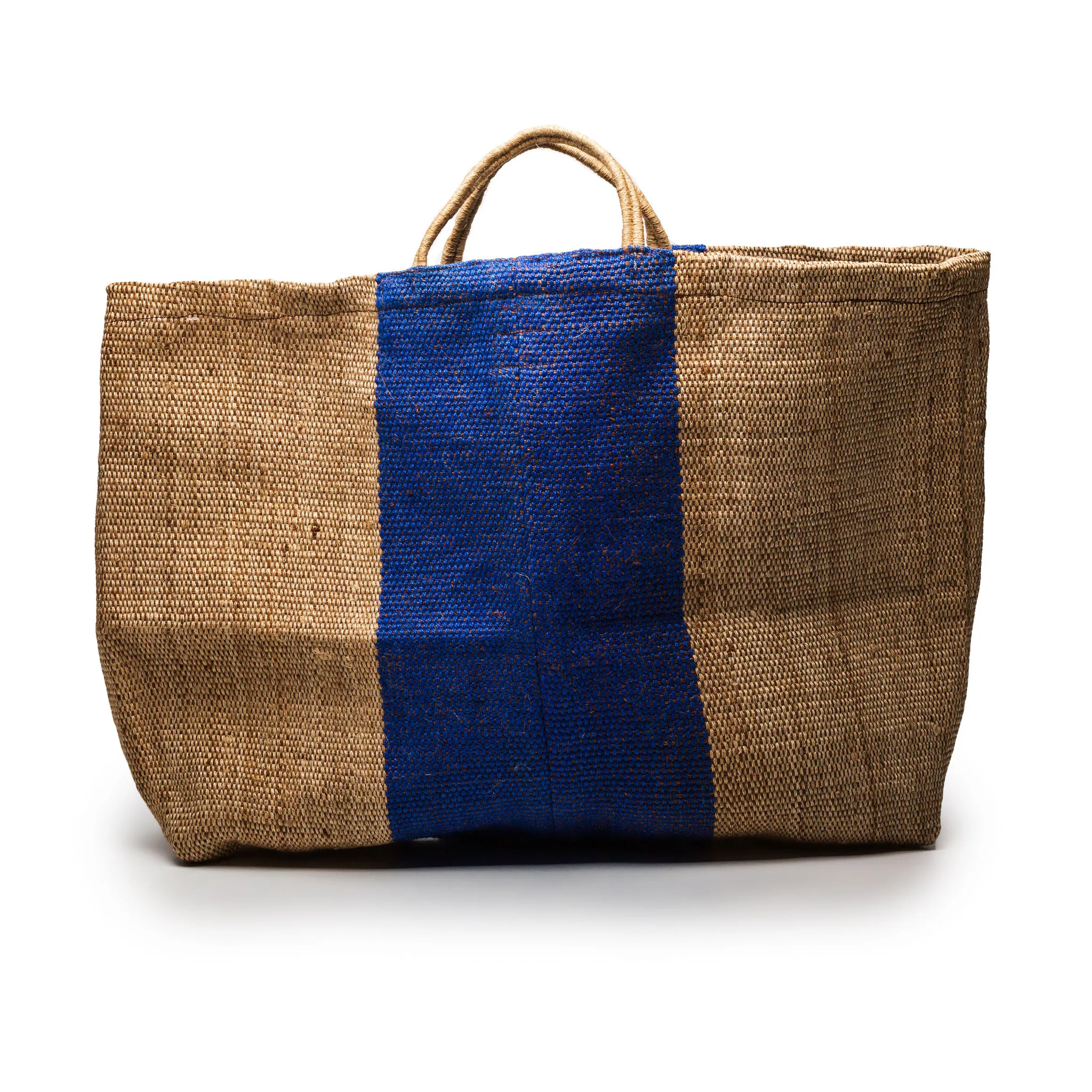
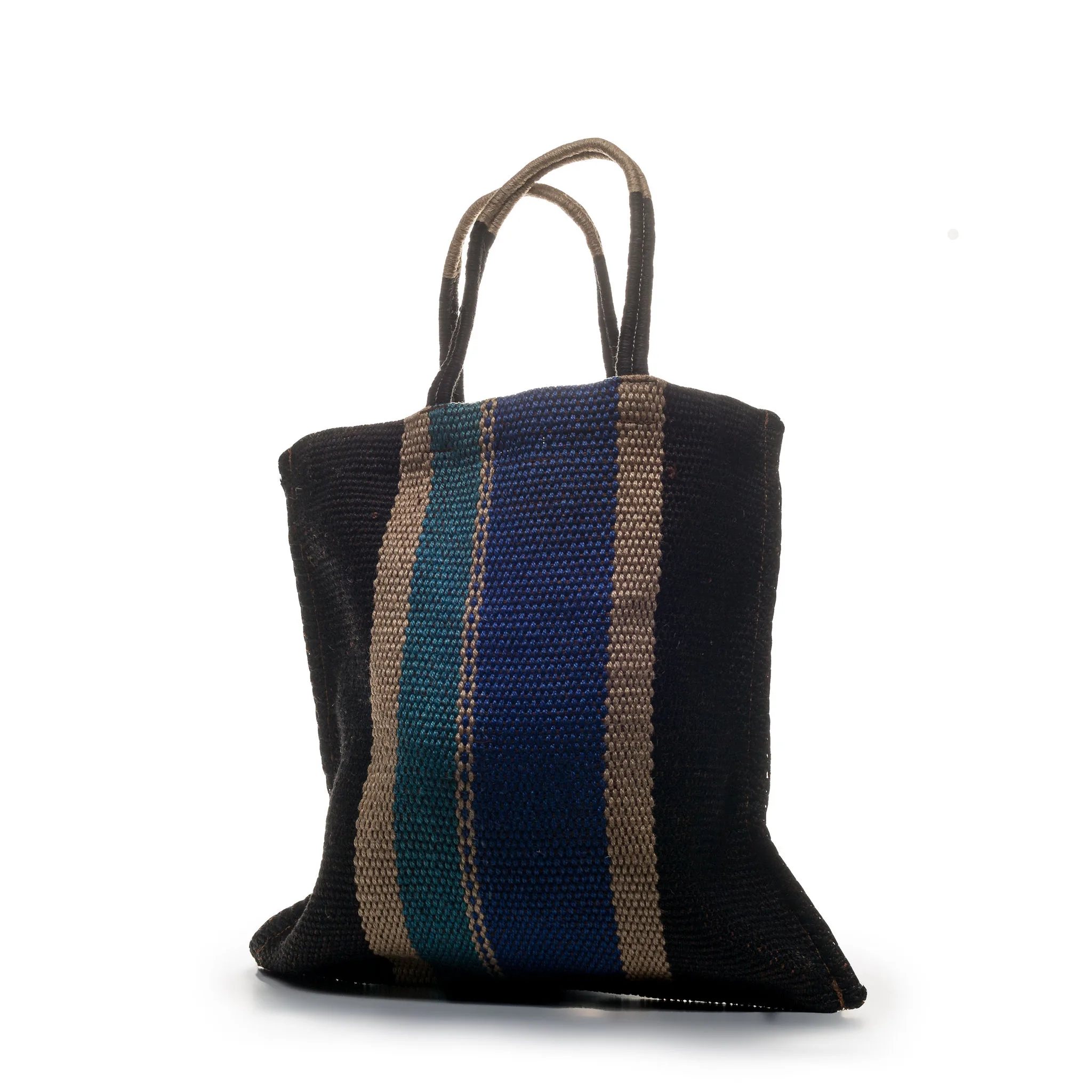
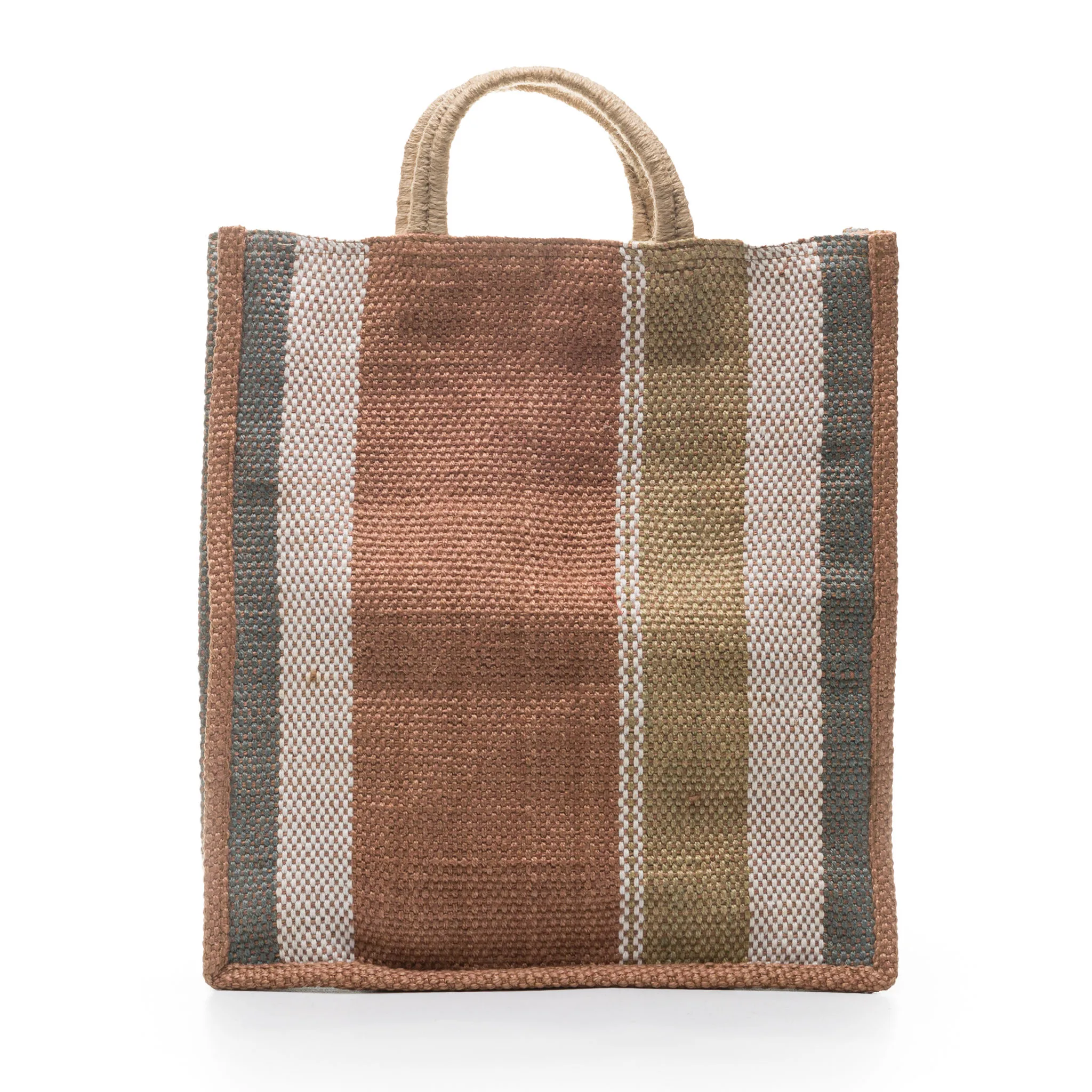
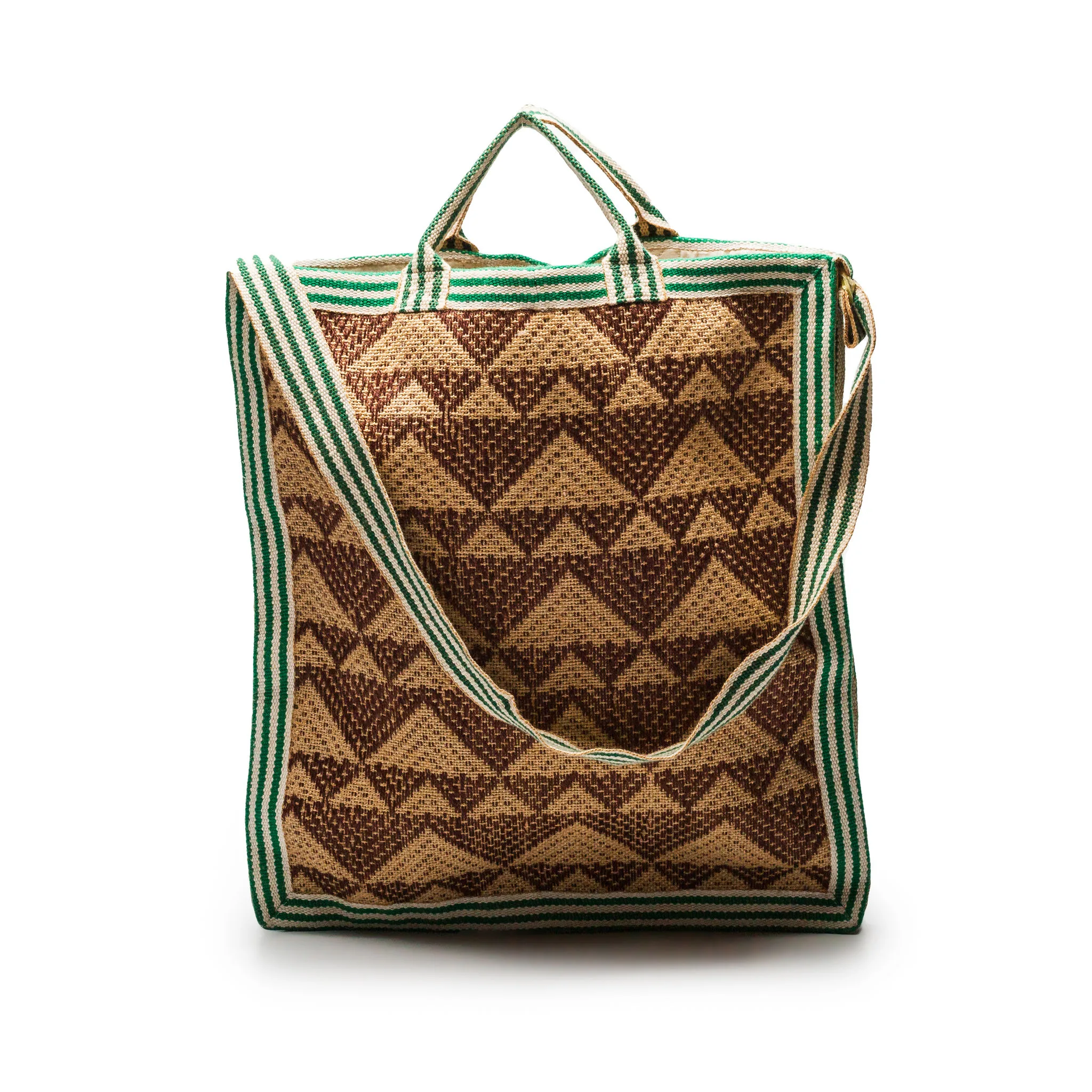
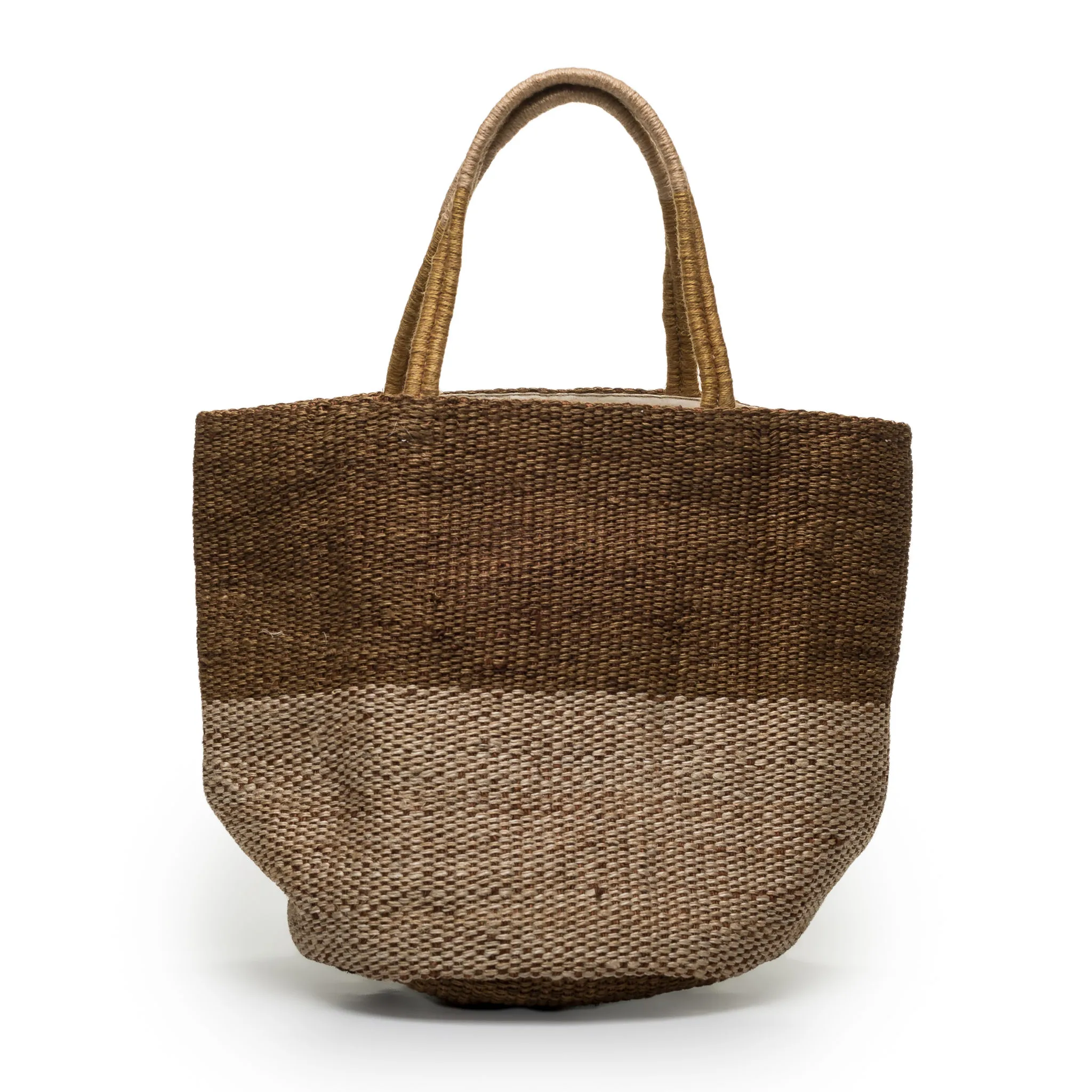
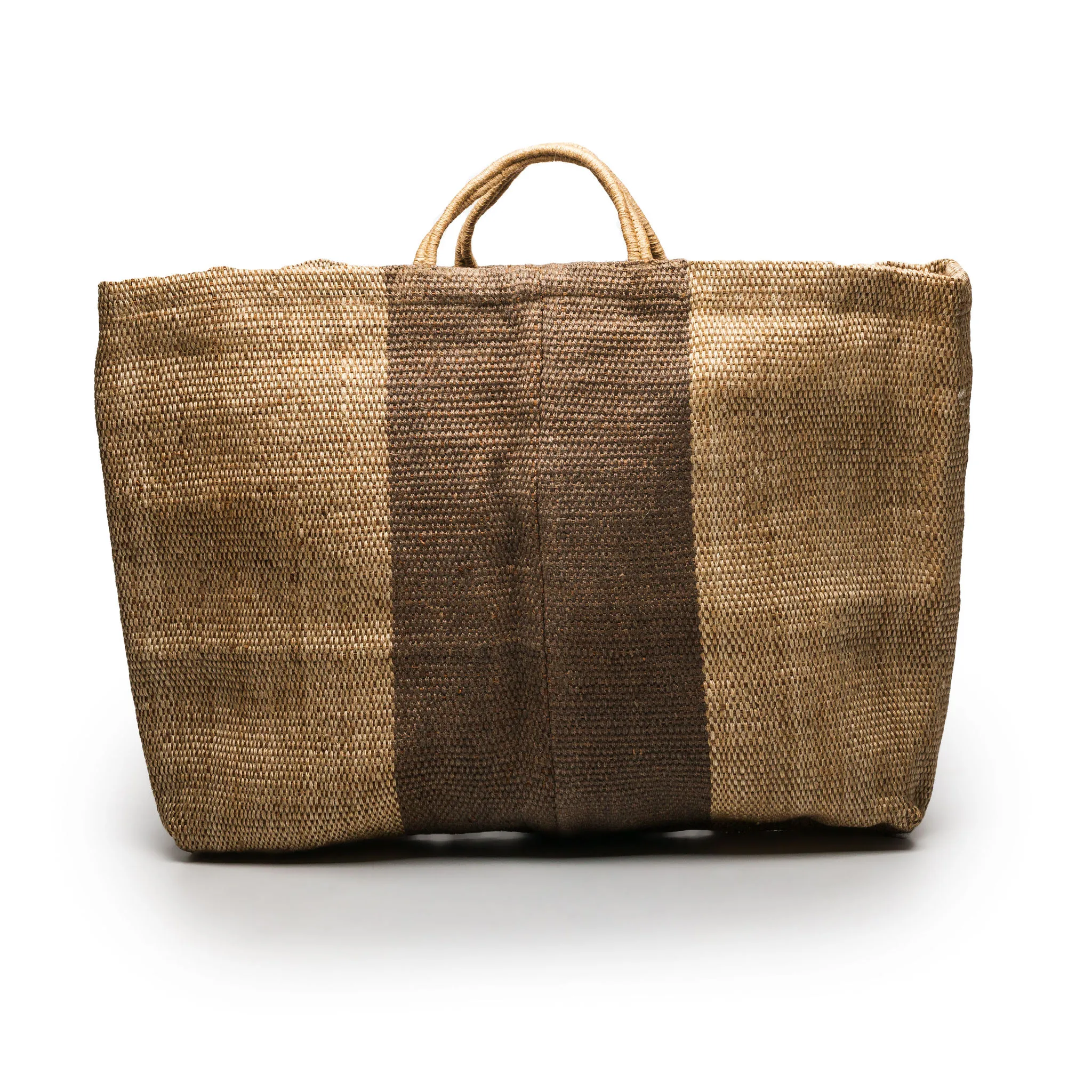
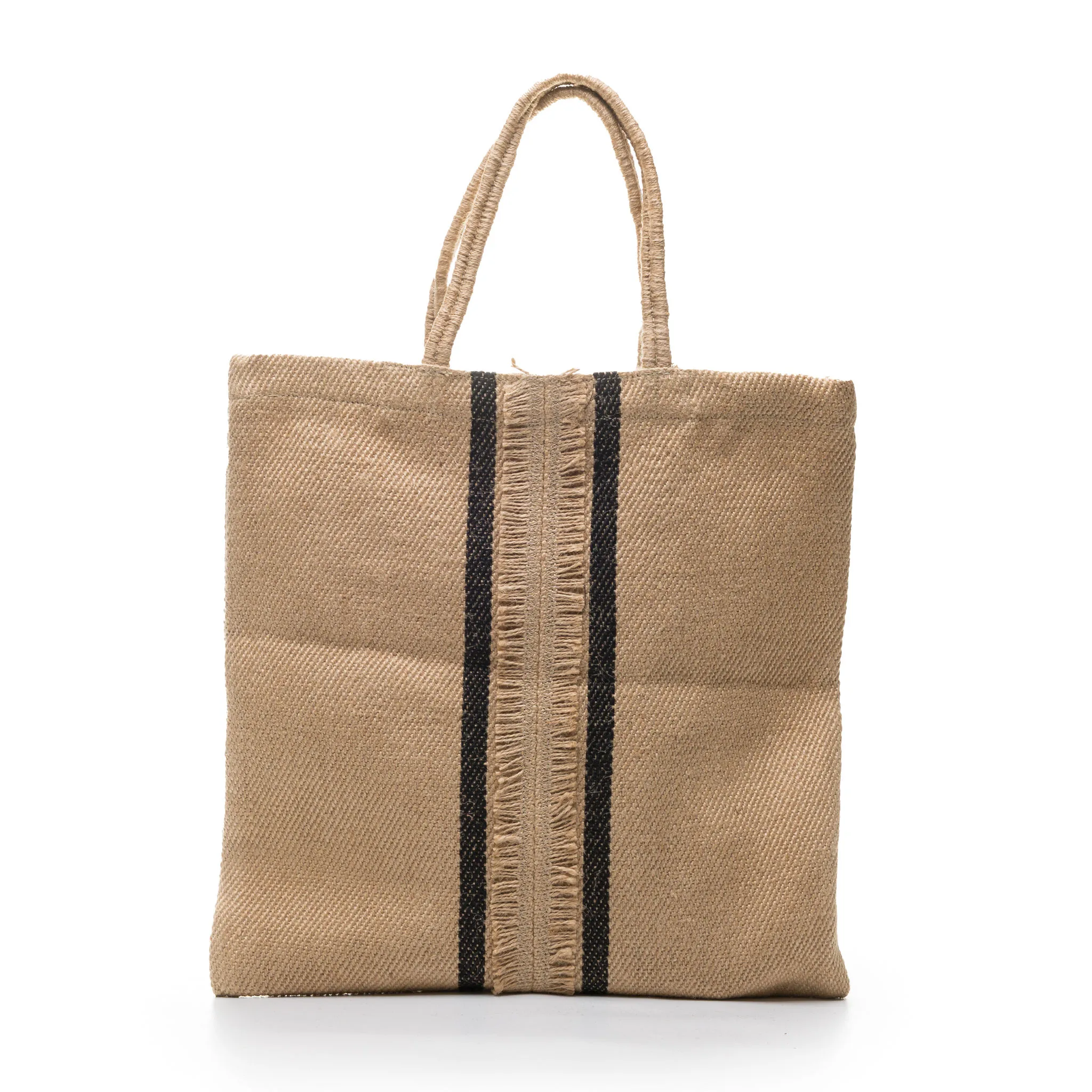
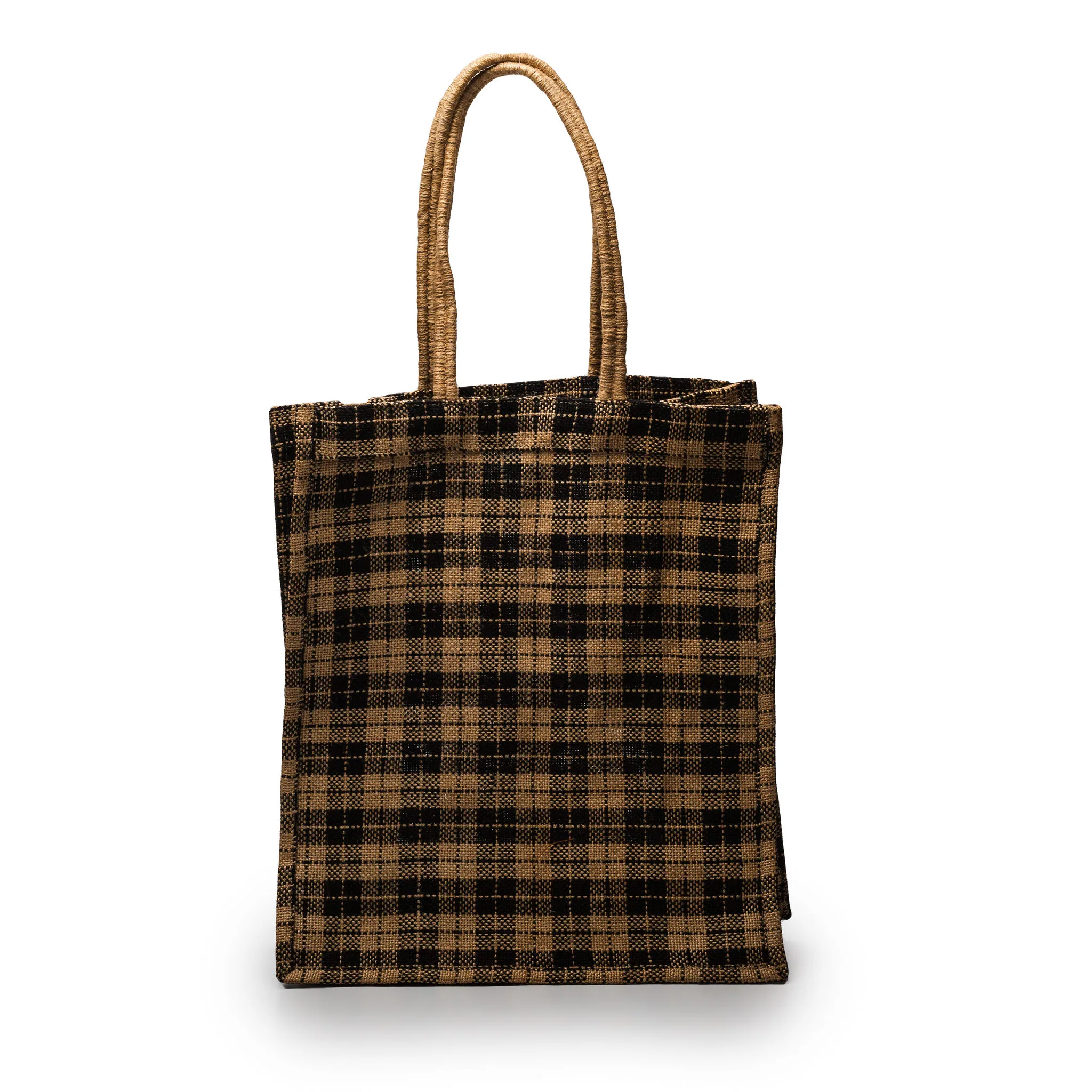
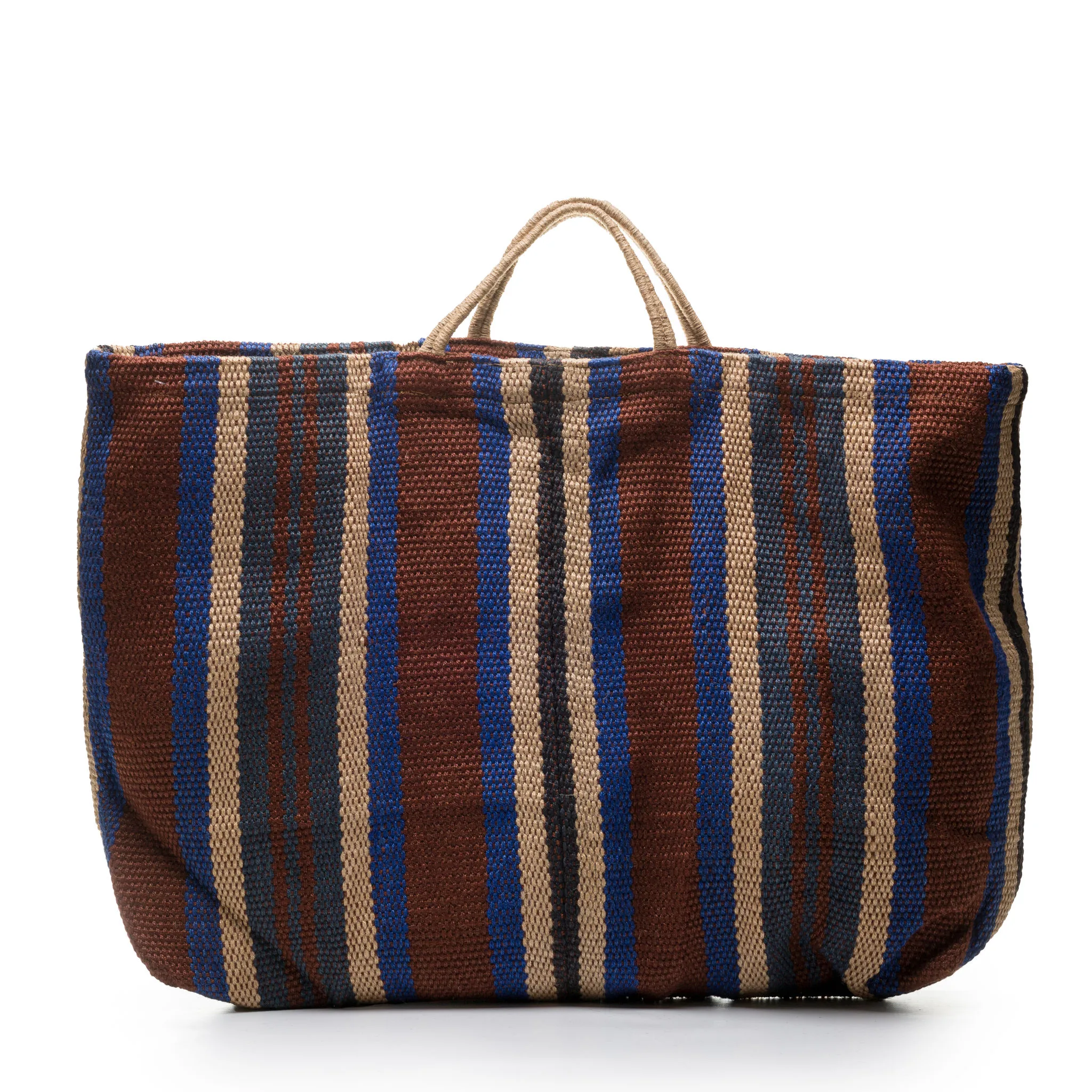
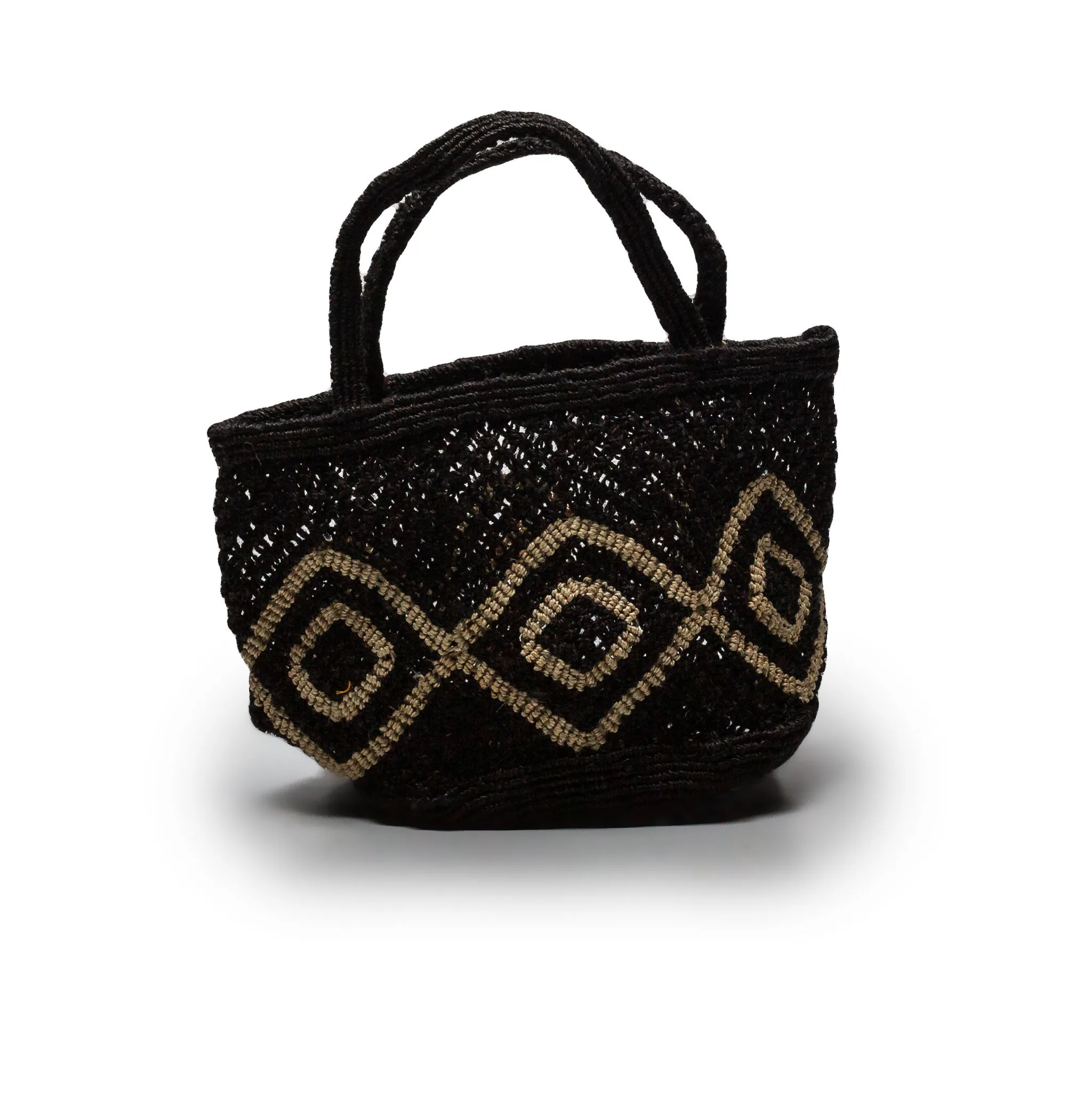
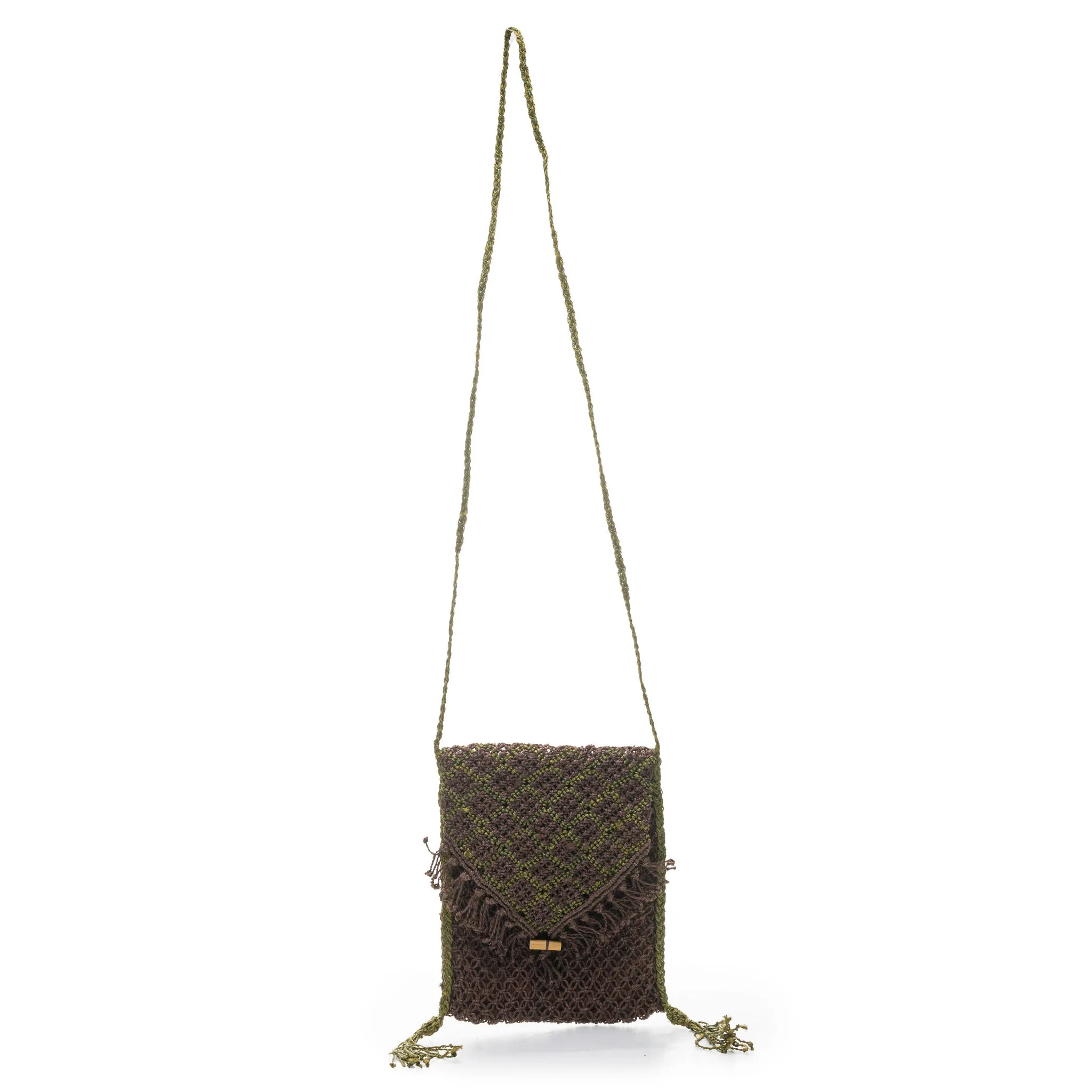
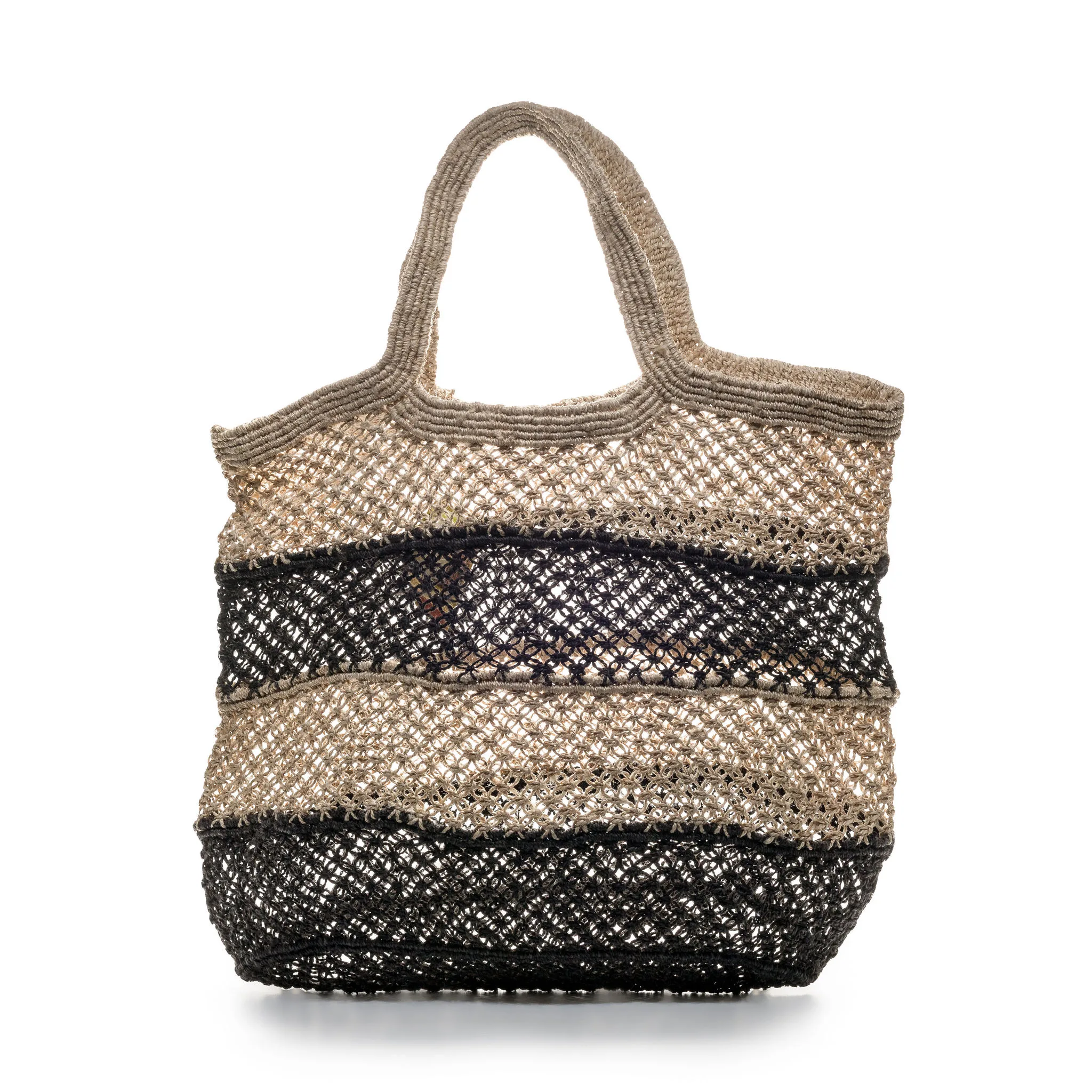
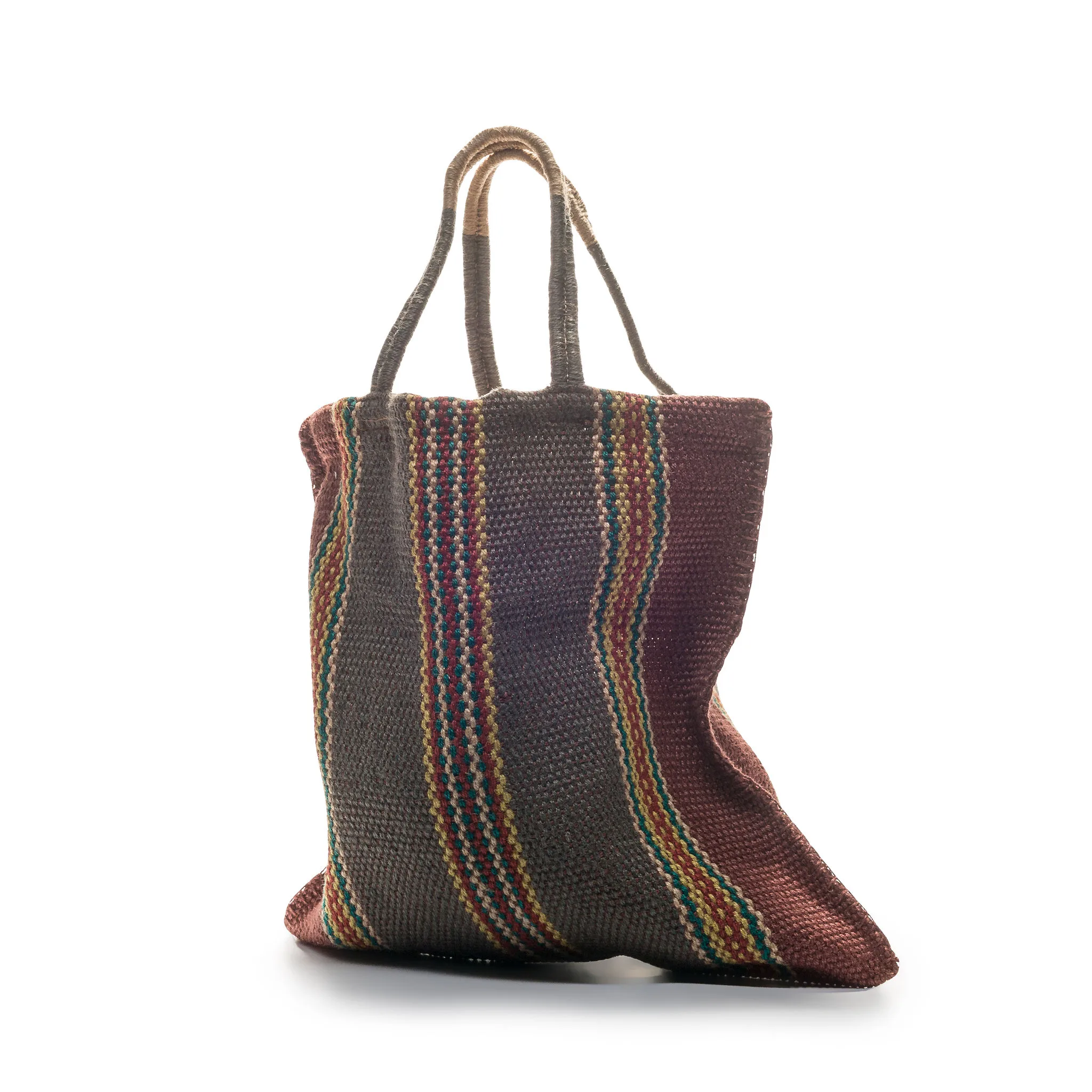
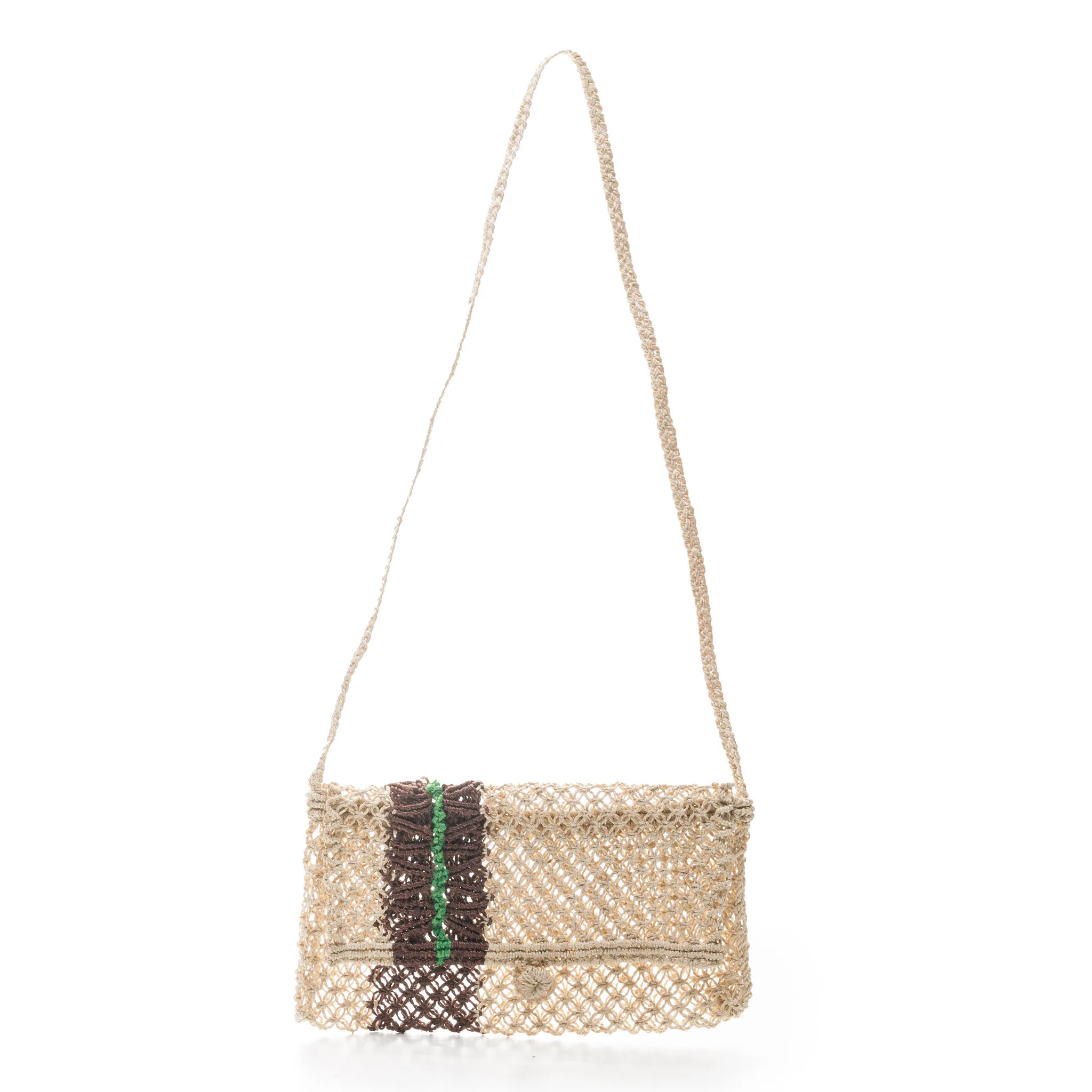
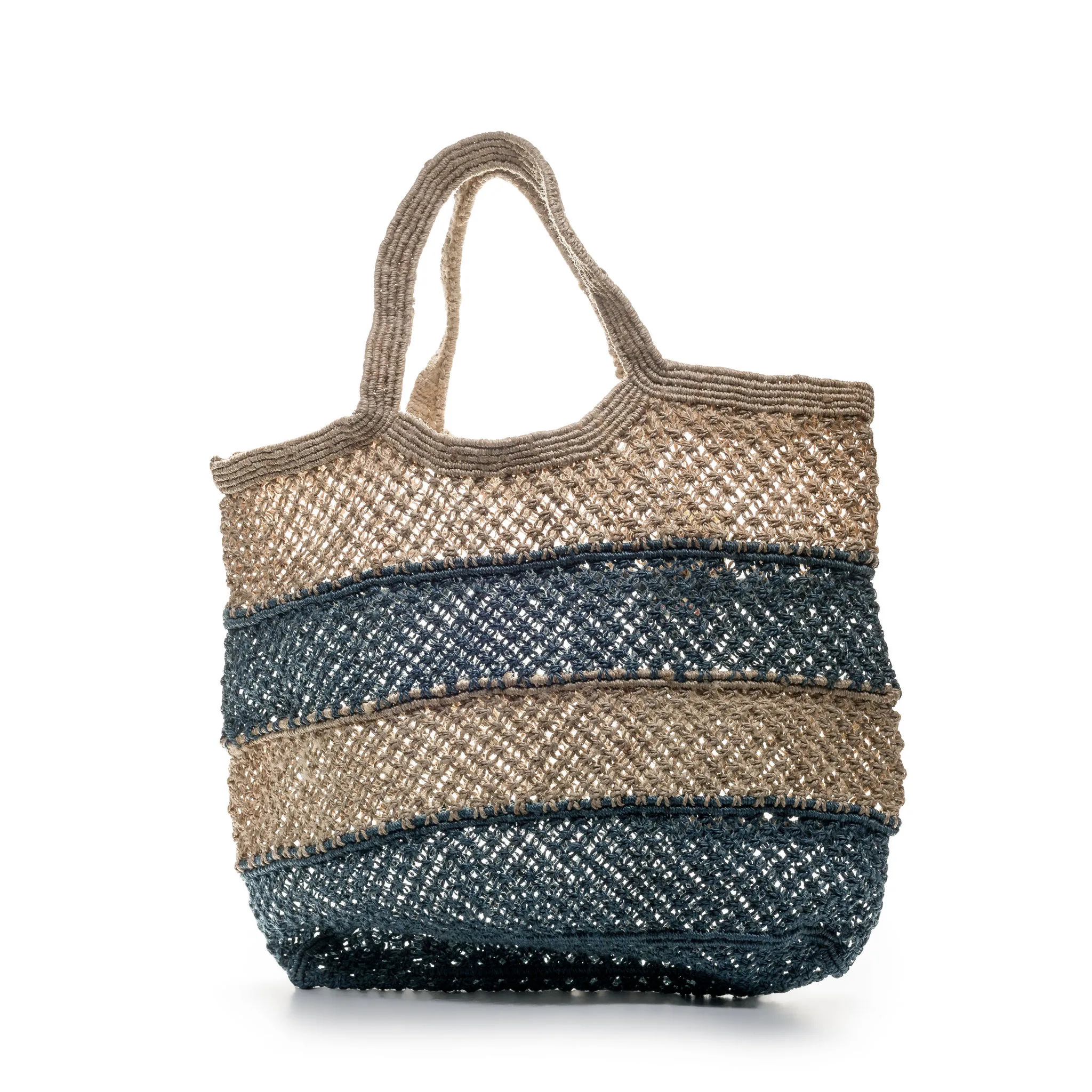
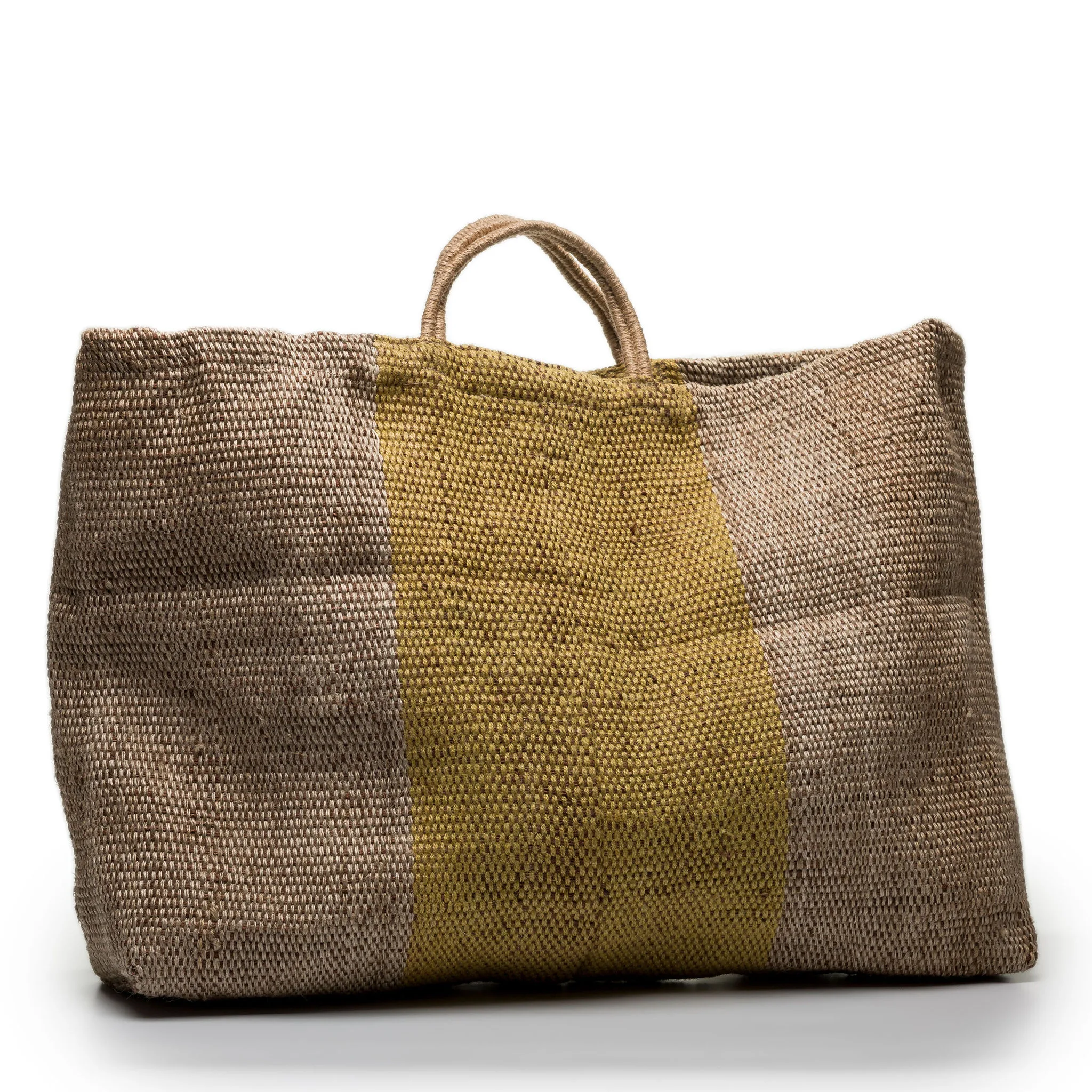
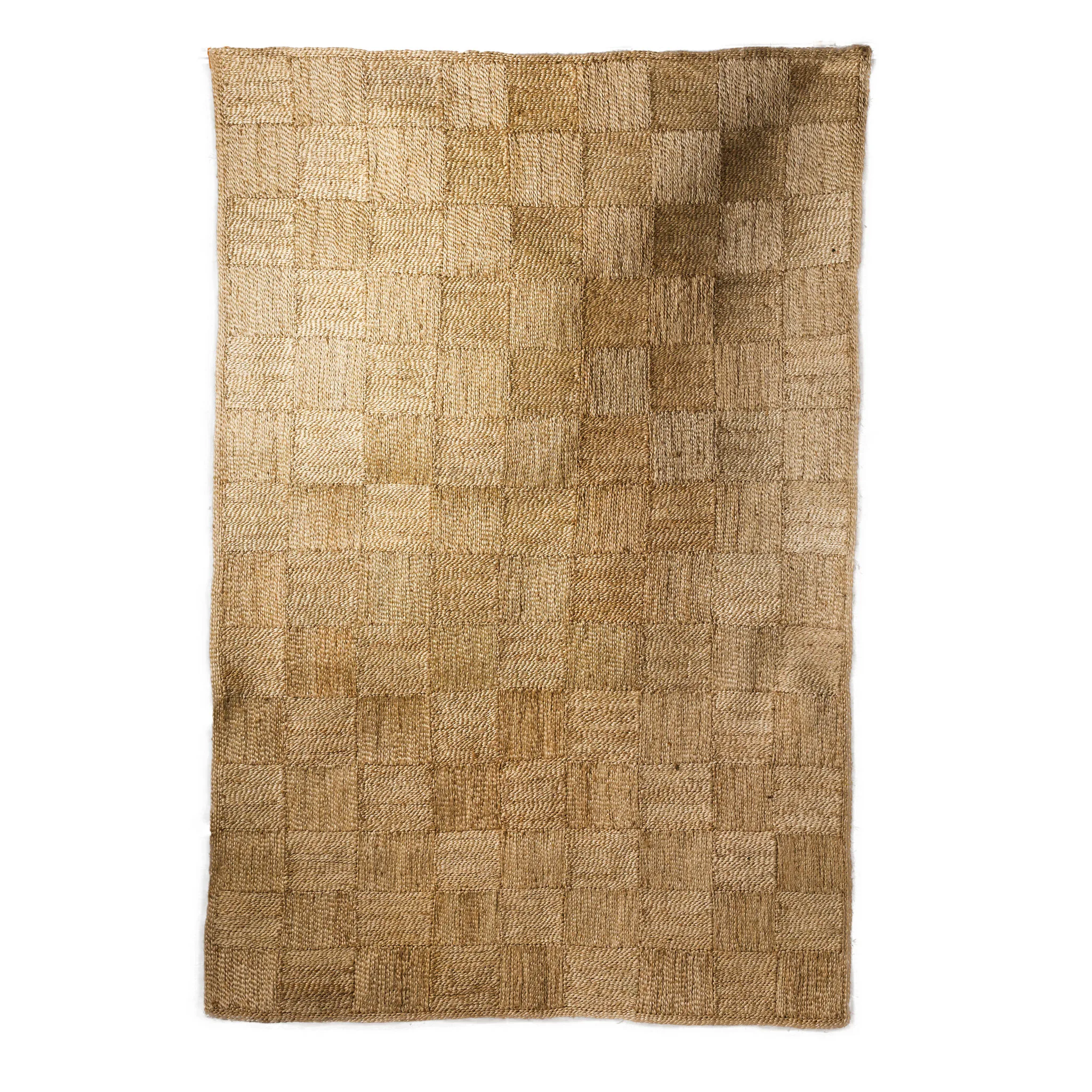
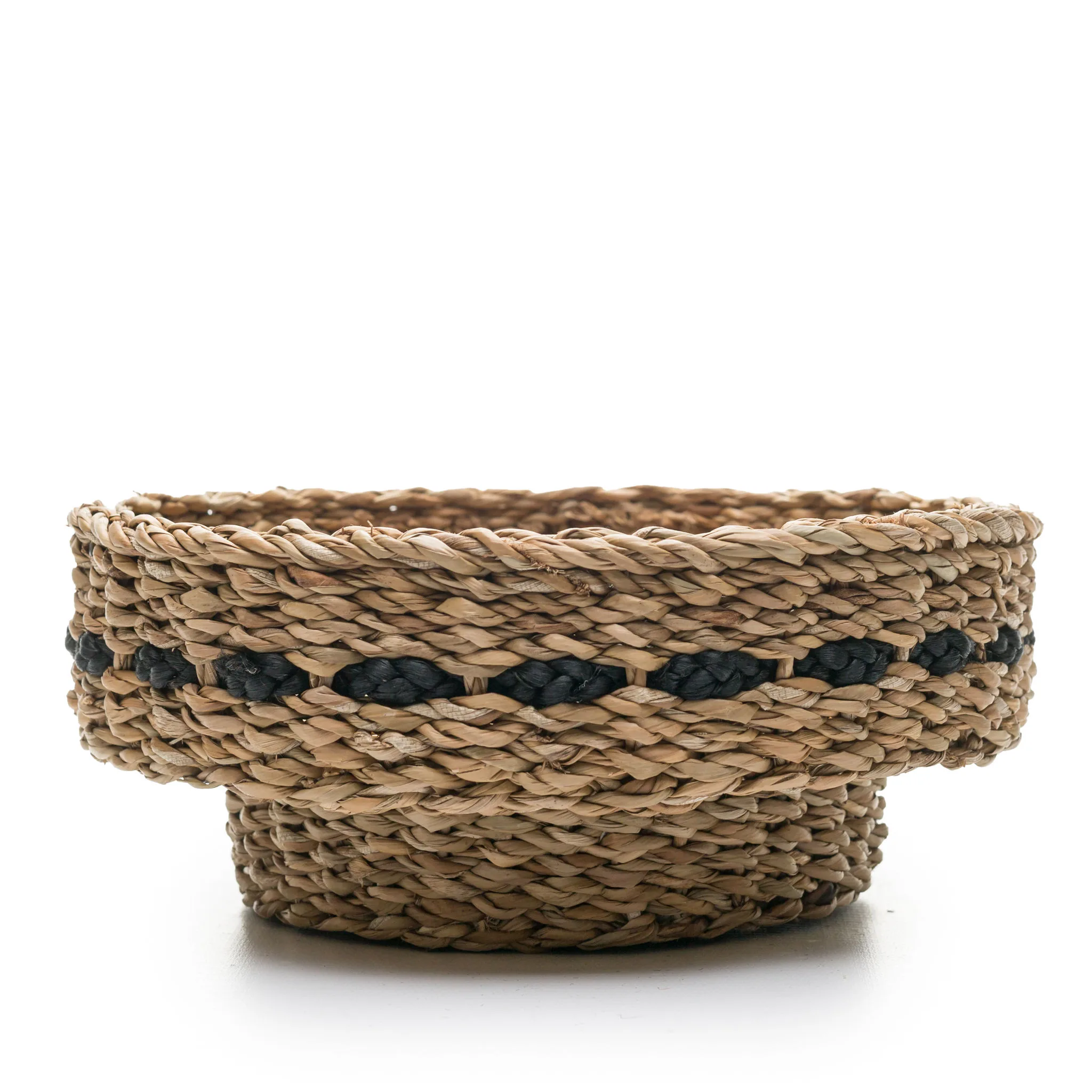
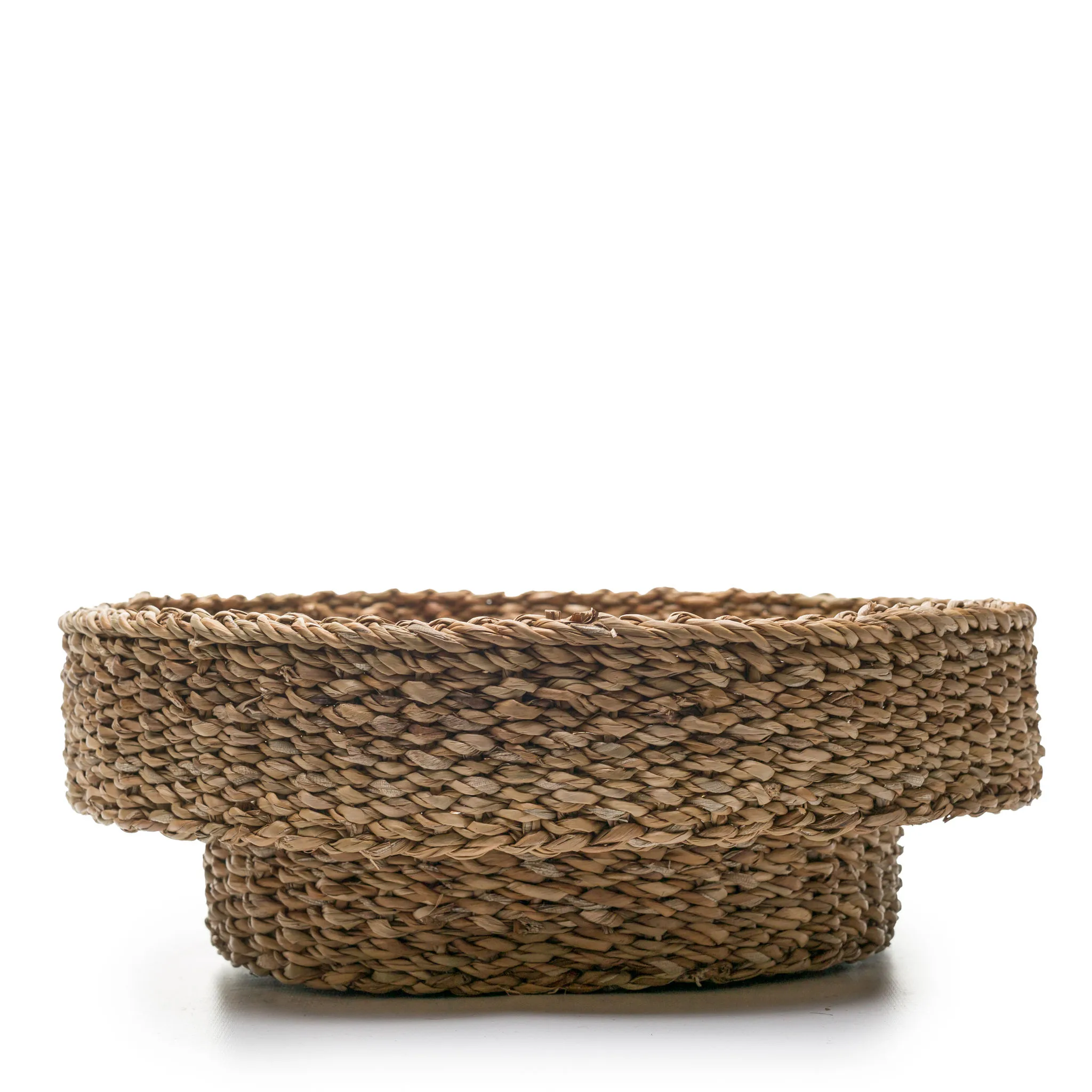
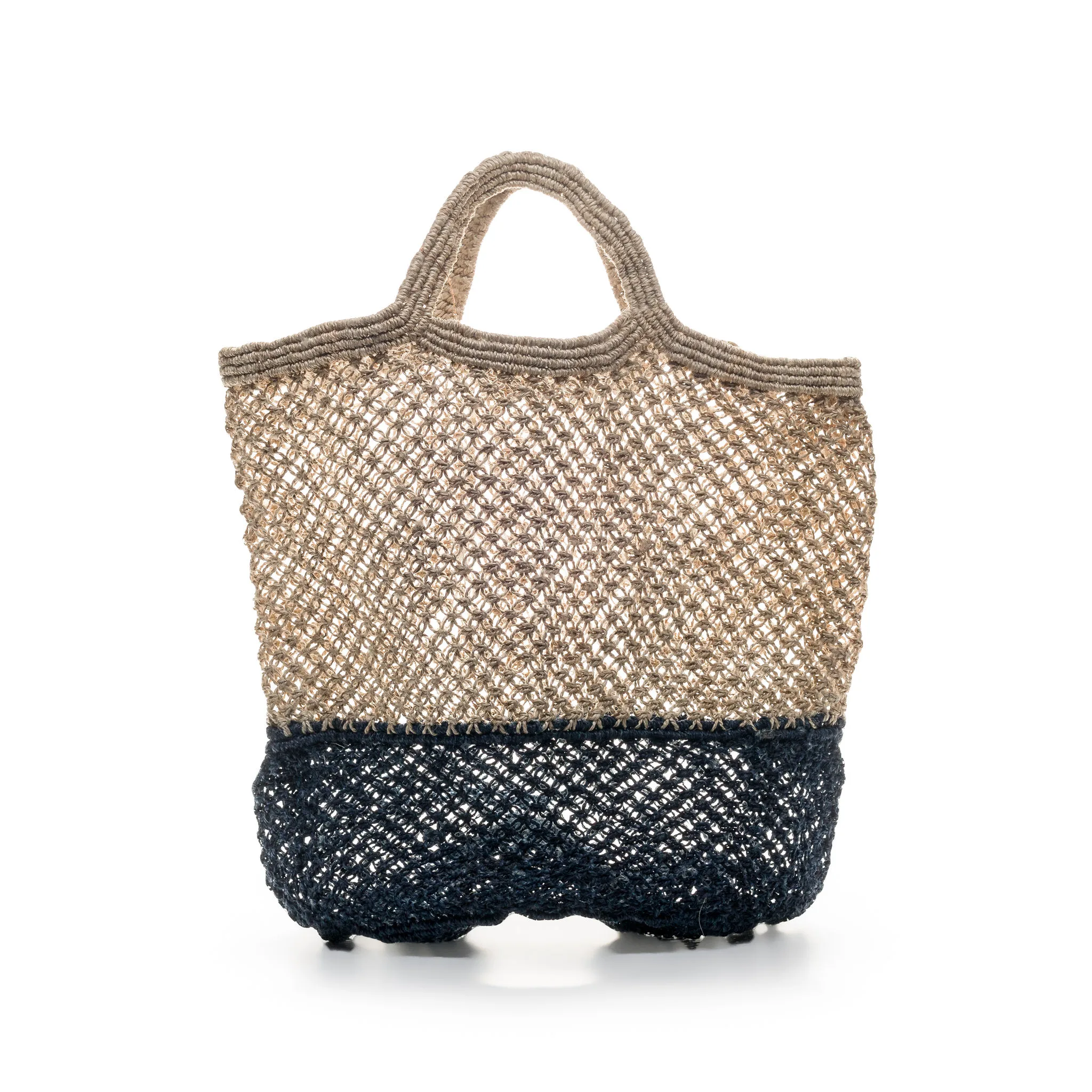
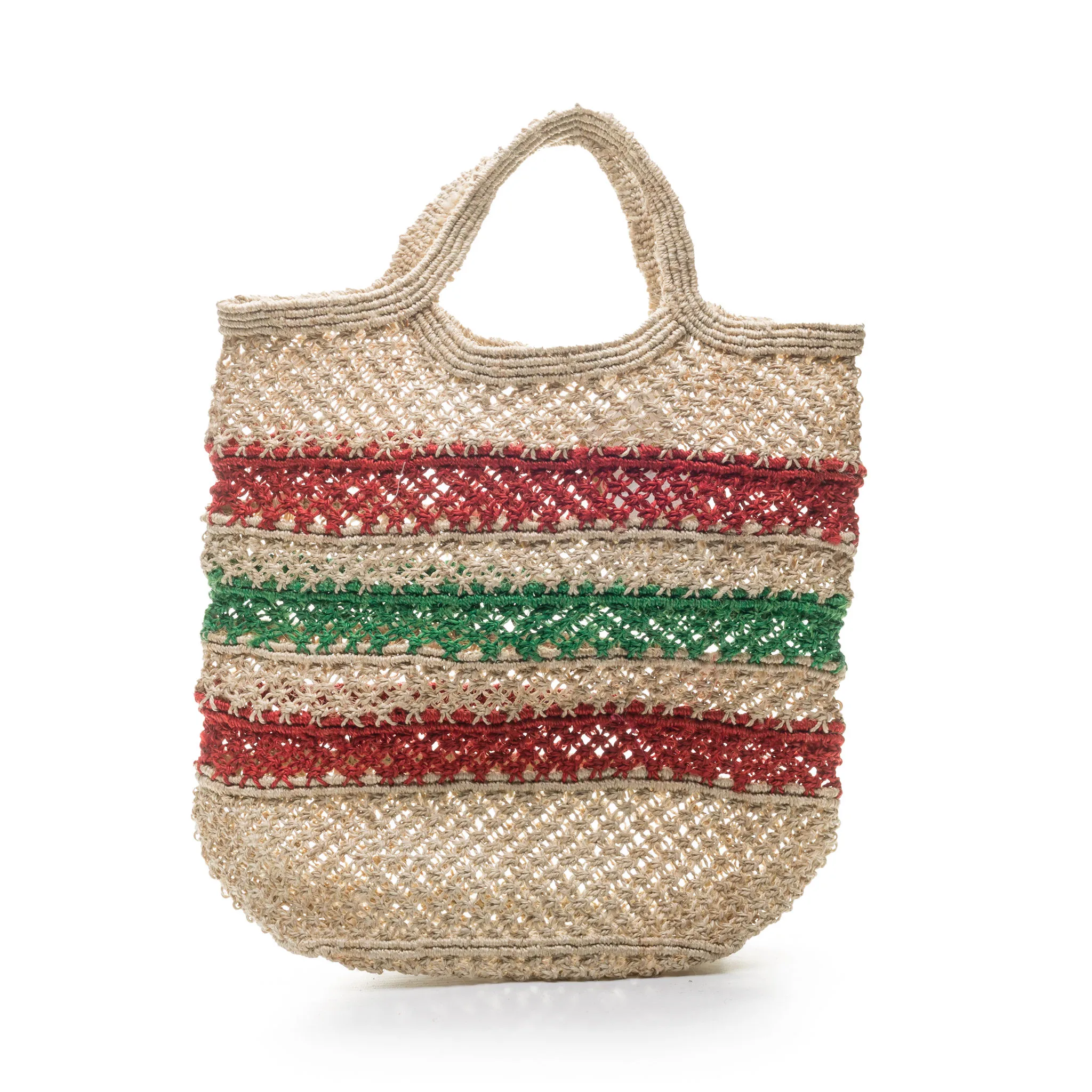
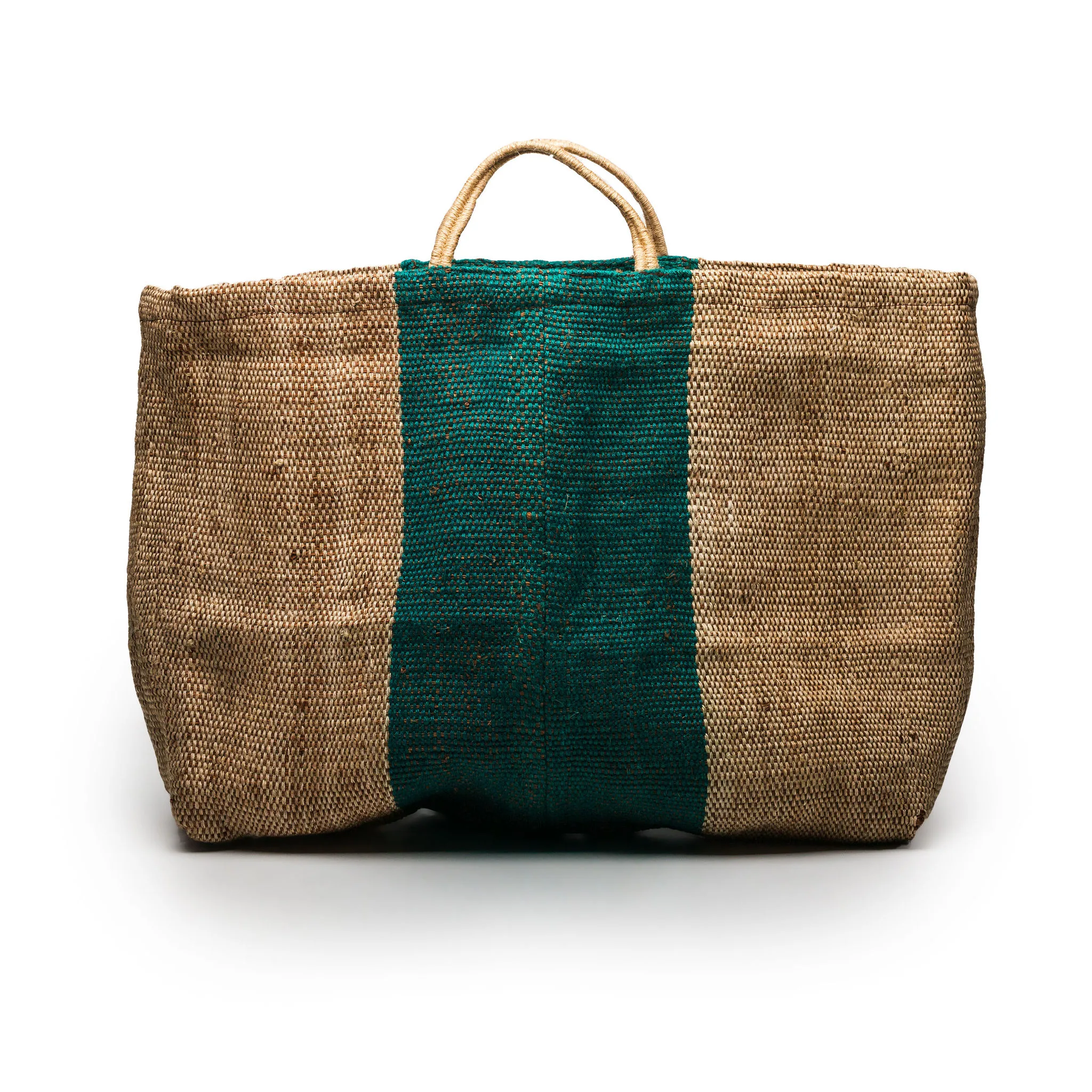
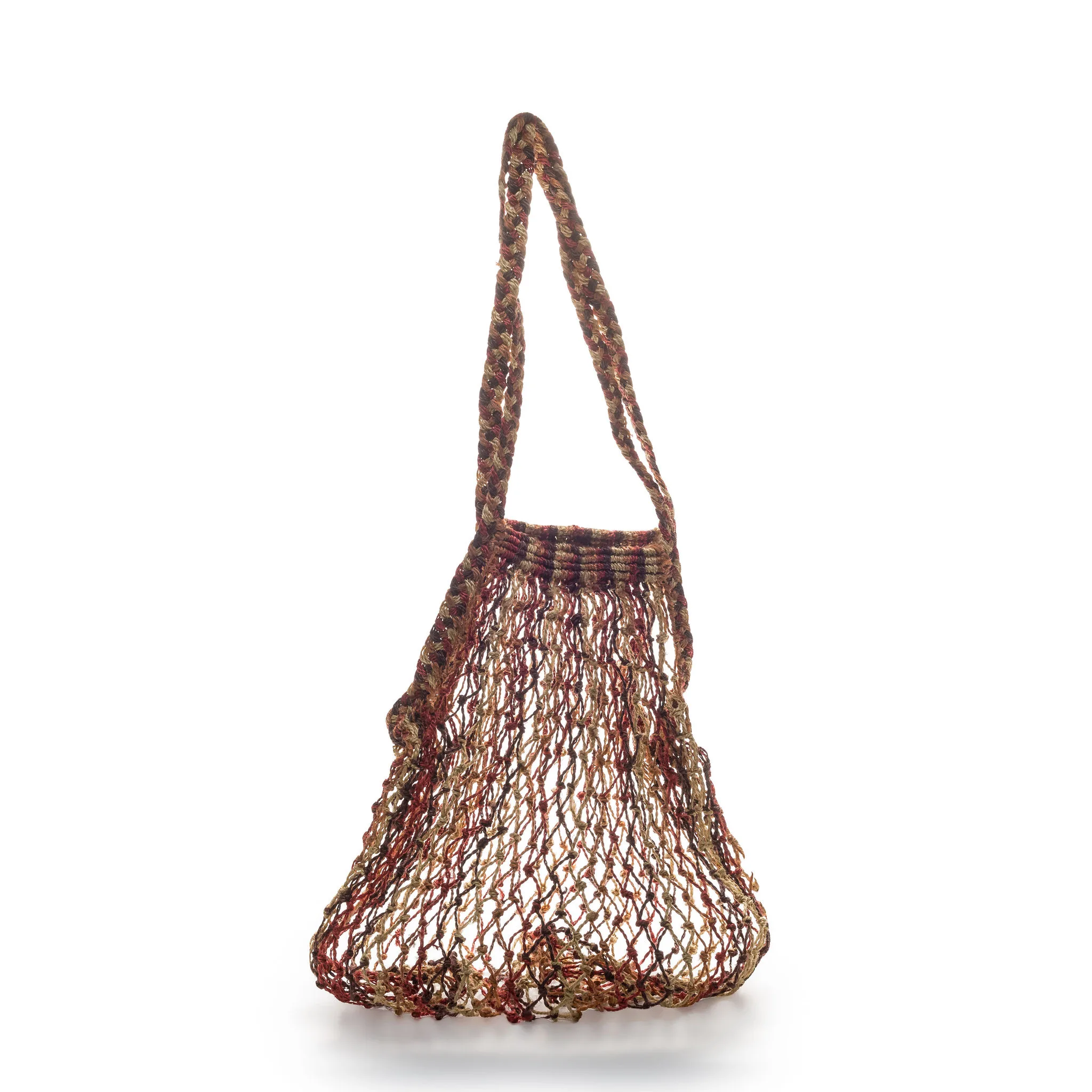
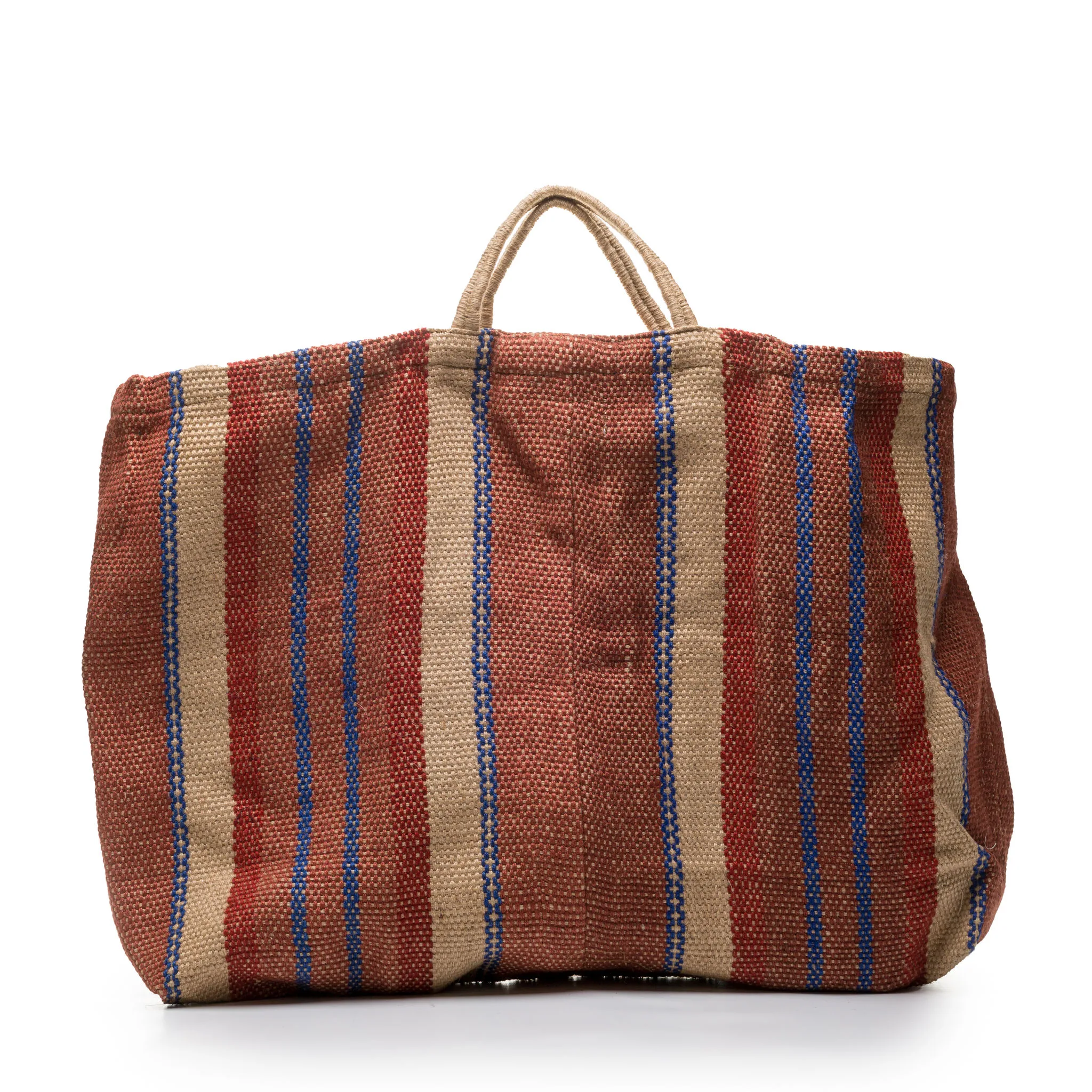
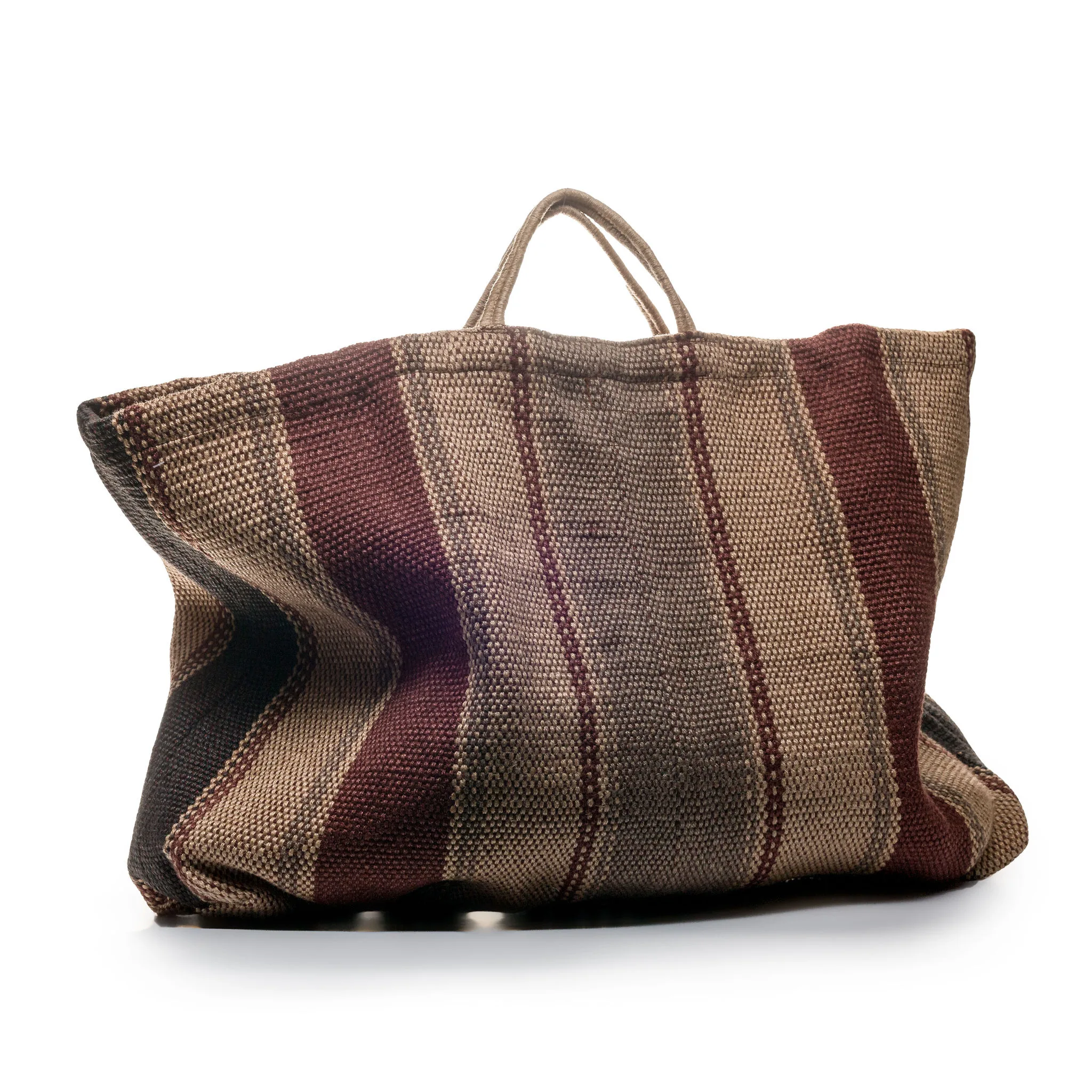
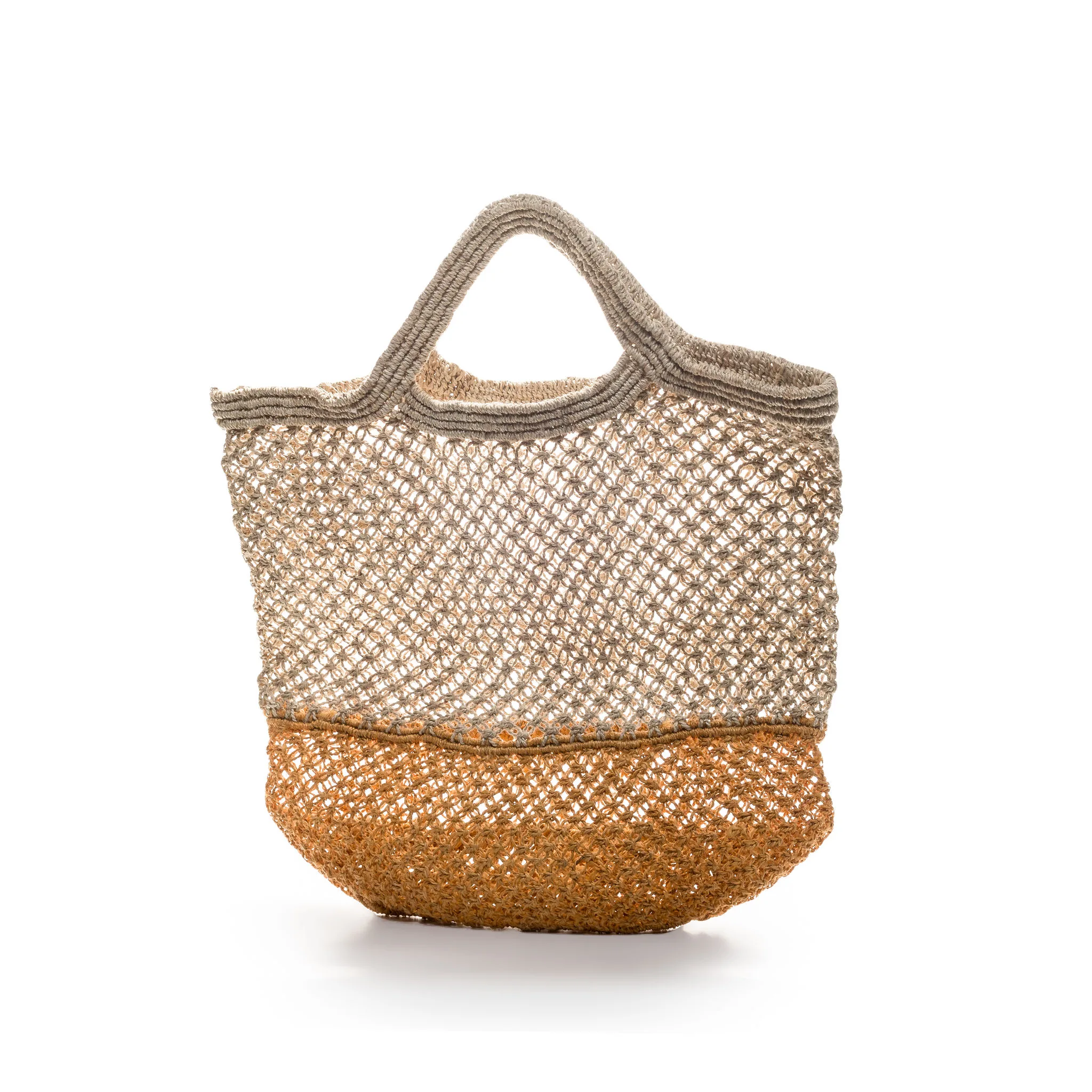
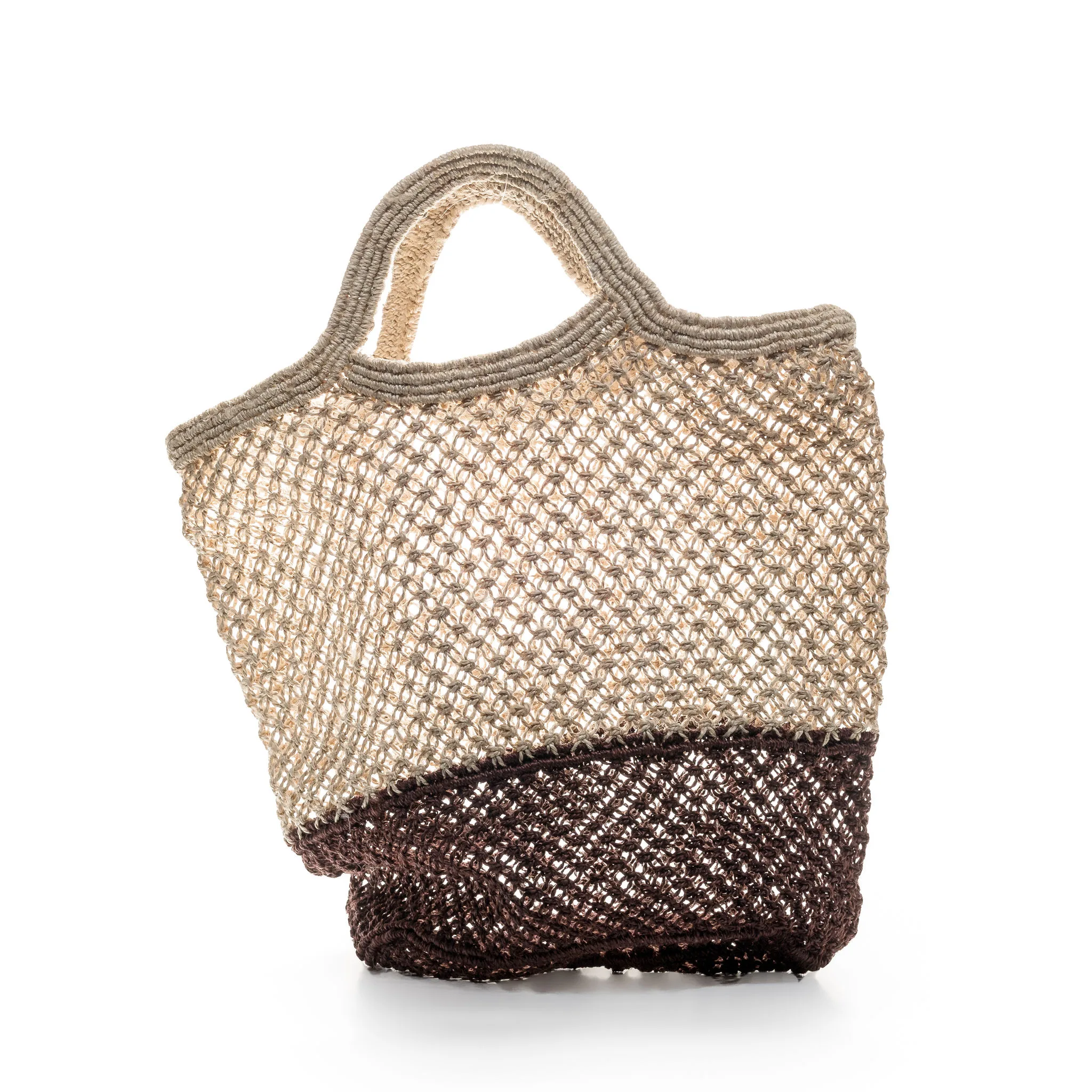
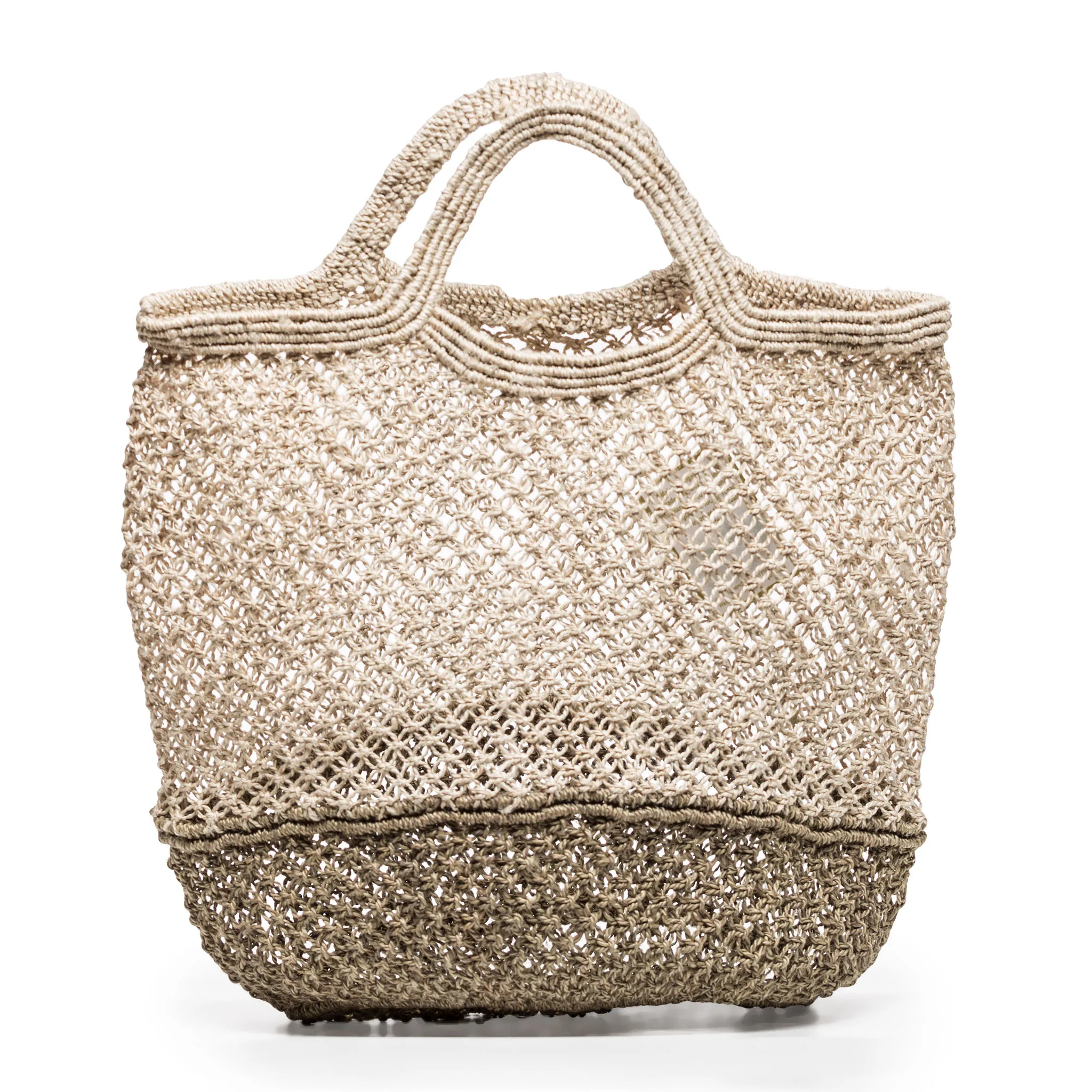
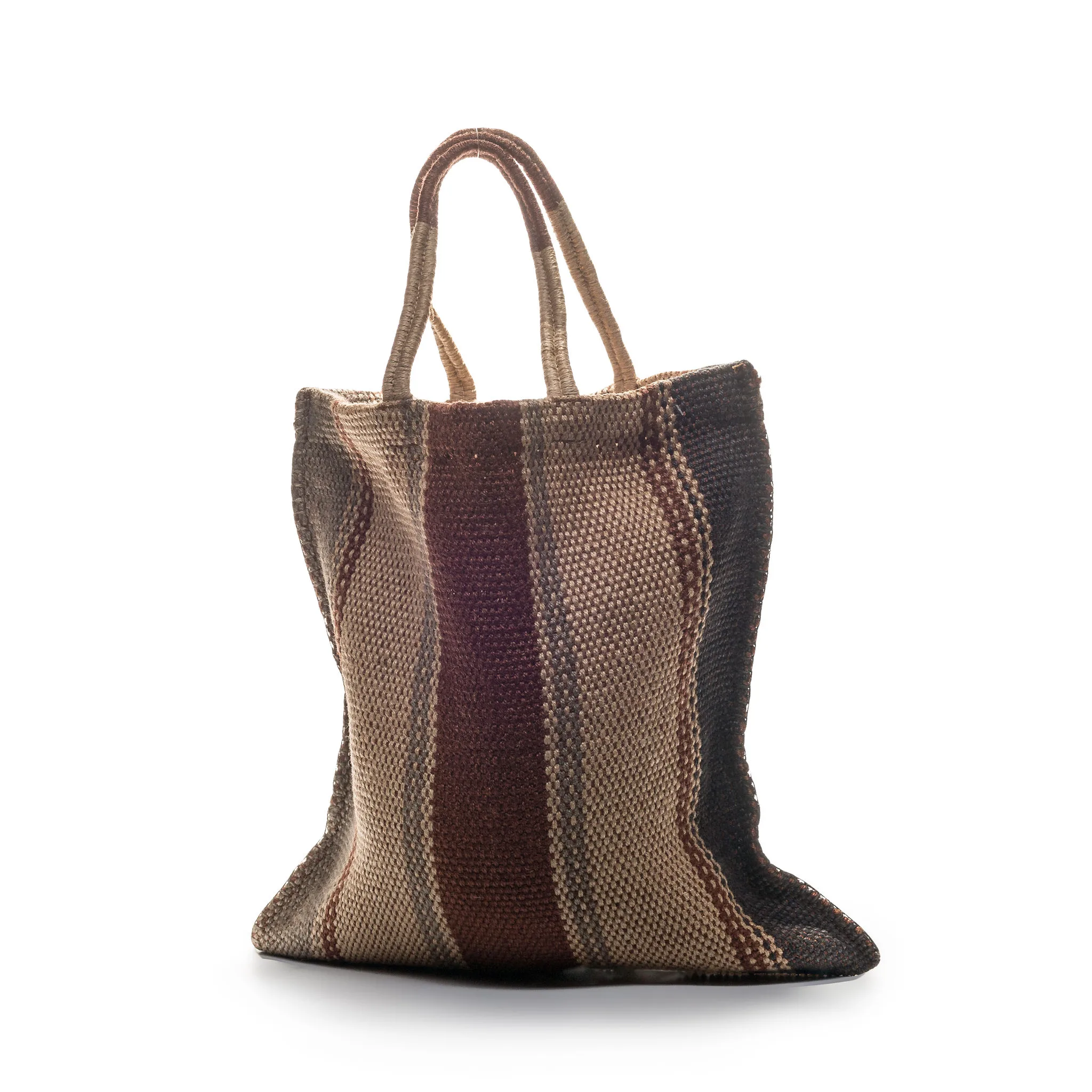
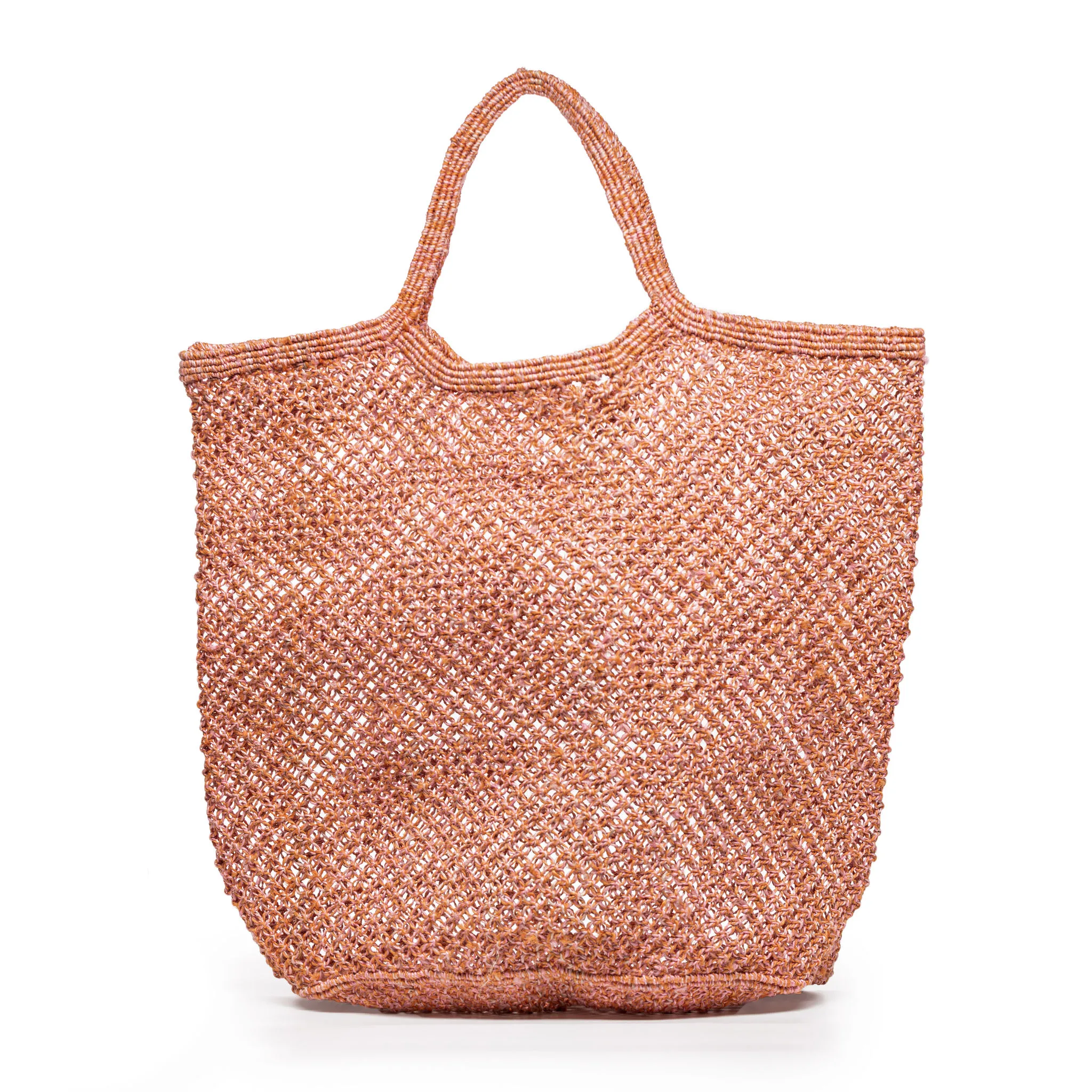
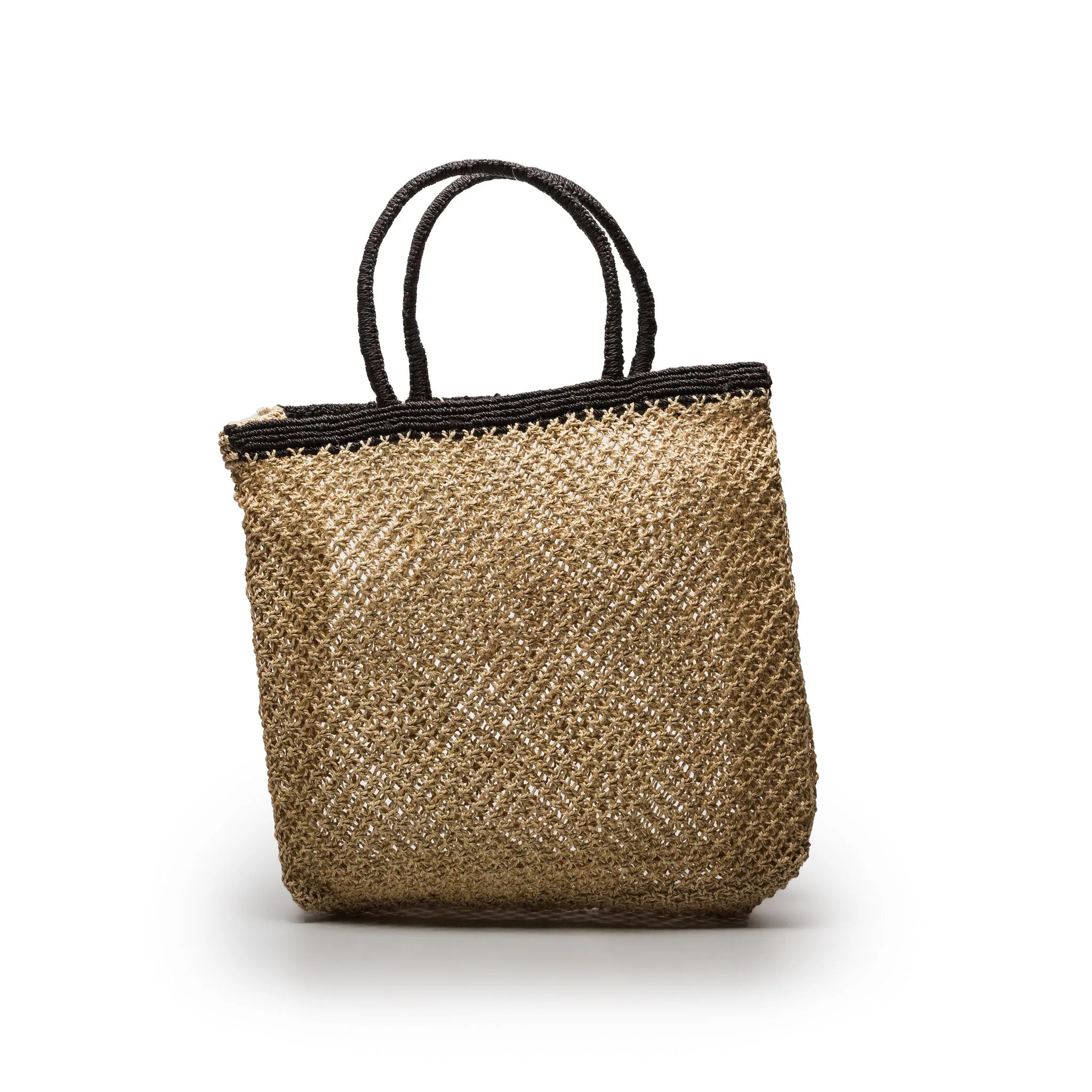
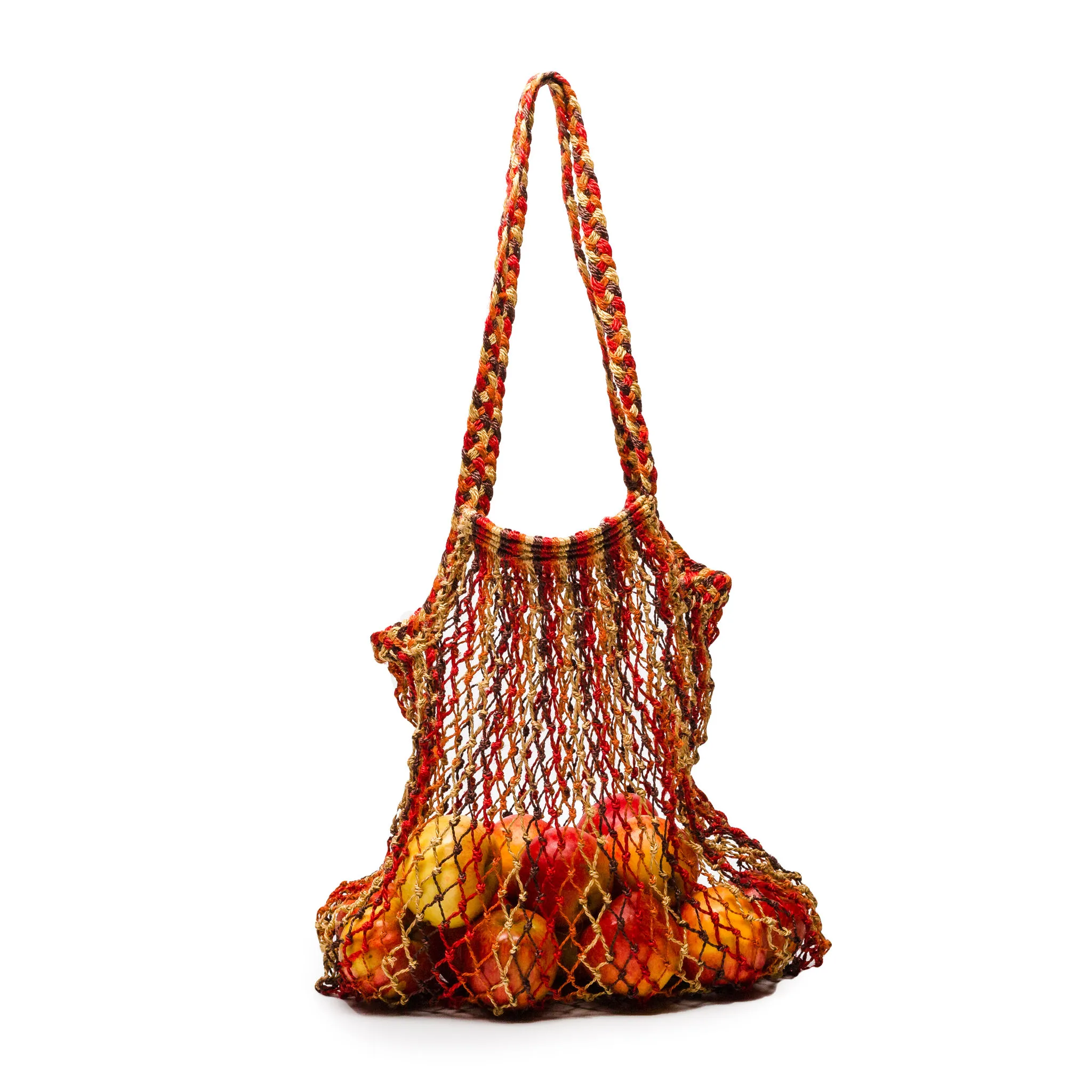
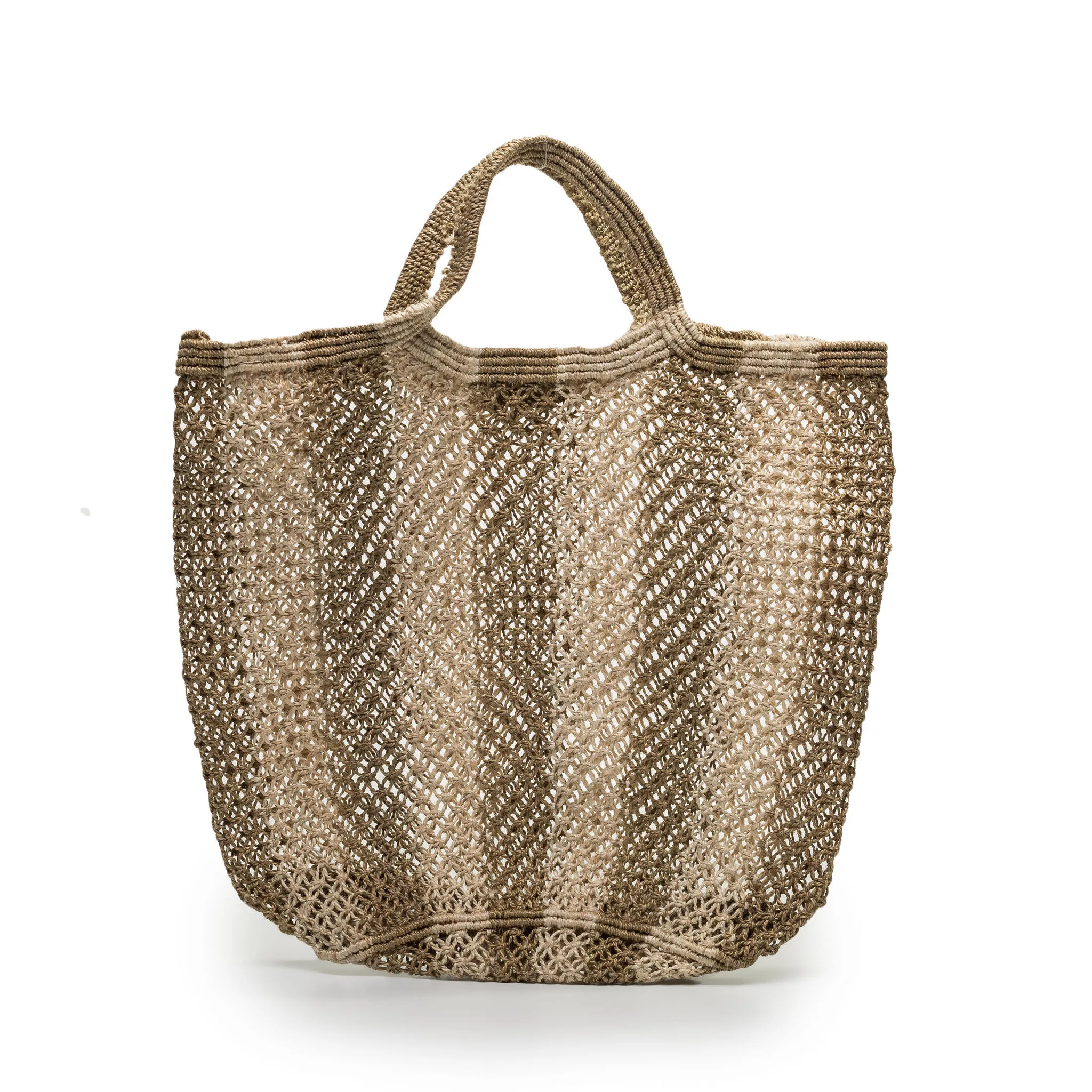
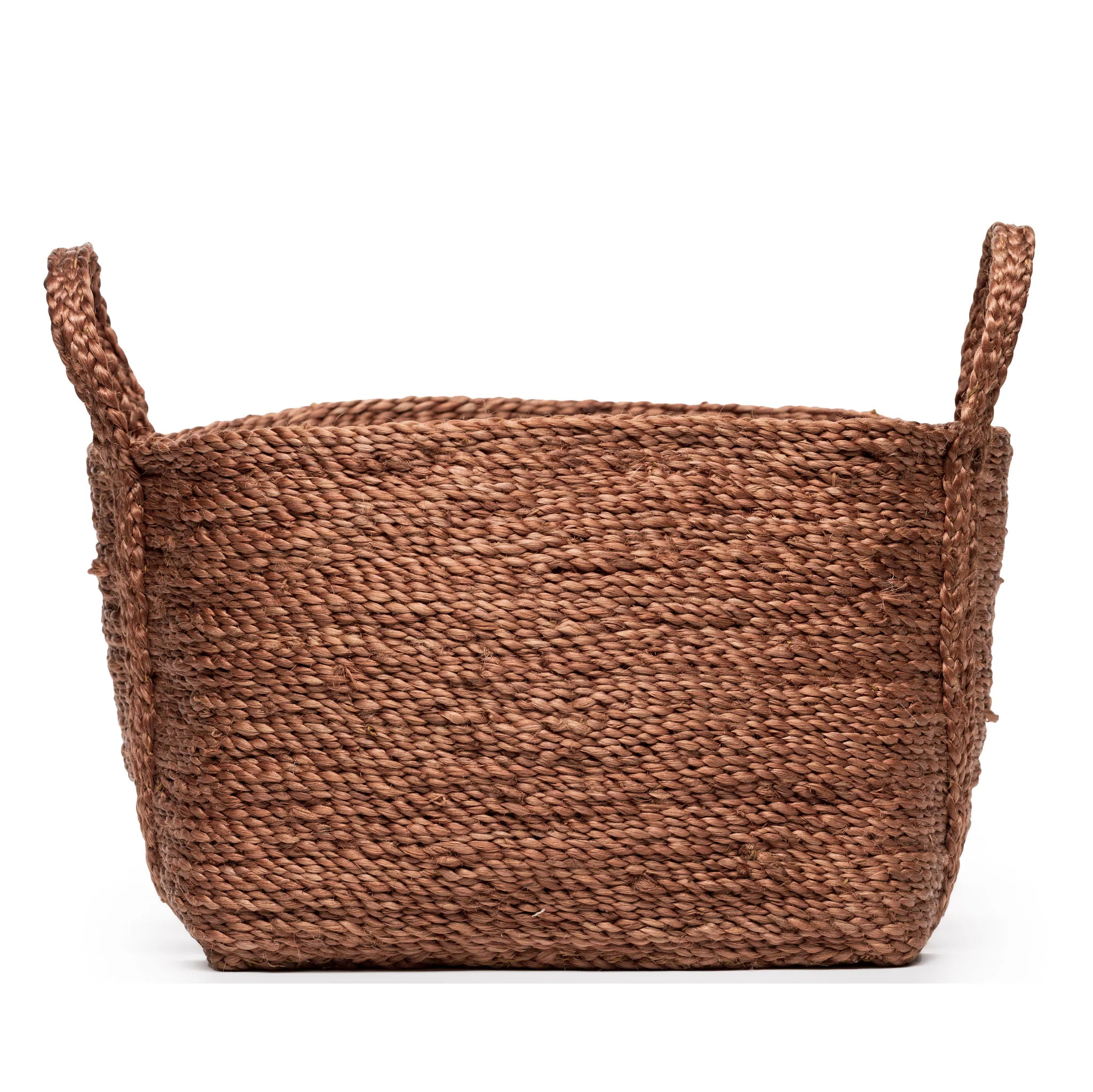
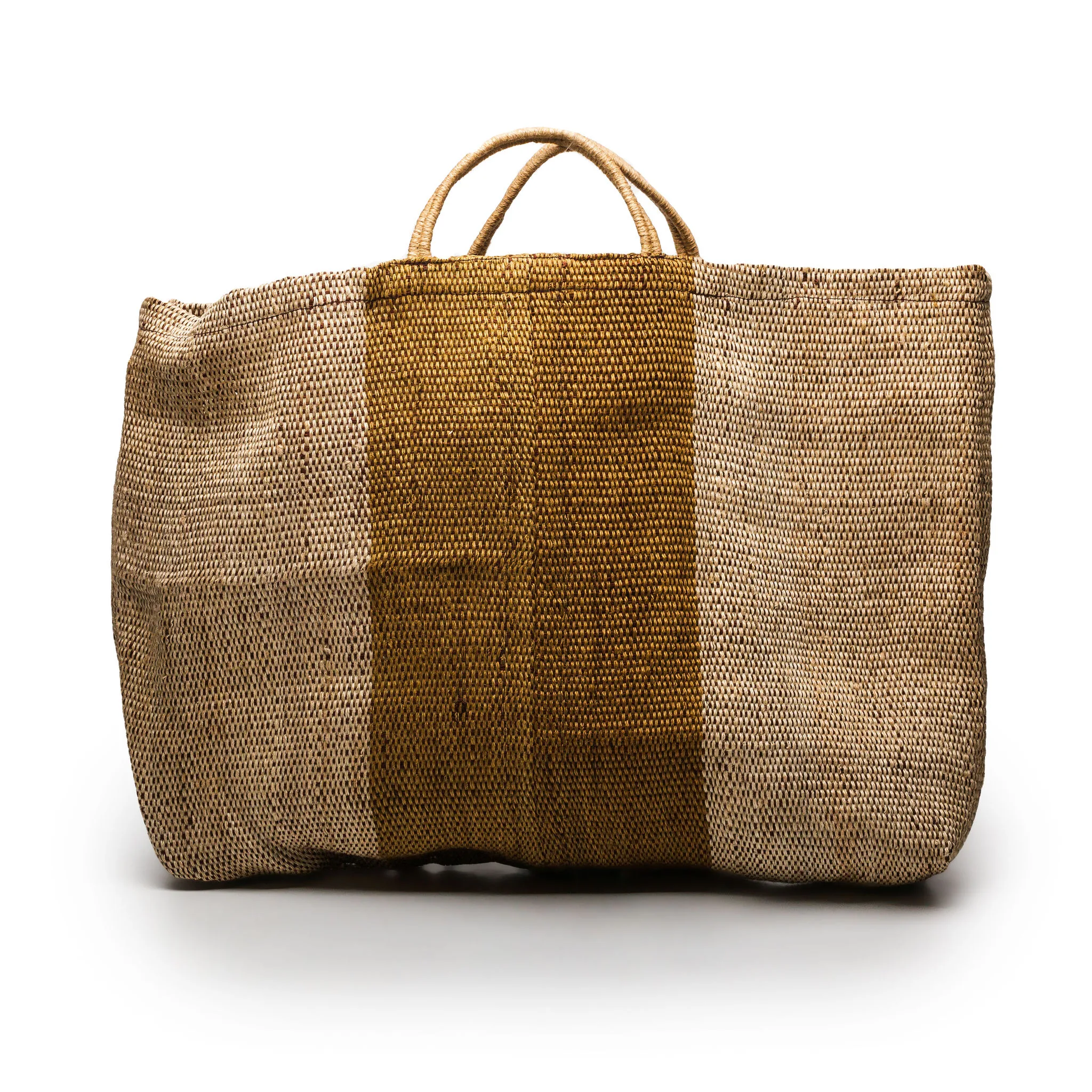
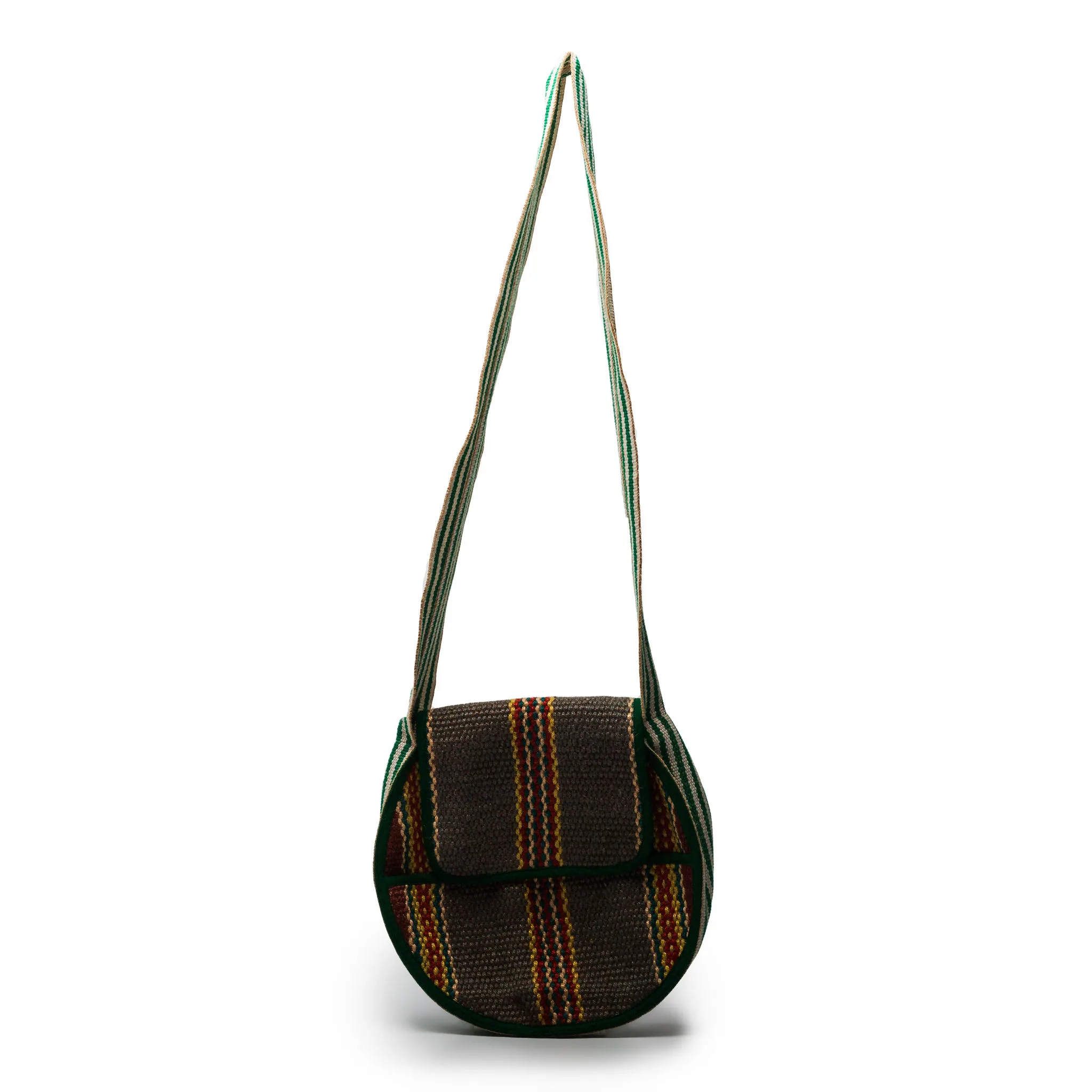
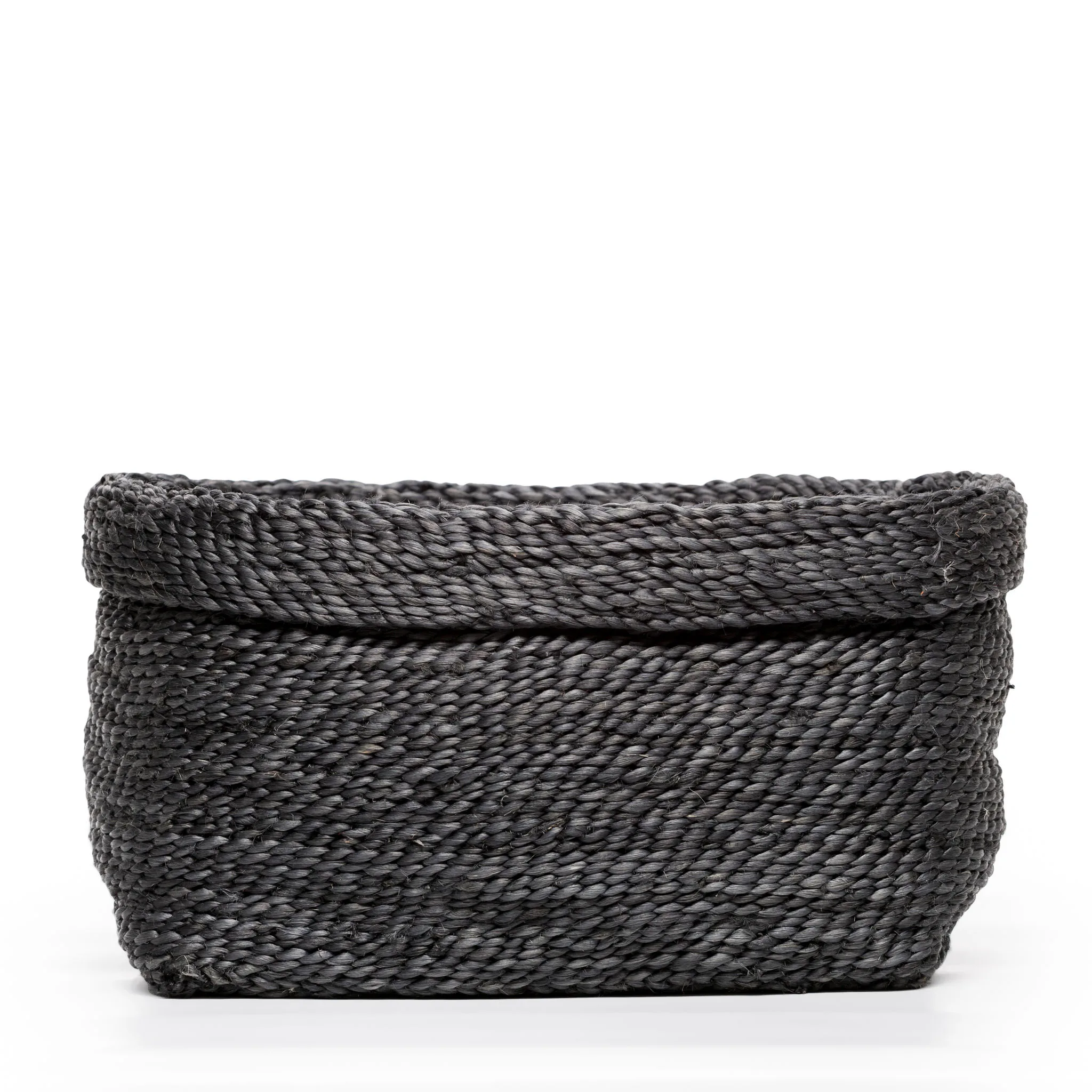
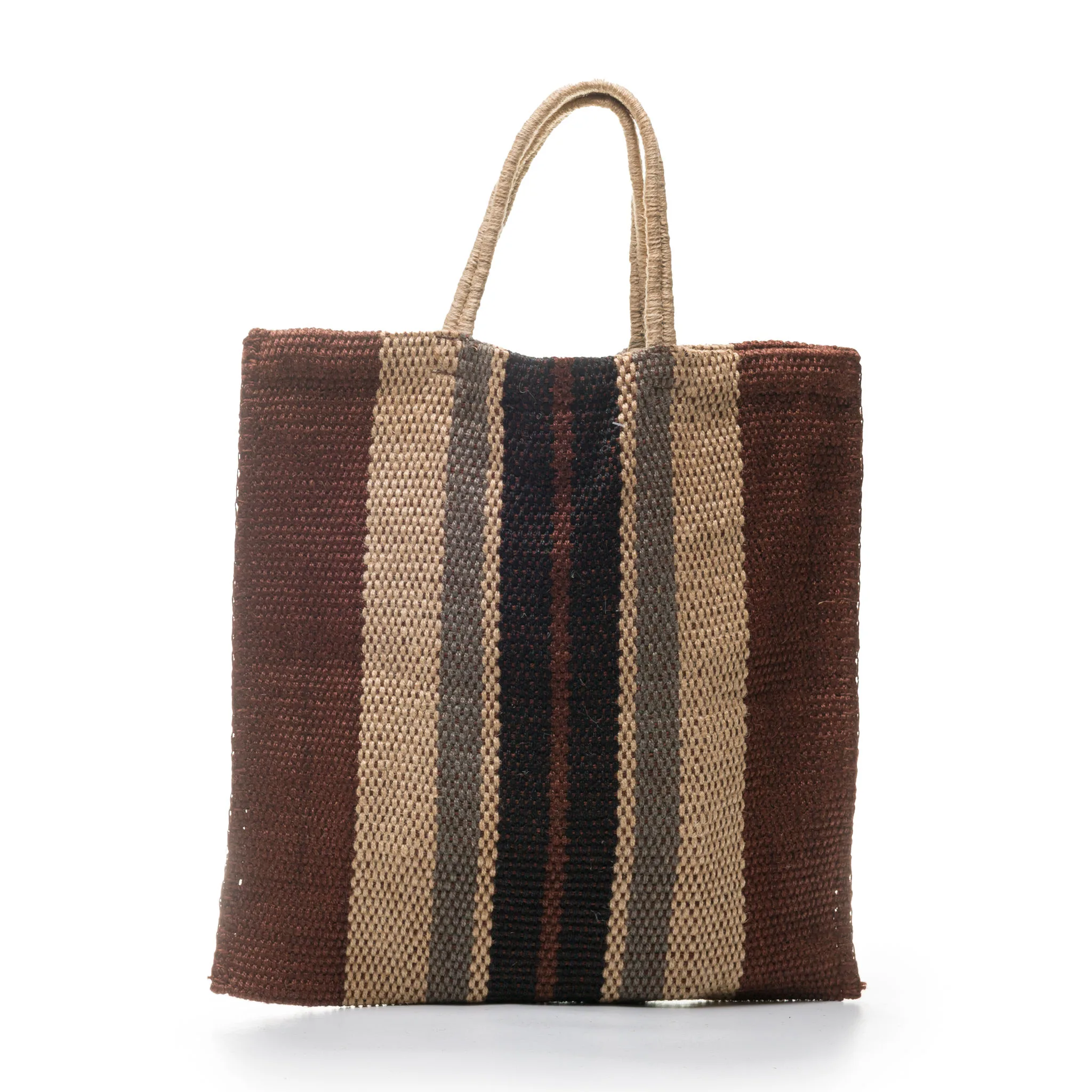
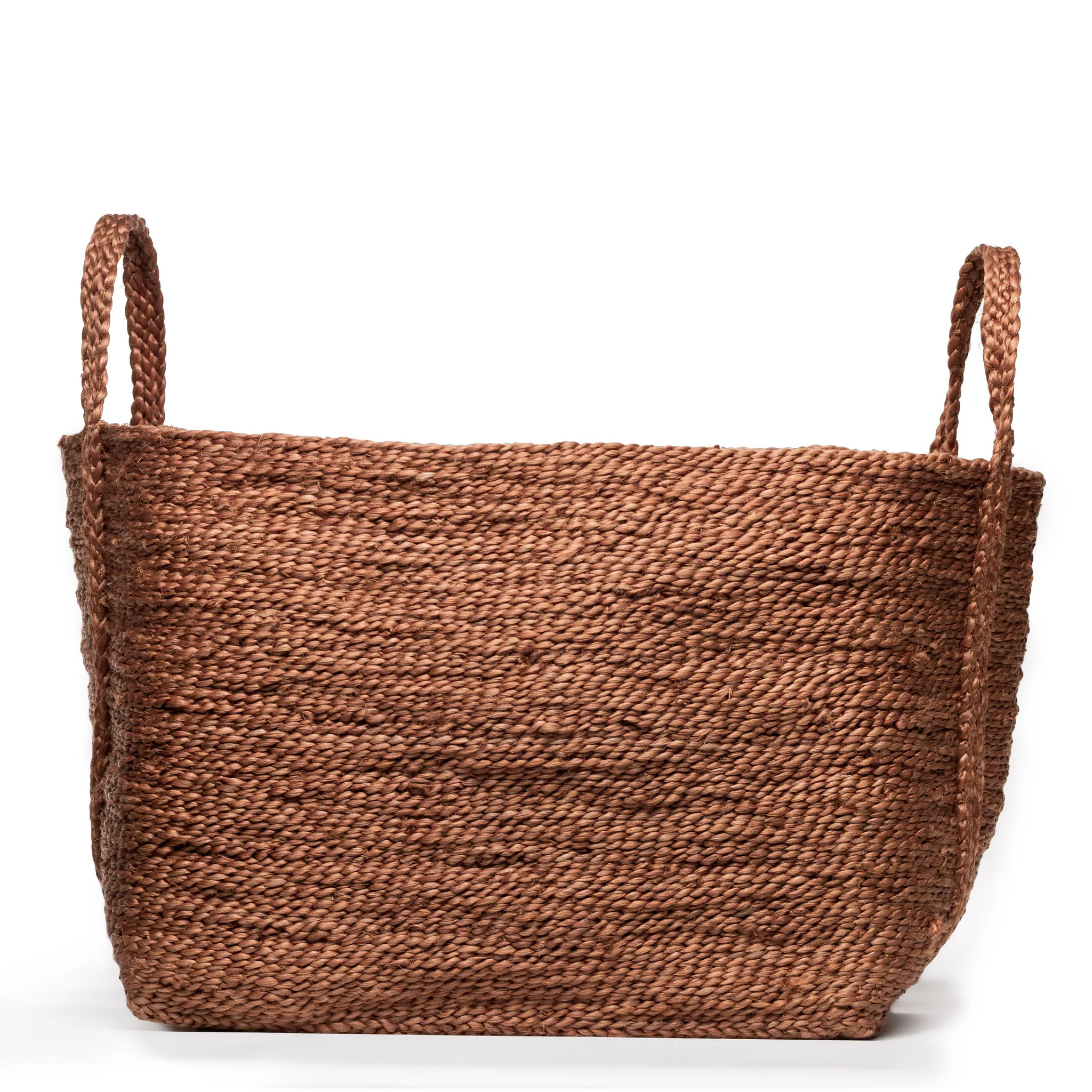
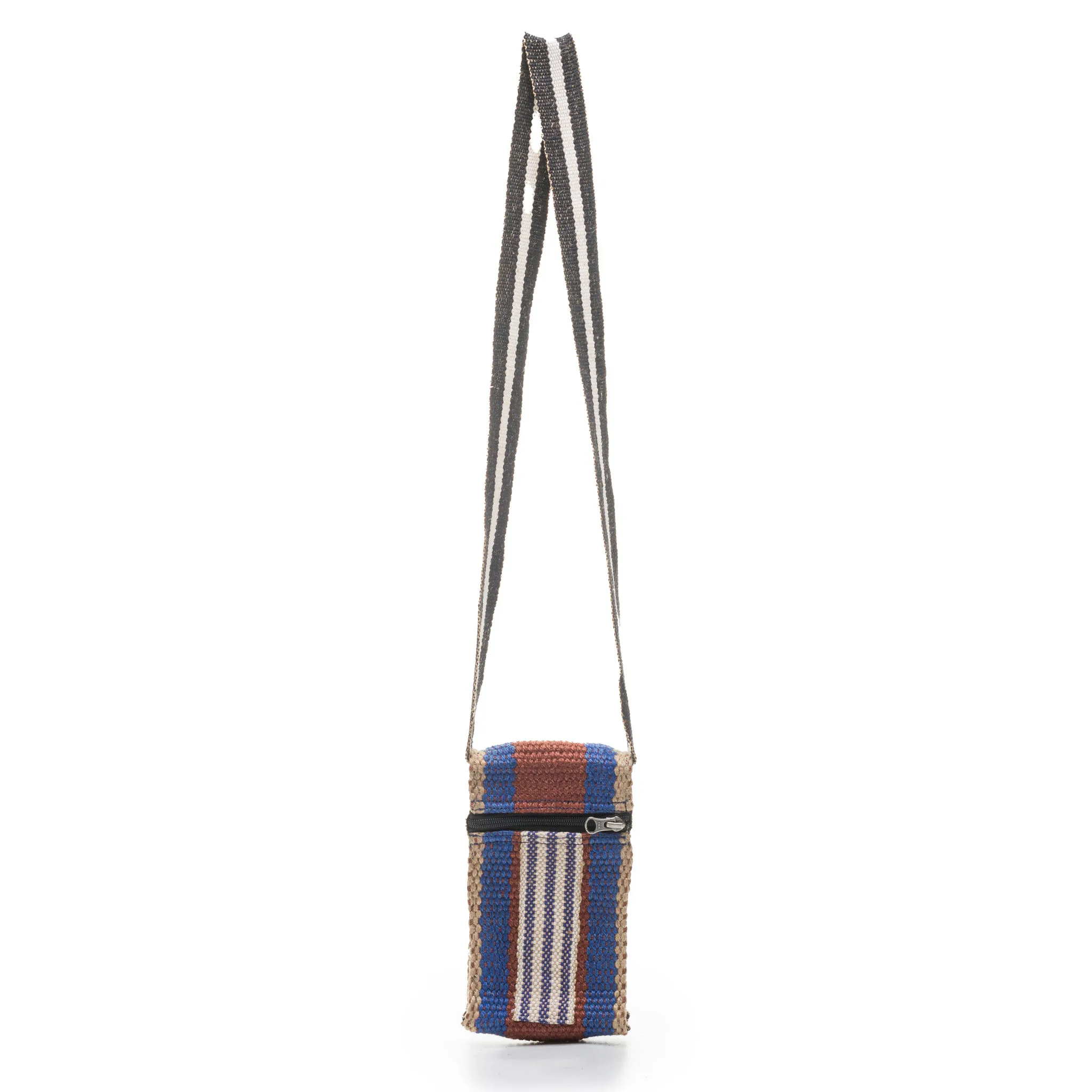
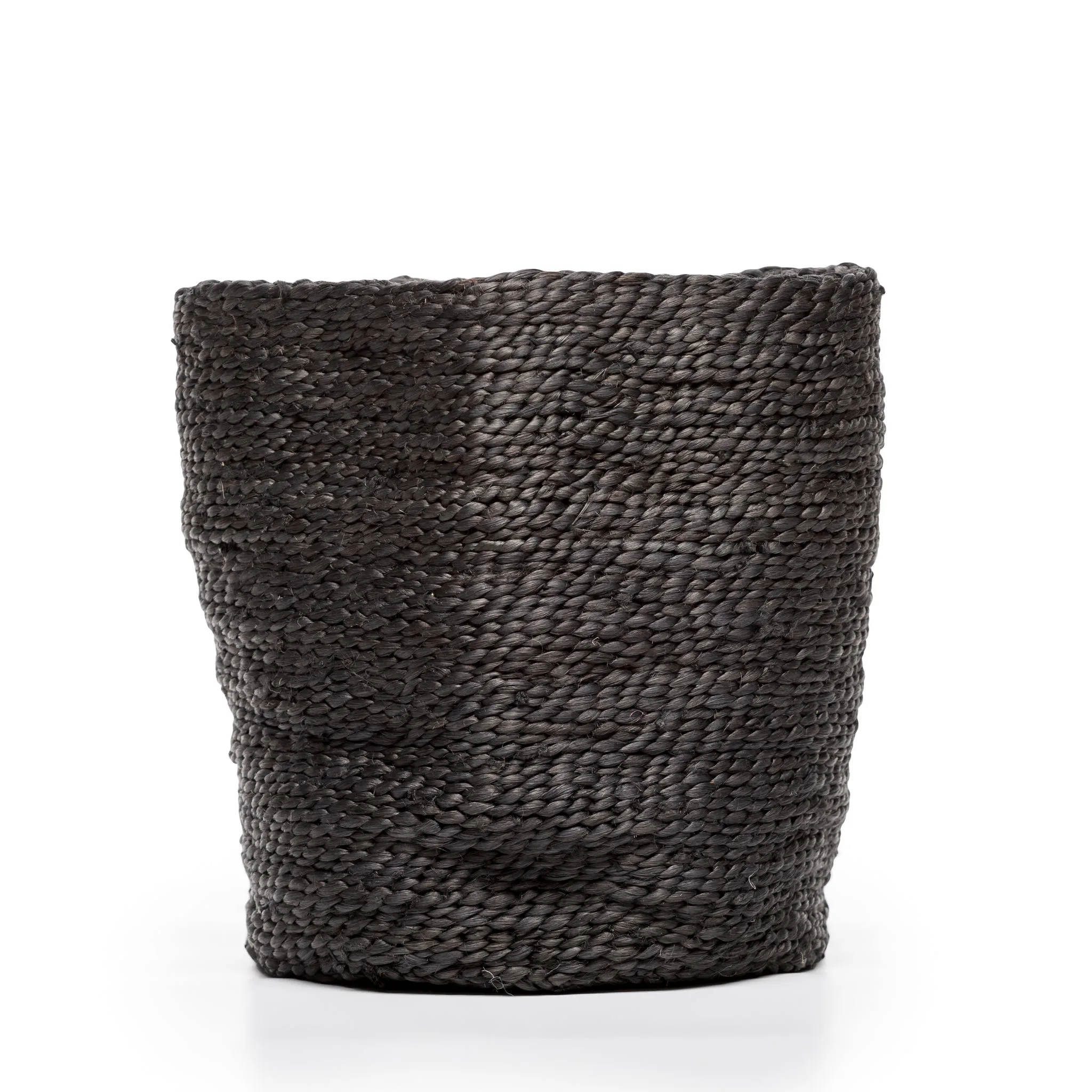
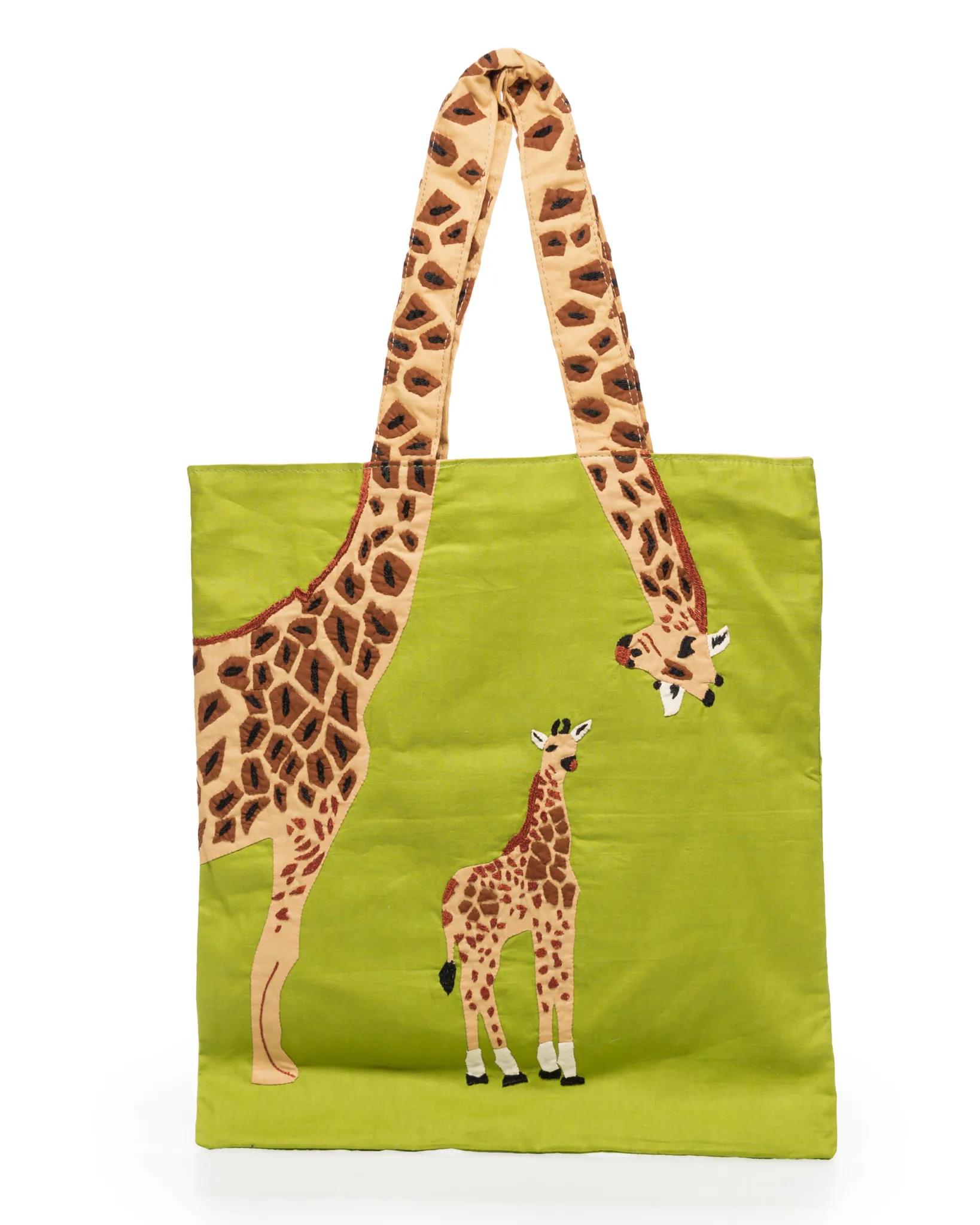
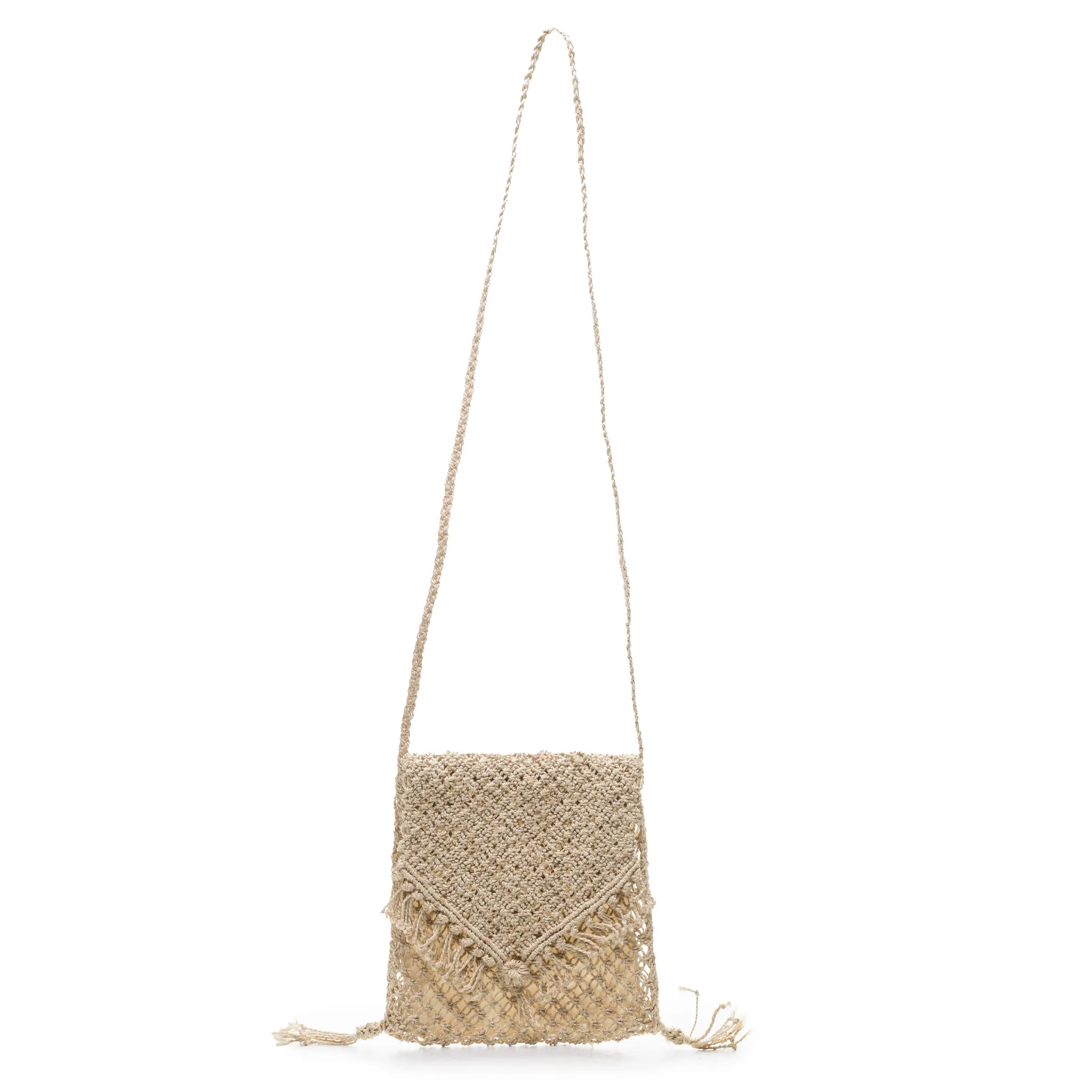
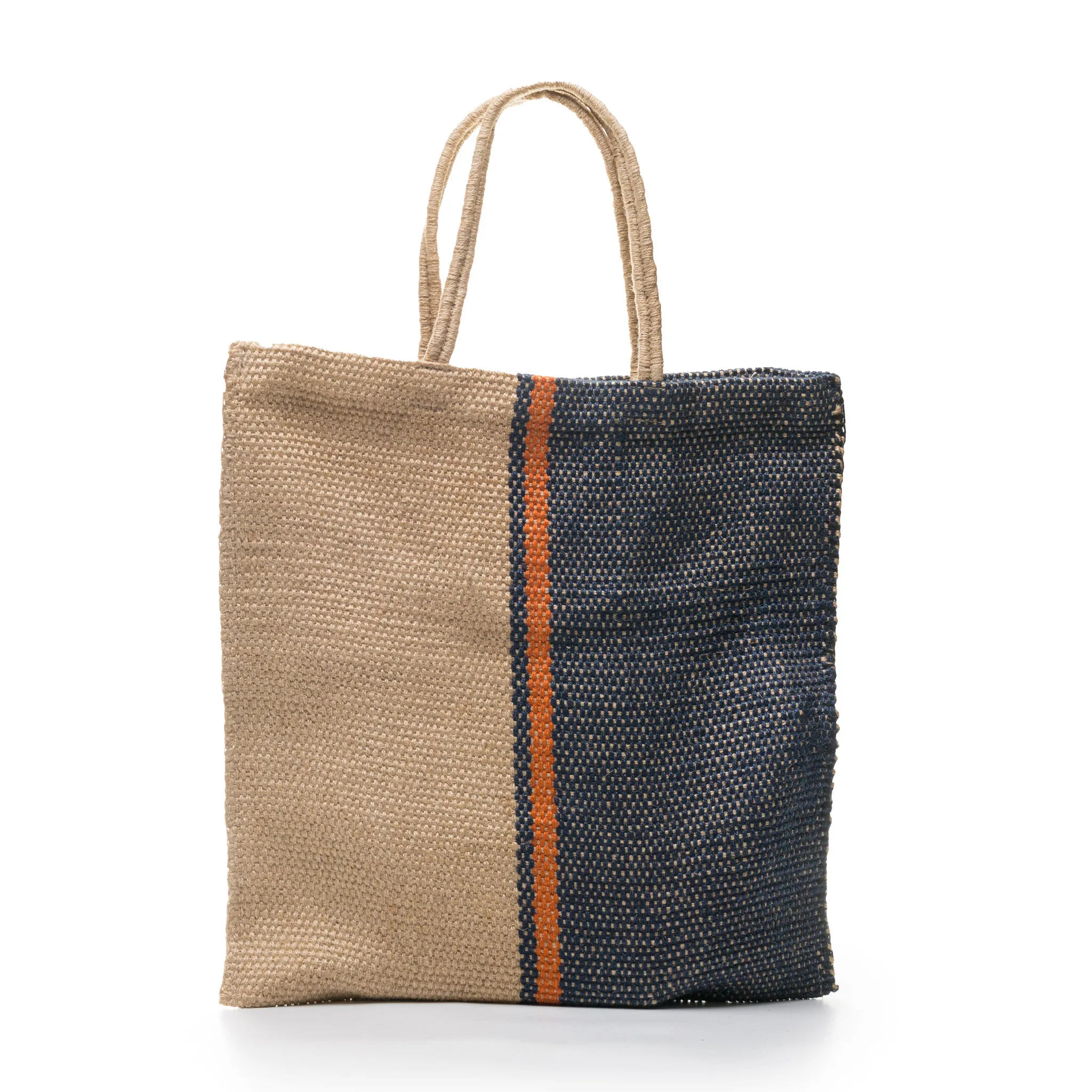
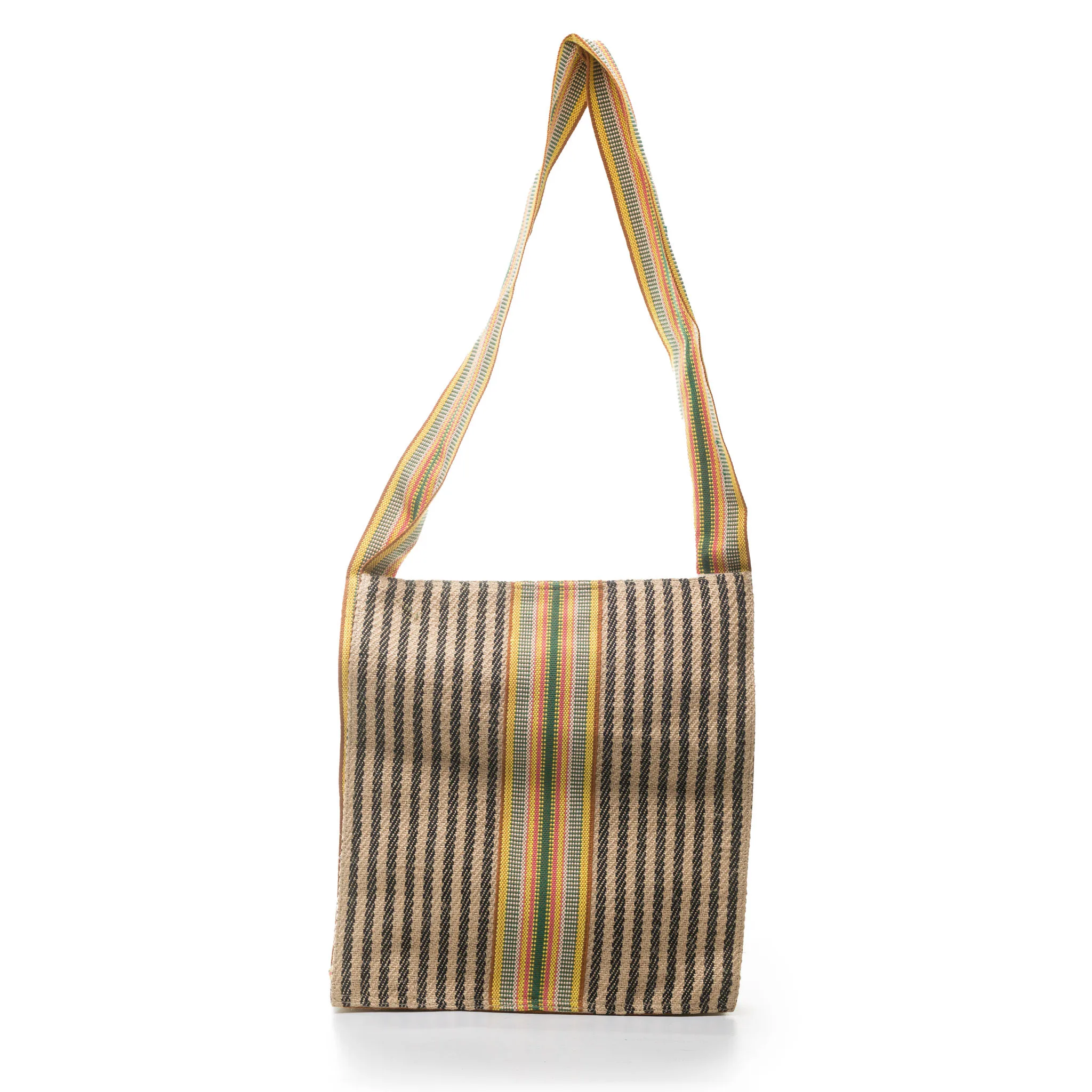
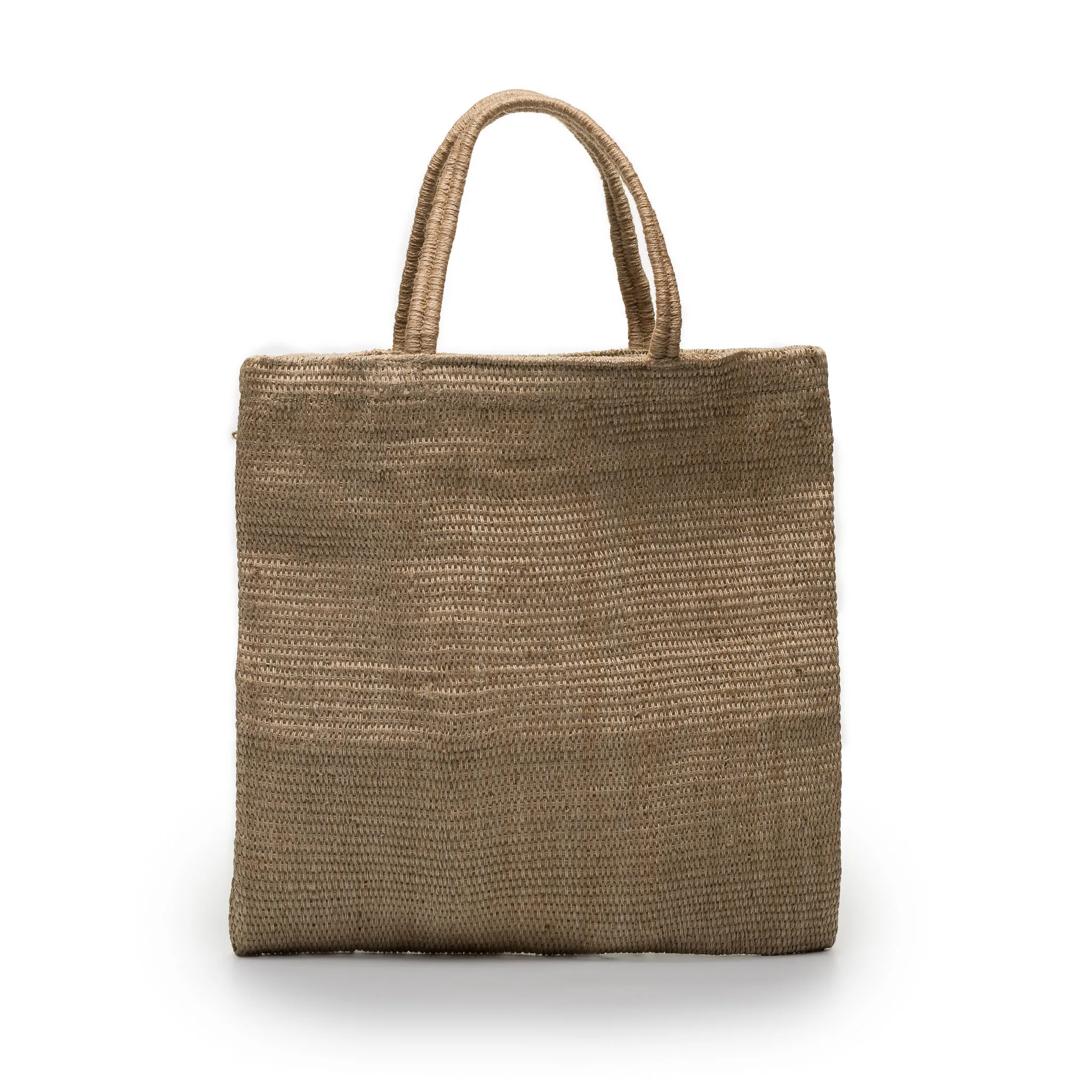
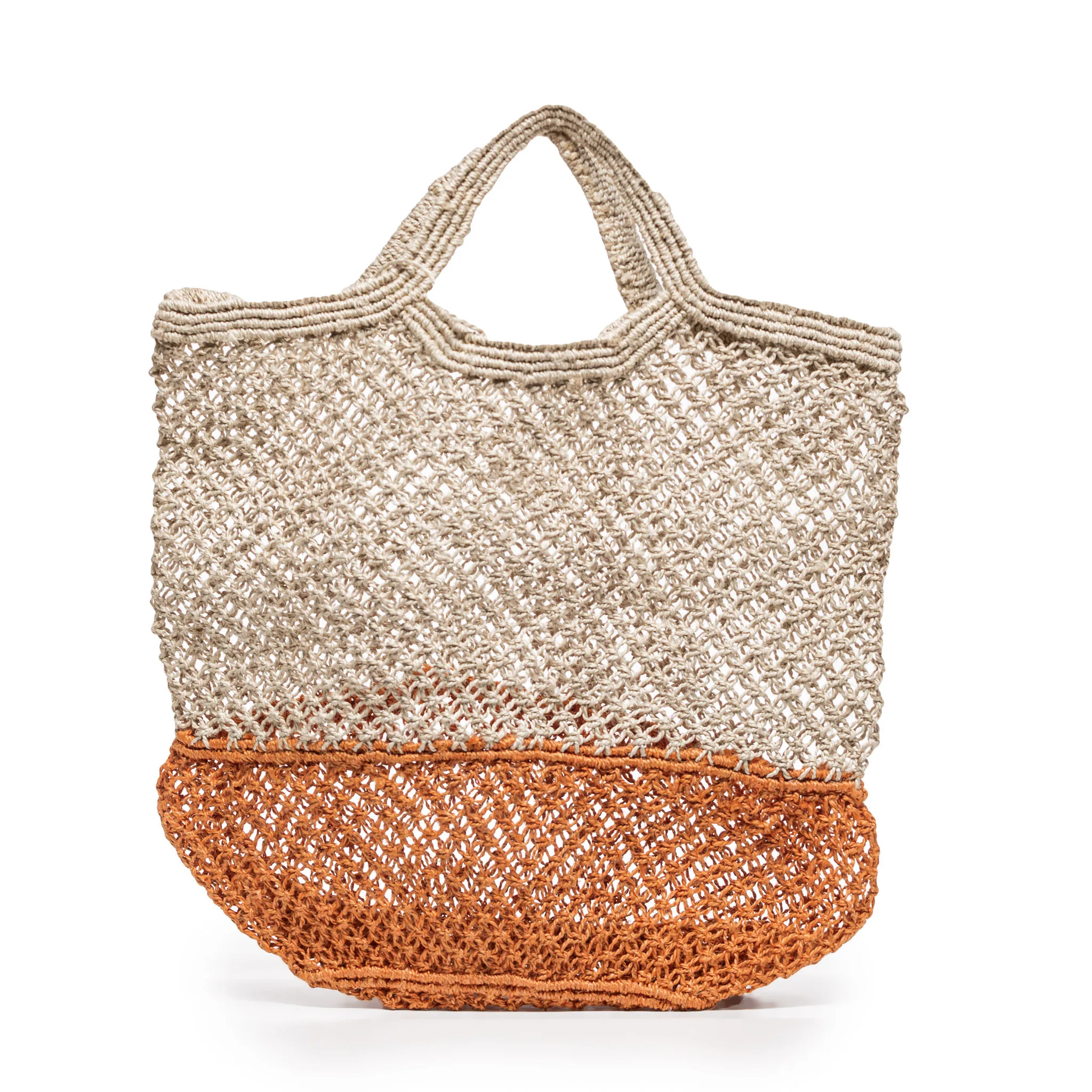
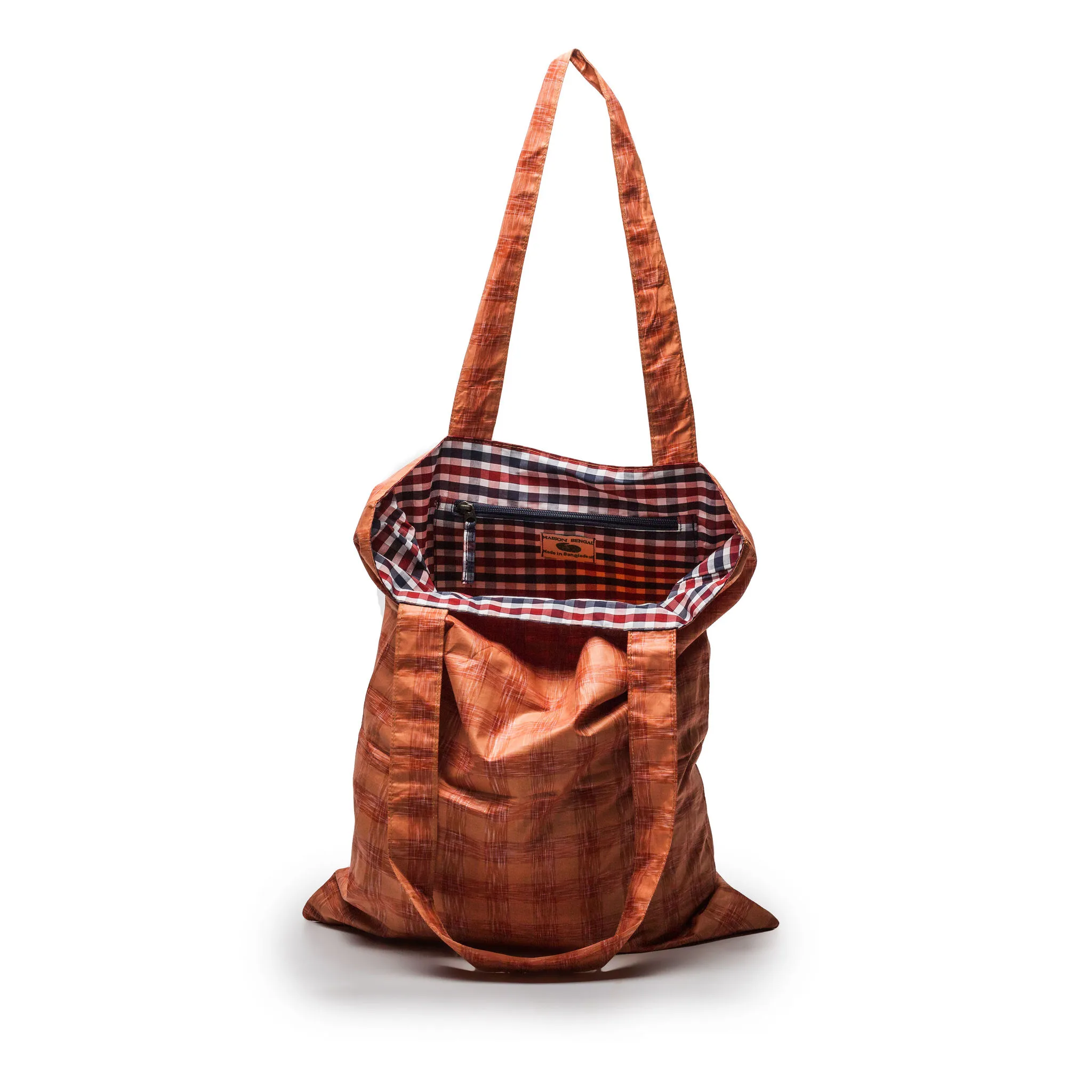
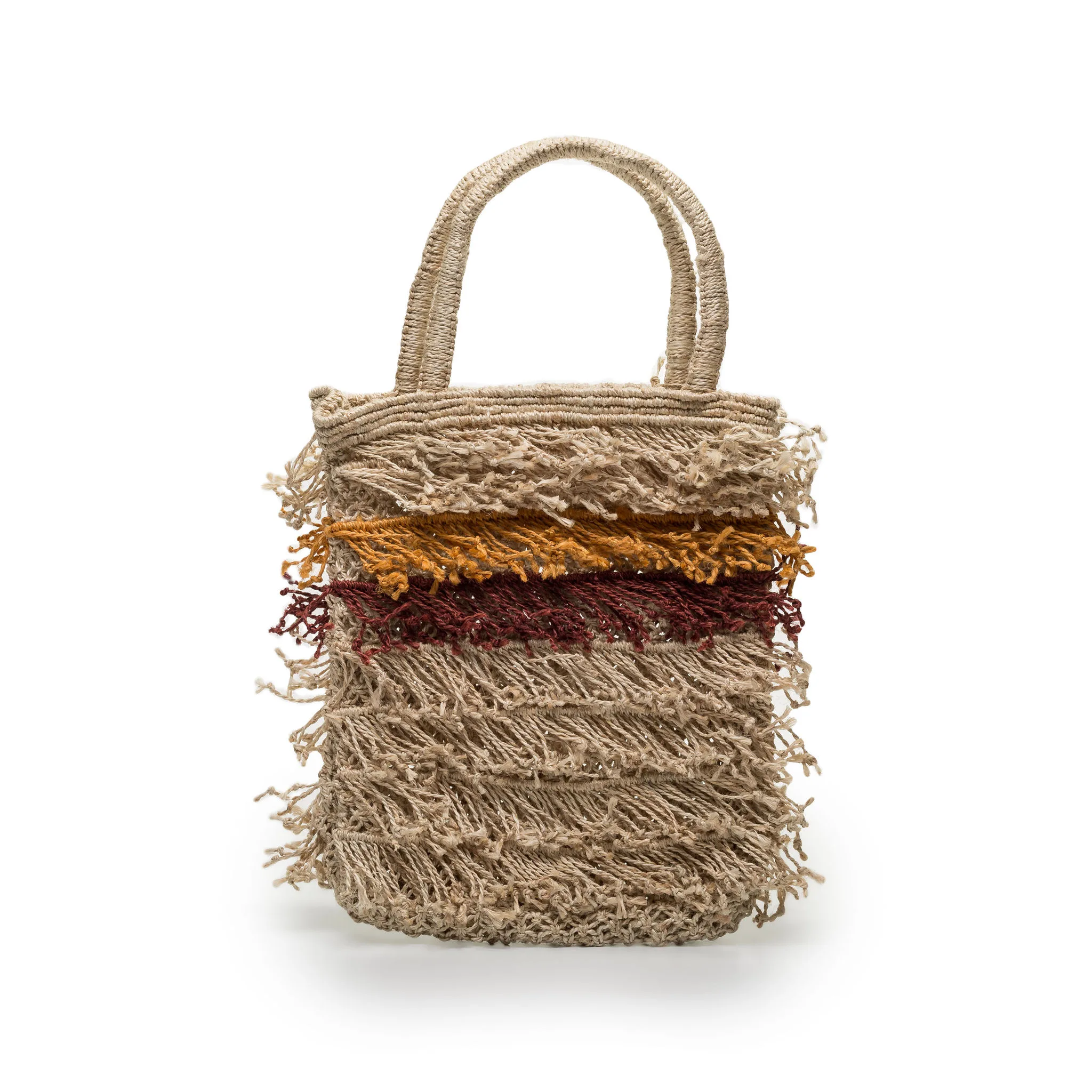
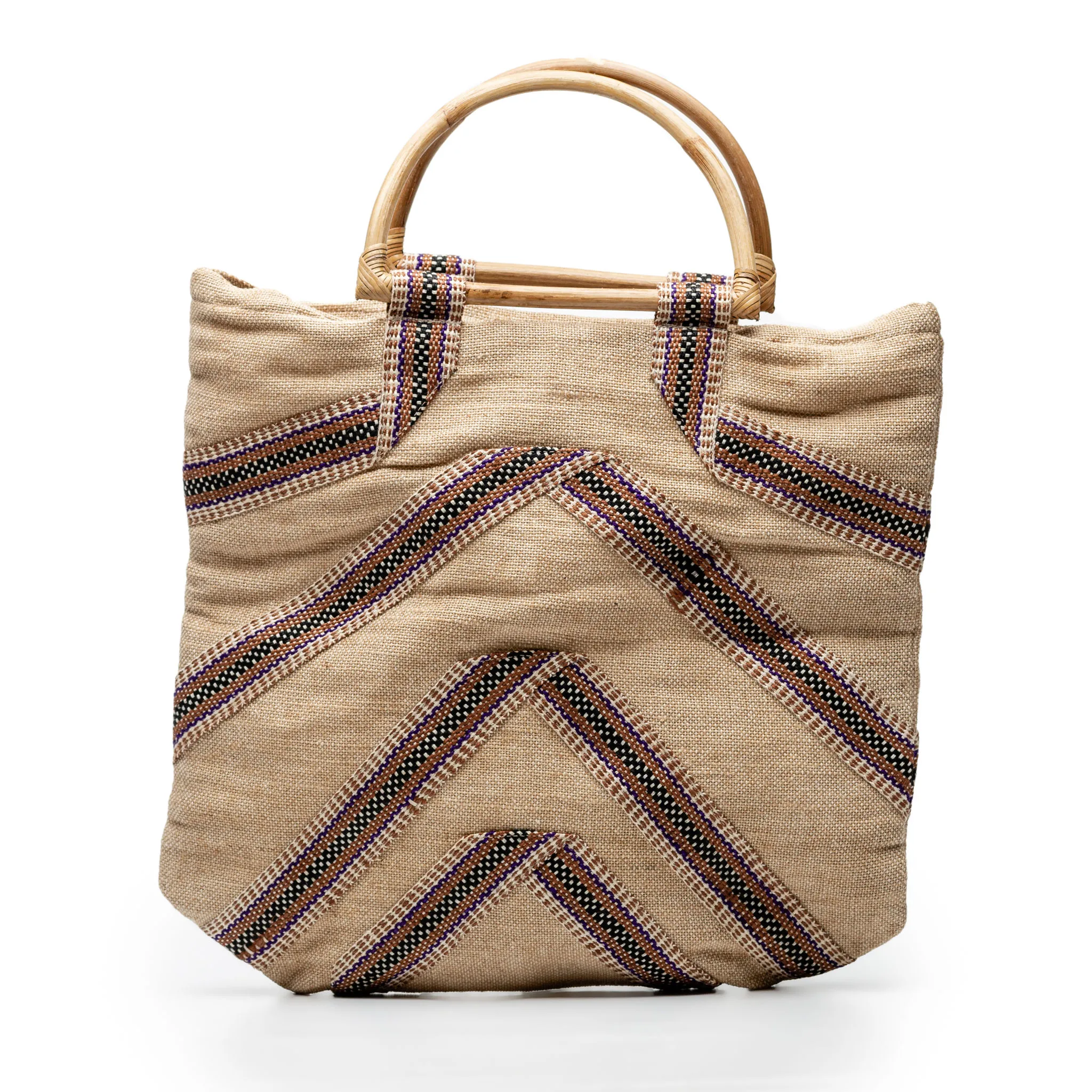
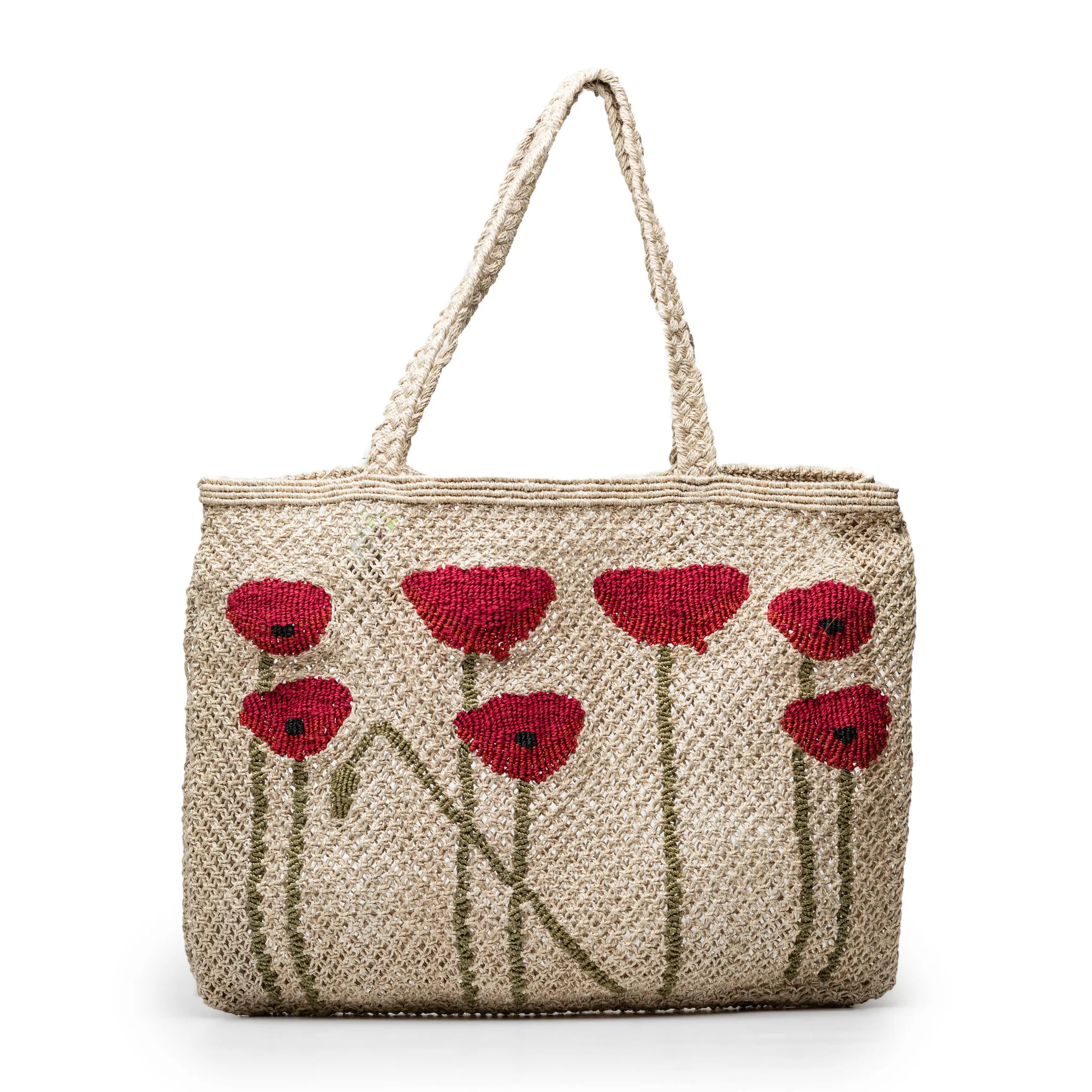
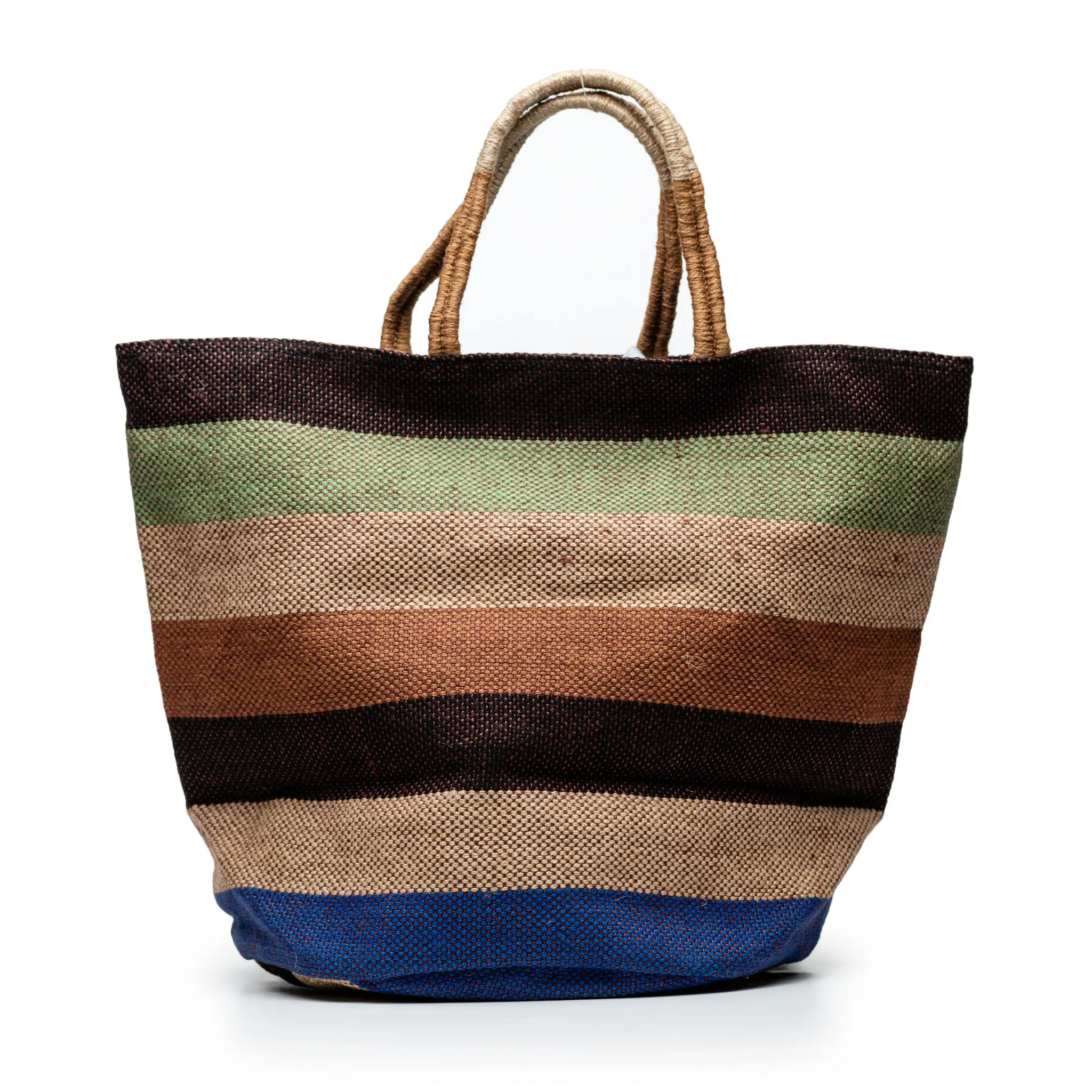
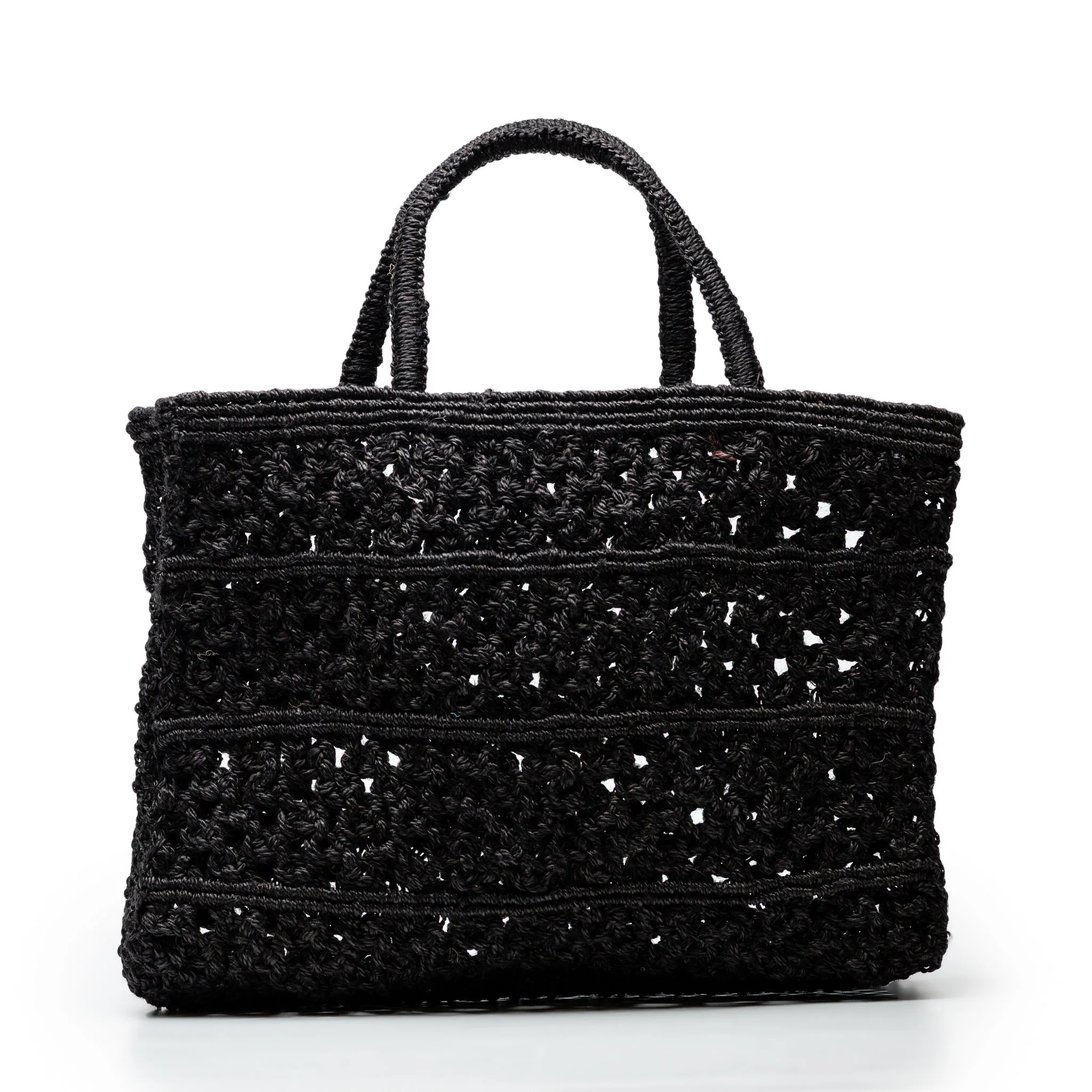
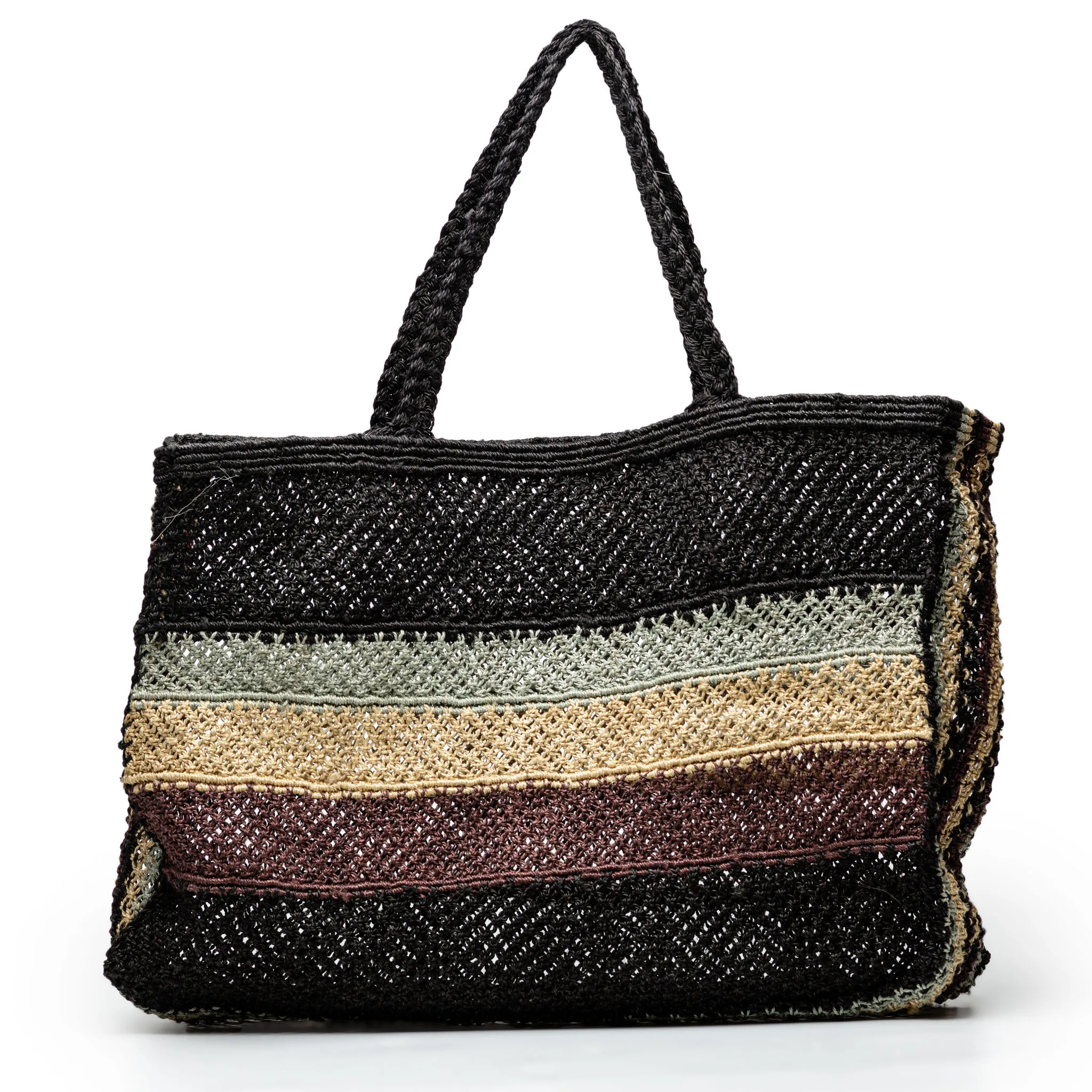
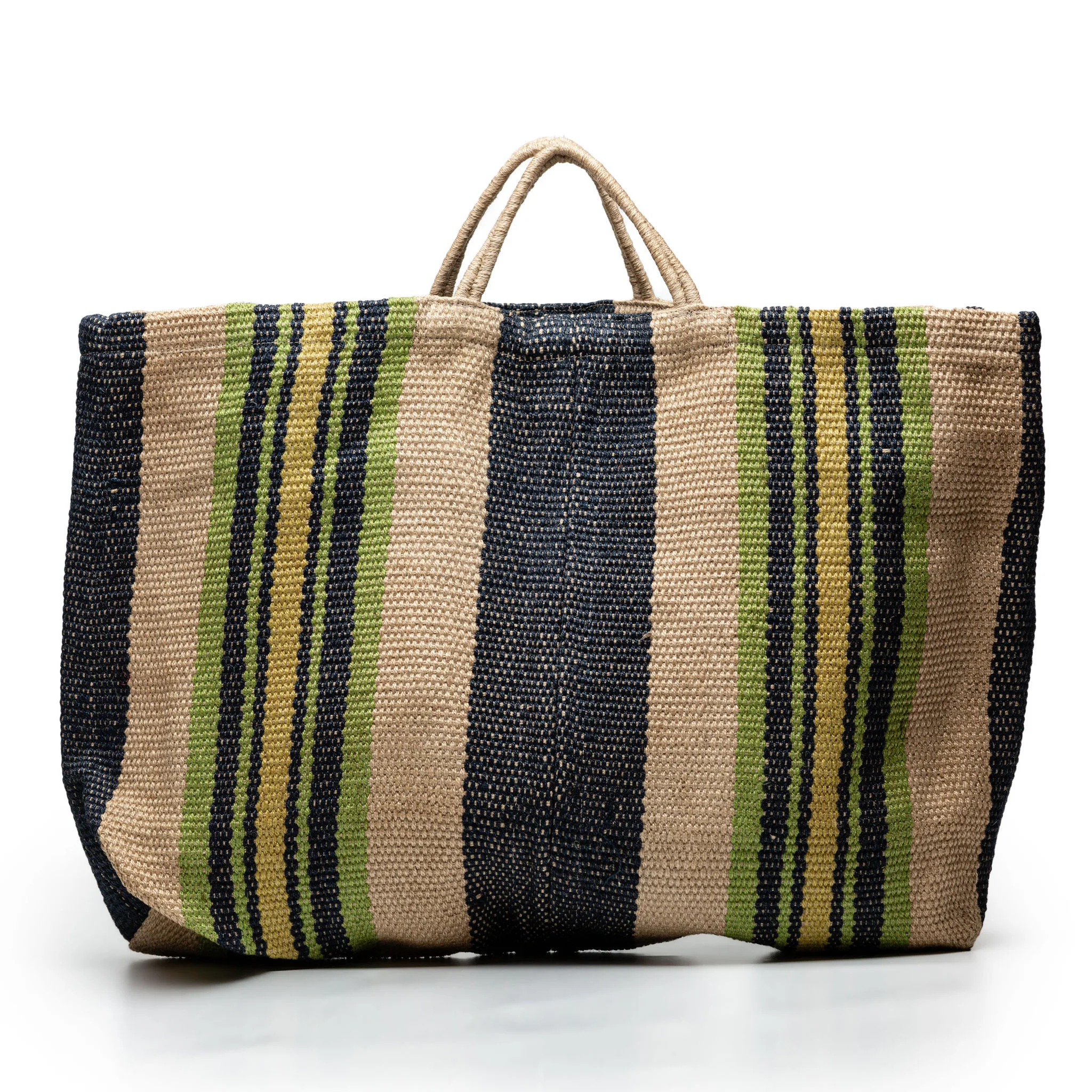
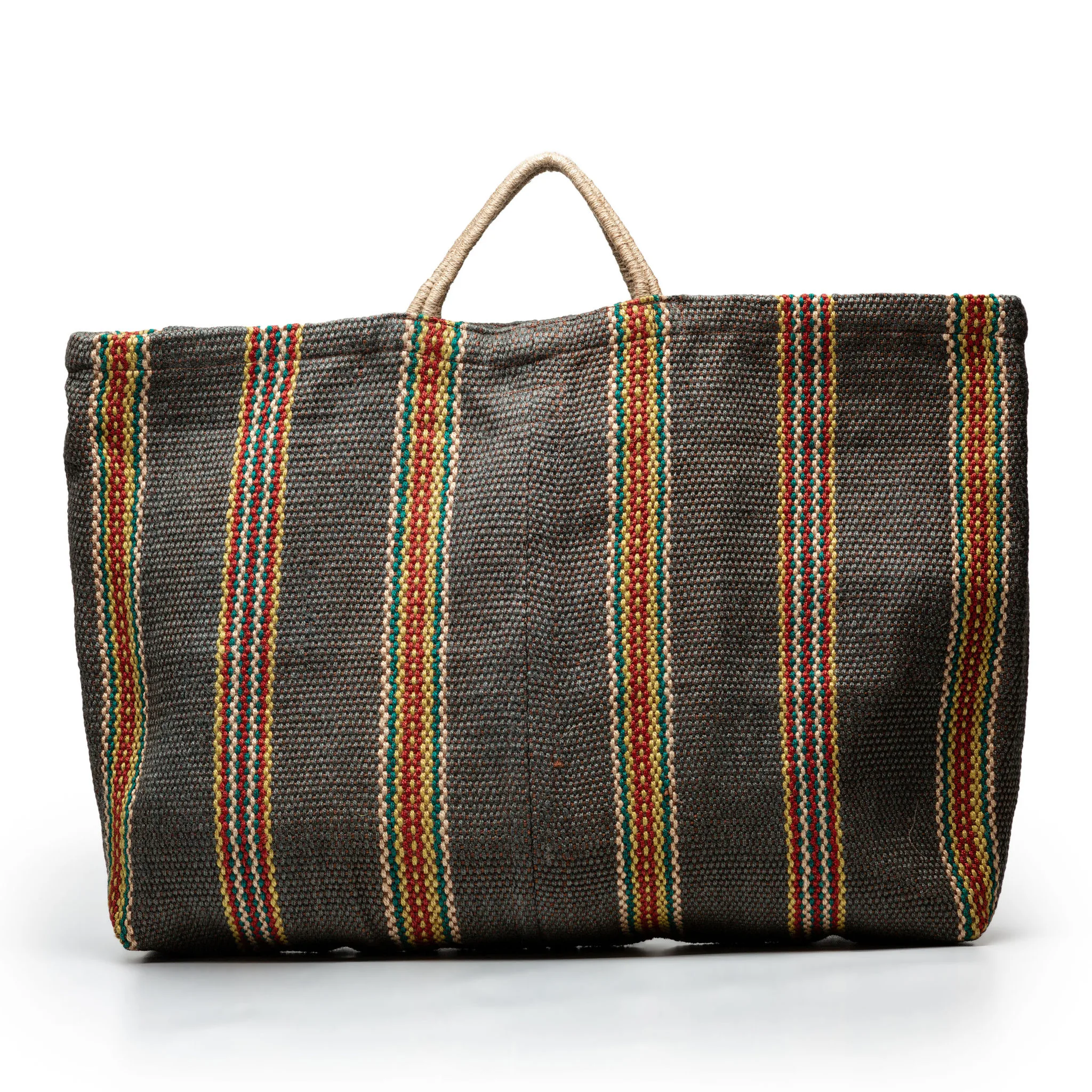
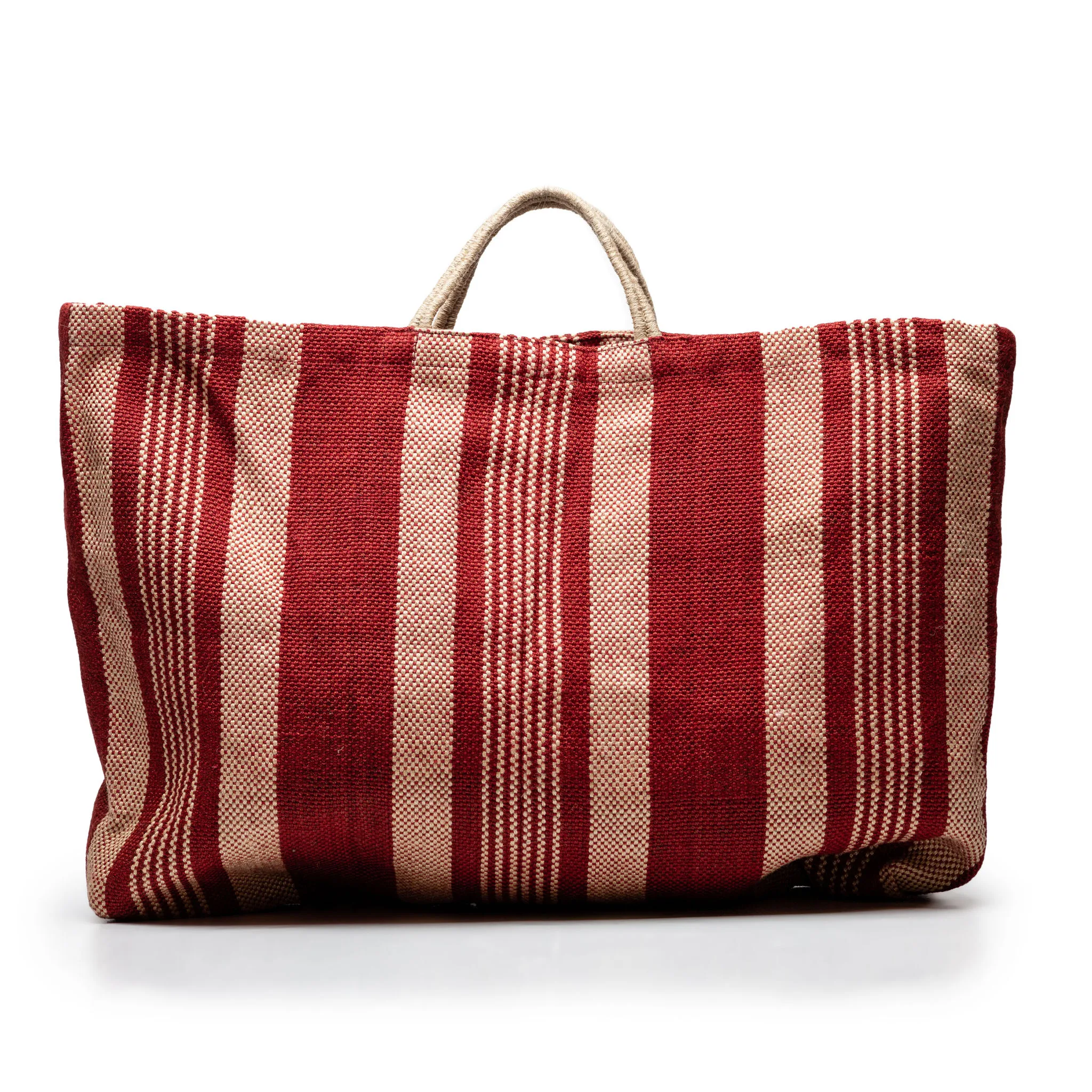
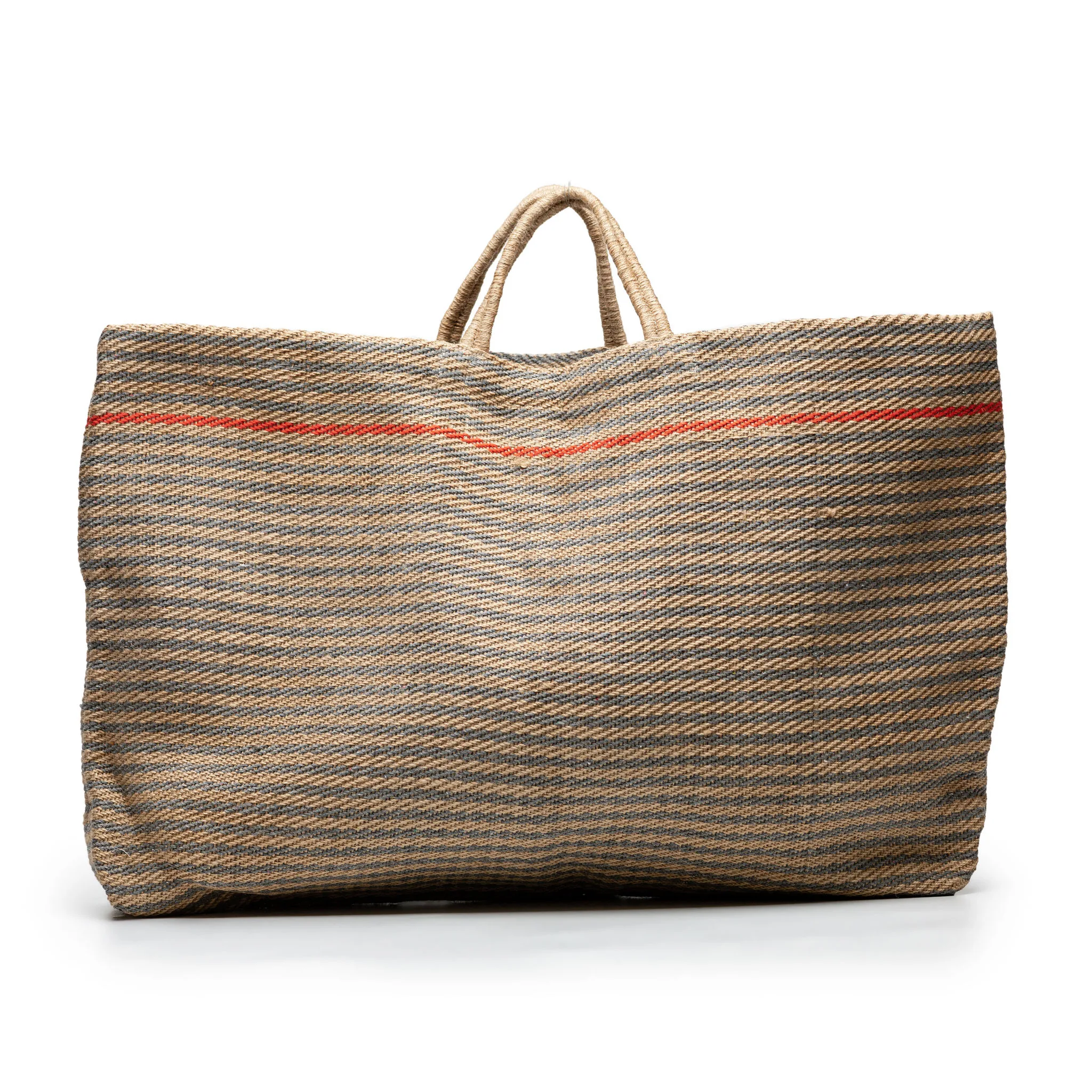
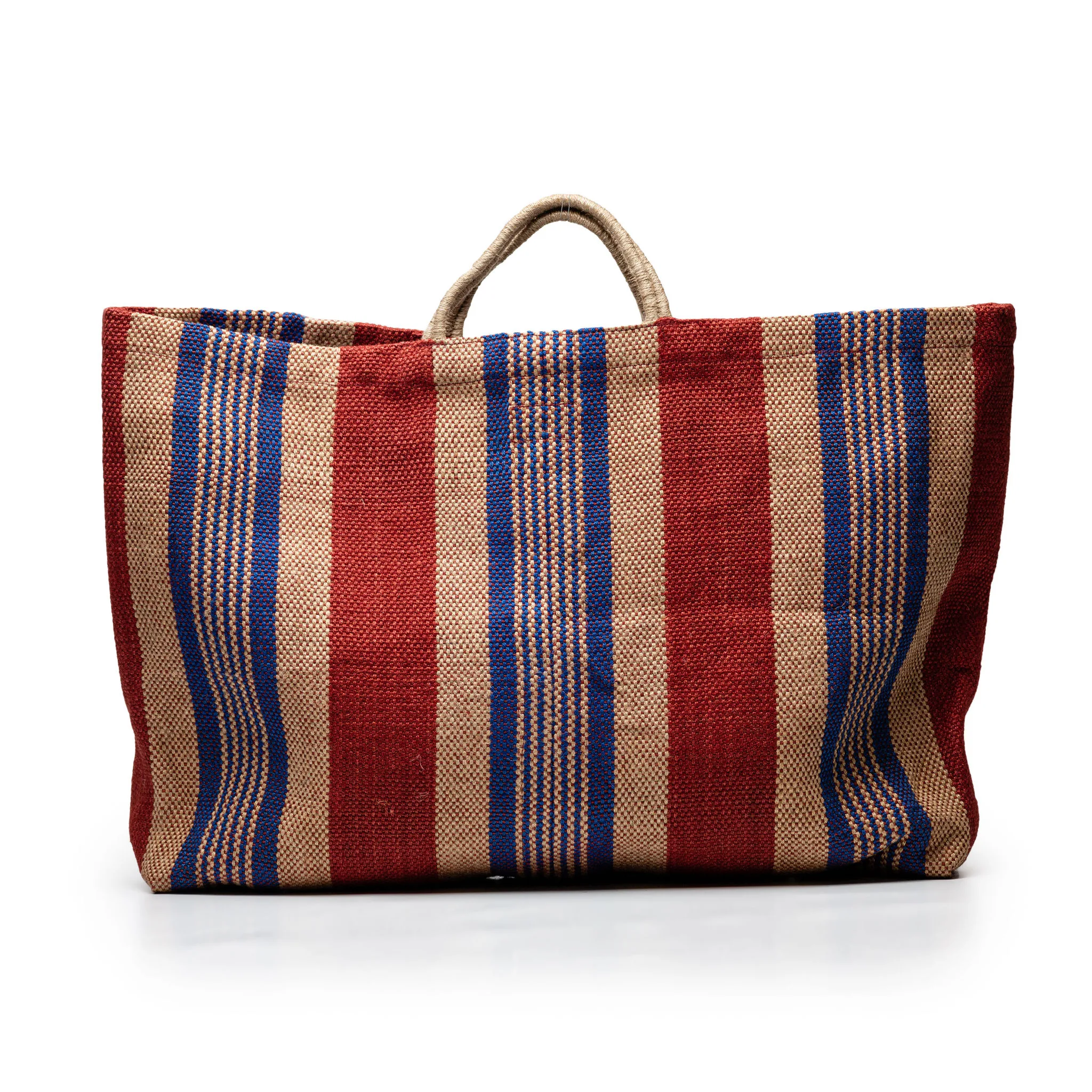
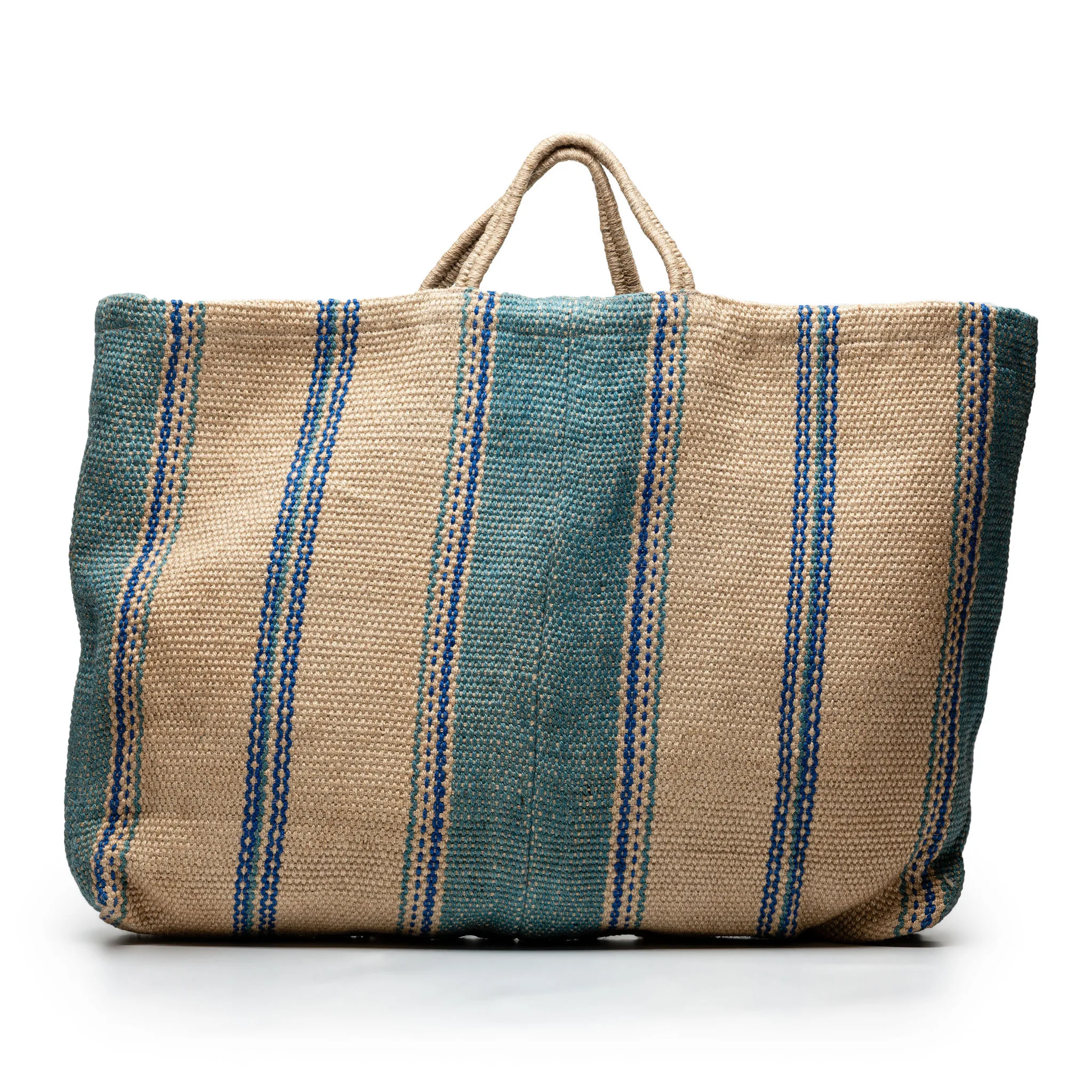
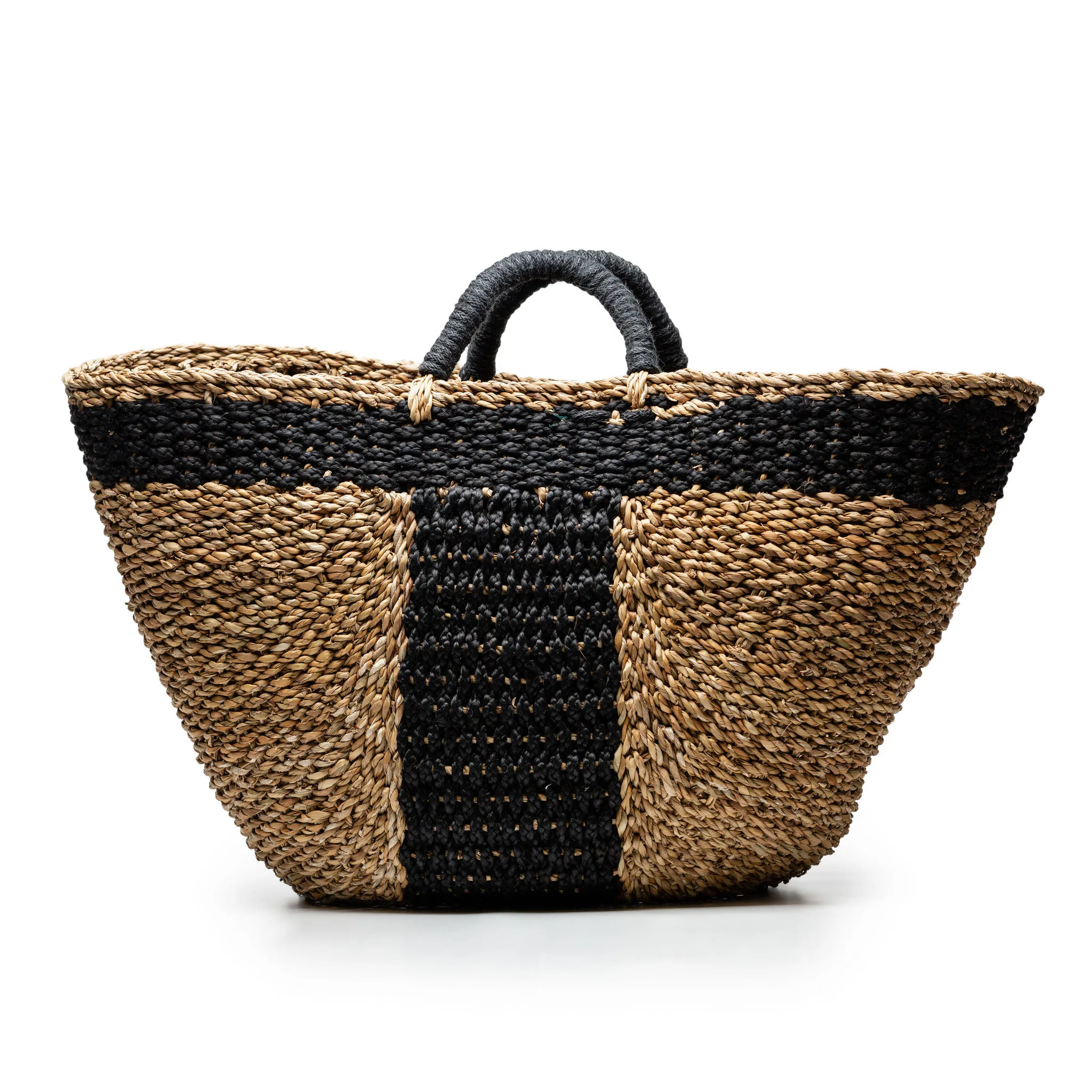
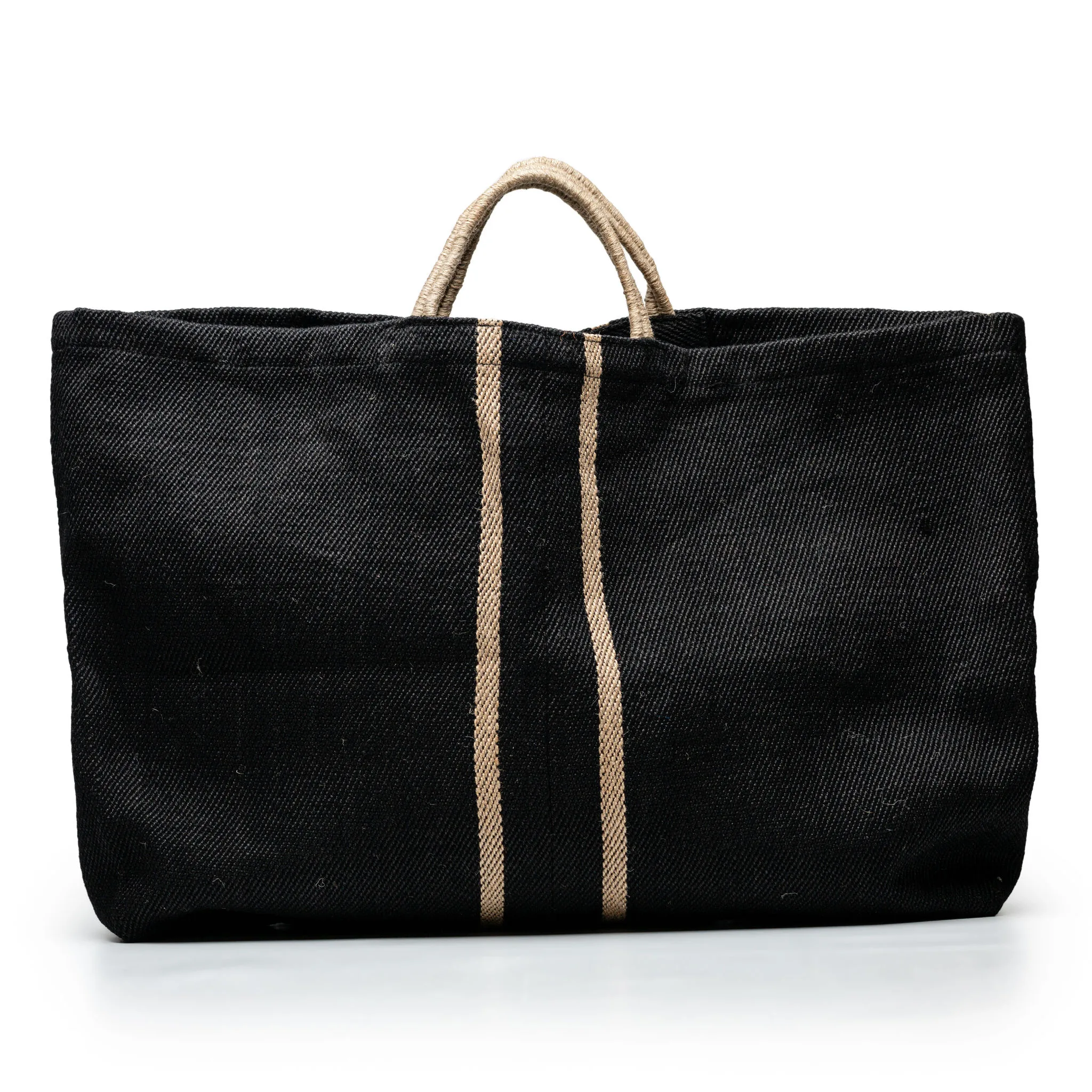
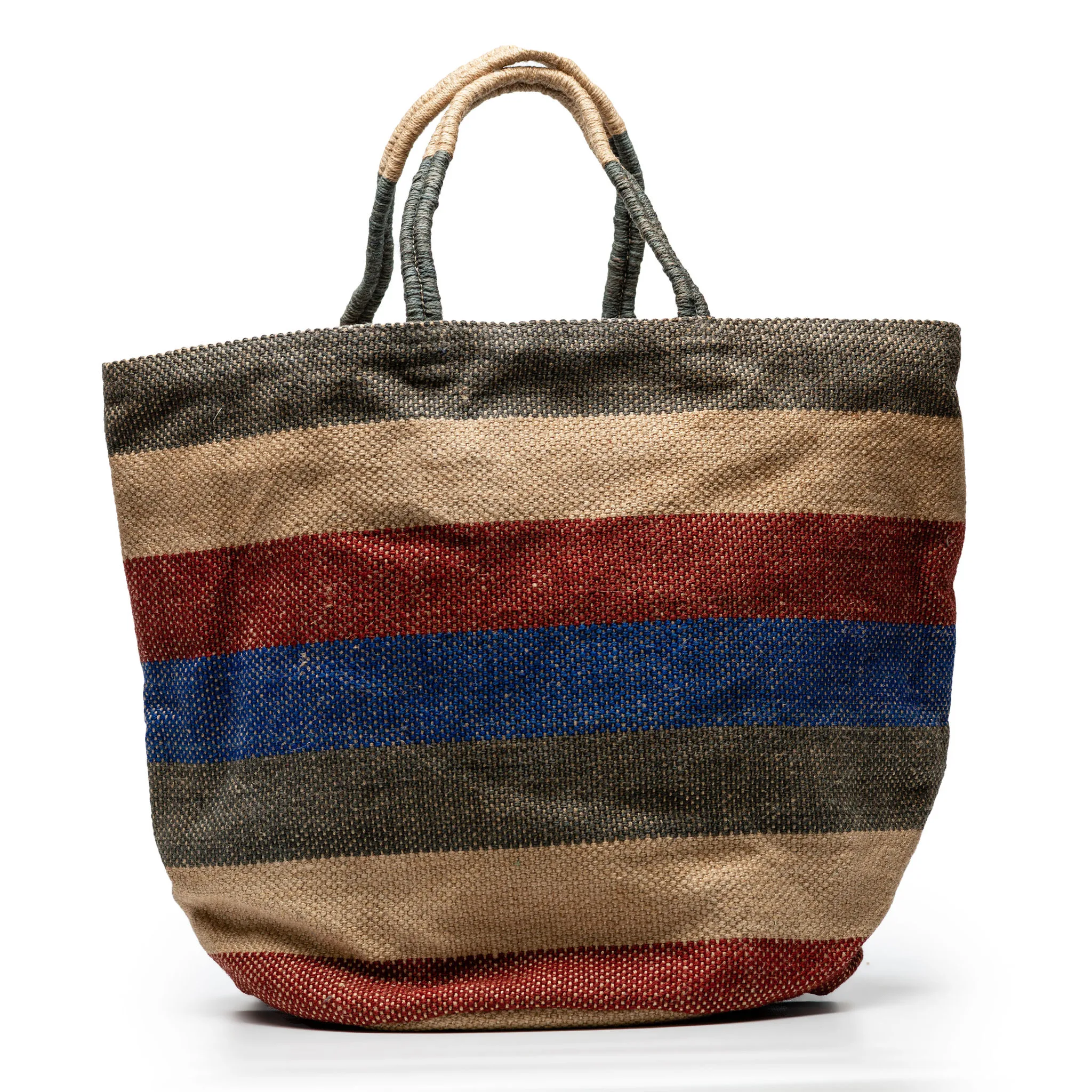
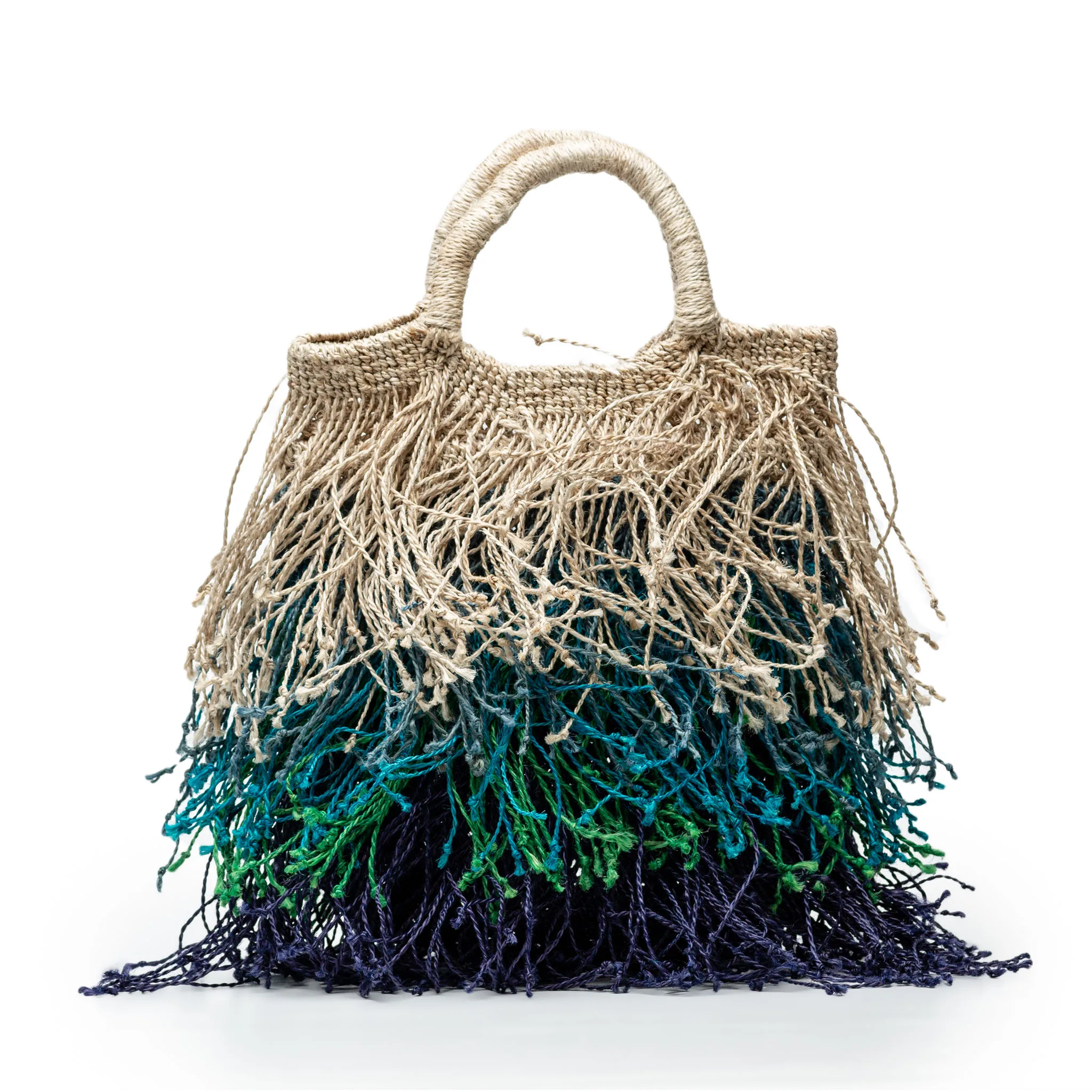
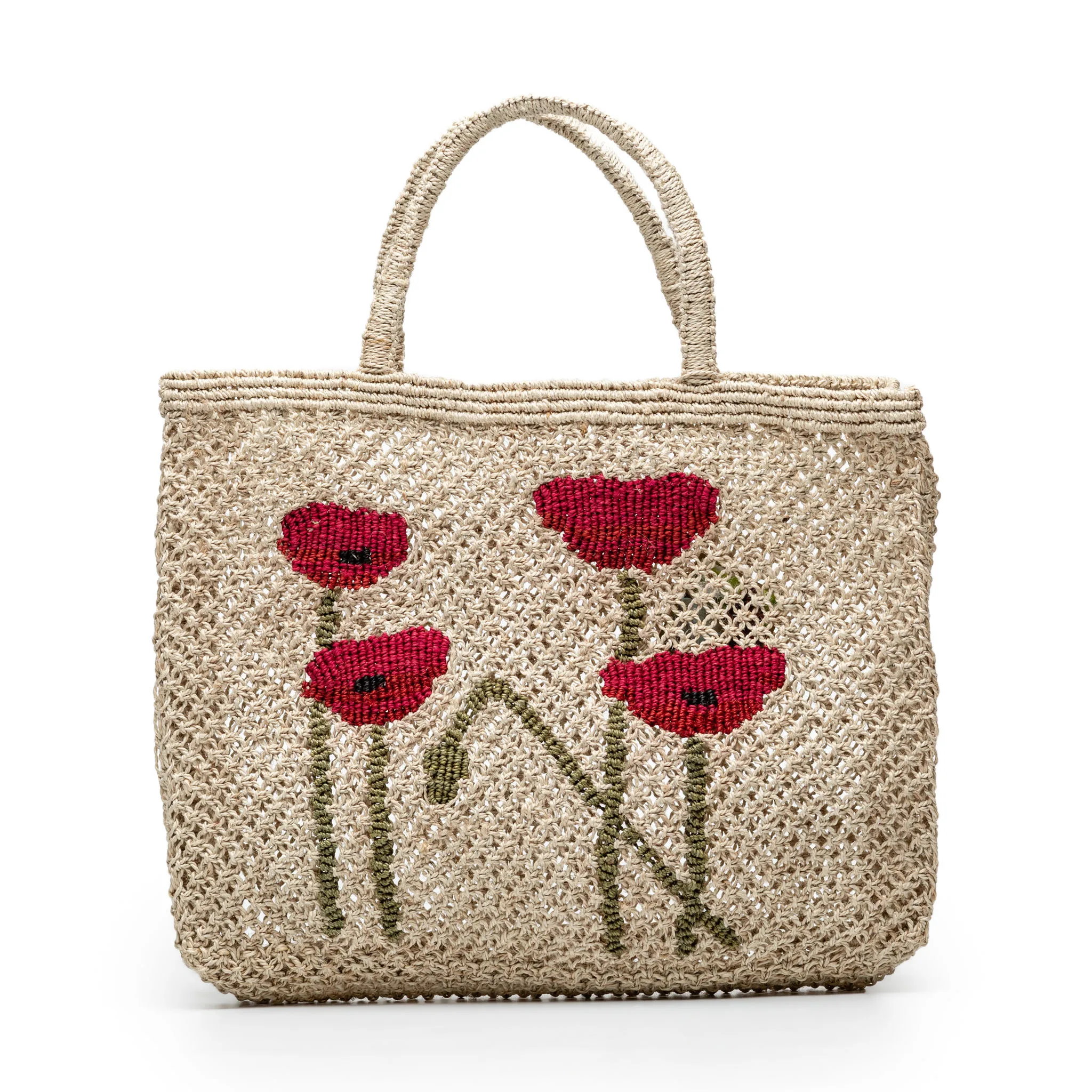
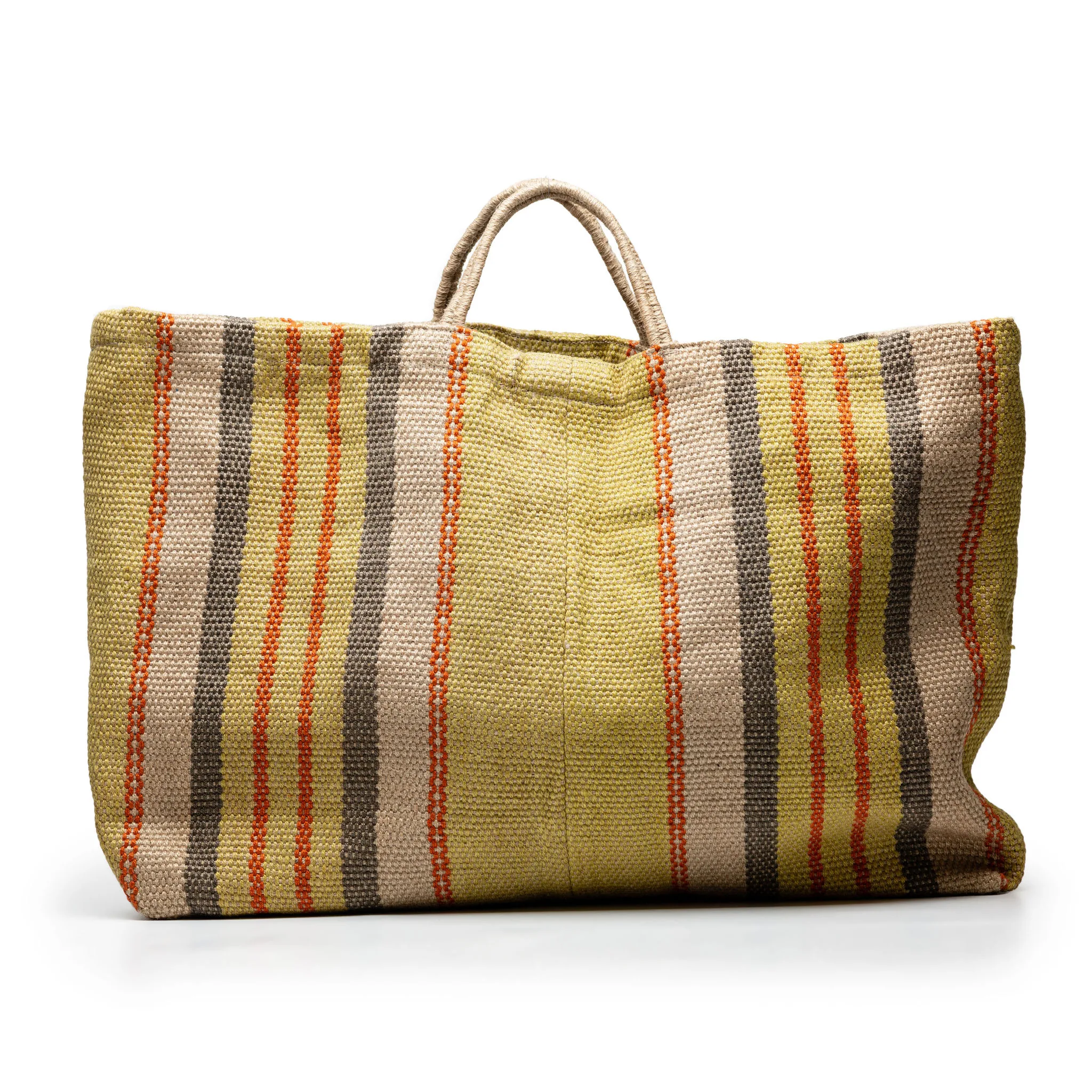
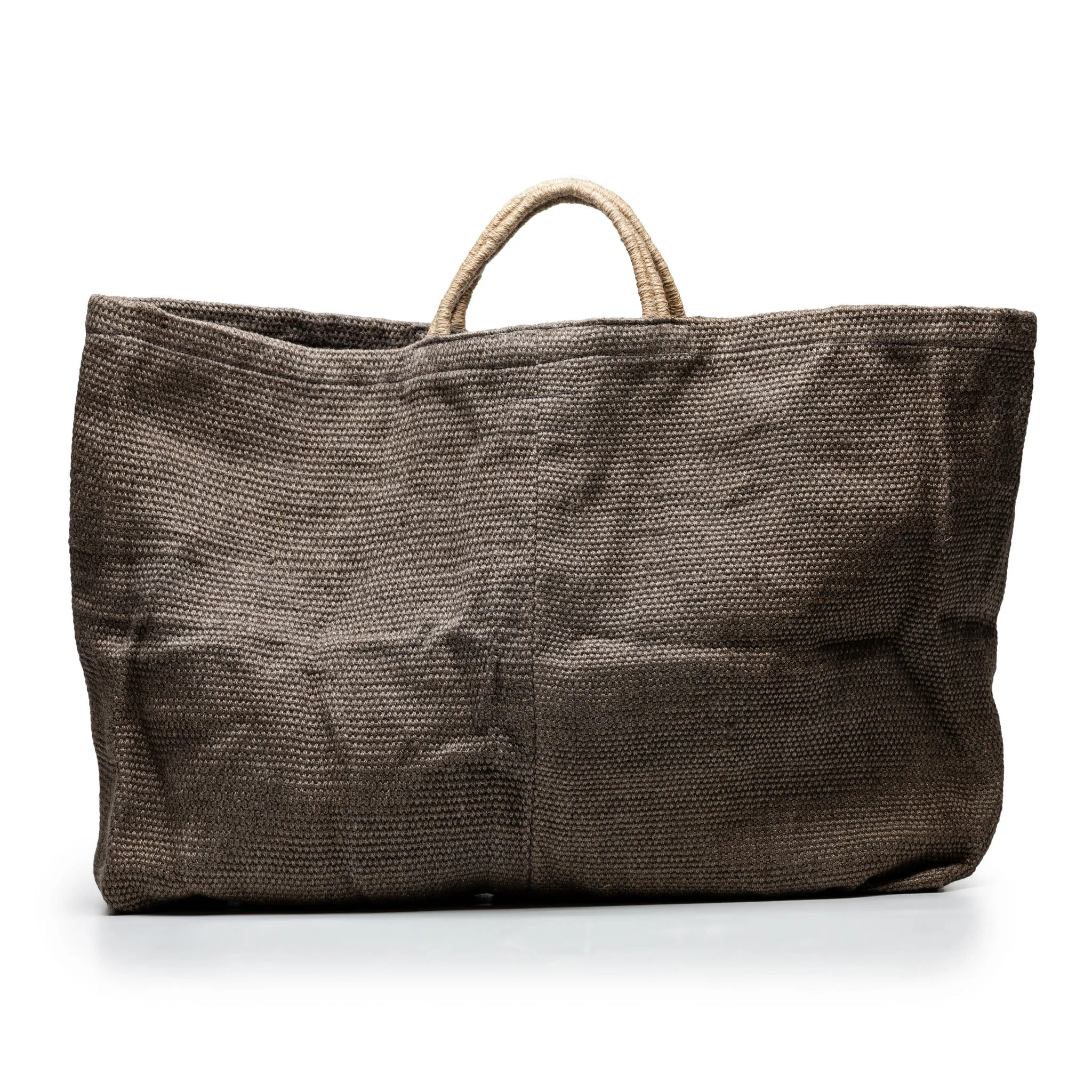
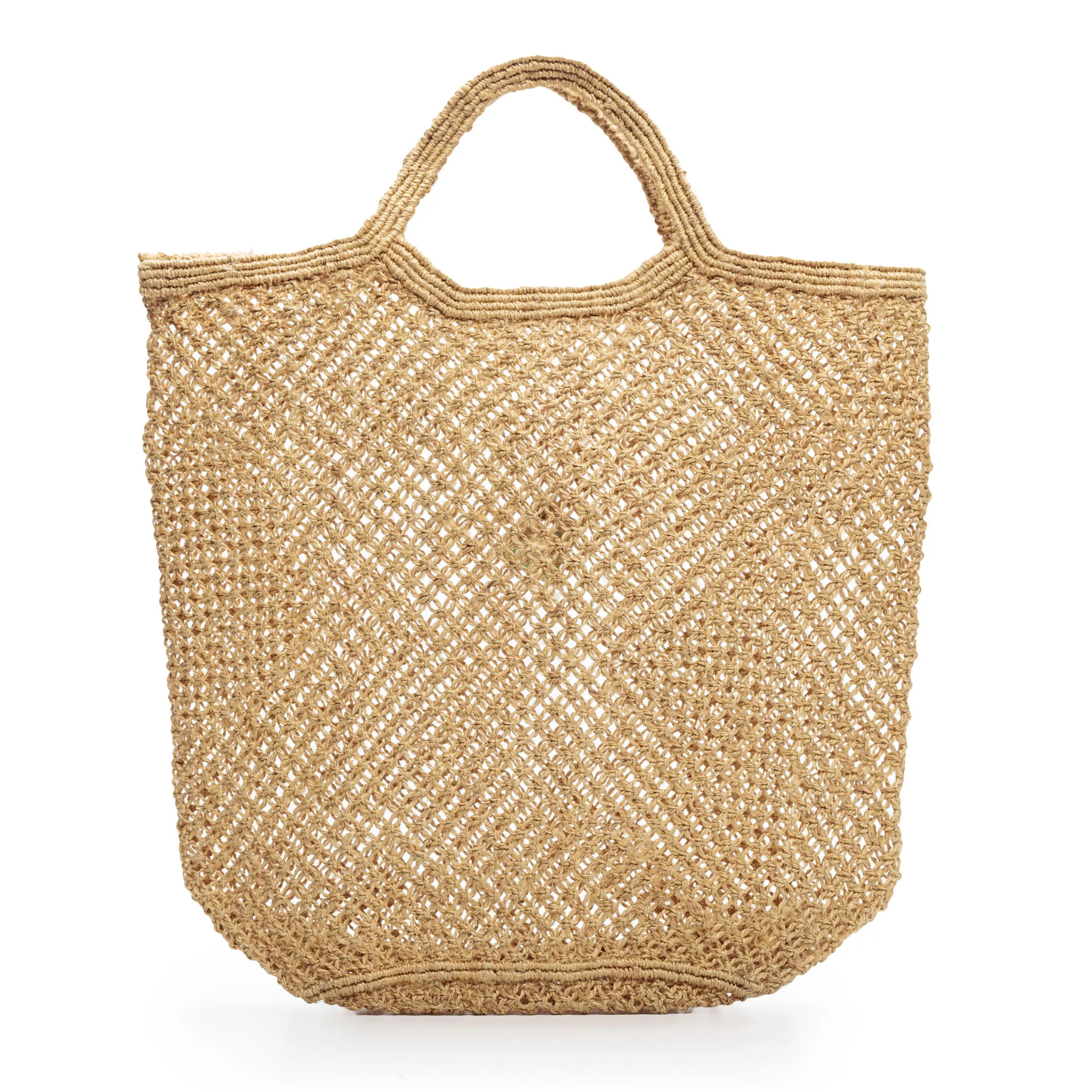
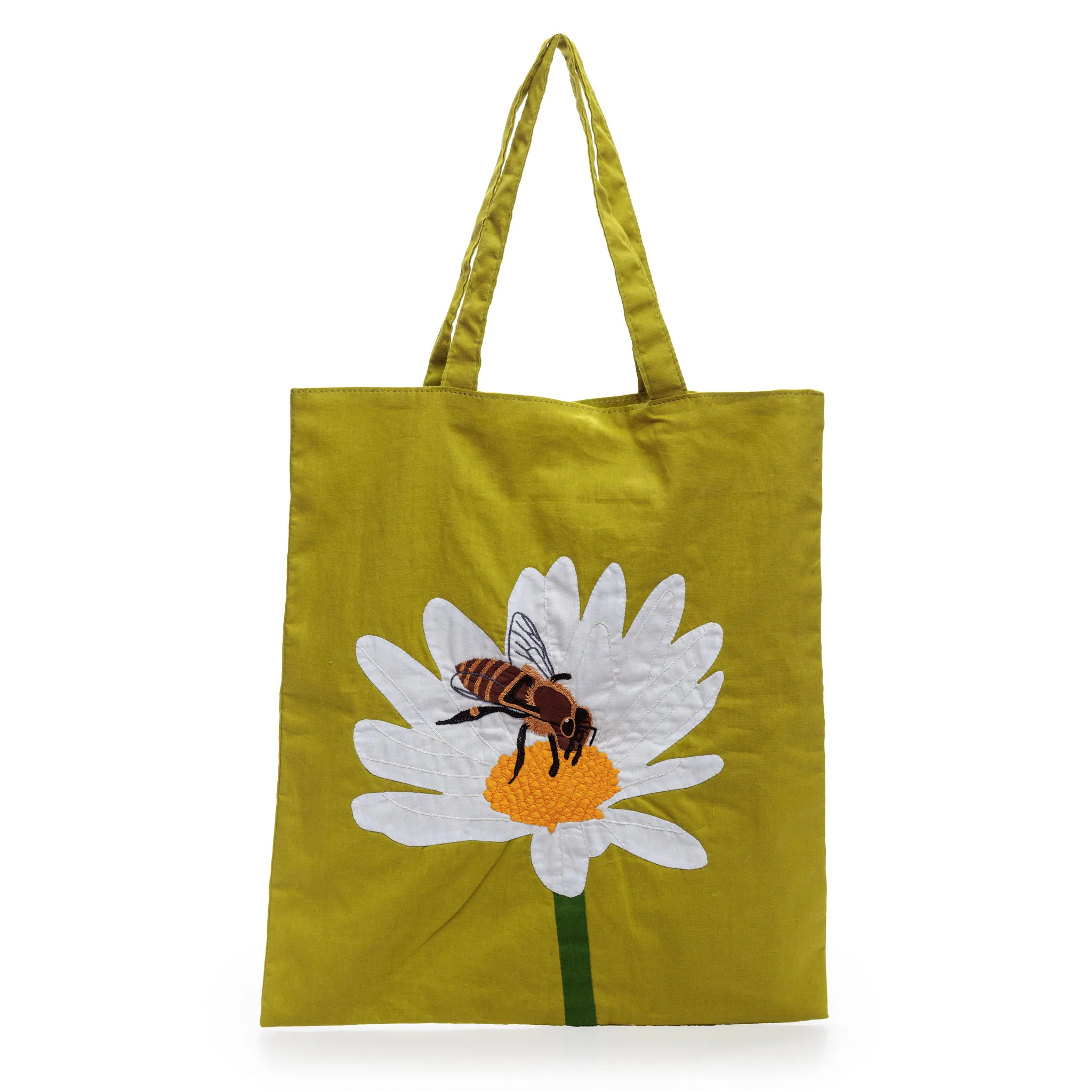
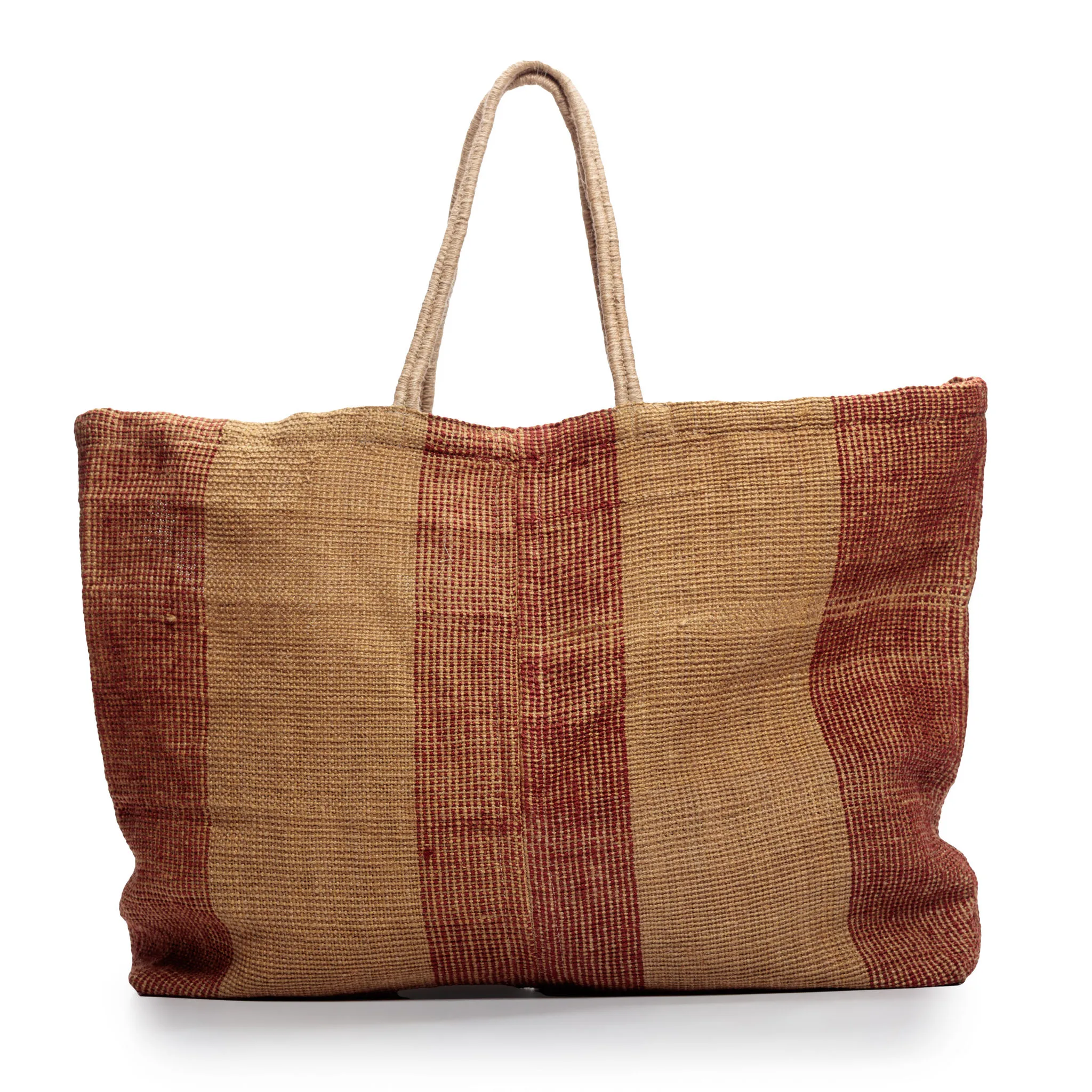
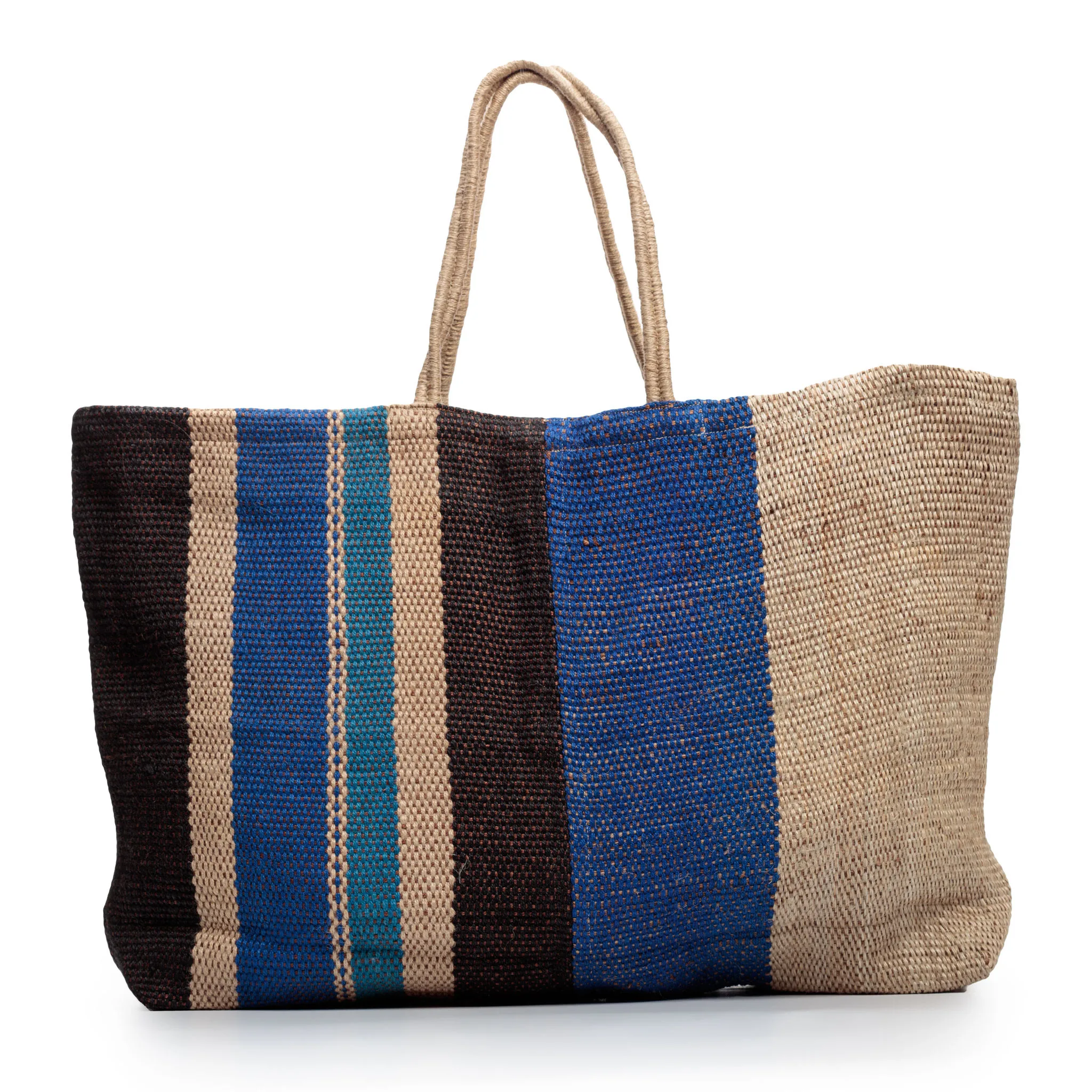
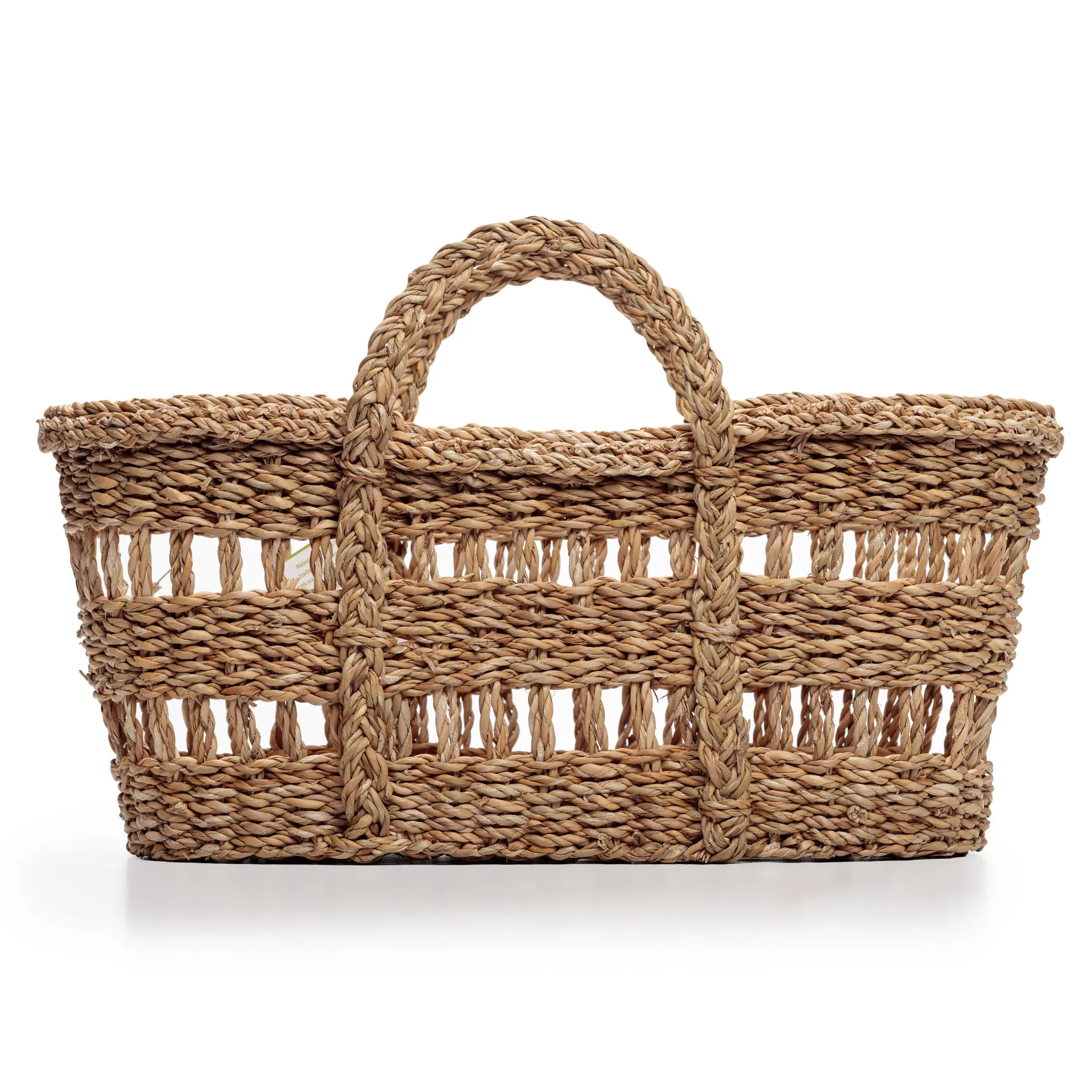
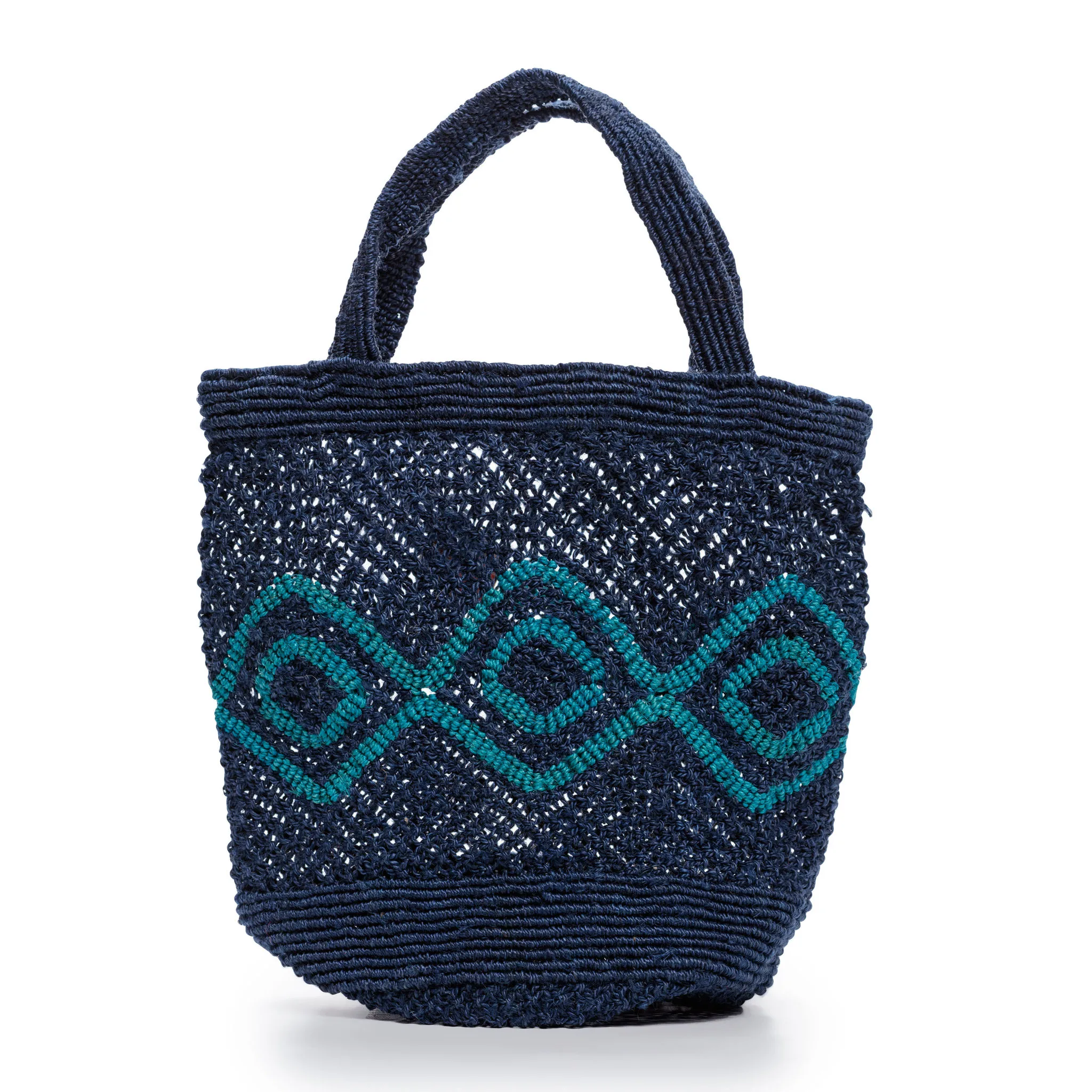
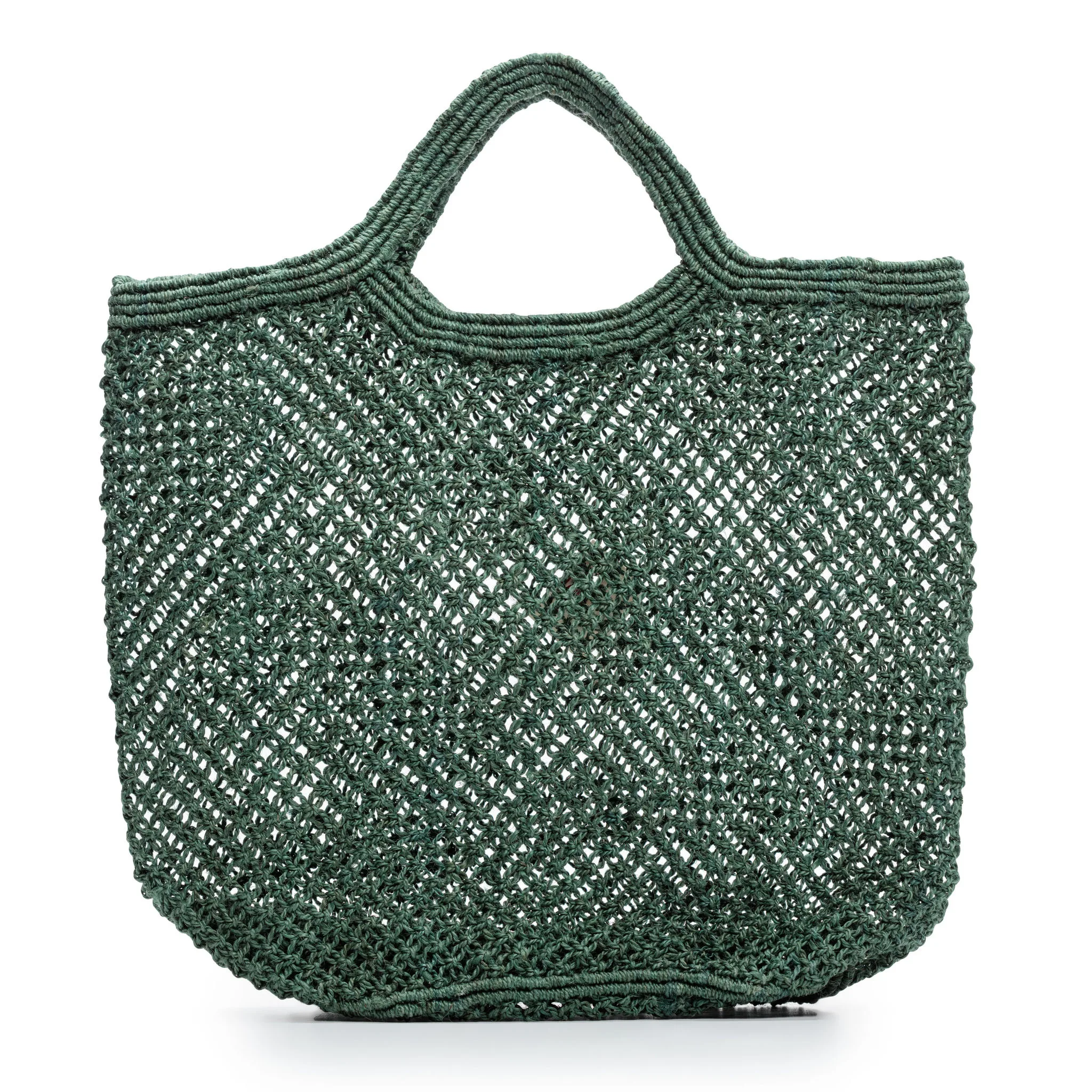
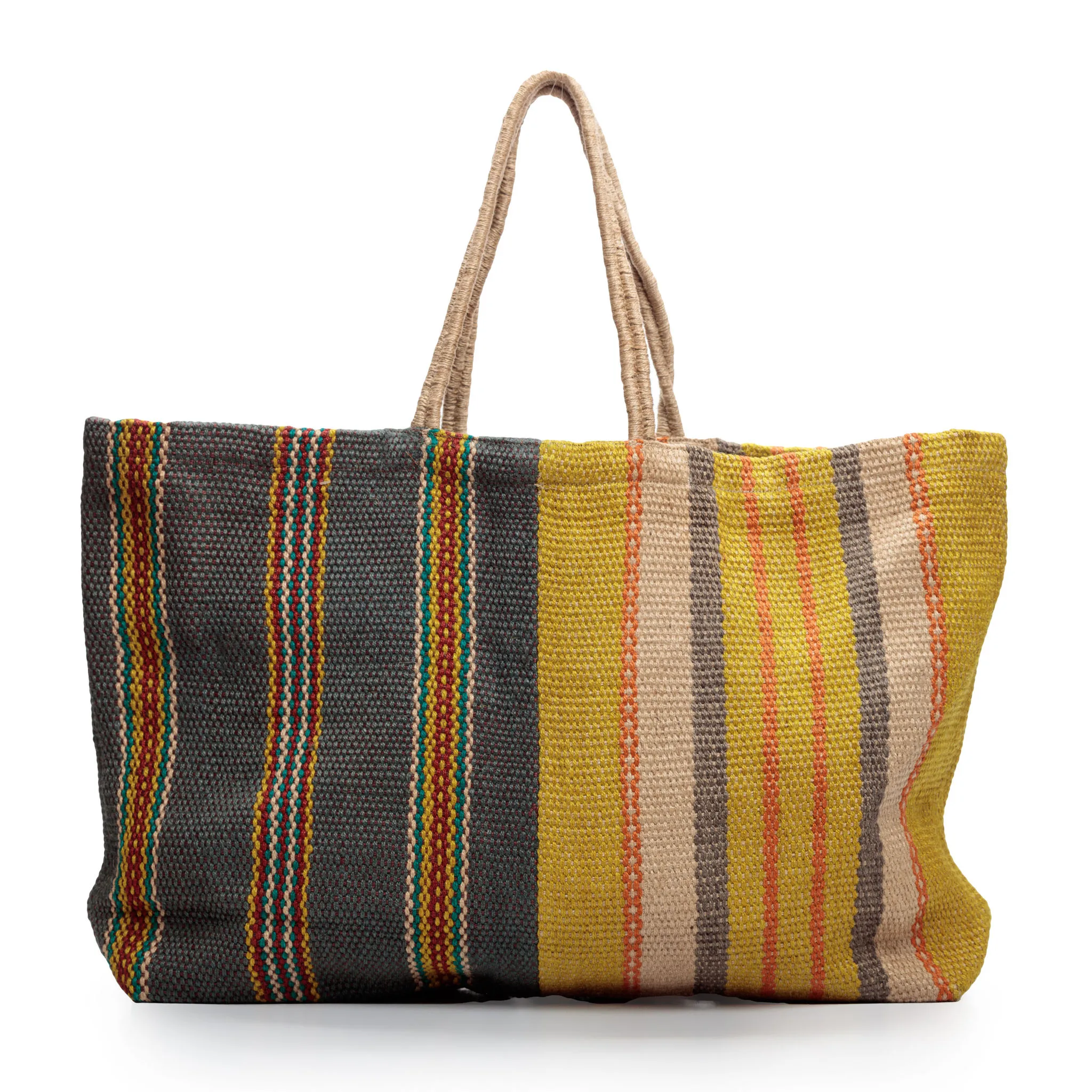
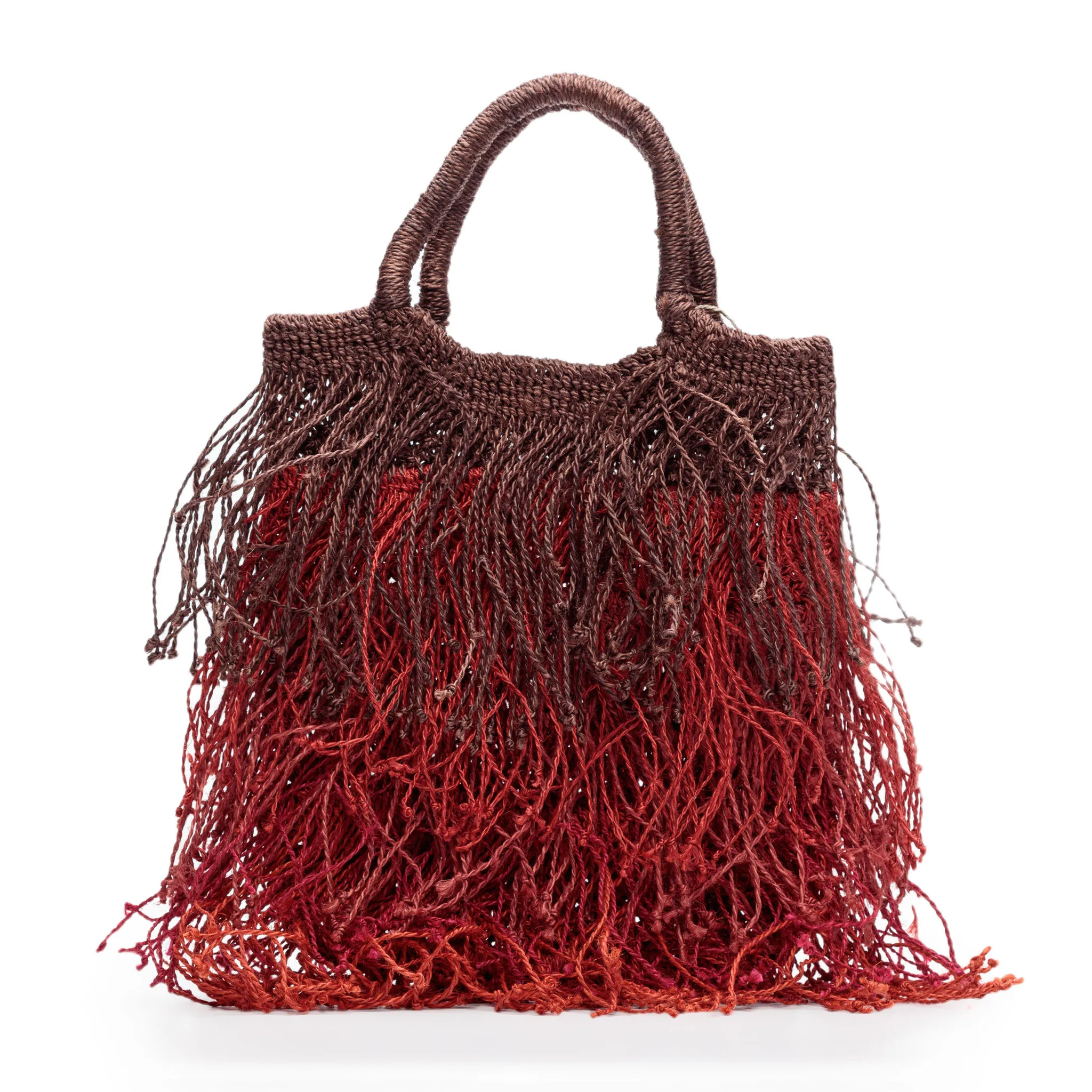
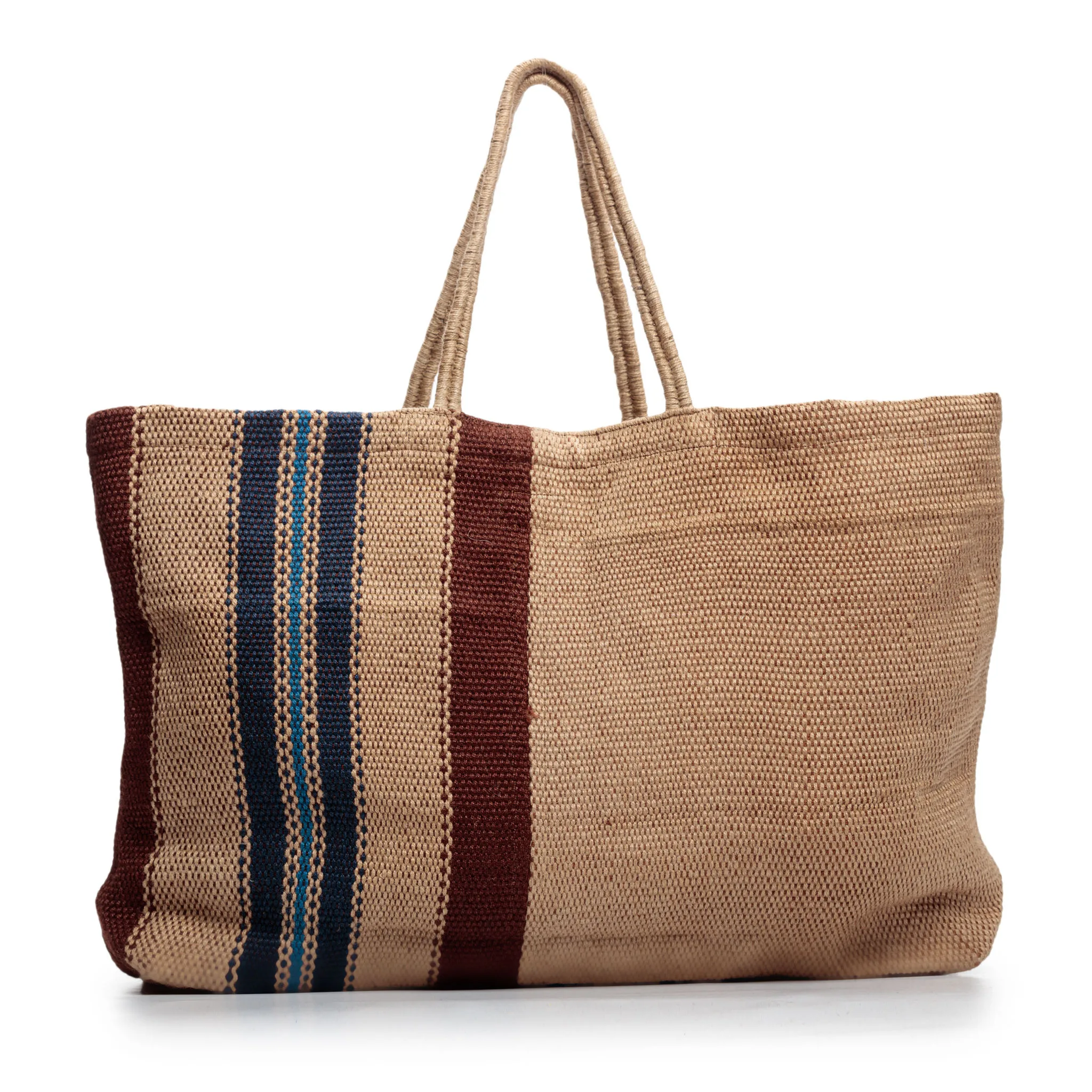
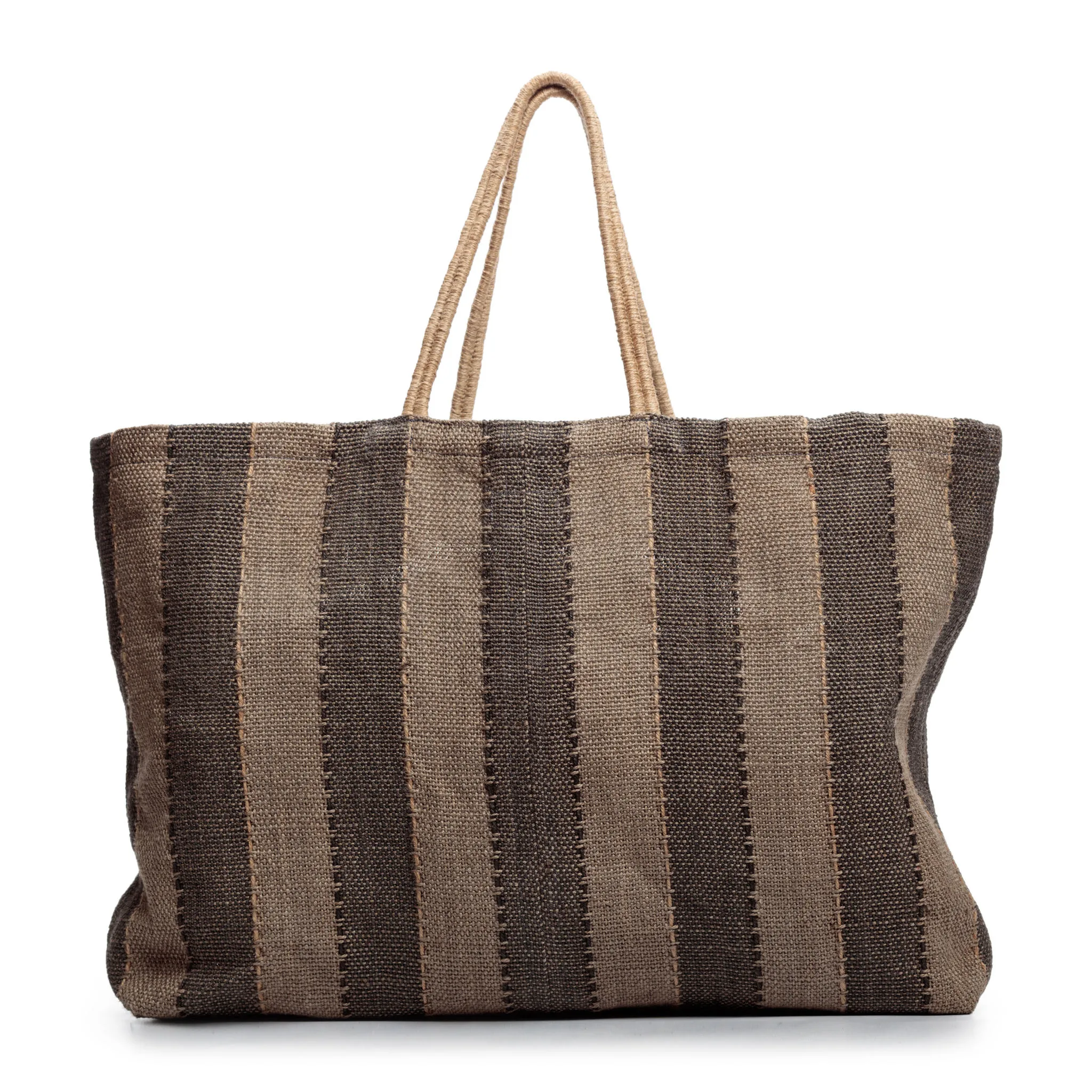
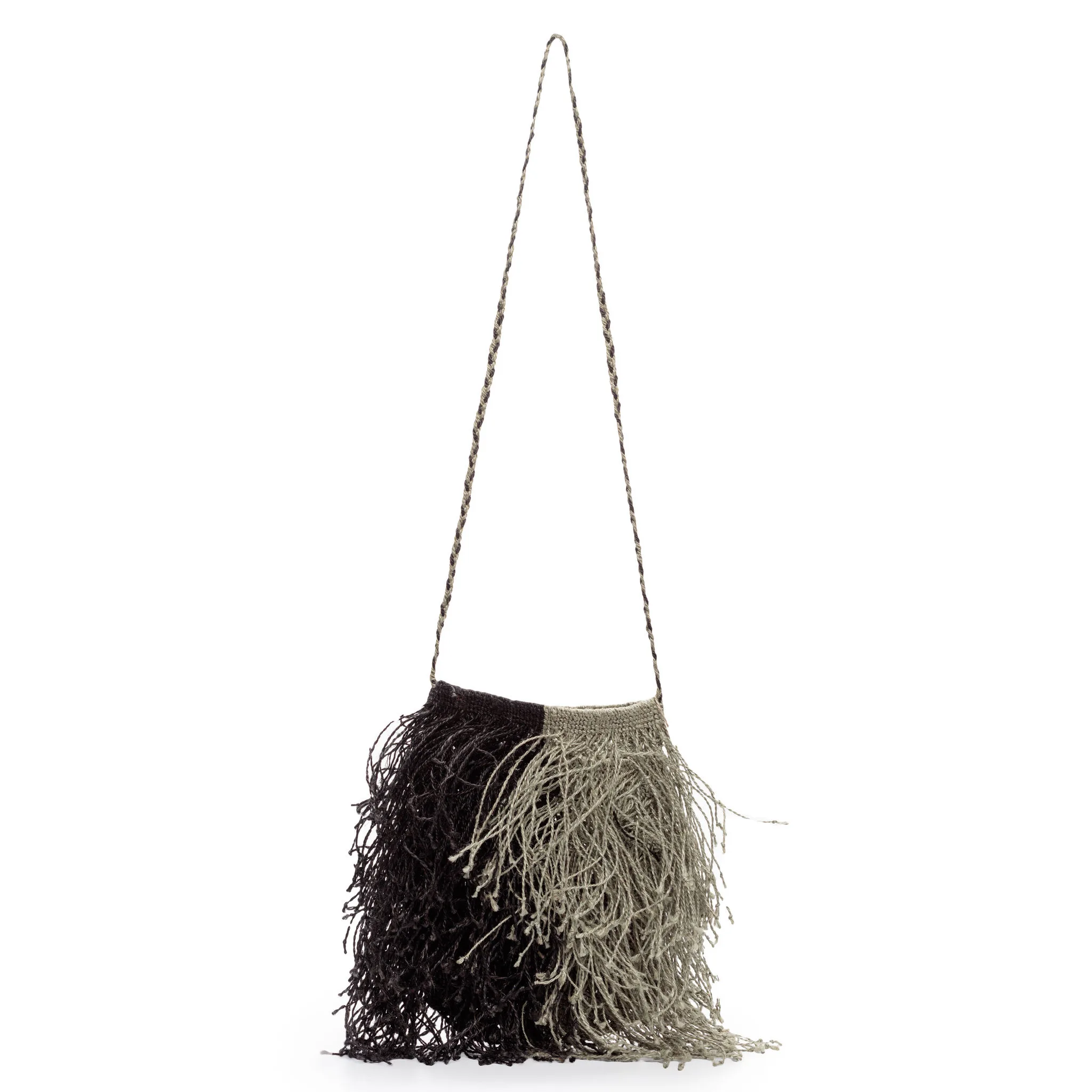
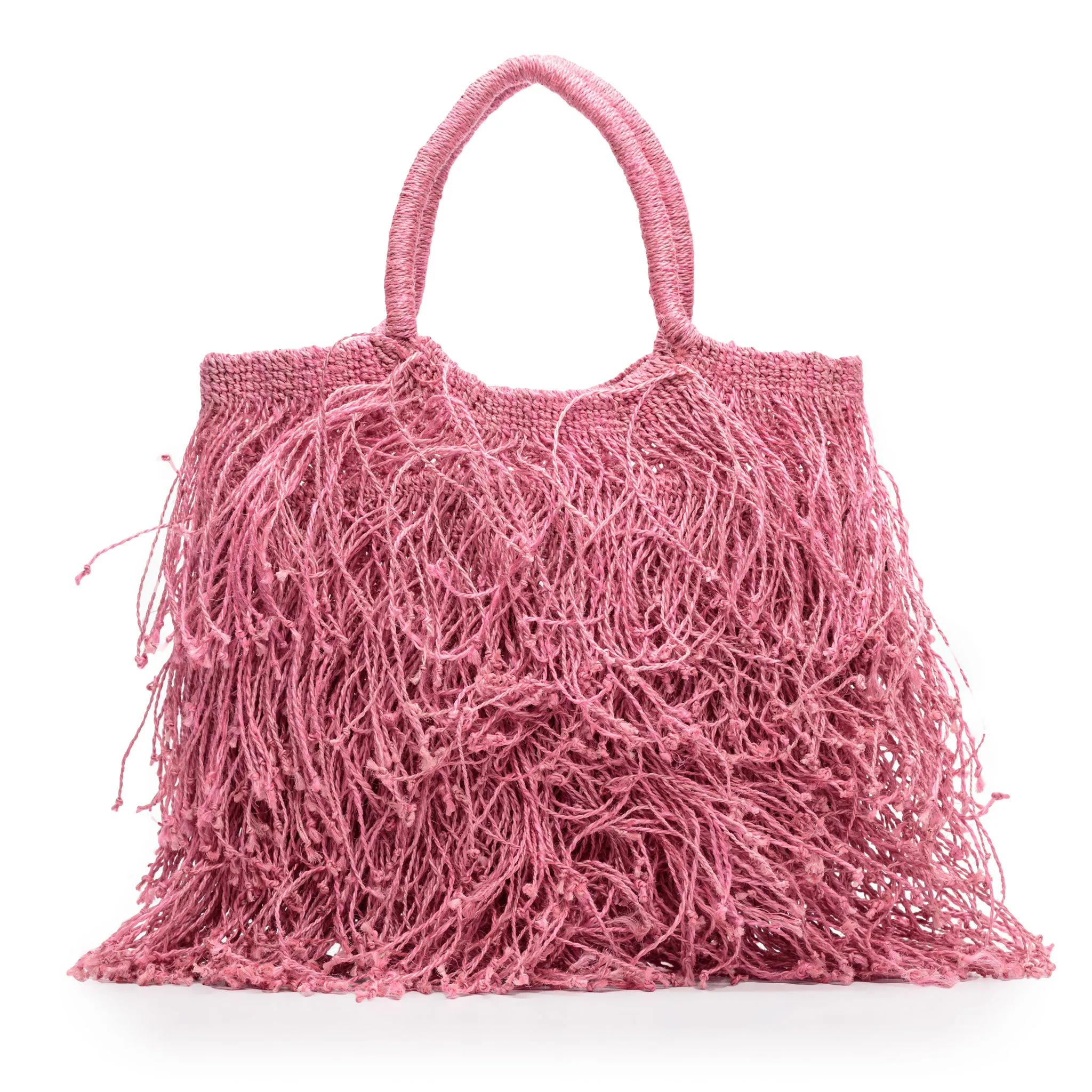
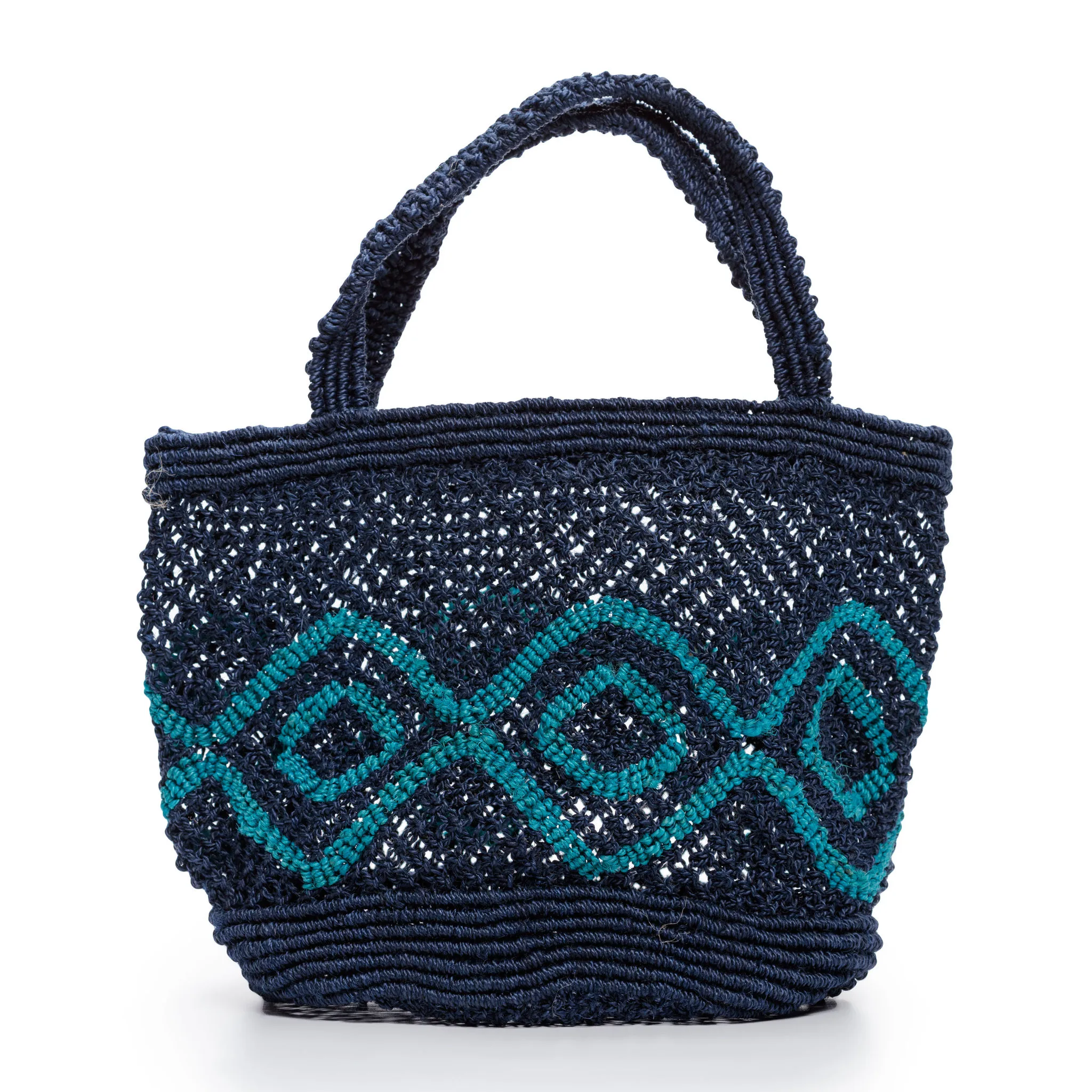
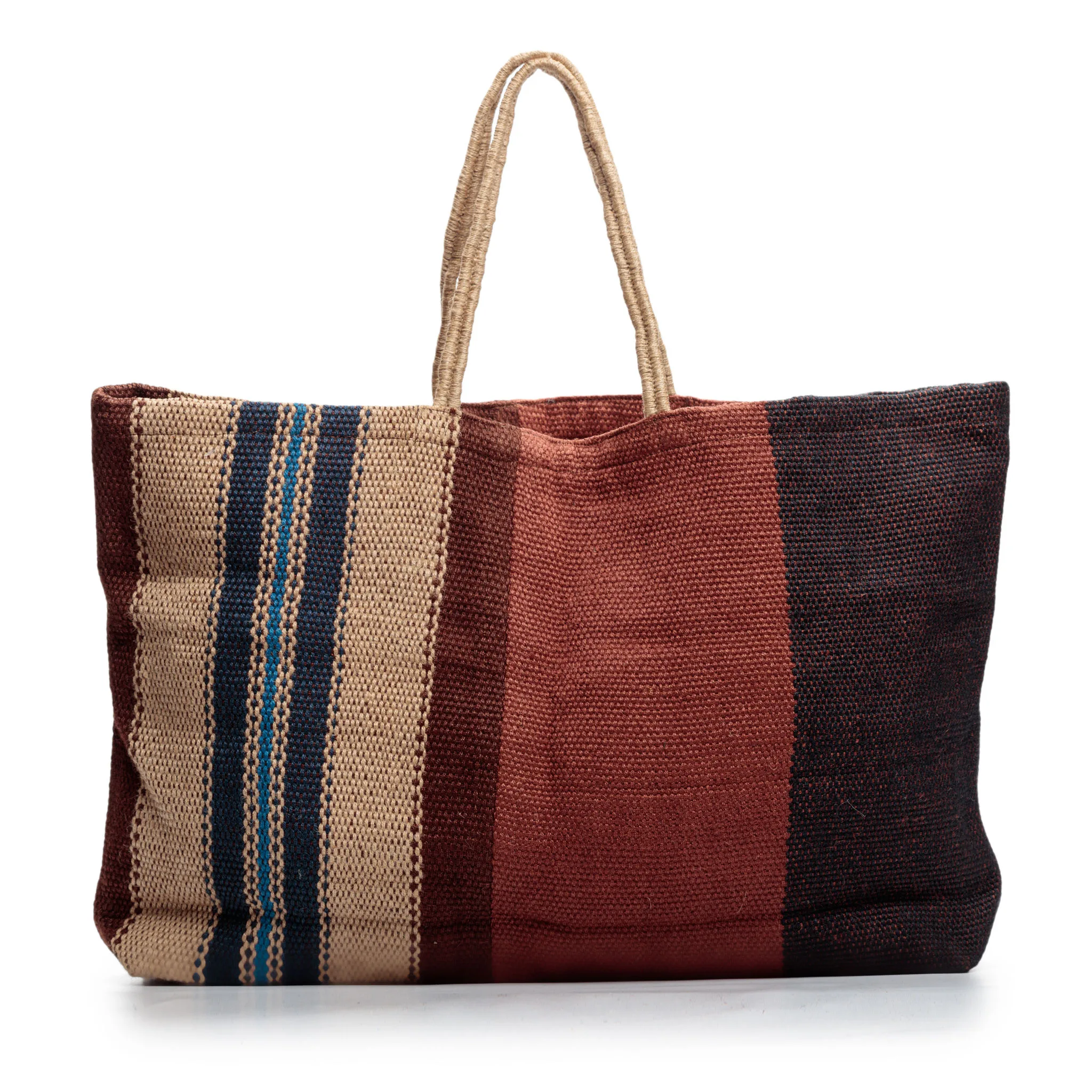
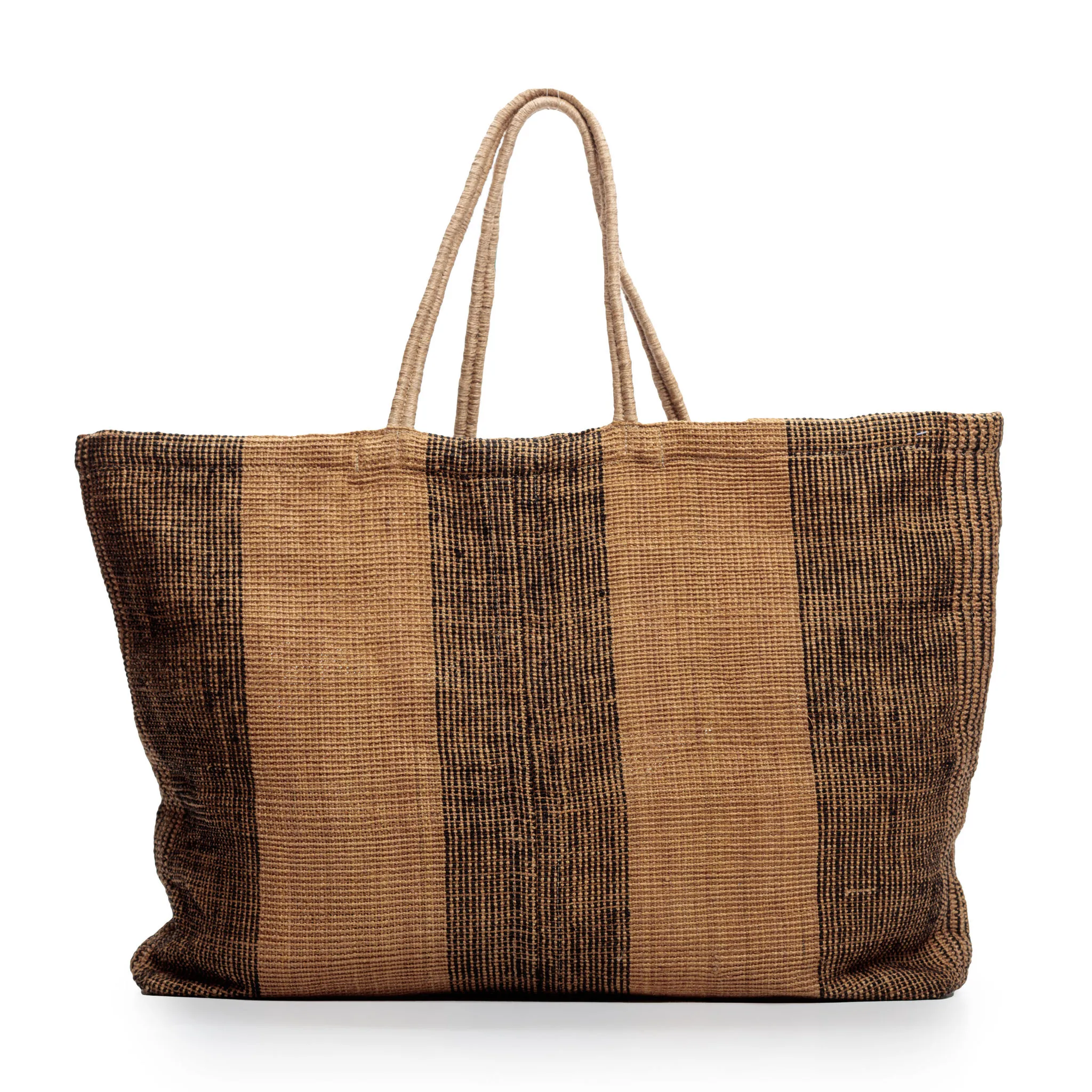
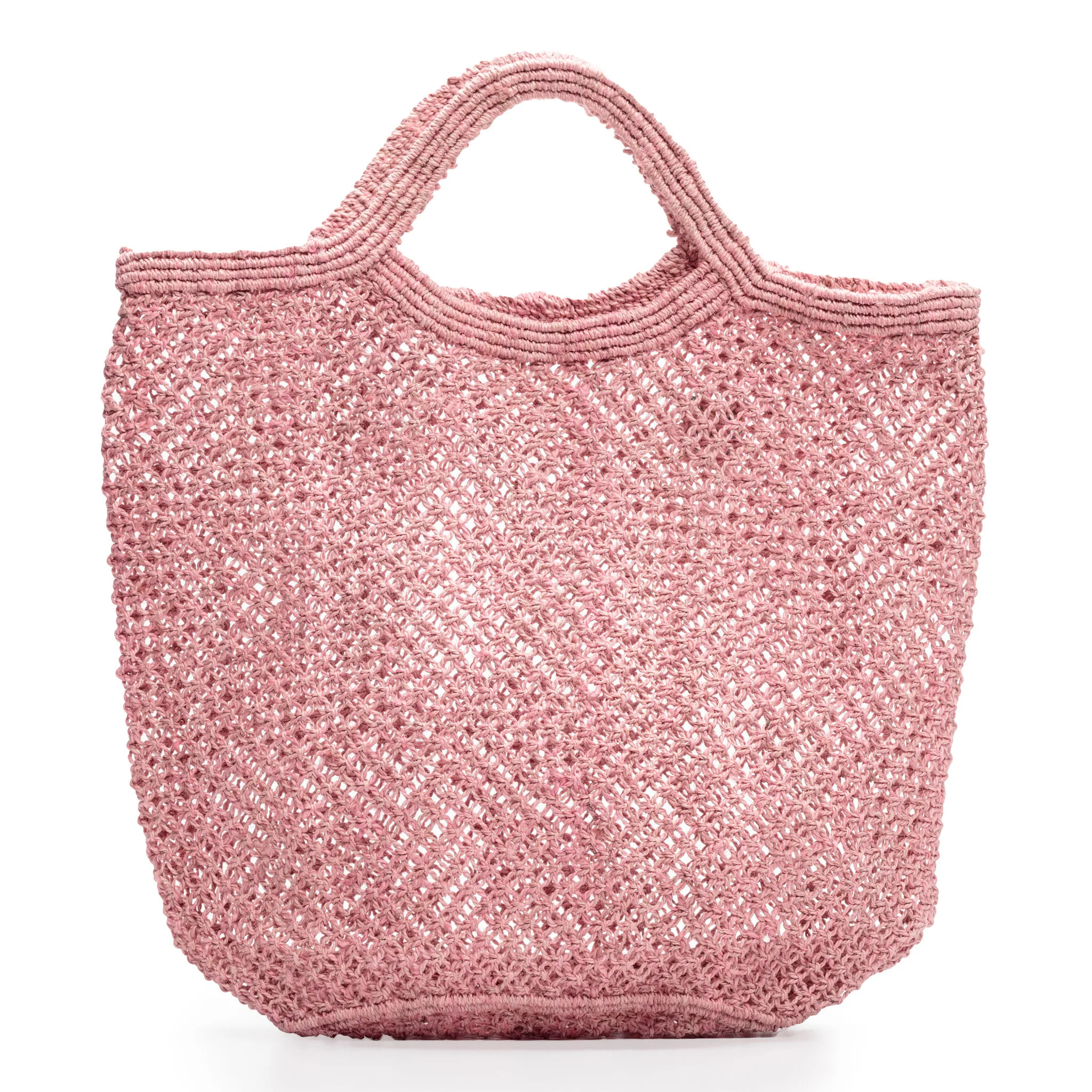
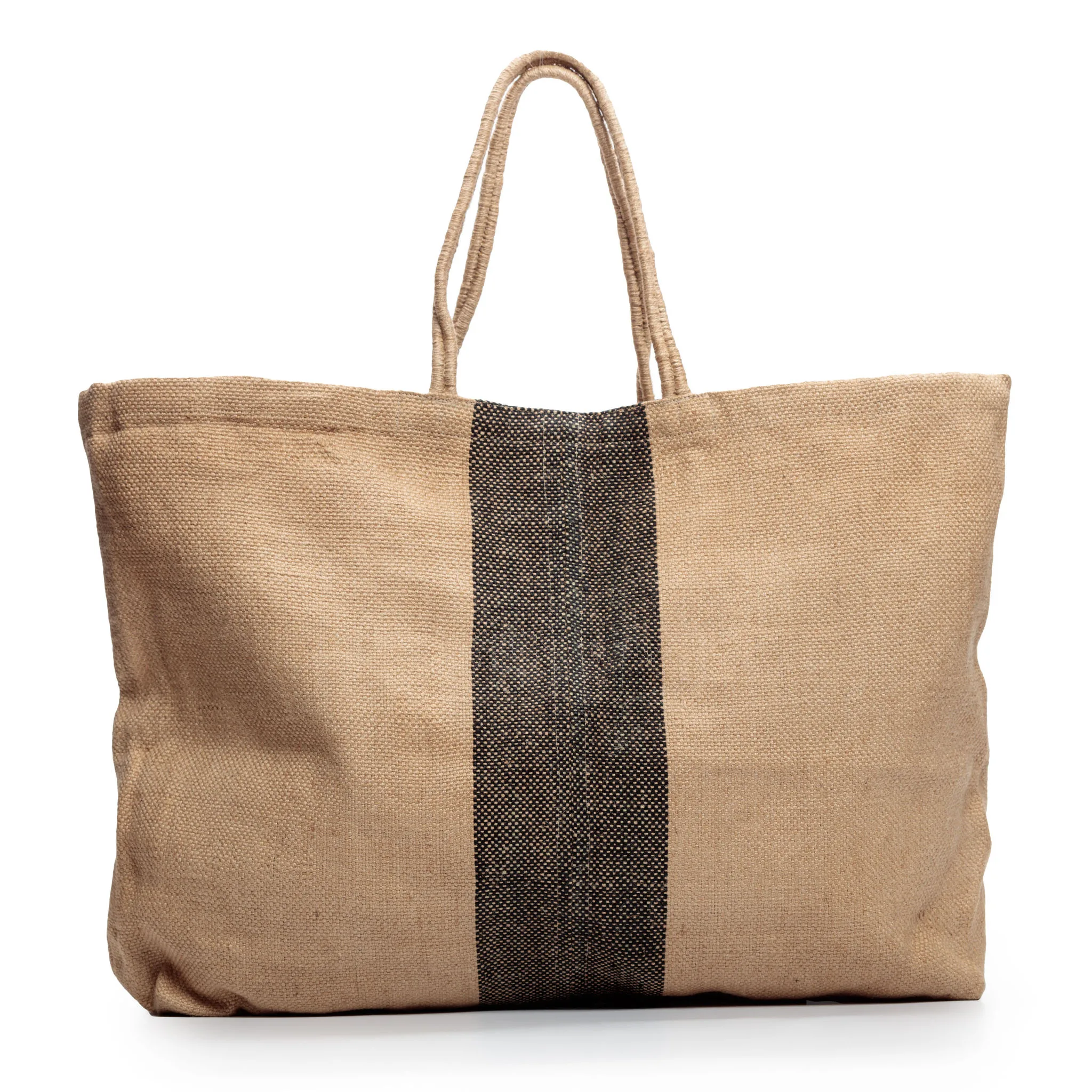
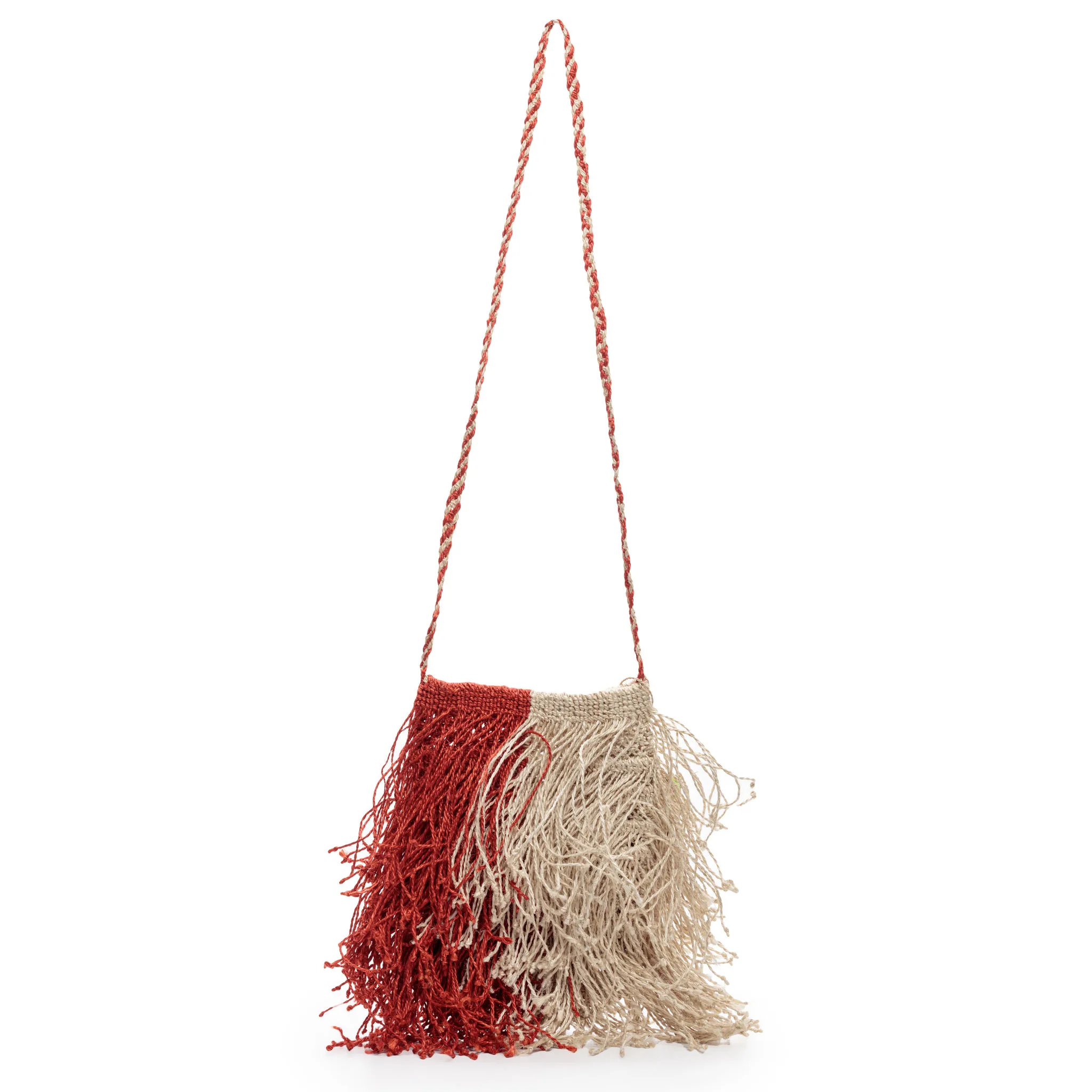
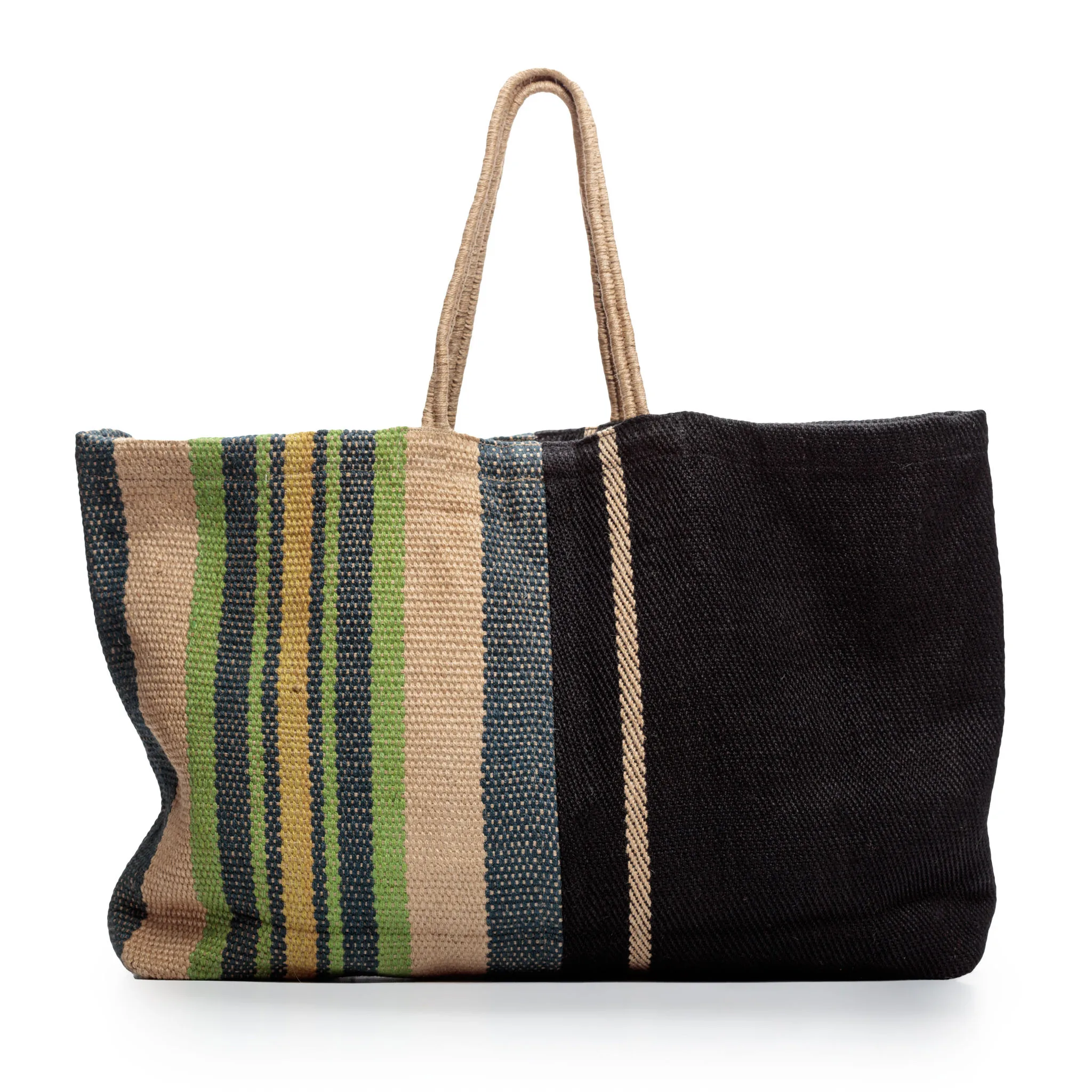
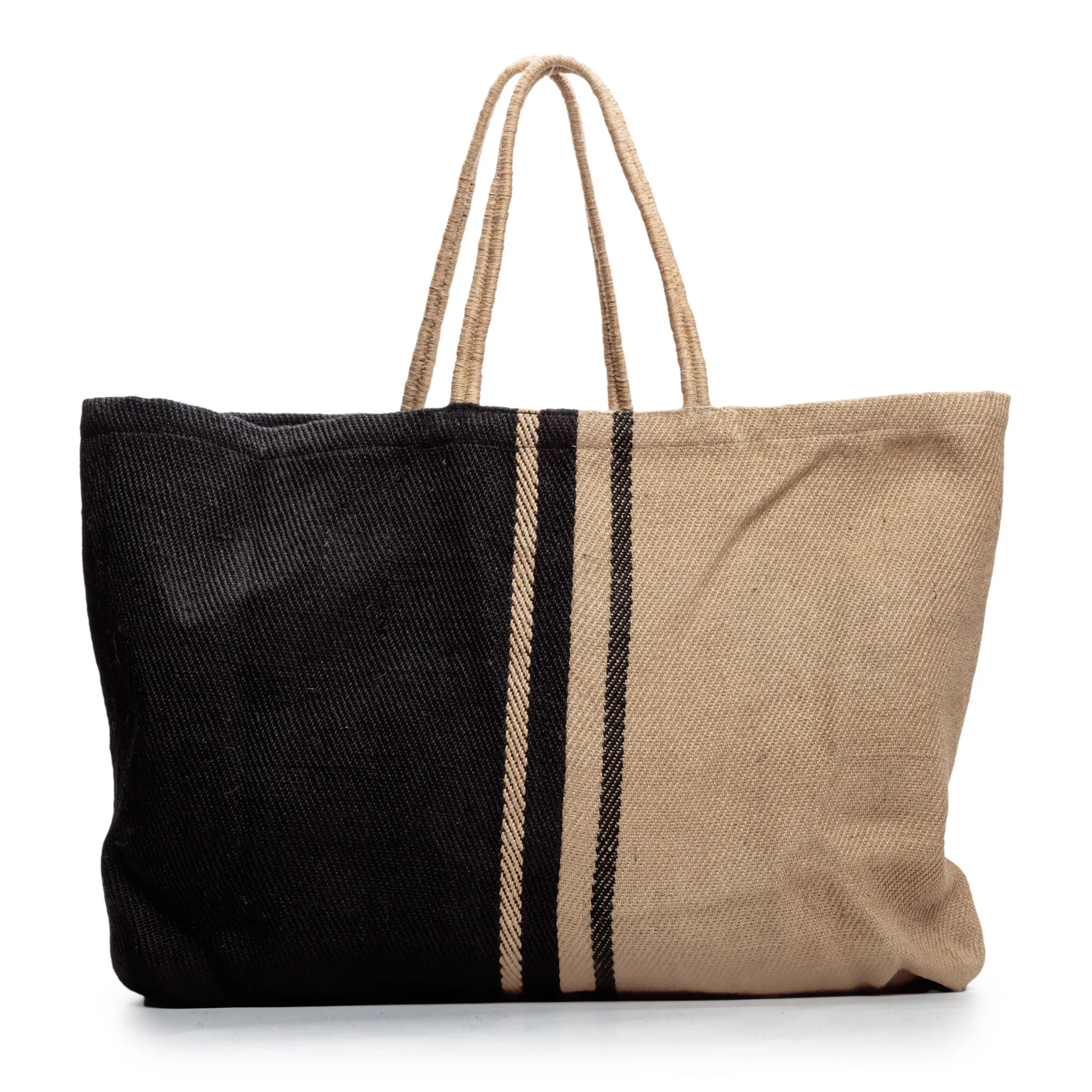
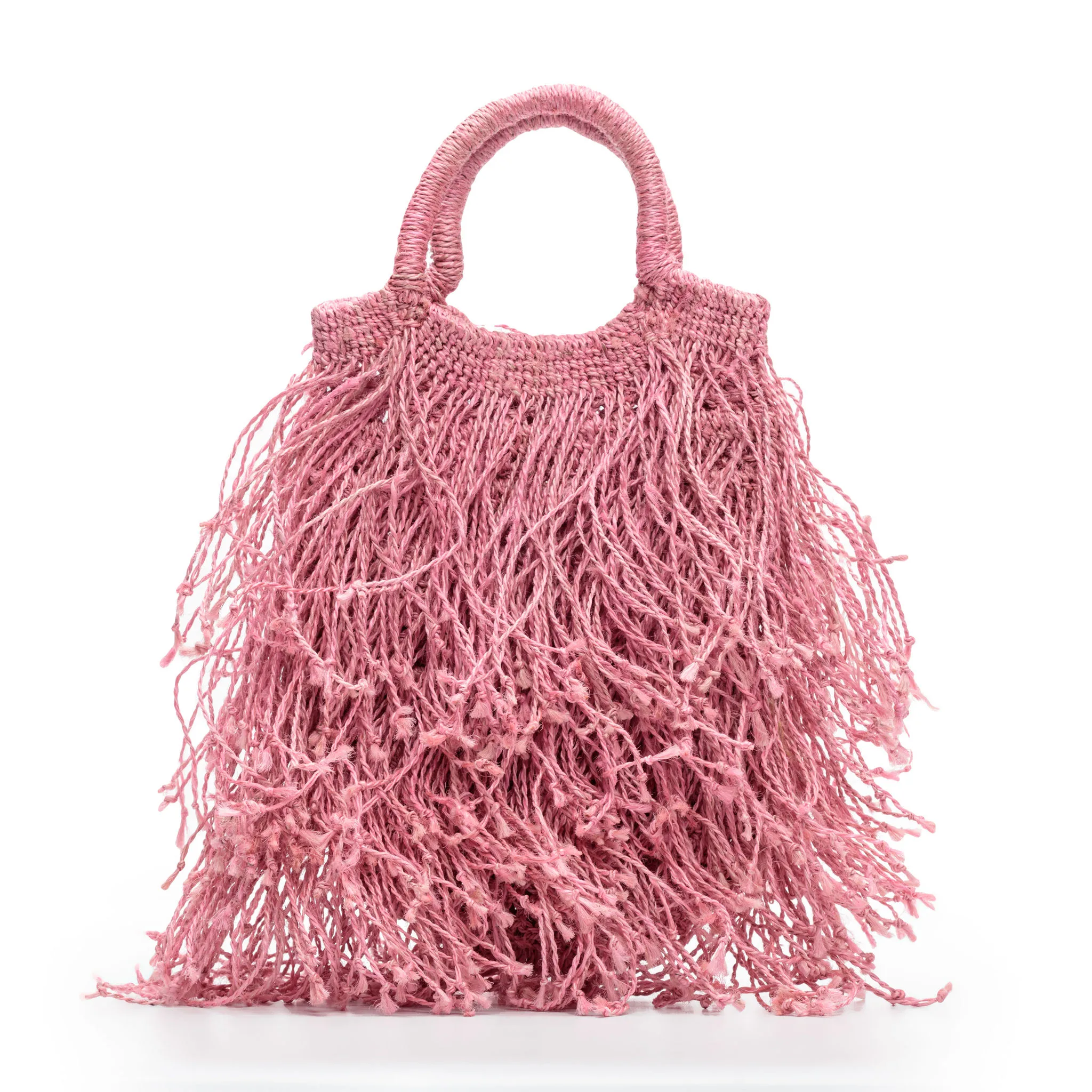
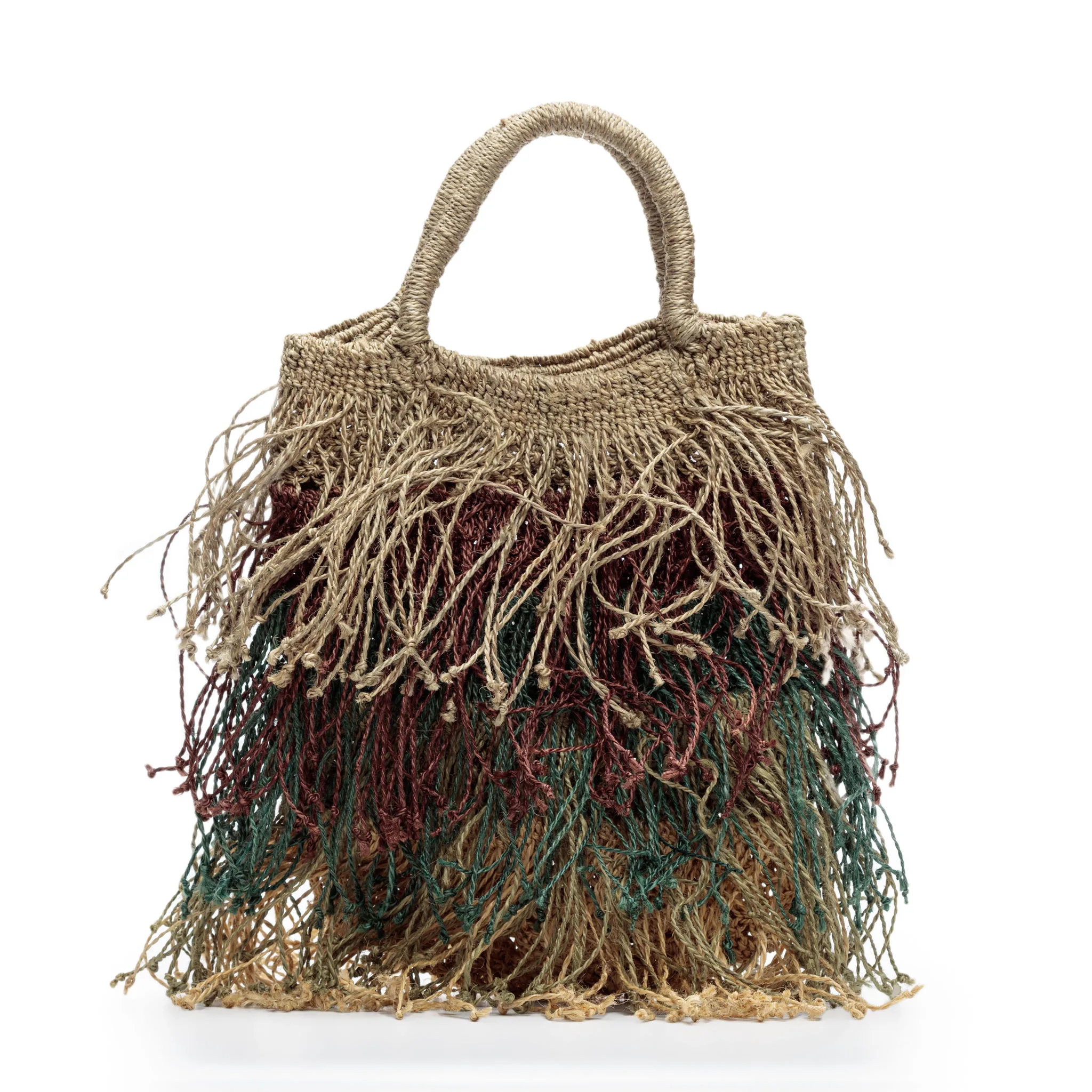
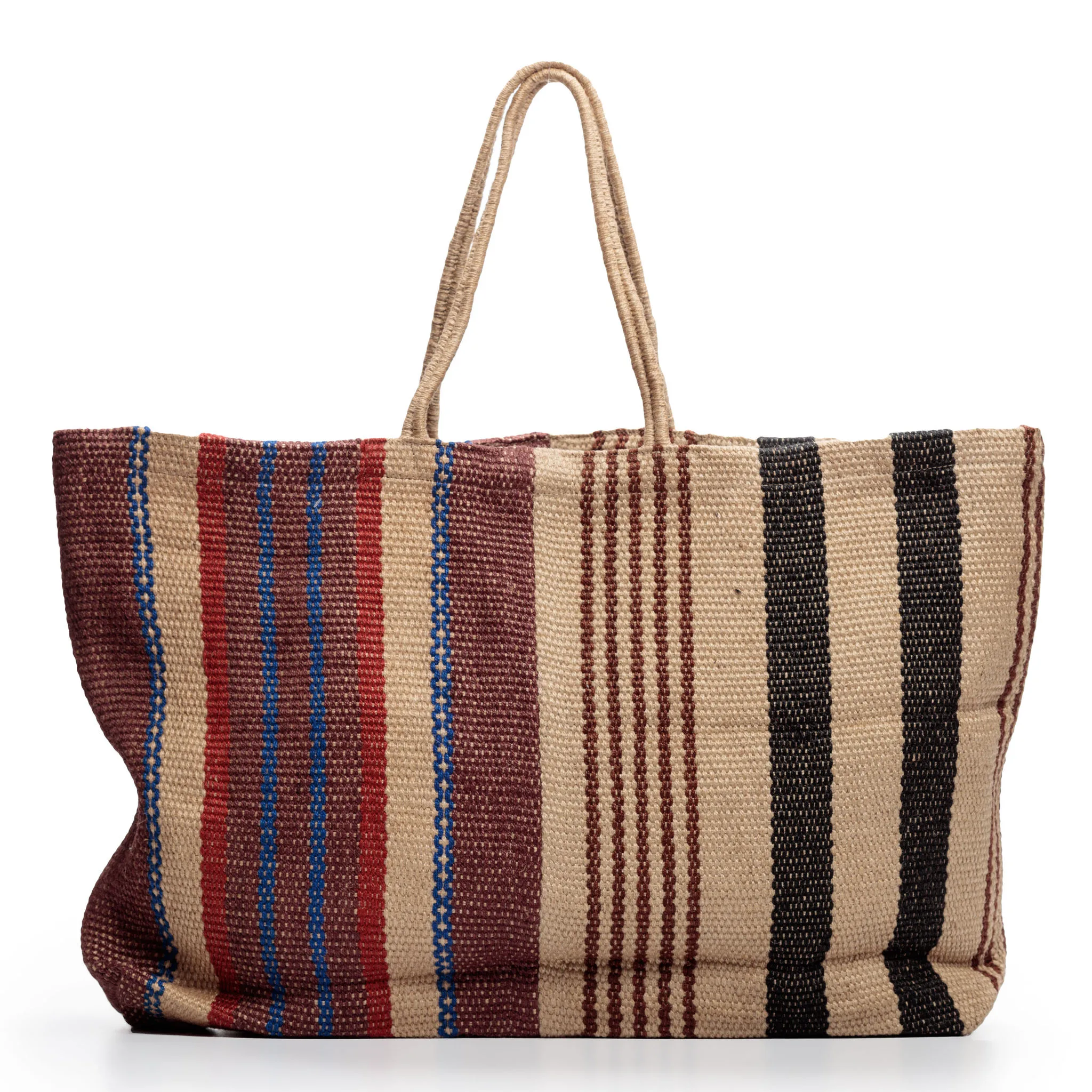
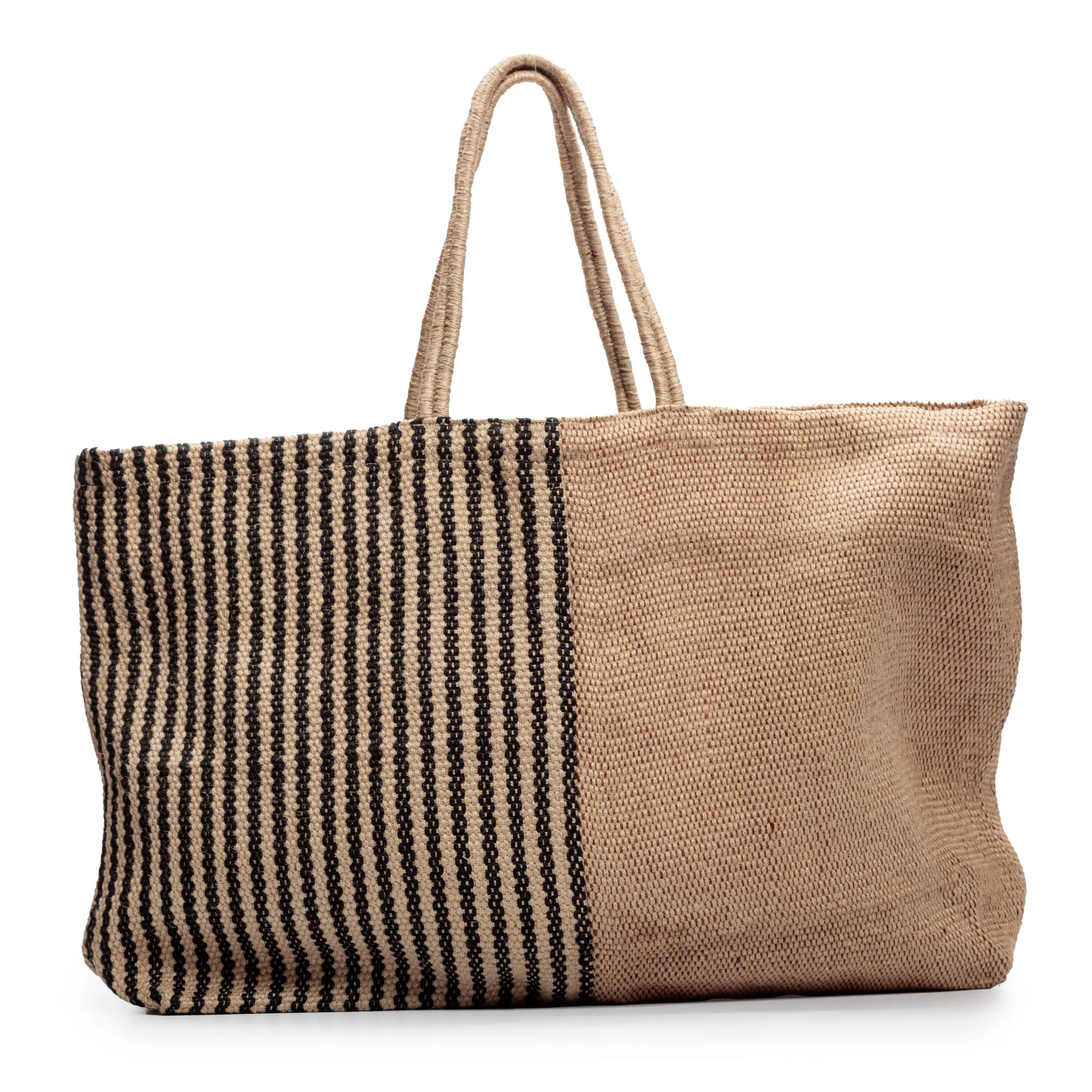
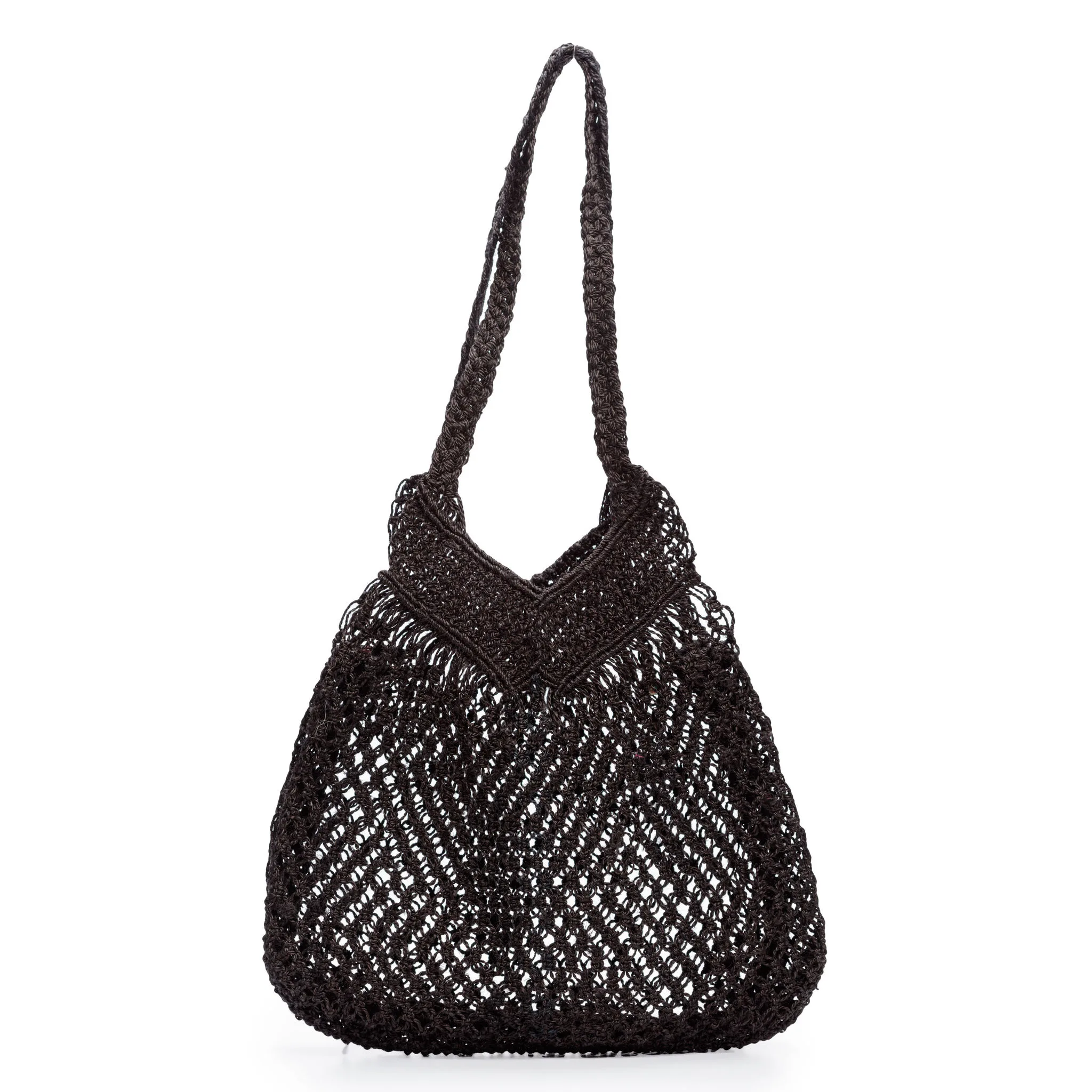
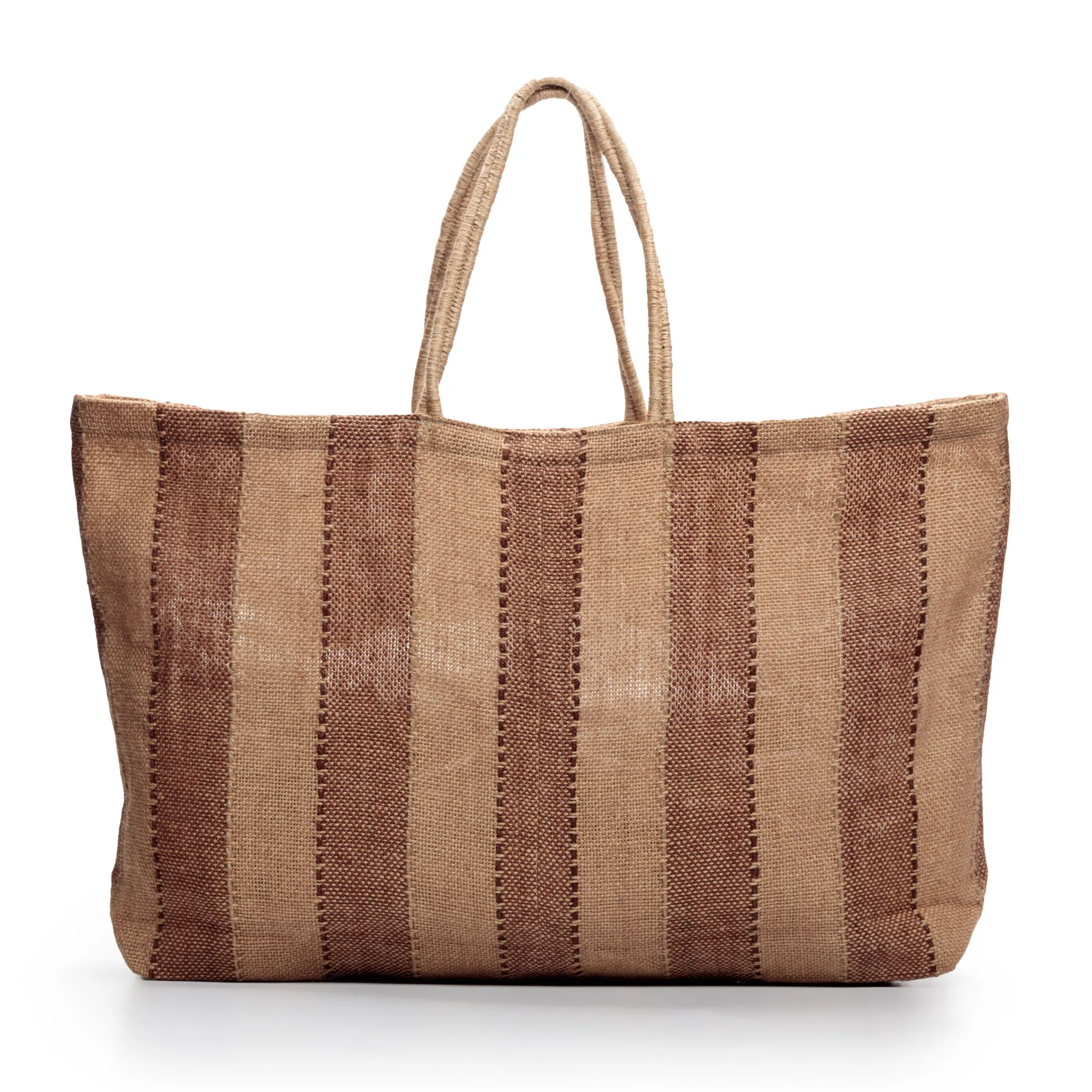
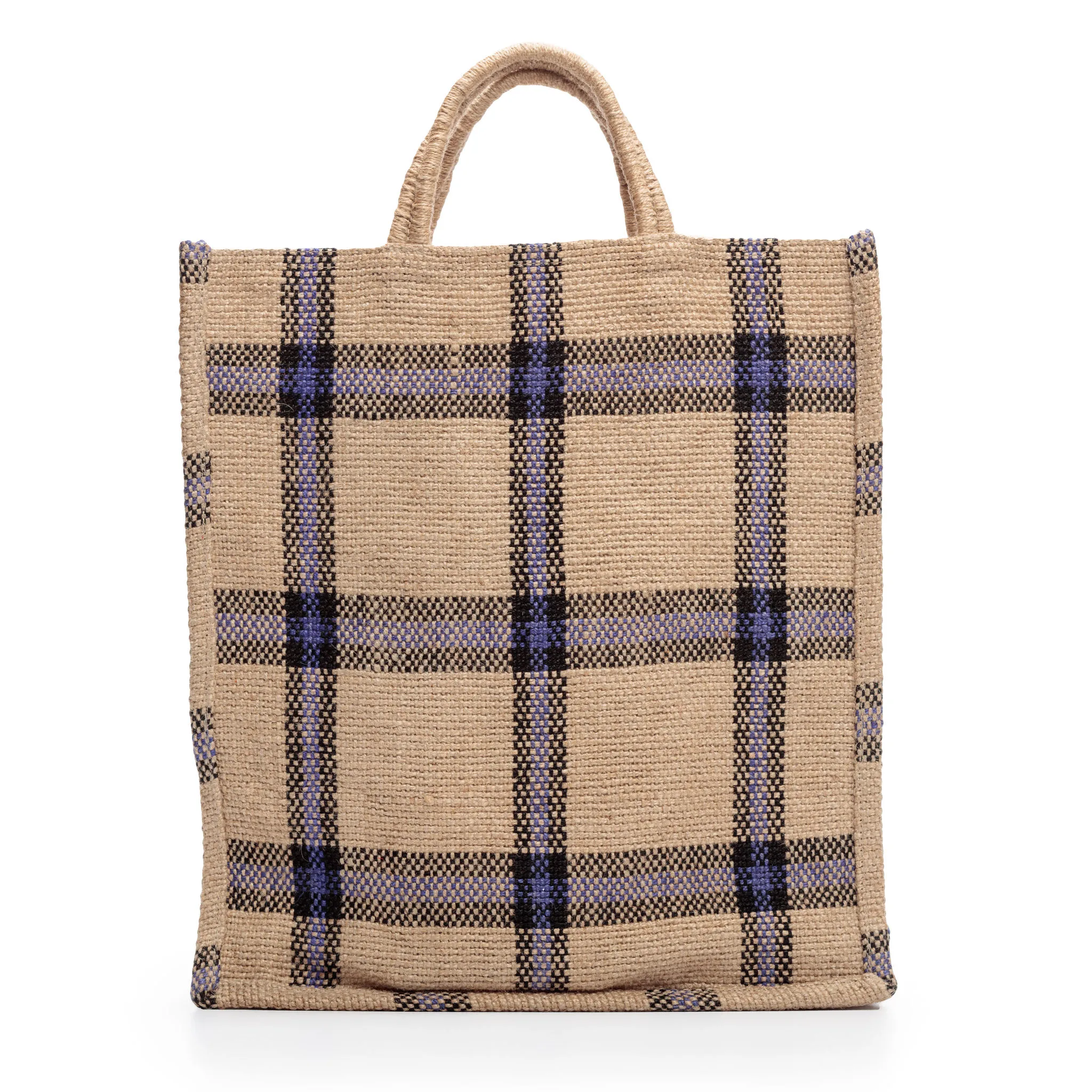
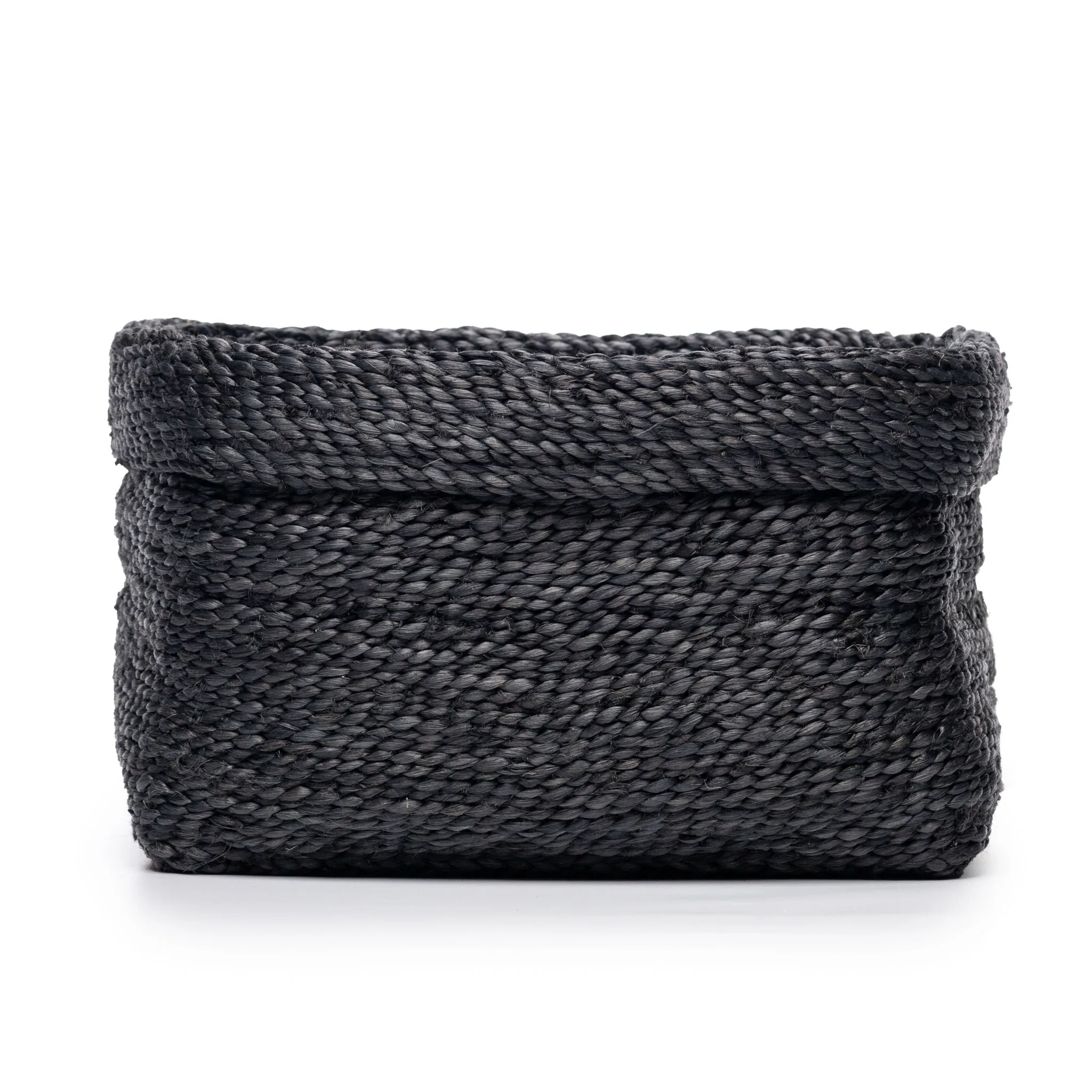
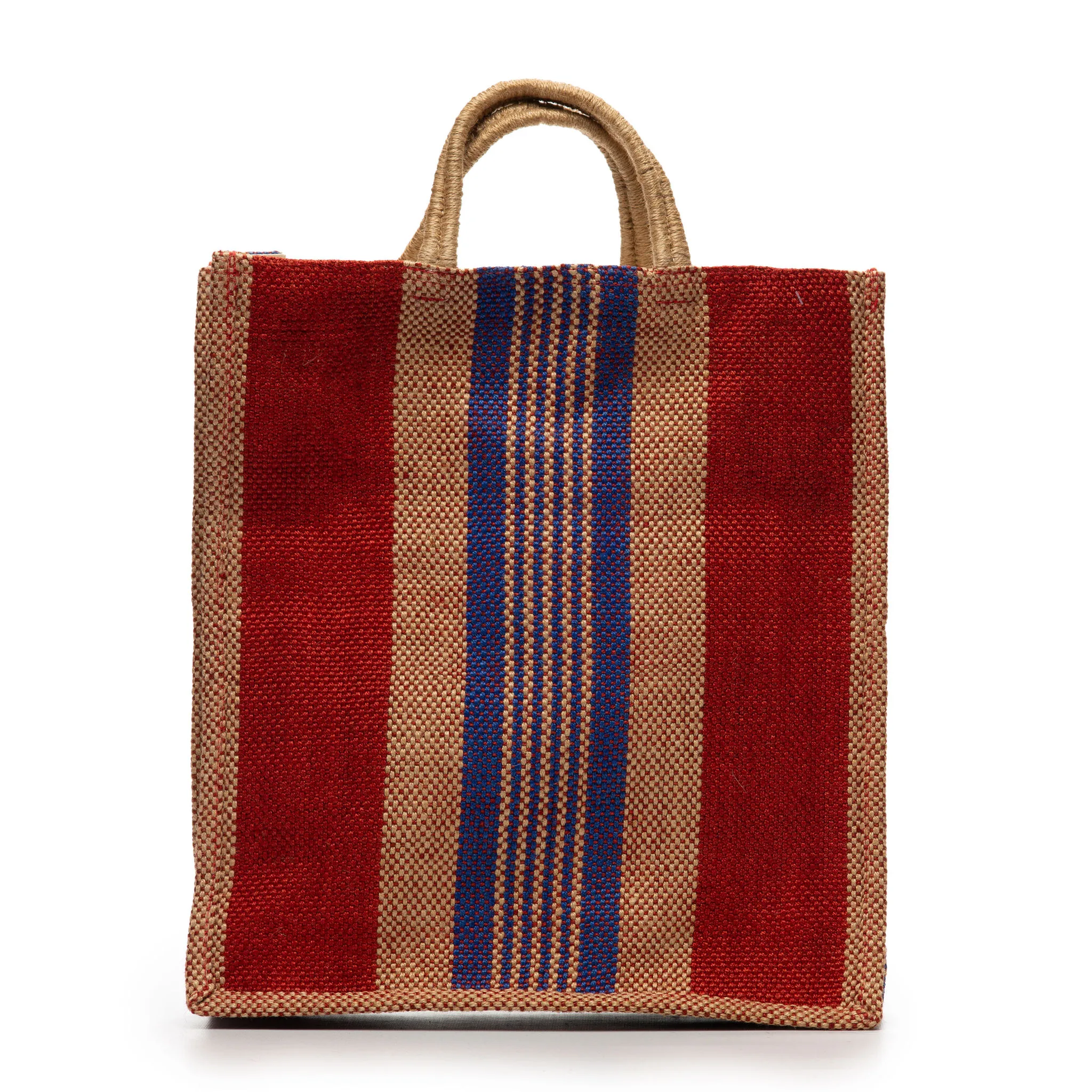
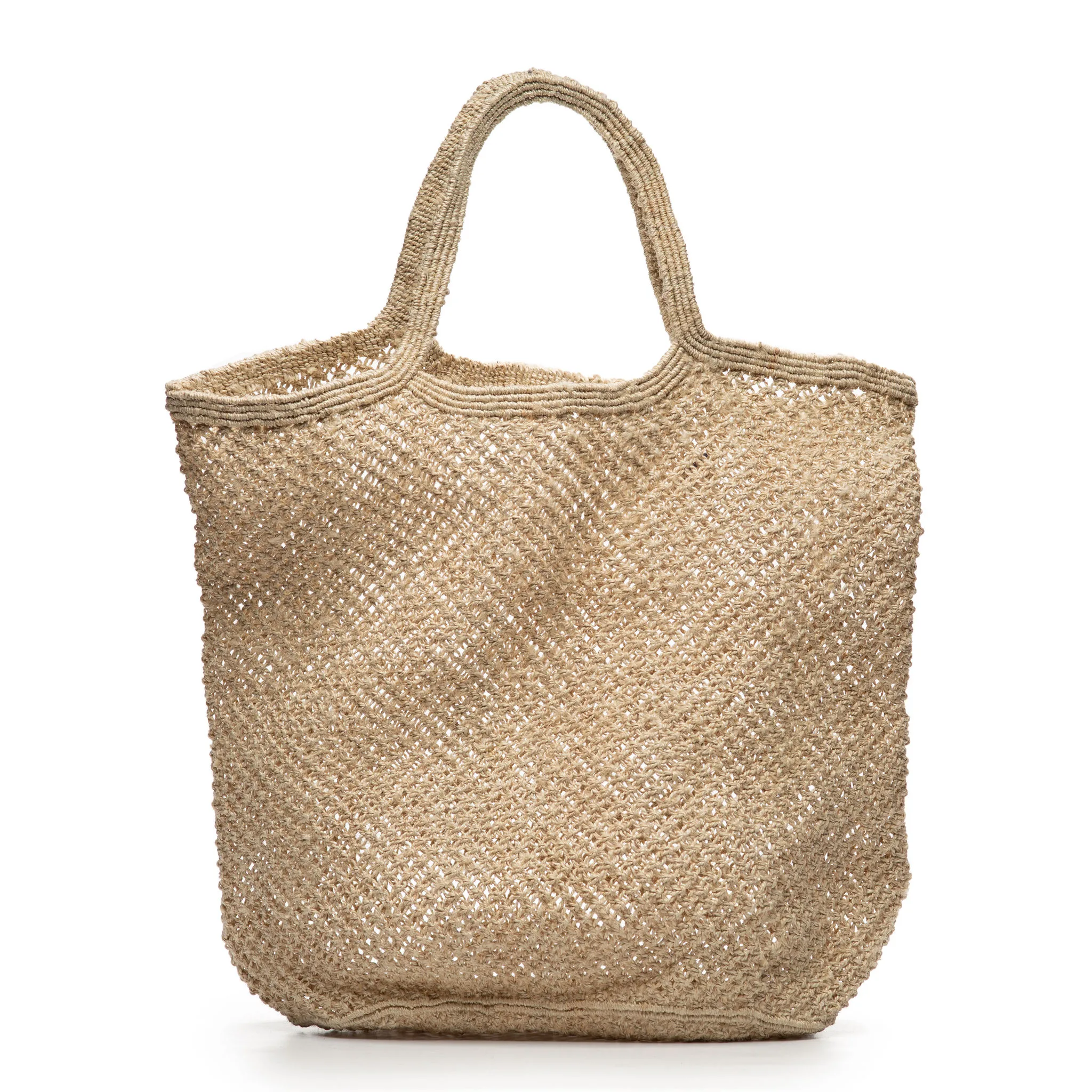
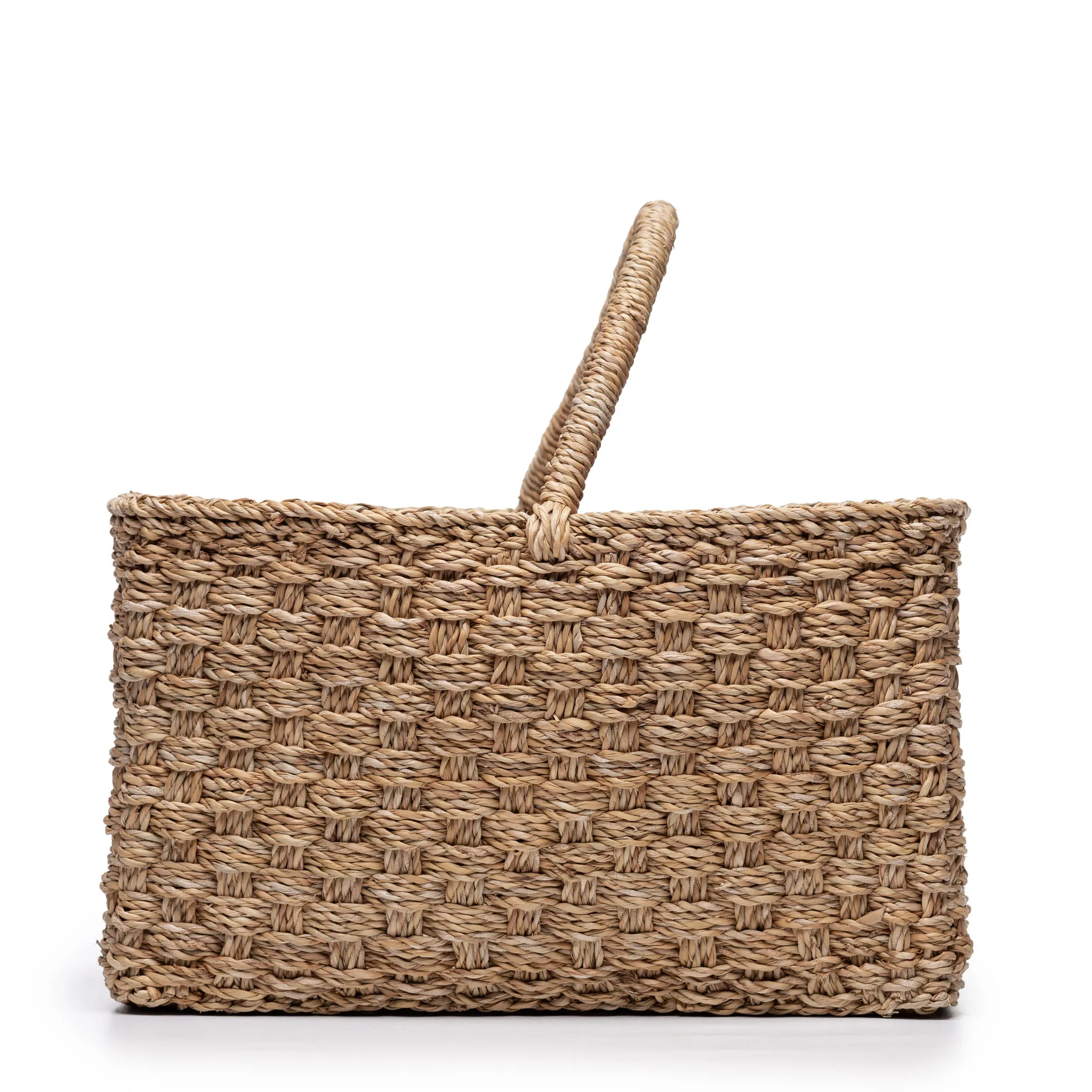
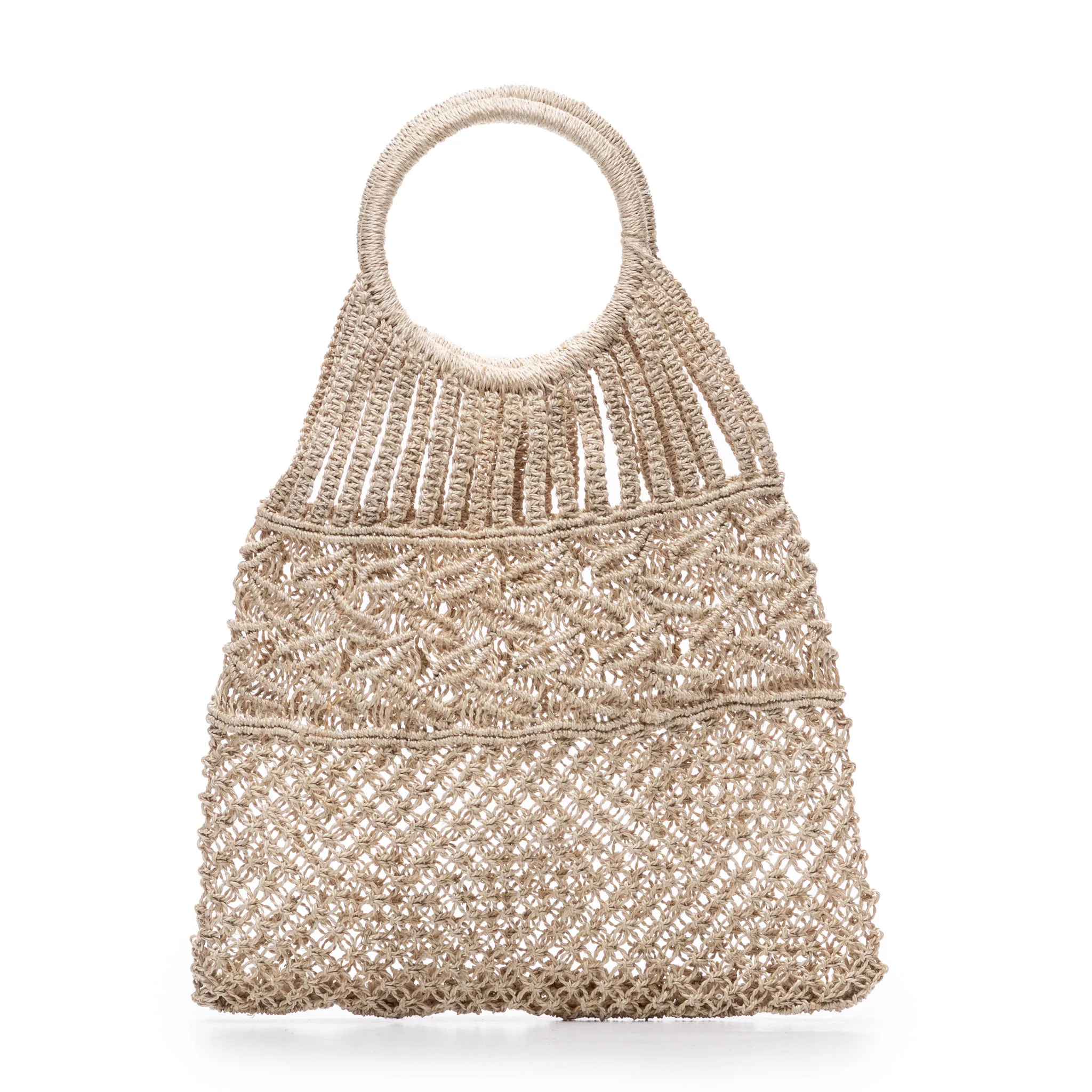
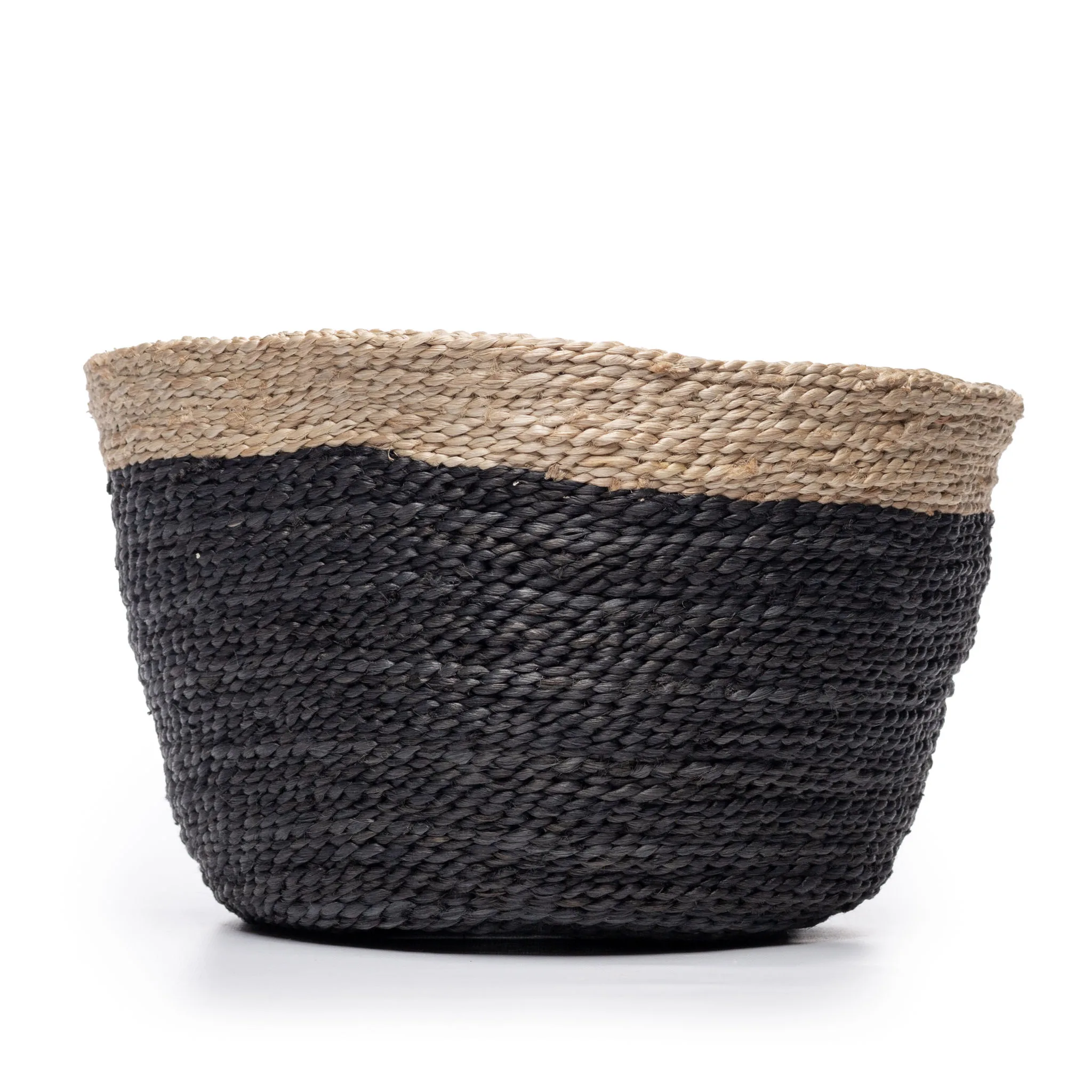
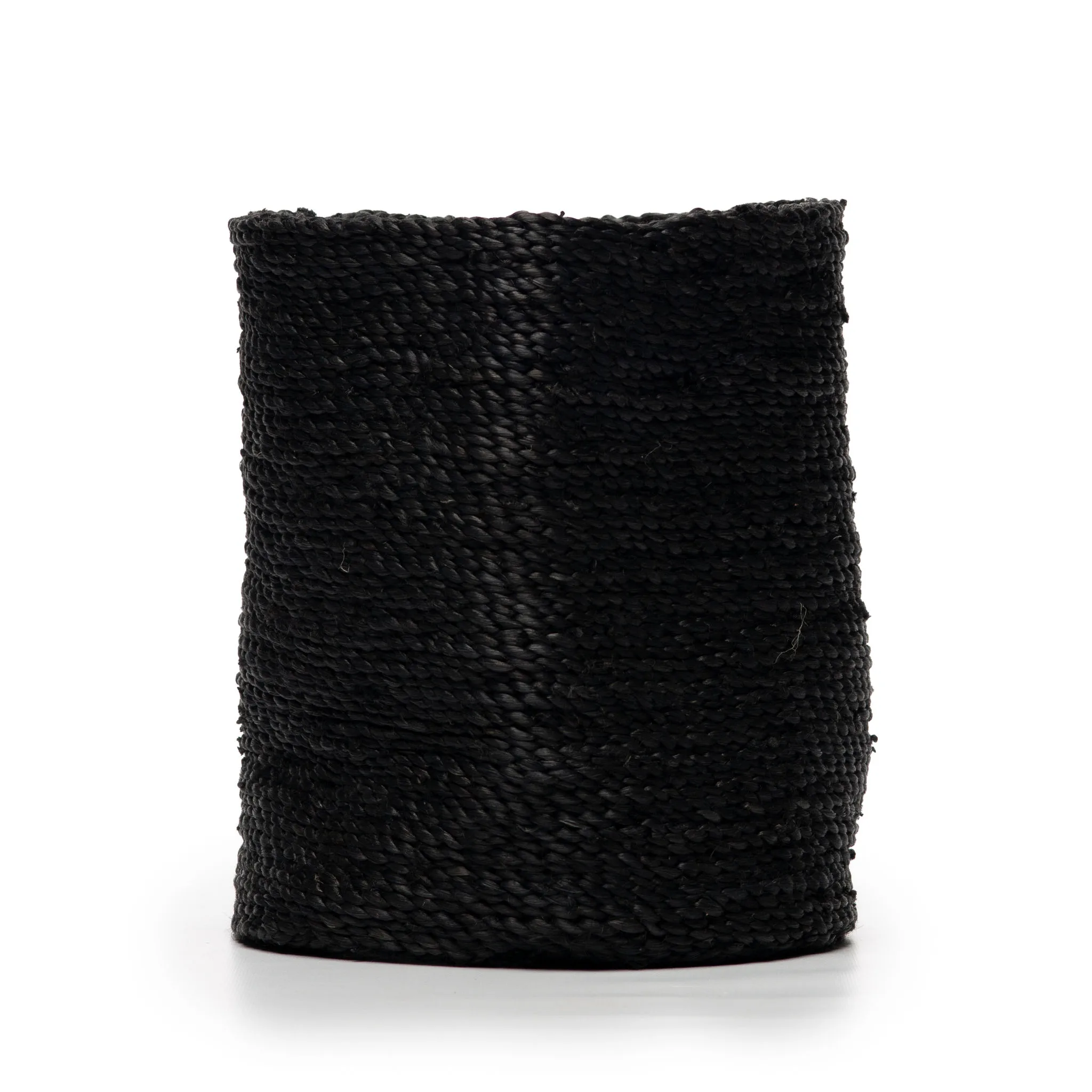
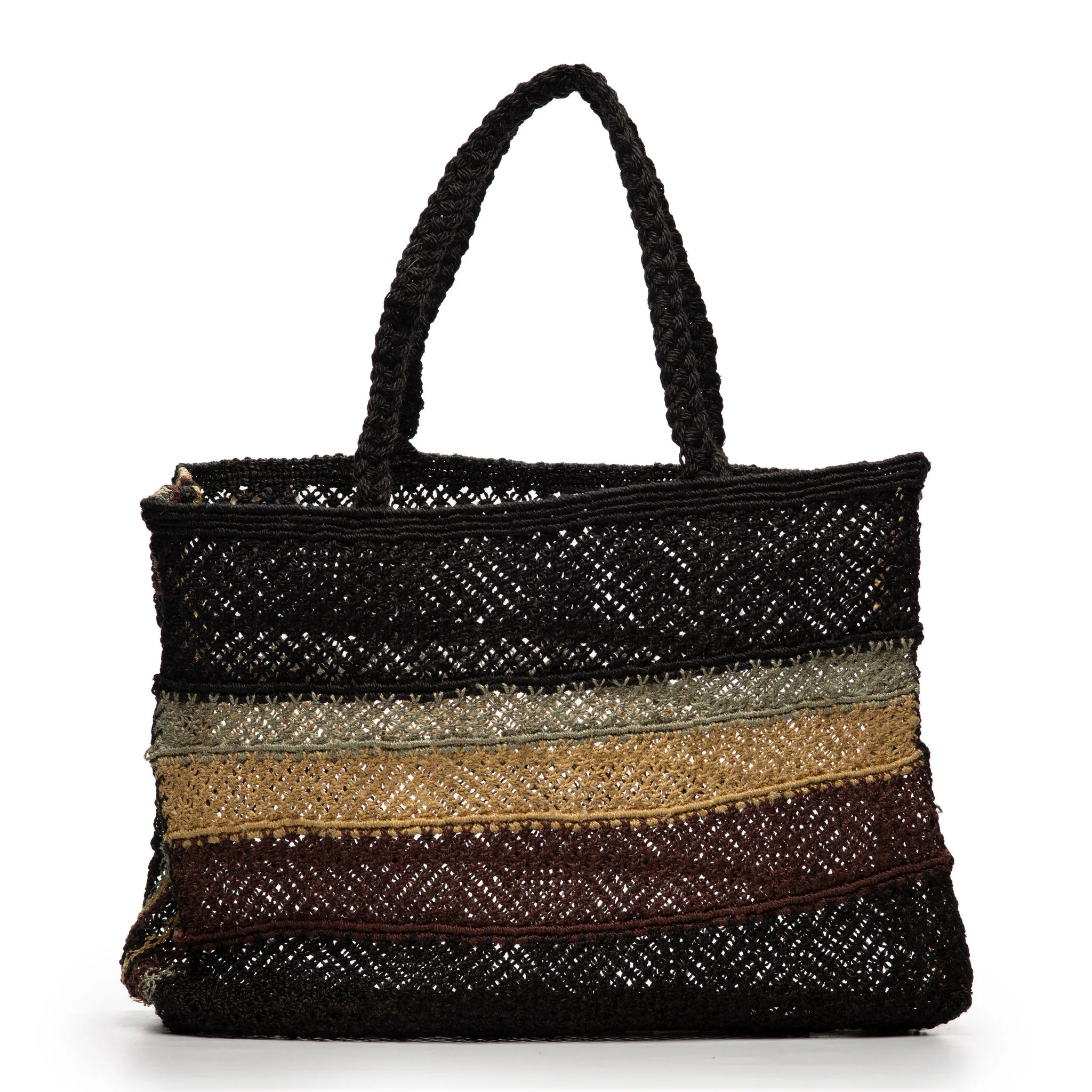
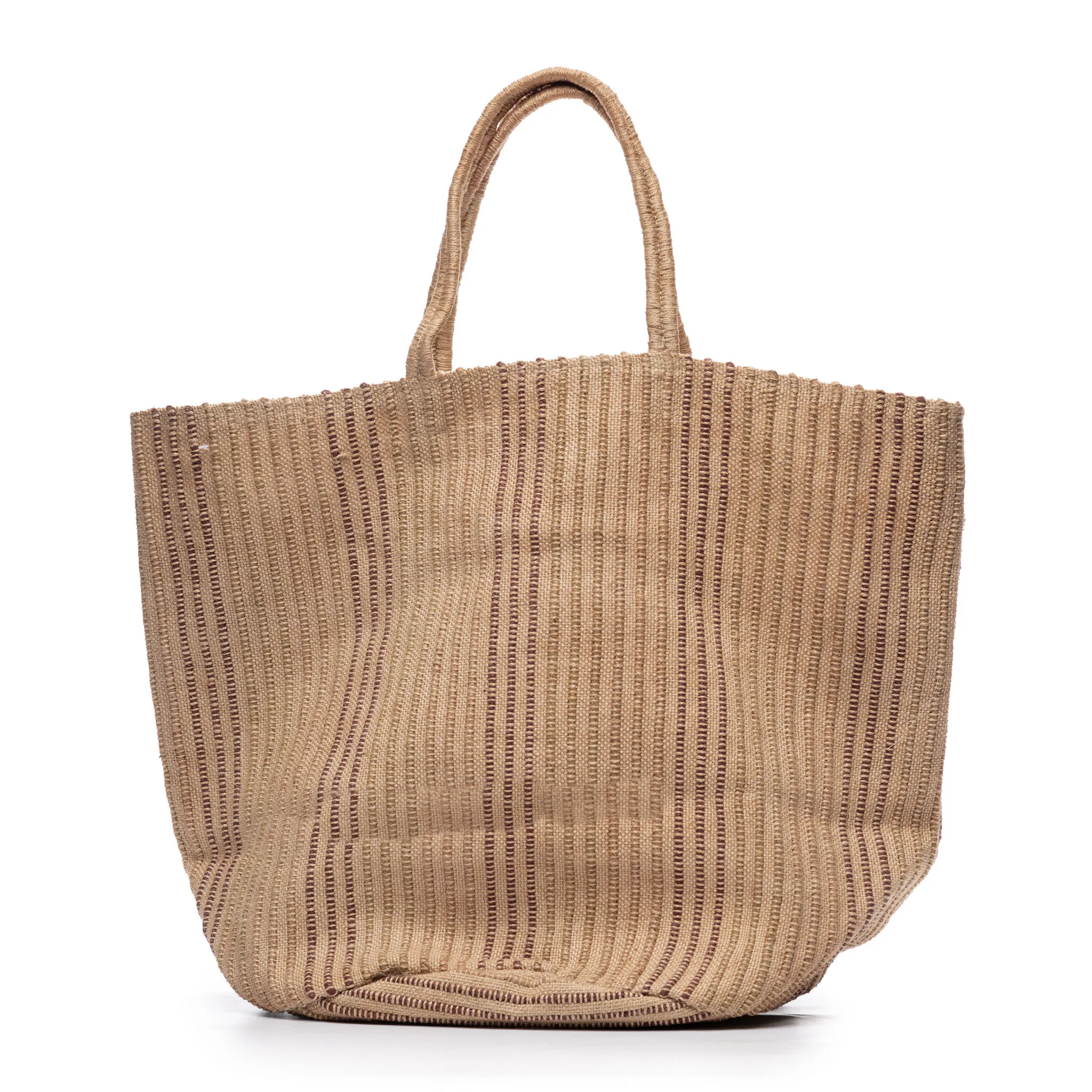
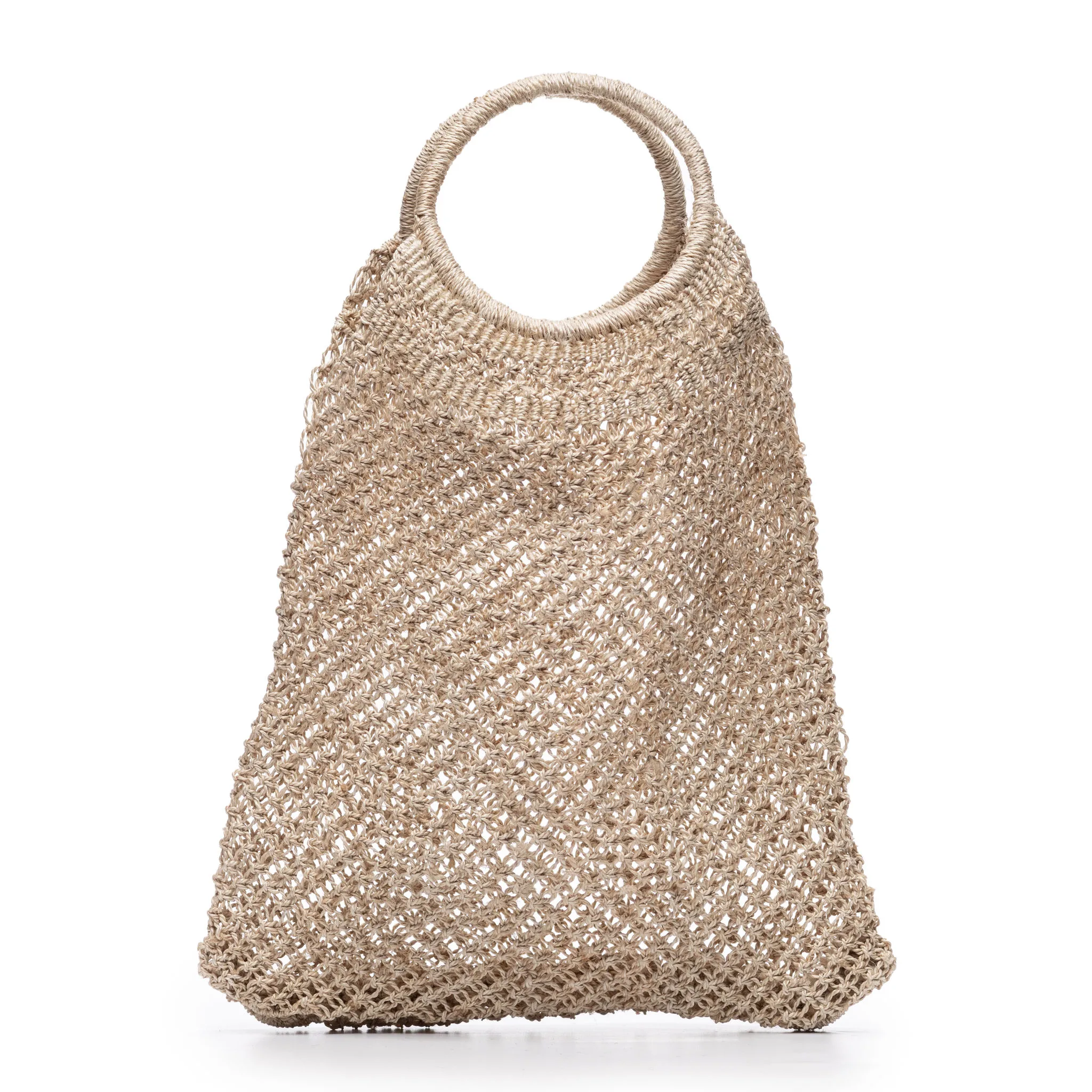
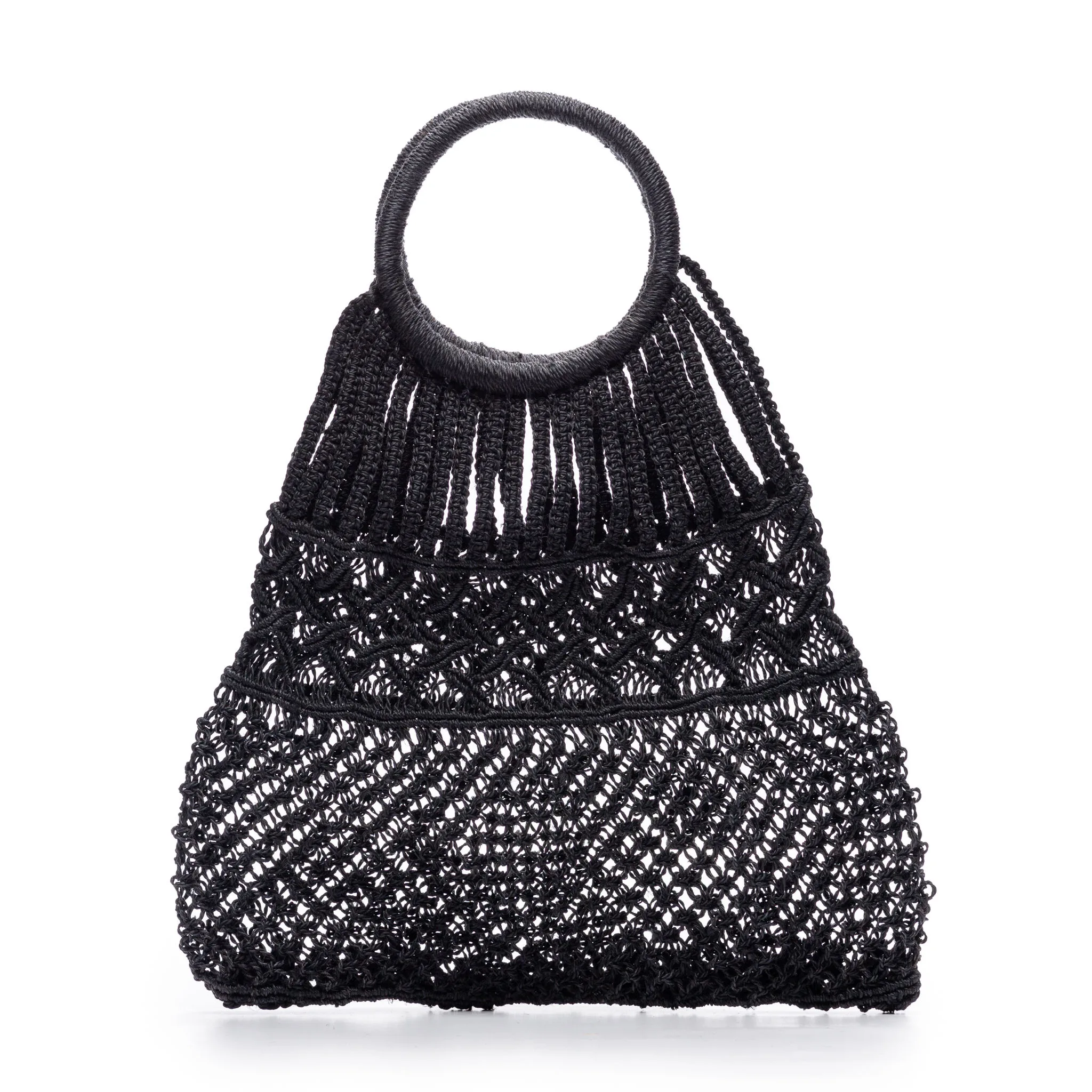
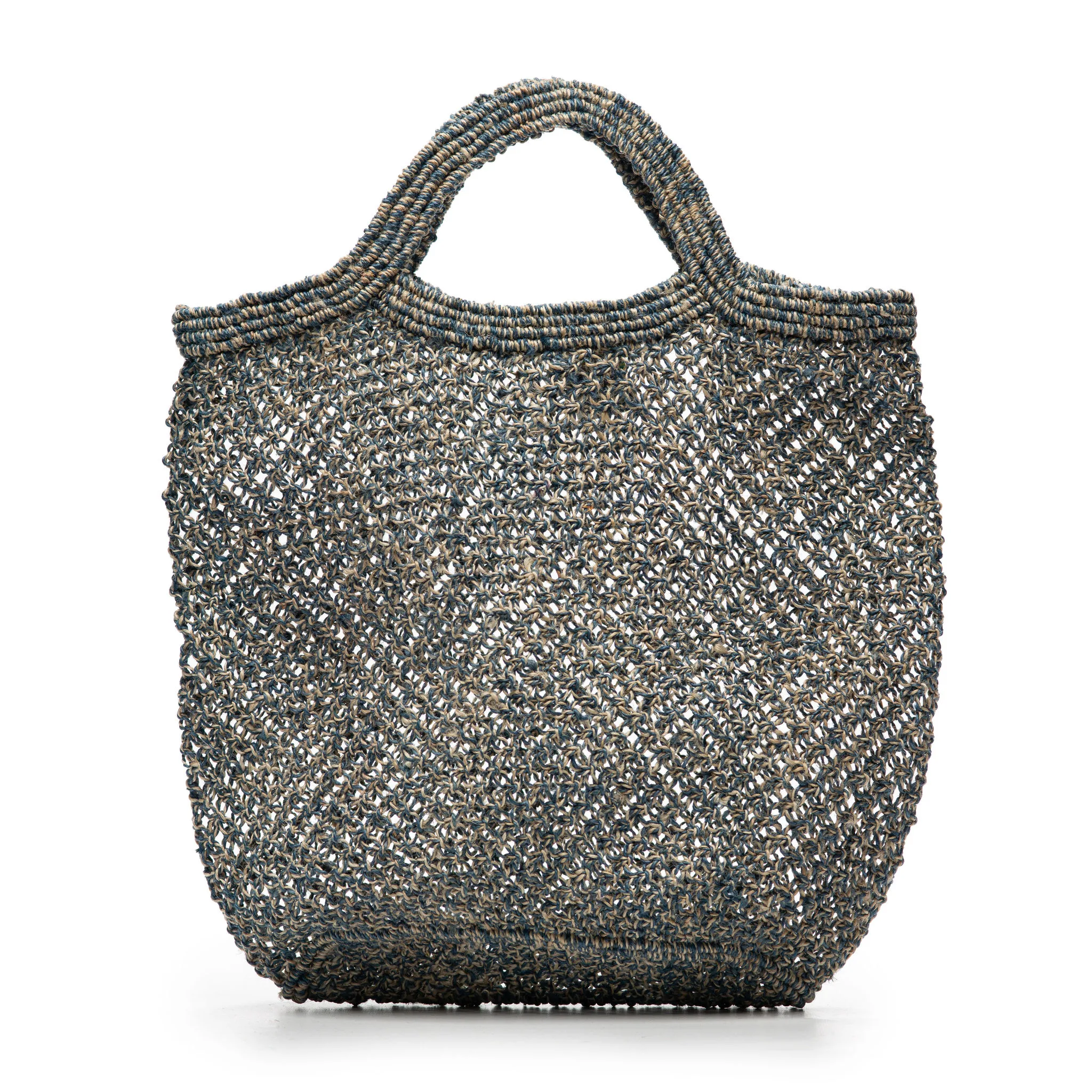
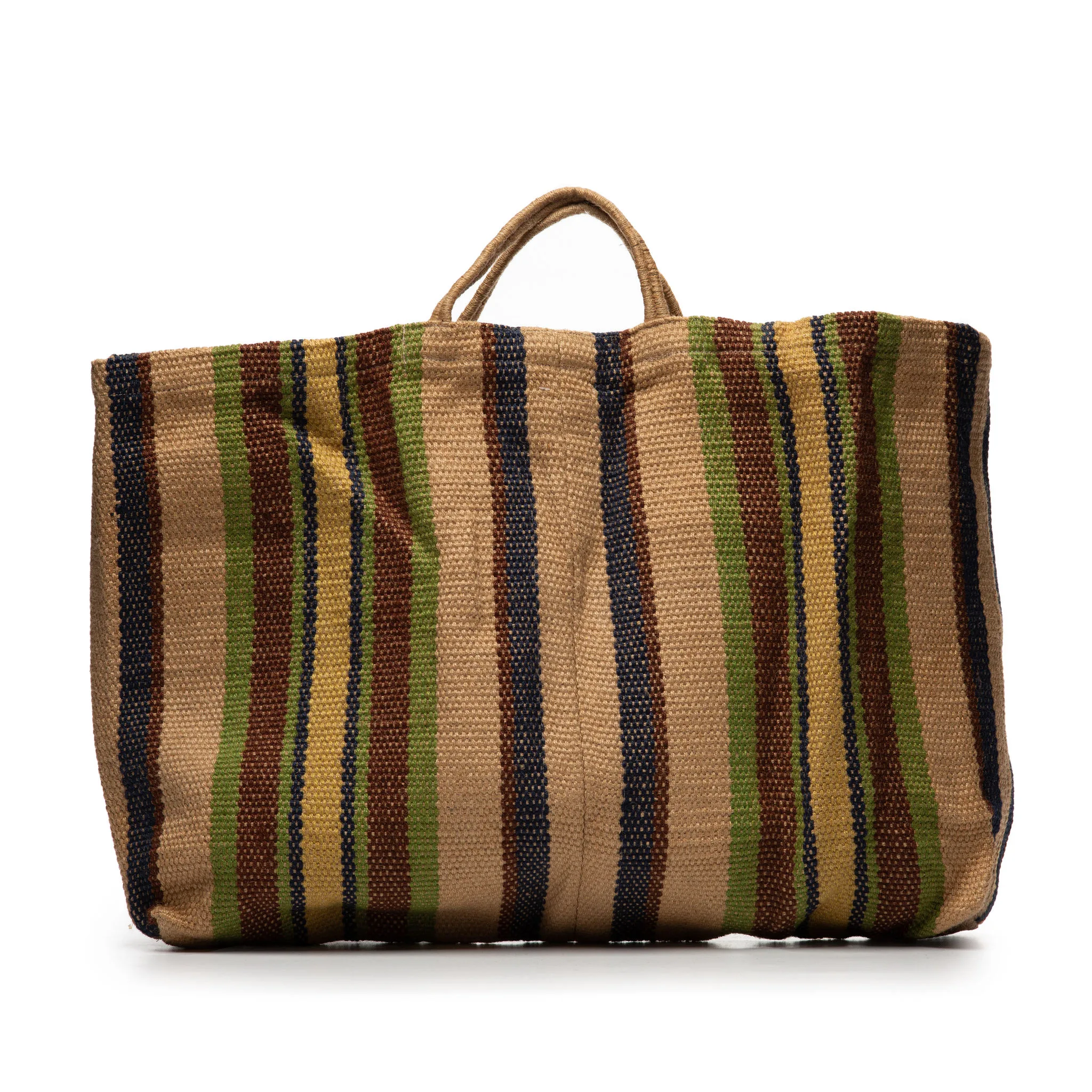
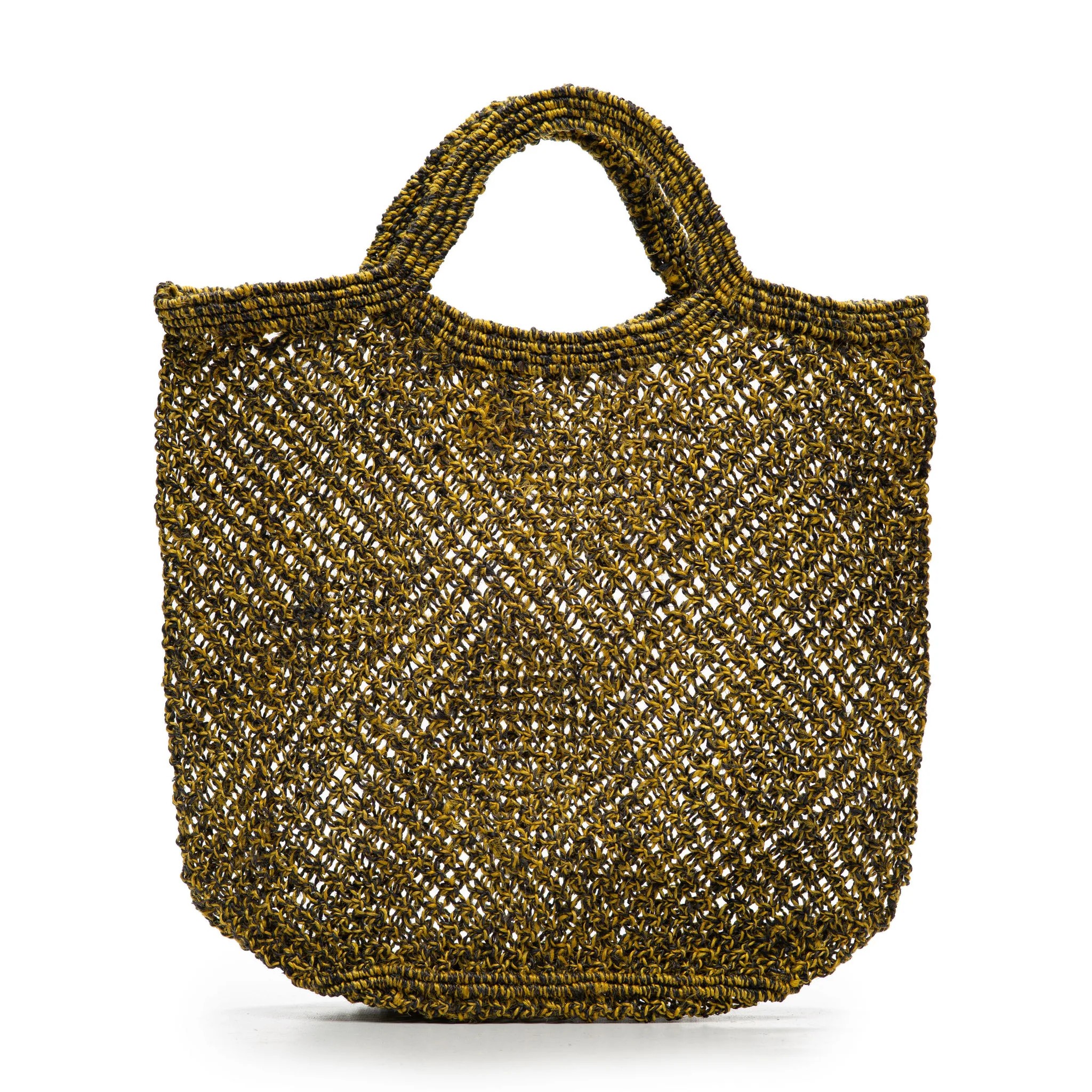
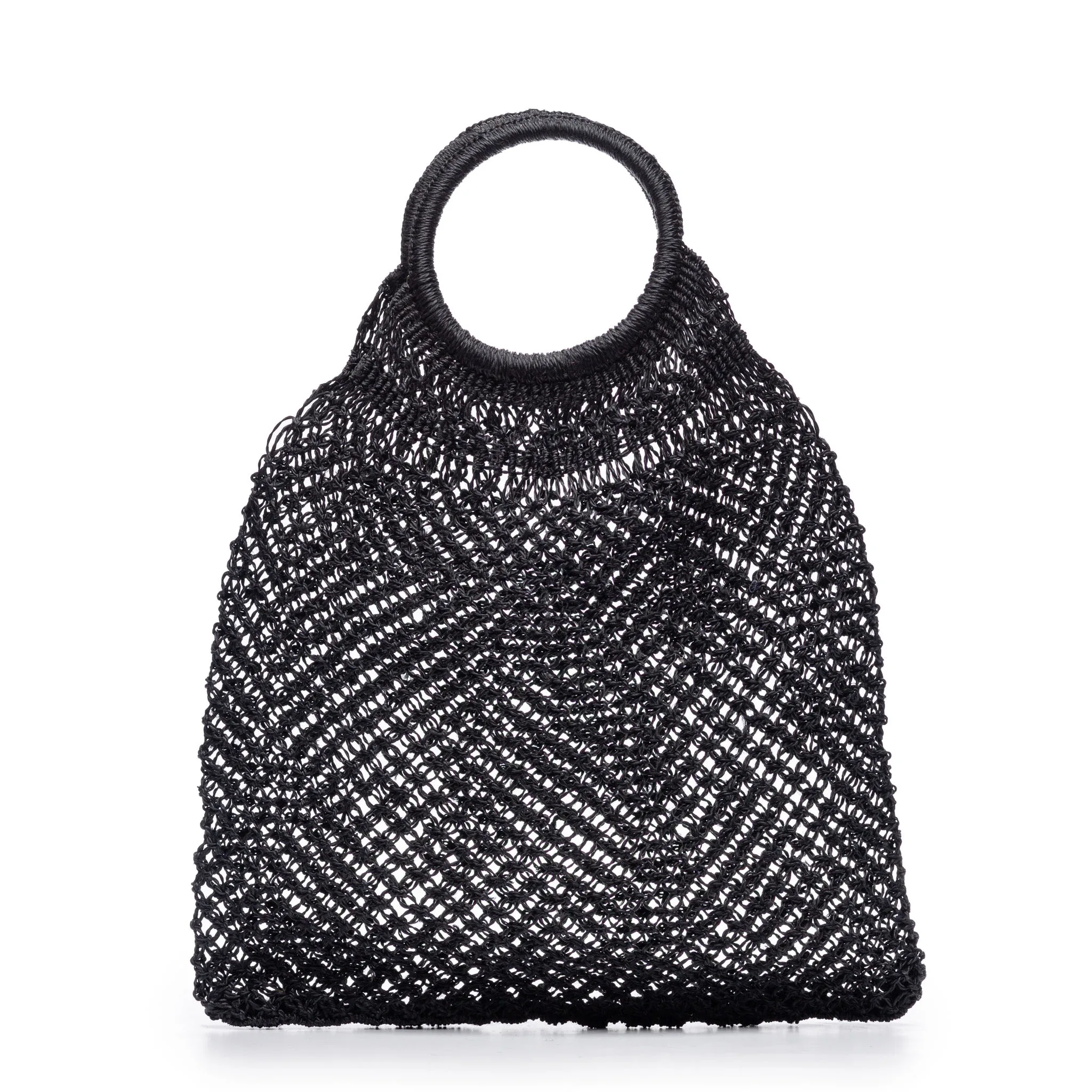
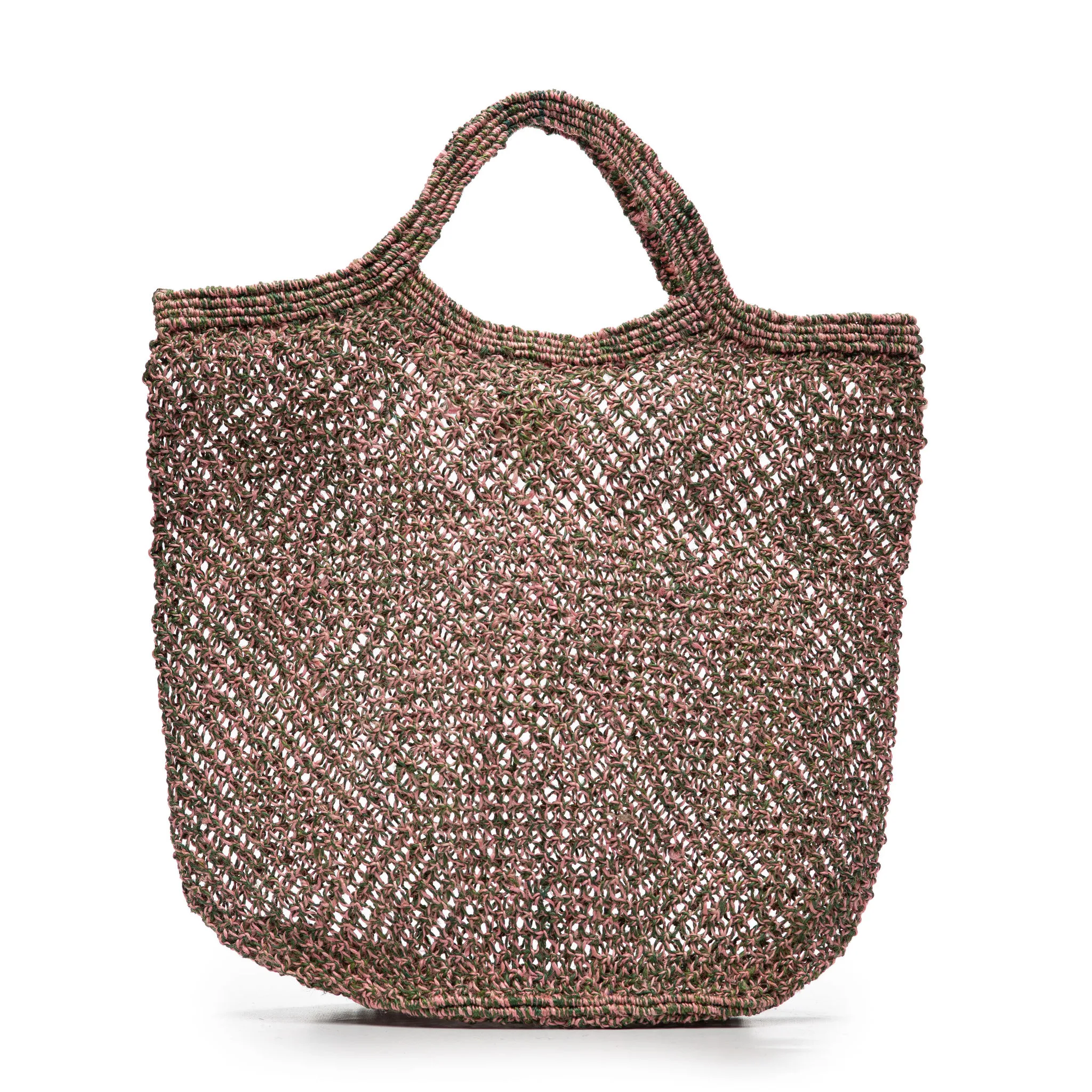
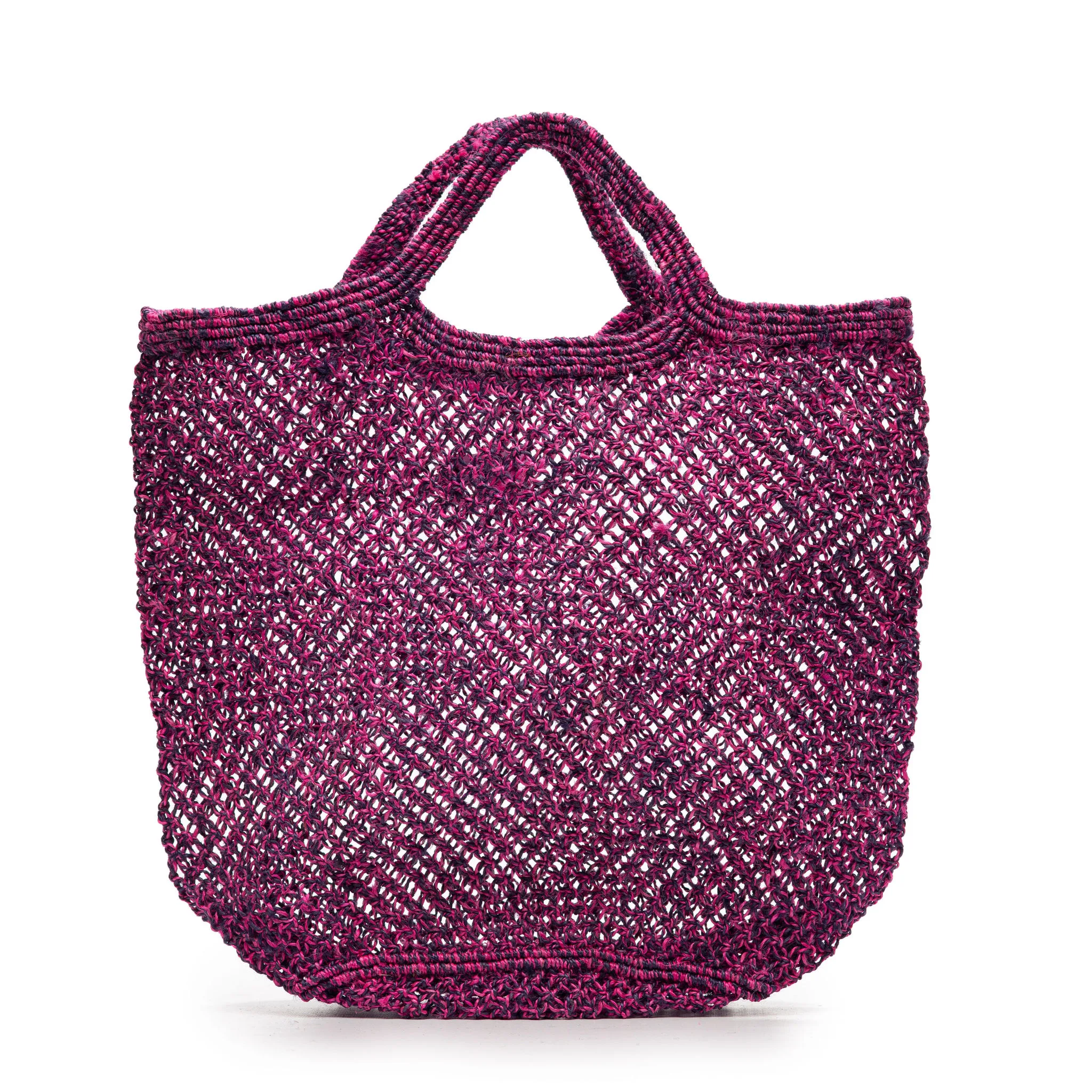
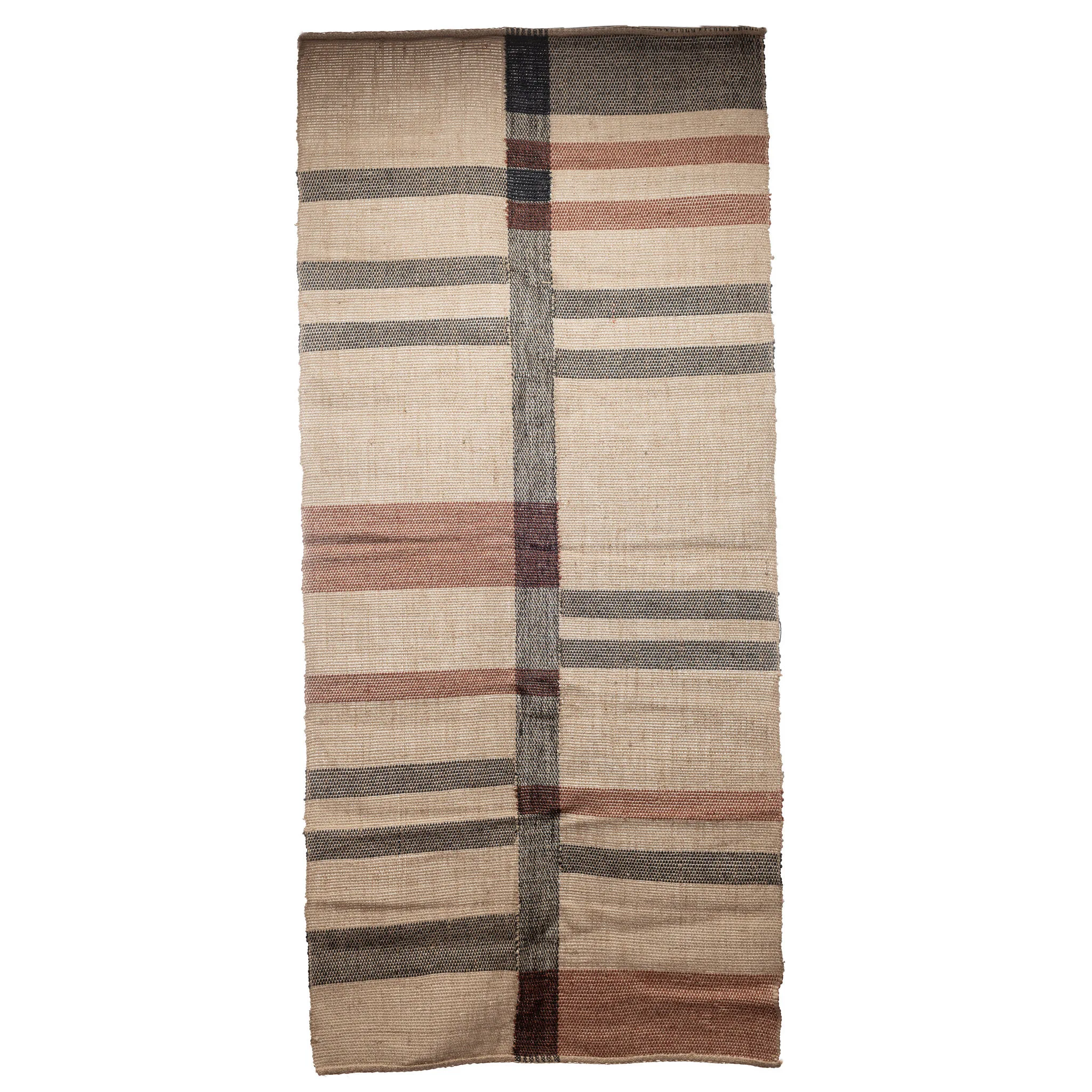
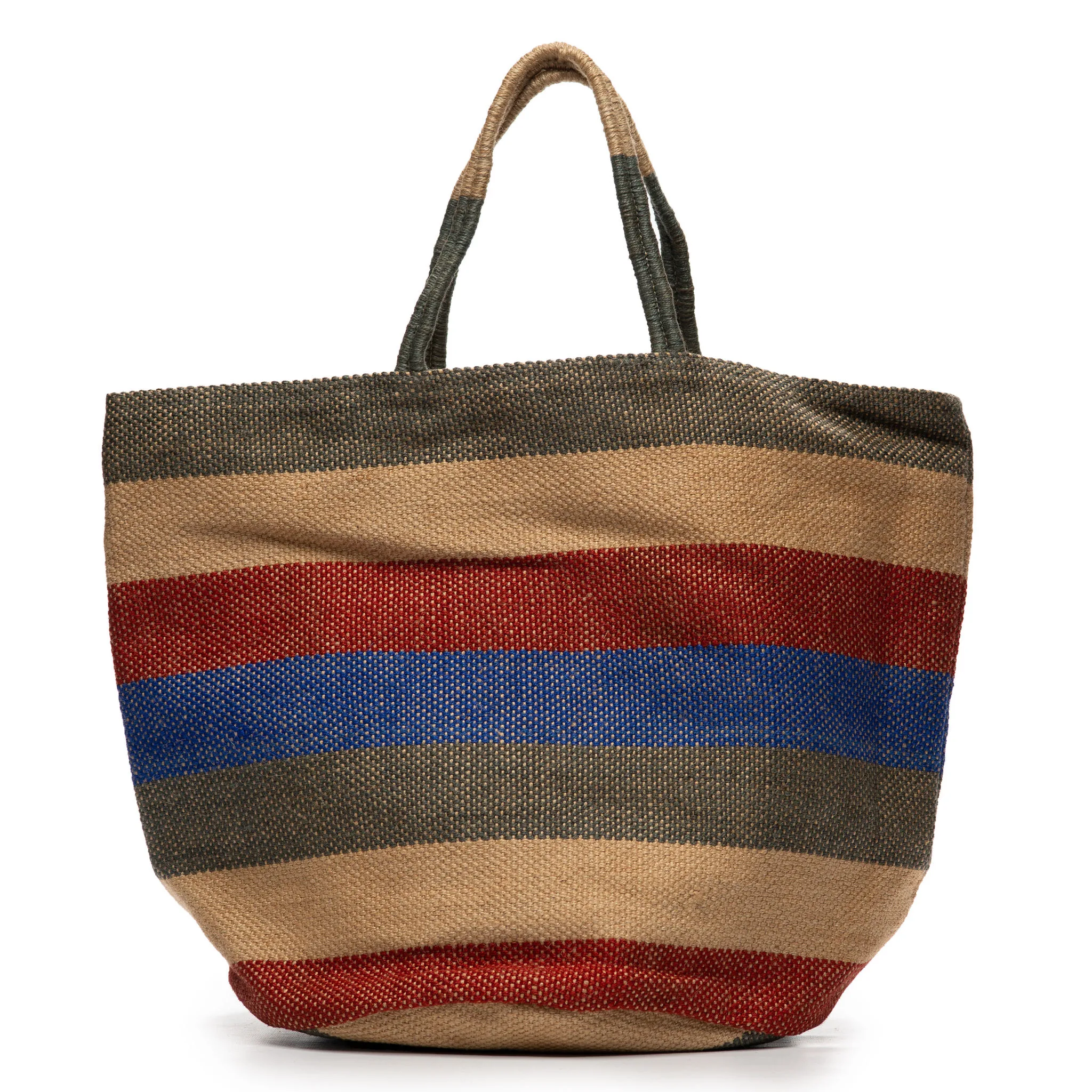
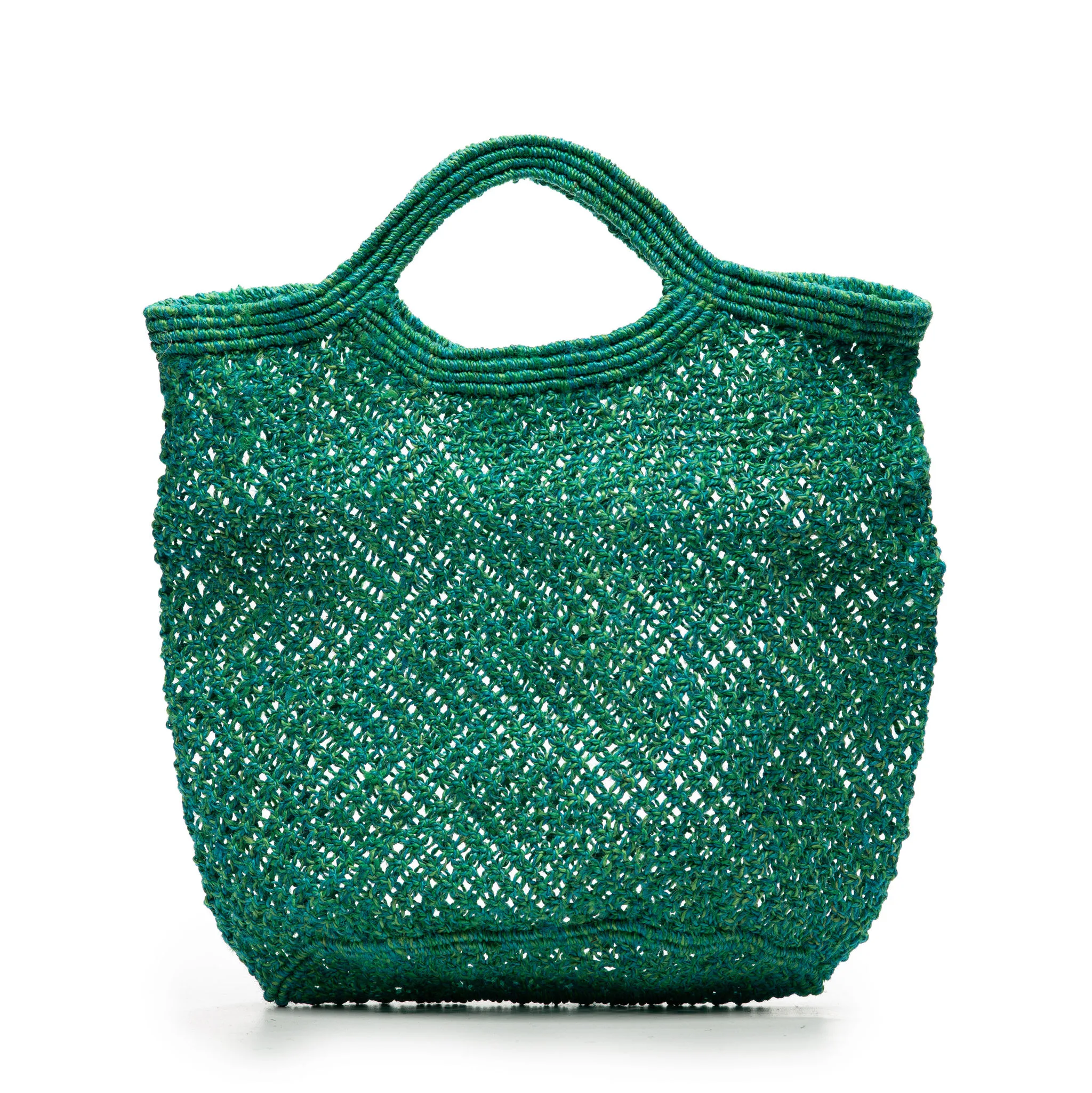
The other thing worth saying is that this shows in the products themselves, which matters to me as the person photographing them. Handwoven jute is not uniform. The colour varies, the weave varies, no two bags are quite the same. That is a consequence of how they are actually made and it is one of the reasons the photography has to be honest. If I lit these products to look machine finished I would be misrepresenting them.
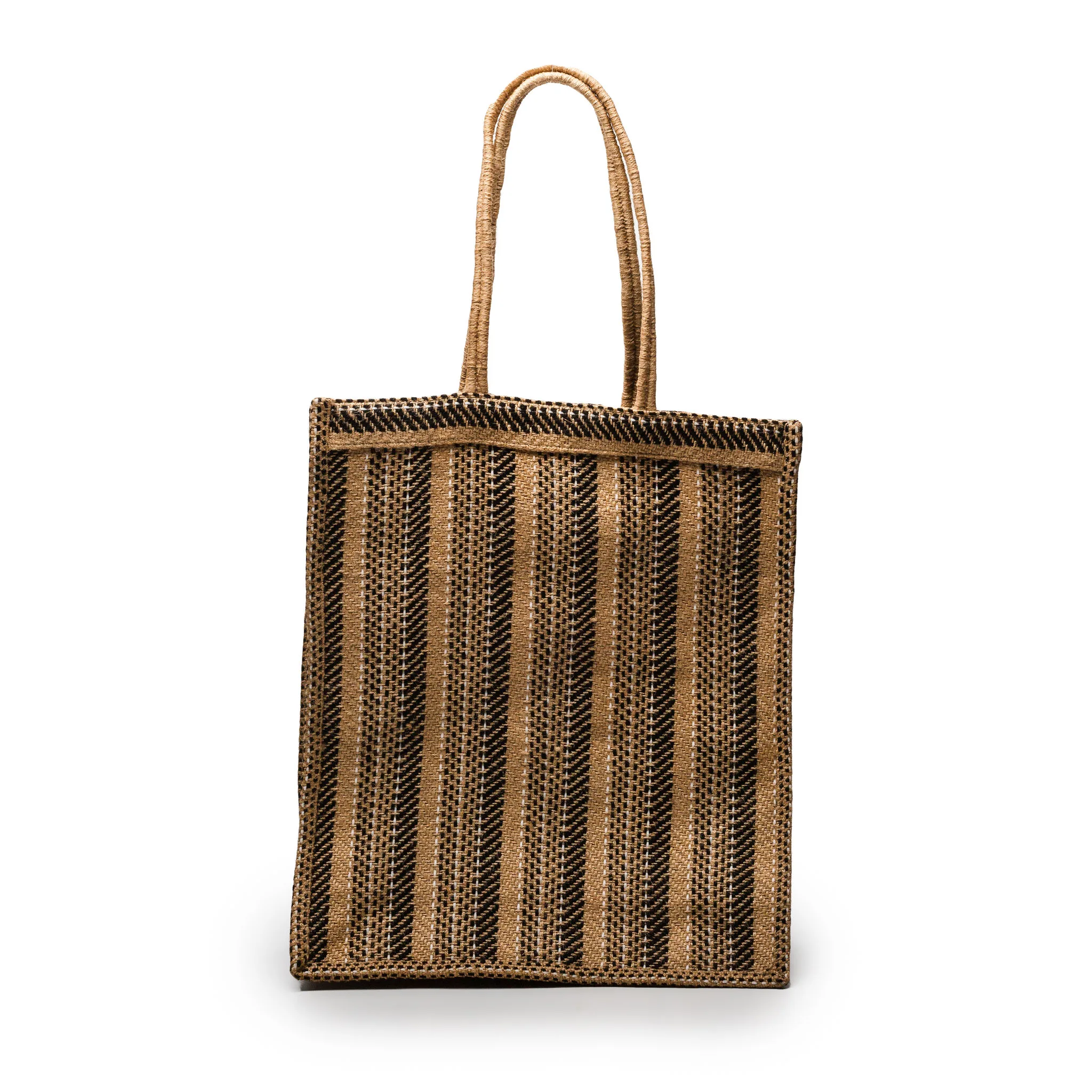
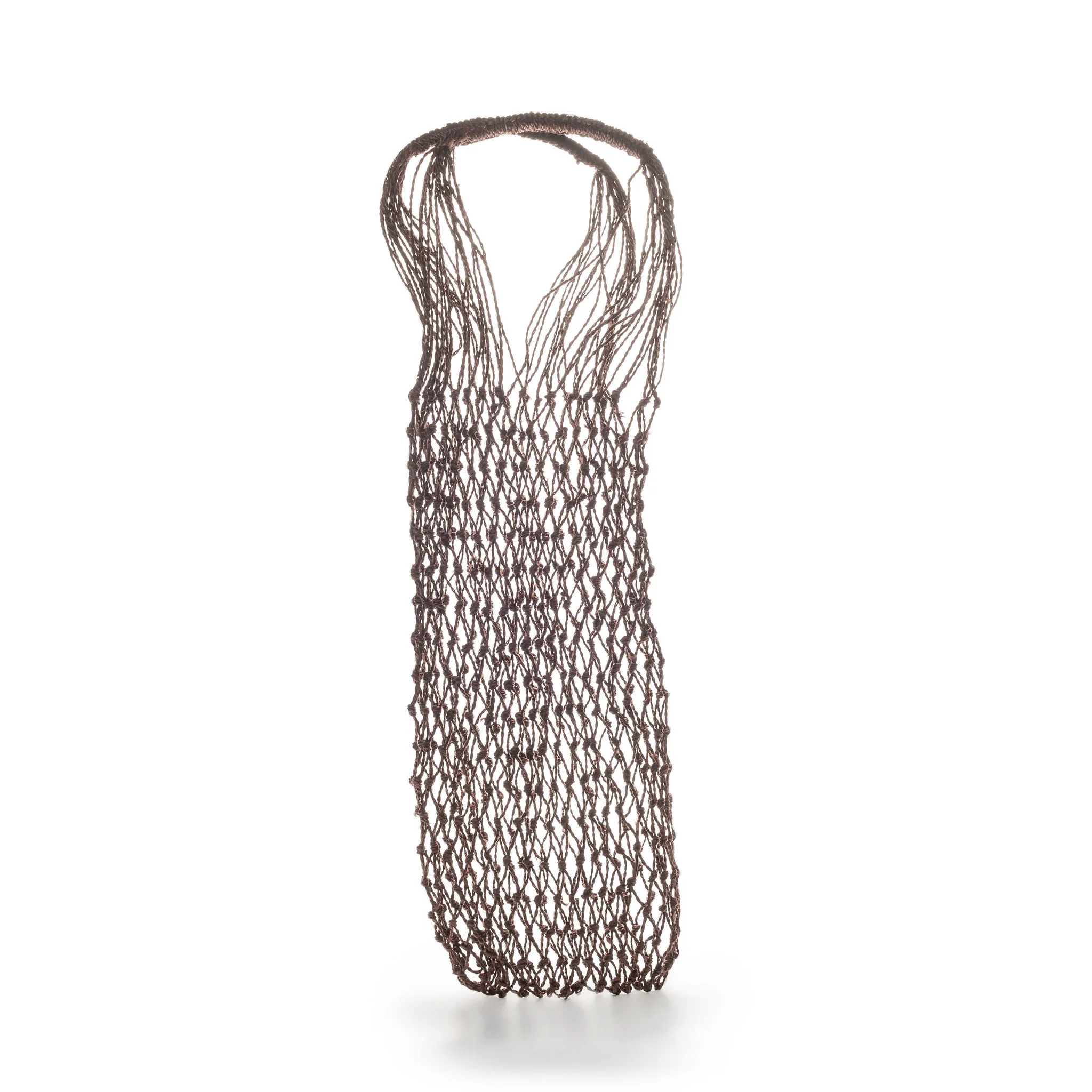
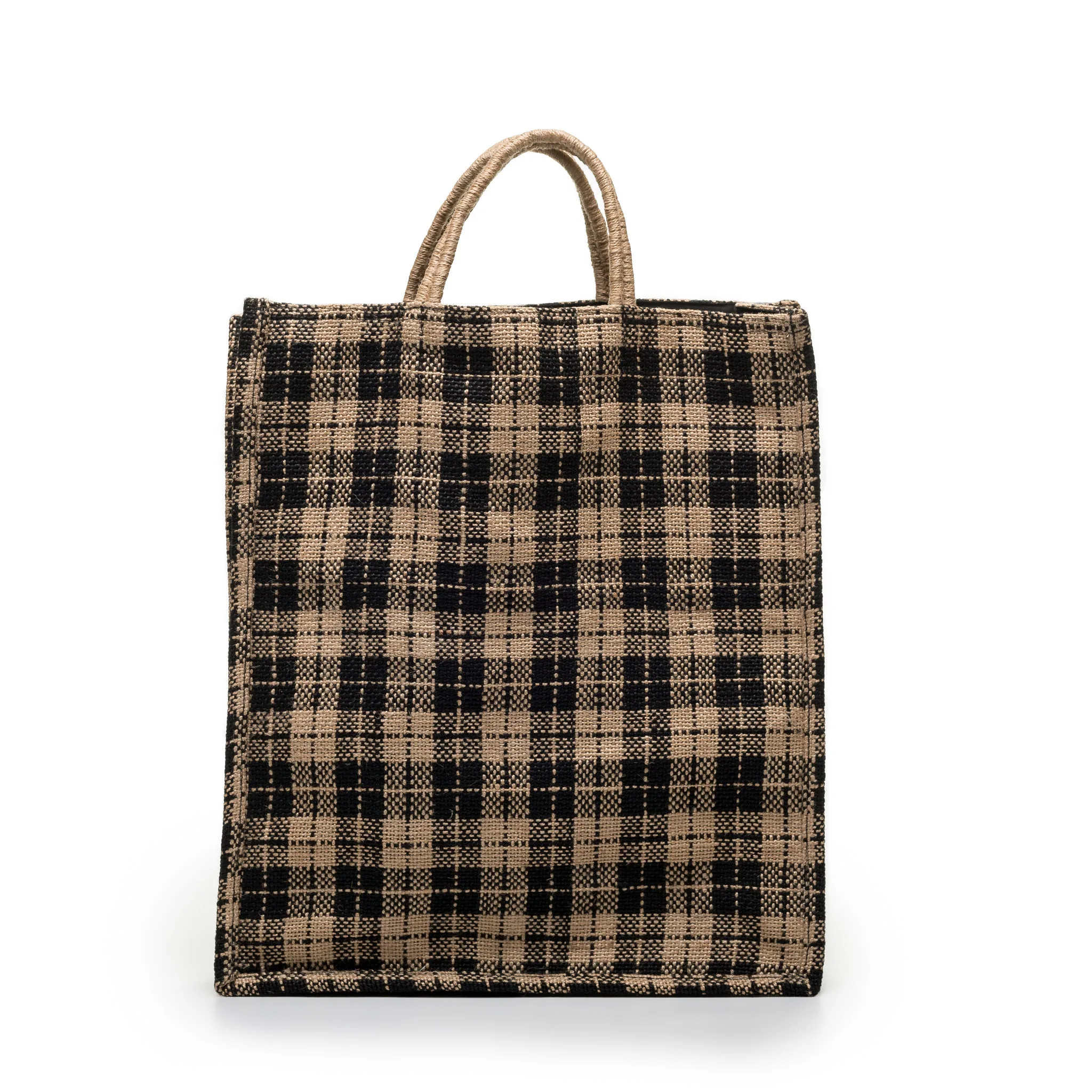
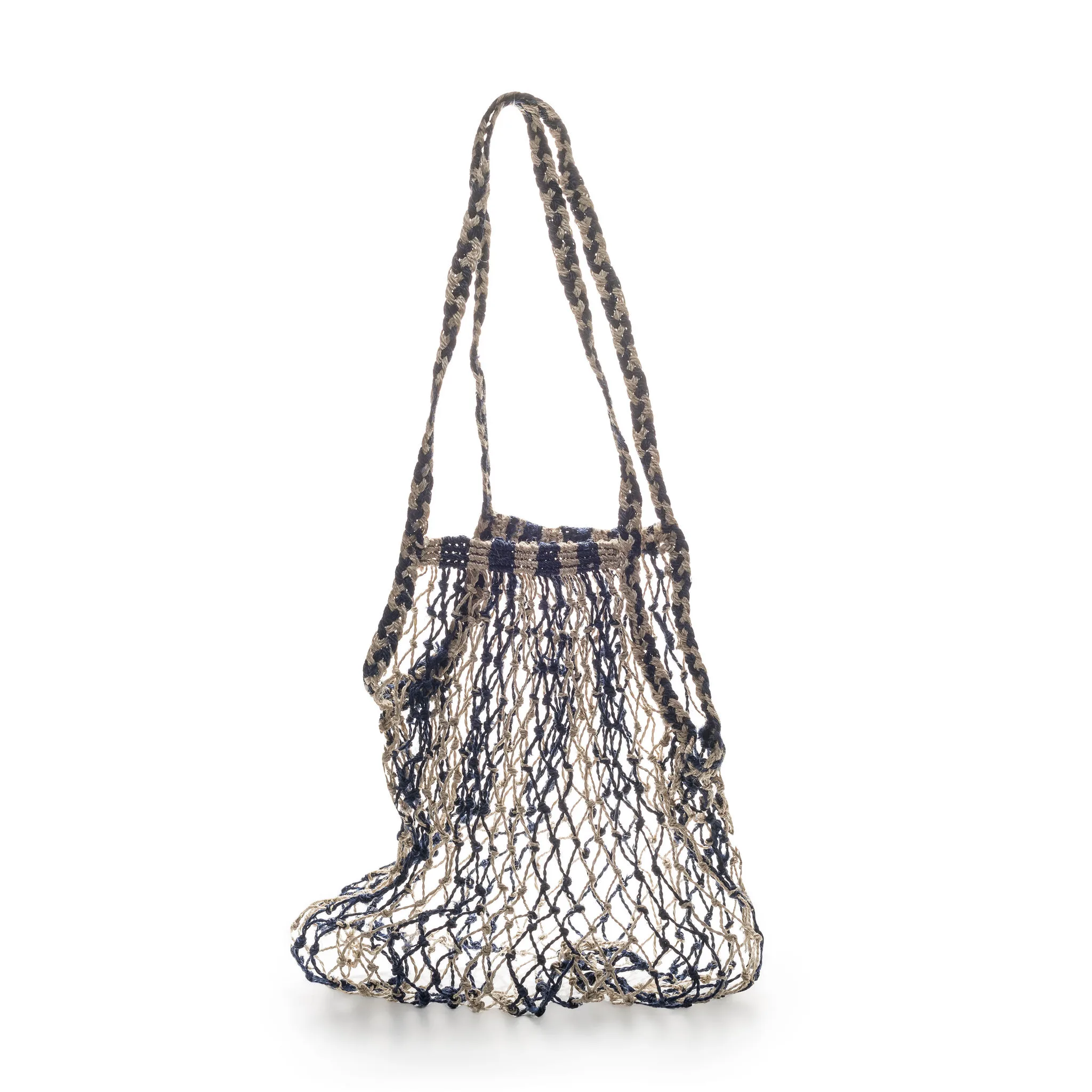
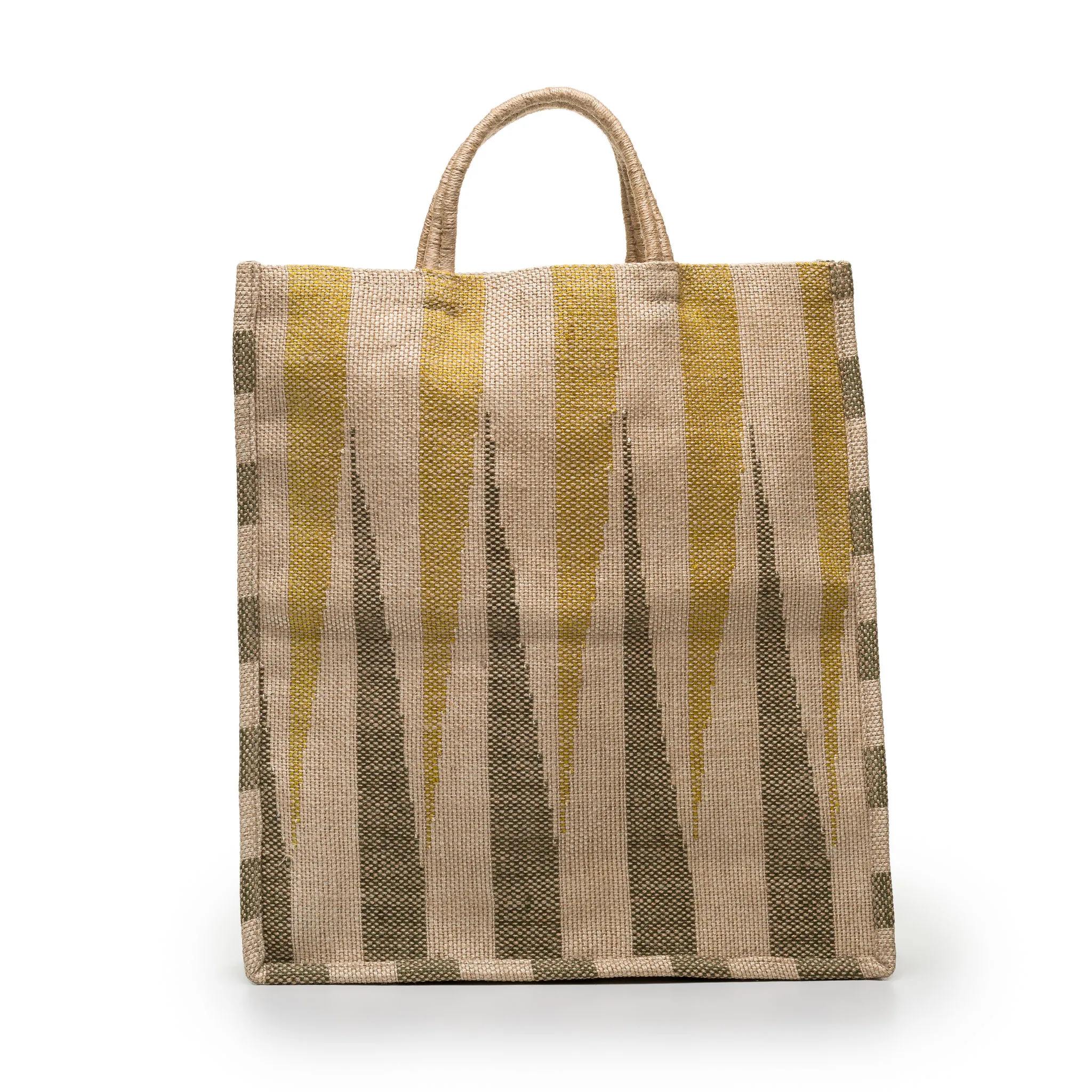
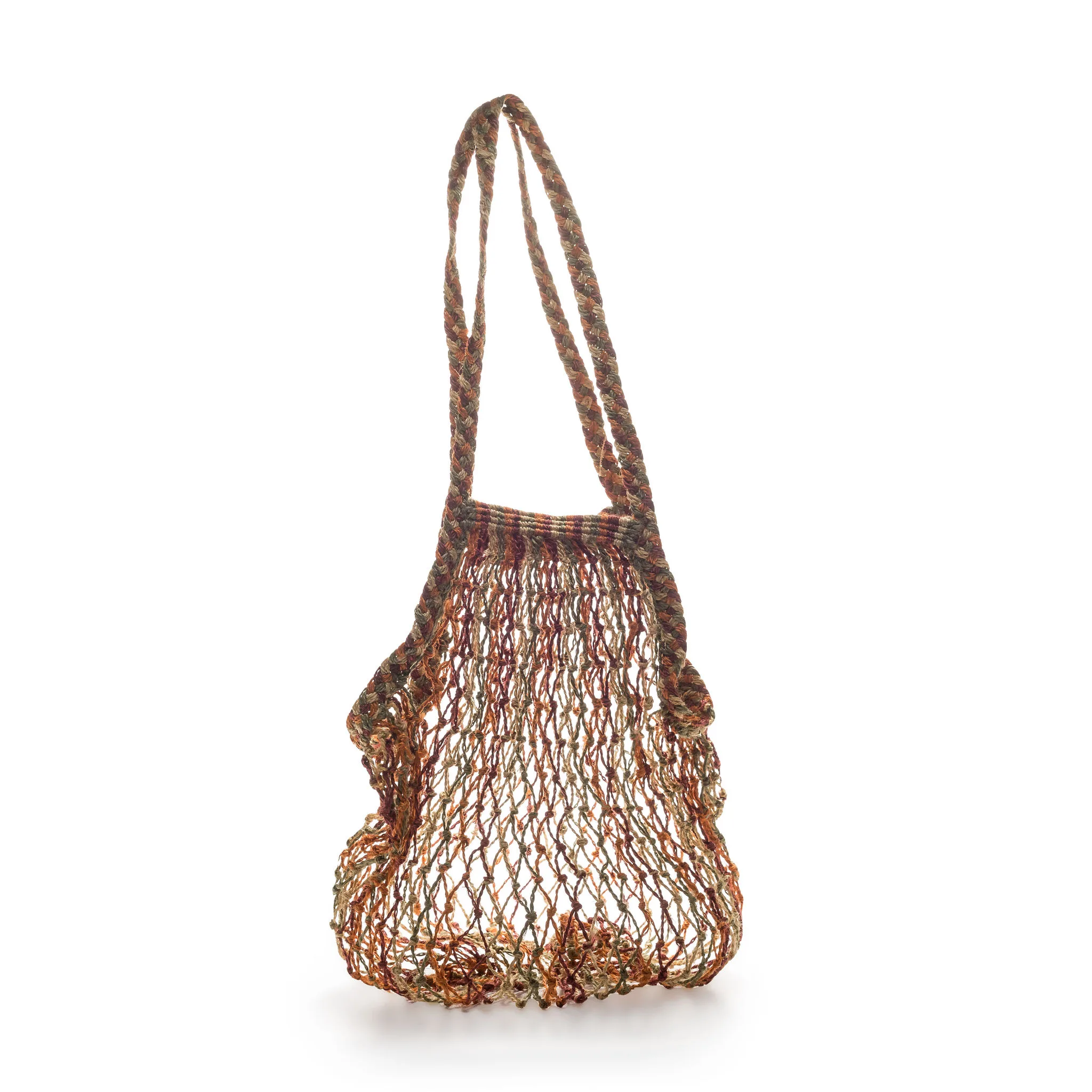
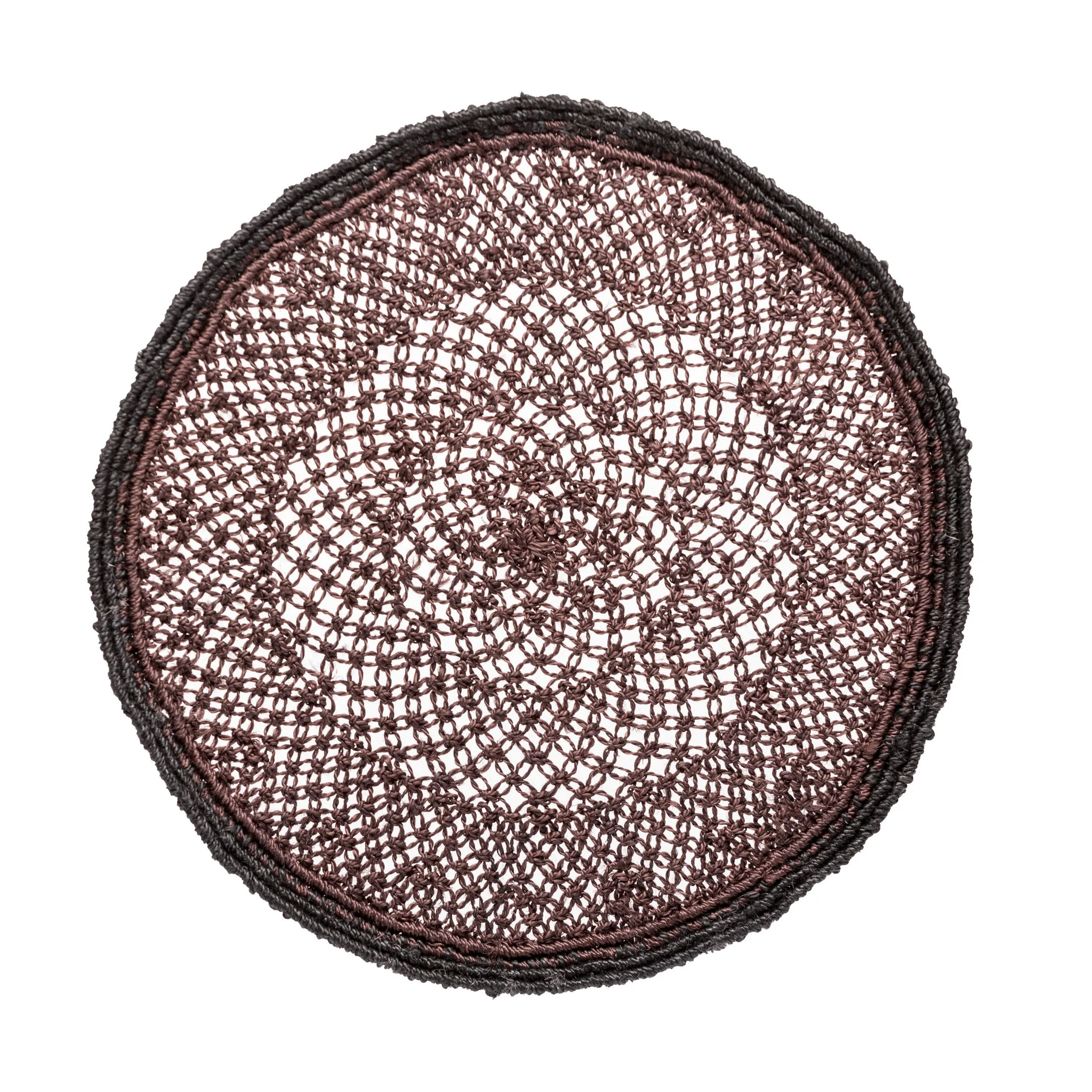
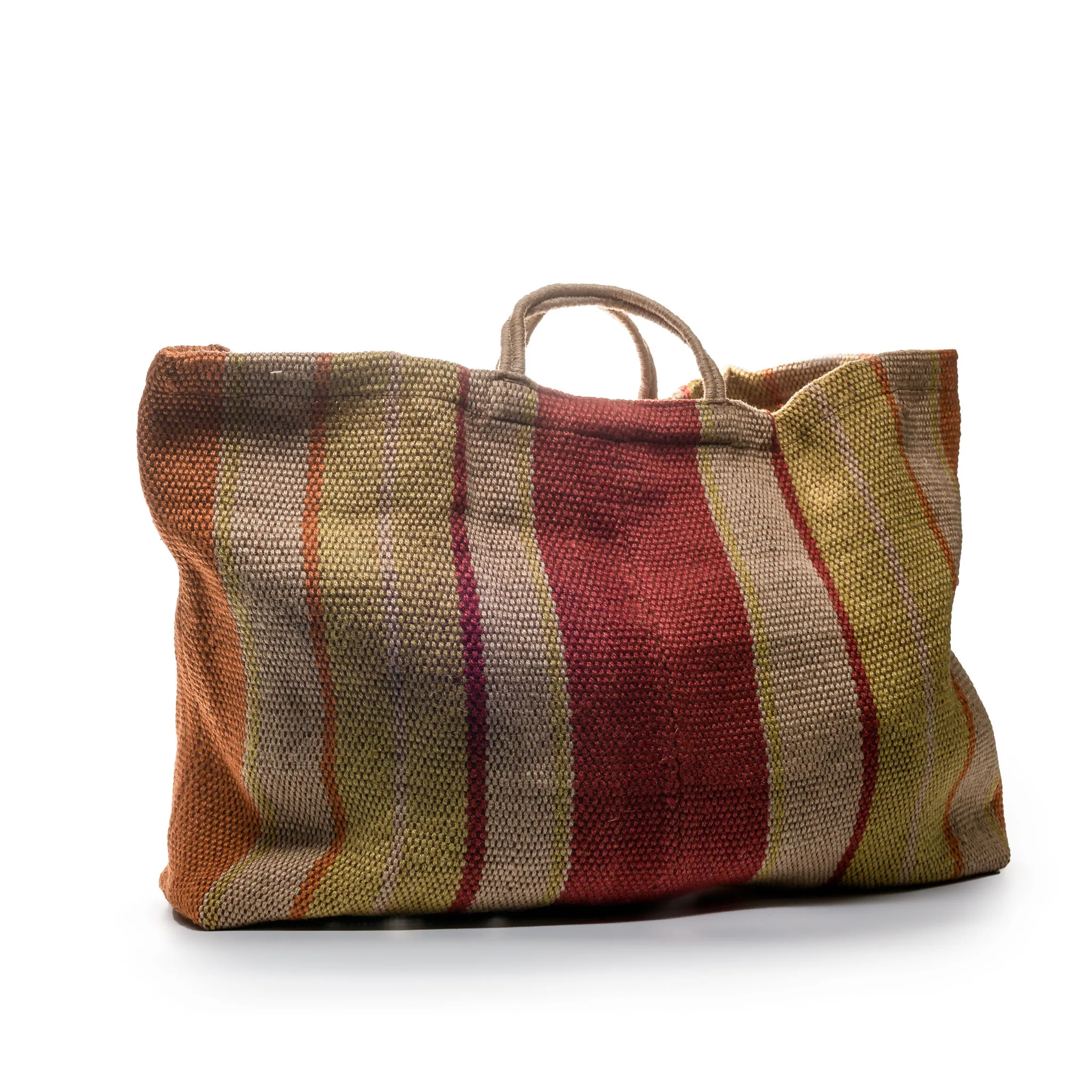
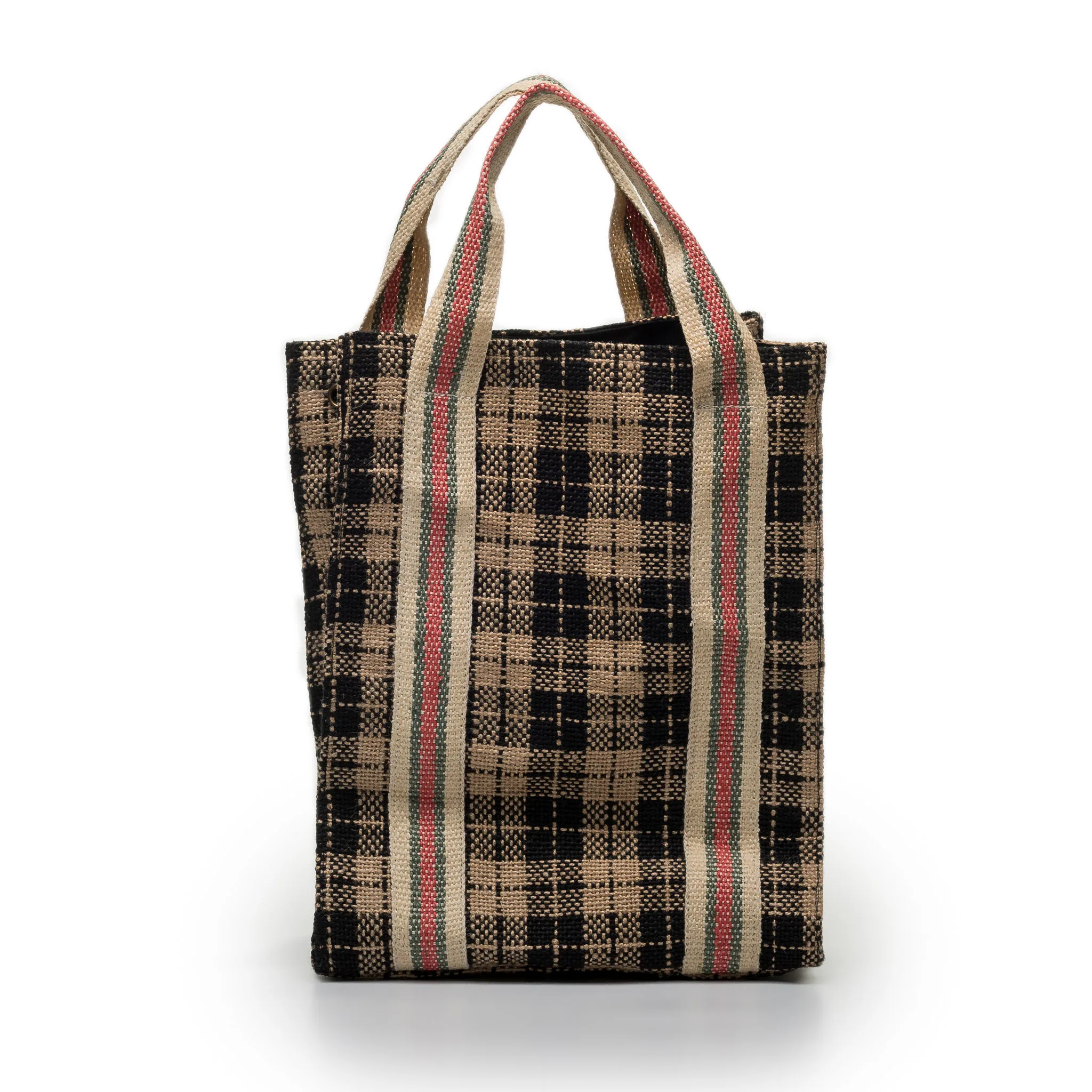
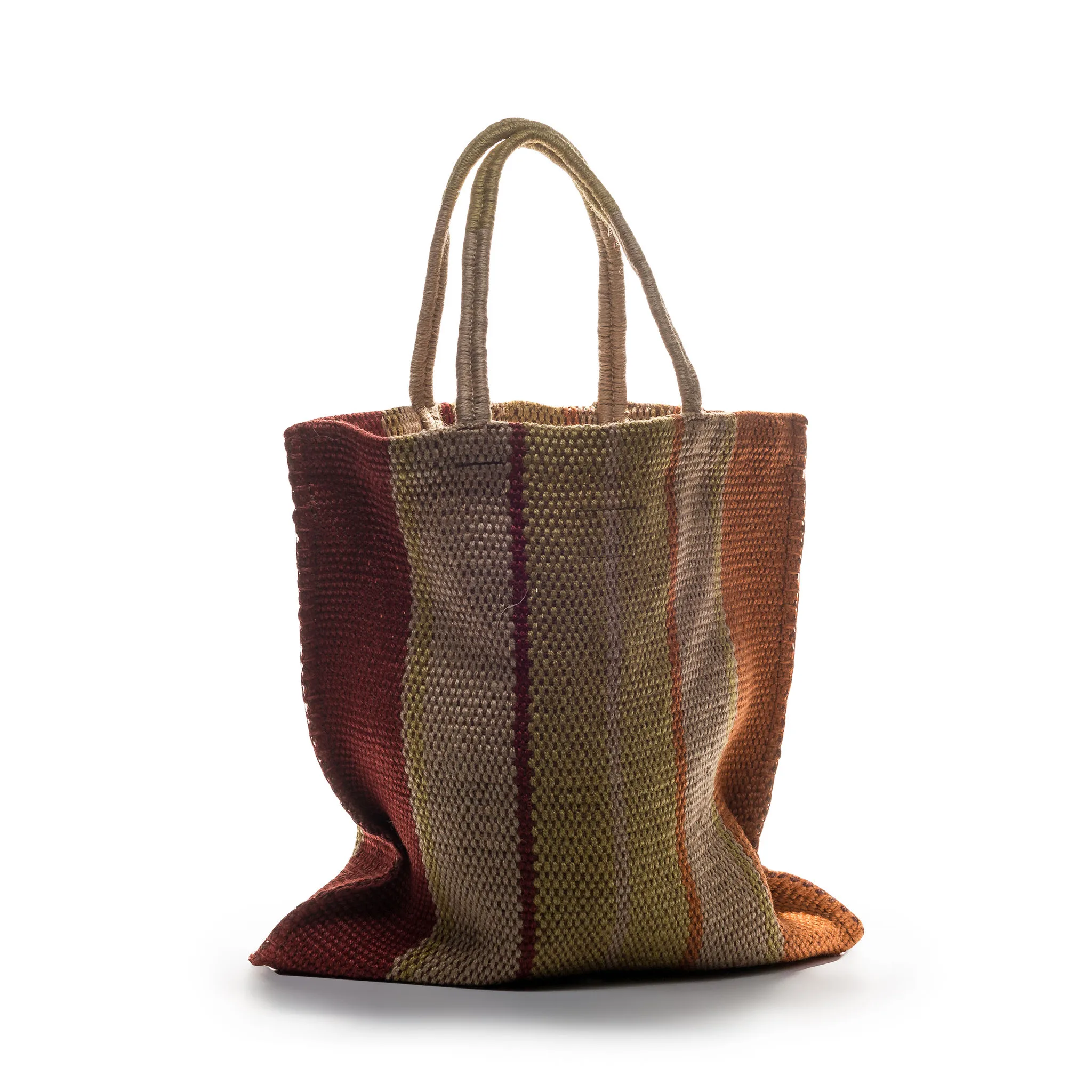
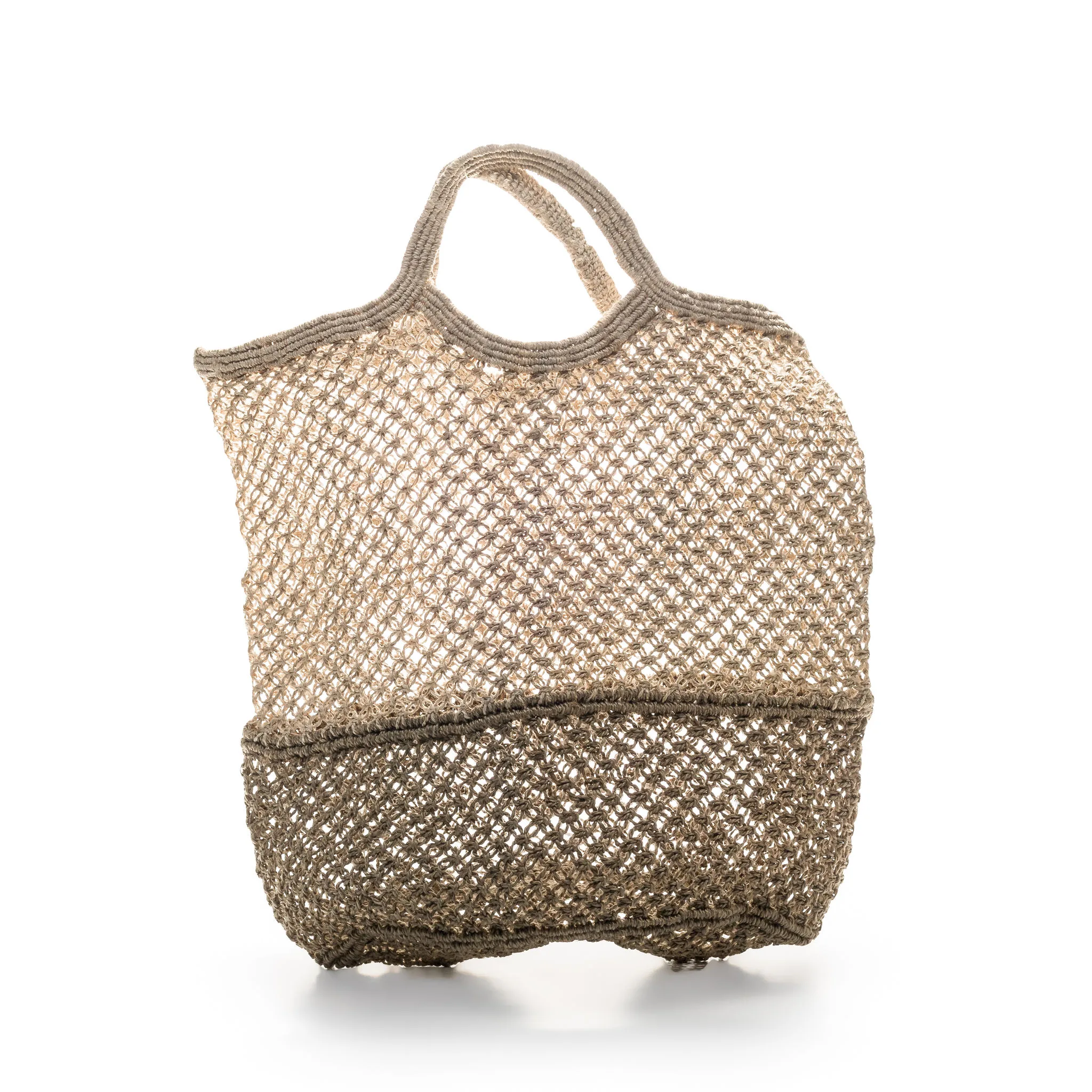
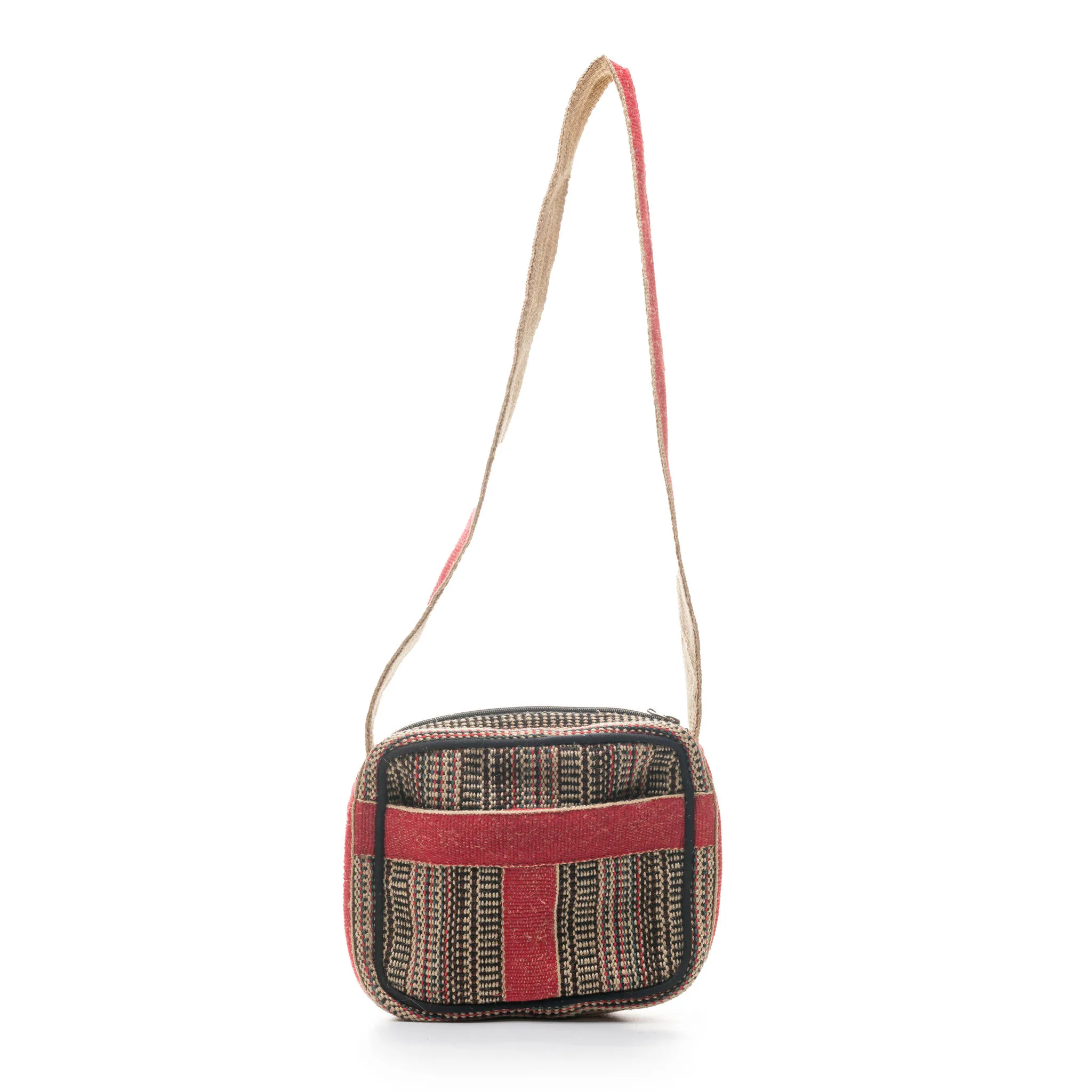
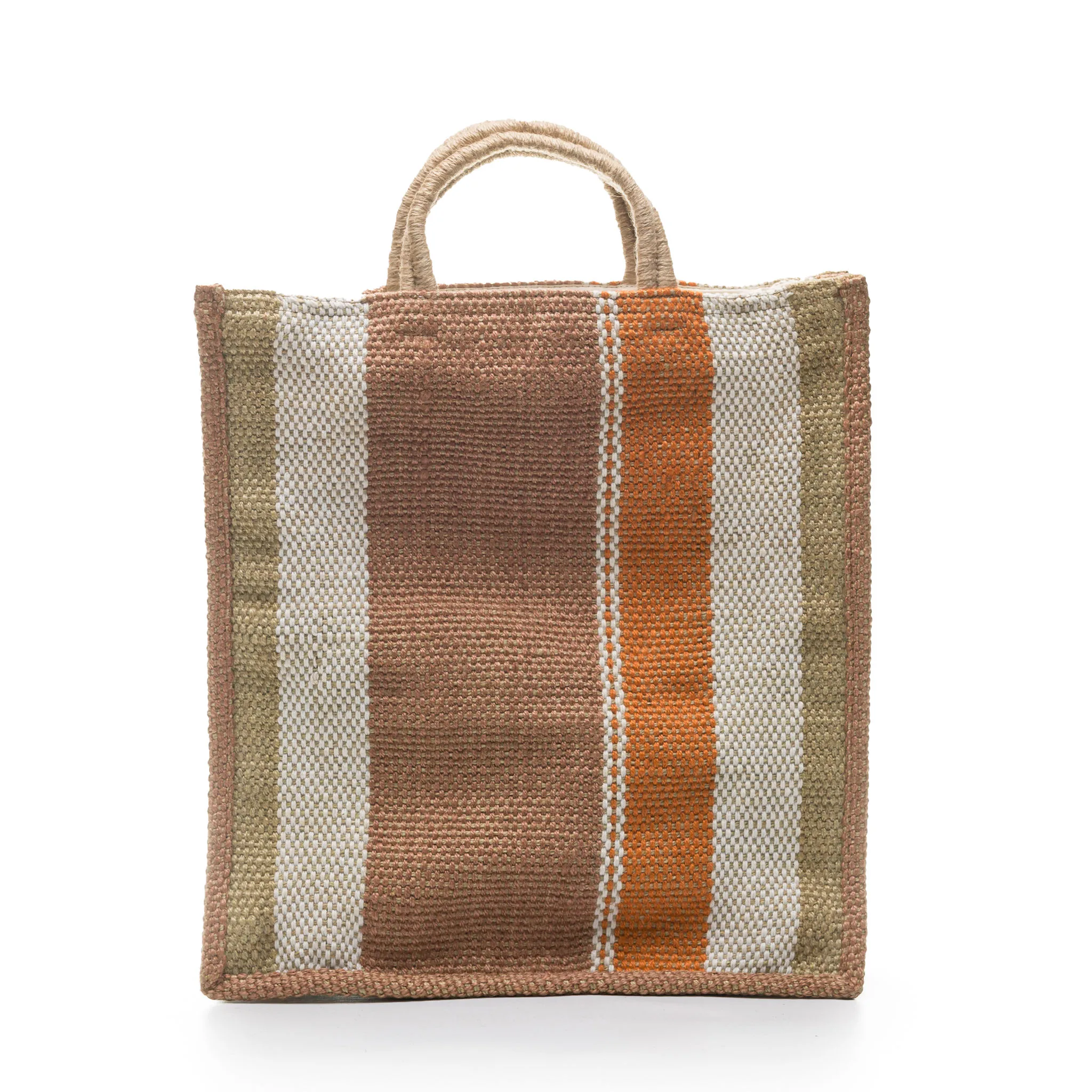
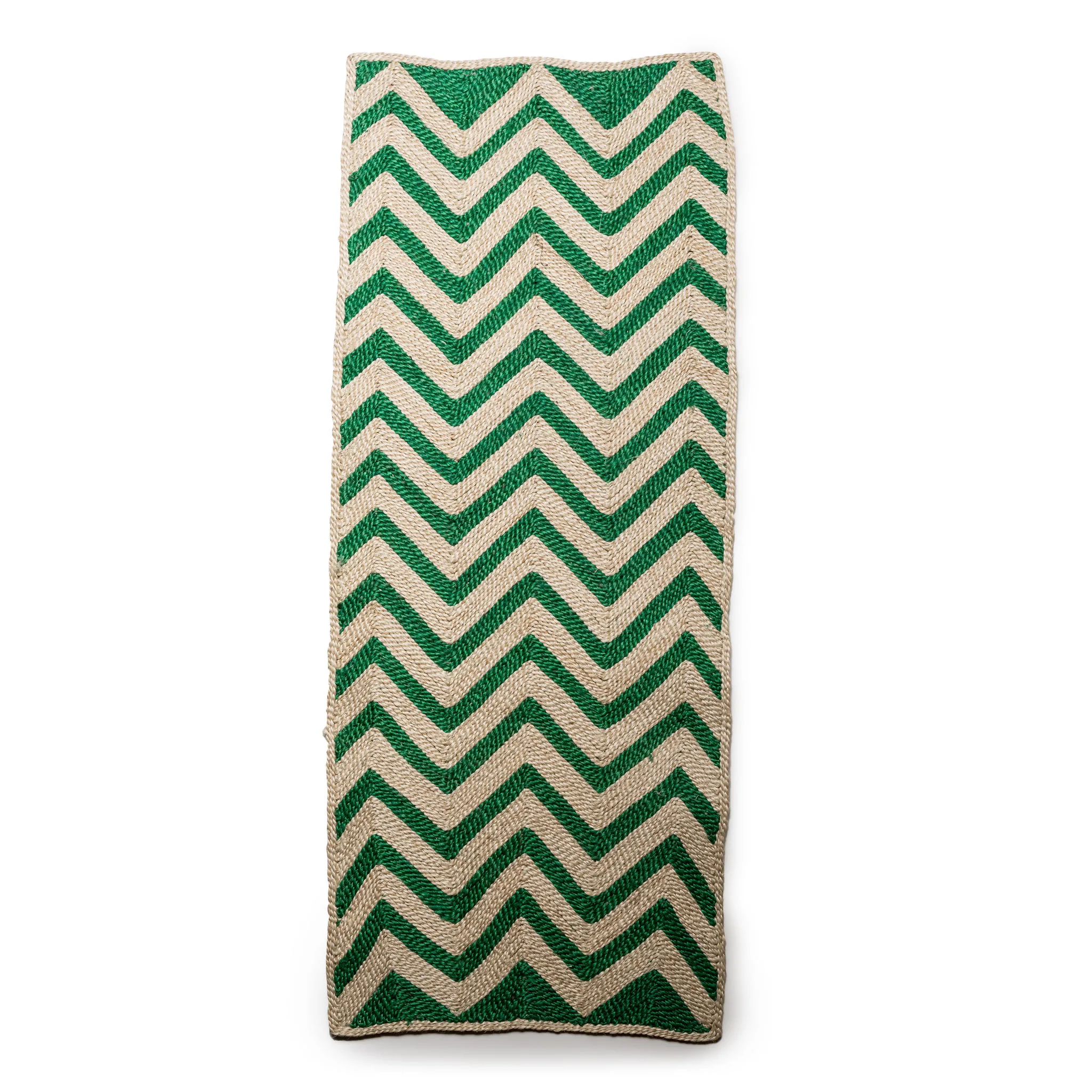
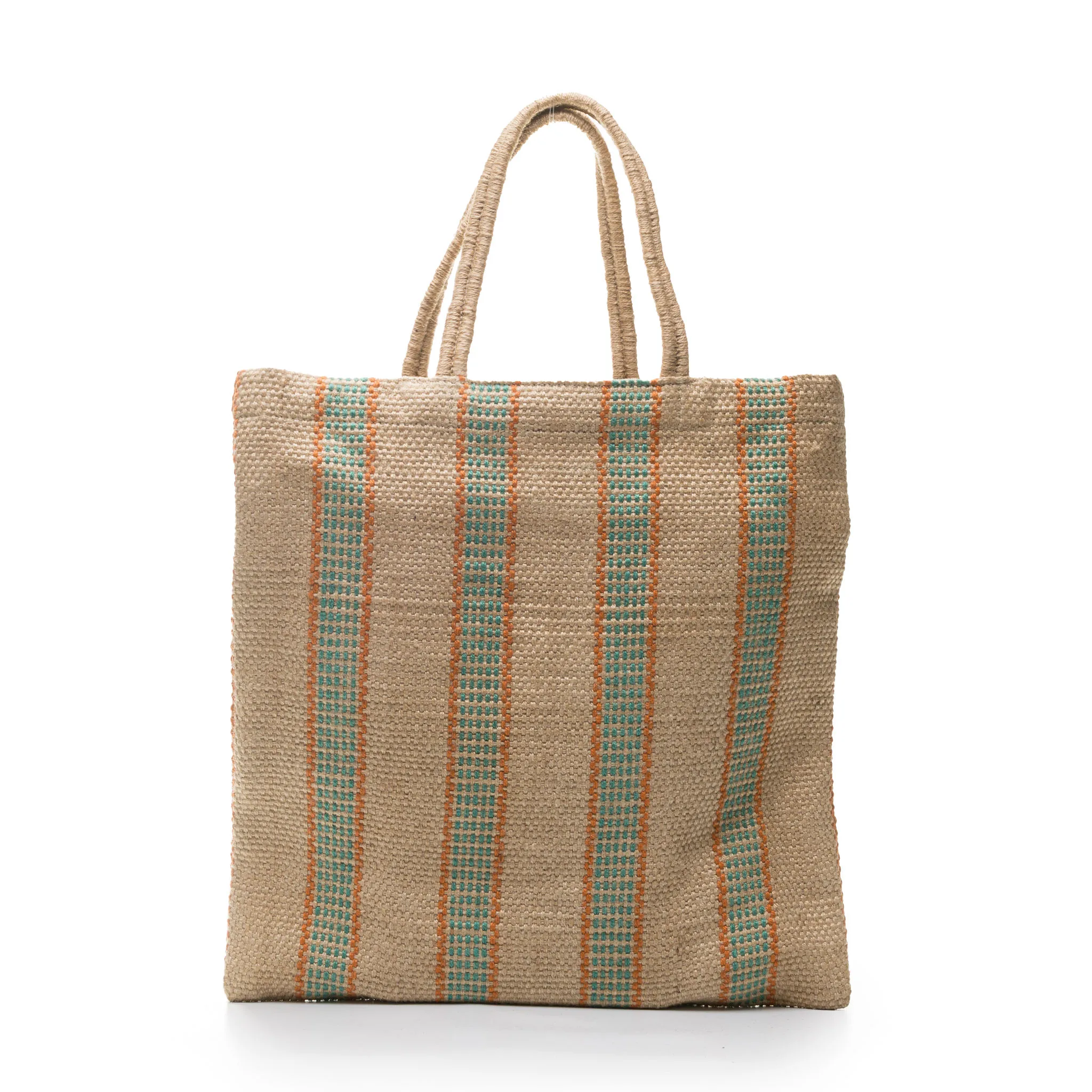
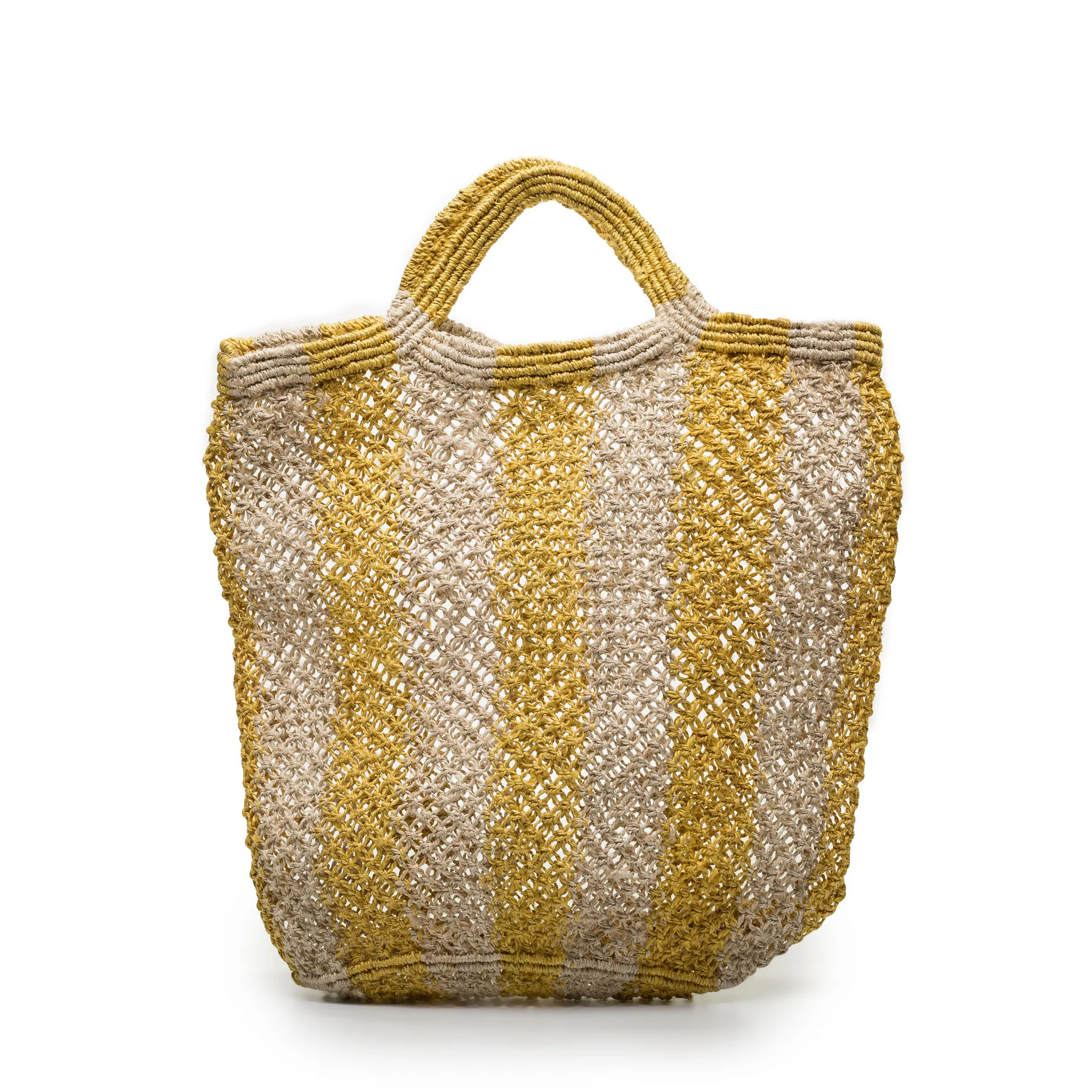
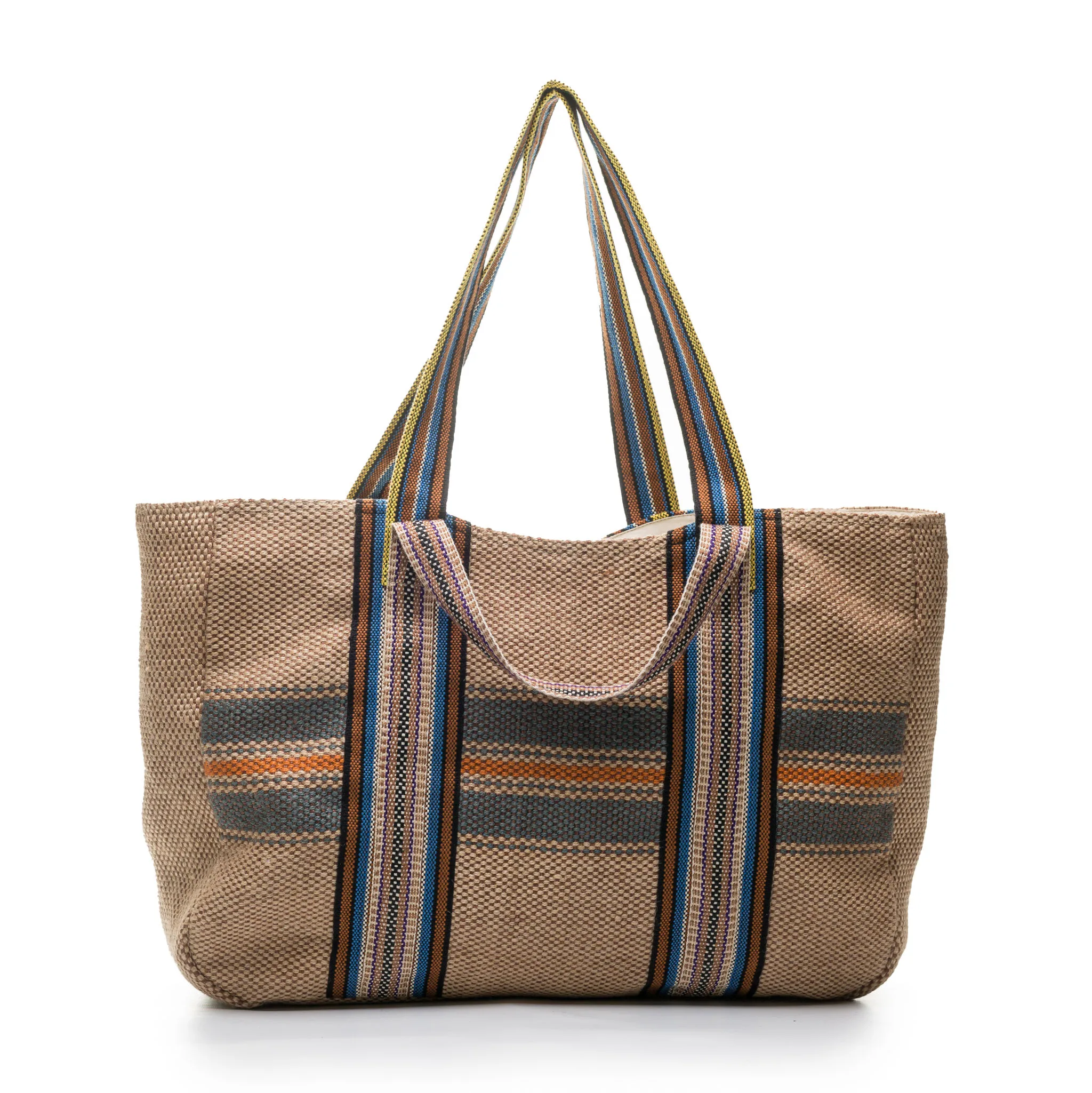
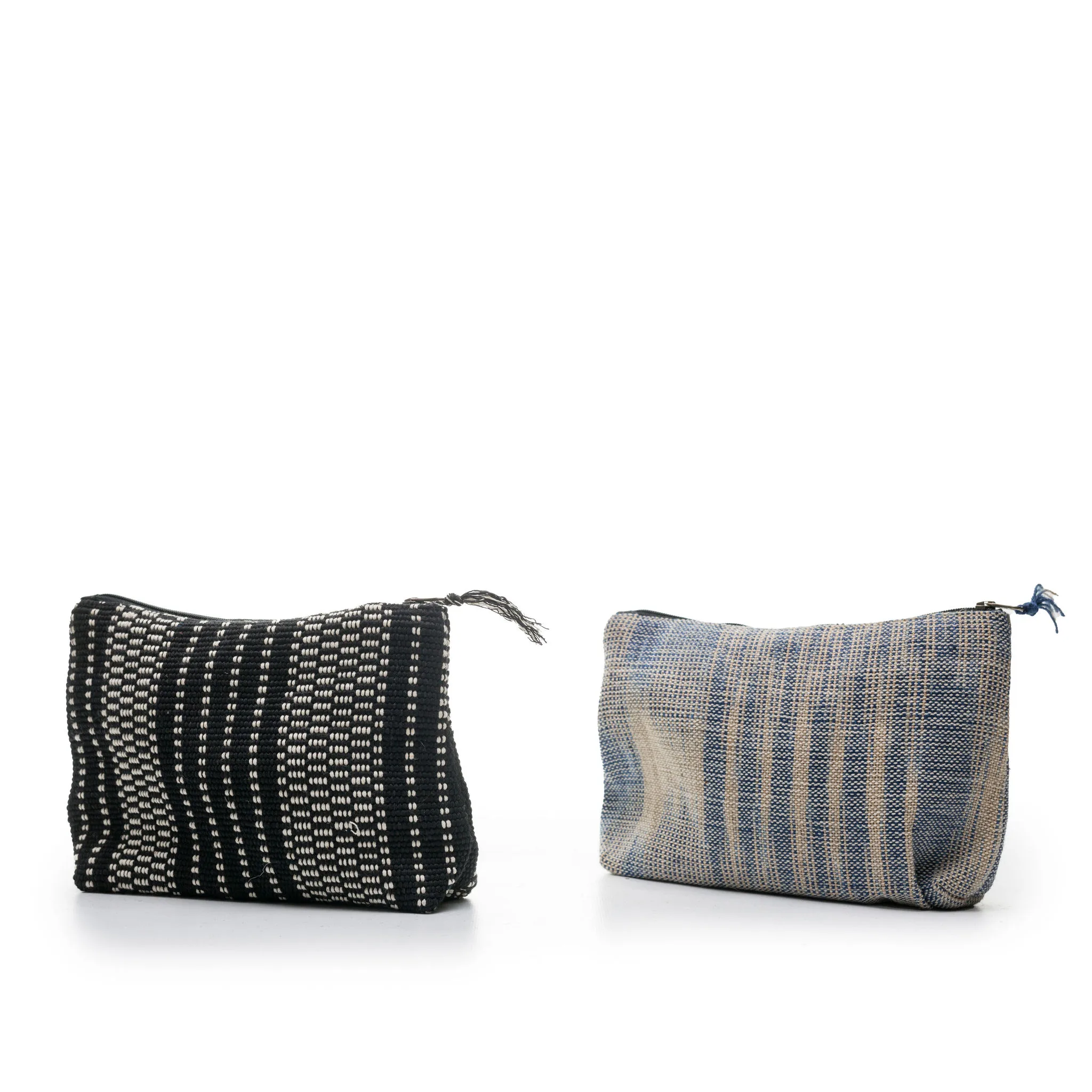
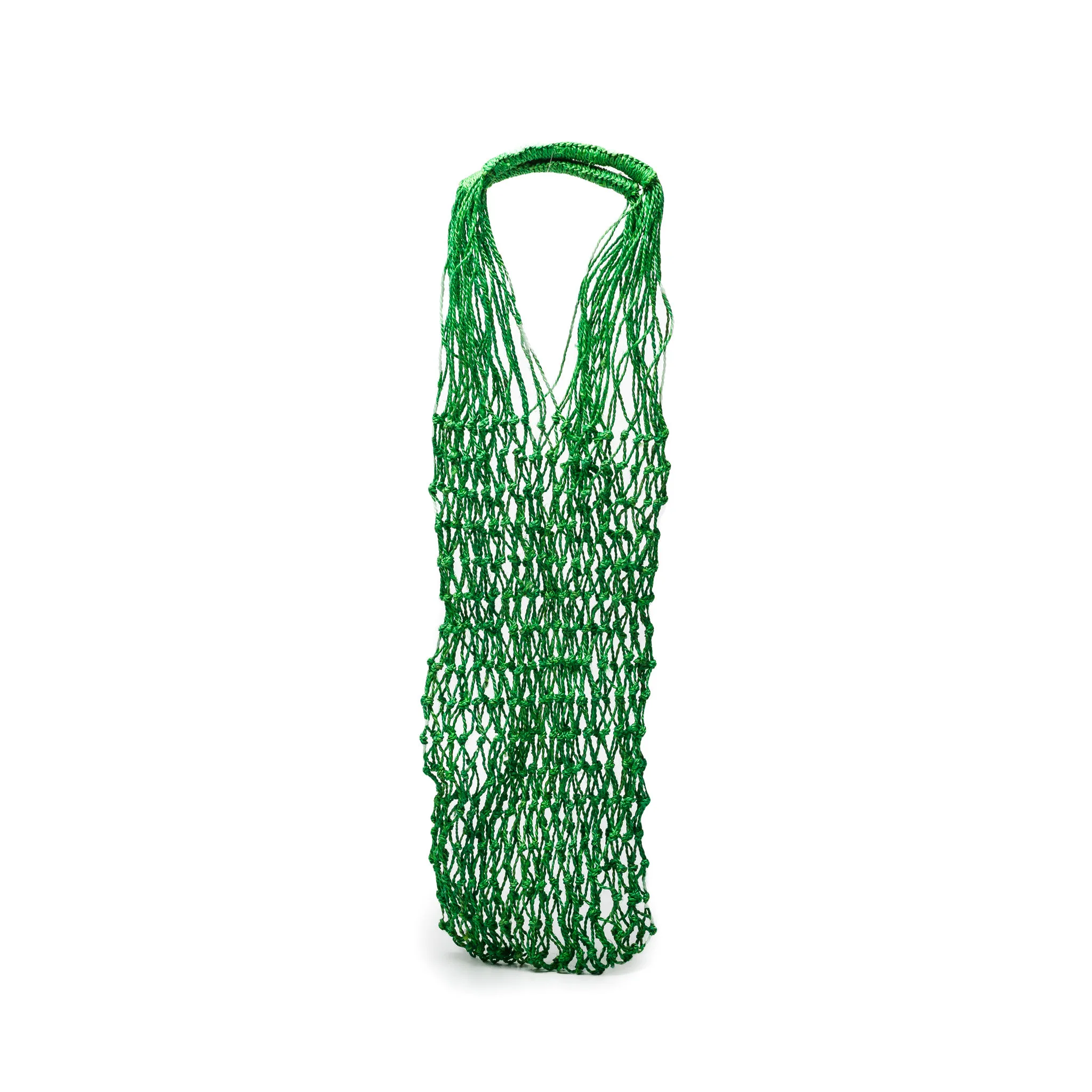
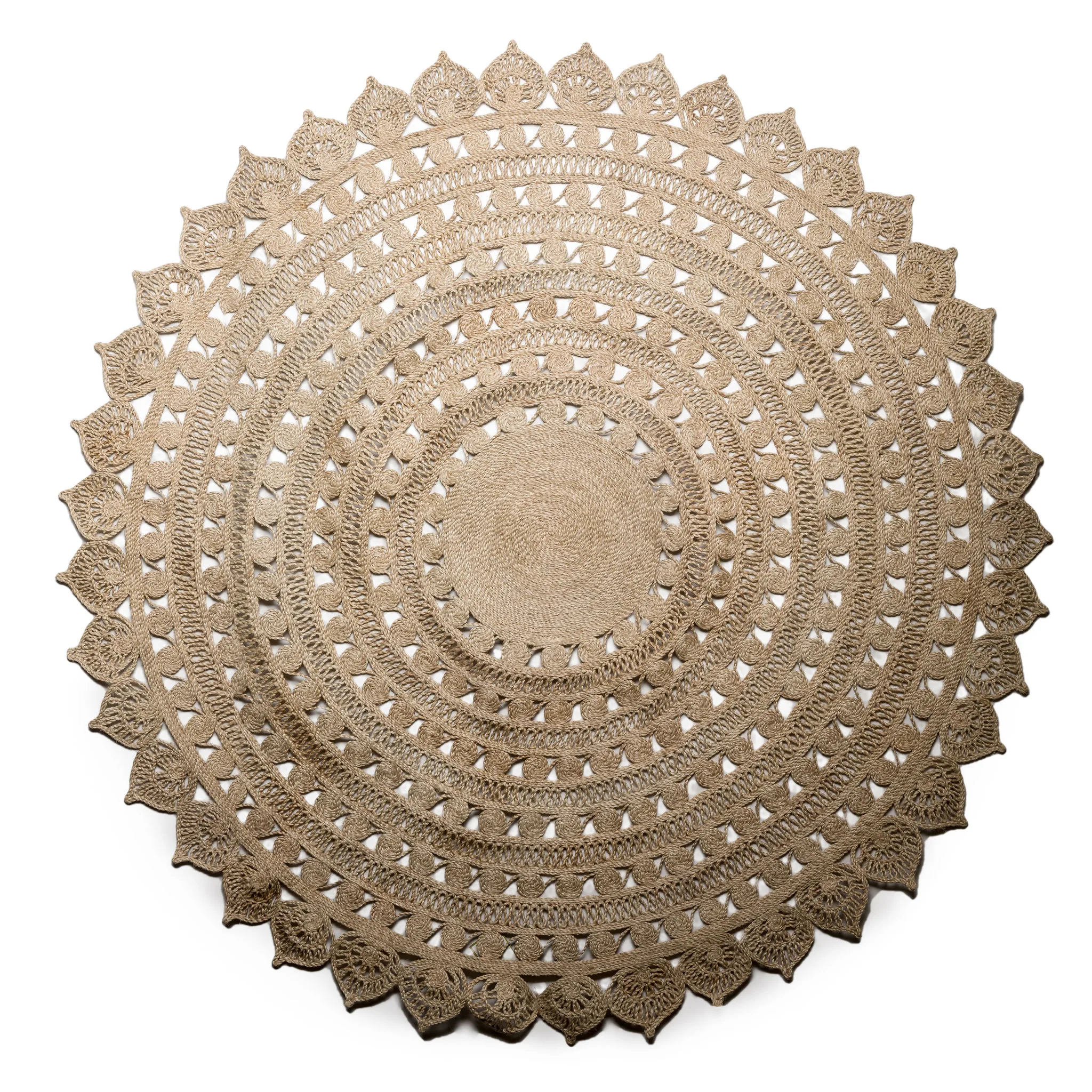
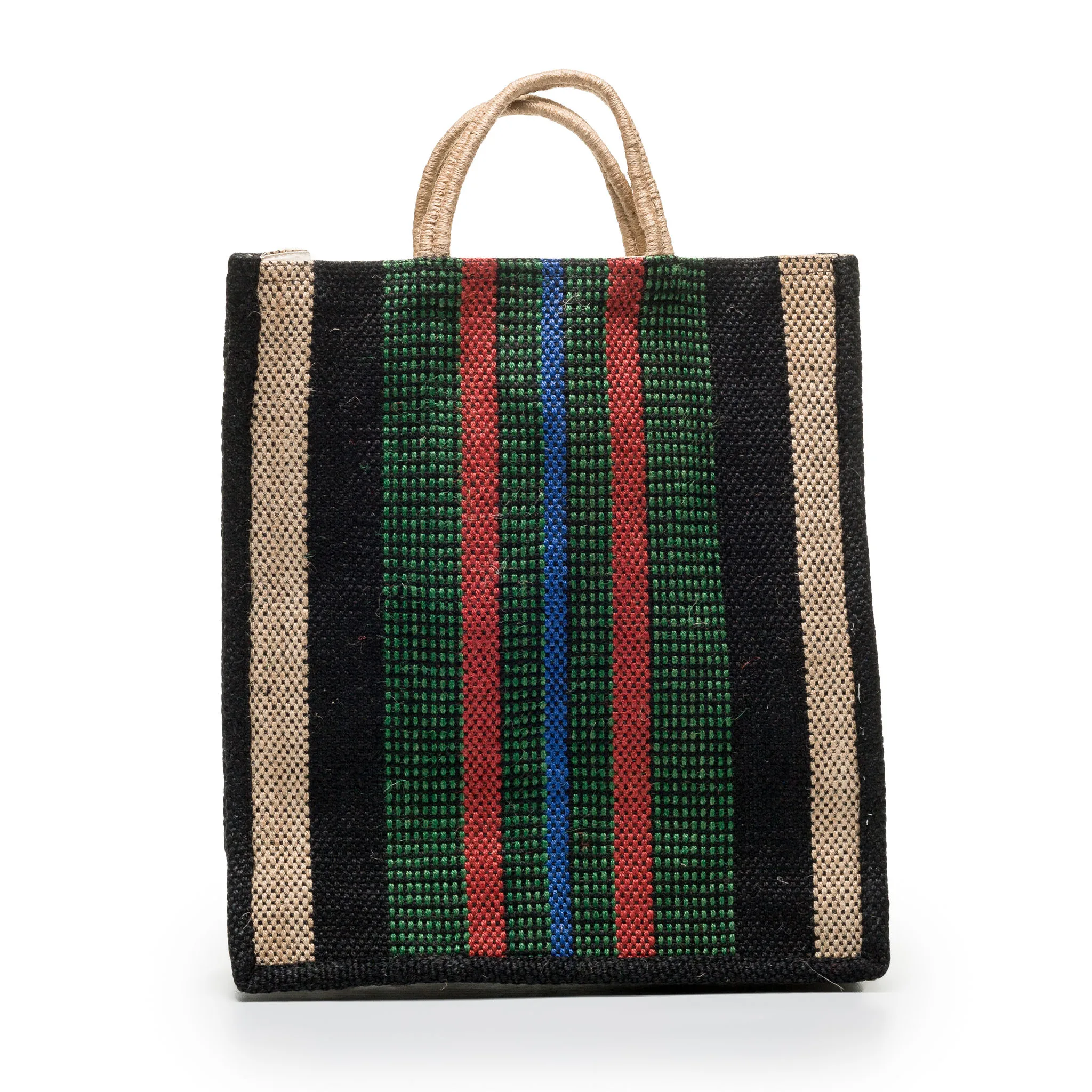
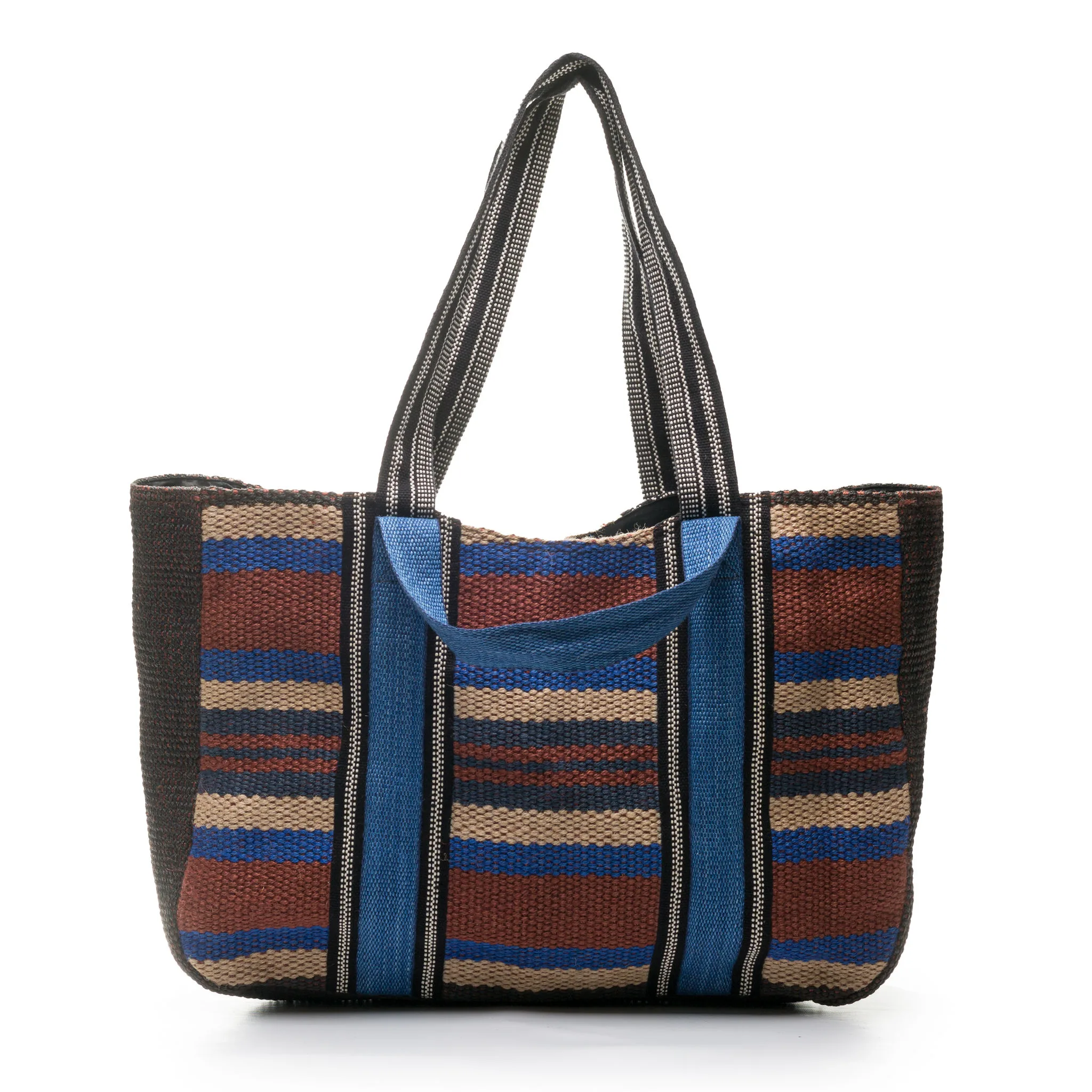
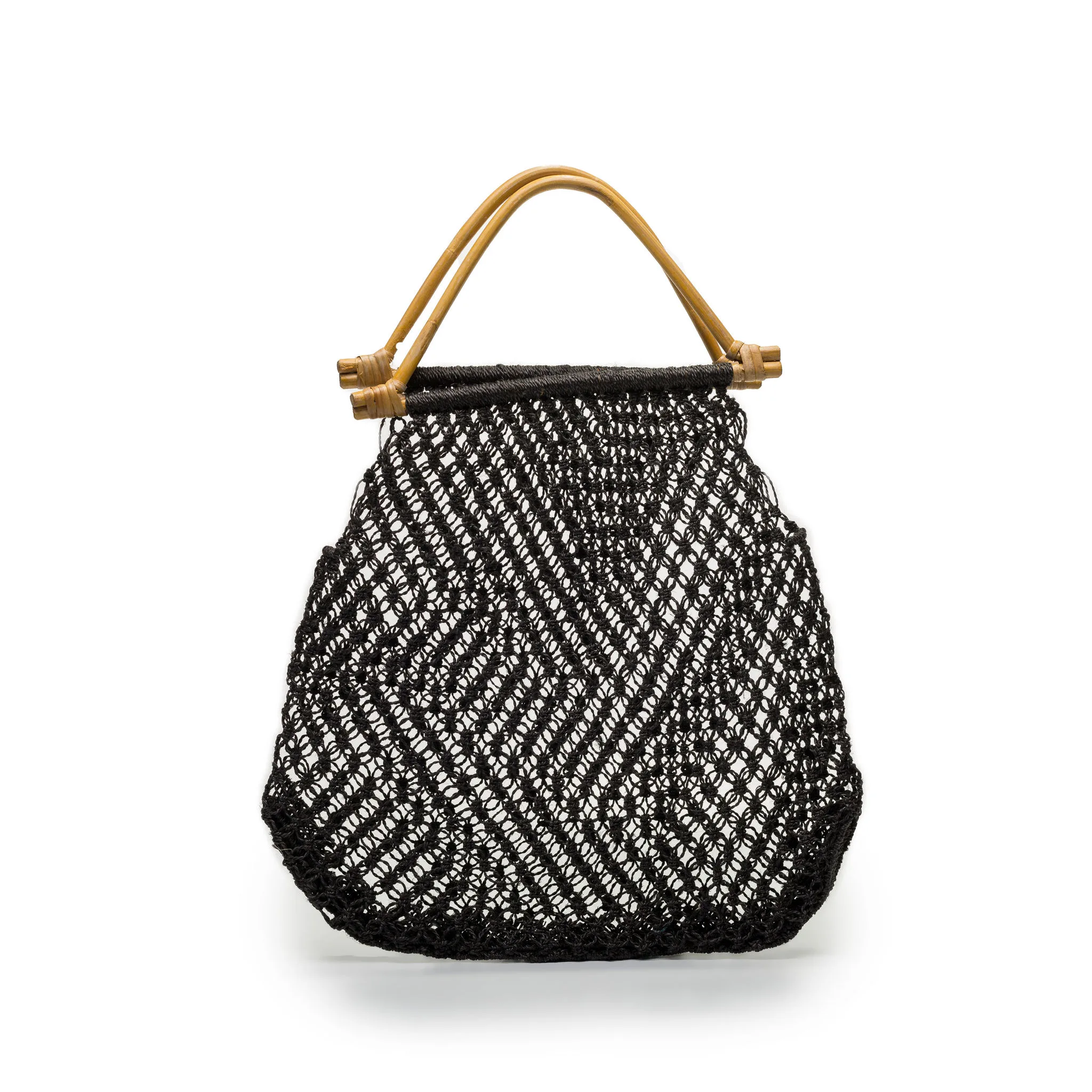
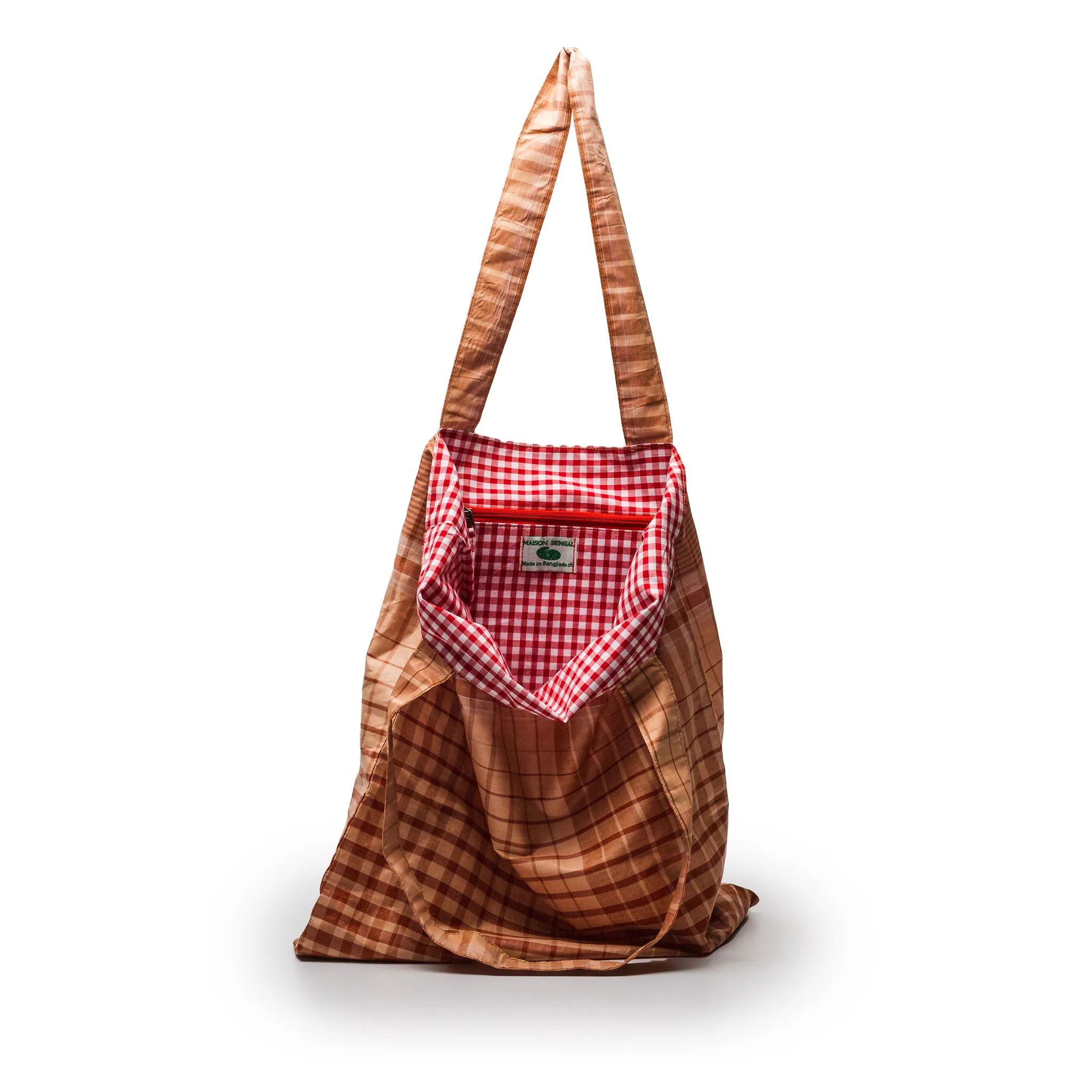
Photographing handwoven natural fibre on white
Product photography for e-commerce sounds simple until you do it. The client needs a clean white background, consistent scale and framing across the whole range, and images that will still look right sitting next to each other on a category page. That last part is the difficult bit.
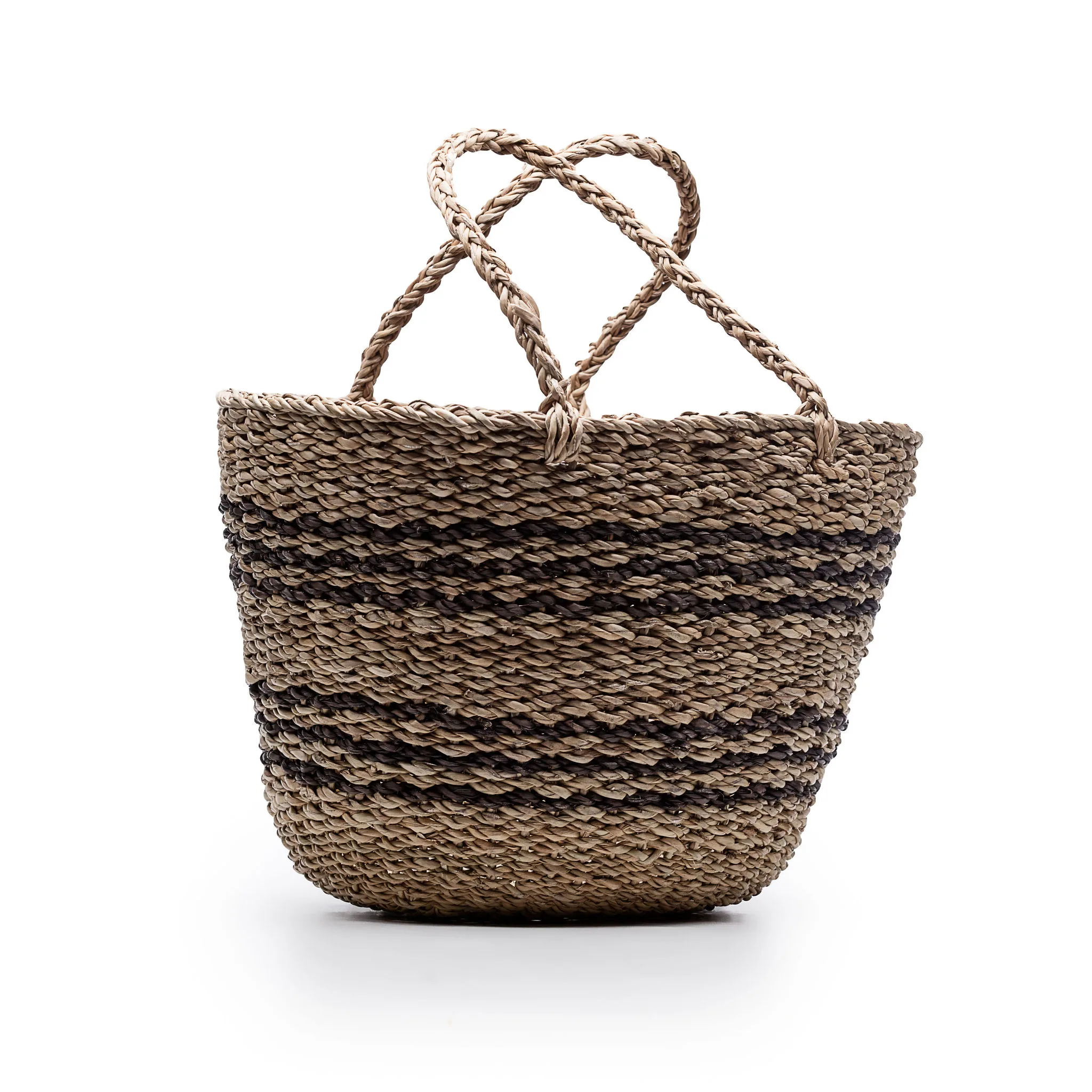
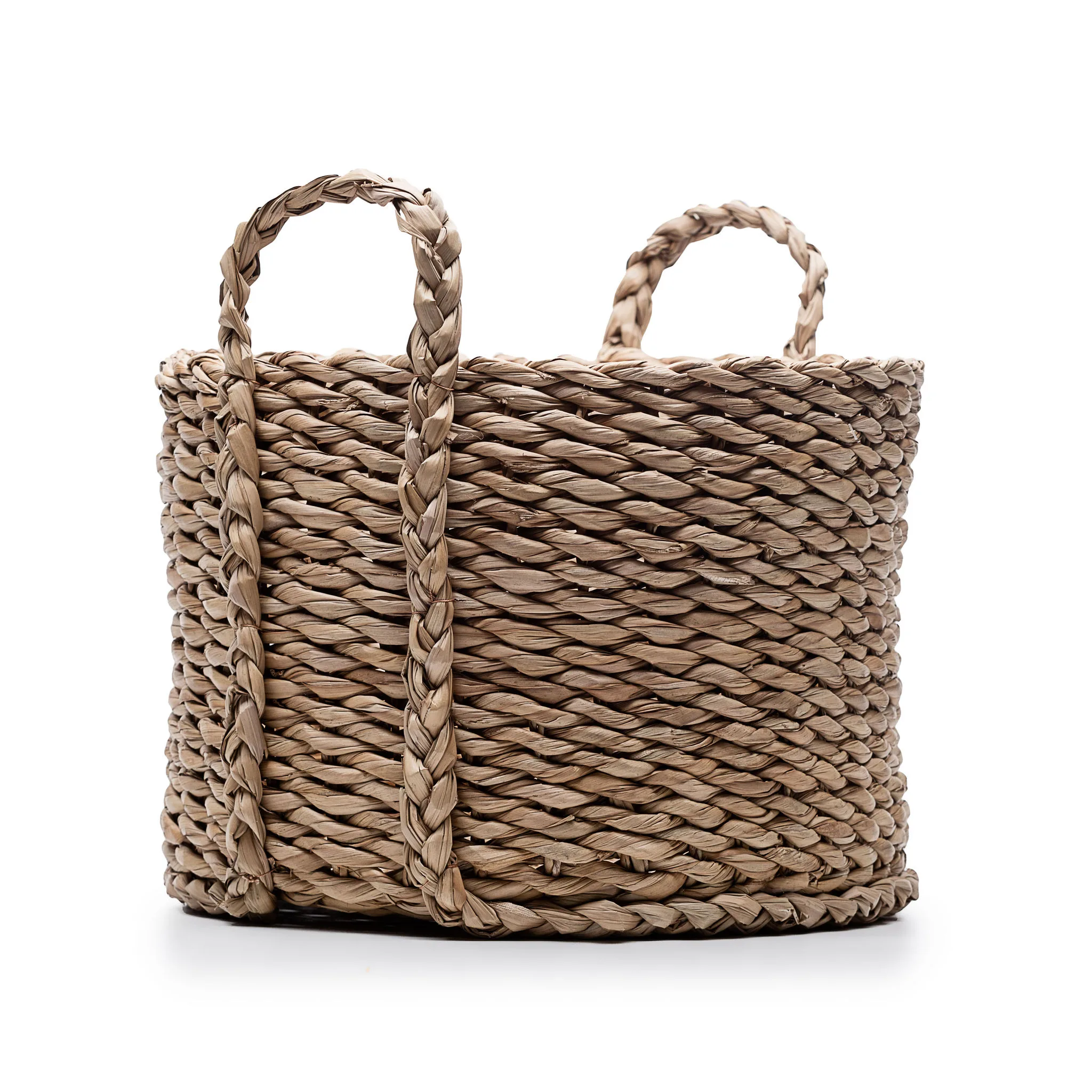
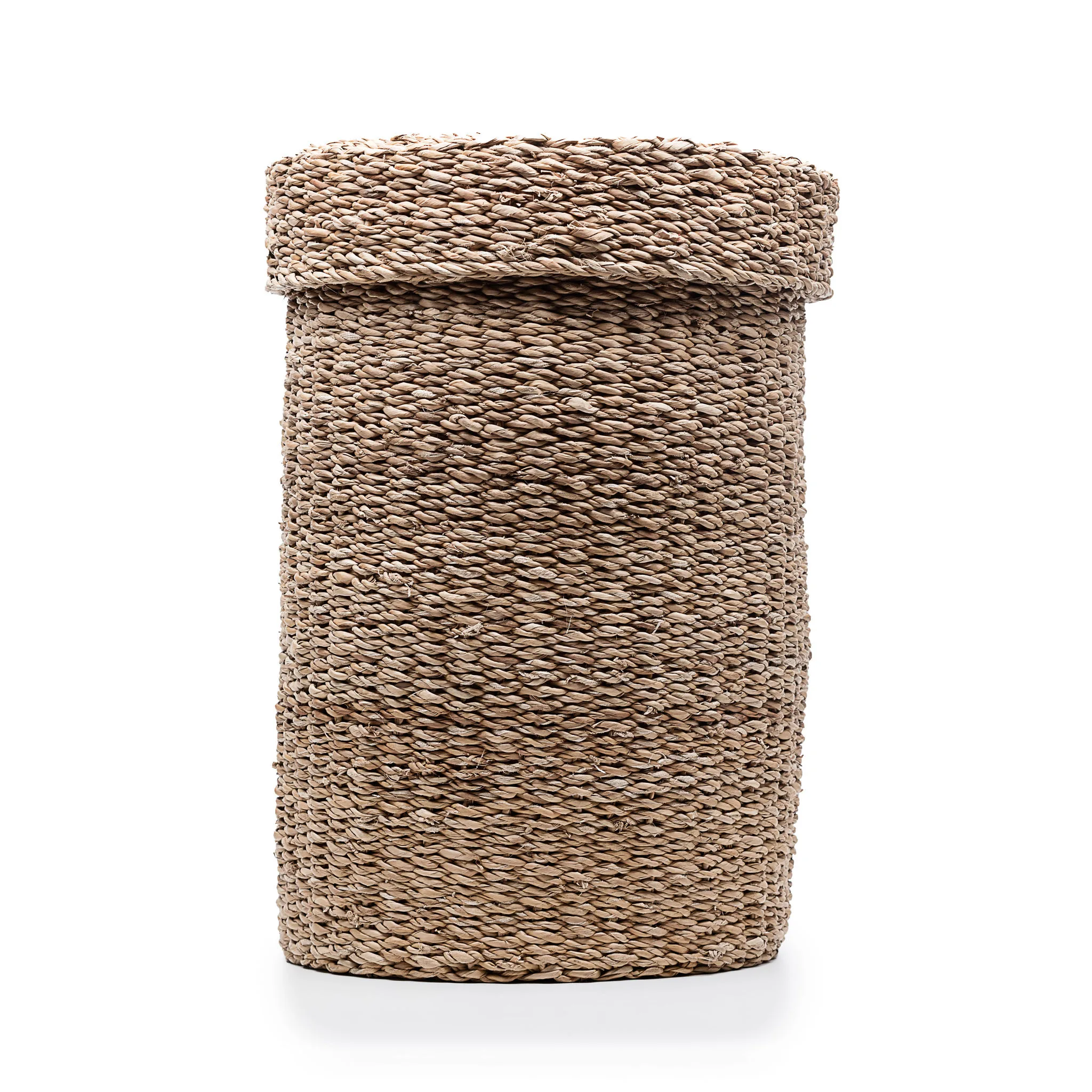
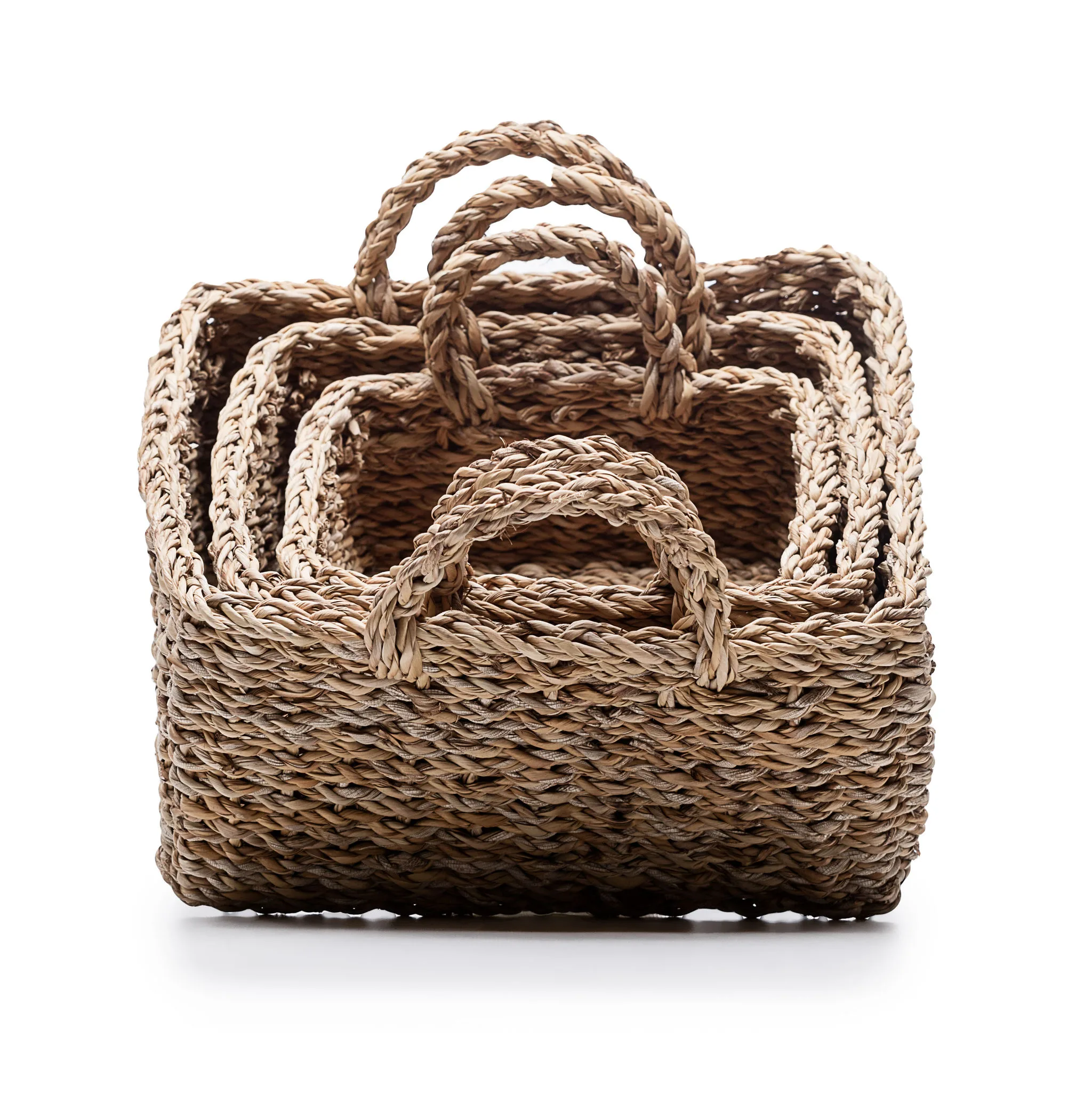
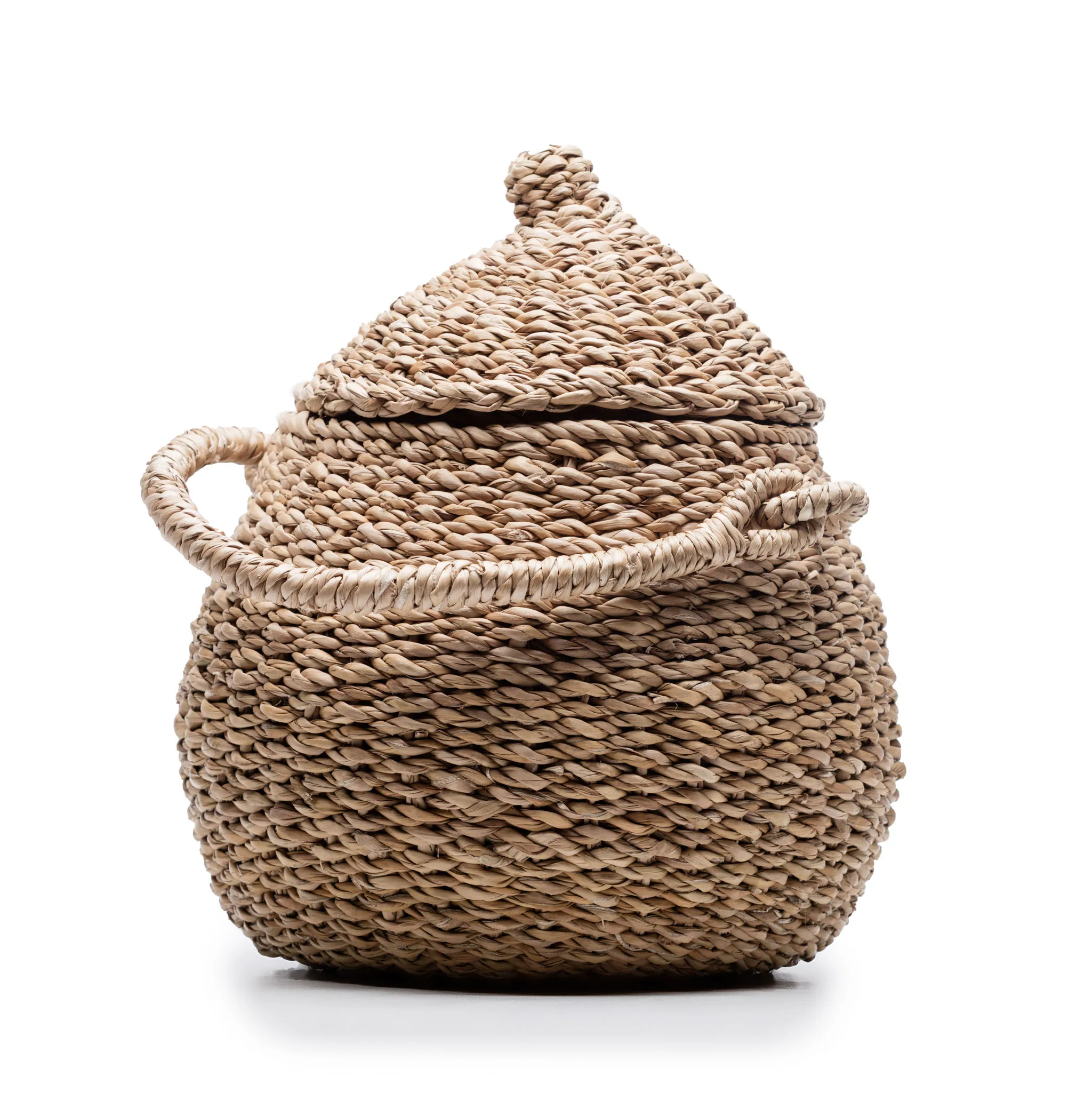
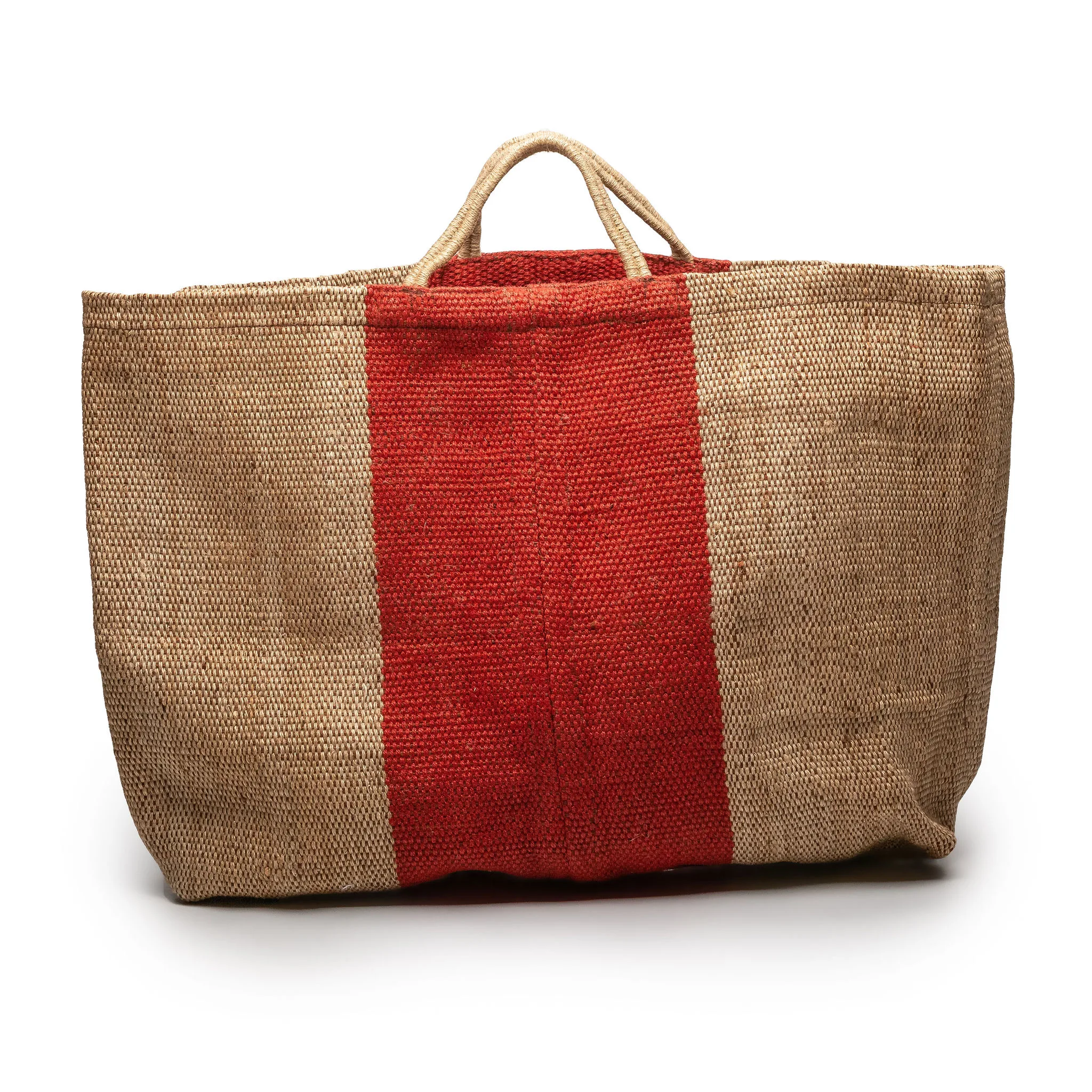
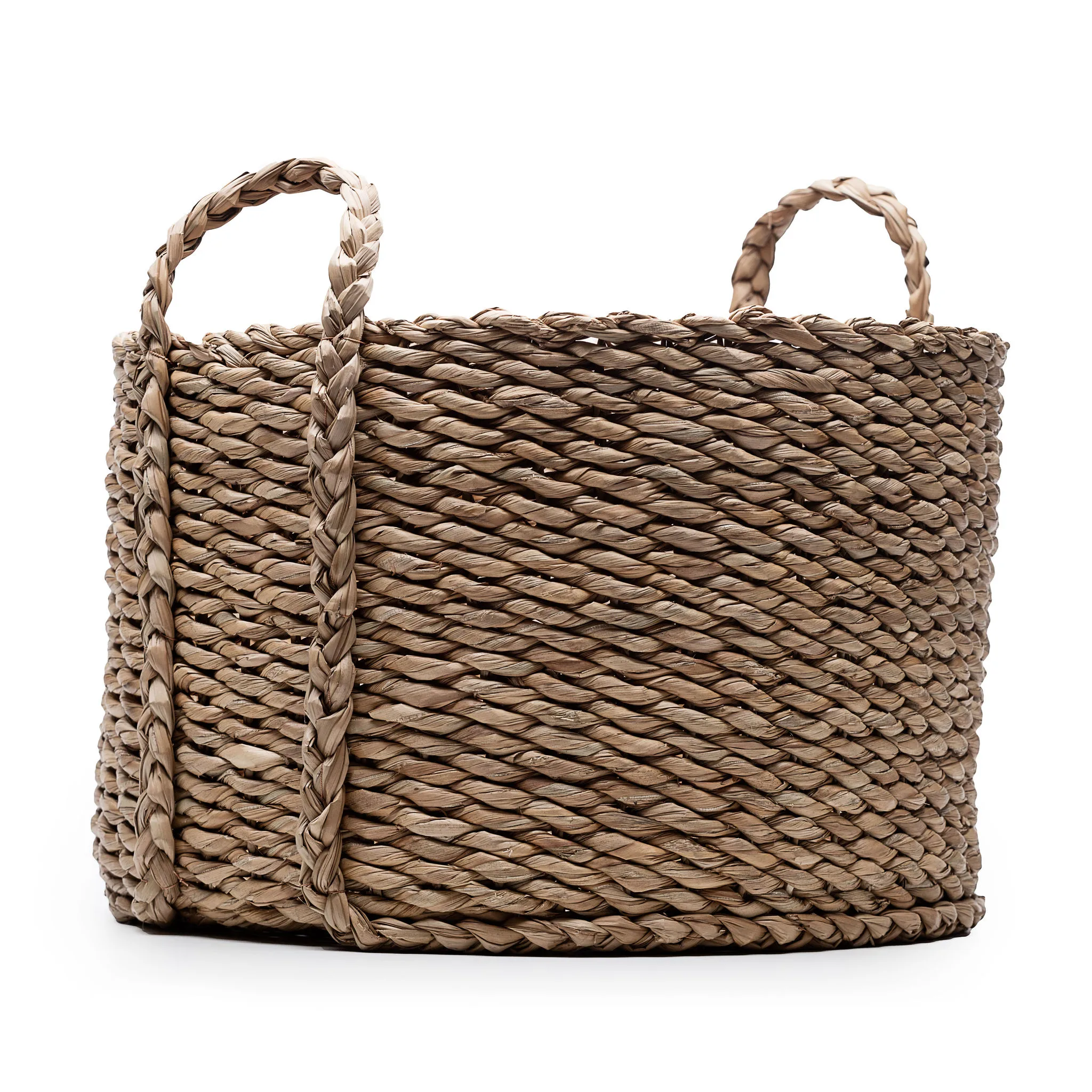
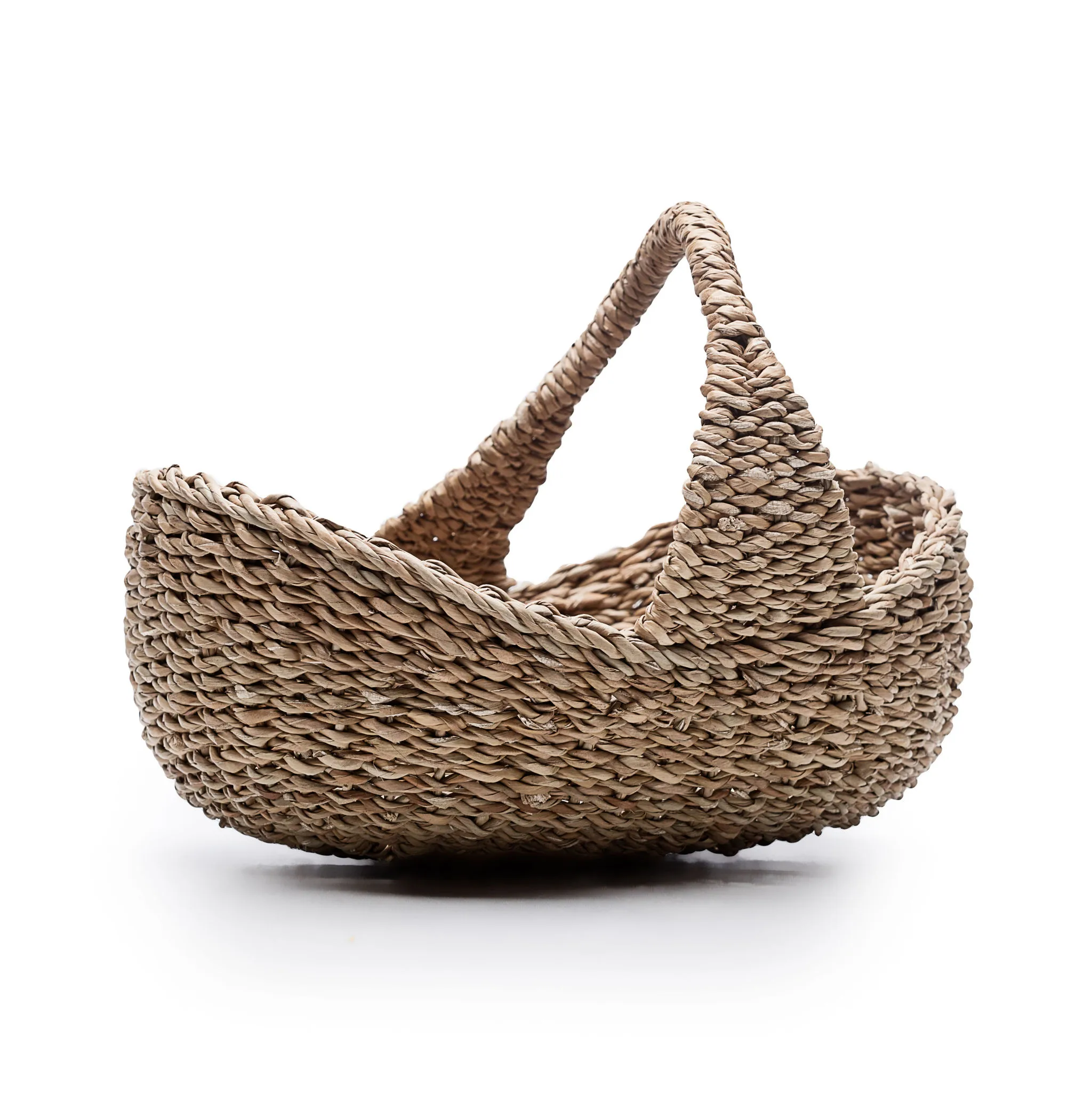
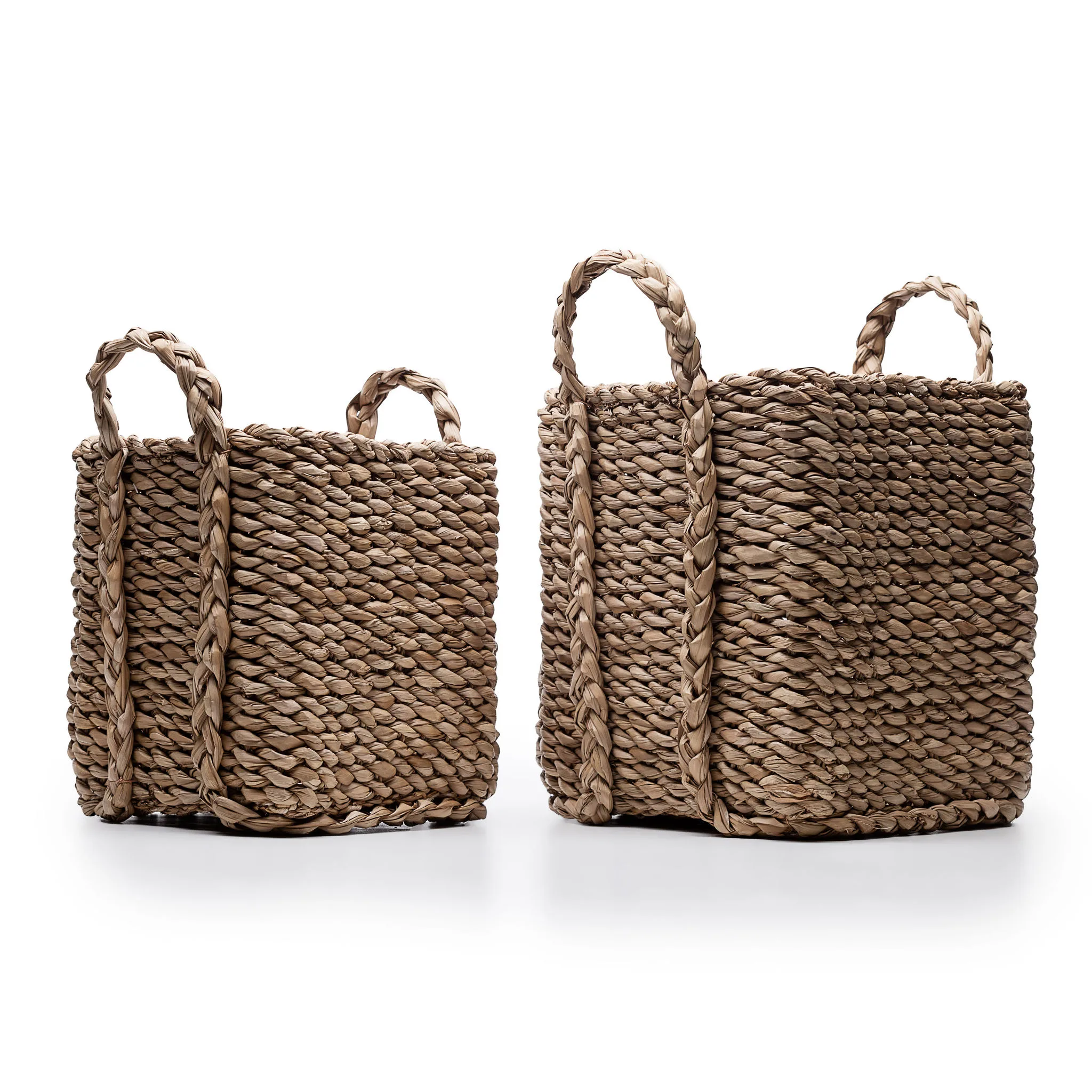
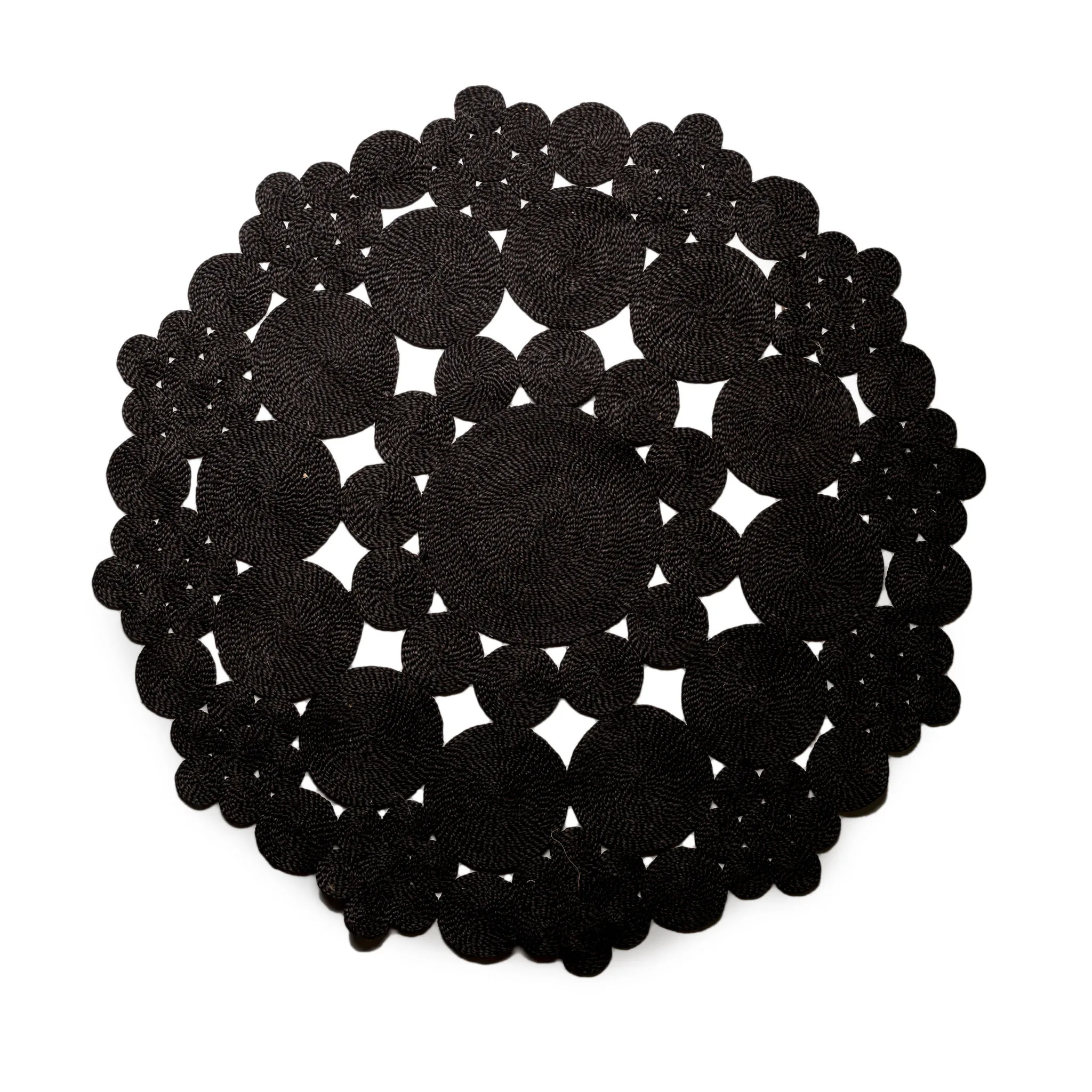
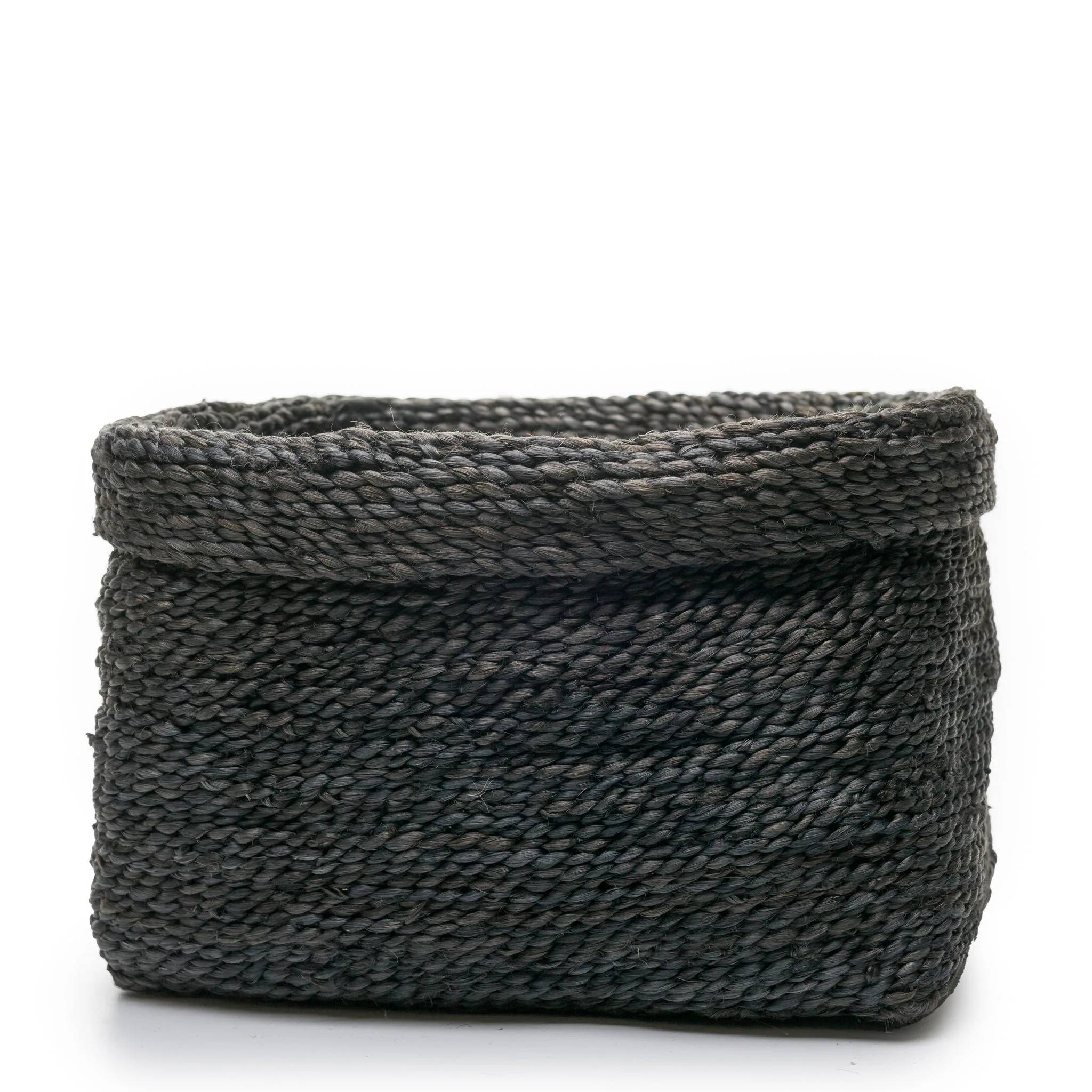
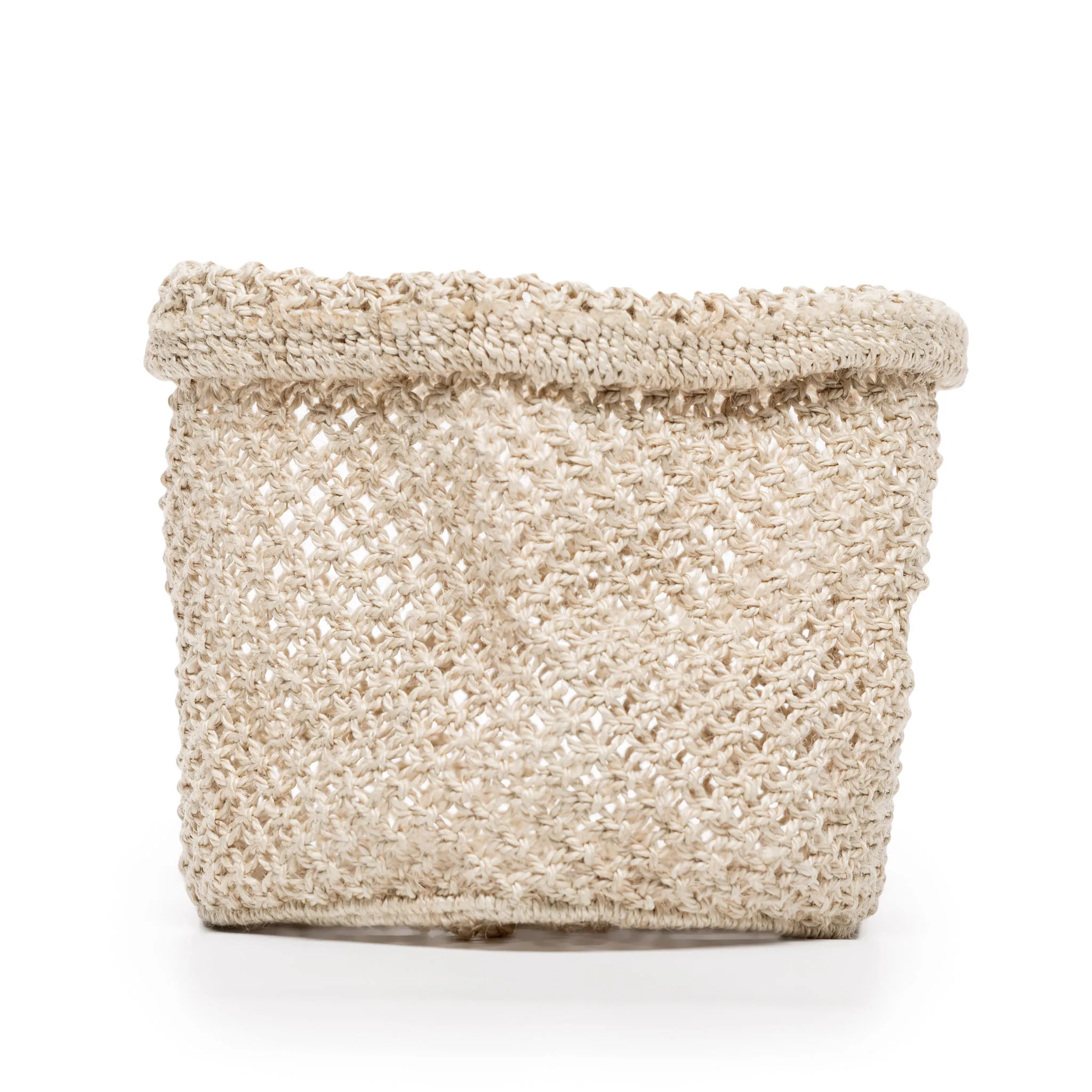
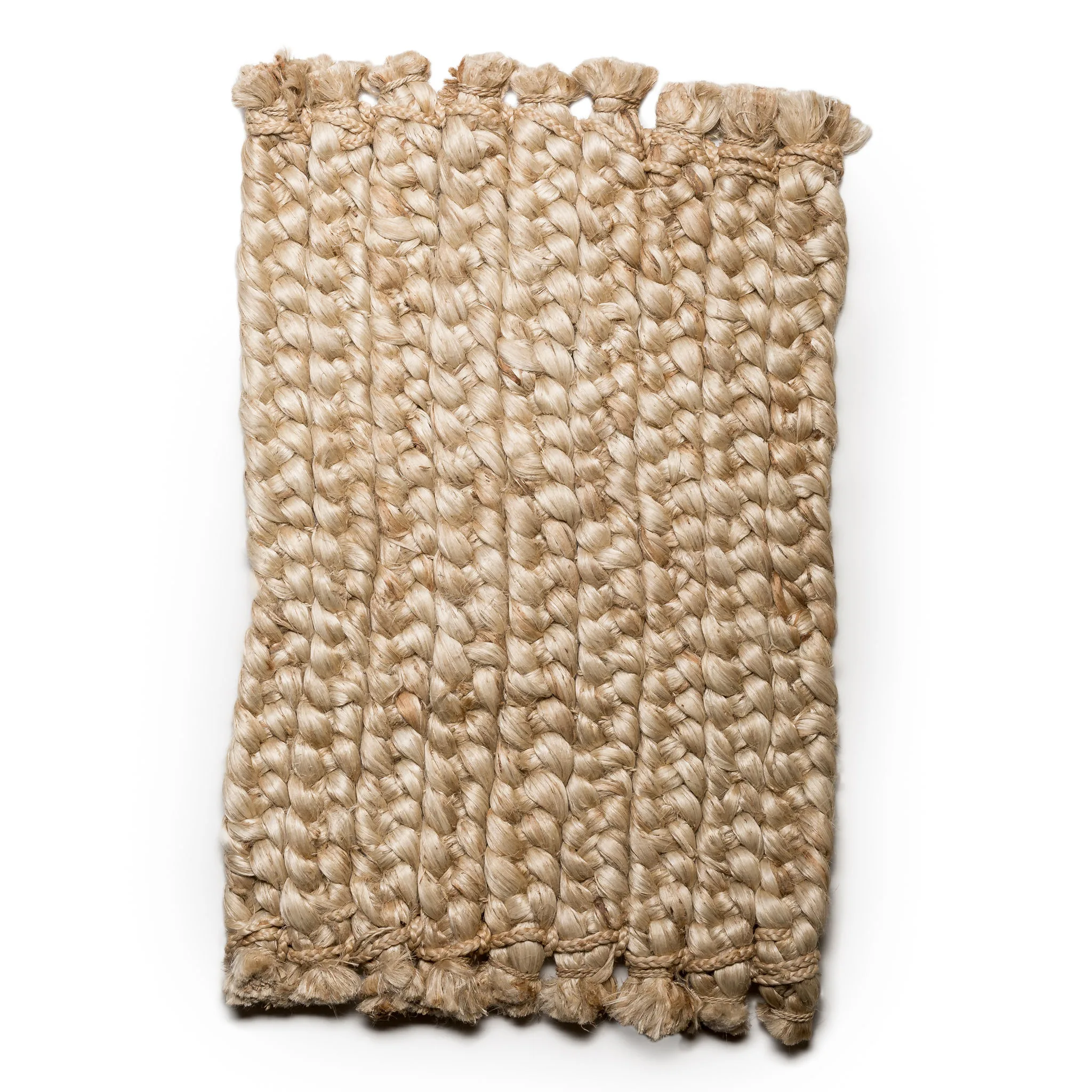
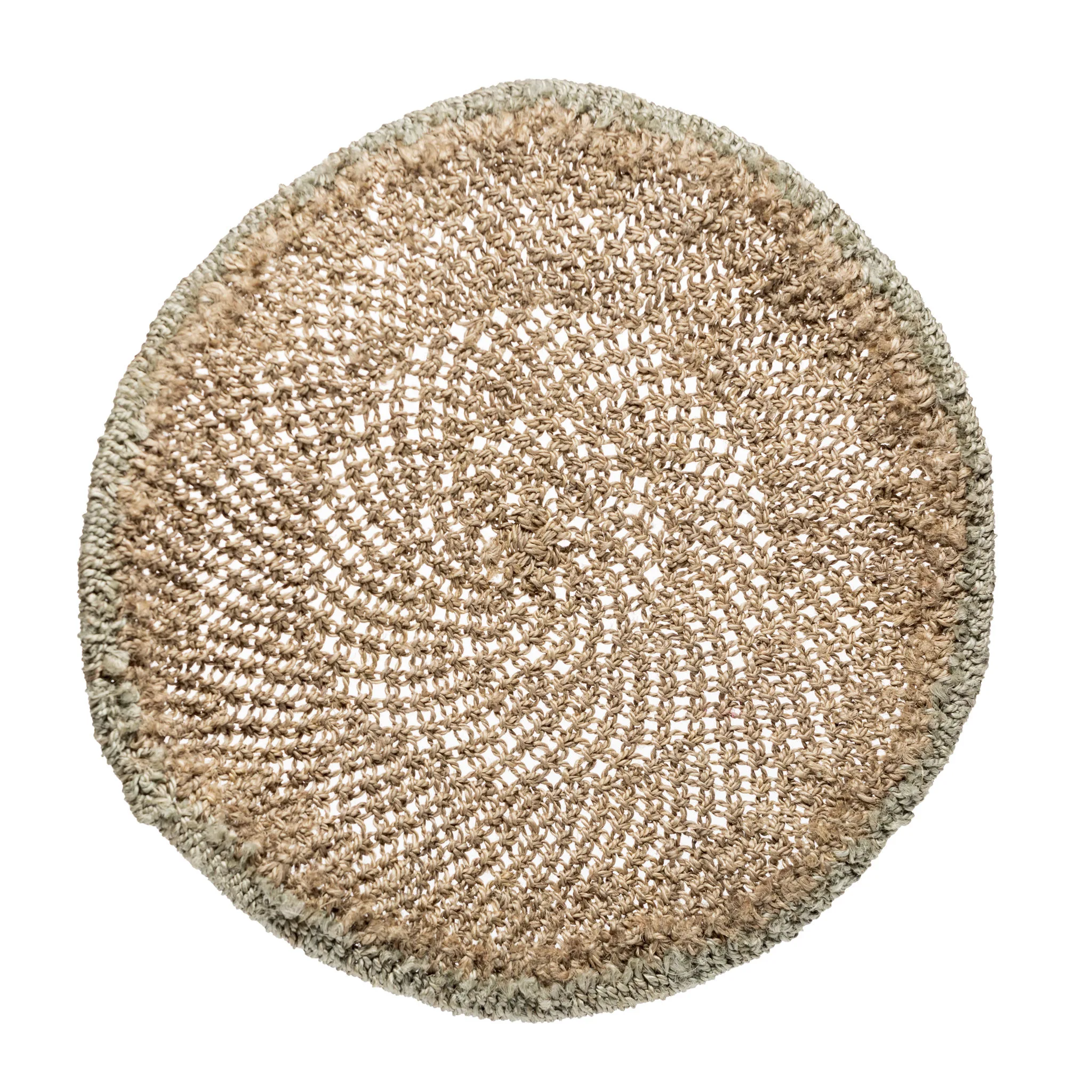
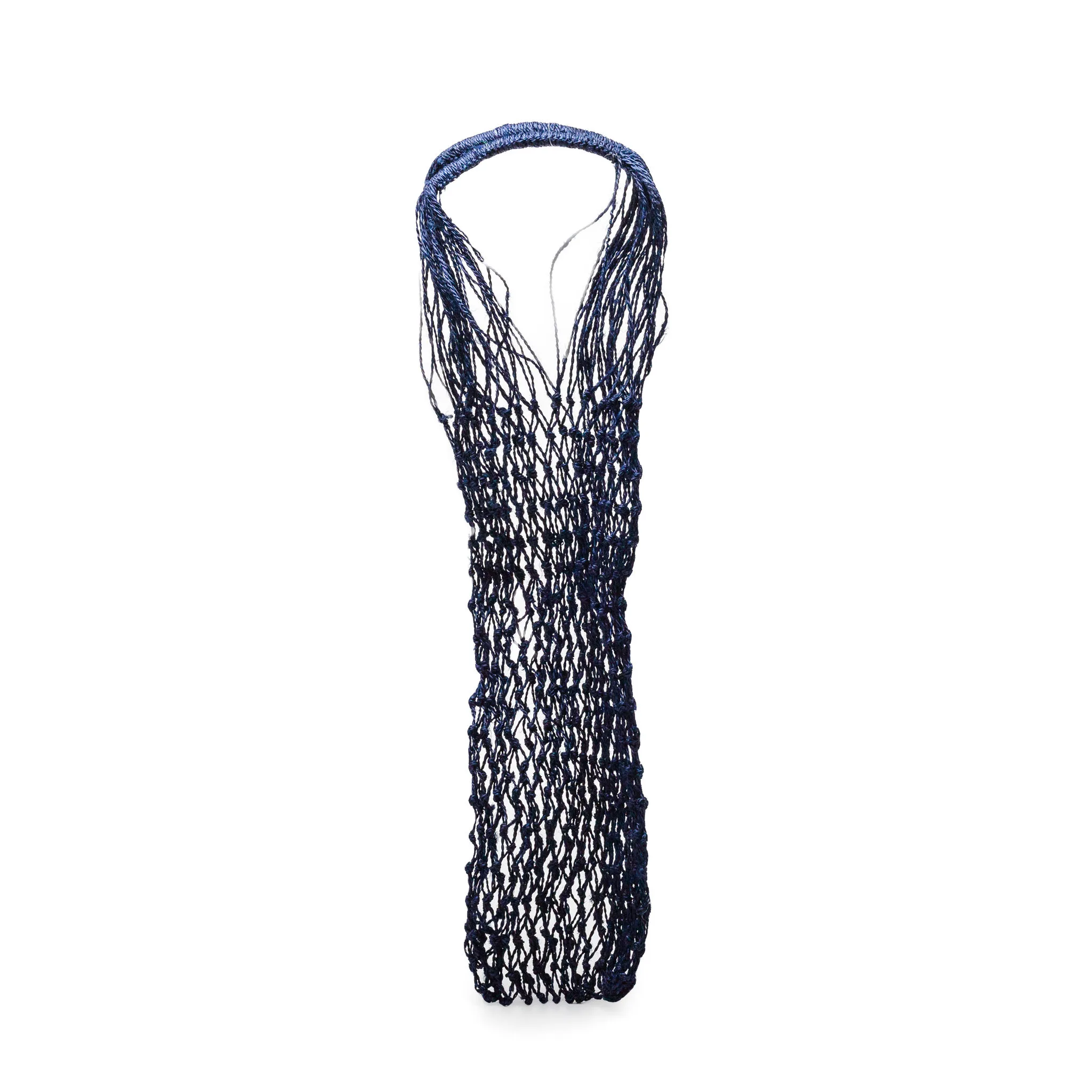
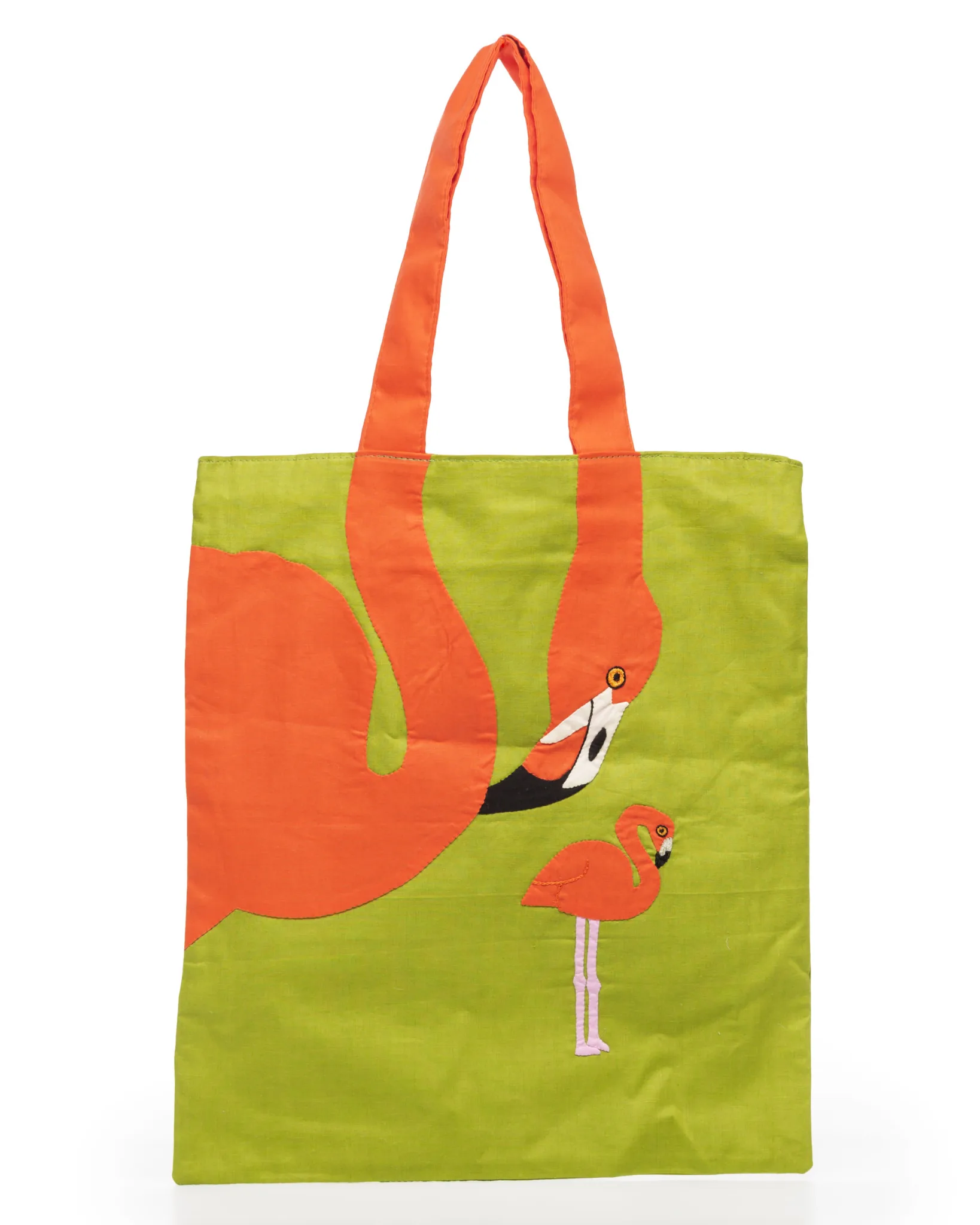
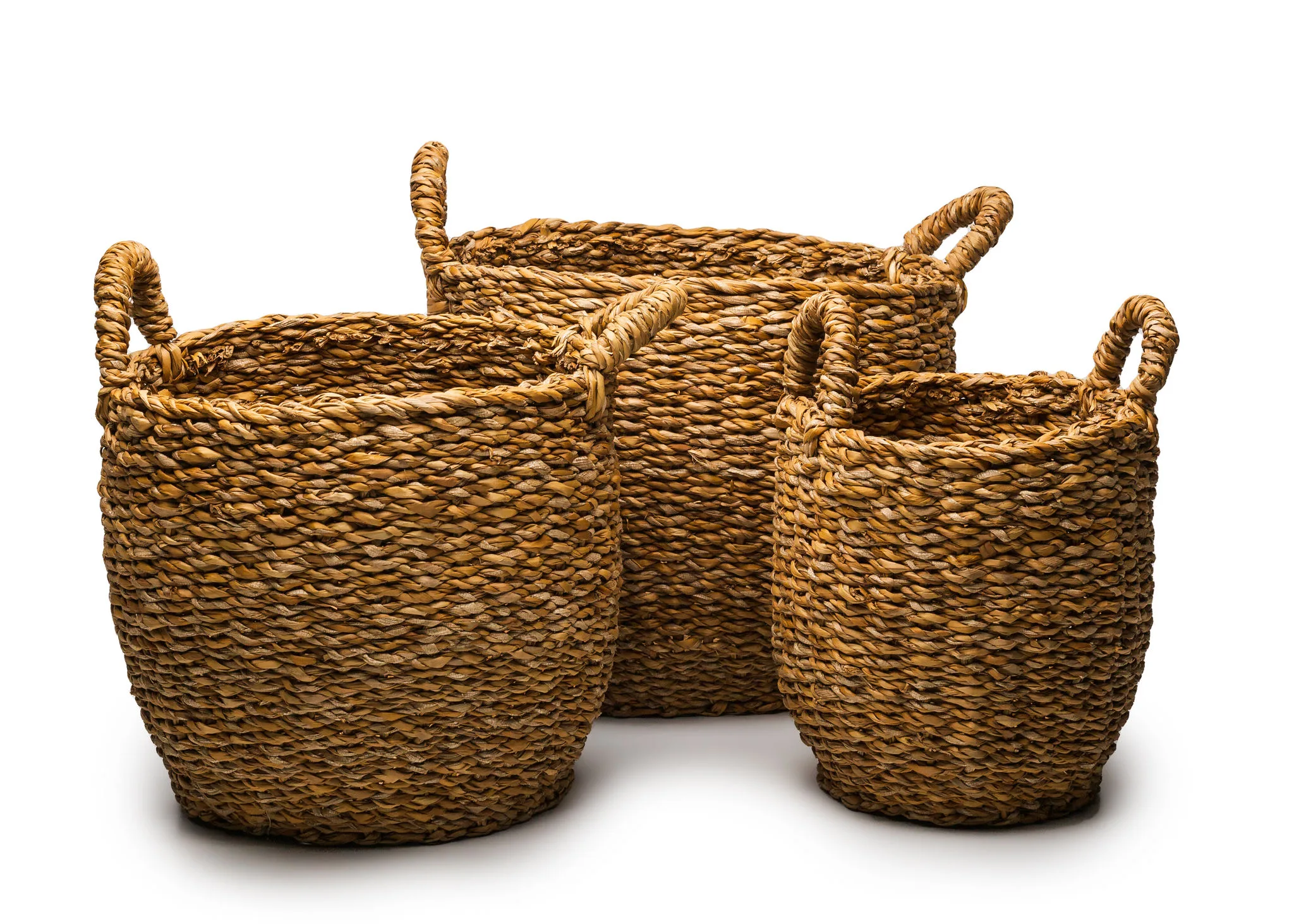
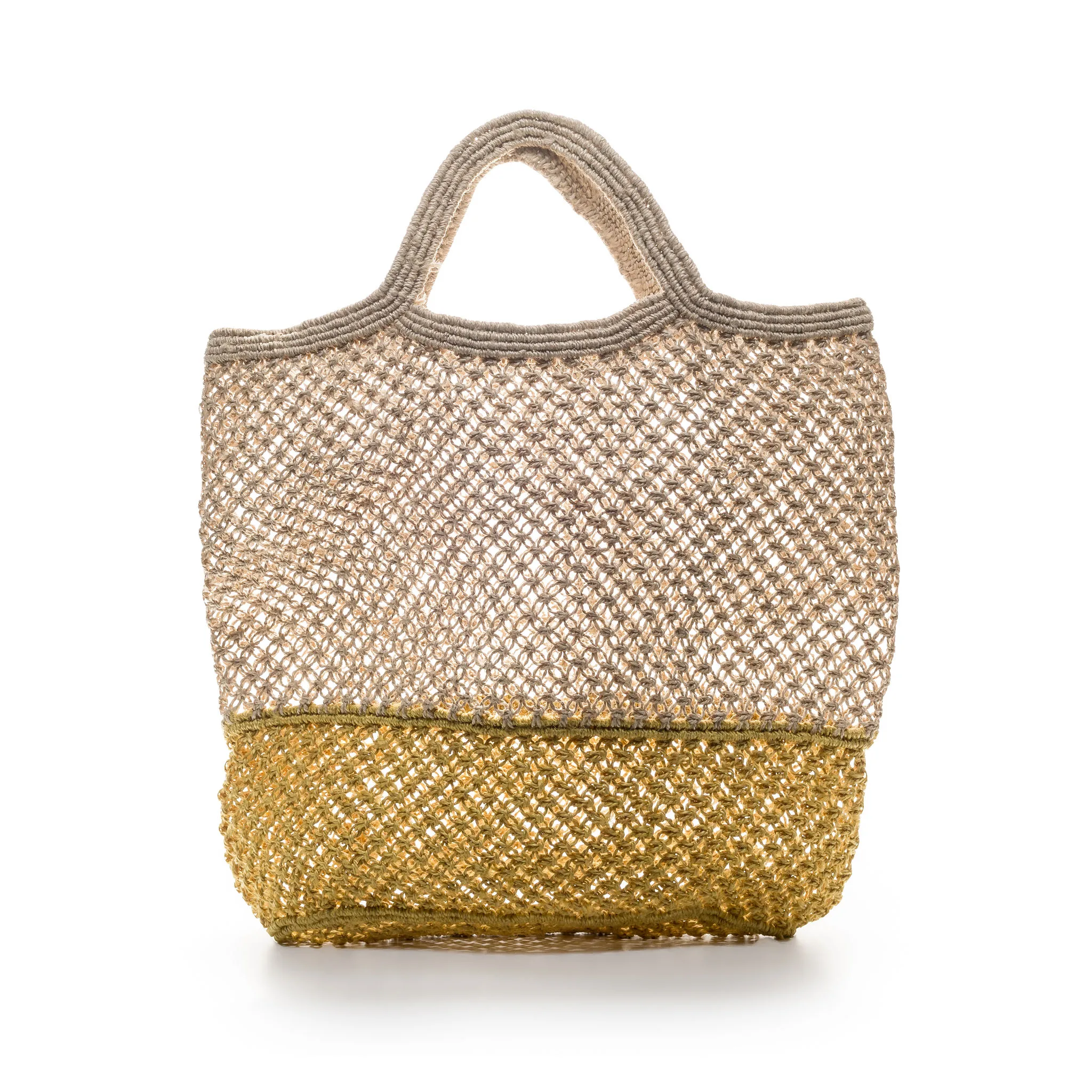
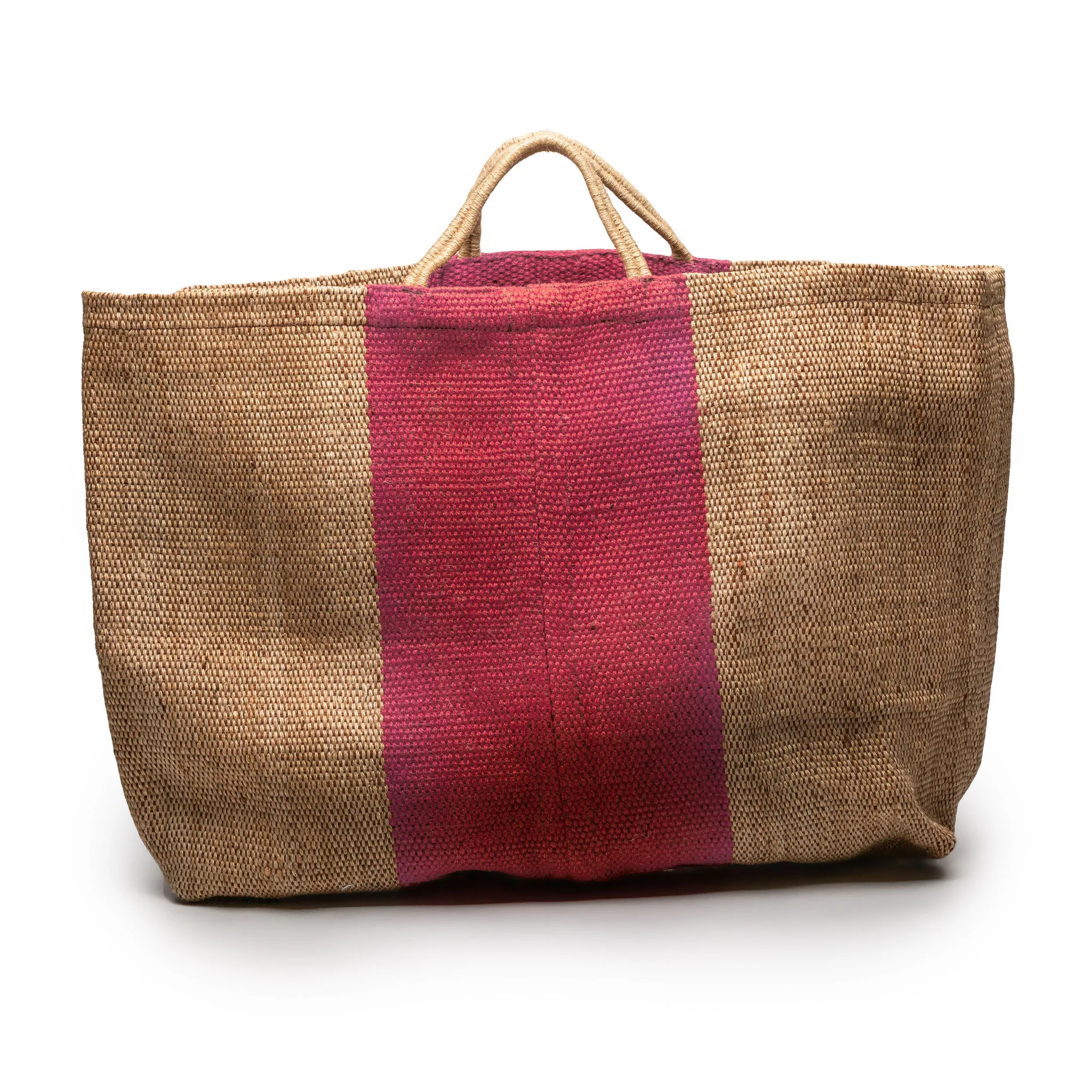
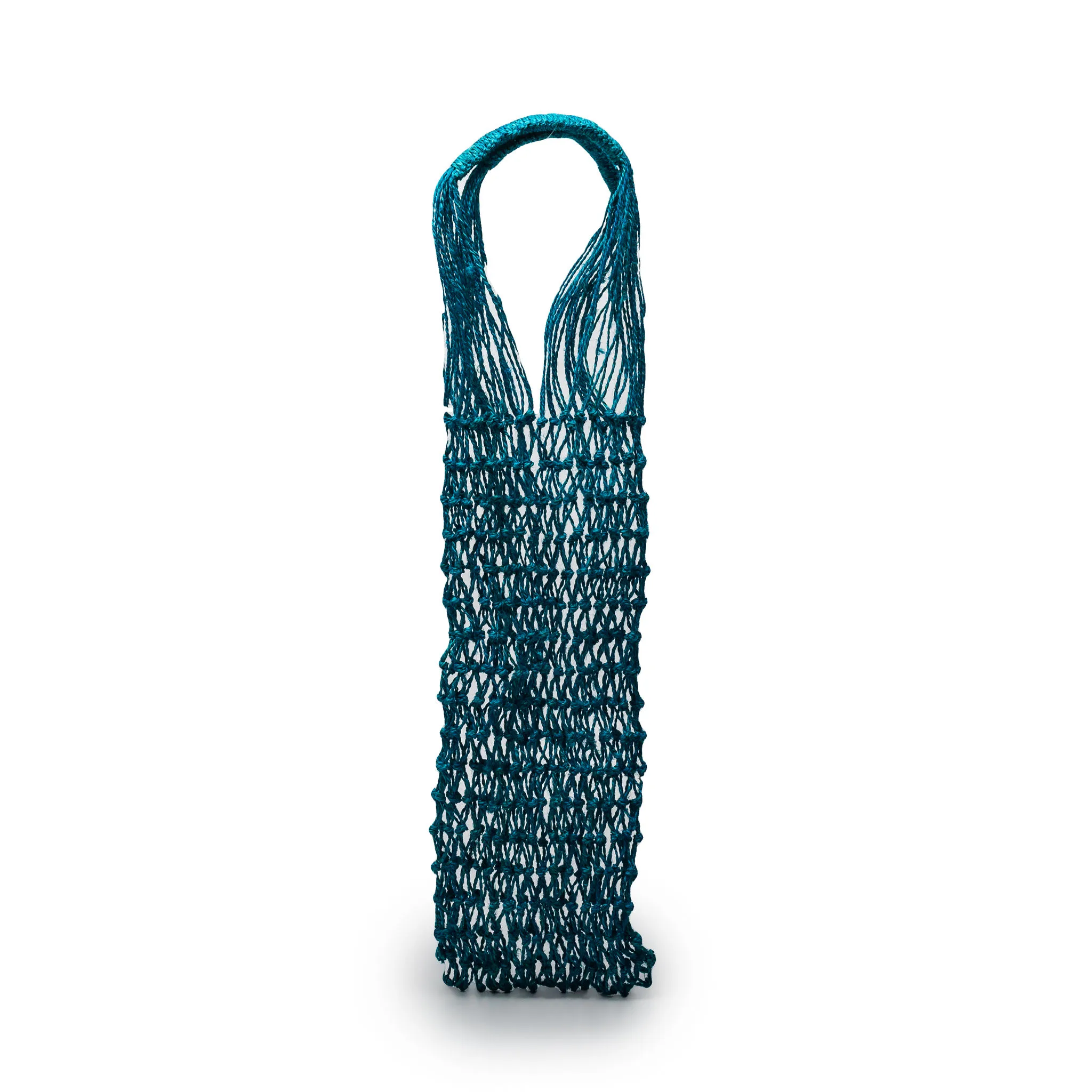
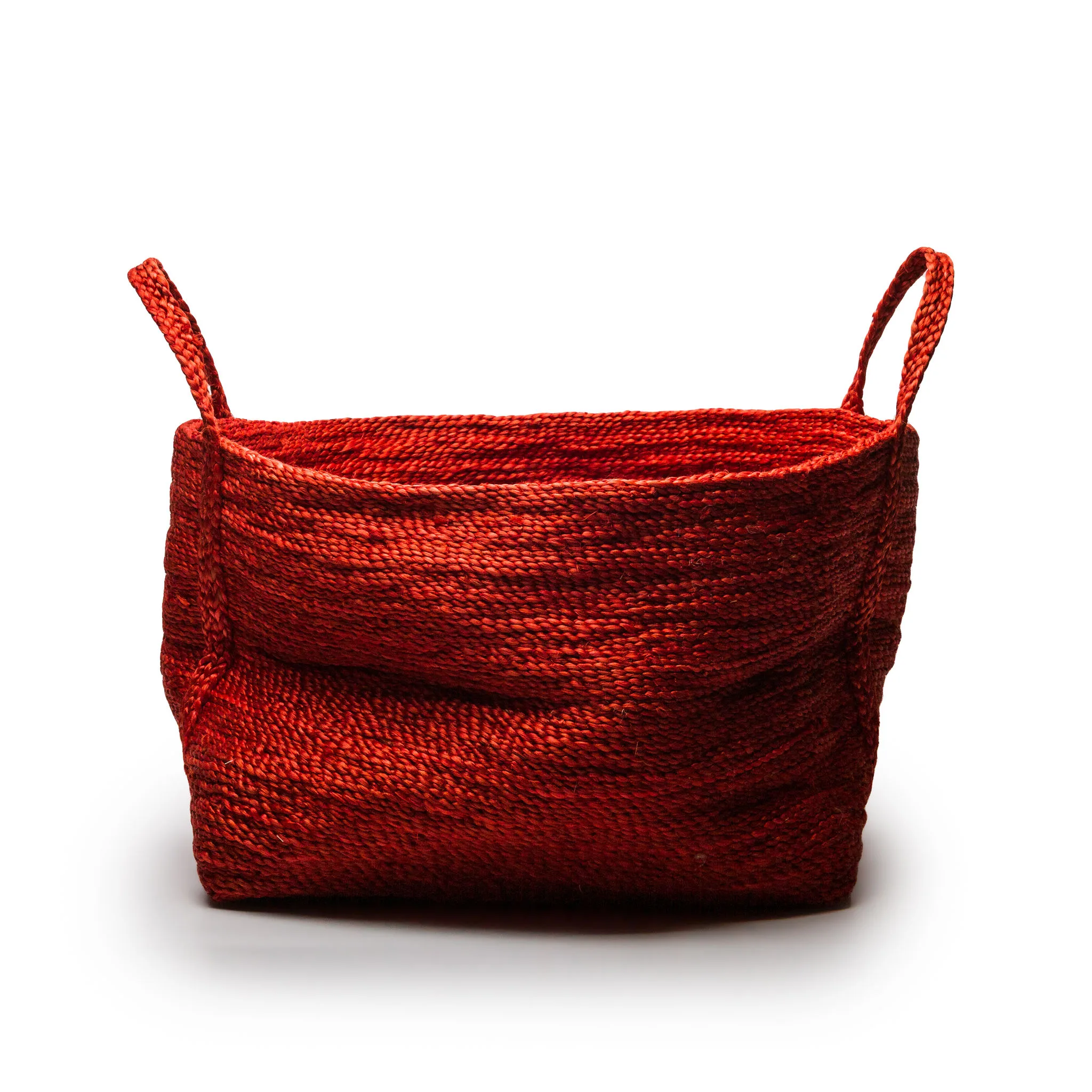
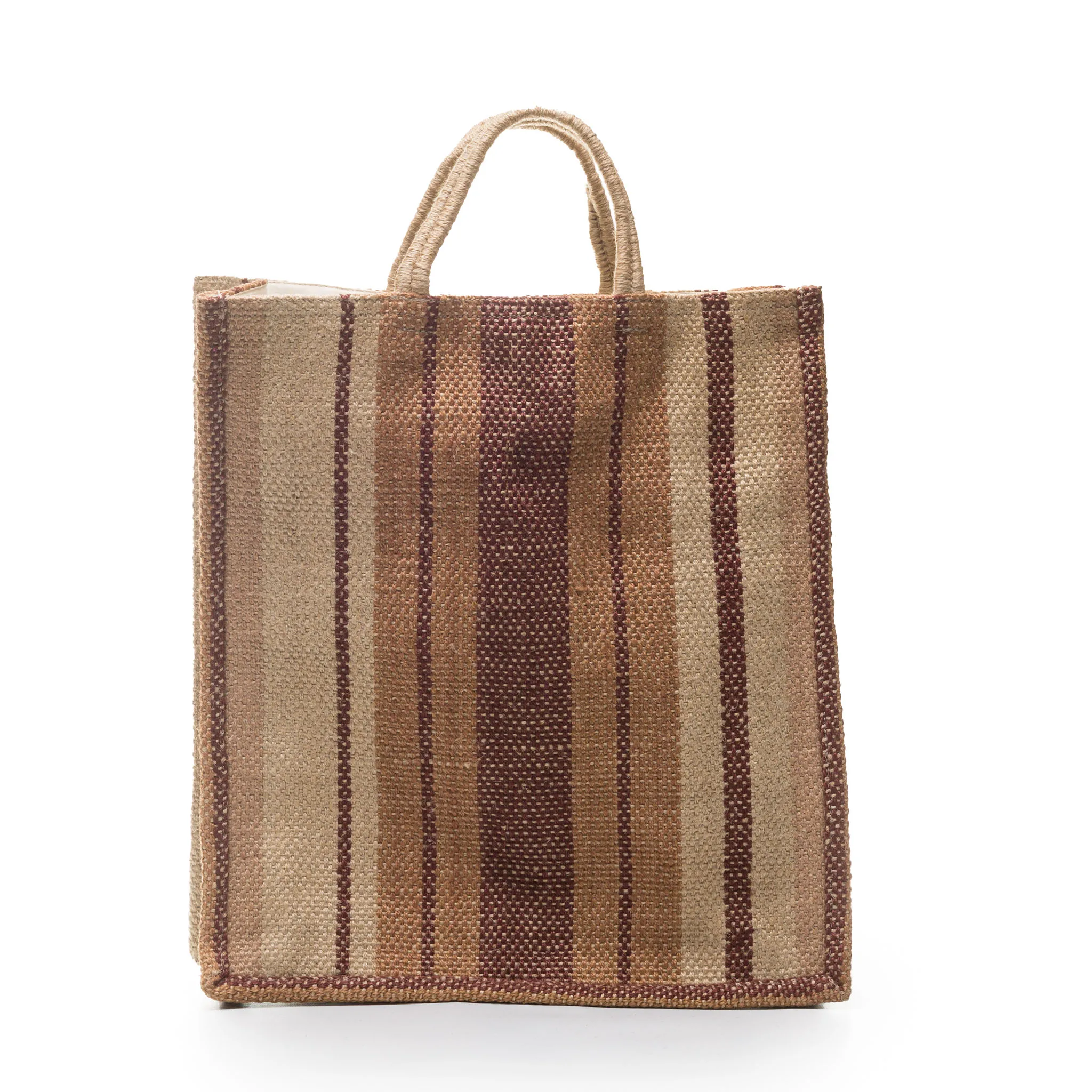
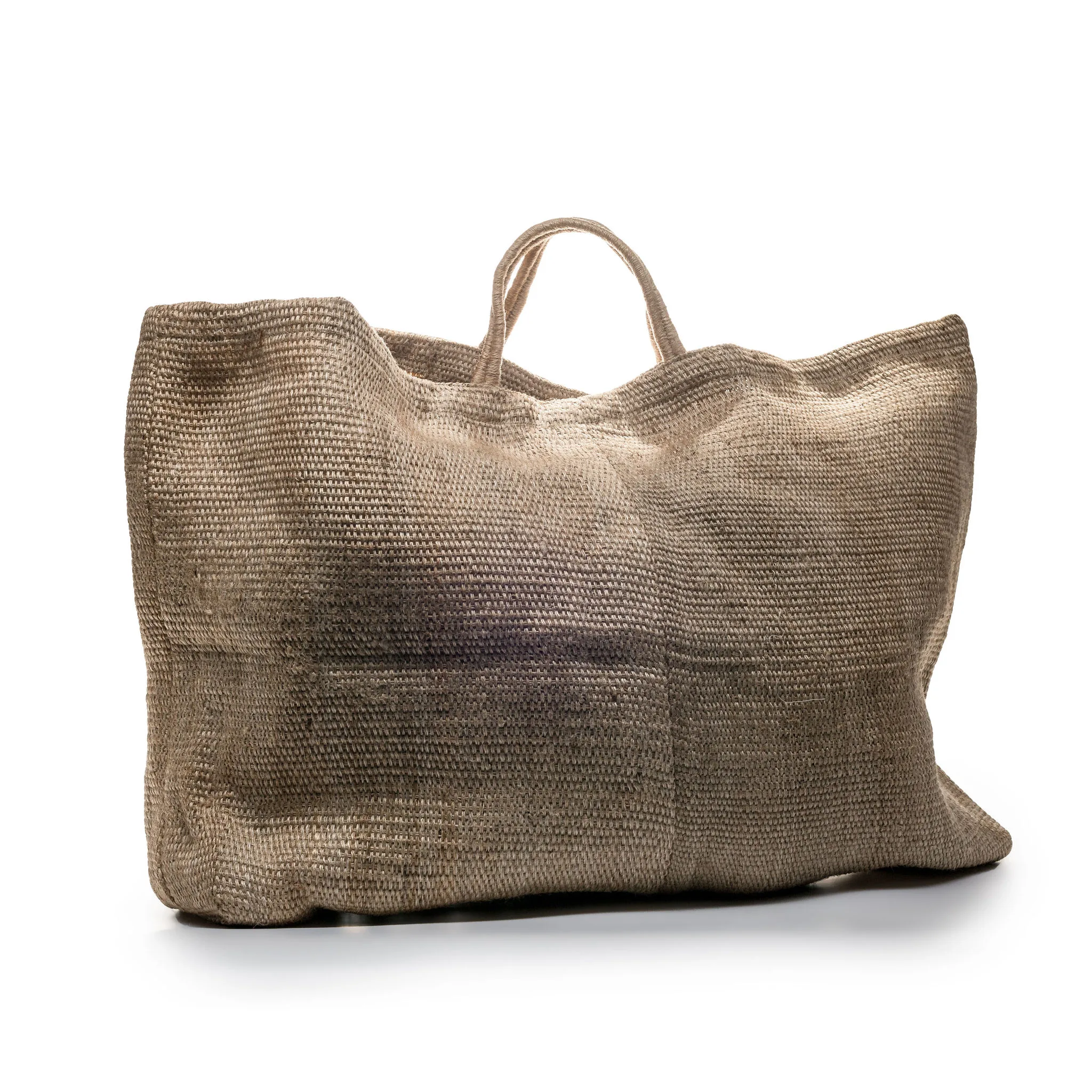
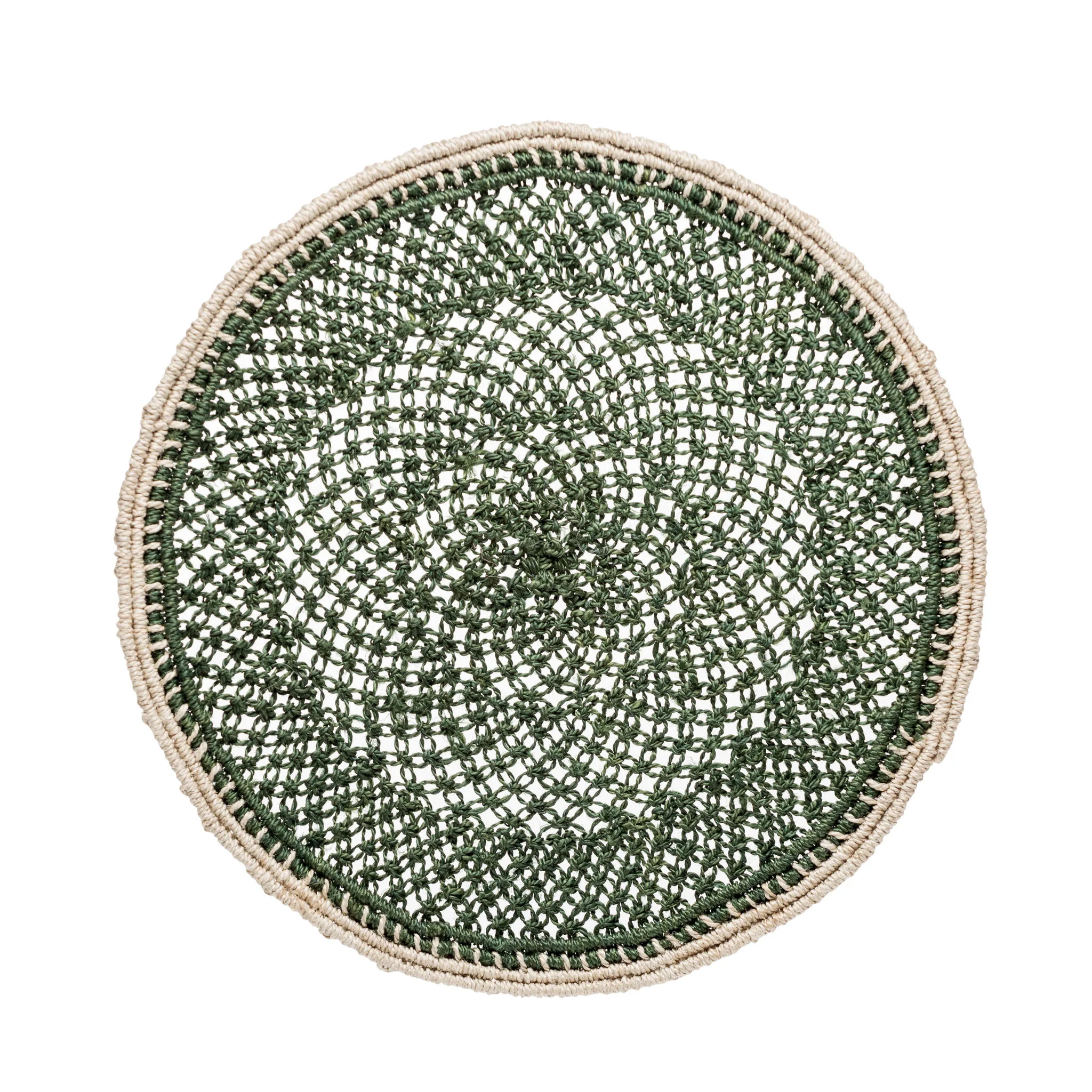
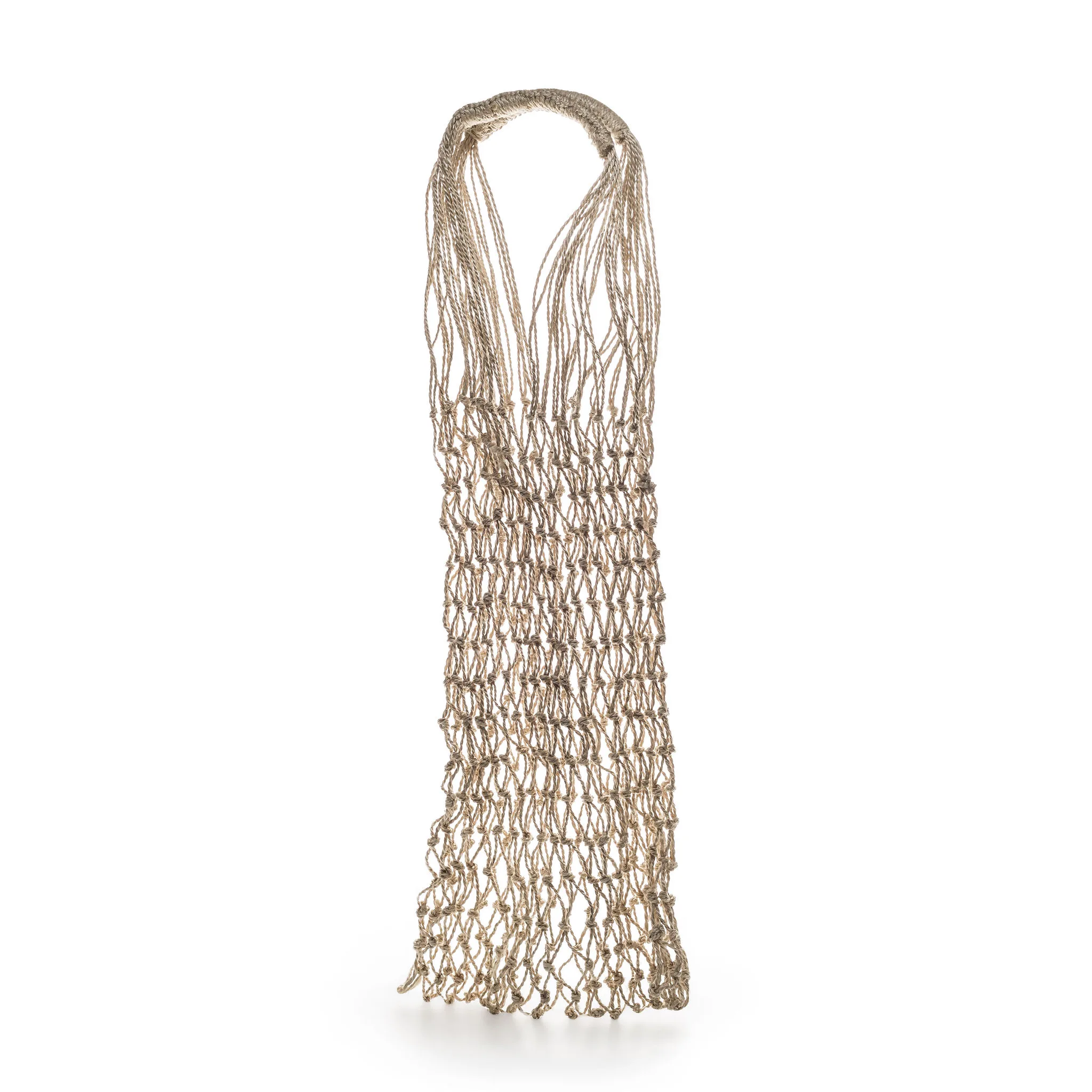
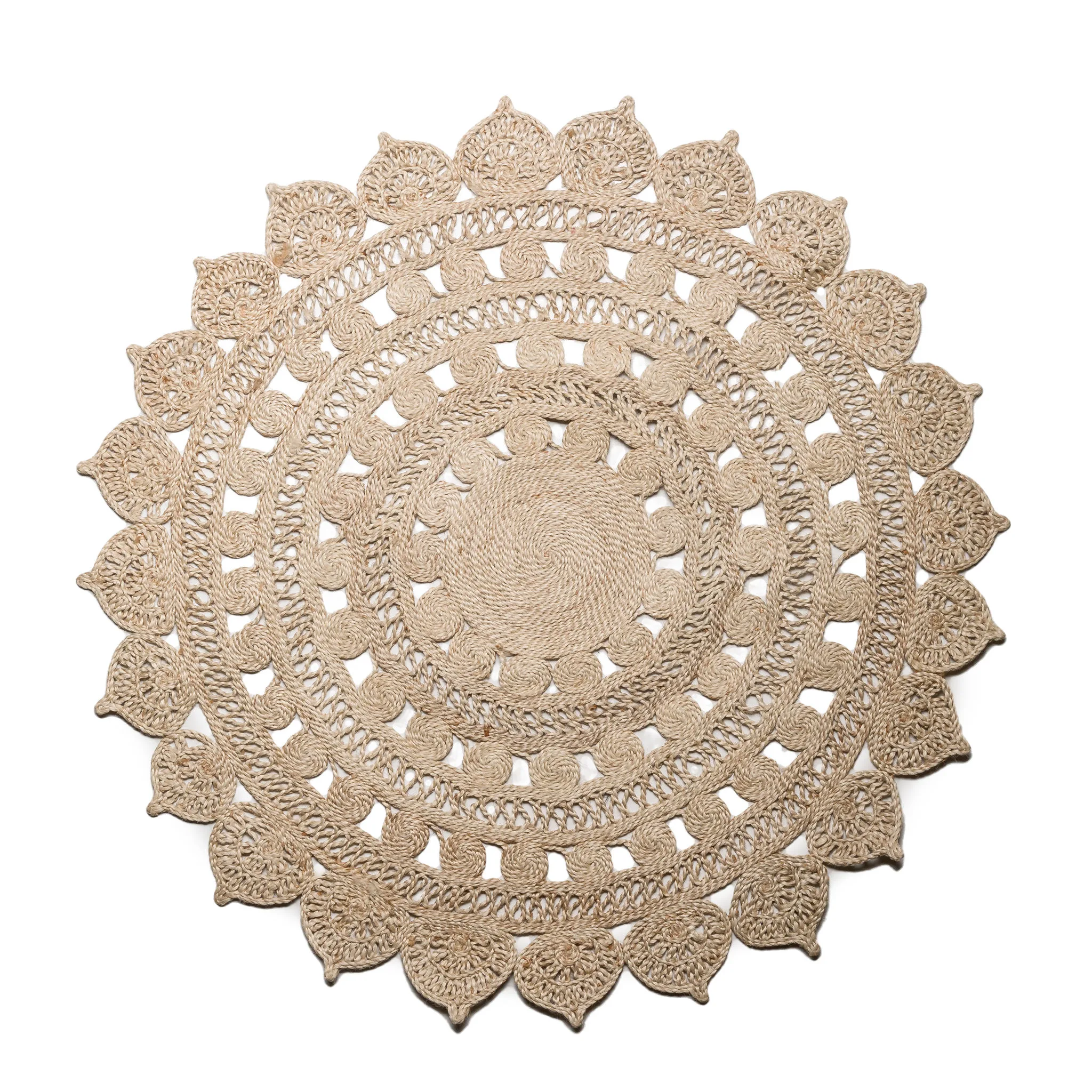
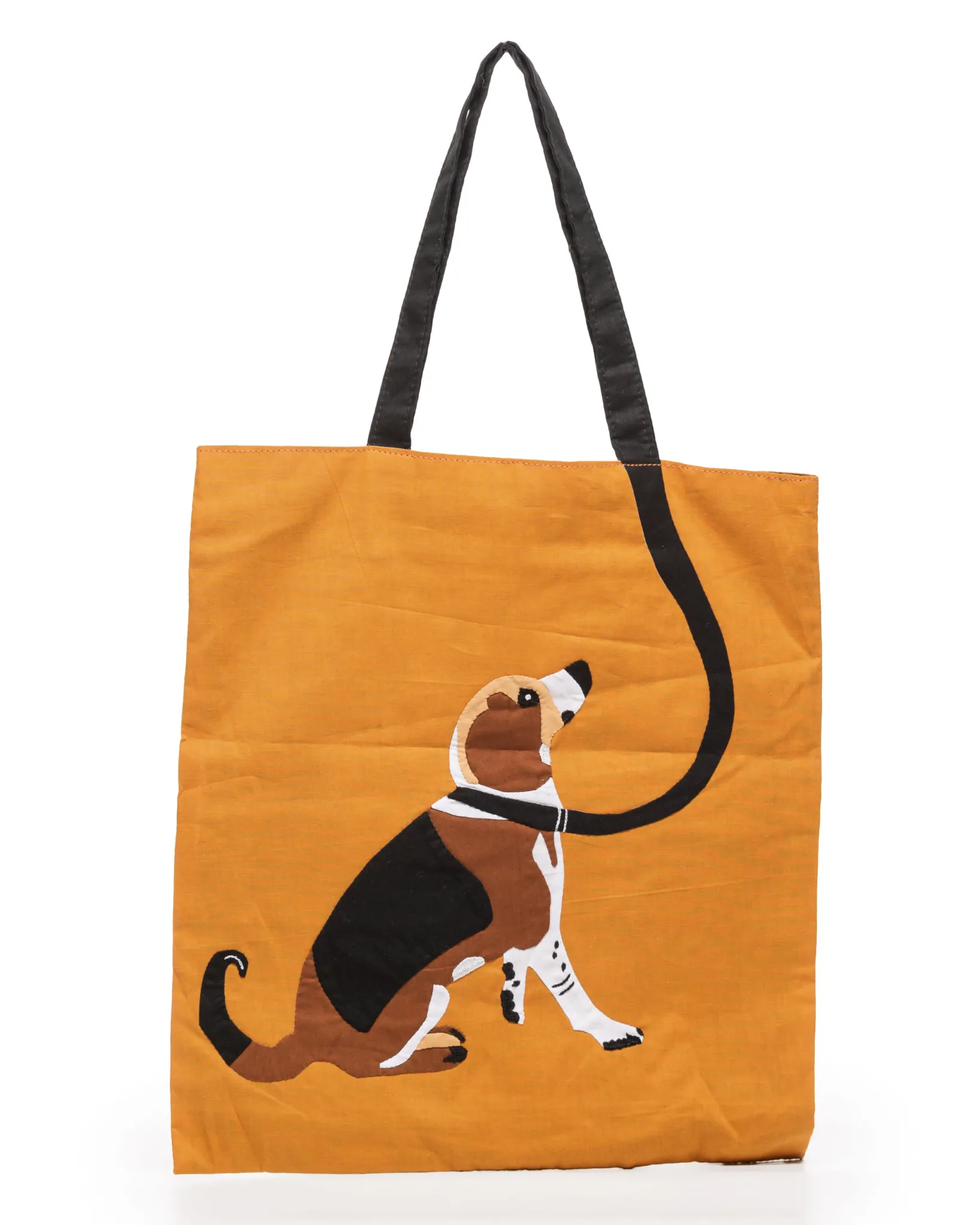
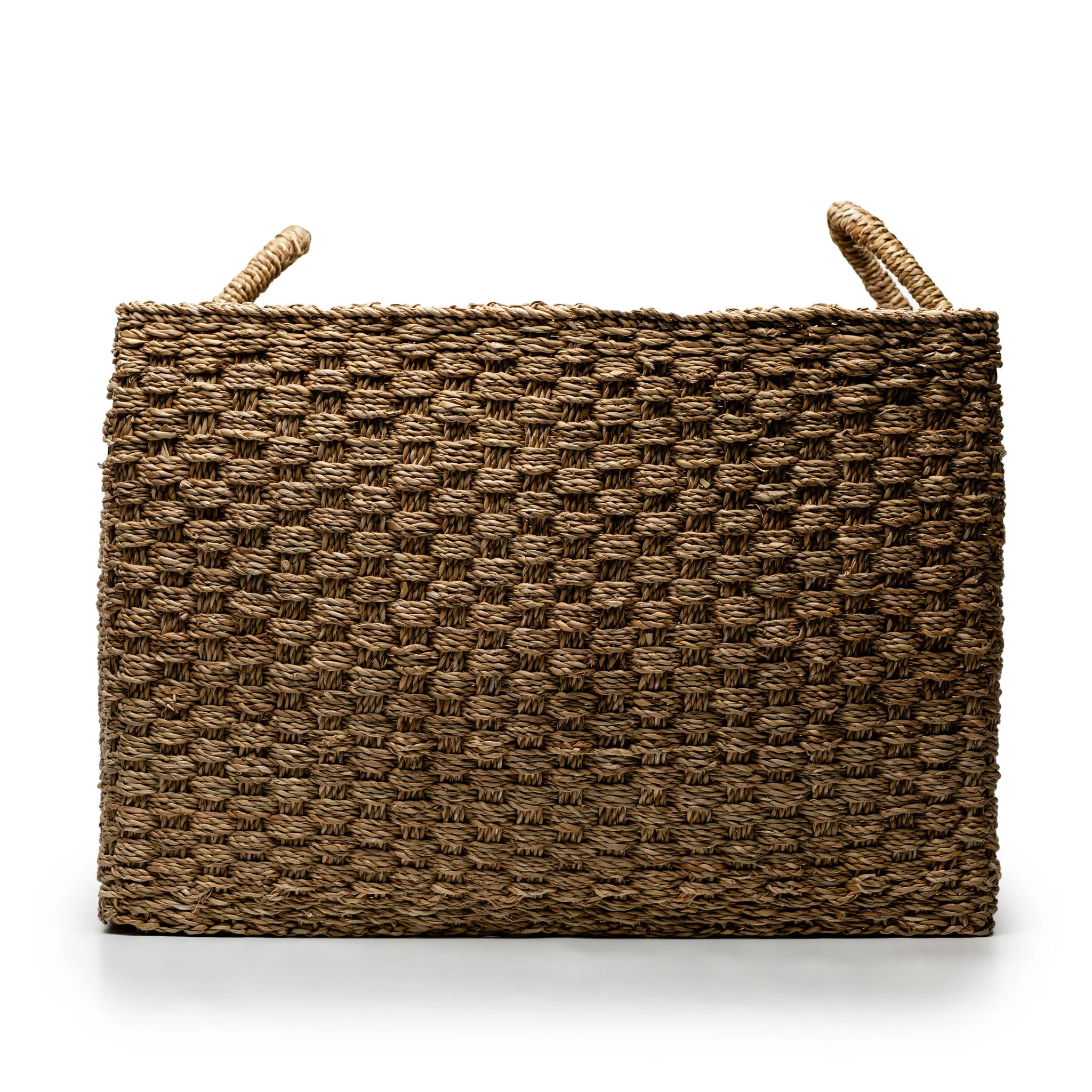
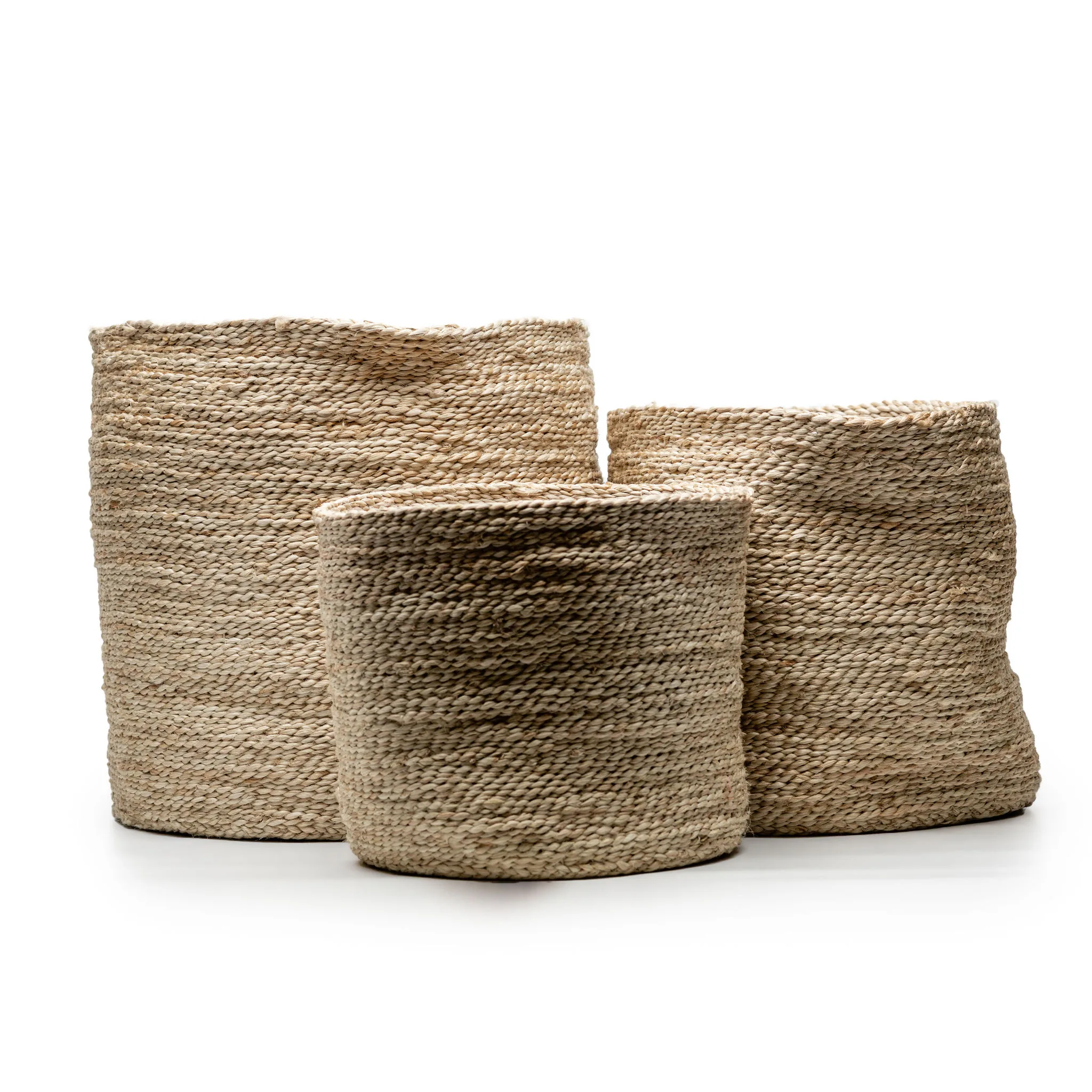
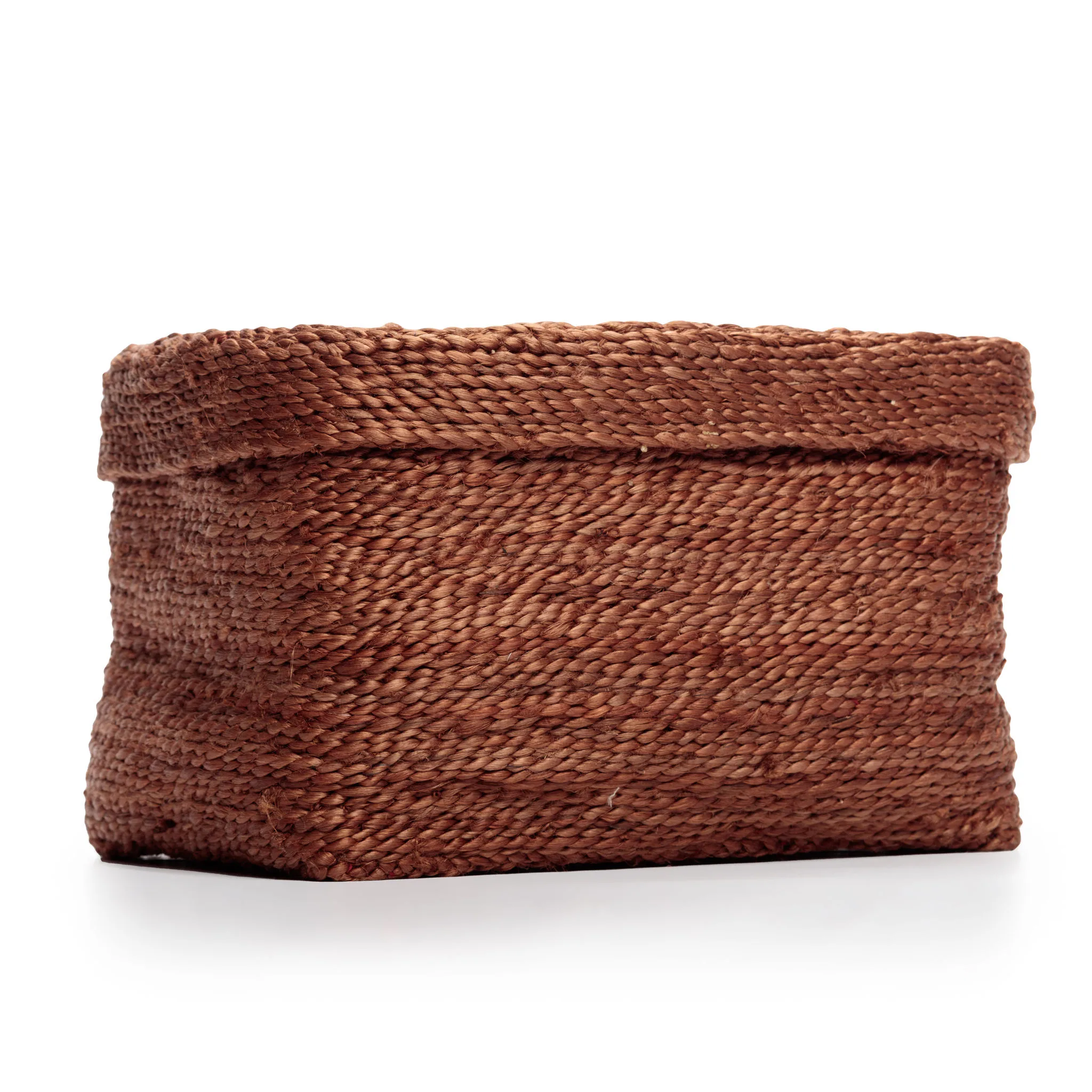
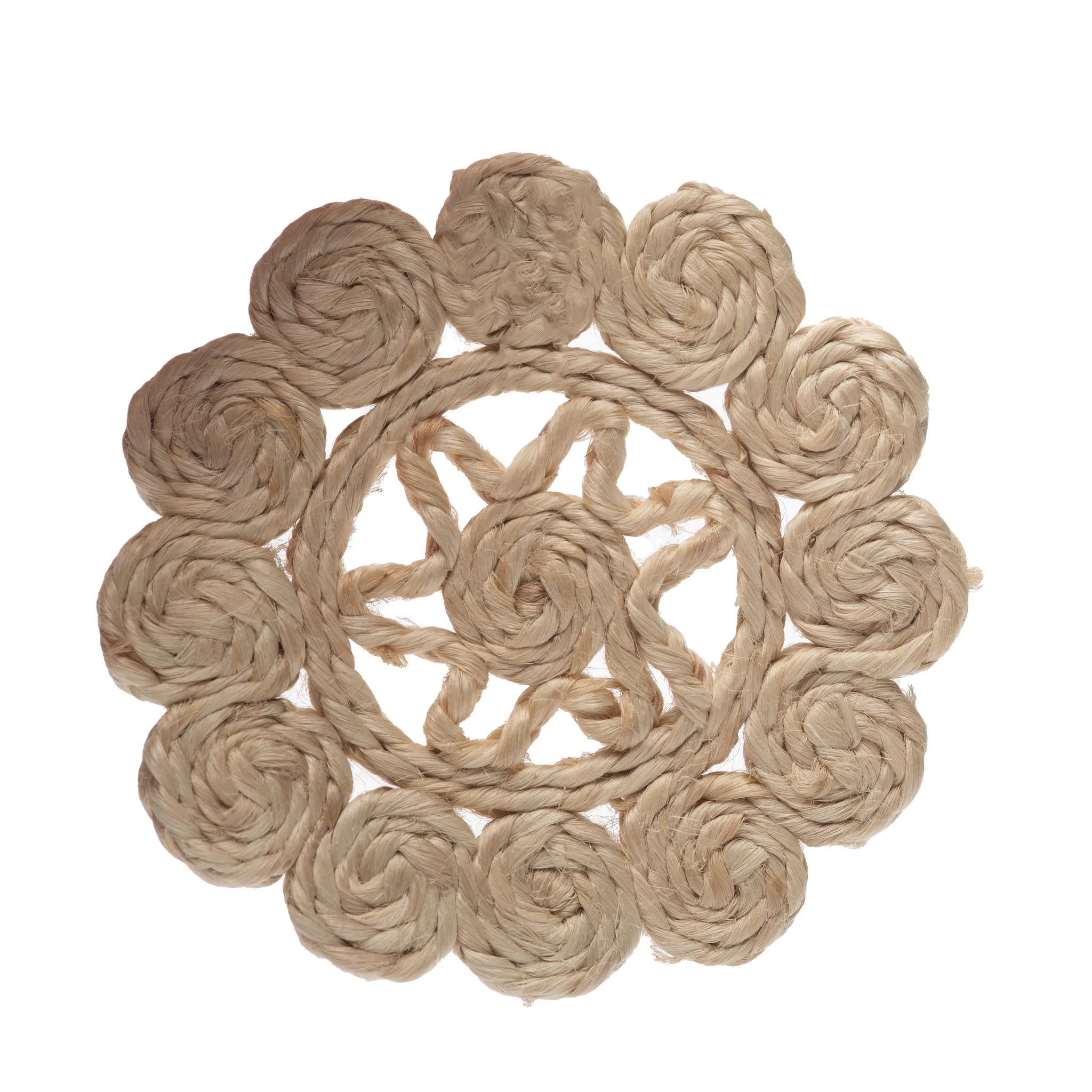
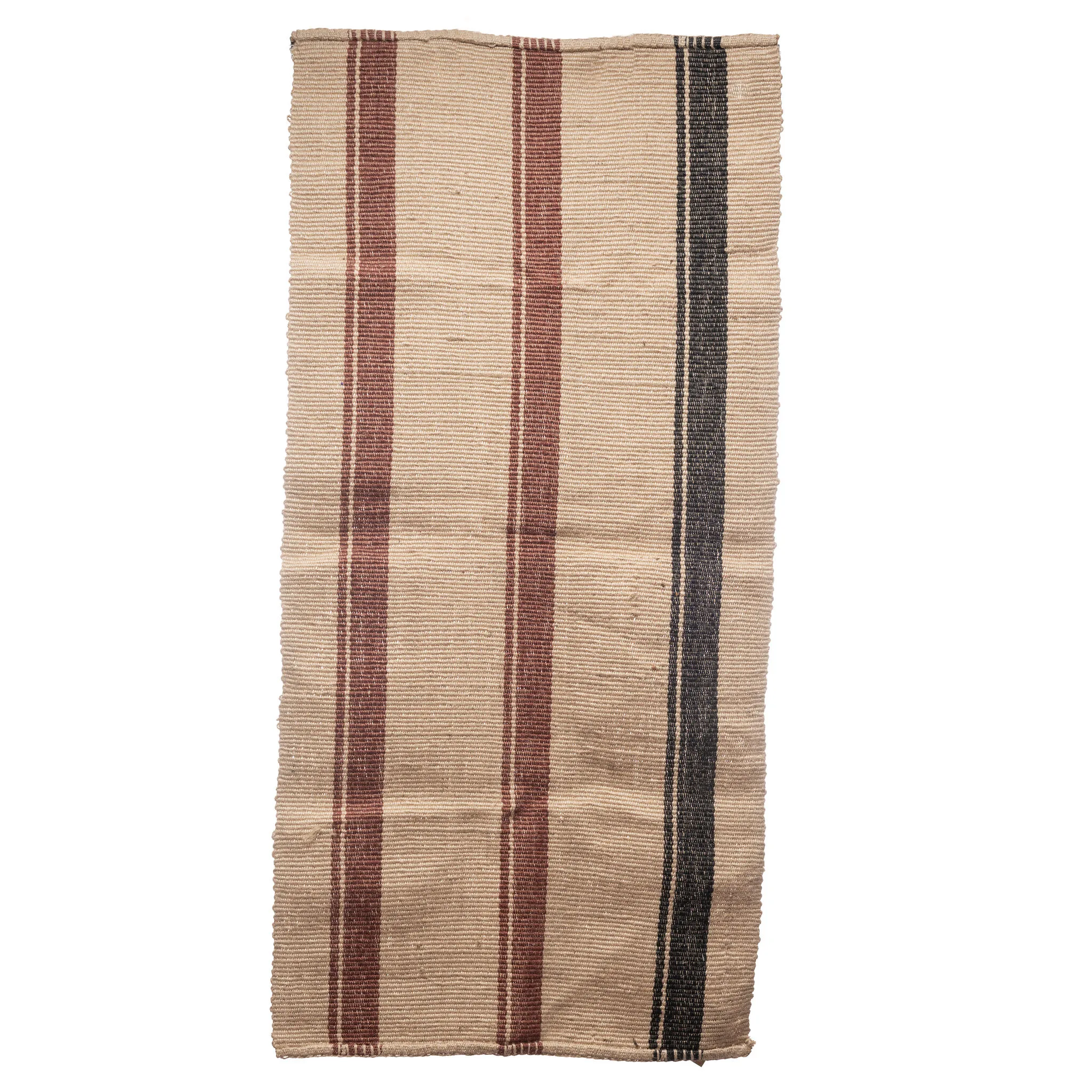
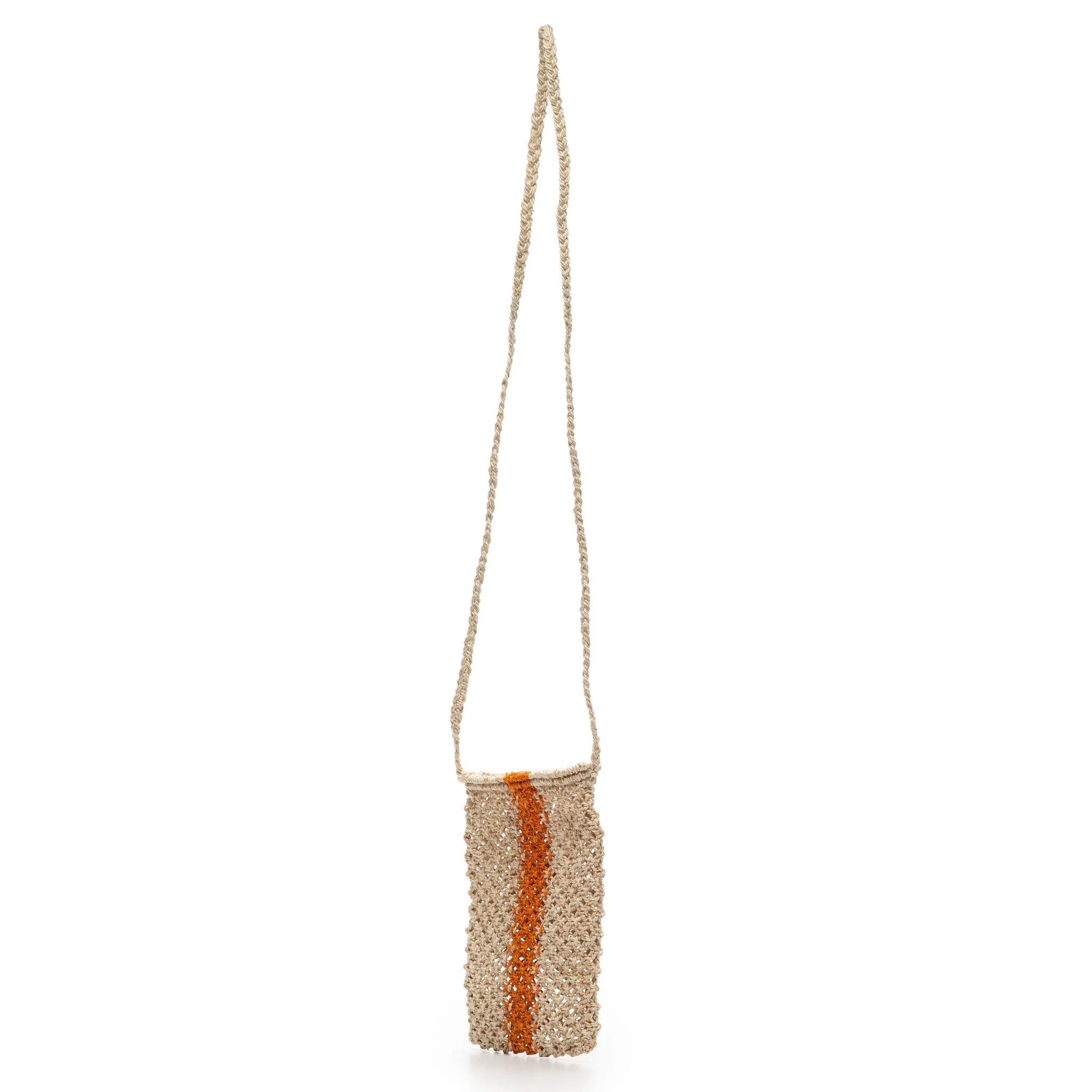
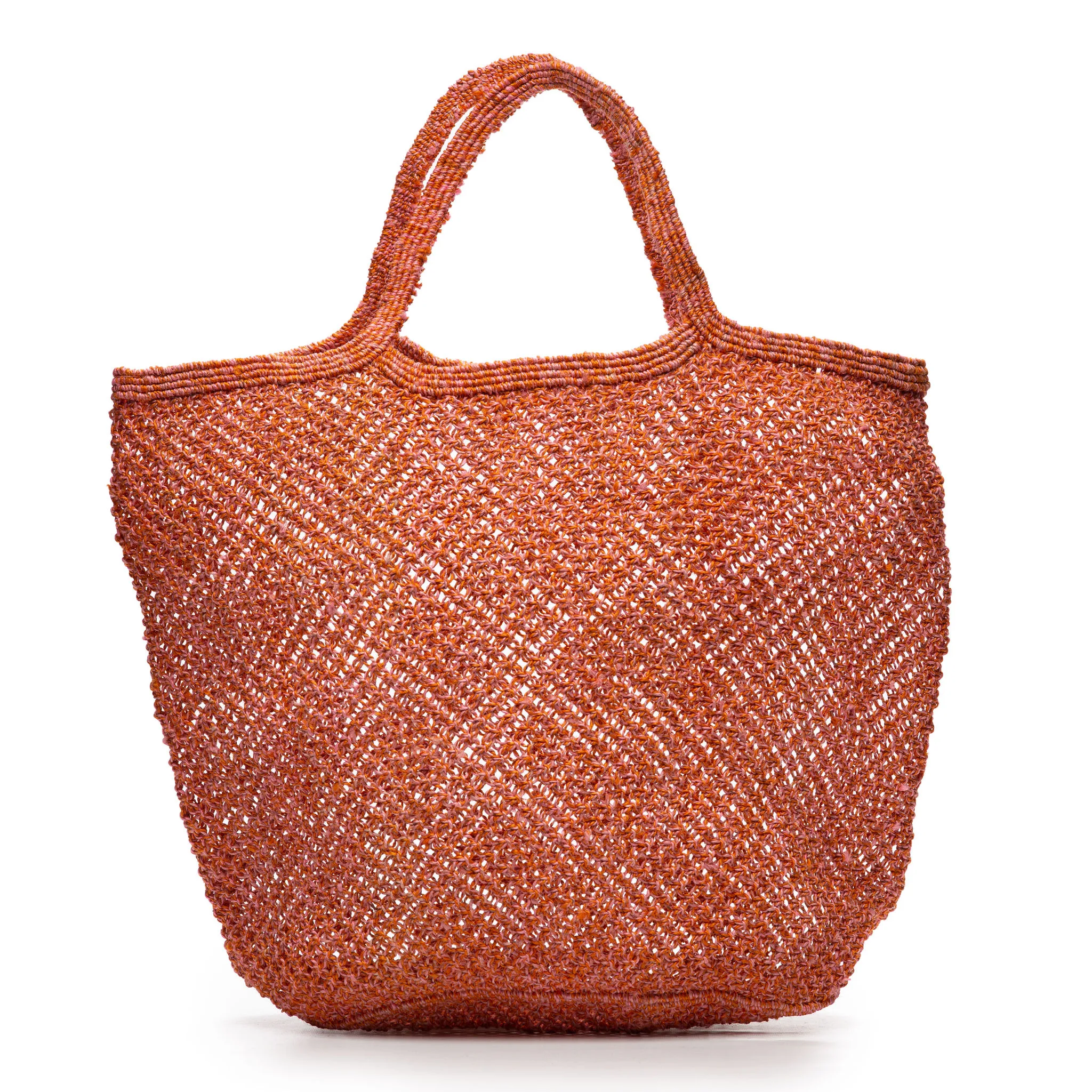
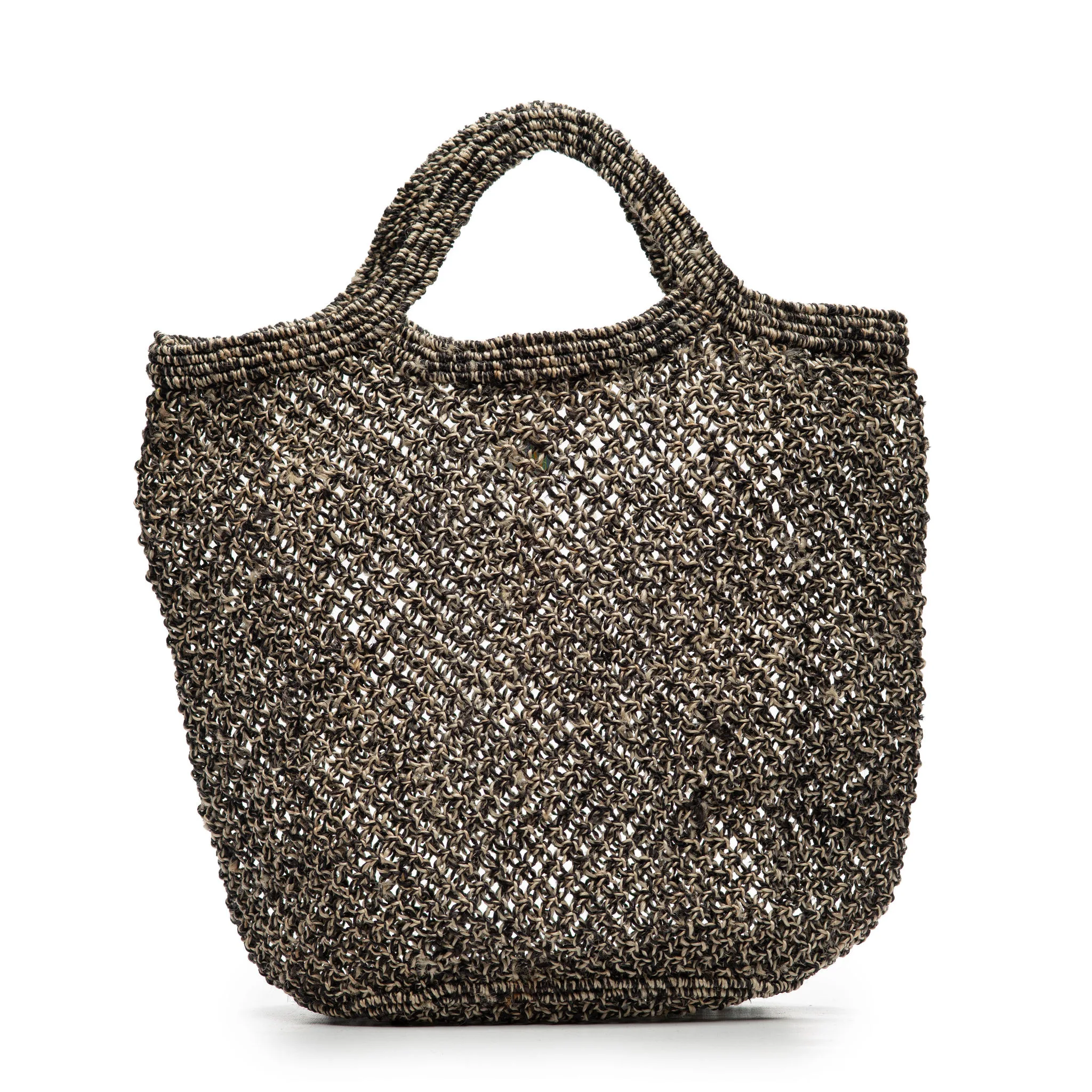
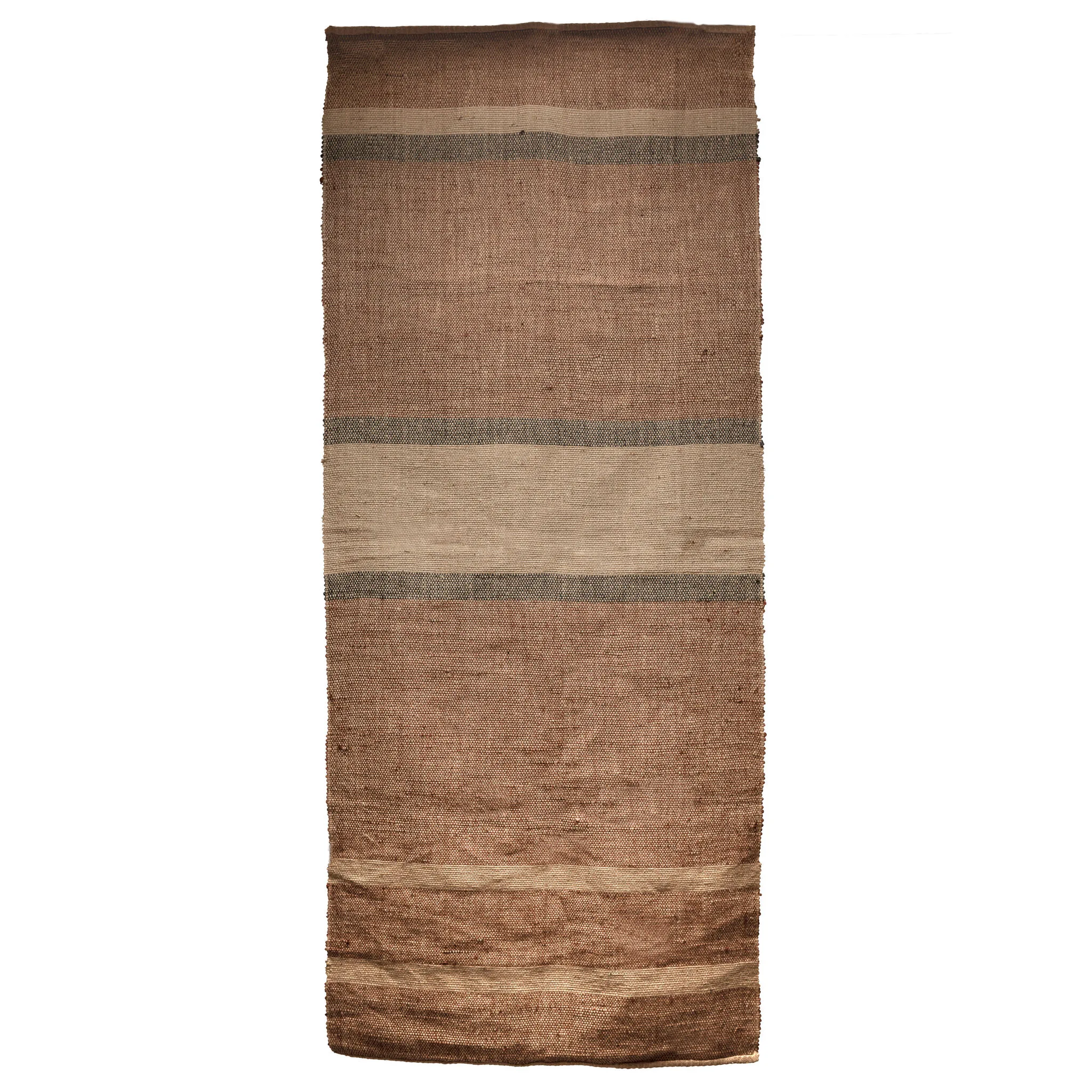
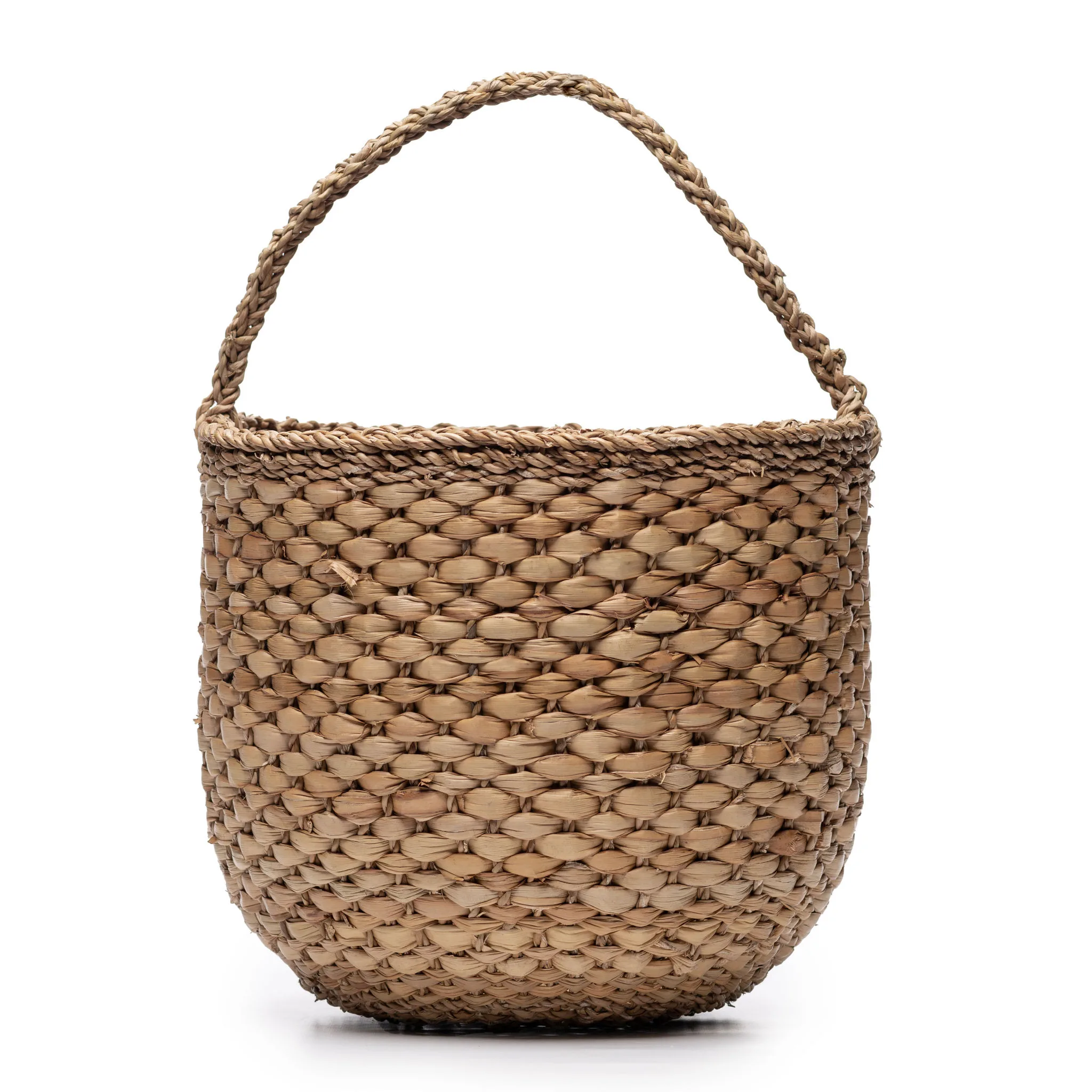
With Maison Bengal the specific challenge is texture. Jute and hogla have a lot of surface detail, and if you light them flat you lose all of it and the product looks like a brown rectangle. If you light them too hard you get harsh contrast that reads as dirt rather than weave. What I am after is enough directional light to show the twist of the fibre and the pattern of the weave, with fill to stop the shadow sides going dead. Colour accuracy matters as well, because a good number of these products are dyed and the customer is buying partly on the colour. Getting a red jute bag to reproduce as the red it actually is takes proper white balance and a calibrated workflow, not a filter.
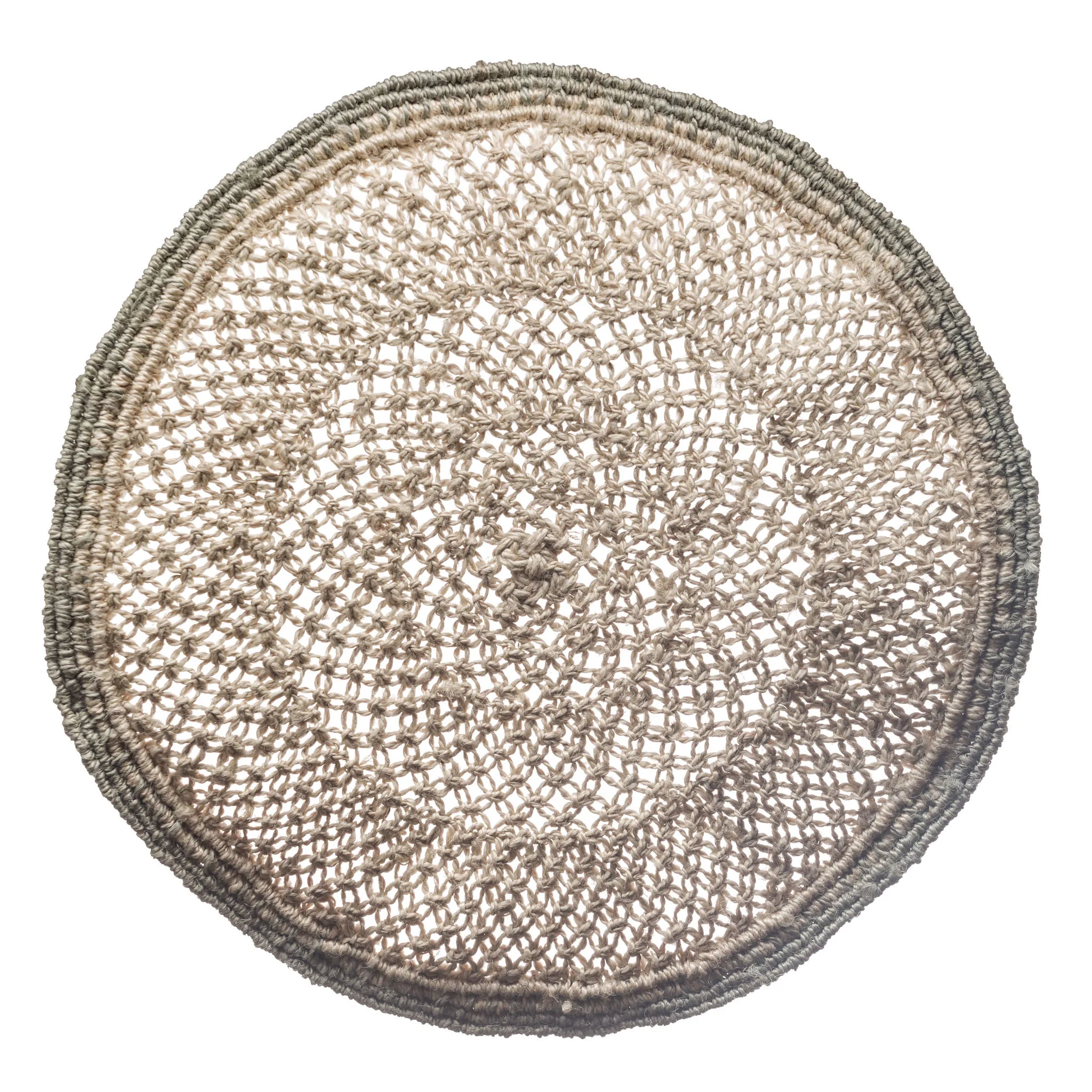
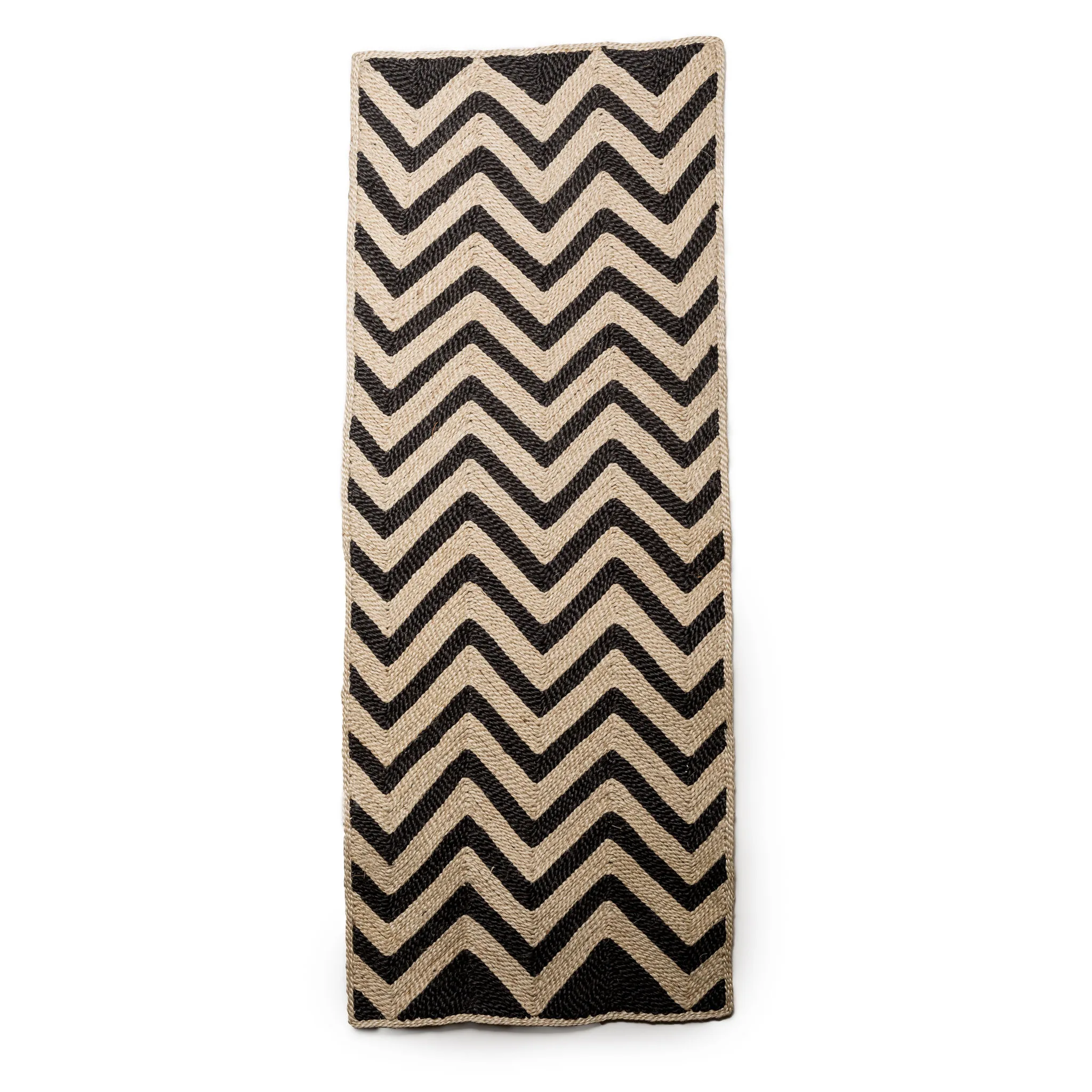
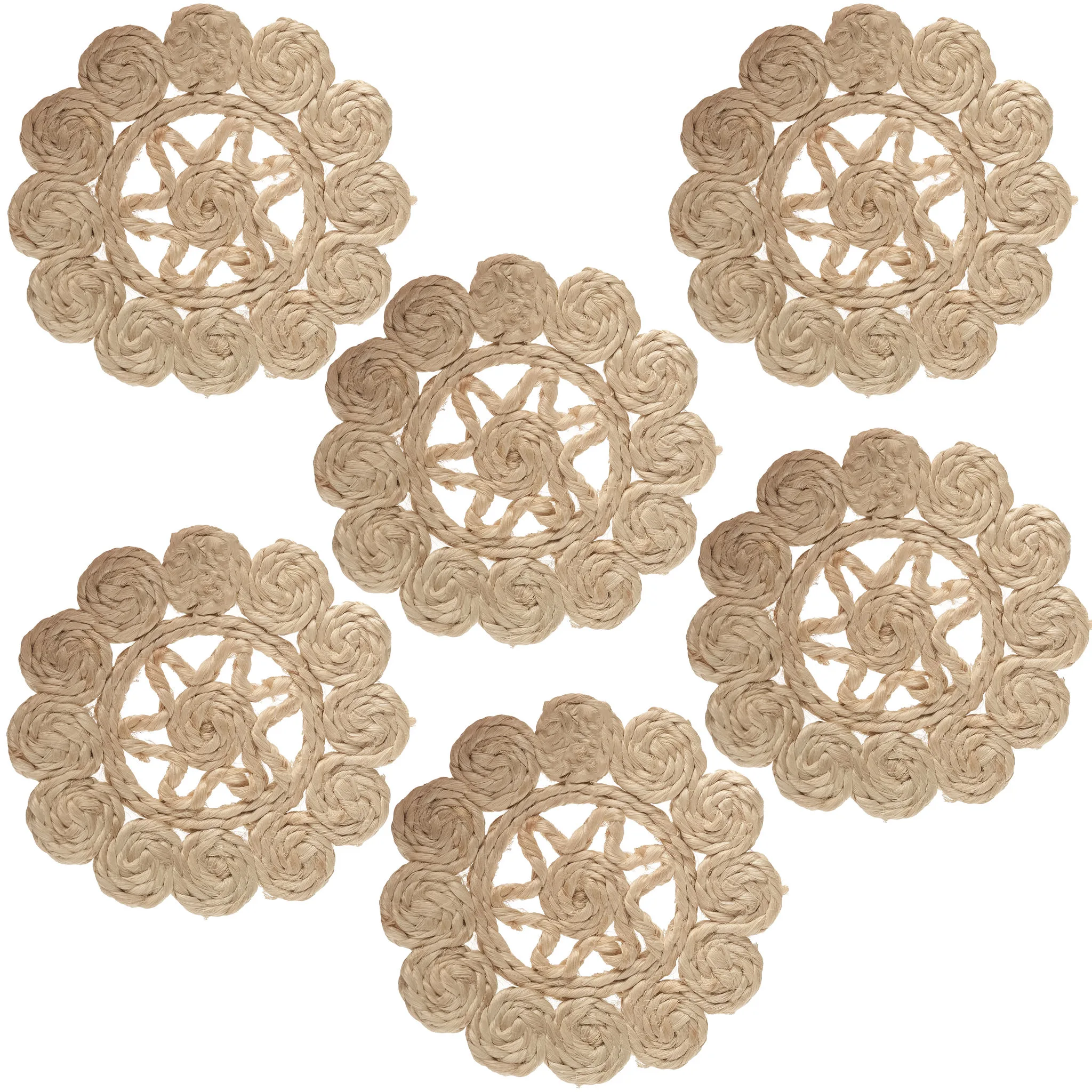
Then there is shape. A woven bag has no internal structure. Left to itself it slumps and looks like a bag that has been kicked around a stockroom. Most of my time on these shoots goes on supporting and shaping the product from inside so it sits the way it should, then cleaning up anything that shows in post. The mats and coasters are more straightforward, shot flat from above, but they still need even lighting corner to corner or the cropping shows up any falloff.
The images also need to cut out cleanly, because they get used on white, on colour, in the catalogue and sometimes on a coloured background for a campaign. That means keeping a clean edge and a controlled shadow rather than a blown out background that eats into the product.
What actually changes when you work with a client for years
The first shoot with any new client takes the longest. You are working out what they want, what the products do, how much variation they will accept, what their web platform needs. By the fourth or fifth session with the same client, most of that is settled and the shoot moves at a completely different speed.
With Maison Bengal I know the products. I know how a hogla basket behaves under a light and how much support a large jute tote needs before it holds its shape. I know the framing conventions that keep this year’s images consistent with the ones I shot in 2020, which is not a small thing when a customer scrolls a category page and sees products photographed four years apart sitting side by side. Consistency across a growing catalogue is one of the real arguments for staying with one photographer rather than shopping the job around each season.
It also means less admin. There is no long brief, no back and forth about file naming, no test shots to approve before we start. Sheenagh tells me what the range is and roughly what it is for, and I get on with it.
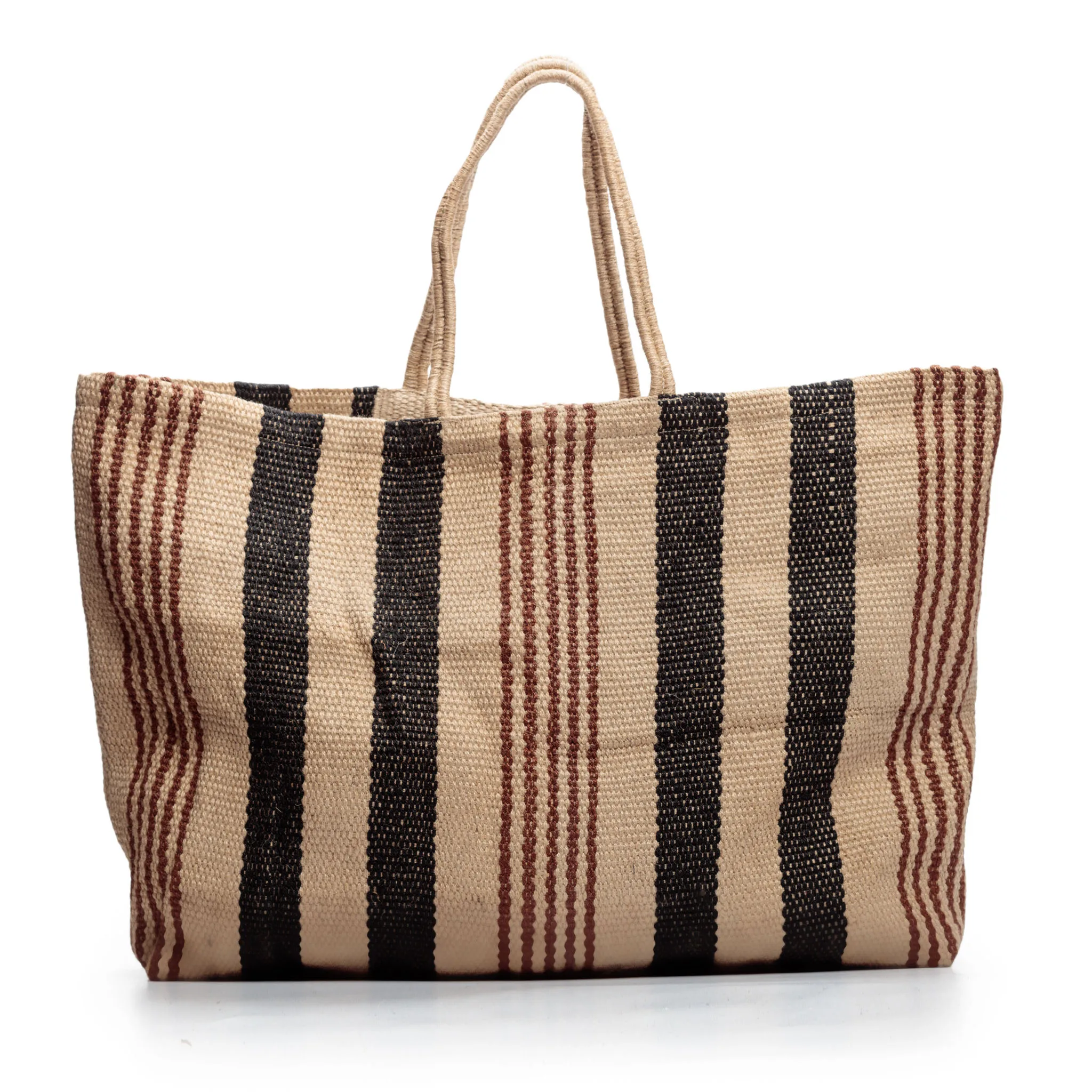
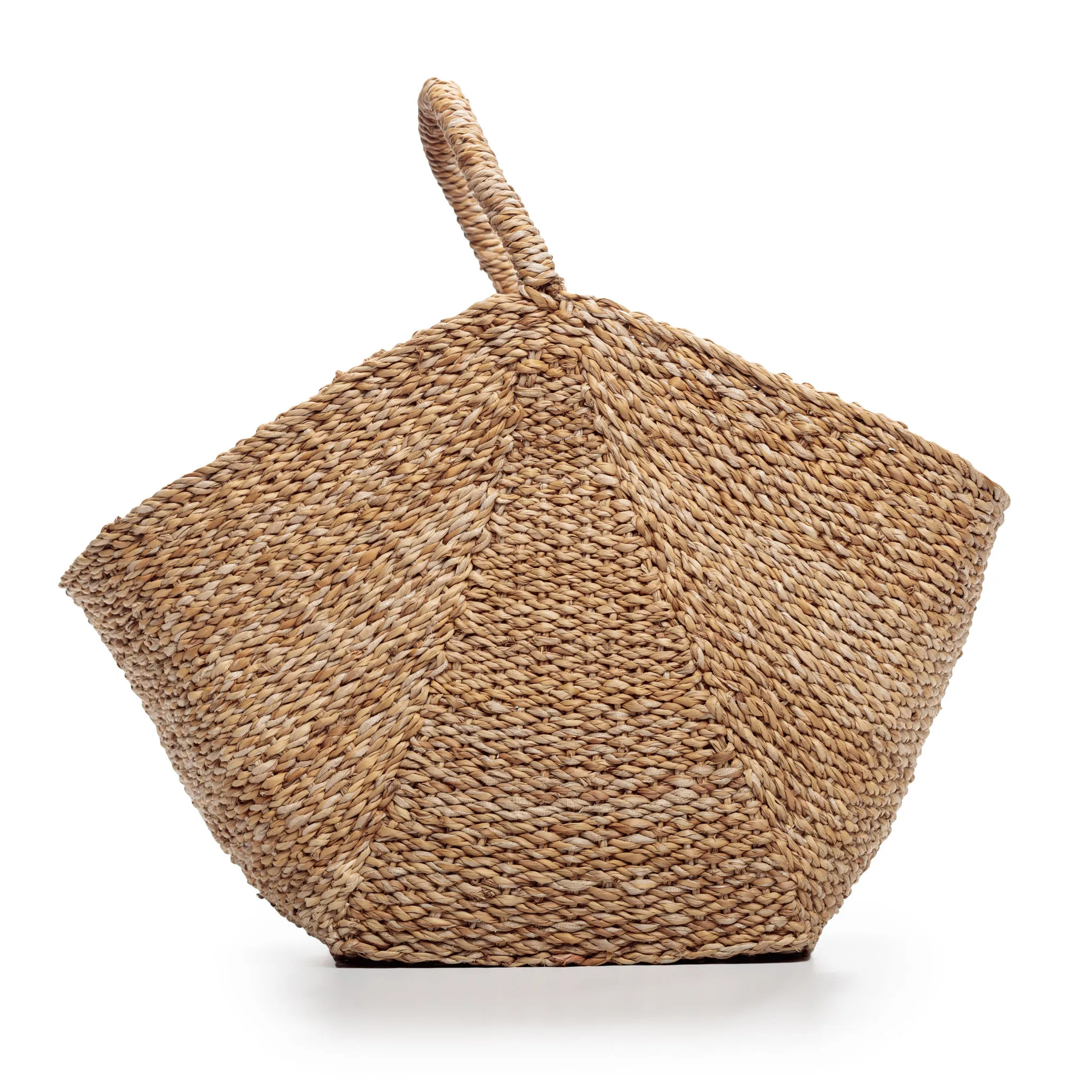
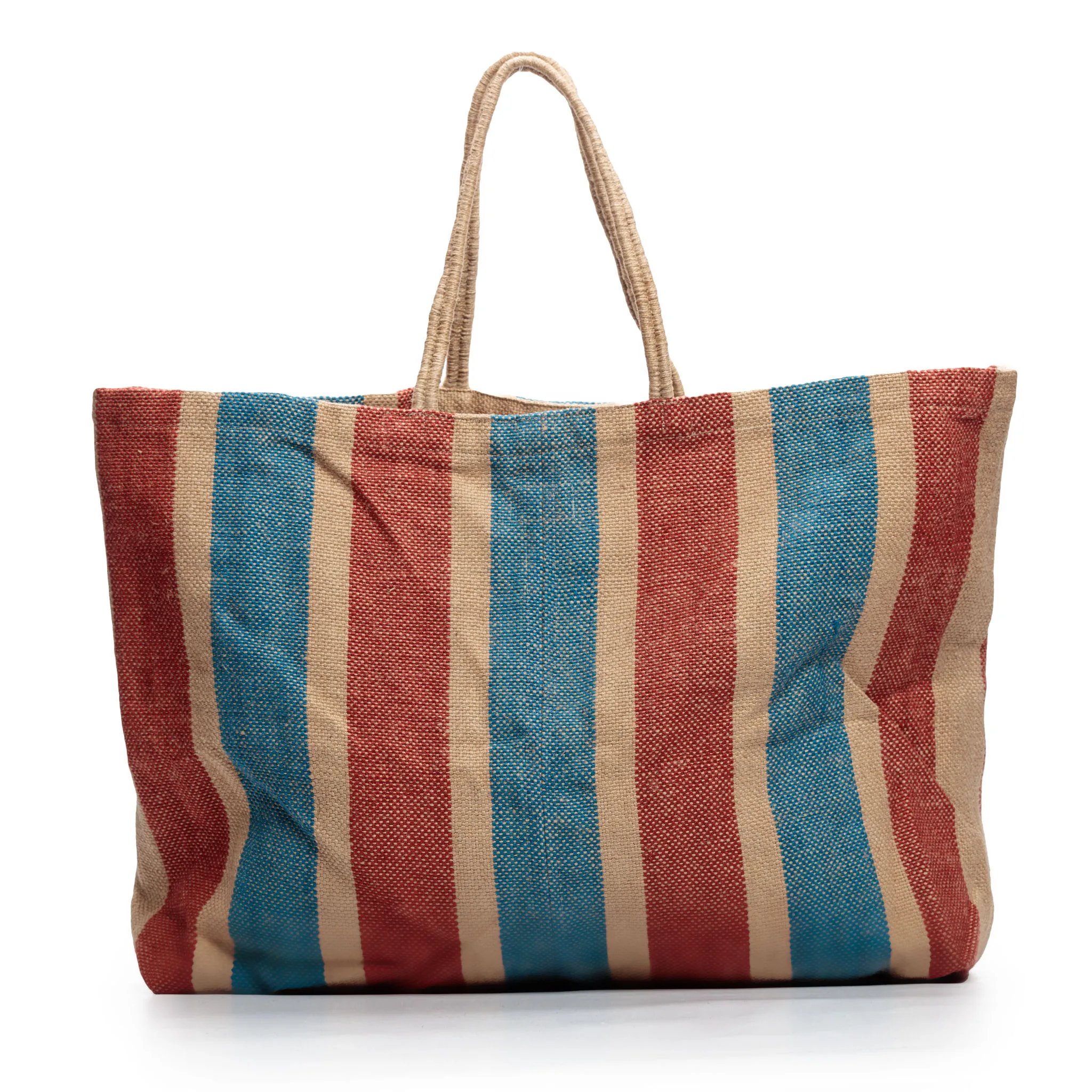
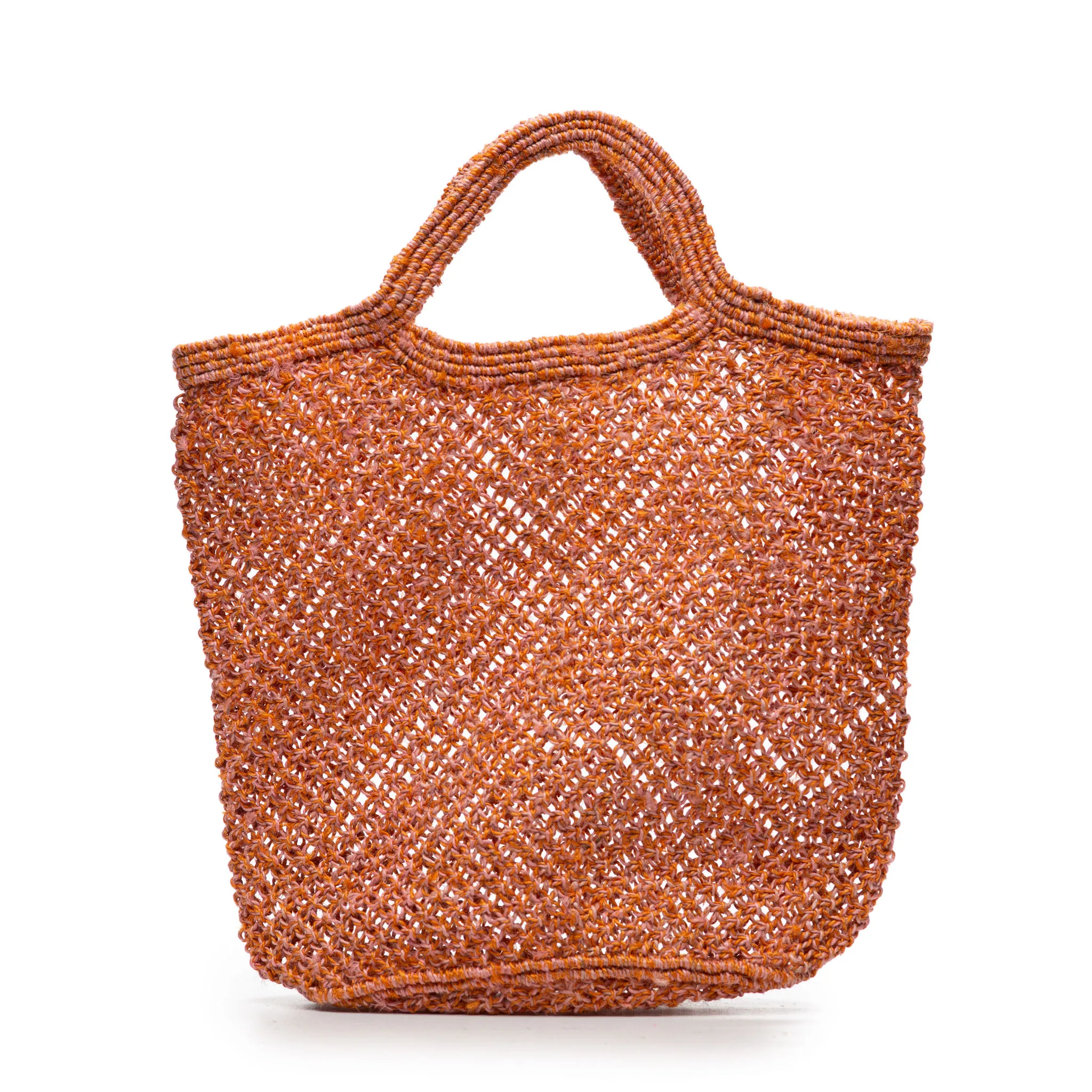
Being on the same business park, entirely by accident
Maison Bengal are based at Bentwaters, the former RAF base at Rendlesham. So am I. That was a coincidence and nothing more. They were there a long time before I was. It has made the working relationship a great deal easier though. I can pick up a handful of new products and shoot them the same week, or fit a small job in after another client has left the studio. For a business that adds new lines through the year rather than in one big annual drop, being ten minutes away is genuinely useful.
A small team that stays
Sheenagh has a small team and they stay. That is not something you can fake and it is not something you can put on a website. People stay because they are treated well and because the work means something. I have dealt with the same faces for years, which again makes everything easier. Nobody has to be brought up to speed.
Looking after the website as well
I also look after the Maison Bengal website. Websites are a side interest of mine rather than my day job. I am a bit of a nerd about it and I enjoy it, and being the person who both shoots the images and puts them on the site does remove a whole category of problem. I know what dimensions the site wants, I know how the images will be compressed, and I can see straight away if something is not sitting right on a product page. Most photographers hand over a folder and the relationship ends there. In this case it does not, and the results are better for it.
I would not claim this is a service I offer to everyone. It grew out of a long relationship with a client I know well.
Product photography for local businesses
If you run a business in Suffolk that sells physical products, the photography is doing more work than most people give it credit for. It is the only contact a customer has with the object before they buy it. Poor images do not just look bad, they cost sales and they generate returns when the product arrives looking different from the picture.
What I offer local clients is white background e-commerce photography, lifestyle and detail shots where they are needed, and a consistent approach that holds up across a whole catalogue rather than one good image and twenty average ones. Small runs are fine. So are large ones. I would rather work with a business over several years and build up a catalogue that hangs together than shoot one set and never hear from them again.
If you are weighing up whether it is worth doing properly, look at your own category pages the way a customer does. If the products do not look like they belong to the same shop, that is a photography problem and it is fixable.
Working from Rendlesham, Suffolk
My studio is at Base Business Park, Rendlesham, on the former RAF Bentwaters site near Woodbridge. I work with businesses across Suffolk, Norfolk, Essex and Cambridgeshire, and I am used to fitting product work around the rest of a client’s week rather than the other way round. If you have a range that needs photographing, or an existing set of images that is not doing the products justice, get in touch and we can talk it through.