
This studio session wasn’t about promoting music. It wasn’t about likes or algorithms. It was about reclaiming space.
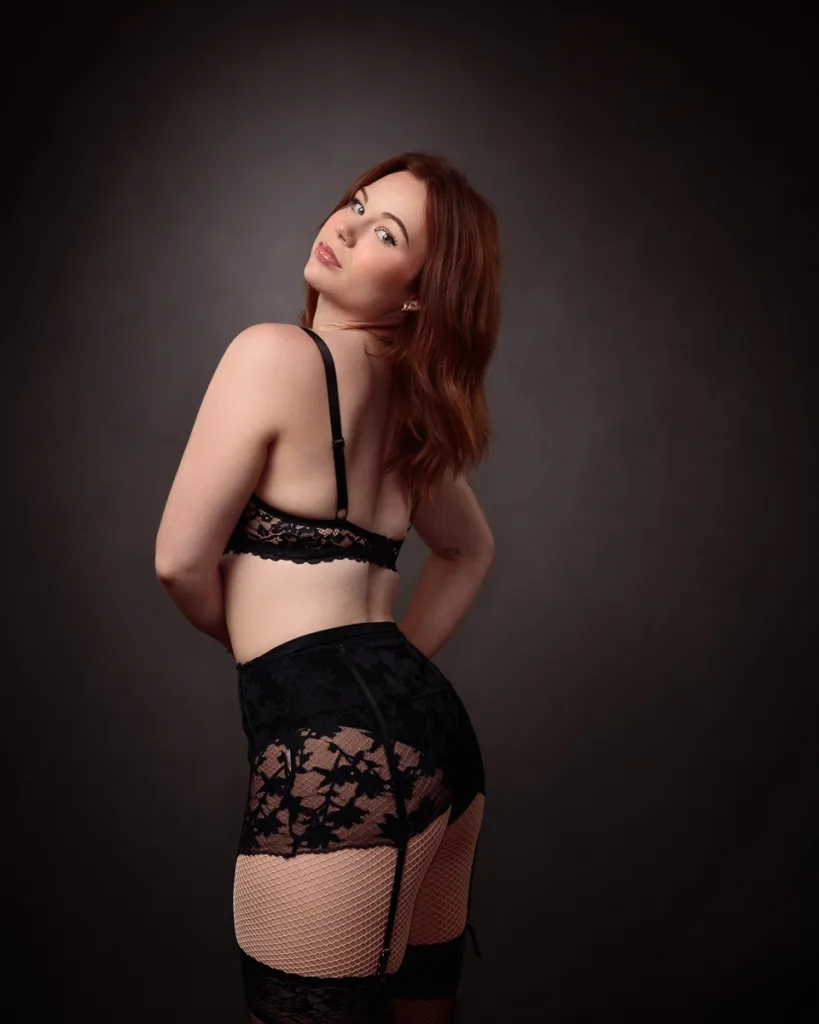
Jenna and I have worked together before, often creating promotional images linked to her music career. But this shoot was something else entirely. It was about how she sees herself, how she wants to be seen, and how photography can help reflect that honestly. The focus was on body confidence, self-image, and reclaiming personal narrative.
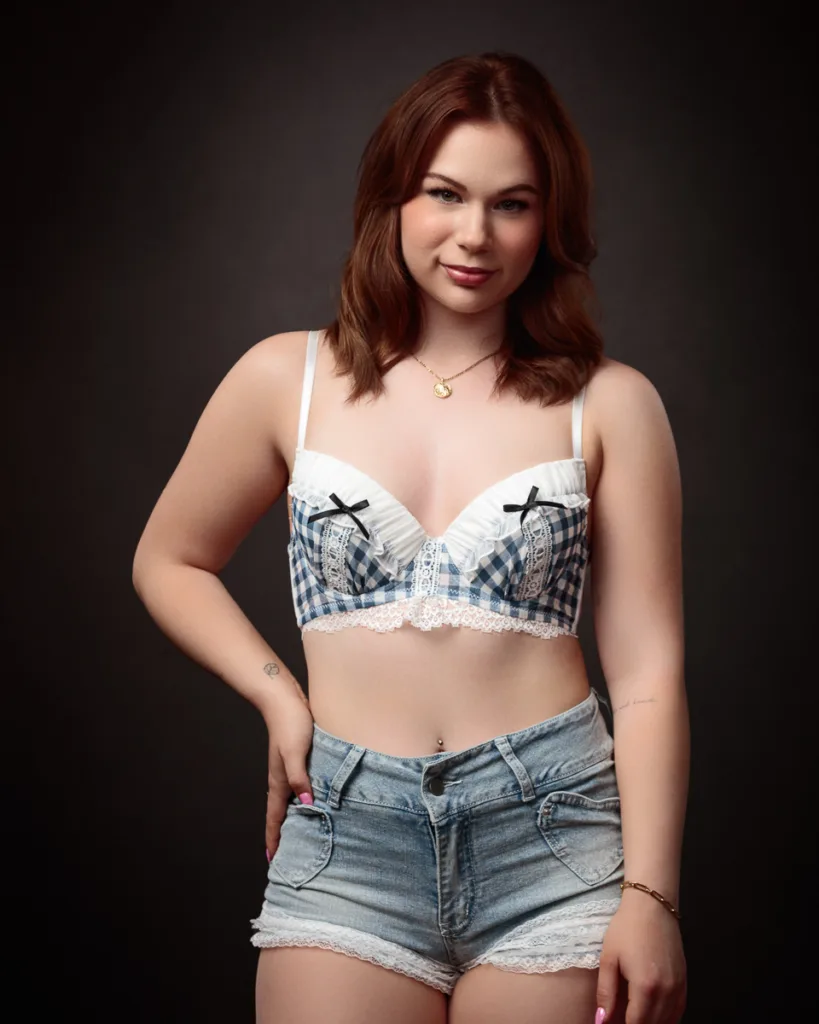
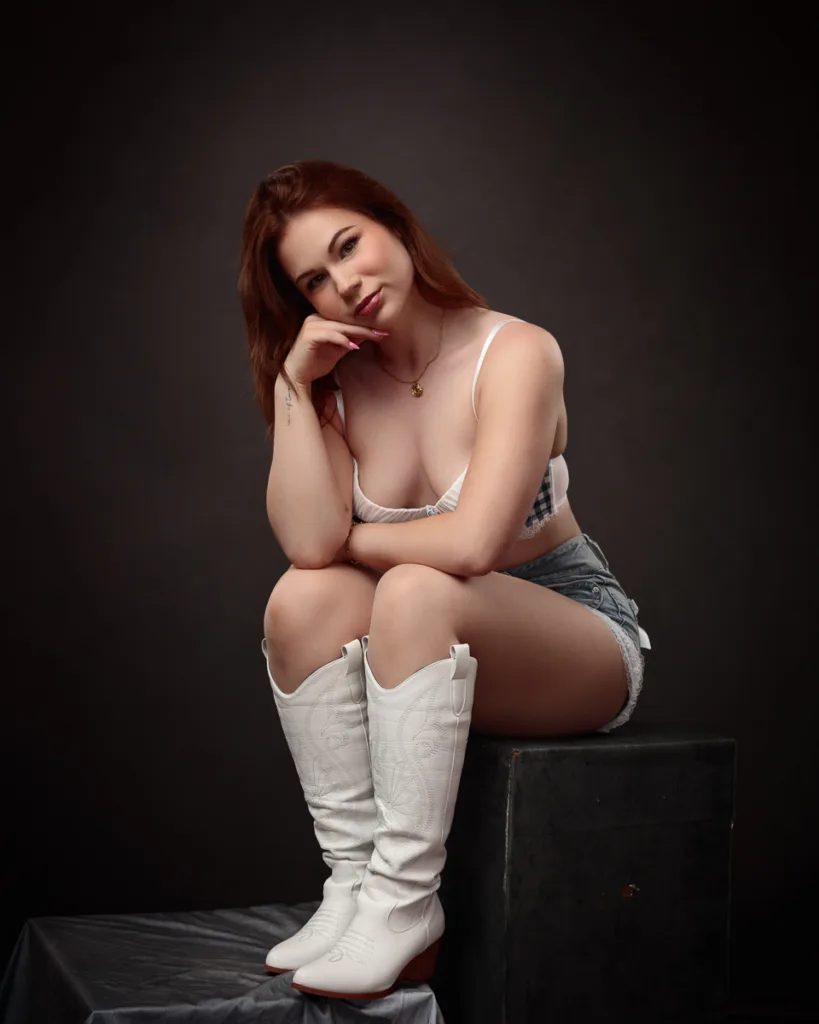
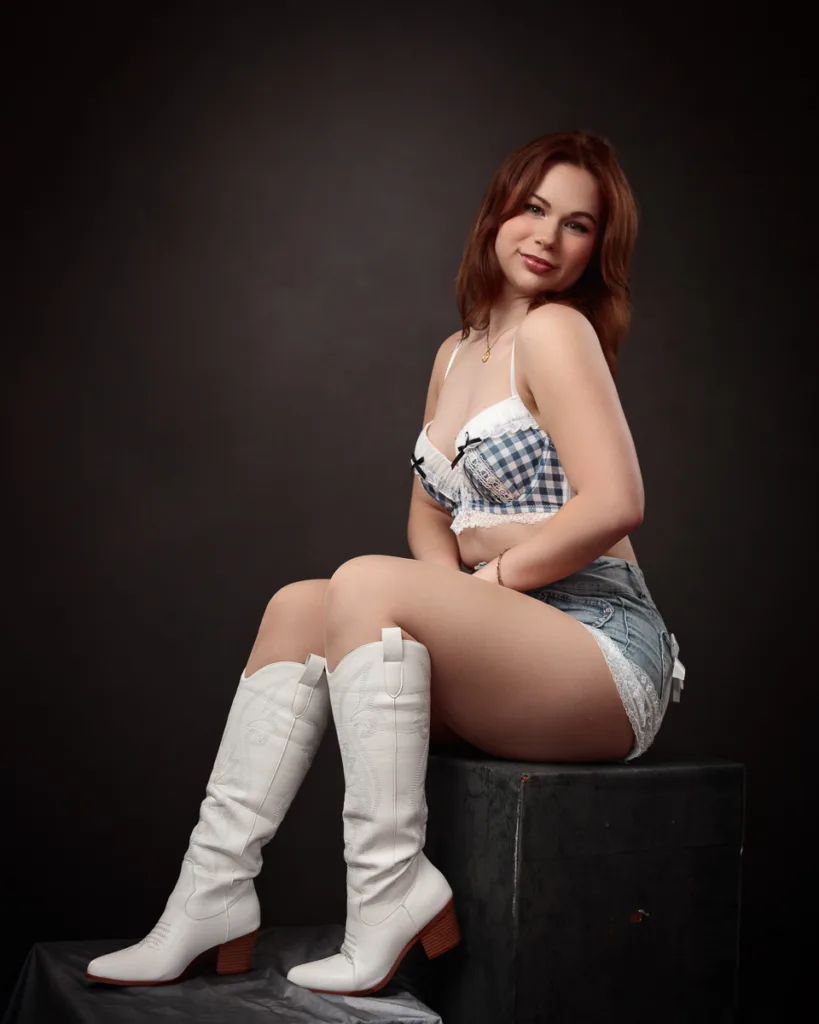
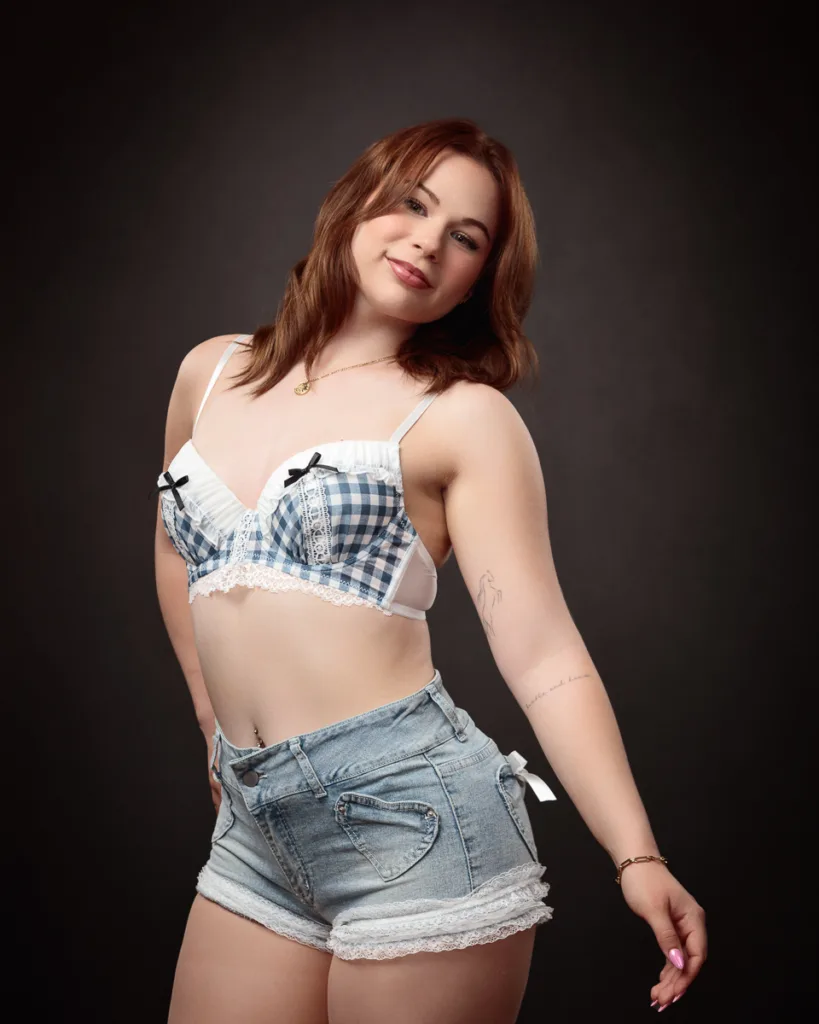
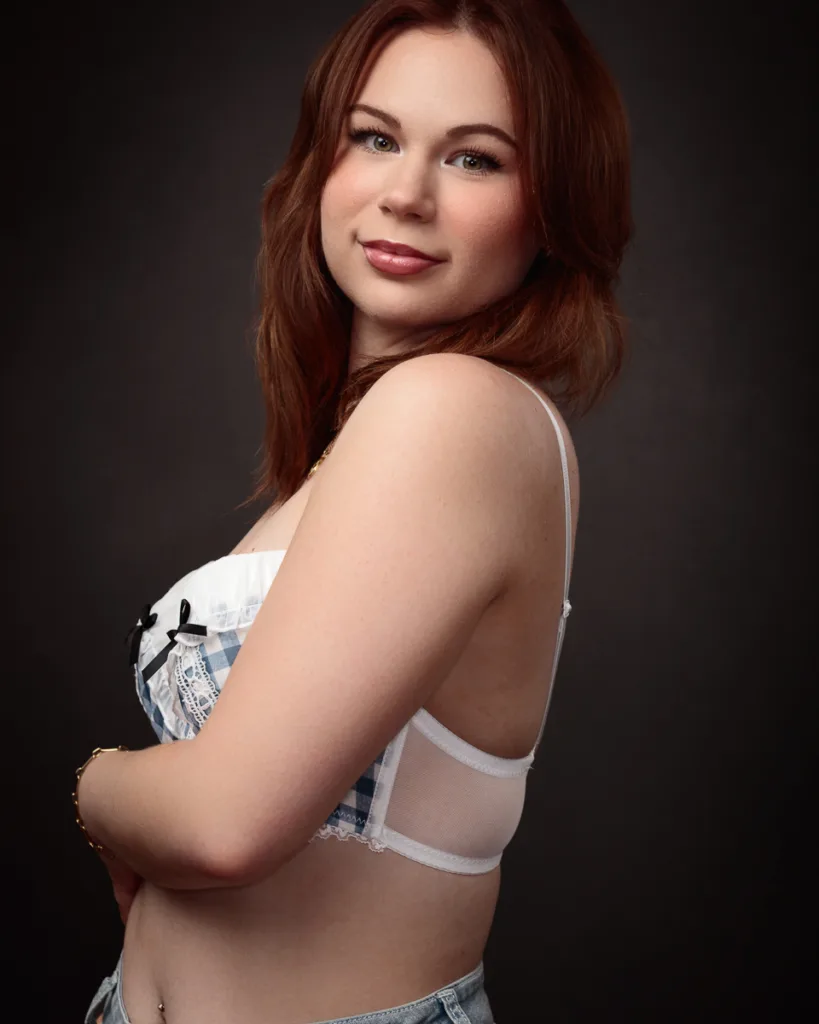
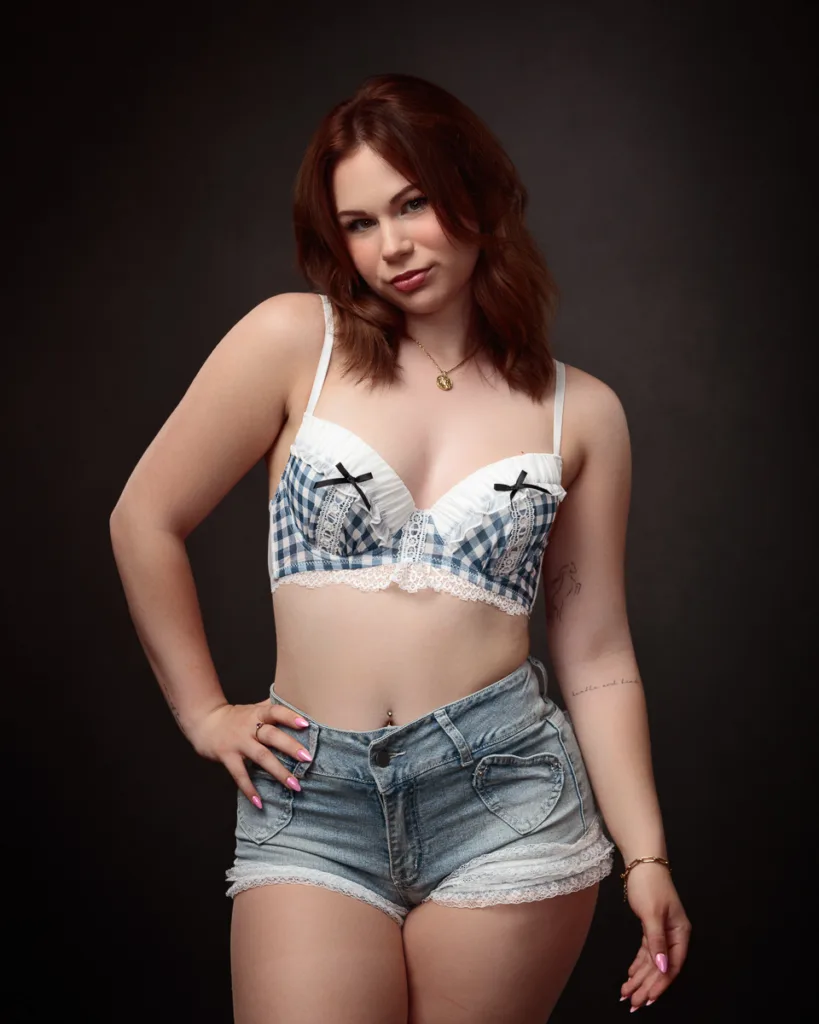
A Shoot That Wasn’t About Music
Jenna is a talented singer, and we’ve worked together on music-related shoots before. But this time was different. She made it very clear from the start that this session wasn’t about promoting her music or building her artist image. It was something much more personal. She wanted the focus to be entirely on herself, her body confidence, and how she sees herself when there is no performance involved. This was a space to explore self-image and expression without needing to present anything to the outside world.
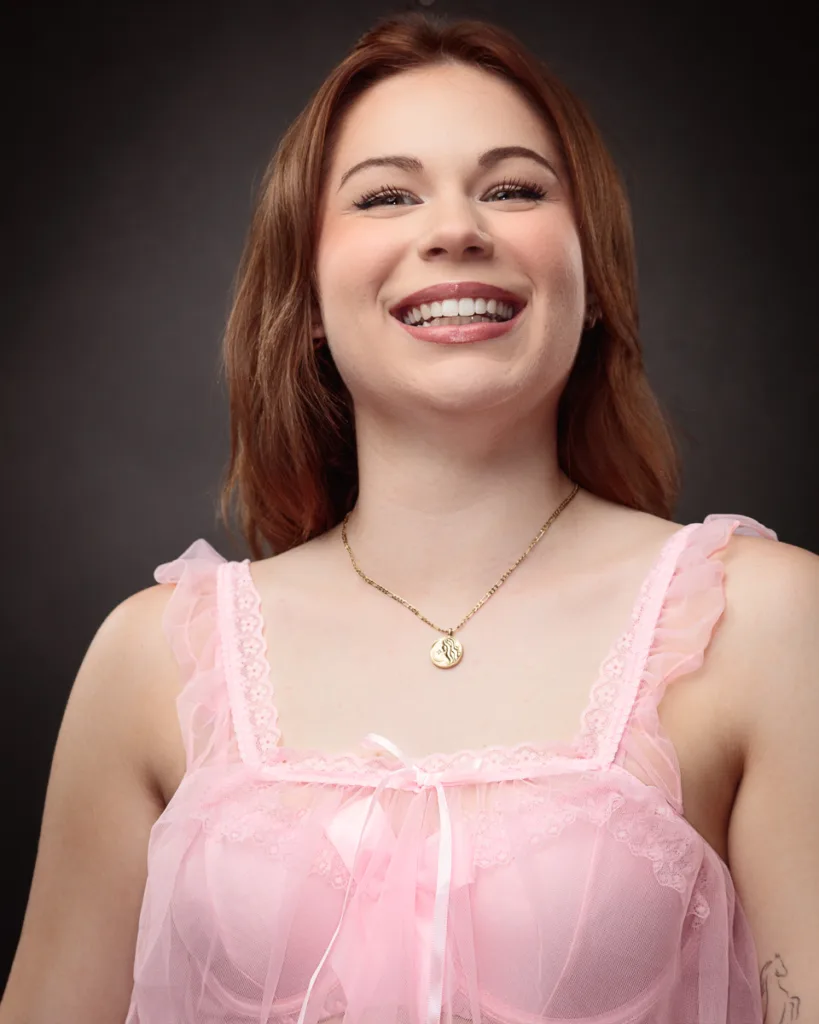
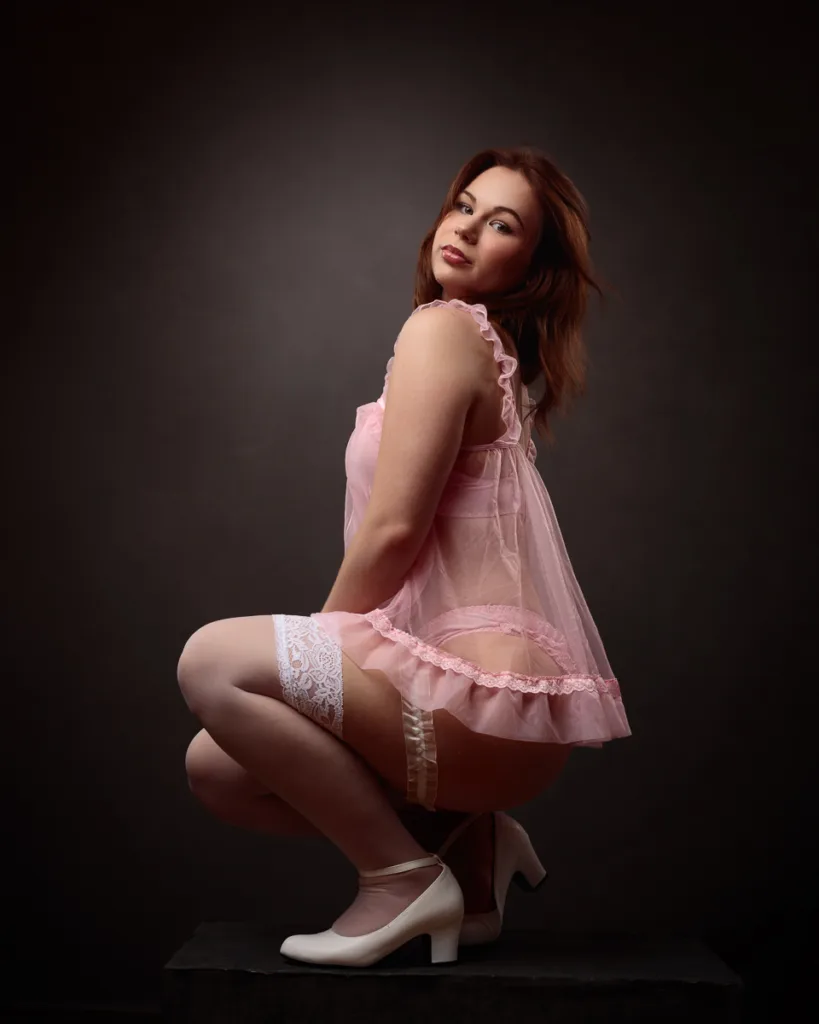
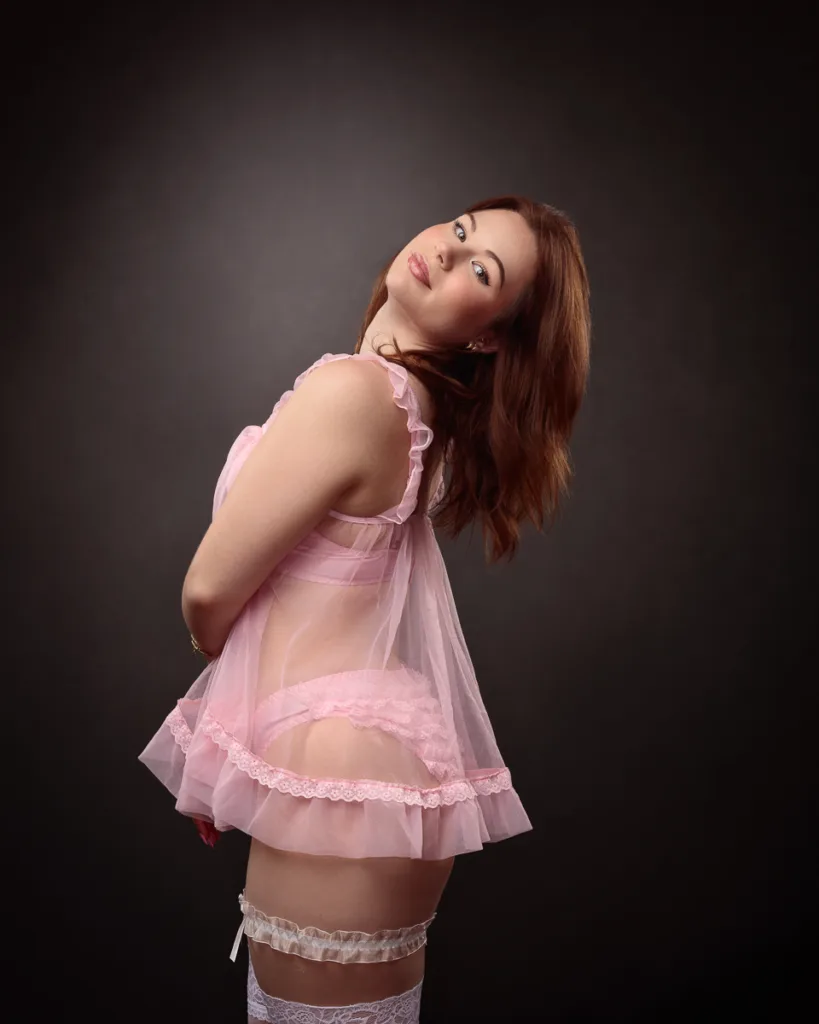
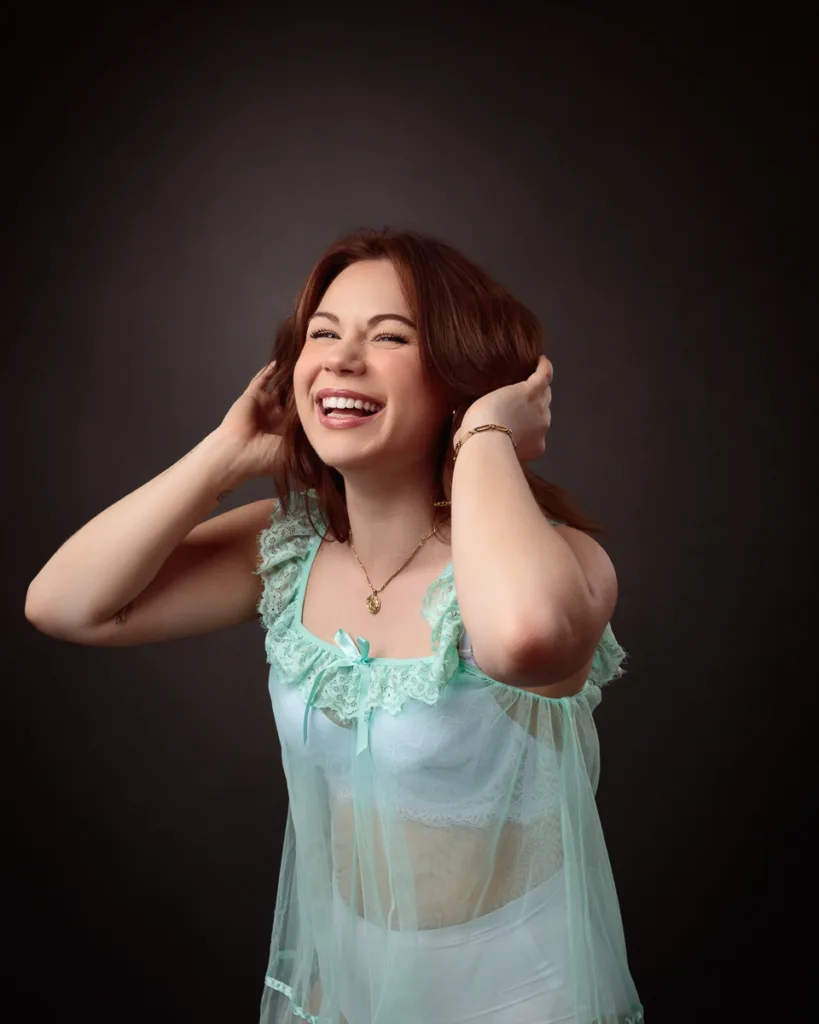
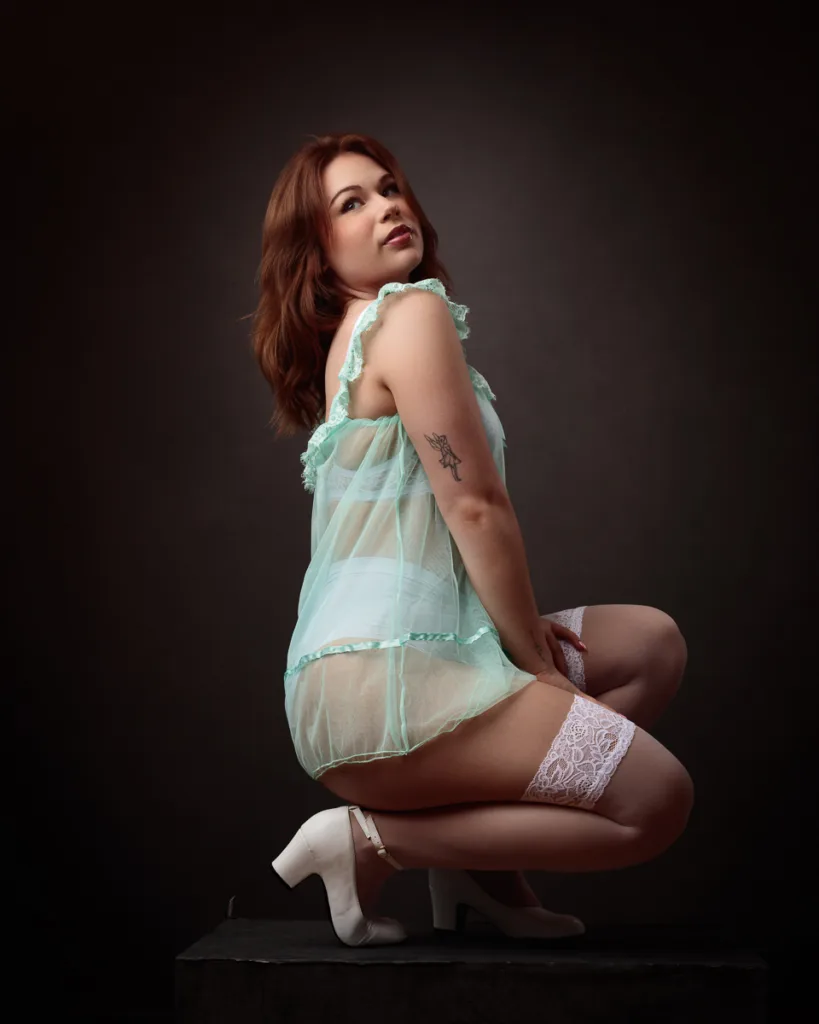
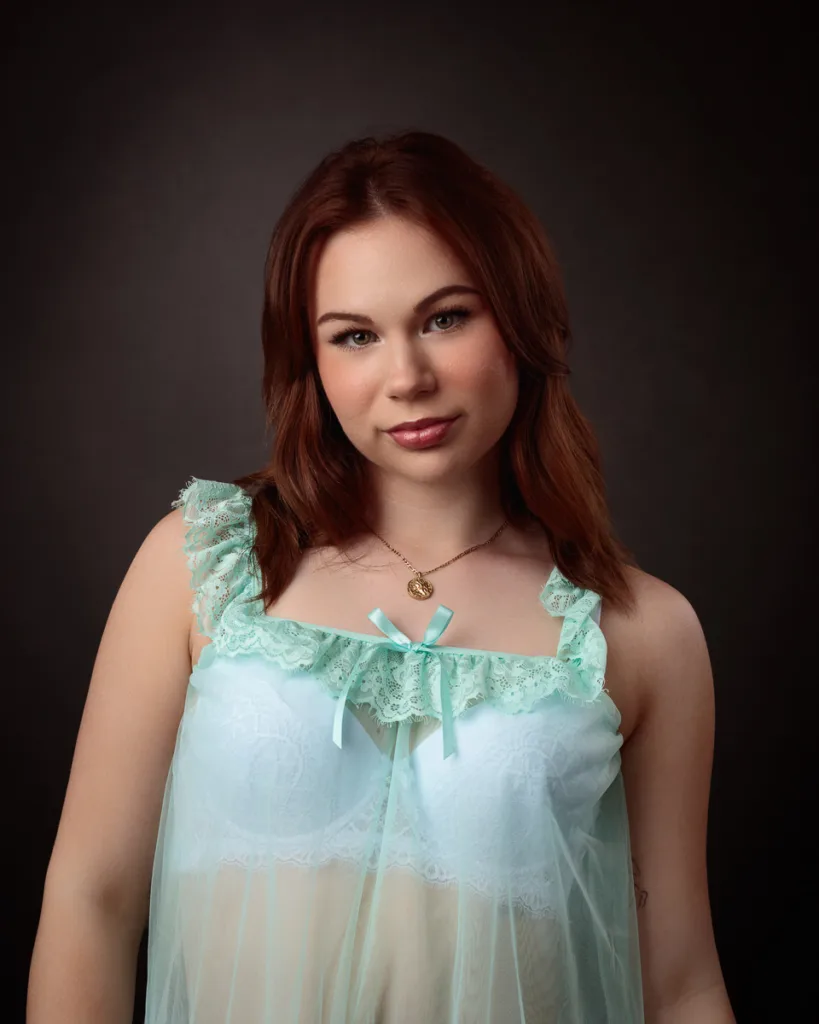
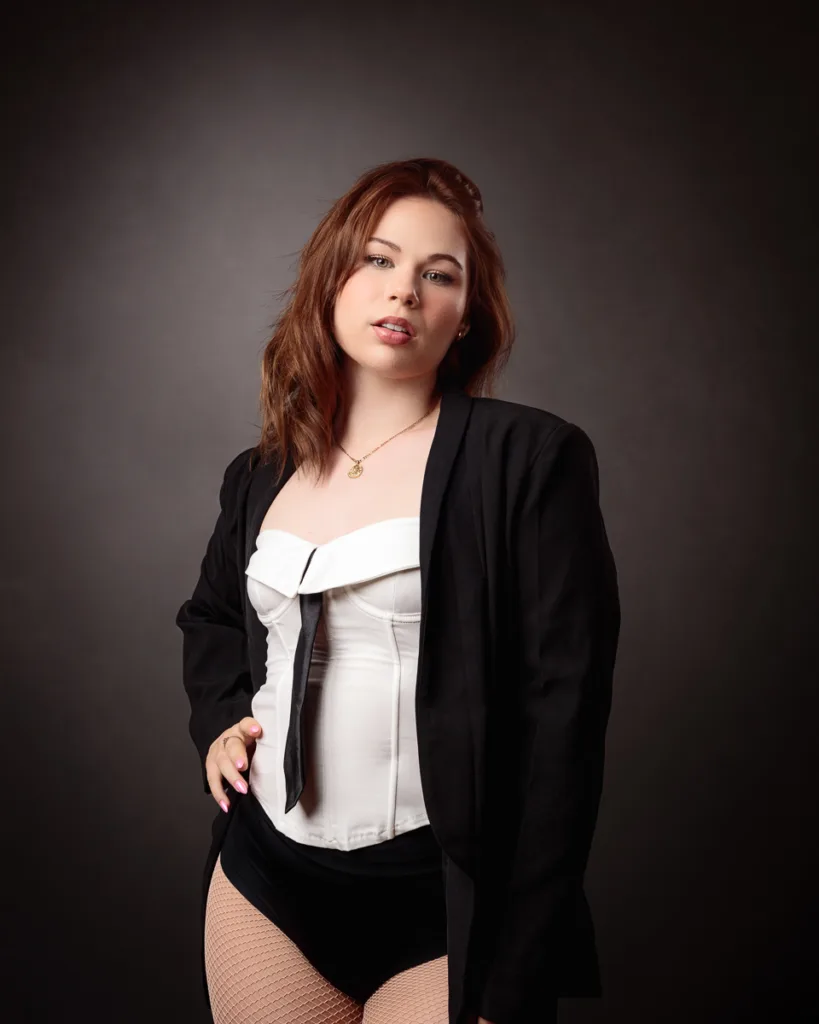
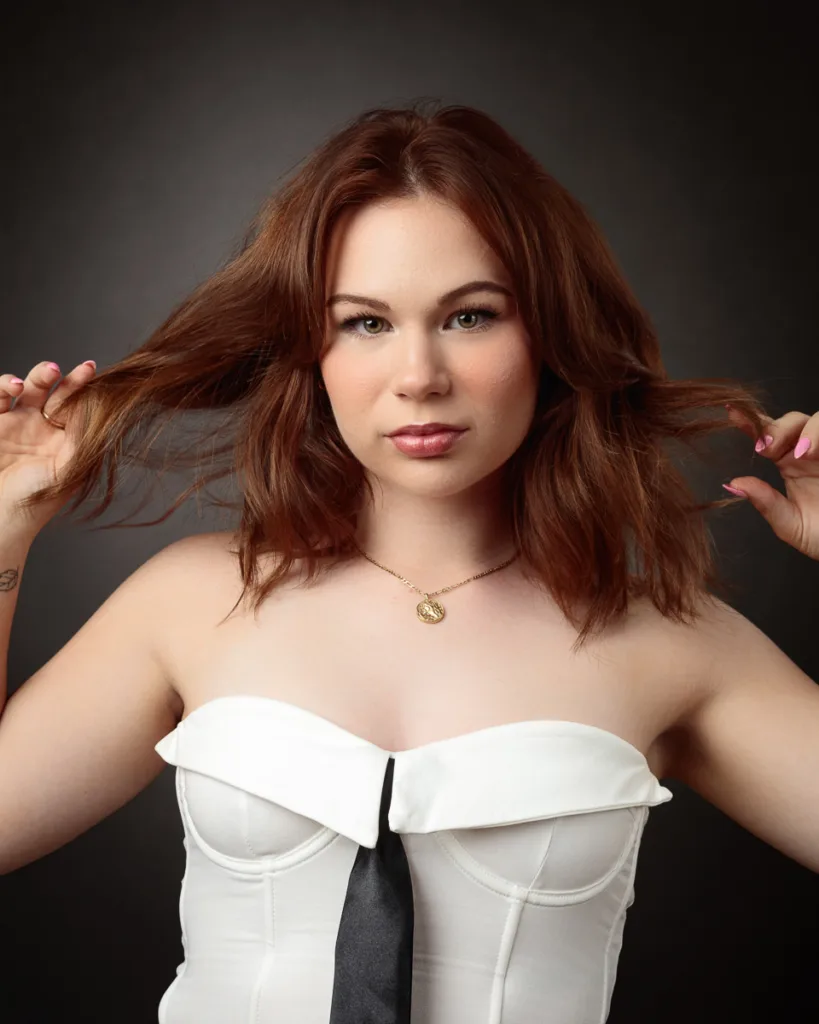
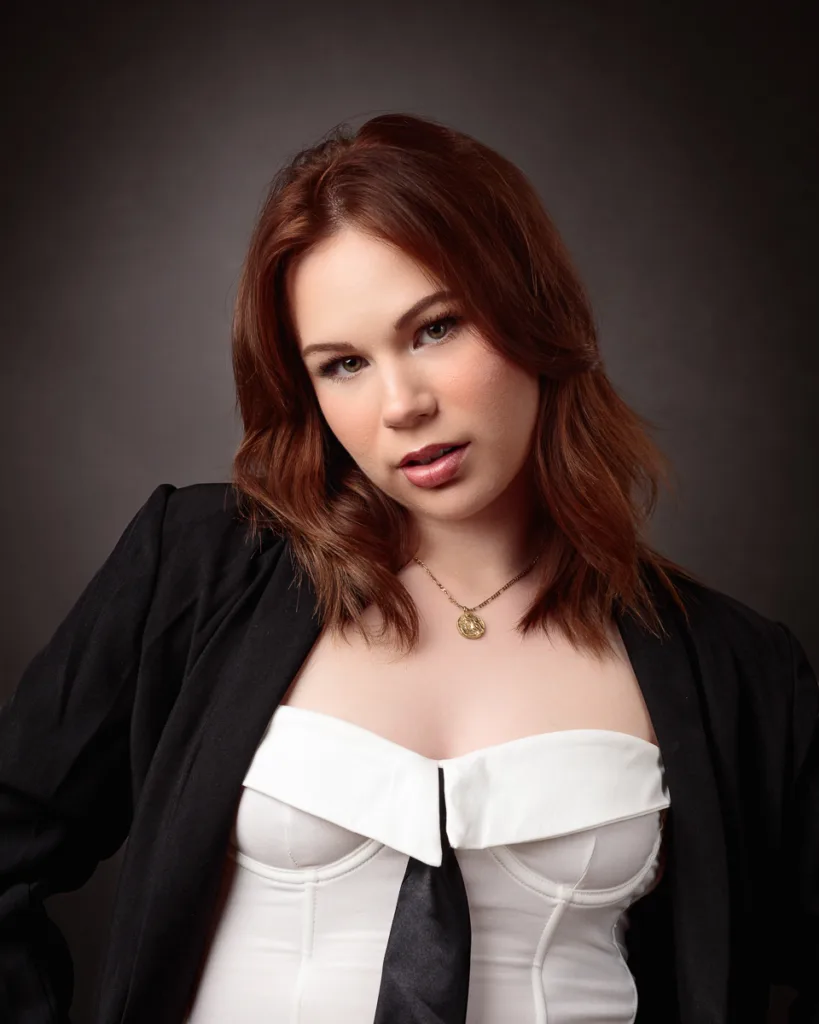
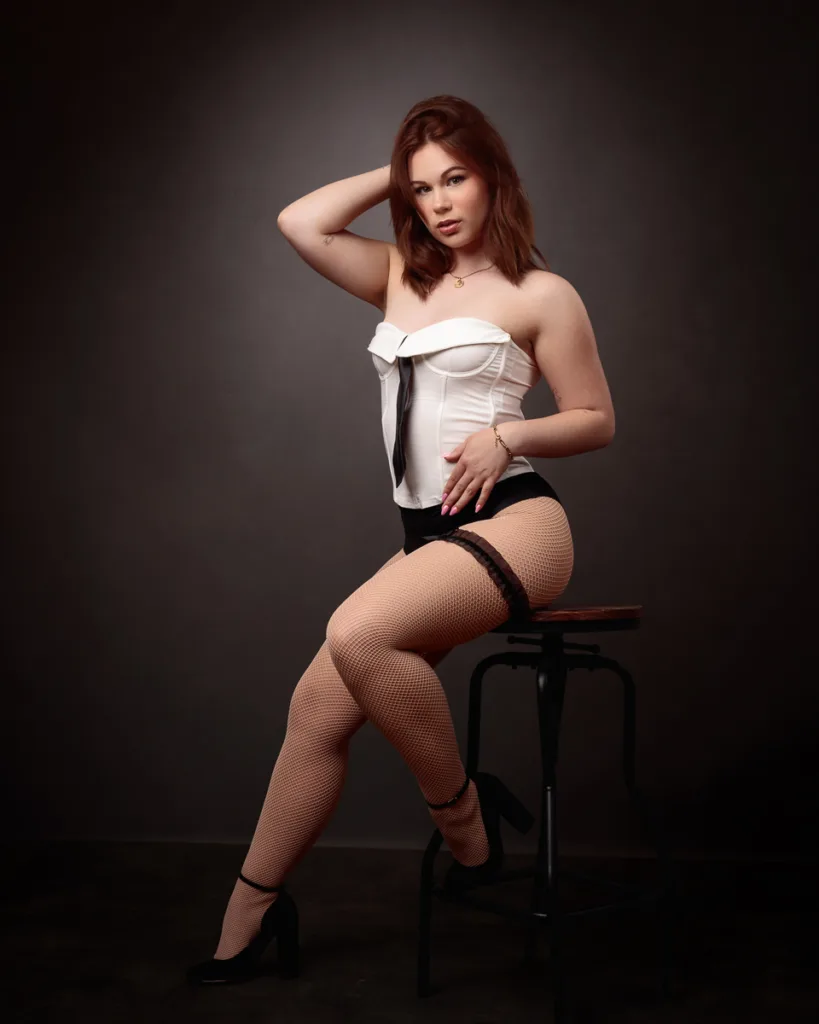
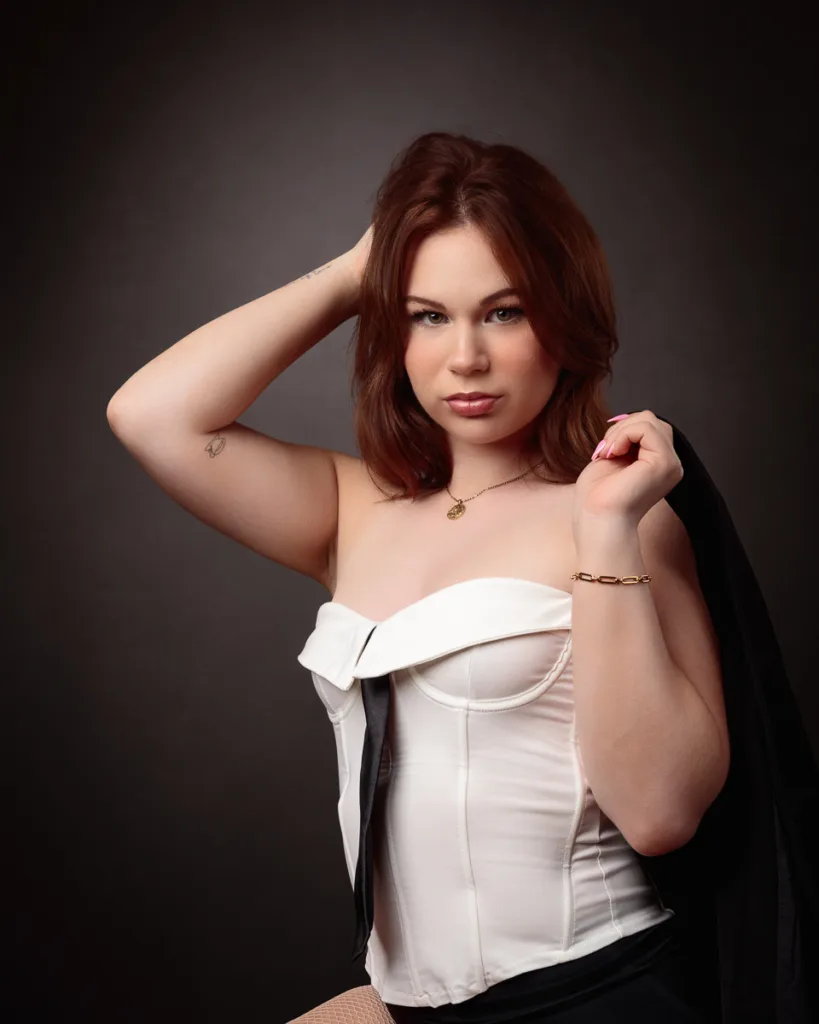
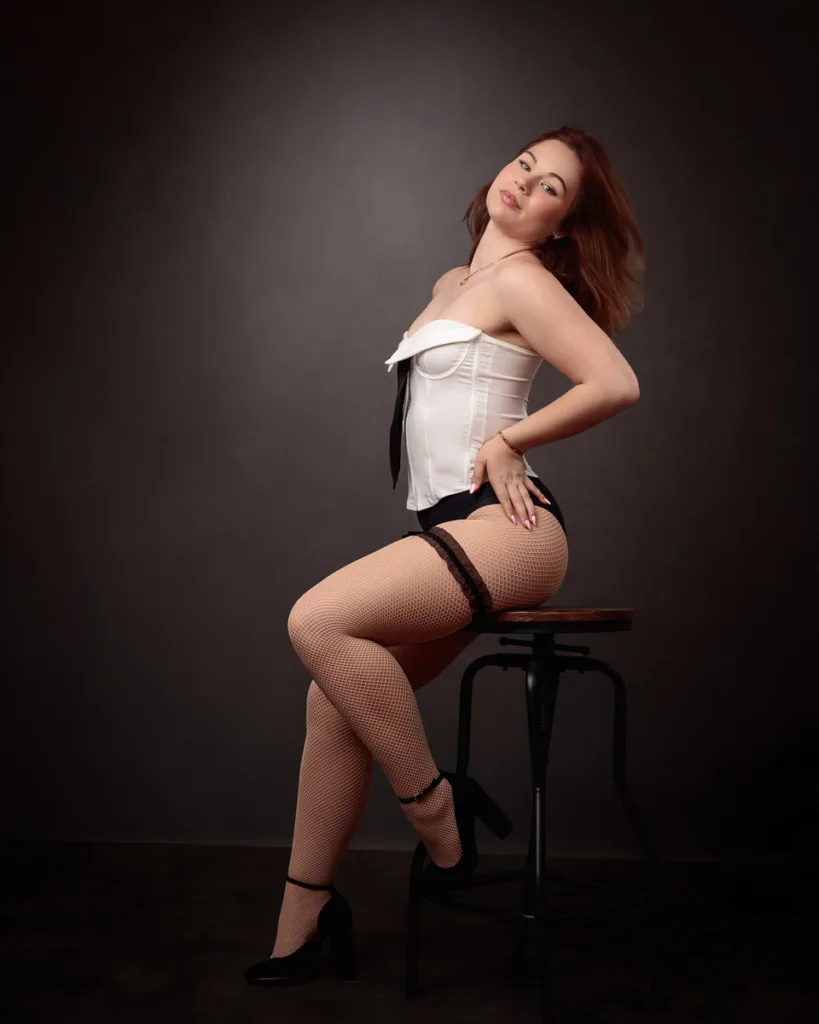
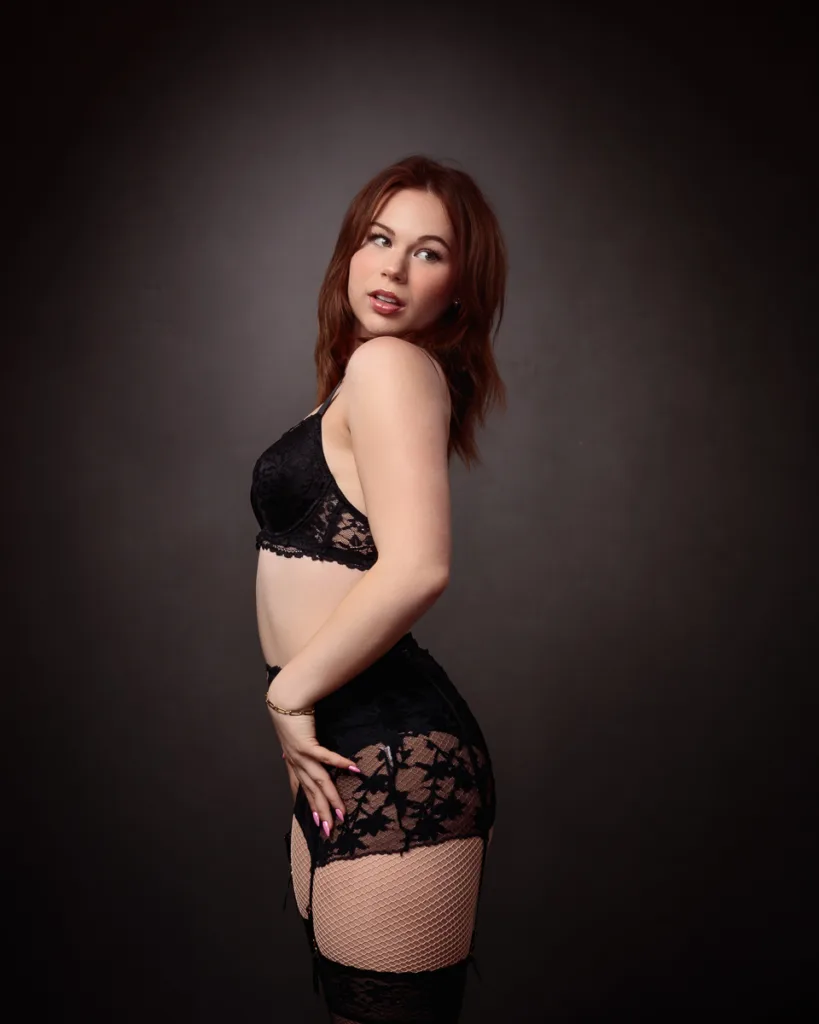
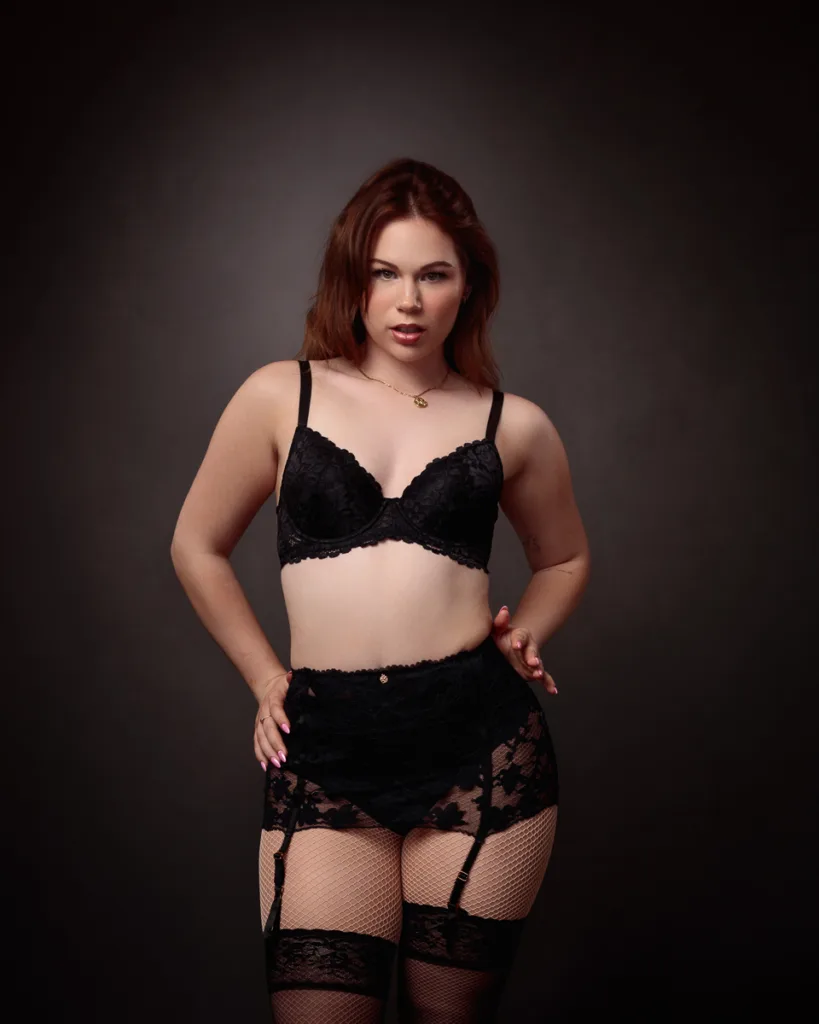
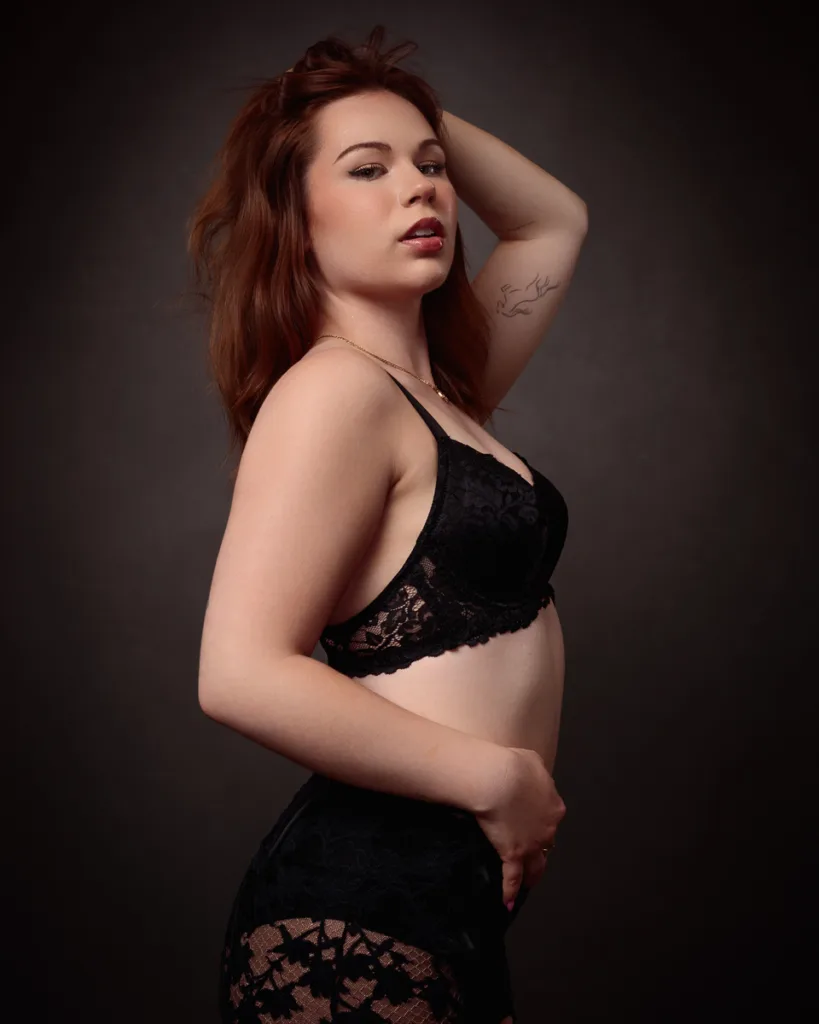
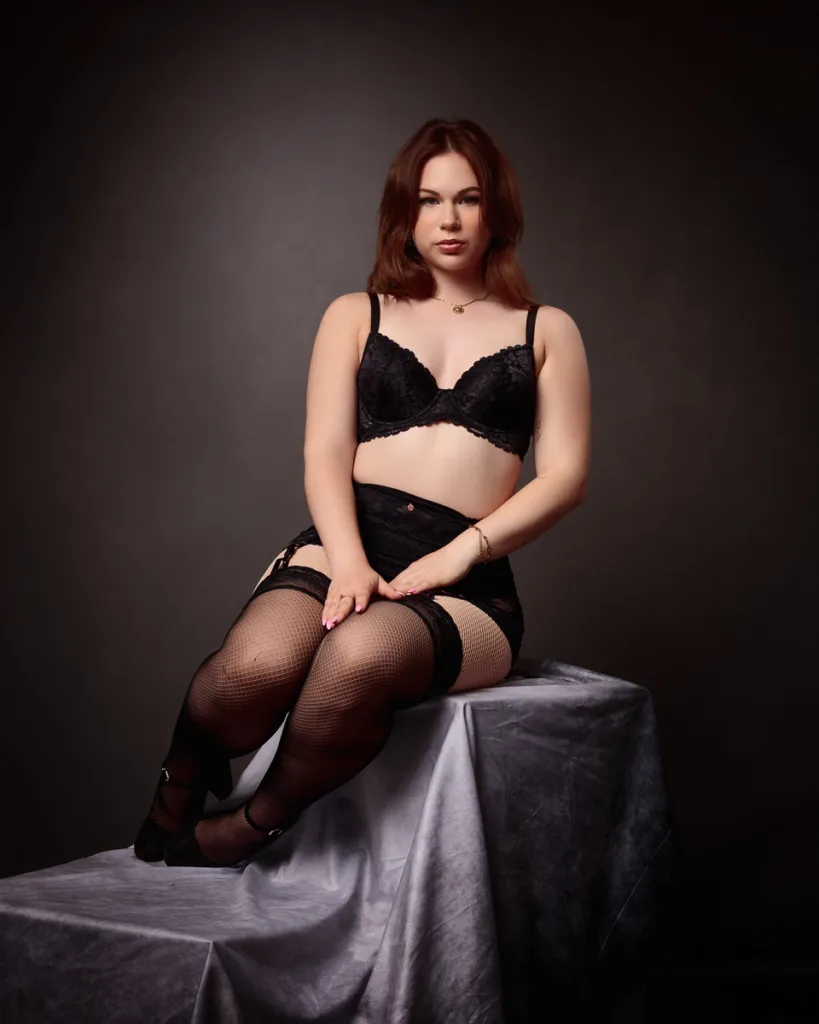
Jenna explained it best in her own words. She said, “With the style I’ve always loved, like the retro pin-up style and period, I wanted to recreate it.” That vision set the tone for everything we did. Her love of that era came through in the outfit choices, the colour palette, the styling details, and the overall mood. From pastel lace baby dolls and high-waisted denim with heart-shaped pockets to structured corsets and classic lingerie with garters, the wardrobe pulled together a nostalgic, feminine aesthetic that was playful, elegant, and unmistakably her.
This wasn’t about replicating a vintage shoot in a literal sense. It was about channelling a feeling. A sense of owning your femininity without needing to ask permission. Jenna wasn’t stepping into a character from the past. She was using elements of that style to express parts of herself that she connects with deeply. There’s something timeless about that kind of confidence. It doesn’t shout for attention. It holds space quietly but firmly.
Because this shoot was led entirely by Jenna’s vision, we spent time beforehand creating a collaborative Pinterest board. She selected references, lighting styles, and visual details that resonated with her. My job wasn’t to direct her into someone else’s idea of a great shot. It was to listen, to adapt, and to make sure the final images reflected exactly what she had in mind. Shots like this only work when the person in front of the camera has full agency over how they’re being seen. That level of creative control is crucial, especially when the subject matter is personal.
By steering away from her usual music promo material and focusing instead on self-expression through a style she loves, Jenna created a space where the shoot became more than just a photography session. It became a celebration of confidence, identity, and quiet empowerment.
The Importance of a Chaperone
Jenna brought her friend Beyza to the shoot as a chaperone, and that support made a real difference. I always welcome and encourage clients to bring someone with them, especially for confidence sessions or portrait work that can feel emotionally vulnerable.
A chaperone isn’t just there for safety. They provide encouragement, keep things grounded, help with outfit changes, and offer support when it’s needed. Beyza was calm, practical, and completely respectful of Jenna’s space. Having her there made the studio feel even more relaxed, and I genuinely appreciated her presence throughout the day.
If you’re thinking of doing a shoot that explores body confidence or involves lingerie styling, I recommend bringing someone you trust. It keeps the focus on your comfort and helps make the process collaborative, not transactional.
Safe-for-Work, Thoughtfully Created
Although all the final images from this shoot are safe for work, the process behind them took sensitivity and care. These were not quick snapshots. Each setup involved styling, light adjustments, posing guidance, and time to make sure Jenna felt good in each look. These kinds of images come from a space of trust.
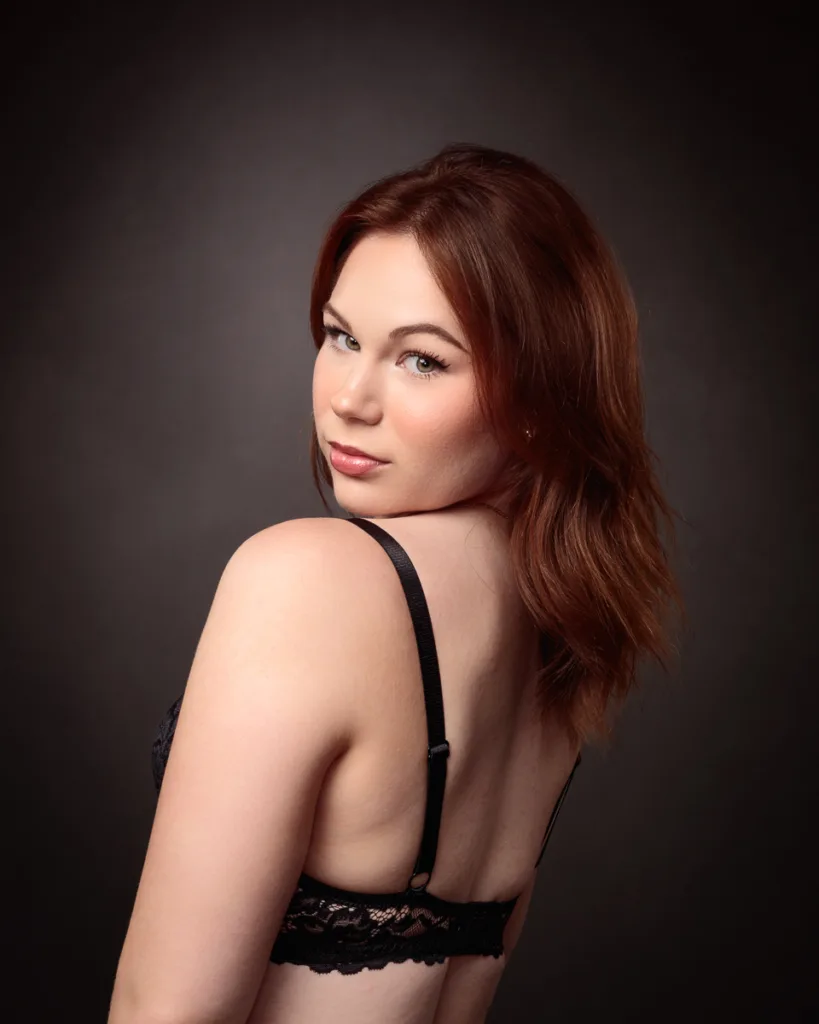
This wasn’t about glamorising or objectifying. It was about showing someone as they are, using their own style, voice, and energy. Whether in soft pink lace or bold black corsets, Jenna held the camera with ease and strength. The end result shows that clearly.
Body Image and the Pressure to Perform
Shoots like this exist within a wider story. Body image pressure, especially for women, begins young. The camera can feel like a judgmental eye rather than a creative tool. Social media has only made that pressure louder.
Many people struggle with feeling they need to look a certain way in every photo. Their body must always be toned, styled, and ready to be posted. That mindset can disconnect you from your body and lead to frustration, anxiety, or even shame.
When someone chooses to step in front of the camera on their own terms, it becomes a powerful act of reclamation. Photography then shifts from performance to presence.
Why Body Positivity Still Matters
Body positivity isn’t a slogan. It began as a radical movement focused on including the bodies that were never given space. Fat bodies, disabled bodies, trans bodies, older bodies, Black and brown bodies. The movement has been diluted by marketing, but the heart of it remains.
Understanding how we got here helps explain why confidence can feel like a daily struggle.
A Brief Look at Body Ideals Over Time
| Time Period | Beauty Ideal | Message Sent |
| Victorian Era | Corseted waist, pale skin | Fragility equals virtue |
| 1920s | Slim, androgynous look | Reject curves, embrace youth |
| 1950s | Hourglass shapes | Domestic femininity |
| 1990s | Heroin chic | Thin equals power |
| Today | Filtered, flawless | Unreal equals normal |
The ideals have changed. The pressure has not.
Social Media and Mental Health
Social media often encourages comparison. Algorithms reward one type of look. If you don’t match it, you can feel invisible. Posts become about chasing validation. Body checking, compulsive posting, and filtered selfies replace real self-esteem.
Underneath that is real mental strain. Anxiety. Depression. Body dysmorphia. Eating disorders. These are not rare experiences. They are direct outcomes of a culture that values image over identity.
That’s why shoots like Jenna’s are important. They offer a space to be seen without having to be perfect.
Rebuilding Confidence Through Photography
Done well, photography becomes a tool for healing. It’s not about showing off. It’s about reconnecting with your body, seeing it as yours again, and celebrating it in a way that feels true.
Jenna’s shoot wasn’t about loving every inch of her body unconditionally. It was about accepting it, working with it, and presenting it through a lens of personal power.
That’s the beauty of shoots like these. They don’t just show how someone looks. They show how someone feels when they are allowed to take up space.
Planning Your Own Confidence Session
If you’re thinking about doing something similar, here are a few things that help:
- Build a Pinterest board to communicate your style and mood
- Choose outfits that feel like you, not what’s trendy
- Bring a friend or chaperone to keep the energy supportive
- Communicate your boundaries clearly
- Work with a photographer who listens and adapts
Confidence doesn’t come from being perfect. It comes from being present and in control.
Final Thoughts
Jenna’s shoot was a quiet rebellion against the pressure to perform. It wasn’t for anyone else. It was for her. Each image reflected not just how she looked, but how she chose to be seen. There was no marketing goal, no social campaign, no product. Just honesty, trust, and self-expression.
Photography has the power to do that when it’s handled with care.
Get in touch
Have a question? Want to find out more?
Don’t be a stranger, just say hello.
 Bob Foyers
Photographer, Foyers Photography
Bob Foyers
Photographer, Foyers Photography
If you have not heard back within 24 hours, please check your spam folder for my reply. This is especially common with Hotmail, Gmail and Yahoo accounts.