CMG Technologies are a two minute walk from my studio door. We are both on Base Business Park at Rendlesham, the old RAF Bentwaters site, and I have been photographing their work on and off since 2020.
That proximity is not why they hired me. It is worth saying, though, because people assume commercial photography means going to London. Some of the most interesting work I do is within walking distance.
What CMG actually make
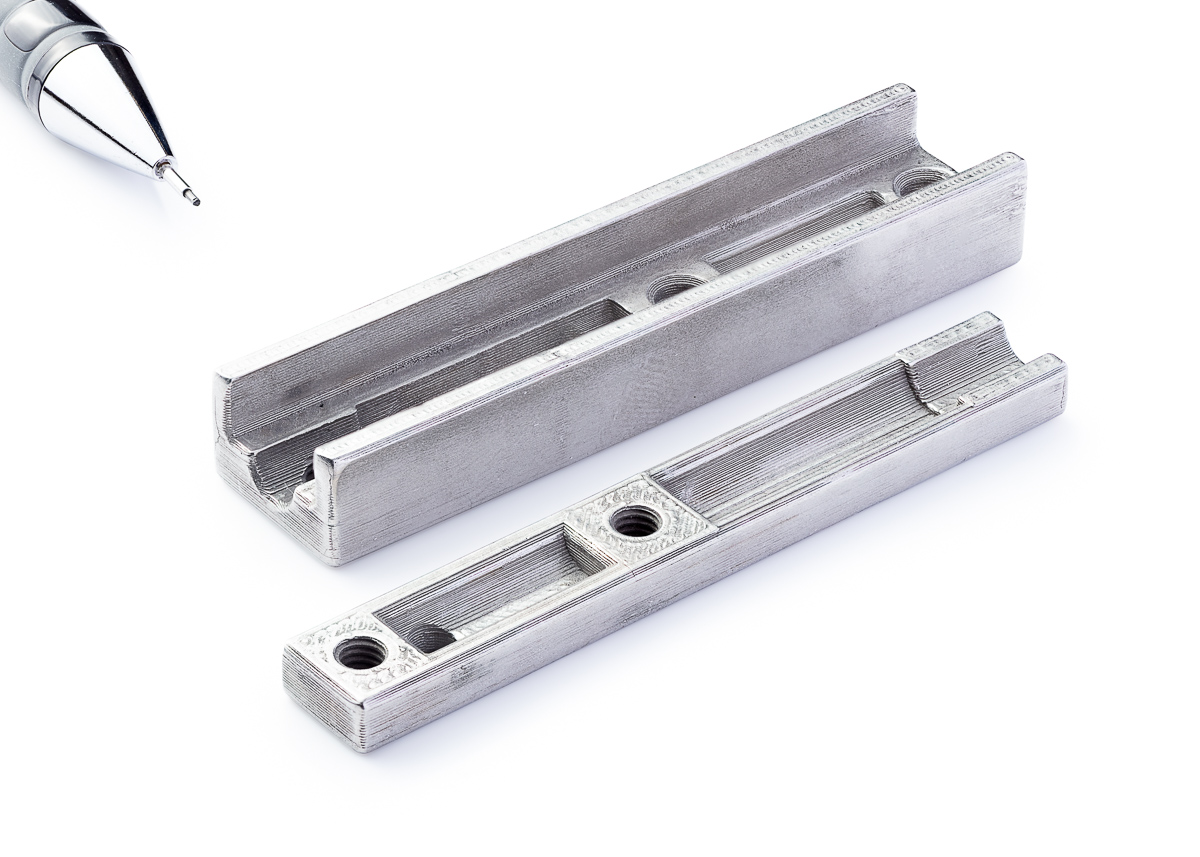
CMG Technologies is a metal injection moulding company. MIM, as everyone shortens it to, is a way of producing small and complicated metal parts in volume, the sort that would be slow and expensive to machine one at a time. Metal powder is mixed with a binder, injected into a tool much like plastic, then the binder is driven off and the part is sintered in a furnace until it becomes solid metal.
They are the only MIM company in the UK running the entire process in house, from designing and building the tooling, through compounding the feedstock, to that final sintering stage. They also do investment casting, ceramic injection moulding and additive manufacturing, and supply metal powders through INDO-MIM Services.
Their parts end up in medical devices, aerospace, automotive, agriculture, telecommunications, instrumentation and jewellery. The company turned fifty in 2025, with more than twenty of those years spent in MIM.
Why small metal parts are difficult to photograph
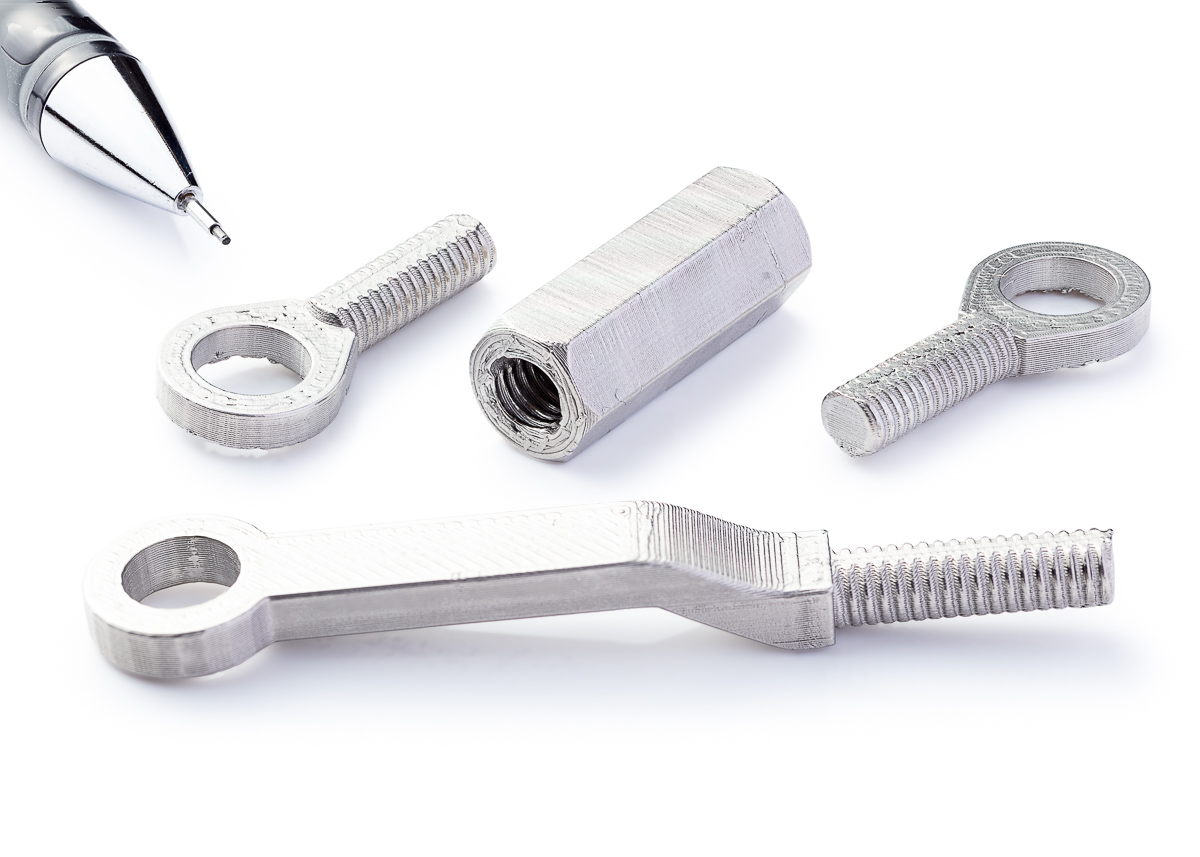
A polished metal component is a mirror. You are not lighting the part, you are lighting everything the part can see, which includes your lights, your camera, the ceiling and you. Aim a bare light at it and you get a white blob with a dark edge and no shape to speak of.
Then there is size. Get close enough to fill the frame and depth of field collapses to a few millimetres, so the front of a cog is sharp and the back of it is not. An engineer looking at that image cannot see the thing they need to see.
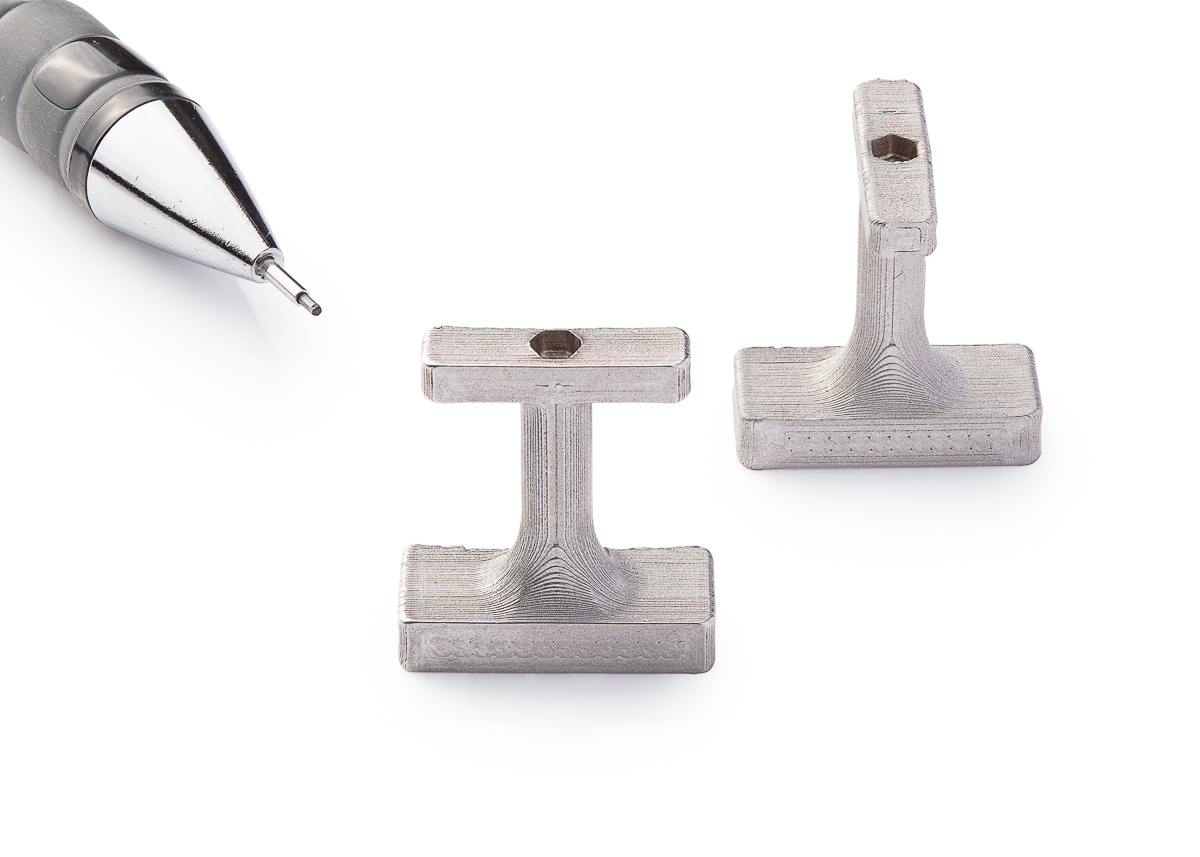
The third problem is texture. A sintered surface is slightly matte and slightly granular, quite unlike machined metal. Flatten it with soft even light and the part stops looking like what it actually is.
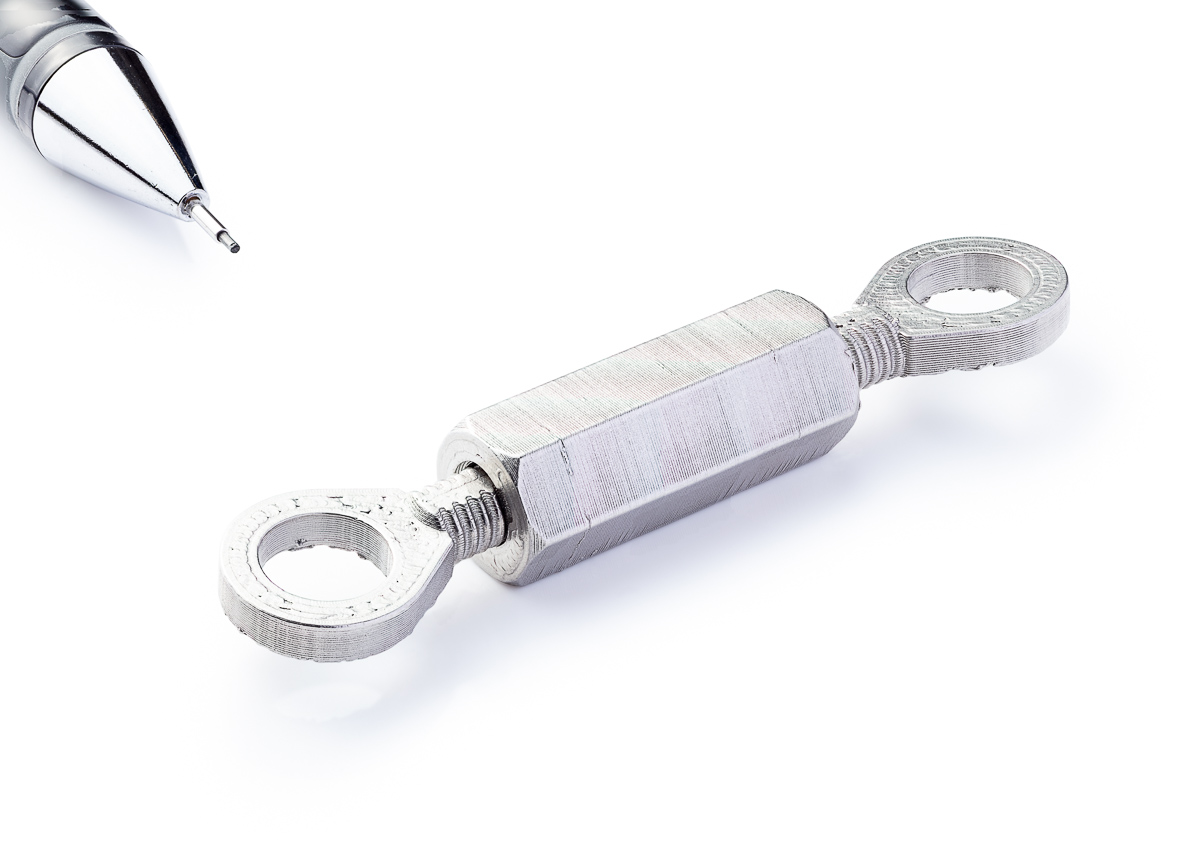
There is a mechanical pencil in every one of these frames. That is deliberate. A photograph of a metal component has no scale of its own, and these parts are far smaller than most people assume when they see them enlarged on a screen. A familiar object with a fine tip settles the question in a way a caption never does.
What I have photographed for them
The components themselves, most of them small enough to sit on a fingertip. Cogs, gear assemblies, and collections laid out together to show the range in one frame.
The furnace, which is the opposite problem in every respect. Large, hot, industrial, and photographed on site rather than in the studio.
Spools of their own metal filament.
Headshots of the team, because a company that makes things still needs pictures of the people who make them.
In May 2023 there was also a stainless steel bust of King Charles III, printed for the coronation. That one earned a post of its own.
Why an engineering firm needs its own photographs
Stock images cannot show your part. That sounds too obvious to write down, and yet engineering companies routinely illustrate their own capabilities with somebody else’s pictures of somebody else’s components. If the whole argument for MIM is that you can produce a shape nobody else can produce economically, a generic photograph of a generic gear quietly argues the opposite.
The images have to work in several places at once as well: a website, a trade stand, a data sheet, a tender document, LinkedIn. That means clean backgrounds, consistent treatment across a whole set rather than one good frame, and files large enough to print without falling apart. This is the same thinking behind my commercial photography work generally.
What changes when you work with someone for years
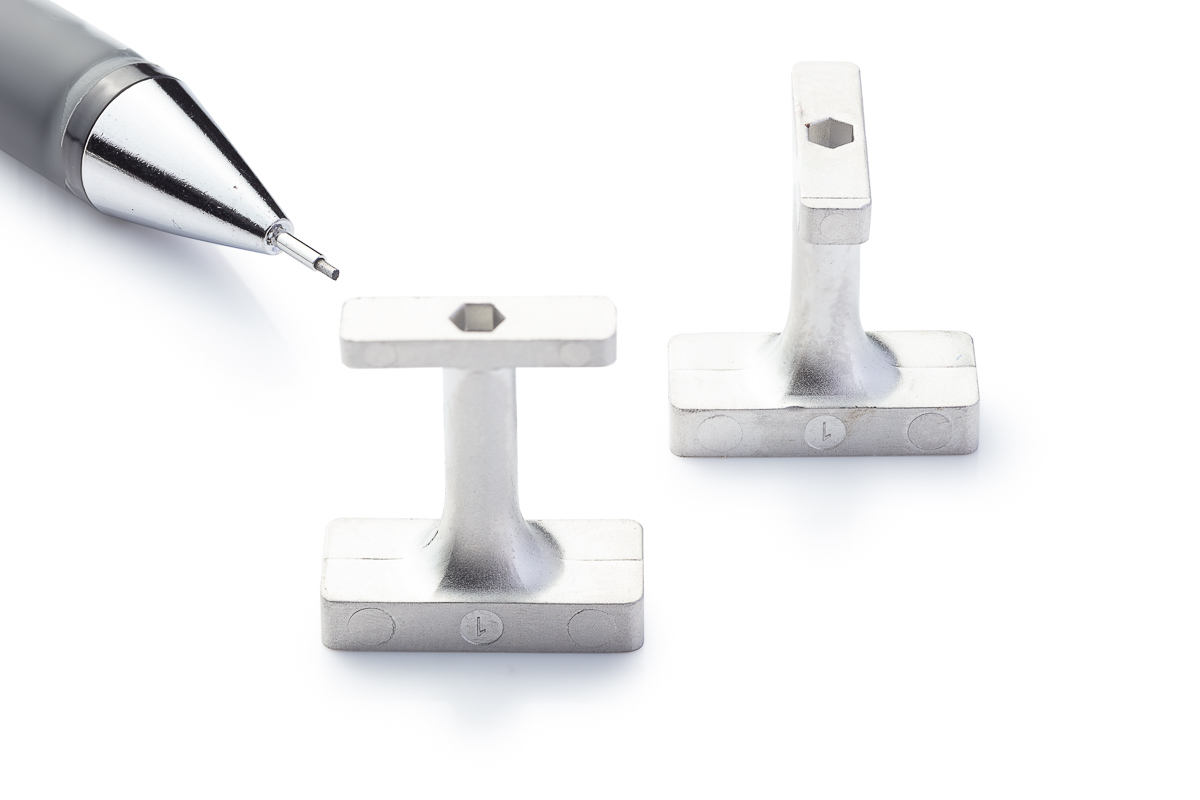
Coming back to the same client over several years changes the job. I know how their parts behave under a light now, and which finishes will fight me. They know what I am going to ask for before I ask. A set that took a full morning the first time takes less now, and the results are better, because neither of us is starting from nothing each time.
That is the real argument for using someone local. Not the drive, the accumulation.