
I have worked with Maddie many times now, and it is always a pleasure. Each session adds something useful to her portfolio. That is the aim for me. I am not chasing random “nice photos”. I am building a set of images that helps her move forward with clarity and confidence.
This shoot took place in my studio at Bentwaters, near Woodbridge in Suffolk. We kept things clean and controlled, with a neutral background for most of the set. That made it easier to focus on what matters in a portfolio: expression, posture, and styling that matches the model’s goals.
Maddie is 23, so this post is aimed at adult models and also parents who might be supporting younger models and want to understand how I work. The principles stay the same: clarity, collaboration, and boundaries.
The most important point: the model chooses the styling and the goal
I want to be very clear about my approach.
The outfits and the desired outcome come from the model, not me. I will offer an opinion when asked. I will also explain what tends to work well for agencies and casting. But the styling and final look are always the model’s choice.
That matters because:
- The images need to reflect the model’s identity and comfort level.
- The model needs to feel ownership of the work.
- The shoot stays focused when the brief is model-led.
With Maddie, that shared understanding is already in place. We know what we are building, and we keep pushing it forward one layer at a time.
Why I prefer a Pinterest board before a portfolio shoot
We used a shared Pinterest board for this shoot. I recommend this for most portfolio sessions, even for experienced models, because it reduces guesswork and keeps us aligned.
A board helps in three practical ways:
- It makes the mood visible, not vague.
- It provides pose and crop references.
- It keeps the shoot on track when you start exploring ideas.
For a board to be useful, I suggest including:
- 10–20 images that genuinely match the look you want
- A mix of headshots, half-body, and full-length
- Notes on textures, fabrics, and colour
- Any examples of expression and posture you want to try
Pinterest link: https://www.pinterest.co.uk/
My boundary on implied nude: I prefer suggestive images
This matters, so I will state it plainly.
I prefer not to work up to implied nude. In my experience, the strongest images are usually suggestive rather than explicit. Suggestive images rely on light, shape, crop, styling, and expression. They can feel bold and confident without needing to show more. They also tend to remain more versatile in a portfolio, which matters if you want the images to work for different types of casting.
If a model wants a sensual mood, I will suggest options that stay tasteful and controlled, such as:
- Silhouettes and shadow-led posing
- Wardrobe that hints at shape without relying on nudity
- Smart crops that feel editorial
- Layers like coats, shirts, jackets, and knitwear are used with intent
- Expression-led portraits where confidence carries the image
If a model specifically requests implied nude imagery, I will discuss it respectfully, but it is not my preferred direction, and I will recommend suggestive alternatives first.
What we built with Maddie: variety with a purpose
Maddie’s portfolio is strong because we shoot with intent. Each look has a job to do. That is what makes a portfolio usable.
This session gave us a solid mix of:
- Clean, classic portraits
- Fashion-led frames with texture and shape
- Stronger, more striking looks that still stay tasteful
- A balance of intensity and softness
The goal was range without randomness.
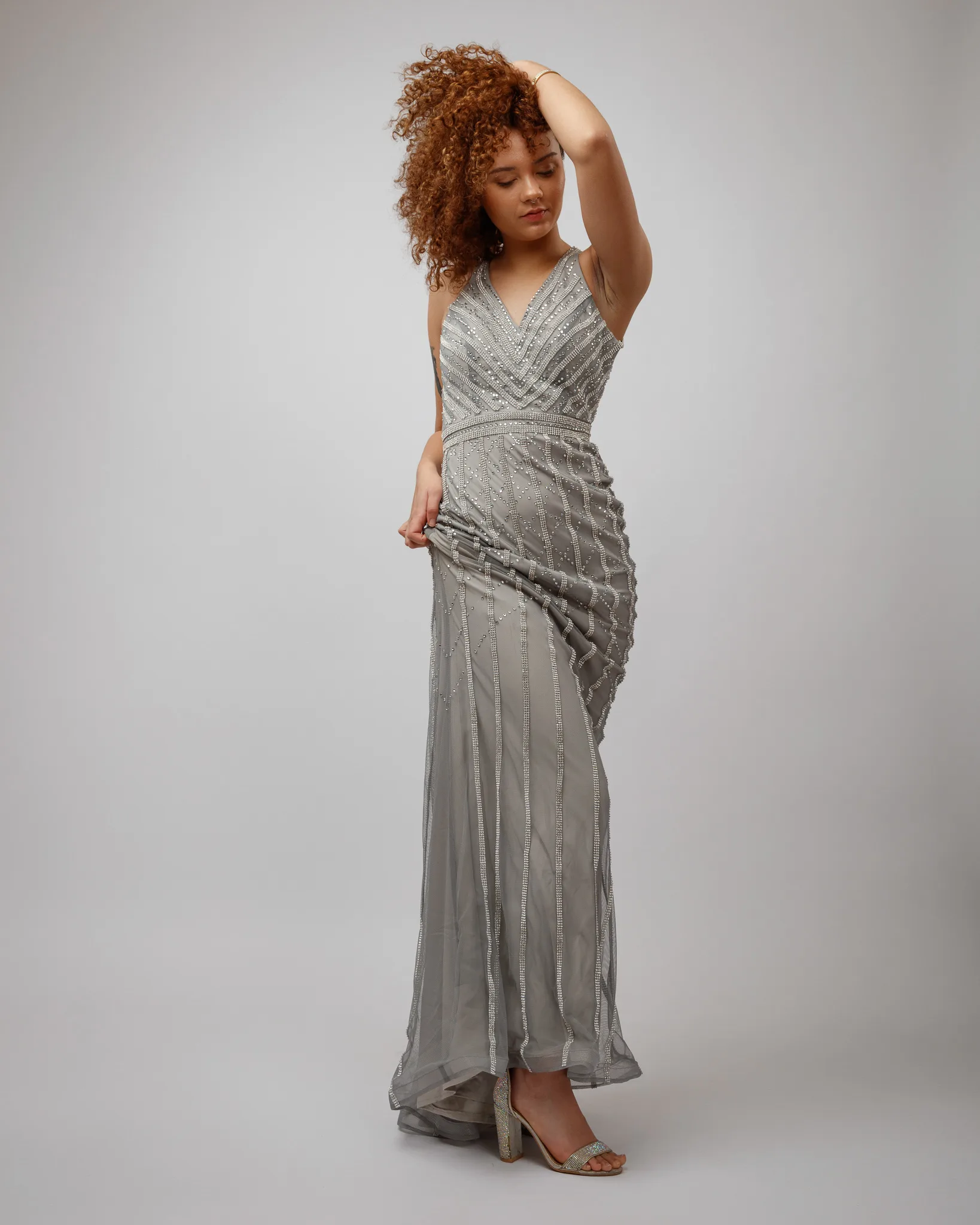
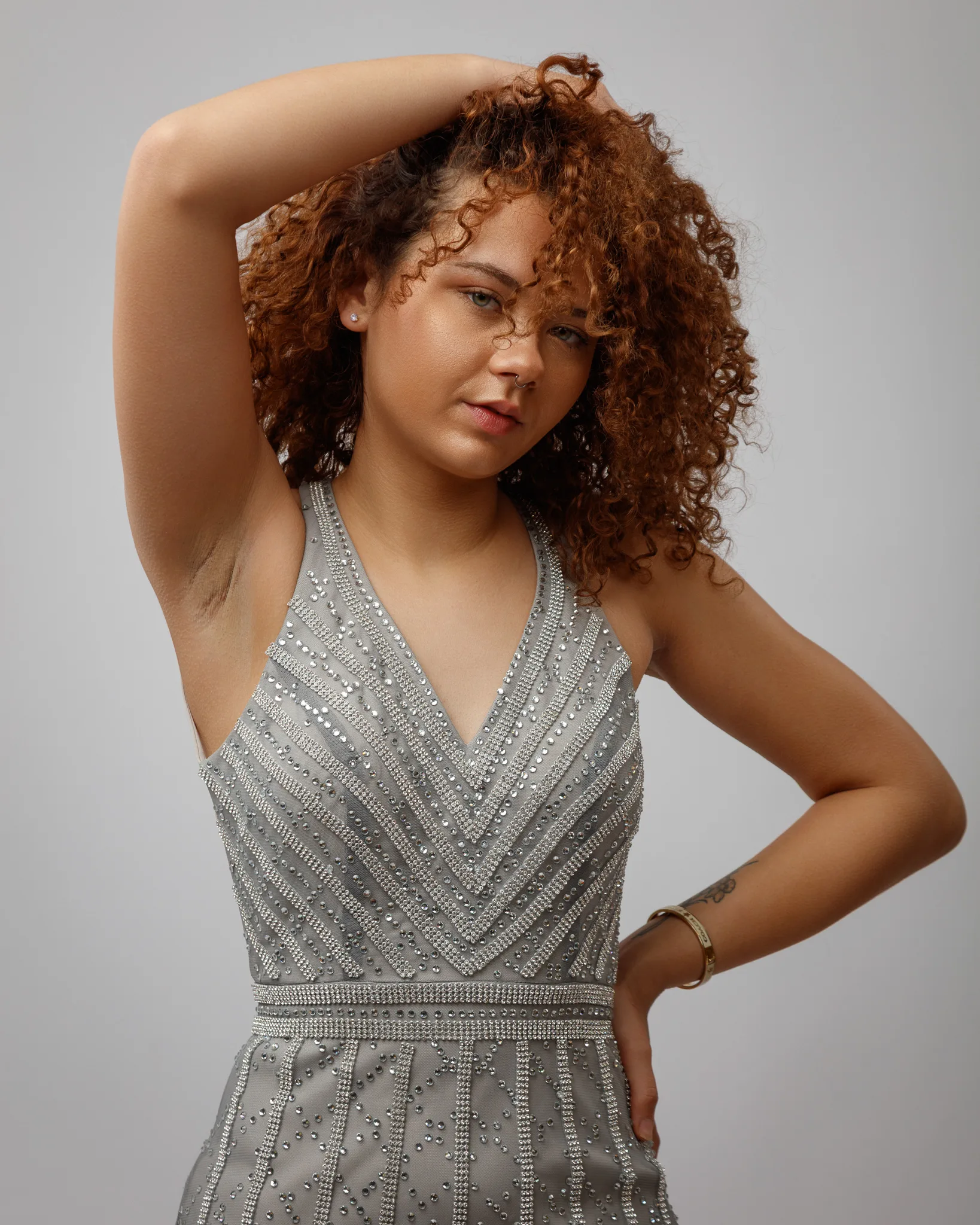
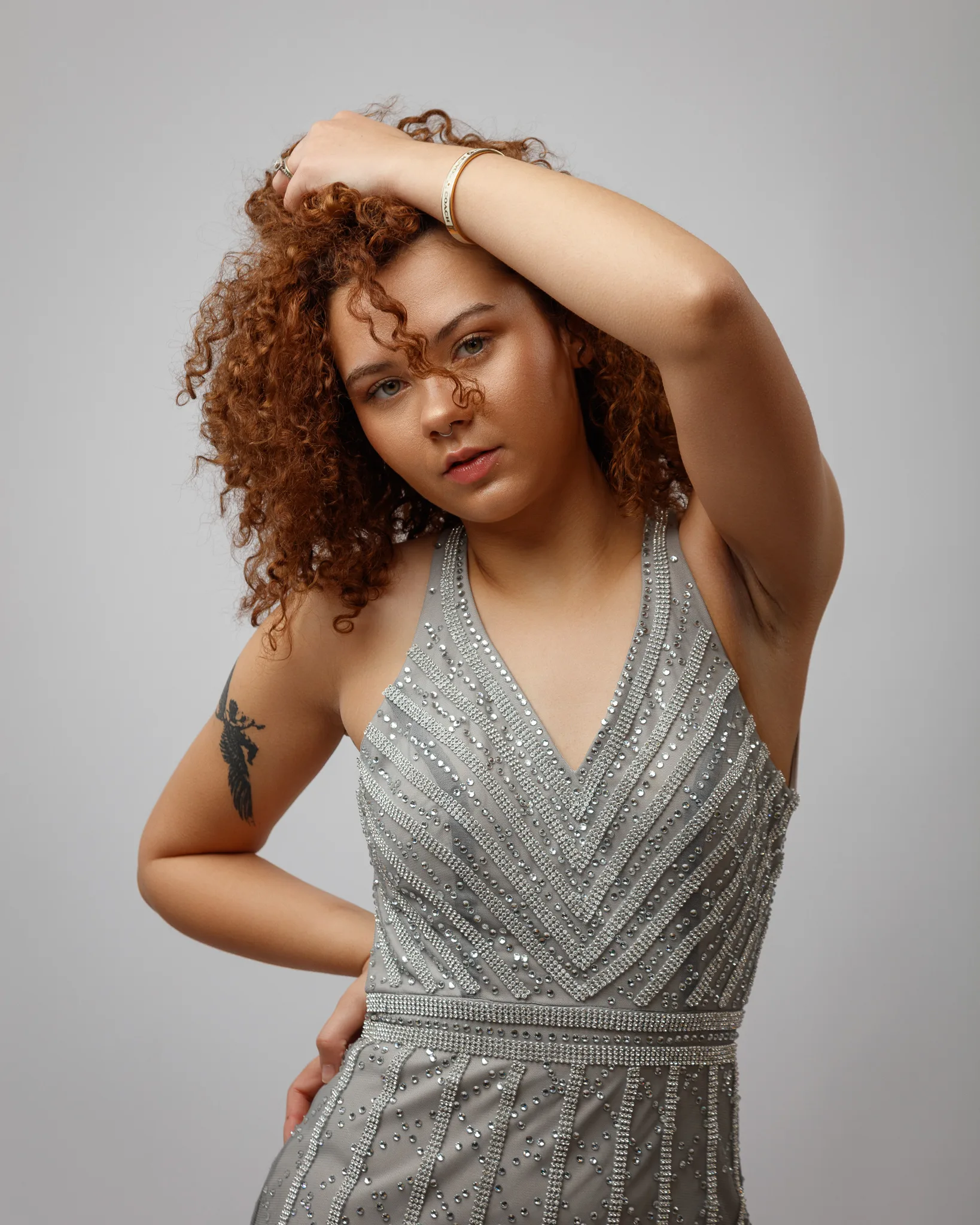
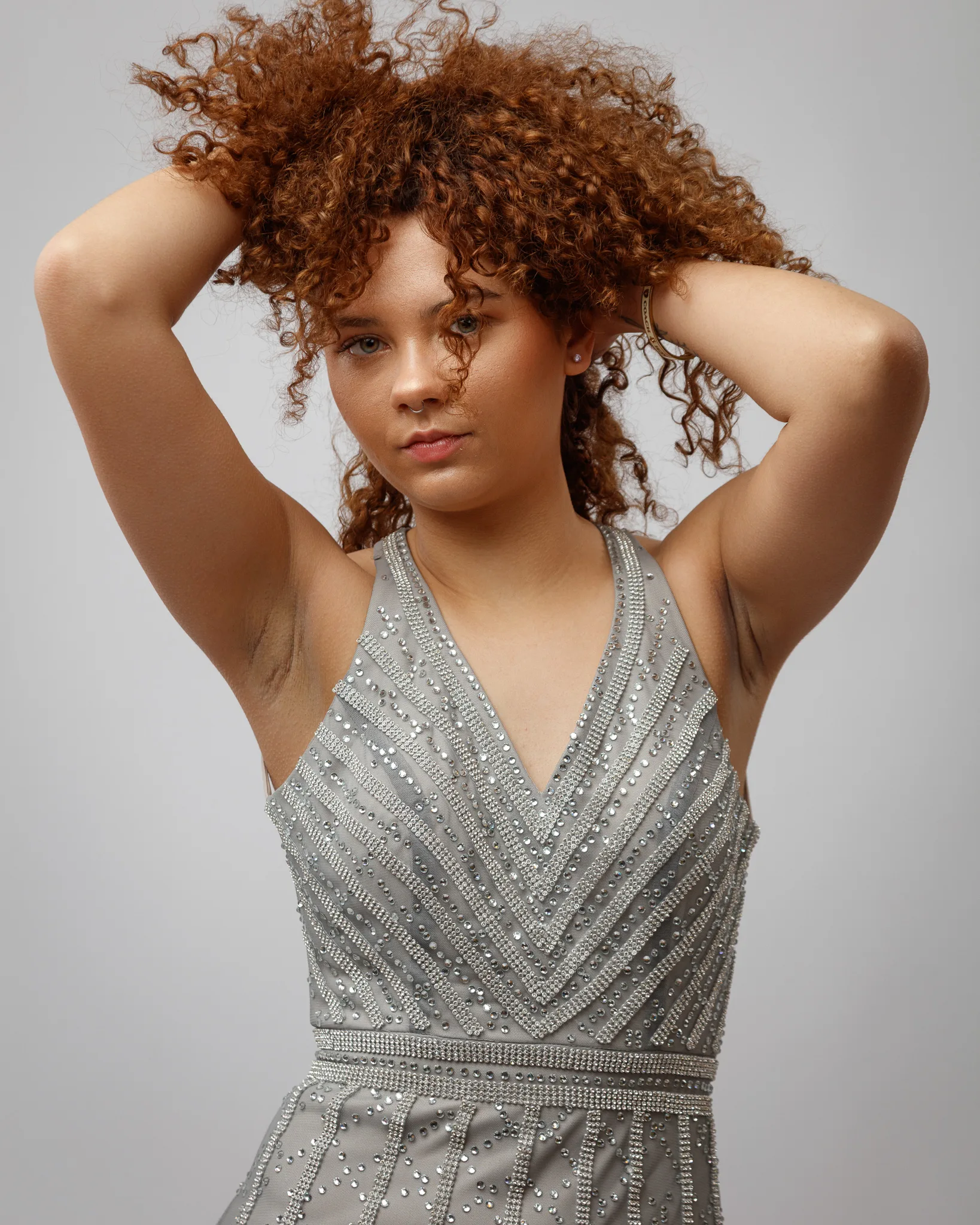
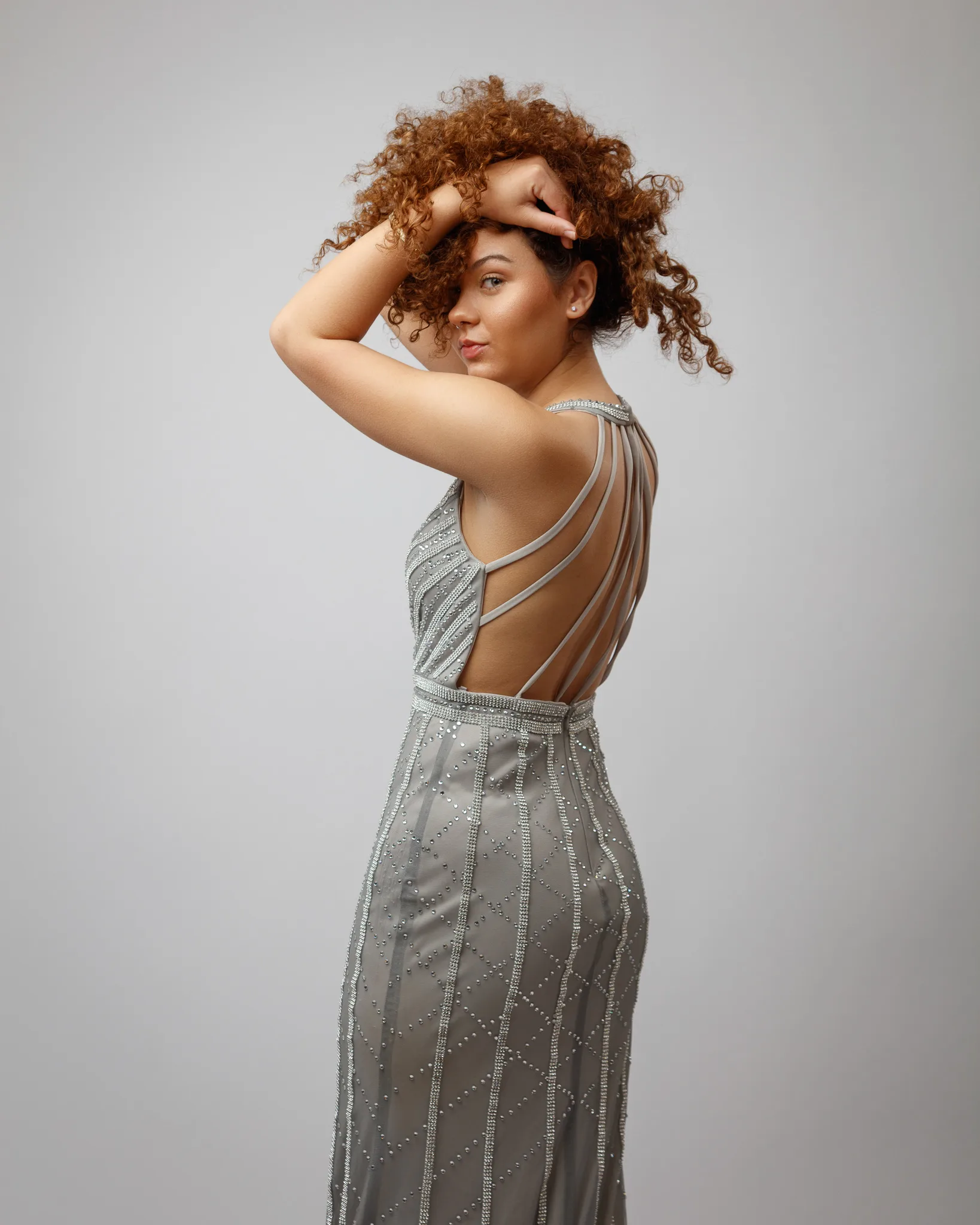
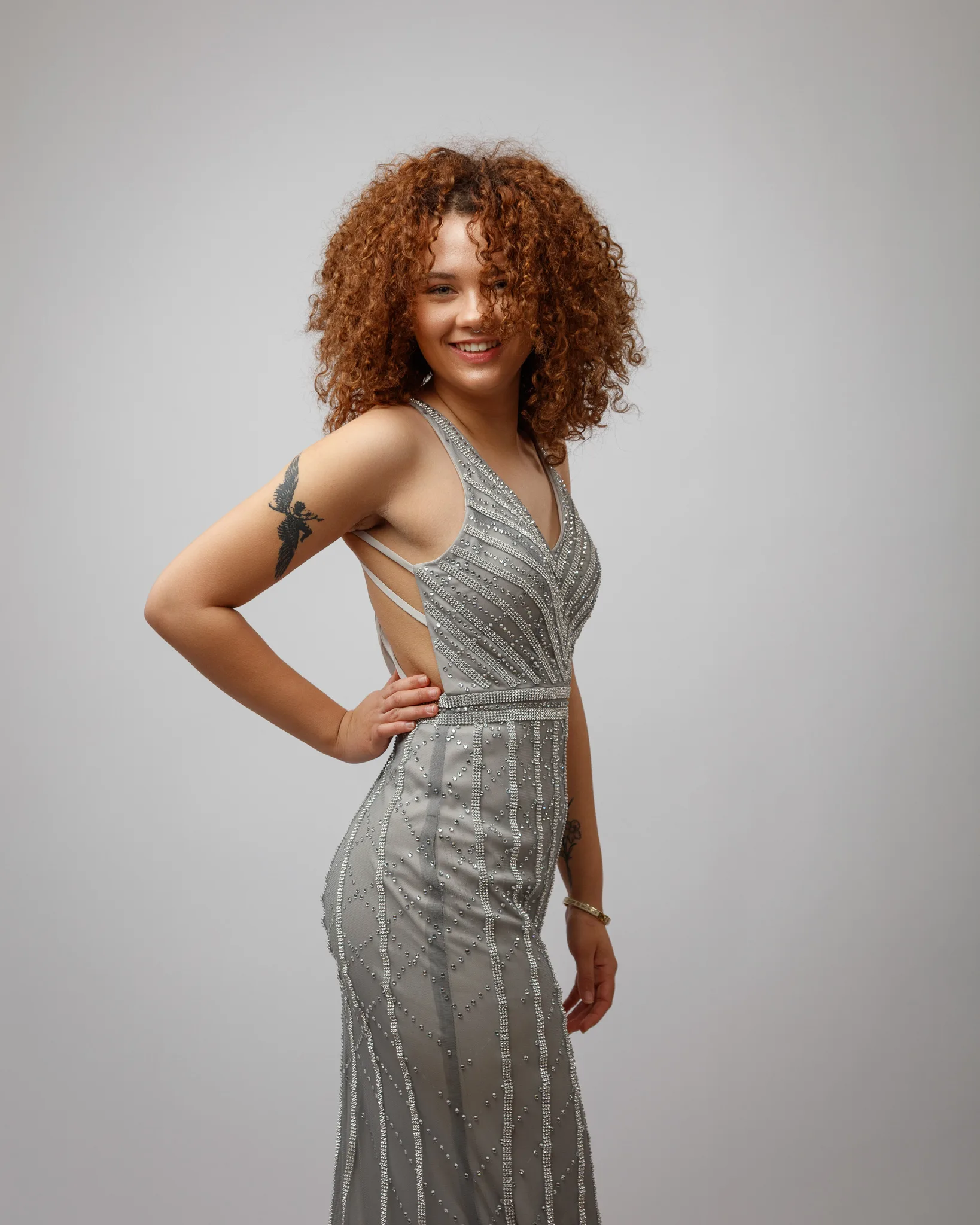
Look 1: A polished studio portrait with reflective texture
One look gave us a more “finished” feel, with texture that catches the light. Reflective fabric can look messy if you do not control highlights, so I kept the lighting shaped and tidy.
For images like this, I focus on:
- Clean skin tones and accurate colour
- Controlled highlights so the fabric reads well
- Calm expression and steady eye contact
- Hands placed with intent, not left to chance
This type of photograph sits well in a portfolio because it looks complete, but it is still focused on the model.
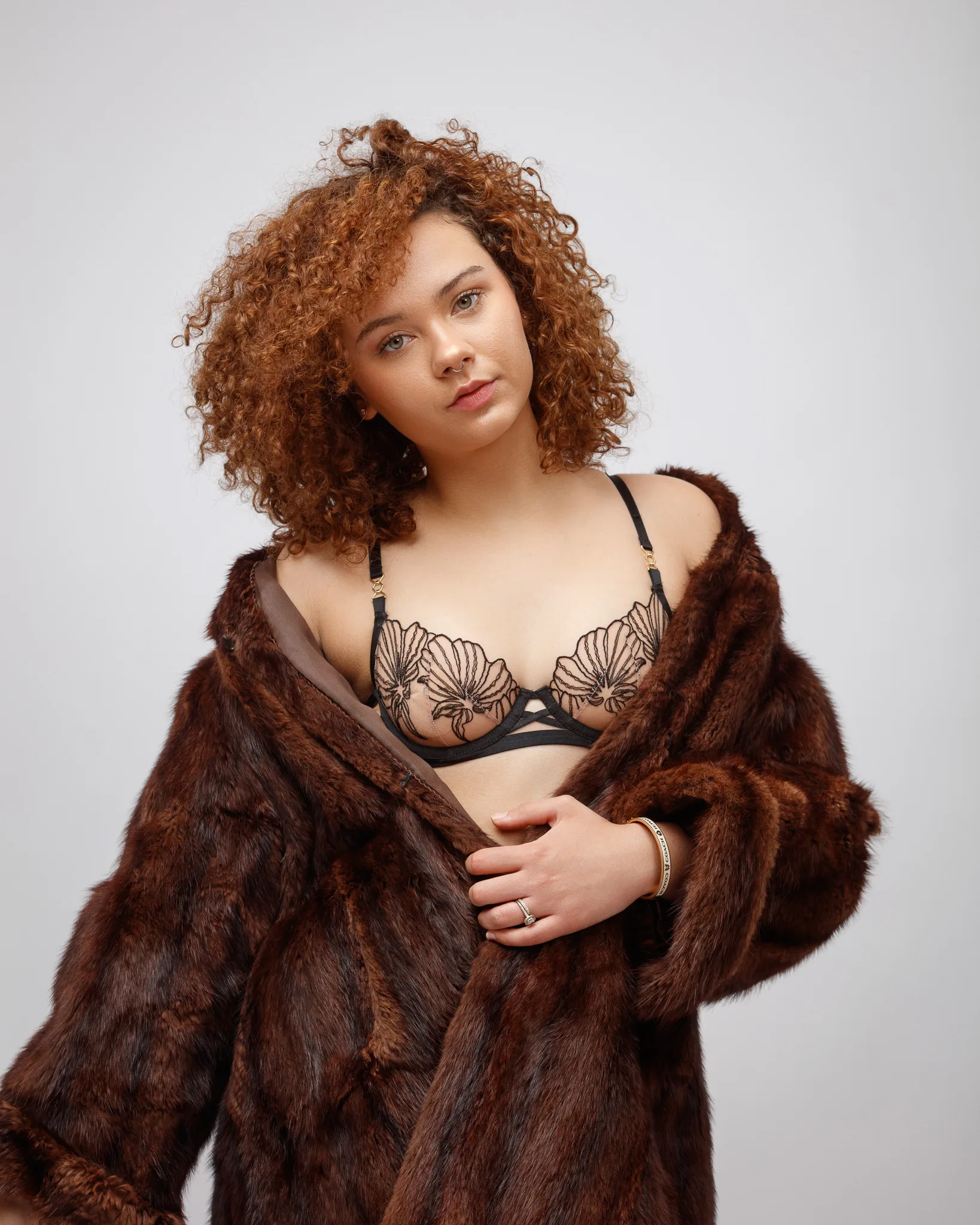
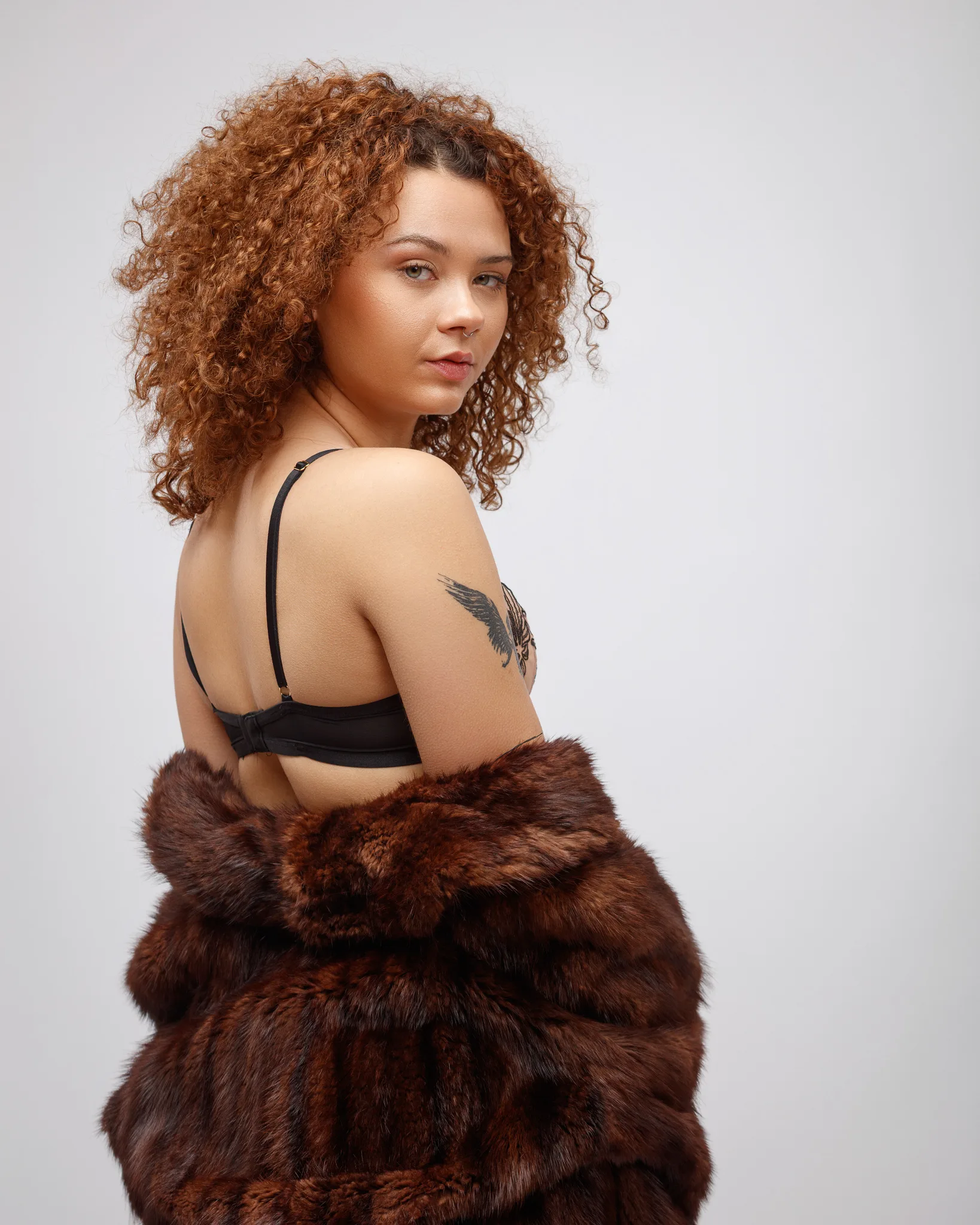
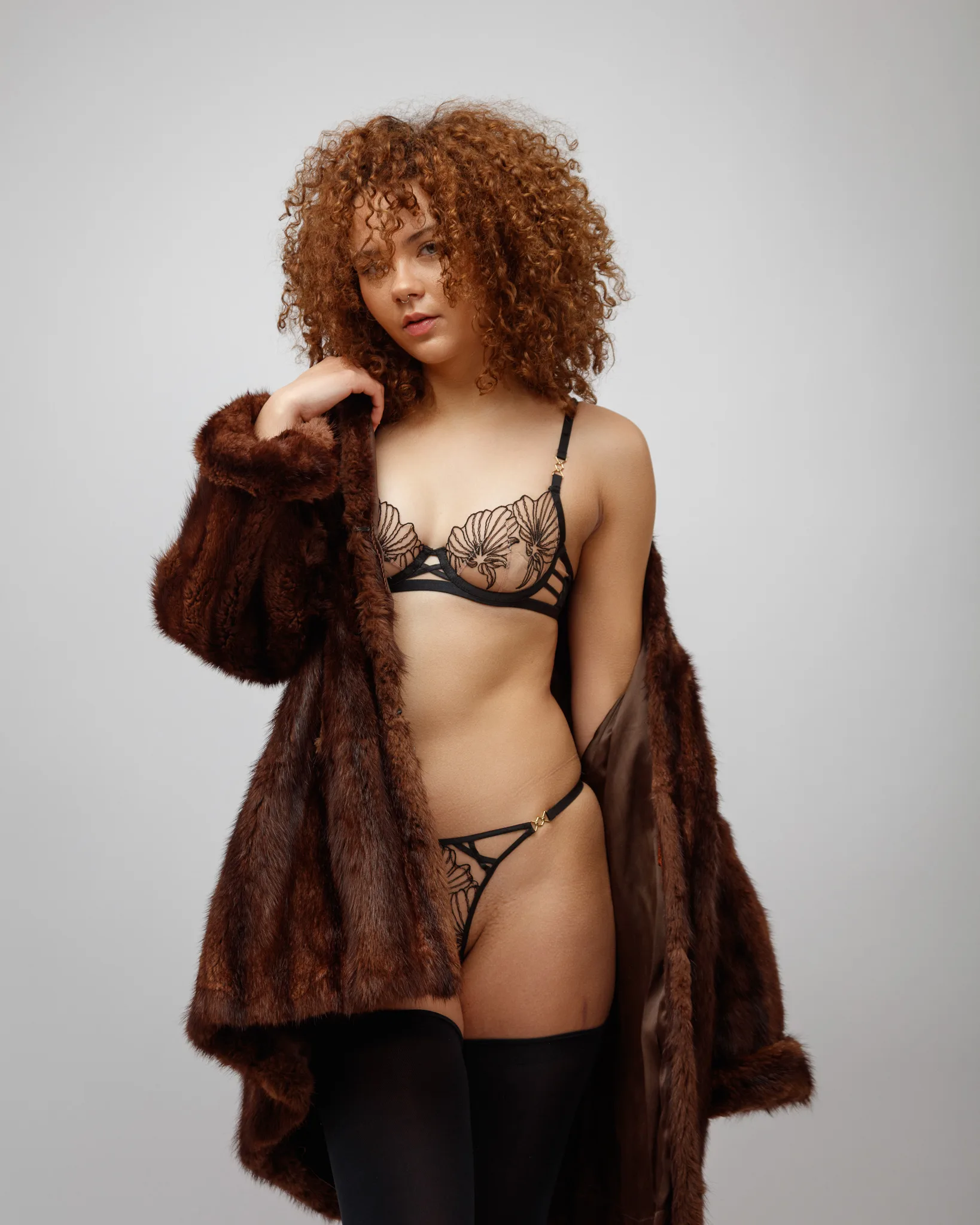
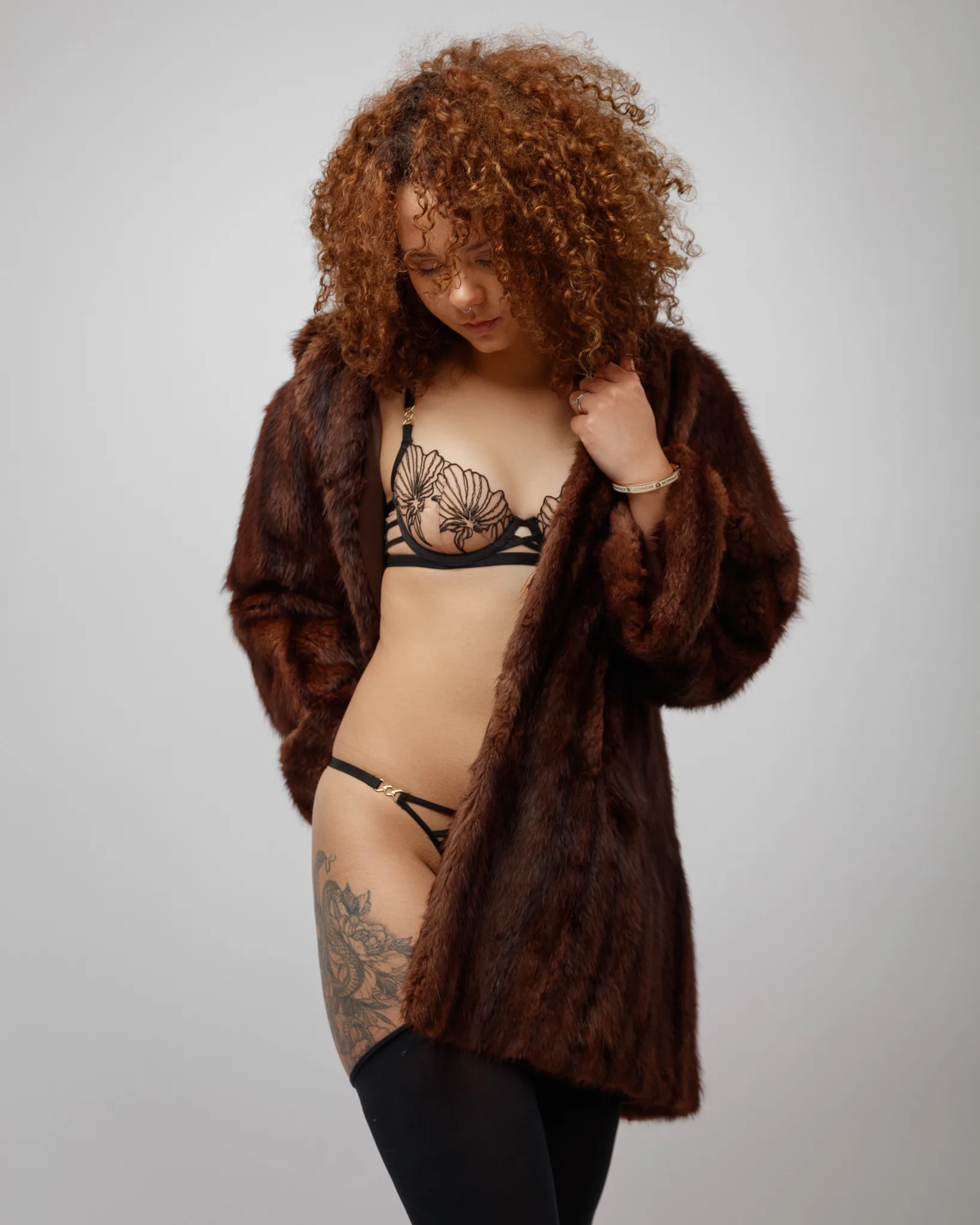
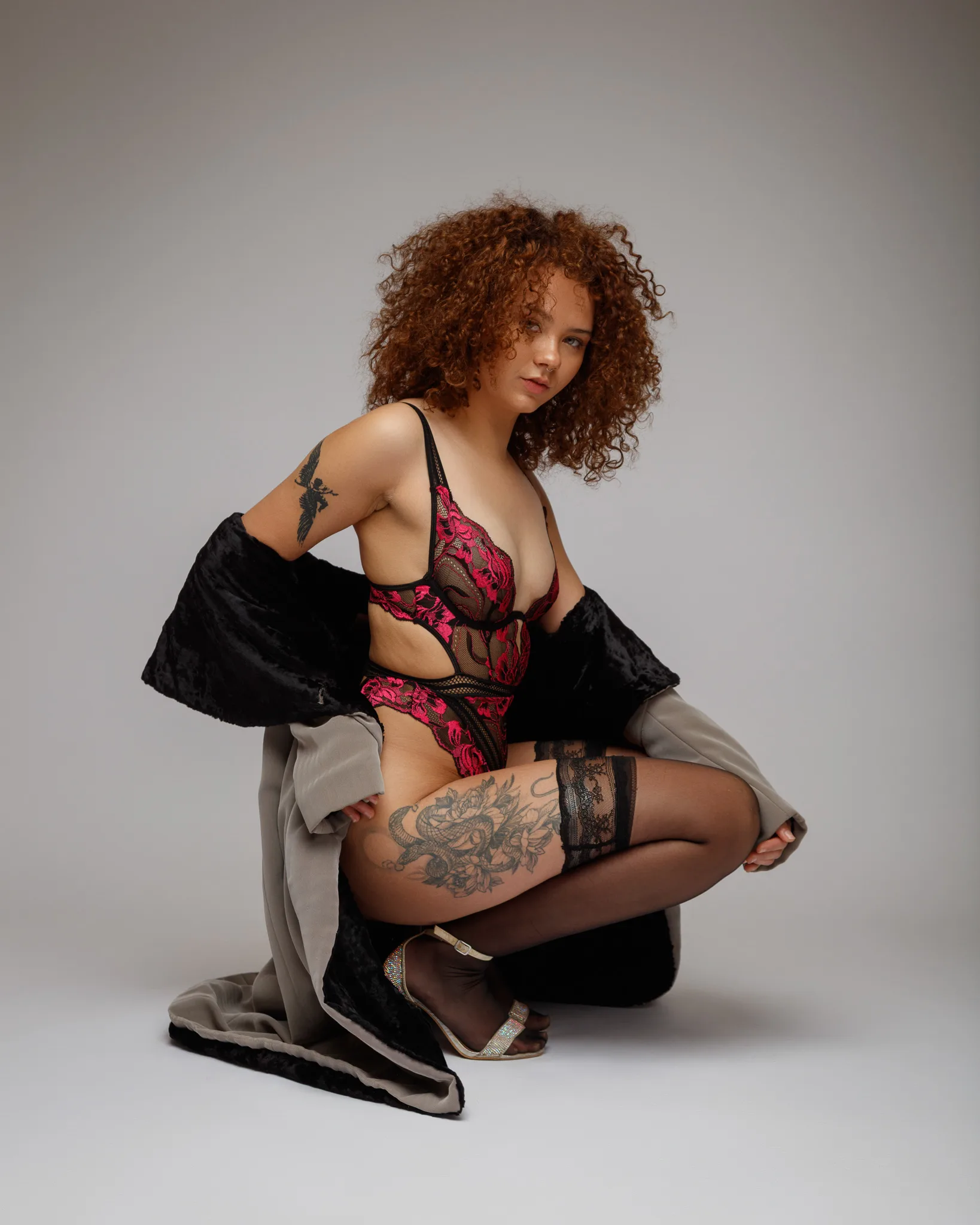
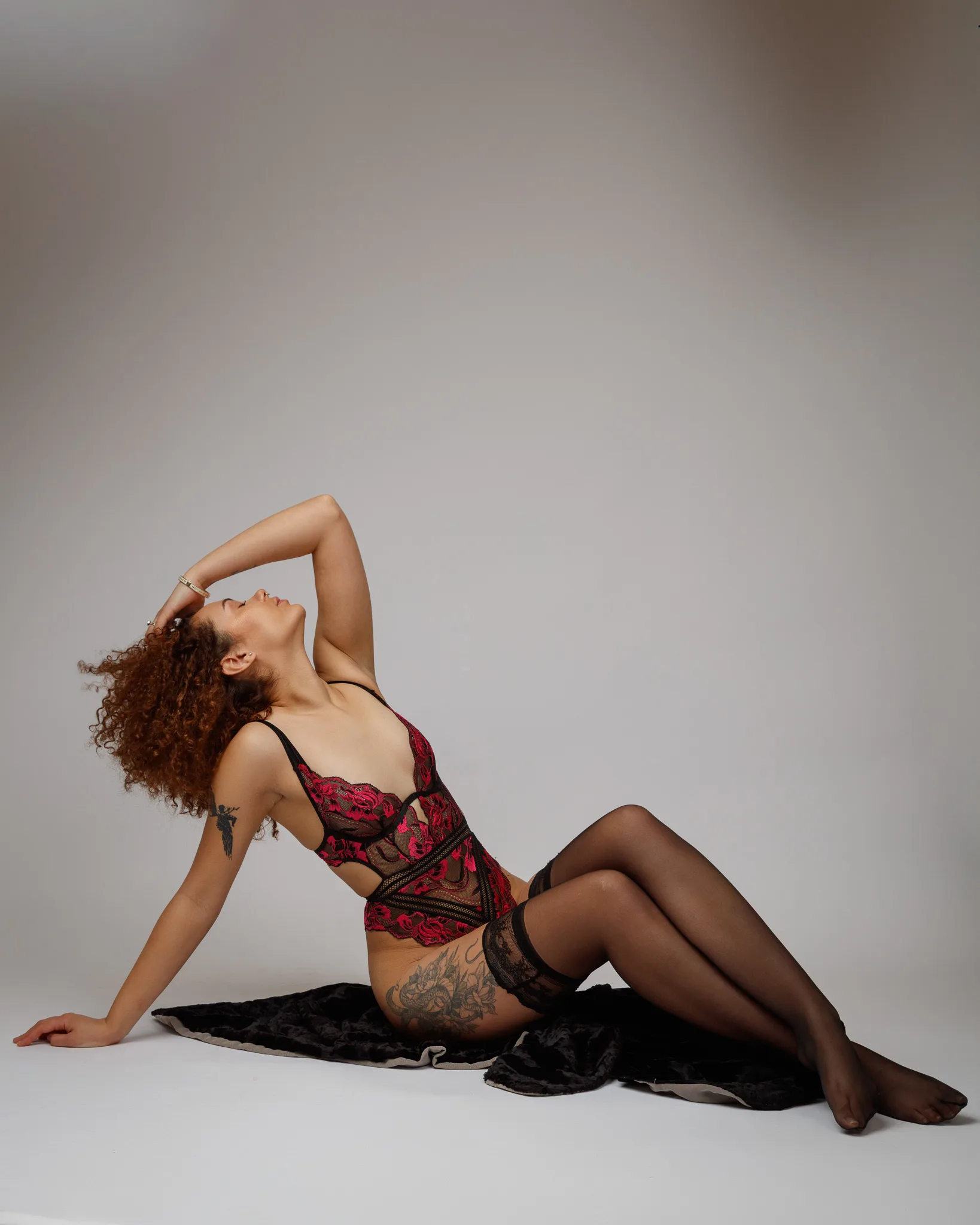
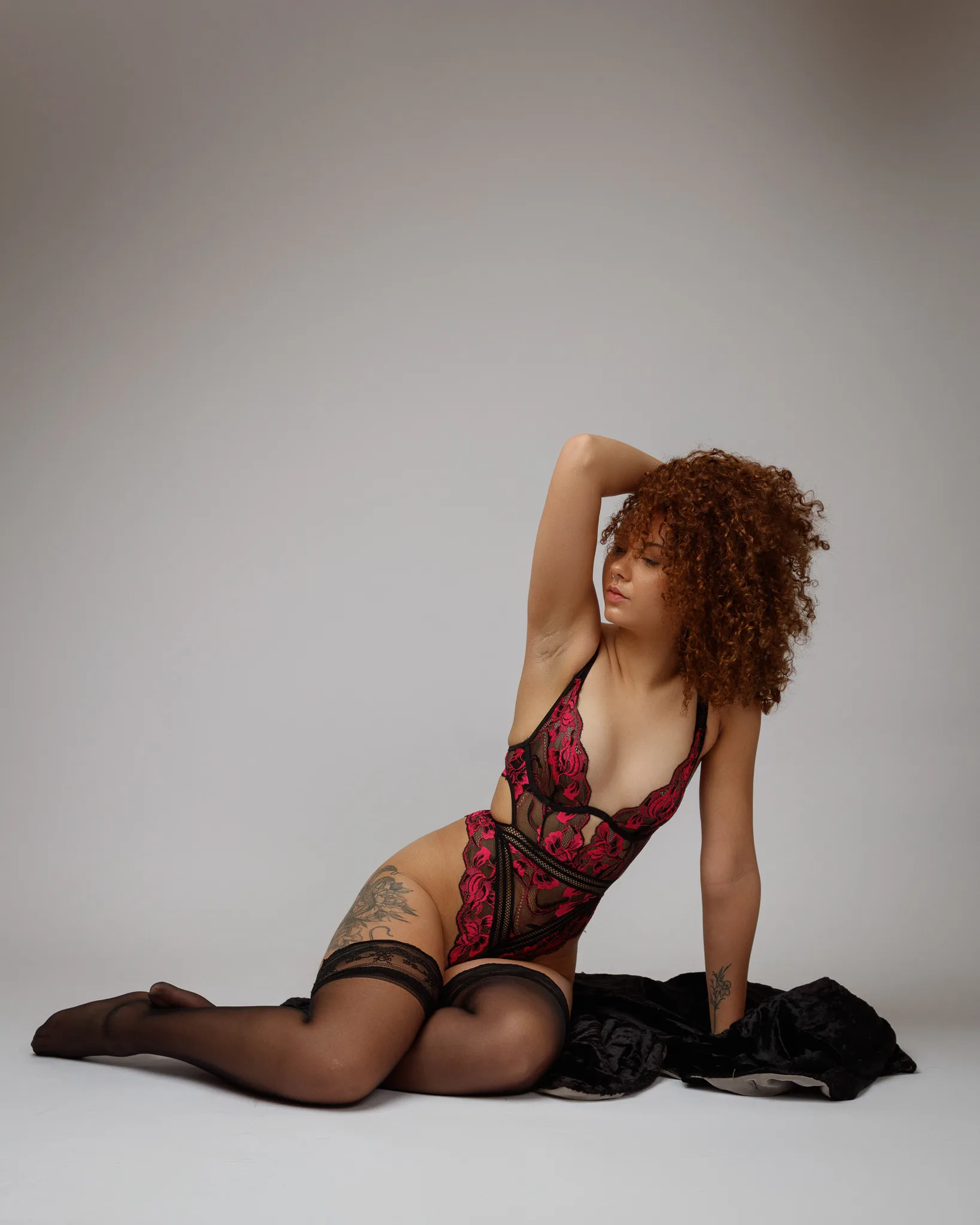
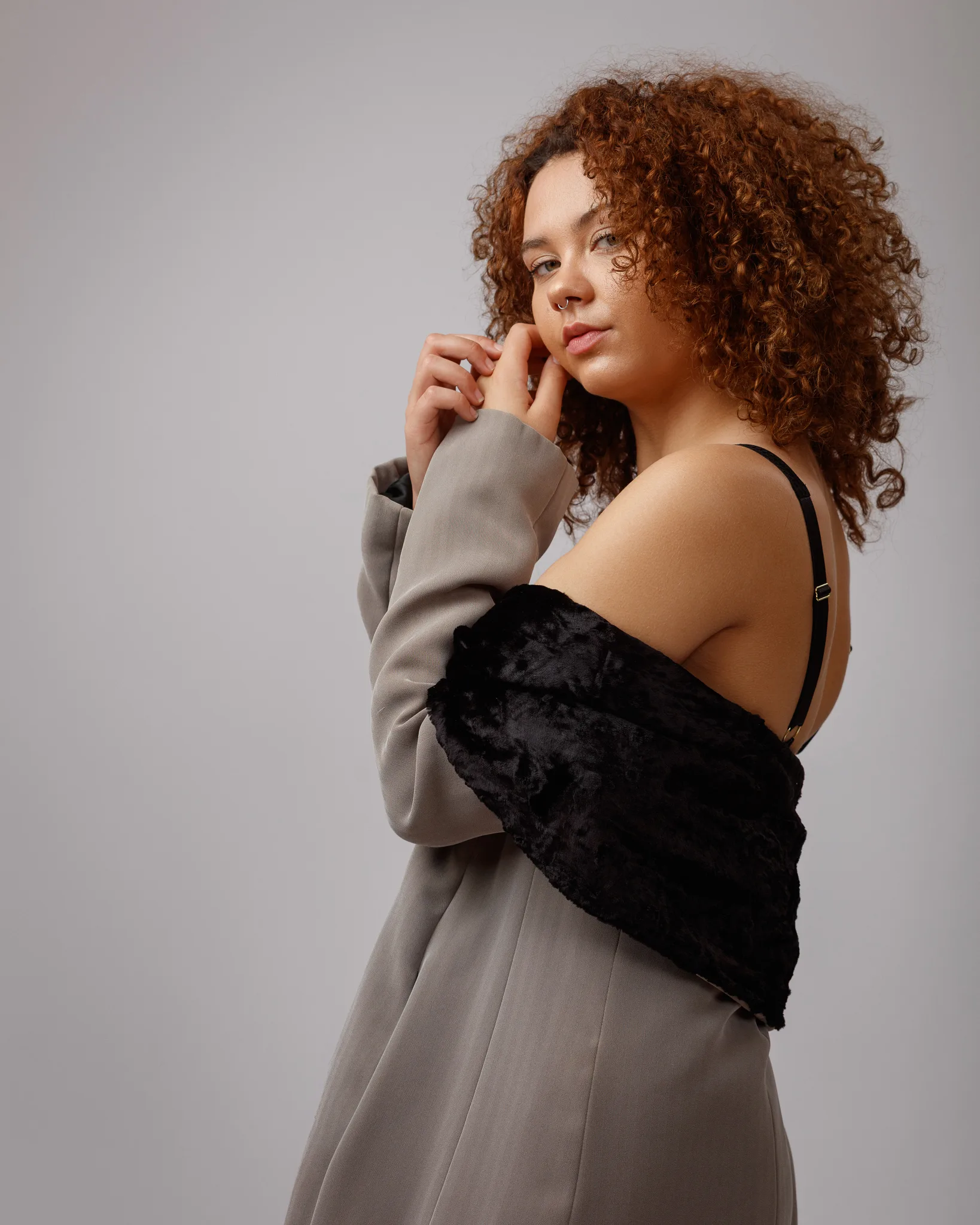
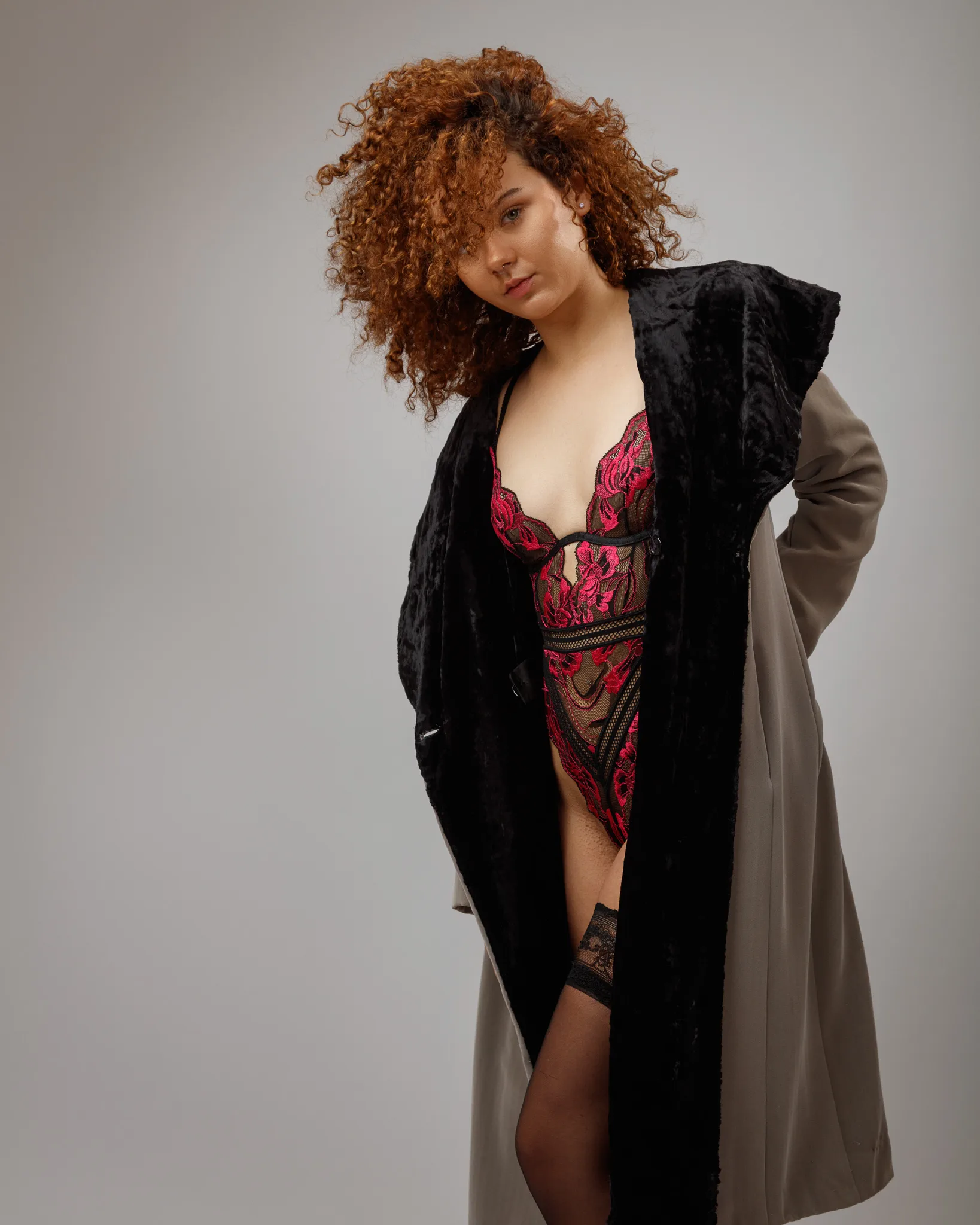
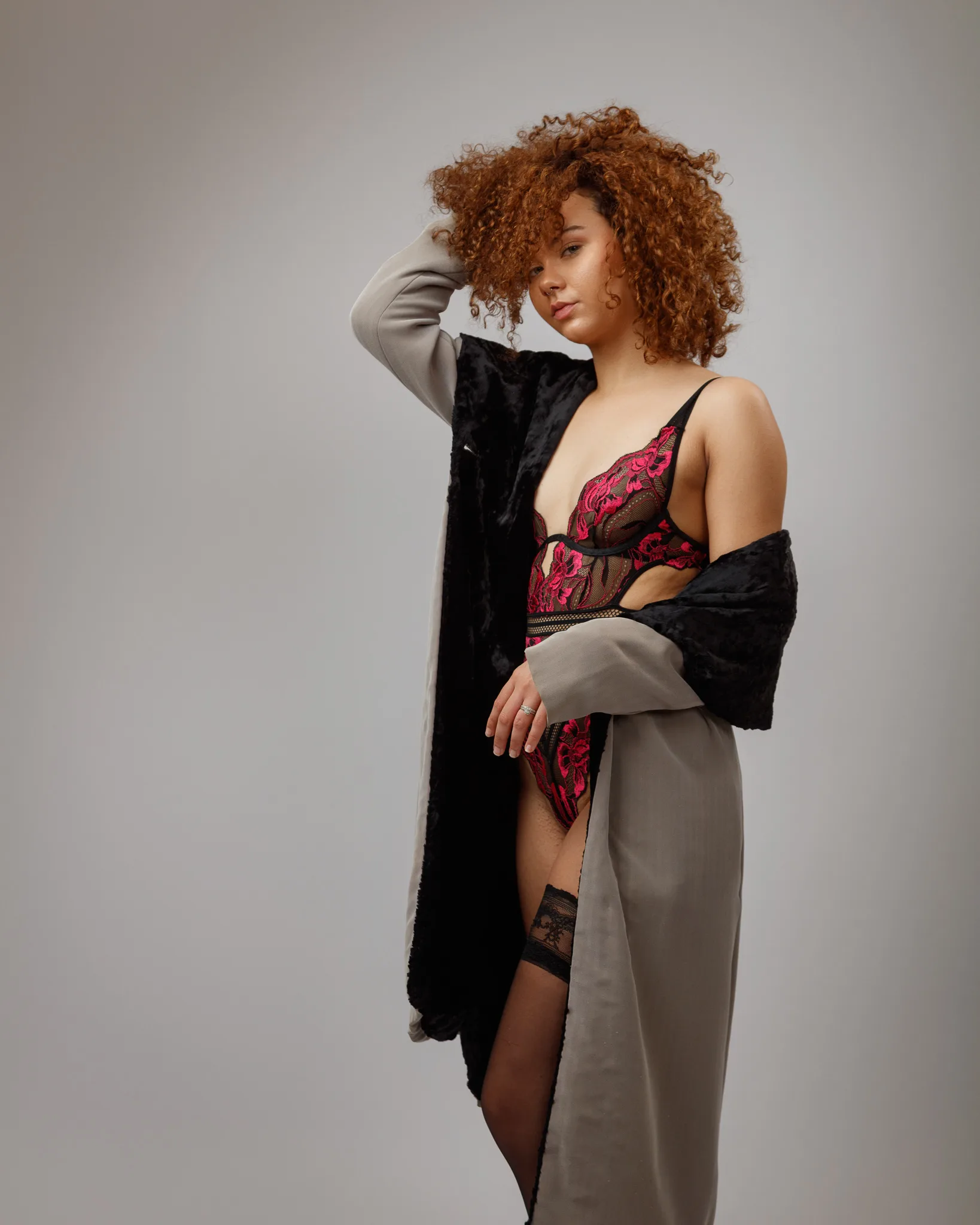
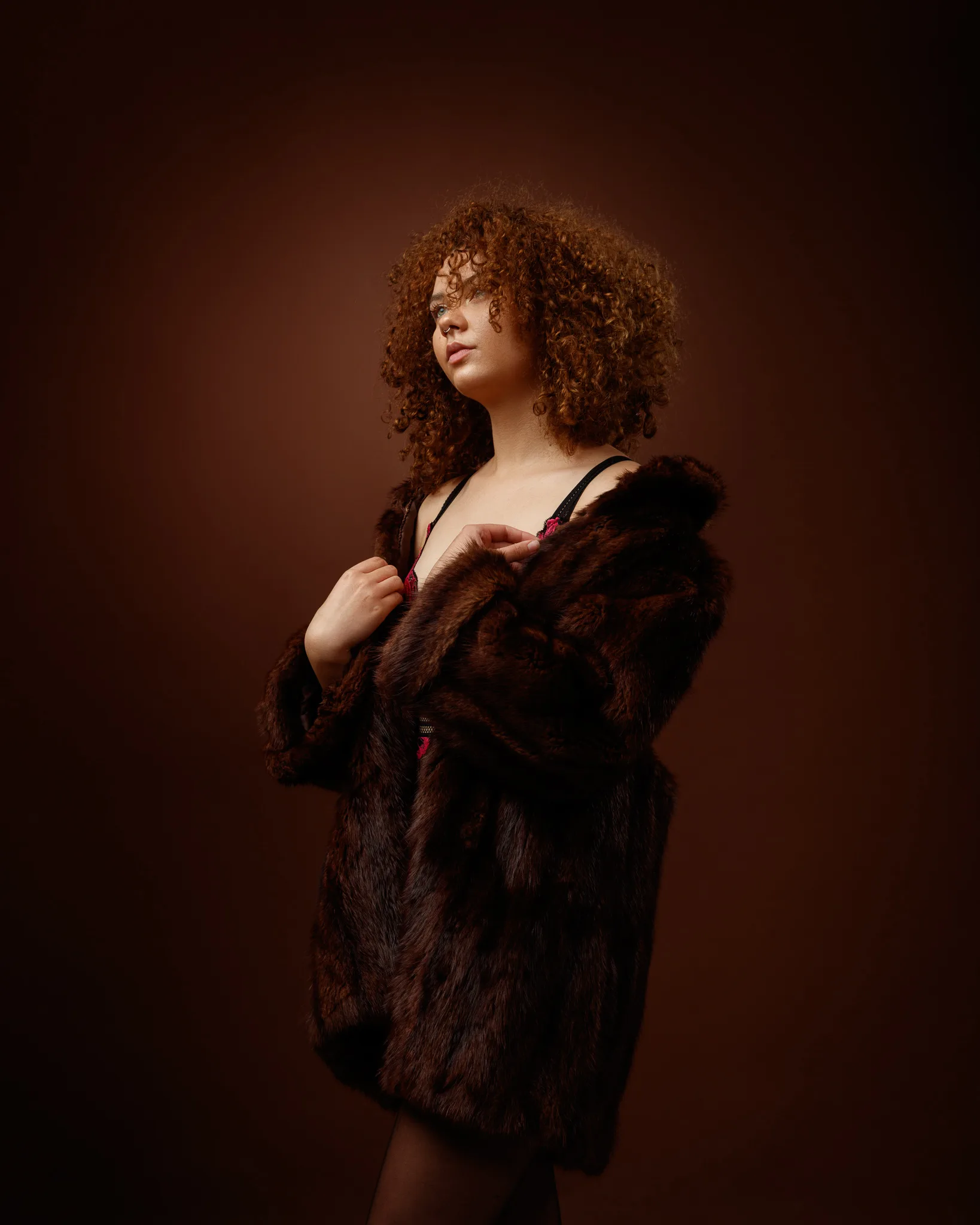
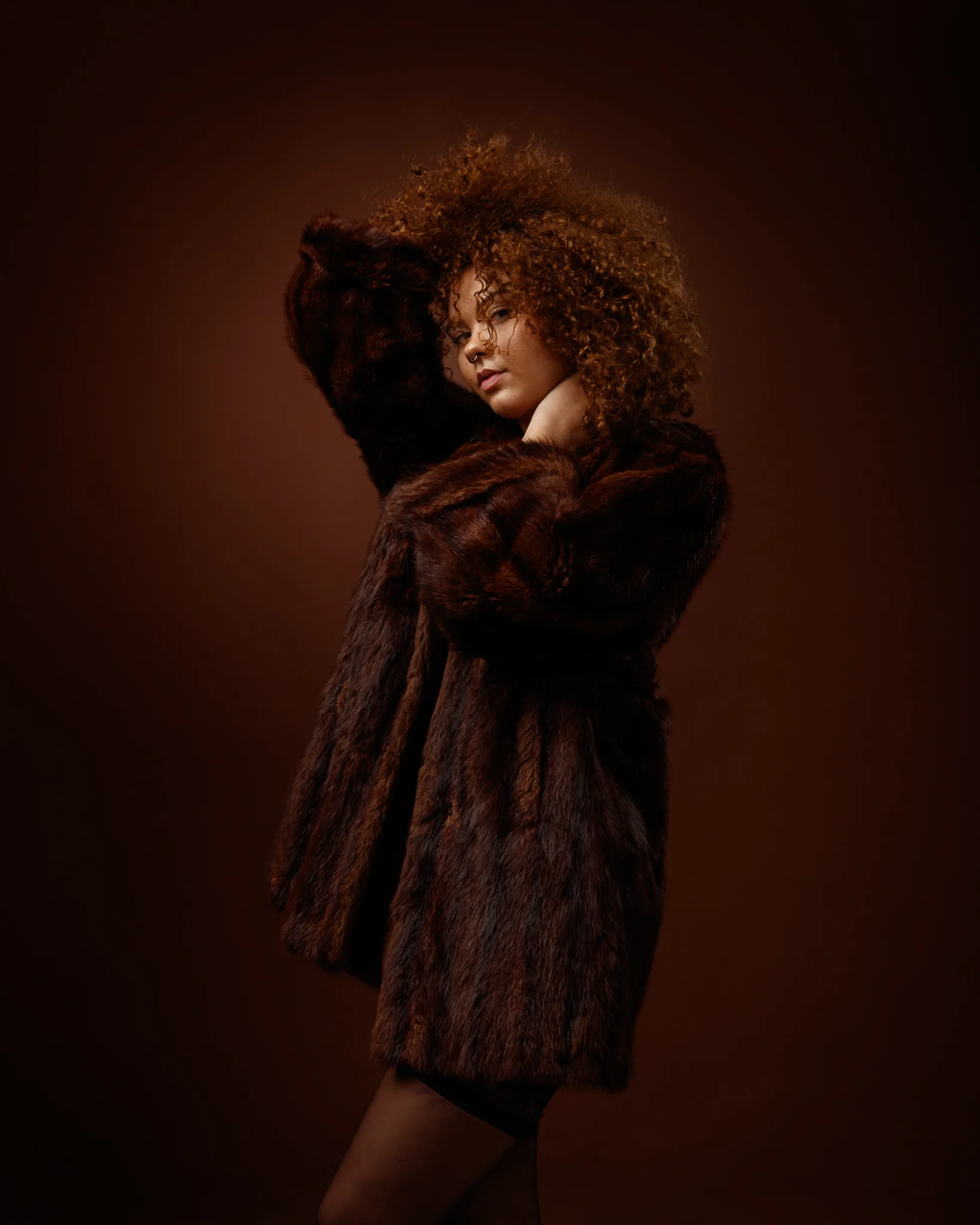
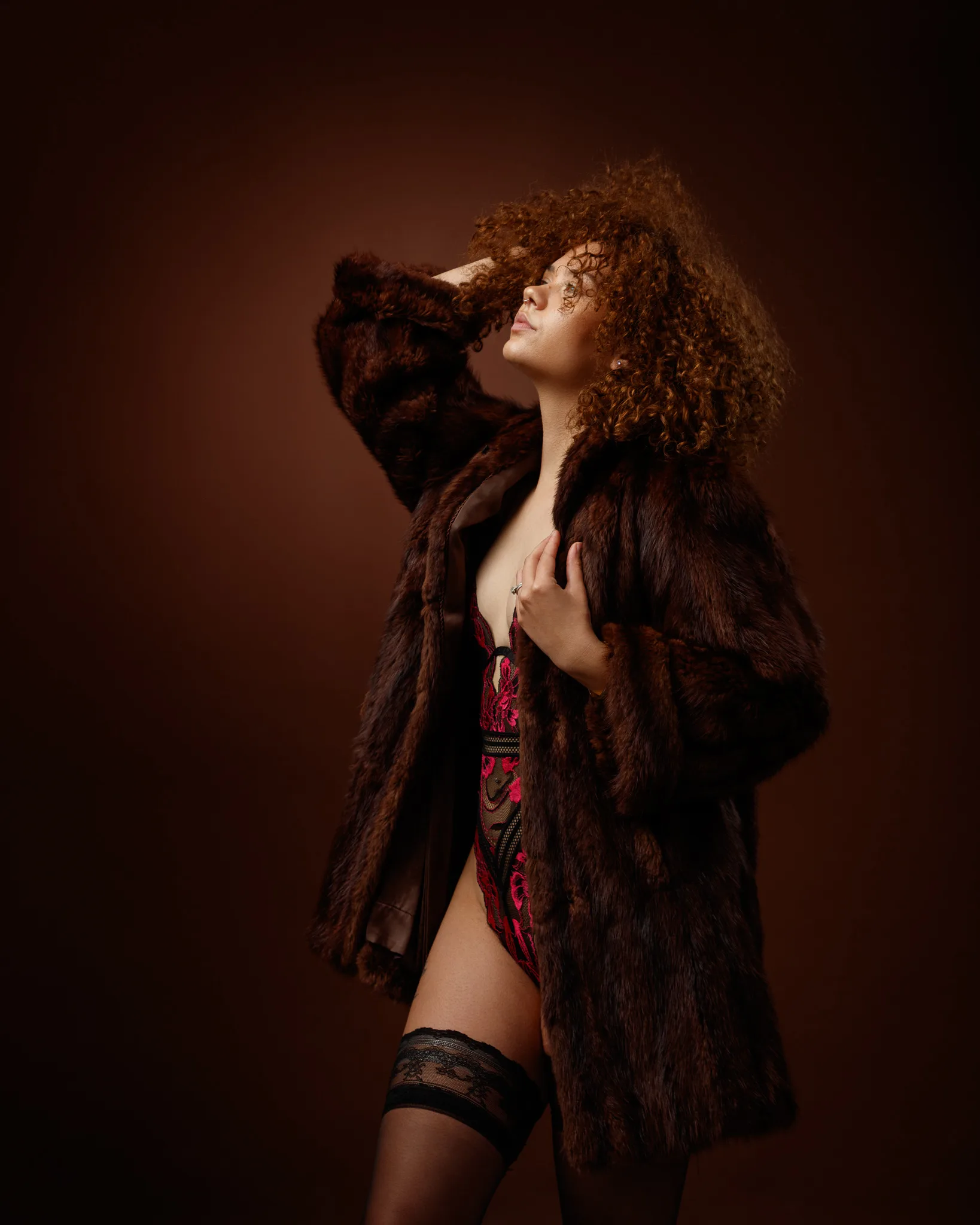
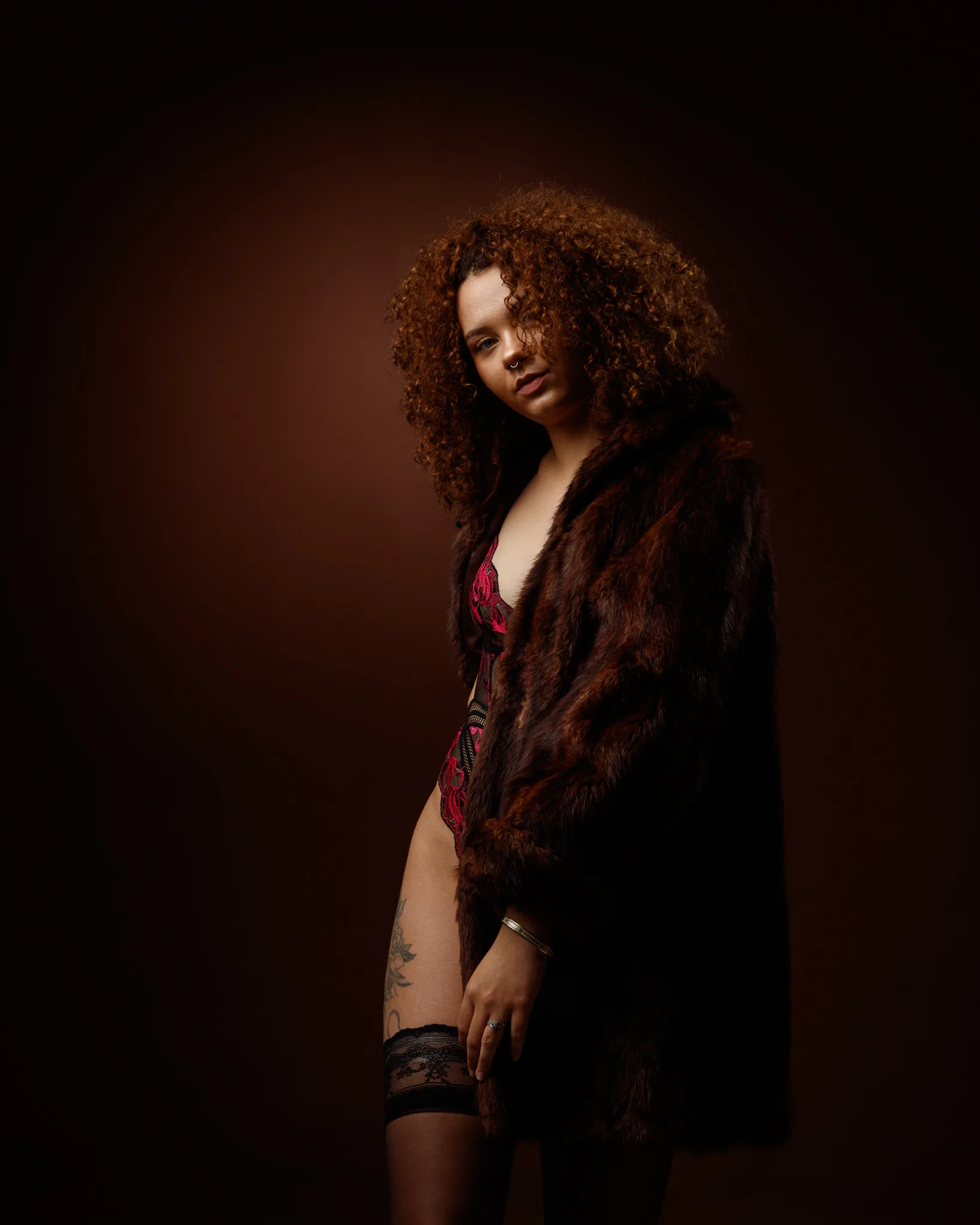
Look 2: A coat-led fashion set for shape and mood
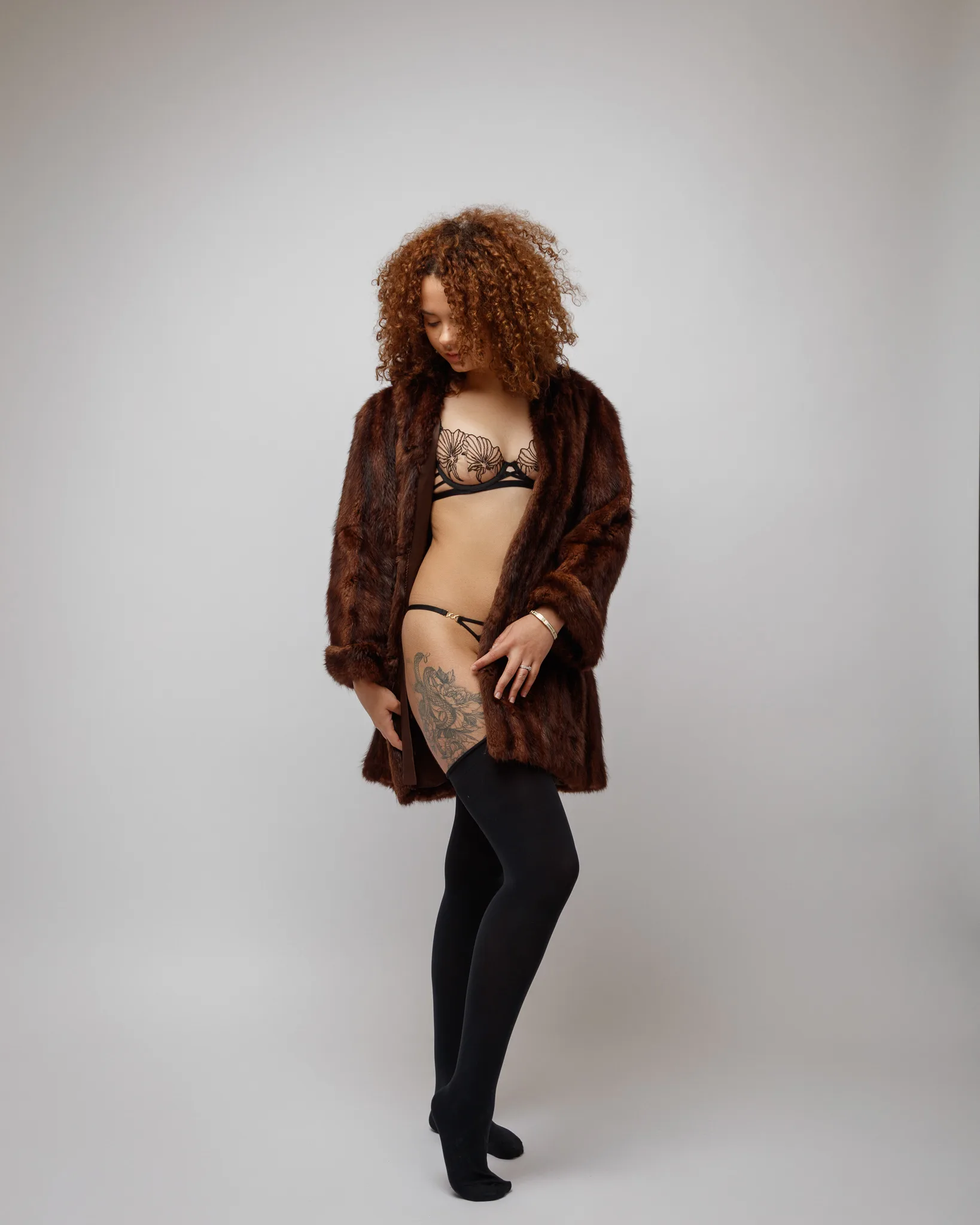
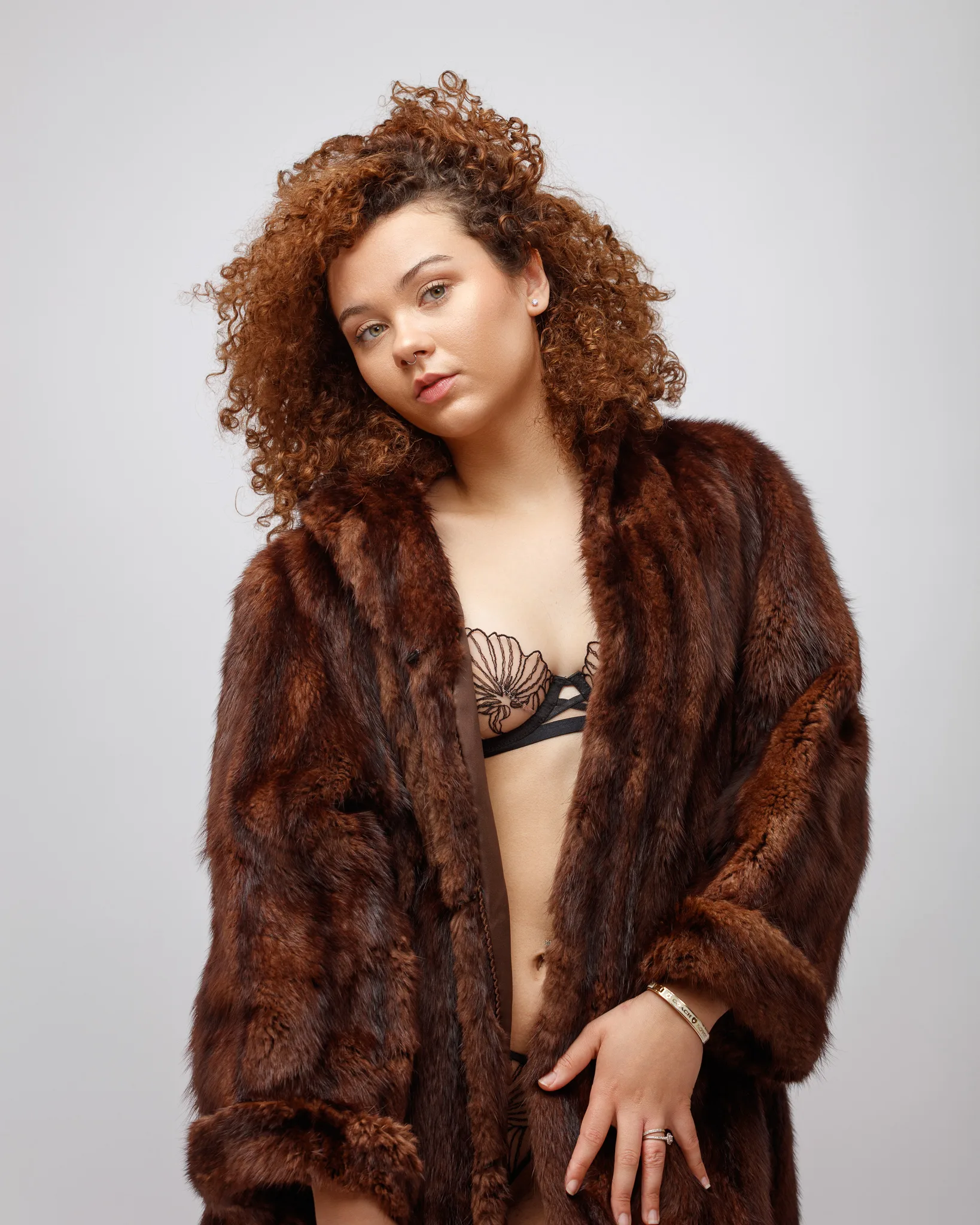
We introduced a coat for a more fashion-driven feel. Texture changes the frame. It also helps posing, because hands have something natural to do.
This set was useful because it shows:
- Controlled posing without being stiff
- A quieter editorial mood
- Strong lines and shape through the shoulders and waist
Small head angle changes made big differences here. That is where experience shows.
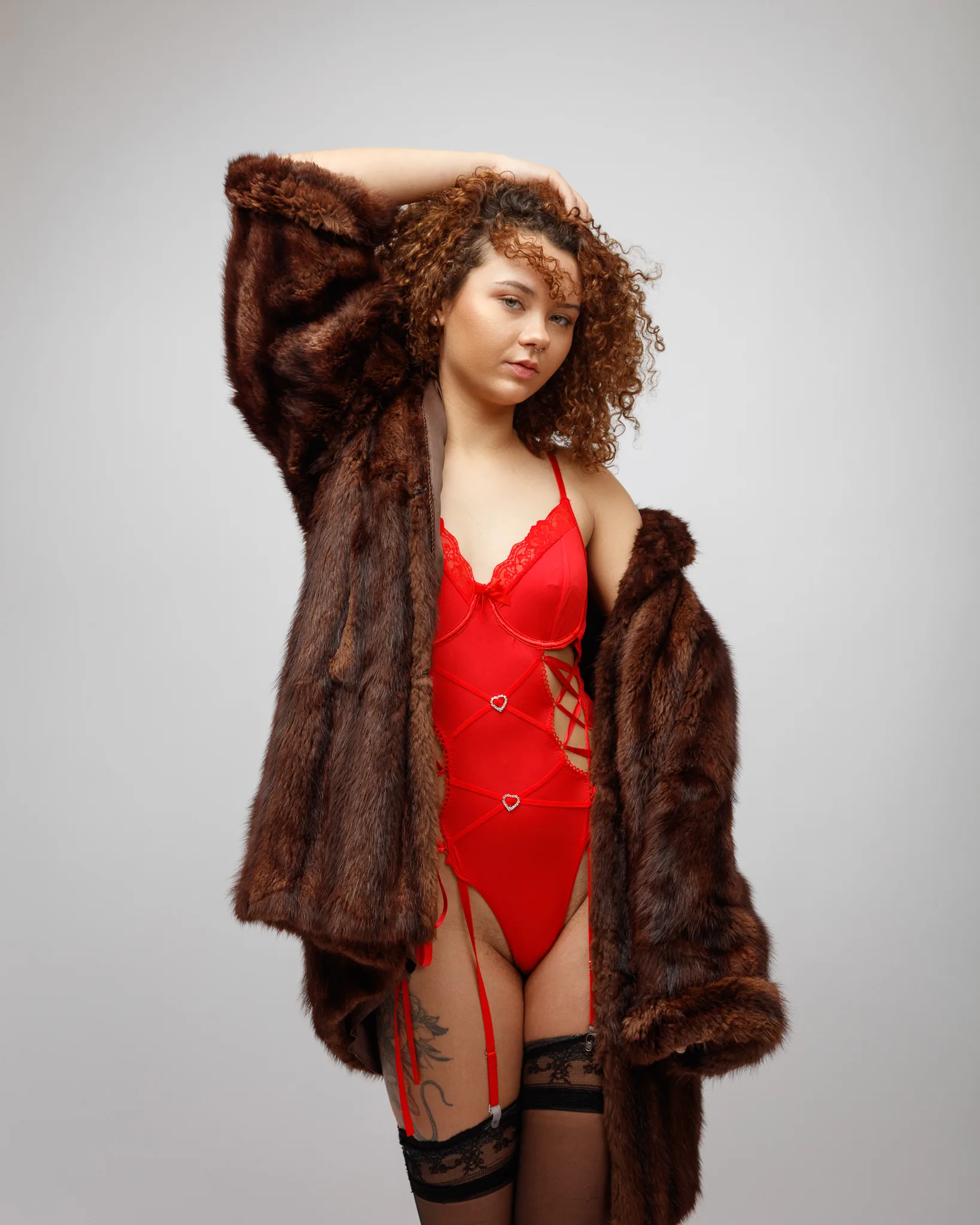
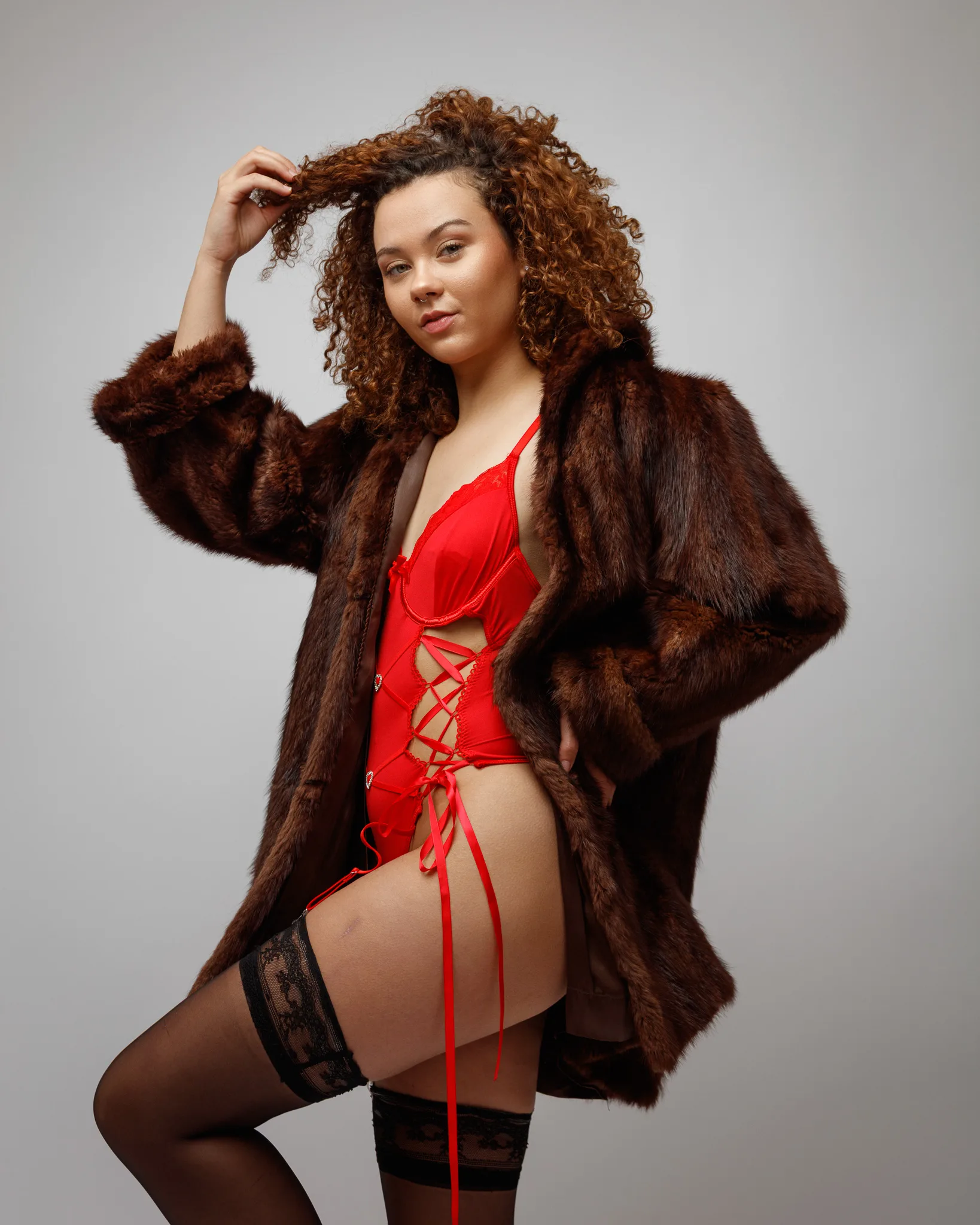
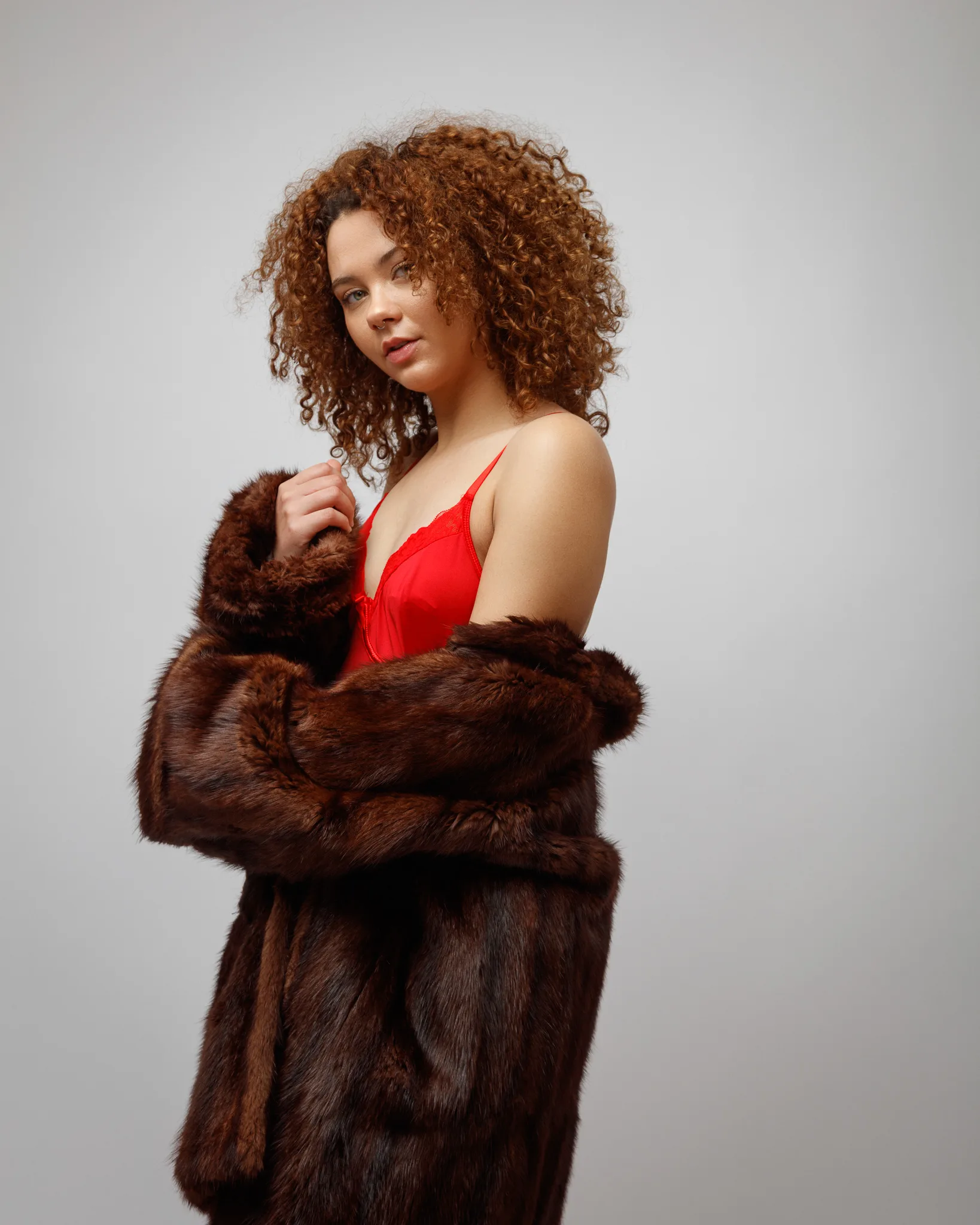
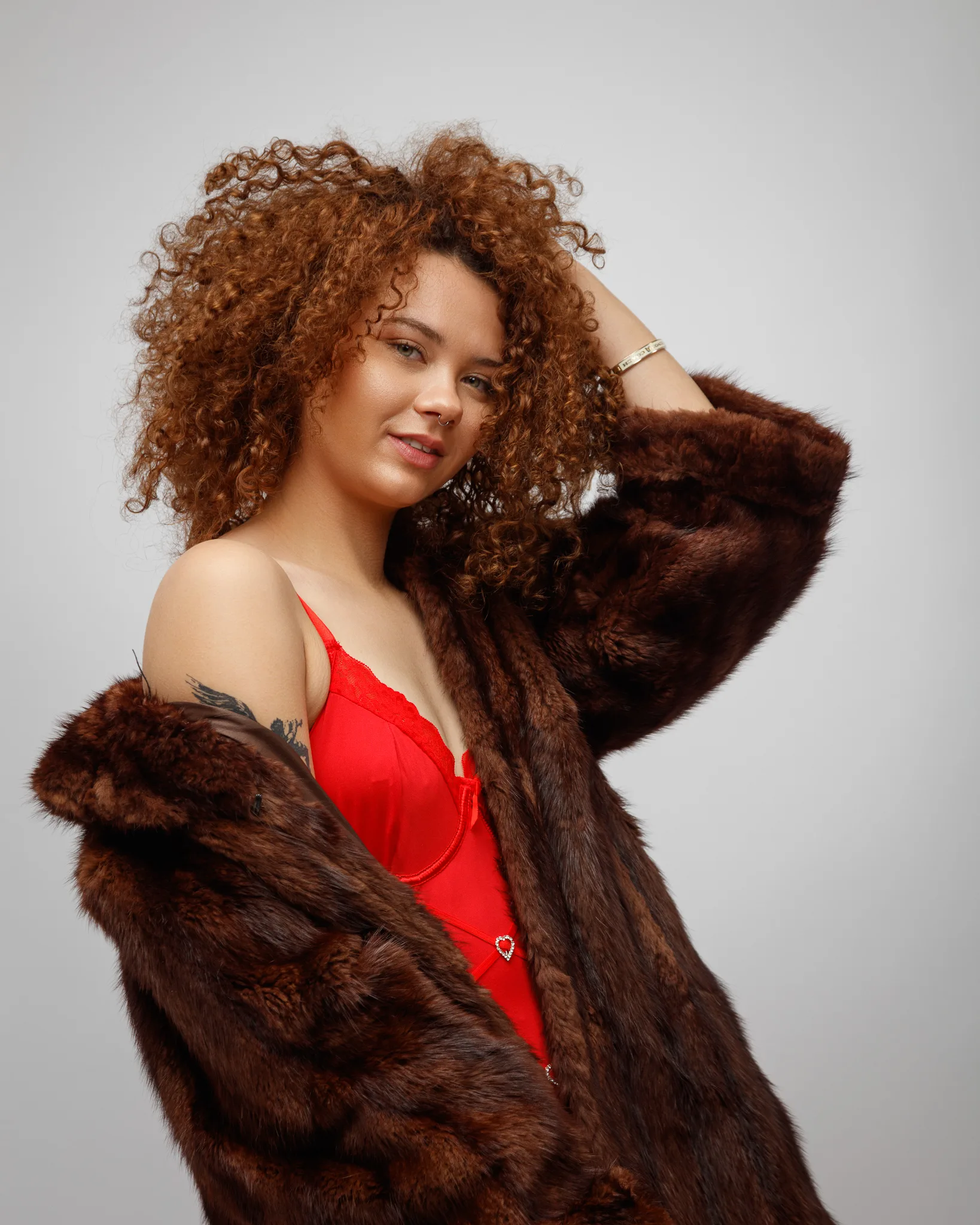
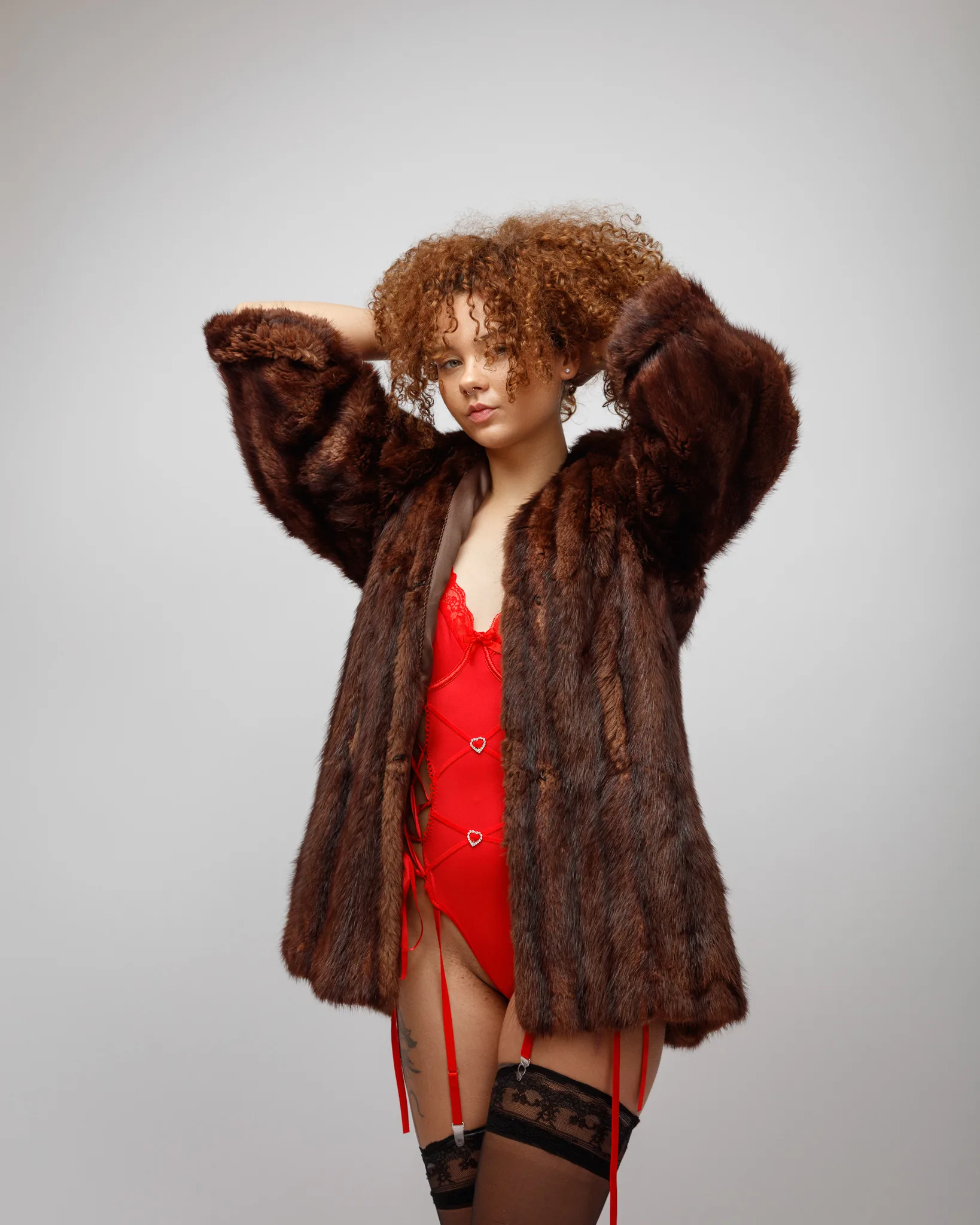
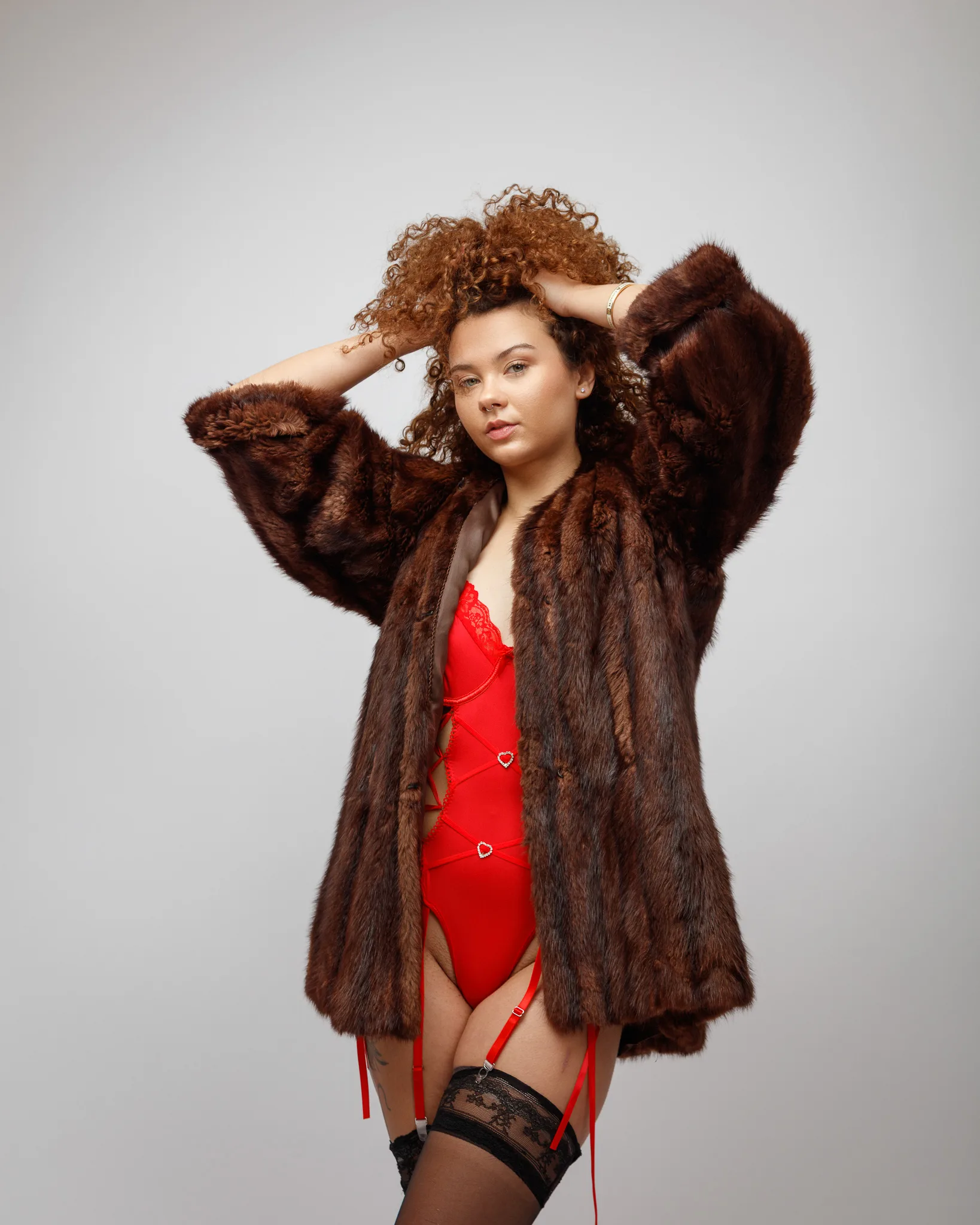
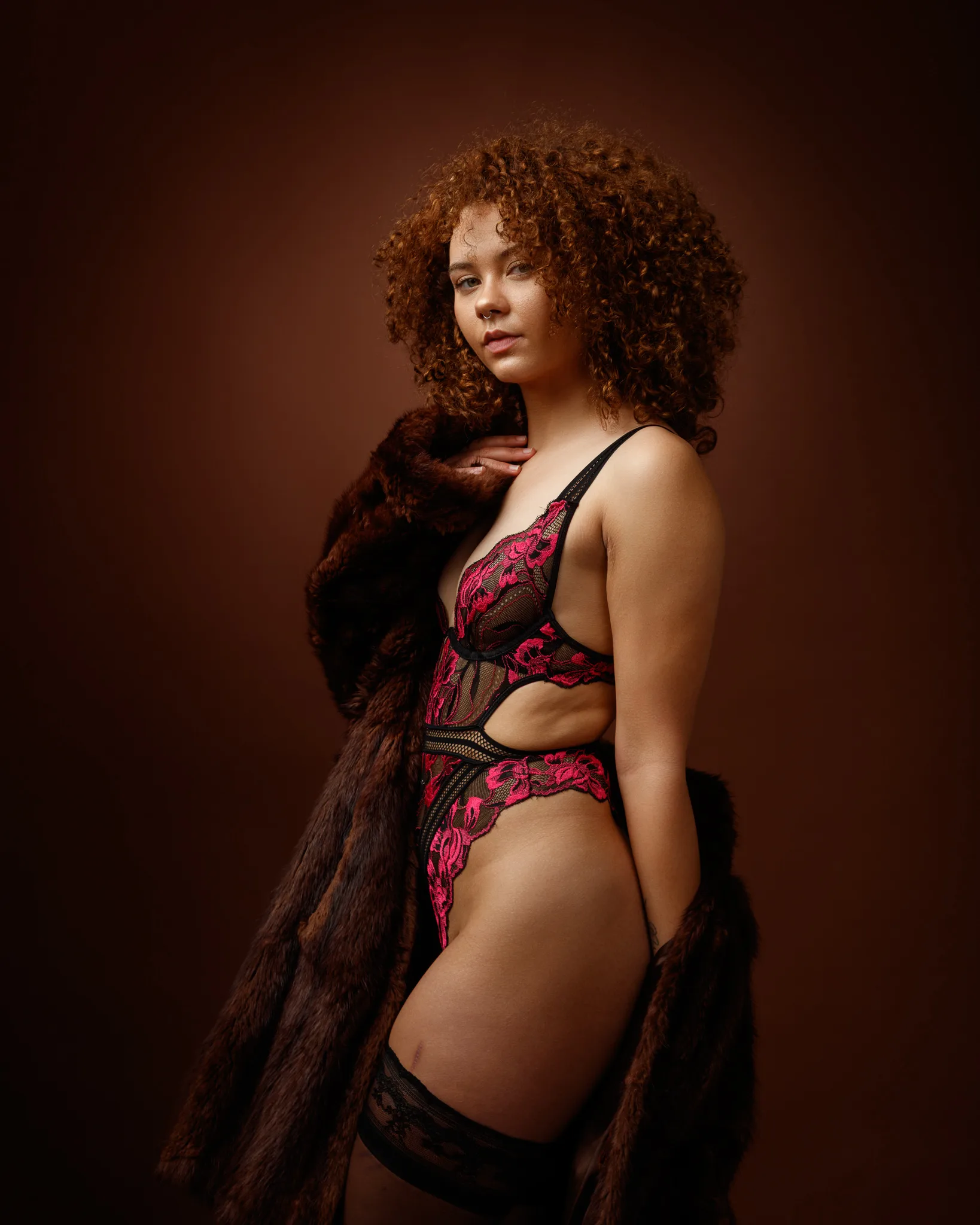
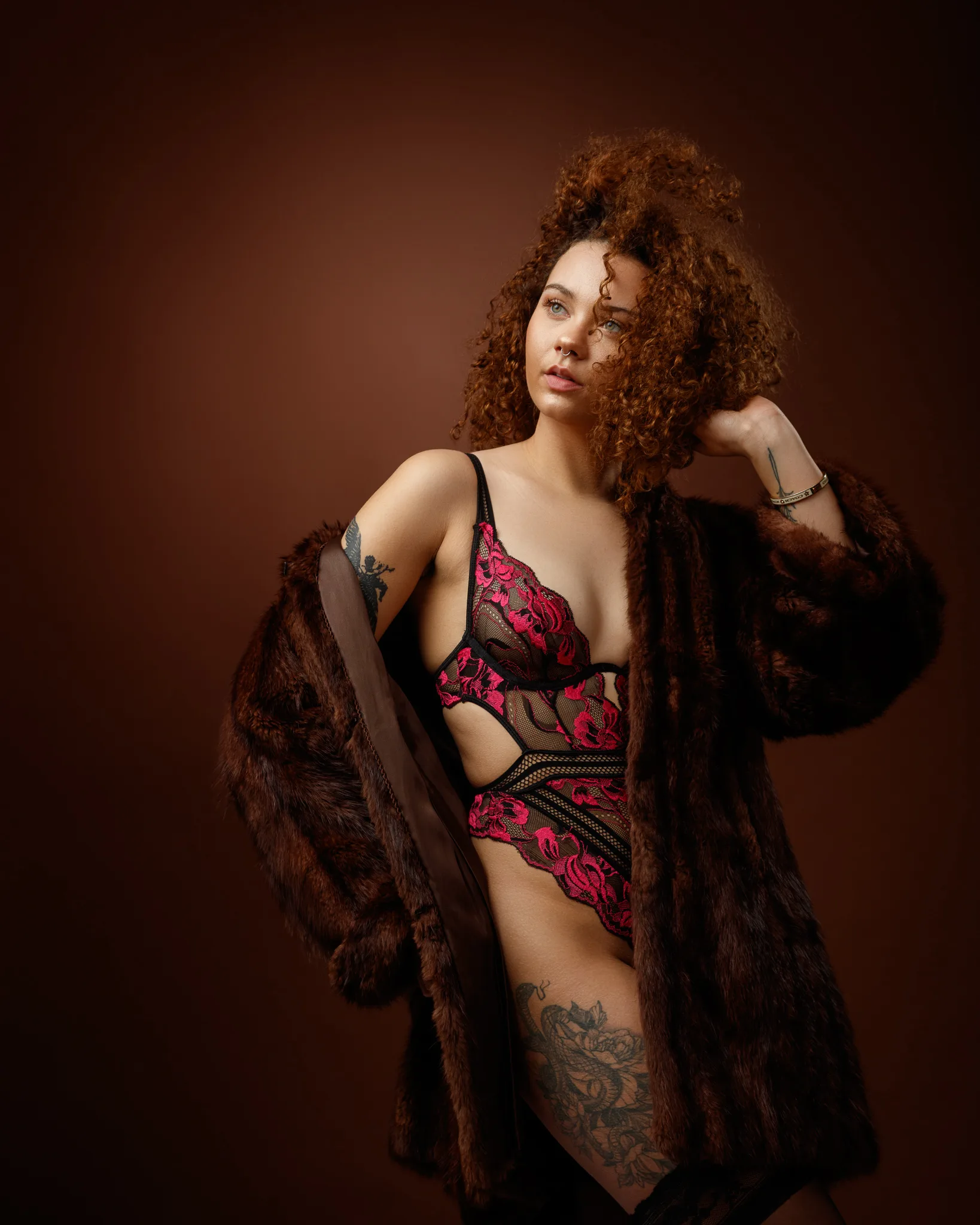
Look 3: A bold colour look for impact
A bold colour gives punch when used carefully. The key is making sure the colour does not overpower the face.
For this set, I kept the posing clean and confident. We avoided anything that felt costume-like. The result felt fashion-led but still usable.
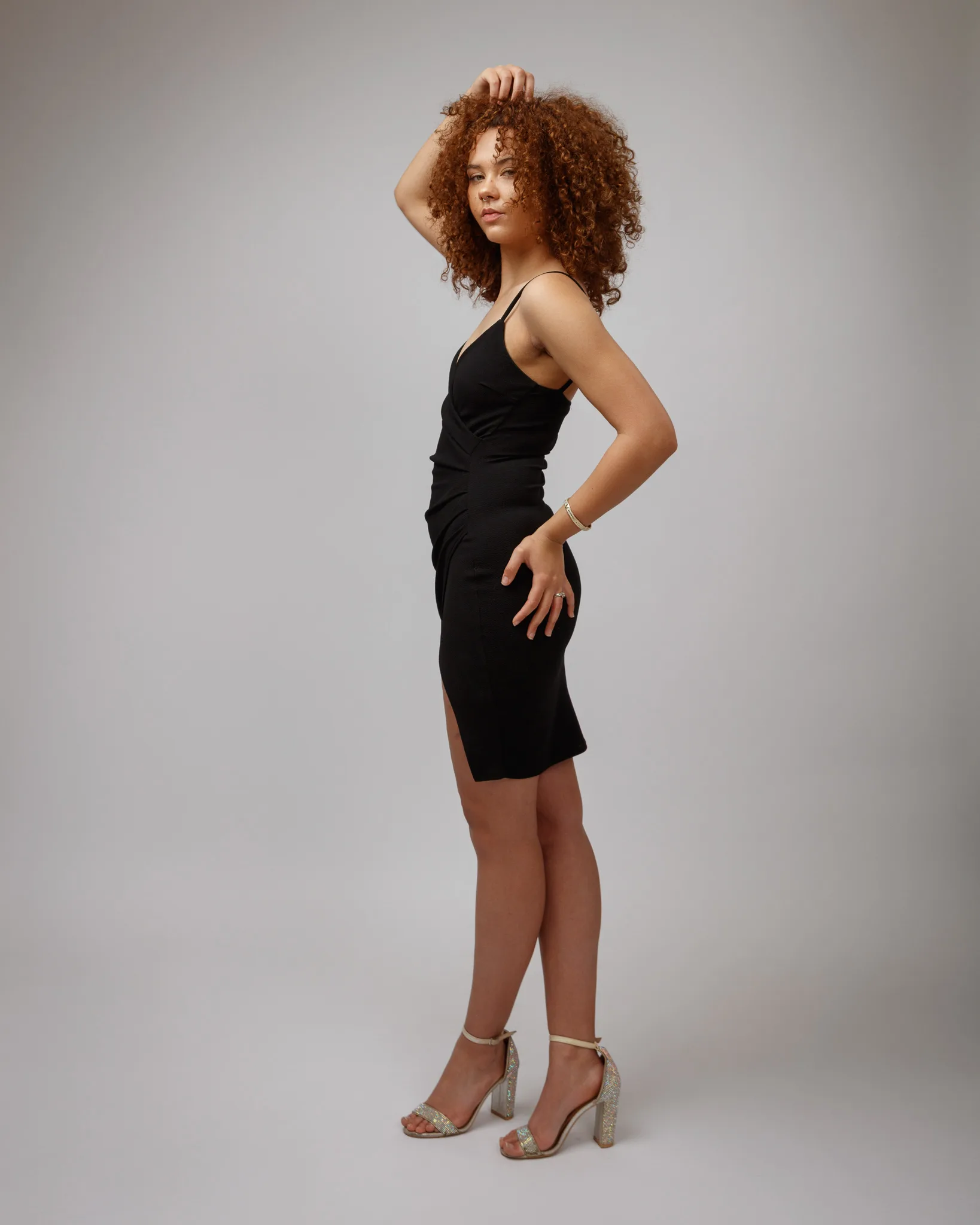
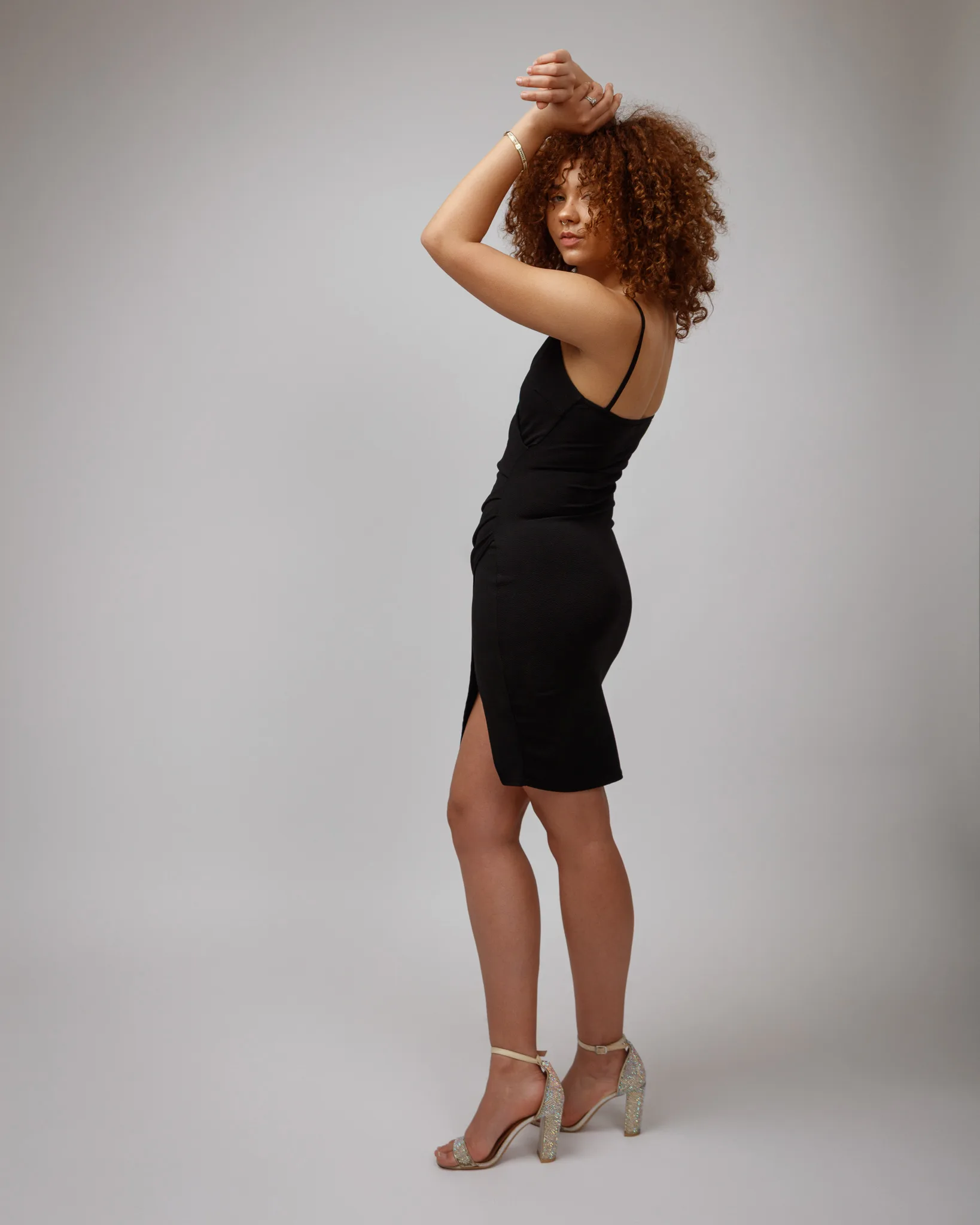
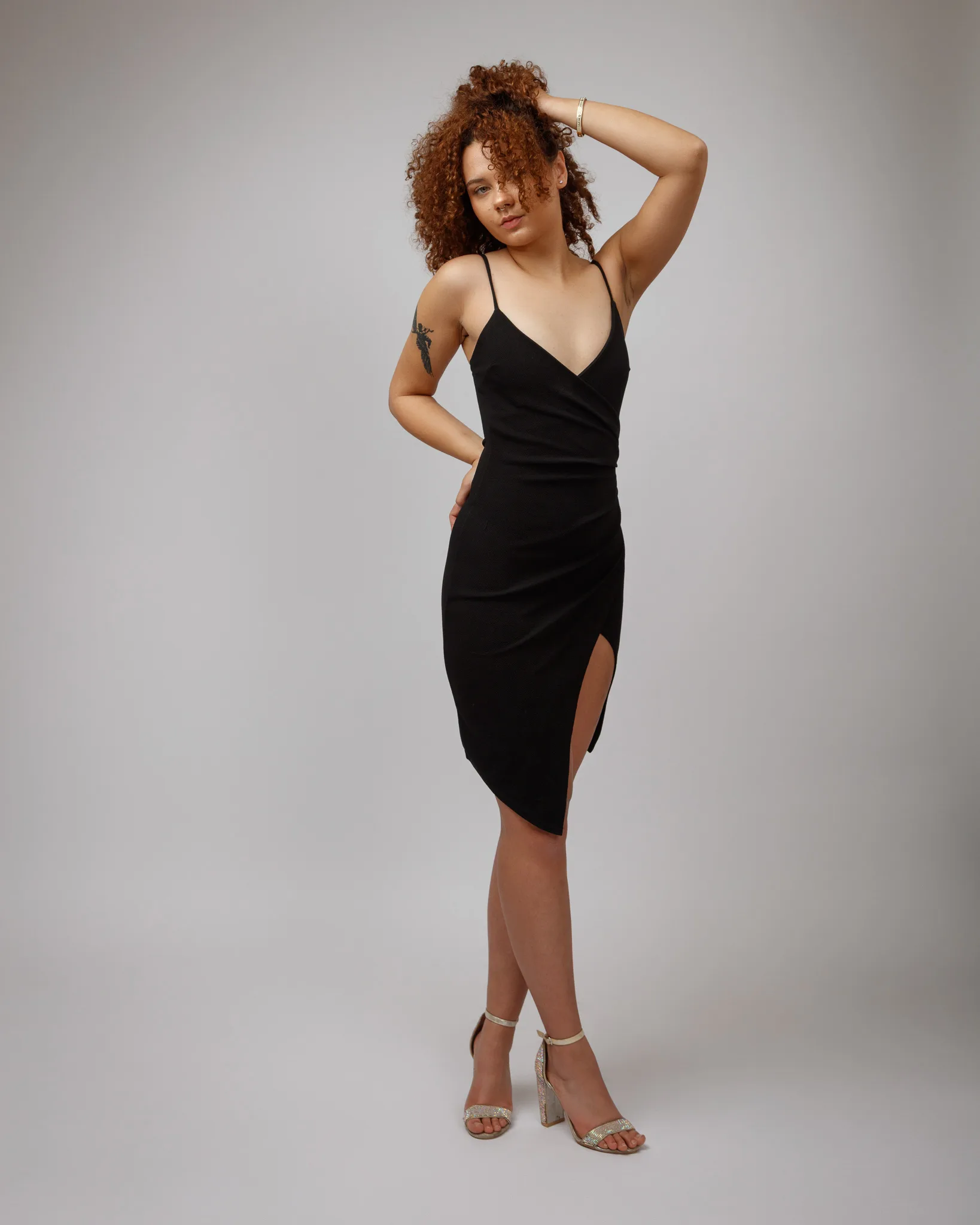
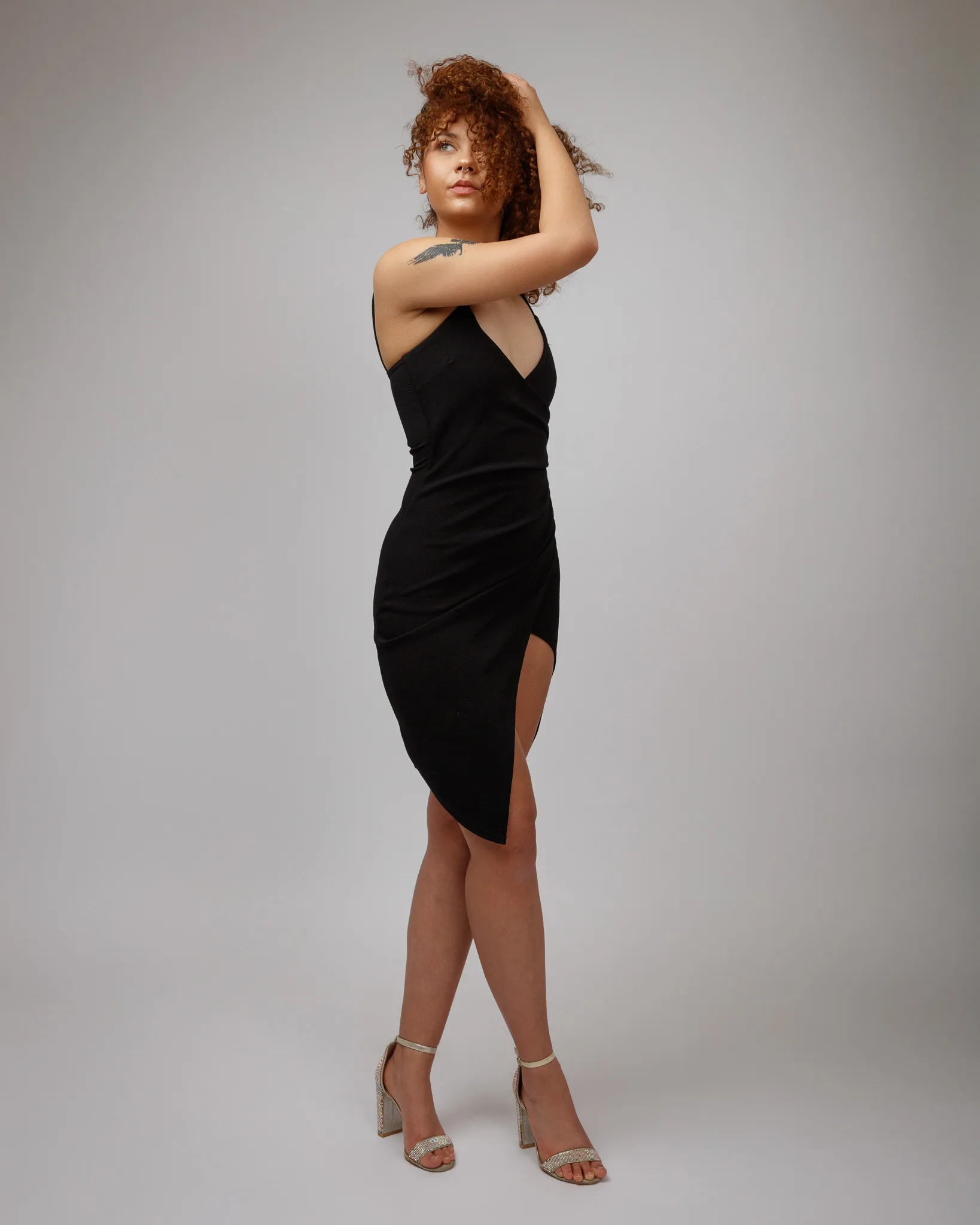
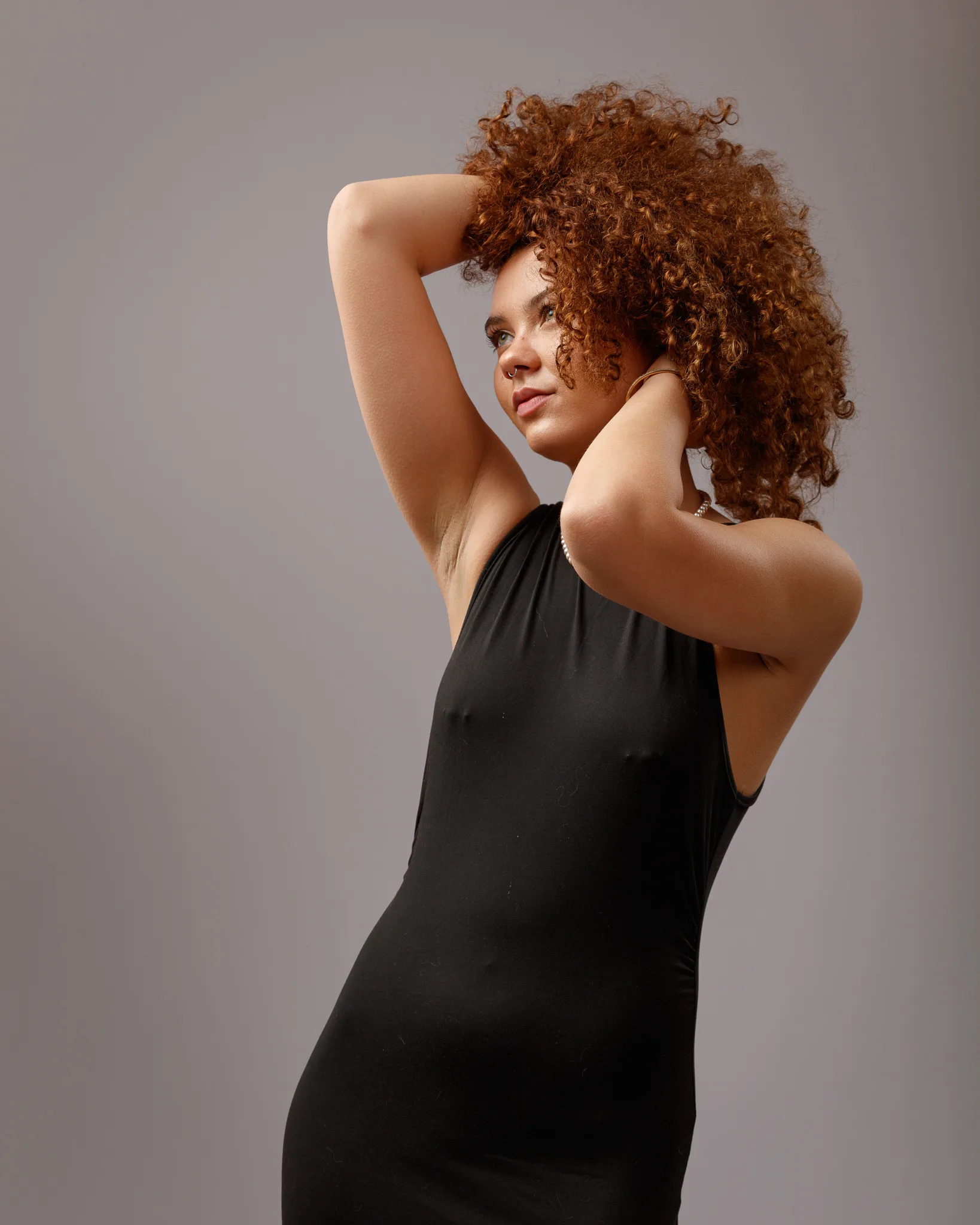
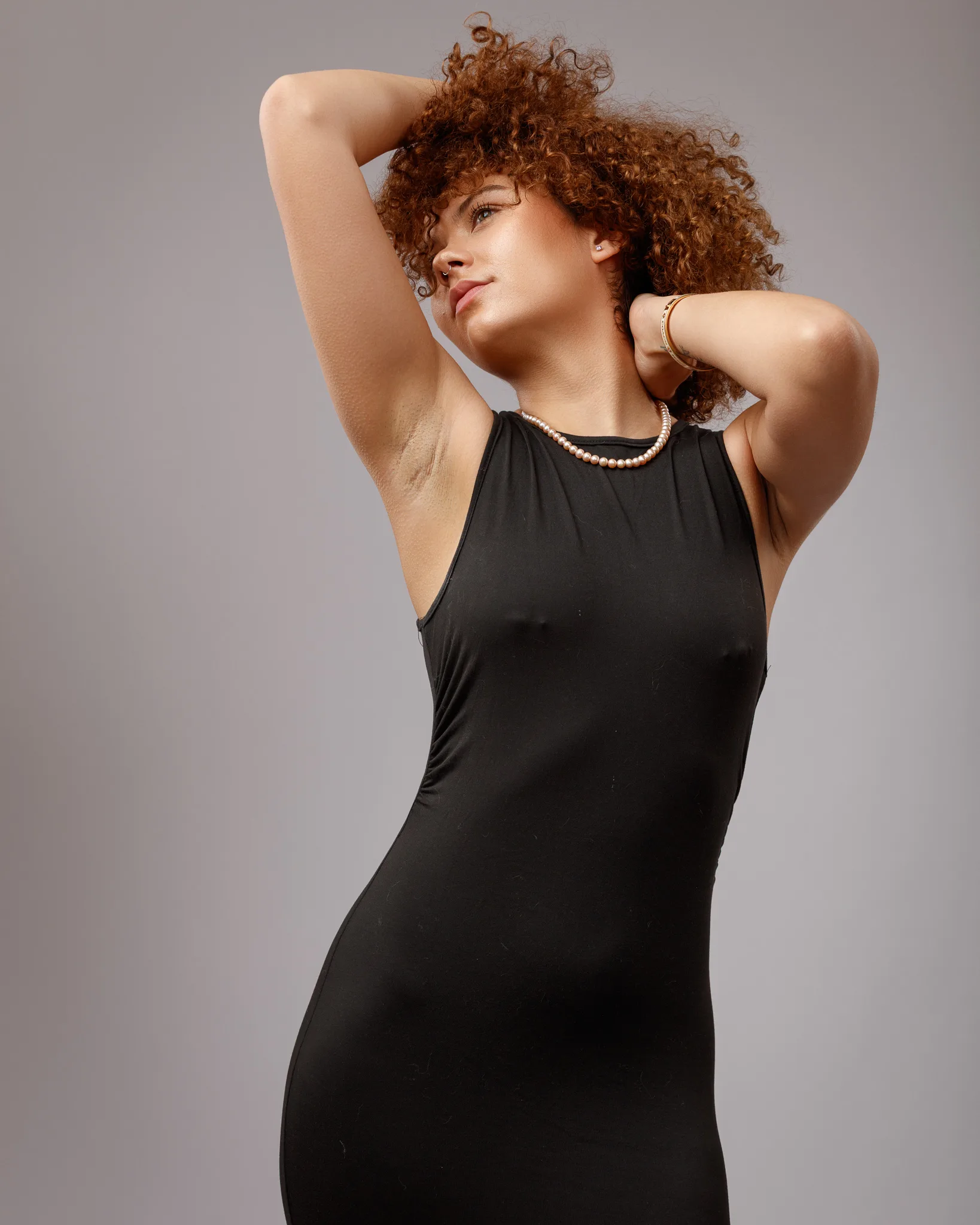
Look 4: A classic dark look for simplicity and line
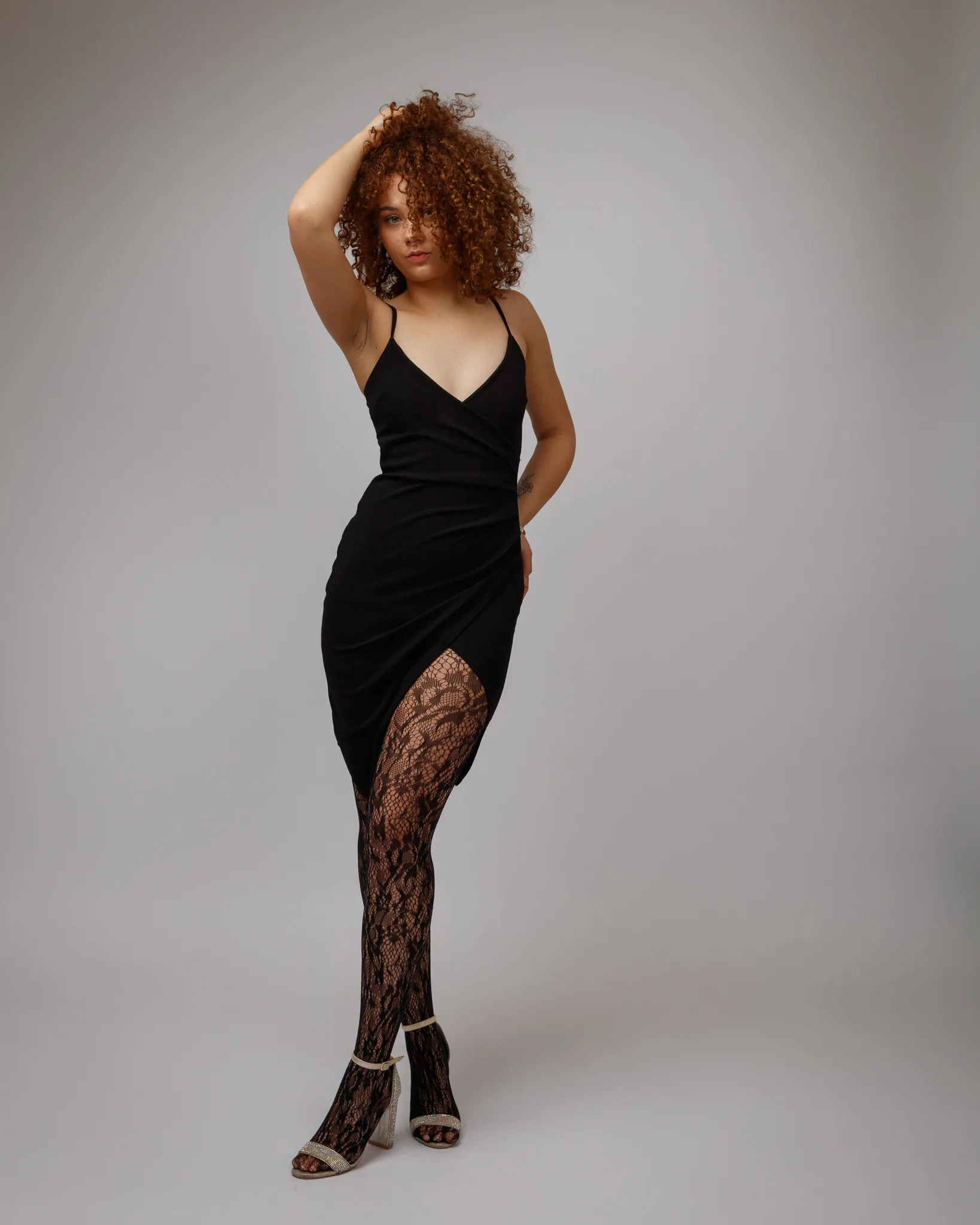
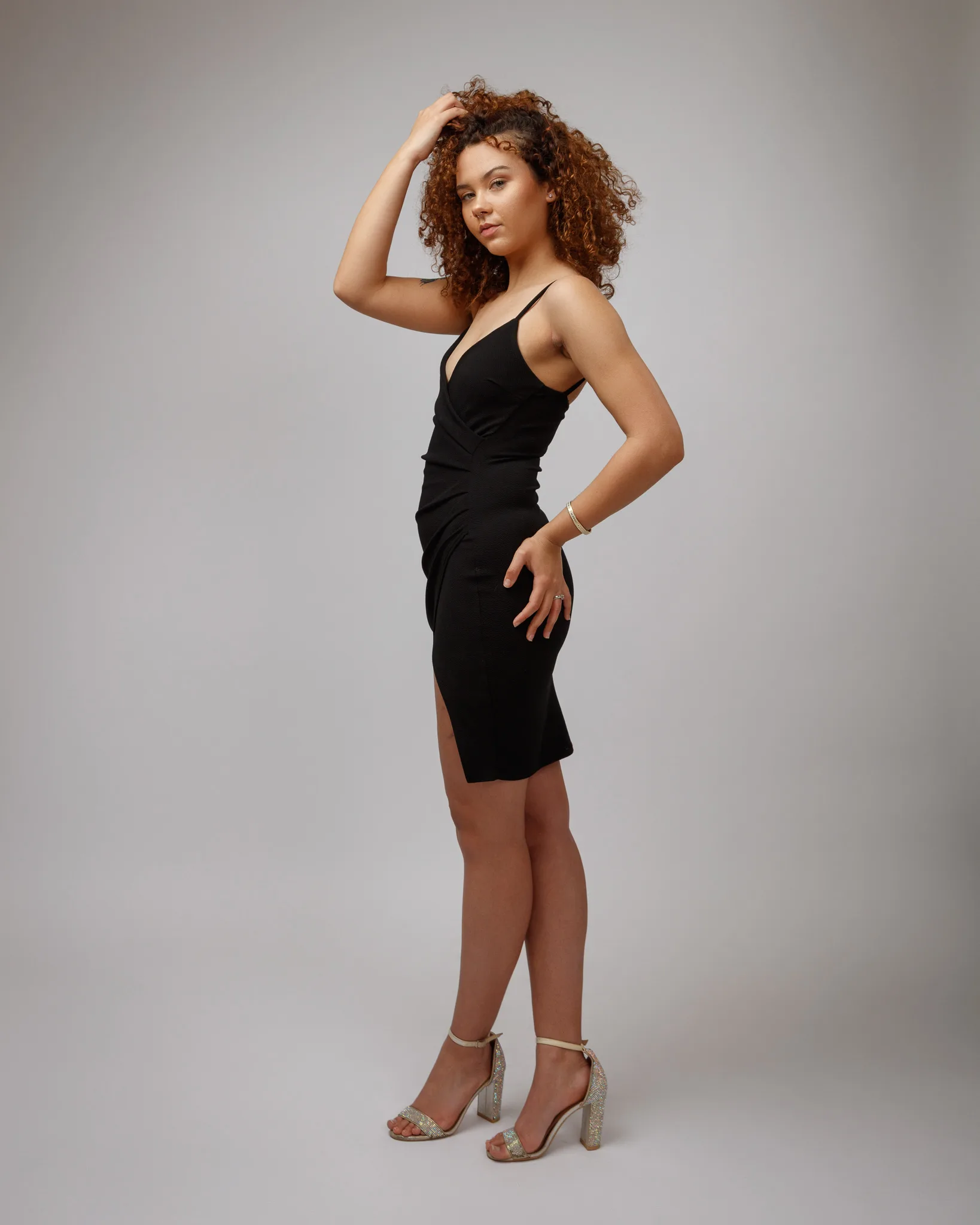
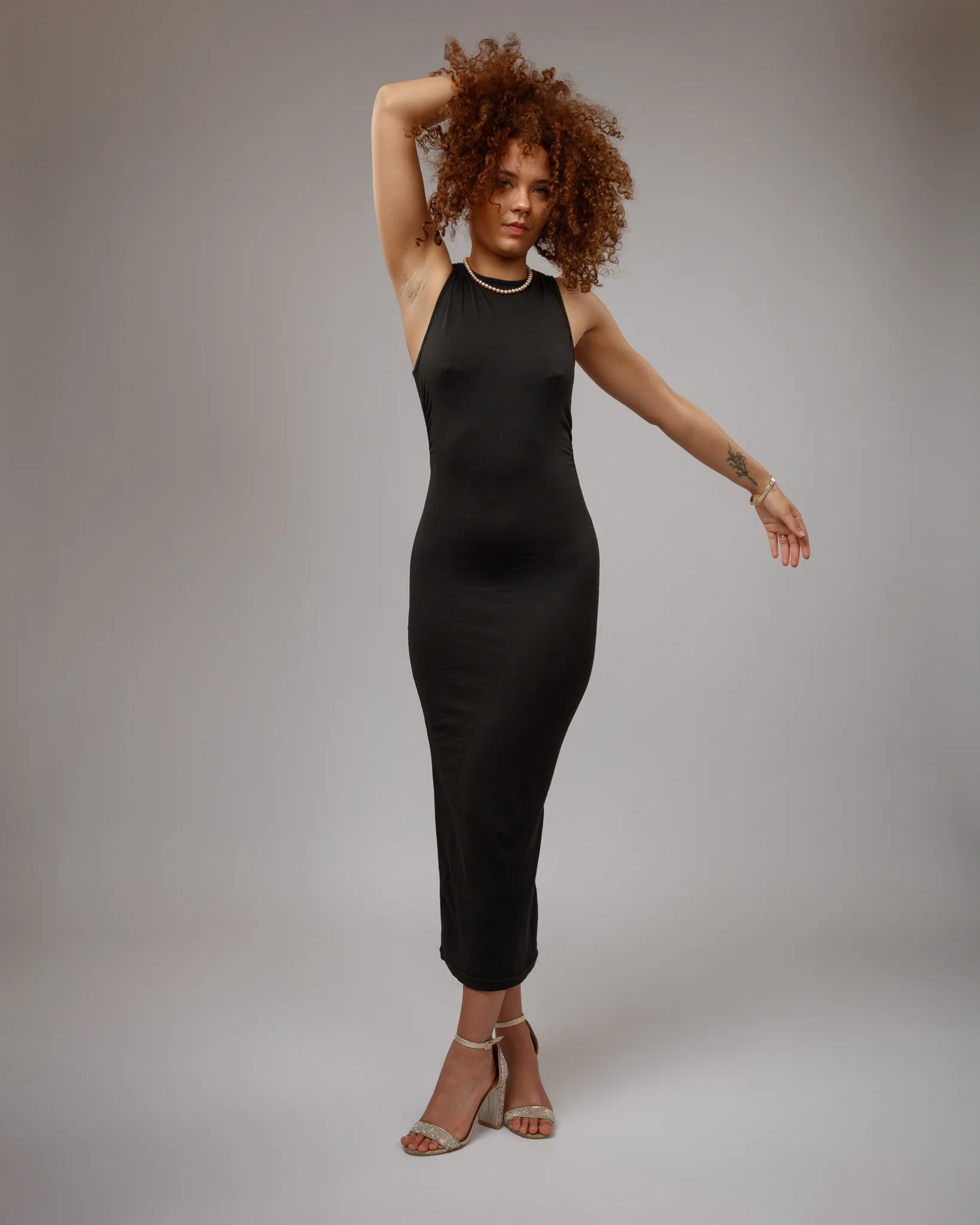
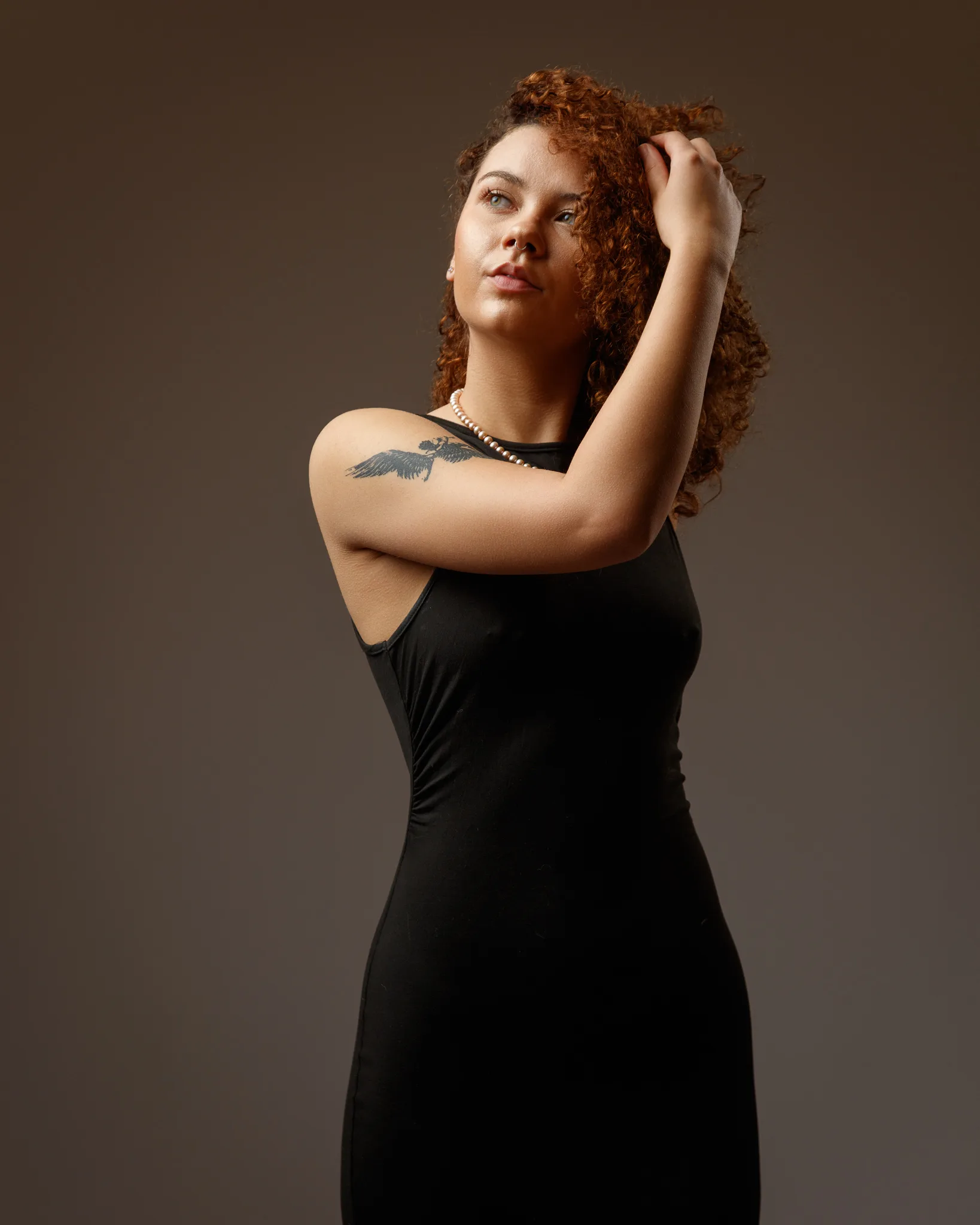
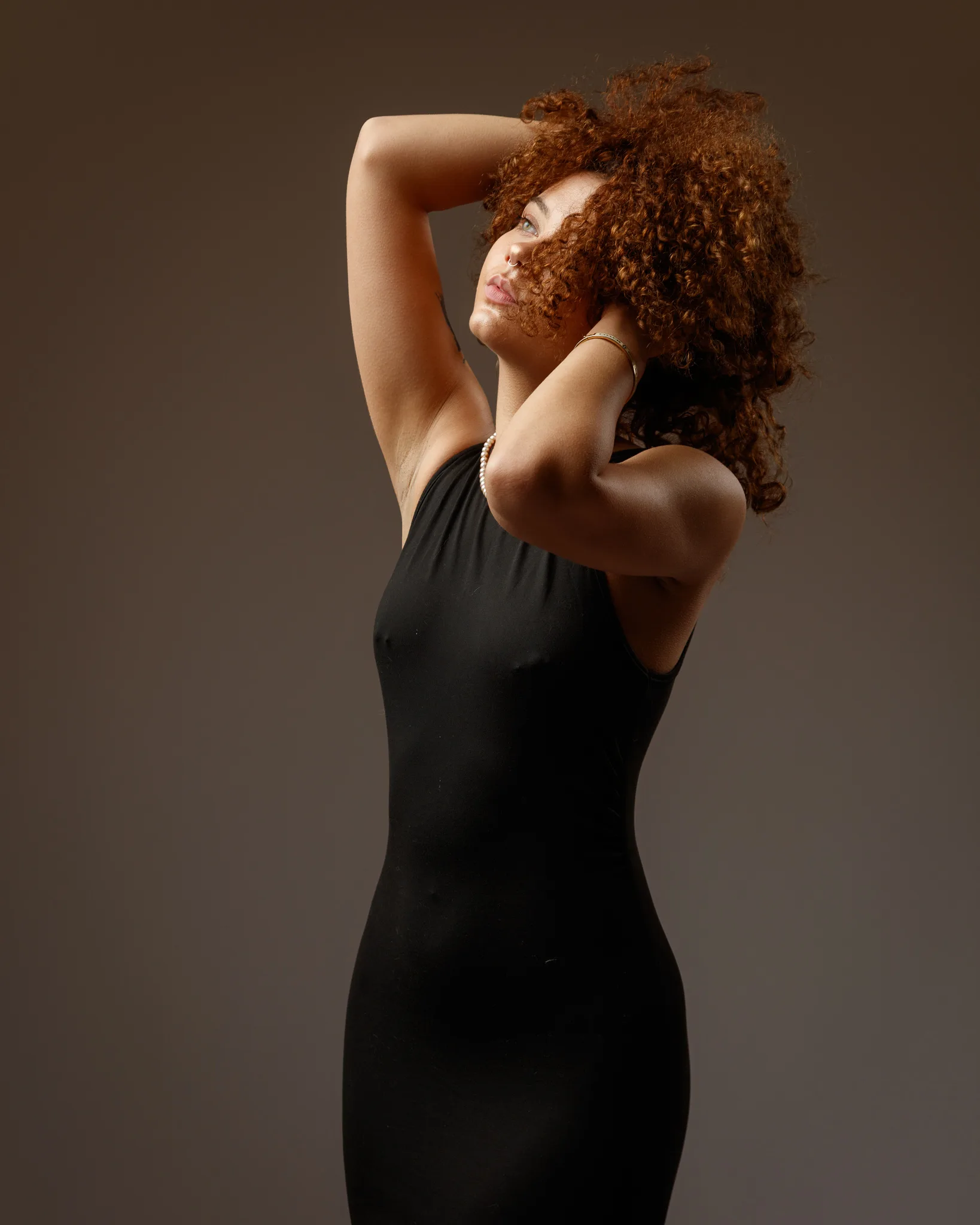
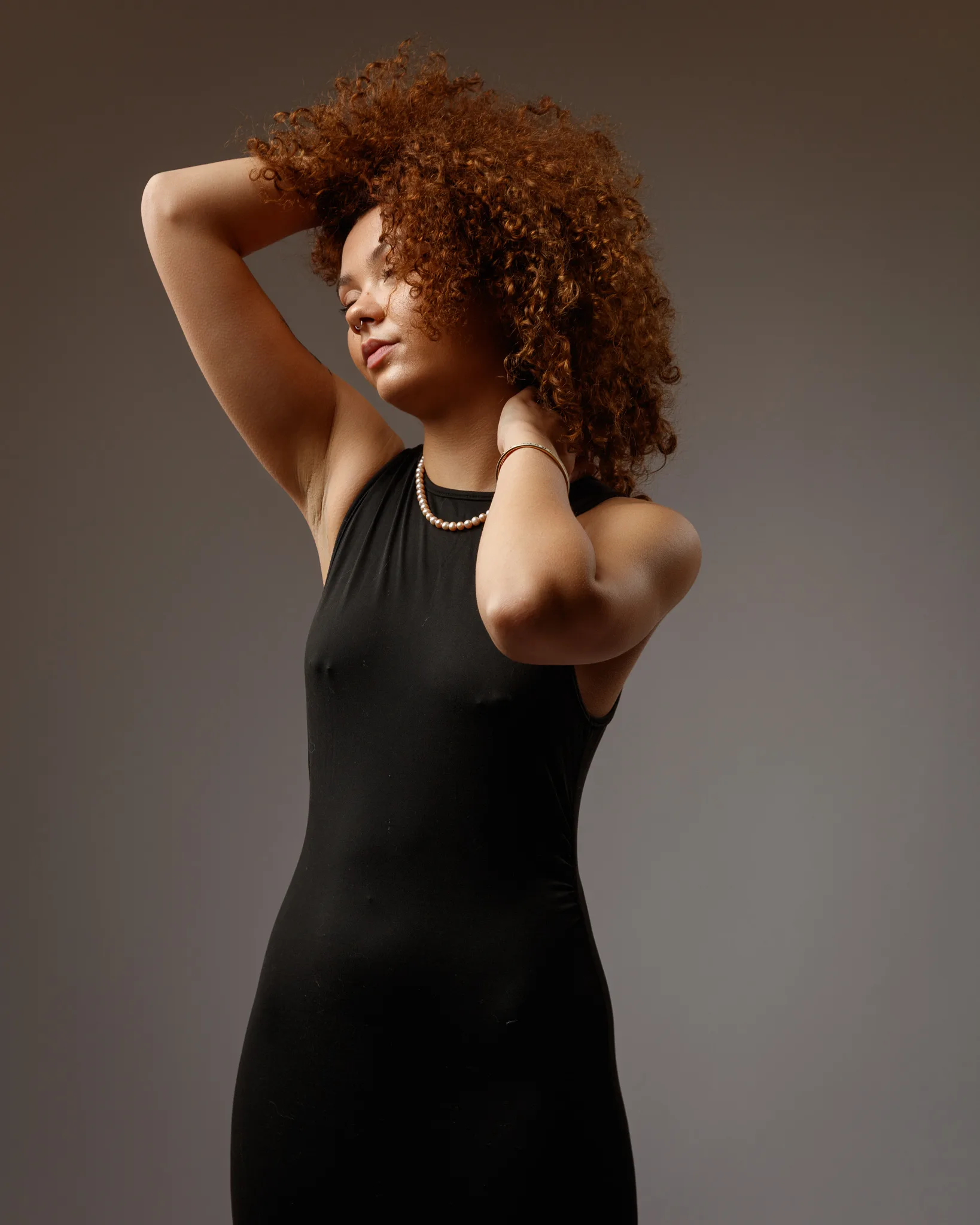
A simple dark outfit is one of the best portfolio tools. It strips the image back to posture, expression, and line. It also makes full-length frames feel clean.
This set focused on:
- Balanced posture and weight shifts
- Clean lines through neck and shoulders
- Controlled expression
- Strong full-length options
These are the images that often hold a portfolio together.
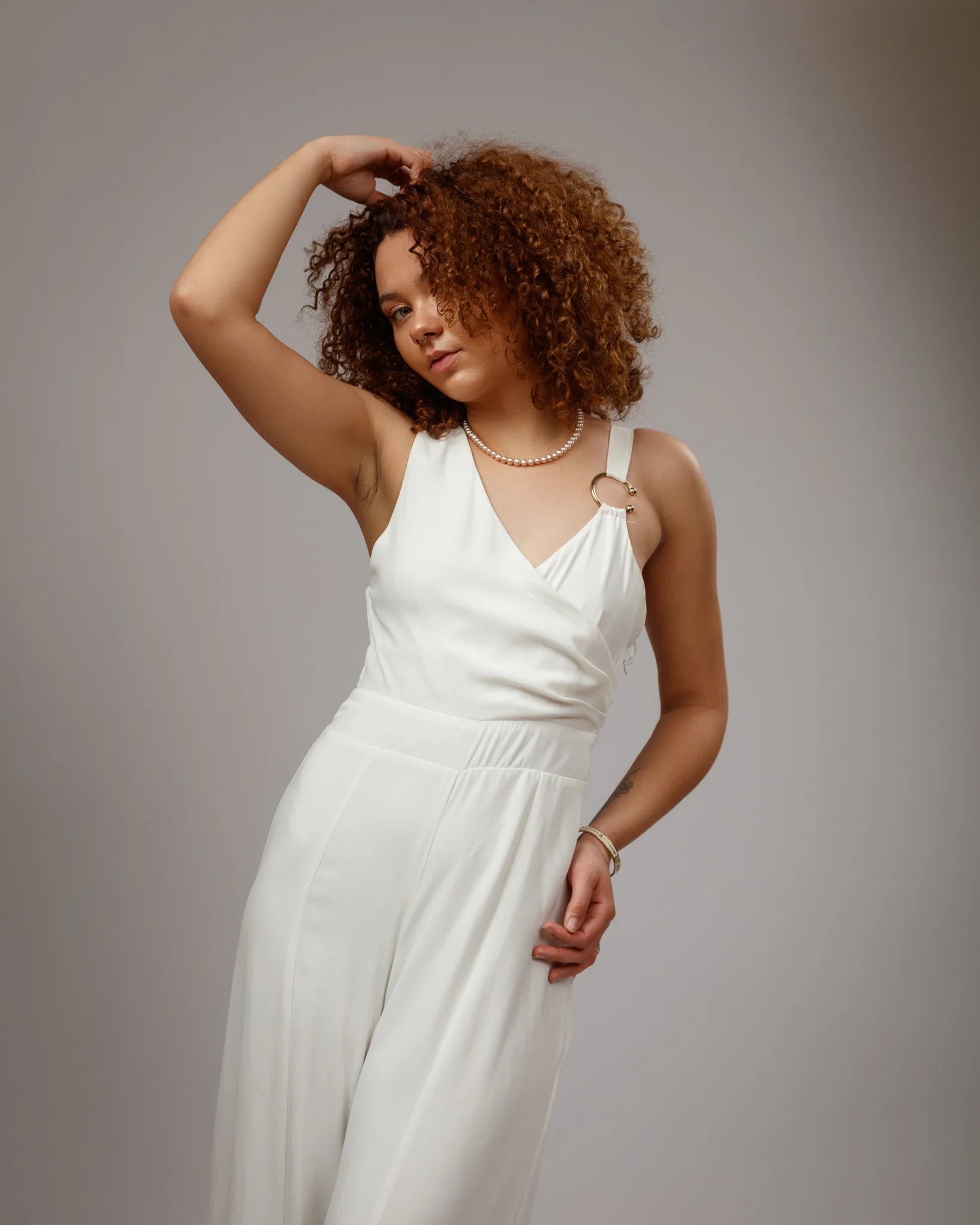
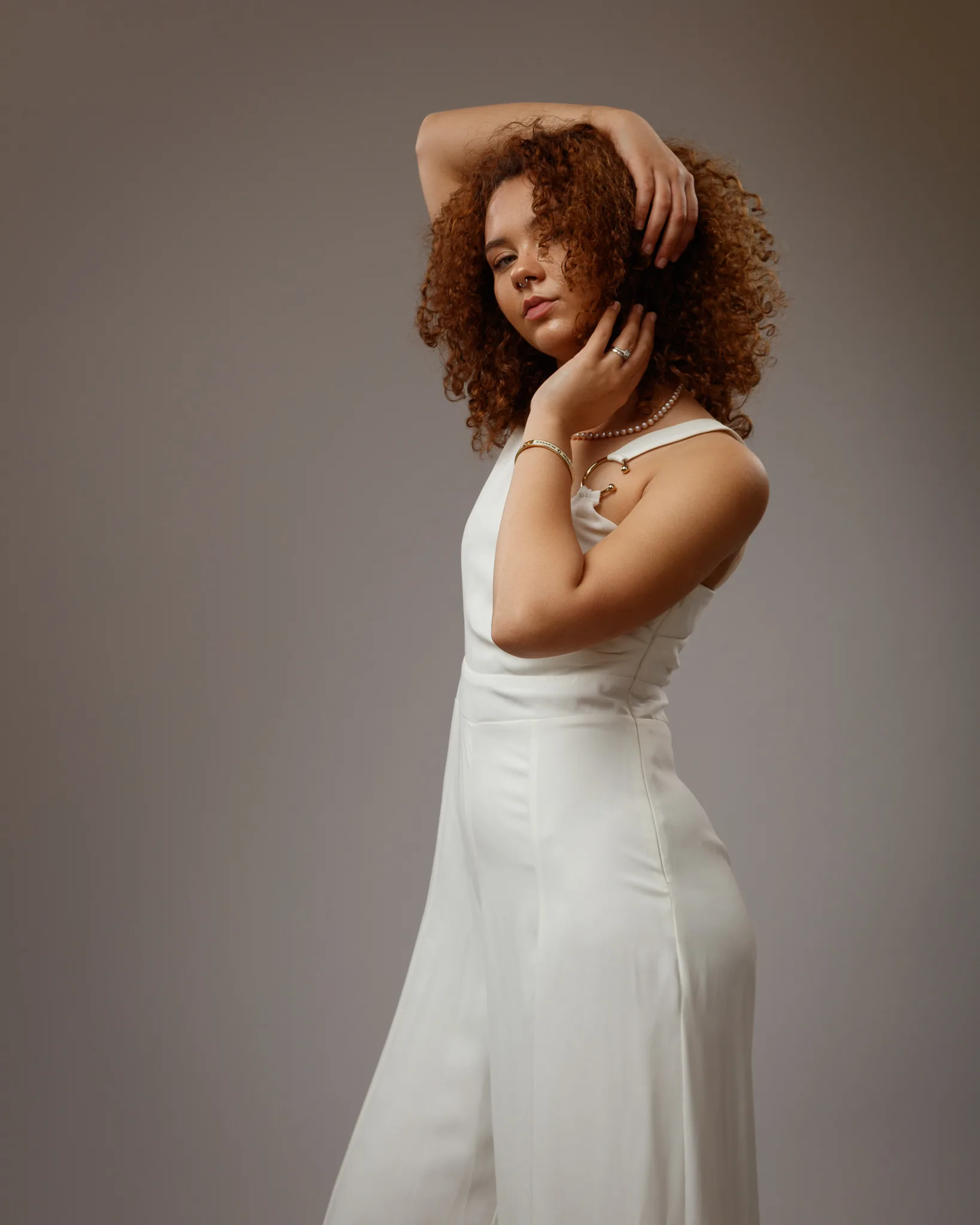
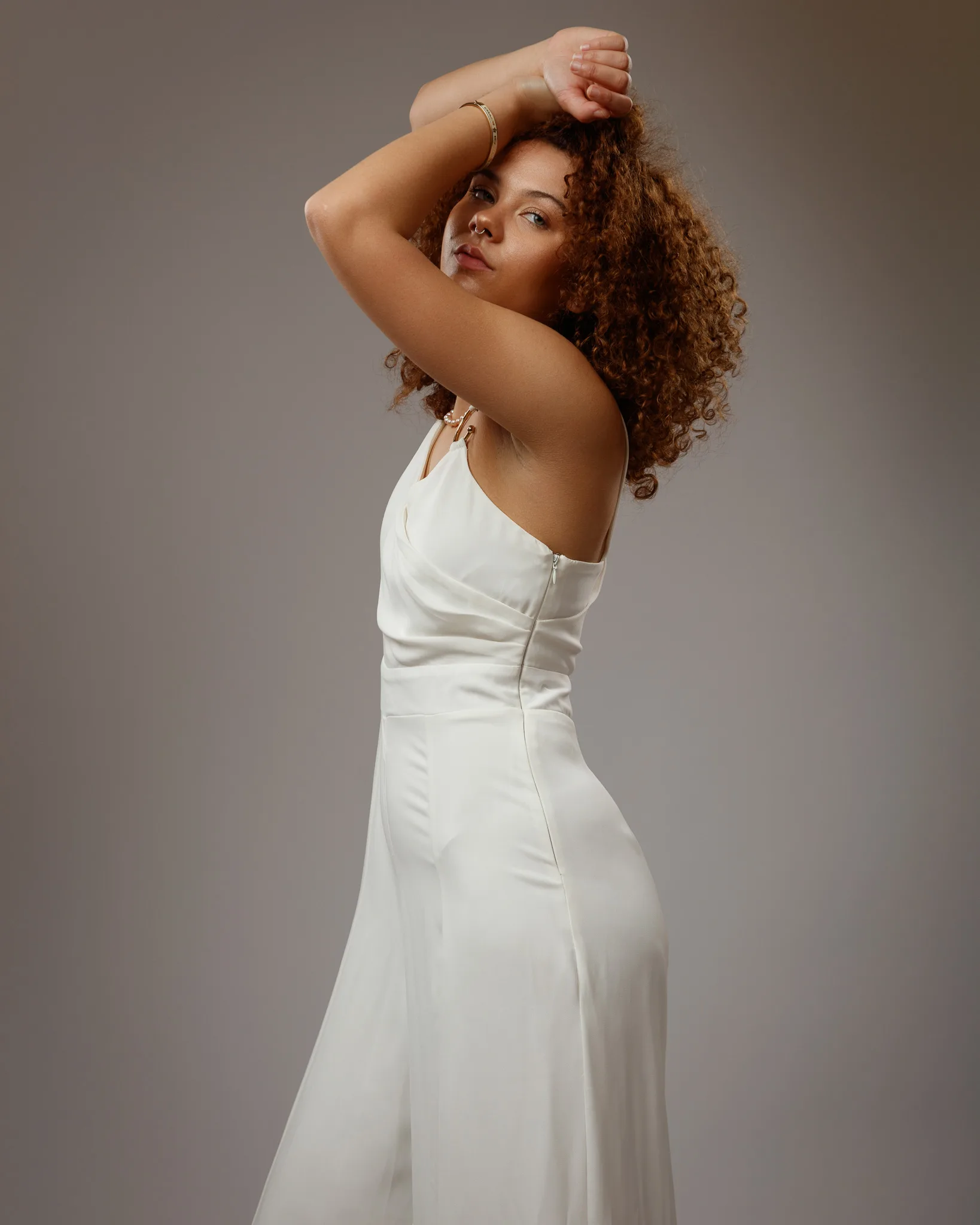
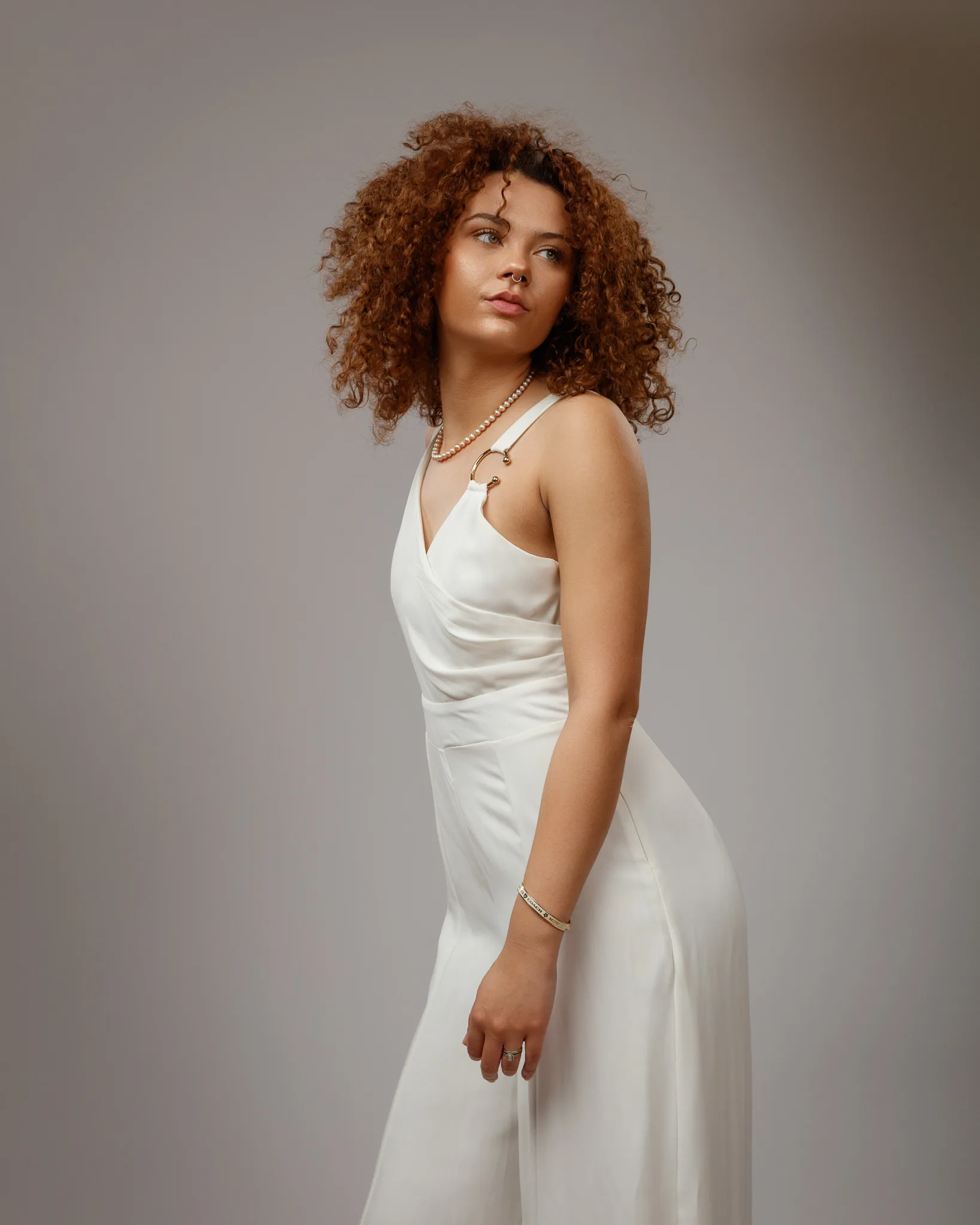
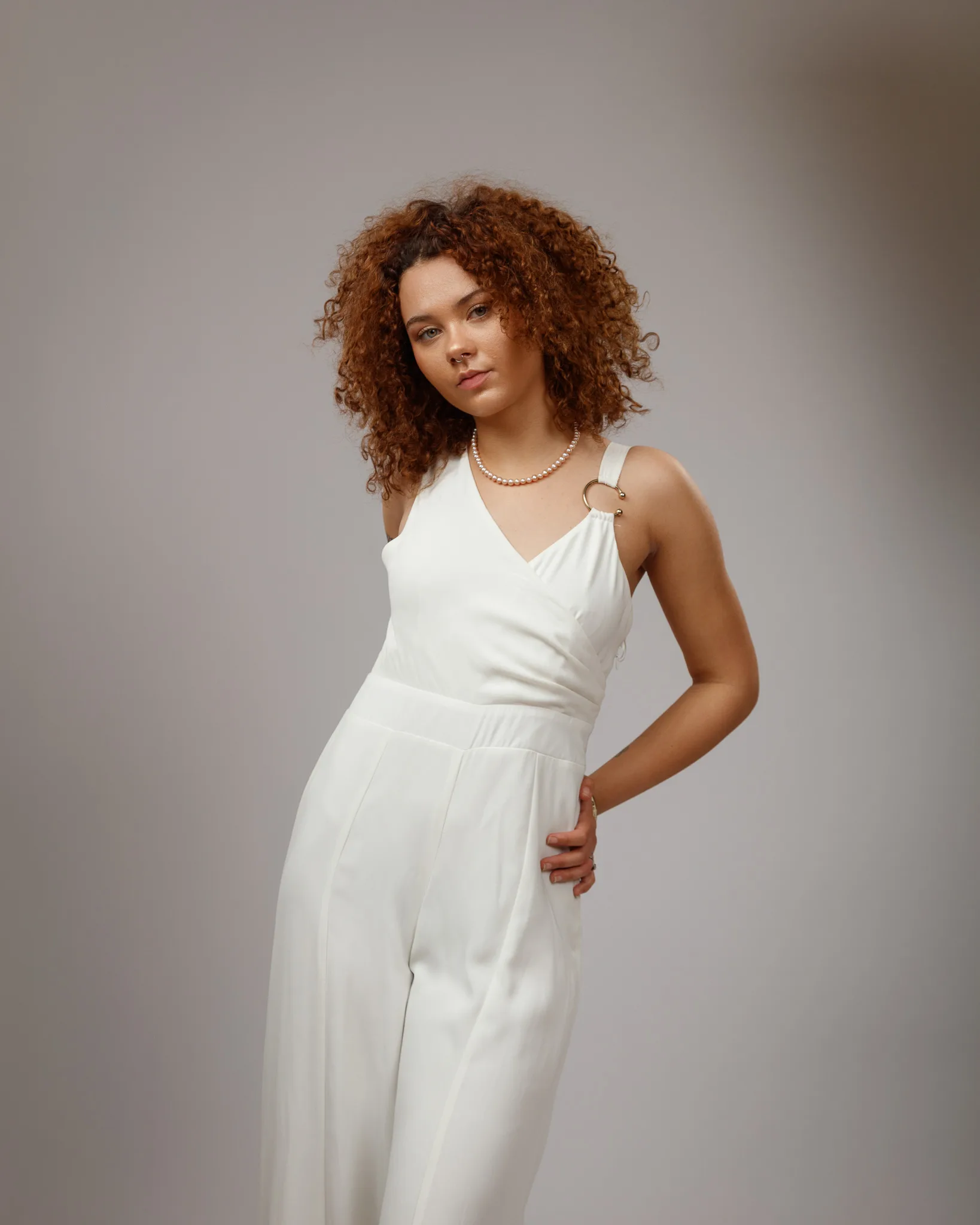
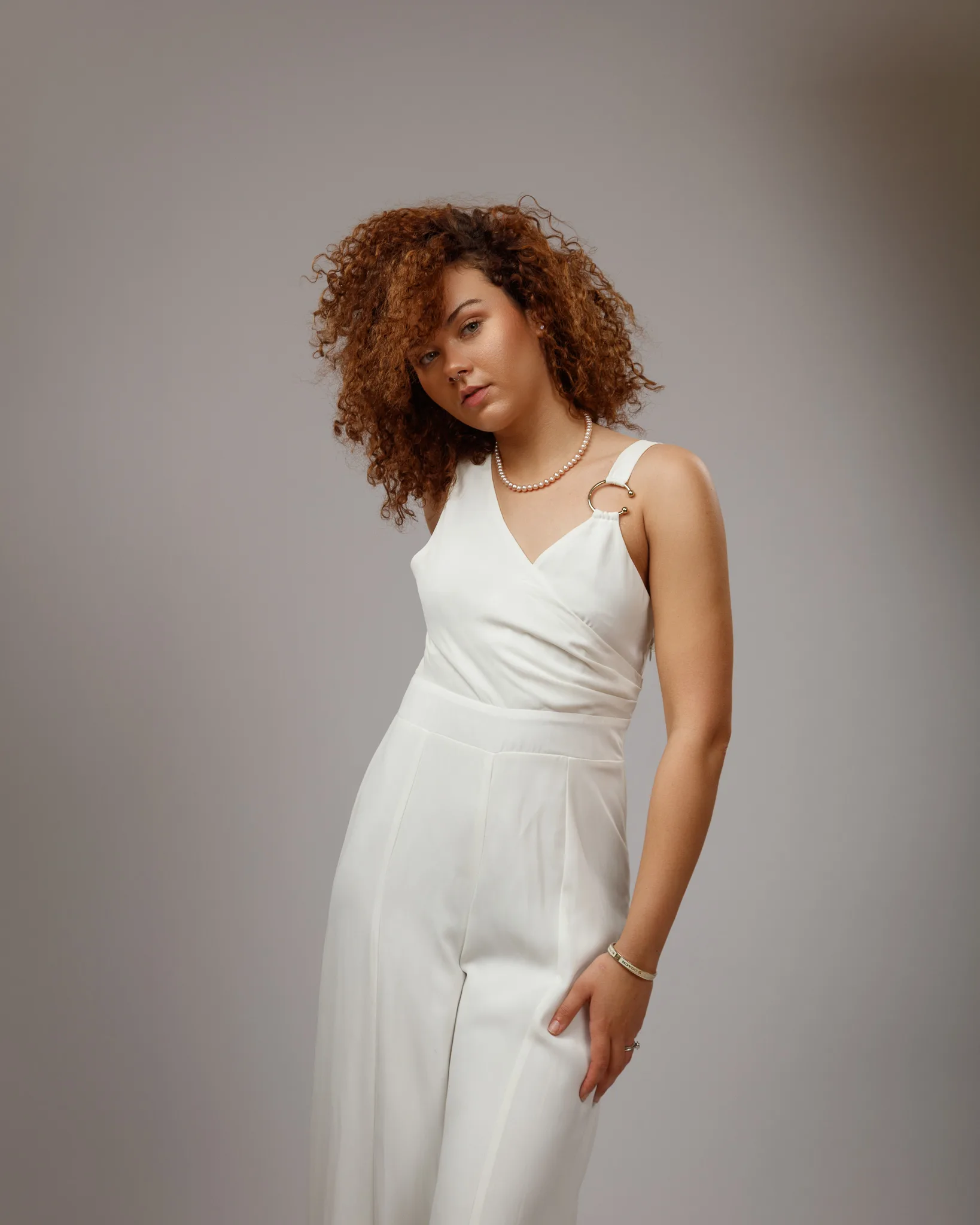
Look 5: A lighter look for softness and contrast
I always like a portfolio to include at least one lighter, softer option. It prevents the set feeling too heavy or too intense.
Light looks can wash out if the lighting is flat, so I shaped the light carefully to keep definition. The goal was simple: approachable, calm, and casting-friendly.
Why the studio is so effective for portfolio building
The studio is not just about “professional lighting”. It is about control, repeatability, and calm focus.
In practical terms, studio shooting allows me to:
- Keep backgrounds clean and distraction-free
- Control shadows so the face reads well
- Maintain consistent skin tone across outfits
- Move efficiently between crops and poses
That efficiency means the model has more energy left for the later sets, where expression and nuance matter most.
How I direct posing without taking over
Even with experienced models, good direction improves the work. I direct throughout the shoot. I do not leave the model guessing.
I focus on:
- Hands needing a job
- Weight shifts that create line
- Chin placement for face shape
- Shoulder angles that add strength
- Stillness, because it often reads stronger than movement
I also shoot in short bursts, then pause to review. That keeps the model involved. It also makes the session feel collaborative rather than one-sided.
A practical portfolio roadmap for adult models
If you are building a portfolio at 18+, I suggest thinking in “sets” rather than “random images”. Each set should have a clear casting purpose.
A strong, simple roadmap can look like this:
- Digital style headshots (clean, minimal retouch, agency-friendly)
- Classic portraits (finished but timeless)
- Commercial lifestyle (approachable and warm)
- Fashion-led editorial (mood and styling, still controlled)
- Full-length basics (clear proportions and posture)
You do not need all of this in one shoot. In fact, most people do better across two or three sessions. It gives you time to review what works and refine.
Portfolio genres: a clear guide for models, and useful context for parents
If you are a model deciding what to shoot next, this list can help. If you are a parent reading this, it gives context for what different portfolio terms actually mean.
Core genres to start with
Natural headshots (digital style)
Honest images with minimal retouching. Often, the first thing agencies want.
Classic portraits
More finished than digitals. Strong for expression, structure, and versatility.
Commercial lifestyle
Friendly, relatable images for brand casting and catalogues.
Full-length basics
Simple outfit to show proportions and posture clearly.
Fashion and editorial genres
Fashion editorial
Mood-led work with stronger posing and story.
Beauty
Tight focus on face, skin, and makeup detail.
Lookbook / e-commerce
Clean, consistent images showing clothing accurately.
Street style
Location-based fashion images with energy and texture.
Specialist options
Sport/fitness
Movement, strength, and energy. Useful for activewear casting.
Hair/salon work
Hair-led images, often with stylists.
Hand/detail modelling
Hands, nails, jewellery, and product interaction.
Character portraits
Useful “types” for casting, without turning into costumes.
Two guardrails I suggest every model follows
1) Clarity beats spontaneity
A clear brief, a Pinterest board, and agreed outcomes will always beat turning up and “seeing what happens”. You can still explore. You just explore with structure.
2) Strong images do not require boundary pushing
If a look relies on implied nude themes to feel impactful, I usually treat that as a sign the concept needs work. Light, crop, expression, styling, and posing can create far stronger images without going there.
What I want you to take from Maddie’s shoot
This session worked because it was built on clarity:
- Maddie led the styling and the goal
- We used a Pinterest board to stay aligned
- We built variety with purpose
- I kept the work suggestive, not implied
- The studio kept everything calm, controlled, and consistent
That is the process I aim for every time.