
Chiaroscuro: The Contrast of Mental Well-being
I did not come to this subject from the outside. I have had my own difficulties over the years. I am not going to set them out here, and this page is not about me, but it would be dishonest to put all this in front of you without saying so.
The other half of it is the people I photograph. A lot of them are carrying something, particularly the younger ones, and it comes up often enough that I stopped treating it as remarkable. Some of them are in these pictures.
Being photographed is uncomfortable for most people. For a few it is genuinely difficult. Those are the people this project is for.
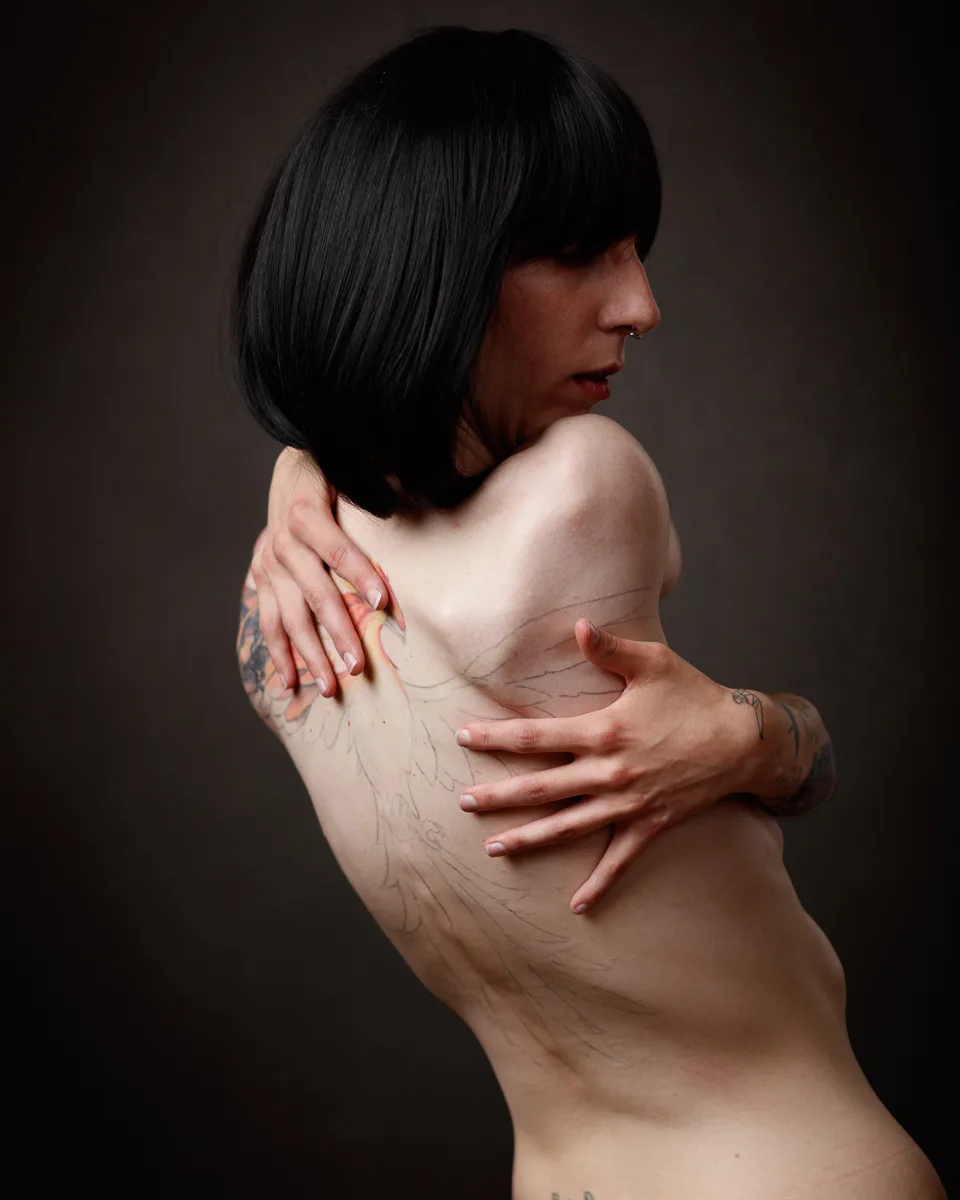
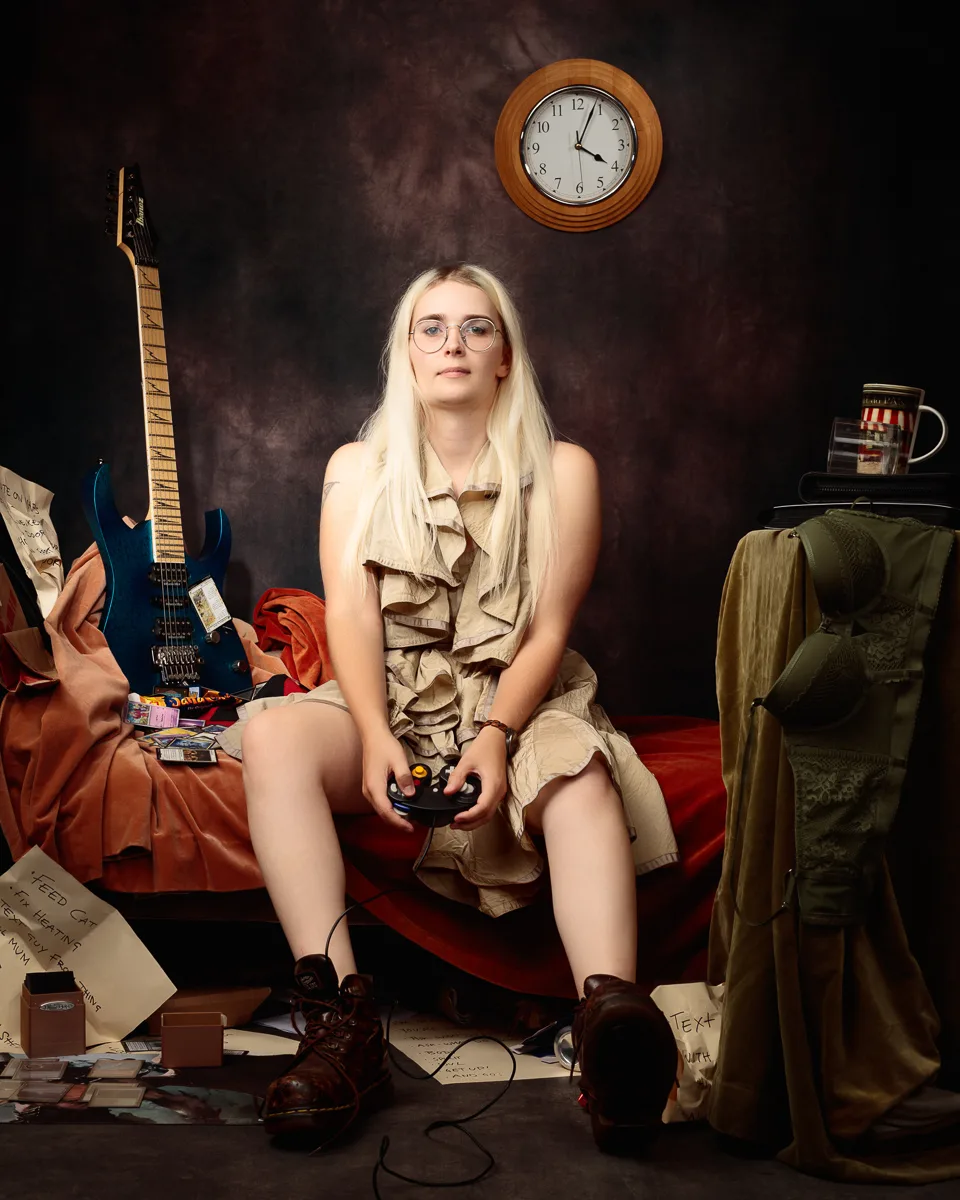
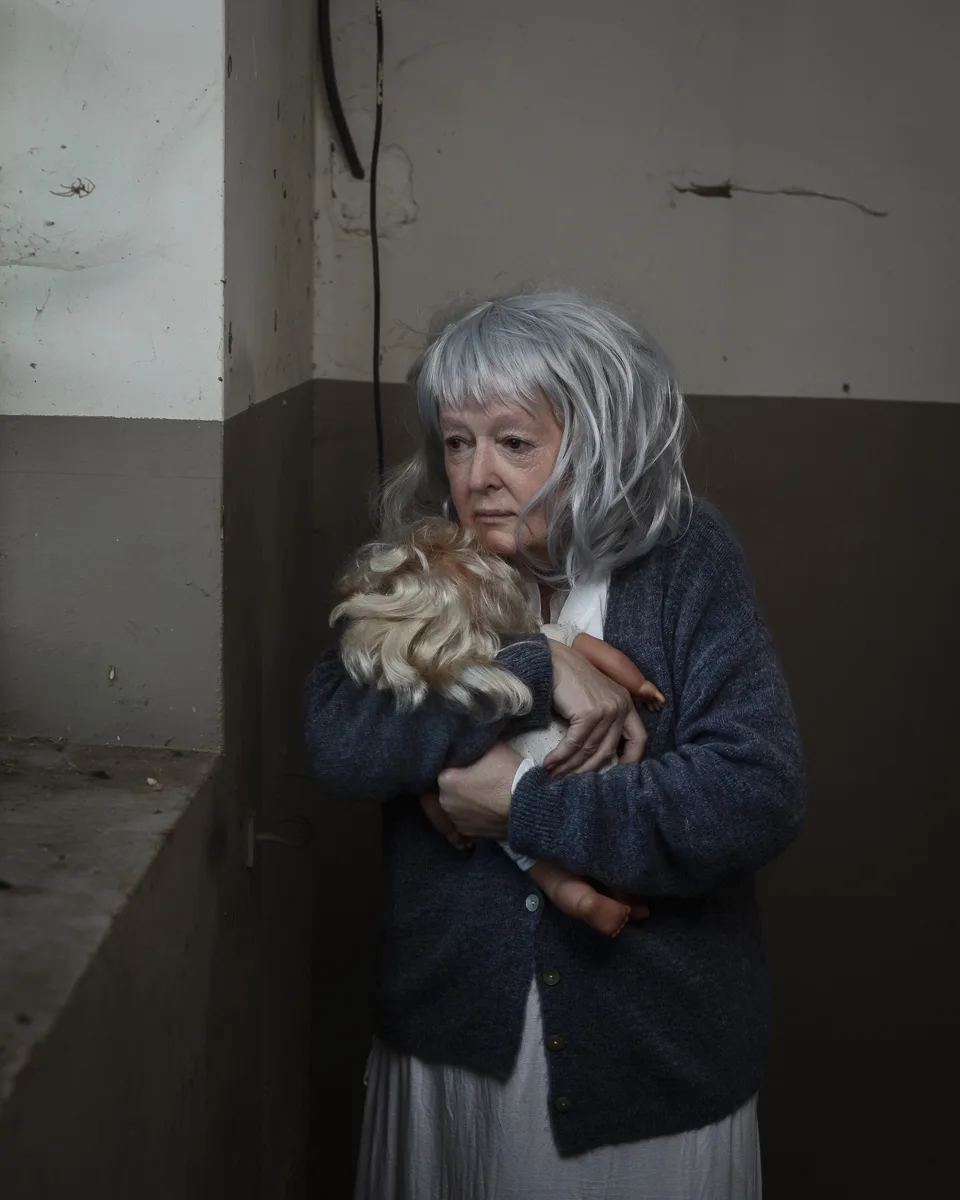
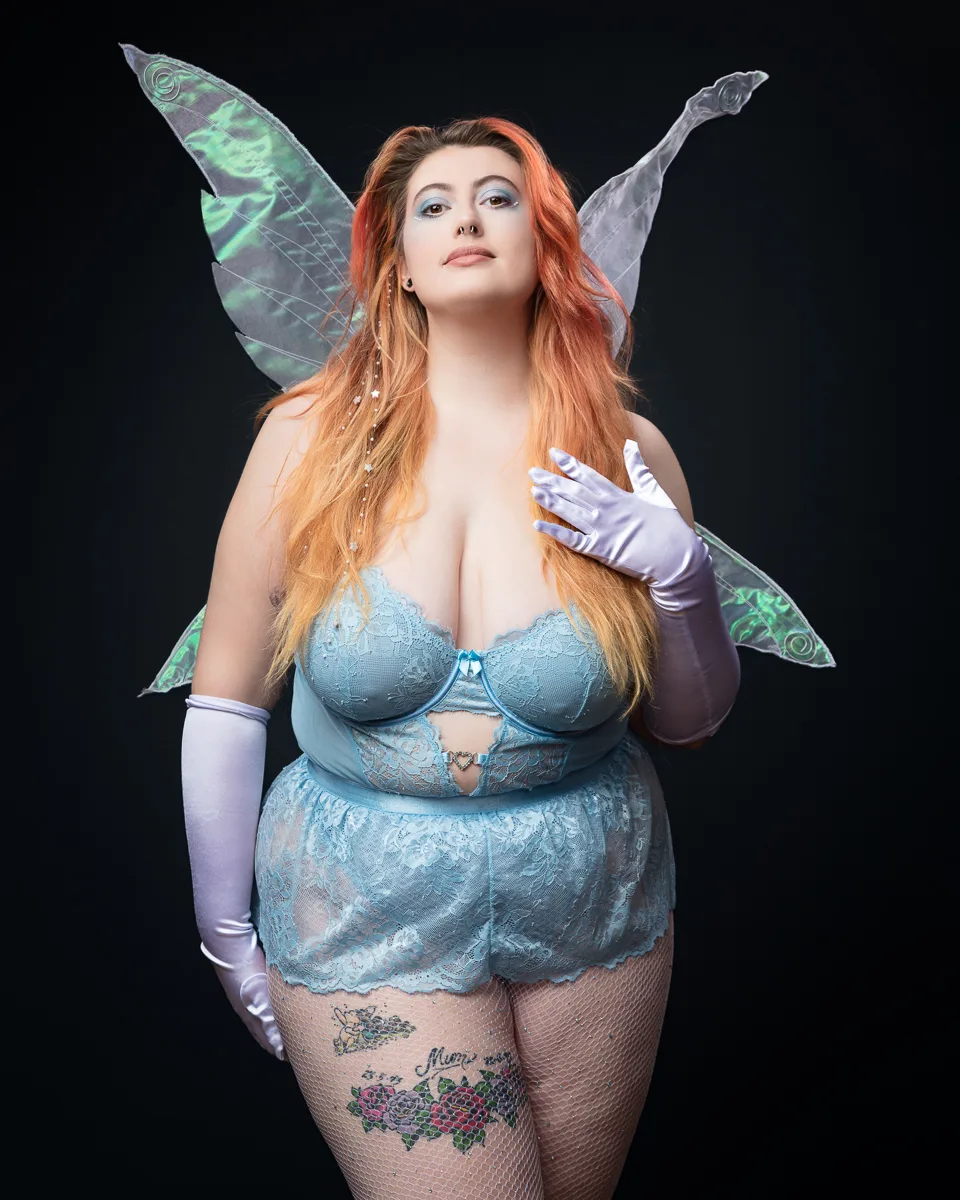
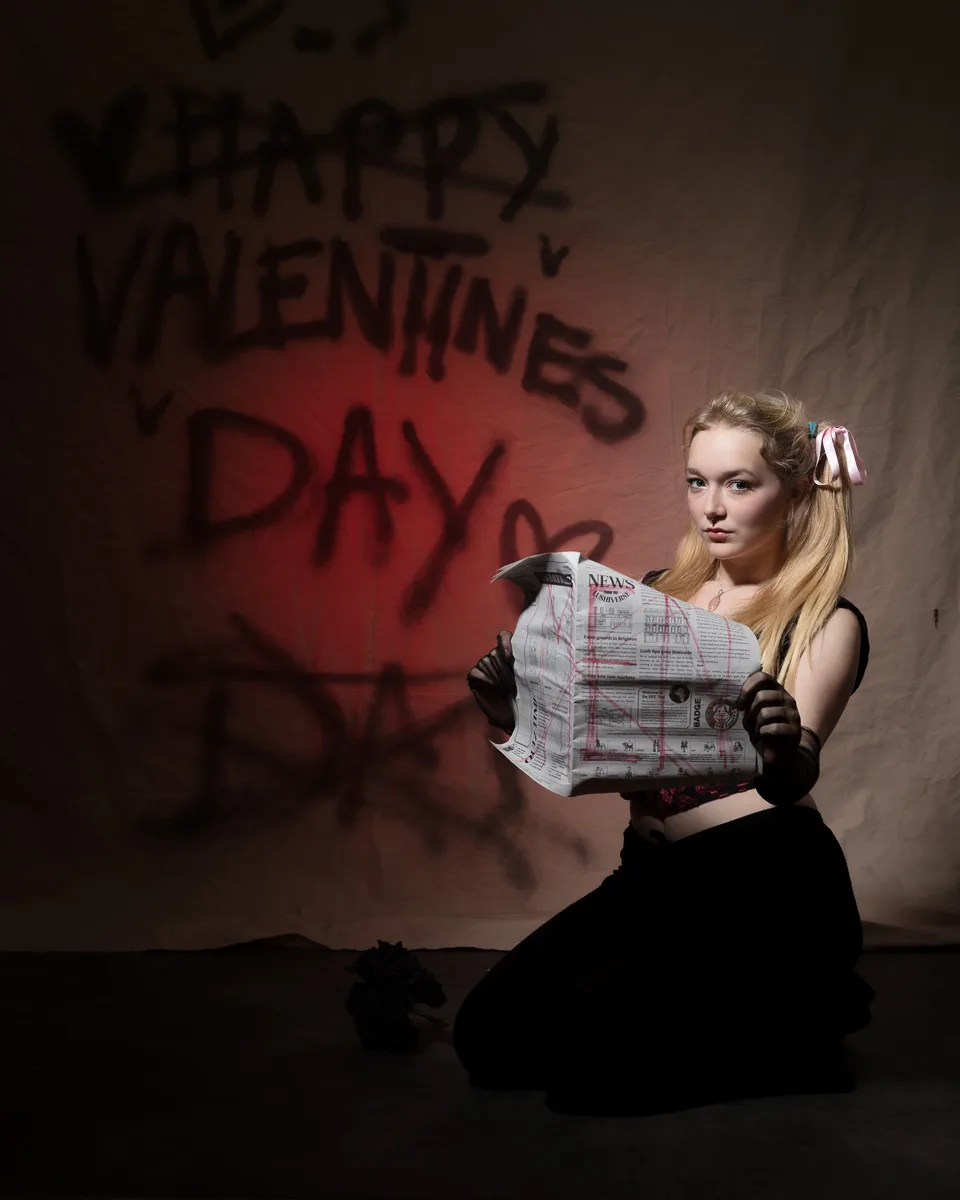
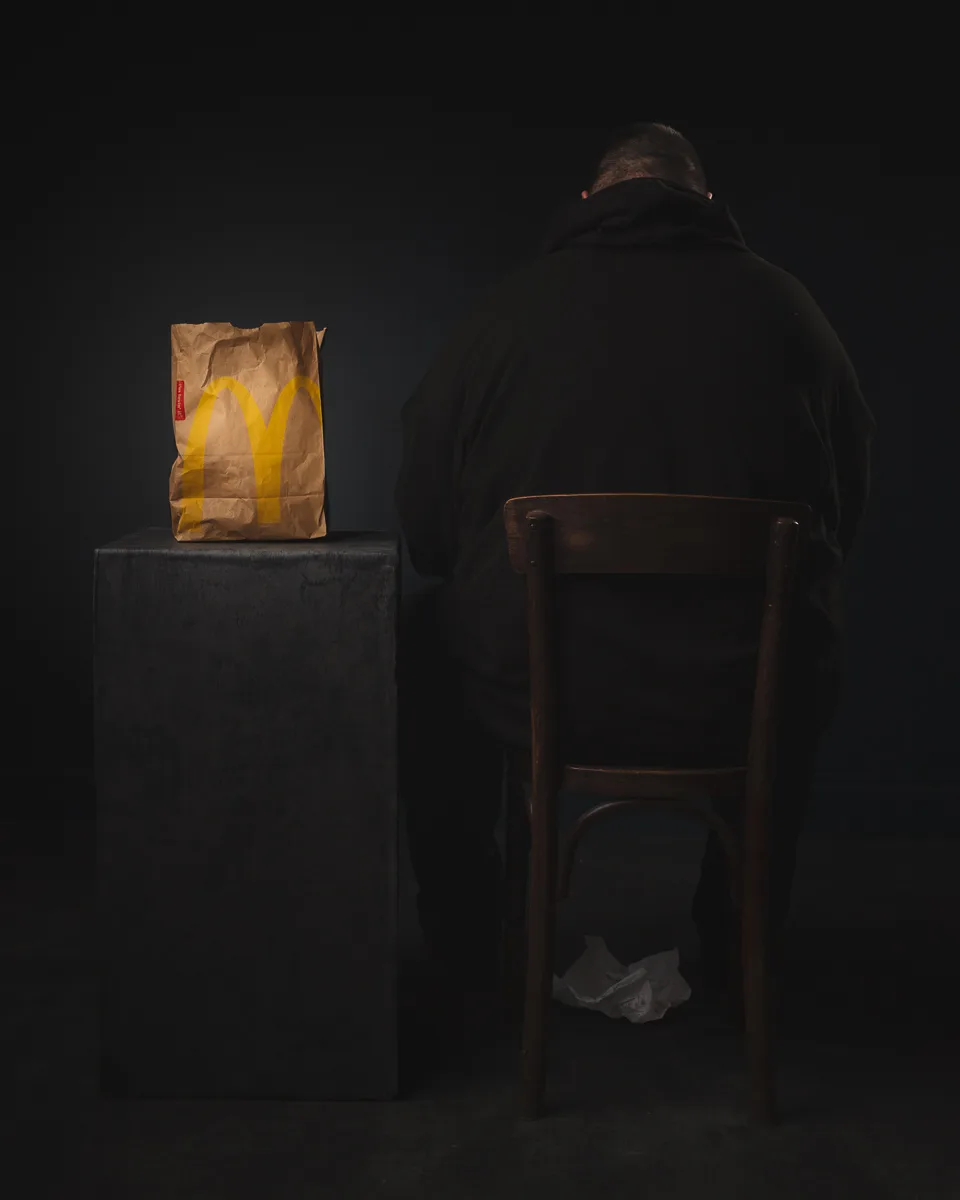
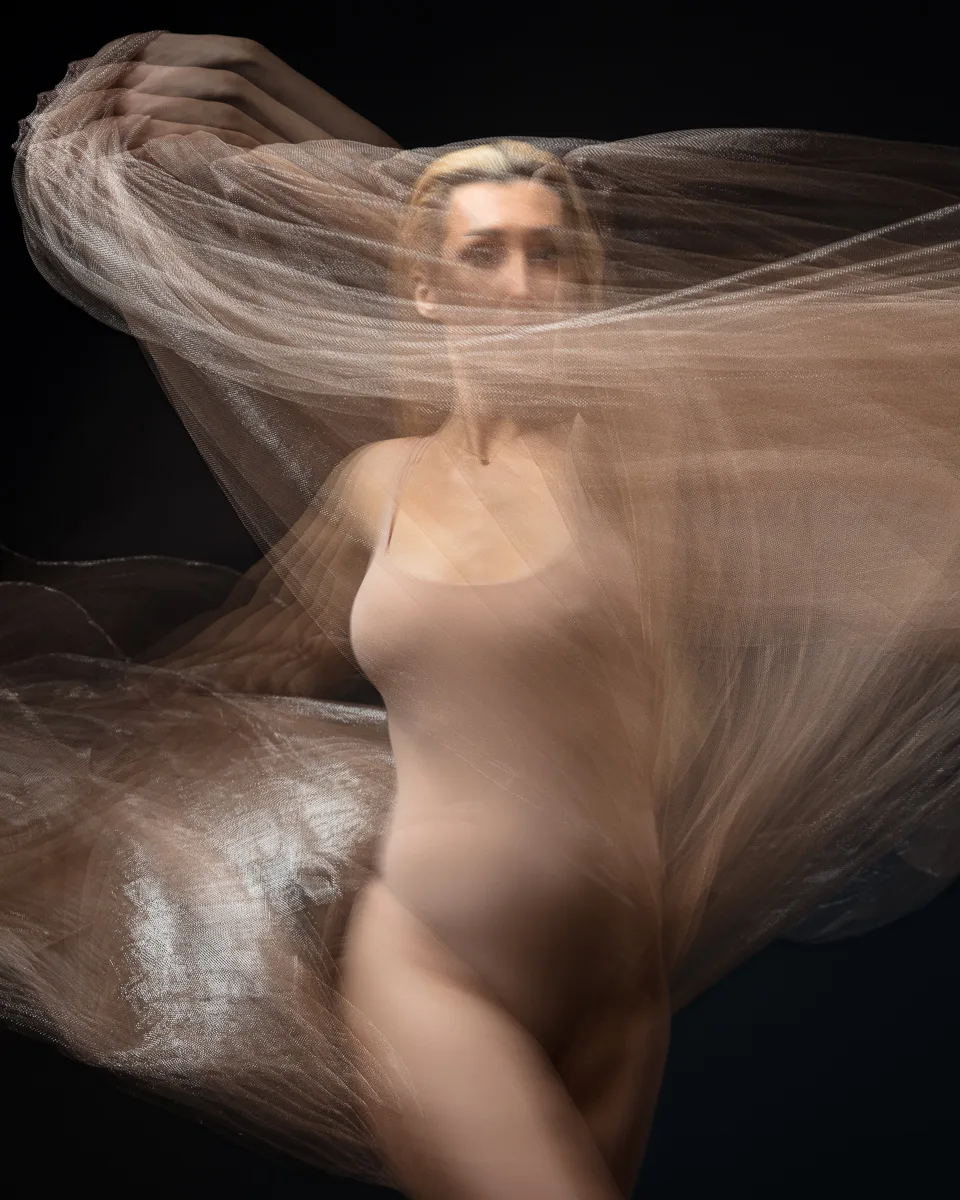
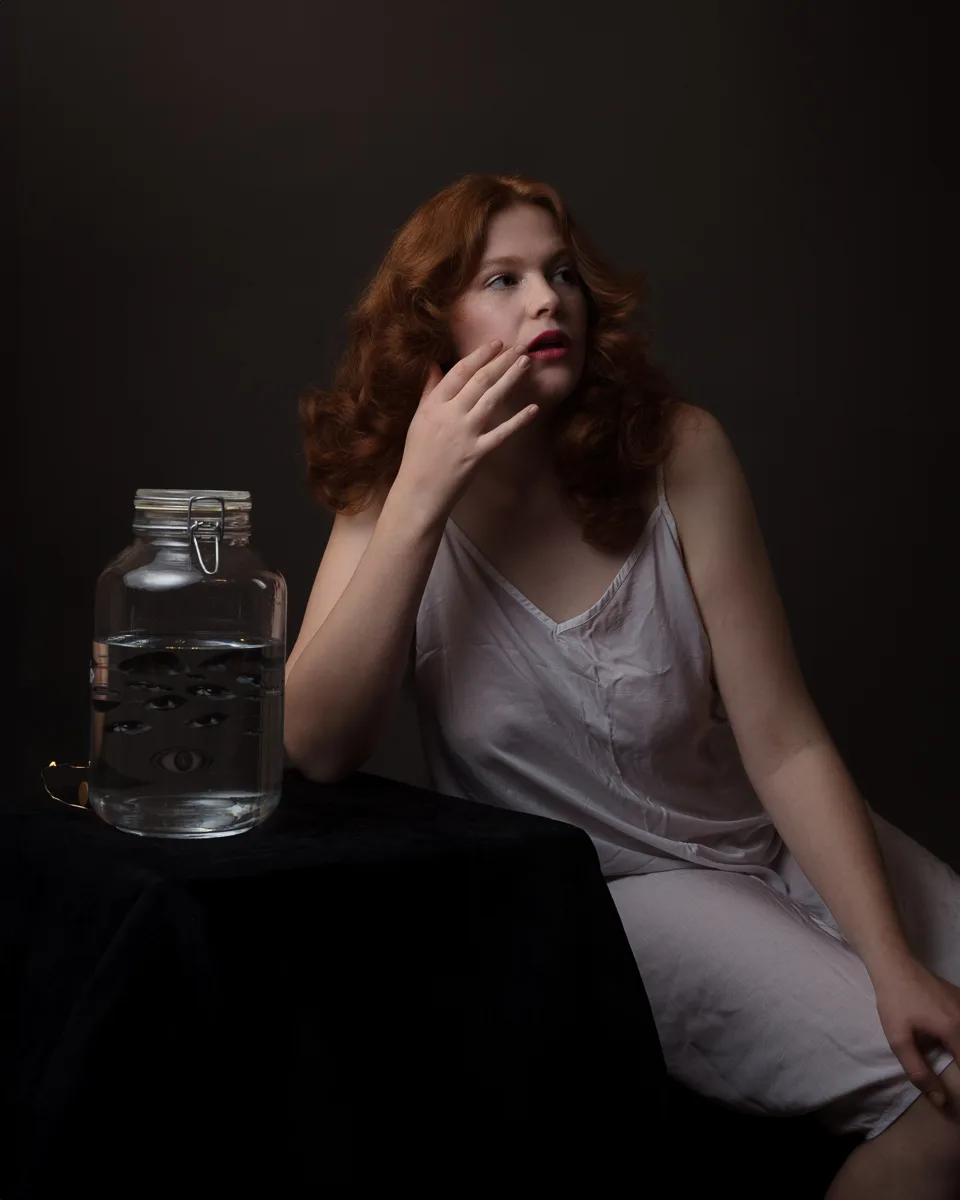
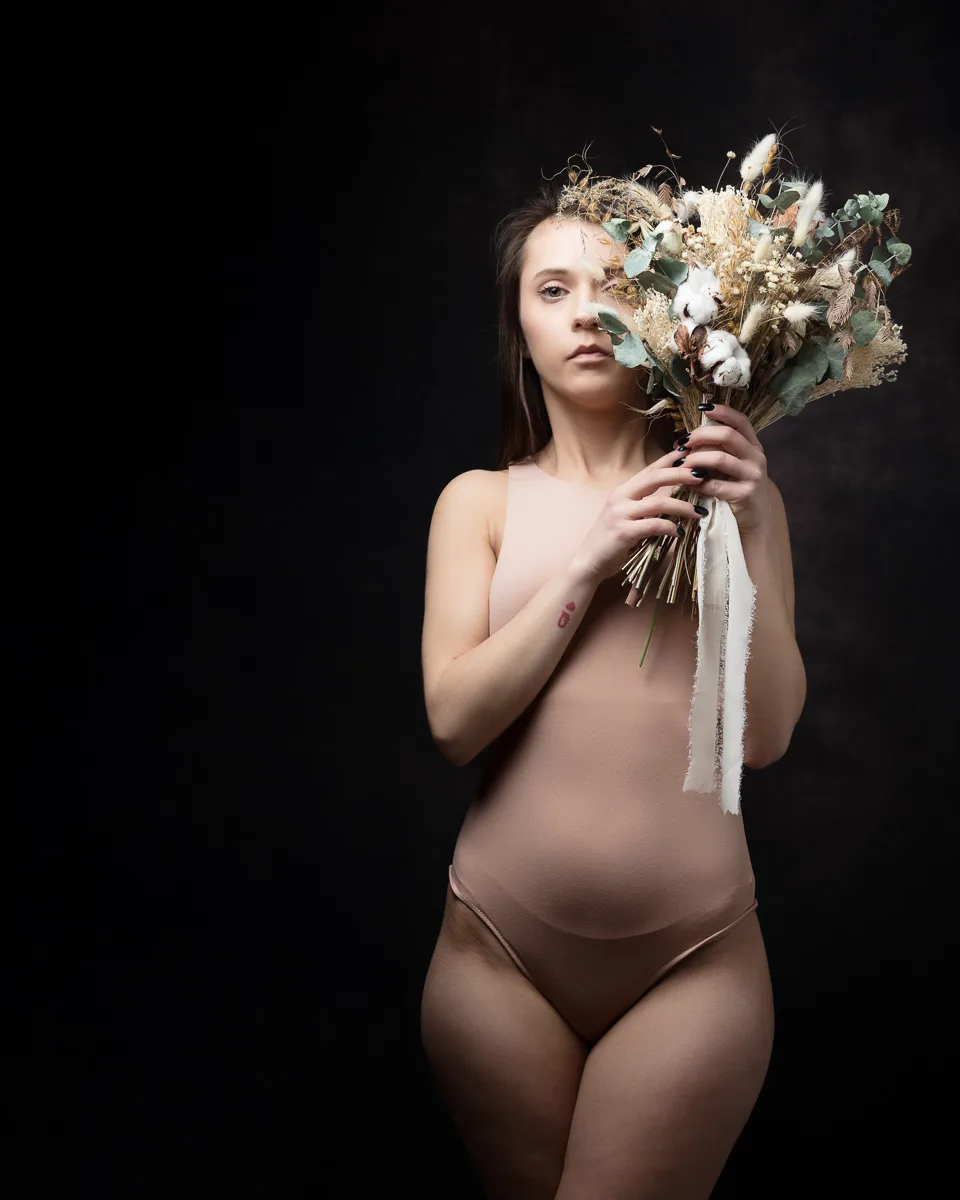
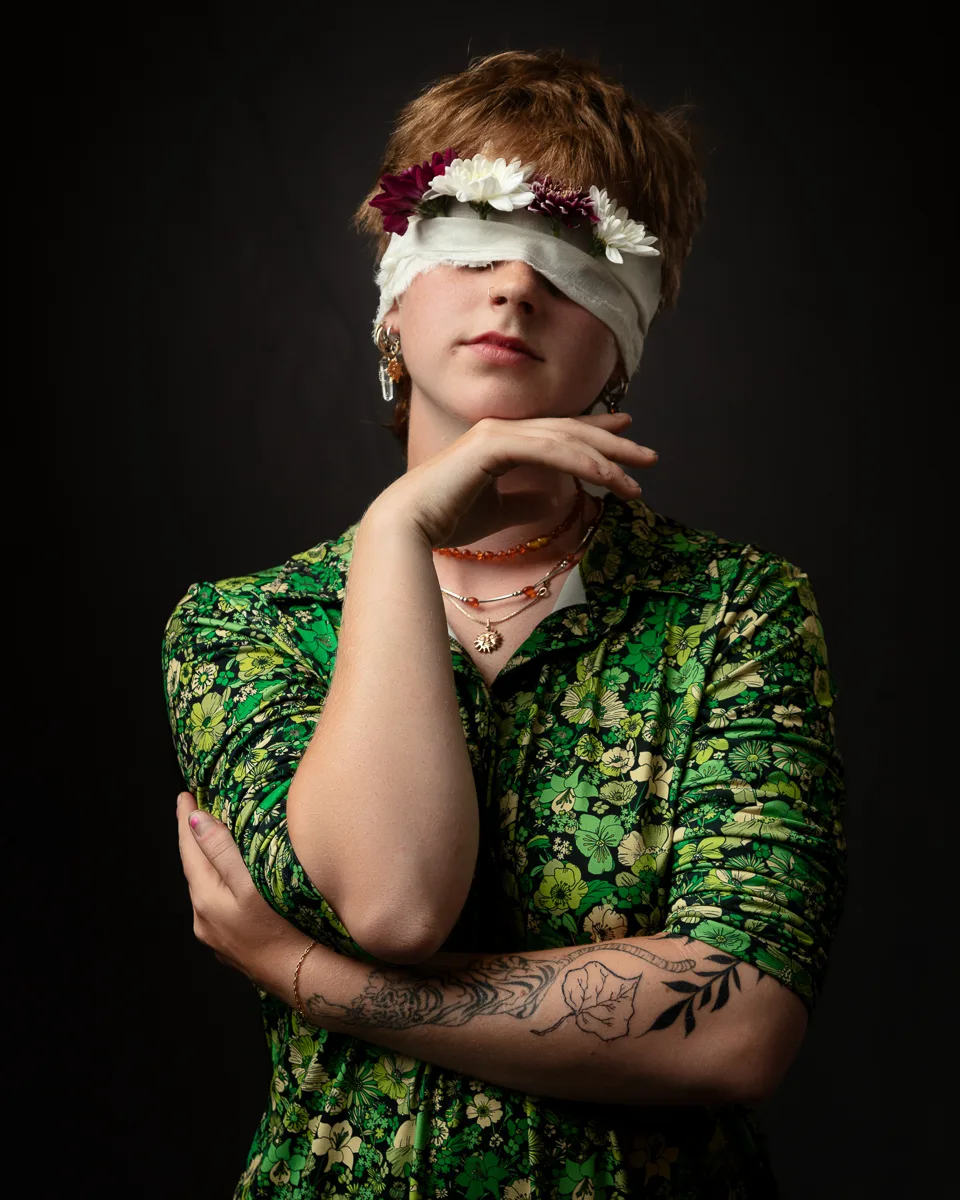
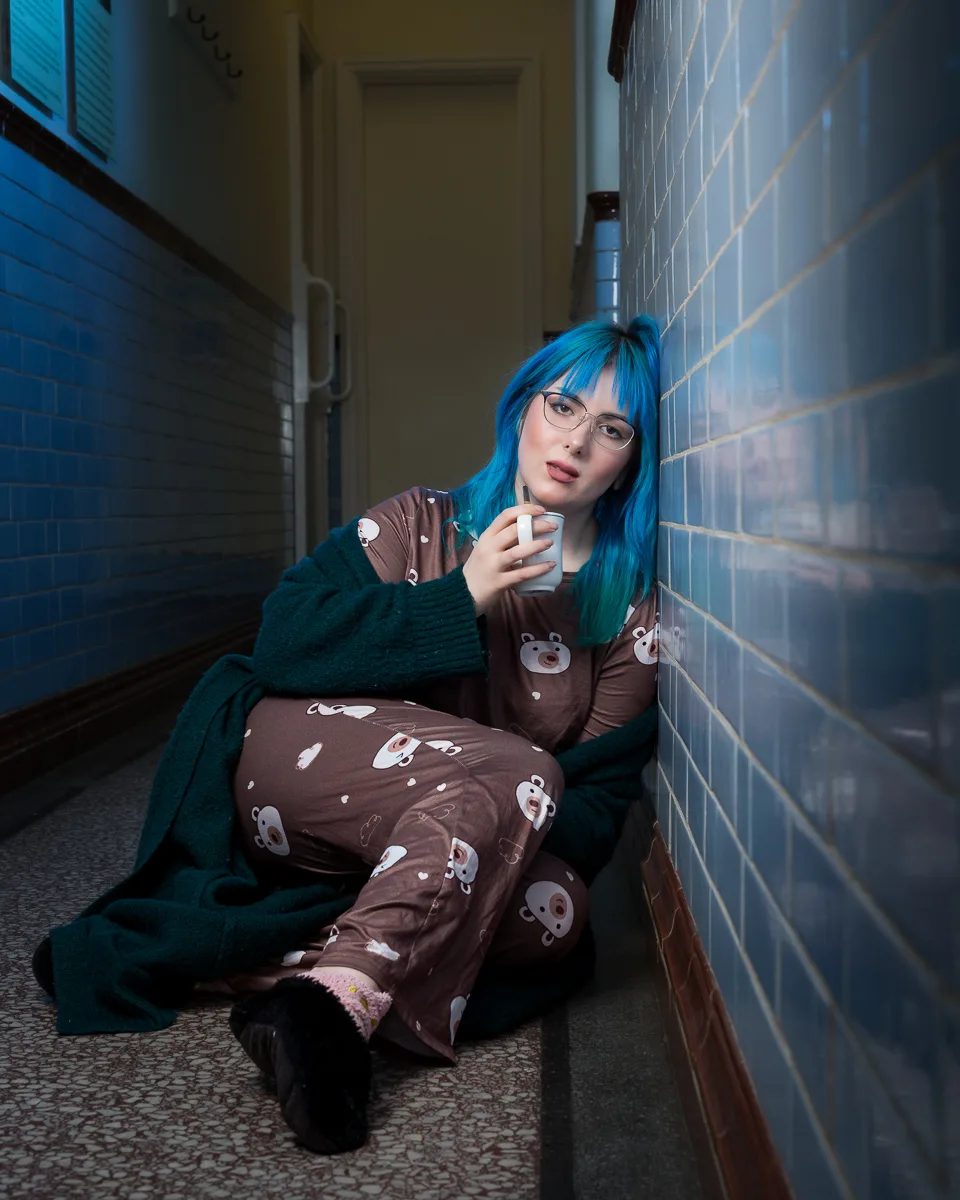
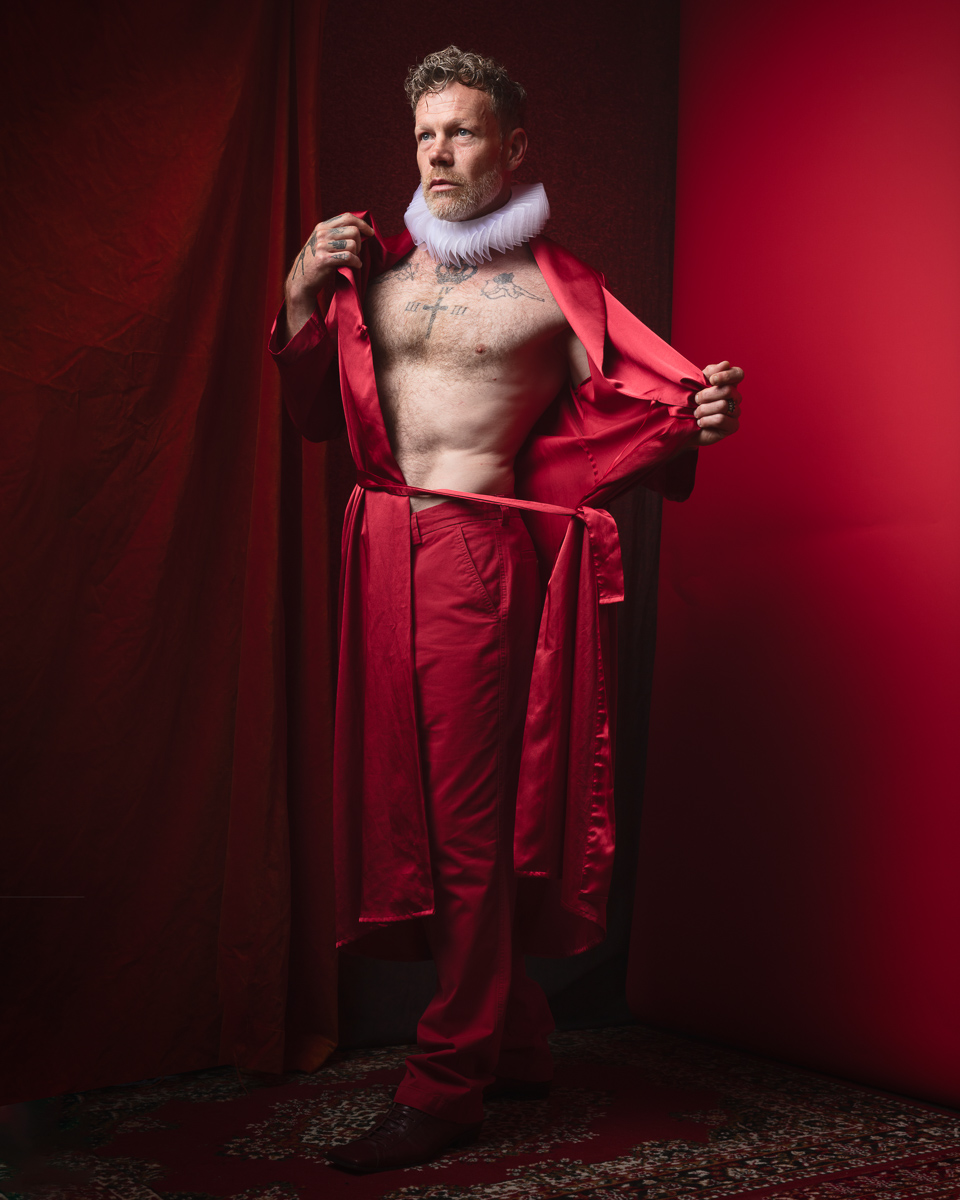
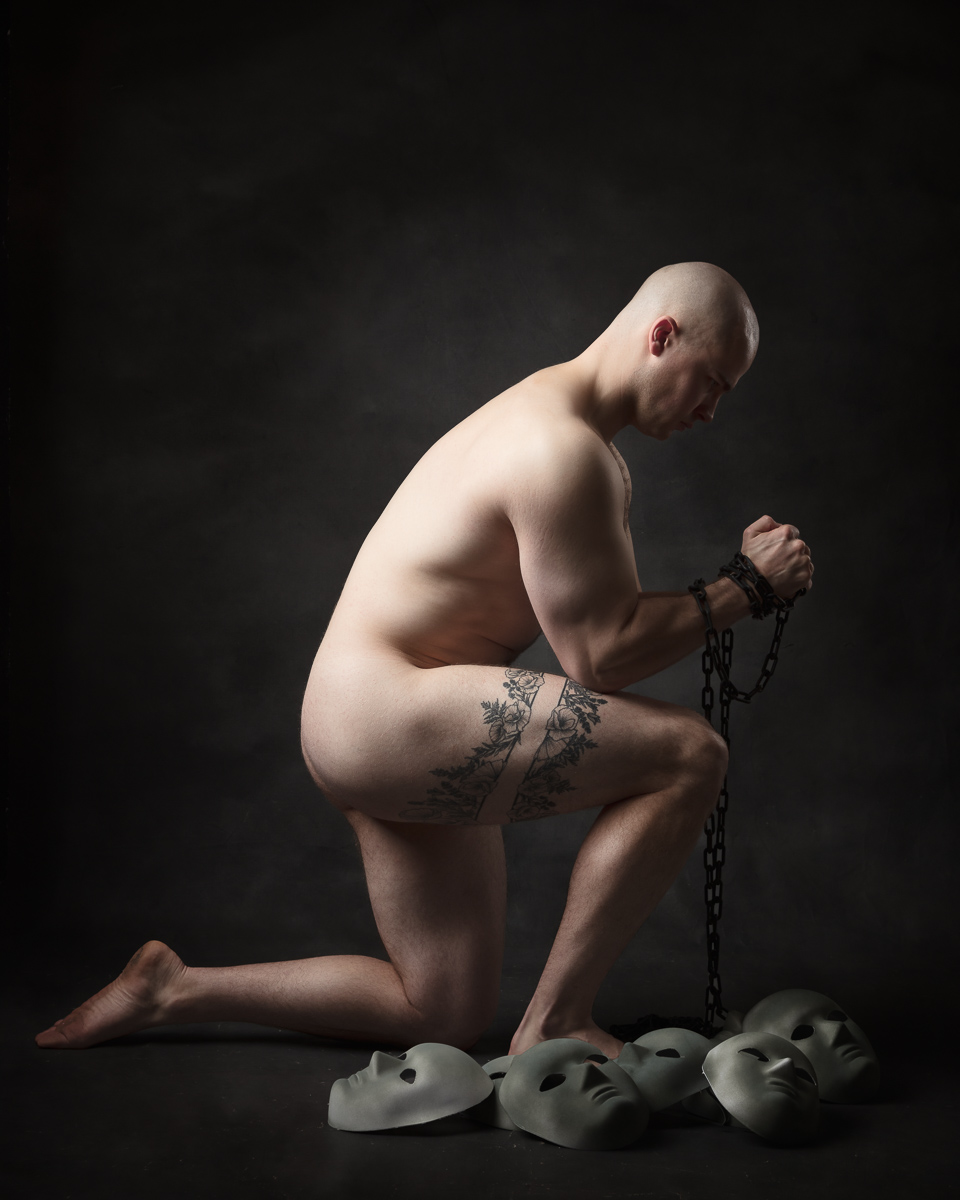
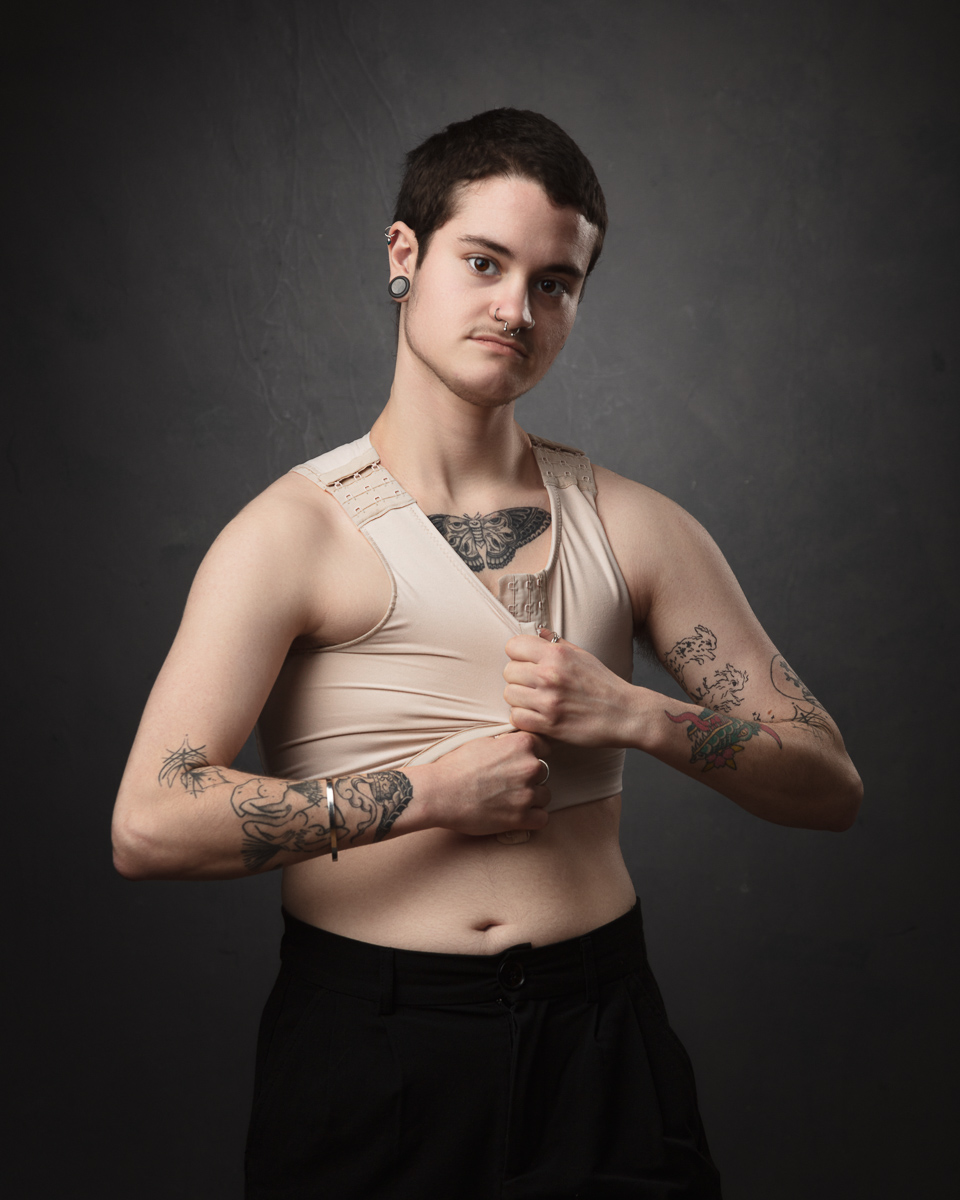
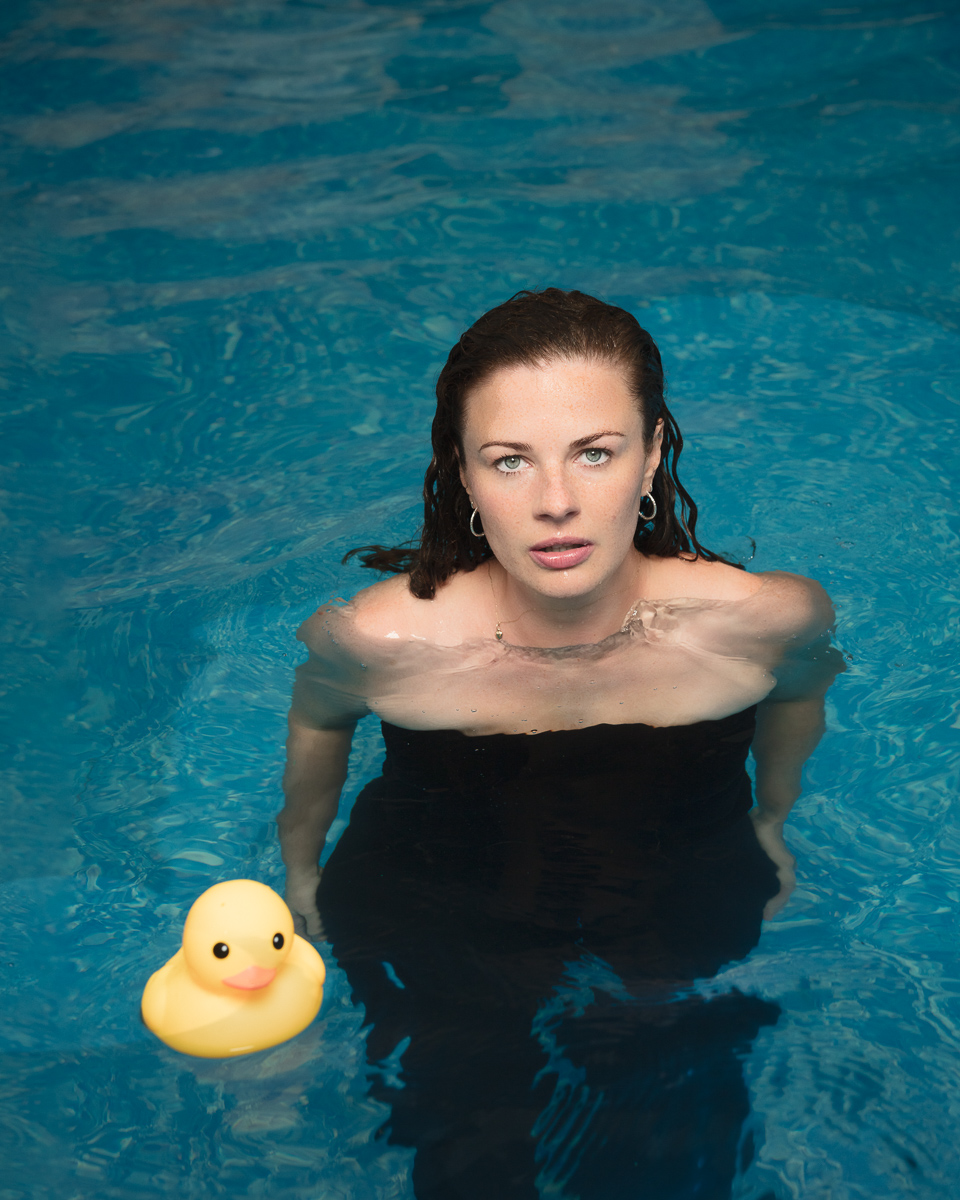
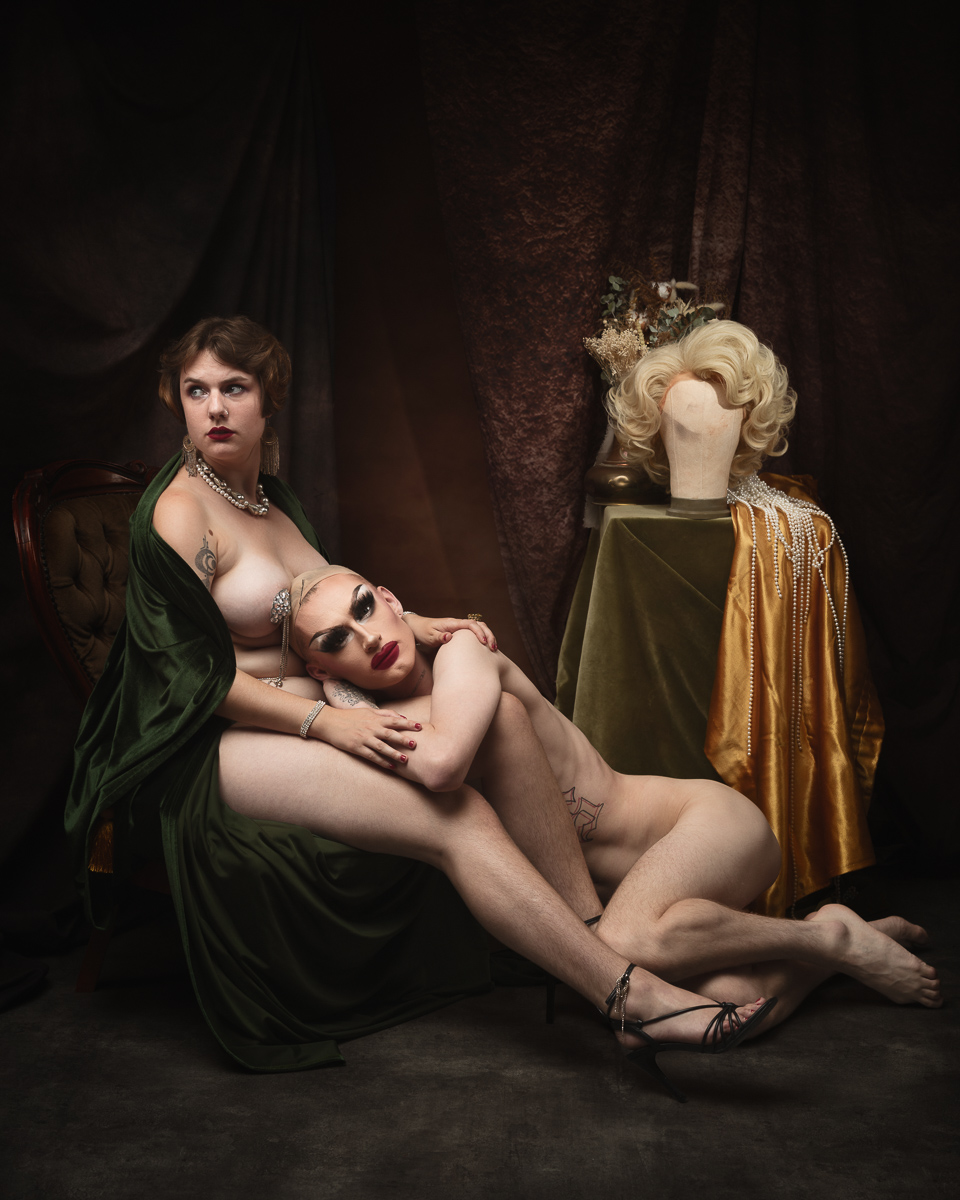
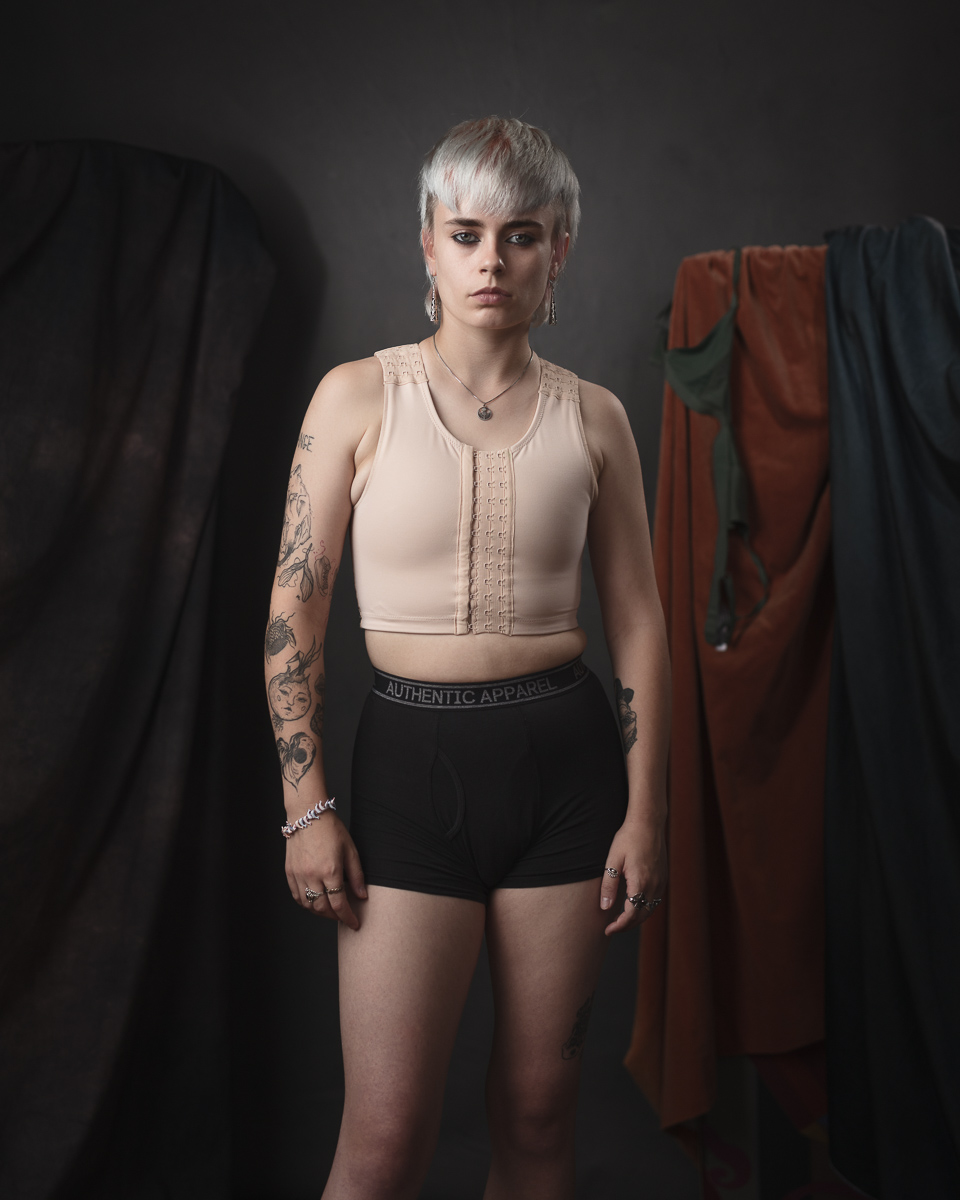
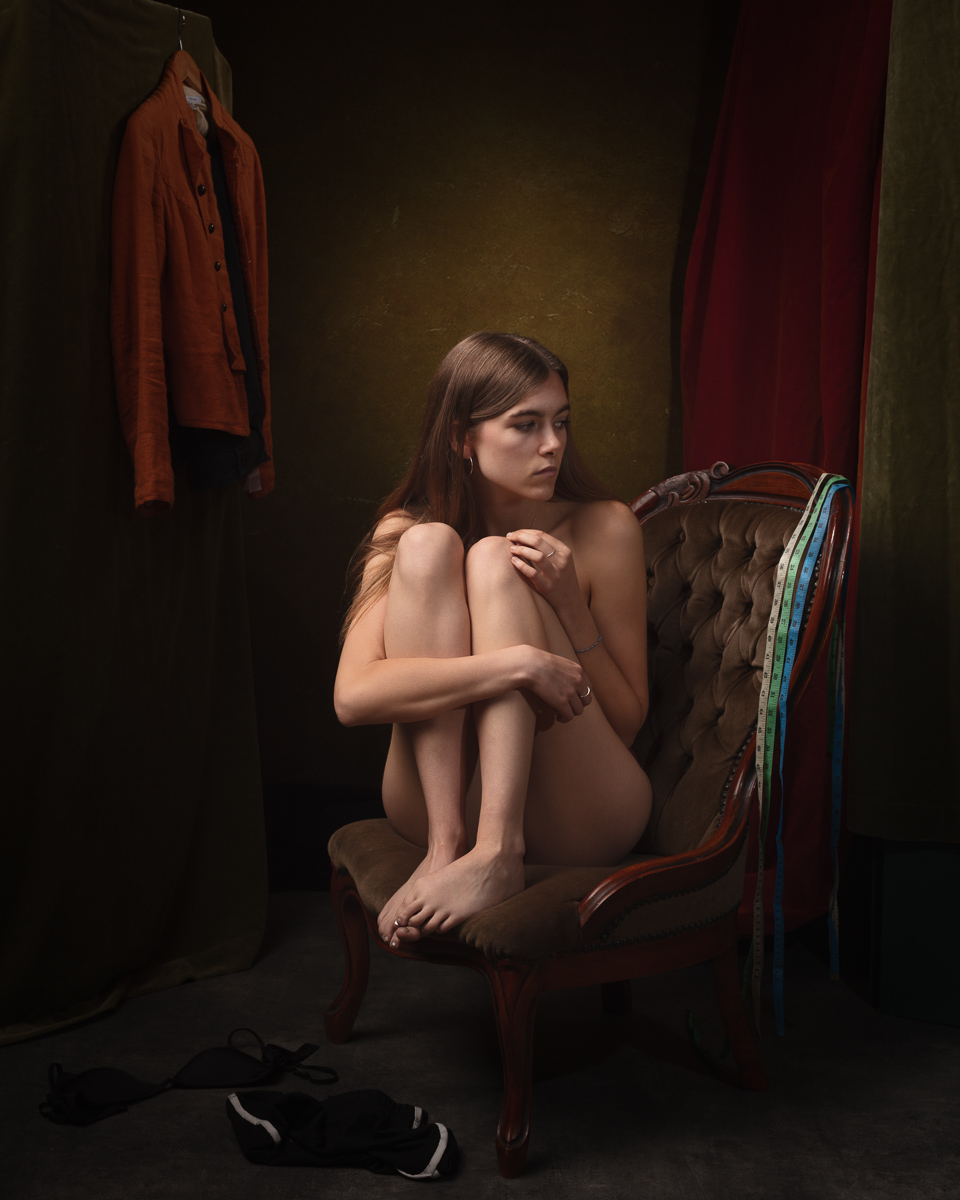
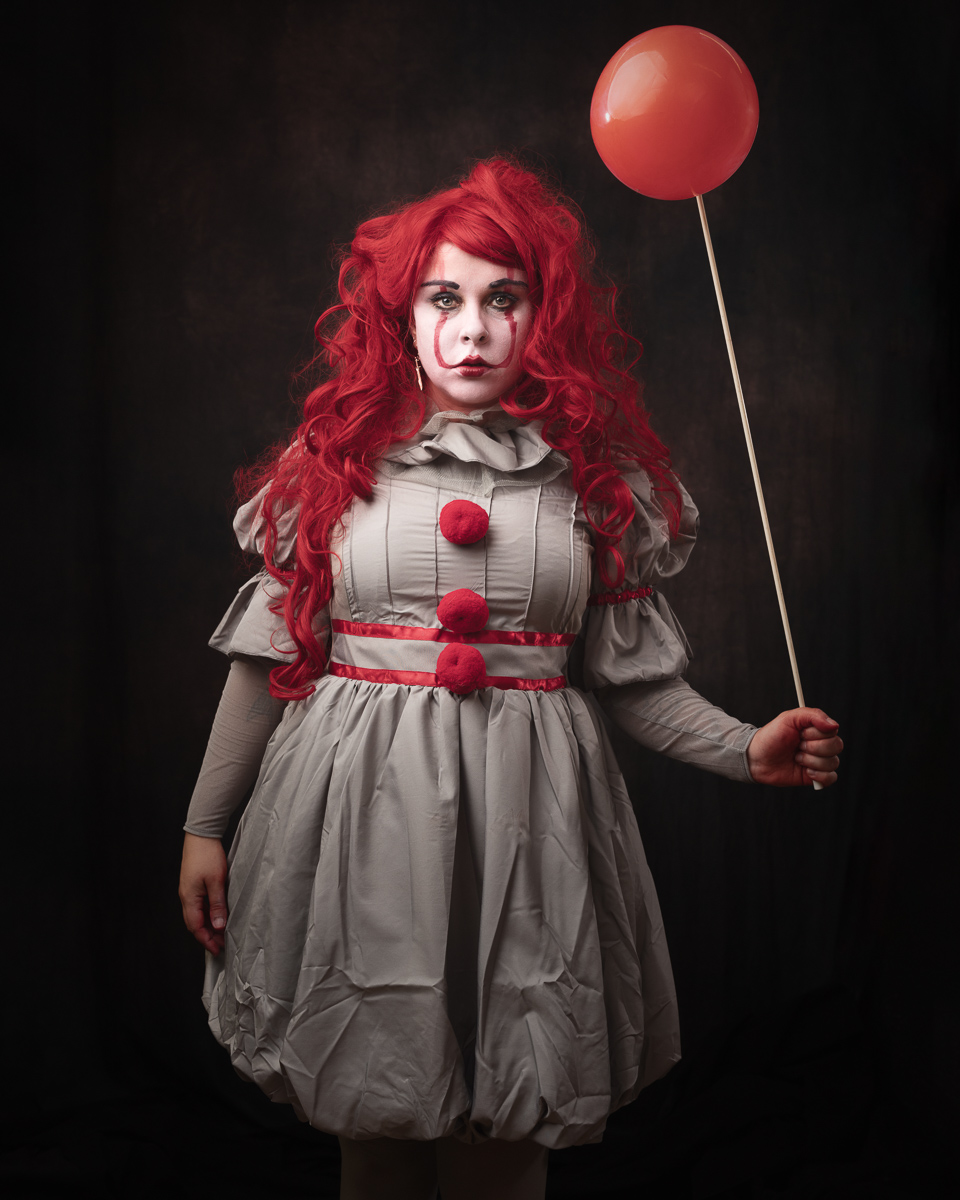
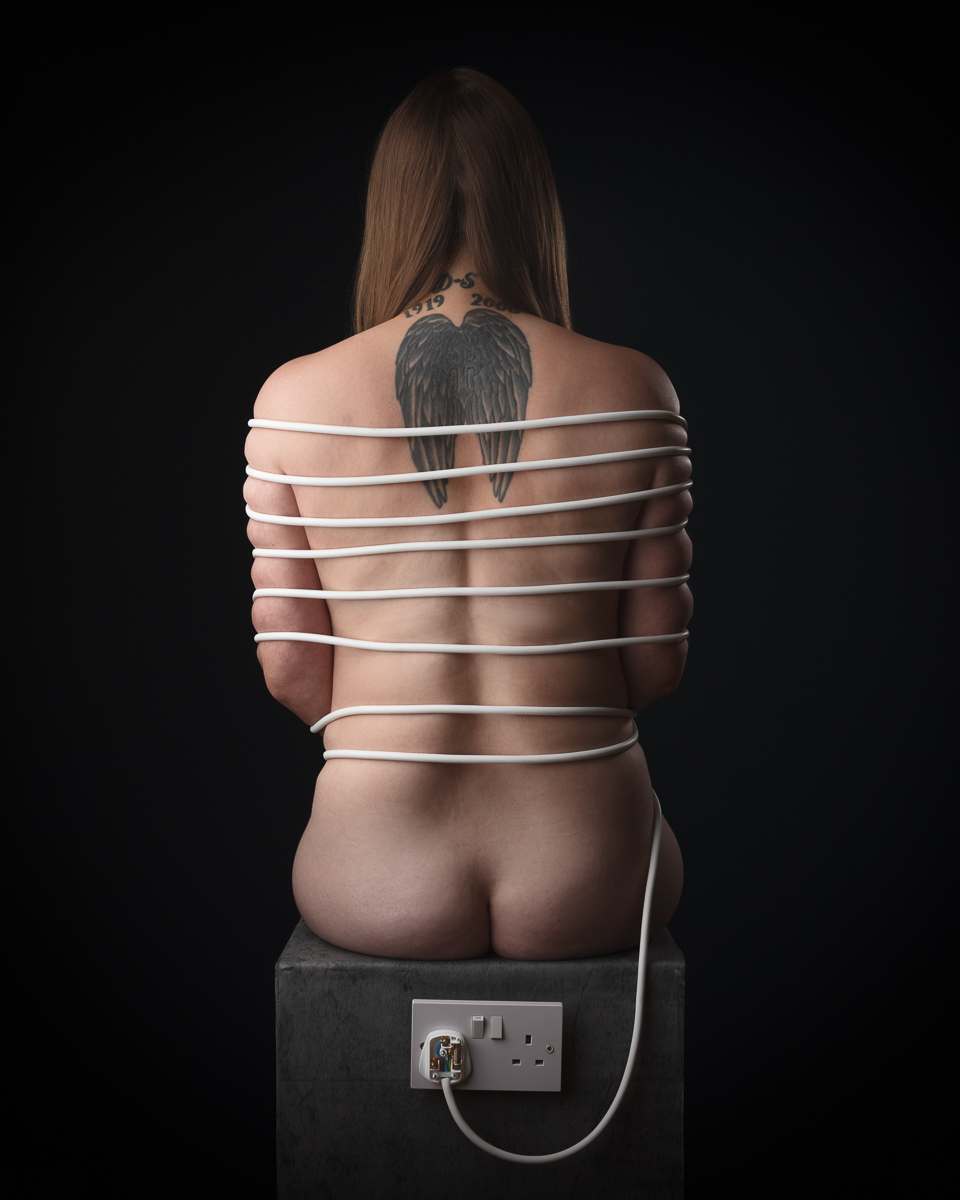
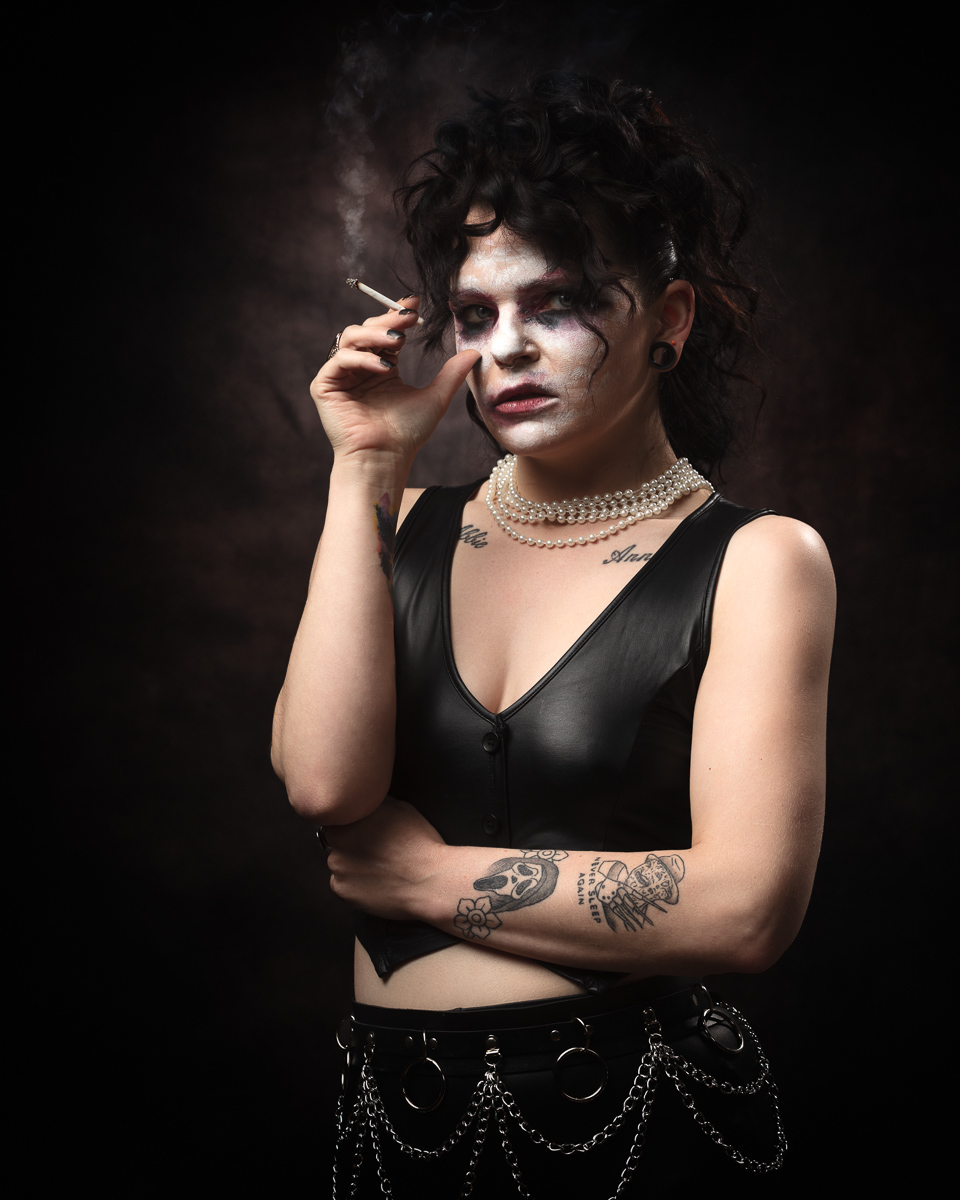
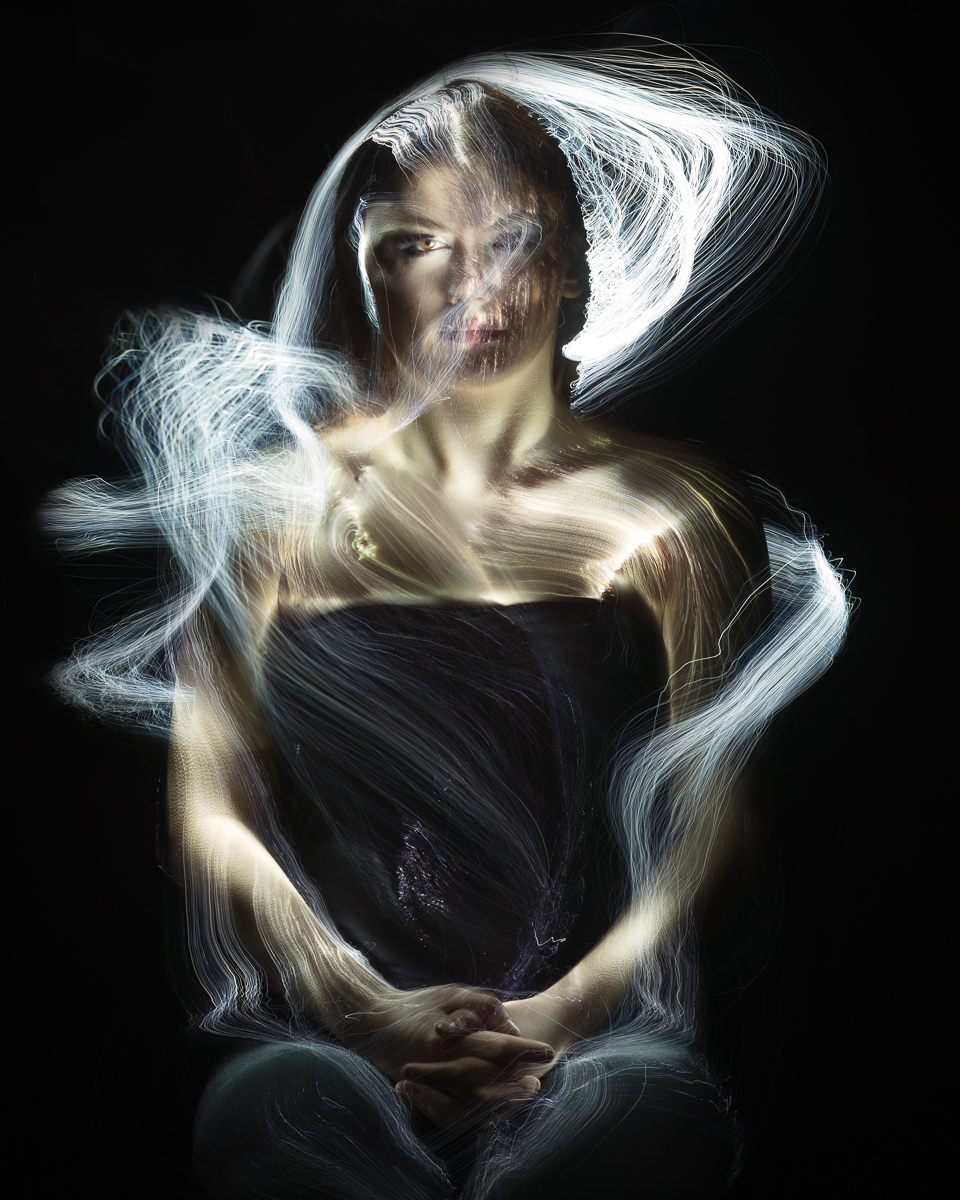
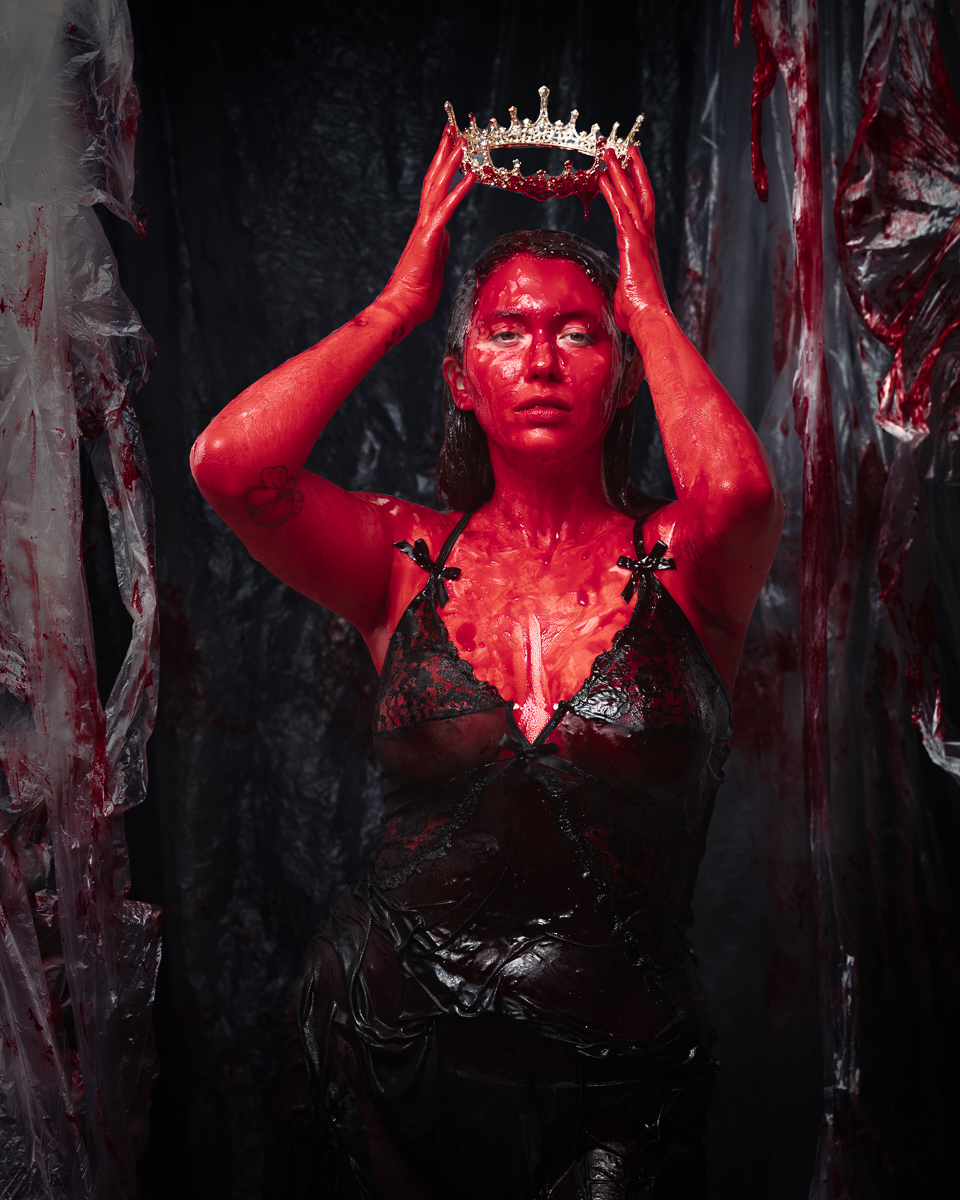
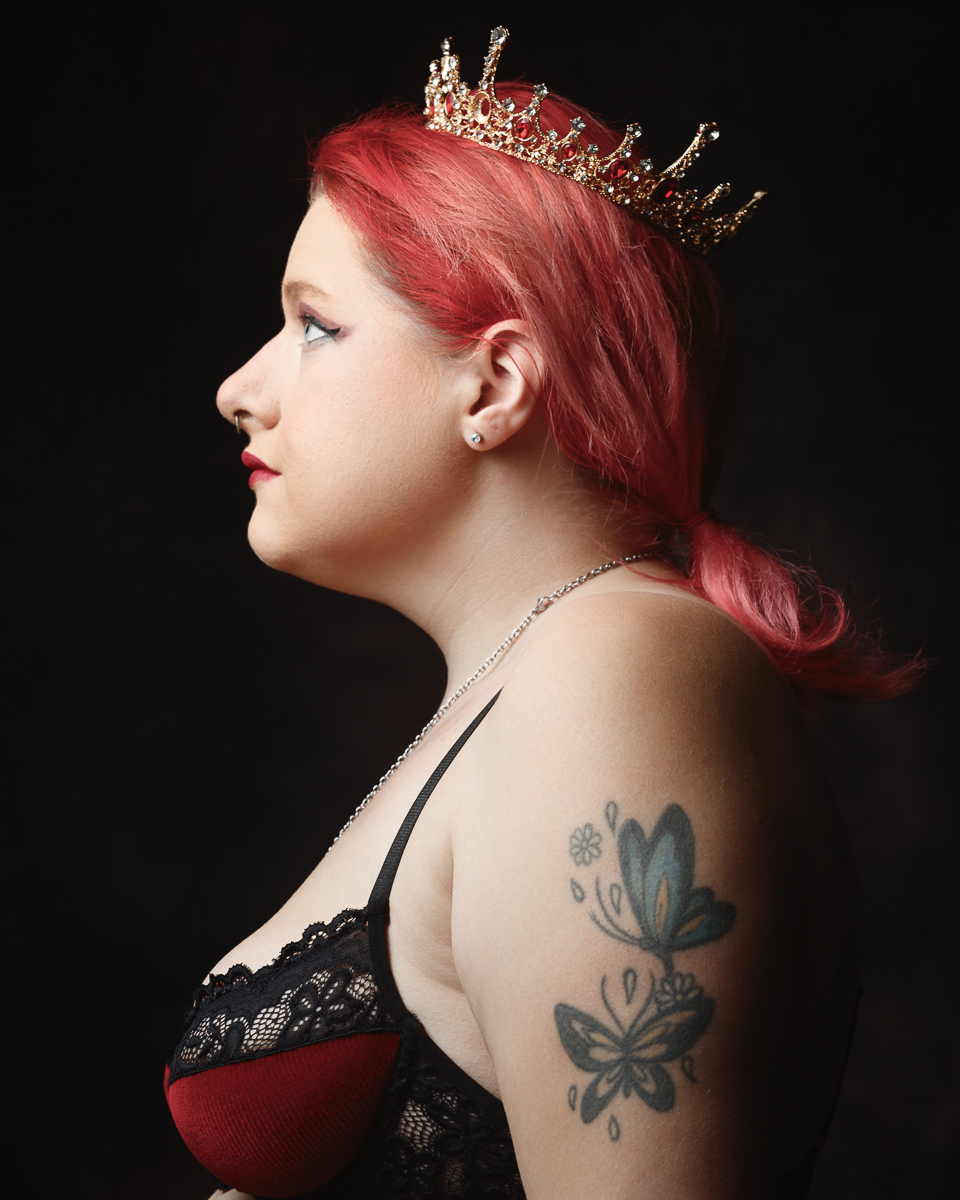
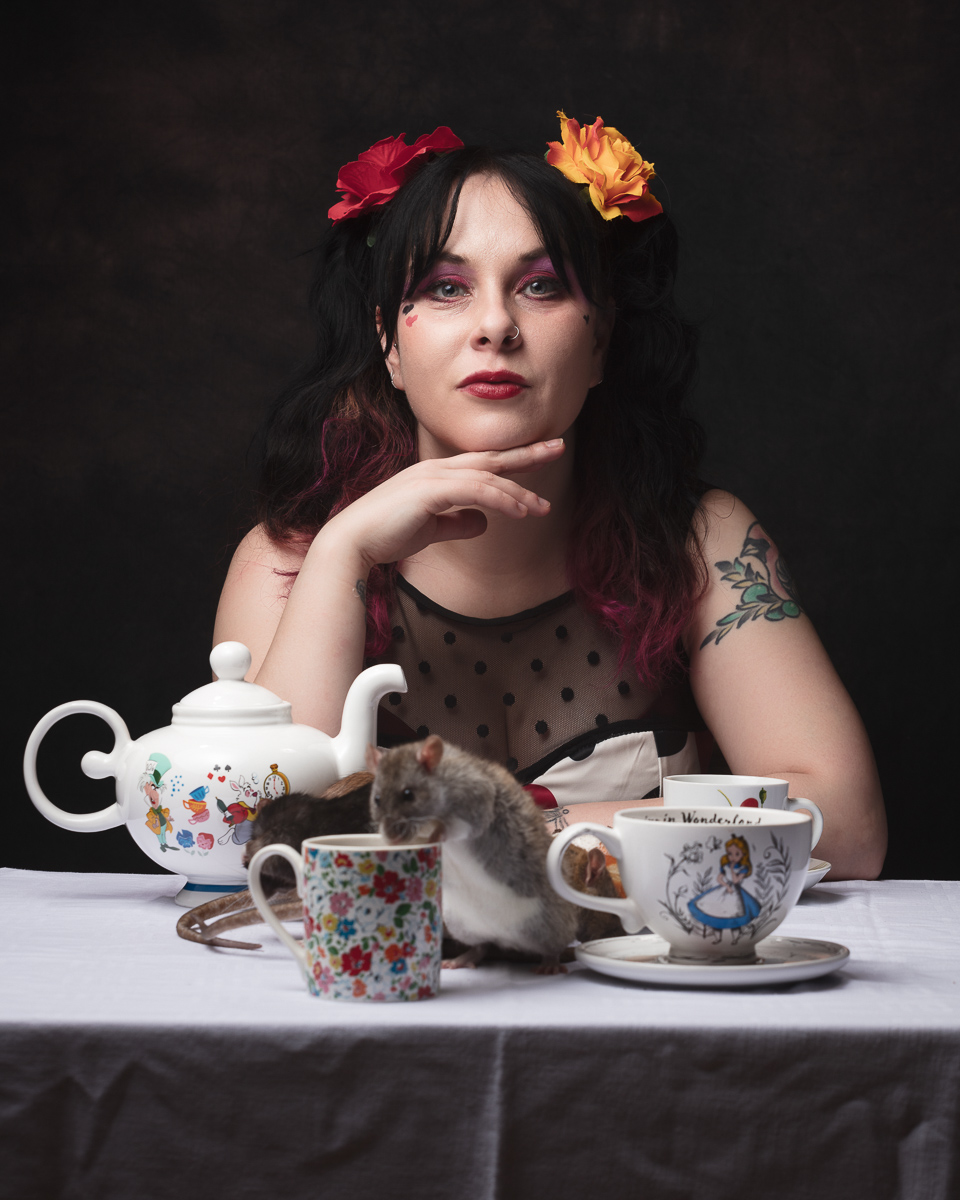
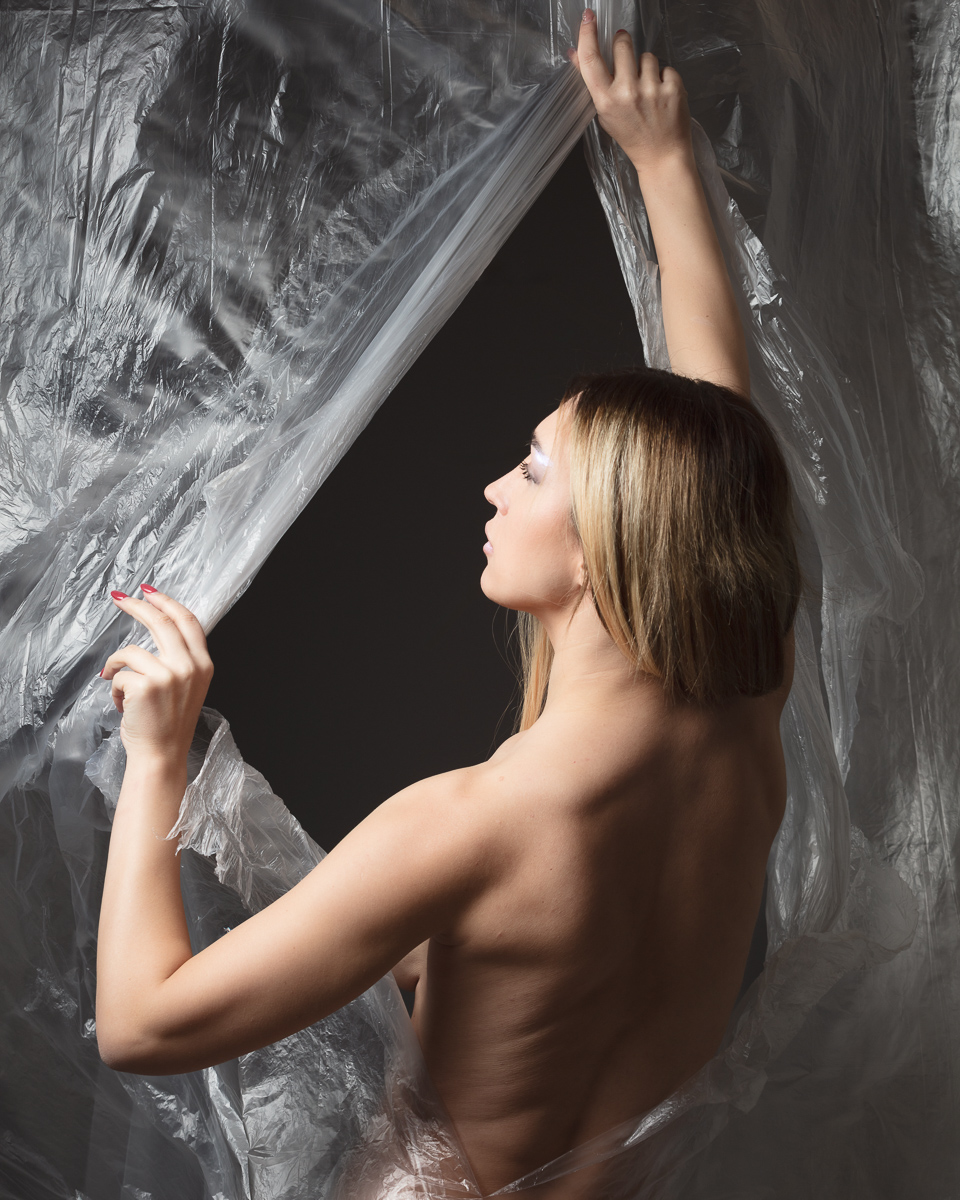
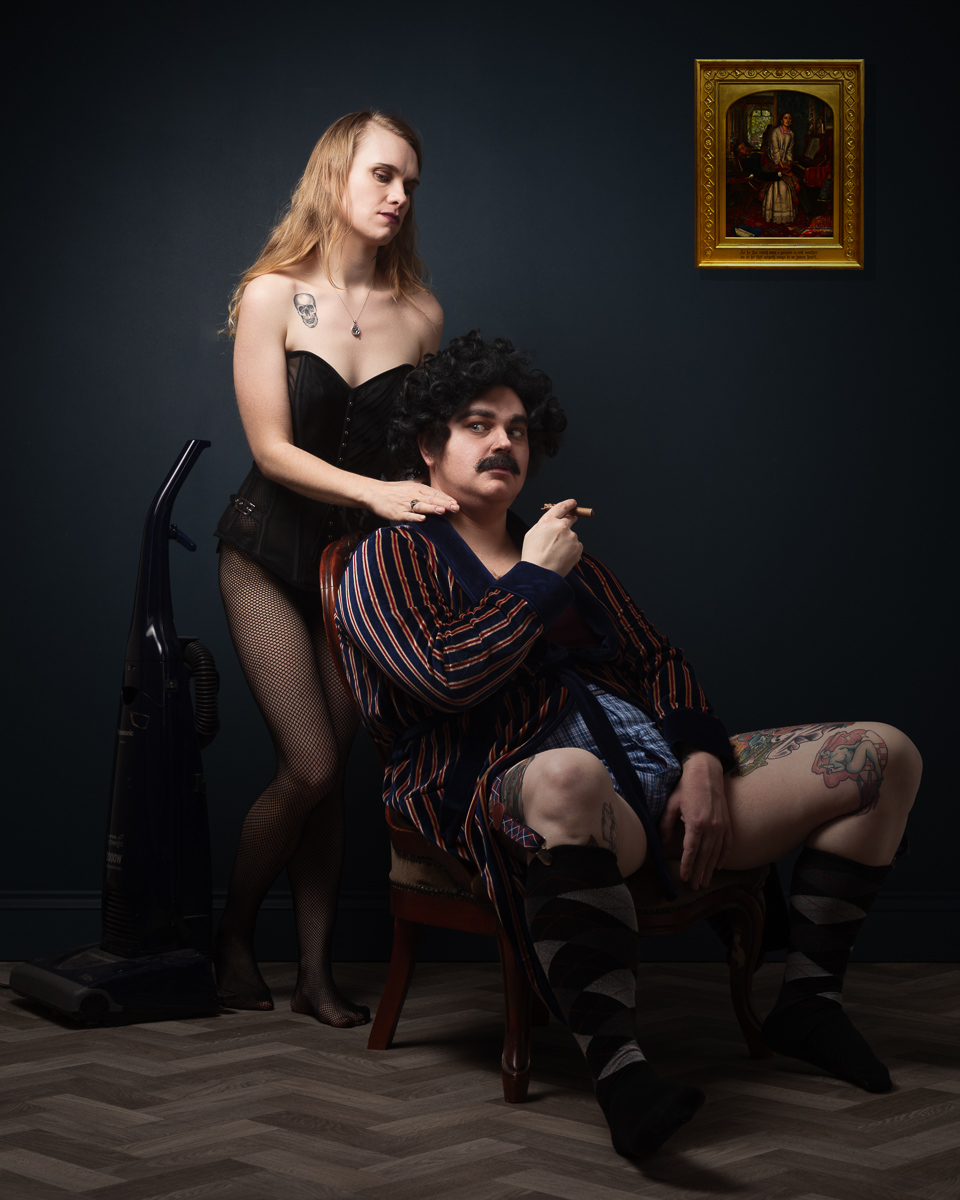
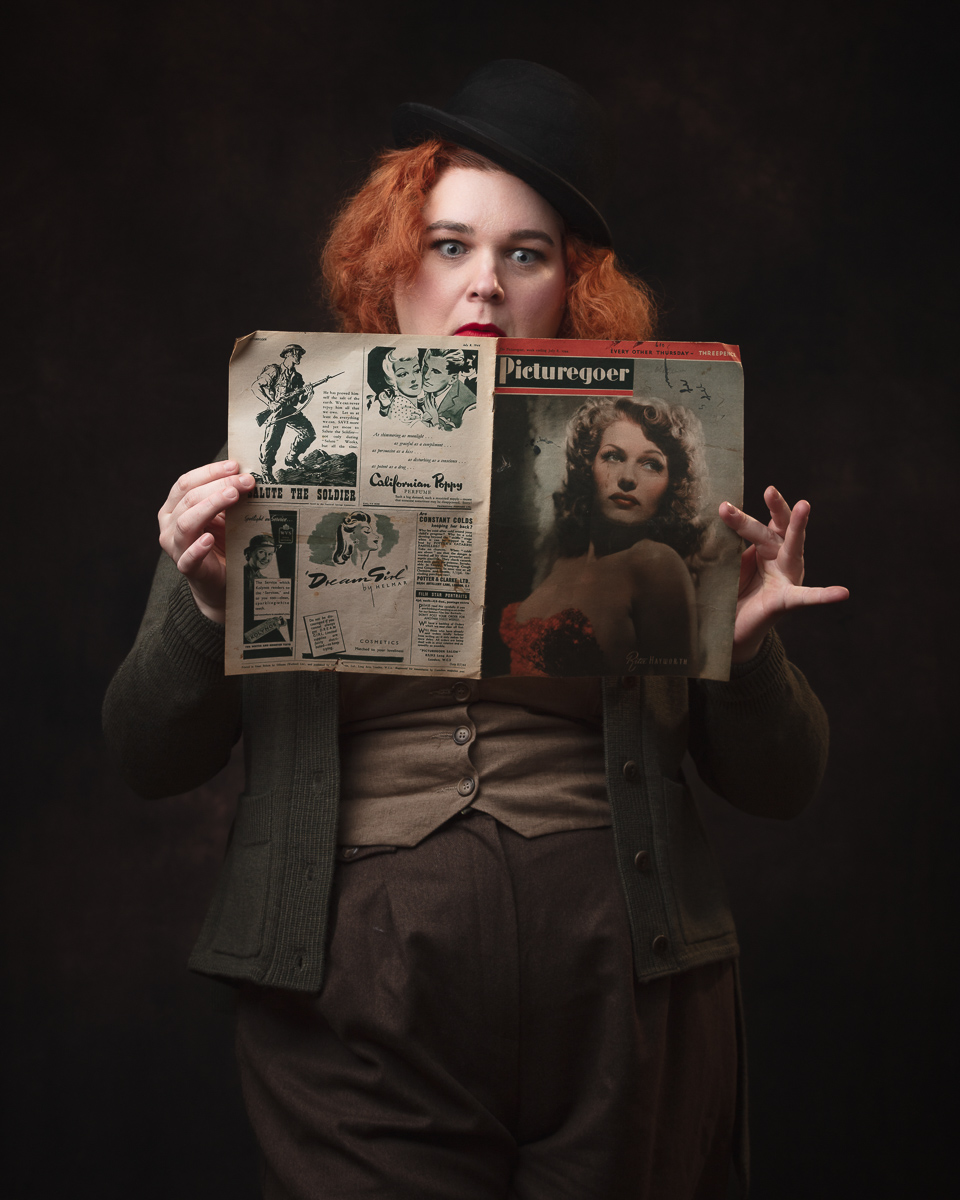
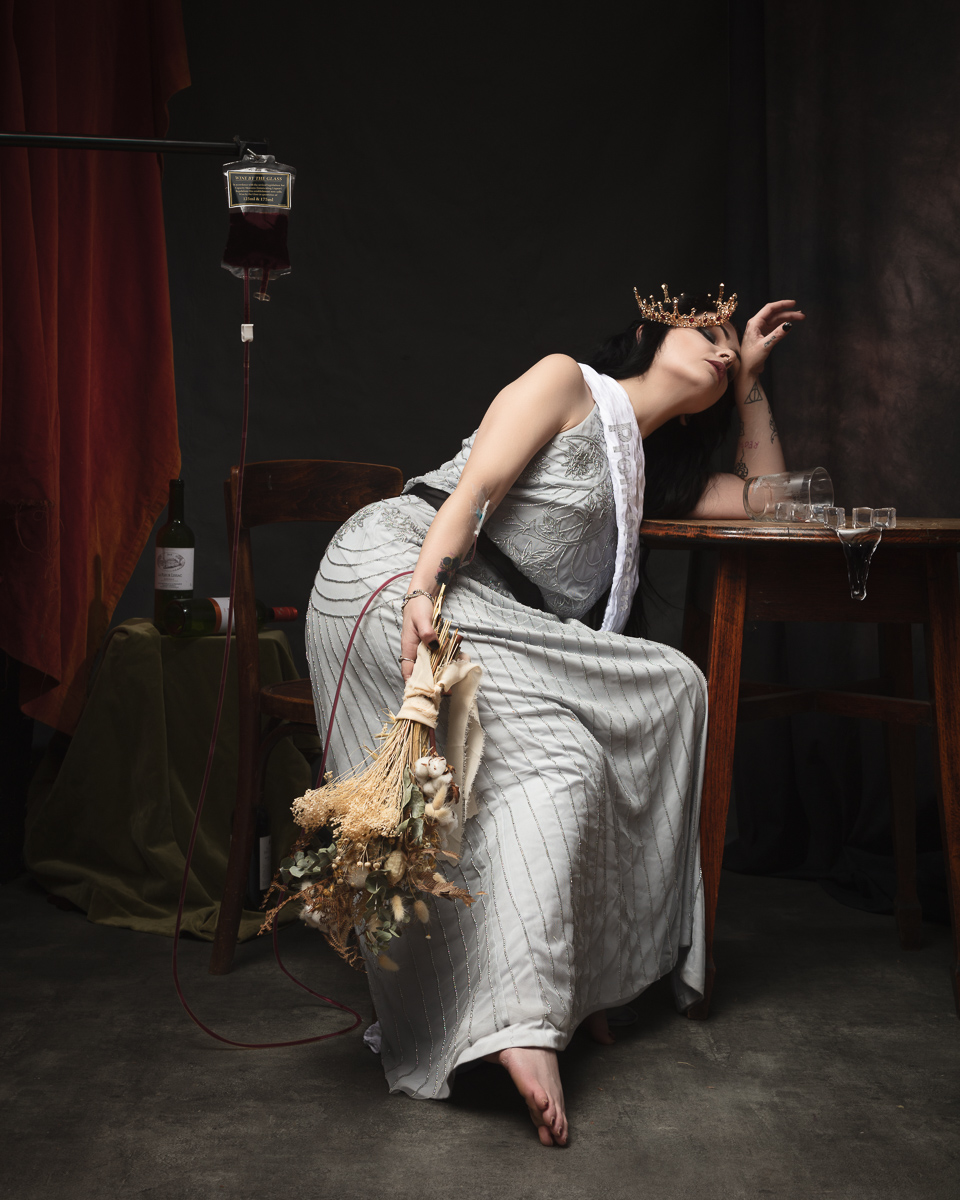
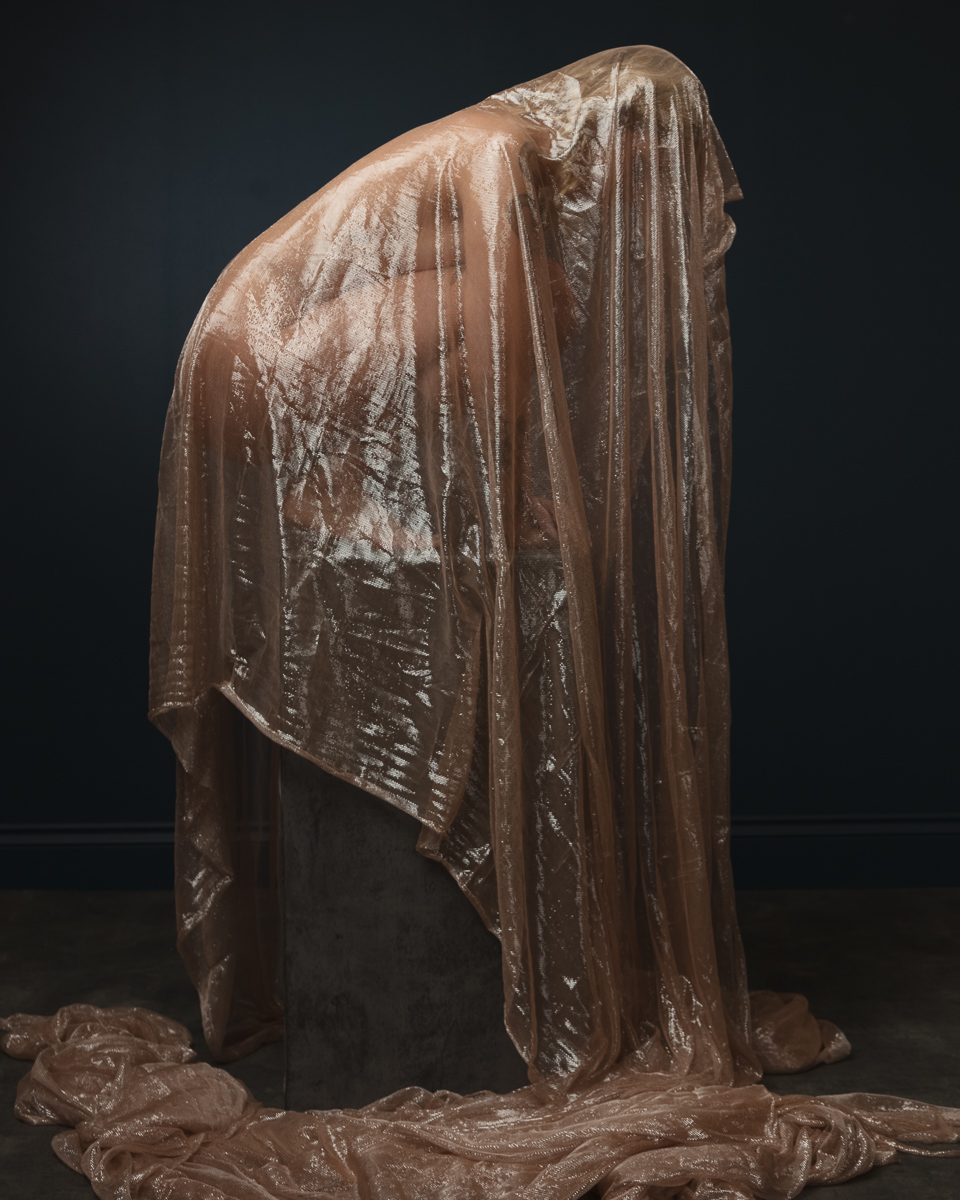
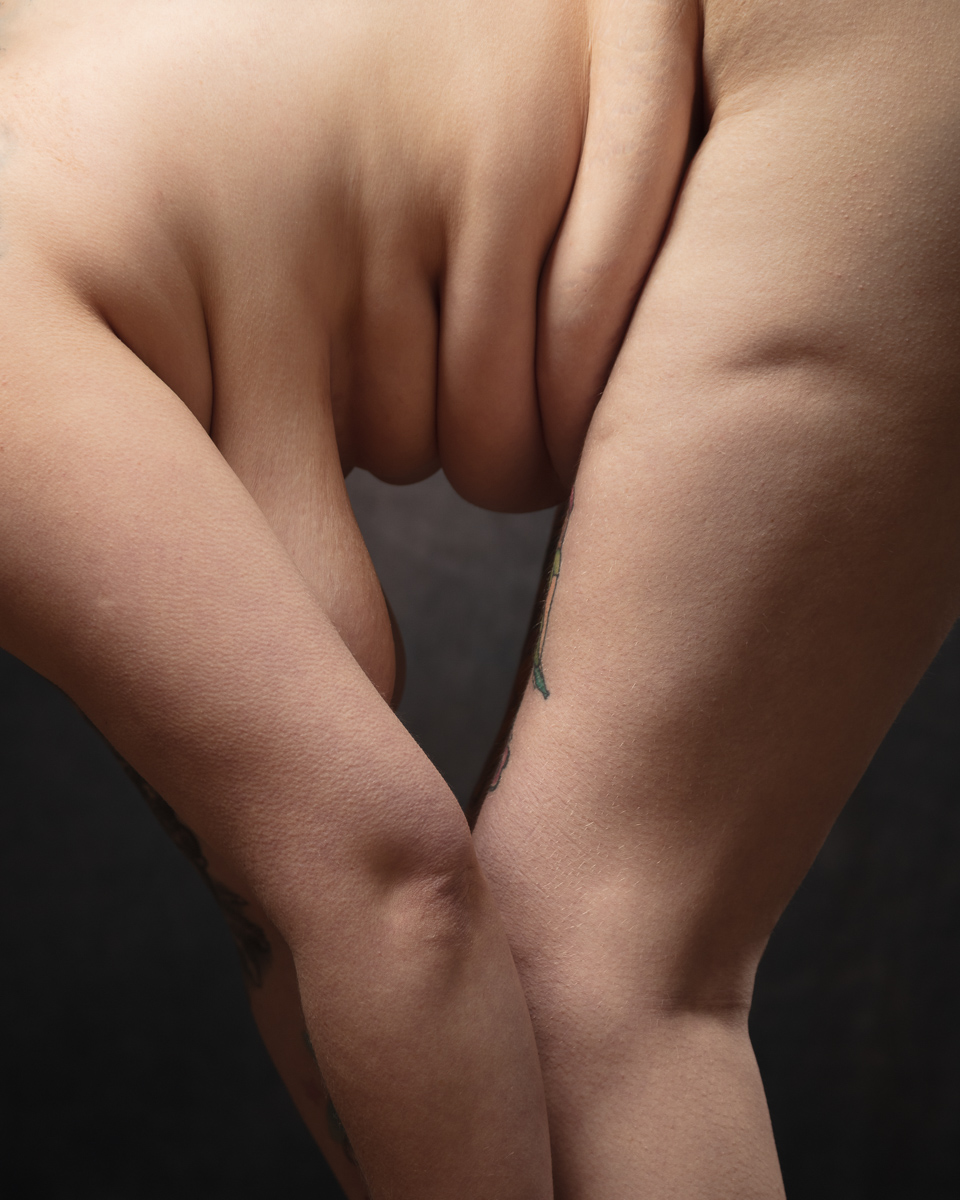
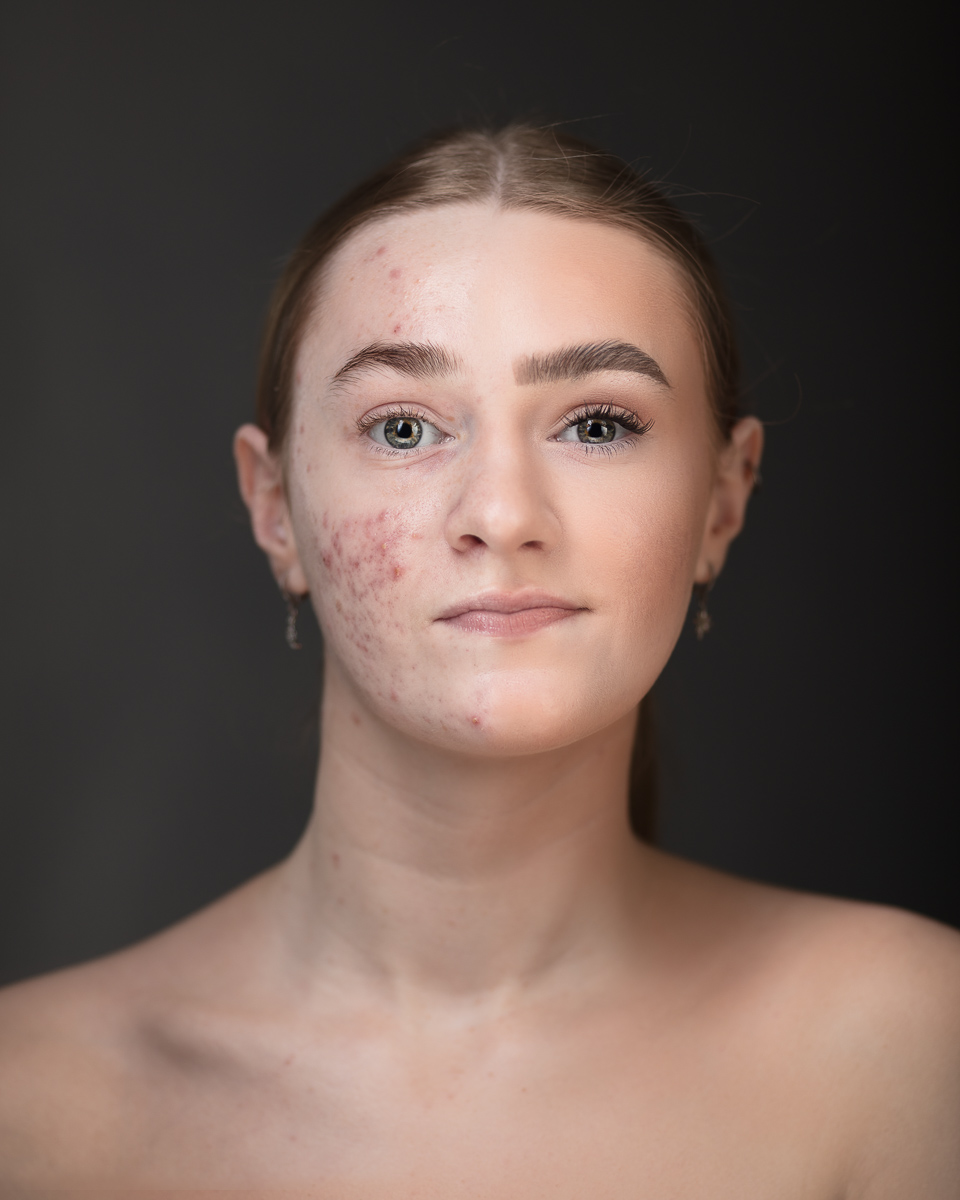
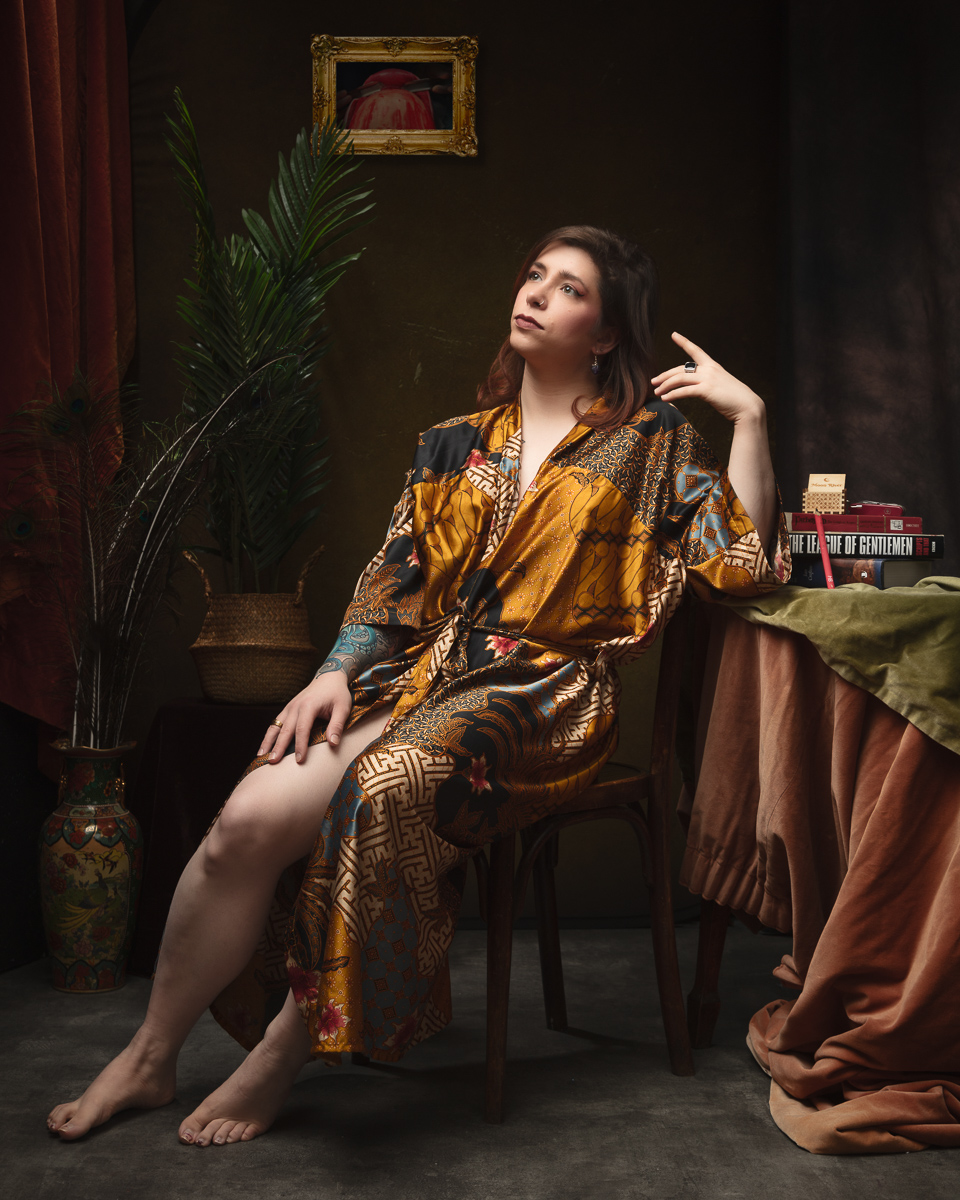
This project began as an inquiry into the unseen. Chiaroscuro: The Contrast of Mental Well-being is a photographic exploration of how emotional states, psychological distress, and identity negotiation manifest through the body, the costume, and the gesture. Drawing from theatricality, surrealism, and classical portraiture, the series uses visual symbolism to represent internal experiences that are often ineffable, stigmatised, or deliberately concealed.
The title invokes chiaroscuro, a technique of strong contrasts between light and dark, as a structural metaphor for mental health. I am not interested in binary depictions of ‘ill’ and ‘well,’ but rather in the gradient between stability and collapse. Each subject is a collaborator, and each image is a tableau that invites viewers to interrogate what is revealed, what is performed, and what is withheld.
The project consciously incorporates individuals of varying ages, genders, sexualities, and neurodiverse perspectives. Their lived realities inform the work as much as the aesthetic decisions. Costumes, props, and locations are not merely decorative but semiotic: they signal repression, absurdity, resilience, shame, coping, and joy. The studio, in this context, becomes both confessional and stage.
While the work has autobiographical undercurrents, its objective is not to portray individual pathology but to externalise shared tensions. By foregrounding artifice and symbolism, I hope to resist the voyeuristic or medicalised gaze that so often dominates depictions of mental health. Instead, the series invites reflection on how identity is shaped under pressure through humour, contradiction, and care.
This is not a therapeutic project, though it has brought about difficult conversations and valuable introspection. It is not intended to diagnose or resolve. It is intended to witness.
Taking part
The project runs in rounds rather than being open all the time, so that I can give proper attention to everyone taking part.
If you would like to be photographed, send me a few lines about why. We will then talk, either on the phone or over a coffee, before anything is arranged. That conversation is not a test. It is how we both work out whether this is right, and it is where I will say so honestly if I do not think it is.
There is no fee. You get your images whether or not anything goes on the site.
Taking part
Would you like to be photographed?
Send me a message and we will talk before anything is arranged. You do not have to have made your mind up, and you do not have to explain yourself to ask a question.
Who can take part
Chiaroscuro is for people aged 18 and over.
This is specific to this project. I photograph under-18s regularly for portraits and portfolio work, with a parent or guardian present. But a page like this stays online for a long time, and I am not comfortable attaching a teenager’s face to it when they will be the one living with that at 25. That is a decision they should get to make themselves, as an adult.
Changing your mind
If you are in this project and you want your photograph taken down, tell me and I will remove it. You do not have to give a reason and I will not ask for one.
This does not expire. It applies next week and it applies in ten years.
How I work with people who find this hard
If the idea of being photographed is difficult for you, whether or not this project is of any interest, I have written down how I actually work in the studio. No touching, direction given out loud, images shown as we go, and you can stop at any point.
I am a photographer. I am not a counsellor or a therapist, and a photograph is not treatment. If you are struggling and you need to talk to somebody, these people are better placed than I am.
- Samaritans, free on 116 123, any time, day or night
- Shout, text SHOUT to 85258, free, 24 hours
- NHS 111, then select the mental health option, for urgent support
If someone’s life is at immediate risk, call 999.