
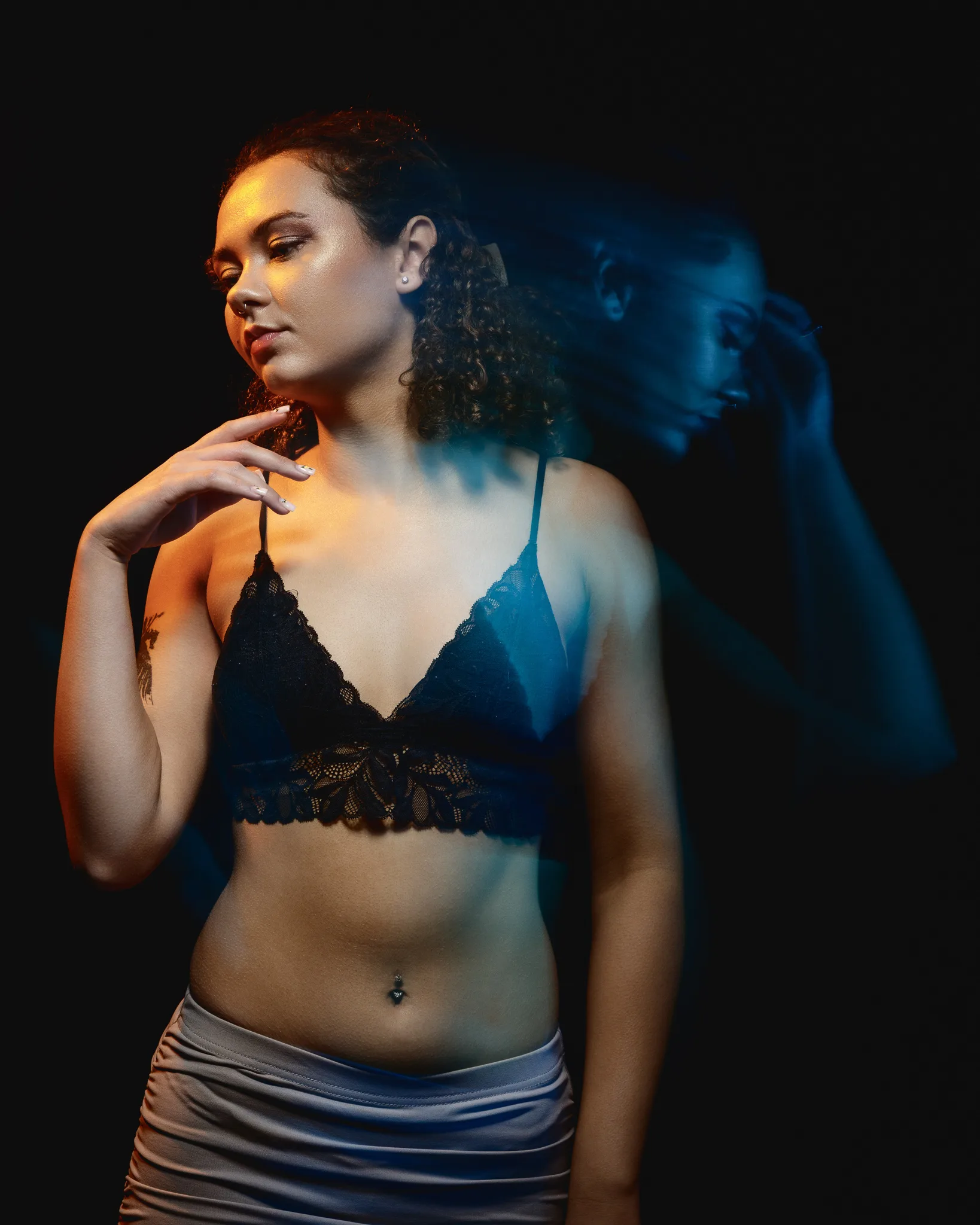
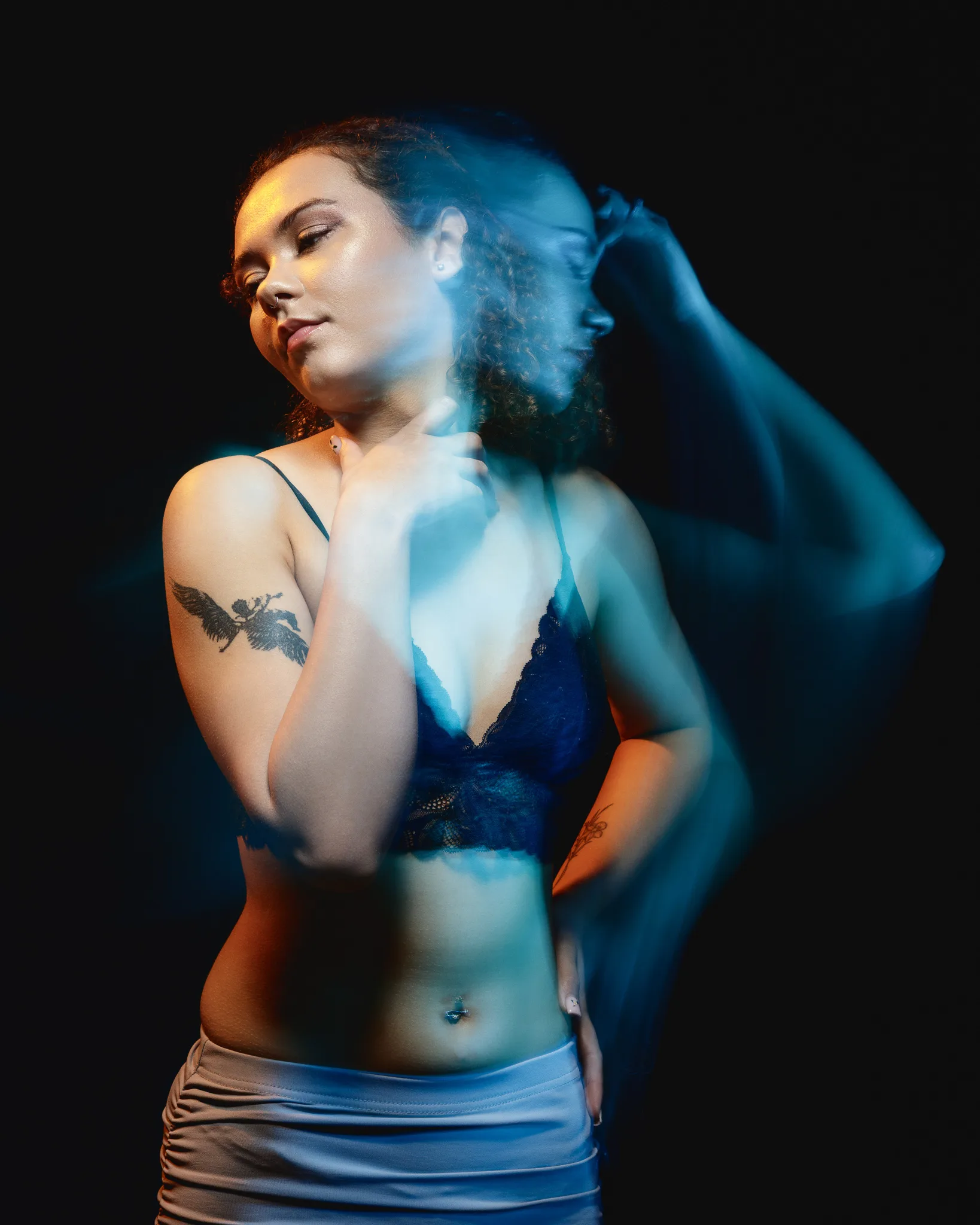
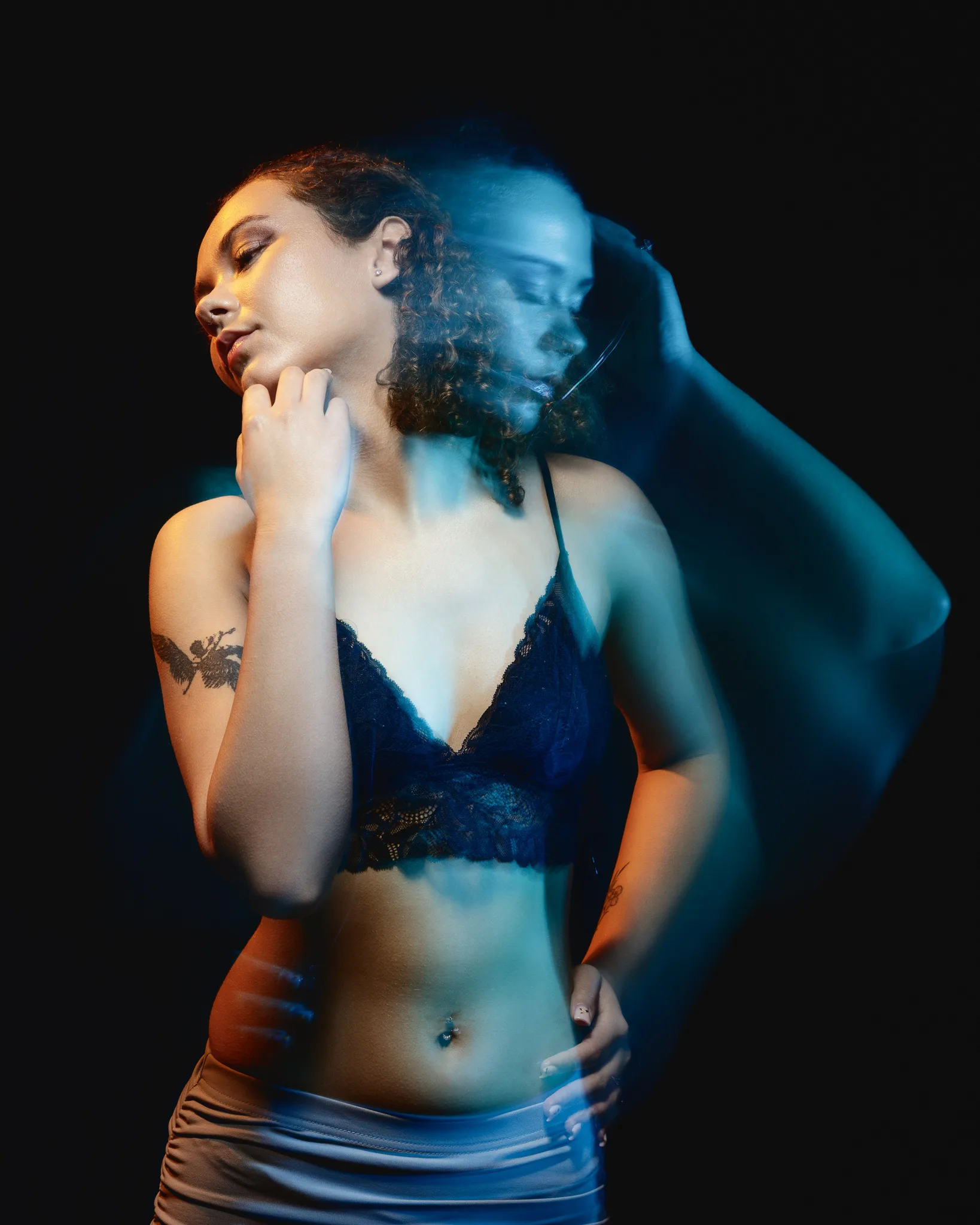
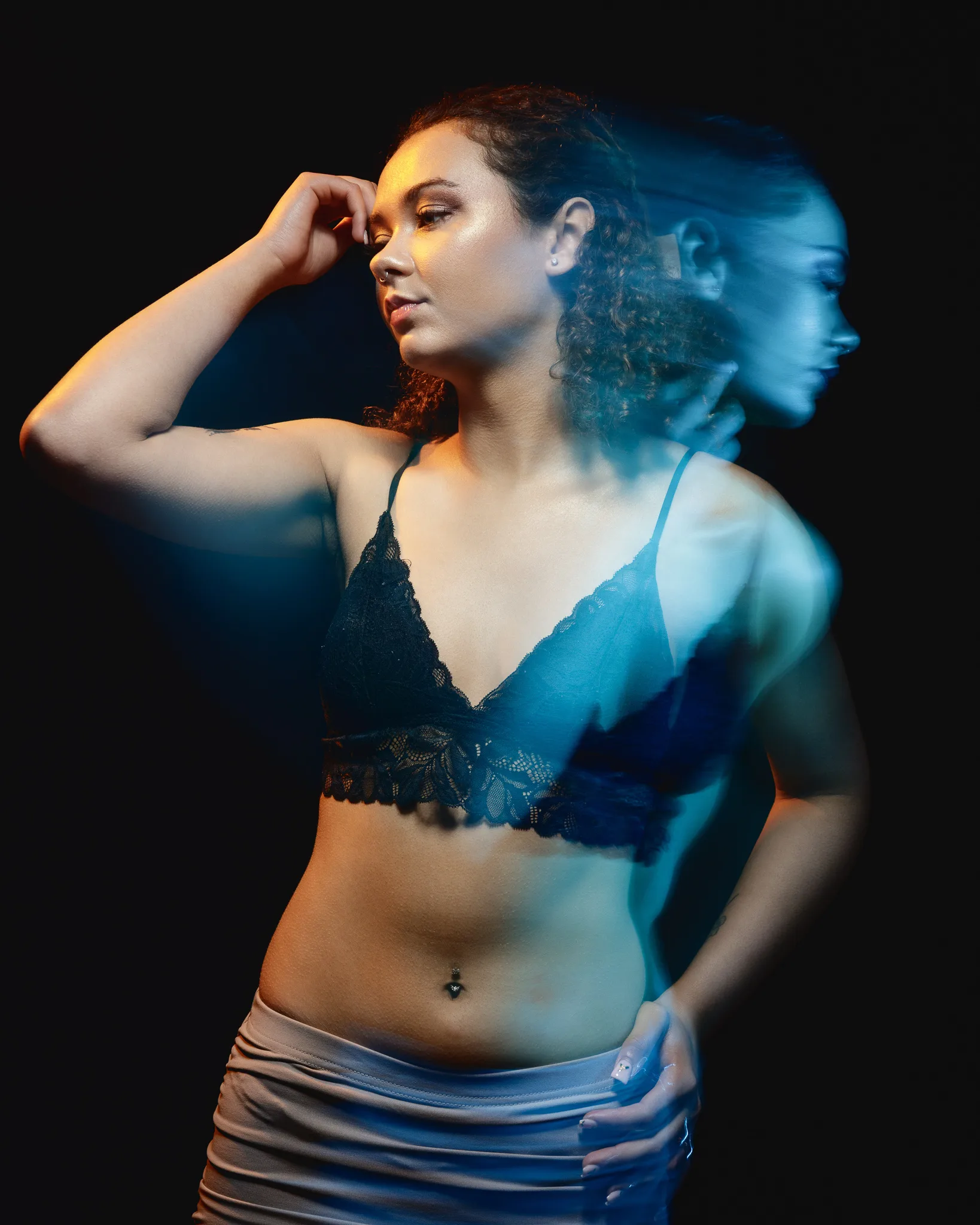
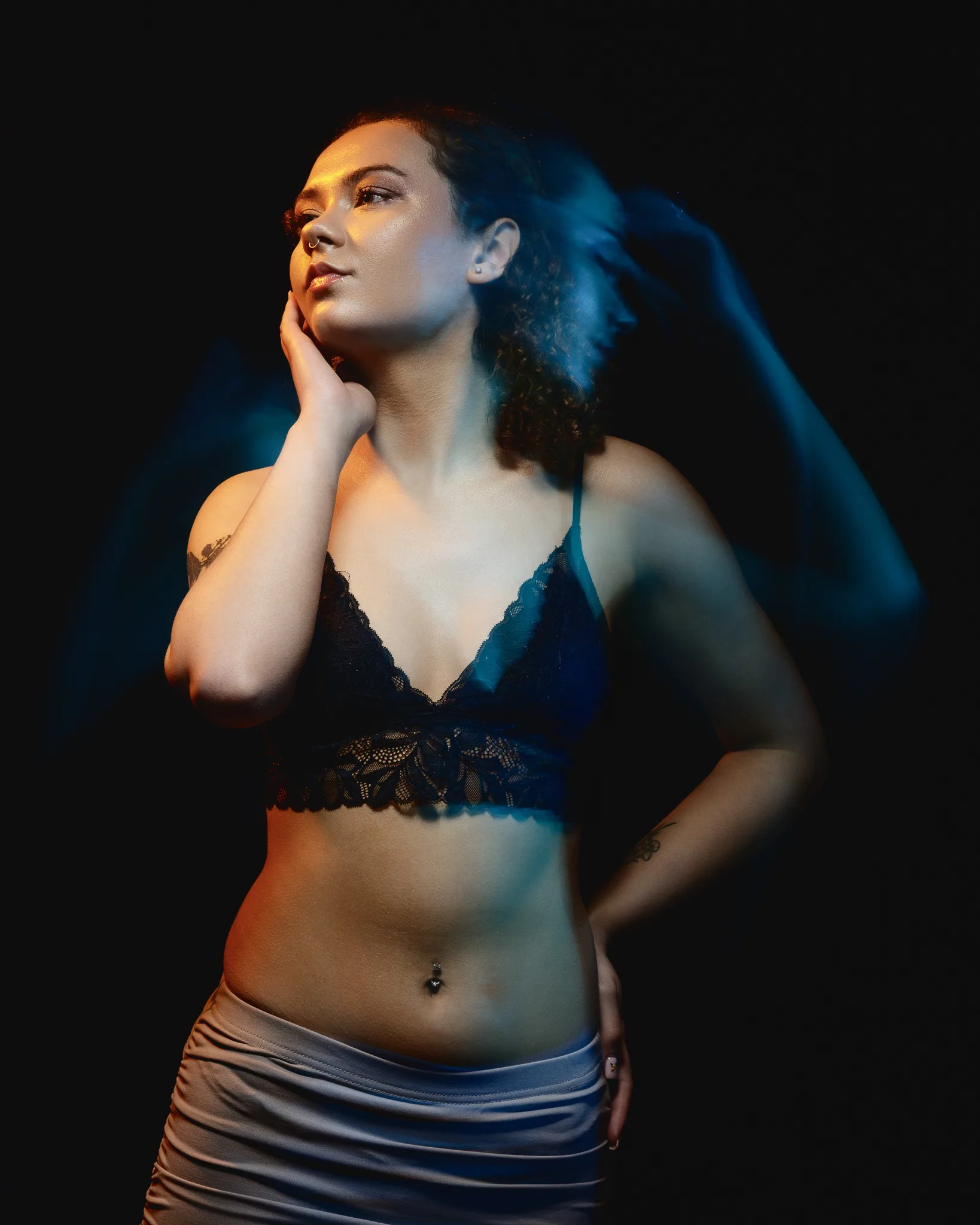
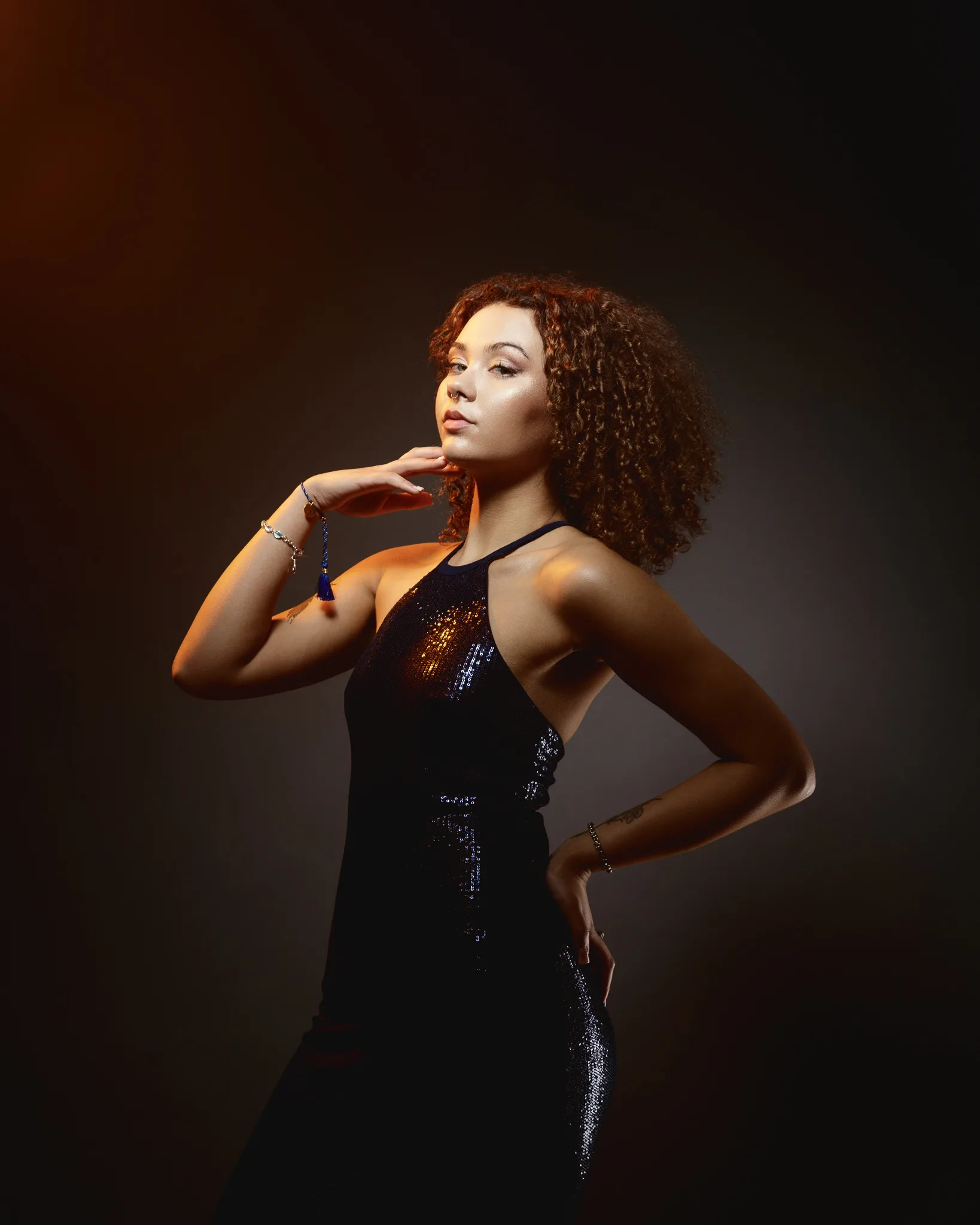
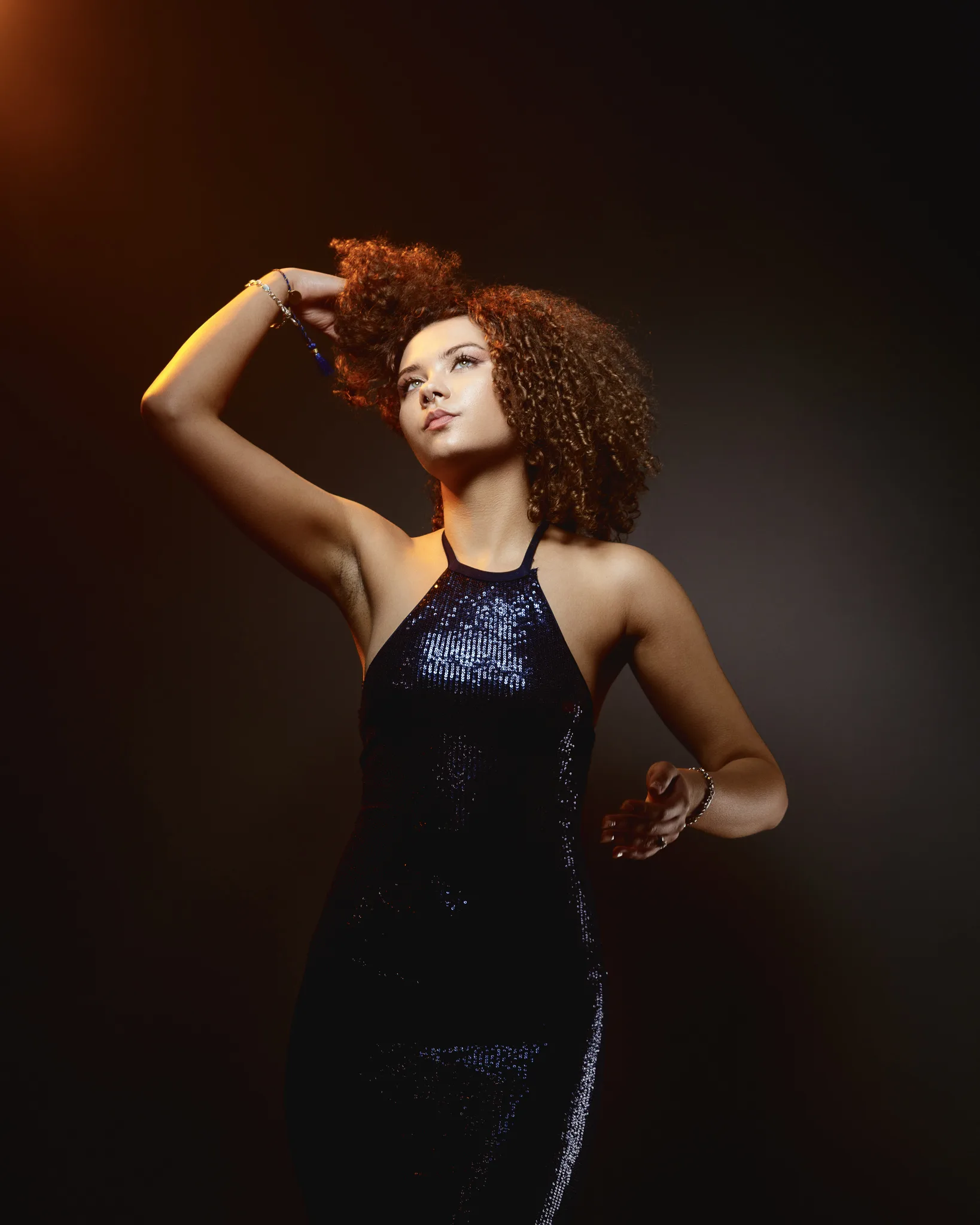
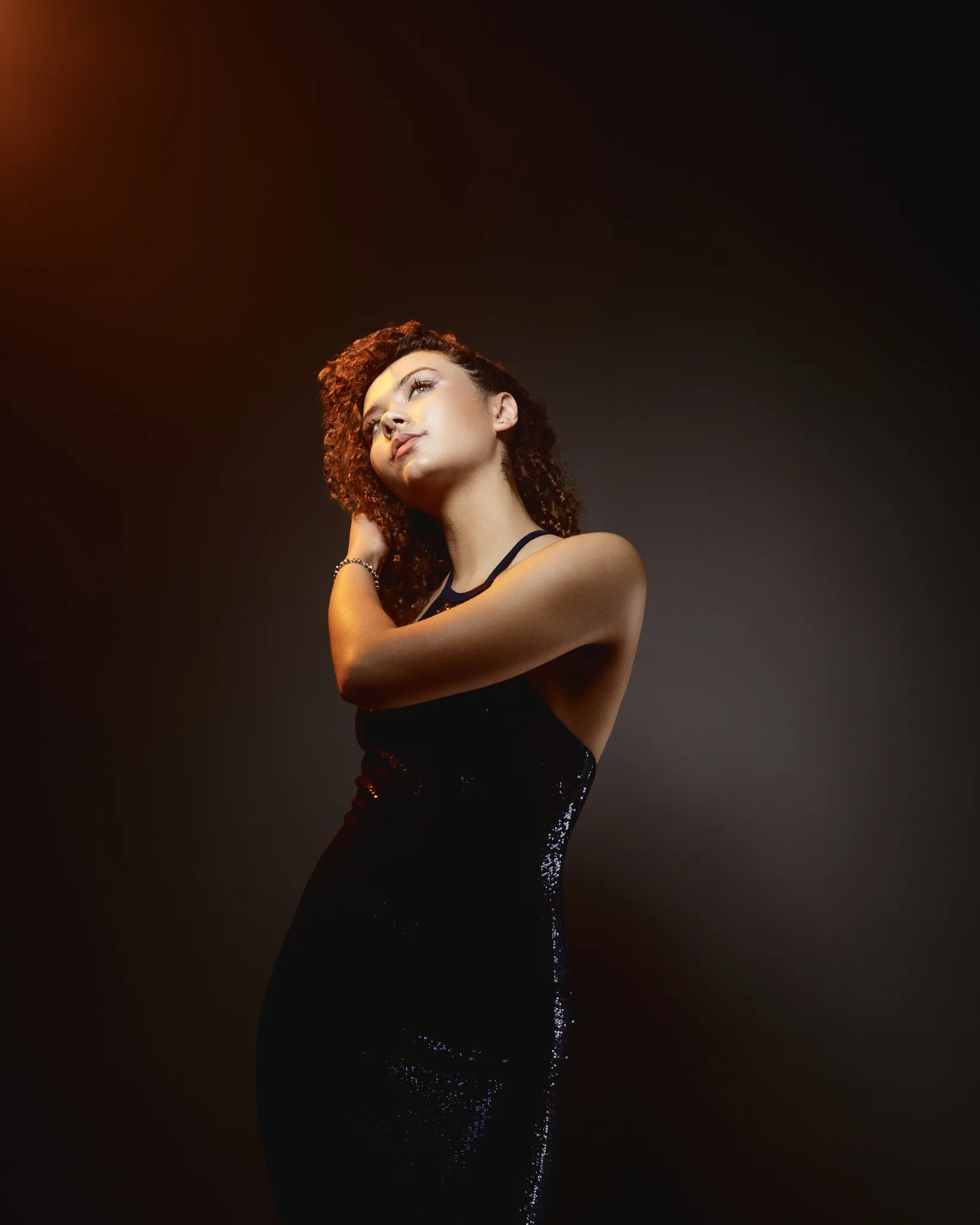
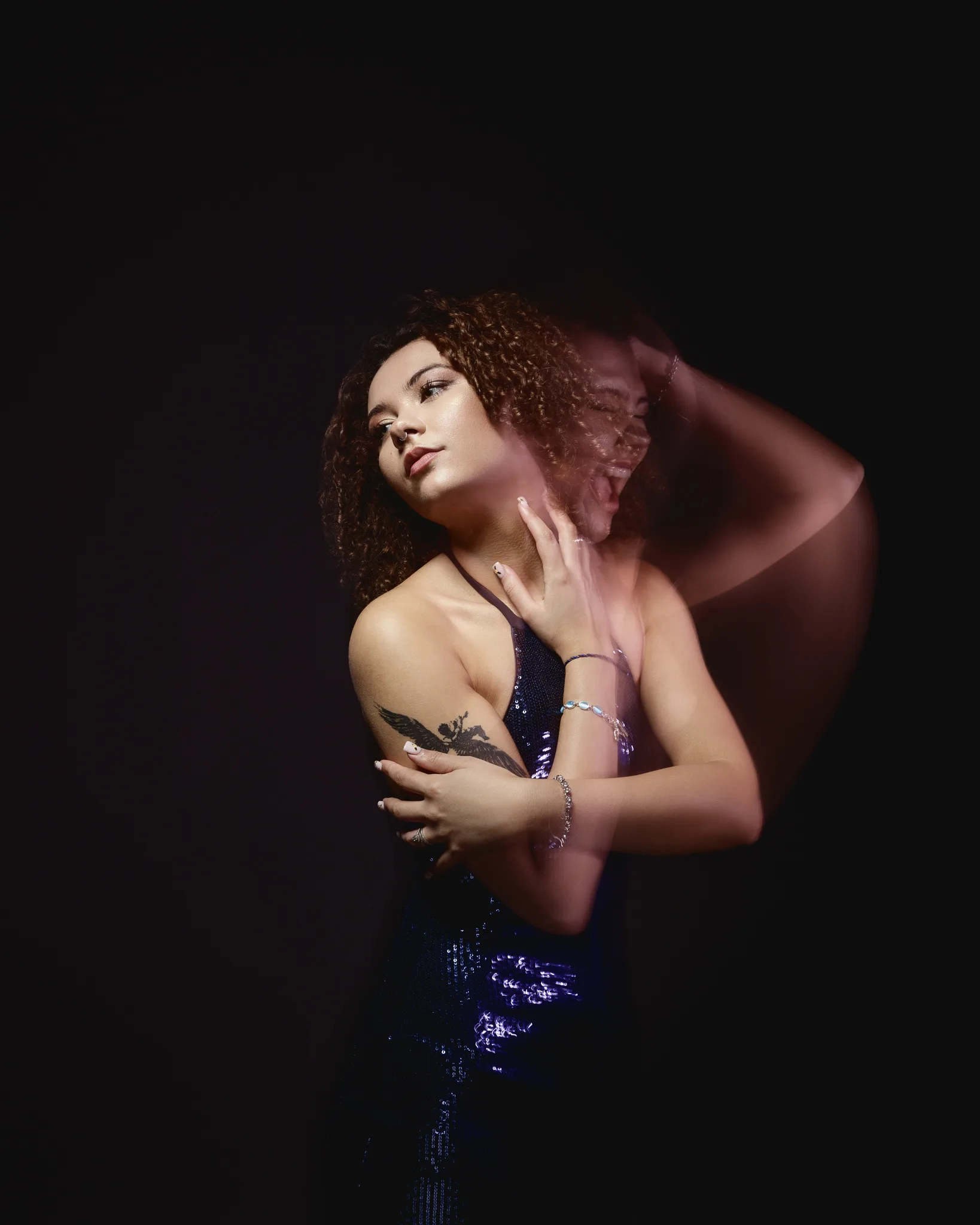
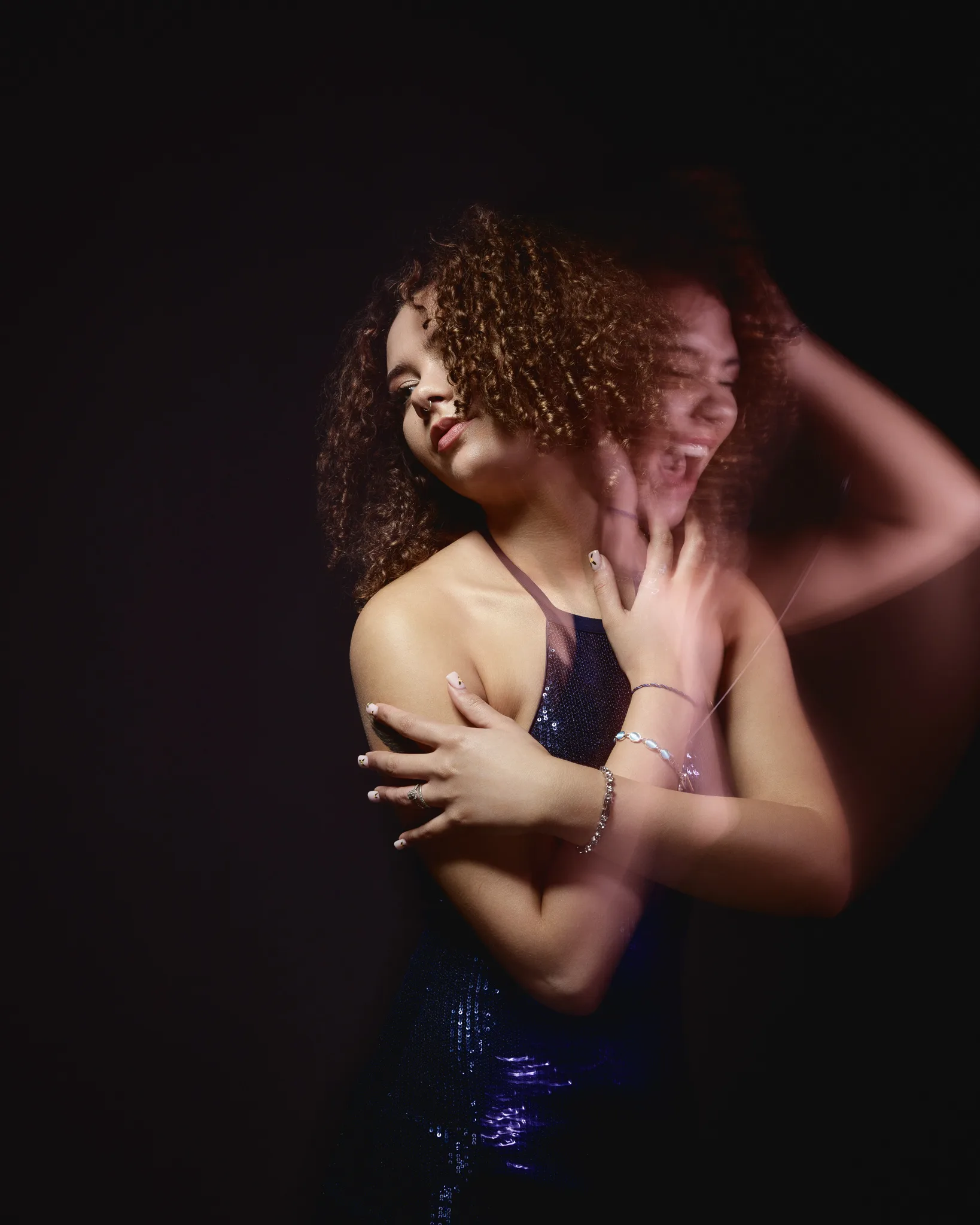
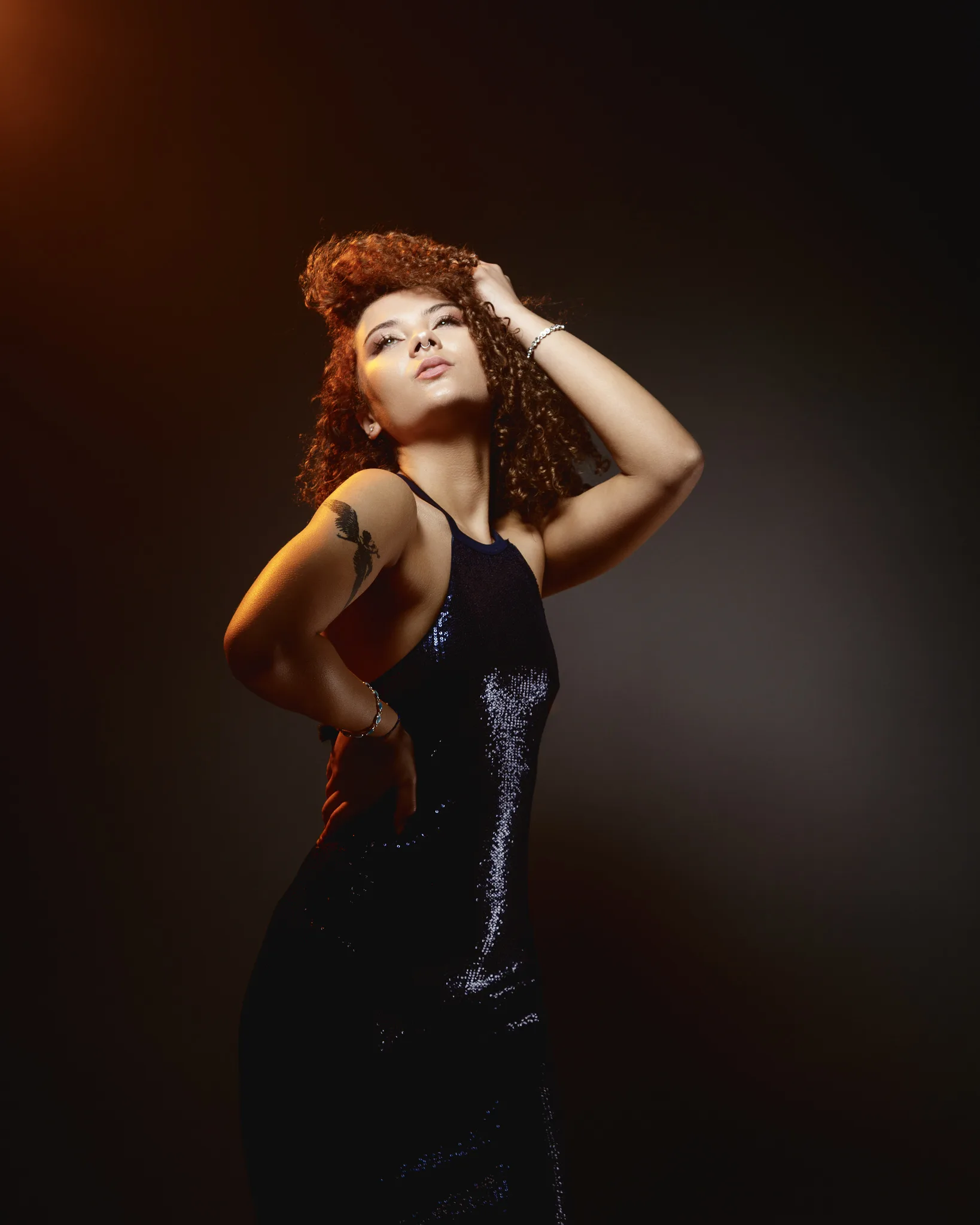
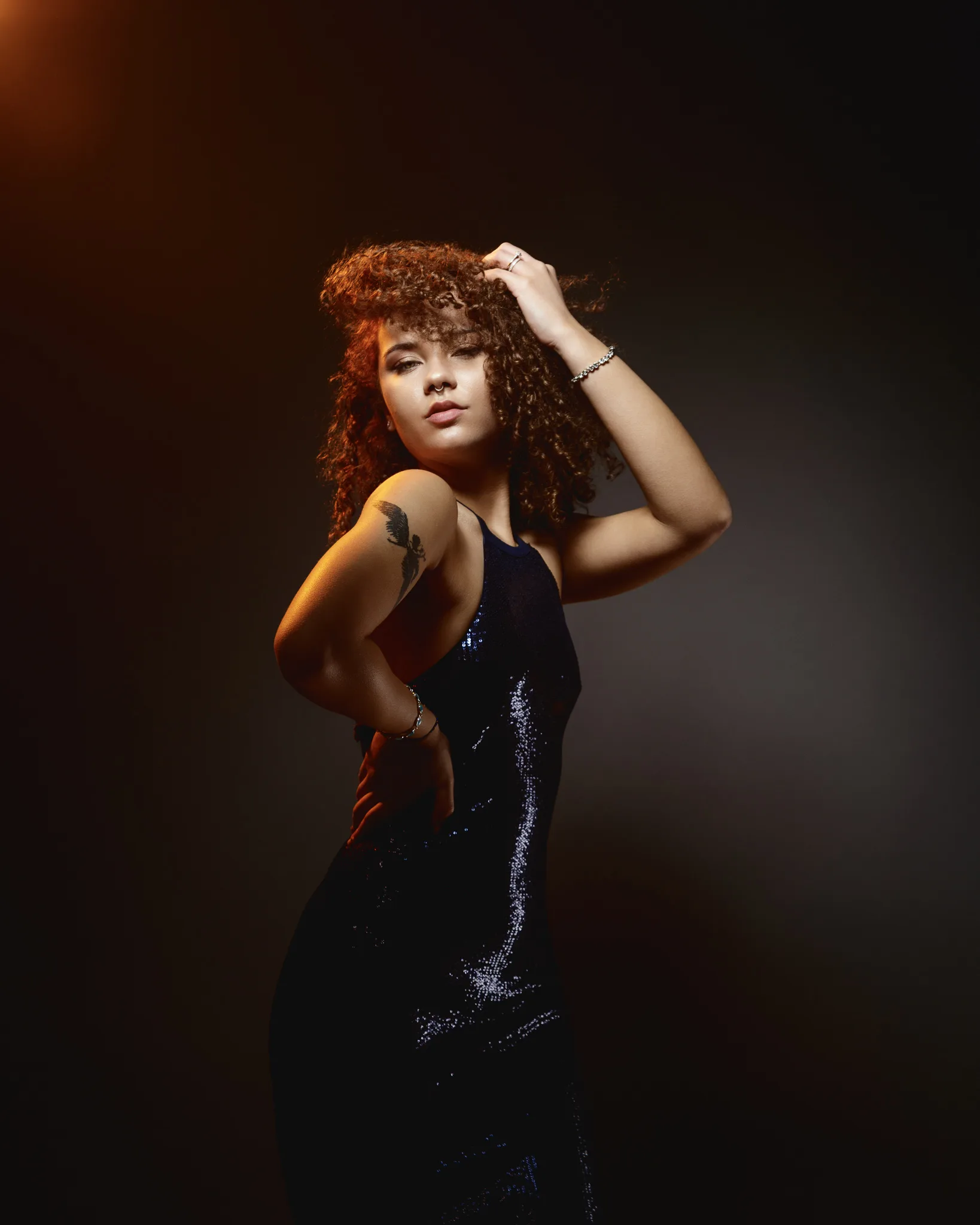
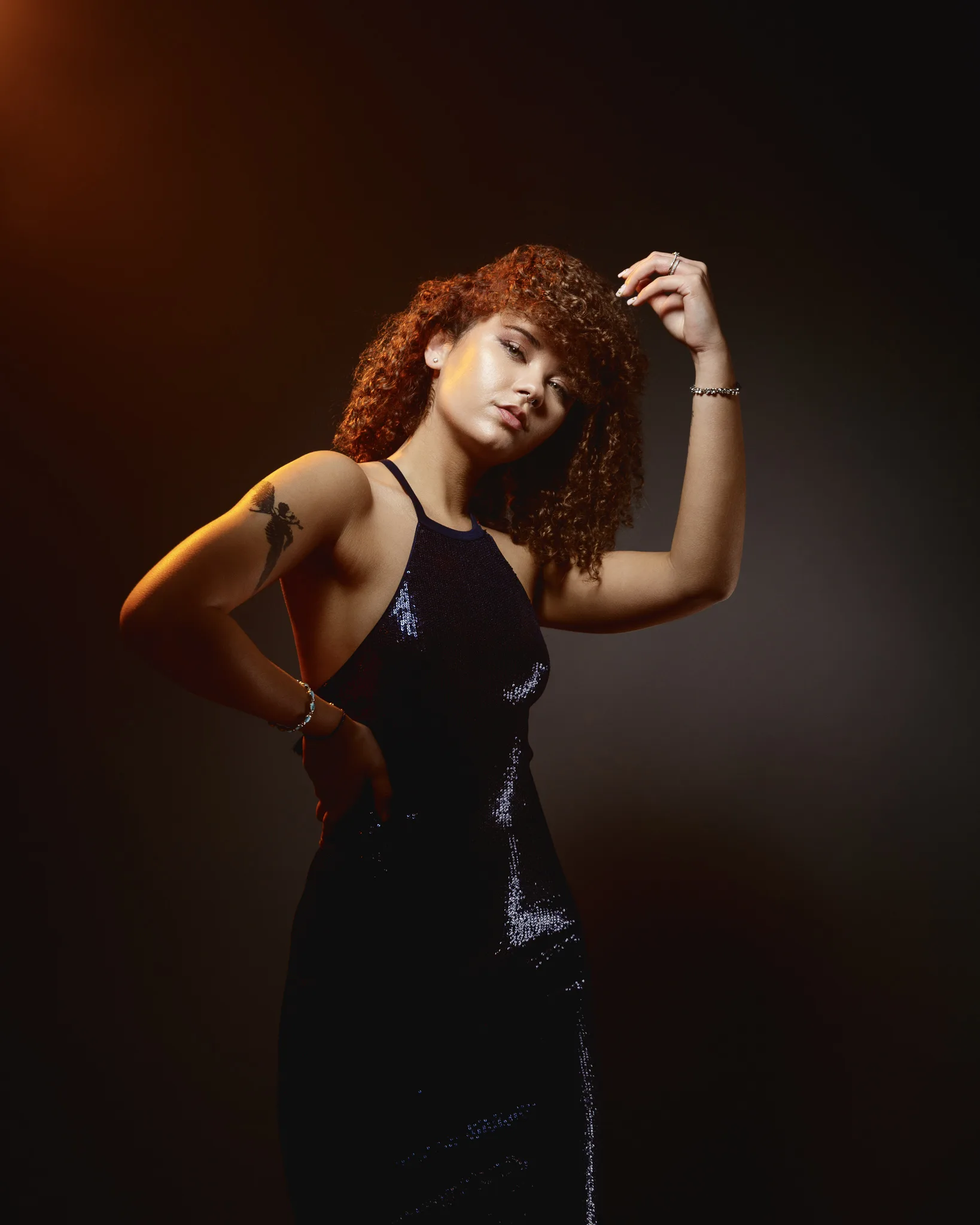
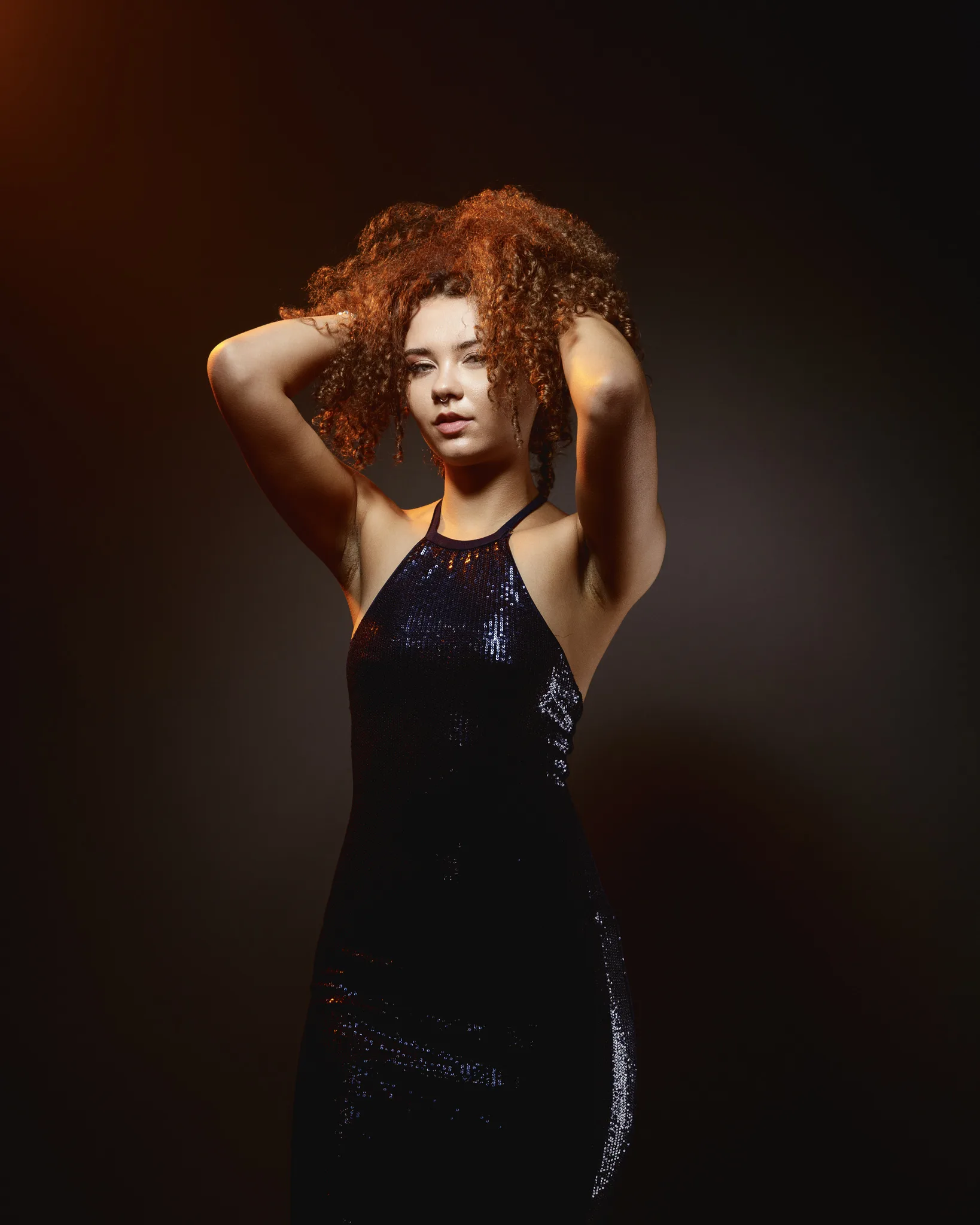
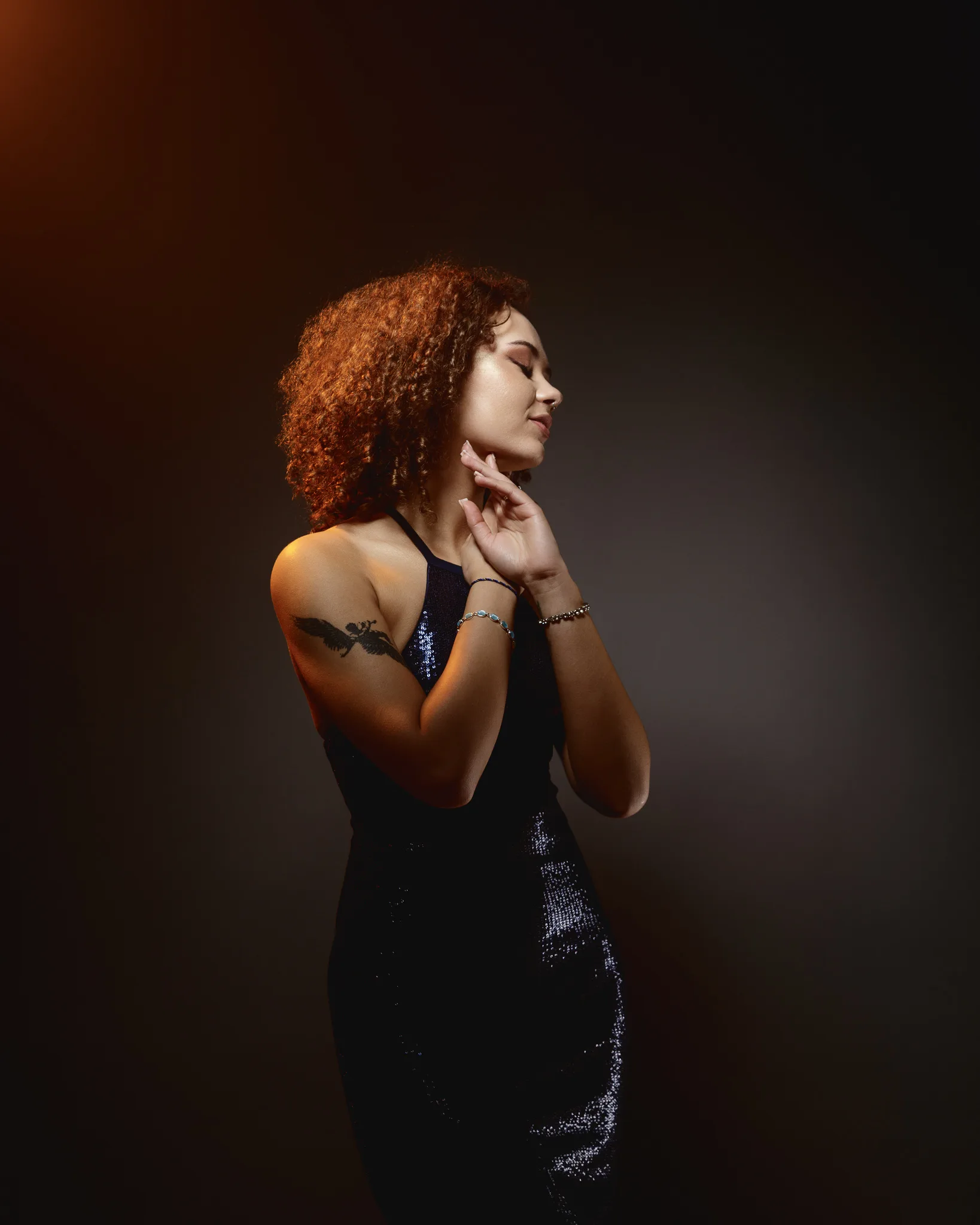
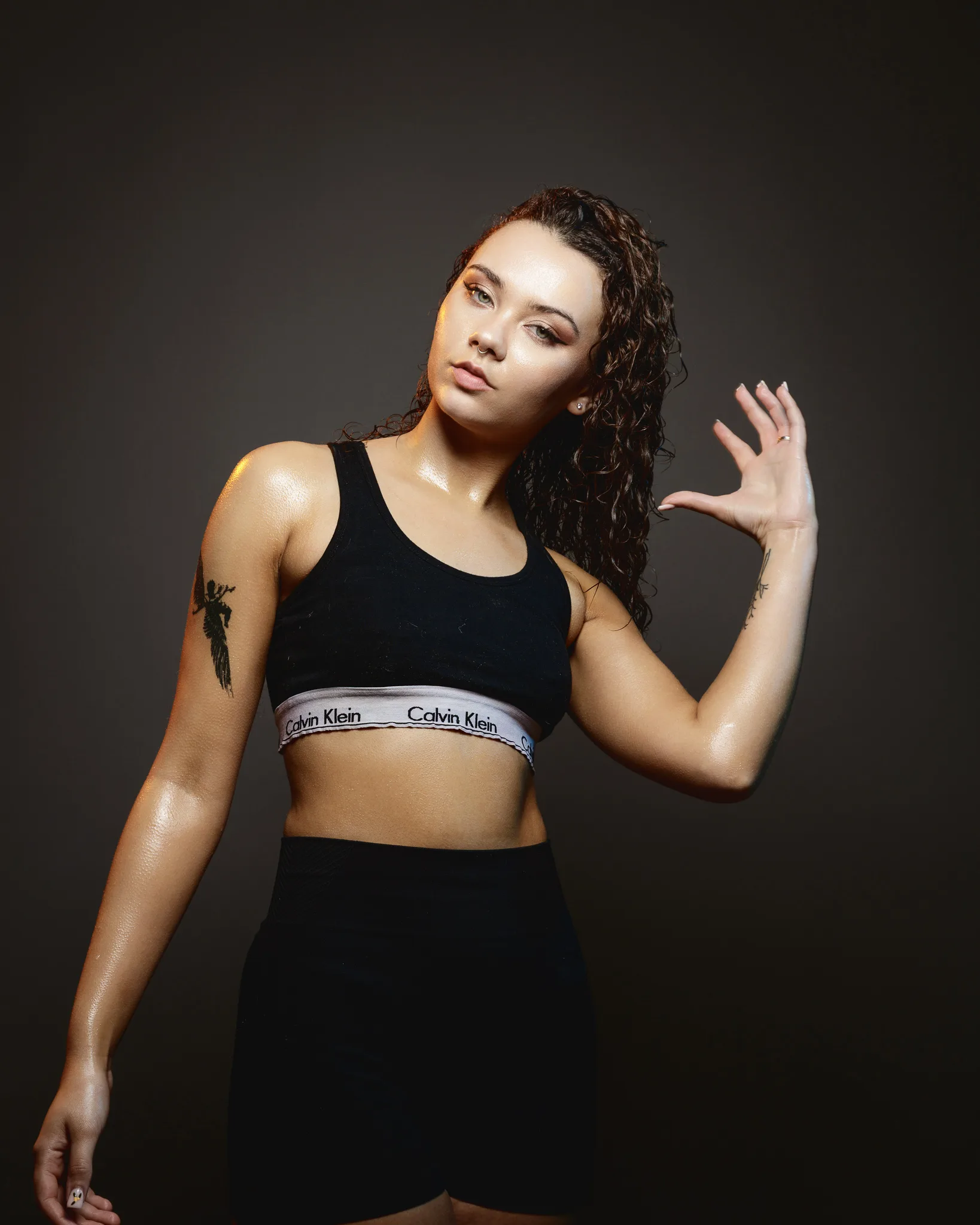
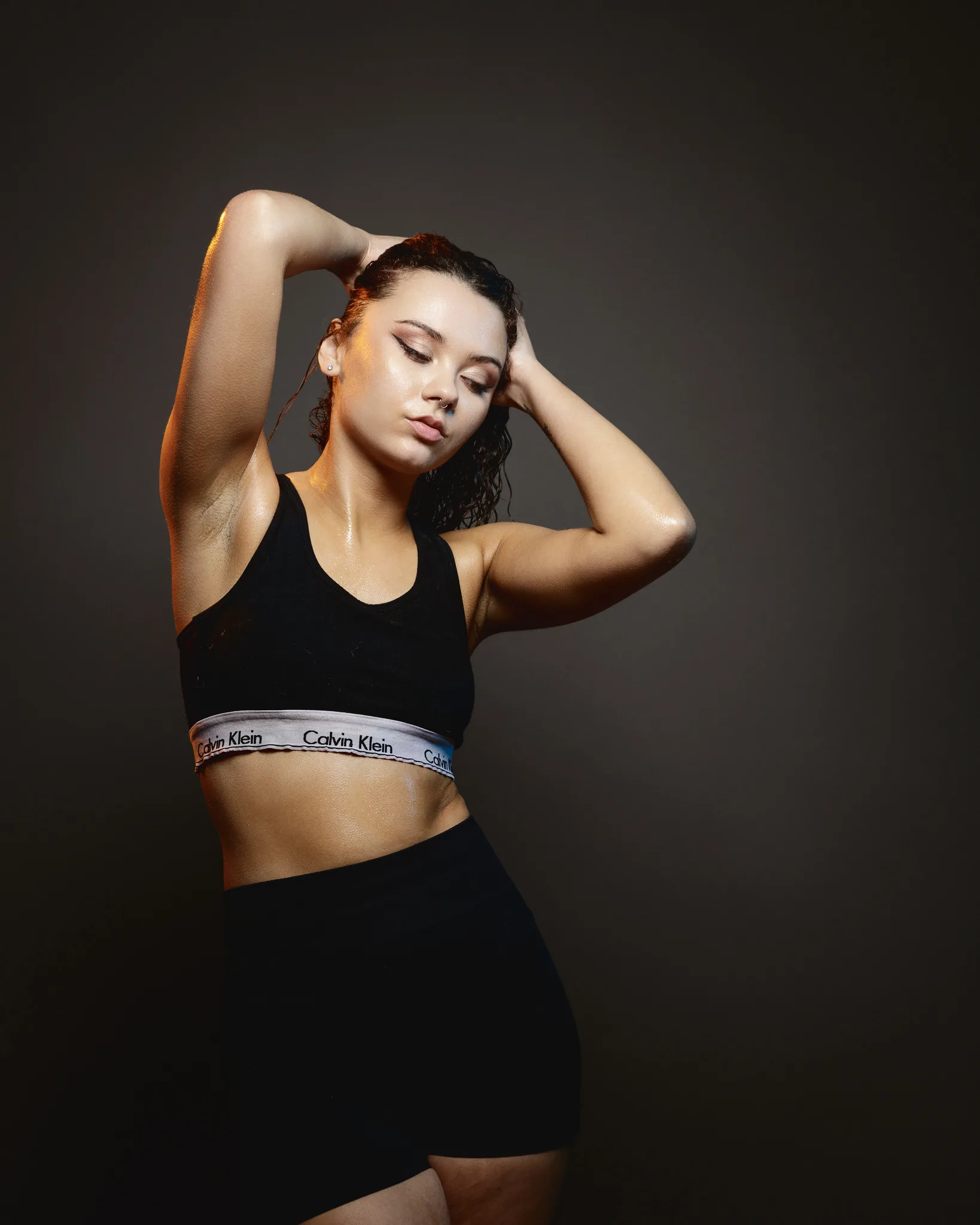
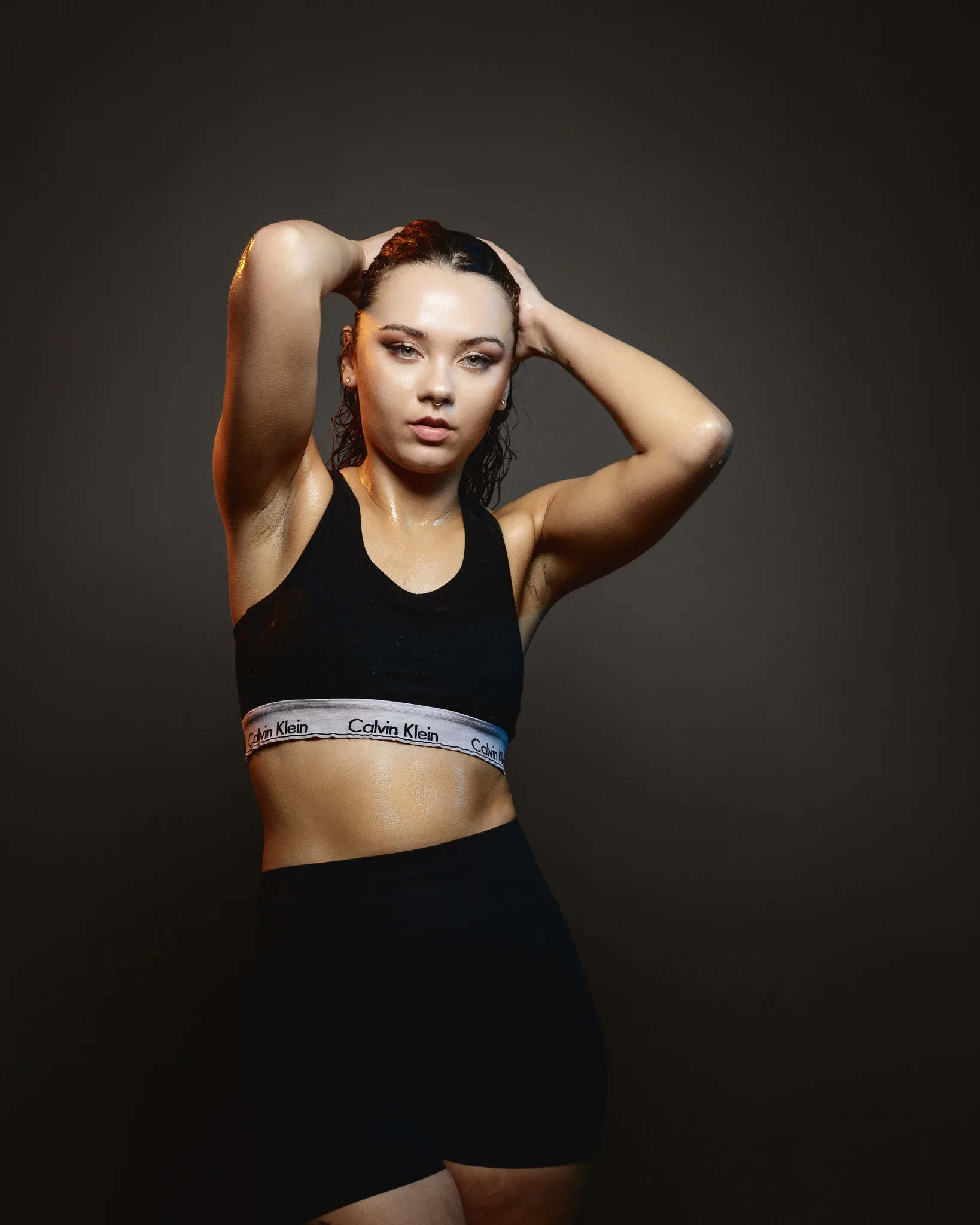
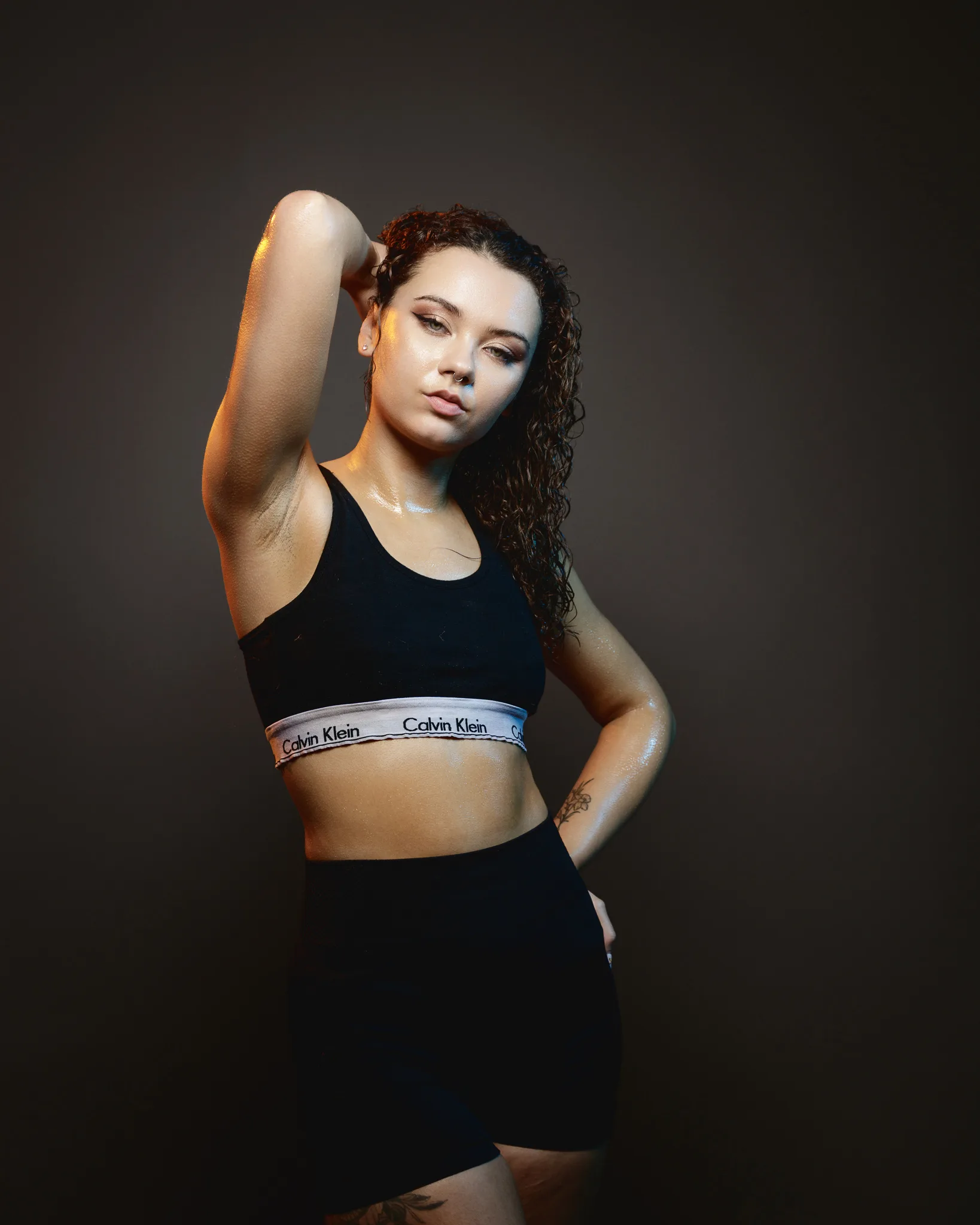
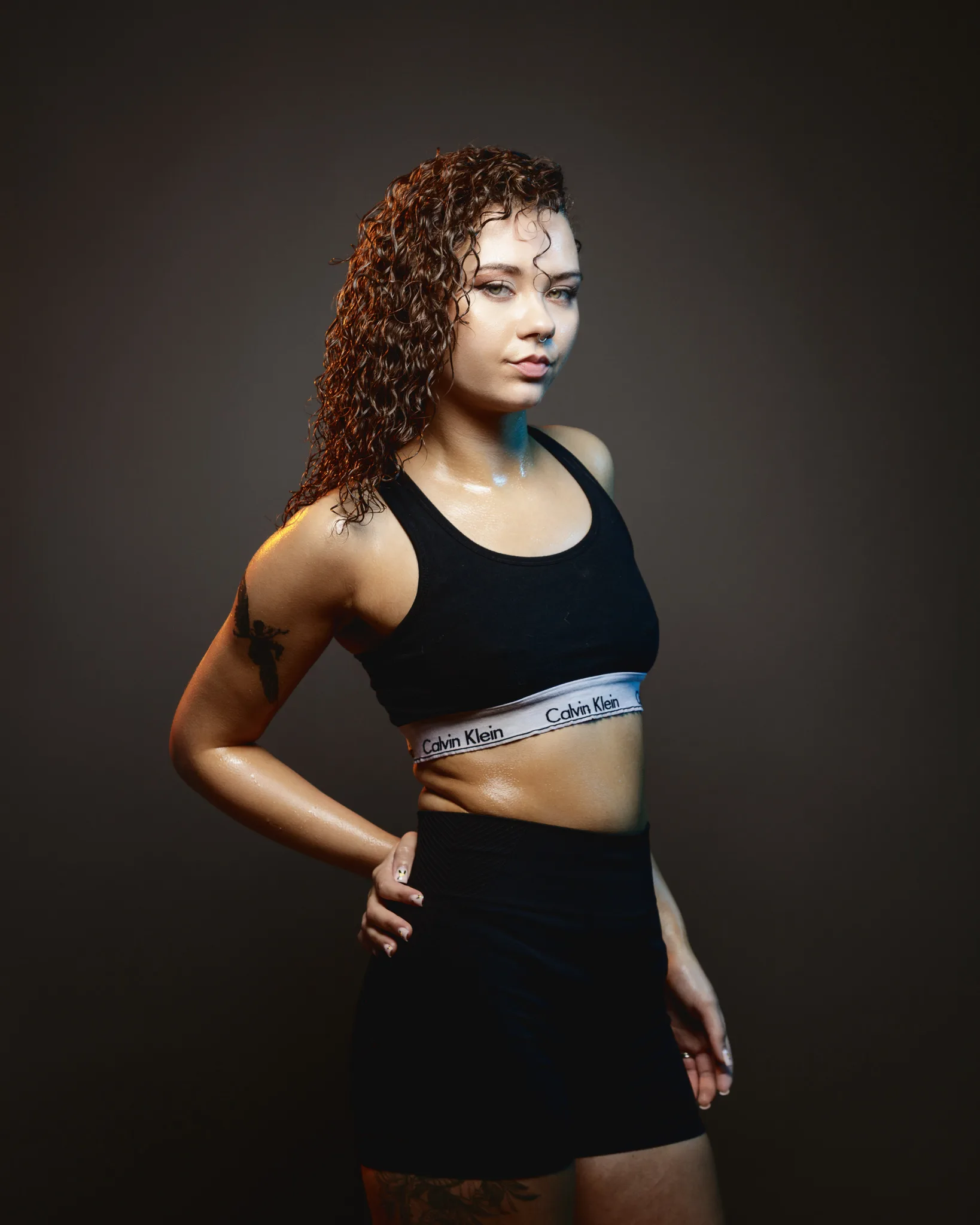
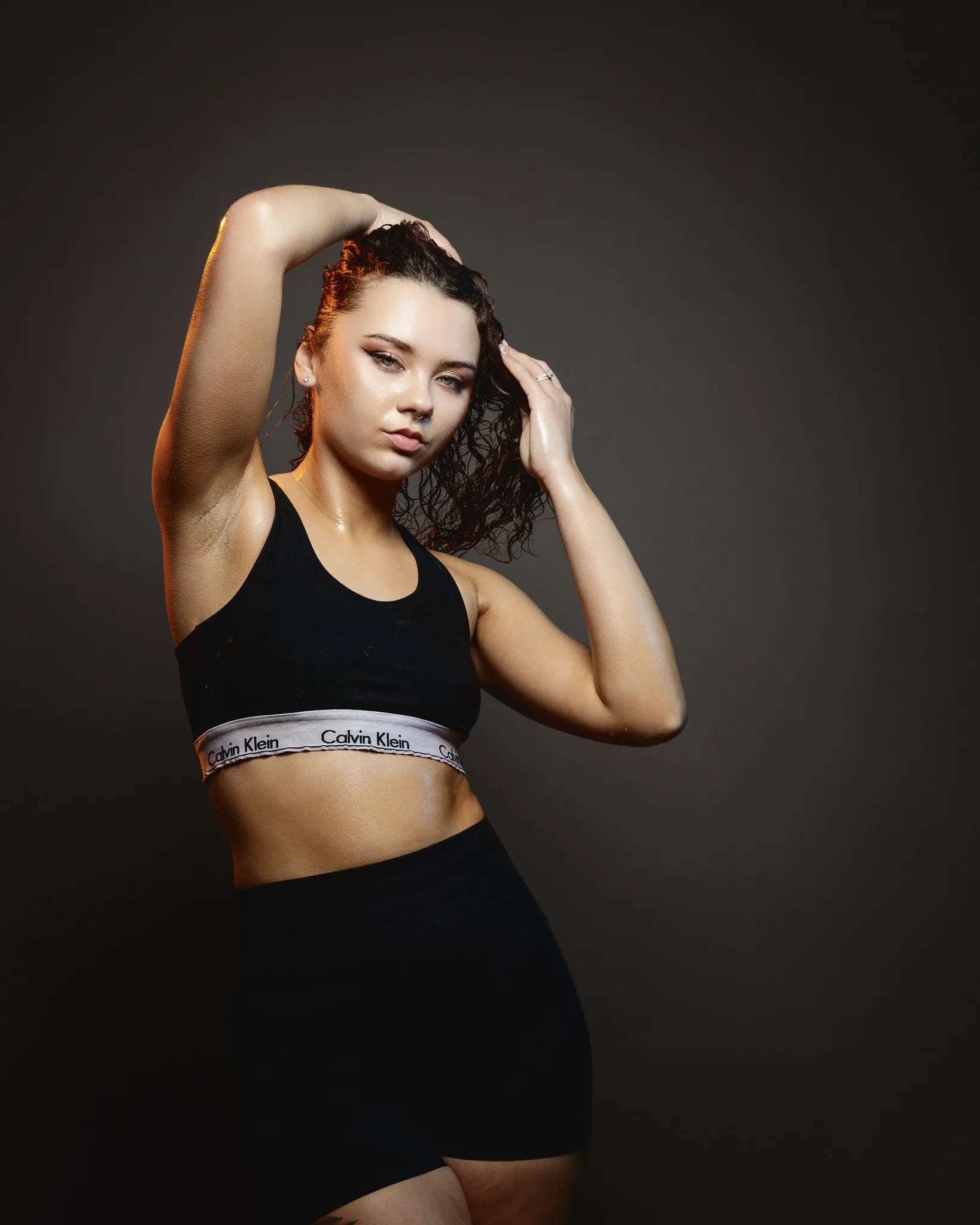
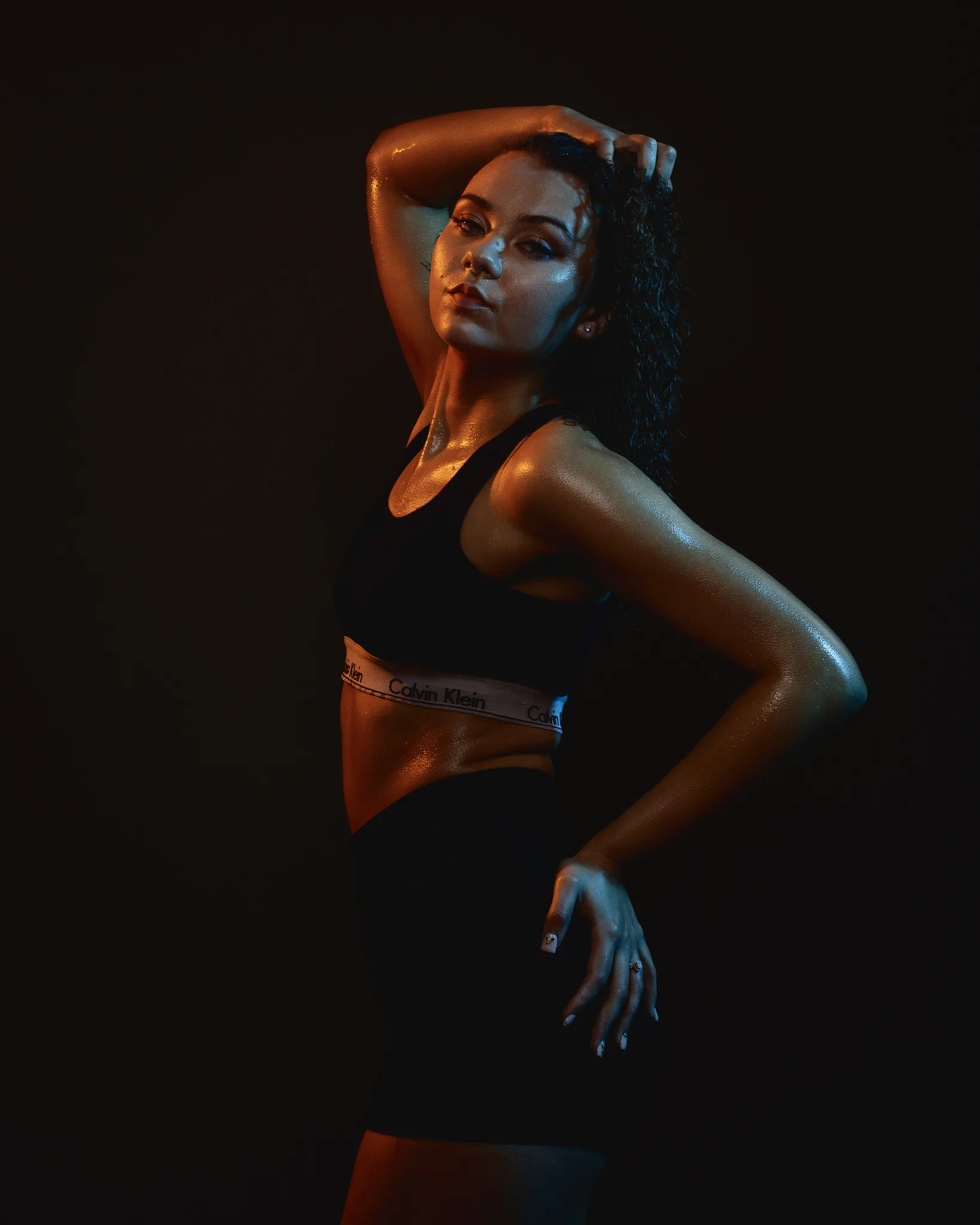
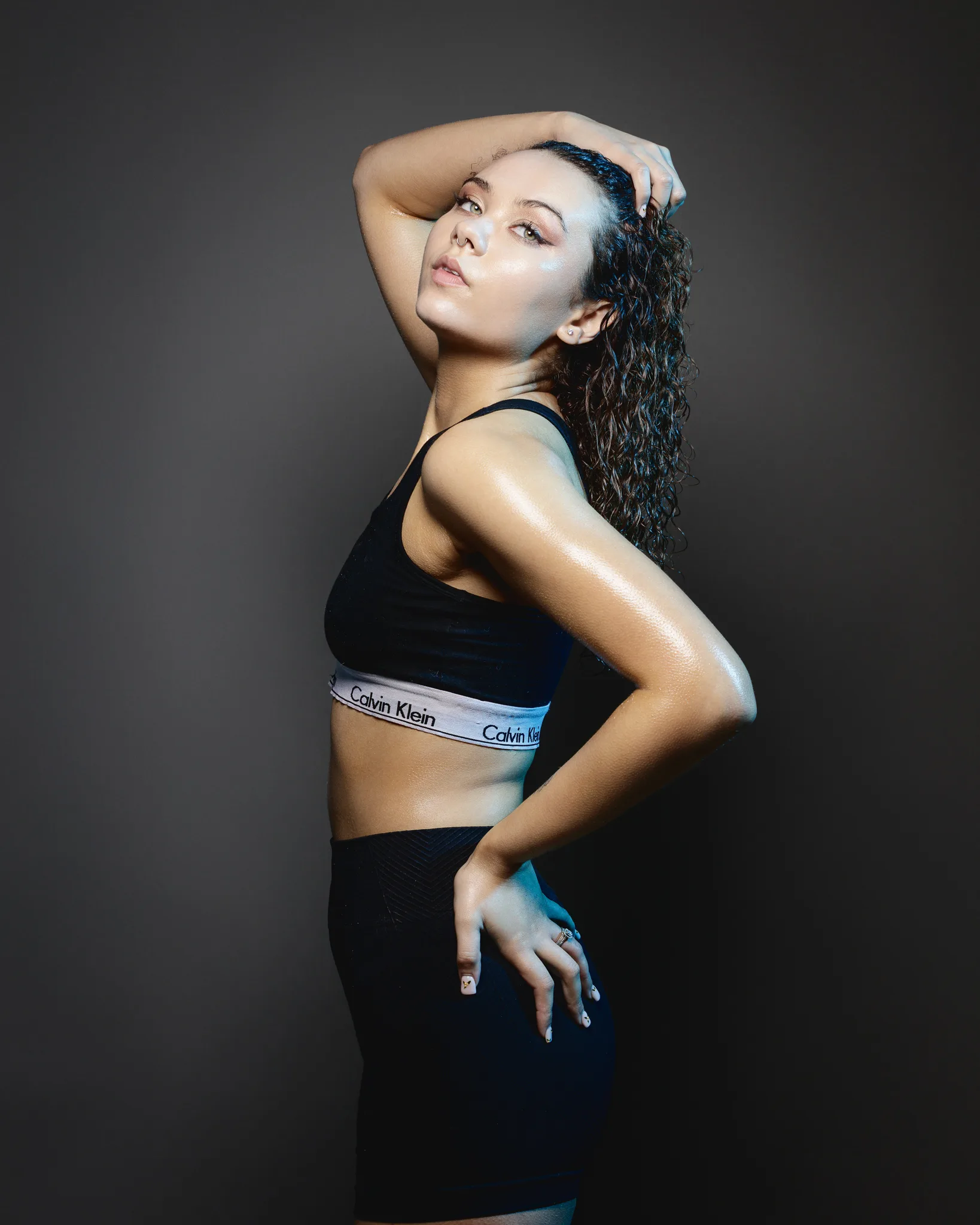
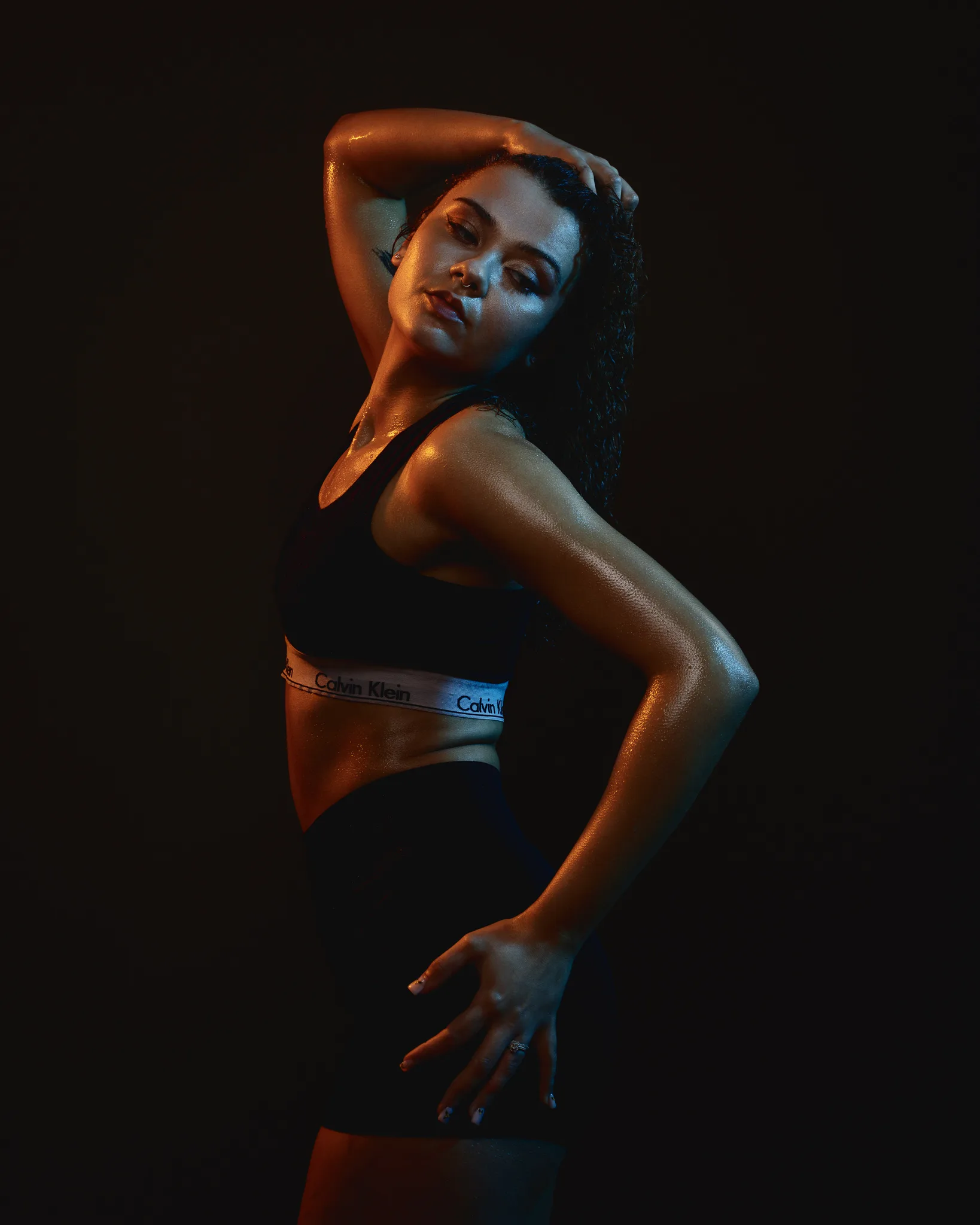
Yesterday’s shoot with Maddie was one of those sessions that reminded me why I enjoy creative portrait photography so much. This was not about producing a straightforward studio portrait. The aim was to experiment, push ideas further, and see what could be created by combining coloured gels, constant variable colour lights, long exposures, and rear curtain sync.
I always enjoy shoots that allow room for testing and exploration. They often lead to images that feel less predictable and more alive. That was very much the case here. From the start, I wanted the final photographs to have movement, colour, and atmosphere, while still keeping enough shape and control to make the portraits feel deliberate rather than chaotic.
Building a More Experimental Look in the Studio
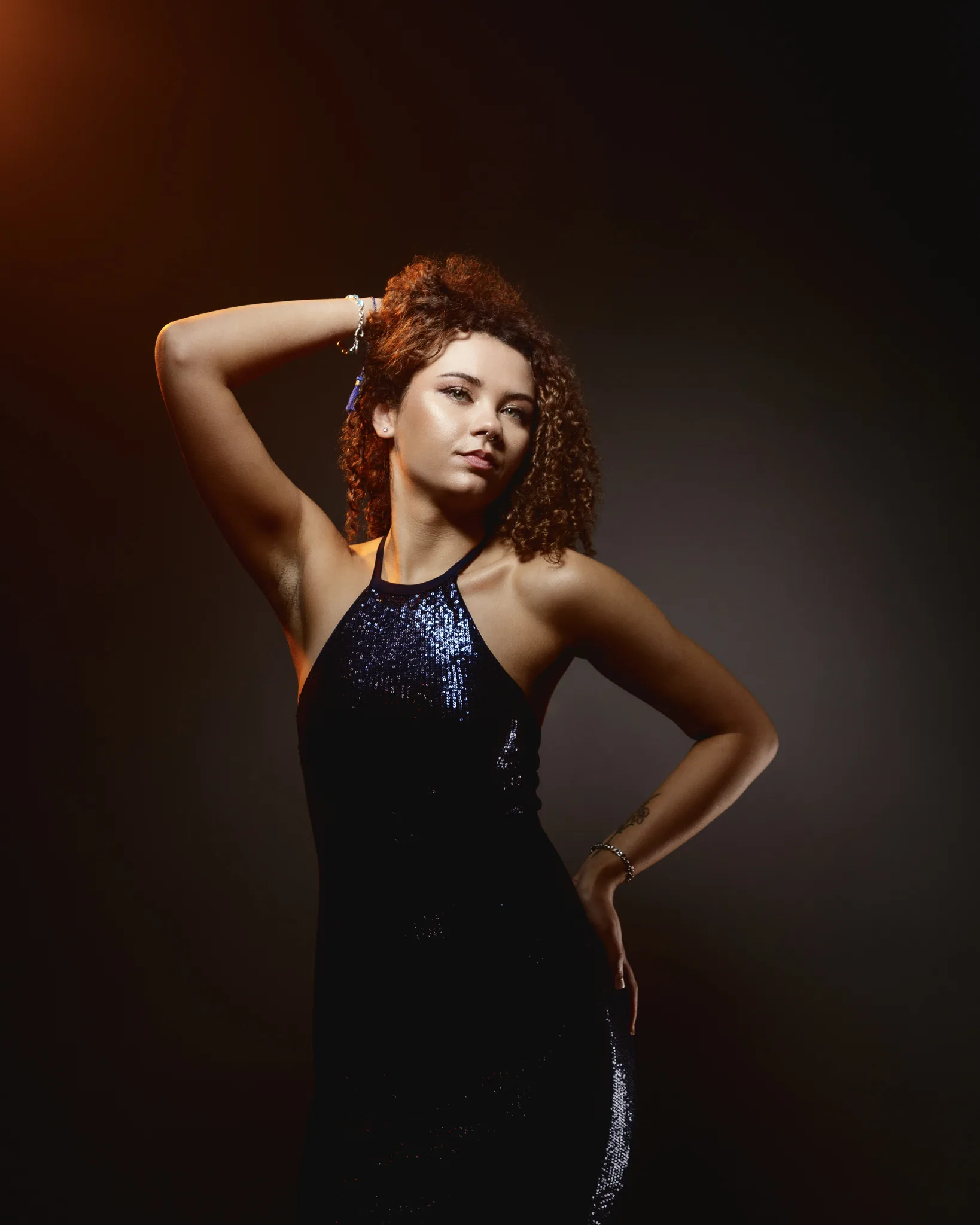
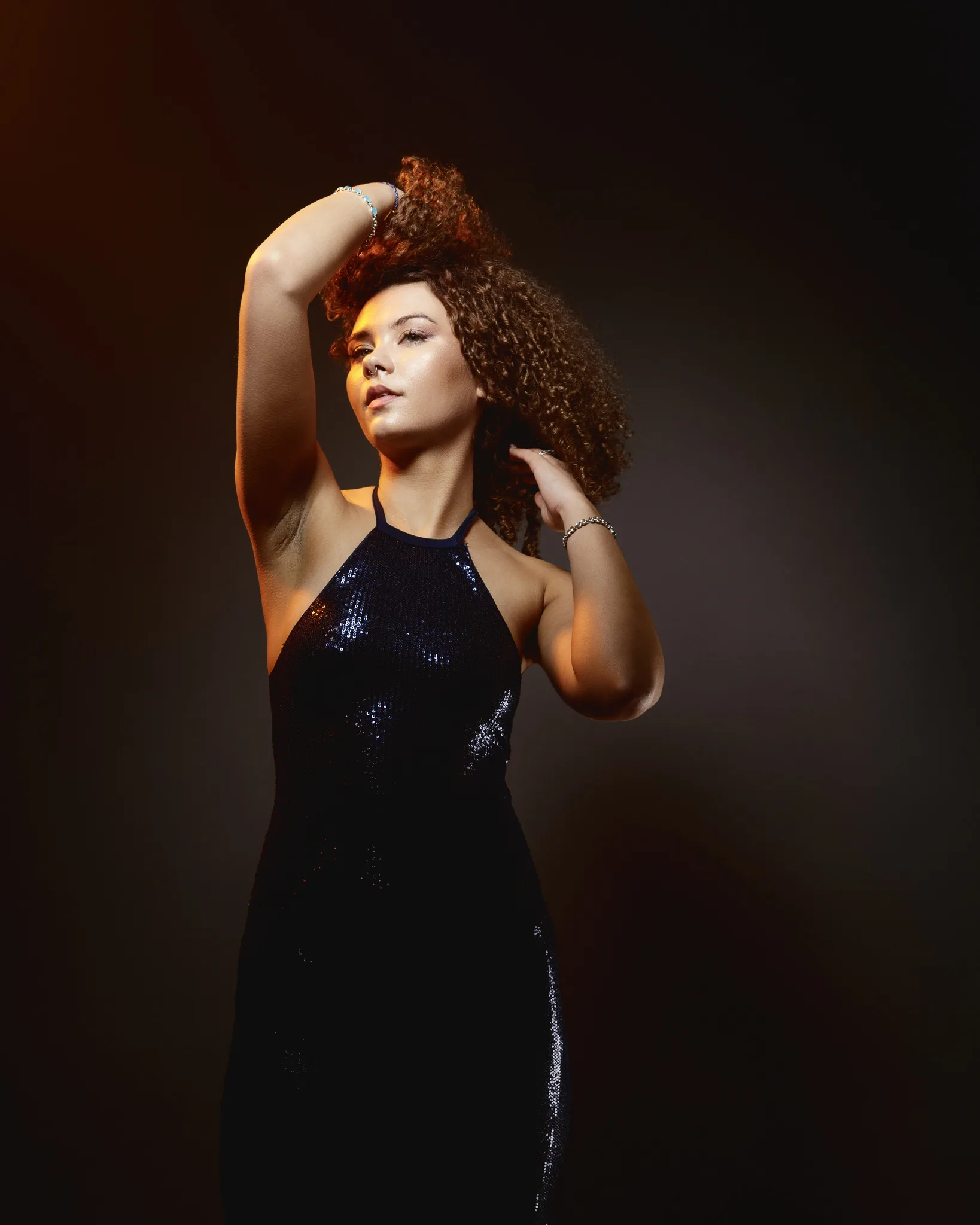
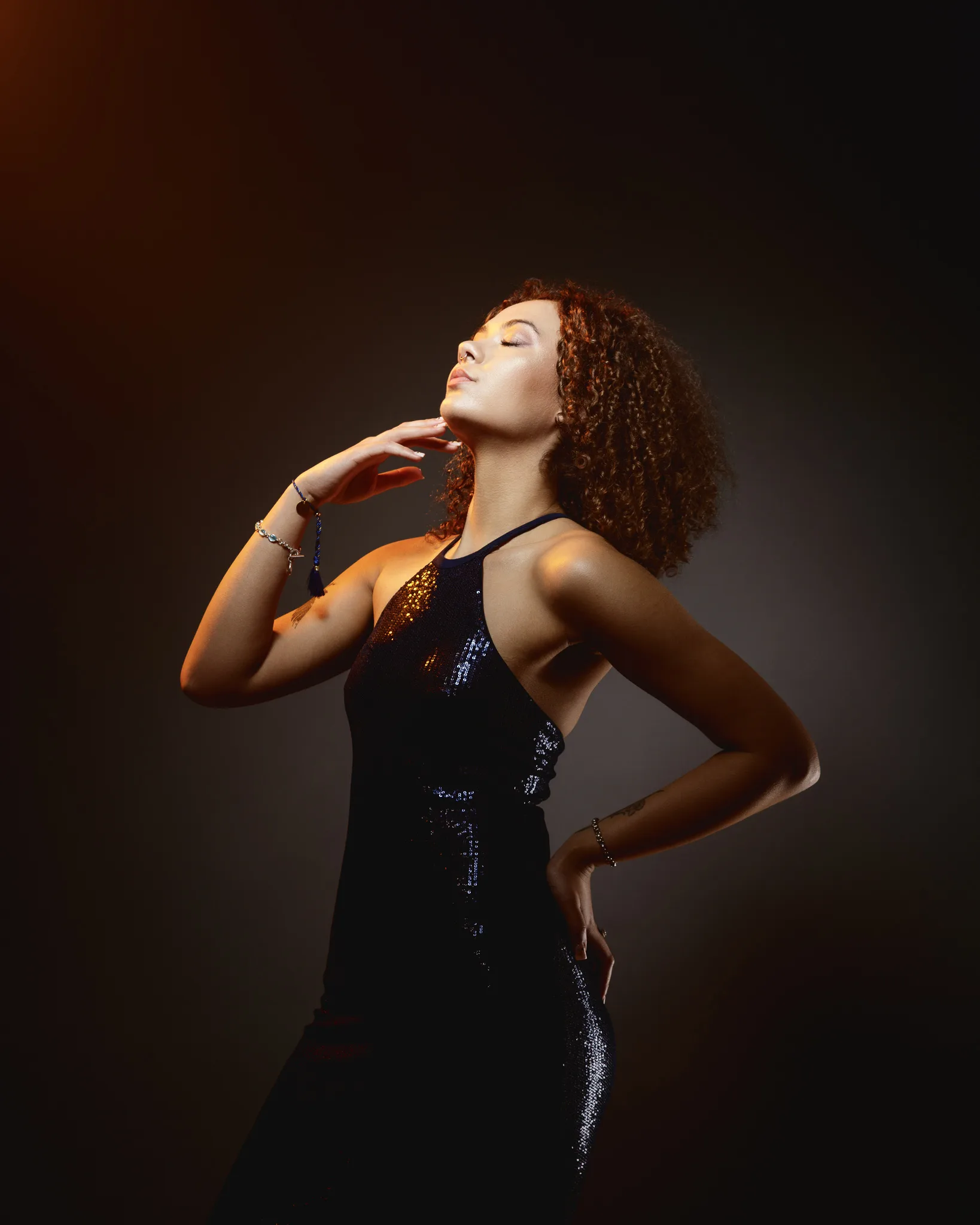
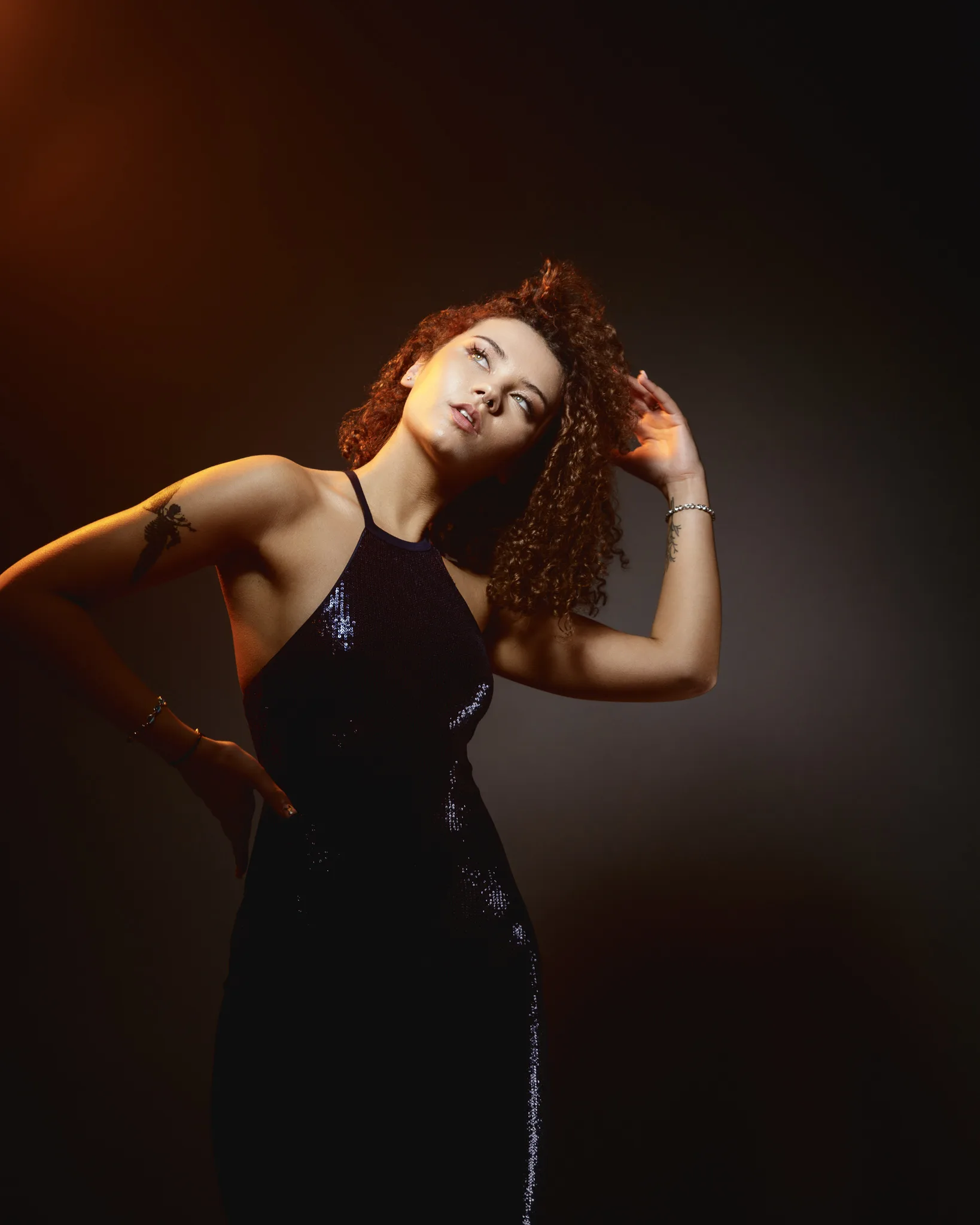
A big part of this shoot was the way the lighting was used. Coloured gels helped shape the mood of the images, while the constant variable colour lights gave me the freedom to introduce shifts in tone and intensity across the frame. Rather than using light simply to illuminate Maddie, I wanted it to become part of the visual language of the shoot.
This approach gave the portraits a more cinematic and surreal quality. Different colours created tension and contrast, while the changing light added depth and unpredictability. It meant each setup had its own character, even before movement came into play.
That is one of the things I enjoy most in the studio. It is a controlled space, but it still leaves plenty of room for experimentation when the concept calls for it.
Using Long Exposure and Rear Curtain Sync
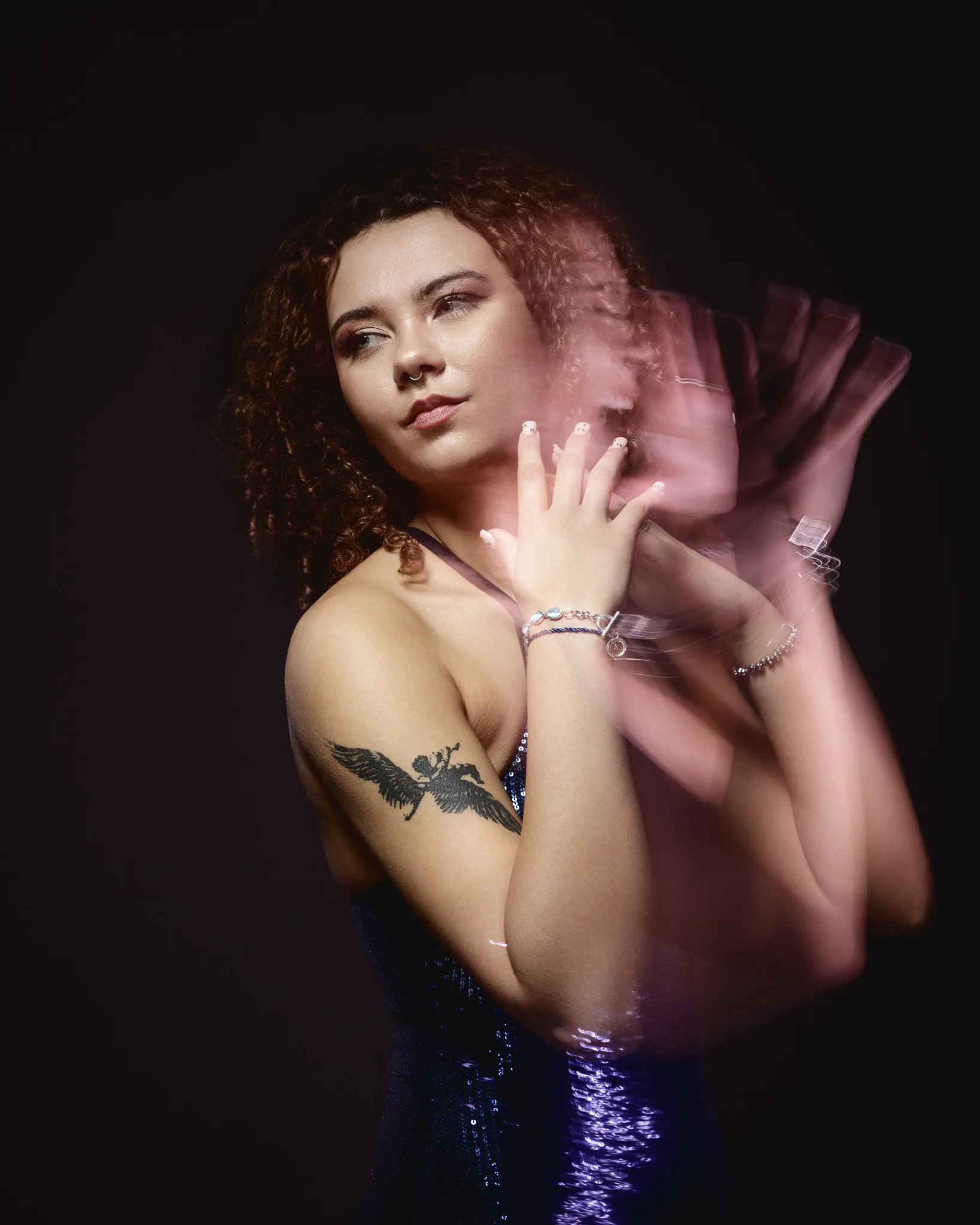
The real creative shift in this session came from using long exposures and rear curtain sync. Instead of freezing everything in a clean and conventional way, I worked with slower shutter speeds so movement could become part of the image itself.
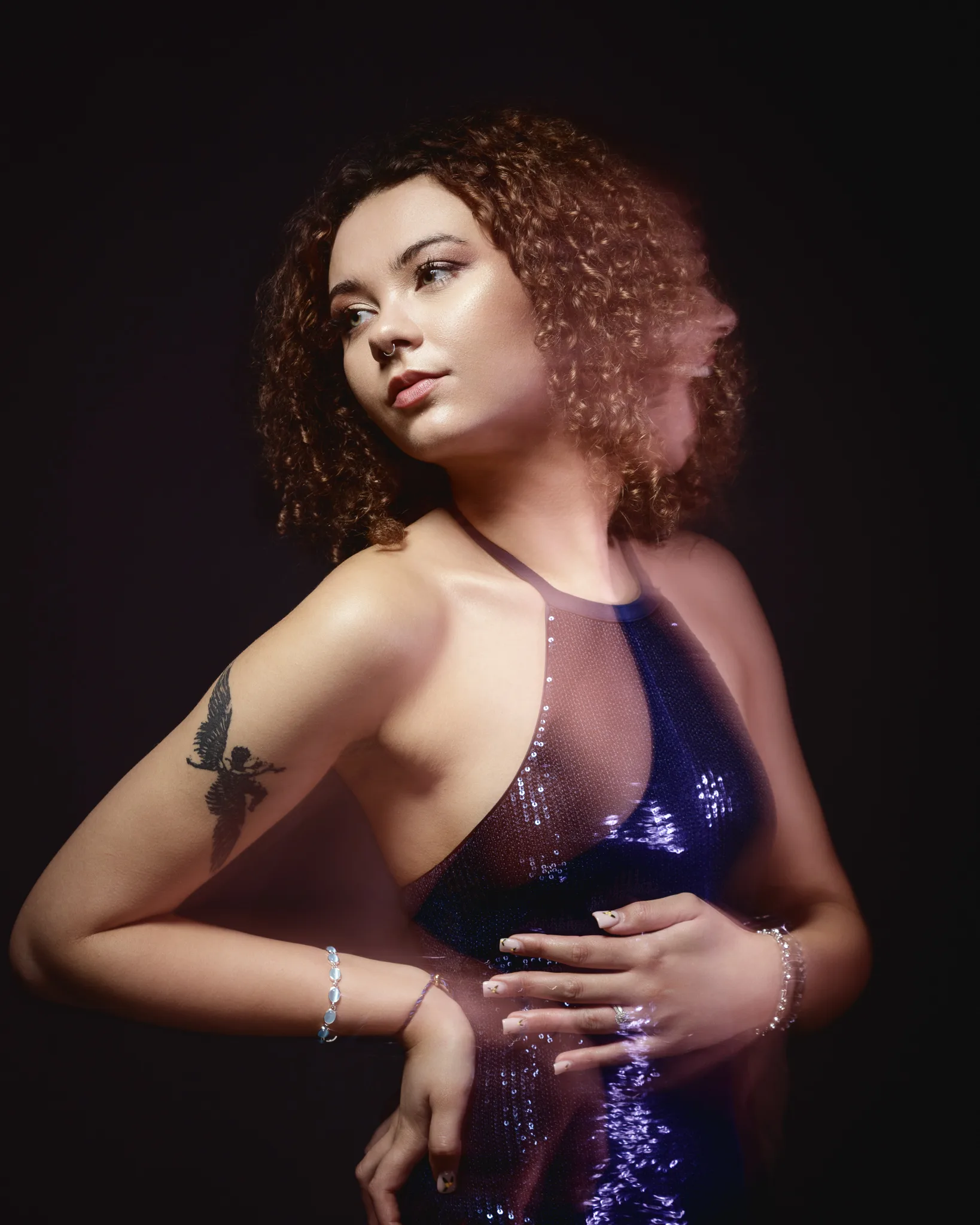
Long exposure allowed me to record motion in a way that felt expressive rather than accidental. Small shifts in pose, movement of the head, or changes in body position created trails and layers that added energy to the portraits. It introduced a softness and sense of motion that would not exist in a standard flash-lit frame.
Rear curtain sync played an important role here. Because the flash fires at the end of the exposure rather than at the beginning, the movement appears to fall behind the subject more naturally. That small technical choice makes a real difference. It helps the image feel intentional and gives a more believable sense of motion through the frame.
Used together, these techniques created portraits that felt sharp in places, blurred in others, and full of atmosphere throughout.
The Challenge of Balancing Motion and Control
Shoots like this are always a balance. Too much movement and the image loses structure. Too little and the effect starts to feel safe. The challenge is finding the point where the portrait still holds together while allowing the motion and light to add something unexpected.
That meant plenty of small adjustments throughout the session. Timing had to be right. Lighting positions had to be refined. Camera settings needed constant attention. Even slight changes in Maddie’s movement could completely change the final frame.
This is one of the reasons I value creative test shoots so highly. They are not just about the final photographs. They are also about understanding what works, what does not, and where the most interesting visual possibilities sit.
Working with Maddie
Maddie was brilliant to work with throughout the shoot. Sessions like this rely on patience and trust because the process is not as simple as standing in one spot and taking a neat portrait. There is a lot more back and forth, more repetition, and more room for trial and error.
She brought exactly the right energy to it. She was open to experimentation, comfortable trying different movements and expressions, and willing to keep refining things as the setups evolved. That made a huge difference. Creative portrait sessions work best when there is a genuine collaboration between photographer and subject, and this was very much one of those shoots.
Why Creative Test Shoots Matter
I think sessions like this are important. They allow me to keep developing ideas and refining techniques that can later feed into other areas of my work, whether that is portrait photography, personal branding, or more conceptual studio sessions.
It is easy to think of experimental shoots as separate from paid work, but that is not really how I see them. Every time I test a new lighting approach or push a technique further, I am learning something useful. That knowledge always finds its way into future shoots.
Creative projects also keep photography interesting for me. They stop the work from becoming too repetitive and allow me to keep exploring what a portrait can be.
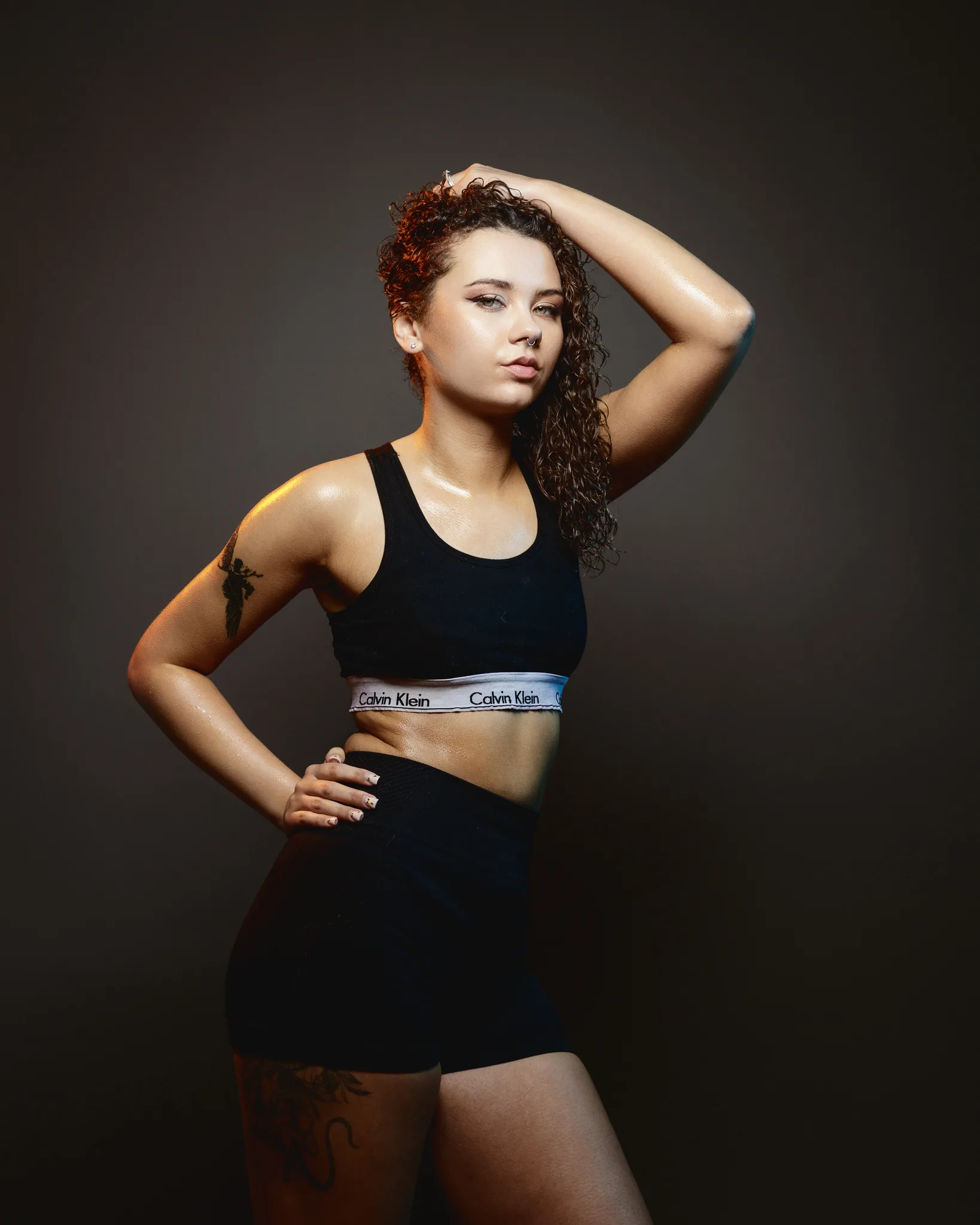
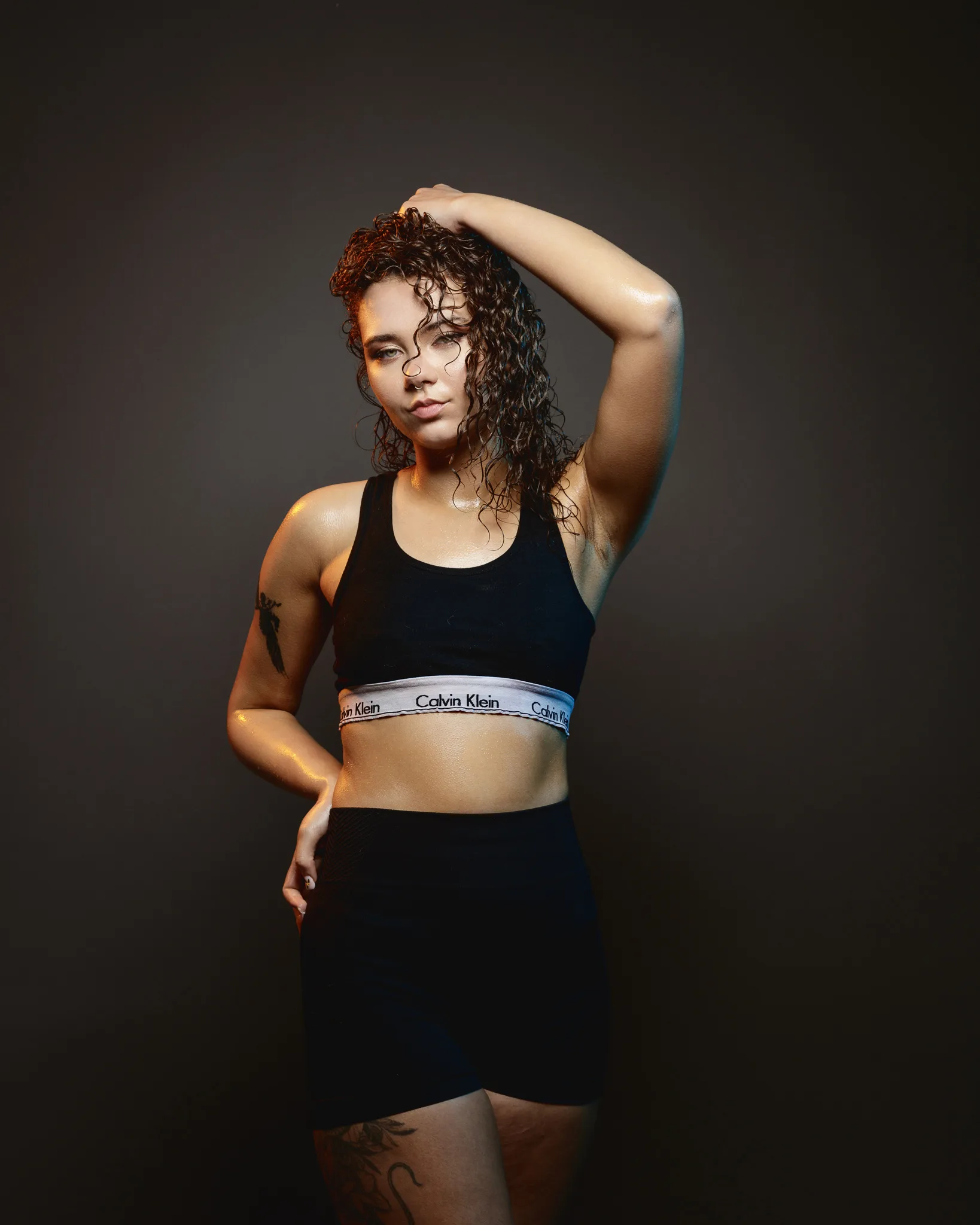
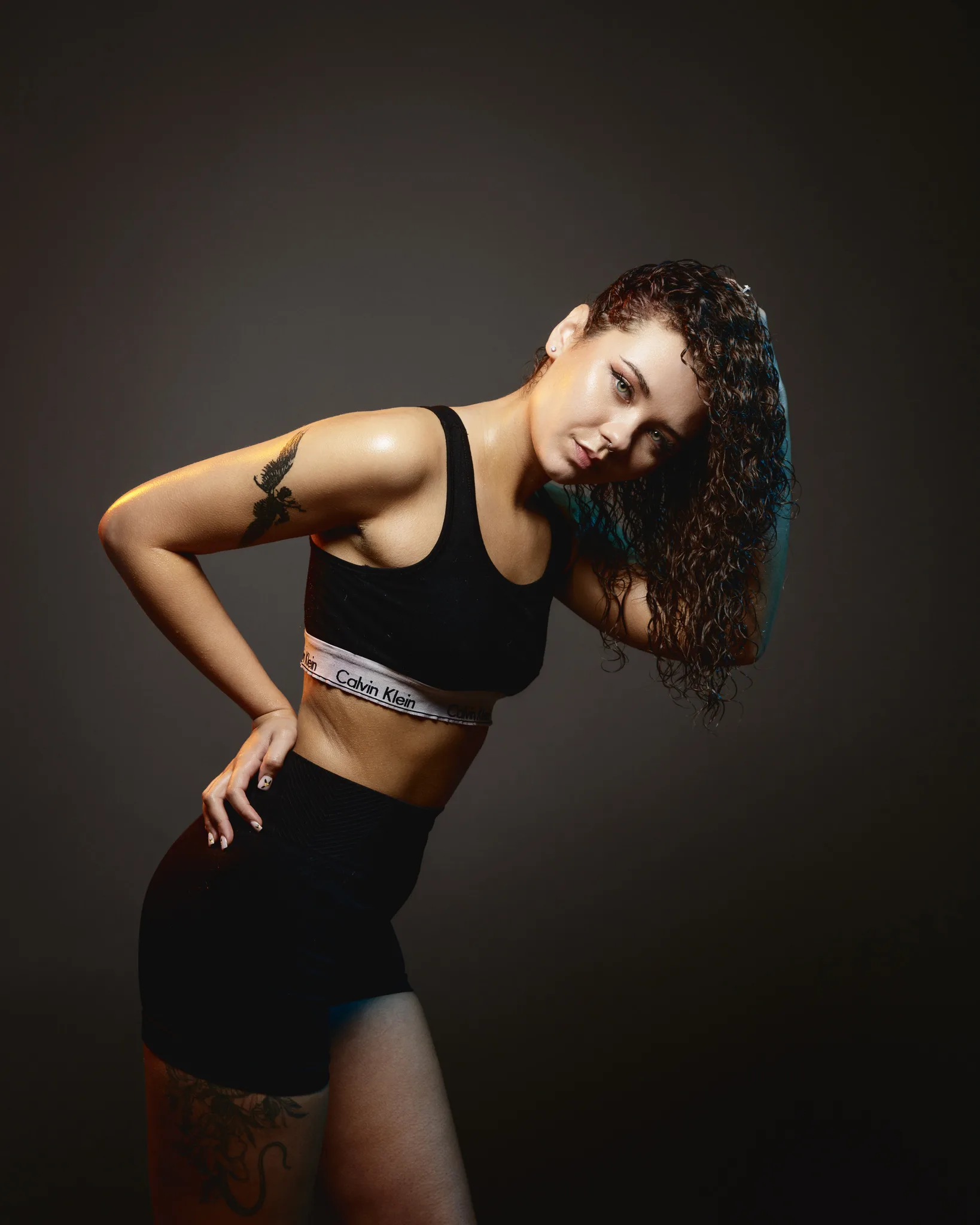
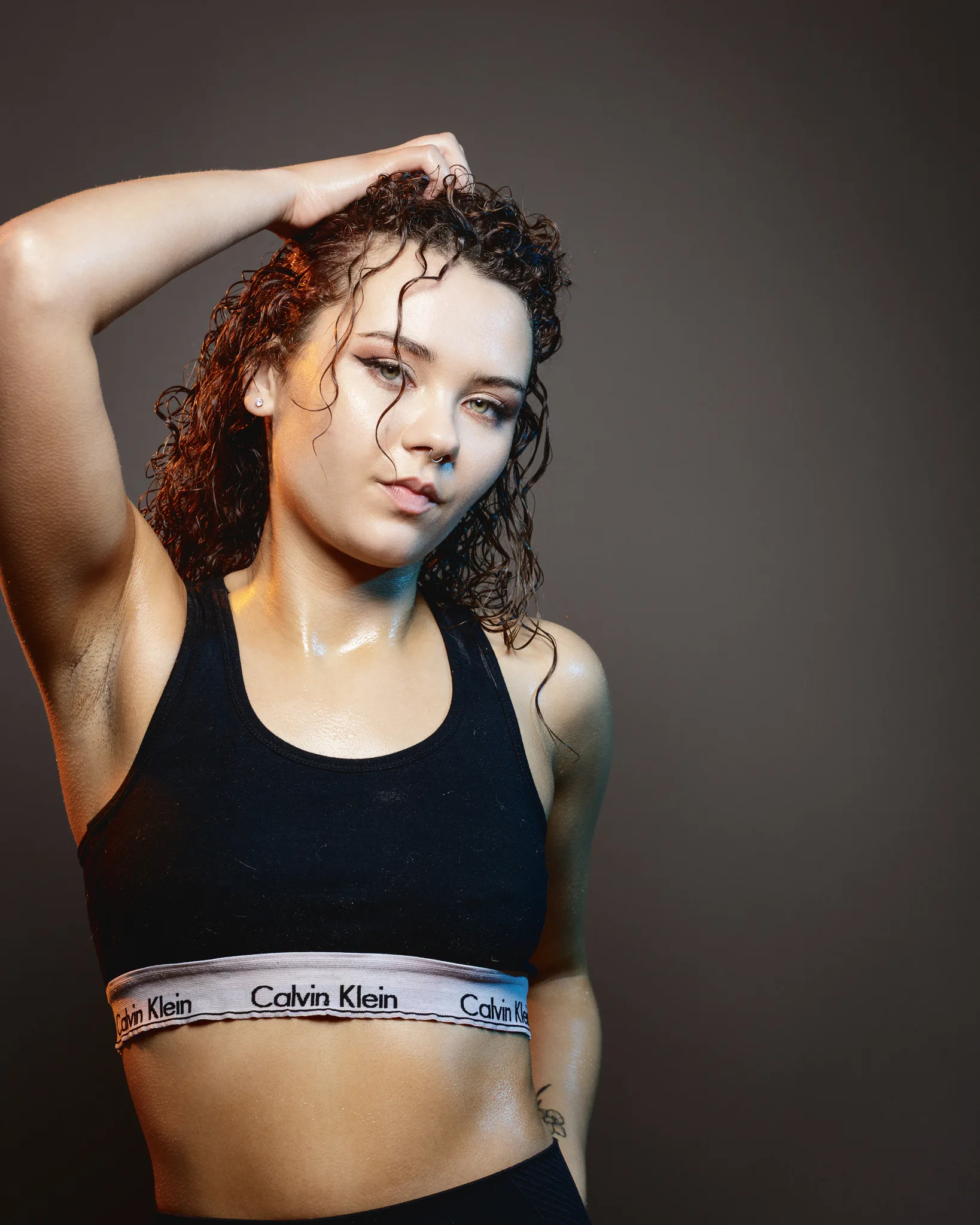
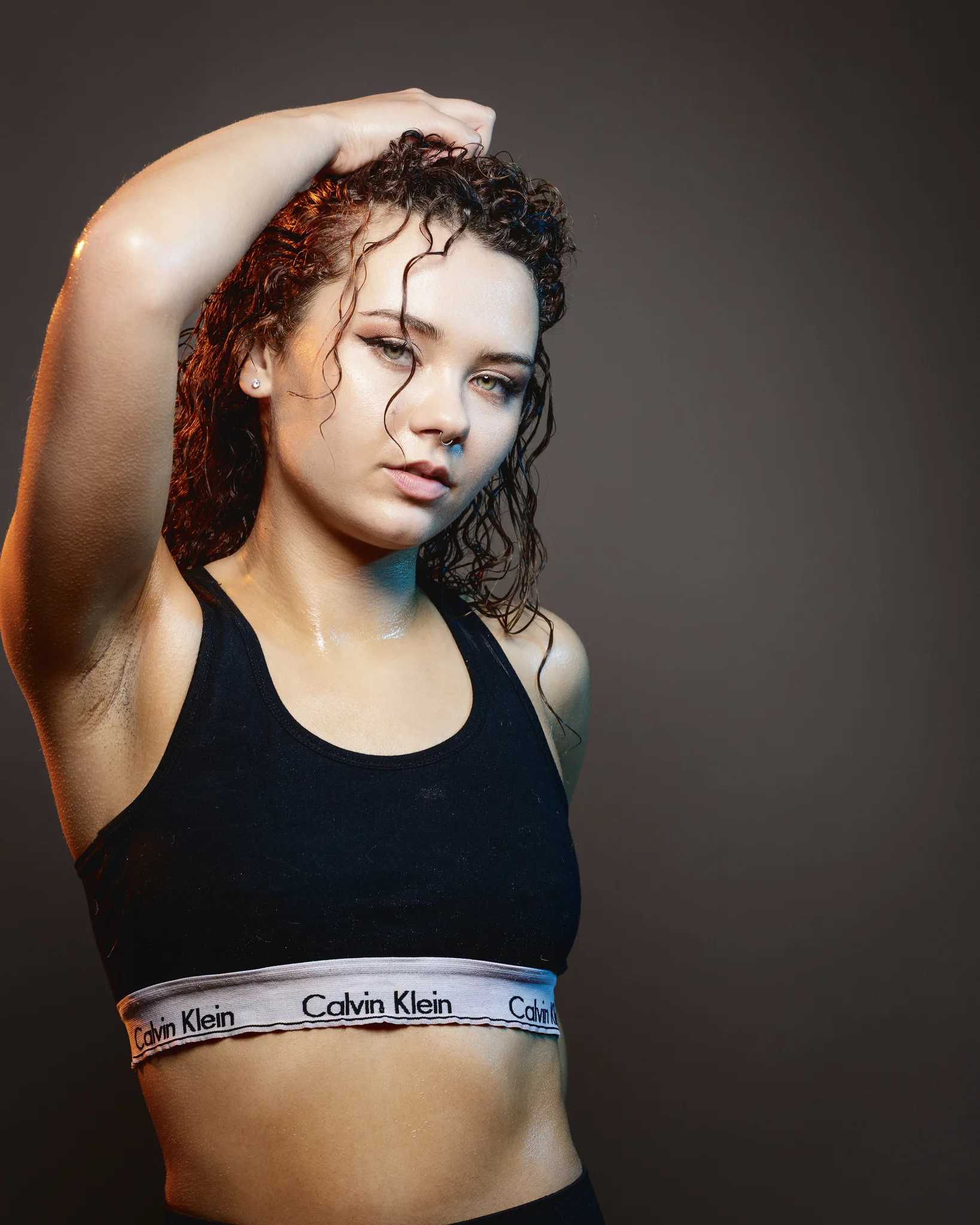
The Final Result
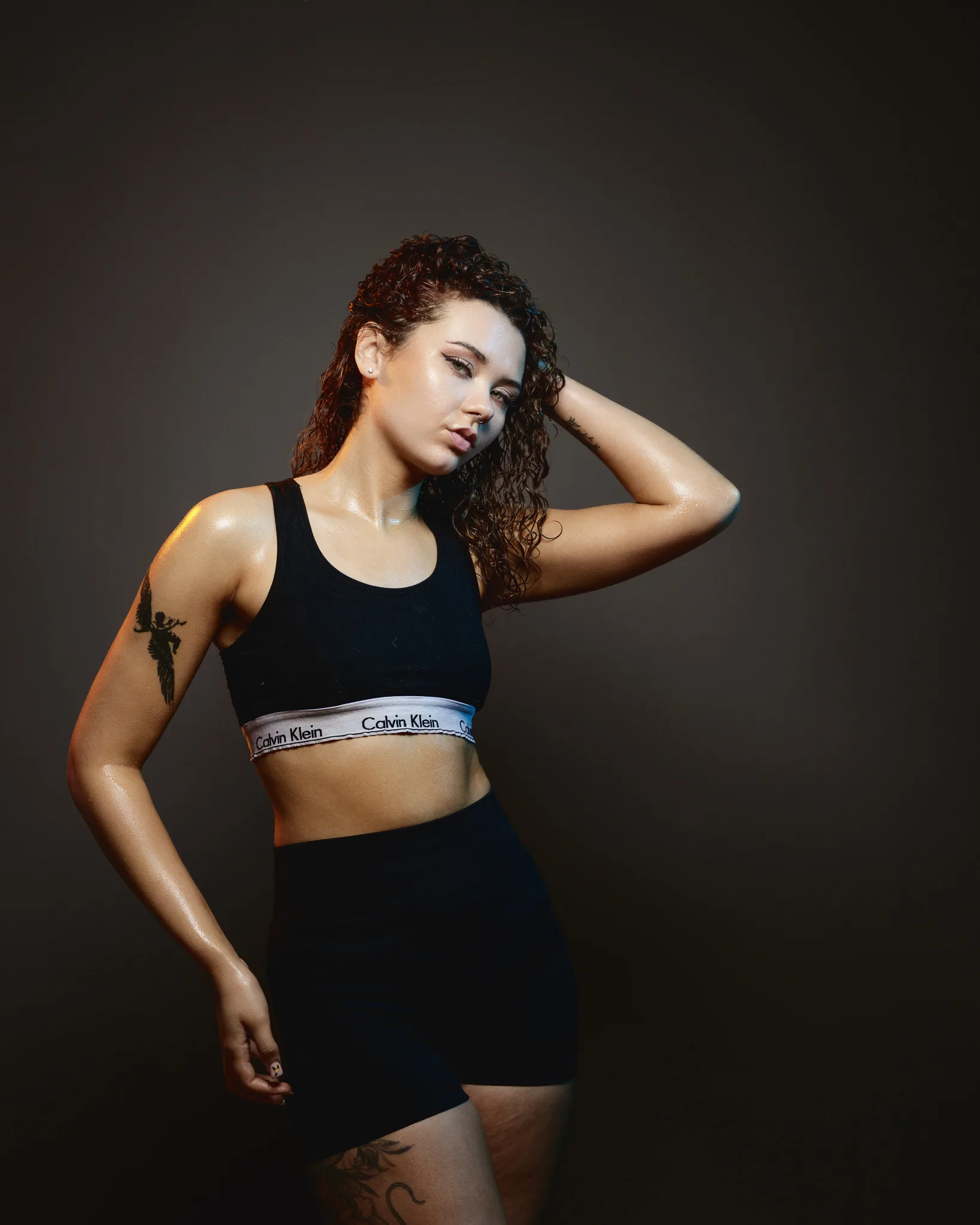
The final images from this shoot have exactly the kind of feel I was hoping for. They combine sharp detail with movement blur, layered colour, and a more dreamlike edge than a traditional studio portrait would usually have. Some frames feel cinematic, others more abstract, but all of them came out of the same idea of using light and motion as active parts of the photograph.
It was a really enjoyable session, both technically and creatively, and one that I think added something valuable to my ongoing portrait work.
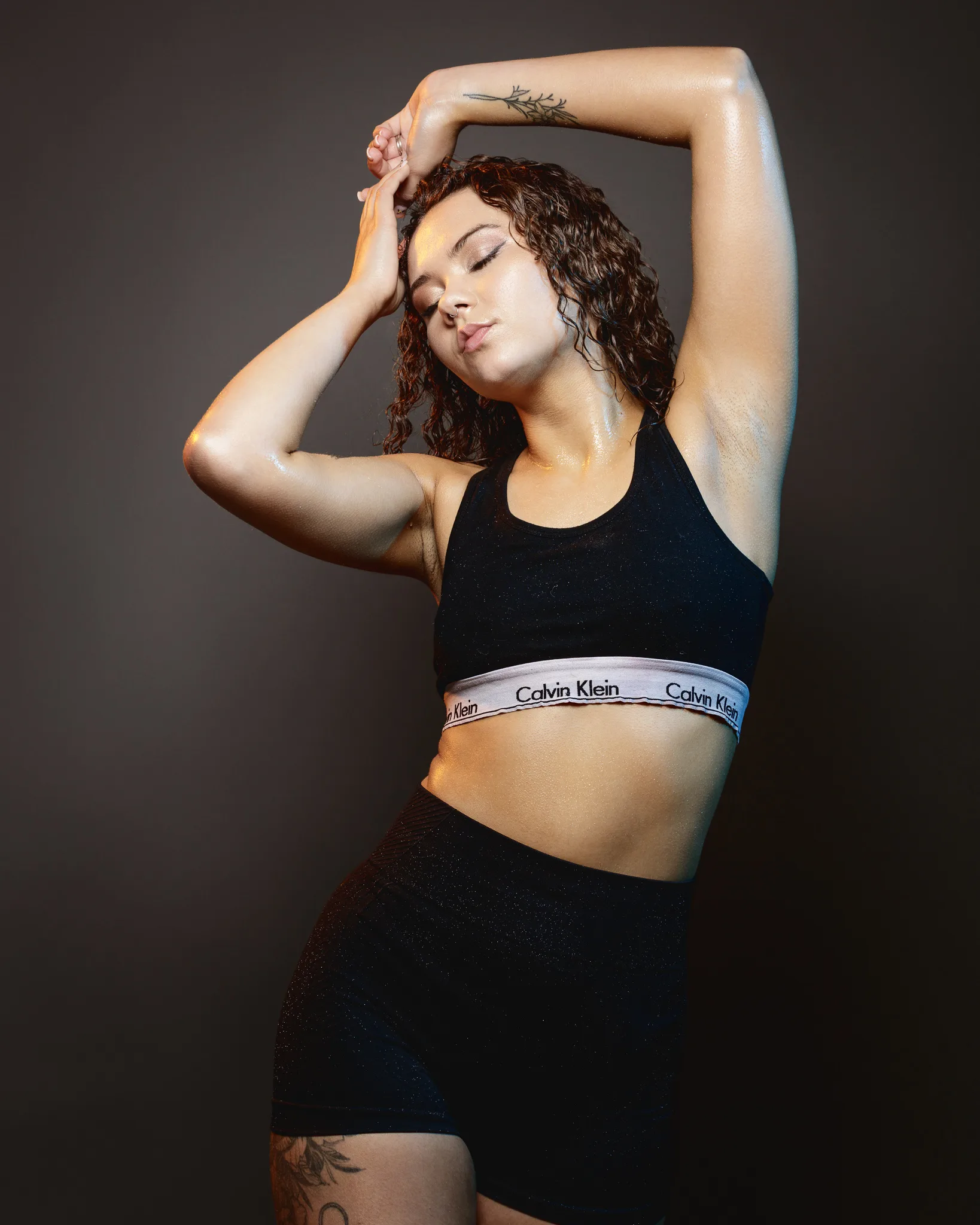
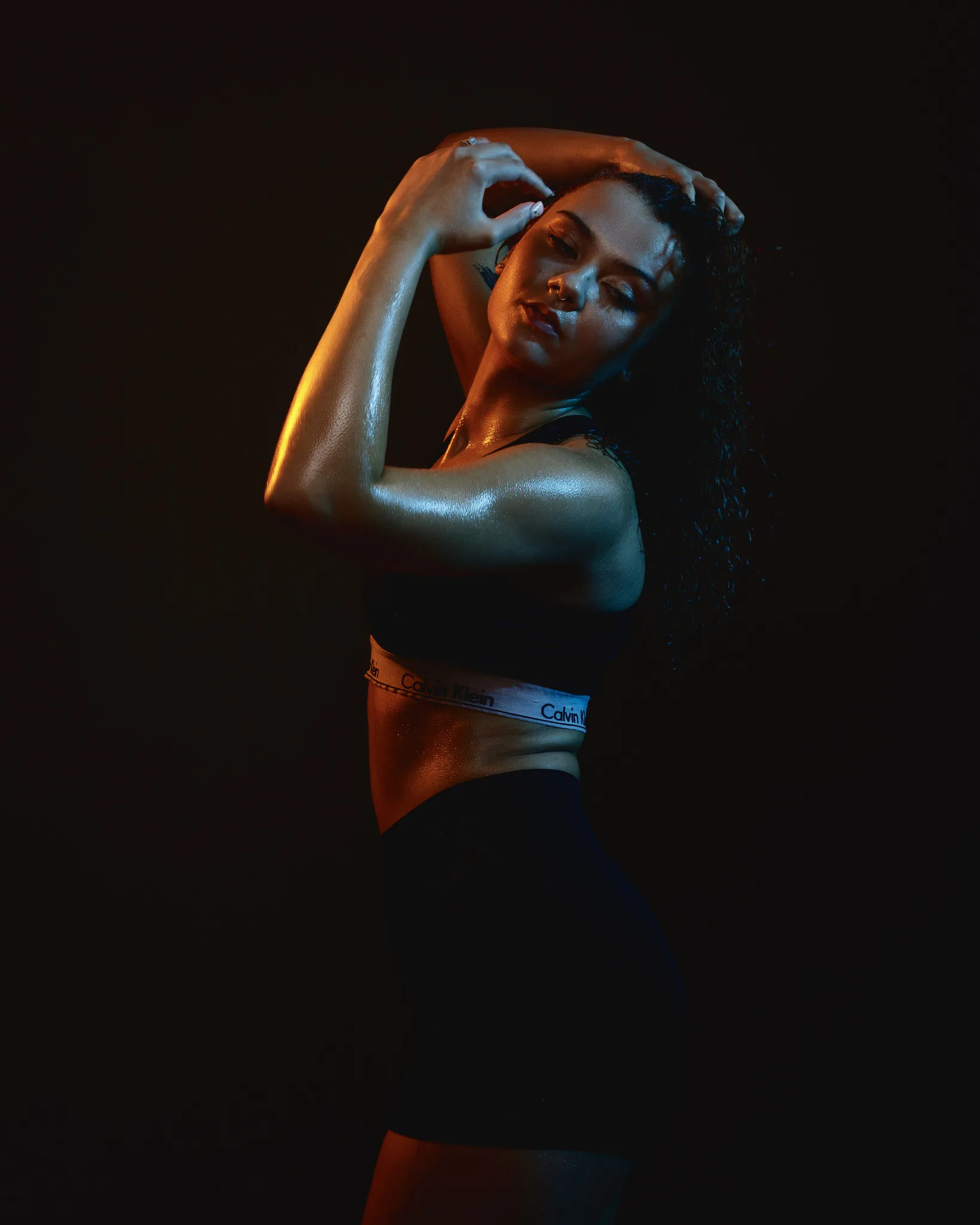
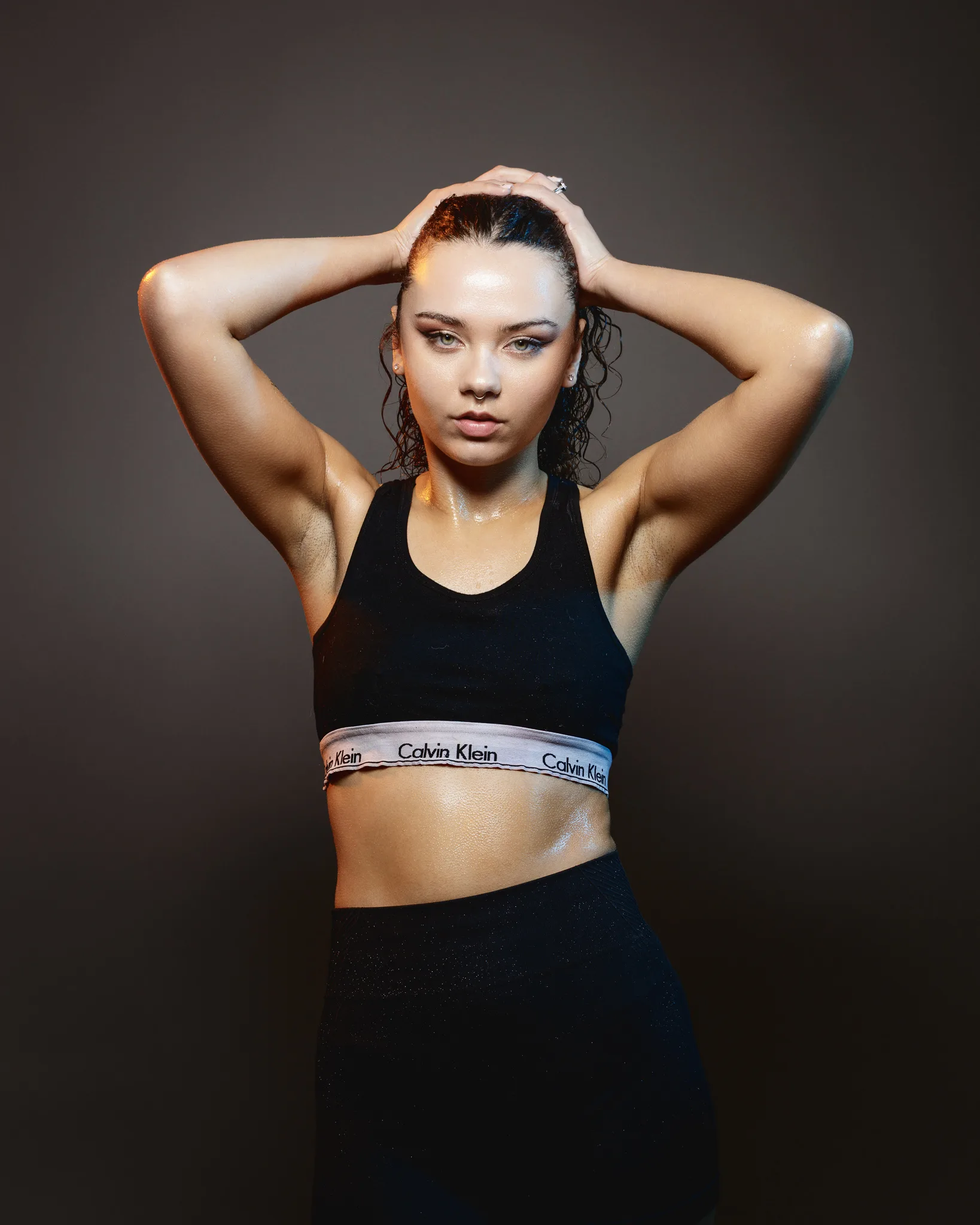
Behind the Scenes
I also recorded behind-the-scenes footage during the shoot, which gives a better sense of how these portraits were created. It shows some of the lighting, movement, and process involved in bringing the final images together.
Creative portrait photography often looks effortless in the finished frame, but there is usually a lot going on behind the scenes to make that happen. This shoot with Maddie was a good example of that.
Model portfolio photography
Building your modelling portfolio?
I photograph new and experienced models across Suffolk. Session details, pricing and booking are all on the aspiring models page.